









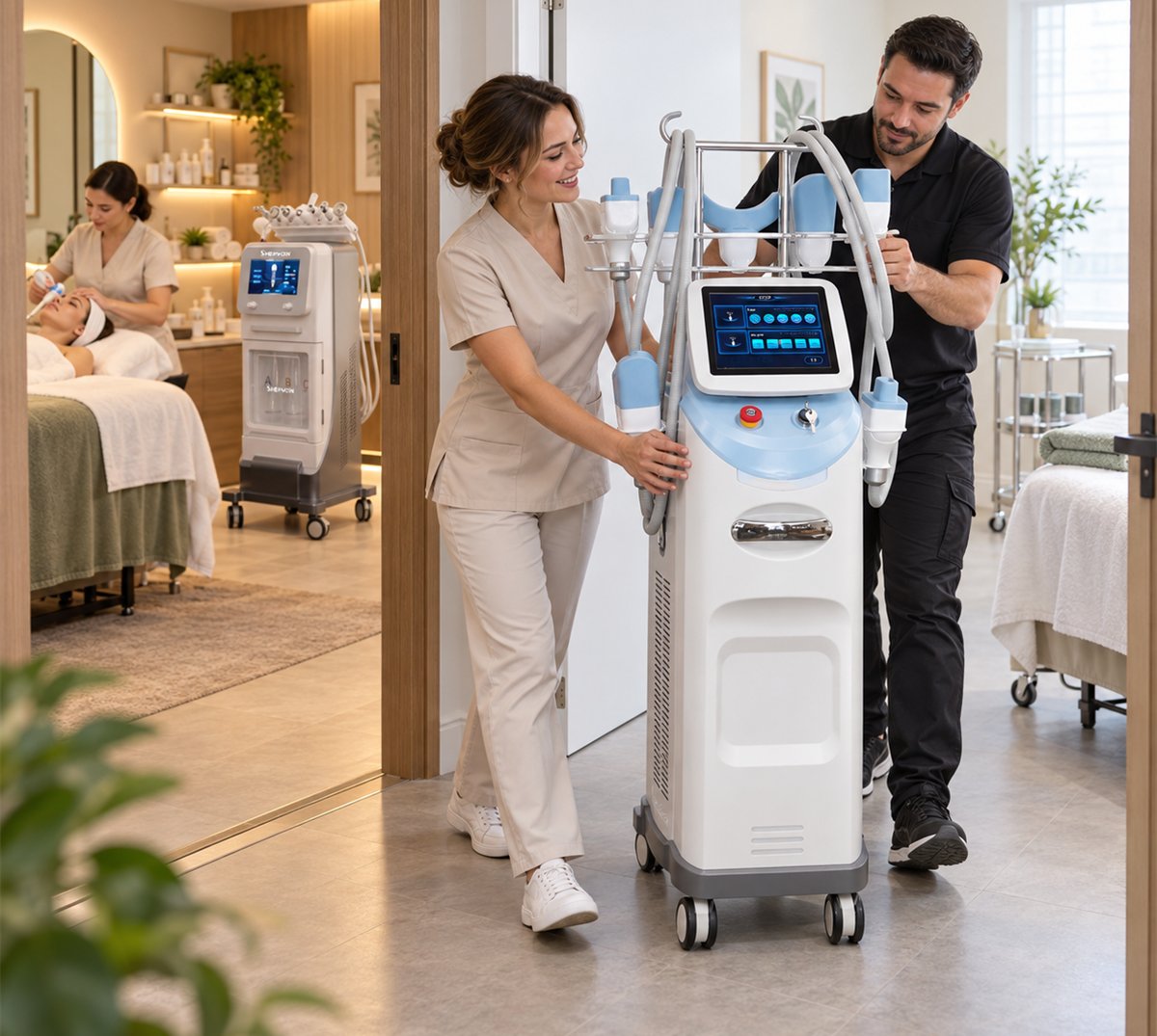
Expanding from facial services into body treatments can give a beauty business a broader menu, but buying a body device is only one part of the decision. The salon must choose a specific body-service goal, train staff for a different workflow, prepare the treatment room, and explain why the new category belongs alongside its established facial services.
This guide shows facial salons, med spas, and equipment distributors how to plan that transition with relevant SHEFMON beauty devices. It compares mechanical roller care, multifunction body platforms, muscle-focused equipment, and cooling-based localized contouring, then turns those categories into phased service-menu options.
Executive Summary
- Keep the existing facial menu clear while adding one body category with a different client purpose.
- Begin with demand evidence: consultation questions, wait-list interest, staff observations, and services clients currently seek elsewhere.
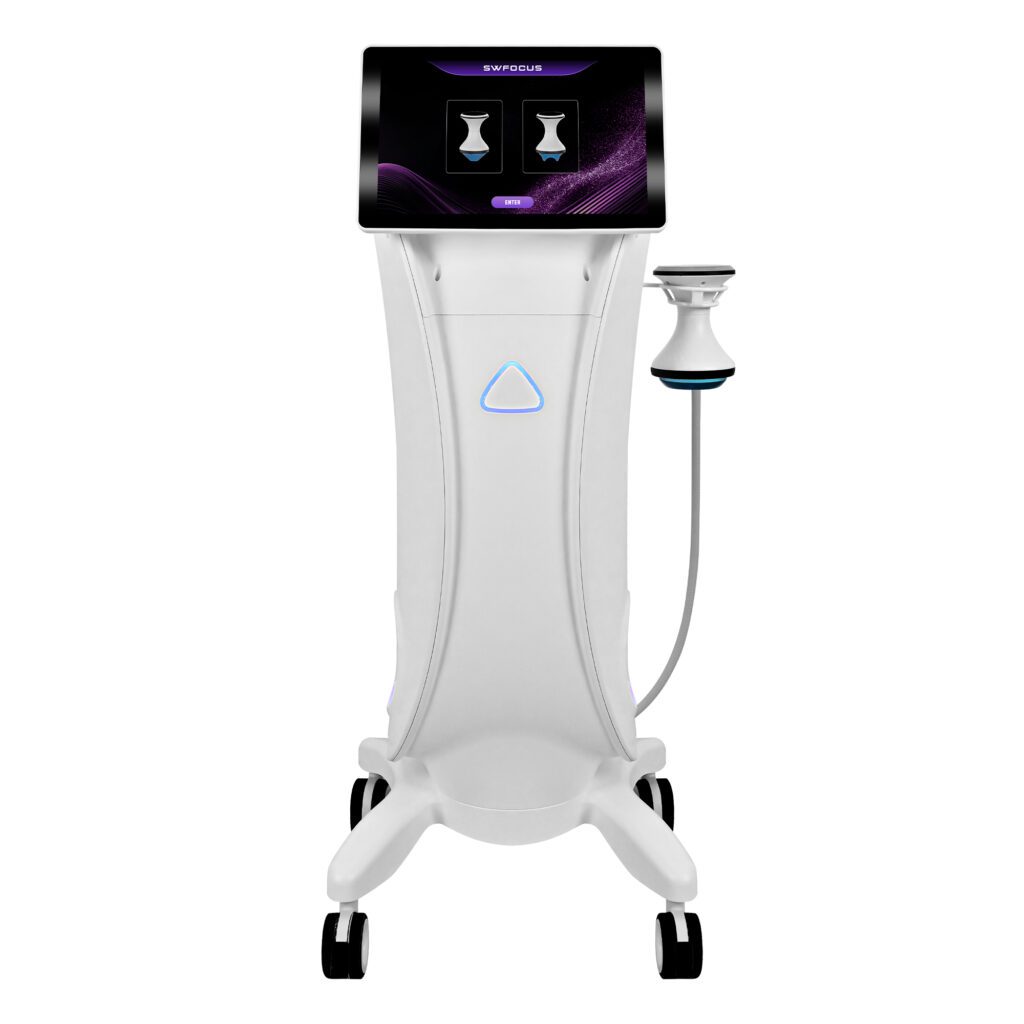
- B0154 can support a dedicated mechanical roller body-care route.
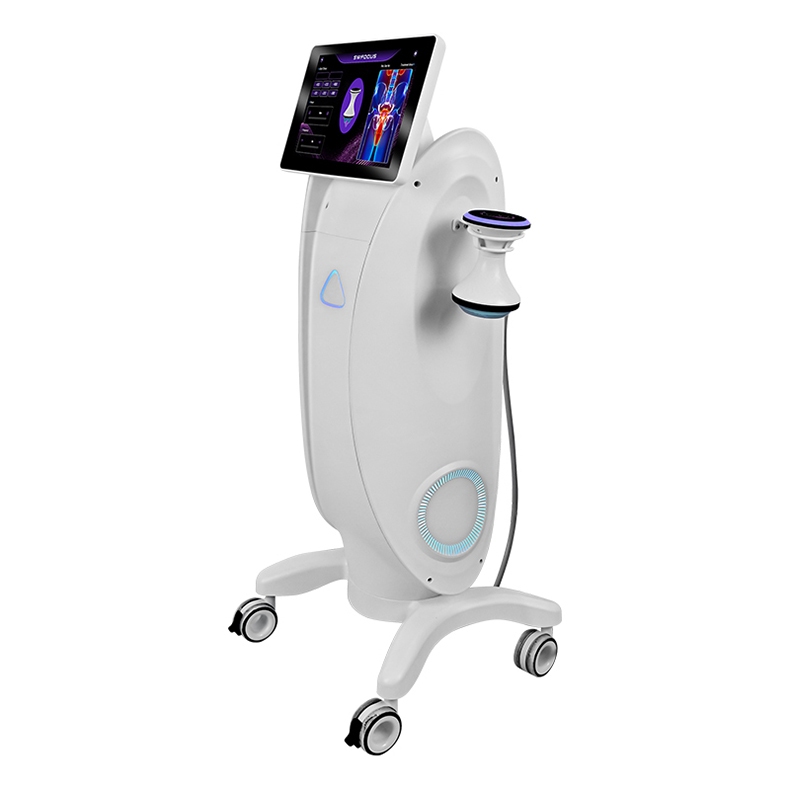
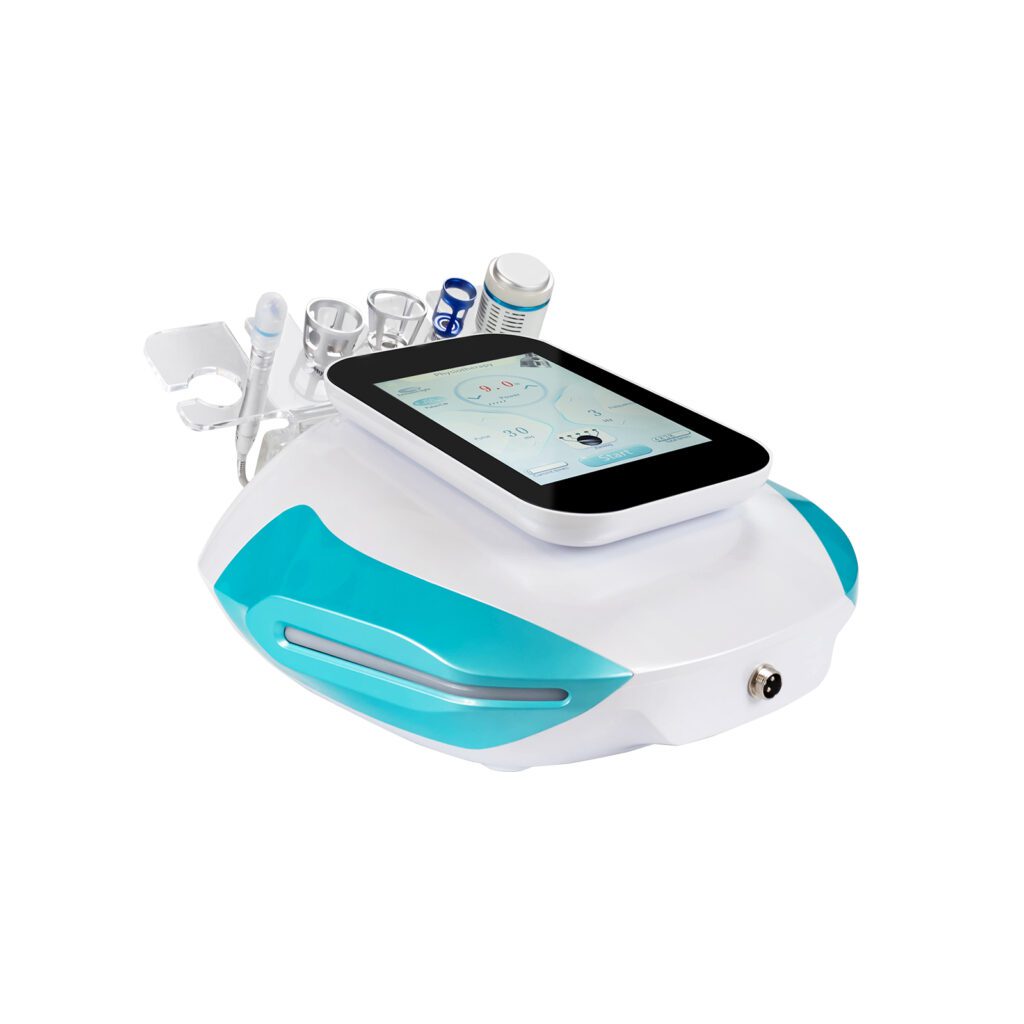
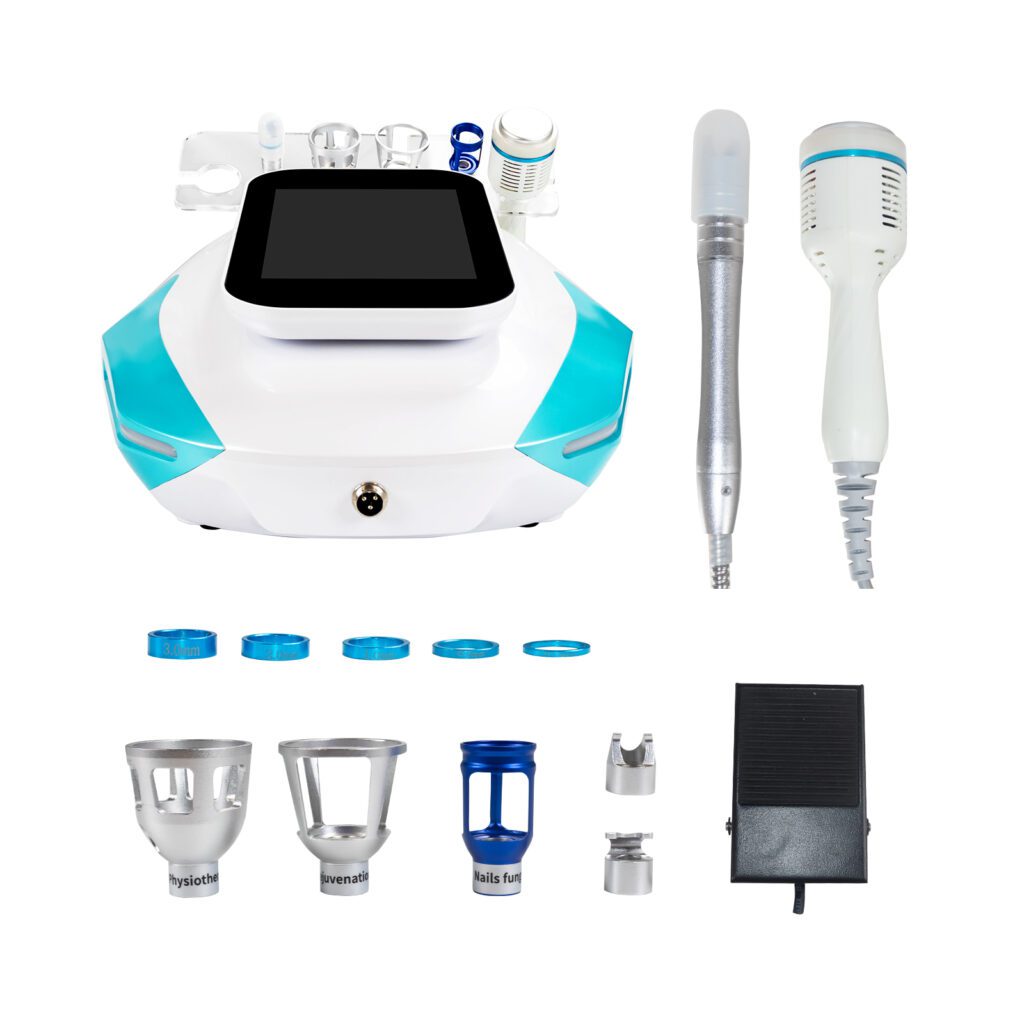
- B0155 can bridge facial and body services through its listed smaller-area and body handles, vacuum roller, rotating massage, RF, and cavitation functions.
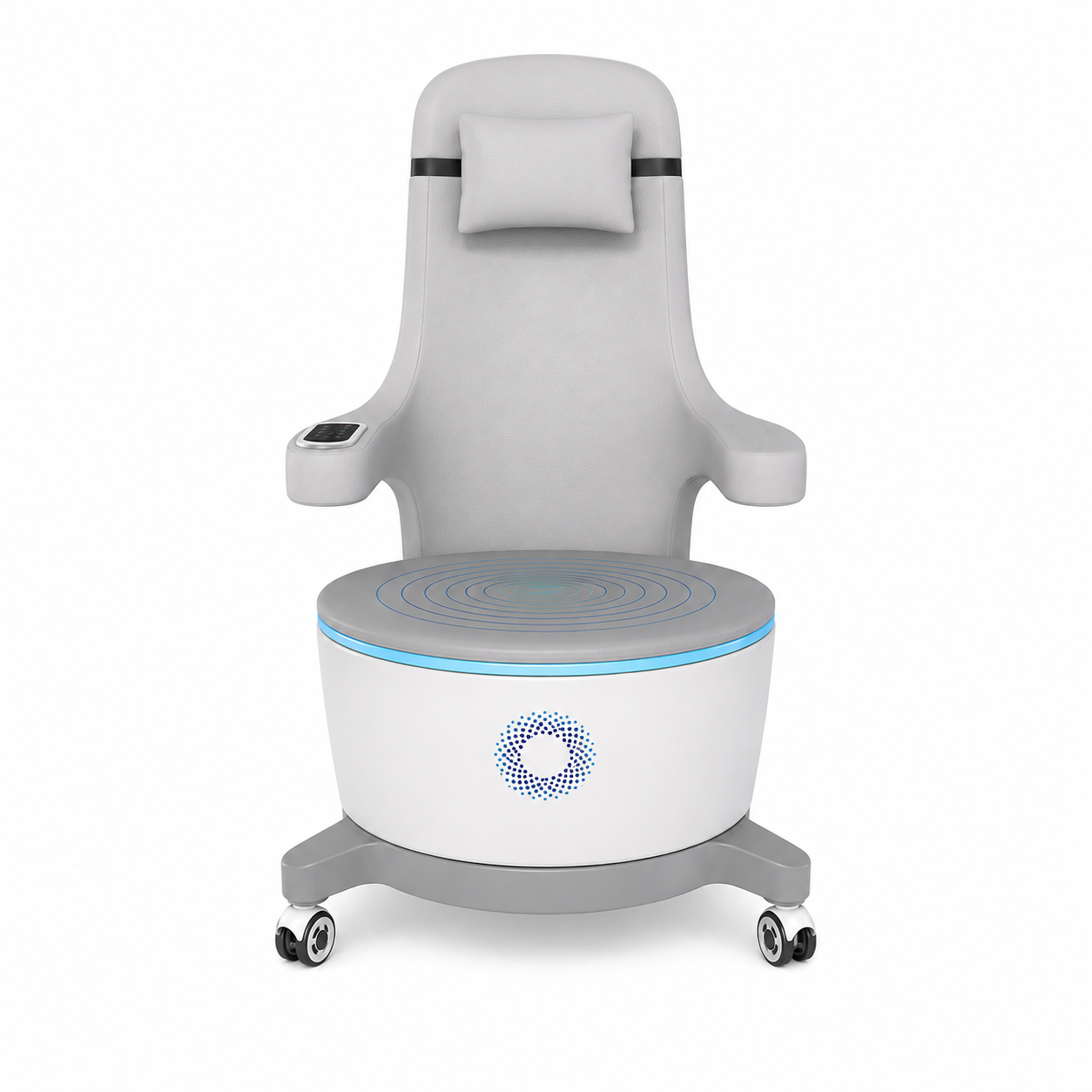
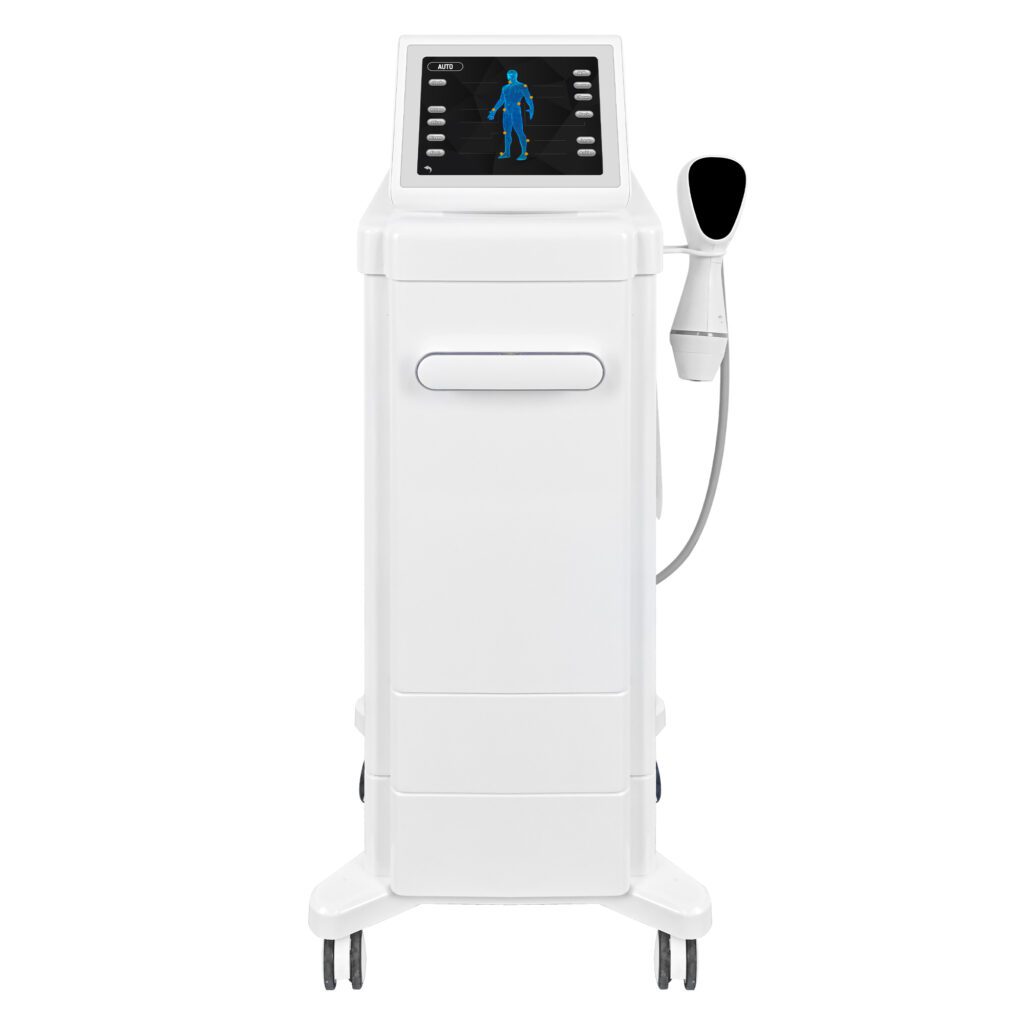
- A0241 belongs in a muscle-focused body category rather than a general slimming menu.
- S9 belongs in a consultation-led, cooling-based localized-contour category and is not a weight-loss service.
- Choose the first body device according to client goal, operator fit, room capacity, configuration, consumables, and support requirements.
- Equipment combinations are business portfolios. Same-day use, sequence, settings, and treatment areas require qualified assessment and device-specific guidance.
The safest expansion is usually one clear body pathway, not a sudden menu containing every available contouring technology.
1. Decide Whether the Facial Business Is Ready to Expand
A successful facial menu does not automatically mean the business is ready for body services. Review the current operation first.
The business is better prepared when:
- facial services have clear names and consistent consultation steps;
- staff can complete cleaning, documentation, and room turnover reliably;
- clients already ask about a specific body concern;
- the salon has private space and appropriate equipment access;
- one or more staff members can complete the required training;
- management understands new consumables, maintenance, and support needs;
- the body category can be explained without weakening the facial brand.
If facial appointments already suffer from inconsistent protocols, unclear service descriptions, or equipment downtime, solve those issues before adding a second department.
2. Audit the Existing Facial Menu
Use the current menu to identify what the business already does well and where a body category could fit.
| Current facial strength | What it shows | Possible body expansion logic |
|---|---|---|
| Cleansing and hydration-oriented care | Clients value repeat maintenance services | Consider a repeatable mechanical body-care route |
| Facial tone and contour services | Clients understand goal-specific technology | Consider a distinct body muscle or contour consultation |
| Premium skin-care consultations | Staff can manage longer assessment workflows | Consider a more selective body category with stronger screening |
| Membership or maintenance bookings | The business can manage scheduled reassessment | Build a separate body maintenance option without automatic treatment promises |
| Strong retail but limited device services | Customers trust recommendations, but operations are still simple | Begin with one easy-to-explain body category |
For example, a salon using the A0648 hydro microdermabrasion platform may already have Essential Cleanse, Hydro Hydration, and Facial Maintenance services. The body expansion should add a new booking purpose rather than simply attaching a body handle to the existing facial.
3. Identify the First Body-Service Goal
Avoid starting with the phrase “we need a slimming machine.” Body devices use different principles and require different consultations.
Choose one initial goal:
- Mechanical roller body care: a tactile, device-led body-service experience.
- Multifunction body care: several documented functions in one platform for a broader menu.
- Muscle-focused service: electromagnetic stimulation for clients asking about muscle-oriented care.
- Localized cooling-based contouring: controlled cooling for suitable localized concerns.
Write a one-sentence service role before comparing models:
Our first body device will support [specific category] for [defined client group], using [technology principle], with [required consultation and follow-up].
If the statement still uses “full-body transformation,” “weight loss,” or “all-in-one slimming,” the category is not yet defined clearly enough.
4. Compare Relevant SHEFMON Body Device Categories
| Body category | Representative model | Proposed menu role | Typical first-buyer fit |
|---|---|---|---|
| Mechanical compression micro-vibration roller | B0154 | Mechanical Roller Body Care | Spas and salons wanting a dedicated tactile body service |
| Multifunction vacuum roller, rotating massage, RF, and cavitation | B0155 | Selected Body Care or Signature Body Program | Facial-and-body salons needing several defined functions in one chassis |
| Electromagnetic muscle stimulation and RF | A0241 | Body Muscle Tone Consultation and Program | Body studios and med spas with muscle-focused demand |
| Vacuum-assisted controlled cooling | S9 | Localized Contour Consultation | Qualified contouring businesses with suitable client demand |
The table is not a four-device shopping list. It is a decision map. A facial salon may need only B0154 or B0155 for its first expansion. A more specialized med spa may choose A0241 or S9 when demand, qualifications, and operating capacity support the category.
5. Functional Principle: Understand the Difference
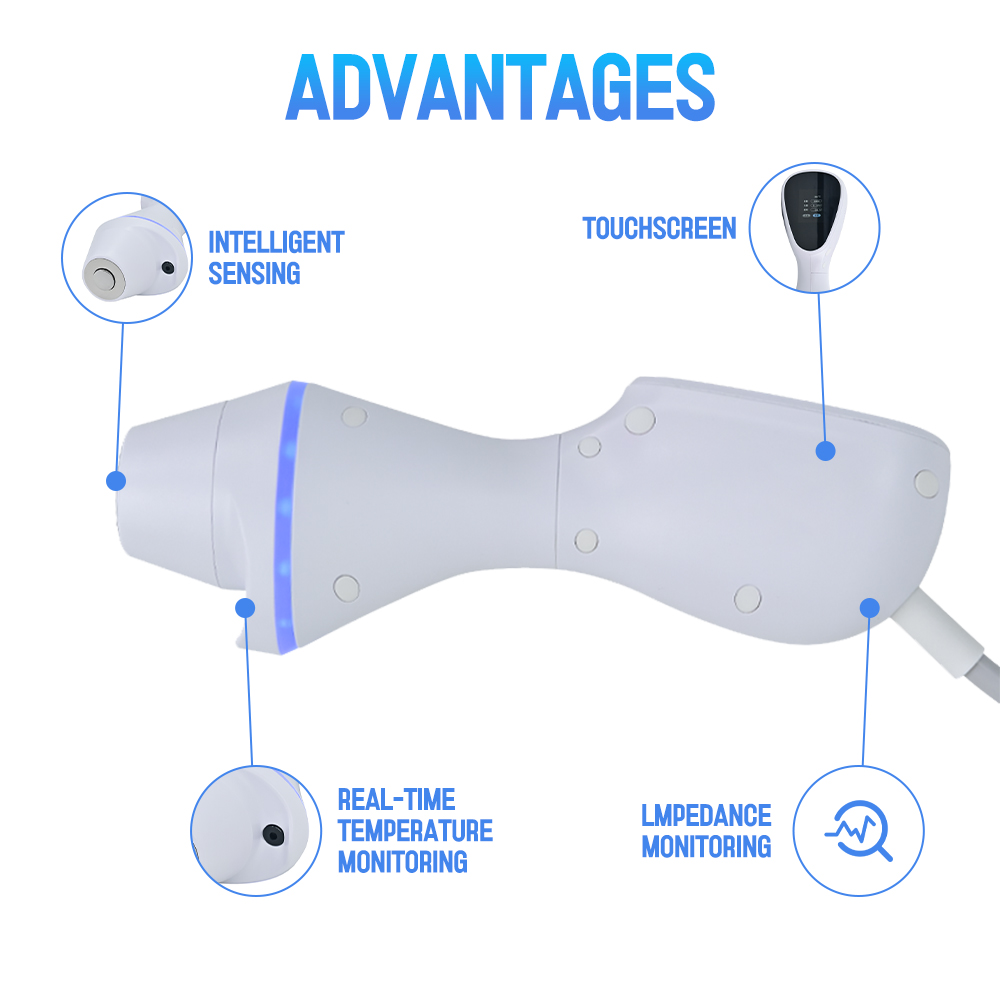
Mechanical compression micro-vibration uses rotating roller elements to create a tactile pressure and rolling experience. B0154 lists face and body handpieces and several roller types. Position it around verified mechanical body care rather than medical or physiological claims.
Vacuum roller and rotating massage mechanically manipulate selected areas. B0155 combines these elements with listed RF, light, and 80K cavitation functions. Each function needs its own documented purpose and workflow.
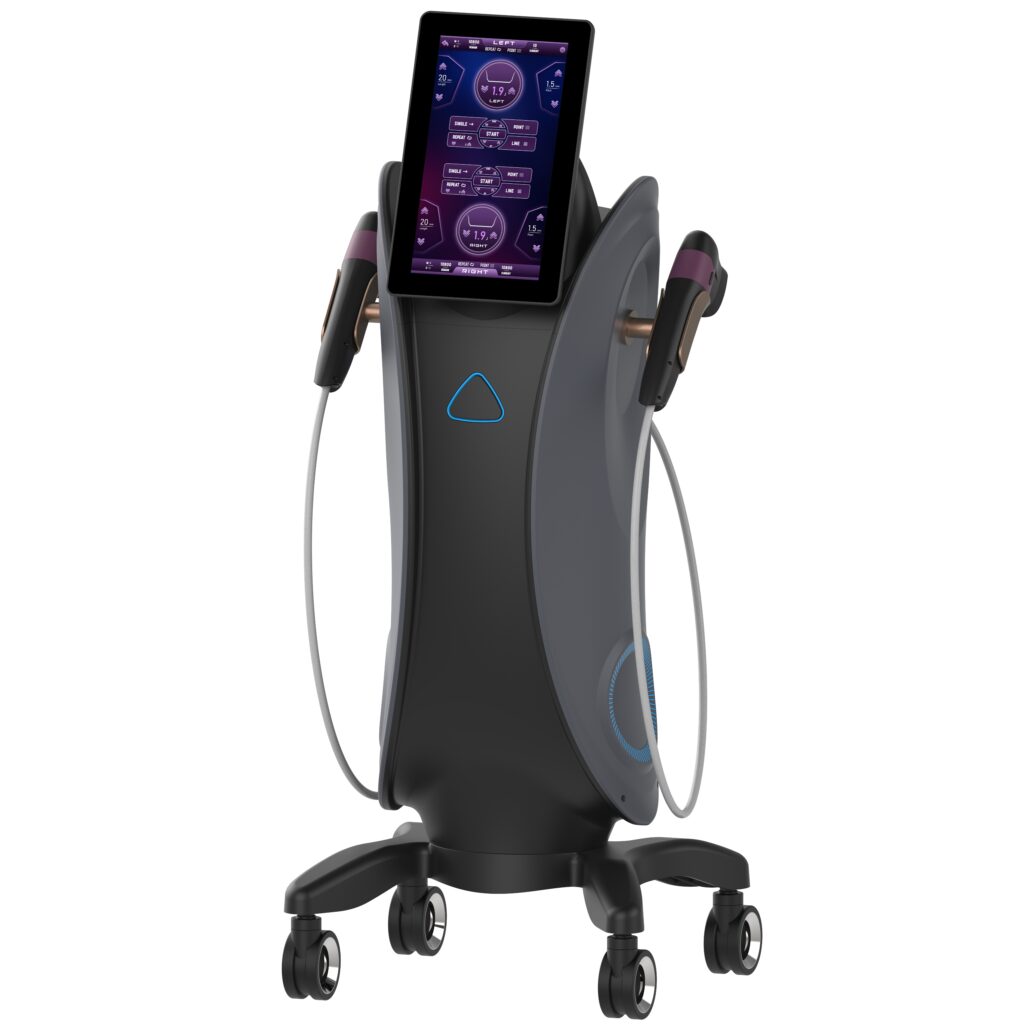
Electromagnetic muscle stimulation produces muscle contractions. A0241 also lists RF, but its menu identity should remain muscle-focused.
Cryolipolysis applies controlled cooling to selected localized areas. It differs from roller care and muscle stimulation and does not provide the health benefits of weight loss.
These principles help staff answer a central question: is the client asking for a tactile body-care experience, a muscle-focused category, or an assessment for localized contouring?
6. Use B0154 for a Dedicated Mechanical Body-Care Route
The B0154 Endos Velapro Inner Ball Massager Roller Machine uses silicone-ball rollers to create mechanical compression micro-vibration. The current listing shows separate face and body handpieces and three roller types.
This category can fit a facial salon that wants a clear body experience without immediately building a highly technical contouring department. Possible service names include:
- Mechanical Roller Body Care;
- Targeted Arm and Leg Roller Care;
- Body Maintenance Review;
- Face and Neck Roller Consultation, where the supplied handpiece and current instructions support those areas.
Confirm the exact display, handpieces, roller tips, electrical version, cleaning method, training, replacement components, and permitted areas for the quoted unit.
Do not reuse the product page’s weight-loss, detoxification, circulation, lymphatic drainage, post-procedure, rehabilitation, pain, or injury claims without appropriate evidence, intended-use documentation, professional scope, and local authorization. The safest position is an aesthetic mechanical roller service with clear client-comfort checks.
7. Use B0155 as the Broadest Facial-to-Body Bridge
The B0155 Desktop Endos Velapro is especially relevant to an expanding salon because its current page lists a body vacuum roller, a smaller face/arm/neck roller, rotating handles, RF-related functions, and 80K cavitation.
That range can support separate service routes:
- Focused Mechanical Body Care using an appropriate roller function;
- Targeted Arm or Neck Roller Care where the smaller supplied handle supports it;
- Selected Body Firming Care using a documented RF-supported route;
- Signature Body Care Program using different justified services across separate appointments.
The device should not be marketed as a compulsory five-step protocol. A multifunction platform can simplify equipment count while increasing training, configuration, cleaning, and support questions.
Before ordering, compare the listed functions with the quotation and packing list. Identify standard and optional handles, permitted areas, consumables, electrical requirements, room setup, cleaning, and maintenance.
Avoid the page’s broad fat-loss, pain-relief, detoxification, lymphatic, metabolic, and universal-safety claims. Keep public descriptions tied to verified functions and the service the salon is prepared to deliver.
8. Add A0241 Only for a Muscle-Focused Service
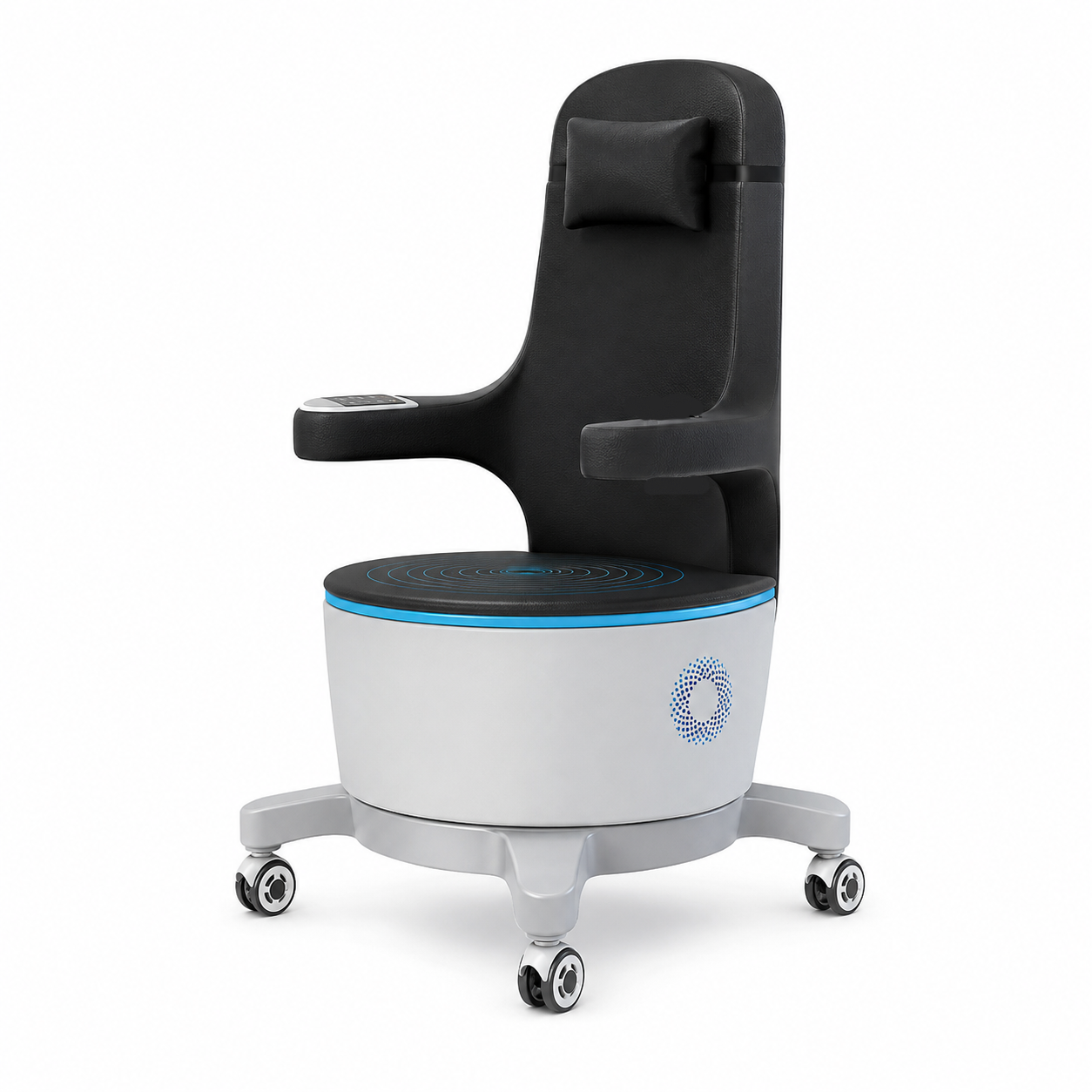
The A0241 EMS/RF platform can support a body center or med spa whose clients specifically request muscle-oriented services.
A useful menu structure is:
- Body Muscle Tone Consultation;
- Muscle-Focused Body Session using approved placement and settings;
- Program Review based on individual suitability and the established route.
Do not group A0241 with B0154 or B0155 under one generic massage or slimming service. The client experience, screening, placement, and operating principle are different.
The product information has previously shown inconsistent wording about four handles versus two applicators. Require the quotation, invoice, packing list, manual, and training plan to identify the same delivered configuration.
Avoid exercise-equivalent statements, fixed programs copied from other devices, guaranteed changes, and weight-loss claims. For a small facial salon without proven muscle-service demand, A0241 may be a later-stage purchase rather than the first body device.
9. Add S9 Only for a Localized Cooling-Based Pathway
The S9 cryolipolysis system is positioned around 360-degree cooling, vacuum, and multiple applicator options. Its menu role should be Localized Contour Consultation, followed by a service only for suitable clients and areas.
The workflow needs:
- consultation and screening;
- applicator and area assessment;
- protective consumables;
- device-specific settings and monitoring;
- documentation and follow-up;
- a process for questions or adverse events.
The U.S. FDA explains that non-invasive body contouring does not treat obesity or provide the health benefits associated with weight loss. Its overview of non-invasive body-contouring technologies also describes technology-specific risks and limitations. This guidance does not evaluate or endorse S9.
Do not build the S9 menu around guaranteed percentage changes, permanent results, universal safety, or a promise to treat every body area. Confirm the standard applicator set, optional tips, operating documentation, and local requirements.
10. Choose the First Body Device with a Decision Matrix
| Decision factor | B0154 | B0155 | A0241 | S9 |
|---|---|---|---|---|
| Primary menu identity | Mechanical roller care | Multifunction body care | Muscle-focused service | Localized cooling-based contouring |
| Fit with a facial salon | Clear tactile expansion | Strong bridge across smaller and body areas | Best where muscle demand is proven | Best where contour demand and qualification are proven |
| Configuration complexity | Roller and handpiece confirmation | Multiple handles and functions | Applicator count and options | Applicator sizes, cooling, vacuum, and consumables |
| Consultation depth | Body-care suitability and comfort | Function-specific assessment | Muscle-focused suitability | Area, applicator, risk, and contour assessment |
| Staff transition | Mechanical service training | Multi-function training | Technology-specific placement and screening | Stronger cooling-specific workflow and follow-up |
| Best launch stage | Early body expansion | Early or growth stage | Growth or specialist stage | Selective specialist stage |
Score each category for actual client demand, operator fit, room fit, configuration clarity, consumables, support, menu distinction, and local operating requirements. A device should not win solely because it has more handles or a more marketable product name.
11. Prepare the Treatment Room for Body Services
Body appointments change room operations. Before adding equipment, review:
- client privacy and changing arrangements;
- bed access and operator movement around larger areas;
- equipment footprint and handpiece storage;
- power, plug, grounding, ventilation, and cable placement;
- cleaning materials and turnover time;
- storage for applicators, tips, protective materials, and consumables;
- photography and documentation practices where appropriate and consented;
- emergency and technical escalation routes.
B0154 and B0155 have different footprints and accessories from a facial machine. A0241 applicator placement and S9 cooling workflows add other room needs. Use the final delivered specifications rather than planning around website photographs.
12. Train Facial Staff for a Different Consultation
Facial consultations commonly focus on skin appearance and routine care. Body services introduce different goals, areas, privacy considerations, contraindications, expectations, and documentation.
Training should cover:
- technology principle and service boundaries;
- suitable and unsuitable client pathways;
- area and applicator or handpiece selection;
- approved placement and settings;
- client comfort and monitoring;
- cleaning and consumable handling;
- documentation and follow-up;
- claims staff may and may not use;
- when to stop and escalate;
- maintenance and basic fault reporting.
Do not assume that experience with A0648 hydro facial care transfers automatically to roller, EMS/RF, or cryolipolysis equipment.
13. Add Body Services Without Weakening the Facial Menu
Keep facial and body services in separate menu sections with a shared consultation philosophy.
| Menu section | Example service | Device direction | Purpose |
|---|---|---|---|
| Facial foundation | Essential Cleanse Facial | A0648 | Preserve the established facial entry point |
| Facial signature | Hydro Hydration Facial | A0648 | Maintain the core repeat facial |
| Body introduction | Mechanical Roller Body Care | B0154 or selected B0155 function | Create an understandable first body service |
| Body growth | Selected Body Care Consultation | B0155 | Match a documented function to the client goal |
| Body specialist | Body Muscle Tone Consultation | A0241 | Separate muscle-focused demand |
| Body specialist | Localized Contour Consultation | S9 | Separate cooling-based contour demand |
| Review | Facial or Body Maintenance Review | Established route | Reassess rather than automatically repeat |
Clients should know whether they are booking facial maintenance, mechanical body care, muscle-focused technology, or localized cooling. Avoid one combined “face and body transformation” booking that hides several unrelated services.
14. Use Cross-Referrals Instead of Automatic Bundles
An existing facial client can be introduced to a body consultation without receiving both services on the same day.
Suitable cross-referral prompts include:
- “Would you like information about our mechanical body-care consultation?”
- “Your question is muscle-focused, so our A0241 consultation follows a different pathway from roller care.”
- “Localized cooling requires a separate area and suitability assessment.”
Avoid promising that a facial membership includes a body result or that buying a combined package improves outcomes. Offer clear booking choices and let assessment determine the route.
A business can create a Facial Maintenance Membership and a separate Body Care Membership where the services are suitable for repeat scheduling. Keep the terms, inclusions, review points, and cancellation rules transparent. Do not use a universal treatment count copied from a device page.
15. Purchase the Body Portfolio in Phases
Phase 1: Add one clear bridge category
Choose B0154 or B0155 when the first goal is a tactile or multifunction body-care route that fits the existing salon identity.
Phase 2: Review real service demand
Track qualified consultations, completed bookings, room turnover, staff confidence, consumable use, client feedback, and support questions. Refine the service description before buying another device.
Phase 3: Add a specialist body goal
Evaluate A0241 when muscle-focused demand is established. Evaluate S9 when suitable localized-contour demand and operational readiness are established.
Phase 4: Separate teams or rooms where needed
As the body department grows, assign staff responsibility, room availability, inventory, maintenance, and follow-up processes rather than letting the category remain an informal add-on to facial appointments.
16. Equipment Packages for Different Expansion Strategies
| Expansion strategy | Suggested portfolio | Menu outcome |
|---|---|---|
| Low-complexity mechanical expansion | Existing facial device + B0154 | Facial menu plus dedicated roller body care |
| Flexible facial-and-body salon | A0648 + B0155 | Hydro facial foundation plus selected multifunction body services |
| Facial salon adding muscle services | Existing facial device + A0241 | Separate facial and muscle-focused menus |
| Med spa adding localized contouring | Existing facial platform + S9 | Facial maintenance plus cooling-based contour consultation |
| Growing body department | B0155 + A0241 or S9 | General body-care foundation plus one specialist goal |
| Distributor starter package | A0648 + standardized B0154 or B0155 configuration | Clear facial-to-body expansion offer for salons |
These combinations show which equipment a business might own. They do not define same-day protocols or prove compatibility between technologies.
17. Help Distributors Support Facial-to-Body Expansion
Distributors should qualify the salon before recommending a body device. Ask about the current facial menu, client questions, operator background, room, electricity, preferred body goal, local requirements, and expected support.
Build three offer levels:
- Mechanical body starter: B0154 with confirmed rollers, handpieces, training, cleaning, and spare parts.
- Multifunction body starter: B0155 with a standardized included-handle list and separate service roles.
- Specialist body growth: A0241 or S9 for buyers with suitable demand and operating capacity.
Provide a configuration sheet, sample menu positioning, consumables list, training scope, warranty, maintenance route, and technical-escalation contact. Avoid selling advanced stock by describing every body device as suitable for every salon.
18. Final Expansion Checklist
Before launching body treatments, confirm:
- one specific body-service goal has been selected;
- existing facial services remain clear and adequately staffed;
- the exact body-device configuration is documented;
- operator and local requirements have been reviewed;
- room privacy, access, power, storage, and turnover are ready;
- handpieces, applicators, consumables, and cleaning materials are available;
- consultation, consent, documentation, and follow-up are defined;
- staff use technology-specific language without weight-loss or medical claims;
- maintenance, spare parts, warranty, and support routes are clear;
- equipment combinations are not presented as automatic treatment combinations.
FAQ
1. Which body device should a facial salon add first?
B0154 may suit a salon wanting a dedicated mechanical roller service. B0155 may be more suitable when the business wants several defined body-care functions and can support the added training and configuration complexity.
2. Why is B0155 considered a facial-to-body bridge?
Its current listing includes a larger body roller and a smaller face, arm, and neck roller, along with rotating massage, RF-related functions, and cavitation. The final role depends on the handles actually supplied.
3. What is the difference between B0154 and B0155?
B0154 is easier to position as a dedicated compression micro-vibration roller platform. B0155 offers a broader multifunction body-care direction. Compare the exact handpieces, functions, room needs, training, and support.
4. Is A0241 the same type of service as roller body care?
No. A0241 uses electromagnetic muscle stimulation with RF and belongs in a muscle-focused category. Roller care uses mechanical movement and creates a different client experience and workflow.
5. Can S9 be marketed as a weight-loss treatment?
No. Non-invasive body contouring does not treat obesity or provide the health benefits of weight loss. Position S9 around suitable localized-contour concerns after consultation.
6. Should a salon buy several body devices at once?
Usually, one clear category is easier to launch, train, market, and evaluate. Add another only when it serves a different verified demand and the first body service operates consistently.
7. Can facial and body treatments be combined in one appointment?
This article addresses service menus and equipment portfolios. Same-day compatibility, sequence, settings, spacing, and treatment areas require qualified assessment and device-specific guidance.
8. How should a salon introduce body treatments to facial clients?
Use a separate body consultation, explain the technology category and service purpose, and avoid implying that the existing facial package automatically includes or requires a body service.
9. What additional costs should the salon plan for?
Review room changes, staff training, consumables, protective materials, replacement parts, cleaning time, maintenance, warranty coverage, technical support, and possible downtime. Do not evaluate only the machine price.
10. What information should a distributor request before recommending a model?
Request the salon type, current facial services, body-service goal, client demand, staff qualifications, country, room details, electrical requirements, preferred configuration, budget framework, and support expectations.
Conclusion
Moving from facial services into body treatments works best as a phased business decision. B0154 creates a dedicated mechanical roller route, B0155 provides a flexible facial-to-body bridge, A0241 supports muscle-focused services, and S9 creates a separate cooling-based localized-contour pathway.
Choose the first category according to verified client demand, staff capability, room workflow, configuration clarity, consumables, and support. Explore the SHEFMON beauty device range or contact SHEFMON with your current facial menu, intended body-service goal, facility details, and required configuration to compare suitable models.