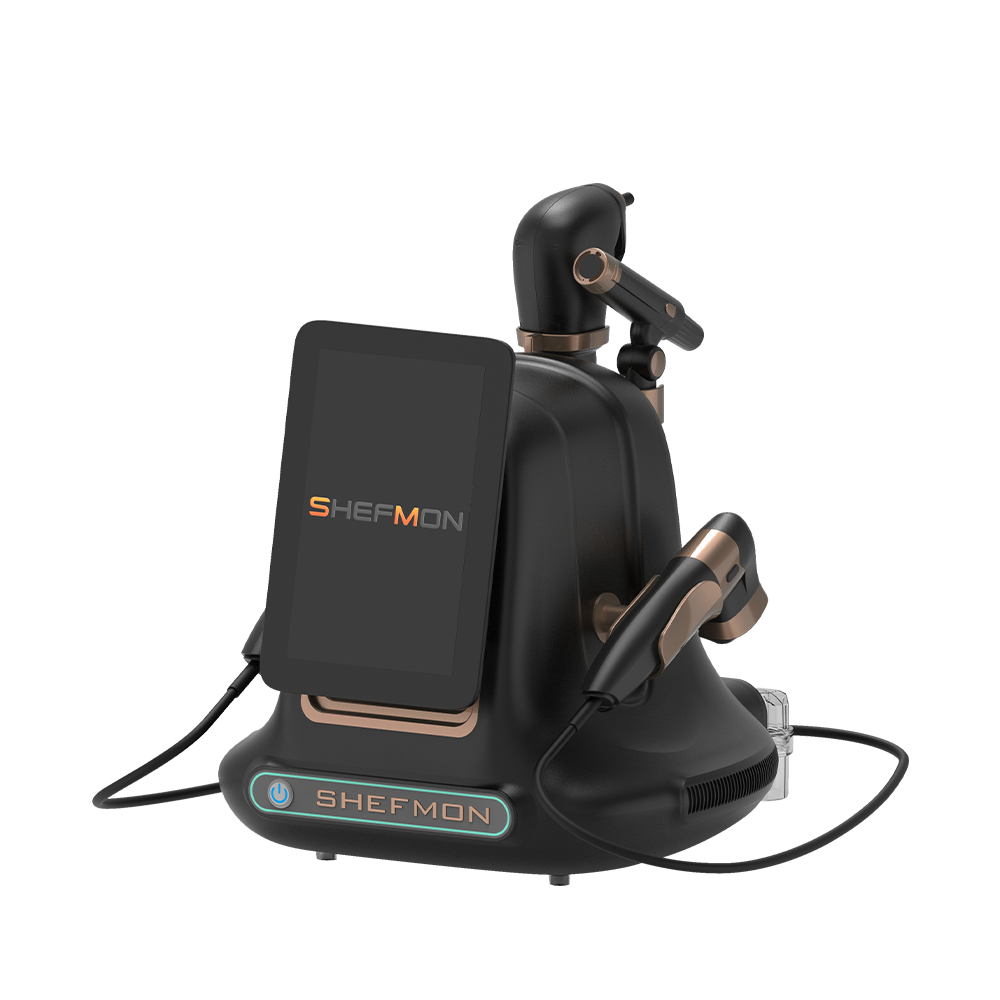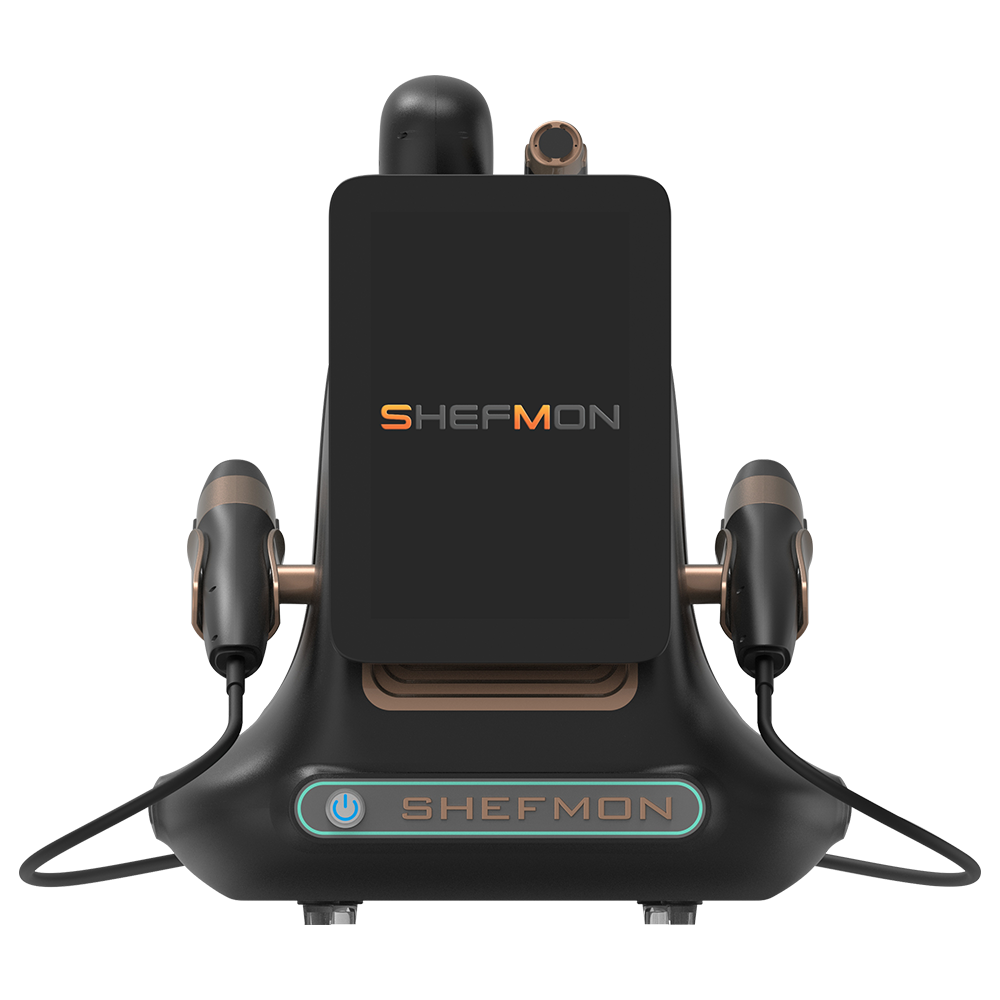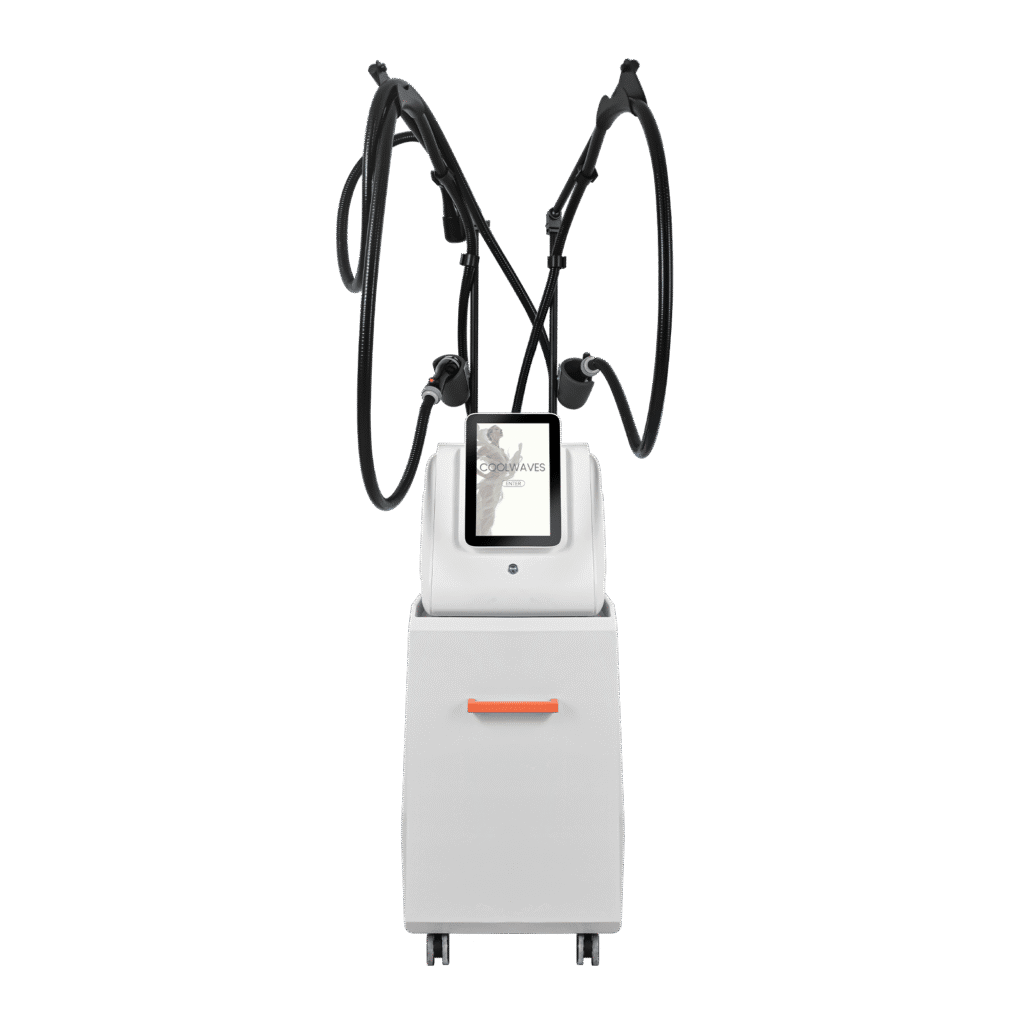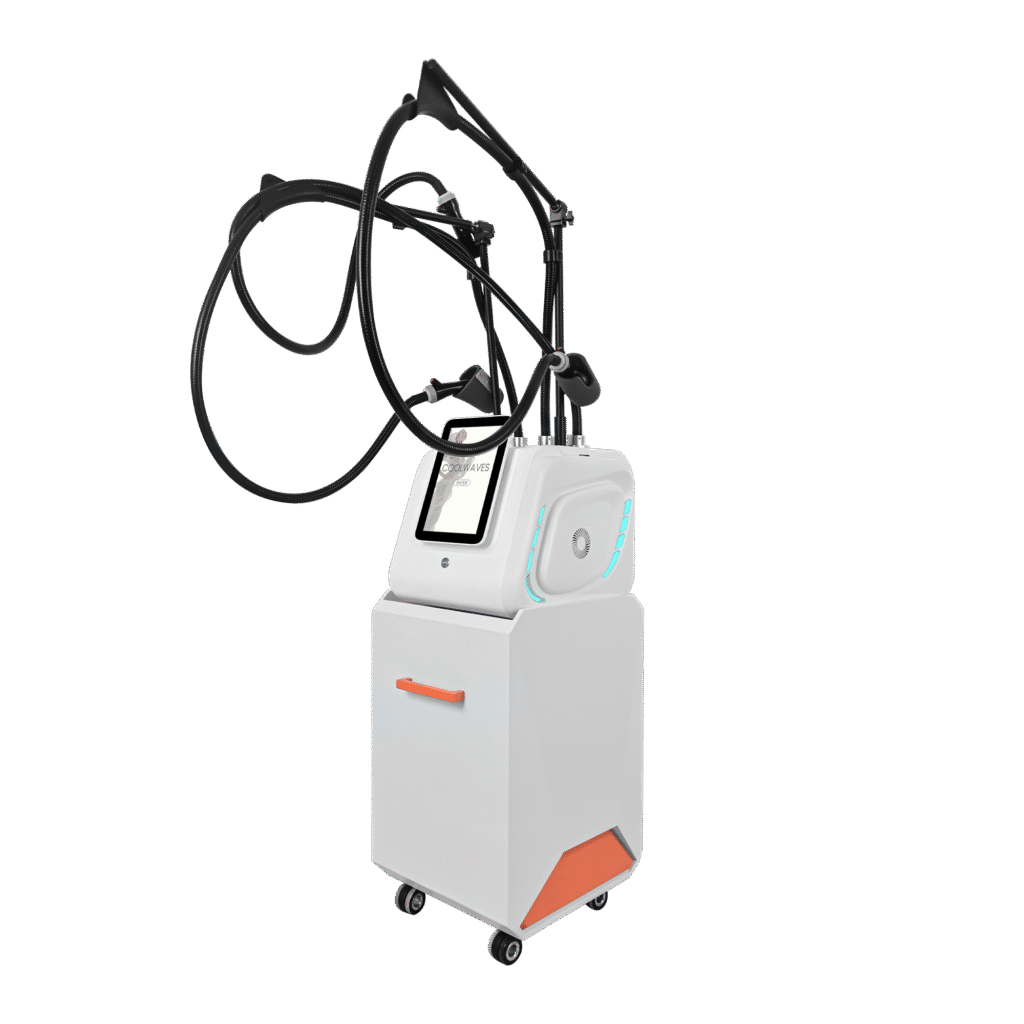
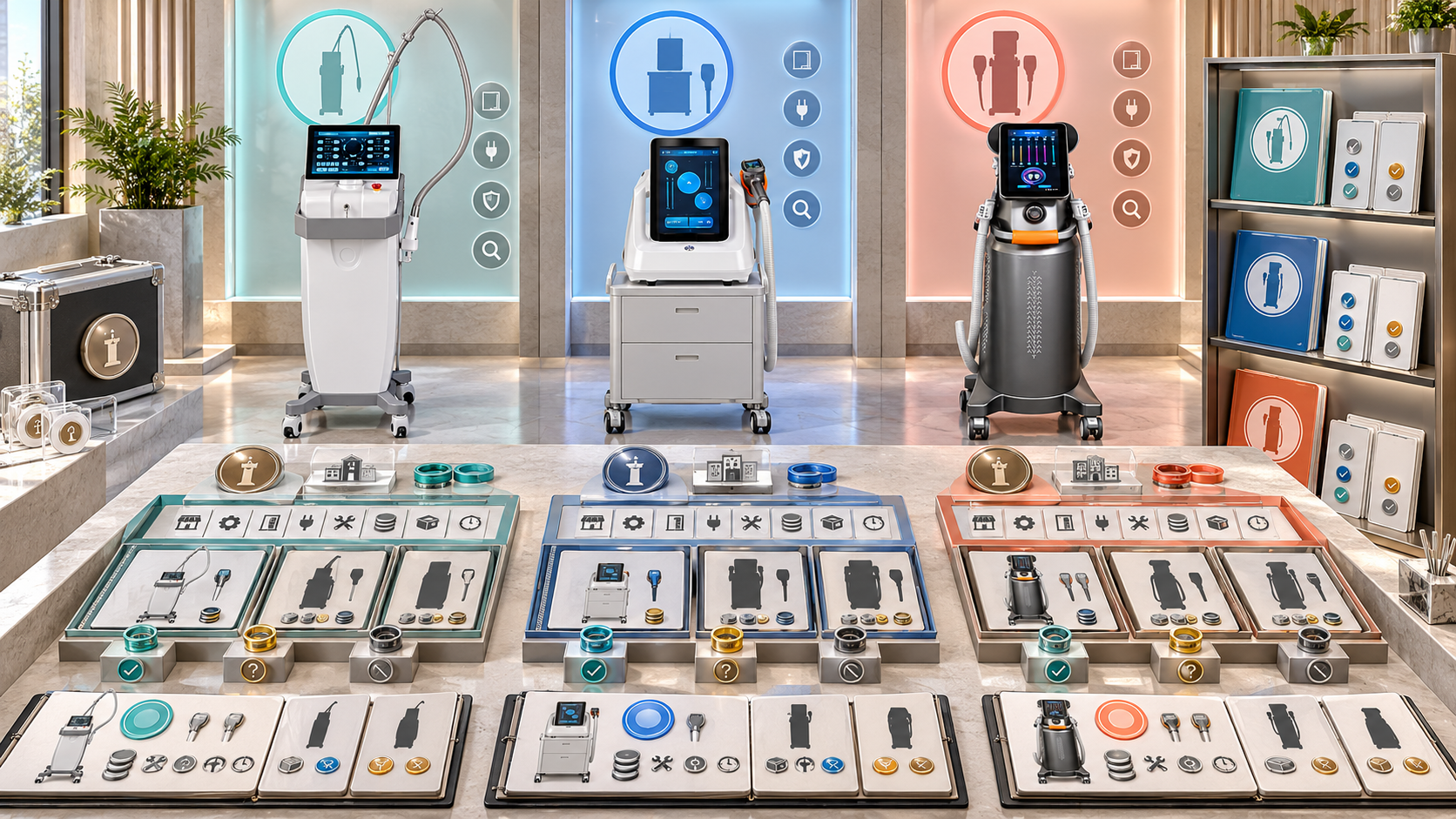
Trade-show interest is usually broad. A visitor may photograph several devices, ask for multiple prices, watch a short demonstration, or say that they want “facial and body machines.” None of these actions creates a useful product shortlist by itself.
A shortlist should reduce a buyer’s options to the smallest group of relevant models or configurations that deserve further comparison. It should reflect the buyer’s business type, intended services, room and staff conditions, professional setting, support needs, and purchasing stage. It should also explain why each candidate remains and why other categories were removed.
This guide shows distributors how to turn event conversations into category-specific shortlists using relevant SHEFMON beauty devices. It covers facial, hair-removal, body-care, lifting, and advanced-skin pathways, with clear rules for comparison, demonstration, configuration, and quotation.
Executive Summary
Convert trade-show interest into a shortlist through seven decisions:
- Reconstruct the event conversation. Link the contact, booth notes, photographs, models seen, questions, promised actions, and staff owner.
- Identify one primary business goal. Decide whether the buyer first needs facial foundation, facial expansion, hair removal, multifunction body care, muscle-focused body services, cooling-based body contouring, focused lifting, or RF microneedling.
- Apply eligibility and readiness gates. Remove candidates that do not fit the buyer’s business type, professional setting, room, utilities, staffing, or support access.
- Separate the model from its configuration. A valid model candidate still needs exact handles, applicators, wavelengths, cartridges, accessories, electrical details, consumables, and options.
- Limit the active shortlist. One to three candidates are usually enough for the next decision. Place other interests in a later-phase list.
- Compare only relevant alternatives. A0648 and A0272-F represent different facial roles; B0155, A0241, and S9 represent different body-service directions; A0204 and A0152 require different advanced-service pathways.
- End with a decision task. The buyer should know whether to provide missing information, attend a model comparison, complete a specialist review, approve a configuration, or request a quotation.
The purpose of the shortlist is to improve selection quality. It is not a reduced catalog or a list of whichever devices attracted the most booth attention.
1. Define a Shortlist as a Decision Tool
A category-specific shortlist should contain only candidates that meet the same current business objective or help the buyer choose between clearly defined service directions.
Each candidate needs:
- model and category;
- buyer problem it addresses;
- intended service-menu role;
- reason it fits the buyer;
- exact configuration questions;
- room, staff, and professional requirements;
- consumable and support implications;
- evidence still needed; and
- next comparison or approval step.
A list of ten product links is a browsing list. A shortlist explains why two models remain and what will decide between them.
2. Reconstruct What Happened at the Trade Show
Combine all event evidence before recommending devices.
| Evidence source | What it may reveal | What still needs confirmation |
|---|---|---|
| Badge scan | Contact, organization, country, and job title | Buyer authority, business model, and project |
| Staff notes | Stated goal, questions, and models discussed | Accuracy, missing constraints, and current priority |
| Booth photographs | Device or handle that attracted attention | Exact model, configuration, and reason for interest |
| Brochure or QR clicks | Category content reviewed | Whether the buyer understood or merely collected it |
| Demonstration attendance | Physical product interest | Decision question the demonstration answered |
| Price request | Commercial curiosity | Required configuration, timing, and purchasing readiness |
| Follow-up promise | Expected next action | Owner, due date, and content required |
Deduplicate contacts from the same organization. Preserve each person’s role, but create one account-level view of the opportunity.
3. Convert Booth Interest into a Business Goal
Ask the buyer to complete the sentence: “We want to add or improve ___ for ___ type of client through ___ type of business.”
Then confirm:
- current services and devices;
- target clients or buyer segments;
- main service gap;
- desired appointment and menu position;
- number and size of treatment rooms;
- available staff and professional scope;
- expected launch timing;
- required training and support; and
- decision participants.
If the buyer cannot yet choose between facial, hair, body, or advanced services, the next step is category consultation. Do not create a model shortlist prematurely.
4. Choose a Primary Category and a Later-Phase Category
Multi-category interest is common at an exhibition. Separate what the buyer should evaluate now from what may follow later.
| Buyer situation | Primary category | Later-phase category |
|---|---|---|
| New salon with basic manual facials | Facial foundation | Facial tone or body expansion |
| Established facial studio seeking differentiation | Facial expansion or advanced skin, subject to readiness | Body or hair removal |
| Hair-removal specialist opening a second room | Hair removal | Facial foundation for menu diversification |
| Body studio with several manual services | Multifunction body or a specific body technology | Facial add-on |
| Med spa reviewing advanced rejuvenation | Focused lifting or RF microneedling according to goal and setting | Complementary maintenance facial |
| Regional reseller building category coverage | Best-supported near-term buyer category | Additional catalog layers after support readiness |
This sequencing prevents the shortlist from becoming a full business expansion plan. A later-phase interest can remain documented without competing for the current decision.
5. Apply Non-Negotiable Eligibility Gates
Before scoring models, remove those that cannot be supported in the buyer’s present context.
Check:
- buyer type and intended service;
- professional qualifications or oversight where relevant;
- local requirements;
- treatment-room suitability;
- electrical and environmental conditions;
- protective or infection-control processes;
- trained staff availability;
- consumable management;
- technical-support coverage; and
- ability to maintain and document the service.
A high level of interest does not override a failed eligibility gate. Move the device to a future-readiness list and record what must change before reconsideration.
6. Score the Candidates That Pass
Use a consistent scorecard after the mandatory gates.
| Decision factor | Example weight | Evidence |
|---|---|---|
| Fit with primary service goal | 25% | Direct connection to the buyer’s intended menu |
| Fit with buyer type and clients | 15% | Relevant salon, med-spa, clinic, body, or reseller context |
| Room and workflow fit | 10% | Space, storage, power, operator movement, and turnaround |
| Staff readiness | 10% | Available roles, training capacity, and professional setting |
| Configuration clarity | 10% | Required components and options can be specified accurately |
| Consumable and maintenance fit | 10% | Reorder, cleaning, daily care, and downtime can be managed |
| Demonstration value | 5% | A structured demo can resolve a remaining question |
| Support fit | 10% | Training, technical, parts, and escalation routes are practical |
| Timing and implementation fit | 5% | The device can enter the buyer’s realistic launch sequence |
The weights can vary by distributor and category. Keep the reason behind each score visible; avoid presenting an unexplained total as objective truth.
7. Build a Facial Foundation and Expansion Shortlist
Facial interest at a trade show can cover very different services. Separate foundation care from facial tone, contour, and advanced rejuvenation.
A0648 for facial foundation
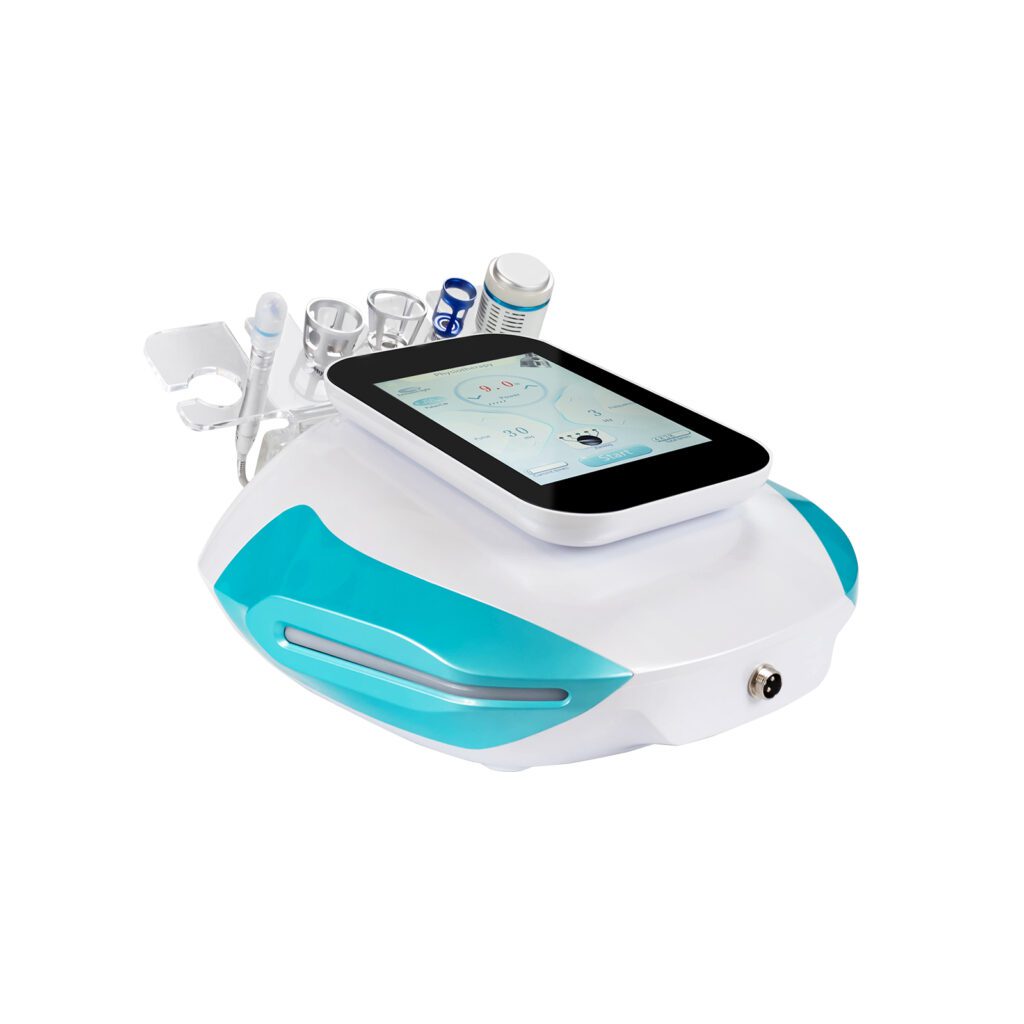
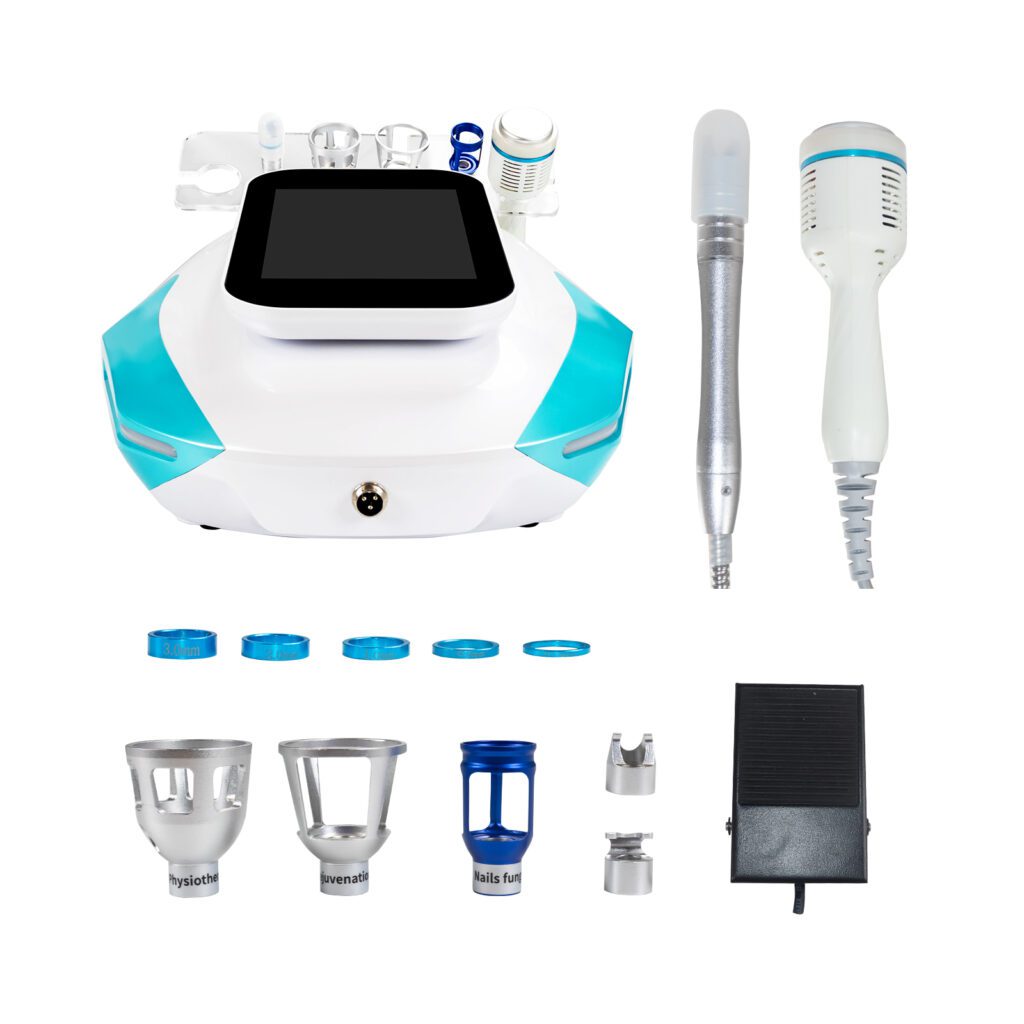
The A0648 9-in-1 hydro microdermabrasion system fits buyers prioritizing cleansing and hydration-oriented facial services, exfoliation, vacuum-assisted extraction, accessories, and a multifunction workflow.
Keep A0648 on the shortlist when the buyer needs:
- a core facial platform;
- a clear cleansing and hydration menu role;
- a multifunction format for a facial room;
- visible accessory, tip, and solution planning; and
- an operational discussion covering setup, cleaning, and daily checks.
A0272-F for facial tone and contour expansion
The A0272-F facial EMS and microcurrent device can represent a separate facial tone and contour direction for an established salon or med spa. It should not be treated as a substitute for cleansing and hydration.
Keep A0272-F on the shortlist when the buyer already has a facial foundation and wants a distinct expansion category. Confirm the displayed configuration, service positioning, staff preparation, room workflow, training, and support.
Facial shortlist decision
If the buyer lacks a repeatable foundation facial, A0648 may be the primary candidate and A0272-F a later phase. If the buyer already operates cleansing and hydration services, A0272-F may become the active comparison. The two models answer different menu questions.
8. Build a Diode Laser Hair-Removal Shortlist
Hair-removal shortlists often depend on configuration rather than a general technology label.
A0426 configuration path
The A0426 diode laser hair-removal device lists 755, 810, 940, and 1064 nm wavelengths. Confirm the actual wavelength combination, handpiece, spot size, cooling, electrical specification, accessories, protective setup, and intended operating environment.
A0423 configuration path
The A0423 diode laser can provide another system path where its available wavelength, spot-size, format, and handle choices match the buyer’s requirements. The comparison must use current verified configurations rather than model names alone.
Hair-removal shortlist decision
Keep both models only when the buyer has a real system-format or configuration choice to make. If one candidate fails the room, handpiece, electrical, cooling, staff, local, or support requirements, remove it instead of filling a two-model table artificially.
The next action should be a configuration review or controlled demonstration, not a generic request to compare photos.
9. Build a Multifunction Body-Care Shortlist Around B0155
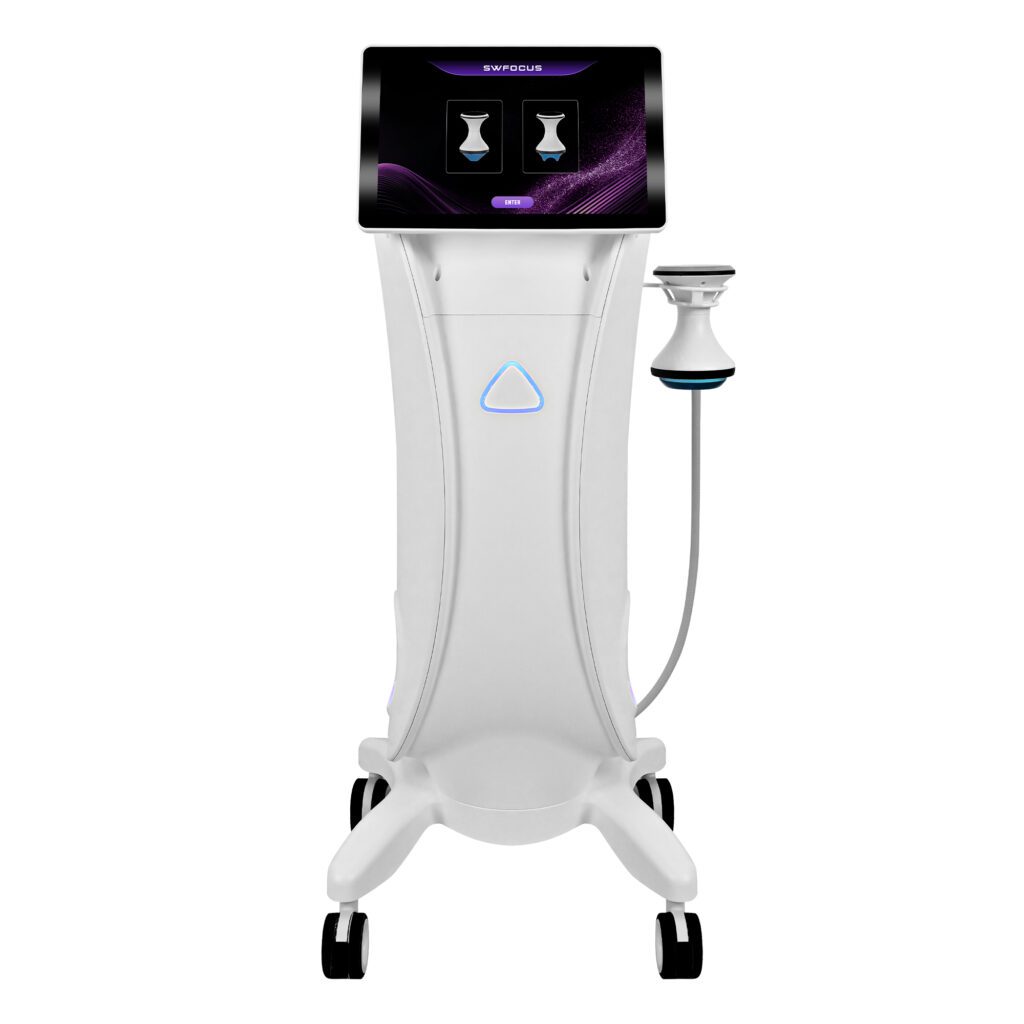
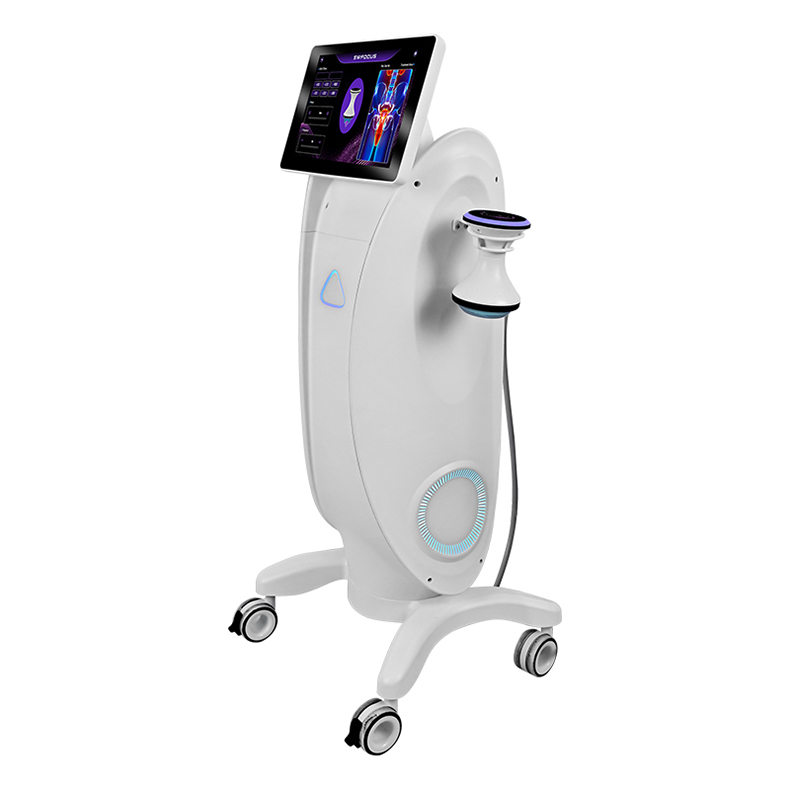
The B0155 Desktop Endos Velapro lists vacuum roller, RF, rotating massage, and 80K cavitation functions. It can remain on the shortlist when the buyer wants a multifunction body platform and can turn separate handles into clearly defined services.
Confirm:
- existing body menu and overlapping technologies;
- required handles and service roles;
- treatment-room space and storage;
- connection, setup, and operator movement;
- cleaning and changeover;
- consultation and client-pathway process;
- staff training; and
- maintenance and support.
B0155 should not remain merely because the buyer was impressed by the number of functions. Keep it when those functions fit an actual menu plan.
10. Compare Distinct Body-Service Directions
Some body devices should appear together only to help the buyer choose a service direction, not because they are interchangeable.
A0241 for muscle-focused body services
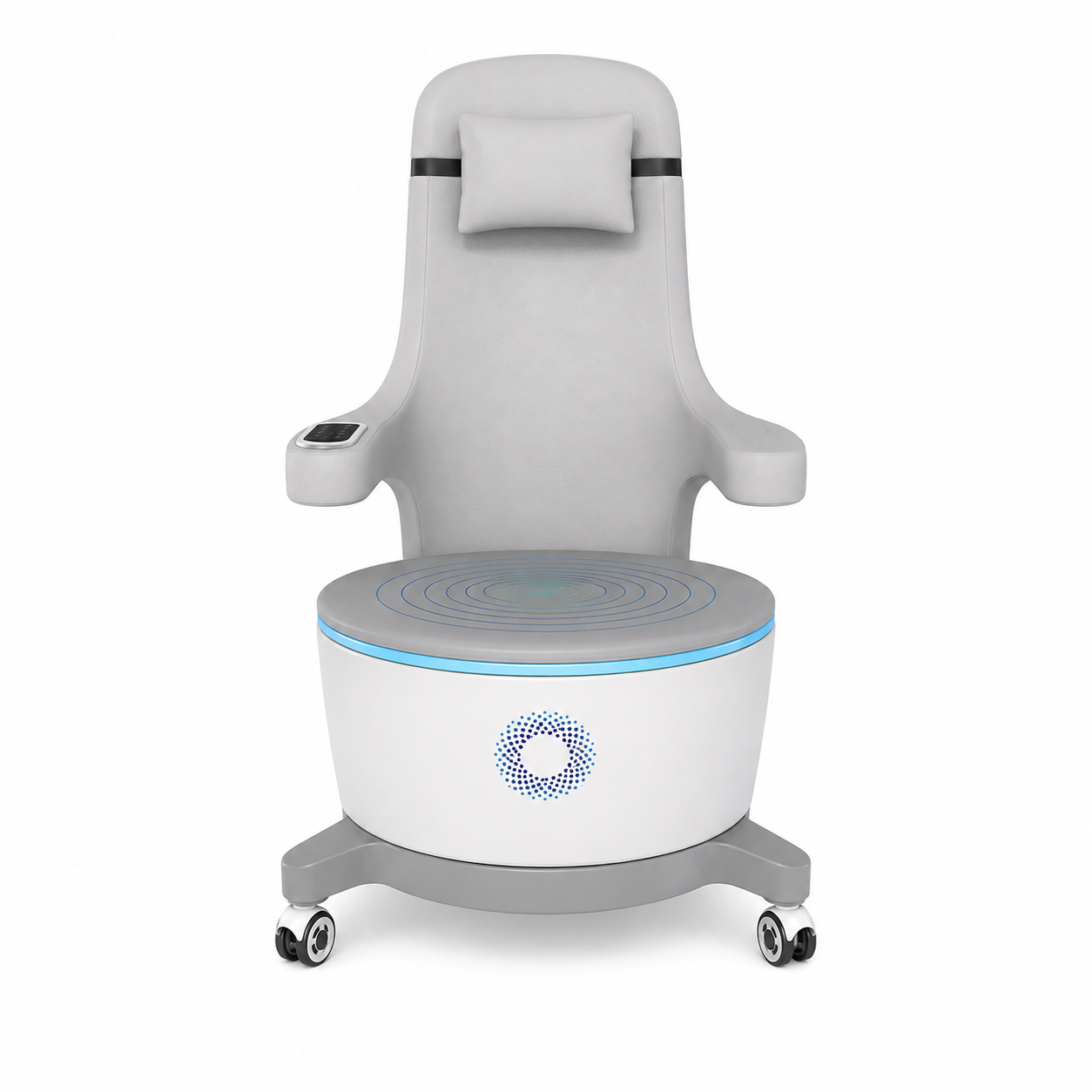
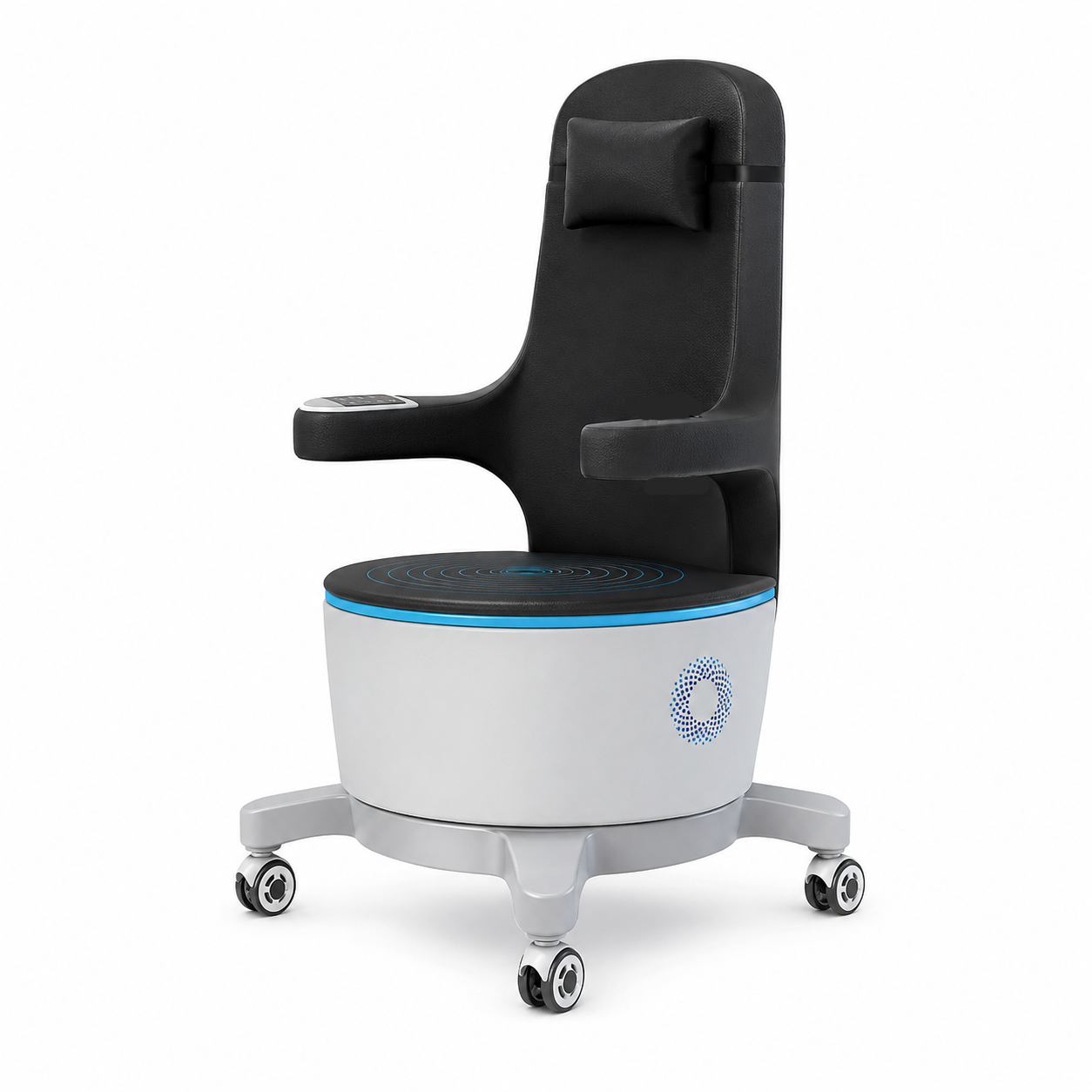
The A0241 electromagnetic stimulation and RF system represents a muscle-focused body category. Review the selected handle package, room and power needs, staff preparation, consultation, menu position, and support.
S9 for cooling-based body contouring
The S9 cryolipolysis system represents vacuum-assisted cooling with different applicator considerations. Review applicator sizes, placement planning, room workflow, consultation, monitoring, consumables, training, and professional controls.
Body-direction decision
| Buyer goal | Stronger path to investigate | Main shortlist questions |
|---|---|---|
| Add several body-care services through one platform | B0155 | Which handles create distinct, supportable menu items? |
| Build a muscle-focused service category | A0241 | Does the handle package, room, staff, and demand fit? |
| Add localized cooling-based contouring | S9 | Are applicators, consultation, monitoring, and room processes ready? |
Do not rank these devices with one universal score. Choose the service direction first, then confirm the model and configuration.
11. Build an Advanced Lifting Shortlist Around A0204
The A0204 9D/7D focused HIFU system can remain on an advanced lifting shortlist when the buyer has an appropriate professional setting, qualified staff, a clear consultation pathway, and a defined need for focused ultrasound services.
Confirm:
- current advanced aesthetic services;
- intended lifting or rejuvenation role;
- handpieces and cartridges;
- depth options and application boundaries;
- consumable demand and reorder process;
- professional oversight and staff competency;
- room and workflow;
- training and technical support; and
- local requirements.
If these conditions are incomplete, replace “A0204 quotation” with “A0204 readiness review” as the next step.
12. Build an Advanced Skin Shortlist Around A0152
The A0152 RF microneedling system represents a different advanced pathway. It requires applicator and needle or cartridge control, infection-control processes, appropriate professional scope, consultation, documentation, aftercare, training, and consumable planning.
Keep A0152 on the shortlist when the buyer has:
- a suitable clinic or med-spa environment;
- appropriate professional oversight;
- a defined advanced-skin service gap;
- controlled infection-prevention and disposal processes;
- staff training and competency plans;
- a consumable and replenishment system; and
- access to technical support.
A0204 and A0152 should not be framed as two versions of the same service. The buyer must first choose between a focused lifting direction and an RF microneedling skin pathway.
13. Build a Multi-Category Shortlist for Resellers
A distributor or reseller may need a portfolio shortlist instead of one operating device. Use downstream buyer coverage and support capacity to limit the selection.
A staged example could include:
- facial anchor: A0648 for salons seeking foundation facial services;
- facial expansion: A0272-F where established facial businesses seek tone and contour services;
- hair-removal path: A0426 or A0423 after configuration review;
- body path: B0155, A0241, or S9 according to the target business model;
- specialist lifting: A0204 for qualified advanced buyers; and
- specialist skin: A0152 for appropriately prepared clinics or med spas.
The reseller should not add every layer at once unless sales training, demonstration, configuration data, consumables, and technical support are ready for each category.
14. Separate the Model Shortlist from the Configuration Shortlist
Selecting a model does not finish the decision. Create a second record for the exact version or package.
| Configuration field | Why it matters |
|---|---|
| Model and version | Prevents family-level ambiguity |
| Display unit seen | Connects event interest to a physical reference |
| Standard included items | Establishes the baseline package |
| Optional items shown | Prevents booth options from becoming assumed inclusions |
| Requested handles or applicators | Defines the buyer’s service capability |
| Wavelengths, spot sizes, depths, or cartridges | Captures technology-specific selection |
| Electrical version and plug | Connects the order to the installation site |
| Consumables and replacements | Supports launch and continuity planning |
| Training and support | Defines onboarding and escalation needs |
| Items pending confirmation | Keeps uncertainty visible before quotation |
A model can remain on the shortlist while its configuration is incomplete. It should not become quote ready until required fields are resolved.
15. Limit the Active Shortlist to One to Three Candidates
Too many candidates transfer the distributor’s selection work back to the buyer.
Use:
- one candidate when the buyer’s category, service role, and configuration direction are clear;
- two candidates when there is a meaningful model, format, or configuration decision;
- three candidates when the buyer must choose among distinct service directions and the differences are clearly stated.
Move other devices into “later phase,” “requires readiness,” or “not currently suitable.” Do not delete the original interest; classify it.
16. Write a Reason for Inclusion and Exclusion
For each candidate, use a short rationale:
- Included because: connects directly to the primary service goal, passes the readiness gates, and fits the known room, staff, and support context.
- Conditional because: may fit, but a specific configuration, facility, professional, or demand question remains open.
- Deferred because: belongs to a later menu phase or requires capabilities the buyer is still building.
- Excluded because: conflicts with the buyer’s goal, setting, available resources, or verified requirements.
This record makes the shortlist auditable and prevents a removed model from reappearing in the quotation without explanation.
17. Use Comparison Sheets That Reflect the Decision
A useful comparison sheet should include:
- category and intended service role;
- suitable buyer profile;
- physical format and room implications;
- core functions or technology;
- displayed versus requested configuration;
- included and optional components;
- consumables and replacement items;
- staff and professional requirements;
- training and support path;
- open questions; and
- next decision.
Do not compare unrelated devices by feature count. More functions do not automatically mean better fit.
18. Select the Right Demonstration for the Shortlist
Demonstrate only the candidates that remain after qualification.
Use a physical session when the buyer needs to inspect:
- device size and room fit;
- interface and setup;
- handpieces, applicators, cartridges, or accessories;
- cooling, storage, connections, or operator movement; or
- differences between two relevant formats.
Use a remote technical walkthrough when the main questions concern configuration, documents, or a model unavailable locally. Use a specialist-center or accompanied session for advanced or controlled categories.
Every demonstration should state which shortlist question it will resolve.
19. Record the Buyer Decision After the Comparison
Update each candidate to one of these statuses:
- preferred model;
- approved alternative;
- configuration review required;
- specialist review required;
- site or staff readiness required;
- later-phase device;
- rejected with reason; or
- project paused.
Capture who made the decision, evidence used, date, unresolved issues, and next owner. A shortlist without updated status becomes another static document.
20. Set a Quote-Ready Gate
Before requesting a quotation, confirm:
- buyer organization and delivery location;
- selected model and exact version;
- required handles, applicators, cartridges, tips, or accessories;
- electrical version and plug;
- standard and optional item status;
- consumables and replacements;
- room and staff constraints;
- training and support requirements;
- delivery timing;
- local-review questions; and
- approval of any difference from the event display.
If two candidates remain, provide separately defined options. Do not blend their components into one unclear package.
21. Create a Shortlist Decision Record
The final record should show:
- event and contact source;
- buyer profile and business goal;
- primary and later-phase categories;
- candidates considered;
- eligibility-gate results;
- weighted assessment and evidence;
- included, conditional, deferred, and excluded models;
- configuration status;
- demonstration completed or planned;
- preferred model and alternative;
- unresolved questions; and
- quotation or follow-up owner and date.
Attach this record to the account so product specialists, regional sales teams, and quotation reviewers use the same decision history.
22. Track Shortlist Performance
| Metric | What it reveals |
|---|---|
| Event leads assigned a primary category | Quality of initial segmentation |
| Qualified leads receiving a shortlist | Sales-team follow-through |
| Average active candidates per shortlist | Whether recommendations remain focused |
| Shortlists with inclusion and exclusion reasons | Decision transparency |
| Configuration-complete candidates | Readiness for accurate offers |
| Demonstrations linked to a decision question | Quality of demo use |
| Shortlist-to-quote progression | Commercial usefulness |
| Models reintroduced without evidence | Governance weakness |
| Post-quote configuration corrections | Accuracy of shortlist and handoff |
| Stop reasons by category | Fit, readiness, and market barriers |
Review by category and buyer type. A facial foundation shortlist and an advanced clinic shortlist should not have identical cycle times or evidence requirements.
23. Avoid Common Shortlisting Errors
- Catalog reduction: sending five pages instead of fifty is still not a reasoned shortlist.
- Booth-photo selection: a photograph does not confirm the model or configuration.
- Feature-count ranking: multifunction devices should be judged by usable menu roles.
- Cross-category comparison: facial cleansing, hair removal, body cooling, and RF microneedling are different business decisions.
- Ignoring readiness: buyer enthusiasm cannot replace room, staff, professional, or support requirements.
- Quoting the display unit automatically: event options may differ from the requested order.
- Keeping every interest active: later-phase ideas should not compete with the present purchase.
- Demonstrating before qualifying: physical access should resolve a specific remaining question.
24. Category-Specific Shortlist Checklist
- ☐ Event notes, photographs, models, promises, and contacts are linked.
- ☐ The buyer’s business goal is expressed as a specific service need.
- ☐ One primary category and any later-phase category are recorded.
- ☐ Mandatory business, professional, room, staff, and support gates are complete.
- ☐ Candidates are scored with visible evidence.
- ☐ Models from different service directions are not treated as direct substitutes.
- ☐ The model shortlist is separate from the exact configuration shortlist.
- ☐ The active list contains no more candidates than the next decision requires.
- ☐ Every inclusion, condition, deferral, and exclusion has a reason.
- ☐ Demonstration and quotation tasks are tied to unresolved shortlist questions.
FAQ
1. How many beauty devices should be on a trade-show follow-up shortlist?
Usually one to three active candidates are enough. Use one when the category and model fit are clear, two for a meaningful comparison, and three only when the buyer must choose among clearly defined service directions.
2. Should every device photographed at the booth enter the shortlist?
No. A photograph records attention, not suitability. Confirm the buyer’s business goal, model identity, configuration, room, staff, professional setting, and support needs before including it.
3. How do distributors shortlist facial devices?
Separate facial foundation from expansion. A0648 can fit cleansing and hydration-oriented foundation services, while A0272-F can represent a facial tone and contour direction for a business that already has suitable core services.
4. What makes a diode laser shortlist accurate?
The list must identify the exact model and configuration, including wavelengths, handpiece, spot-size discussion, cooling, electrical details, accessories, room, staff, protective arrangements, training, and support.
5. How should B0155, A0241, and S9 be compared?
Choose the service direction first. B0155 represents multifunction body care, A0241 a muscle-focused direction, and S9 cooling-based localized contouring. They should not be ranked only by the number of functions or applicators.
6. Can A0204 and A0152 appear on the same shortlist?
They can appear in an early advanced-category decision if the buyer is choosing between focused lifting and RF microneedling pathways. Once the intended service is clear, evaluate the relevant model using its own professional, configuration, consumable, and support requirements.
7. What should happen when a buyer fails a readiness gate?
Move the device to a conditional or future-readiness list. Record the missing room, staff, professional, training, consumable, or support requirement and define what evidence would allow reconsideration.
8. When should shortlisted models be demonstrated?
After qualification, when a physical or remote session will answer a documented question about format, interface, components, configuration, room fit, or workflow. The demonstration should reduce the shortlist or complete its configuration.
9. Is a preferred model ready for quotation immediately?
Only when the exact version, components, options, electrical details, consumables, training, support, delivery, and unresolved local questions are complete. Model preference and quote readiness are separate statuses.
10. How can distributors measure shortlist quality?
Track category assignment, candidates per list, inclusion and exclusion reasons, configuration completion, demonstrations tied to decisions, progression to quotation, post-quote corrections, and stop reasons by category.
Conclusion
Trade-show interest becomes useful when the distributor converts it into a focused, evidence-based decision. Start with the buyer’s current business goal, assign a primary category, apply readiness gates, separate model choice from configuration, and limit the active list to candidates that deserve further work.
Use A0648 and A0272-F for distinct facial pathways; A0426 and A0423 for controlled hair-removal configuration review; B0155, A0241, and S9 for different body-service directions; and A0204 or A0152 for qualified advanced-device paths. Compare devices only where the buyer is making a real choice.
Review the SHEFMON beauty device range and contact SHEFMON with the buyer type, event notes, primary service goal, models seen, room and staff conditions, preferred category, and open configuration questions. SHEFMON can help provide relevant product information for a category-specific shortlist and accurate next step.