









Choosing the right beauty equipment manufacturer is one of the most important decisions for distributors, brand owners, beauty salons, and aesthetic businesses. While product features and pricing often influence purchasing decisions, a reliable manufacturing partner can have a much greater impact on long-term business success. A dependable supplier provides more than equipment—they offer consistent quality, product innovation, technical support, and flexible cooperation that help businesses remain competitive as market demand evolves.
Whether you are launching a private label, expanding your product portfolio, or looking for a long-term OEM partner, understanding how to evaluate a manufacturer can reduce business risks and create a stronger foundation for sustainable growth.
1. Evaluate Manufacturing Experience and Industry Expertise
Experience is one of the first indicators of whether a manufacturer can support your business over the long term. Companies that have specialized in beauty equipment for many years usually have more mature production processes, established quality management systems, and a better understanding of international market requirements. They are also more likely to have encountered different customer needs and developed practical solutions for various business models.
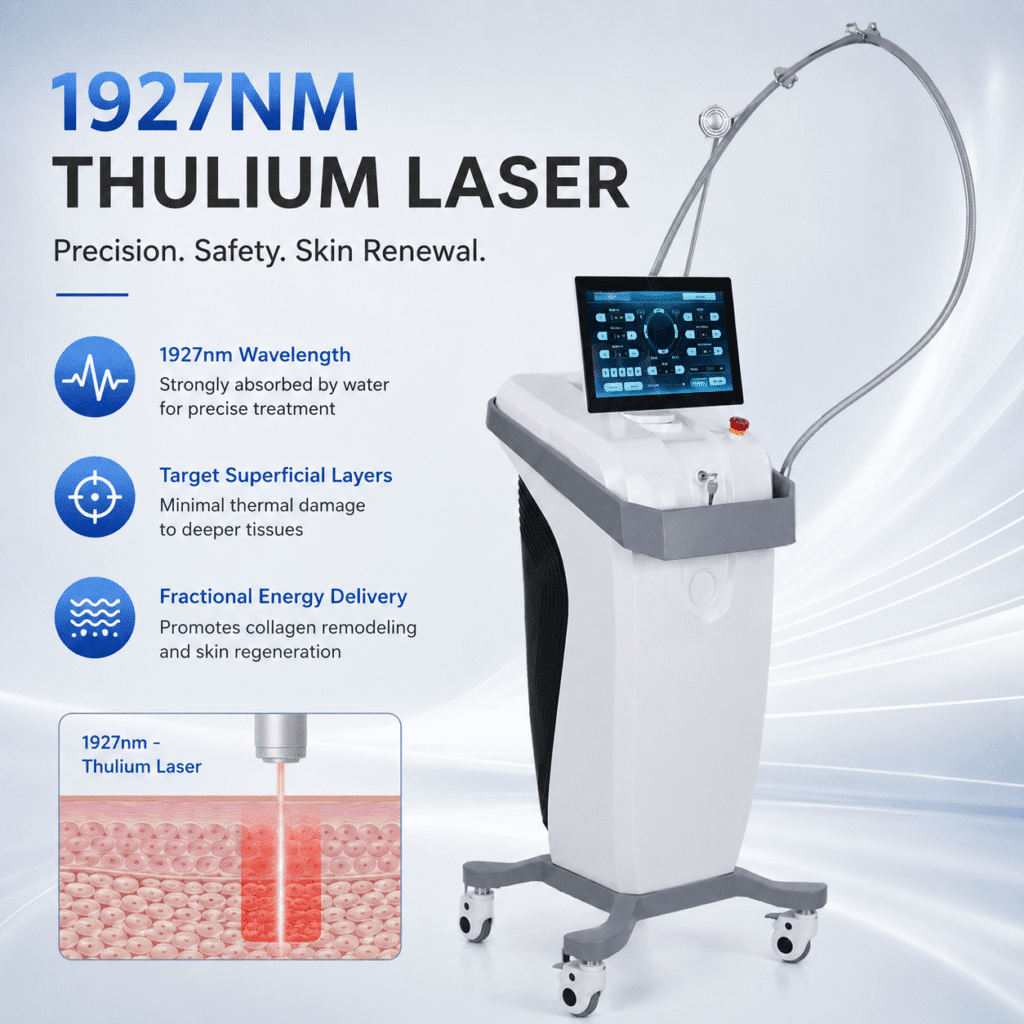
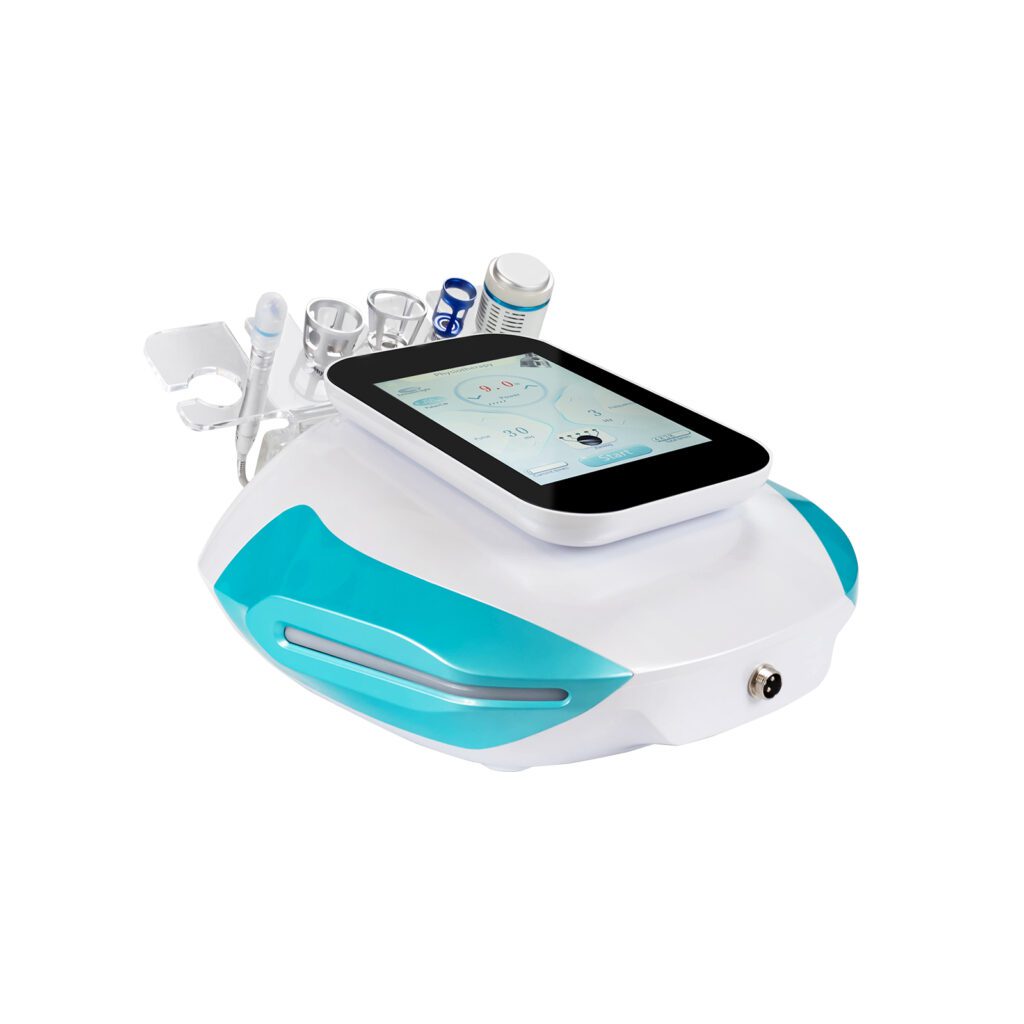
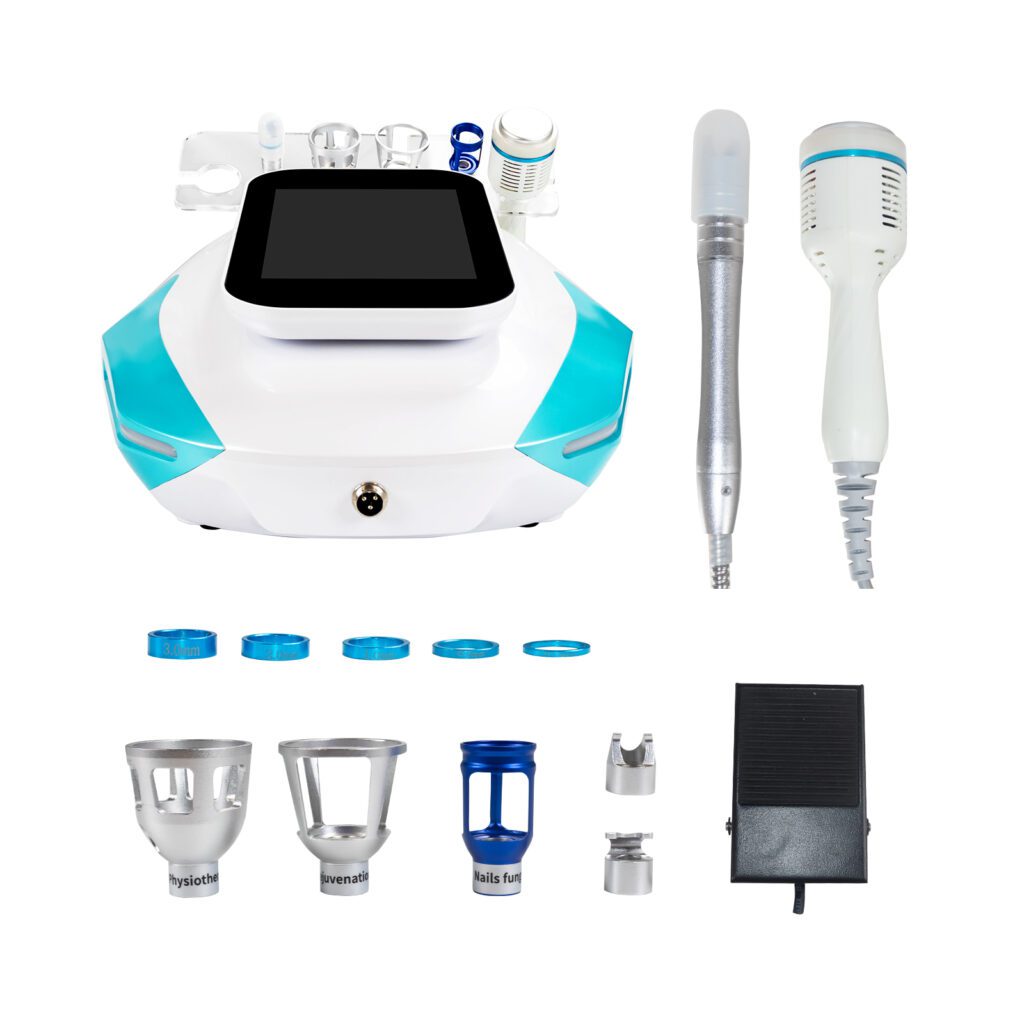
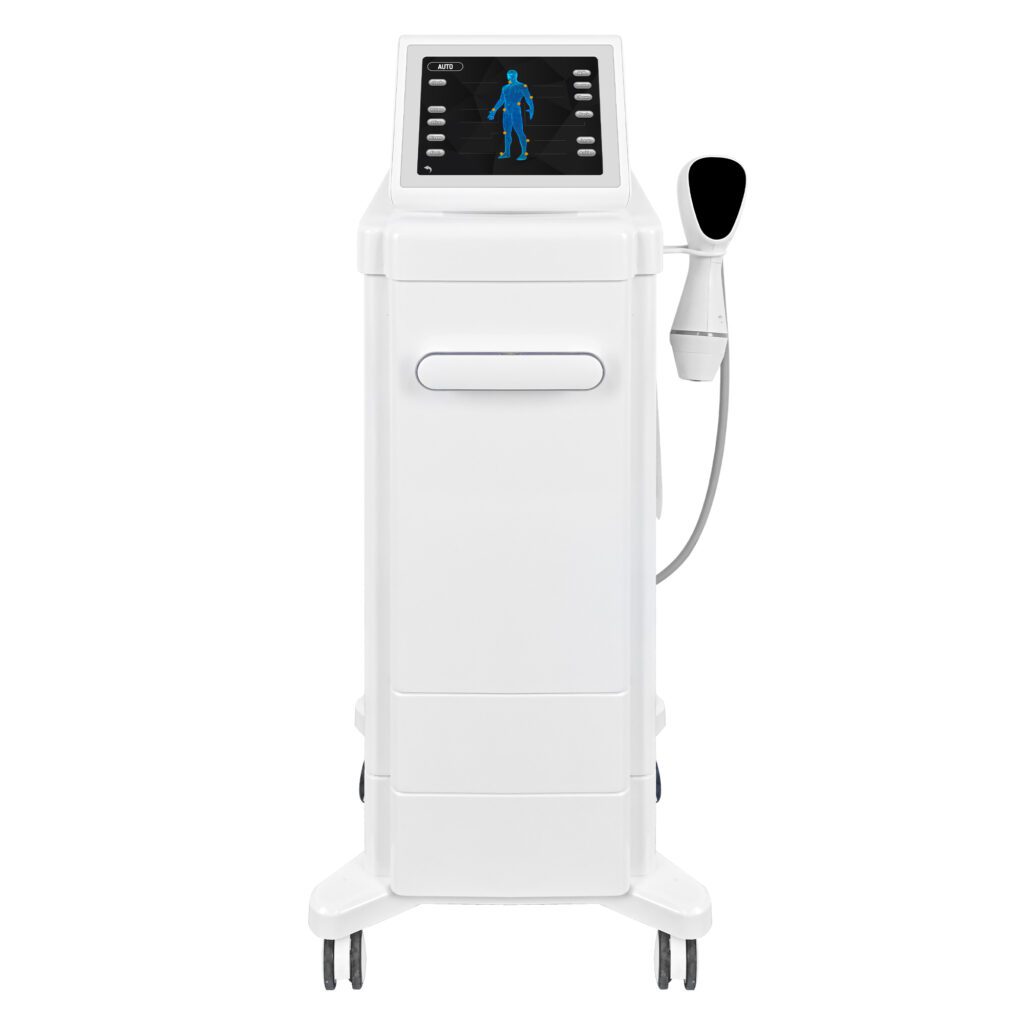
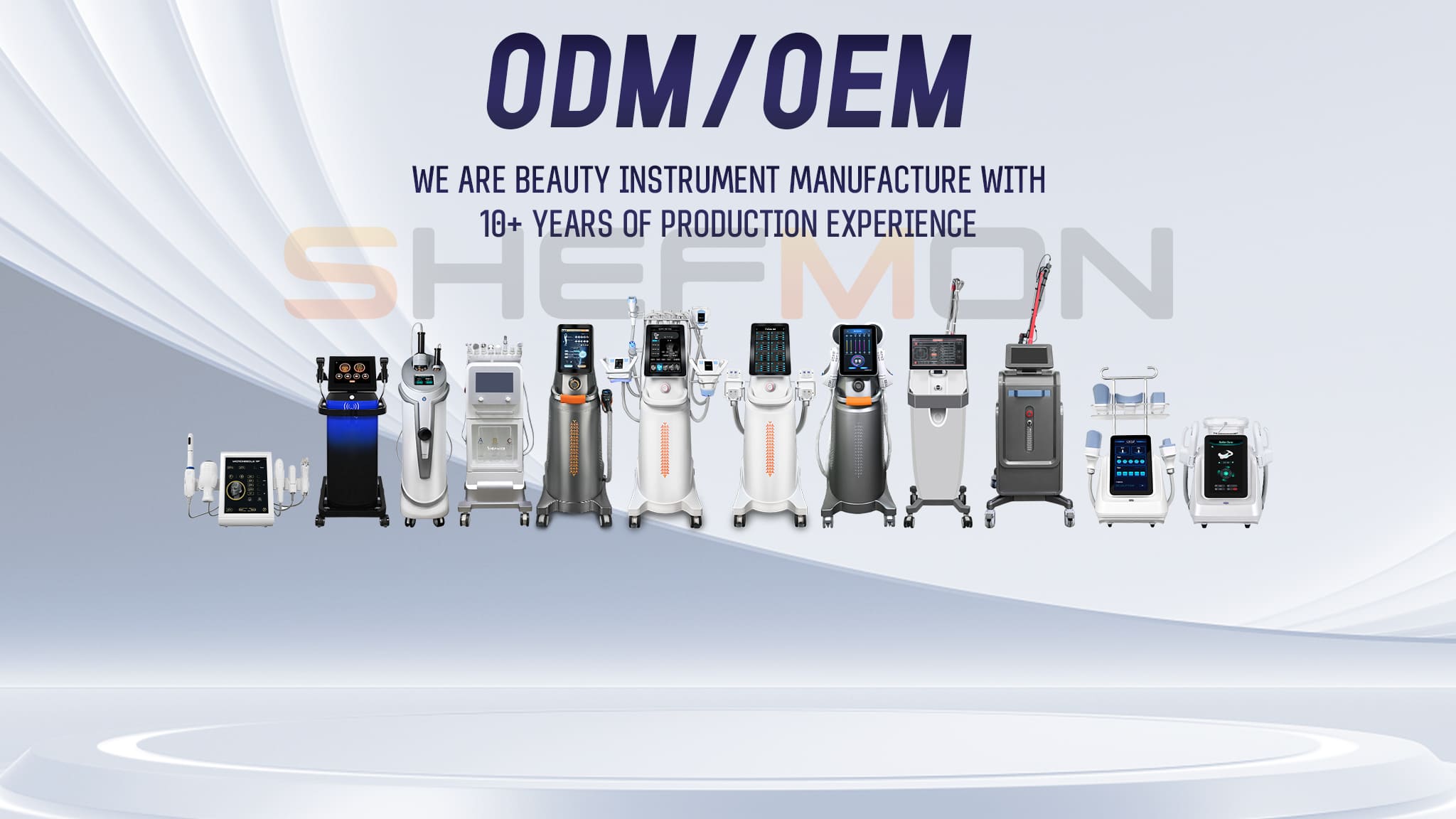
Another important factor is the diversity of the manufacturer’s product portfolio. A supplier that offers technologies such as body contouring, skin analysis, laser systems, RF devices, HIFU, EMS, and skin care equipment can support your business as customer demand changes. Instead of searching for multiple suppliers as you expand, you can continue working with one trusted partner while introducing new product categories.
When evaluating manufacturers, look beyond attractive product photos and specifications. Ask about their production capacity, engineering team, research and development capabilities, testing procedures, and quality inspection standards. These factors provide a clearer picture of the manufacturer’s ability to deliver reliable products consistently and support long-term cooperation.
2. Choose a Manufacturer That Supports Business Growth
Your business requirements today may be very different from those you have two or three years from now. A manufacturer that can grow alongside your business will save time, reduce operational challenges, and make future expansion much easier.
Many distributors begin with standard products before gradually developing their own brands. As their businesses grow, they often require customized machine designs, multilingual operating systems, branded user interfaces, customized packaging, or exclusive product configurations. Working with a manufacturer that provides flexible OEM and ODM services makes these transitions much smoother without requiring you to change suppliers.
Customization should not be limited to placing a logo on the machine. A capable manufacturing partner can often provide customized housing designs, software interfaces, packaging, instruction manuals, marketing materials, and language options that better match your target market. These services help distributors build stronger brand recognition while offering products that stand out from similar equipment available in the market.
Manufacturers that continuously invest in research and development also make valuable long-term partners. As new technologies emerge and customer expectations change, regular product improvements help distributors remain competitive without rebuilding their entire product portfolio.
3. Prioritize Product Quality and Quality Control
Product quality directly affects customer satisfaction, after-sales costs, and your company’s reputation. Even the most advanced technology can create business challenges if manufacturing quality is inconsistent.
Before selecting a manufacturer, ask about every stage of their quality control process. Professional factories typically inspect raw materials before production, monitor assembly throughout manufacturing, test machine performance after installation, and conduct final inspections before shipment. Thorough testing helps reduce the possibility of technical issues after delivery and gives distributors greater confidence when selling the equipment.
It is also important to confirm that the products meet the certification requirements of your target markets. Appropriate certifications simplify import procedures and demonstrate that the manufacturer follows recognized production standards.
While lower prices may appear attractive initially, inconsistent quality often leads to higher long-term costs through repairs, warranty claims, replacement parts, and customer complaints. Investing in reliable equipment usually results in stronger customer relationships, more repeat business, and a better reputation in competitive markets.
4. Evaluate Technical Support and After-Sales Service
The relationship between a distributor and a manufacturer does not end when the equipment leaves the factory. Reliable after-sales support is often what separates a long-term business partner from a simple supplier.
Beauty equipment requires installation guidance, operator training, software updates, troubleshooting, and occasional maintenance. Manufacturers that provide comprehensive technical support enable distributors to respond quickly when customers need assistance, reducing downtime and improving the overall customer experience.
Before making a purchasing decision, ask what kind of support is available after delivery. Valuable services may include online technical assistance, training videos, user manuals, software updates, spare parts supply, and long-term technical consultation. Fast communication is particularly important when equipment requires troubleshooting or maintenance, as delayed support can affect your customers’ daily operations.
Comprehensive product training also benefits your sales team. When distributors fully understand product features, operating procedures, and application scenarios, they can introduce equipment with greater confidence and answer customer questions more effectively. Better product knowledge often leads to smoother sales conversations and stronger customer trust.

5. Review Real Customer Success Stories
Customer success stories provide valuable insight into how a manufacturer performs beyond the sales process. They demonstrate how the company communicates with customers, handles customization projects, solves technical issues, and supports businesses after delivery.
For example, many distributors initially purchase one or two product categories before gradually expanding into additional technologies after building confidence in product quality and service. Likewise, beauty salons frequently upgrade or purchase additional equipment after experiencing reliable performance and responsive technical support. These long-term relationships reflect a manufacturer’s commitment to helping customers grow rather than simply completing individual transactions.
When evaluating a potential partner, look for case studies from different countries and business types. A manufacturer with successful cooperation across various international markets is often better prepared to understand regional requirements and provide practical support throughout the partnership.
6. Consider Long-Term Partnership Value Instead of Short-Term Costs
Price is always an important consideration, but it should not be the only factor when selecting a manufacturing partner. The lowest quotation does not always provide the best value over time.
An experienced manufacturer contributes far more than production. Continuous product development, stable supply capacity, responsive customer service, marketing support, technical training, flexible OEM and ODM solutions, and reliable after-sales service all contribute to the long-term success of your business. These advantages can reduce operational risks while helping you respond more effectively to changing market demands.
Many successful distributors build lasting partnerships with manufacturers that consistently deliver quality products and dependable support. Rather than changing suppliers every few years, they develop long-term cooperation that allows them to expand their product lines, strengthen their brand presence, and enter new markets with greater confidence.
Conclusion
Choosing the right beauty equipment manufacturer is an investment in your company’s long-term development rather than simply a purchasing decision. A dependable manufacturing partner offers consistent product quality, ongoing innovation, flexible OEM and ODM services, comprehensive technical support, and the ability to grow alongside your business.
Whether you are launching a private label, becoming a regional distributor, or expanding your beauty equipment portfolio, selecting an experienced manufacturer creates a stronger foundation for sustainable growth. By carefully evaluating manufacturing experience, quality control, customization capabilities, after-sales service, and proven customer success, you can establish a partnership that delivers value for many years.