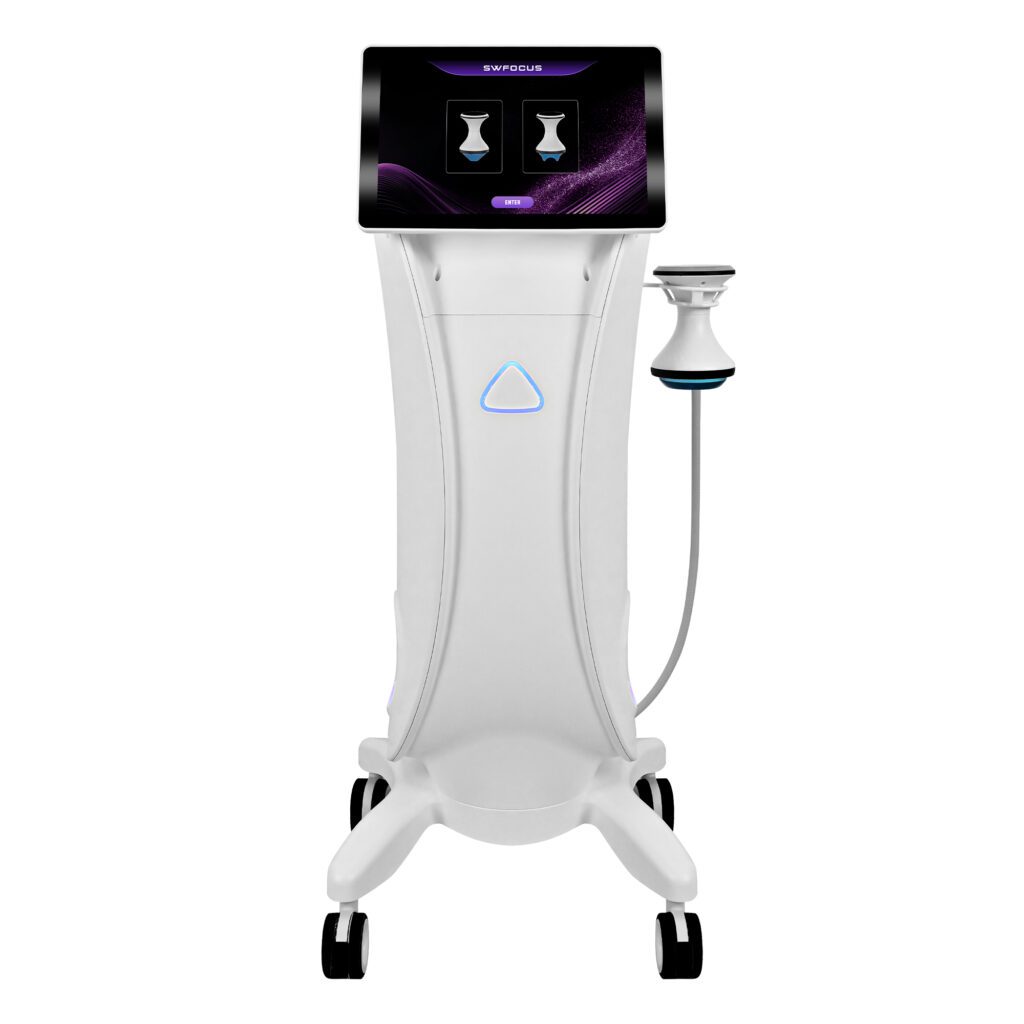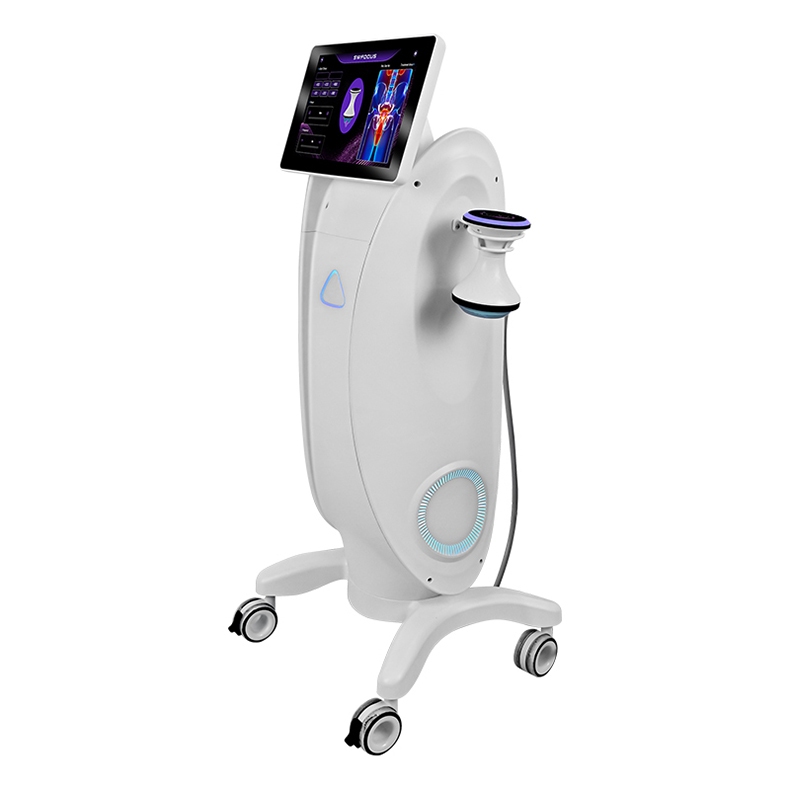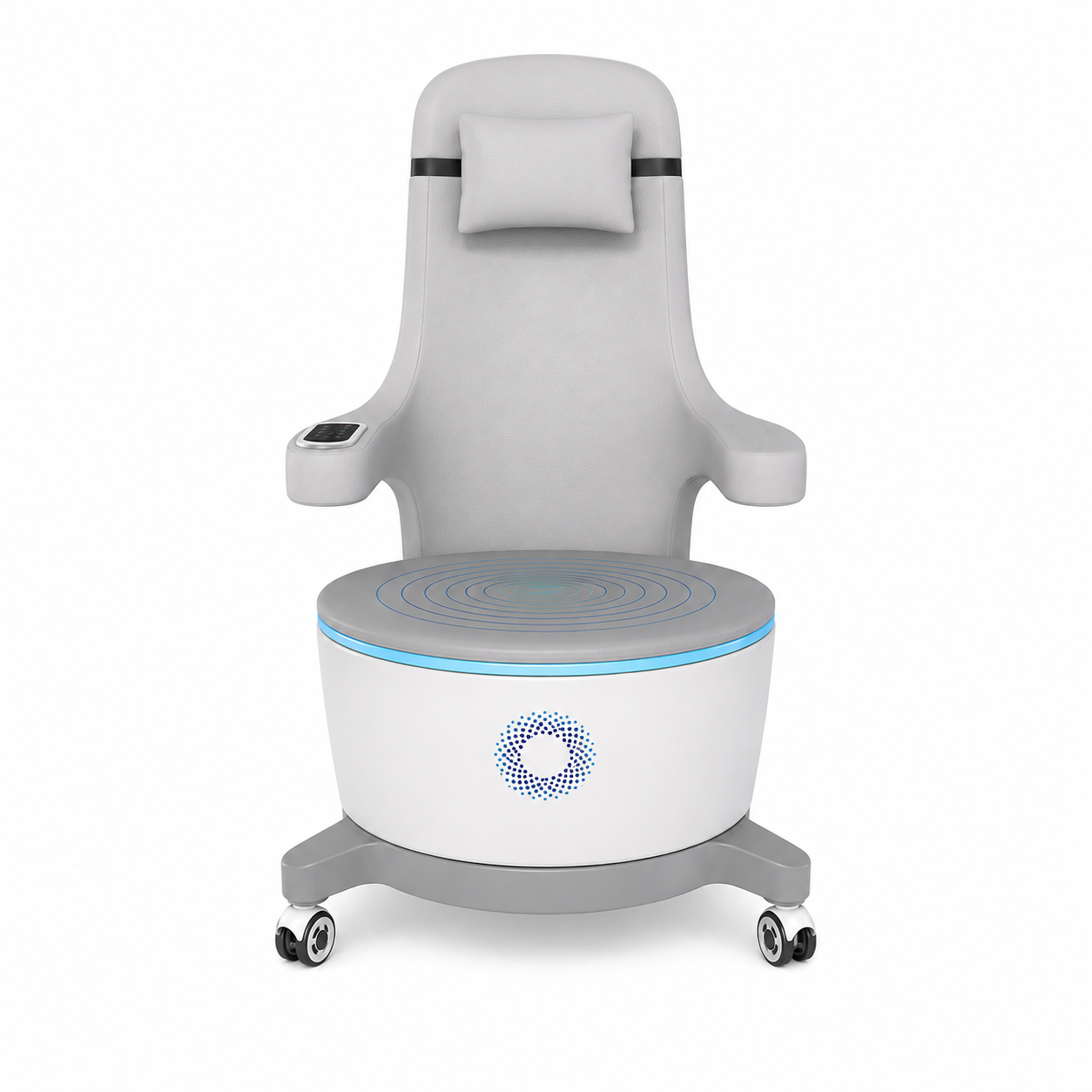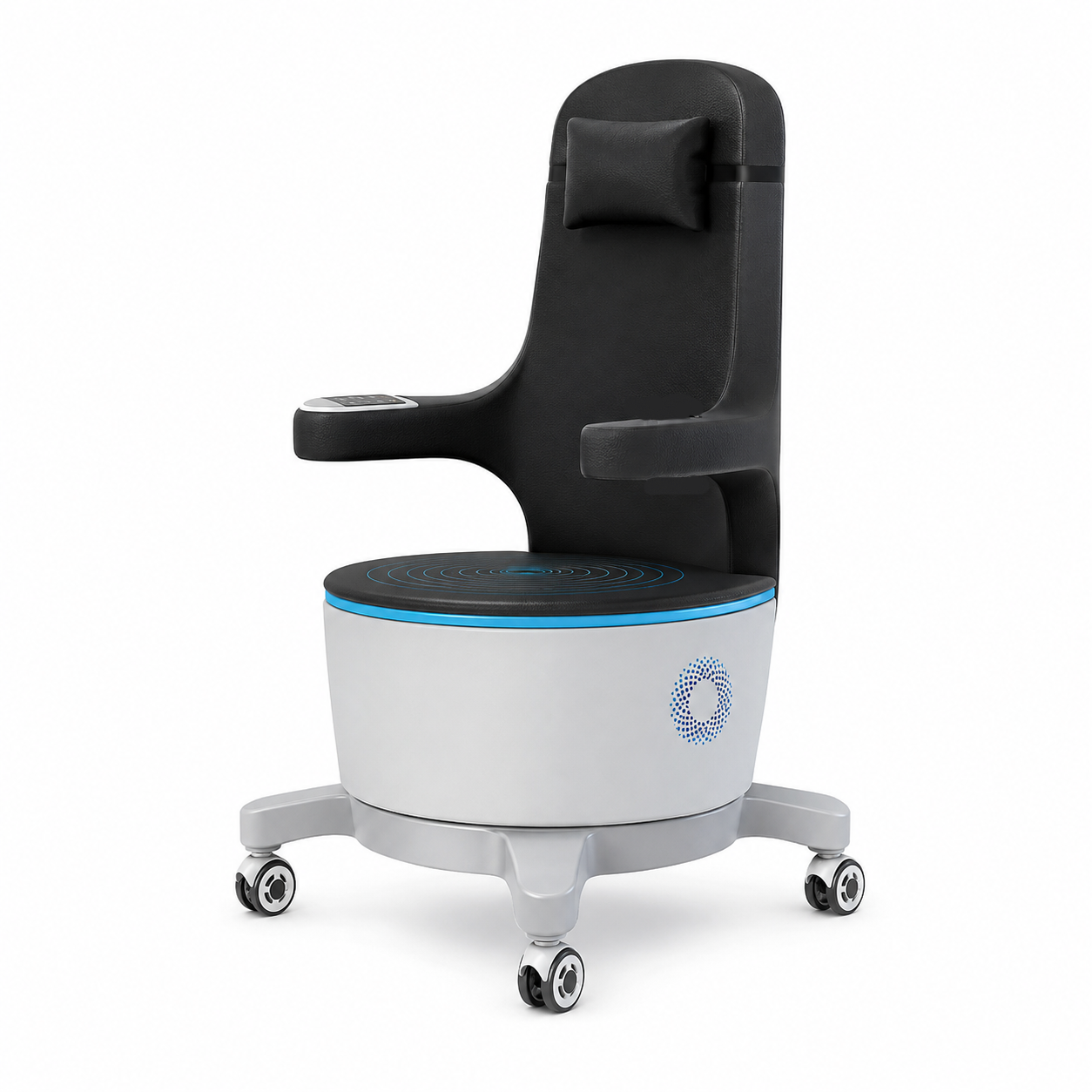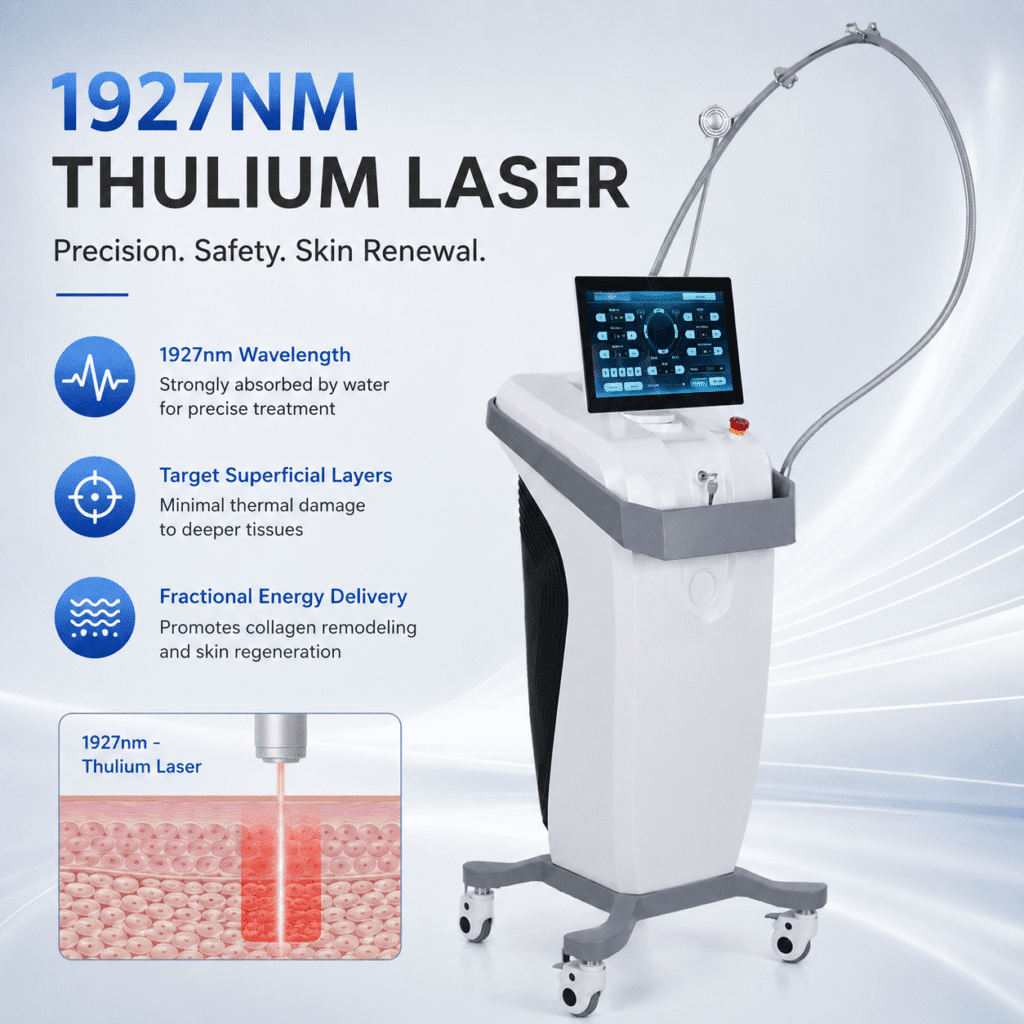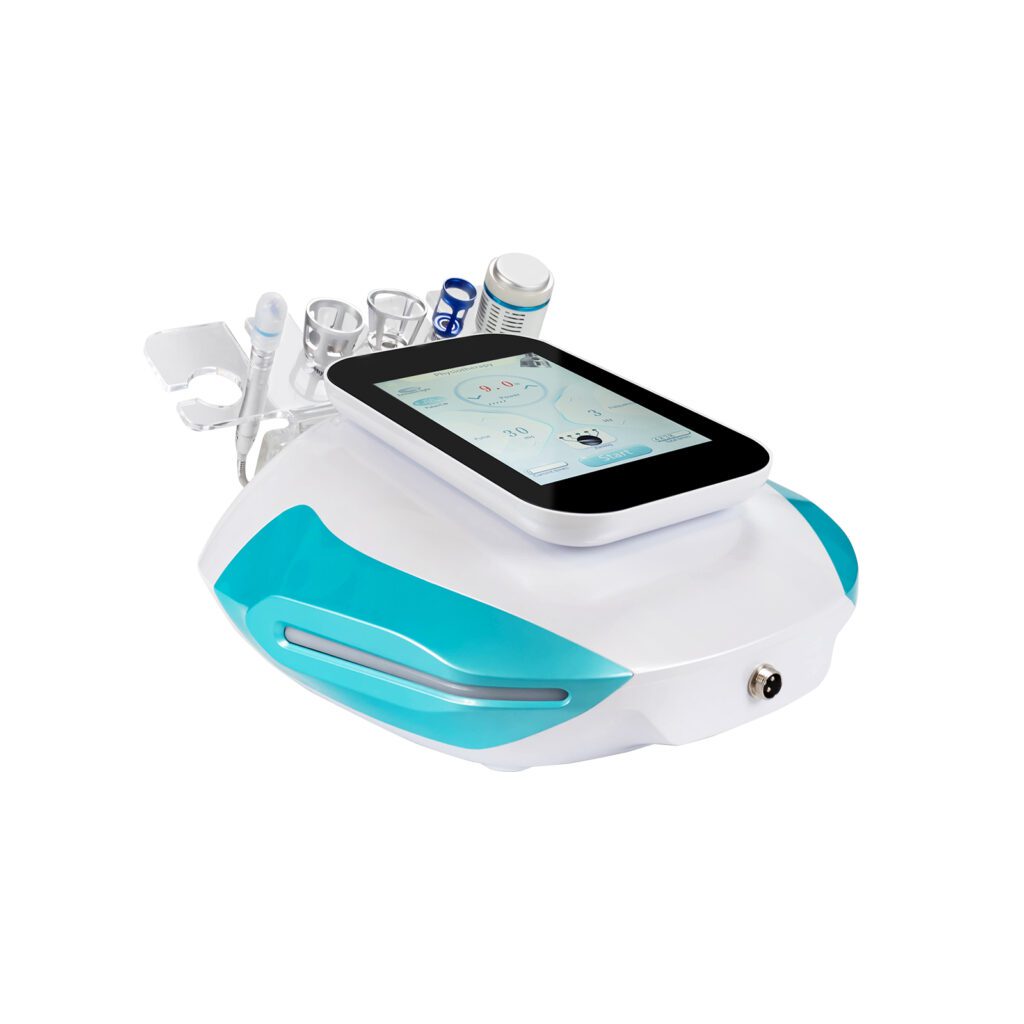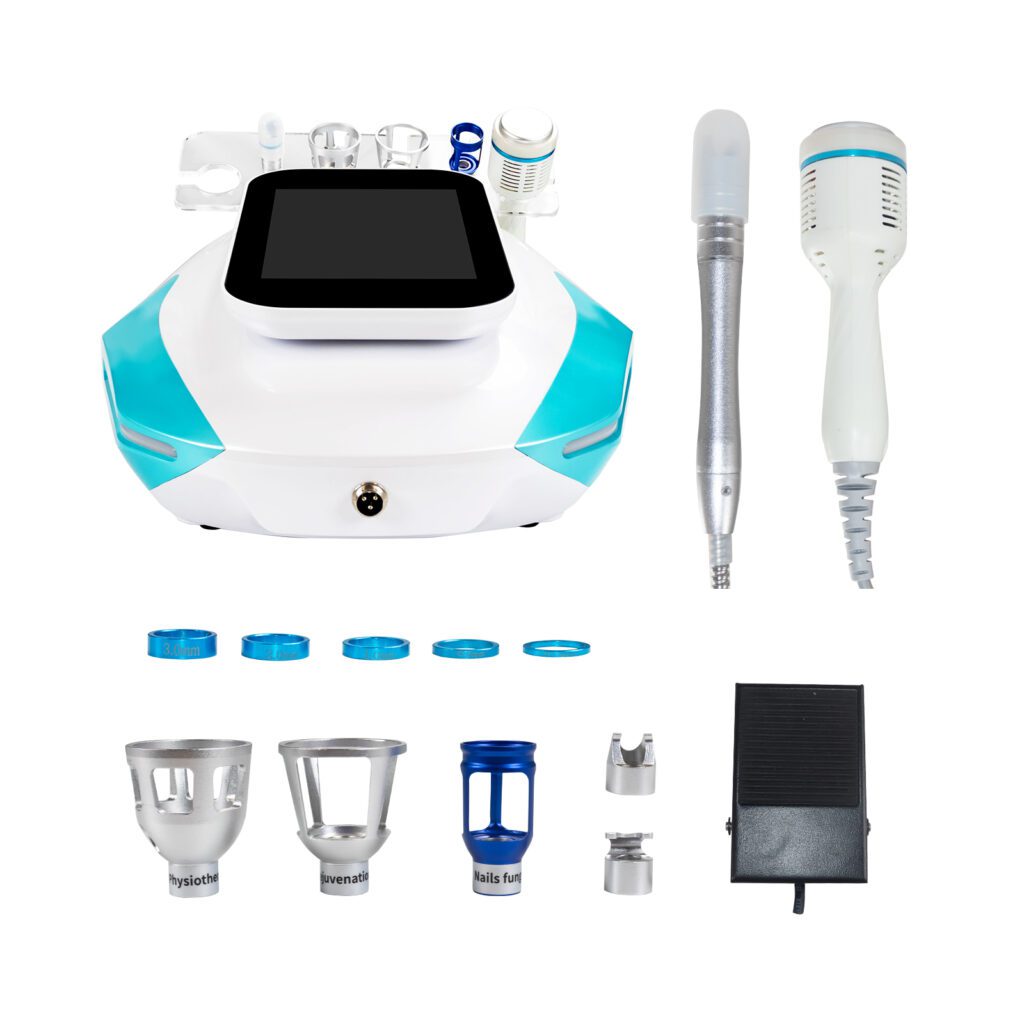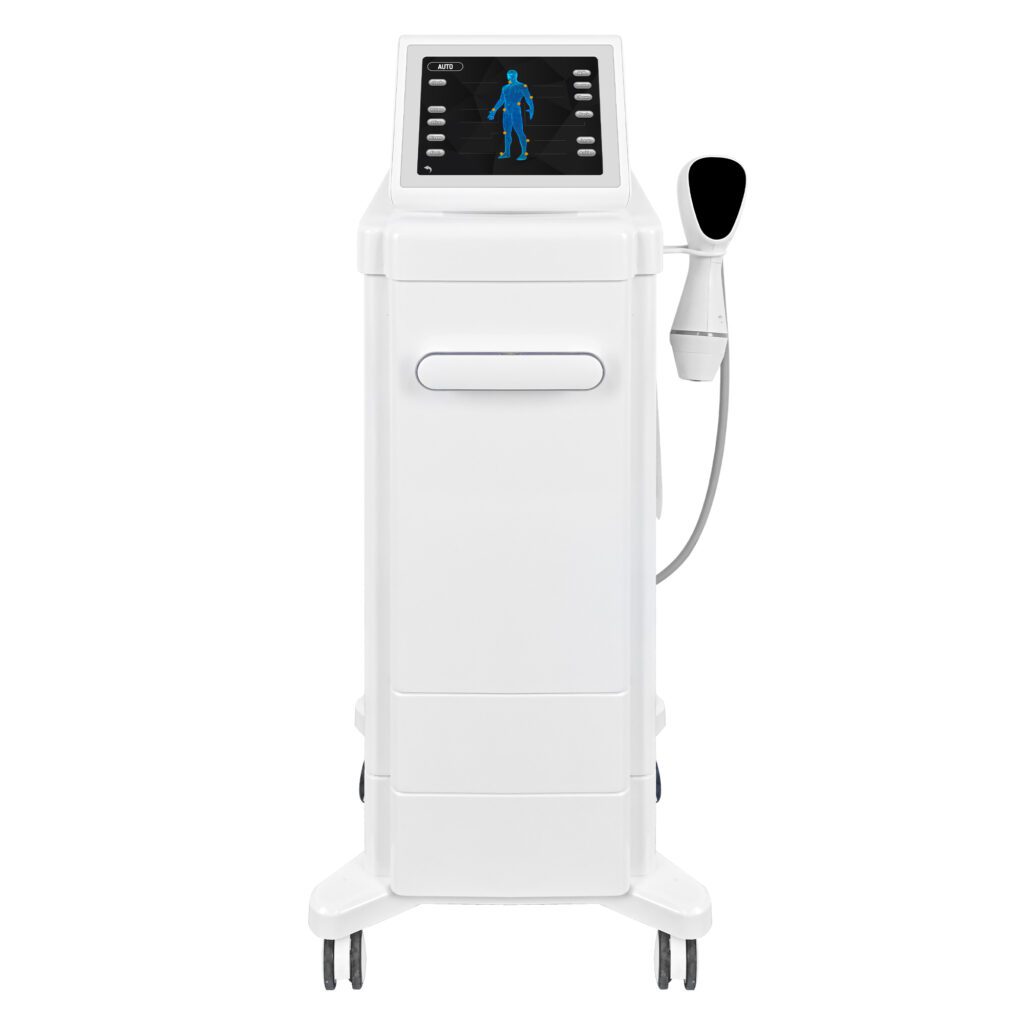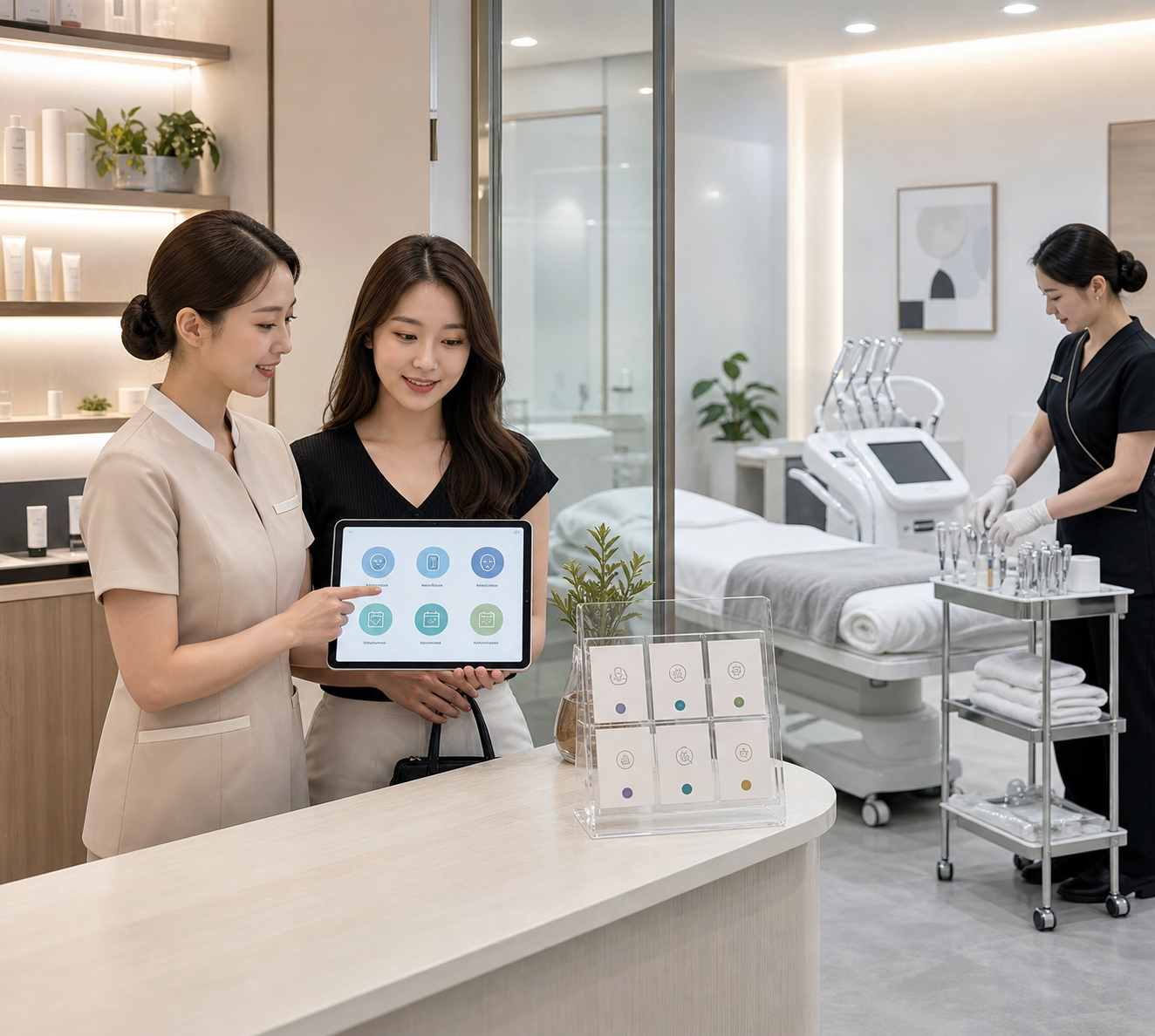
Beauty salons can use equipment projects to improve store professionalism, but the machine itself is not enough. A salon does not look professional simply because it owns an RF machine, hydro facial system, LED panel, skin analyzer, IPL device, HIFU device, or body contouring machine. Professionalism comes from how the salon uses the equipment to create a complete service system.
Customers judge professionalism through many details: whether staff can explain the project clearly, whether the salon performs assessment before treatment, whether equipment looks clean and well maintained, whether the treatment process is standardized, whether aftercare is provided, whether results are explained realistically, and whether the salon follows up after the visit.
For salons, equipment projects can become a strong professional signal when they are connected with consultation, diagnosis, operation standards, hygiene, project packaging, recordkeeping, and customer management. For distributors and manufacturers, helping salons build this system can make equipment easier to sell and easier to use long term.
Professionalism Is Not The Machine. It Is The System Around The Machine.
Many salons make the same mistake after buying equipment. They place the machine in the treatment room, post a few product photos, and tell customers that the store has a new advanced device. This creates curiosity, but it may not create trust.
Customers are more impressed when the salon shows a system:
- Staff ask clear consultation questions.
- Skin or body condition is assessed before treatment.
- The project recommendation matches the customer’s concern.
- The machine is clean and organized.
- Staff explain normal sensations and precautions.
- Treatment steps are consistent.
- Disposable items and reusable accessories are managed properly.
- Customer response is recorded.
- Aftercare is explained.
- Follow-up happens after the session.
This is what makes equipment projects feel professional. The customer should feel that the machine is part of a planned service, not a random add-on.
Why Equipment Projects Can Improve Store Professionalism
Beauty equipment projects can strengthen a salon’s professional image because they provide visible technology, structured processes, and clearer explanation points.
They can help the salon show:
- Investment in professional tools.
- Ability to assess customer condition.
- More standardized treatment flow.
- Better project differentiation.
- More complete service records.
- Stronger staff training.
- Clearer aftercare and follow-up.
- Higher-value service packages.
For example, a customer may see a normal facial as relaxation. But if the same visit includes skin analysis, professional consultation, hydro facial cleansing, LED soothing, aftercare guidance, and a next-session plan, the customer perceives the salon as more systematic and credible.
The equipment creates the opportunity. The salon’s operation turns that opportunity into professional value.
Step 1: Use Assessment Before Recommending The Project
Professional salons do not recommend equipment randomly. They first understand the customer’s concern.
Assessment can include:
- Skin analyzer report.
- Moisture and oil observation.
- Pore, texture, redness, or firmness review.
- Facial contour observation.
- Body measurement if appropriate.
- Customer questionnaire.
- Previous treatment history.
- Sensitivity and comfort concerns.
- Contraindication and suitability check.
The purpose is not to scare the customer or exaggerate problems. The purpose is to make the recommendation logical.
Example:
Based on your skin condition today, your main concern is not only dryness. We also see pore blockage and uneven texture, so I suggest we start with cleansing and hydration management instead of only doing a relaxation facial.
When the customer understands why the project is recommended, the salon feels more professional and less sales-driven.
Step 2: Turn Skin Analysis Into A Consultation Tool
AI skin detection and skin analyzers can improve store professionalism if staff know how to use the report properly. The analyzer should not be used as a decoration or a fear-based sales tool.
A professional skin analysis process should include:
- Standard photo angle.
- Stable lighting.
- Clean camera or contact surface.
- Clear customer file.
- Simple explanation of key findings.
- Priority ranking of concerns.
- Treatment recommendation.
- Home care reminder.
- Follow-up comparison after several sessions.
Staff should not read every number on the screen. They should translate the report into a customer-friendly plan.
For example:
The report gives us three priorities: cleansing, hydration, and soothing. So for the first month, I recommend hydro facial cleansing with LED soothing support. After two sessions, we can review whether your skin comfort and texture are improving.
This turns equipment into professional consultation rather than technical noise.
Step 3: Standardize The Treatment Flow
A professional equipment project should have a fixed treatment flow. Customers feel more confident when the process is organized.
A standard equipment treatment flow may include:
- Appointment confirmation.
- Consultation and suitability check.
- Skin or body assessment.
- Explanation of project purpose.
- Preparation and cleansing.
- Equipment function check.
- Treatment operation.
- Comfort check during treatment.
- Finishing care.
- Cleaning and disinfection after treatment.
- Aftercare guidance.
- Treatment record.
- Next appointment recommendation.
Every staff member should follow the same core steps. Personal service style can vary, but the safety, hygiene, explanation, and record process should not be random.
Step 4: Create A Project SOP For Each Machine
Each equipment project should have a written SOP. This helps staff operate consistently and makes training easier.
A project SOP should include:
- Project name.
- Target customer.
- Suitable customer profile.
- Cautious or unsuitable conditions.
- Pre-treatment questions.
- Treatment room preparation.
- Machine startup steps.
- Handle or probe selection.
- Parameter range or adjustment logic.
- Consumables required.
- Treatment sequence.
- Normal customer sensation.
- Stop-use signals.
- Cleaning and disinfection steps.
- Aftercare guidance.
- Treatment record fields.
- Follow-up timing.
Without SOP, the salon relies on staff memory. With SOP, the store becomes easier to manage and customers receive a more stable experience.
Step 5: Make Staff Explanation Professional And Simple
Customers do not need a long engineering lecture. They need to understand the project in relation to their concern.
Weak explanation:
This machine has RF, EMS, LED, and ultrasound, and the energy level is adjustable.
Better explanation:
This project is designed to support firmness and skin texture management. We will start with a suitable setting, check your comfort during the treatment, and recommend a course only if your skin condition and goals match the project.
Staff should be trained to explain:
- What the project is for.
- Why it is suitable for this customer.
- What the customer may feel.
- What one session can and cannot show.
- Why a course may be recommended.
- What aftercare is needed.
- What situations are not suitable.
Simple and accurate explanations create stronger trust than technical-heavy language.
Step 6: Keep Equipment Clean, Organized, And Visible In The Right Way
Equipment can improve store image only if it looks well managed. A dusty machine, tangled cables, stained probes, messy tubes, or unclear accessory storage can reduce customer confidence immediately.
Professional equipment display should include:
- Clean machine surface.
- Organized cables.
- Protected handpiece holders.
- Labeled accessories.
- Fresh disposable covers.
- Clean treatment cart.
- No old gels or unlabeled bottles.
- No random tools on the machine.
- Clear storage for probes, tips, filters, and tubes.
- Clean room layout with enough staff movement space.
The goal is not to show off the machine. The goal is to let customers feel that the salon respects hygiene, order, and equipment care.
Step 7: Make Hygiene And Cleaning Visible Without Making It Dramatic
Customers may not ask about hygiene, but they notice it. Cleaning and disinfection should be part of the service rhythm.
Professional hygiene signals include:
- Staff wash or sanitize hands before treatment.
- Disposable covers are changed for each customer where used.
- Reusable probes are cleaned according to SOP.
- Treatment bed is prepared before the customer enters.
- Tips, bottles, tubes, and filters are clean and organized.
- Waste items are removed promptly.
- Cleaning products are stored properly.
- Staff explain hygiene steps calmly if the customer asks.
Do not overperform hygiene as theater. Just make the process clean, calm, and consistent. Customers trust quiet competence.
Step 8: Train Staff Before Letting Them Operate
Nothing weakens professionalism faster than a staff member who cannot answer basic equipment questions. Before operating a machine on customers, staff should be trained and authorized.
Training should include:
- Machine structure.
- Startup and shutdown.
- Treatment flow.
- Parameter setting.
- Normal and abnormal sensations.
- Suitability and contraindication reminders.
- Cleaning and disinfection.
- Consumable replacement.
- Error code response.
- Maintenance checklist.
- Customer explanation script.
- Aftercare guidance.
The salon should keep a training record. Staff should operate only machines they have been trained to use. For high-energy or complex devices, training standards should be stricter.
Step 9: Use Treatment Records To Show Management Ability
Professional salons record important details. This does not mean the customer must see every internal log, but staff should be able to refer to previous sessions accurately.
Treatment records may include:
- Customer concern.
- Machine used.
- Treatment project.
- Treatment area.
- Handle or function used.
- Parameter range.
- Treatment time.
- Consumables used.
- Customer sensation.
- Aftercare advice.
- Next appointment plan.
- Any abnormal feedback.
When the customer returns, staff can say:
Last time we focused on cleansing and hydration. Today we will review your skin comfort and decide whether to continue the same plan or add LED soothing support.
This kind of continuity makes the salon feel more professional than starting from zero every visit.
Step 10: Package Projects By Customer Goals
Professional equipment projects should not be named only after the machine. Customers care about their goals.
Weak names:
- RF project.
- Small bubble treatment.
- LED care.
- Machine facial.
Stronger names:
- Facial Firming And Contour Management.
- Pore Cleansing And Hydration Program.
- Sensitive Skin Soothing Light Therapy.
- AI Skin Analysis And Customized Care Plan.
- Neck And Jawline Maintenance Course.
- Body Contour Management Program.
The name should be clear, specific, and realistic. Avoid names that imply guaranteed, permanent, medical, or one-session transformation results unless properly supported and legally allowed.
Step 11: Build A Professional Project Menu
A professional project menu helps customers understand the difference between basic care and equipment-based services.
The menu can be structured by purpose:
- Cleansing and hydration.
- Soothing and barrier support.
- Firming and contour management.
- Anti-aging maintenance.
- Body contour care.
- Skin analysis and customized plans.
- Membership upgrade packages.
Each item should include:
- Suitable customer.
- Treatment focus.
- Session length.
- Suggested course.
- Main equipment used.
- Aftercare reminder.
- Price or price range.
Avoid listing too many machine names without explanation. A customer-friendly menu improves perceived professionalism.
Step 12: Design The First-Visit Experience Carefully
The first equipment experience often decides whether the customer sees the salon as professional. A strong first-visit process should be structured.
First-visit process:
- Welcome and consultation.
- Skin or body assessment.
- Project recommendation.
- Suitability check.
- Clear explanation of what the trial can show.
- Comfortable treatment.
- Review after treatment.
- Aftercare message.
- Package recommendation.
- Follow-up within 24 to 48 hours.
The salon should avoid pushing a high-ticket package before the customer understands the project. Professionalism grows when the recommendation feels connected to the customer’s needs.
Step 13: Use Before-And-After Communication Responsibly
Before-and-after photos and progress records can improve professional image if they are honest and consistent.
Good practice:
- Use consistent lighting.
- Use the same angle.
- Avoid heavy filters.
- Record session dates.
- Explain course length.
- Get customer permission before sharing cases.
- Explain that results vary.
- Avoid implying every customer will get the same outcome.
Over-edited photos and exaggerated claims may bring short-term interest, but they weaken long-term trust.
Step 14: Make Aftercare Part Of The Professional Experience
Aftercare helps customers feel that the salon is managing the whole project, not only selling a session.
Aftercare can include:
- What to avoid after treatment.
- How to care for skin at home.
- Hydration or soothing advice.
- Reminder about normal temporary sensations if applicable.
- When to contact the salon.
- Next appointment timing.
- Package or course plan reminder.
The aftercare can be printed, sent by message, or added to the customer record. A short and clear aftercare note is often enough.
Step 15: Follow Up Like A Professional Consultant
Follow-up is one of the easiest ways to improve store professionalism.
A good follow-up message includes:
- Thanks for visiting.
- Summary of the project.
- Customer concern reviewed.
- Aftercare reminder.
- Next appointment suggestion.
- Package recommendation if appropriate.
- Invitation to report any discomfort or questions.
Example:
Today we focused on pore cleansing and hydration support. Please keep your skin care gentle tonight and avoid over-exfoliation. We will review your skin comfort at the next visit and decide whether to continue the same plan.
This makes the customer feel managed and cared for.
Step 16: Use Equipment To Upgrade Existing Members
Equipment projects can improve professionalism among old customers when they are introduced as logical upgrades.
Examples:
- Basic facial member receives quarterly skin analysis.
- Hydration member upgrades to hydro facial course.
- Anti-aging member adds RF firming management.
- Sensitive customer adds LED soothing support.
- Body care customer adds contour measurement and equipment session.
The message should be:
This is an upgrade to your current care plan.
Not:
We bought a new machine, please try it.
Trust transfers more easily when the project is connected to the customer’s service history.
Step 17: Make Maintenance Records Part Of Store Management
Professionalism is not only what customers see. It is also what the salon manages behind the scenes.
Equipment records should include:
- Daily startup check.
- Cleaning and disinfection log.
- Consumable replacement.
- Handpiece inspection.
- Fault and error code record.
- Maintenance schedule.
- Repair history.
- Staff training record.
- Customer treatment log.
- Monthly usage and revenue review.
These records help with after-sales support, warranty claims, staff responsibility, and project profitability. A salon with records is easier to manage than a salon that relies on memory.
Step 18: Keep Marketing Language Truthful
Professionalism depends on credibility. Equipment projects should not be marketed with exaggerated promises.
Avoid:
- Guaranteed results.
- Permanent effect.
- Medical treatment claims.
- One-session transformation.
- Safe for everyone.
- Same result for every customer.
- Fake testimonials.
- Over-edited before-and-after images.
Better wording:
- Designed to support ongoing skin management.
- Suitable customers need consultation.
- Results vary by individual condition.
- A course may be recommended for stable maintenance.
- We explain benefits, limits, and aftercare before treatment.
Truthful marketing makes the salon look more mature and reduces customer complaints.
Step 19: Improve The Treatment Room Experience
The treatment room is part of the professional signal.
Check:
- Is the room clean and uncluttered?
- Are cables organized?
- Are machine surfaces wiped?
- Are consumables ready before the customer enters?
- Is the room temperature comfortable?
- Is lighting suitable for consultation and treatment?
- Is the treatment bed clean?
- Are staff moving calmly?
- Is the machine positioned safely?
- Are private customer records kept out of view?
Professionalism is often felt through these small details before the project even begins.
Step 20: Track Data To Prove Professional Operation
Professional salons track project performance. This helps managers improve, not guess.
Track:
- Number of equipment consultations.
- Trial booking rate.
- Trial-to-package conversion.
- Customer repurchase rate.
- Average package value.
- Consumable cost.
- Equipment downtime.
- Customer complaints.
- Staff closing rate.
- Maintenance issues.
- Monthly revenue by machine.
If the salon has data, it can adjust training, pricing, project names, package structure, and follow-up strategy. Data turns equipment operation into a managed business system.
How Distributors Can Help Salons Build Professionalism
Distributors can make equipment more valuable by providing professional operation support.
Useful distributor materials include:
- Project SOP templates.
- Staff training videos.
- Consultation forms.
- Skin analysis explanation scripts.
- Treatment flow cards.
- Cleaning and maintenance checklists.
- Project menu templates.
- Before-and-after photo standards.
- Aftercare cards.
- Follow-up message templates.
- Equipment record sheets.
- Troubleshooting guides.
When distributors provide these materials, salons can launch projects faster and operate them more professionally.
How Manufacturers Can Support A Professional Store Image
Manufacturers can support salons by providing:
- Clear user manuals.
- Training course updates.
- Clean product design.
- Stable equipment performance.
- Spare parts and consumable support.
- Error code guidance.
- Maintenance schedules.
- High-quality product videos.
- Project protocol suggestions.
- Software reports if applicable.
- Marketing materials with careful claims.
A machine is easier to position as professional when the manufacturer supports the full service system.
Common Mistakes To Avoid
The first mistake is displaying machines without training staff to explain them.
The second mistake is using equipment only as a discount tool.
The third mistake is skipping consultation and recommending the same project to everyone.
The fourth mistake is letting equipment look messy, dusty, or poorly maintained.
The fifth mistake is making exaggerated effect claims.
The sixth mistake is not recording treatment details.
The seventh mistake is failing to follow up after the first visit.
The eighth mistake is buying machines but not building project menus or SOPs.
FAQ
Can beauty equipment really improve a salon’s professional image?
Yes, if the equipment is used as part of a professional service system. Assessment, consultation, standardized treatment flow, hygiene, staff training, records, aftercare, and follow-up are what make the equipment feel professional.
What equipment projects are best for improving professionalism?
Skin analysis, hydro facial, LED soothing, RF firming, EMS microcurrent, ultrasound hydration, body contouring, IPL or laser-related projects where suitable, and AI skin detection can all improve professionalism when used with proper training and SOPs.
Should salons display machines openly to customers?
Machines can be visible, but they should be clean, organized, and positioned safely. A messy machine reduces trust. The display should support professional confidence, not create clutter.
How can staff explain equipment projects professionally?
Staff should connect the project to the customer’s concern, explain what the treatment is designed to support, describe normal sensations, set realistic expectations, and recommend a plan instead of listing technical functions only.
What records help equipment projects look more professional?
Useful records include customer consultation notes, treatment logs, cleaning records, consumable replacement, maintenance checks, repair history, staff training records, and progress review notes.
Conclusion
Beauty salons can use equipment projects to improve store professionalism by building a complete system around the machine. The salon should use assessment before recommendation, standardize treatment flow, train staff, keep equipment clean and organized, record usage and maintenance, package projects by customer goals, communicate results truthfully, and follow up after treatment.
Professionalism is not created by owning expensive devices alone. It is created when customers feel that the salon understands their needs, operates equipment carefully, explains projects clearly, manages hygiene seriously, and follows a structured plan over time.