









Comprendre les différents types de graisse corporelle
La plupart des gens pensent que la graisse, c'est juste de la graisse. On la pince, on la déteste et on essaie de s'en débarrasser. Mais en réalité, le corps stocke les graisses de différentes manières, et chaque type réagit différemment. Comprendre cette différence est la première étape pour comprendre pourquoi certaines zones semblent impossibles à affiner.
Qu'est-ce que la graisse sous-cutanée ?
La graisse sous-cutanée est la graisse molle et palpable située juste sous la peau. C'est celle que l'on peut sentir au niveau du ventre, des cuisses, des hanches, des bras ou des fesses. Selon les recherches et les experts médicaux, ce type de graisse représente la majorité des graisses corporelles chez la plupart des personnes.
C'est aussi cette graisse qui a tendance à être la plus source de frustration émotionnelle. Pourquoi ? Parce qu'elle est visible. Elle modifie la façon dont les vêtements tombent. Elle crée des bourrelets, un double menton et des zones relâchées sur lesquelles on s'obsède devant le miroir.
Paradoxalement, la graisse sous-cutanée n'est pas toujours la plus dangereuse. La graisse viscérale présente des risques plus importants pour la santé, mais la graisse sous-cutanée est généralement plus difficile à éliminer complètement de manière esthétique. C'est pourquoi une personne peut améliorer sa santé interne tout en restant complexée par certaines parties de son corps.
Imaginez la graisse viscérale comme de l'argent liquide sur un compte courant : votre corps y a facilement accès. La graisse sous-cutanée, quant à elle, se comporte davantage comme de l'argent bloqué sur un compte d'épargne à long terme. Votre corps ne la puise que lorsque c'est absolument nécessaire.
Qu'est-ce que la graisse viscérale ?
La graisse viscérale se loge profondément dans l'abdomen et entoure des organes comme le foie, les intestins et le pancréas. Contrairement à la graisse sous-cutanée, elle est généralement impossible à pincer. C'est ce type de graisse qui donne à beaucoup d'entre nous cet aspect de ventre dur et proéminent, souvent appelé “ ventre à bière ”.
Les professionnels de la santé s'inquiètent davantage de la graisse viscérale car elle est fortement liée à des affections telles que :
- diabète de type 2
- Maladie cardiaque
- Accident vasculaire cérébral
- Hypertension artérielle
- Stéatose hépatique
Ce qui est intéressant, c'est que la graisse viscérale est souvent plus facile à éliminer que la graisse sous-cutanée tenace, car elle est plus active métaboliquement. Des études montrent que la graisse viscérale réagit généralement plus vite aux déficits caloriques, à l'exercice physique et aux changements de mode de vie.
Cela explique pourquoi certaines personnes constatent une diminution de leur tour de taille dès le début d'un régime, mais continuent de lutter contre l'excès de graisse au niveau du bas-ventre ou des cuisses par la suite.
Pourquoi certaines graisses sont plus difficiles à perdre que d'autres
Si la perte de poids se résumait à une question de calories, tout le monde aurait des abdos en béton après un régime. Mais le corps est bien plus complexe. C'est votre biologie qui détermine où les graisses sont éliminées en premier et où elles restent le plus longtemps.
Génétique et répartition des graisses
La génétique joue un rôle majeur dans la répartition des graisses tenaces. Certaines personnes stockent naturellement plus de graisse au niveau des hanches et des cuisses, tandis que d'autres la concentrent autour de la taille ou des bras.
Les recherches montrent de façon constante que les familles partagent souvent des schémas de répartition des graisses similaires.
Vous l'avez sans doute déjà constaté. Certaines personnes prennent du poids principalement au niveau du visage, d'autres au niveau du ventre, et d'autres encore de façon uniforme. Ce n'est pas un hasard : c'est en grande partie déterminé par la génétique.
Malheureusement, la génétique influence aussi les zones où la graisse disparaît en dernier. Le corps élimine généralement la graisse dans l'ordre inverse de son stockage. Les zones où la graisse s'est accumulée en premier deviennent souvent les dernières à être éliminées.
C'est pourquoi beaucoup de gens maigrissent partout sauf au niveau du bas du ventre ou des cuisses. Ce n'est pas un échec, c'est juste la biologie qui nous joue des tours.
Hormones et âge
Les hormones ont une influence considérable sur la répartition des graisses tenaces. Chez la femme, les œstrogènes favorisent le stockage des graisses au niveau des hanches et des cuisses, tandis que chez l'homme, la testostérone influence la répartition des graisses abdominales.
Avec l'âge, les changements hormonaux rendent la perte de graisse encore plus difficile. La masse musculaire diminue, le métabolisme ralentit et la sensibilité à l'insuline se détériore souvent. L'organisme cherche davantage à préserver ses réserves d'énergie, ce qui signifie que la graisse tenace devient encore plus difficile à éliminer.
Les hormones du stress jouent également un rôle. Une élévation chronique du cortisol due à un mauvais sommeil, à l'anxiété ou au surentraînement peut favoriser l'accumulation de graisse abdominale. C'est pourquoi une personne peut faire de l'exercice régulièrement et pourtant avoir du mal à se débarrasser de la graisse du ventre si son niveau de stress reste très élevé.
La graisse abdominale est-elle la plus difficile à perdre ?
Pour beaucoup de personnes, oui. La graisse abdominale est souvent la zone la plus frustrante car elle combine graisse viscérale et graisse sous-cutanée.
Explication de la graisse du bas-ventre
La graisse du bas-ventre est tristement célèbre car elle a tendance à être l'un des derniers endroits où la graisse sous-cutanée persiste. Même les personnes qui deviennent relativement minces constatent souvent encore une certaine mollesse dans cette zone.
L'organisme protège farouchement la graisse abdominale inférieure car elle constitue une réserve énergétique liée à des mécanismes de survie développés au fil des millénaires. Chez les femmes en particulier, l'organisme peut résister à l'élimination complète de cette graisse en raison de facteurs liés à la biologie reproductive.
Cela crée le scénario classique où une personne perd 15 kilos mais se plaint toujours de son ventre.
Le problème est d'autant plus frustrant que les réseaux sociaux créent des attentes irréalistes. De nombreux influenceurs fitness affichent une silhouette toujours mince, mais leurs photos sont souvent retouchées grâce à un éclairage artificiel, une déshydratation, des angles de prise de vue astucieux, des modifications de l'éclairage et des régimes temporaires.
La perte de graisse réelle est plus lente et moins glamour.
Poignées d'amour et graisse du dos
Les poignées d'amour et la graisse du bas du dos sont également réputées pour leur résistance. Ces zones contiennent souvent d'importants dépôts de graisse sous-cutanée avec une vascularisation réduite, ce qui ralentit la mobilisation des graisses.
Les hommes sont particulièrement concernés par les poignées d'amour, car les hormones masculines favorisent le stockage des graisses autour de la taille. Les femmes, quant à elles, sont souvent plus préoccupées par les hanches et les cuisses.
On peut comparer la graisse tenace à une vieille tache sur un tapis. Certaines taches disparaissent immédiatement, tandis que d'autres nécessitent des efforts répétés. Le corps fonctionne de la même manière.
Pourquoi les femmes et les hommes stockent les graisses différemment
Le sexe influence significativement les schémas de stockage des graisses.
Zones de graisse tenaces chez la femme
Les femmes rencontrent fréquemment des difficultés avec :
- Les hanches
- Cuisses
- Fesses
- bas-ventre
- Bras supérieurs
Les œstrogènes favorisent le stockage des graisses dans ces régions, conformément à la physiologie de la reproduction. L'organisme constitue ainsi des réserves énergétiques essentielles à la grossesse et à la survie.
Cela explique pourquoi les femmes remarquent souvent d'abord la disparition de la graisse au niveau du visage ou de la poitrine, tandis que la graisse du bas du corps reste quasiment inchangée pendant des semaines.
Zones de graisse tenace chez l'homme
Les hommes stockent généralement les graisses tenaces dans :
- bas de l'estomac
- poignées d'amour
- Lombes
- Poitrine
Les hommes perdent souvent du poids plus rapidement au départ car ils ont généralement plus de graisse viscérale, qui réagit mieux à un déficit calorique. Mais une fois que la graisse viscérale diminue, la graisse abdominale sous-cutanée restante devient de plus en plus difficile à éliminer.
C’est pourquoi beaucoup d’hommes atteignent un plateau où leur corps paraît “ plus mince ” mais pas encore svelte.
La science derrière la graisse tenace
Le corps humain ne choisit pas au hasard où se loge la graisse. La résistance des graisses tenaces s'explique par des mécanismes scientifiques précis.
Récepteurs des cellules graisseuses
Les cellules graisseuses contiennent des récepteurs qui contrôlent la libération des graisses. Certains récepteurs favorisent la combustion des graisses, tandis que d'autres la ralentissent.
Les zones de graisse tenace ont tendance à présenter davantage de récepteurs alpha-2, qui freinent la mobilisation des graisses. Les graisses plus faciles à éliminer contiennent davantage de récepteurs bêta, qui favorisent leur dégradation.
C’est l’une des raisons pour lesquelles la graisse du bas-ventre et des cuisses semble parfois impossible à éliminer. Ces zones sont littéralement conçues pour résister à la perte de graisse.
Flux sanguin et mobilisation des graisses
La circulation sanguine influe également sur la combustion des graisses. Les zones moins bien irriguées reçoivent moins d'hormones qui stimulent la dégradation des graisses.
Cela signifie que les zones de graisse tenace reçoivent des signaux de “ combustion des graisses ” plus faibles que les autres parties du corps.
Cela explique en partie pourquoi on perd souvent d'abord la graisse du visage. Le visage bénéficie d'une excellente circulation sanguine. Le bas-ventre, en revanche, beaucoup moins.
Peut-on cibler la perte de graisse dans des zones spécifiques ?
C'est là que s'effondrent de nombreux mythes sur le fitness.
La vérité sur la réduction des taches
Malgré des décennies d'entraînements abdominaux et de promesses de raffermissement des cuisses, la recherche montre que la réduction localisée des graisses est en grande partie un mythe.
Faire 500 abdominaux ne fera pas disparaître la graisse du ventre comme par magie. Les squats seuls ne suffiront pas à éliminer la graisse des cuisses. En cas de déficit calorique, votre corps détermine où puiser les graisses.
Cela ne signifie pas que l'exercice est inutile. Développer les muscles sous la graisse tenace améliore considérablement la silhouette et l'apparence. Cependant, éliminer directement la graisse d'une zone spécifique par le seul exercice physique n'est pas réaliste.
C’est pourquoi une personne peut renforcer ses abdominaux pendant des mois sans pour autant constater de définition visible tant que sa masse graisseuse globale n’a pas suffisamment diminué.
Les meilleures façons de perdre la graisse tenace
Il n'existe pas de solution miracle, mais il existe des stratégies fondées sur des preuves qui fonctionnent de manière constante.
Stratégies nutritionnelles
La perte de graisse commence par un déficit calorique. Votre corps doit brûler plus d'énergie qu'il n'en consomme.
Les meilleures approches diététiques se concentrent généralement sur :
| Stratégie | Pourquoi cela aide |
|---|---|
| Apport élevé en protéines | Préserve la masse musculaire et augmente la satiété |
| Aliments complets | Réduire la suralimentation |
| aliments riches en fibres | Améliorer la satiété |
| Boissons à teneur réduite en sucre | Réduire l'apport calorique excessif |
| Habitudes alimentaires régulières | Améliorer l'adhérence |
Les régimes drastiques fonctionnent rarement sur le long terme car ils augmentent la faim, réduisent l'énergie et ralentissent le métabolisme.
Une alimentation durable est toujours préférable à une restriction extrême.
Entraînement musculaire et cardio
Les meilleurs programmes de perte de graisse associent musculation et exercices cardiovasculaires.
L'entraînement musculaire aide à préserver la masse musculaire pendant la perte de graisse, tandis que le cardio augmente la dépense calorique et améliore la santé cardiaque.
Les recherches et les conseils d'experts recommandent souvent :
- Plus de 150 minutes de cardio modéré par semaine
- 2 à 4 séances de musculation par semaine
- Les mouvements quotidiens comme la marche
La marche est particulièrement sous-estimée. Elle est peu stressante, durable et très efficace lorsqu'elle est pratiquée régulièrement.
Gestion du sommeil et du stress
Un mauvais sommeil augmente les hormones de la faim et les envies de grignotage. Un stress important fait grimper le taux de cortisol, ce qui peut aggraver le stockage des graisses abdominales.
C’est pourquoi certaines personnes sabotent inconsciemment leurs progrès en :
- Ne dormant que 5 heures par nuit
- Surentraînement constant
- Vivre dans un stress chronique
- Utiliser la nourriture comme un moyen de réconfort émotionnel
Parfois, améliorer la récupération contribue davantage à la perte de graisse que d'ajouter une séance d'entraînement supplémentaire.
Options de réduction de graisse médicales et esthétiques
Certaines personnes finissent par envisager des interventions médicales pour les graisses tenaces.
Congélation des graisses
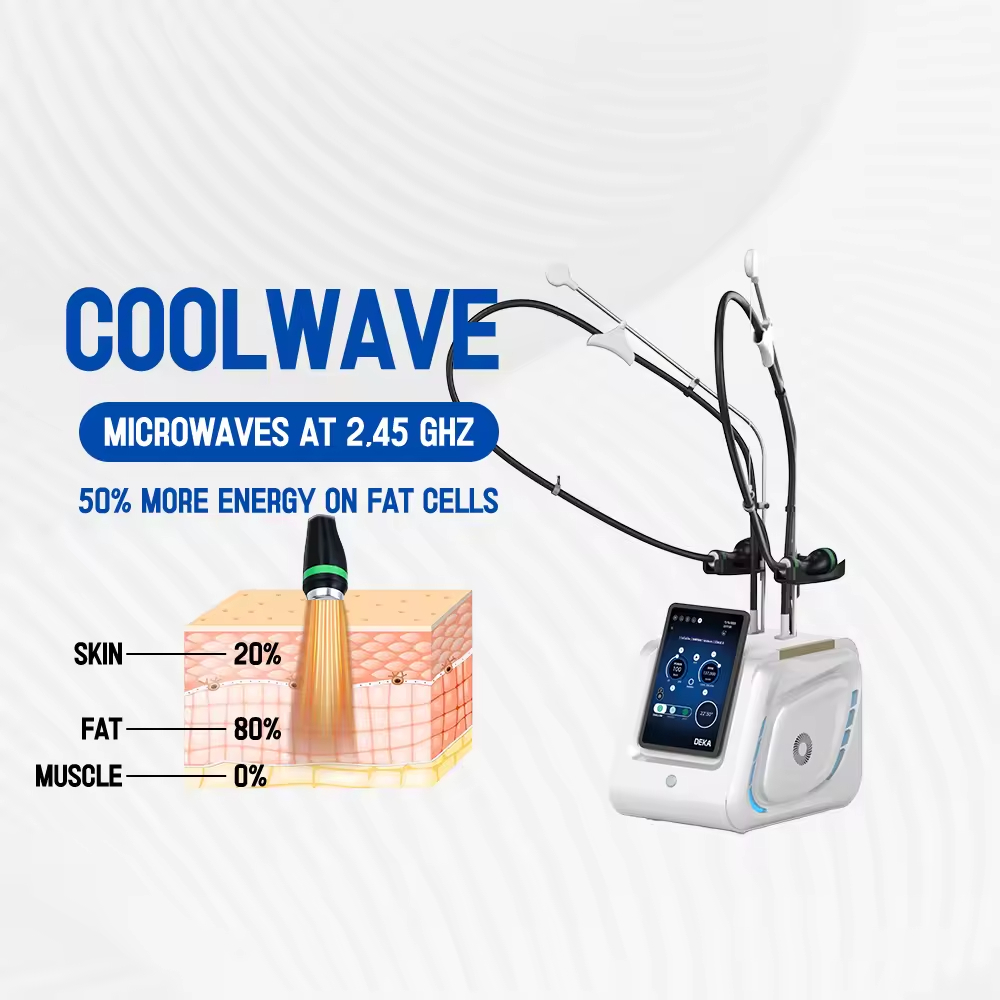
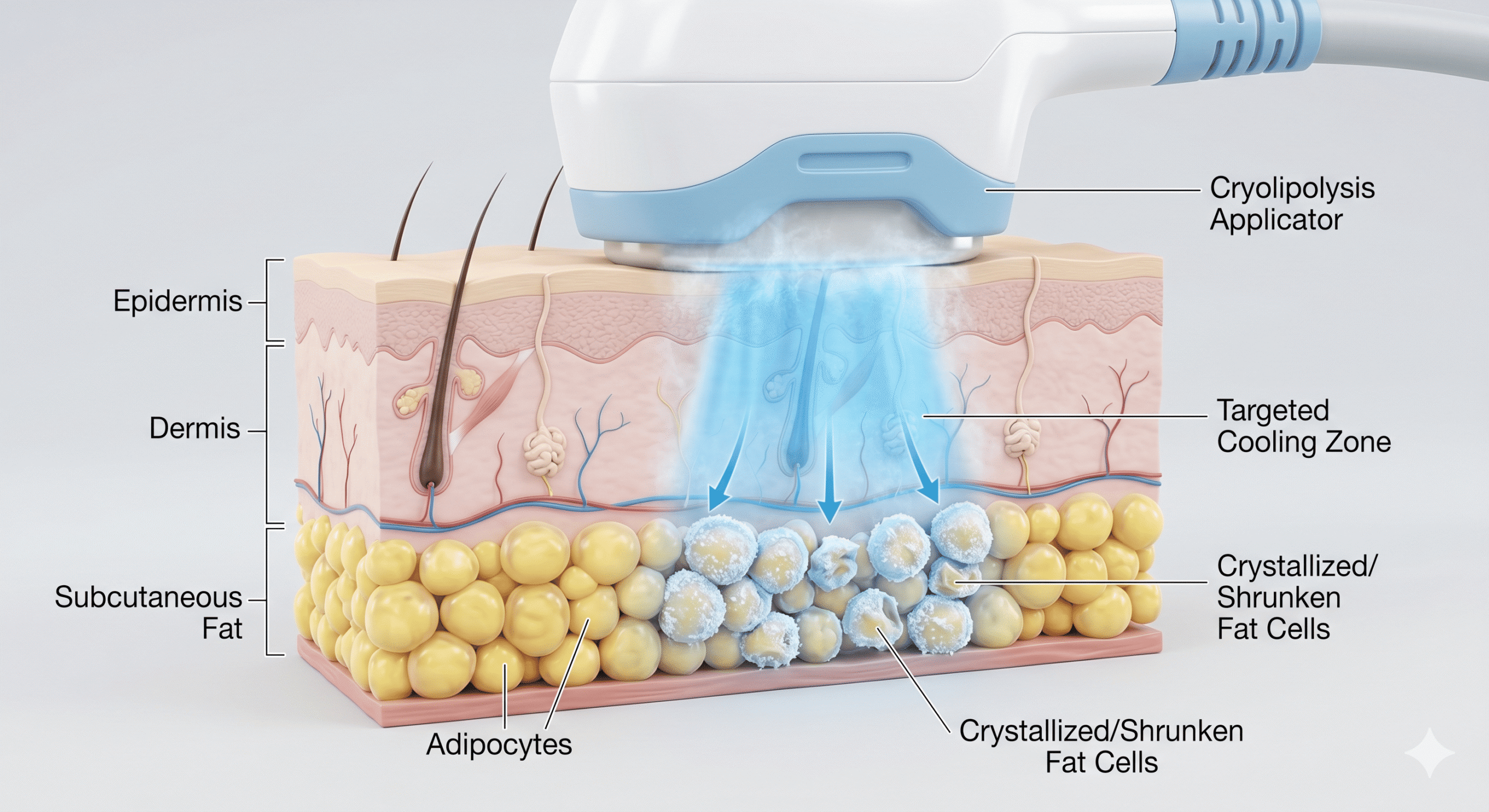
La cryolipolyse, communément appelée congélation des graisses, cible les cellules graisseuses sous-cutanées par un refroidissement contrôlé.
Ces traitements peuvent réduire les amas graisseux localisés, mais ne remplacent pas une perte de poids.
Elles sont particulièrement efficaces chez les personnes relativement minces présentant des zones rebelles localisées.
Liposuccion
La liposuccion consiste à retirer physiquement la graisse sous-cutanée située sous la peau. Elle ne retire pas la graisse viscérale.
Cette distinction est importante car certaines personnes s'attendent à ce que la liposuccion aplatisse les bourrelets viscéraux durs, ce qu'elle ne peut pas faire efficacement.
Les interventions esthétiques peuvent améliorer l'apparence, mais les habitudes de vie restent déterminantes pour les résultats à long terme.
Combien de temps faut-il pour perdre la graisse tenace ?
C'est la question que presque tout le monde se pose.
La réponse dépend de :
- Pourcentage de graisse corporelle initial
- Génétique
- Âge
- Hormones
- Cohérence
- qualité du sommeil
- respect du régime alimentaire
Pour beaucoup de gens, les derniers 5 à 7 kilos de graisse semblent plus difficiles à perdre que les 15 premiers.
Pourquoi?
Car à mesure que les réserves de graisse diminuent, l'organisme se protège de plus en plus. La faim augmente, la dépense énergétique s'adapte et les graisses tenaces deviennent la dernière réserve.
C'est pourquoi la patience est si importante.
Une perte de graisse saine se produit généralement à raison de 0,5 à 1 kg par semaine. Une perte plus rapide peut entraîner une perte musculaire et une reprise de poids.
Ce sont généralement les plus constants qui réussissent au final, et non les plus extrêmes.
Conclusion
La graisse la plus difficile à éliminer est généralement graisse sous-cutanée tenace, notamment au niveau du bas-ventre, des hanches, des cuisses et des poignées d'amour. Bien que plus dangereuse pour la santé, la graisse viscérale est souvent plus facile à brûler pour l'organisme car elle est métaboliquement active. La graisse sous-cutanée, quant à elle, se comporte comme une réserve d'énergie à long terme que le corps cherche à préserver.
C’est pourquoi la perte de graisse est souvent perçue comme injuste. Votre visage s’affine. Vos vêtements vous vont mieux. Votre santé s’améliore. Pourtant, une zone récalcitrante refuse de coopérer.
L'essentiel est de comprendre que la graisse tenace est un phénomène biologique normal, et non un échec personnel.
Le succès à long terme repose sur des habitudes durables :
- Contrôle constant des calories
- musculation
- Mouvement régulier
- Bonne nuit
- Gestion du stress
- Patience
Il n'existe ni exercice magique ni complément alimentaire miracle qui puisse contrer la physiologie humaine. Mais avec suffisamment de régularité, même la graisse tenace finit par disparaître.
FAQ
1. Quel type de graisse est le plus difficile à perdre ?
La graisse sous-cutanée est généralement la plus difficile à éliminer, surtout dans les zones tenaces comme le bas-ventre, les cuisses, les hanches et les poignées d'amour.
2. Est-il plus facile de perdre de la graisse viscérale que de la graisse sous-cutanée ?
Oui. Les recherches suggèrent que la graisse viscérale est plus active métaboliquement et diminue souvent plus rapidement lors d'une perte de poids.
3. Pourquoi la graisse du bas-ventre est-elle si tenace ?
La graisse du bas-ventre contient des cellules graisseuses qui résistent à la mobilisation et qui présentent souvent un flux sanguin réduit, ce qui ralentit la combustion des graisses dans cette région.
4. Peut-on cibler la perte de graisse sur une seule zone ?
Non. La perte de graisse localisée est en grande partie un mythe. La perte de graisse globale par l'alimentation et l'exercice physique est l'approche la plus efficace.
5. Quel est le moyen le plus rapide de perdre la graisse tenace ?
La stratégie la plus efficace combine :
- Un déficit calorique modéré
- Apport élevé en protéines
- musculation
- Exercice cardio
- Un sommeil régulier
- Contrôle du stress
Les régimes drastiques et rapides ont généralement un effet contre-productif à long terme.