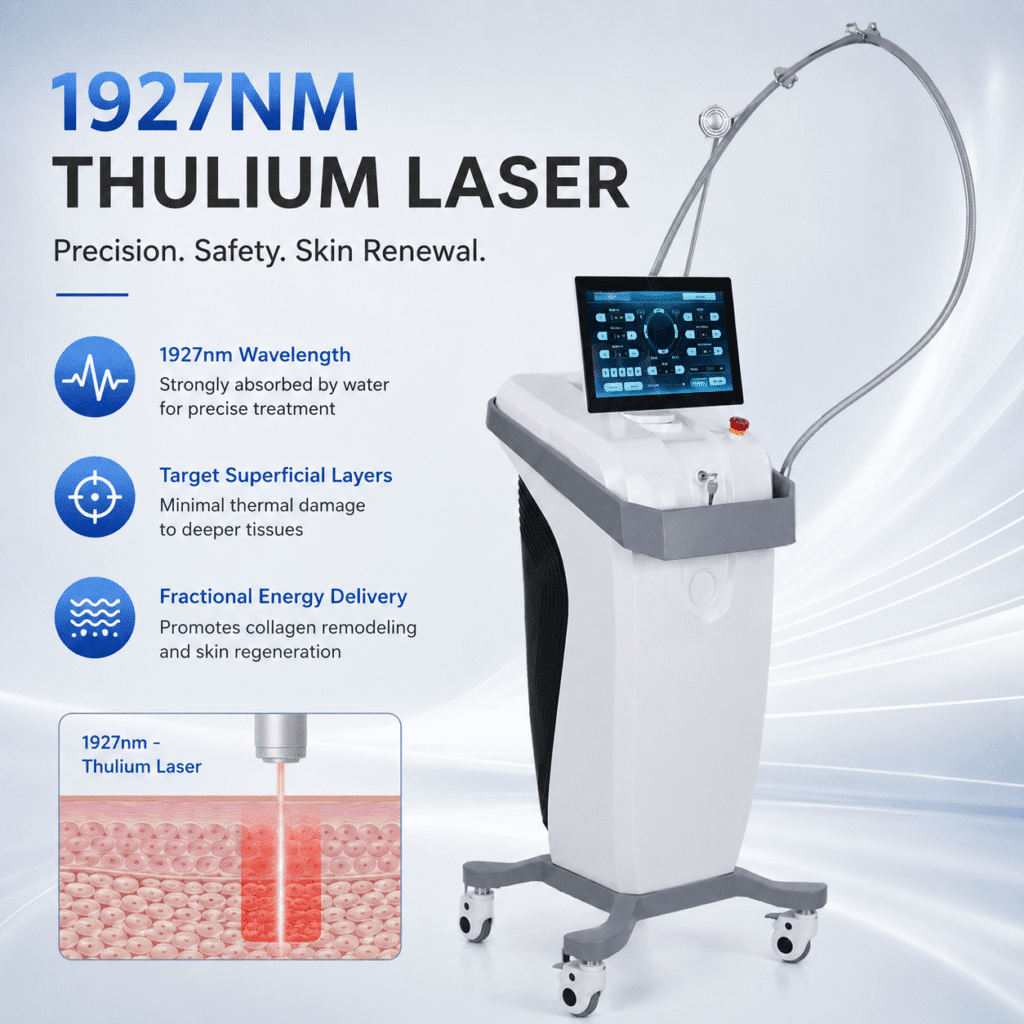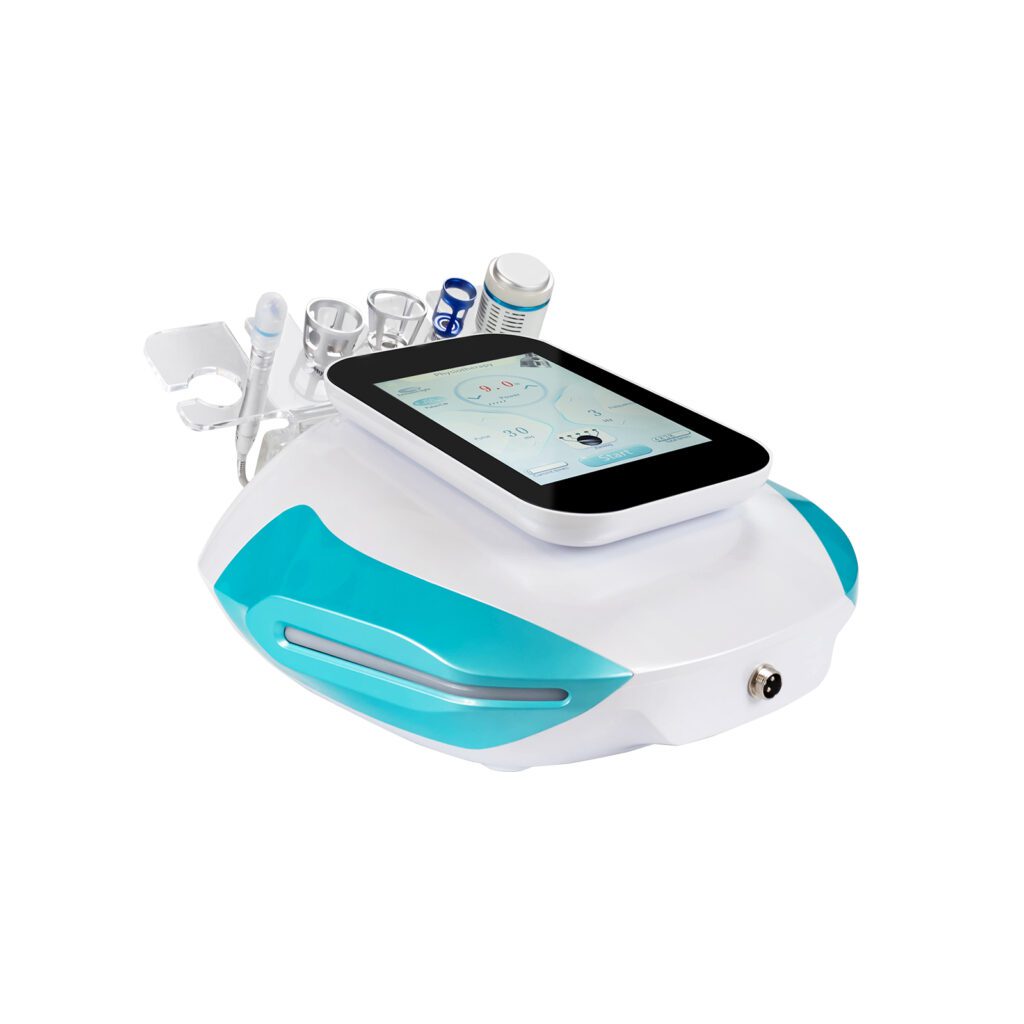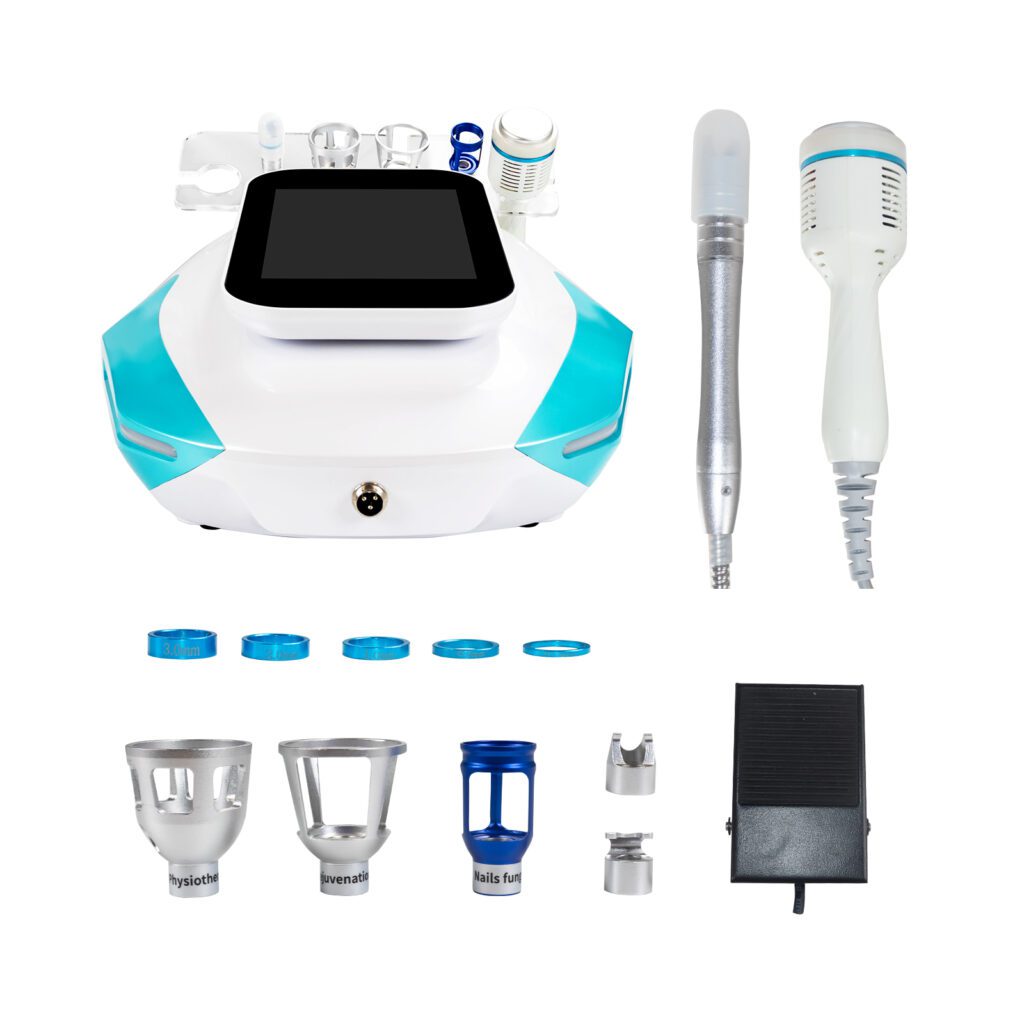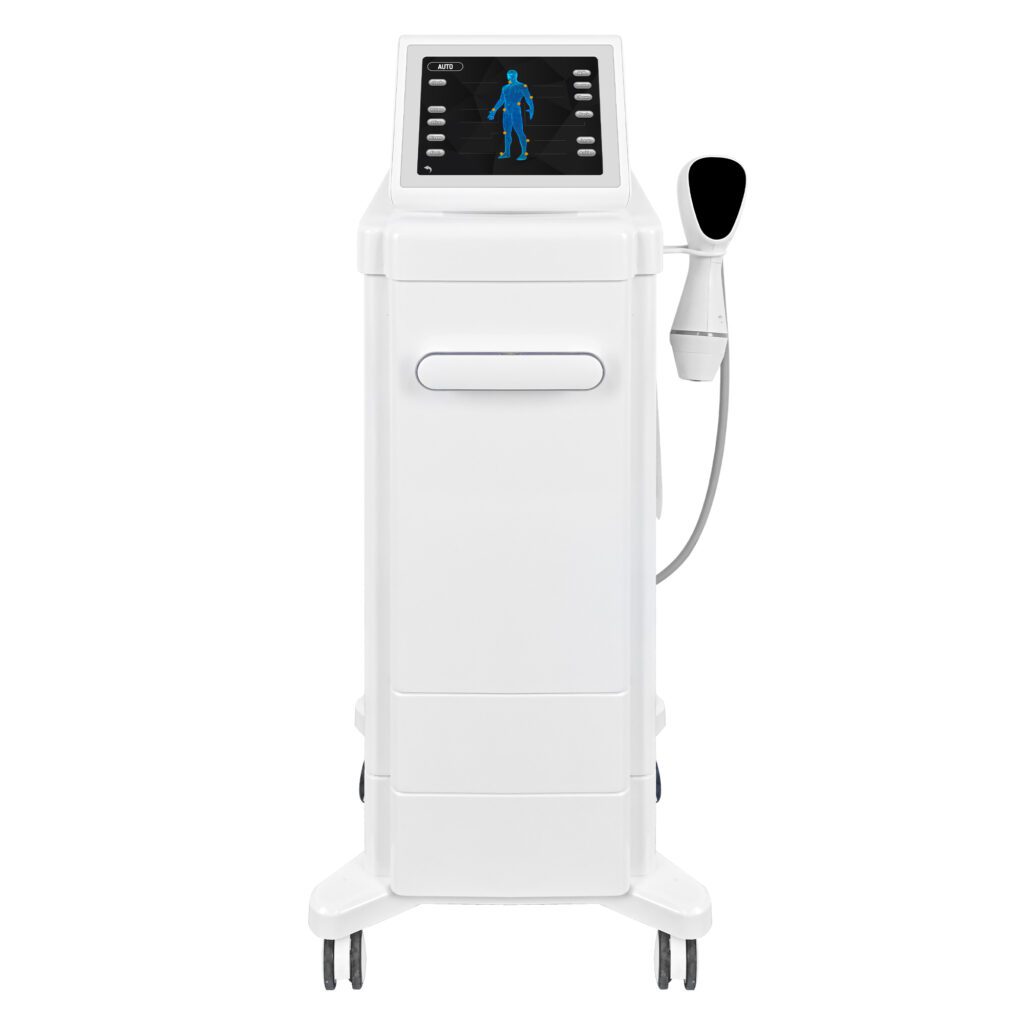










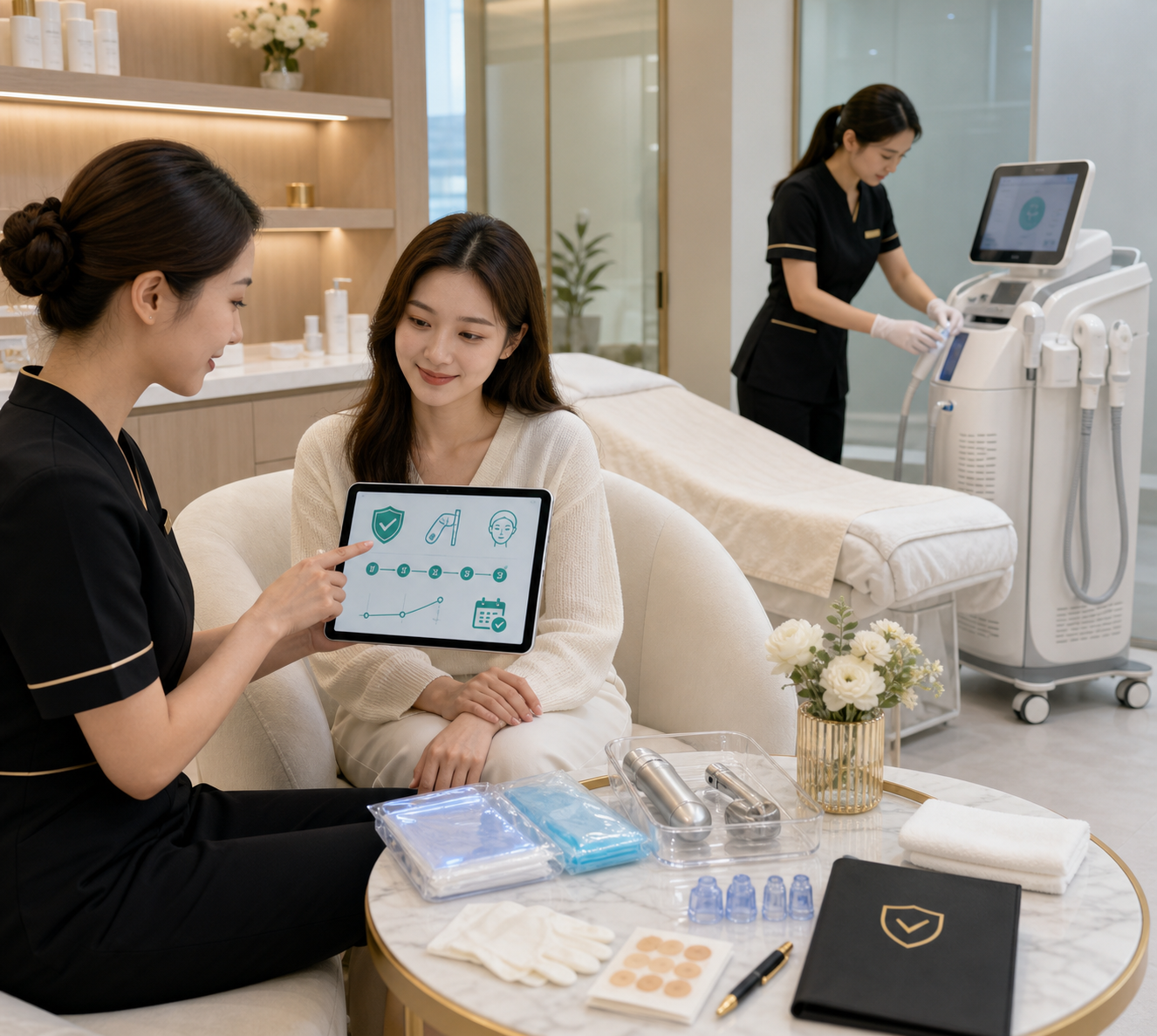
Customer trust is one of the most important factors in whether a beauty equipment project can sell repeatedly in a salon. Many customers are interested in RF, ultrasound, LED light therapy, hydro dermabrasion, skin analysis, hair removal, body shaping, and other equipment-based services. But interest does not automatically become payment. Customers still worry about safety, pain, effect, price, hygiene, staff skill, privacy, and whether the salon is exaggerating.
For beauty salons, this means equipment projects should not be promoted only as new technology. They should be operated as trust-building service systems. The machine may attract attention, but trust is built through consultation, explanation, standardized procedures, customer records, staff training, realistic expectations, aftercare, and follow-up.
When a salon builds trust properly, equipment projects can do more than increase one-time revenue. They can improve customer loyalty, raise average order value, support membership upgrades, make project packages easier to sell, and help the salon look more professional in the local market.
Why Customers Often Distrust Equipment Projects
Many customers do not reject beauty equipment because they dislike technology. They hesitate because they do not understand what the technology means for them.
Les préoccupations courantes incluent :
- Est-ce que ça va faire mal ?
- Is it suitable for my skin?
- Is the machine safe?
- Is the therapist trained?
- Is the salon exaggerating the effect?
- Is the before and after case real?
- Will I be pushed into an expensive package?
- Is the price worth it?
- What happens if I do not feel obvious changes?
- Are the handles and treatment bed clean?
- Will my photos or skin data be used without permission?
If these concerns are not answered, the customer may choose a cheaper basic facial, delay the decision, or go to a competitor. Therefore, a salon should design the trust experience before trying to sell the project.
Trust Comes From Process, Not Slogans
Many salons try to build trust by saying “we are professional”, “our machine is high-end”, or “the effect is obvious”. These phrases are too general. Customers believe what they can see, understand, and verify.
Trust comes from visible details:
- Staff asks suitability questions before recommending the project
- The equipment is clean and well maintained
- The therapist explains the service steps calmly
- The customer knows what the project can and cannot do
- The price and package rules are clear
- Photos and cases are shown with context
- The salon does not promise the same result for everyone
- Aftercare instructions are written down
- Follow-up happens after the session
- Customer privacy is respected
In other words, trust is not one sentence. It is the total experience the customer has before, during, and after the equipment service.
Start With A Professional Consultation
The consultation is the first trust checkpoint. If a salon recommends an equipment project immediately without asking questions, customers may feel the salon only wants to sell. A better approach is to understand the customer’s condition and goal first.
The consultation should cover:
- Préoccupation principale
- Tranche d'âge
- Skin type or body concern
- Current care routine
- Procédures récentes
- Sensitivity or irritation
- Pregnancy or special physical conditions where relevant
- Medication or medical history questions where appropriate and allowed
- Previous experience with equipment projects
- Budget expectation
- Desired service frequency
- Whether the customer wants immediate improvement, maintenance, or long-term management
The staff should explain that this step is not a barrier. It is used to judge suitability and choose the right care plan. Customers usually trust a salon more when the salon is willing to say “this project may not be suitable right now” instead of selling every project to every person.
Explain The Project In Customer Language
Customers do not need a long technical lecture. They need clear, understandable language.
Par exemple, au lieu de dire :
“This RF equipment uses thermal energy to stimulate collagen regeneration.”
Un salon peut dire :
“This project is designed for customers who want a more structured firming care plan. During the session, the therapist will use the handle on the target area with controlled settings. We will first check your skin condition, explain the feeling, and record your feedback. It is not suitable for everyone, so we confirm suitability before booking.”
The second explanation is easier to trust because it connects the machine with process, comfort, and suitability.
Use customer-centered explanations:
- What concern does this project address?
- What happens during the session?
- What will the customer feel?
- How long does it take?
- Combien de séances sont généralement prévues ?
- What should the customer avoid before and after?
- What results should not be expected?
- Who should not do it or should be cautious?
Clear explanation reduces fear and reduces refund disputes later.
Set Realistic Expectations
Unrealistic expectations destroy trust faster than weak sales. If a salon promises “one session changes everything”, even a good project may disappoint the customer.
Set expectations in a balanced way:
- Explain that equipment projects often work best as part of a care cycle
- Tell customers that individual experience varies
- Distinguish immediate feeling from longer-term appearance management
- Explain that lifestyle, home care, age, skin condition, and project frequency matter
- Avoid promising permanent or guaranteed results
- Avoid medical treatment claims unless the business is properly qualified and the claim is permitted
A trust-building phrase:
“This project is not a miracle treatment. It is a structured care plan. Some customers feel comfort or visible freshness after one session, while longer-term concerns usually need repeated management. We will record your feedback and adjust the plan according to your condition.”
This wording feels honest. Honest expectations help customers stay longer.
Show Equipment Qualification And Product Information
Customers often ask whether the machine is reliable. Salons do not need to overwhelm customers with technical documents, but they should be able to show basic product information clearly.
Préparer:
- Equipment brand and model
- Manufacturer information
- Purchase or authorization record
- Manuel d'utilisation
- Training record
- Maintenance record
- Warranty or service support information
- Relevant certificates or test reports where applicable
- Consumable replacement records
- Safety reminders and contraindication notes
If the device belongs to a regulated medical or aesthetic device category in the local market, the salon should confirm the required qualification, service scope, and advertising rules before using it. Customers trust a salon more when the salon can explain what it is qualified to provide and what it is not claiming to do.
Standardize The Service Procedure
A standardized procedure makes an equipment project feel professional. It also helps staff deliver a consistent customer experience.
A basic equipment project procedure can include:
- Appointment confirmation
- Pre-service suitability questions
- Skin or body condition check
- Explication du projet
- Consent or confirmation form
- Before photo or analyzer record if the customer agrees
- Cleansing or preparation
- Equipment operation
- Comfort check during service
- Finishing care
- Aftercare instruction
- Customer feedback record
- Follow-up appointment or message
When customers know the process, they feel safer. When staff follow the same process every time, the salon reduces operational mistakes.
Build A Visible Hygiene System
Hygiene is one of the fastest ways to create or destroy trust. Customers notice whether the bed sheet is clean, whether handles are wiped, whether disposable items are prepared, and whether staff wash or sanitize their hands.
Salons should make hygiene visible without making customers nervous.
Practical actions:
- Clean the treatment bed before every customer
- Prepare disposable items where appropriate
- Clean handles after each use according to the manufacturer’s instructions
- Keep cables organized and away from the floor
- Store probes, cups, tips, and accessories properly
- Replace consumables on schedule
- Keep cleaning logs
- Use protective covers where suitable
- Separate clean and used items
- Train staff on daily cleaning routines
For equipment that contacts skin, the salon should follow the manufacturer’s cleaning and maintenance instructions and applicable local hygiene requirements. If a project uses shared handles or accessories, customers should be able to see that cleaning is part of the service standard.
Train Staff Before Selling The Project
Customers can quickly sense whether a therapist understands the project. If staff cannot answer basic questions, trust drops. A machine should not be launched to customers before staff training is complete.
La formation devrait comprendre :
- Equipment principles explained in simple language
- Suitable and unsuitable customer groups
- Rappels de contre-indications
- Standard operation steps
- Parameter adjustment rules where applicable
- Comfort communication during service
- Emergency or abnormal feeling response
- Nettoyage et entretien
- Case recordkeeping
- Explication des soins de suivi
- Sales conversation boundaries
- What staff should not promise
Staff should also practice explaining the project. A therapist who can operate the machine but cannot explain it may still fail to convert customers.
Use Skin Analysis To Make Recommendations More Objective
AI skin analyzers and other skin detection tools can help improve trust because they make consultation more visual and structured. A customer can see hydration, pores, texture, oil balance, pigmentation appearance, or other indicators depending on the device.
However, the salon should use skin analysis carefully. For most non-medical beauty settings, the analyzer should be positioned as a consultation and care planning tool, not as a medical diagnosis device.
Good usage:
- Use the report to explain the customer’s current care concern
- Recommend a project based on visible needs and customer goals
- Record progress over several sessions
- Use data to adjust package recommendations
- Help customers understand why one project is more suitable than another
Éviter:
- Diagnosing medical conditions
- Using fear-based language
- Claiming the device proves a guaranteed result
- Overloading the customer with technical data
The best skin analyzer explanation is simple and calm:
“This report helps us understand your current skin condition. It does not replace medical diagnosis, but it helps us choose a more suitable care project and track changes over time.”
Create Transparent Pricing And Package Rules
Many customers distrust equipment projects because they fear hidden costs or aggressive upselling. Pricing transparency is a trust builder.
The salon should clearly explain:
- Prix d'une séance
- Trial price
- What the trial includes
- Whether trial fee can be deducted from package purchase
- Package session count
- Package validity period
- Refund or transfer rules
- Consumables or add-on charges
- Member upgrade policy
- Appointment cancellation rules
- Whether the project requires a course cycle
Do not use a low trial price to attract customers and then surprise them with unclear fees. If the project needs multiple sessions, say so early. A customer may accept a course if the reason is clear and the pricing is honest.
Avoid Pressure-Based Selling
Trust drops when customers feel trapped. Equipment projects are often higher-priced, so salons may push harder. But pressure creates resistance.
Éviter:
- Saying the customer’s problem is severe to create anxiety
- Pushing a package before the customer understands the project
- Hiding the total cost
- Saying the offer ends immediately when it does not
- Comparing the customer negatively with others
- Using fear-based claims about aging, acne, weight, or body shape
- Making staff chase the customer aggressively after one trial
Better approach:
- Let the customer understand the project
- Offer a trial or skin analysis
- Explain the course logic
- Give written options
- Follow up politely
- Let the customer decide with enough information
Long-term salons win through repeated trust, not one-time pressure.
Utilisez les cas avant et après avec précaution.
Before and after cases can increase trust when they are real, standardized, and properly explained. They reduce trust when they look manipulated.
A credible case should include:
- Customer permission
- Même éclairage
- Même angle
- Same camera distance
- Même statut de maquillage
- Sans filtre beauté
- cycle de service
- Project used
- Préoccupation du client
- Explication du personnel
- Rappel : les résultats varient
Do not use one customer’s best result as a guarantee for everyone. Do not use misleading lighting or editing. Do not turn a case into a medical claim unless the business is qualified and the claim is allowed.
A good case caption:
“This case is shared with customer permission. Photos were taken under the same lighting and angle. The customer completed a three-session care plan focused on hydration and texture management. Individual experience varies, so we recommend consultation before booking.”
This type of case builds more trust than a dramatic but vague picture.
Make Customer Testimonials Honest
Customer feedback is useful, but it should be real and clearly presented. A salon should not write fake reviews, exaggerate customer comments, or hide incentives if a customer was paid or rewarded for sharing.
Use testimonials to show:
- Comfort during the project
- Service experience
- Clear explanation by staff
- Follow-up quality
- Customer’s own feeling after the session
- Why the customer chose to continue
Avoid using testimonials to imply guaranteed results. Even if a customer says “my skin changed after one session”, the salon should not turn that into “everyone will see results after one session.”
Let Customers See Daily Maintenance
Equipment maintenance is usually invisible, but it affects trust. Customers may not understand technical maintenance, but they understand whether the salon looks organized.
Show or record:
- vérification quotidienne du démarrage
- Handle cleaning
- Inspection des câbles
- Stock consommable
- Replacement schedule
- Fault reporting process
- Manufacturer after-sales contact
- Staff maintenance responsibility
- Machine use log
This is especially important for high-ticket projects. A customer paying a premium wants to feel that the salon manages equipment seriously.
Protect Customer Privacy
Beauty equipment projects often involve photos, body measurements, skin analyzer reports, contact information, and private concerns. If customers believe their information may be exposed, they will not trust the salon.
Le salon devrait expliquer :
- What information is collected
- Why it is collected
- Who can access it
- Whether photos will be used publicly
- Whether customer identity will be hidden
- How booking records are stored
- How staff handle private chat records
- How long records are kept
Use customer images only with permission. Do not post a customer’s face, body, voice, or skin report without consent. Do not use private chat screenshots casually. Privacy respect is a major trust signal.
Give Customers A Written Aftercare Plan
Aftercare improves both results and trust. If a customer leaves the salon without knowing what to do next, they may blame the machine for discomfort or weak results.
Aftercare instructions may include:
- What to avoid on the same day
- How to care for the skin after the project
- Whether makeup should be avoided temporarily
- Whether sun protection is important
- When to contact the salon if discomfort appears
- When the next session is suggested
- What home care habits support the project
- What signs are normal and what signs need attention
The exact instructions should match the project type and product guidance. Written instructions are better than verbal reminders alone because customers can review them later.
Follow Up After The First Session
Trust increases when the salon follows up after the customer leaves. Many salons lose customers because they only contact them when trying to sell a package.
A simple follow-up flow:
- Same day: ask whether the customer feels comfortable after the project
- Next day: remind aftercare points and ask for feedback
- Three to seven days later: ask whether the customer noticed any change in comfort, hydration, smoothness, or other relevant appearance concern
- Before the next suggested session: invite booking and explain why timing matters
The follow-up should feel like service, not pressure. This creates emotional trust and also gives the salon real feedback for project improvement.
Handle Doubts Without Defensiveness
Customers may say:
- “I do not feel obvious change.”
- “Is this machine really useful?”
- “Why is it more expensive than a normal facial?”
- “Will it damage my skin?”
- “My friend said equipment projects are all sales tricks.”
Staff should not argue. They should listen and explain.
Useful reply structure:
- Acknowledge the concern
- Explain what the project is designed to do
- Review the customer’s service record
- Explain individual differences
- Offer next-step assessment
- Avoid overpromising
Exemple:
“I understand why you want to see a clear change. This project is usually better evaluated over a care cycle, especially for long-term concerns. Let us compare your original record, check your current skin condition, and decide whether to continue the same plan or adjust the project.”
This response protects trust because it is calm and accountable.
Use Project Records To Support Trust
Project records are not only internal files. They are proof that the salon takes each customer seriously.
Enregistrer:
- Consultation notes
- Project recommendation reason
- Consent confirmation
- Equipment mode or setting category where appropriate
- Durée du traitement
- Customer feeling
- Staff observation
- Aftercare provided
- Follow-up result
- Prochaine suggestion de rendez-vous
- Package purchase status
When a customer returns, staff can say:
“Last time you felt comfortable during the session, but your skin was slightly dry afterward, so today we will add more hydration support and adjust the finishing care.”
This level of memory builds strong trust.
Design Trust-Building Store Displays
The salon environment should support the message. Customers should not only hear that the salon is professional. They should see it.
Useful displays:
- Project flow chart
- Equipment introduction card
- Staff training certificate or training record
- Hygiene checklist
- Carte de suivi
- FAQ board
- Skin analyzer consultation area
- Case library tablet
- Maintenance log summary
- Booking and package explanation
Avoid clutter. Too many posters can look cheap. High-trust displays should be clean, organized, and easy to understand.
Build Trust Through Project Naming
Project names affect customer perception. A name that is too technical may confuse customers. A name that is too exaggerated may reduce trust.
Noms faibles :
- Miracle anti-aging treatment
- Permanent lifting project
- One-session face changing machine
- Medical-level skin repair
Better names:
- RF Firming Management
- Hydration And Texture Care
- Deep Cleansing Skin Management
- Sensitive Skin Soothing Care
- Postpartum Body Management Support
- Seasonal Skin Recovery Plan
- Member Anti-Aging Upgrade Program
A good project name communicates the care direction without promising unrealistic outcomes.
Build Trust Before Selling Packages
Many salons try to sell packages immediately after introducing a new equipment project. This can work for loyal members, but it may scare new customers.
A trust-based path:
- First explain the concern
- Offer skin analysis or consultation
- Let the customer experience one session
- Record feedback
- Compare with a relevant case
- Explain the suggested cycle
- Present package options
- Let the customer choose
The customer should feel that the package is recommended because of need and plan, not because the salon wants a larger order.
Improve Trust For Different Customer Groups
Different customers need different trust signals.
Nouveaux clients
New customers need basic safety, process, price, and suitability information. They may not know the salon, so they need proof that the staff is professional and the service is transparent.
Useful trust signals:
- Clear first-visit consultation
- Trial project explanation
- Visible hygiene
- Vente sans pression
- Simple aftercare card
- Real project process videos
Membres actuels
Existing members already trust the salon but may resist paying more. They need to understand why equipment projects are an upgrade.
Useful trust signals:
- Comparison with their past basic care
- Member-only trial
- Personal skin record review
- Clear upgrade package
- Honest explanation of course value
High-End Customers
High-end customers care about professionalism, privacy, personalization, and consistency. They may not be price-sensitive, but they are trust-sensitive.
Useful trust signals:
- consultation privée
- High-standard environment
- Detailed case explanation
- Expertise du personnel
- Clear records
- Customized plan
- Low-pressure communication
Sensitive Skin Customers
Sensitive skin customers need caution and safety boundaries. Trust is built when the salon does not rush them.
Useful trust signals:
- Careful skin condition check
- Patch or cautious first experience where appropriate
- Gentle project selection
- Clear contraindication explanation
- Follow-up after service
- Willingness to delay the project if skin is not suitable
How Distributors Can Help Salons Build Trust
Beauty equipment distributors can increase salon satisfaction by supporting trust-building materials, not just shipping machines.
L'assistance utile des distributeurs comprend :
- Formation produit
- Vidéos d'opération
- Customer explanation scripts
- Contraindication sheets
- Project flow charts
- Case study templates
- Consent form templates
- Liste de contrôle pour le nettoyage et l'entretien
- FAQ cards
- Modèles de suivi
- Guide de dépannage
- Warranty and repair process explanation
- Promotional material with compliant wording
This support helps salons launch projects more confidently. It also helps distributors reduce after-sales pressure because salons have clearer operating standards.
How Manufacturers Can Build Trust For The Whole Channel
Manufacturers also play a role in customer trust. If the manufacturer provides vague claims, unclear manuals, weak training, or poor after-sales response, salons struggle to build trust with their customers.
Les fabricants doivent fournir :
- Accurate product specifications
- Clear intended use explanation
- Proper documentation
- Matériel de formation
- Conseils d'entretien
- Accessory replacement policy
- Conditions de garantie
- Evidence support for allowed claims
- Compliance reminders for promotional language
- Project packaging suggestions
- Stable after-sales support
Manufacturers that help salons explain projects responsibly are more likely to build long-term channel loyalty.
Marketing Content That Builds Trust
Marketing should match the salon’s actual service ability. If the video or poster promises more than the staff can deliver, trust breaks during the appointment.
Trust-building content includes:
- Project process videos
- Extraits de formation pour thérapeutes
- Real treatment room scenes
- Vidéos FAQ
- Customer suitability explanations
- Hygiene and maintenance content
- Case reviews with permission
- Skin analyzer explanation
- Aftercare reminders
- Staff introduction videos
Avoid content that relies only on shocking before and after photos, fear of aging, fake scarcity, or exaggerated product claims.
Sample Customer Trust Script
“Before recommending any equipment project, we first check your current skin condition and understand your main concern. The machine is only one part of the service. We also need to choose the right project, explain the process, record your feedback, and give aftercare reminders. Some customers see visible changes quickly, while some concerns need a longer care cycle. We will not promise the same result for everyone, but we will help you choose a plan that suits your condition.”
This script is useful because it is calm, clear, and professional.
Sample Short Video Script
“Many customers are curious about equipment facials, but they also worry about pain, safety, and whether the result is real. In our salon, a new equipment project starts with consultation, skin condition check, project explanation, therapist operation, aftercare, and follow-up. We do not recommend the same project to every customer. If you want to try it, message us your main concern first, and we will check whether it is suitable.”
This type of video can attract customers who value professionalism.
Sample WeChat Moments Copy
“New equipment projects are not only about the machine. Before every session, we check skin condition, explain the project process, confirm suitability, record feedback, and provide aftercare reminders. If you are curious about instrument care but worried about whether it suits you, send us your main concern first. We will recommend carefully, not blindly.”
This copy positions the salon as responsible rather than pushy.
Common Mistakes That Reduce Trust
Mistake 1: Overpromising Results
Customers may book once because of exaggerated claims, but they will not stay if the result does not match the promise.
Mistake 2: Selling Before Consulting
If staff push a package before understanding the customer, the project feels like a sales trap.
Mistake 3: Dirty Or Messy Equipment Area
Even a premium machine looks untrustworthy if the treatment room is messy or the handles are not cleaned visibly.
Mistake 4: No Written Records
Without records, staff cannot explain progress or adjust the plan. Customers may feel the salon is guessing.
Mistake 5: Fake Or Misleading Cases
Edited photos, inconsistent lighting, or unclear testimonials can damage the salon’s reputation.
Mistake 6: Ignoring Privacy
Posting customer photos, skin reports, or chat screenshots without permission is a serious trust problem.
Erreur n° 7 : Absence de suivi
If the salon disappears after payment, customers may feel the service is transactional.
Trust Checklist For Each Equipment Project
Before launching or promoting an equipment project, check:
- Is the project name clear and realistic?
- Is the target customer group defined?
- Are contraindications and caution groups listed?
- Are staff trained and tested?
- Is the service process standardized?
- Is the cleaning process documented?
- Are maintenance records prepared?
- Are customer explanation scripts ready?
- Are case photos standardized and permission-based?
- Are advertising claims truthful and supported?
- Is the price structure clear?
- Is the trial offer easy to understand?
- Are aftercare instructions written?
- Is follow-up responsibility assigned?
- Is customer privacy protected?
If the answer is yes, the project is more likely to earn trust and repeat sales.
How To Measure Customer Trust
Trust can be measured through behavior. A salon should track:
- Consultation completion rate
- Trial booking rate
- Trial show-up rate
- Customer questions before service
- Customer comfort feedback
- taux de plaintes
- Refund or cancellation requests
- Conversion de l'essai au conditionnement
- taux de renouvellement du forfait
- taux de mise à niveau des membres
- Taux de recommandation
- Repeat appointment interval
- Positive reviews mentioning professionalism
- Customer willingness to share cases
If customers ask many price questions but rarely book, the value explanation may be weak. If many customers try once but do not buy packages, the experience, expectation setting, or follow-up may need improvement. If customers buy packages but do not return, scheduling and aftercare may be the issue.
FAQ
What is the fastest way to improve trust in an equipment project?
The fastest way is to standardize the first consultation and project explanation. Customers feel more secure when staff ask questions, explain suitability, describe the process, and avoid pressure.
Do certificates help customers trust a beauty instrument?
Certificates and documents can help, but they are not enough. Customers also need to see clean operation, trained staff, clear pricing, realistic claims, and reliable follow-up.
Should salons show machine parameters to customers?
Usually only when needed. Most customers care more about suitability, comfort, process, and expected care cycle. Technical details should be explained simply.
How can salons build trust when results are not obvious after one session?
The salon should explain the project cycle before the first session, record the customer’s baseline, follow up after service, and avoid promising instant results. If the project is not suitable, the plan should be adjusted honestly.
Are before and after cases necessary?
They are useful but not always necessary. Process videos, skin analyzer reports, staff training content, customer feedback, hygiene details, and clear consultation can also build strong trust.
How can distributors help salons improve customer trust?
Distributors can provide training, scripts, project flow charts, case templates, cleaning checklists, aftercare cards, maintenance guidance, and compliant promotional materials.
Conclusion
Beauty equipment projects improve customer trust when salons treat them as complete service systems rather than simple machines. Customers trust what they can understand, see, verify, and experience. A professional consultation, clear explanation, realistic expectation, clean operation, trained staff, credible cases, transparent pricing, privacy protection, aftercare, and follow-up all work together.
For salons, trust is the foundation of equipment project revenue. For distributors and manufacturers, helping salons build that trust can become a strong competitive advantage. When the project is honest, standardized, and customer-centered, beauty equipment becomes not only a sales tool, but a long-term driver of salon reputation and repeat business.