









Beauty businesses often receive requests for several new services at once. Some clients ask about deeper cleansing, others want hair reduction, body contouring, facial firming, or advanced rejuvenation. Those requests are useful, but a request count alone does not establish which beauty device should be purchased first.
A sound purchase priority comes from the quality of demand, its fit with the present client base, and the business’s ability to deliver the service responsibly. This guide explains how salons, med spas, skin clinics, and body studios can turn client enquiries into a ranked equipment plan. It also maps common demand patterns to relevant SHEFMON device categories and models.
Résumé exécutif
- Record the client goal, requested area, frequency, source, urgency, and reason an existing service could not meet it.
- Give more weight to repeated, specific, consultation-ready demand than to casual questions or social-media interest.
- Separate unmet demand from capacity demand. A full diary may justify another unit or room rather than a different technology.
- Prioritize demand that is adjacent to the current audience, clearly differentiated from the menu, and supportable by staff and rooms.
- Utiliser A0648 hydro microdermabrasion when repeated demand supports an accessible cleansing and hydration-focused facial category.
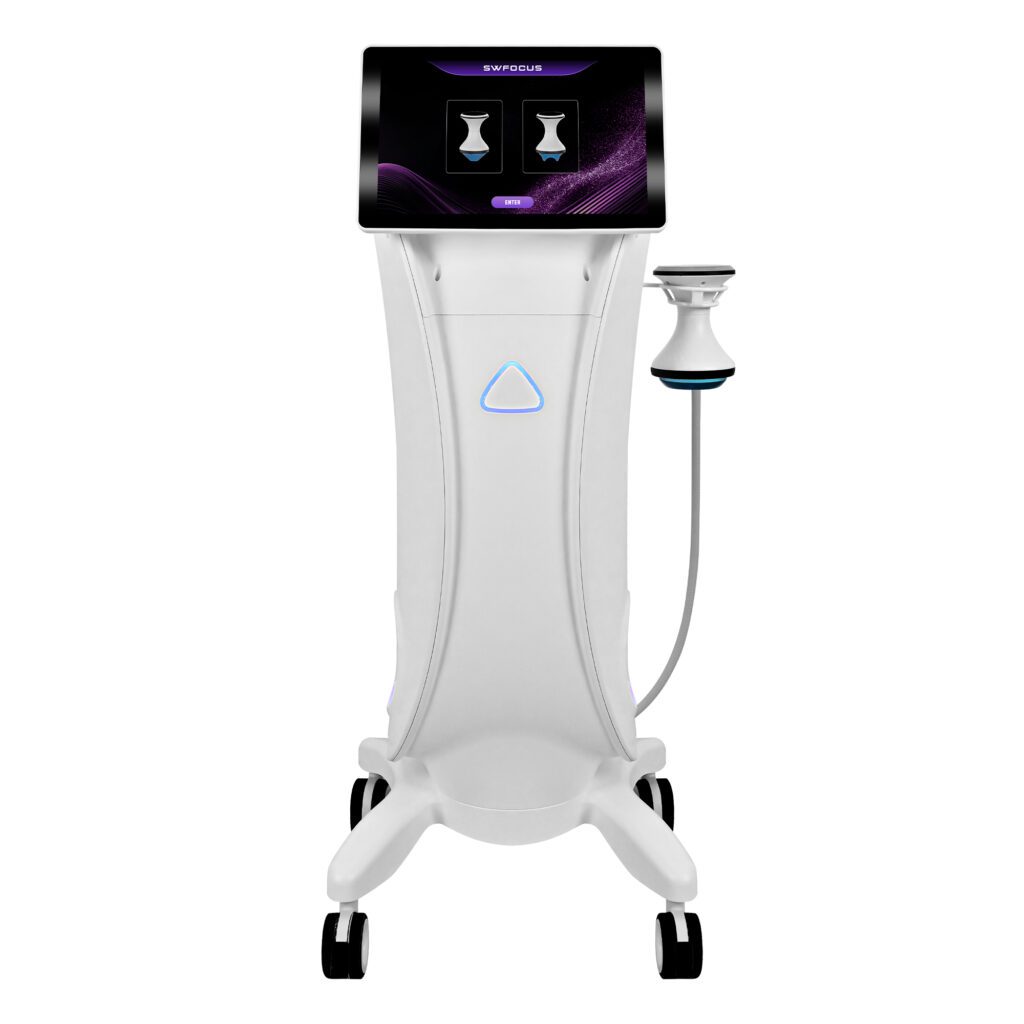
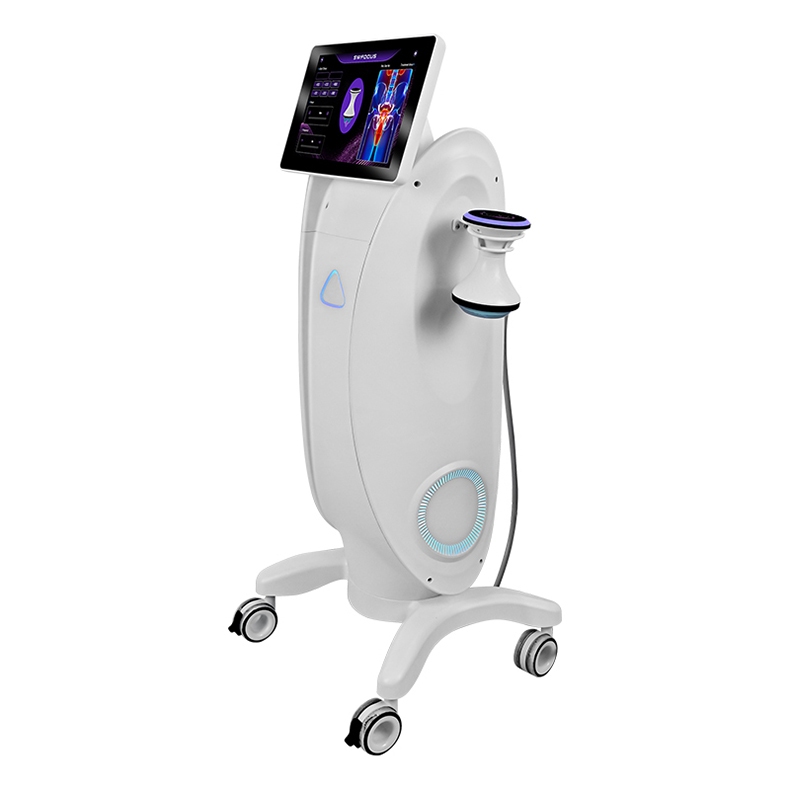
- Considérer A0272-F EMS/RF facial when existing facial clients repeatedly request a distinct tone and contour pathway.
- Compare Laser à diode A0423 et A0426 multi-wavelength diode laser when hair-reduction demand is frequent, area-specific, and supported by a dedicated consultation process.
- Utiliser B0155 multifunction body care for a broad body-service gap; choose A0241 muscle-focused equipment ou S9 localized cooling contouring only for a more specific demand pattern.
- Treat focused HIFU and RF microneedling enquiries as qualified clinical demand. Interest does not replace professional scope, governance, consent, aftercare, or complication pathways.
- Rank one next purchase, keep one option under observation, and defer the rest until stronger evidence appears.
1. Client Demand Is Evidence, Not an Automatic Purchase Order
Clients describe goals, not equipment specifications. A client may ask for a device name after seeing an advertisement, while the actual goal is clearer skin, less visible hair, a more defined facial appearance, or localized body contouring. The first job is therefore to translate the request into a stable goal category.
For every enquiry, record:
1. the client’s own words; 2. the underlying facial, hair, body, or advanced-treatment goal; 3. the requested treatment area; 4. whether the person is new, active, returning, or lapsed; 5. whether the enquiry progressed to consultation; 6. why the current menu could not answer it; 7. whether the client was willing to wait, pre-consult, or join an interest list; 8. any reason the service would be unsuitable or outside the business’s scope.
This structure prevents fashionable device names from distorting the purchase plan. It also reveals whether several phrases represent one service gap.
2. Build a Demand Ledger Before Comparing Devices
A demand ledger is a simple record of unmet client goals. It can be maintained in the booking system, a shared form, or a spreadsheet. Reception, consultants, and practitioners should use the same categories so that the evidence can be compared.
| Demand field | What to record | Pourquoi c'est important |
|---|---|---|
| Date and source | Call, consultation, existing client, web form, referral, or walk-in | Shows where demand originates |
| Goal family | Cleansing/hydration, facial tone, hair reduction, body care, muscle-focused, localized cooling, or advanced skin pathway | Prevents inconsistent labels |
| Area or concern | Face, neck, underarm, leg, abdomen, or other relevant area | Tests whether the request is specific |
| Client relationship | New, active, returning, or lapsed | Shows adjacency to the existing base |
| Intent level | Curious, asks for details, accepts consultation, or ready when available | Separates interest from action |
| Current-menu outcome | Served, partially served, referred, deferred, or lost | Identifies the actual gap |
| Operational note | Staff, room, privacy, time, consumables, or scope issue | Exposes delivery barriers |
Use a rolling review period that is long enough to reduce short-lived campaign effects and seasonal noise. Keep the raw numbers and the context; a total without source or intent is easy to misread.
3. Rank Demand by Strength, Not Volume Alone
Client demand becomes stronger when several kinds of evidence agree.
Level 1: Awareness
Clients mention a technology, react to a social post, or ask whether the business owns a certain machine. This is an early signal, but it may disappear when the trend changes.
Level 2: Goal-specific enquiry
Clients describe an area, concern, desired service type, or scheduling need. This is more useful because the request can be mapped to a treatment category.
Level 3: Consultation intent
Clients accept an assessment, provide relevant history, or ask about preparation, downtime, repeat visits, and suitability. The enquiry is now closer to a real service decision.
Level 4: Observable lost or referred demand
The business repeatedly refers suitable prospects elsewhere, records clients leaving because the category is unavailable, or sees existing clients buy the service from another provider. This is strong commercial evidence when it is documented rather than assumed.
Level 5: Repeat and continuity demand
Clients need a clearly structured ongoing pathway and the present menu cannot supply it. This level matters because equipment utilization depends on more than launch enquiries.
A smaller number of level-four or level-five signals can be more meaningful than many level-one questions.
4. Separate Four Different Demand Problems
Not every busy service creates the same purchase decision.
| Demand problem | What the evidence means | Likely response |
|---|---|---|
| Access demand | Clients cannot obtain a current service at practical times | Add capacity, staffing, hours, or another proven unit |
| Depth demand | Existing clients want a different goal within the same department | Add a clearly differentiated device category |
| Breadth demand | Clients want facial, hair, or body services the business does not offer | Build a new department with its own workflow |
| Advanced demand | Qualified clients seek a procedure with higher governance needs | Establish the professional pathway before selecting equipment |
This distinction prevents a new device category from being used to solve a scheduling problem. It also prevents an advanced machine from being treated as a routine menu extension.
5. Test Whether the Demand Fits the Existing Client Base
The strongest early purchase candidate usually sits near a proven audience. Adjacency reduces the amount of behavior change required from clients and staff.
Demander:
- Are the enquiries coming from active clients or mainly from unknown online visitors?
- Does the requested goal complement a service clients already understand?
- Can the business explain the new category in one sentence without blurring it into an existing service?
- Do clients accept the consultation and appointment structure the category requires?
- Is there a realistic route from first enquiry to follow-up?
For example, a facial salon may find that active facial clients repeatedly request a separate tone-and-contour service. That creates a more adjacent case for A0272-F than a small number of unrelated body-cooling enquiries. A body studio may reach the opposite conclusion because its existing audience already discusses body areas and body-service goals.
Adjacency should improve priority, but it should not override suitability, local rules, or operational readiness.
6. Score Each Purchase Candidate
Use the same scoring framework for every category. A five-point scale works well when the definitions are written in advance.
| Critère | Poids | A score of 1 means | A score of 5 means |
|---|---|---|---|
| Repeated demand | 20% | Isolated or trend-driven mentions | Consistent requests across the review period |
| Intent quality | 15% | General curiosity | Consultation-ready, area-specific interest |
| Existing-client fit | 15% | Mostly unrelated prospects | Strong demand from active target clients |
| Menu differentiation | 10% | Overlaps a current service | Fills one clearly named gap |
| Continuity potential | 10% | No defined follow-up route | Clear assessment, service, review, and maintenance path |
| Staff readiness | 10% | No suitable role or training plan | Named staff and complete competency pathway |
| Room and workflow fit | 10% | Major unresolved constraints | Suitable room, time, privacy, cleaning, and records |
| Supportability | 10% | Configuration, consumables, service, or maintenance unclear | Full operating support has been confirmed |
Multiply each score by its weight and calculate a total out of five. Set a minimum operational score as well as a total threshold. A category should not rank first if demand is high but staff readiness or governance remains inadequate.
The score is a decision aid. It does not determine individual treatment suitability or replace professional judgment.
7. Match Broad Facial Demand to A0648
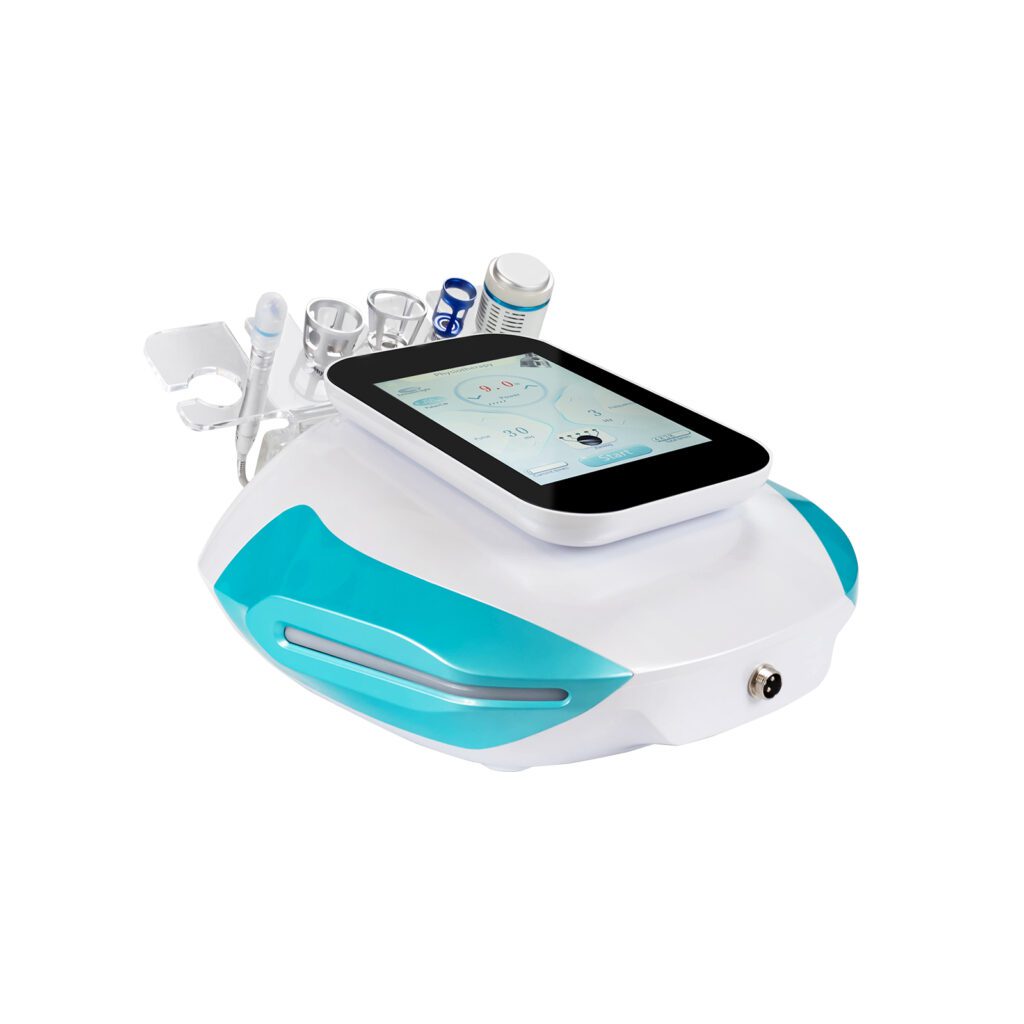
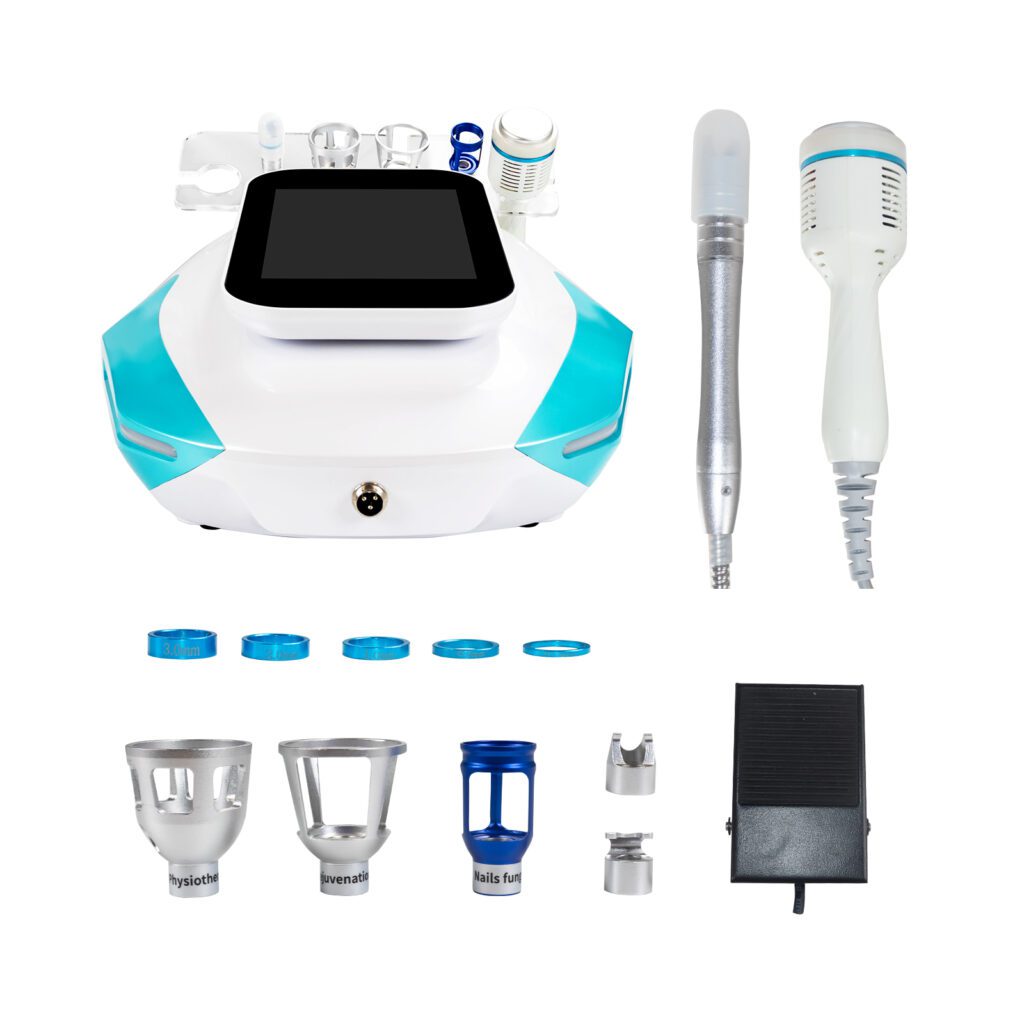
SHEFMON A0648 is a vertical nine-function platform positioned around hydro microdermabrasion and complementary facial-care functions. Its clearest purchase case is repeated demand for an understandable cleansing, exfoliation, extraction, and hydration-oriented facial category.
Prioritize this category when:
- many clients ask for a professional facial entry service;
- the menu lacks a clear cleansing and hydration anchor;
- clients prefer an accessible non-invasive facial route;
- the business can manage tips, solutions, cleaning, service cards, and maintenance;
- follow-up demand supports a stable facial-care program.
Do not give each handpiece its own public service simply to make the menu look larger. Define a small number of client-facing services and keep the detailed handpiece workflow in internal protocols.
8. Prioritize A0272-F for a Distinct Facial Tone-and-Contour Gap
SHEFMON A0272-F combines high-intensity facial electrical stimulation and RF-related positioning. It should occupy a separate role from a hydro facial platform.
Its demand case becomes stronger when existing facial clients repeatedly ask for:
- a facial tone or contour-focused category;
- technology beyond cleansing and hydration;
- a structured consultation-led facial program;
- continuity within the facial department rather than a new hair or body department.
Before ranking it above a broader category, verify that staff can explain the difference between A0648 and A0272-F without suggesting that every client must progress from one to the other. They are different service roles, not automatic steps in a treatment ladder.
9. Prioritize Hair-Reduction Equipment Only When Demand Is Specific
Hair-reduction demand should be recorded by body area, client profile, consultation intent, and expected schedule. General questions such as “Do you have laser?” are weaker than repeated area-specific enquiries from clients prepared to complete a laser consultation.
A0423 et A0426 are SHEFMON diode-laser options. The A0426 page lists multi-wavelength positioning, 600 W or 1200 W options, several spot-size options, and semiconductor, water, and TEC cooling. The exact supplied configuration must be confirmed before the model is compared with A0423.
Give this department high priority only when the business can support:
- laser-specific consultations and suitability decisions;
- area-based records and scheduling;
- trained and authorized operators;
- protective equipment and room controls;
- test procedures where required;
- aftercare, follow-up, and adverse-event escalation;
- local regulatory, licensing, and insurance requirements.
Le American Academy of Dermatology’s laser hair removal guidance explains that the provider’s experience matters and that consultation is used to review suitability and risks. Buyers should adapt the pathway to their jurisdiction and professional setting.
10. Use B0155 When Demand Supports a Broad Body-Care Category
SHEFMON B0155 combines larger and smaller vacuum-roller functions with rotating handles, RF-related functions, light, and 80K cavitation. It can support a broader body-care menu than a single-goal specialist system.
Prioritize B0155 when the demand ledger shows:
- repeated interest in non-invasive body-care services;
- several relevant areas rather than one isolated concern;
- a need for a flexible body-service foundation;
- suitable privacy, positioning, appointment time, and cleaning workflows;
- staff who can keep each modality and service claim clear.
This category may rank above a specialist body device when demand is broad but not yet concentrated around muscle stimulation or localized cooling.
11. Choose A0241 for Muscle-Focused Demand
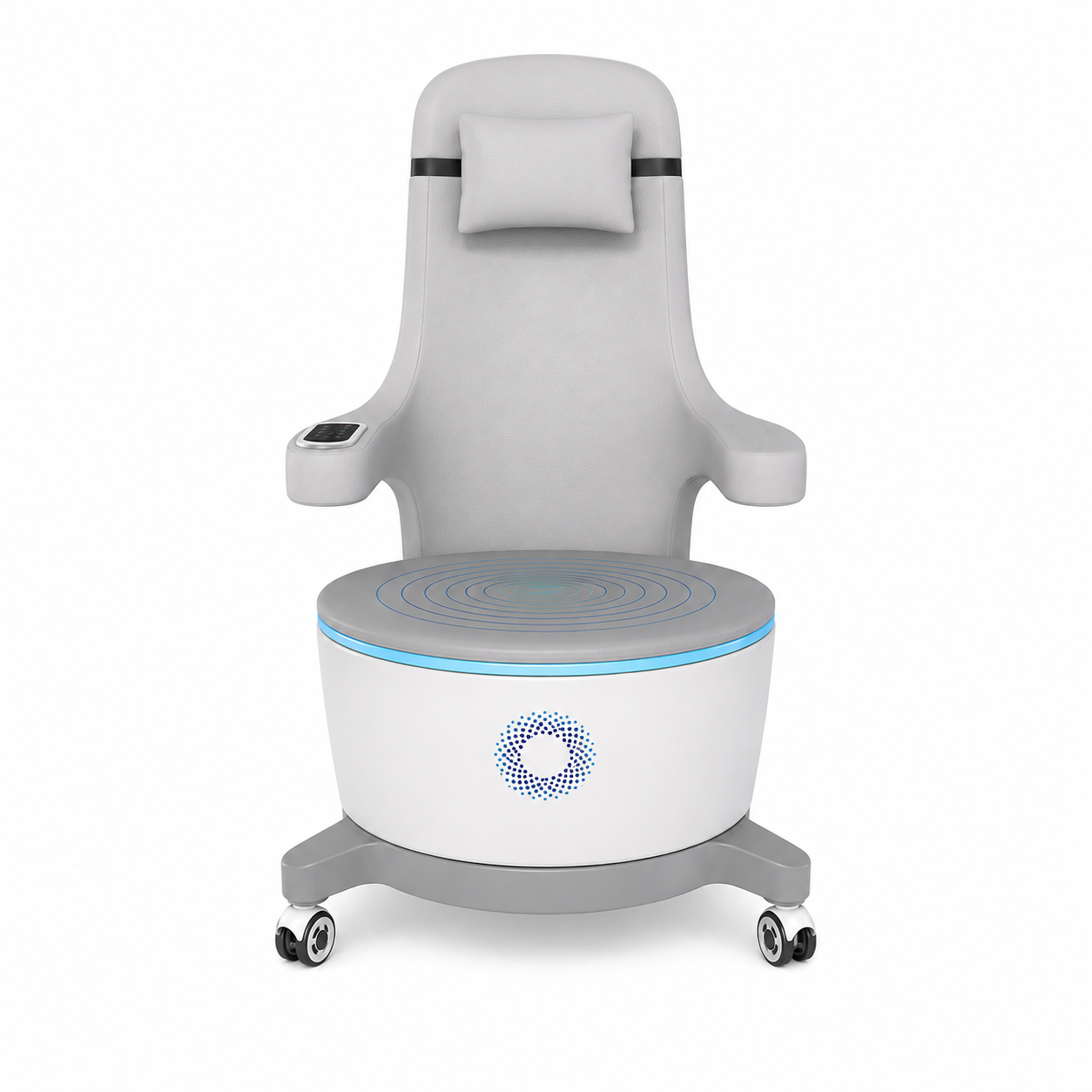
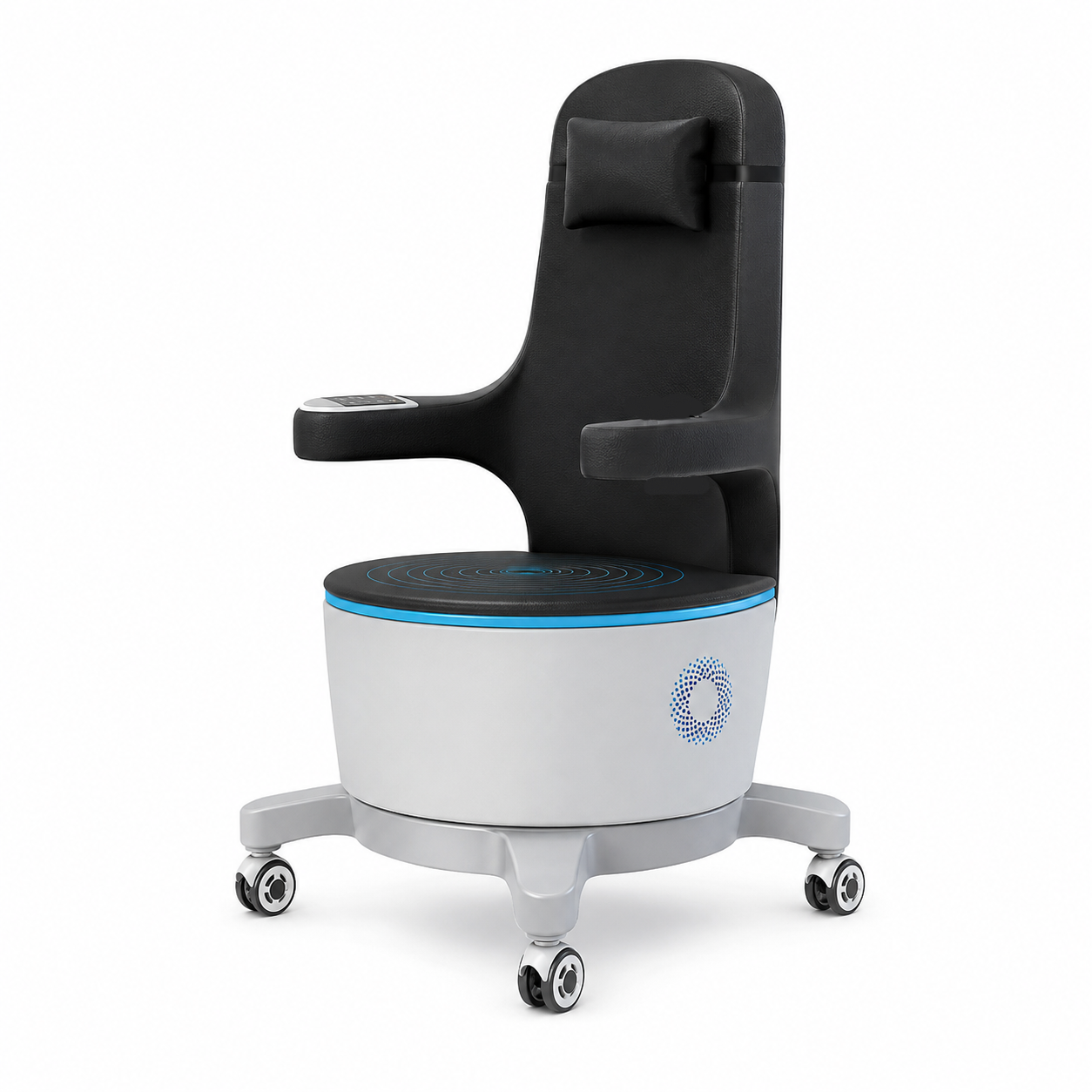
SHEFMON A0241 is positioned around electromagnetic muscle stimulation with RF-related functions. It is a specialist purchase candidate, so its score should depend on a clearly defined muscle-focused service gap.
Raise its priority when:
- clients repeatedly ask for a muscle-focused body category;
- the request is distinct from massage, vacuum-roller, or localized cooling services;
- consultation records identify relevant body areas;
- the room, staffing, appointment design, and applicator workflow are ready;
- the exact included handles and configuration have been confirmed.
Do not rank it higher merely because it appears more advanced than a multifunction platform. The deciding question is whether the demand pattern matches its role.
12. Choose S9 for Localized Cooling-Contouring Demand
SHEFMON S9 is a vacuum-assisted cooling-contouring platform. It belongs in a localized body-contouring pathway rather than a general facial or body-maintenance menu.
Prioritize S9 when the business has repeated, consultation-ready demand for a localized cooling approach and can support applicator selection, skin and tissue assessment, documentation, monitoring, aftercare, follow-up, and escalation. Confirm the exact applicator package and destination-market requirements with SHEFMON.
Le U.S. Food and Drug Administration’s overview of non-invasive body contouring explains that these technologies are not intended to treat obesity or improve health and describes risks that vary by technology. That distinction should be reflected in consultation language and marketing.
13. Put Advanced Device Demand Behind a Qualification Gate
High enquiry volume for an advanced procedure does not automatically create high purchase priority. The business must first demonstrate that the demand is suitable and that the clinical system exists.
A0204 HIFU focalisé
SHEFMON A0204 is a modular focused-HIFU platform with standard and optional handles and cartridges listed on its product page. Before it enters the purchase ranking, confirm professional scope, exact handles and depths, client assessment, consent, device-specific training, records, aftercare, follow-up, maintenance, and escalation.
A0152 Microneedling RF
SHEFMON A0152 lists several needle configurations and a 0.5–7 mm depth range. It requires a controlled RF-microneedling pathway with appropriate professional oversight, infection-control processes, single-use needle traceability, sharps handling, consent, detailed records, aftercare, follow-up, and complication response.
Le FDA RF microneedling safety communication describes reports of serious complications associated with certain uses and states that the procedure should be performed by a licensed health-care provider with appropriate training. A clinic should therefore evaluate qualified demand and governance together.
14. Compare Demand Patterns Across Device Categories
| Dominant verified demand | Candidate category | Modèle SHEFMON pertinent | What must be true before priority rises |
|---|---|---|---|
| Cleansing, extraction, and hydration-focused facial care | Fond de teint | A0648 | Clear recurring menu and consumable workflow |
| Teint et contour du visage | Targeted facial technology | A0272-F | Distinct role from the facial foundation |
| Area-specific hair reduction | Hair department | A0423 ou A0426 | Laser consultation, controls, records, and authorization |
| Broad non-invasive body care | Body foundation | B0155 | Privacy, positioning, modality clarity, and workflow |
| Muscle-focused body service | Body specialization | A0241 | Concentrated goal-specific demand and verified configuration |
| contournage du refroidissement localisé | Body specialization | S9 | Qualified demand, applicator workflow, and follow-up |
| Focused-ultrasound pathway | Catégorie avancée | A0204 | Professional scope and full HIFU governance |
| Voie de micro-aiguillage RF | Advanced clinical category | A0152 | Clinical oversight, infection control, traceability, and escalation |
The table maps business demand to equipment categories. It does not prescribe treatment for any individual client.
15. Adjust the Ranking for the Business Model
salon de soins du visage
Give the highest weight to demand from active facial clients. A0648 can fill a missing facial foundation; A0272-F can add a different facial goal. Hair or body equipment should rank higher only when the business is prepared to open and operate that department.
Med spa or skin clinic
Separate routine facial demand, targeted technology demand, and qualified advanced demand. An advanced device should not outrank a useful core category merely because its enquiries appear more valuable. Clinical readiness remains a threshold.
Body studio
Segment body enquiries before comparing B0155, A0241, and S9. Broad body care, muscle-focused services, and localized cooling are different demand categories.
Hair-reduction practice
Determine whether the evidence supports additional hair-service capacity or a new facial/body category. If the diary is full for an established hair service, another suitable laser unit or room may be more rational than a new technology.
Multi-service center
Rank gaps by department and protect the stability of existing departments. One department’s social-media enquiries should not displace another department’s documented lost demand without a deliberate business decision.
16. Distinguish a Device Gap from a Capacity Gap
Before approving a new category, inspect the current appointment data.
A capacity purchase may be the better priority when:
- clients already understand and buy the service;
- suitable clients are waiting too long;
- room or operator availability limits bookings;
- maintenance downtime interrupts a proven category;
- the service pathway and records are stable;
- another unit would solve the measured constraint.
A category purchase may be the better priority when:
- a different client goal repeatedly remains unmet;
- the current technology cannot honestly fill that role;
- referrals or lost enquiries are documented;
- a new service can be explained clearly;
- the full operating system can be built.
Do not disguise capacity pressure as innovation. Clients may benefit more from reliable access to a proven service than from a longer menu.
17. Validate Demand Before Committing to Equipment
Demand can be tested without promising a treatment or accepting unsuitable bookings.
1. Add a structured enquiry tag for the proposed goal. 2. Ask existing suitable clients whether they want information or an assessment when the category is available. 3. Create an interest list with no guaranteed outcome. 4. Run consultation-only sessions to understand areas, histories, expectations, and referral needs. 5. Review how many enquiries remain relevant after suitability and scope checks. 6. Estimate the complete appointment burden, including preparation, cleaning, documentation, and follow-up. 7. Confirm whether the same clients want repeat or maintenance services.
Do not take payment for an unconfirmed service or market an outcome that has not been responsibly assessed.
18. Add Operational Readiness to the Demand Ranking
A purchase candidate should receive a readiness status: ready, conditionally ready, or blocked.
| Zone de préparation | Question |
|---|---|
| People | Is there a named, appropriately trained and authorized operator? |
| Espace | Is the room suitable for privacy, movement, power, ventilation, cleaning, and storage? |
| Consultation | Are suitability, exclusions, expectations, and referral decisions documented? |
| Service design | Does the device have one clear role, booking length, and staff script? |
| Consommables | Are tips, solutions, needles, cartridges, membranes, or other items understood? |
| Archives | Can the business document settings, areas, components, observations, and follow-up? |
| Soutien | Are installation, training information, warranty, maintenance, and technical support confirmed? |
| Governance | Are local scope, licensing, insurance, consent, aftercare, and escalation requirements satisfied? |
A blocked category stays below a ready category even when its raw enquiry count is higher.
19. Build a Three-Level Purchase Queue
Maintain three lists rather than one long wish list.
Priority 1: Prepare to purchase
The demand is repeated and specific, the category has a unique role, and readiness gaps have owners and deadlines.
Priority 2: Validate next
The opportunity is plausible, but the business needs stronger intent data, better configuration information, or a completed operational plan.
Priority 3: Monitor
Interest is early, seasonal, trend-driven, poorly matched to the audience, or outside the current professional pathway.
Review the queue on a fixed schedule. Do not change the ranking after every isolated enquiry.
20. Use Demand-Led Purchase Sequences
These sequences show how different evidence can produce different equipment priorities.
Facial demand sequence
A0648 → A0272-F
Choose this route when broad facial-care demand is established first and a separate tone-and-contour demand later becomes strong. The arrow represents portfolio purchasing, not a required client treatment sequence.
Facial-to-hair sequence
A0648 → A0423 or A0426
Use this route when existing and prospective clients generate strong, area-specific hair-reduction demand and the salon can operate a separate laser department.
Facial-to-body sequence
A0648 → B0155
Choose this route when a facial business records broad body-service demand and has the room, privacy, staffing, and appointment structure to support it.
Body-specialist sequence
B0155 → either A0241 or S9
Move toward A0241 for a verified muscle-focused gap or S9 for a verified localized cooling gap. Do not purchase both merely to create a premium tier.
Clinic sequence
A0648 → A0272-F → one qualified A0204 or A0152 pathway
Use the advanced branch only after the clinic identifies the specific demand and completes the professional and clinical operating pathway.
21. Write a Purchase Priority Brief
Before requesting a final quotation, produce a one-page decision brief containing:
- the unmet client goal;
- demand data and review period;
- proportions from new and existing clients;
- consultation-intent and lost-demand evidence;
- current-menu overlap check;
- capacity-versus-category conclusion;
- shortlisted model and exact configuration questions;
- named operator and room;
- consultation, records, aftercare, and escalation requirements;
- consumables and maintenance plan;
- launch scope;
- success, pause, and stop conditions.
This brief lets the business compare devices on the same evidence instead of allowing specifications or promotions to reset the decision.
22. Common Demand-Prioritization Mistakes
Counting every enquiry equally
A casual social-media question is not equivalent to a suitable client accepting a consultation.
Buying the device clients name
Record the goal behind the name. The requested brand or technology may not match the service gap or professional setting.
Letting one high-spending client define the roadmap
Portfolio decisions need repeated evidence across the intended audience.
Confusing a full diary with missing technology
Investigate capacity before adding another category.
Ranking revenue before readiness
A service cannot be prioritized responsibly when staff, room, records, aftercare, or governance are incomplete.
Treating all body demand as one category
Broad body care, muscle-focused services, and localized cooling require different devices and workflows.
Buying multiple categories from the same demand data
One broad phrase such as “body shaping” does not justify B0155, A0241, and S9 at the same time.
Assuming portfolio order is treatment order
The order in which a business buys devices does not establish how they should be used together or which service is suitable for a client.
23. Final Purchase-Priority Checklist
Before selecting the next device, confirm that:
1. demand has been recorded consistently; 2. client language has been translated into stable goal categories; 3. awareness has been separated from consultation intent; 4. active-client, new-client, referred, and lost demand can be distinguished; 5. the business knows whether the problem is access, depth, breadth, or advanced demand; 6. capacity has been assessed before adding a category; 7. every candidate has been scored using the same criteria; 8. the leading device fills one non-overlapping menu role; 9. the exact model configuration has been confirmed; 10. staff, room, consultation, records, consumables, maintenance, and support are ready; 11. local professional and regulatory requirements are satisfied; 12. one priority purchase and one validation candidate have been named; 13. launch success and stop conditions are documented; 14. purchase order remains separate from client treatment planning.
Questions fréquemment posées
1. Should a salon buy the beauty device clients ask about most often?
Not automatically. First separate casual mentions from goal-specific, consultation-ready demand. Then test menu differentiation, fit with existing clients, staff and room readiness, support requirements, and professional scope.
2. How long should a business track client demand before buying?
Use a review period long enough to reduce campaign, influencer, and seasonal effects. The right duration depends on booking volume and business type. Keep the measurement rule consistent and require more than a short burst of questions.
3. What is the strongest demand signal for a new device category?
Repeated, suitable, goal-specific enquiries that progress toward consultation and are currently referred, deferred, or lost provide strong evidence. Continued demand from the existing target audience makes the case stronger.
4. When should A0648 be the first priority?
Prioritize A0648 when the business lacks a clear facial foundation and repeatedly receives demand for cleansing, extraction, exfoliation, and hydration-oriented care that it can support with proper solutions, tips, cleaning, records, and maintenance.
5. Should a salon choose A0272-F or a hair-removal device next?
Choose A0272-F when the stronger verified gap is facial tone and contour among current facial clients. Choose A0423 or A0426 when area-specific hair-reduction demand is stronger and the business is ready to operate a separate laser consultation and safety pathway.
6. How should a body studio prioritize B0155, A0241, and S9?
Choose B0155 for broad multifunction body-care demand, A0241 for a concentrated muscle-focused gap, or S9 for qualified localized cooling-contouring demand. Score each category separately rather than grouping all requests under “body shaping.”
7. Does high demand justify buying HIFU or RF microneedling equipment?
High enquiry volume is insufficient. A0204 and A0152 should enter the final ranking only when the relevant professional scope, assessment, training, consent, records, aftercare, follow-up, maintenance, and escalation systems are complete.
8. When is another unit better than another device category?
Another unit may be better when the existing service is proven, clients face long waits, room or operator availability is the measured constraint, and the current workflow is stable. A new category is more suitable when a different client goal repeatedly remains unmet.
9. Can demand-led devices be combined in the same appointment?
Do not infer combination suitability from the purchase sequence. Combined use requires the instructions for each device, individual assessment, professional judgment, supported timing and sequencing, records, aftercare, and applicable local requirements.
10. Quelles informations un acheteur doit-il envoyer à SHEFMON ?
Send the business type, country, current menu and devices, demand ledger summary, leading client goals, intended department, rooms, staff roles, expected workload, shortlisted models, and capacity constraints. Request the exact configuration, included components, operating requirements, training information, consumables, maintenance, warranty, technical documents, service process, and shipping details.
Conclusion
Client demand should shape beauty-device purchasing, but it must be interpreted carefully. The best next device answers a repeated and specific goal, fits the present audience, occupies a clear menu role, and can be supported by the complete operating system.
A0648 can answer broad facial-care demand, A0272-F can add a distinct facial tone-and-contour category, A0423 or A0426 can open a hair-reduction department, and B0155 can establish broad body services. A0241 and S9 should follow more specialized demand. A0204 and A0152 belong behind qualified professional and clinical gates.
Explorer SHEFMON beauty-device categories et contacter SHEFMON with your demand summary, current services, intended department, staff, rooms, and shortlisted models. This information will help compare suitable configurations for the highest-priority service gap.