









Clients rarely enter a skin clinic asking for a technical category. They describe congestion, dryness, loss of facial tone, firmness concerns, visible texture, post-acne marks, or uneven-looking pigmentation. The clinic must translate that concern into the correct service level without diagnosing beyond its scope or recommending the most advanced machine by default.
This guide maps common client concerns to selected SHEFMON facial beauty devices. It explains when A0648 fits routine skin maintenance, when A0272-F creates a separate non-invasive facial pathway, when A0204 requires a focused-HIFU assessment, and why A0152 RF microneedling and A0532 thulium laser belong in stronger clinical or specialist programs. It also shows how clinics and distributors can build a concern-led service menu without turning multiple devices into an automatic same-day protocol.
Executive Summary
- Begin with the client’s primary concern, current skin status, expectations, and professional scope before choosing a device category.
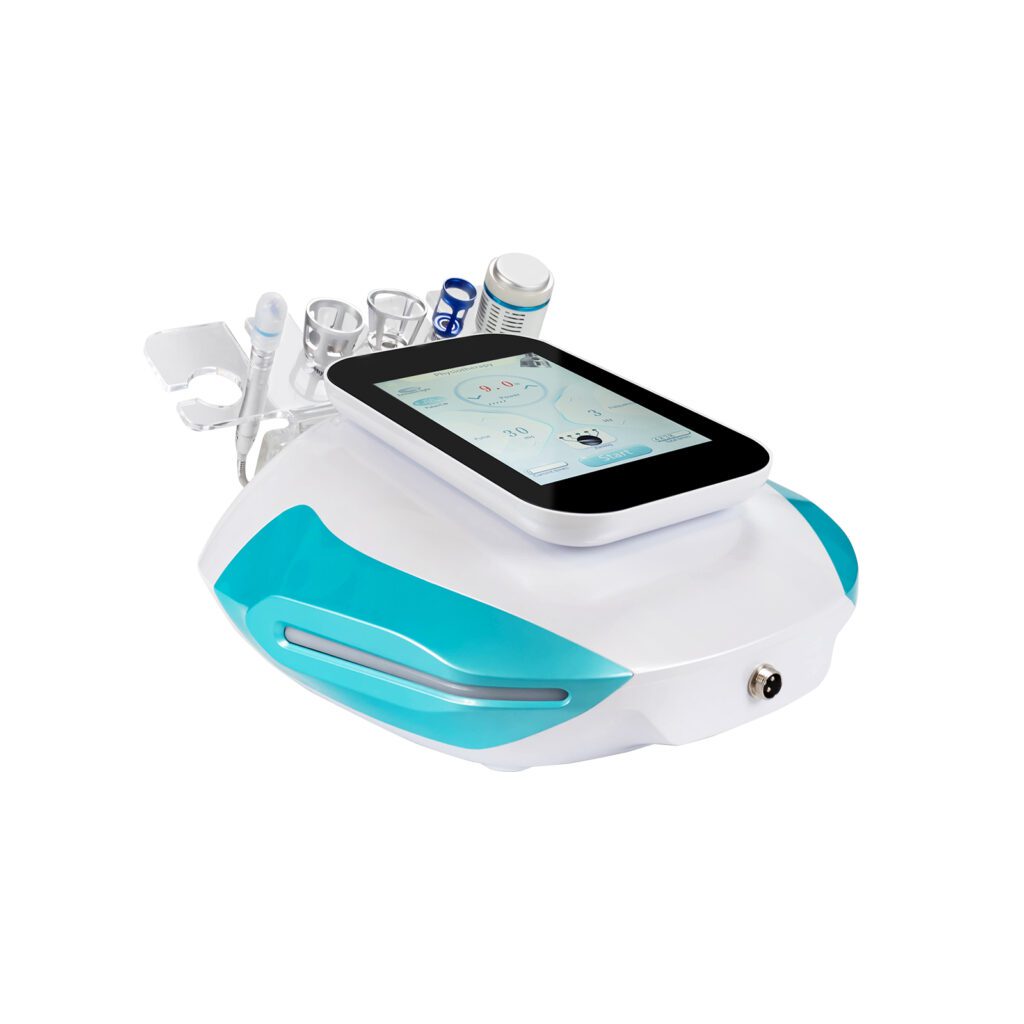
- Use the A0648 hydro microdermabrasion machine for cleansing, exfoliation, extraction, congestion-focused care, and hydration-oriented maintenance within an approved facial workflow.
- Use the A0272-F facial EMS and RF device for a separate non-invasive facial tone and contour category after device-specific screening.
- Evaluate the A0204 focused HIFU system when the concern fits a qualified focused-ultrasound pathway and the exact cartridge and handle configuration is confirmed.
- Reserve the A0152 RF microneedling system for an appropriately licensed clinical pathway addressing suitable texture or resurfacing-style goals.
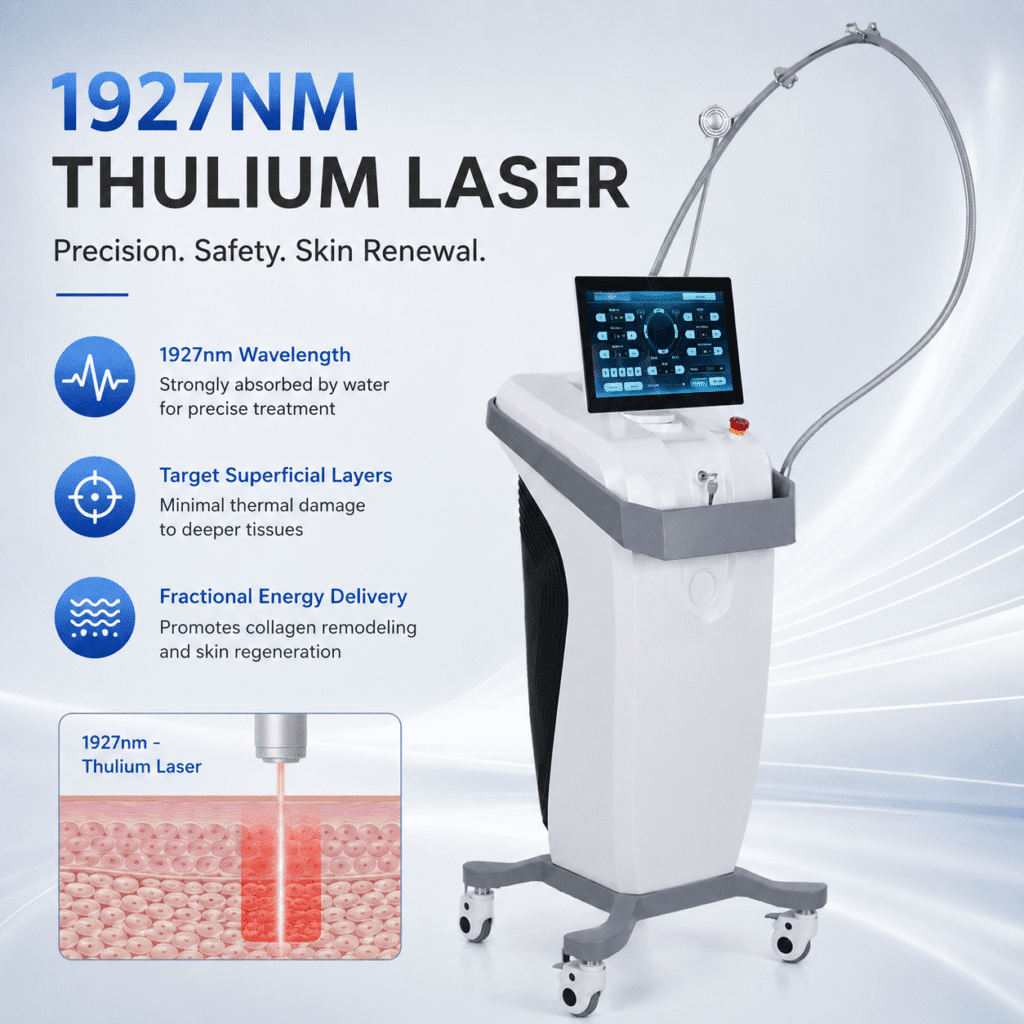
- Consider the A0532 desktop thulium laser only through a properly authorized laser pathway with the wavelength and final configuration confirmed.
- A concern label does not establish diagnosis or suitability. New, changing, bleeding, itching, non-healing, or otherwise suspicious spots require medical evaluation rather than a cosmetic device recommendation.
- When a client has several concerns, choose one primary decision first. More devices do not automatically produce a better or safer result.
- Device combinations describe the clinic’s menu and client routes over time. Same-day compatibility, sequence, settings, products, areas, and intervals require qualified device-specific review.
The best clinic menu helps clients enter the correct pathway and makes it easy for staff to pause or refer when the concern does not belong in an aesthetic service.
1. Use Concerns to Route Clients, Not Diagnose Them
A beauty or aesthetic consultation can collect information, observe visible features, explain service categories, and decide whether a client fits an approved workflow. It should not diagnose acne, melasma, rosacea, dermatitis, infection, skin cancer, or another medical condition unless the provider is qualified and authorized to do so.
Replace diagnostic assumptions with neutral questions:
- What change or appearance concerns you most?
- When did you first notice it?
- Has it changed recently?
- Which products, prescriptions, or professional treatments are you using?
- Have you received a diagnosis or treatment plan from a healthcare provider?
- What outcome do you expect, and by when?
- Are you seeking routine maintenance or a more selective procedure?
The consultation can end in maintenance, advanced assessment, deferral, or referral. A device recommendation is only one possible outcome.
2. Build a Concern-to-Category Map
| Client concern in their own words | Category to evaluate | SHEFMON model | First decision |
|---|---|---|---|
| “My skin feels congested or needs a deep clean.” | Hydro microdermabrasion and facial maintenance | A0648 | Does the current skin fit the approved cleansing and extraction workflow? |
| “My skin looks dry or dull.” | Hydration-oriented facial maintenance | A0648 | Which delivered functions and products are suitable today? |
| “I want a non-invasive facial tone or contour service.” | Facial EMS and RF | A0272-F | Does the client pass technology-specific screening? |
| “I am asking about a focused firming or lifting-style service.” | Focused ultrasound | A0204 | Is a qualified HIFU assessment appropriate, and which configuration is supplied? |
| “I am concerned about visible texture, pores, or post-acne marks.” | Clinical RF microneedling assessment | A0152 | Is the concern suitable for a licensed skin-penetrating procedure pathway? |
| “I want help with uneven-looking pigmentation or a resurfacing-style goal.” | Specialist laser assessment | A0532 | Has the concern been appropriately evaluated, and is the laser specification confirmed? |
This table is a routing tool, not a treatment prescription. Every category still requires client-specific assessment and current device documentation.
3. Match Congestion and Routine Cleansing to A0648
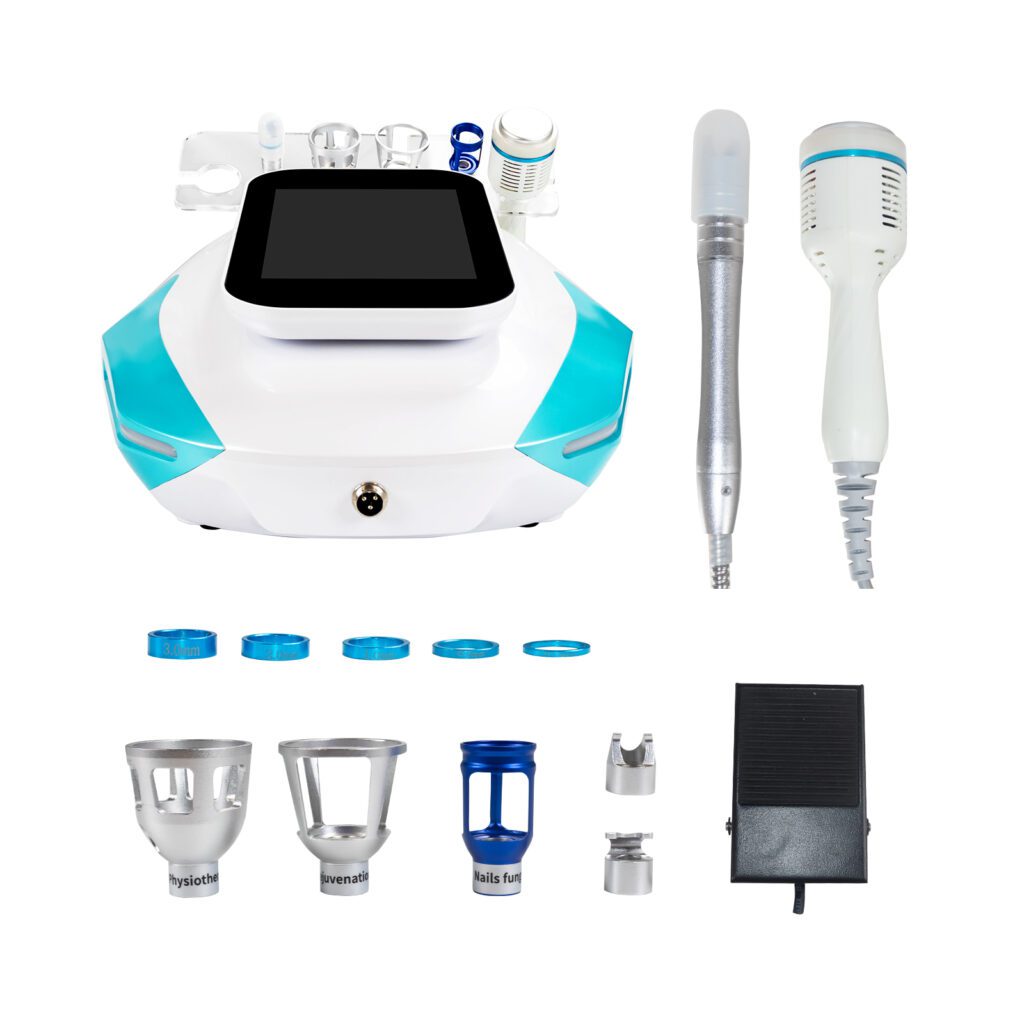
The SHEFMON A0648 9-in-1 hydro microdermabrasion machine is the most direct match for clients seeking routine cleansing, exfoliation, extraction, and hydration-oriented care. Its current page emphasizes hydro dermabrasion and vacuum-assisted pore cleansing.
Suitable menu roles may include:
- introductory cleansing and hydration facial;
- congestion-focused maintenance within approved scope;
- routine pore-care facial;
- seasonal skin-maintenance visit;
- membership facial with suitability reviewed each time.
Do not assume that every congested appearance is suitable for suction, exfoliation, or extraction. Active irritation, broken skin, unexplained inflammation, infection concerns, recent procedures, or other contraindications may require modification, deferral, or referral.
Before ordering, confirm the exact handpieces, tips, bottles, filters, tubing, compatible products, and cleaning process. Use only the functions supplied and supported in the approved service workflow.
4. Match Dry or Dull-Looking Skin to a Maintenance Pathway
Clients who describe dryness or dullness often need an accessible service rather than an advanced procedure. A0648 can support a hydration-oriented facial pathway when the current skin, products, and delivered functions are appropriate.
The consultation should clarify:
- whether the concern is recent, persistent, seasonal, or linked to a new product;
- whether the skin is merely dry-looking or also red, cracked, painful, itchy, or inflamed;
- recent exfoliation, peels, lasers, microneedling, or prescription use;
- which products the client uses at home;
- whether an ordinary facial remains within the team’s scope.
Do not promise that a hydro facial repairs every skin barrier problem or replaces medical review. A client with significant or unexplained symptoms may need a qualified healthcare assessment.
5. Match Non-Invasive Facial Tone Concerns to A0272-F
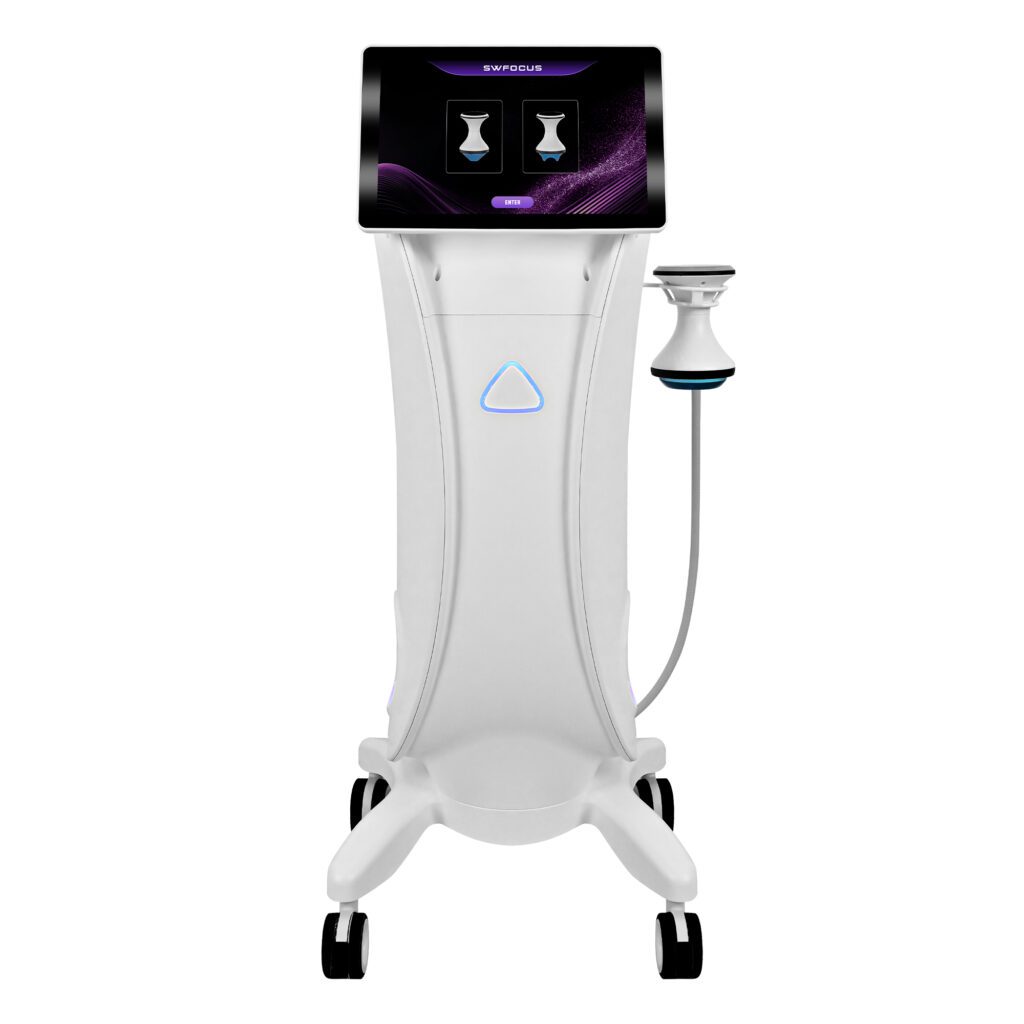
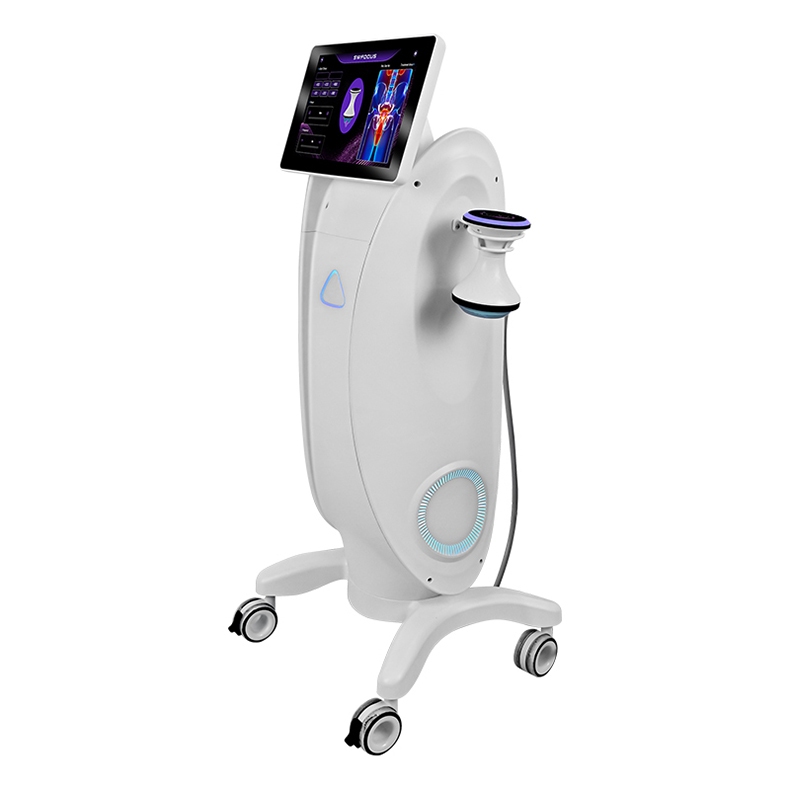
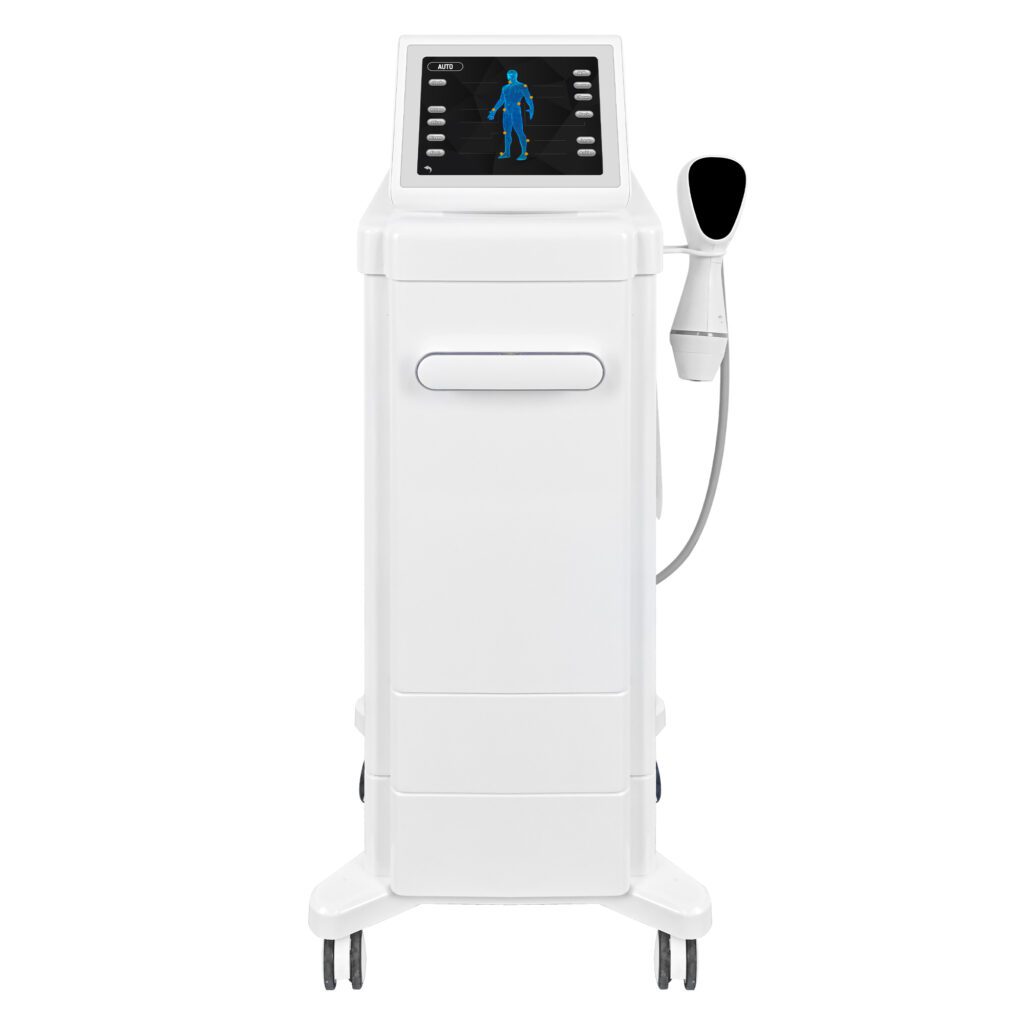
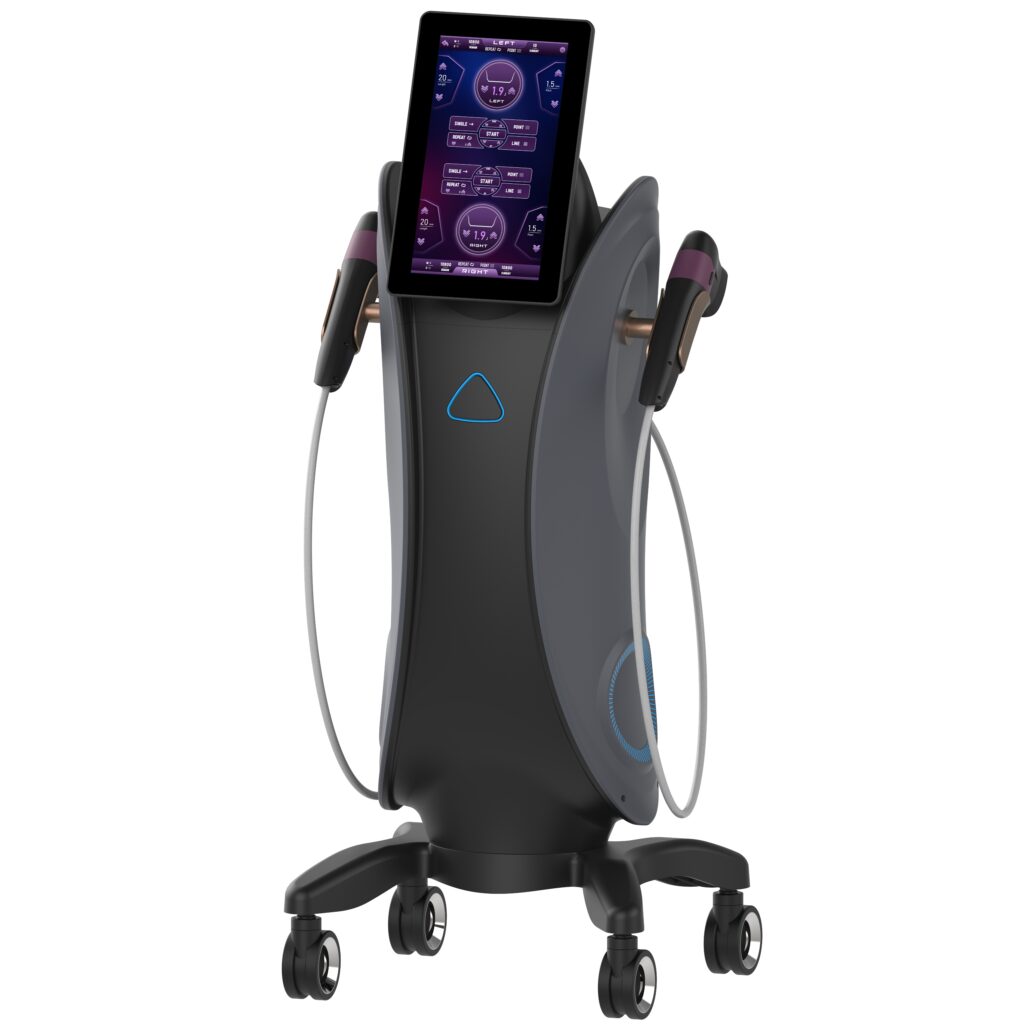
The A0272-F SHEFMON Emface EMS Face Sculpting Lifting Microcurrent Device is described as combining high-intensity facial electrical stimulation with RF. It creates a different service category from hydro microdermabrasion.
A0272-F may fit clients asking for a non-invasive facial tone or contour experience when they pass the current device-specific screening. The clinic should provide:
- a separate explanation of EMS and RF;
- screening linked to the technology and current instructions;
- approved applicator placement and setup;
- trained and authorized staff;
- device, applicator, and appointment records;
- cleaning and inspection between clients;
- realistic marketing without guaranteed lifting, volumizing, or facelift comparisons.
Do not recommend A0272-F simply because a maintenance client mentions “anti-aging.” Clarify whether the person wants hydration, tone, focused ultrasound, texture treatment, or medical advice.
6. Route Focused Firming Questions to A0204 Assessment
The A0204 9D/7D Focused HIFU Machine 5-in-1 belongs in a selective focused-ultrasound pathway. Its current page lists standard and optional cartridges plus several optional handles, so the service menu must be based on the final supplied configuration.
A clinic considering A0204 should confirm:
- the exact 9D or 7D handles and cartridges supplied;
- the intended service scope supported by current documentation;
- staff qualifications, training, and authorization;
- cartridge selection, tracking, storage, and replacement;
- HIFU-specific assessment, consent where required, records, and follow-up;
- room, positioning, cleaning, and accessory controls;
- local requirements for the device, facility, provider, and advertising.
The page also lists optional RF, Vmax HIFU, Lipo HIFU, vaginal HIFU, and microneedle RF-related components. Do not infer that every option is included or relevant to a facial clinic.
A0204 should not appear as a stronger version of the A0648 facial. The technologies answer different questions and require different client decisions.
7. Route Texture and Post-Acne-Mark Concerns to A0152 Assessment
The A0152 Desktop MNRF Depth 8 Microneedling RF is a skin-penetrating RF system. Its current page lists computerized depth control, 12-pin, 24-pin, 40-pin, and nano heads, plus selectable handle configurations.
A client who describes visible texture, pores, or post-acne marks may be considered for a clinical RF microneedling assessment, but the words used by the client do not establish suitability. The clinic needs:
- licensing and provider scope appropriate to local requirements;
- procedure-specific assessment and informed consent;
- confirmation of supplied handles and heads;
- single-use head traceability;
- clean setup and infection-control procedures;
- sharps or regulated-waste handling where applicable;
- settings and technique controlled by current documentation and qualified training;
- written aftercare, follow-up, and complication escalation;
- adverse-event reporting and device quarantine where required.
The U.S. FDA’s October 2025 RF microneedling safety communication reports serious complications with certain uses and describes RF microneedling as a medical procedure that should be performed by licensed healthcare providers with appropriate training and experience. Other countries apply their own rules.
A0152 is not an ordinary salon facial, and nano-head availability should not be used to blur the clinical pathway around the system.
8. Route Pigmentation-Looking Concerns Carefully
Clients may use “pigmentation,” “sun spots,” “age spots,” “dark marks,” and “uneven tone” as if they describe one condition. They do not. A clinic should not direct every brown or dark spot to an aesthetic laser.
The American Academy of Dermatology advises that a spot that looks like an age spot can be skin cancer and recommends a dermatologist’s skin examination before treating age spots. New, changing, bleeding, itching, growing, or non-healing spots should be referred for medical evaluation.
For an appropriately assessed cosmetic concern, a qualified clinic may evaluate a specialist laser pathway. That decision should consider the client’s history, skin characteristics, current products or medicines, previous response, expected outcome, risk of pigment change, provider competence, and the confirmed device specification.
9. Use A0532 Only Through a Specialist Laser Pathway
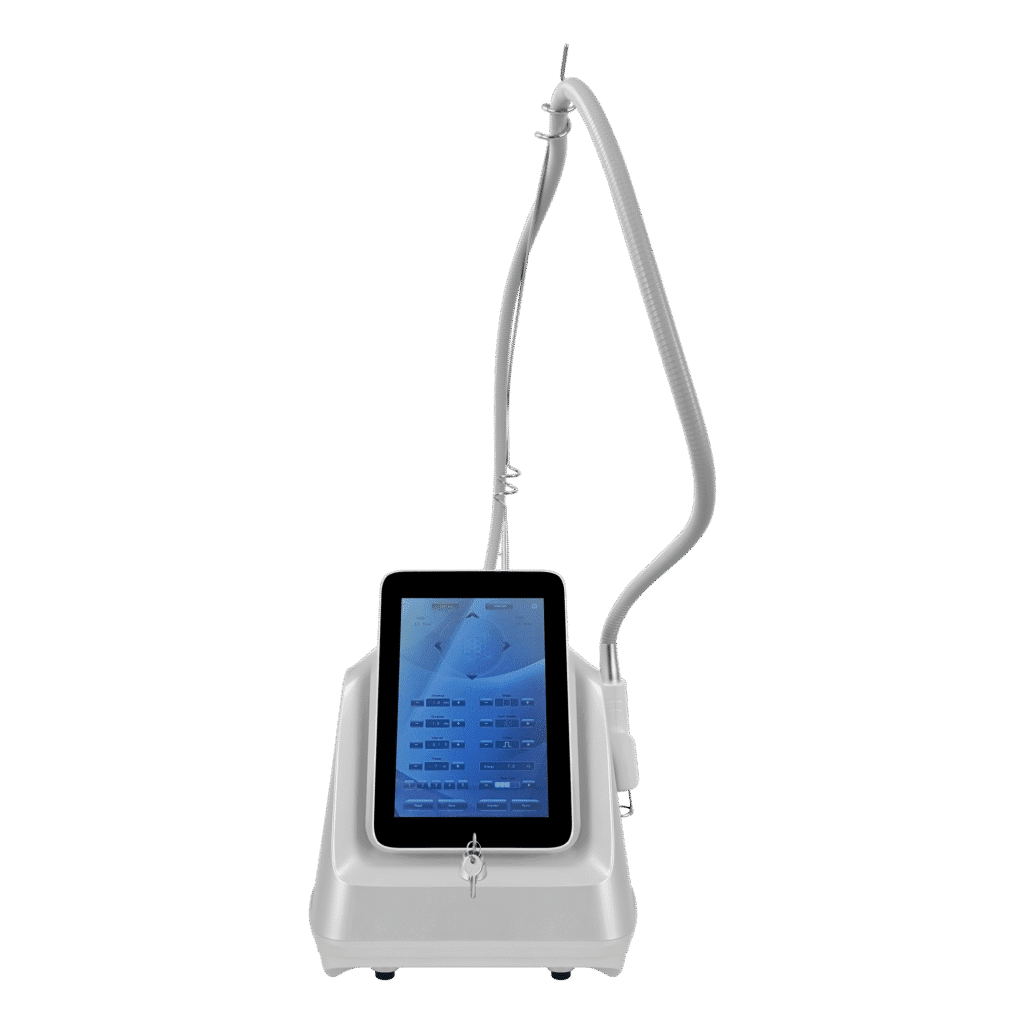
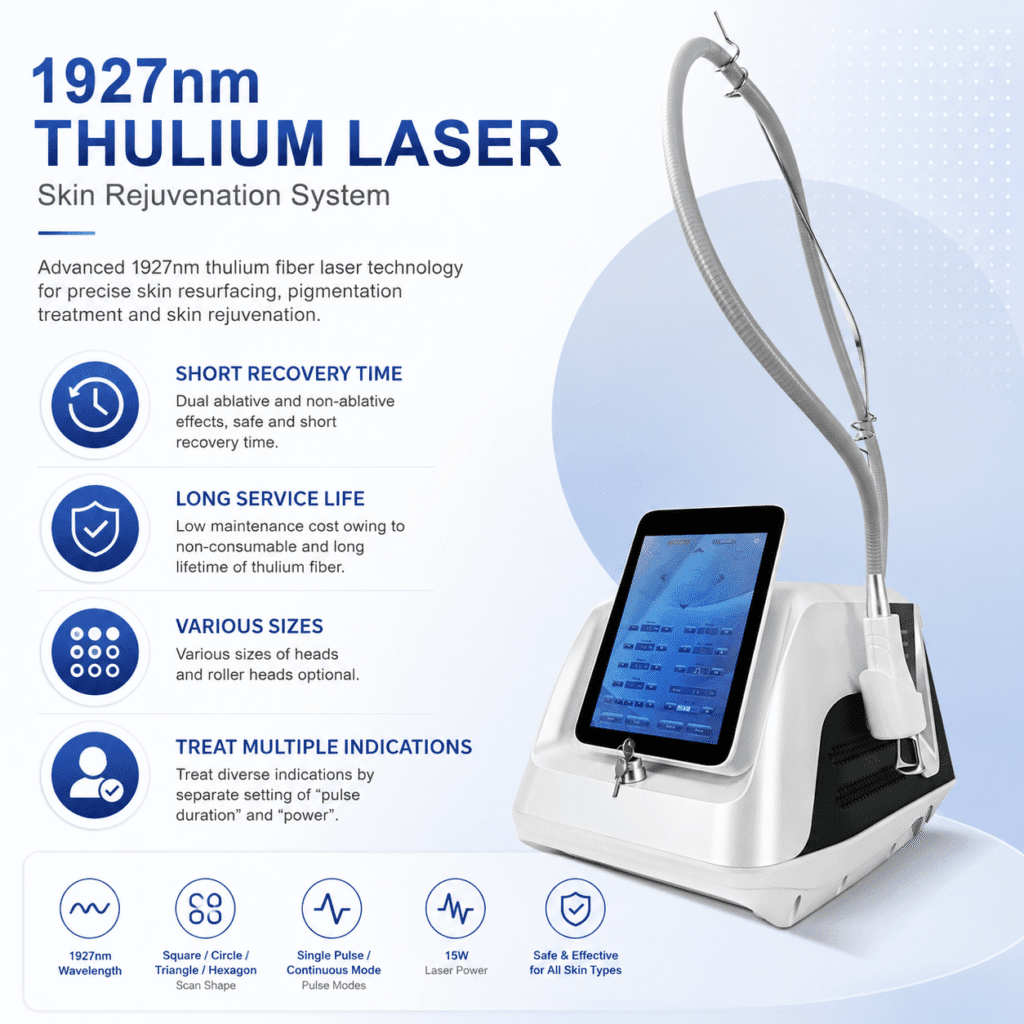
The A0532 Desktop Thulium Fiber Laser Machine is positioned for a specialist laser skin service. Its product title mentions 1927 and 1550 nm, while the current detailed parameter section specifies a 1927 nm thulium laser, 15 W power, multiple scan shapes and scan modes, and single or continuous pulse modes. The final documentation and quotation should resolve the wavelength description.
The clinic must prepare:
- an appropriately qualified and locally authorized provider;
- laser-specific assessment and client selection;
- a controlled room and access process;
- protective eyewear matched to the confirmed specification;
- device-specific pre-care, records, aftercare, and follow-up;
- cleaning, maintenance, and emergency procedures;
- marketing based on the authorized service rather than broad removal or cure claims.
A0532 may be relevant to an appropriately evaluated uneven-tone or resurfacing-style goal. It should never be the first answer to an unexplained spot.
10. Treat Sensitive Skin as a Decision State, Not a Device Category
“Sensitive skin” can mean occasional stinging, a history of product reactions, recent over-exfoliation, visible redness, a diagnosed condition, or a current flare. The label alone does not identify a safe device.
Ask what the client experiences, when it occurs, which products or procedures trigger it, whether a healthcare provider has evaluated it, and what the skin looks and feels like today. The correct decision may be:
- a modified maintenance facial using only permitted functions;
- postponement until the skin settles;
- removal of a product or function from the planned service;
- referral for medical assessment;
- no device service.
Avoid advertising any model as universally suitable for all sensitive skin.
11. Address Multiple Concerns by Setting One Priority
A client may mention congestion, dryness, facial tone, pores, marks, and pigmentation in one consultation. Do not respond by offering every device.
Use this order:
- identify any reason to pause or refer;
- ask which concern matters most now;
- determine whether the primary concern fits maintenance or advanced assessment;
- explain what the selected category can and cannot address;
- create one next step;
- review secondary concerns after the first pathway is stable.
If two concerns require different technologies, the clinic can coordinate them over time. It should not infer same-day compatibility or superior combined results.
12. Separate Appearance Goals from Medical Concerns
Create two intake routes.
Aesthetic appearance route
Examples include a request for cleansing, hydration, non-invasive facial tone, a previously assessed cosmetic texture goal, or a specialist procedure discussion. The client still needs the relevant suitability review.
Defer or refer route
Examples include unexplained pain, active infection concerns, a new or changing lesion, bleeding, non-healing areas, severe or worsening inflammation, an unexpected response to a previous procedure, or a request for diagnosis or treatment of disease.
Staff should know who receives the referral, how the decision is recorded, and what must happen before an aesthetic appointment can be reconsidered.
13. Write Concern-Led Menu Names
Use menu names that state the service category without making a diagnosis or outcome guarantee.
Cleansing and Hydration
- Hydro Cleansing Facial
- Hydration-Oriented Maintenance
- Congestion-Focused Facial Consultation
Primary device: A0648.
Non-Invasive Facial Tone
- Facial EMS and RF Consultation
- Facial Tone and Contour Service
Primary device: A0272-F.
Focused Rejuvenation
- Focused HIFU Assessment
- Configuration-Specific HIFU Service
Primary device: A0204.
Clinical Texture Services
- RF Microneedling Assessment
- RF Microneedling Procedure and Follow-Up
Primary device: A0152.
Specialist Laser Services
- Laser Skin Assessment
- Configuration-Specific Thulium Laser Service
Primary device: A0532.
Avoid menu names such as “acne cure,” “pigmentation removal guaranteed,” “scar eraser,” or “non-surgical facelift.”
14. Explain Functional Principles in Plain Language
Staff should be able to distinguish the categories in one sentence.
- A0648: uses hydro dermabrasion and vacuum-assisted facial functions for surface-focused cleansing, exfoliation, extraction, and hydration-oriented care.
- A0272-F: combines facial electrical stimulation and RF for a separate non-invasive facial technology service.
- A0204: uses focused ultrasound delivered through the confirmed cartridge and handle configuration.
- A0152: uses microneedle heads to penetrate the skin and deliver RF energy in a clinical procedure.
- A0532: uses a confirmed thulium-laser configuration in a specialist laser skin pathway.
These explanations help clients understand why the devices are not interchangeable levels of one facial.
15. Use a Category-Specific Consultation Record
A shared profile can capture the client’s stated concern, timeline, expectations, relevant history, current products or medicines, recent procedures, and referral triggers. Then branch into the selected technology.
| Category | Additional record fields |
|---|---|
| A0648 maintenance | Current skin condition, recent exfoliation or procedures, functions and products selected, observations, instructions |
| A0272-F EMS/RF | Device-specific screening, applicators, placement, service details, client response, instructions |
| A0204 HIFU | Exact handle and cartridge, professional assessment, treatment area, consent where required, records, follow-up |
| A0152 RF microneedling | Clinical assessment, consent, handle and head, traceability, procedure details, aftercare, escalation |
| A0532 laser | Medical or specialist assessment where required, confirmed wavelength and configuration, protective controls, records, aftercare |
One generic “facial device” checkbox is not adequate for this menu.
16. Match Staff and Rooms to the Concern Pathway
The concern does not determine who may treat the client; the technology and local scope do.
- A0648 belongs in a facial room with trained staff, fluids, tips, filters, cleaning, and waste controls.
- A0272-F needs staff authorized for electrical stimulation and RF, with controlled applicator placement and inspection.
- A0204 needs qualified staff, cartridge control, positioning, documentation, and follow-up.
- A0152 needs an appropriately licensed clinical provider, clean procedure setup, single-use head control, regulated waste where applicable, and escalation.
- A0532 needs a laser-controlled room, confirmed protective equipment, authorized staff, maintenance, and emergency procedures.
A clinic may serve all five concerns only when it can support all five operating systems.
17. Plan Consumables Around Services, Not Concerns Alone
Two clients who use the same words may receive different service decisions. Stock should therefore follow approved bookings and device configurations.
Plan:
- A0648 tips, solutions, filters, tubing, cleaning supplies, and compatible products;
- A0272-F applicators or pads, placement materials, cables, inspection, and cleaning items;
- A0204 supplied handles, cartridges, coupling materials where required, tracking, and storage;
- A0152 supplied head types, single-use control, lot or batch traceability, clean setup, waste, and aftercare materials;
- A0532 confirmed handpiece and laser configuration, protective eyewear, cleaning, maintenance, pre-care, and aftercare supplies.
Do not order a broad accessory package until the clinic has defined the actual service and verified what is included.
18. Create Packages Without Locking in a Procedure
Suitable package structures include:
- an A0648 maintenance membership with suitability reviewed at each visit;
- an A0272-F course only after technology-specific screening;
- an advanced consultation package that does not guarantee HIFU, RF microneedling, or laser eligibility;
- a device-specific A0204, A0152, or A0532 plan created after the responsible provider approves it;
- flexible clinic credit that can be used only for services the client qualifies to receive.
Avoid packages that commit clients to multiple devices before assessment or imply that every concern requires a course.
19. Track Progress Without Overstating Results
Record the client’s own priority, the service selected, device configuration, standardized observations, instructions, and follow-up. Photographs may be useful when lawful, consented, consistently captured, and appropriate to the service.
Do not treat client satisfaction, rebooking, or a photograph as proof that a device cures a condition. Operational records support continuity and quality review. Clinical efficacy claims require appropriate evidence for the actual device, indication, settings, and protocol.
When the concern changes or fails to fit the original pathway, reassess rather than automatically increasing intensity or adding another device.
20. Choose the Portfolio by Clinic Type
Facial salon
Prioritize A0648 for broadly relevant maintenance concerns. A0272-F may be a separate later category when local scope, screening, and staff readiness support it. Refer clinical texture, unexplained pigmentation, and medical concerns.
Med spa
Use A0648 as the accessible entry lane and choose one advanced direction from verified demand. A0204 may fit qualified focused-ultrasound services. A0152 requires stronger clinical controls.
Skin clinic
A clinic may offer A0648, A0272-F, A0204, A0152, and A0532 when each has its own professional scope, assessment, room, staff authorization, records, consumables, aftercare, and quality review.
Distributor
Ask which concerns dominate the buyer’s consultations and which services the buyer is legally and operationally ready to provide. Recommend a focused package instead of the largest possible catalog.
21. Build Concern-Led Distributor Packages
| Buyer demand | Package direction | Required explanation |
|---|---|---|
| Cleansing, congestion, and hydration | A0648 | Supplied functions, facial scope, tips, solutions, filters, cleaning, and referral triggers |
| Non-invasive facial tone | A0272-F | EMS/RF principle, screening, applicators, staff authorization, records, and claims |
| Focused firming enquiries | A0204 | Exact handles and cartridges, professional pathway, room, records, follow-up, and optional-module boundaries |
| Clinical texture and post-acne-mark enquiries | A0152 | Licensing, head configuration, traceability, hygiene, waste, aftercare, and escalation |
| Appropriately evaluated pigmentation or resurfacing enquiries | A0532 | Confirmed wavelength, laser scope, room controls, provider qualifications, protective equipment, and aftercare |
Distributors should provide a decision map that includes “defer or refer,” not a script that assigns every concern to a machine.
22. Add Categories in the Order of Verified Demand
Stage 1: Establish the broadest relevant concern lane
For many businesses, A0648 covers the largest group seeking routine cleansing and hydration-oriented care.
Stage 2: Add one differentiated non-invasive category
Choose A0272-F when facial tone enquiries are consistent and the clinic can support the technology-specific workflow.
Stage 3: Choose one selective advanced pathway
Select A0204, A0152, or A0532 according to qualified demand, professional scope, room readiness, and aftercare capability.
Stage 4: Review referral and utilization data
Add another category only when the clinic sees a clear unmet concern and has stabilized the previous service.
This staged approach protects menu clarity and reduces equipment overlap.
23. Common Concern-Matching Mistakes
Avoid:
- diagnosing from the client’s description alone;
- sending every dry, congested, or sensitive client to the same A0648 workflow;
- treating “anti-aging” as one device category;
- recommending A0272-F, A0204, and A0152 as mild, medium, and strong versions of one treatment;
- assigning an unexplained dark spot to A0532 without appropriate evaluation;
- assuming every A0204 optional handle is included;
- treating A0152 nano heads as permission to bypass the clinical pathway;
- using one consultation form for all technologies;
- letting prepaid packages override suitability;
- adding several devices when the client has several concerns;
- publishing universal settings, intervals, or same-day combinations;
- promising cure, permanent removal, guaranteed lifting, or scar erasure;
- failing to document deferral and referral decisions.
24. Final Device-Selection Checklist
Before matching a facial device to a concern, confirm:
- the client’s primary concern in their own words;
- the timeline, recent changes, expectations, and previous care;
- whether the concern belongs in aesthetic scope or needs referral;
- the correct service category and functional principle;
- the exact device, version, handle, head, cartridge, or wavelength configuration;
- provider qualifications, training, and authorization;
- technology-specific assessment, consent, records, instructions, and follow-up;
- room, consumables, cleaning, waste, protection, and maintenance requirements;
- current device documentation and local requirements;
- realistic claims without diagnosis or guaranteed outcomes;
- whether one concern should be addressed before another;
- a clear defer-or-refer route when suitability is uncertain.
FAQ
1. Which facial beauty device is best for cleansing and congestion concerns?
A0648 is the most direct choice in this group for hydro microdermabrasion, vacuum-assisted cleansing, exfoliation, extraction, and hydration-oriented care. The current skin must still fit the approved workflow.
2. Which device fits clients asking for hydration and glow?
A0648 can support a hydration-oriented maintenance facial using the suitable delivered functions and products. It should not be presented as a solution for every cause of dryness or irritation.
3. Which device fits non-invasive facial tone concerns?
A0272-F creates a separate facial electrical-stimulation and RF pathway. Clients need device-specific screening, and the clinic should avoid guaranteed lifting or facelift claims.
4. Is A0204 suitable for every client concerned about facial firmness?
No. A0204 requires a qualified focused-HIFU assessment, confirmation of the supplied handle and cartridges, professional scope, records, follow-up, and local compliance.
5. Which device fits visible texture or post-acne-mark concerns?
A0152 may be evaluated within an appropriately licensed clinical RF microneedling pathway. The concern label alone does not establish suitability, settings, head selection, or expected outcome.
6. Can A0532 be used for any dark spot?
No. A dark or pigmented-looking spot may require medical evaluation, especially if it is new, changing, bleeding, itching, growing, or non-healing. A0532 belongs in a specialist laser pathway only after appropriate assessment.
7. What device should a clinic use for sensitive skin?
There is no universal sensitive-skin device. Clarify the symptoms, triggers, current skin status, diagnosis where relevant, products, and recent services. Modification, deferral, referral, or no device may be appropriate.
8. What if a client has several concerns?
Identify referral triggers first, then choose one primary concern and one next decision. Secondary concerns can be reviewed later; several concerns do not justify several devices in one appointment.
9. Can these facial beauty devices be combined on the same day?
Do not assume so. Same-day compatibility, sequence, settings, products, areas, and timing require qualified review of the client, devices, documentation, and proposed protocol.
10. What should a buyer send SHEFMON for a concern-led recommendation?
Send the clinic type, country, most common client concerns, current menu, staff qualifications, rooms, existing equipment, desired service categories, preferred configurations, and support requirements.
Conclusion
A concern-led device menu begins with correct routing. A0648 fits routine cleansing, congestion, and hydration-oriented care. A0272-F fits a separate non-invasive facial tone category. A0204 belongs in a qualified focused-HIFU pathway. A0152 belongs in a licensed clinical RF microneedling program, while A0532 belongs in a properly controlled laser pathway after appropriate evaluation and specification confirmation.
The clinic should never let a concern label replace assessment. It should identify referral triggers, choose one primary decision, match the correct technology, and give every service its own staff, room, records, consumables, instructions, and follow-up.
Explore the SHEFMON Hydra range, skin-care and facial rejuvenation devices, HIFU systems, MNRF microneedling devices, and Laser IPL equipment. Buyers can contact SHEFMON with their most common client concerns, service scope, staff qualifications, rooms, country, and configuration requirements for a focused comparison.