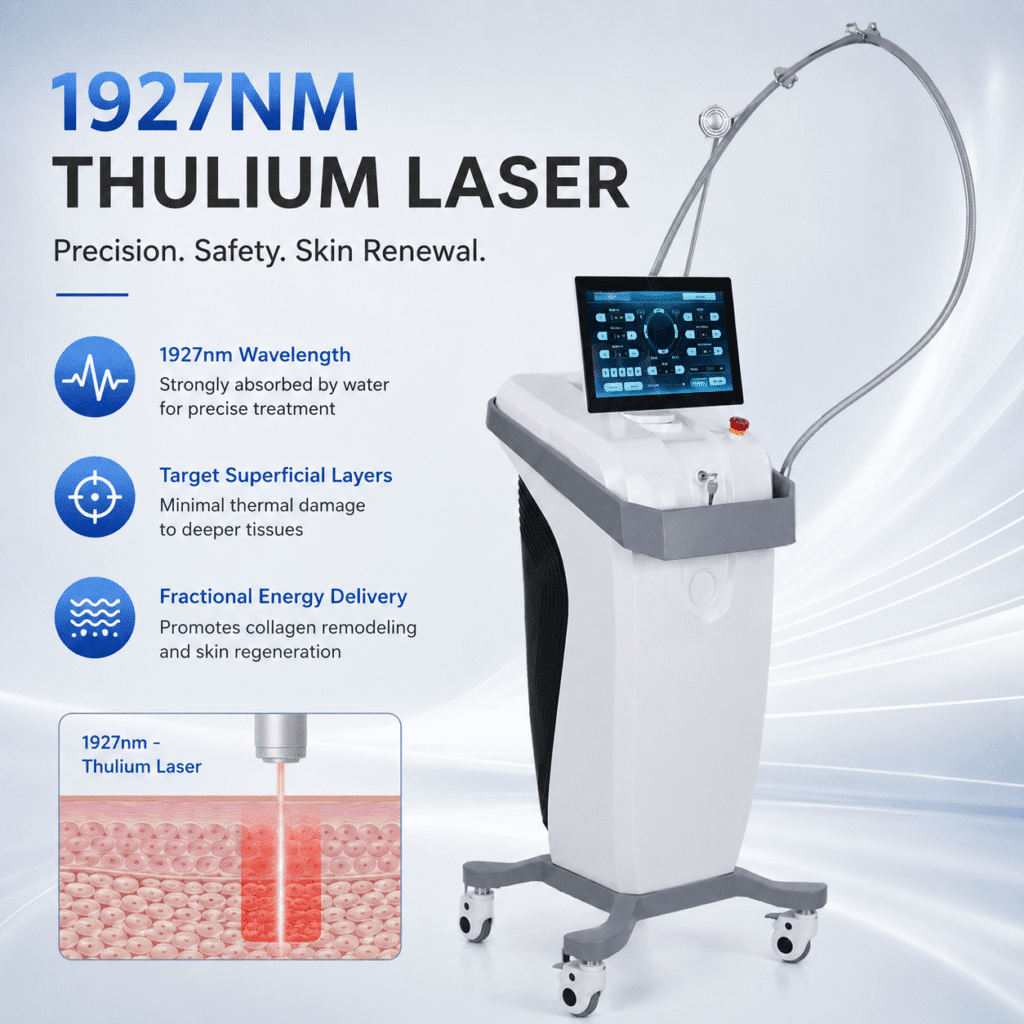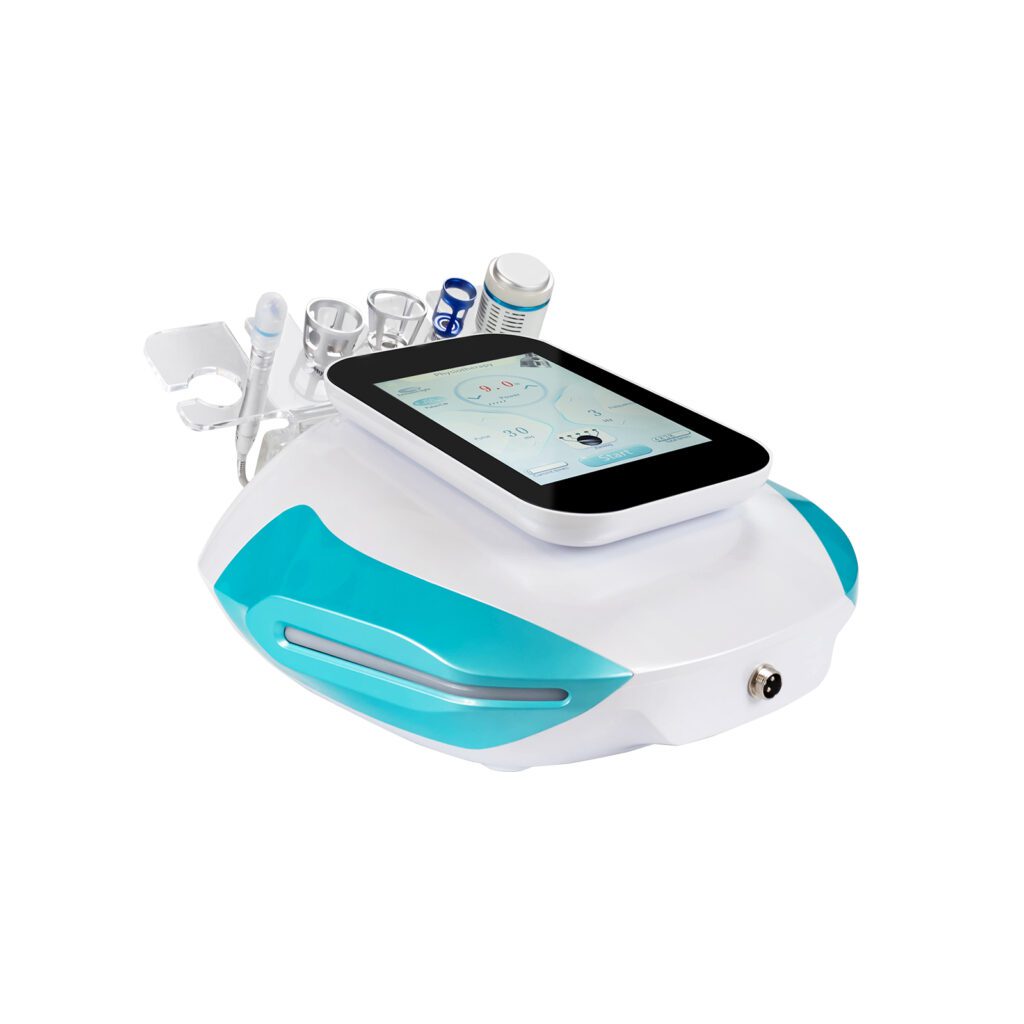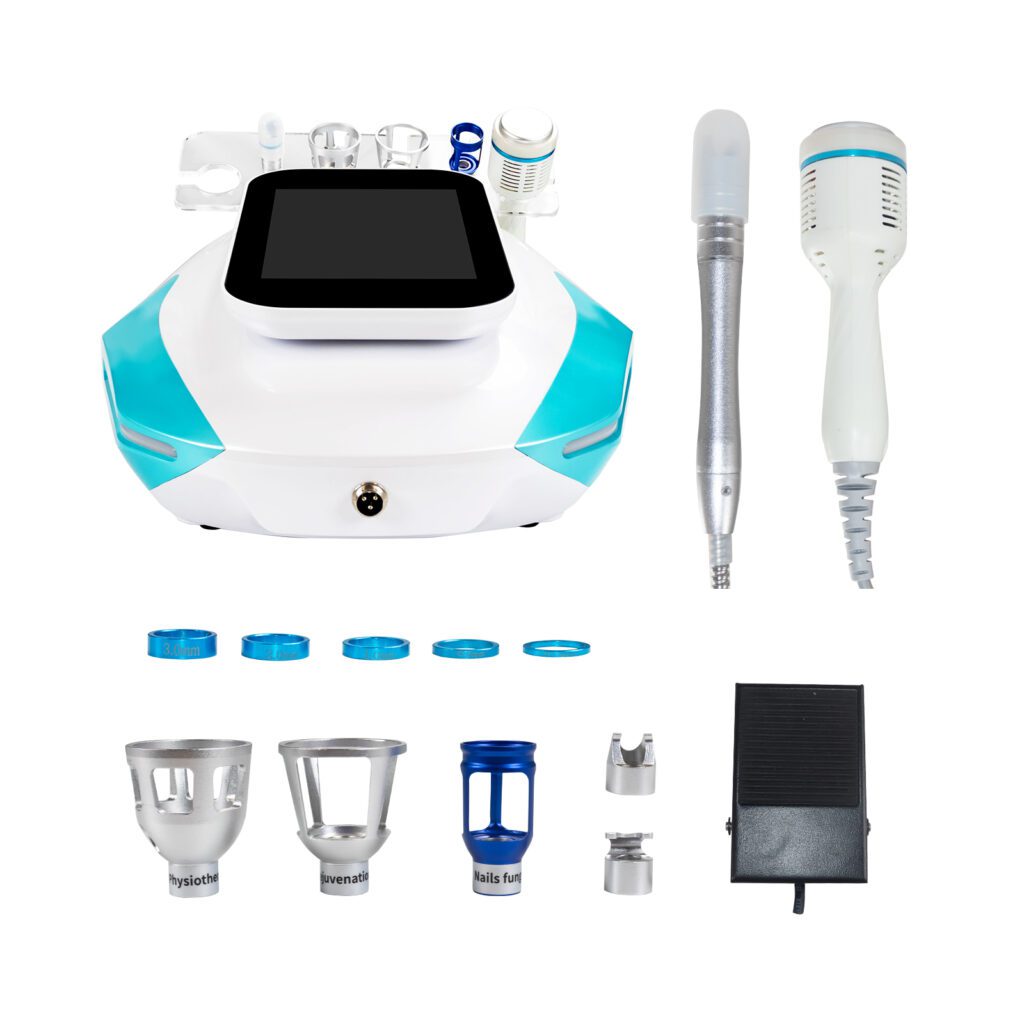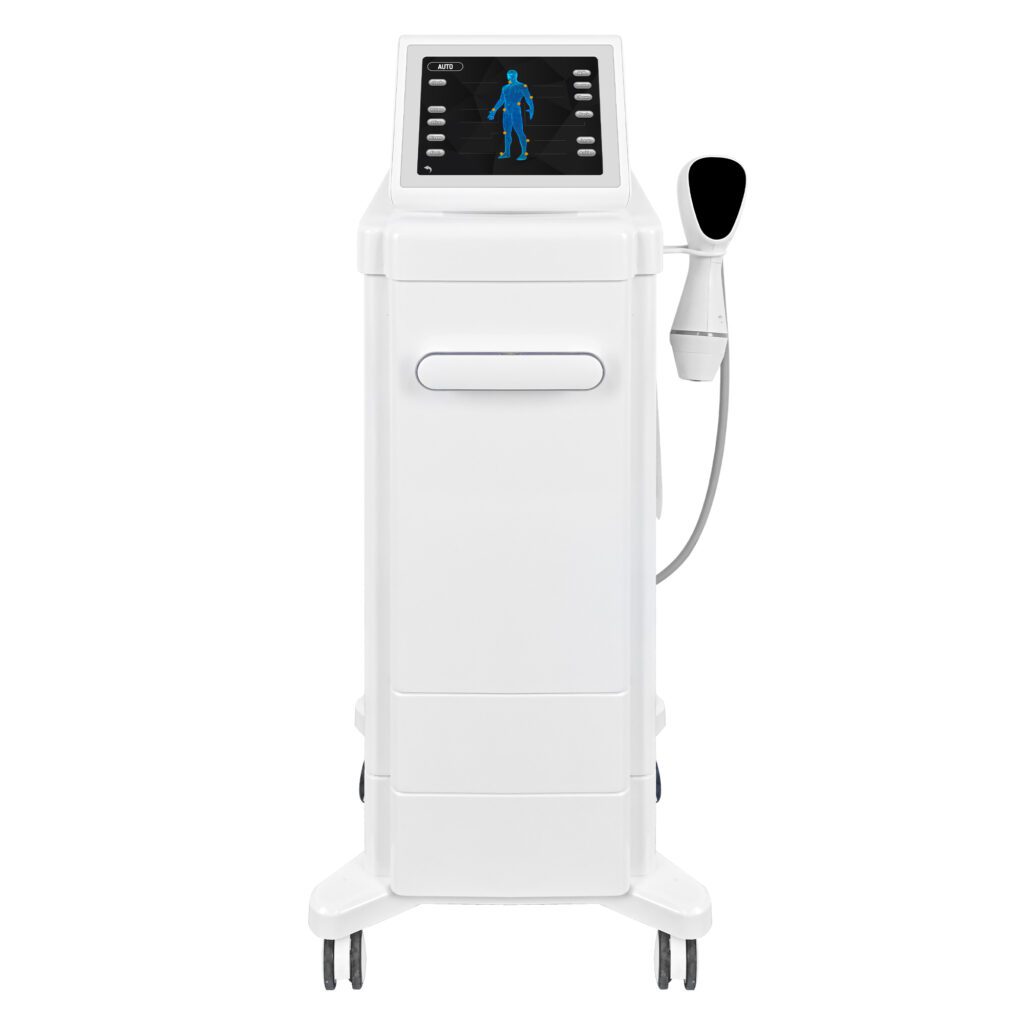










Resumen ejecutivo
Los salones de belleza no deben evaluar los equipos únicamente por su apariencia, precio o las promesas del fabricante. Antes de comprar una máquina, deben verificar si el dispositivo se ajusta a su menú de servicios, las necesidades de sus clientes, la habilidad del operador, el precio del tratamiento, el espacio disponible, los requisitos de seguridad, el costo de los consumibles, la garantía y el plan de amortización.
Entre los parámetros importantes se incluyen la función del producto, el tipo de tecnología, la potencia de salida, los niveles ajustables, los modos de tratamiento, la configuración de la pieza de mano, el control de refrigeración o calefacción, la succión o el flujo de agua, el idioma del software, el voltaje, la potencia, el tamaño de la máquina, el tiempo de tratamiento, el coste de los consumibles, la disponibilidad de piezas de repuesto, los certificados, el manual del usuario, el soporte de formación, las condiciones de la garantía, el servicio posventa y las reclamaciones admitidas.
En el caso de dispositivos de mayor riesgo, como láser, luz pulsada intensa (IPL), radiofrecuencia potente, ultrasonido focalizado, dispositivos para el contorno corporal, eliminación de tatuajes o dispositivos promocionados con afirmaciones de tipo médico, los salones también deben verificar el uso previsto, las contraindicaciones, las advertencias de seguridad, los documentos reglamentarios, la capacitación del operador y si las afirmaciones están debidamente respaldadas.
El mejor equipo de belleza no siempre es la máquina con mayor potencia, más funciones o el precio más bajo. La mejor máquina es aquella que se puede usar de forma segura, se explica con claridad, se integra en proyectos rentables, es aceptada por los clientes locales, tiene un mantenimiento sencillo y cuenta con el respaldo del proveedor a lo largo del tiempo.
1. La respuesta corta
Los salones de belleza deben verificar cinco grupos de parámetros antes de comprar equipos de belleza:
- Parámetros técnicos: función, tipo de energía, potencia, frecuencia, intensidad, longitud de onda, succión, temperatura, refrigeración, software, piezas de mano y modos de tratamiento.
- Parámetros comerciales: precio del servicio, tiempo de tratamiento, demanda del cliente, coste de los consumibles, coste del personal, utilización de la sala y periodo de recuperación de la inversión.
- Parámetros de seguridad: contraindicaciones, advertencias, formación del operador, parada de emergencia, control de temperatura, protección ocular, higiene y mantenimiento.
- Parámetros de soporte: garantía, repuestos, consumibles, capacitación, respuesta de reparación, manuales, materiales de marketing y confiabilidad del proveedor.
- Parámetros de cumplimiento: certificados, informes de pruebas, uso previsto, declaraciones en la etiqueta, normas de importación, declaraciones publicitarias y requisitos del mercado objetivo.
Si un salón de belleza solo revisa las especificaciones técnicas pero ignora los parámetros comerciales y de servicio posventa, el riesgo de compra sigue siendo alto.
2. “Parámetro” significa más que un número.
Muchos propietarios de salones de belleza creen que los parámetros se limitan a la potencia, la frecuencia, el voltaje o la longitud de onda. Si bien estos son importantes, la compra de equipos de belleza requiere una perspectiva más amplia.
Para un salón de belleza, un parámetro también puede significar:
- Para quién es adecuada la máquina
- ¿Qué proyecto apoya?
- Cuánto tiempo dura cada servicio
- Cuánto puede cobrar el salón
- ¿Cuántos empleados pueden operarlo?
- Con qué frecuencia deben reemplazarse los consumibles.
- ¿Con qué rapidez se puede reparar la máquina?
- ¿Qué afirmaciones pueden utilizarse de forma responsable?
- Si el proveedor puede proporcionar formación
- Si la máquina puede recuperar la inversión
Una máquina técnicamente potente puede resultar una mala compra si el salón no puede vender el proyecto, capacitar al personal o dar servicio al dispositivo.
3. Comience con el uso previsto y el posicionamiento del servicio.
Antes de consultar las especificaciones técnicas, el salón debería definir el uso previsto.
Preguntar:
- ¿Qué proyecto queremos añadir?
- ¿La máquina sirve para limpieza, hidratación, antienvejecimiento, depilación, cuidado corporal, análisis de la piel, reparación o consulta?
- ¿Es para el cuidado básico de la belleza, el tratamiento de alta gama de la piel o un servicio estético de tipo médico?
- ¿Qué grupo de clientes comprará este proyecto?
- ¿Qué resultado podemos explicar de forma responsable?
- ¿Qué resultado debemos evitar prometer?
Las directrices de la FDA destacan la importancia del uso previsto y las indicaciones de uso para determinar si un producto puede considerarse un dispositivo médico. Para los salones de belleza, esto significa que las decisiones de compra deben comenzar por considerar cómo se utilizará el dispositivo y qué afirmaciones se harán al respecto.
4. Haga coincidir la máquina con el tipo de salón.
Cada salón de belleza necesita máquinas diferentes.
Los salones comunitarios suelen necesitar:
- Precio moderado
- Fácil operación
- Uso de alta frecuencia
- Dificultad de entrenamiento baja
- Limpieza básica, hidratación, reparación y proyectos antienvejecimiento
Los centros de cuidado de la piel suelen necesitar:
- Mejores herramientas de consulta
- Analizadores de piel
- Sistemas faciales de hidroterapia
- Terapia LED
- Proyectos de RF o EMS
- Embalaje profesional de proyectos
Los centros de alta gama suelen necesitar:
- Aspecto de primera calidad
- Experiencia de tratamiento más intensa
- Documentos más completos
- Sistemas antienvejecimiento avanzados
- Mejor formación y asistencia posventa
Las tiendas de depilación y cuidado corporal necesitan:
- Salida estable
- Formación en seguridad
- Durabilidad de la pieza de mano
- Control de refrigeración o confort
- Contraindicaciones claras
- Documentación más sólida
No compres una máquina solo porque otra peluquería la esté usando. La clientela de tu propia peluquería es importante.
5. Comprobar el tipo de tecnología
El tipo de tecnología determina el posicionamiento del tratamiento, la dificultad de la capacitación, el riesgo para la seguridad y las expectativas del cliente.
Las tecnologías comunes incluyen:
- RF
- EMS o microcorriente
- Terapia de luz LED
- Ultrasónico
- Hidrofacial o burbujas pequeñas
- Pulverización o infusión de oxígeno
- Vacío
- IPL
- Láser
- Enfriamiento
- Calefacción
- Análisis de la piel mediante IA
- Sistemas faciales multifuncionales
- Tecnologías de contorno corporal
El salón debe comprender para qué sirve cada tecnología, qué inquietud del cliente satisface, qué limitaciones existen y qué afirmaciones son apropiadas.
6. Compruebe la salida de energía y los niveles ajustables.
En los dispositivos que funcionan con energía, el control de la salida es fundamental.
Controlar:
- Rango de salida
- Niveles ajustables
- Estabilidad
- Modos de tratamiento
- Modo de pulsos cuando corresponda
- Control de temperatura
- Densidad de energía cuando corresponda
- Límites de seguridad
- Si el resultado es adecuado para diferentes tipos de piel.
- Si el personal puede ajustar la configuración de forma segura
Más potencia no siempre es mejor. Un dispositivo demasiado agresivo puede generar incomodidad, riesgos o el rechazo del cliente. Un dispositivo demasiado débil puede ser difícil de vender. La clave reside en una salida estable y controlable.
7. Comprobar los modos de tratamiento
Los modos de tratamiento deben coincidir con los proyectos reales de un salón de belleza.
Preguntar:
- ¿Cuántos modos son realmente útiles?
- ¿Qué hace cada modo?
- ¿Los nombres de los modos son claros?
- ¿Se pueden ajustar los parámetros?
- ¿El personal puede comprender la diferencia?
- ¿Cada modo tiene un protocolo de tratamiento?
- ¿Existen configuraciones para principiantes y avanzados?
- ¿Hay avisos de seguridad?
Una máquina con muchos modos no es automáticamente mejor. Diez modos débiles o confusos son menos valiosos que tres modos fiables con un uso claro para cada proyecto.
8. Compruebe la configuración de la pieza de mano.
Las piezas de mano son uno de los parámetros de compra más importantes.
Controlar:
- Número de piezas de mano
- Función de cada pieza de mano
- Material de la pieza de mano
- Fuerza del cable
- Calidad del conector
- Peso y comodidad
- Calor durante el funcionamiento
- Esperanza de vida
- Costo de reemplazo
- Cobertura de garantía
- Requisitos de limpieza
- Compatibilidad de consumibles
- Si las piezas de mano son específicas del modelo
Muchos problemas de posventa se deben a las piezas de mano y los cables, no a la unidad principal.
9. Compruebe la refrigeración, la calefacción, la succión y el flujo.
Las diferentes categorías requieren diferentes comprobaciones funcionales.
Para RF:
- Estabilidad de calentamiento
- Control de temperatura
- Comodidad al contacto
- Refrigeración, si procede
Para tratamientos faciales con agua:
- Fuerza de succión
- flujo de agua
- Sello de botella
- Calidad del tubo
- Ajuste de la punta
- Seguridad de las botellas de desecho
Para IPL o láser:
- Rendimiento de refrigeración
- Temperatura de la pieza de mano
- protección ocular
- Estabilidad energética
Para LED:
- Información sobre la longitud de onda
- Uniformidad de la luz
- Control de calor
- Distancia de tratamiento
Los parámetros funcionales deben probarse en el uso real, no solo leerse en un folleto.
10. Comprobar el tiempo de tratamiento
El tiempo de tratamiento afecta a los ingresos del salón.
Preguntar:
- ¿Cuánto tiempo dura un tratamiento?
- ¿Cuánto tiempo de preparación se necesita?
- ¿Cuánto tiempo dura la limpieza?
- ¿Cuánto dura la consulta con el cliente?
- ¿Cuántas sesiones se pueden realizar al día?
- ¿La máquina necesita tiempo de enfriamiento?
- ¿Puede un solo empleado manejarlo fácilmente?
Un proyecto costoso puede resultar ineficiente si ocupa un espacio y requiere personal durante demasiado tiempo. Los salones deberían calcular la contribución por hora, no solo el precio del tratamiento.
11. Comprobar la comodidad del cliente
Los clientes deciden si vuelven a comprar en función de su experiencia.
Controlar:
- ¿El tratamiento es cómodo?
- ¿Es aceptable el calor?
- ¿La succión es demasiado fuerte?
- ¿La sensación actual es estable?
- ¿El ruido es demasiado fuerte?
- ¿El tratamiento resulta vergonzoso o difícil de explicar?
- ¿El cliente comprende el proceso?
- ¿Hay tiempo de inactividad o atención posterior?
- ¿Es el tratamiento adecuado para el grupo de edad de la clientela del salón?
Si la comodidad del cliente es deficiente, es posible que el salón tenga dificultades para vender cursos.
12. Comprobar los parámetros de seguridad
La seguridad debe comprobarse antes que el precio.
Los parámetros de seguridad importantes incluyen:
- Contraindicaciones
- Etiquetas de advertencia
- Parada de emergencia donde sea necesario
- Límite de temperatura
- Protección de refrigeración
- protección ocular
- Guía según el tipo de piel
- Formación de operadores
- Instrucciones de higiene
- Proceso de limpieza
- Accesorios desechables
- Programa de mantenimiento
- Códigos de error
- Protección contra sobrecalentamiento
- Información sobre seguridad eléctrica
En el caso de dispositivos de alta energía, la revisión de seguridad debería ser más estricta.
13. Revisar certificados e informes de pruebas.
Los salones de belleza deberían preguntar qué documentos tiene la máquina y qué significan esos documentos.
Entre los documentos útiles se incluyen:
- Especificaciones del producto
- Manual de usuario
- Términos de garantía
- Informe de control de calidad de fábrica
- Informe de prueba cuando corresponda
- Documentos relacionados con la CE, cuando corresponda.
- Documentos de la FCC o RoHS, cuando corresponda.
- Información sobre el registro, inclusión en la lista, autorización o aprobación de la FDA, cuando corresponda.
- Documentos de registro de la NMPA o locales, según corresponda.
- Lista de piezas de repuesto
- Lista de consumibles
- Protocolo de entrenamiento
No acepte fotografías de certificados sin verificar el número de modelo, la fecha, el organismo emisor, la norma y el mercado objetivo.
14. Verifique las afirmaciones y el lenguaje de marketing.
Los salones de belleza deberían evitar comprar una máquina basándose en afirmaciones exageradas.
Tenga cuidado con afirmaciones como las siguientes:
- Elevación garantizada
- Pérdida de grasa permanente
- Curar el acné
- Eliminar las cicatrices por completo
- Revertir el envejecimiento
- Sin efectos secundarios
- Resultados de grado médico sin respaldo
- Seguro para todos
- Una sesión resuelve el problema.
Las directrices de la FTC sobre productos sanitarios respaldan el principio de que las afirmaciones sobre productos relacionados con la salud deben ser veraces, no engañosas y estar debidamente fundamentadas. Los salones de belleza deben preguntar a sus proveedores qué afirmaciones están respaldadas y cuáles no deben utilizarse.
15. Consultar la FDA o el riesgo del dispositivo médico cuando corresponda.
No todos los dispositivos de belleza son dispositivos médicos. Sin embargo, algunos dispositivos estéticos pueden estar regulados según su uso previsto, la tecnología que utilizan y las afirmaciones que hacen al respecto.
La FDA señala que los dispositivos estéticos pueden estar regulados según su uso previsto y si afectan la estructura o la función del cuerpo. Asimismo, explica que las indicaciones de uso pueden figurar en el etiquetado o proporcionarse verbalmente durante la venta.
Esto significa que los guiones del personal del salón pueden ser importantes. Si una máquina se vende o se utiliza con afirmaciones de índole médica, el riesgo regulatorio puede aumentar.
En el caso de dispositivos láser, IPL, eliminación de tatuajes, radiofrecuencia intensa, remodelación corporal y tratamientos para la piel, los salones de belleza deberían solicitar una explicación normativa más clara antes de comprarlos.
16. Compruebe el voltaje, el enchufe y la compatibilidad eléctrica.
Con frecuencia se pasan por alto los parámetros eléctricos básicos.
Controlar:
- Voltaje
- Frecuencia
- Tipo de enchufe
- Consumo de energía
- Toma de tierra
- Fusible
- Estándar de cable
- Requisito del adaptador
- Capacidad de energía de la habitación
- Advertencia sobre el cable de extensión
- Compatibilidad eléctrica local
Utilizar un voltaje o un enchufe incorrecto puede dañar los equipos y crear riesgos para la seguridad.
17. Comprueba el tamaño, el peso y el ajuste de la habitación.
La máquina debe caber en la sala de tratamientos del salón.
Controlar:
- Tamaño de la máquina
- Peso
- Diseño de pie o de sobremesa
- Calidad de las ruedas
- Longitud del cable
- Almacenamiento de piezas de mano
- Espacio de ventilación
- Espacio libre en la puerta
- Distancia de la camilla de tratamiento
- Distribución de la habitación
- Ruido
- Apariencia e imagen de marca
Una máquina que luce bien en una sala de exposición puede resultar demasiado grande o incómoda en un salón pequeño.
18. Compruebe el software, el idioma y la interfaz de usuario.
El software afecta la confianza del personal.
Controlar:
- Idioma del menú
- Precisión de la traducción
- Respuesta de la pantalla táctil
- Nombres de modo
- Mensajes de error
- Temporizador de tratamiento
- Memoria de parámetros
- Cuentas de usuario cuando corresponda
- Política de actualización de software
- Generación de informes para analizadores de piel
- Función de impresora o exportación
- Uso sin conexión
- Términos del servicio en la nube
En el caso de los analizadores de piel basados en IA, compruebe también el almacenamiento de datos, el aviso de privacidad, el manejo de imágenes de los clientes, la tarifa de suscripción y el soporte de software.
19. Verificar el costo de los consumibles
Los bienes de consumo afectan a las ganancias a largo plazo.
Controlar:
- ¿Qué consumibles se necesitan?
- Costo por tratamiento
- Cantidad mínima de pedido
- Duración
- Condiciones de almacenamiento
- Frecuencia de reemplazo
- Si los consumibles son de propiedad exclusiva
- Si se permiten sustitutos locales
- Si el uso de sustitutos afecta la garantía
- Estabilidad del suministro
Una máquina con un precio de compra bajo pero con consumibles caros puede no resultar más económica en la práctica en un salón de belleza.
20. Verificar la disponibilidad de repuestos
Los salones de belleza deberían preguntar si hay piezas de repuesto disponibles a largo plazo.
Las partes importantes pueden incluir:
- Piezas de mano
- Cables
- Zapatillas
- Tubos
- Filtros
- Pantallas
- Fuentes de alimentación
- Tableros
- Conectores
- Lámparas
- Consejos de tratamiento
- Botellas
- Piezas de refrigeración
Antes de comprar, solicite al proveedor una lista de repuestos y los precios de los mismos.
21. Consulte los términos de la garantía.
La garantía debe ser específica.
Preguntar:
- ¿Cuál es el período de garantía?
- ¿Cuándo empieza?
- ¿Qué partes están cubiertas?
- ¿Están cubiertas las piezas de mano?
- ¿Se excluyen los consumibles?
- ¿Quién paga los gastos de reparación?
- ¿Qué es la política de "muerto al llegar"?
- ¿Hay repuestos disponibles?
- ¿Con qué rapidez responde el soporte técnico?
- ¿El mal uso anula la garantía?
- ¿Hay servicio de reparación local disponible?
No acepte únicamente una “garantía de un año” sin detalles.
22. Compruebe el servicio posventa.
El servicio posventa determina si la máquina puede seguir funcionando.
Controlar:
- Tiempo de respuesta del proveedor
- Soporte técnico
- Vídeos de reparación
- Guía de solución de problemas
- existencias de repuestos
- Diagnóstico remoto
- Soporte de software
- Recordatorios de mantenimiento
- Seguimiento de la capacitación
- Gestión de quejas de clientes
Si el servicio posventa es deficiente, incluso una buena máquina puede convertirse en una carga.
23. Consultar el soporte de formación
Los equipos de belleza solo son útiles cuando el personal puede manejarlos y promocionarlos.
La formación debe incluir:
- Pasos de operación
- Selección de parámetros
- control de clientes
- Contraindicaciones
- Protocolo de tratamiento
- Limpieza y mantenimiento
- Comunicación con el cliente
- guiones de ventas
- Control de reclamaciones
- Instrucciones de cuidados posteriores
- Solución de problemas
El salón debería preguntar si la formación está incluida, si es online o presencial, si es una formación única o repetida, y si está disponible en el idioma local.
24. Comprobar el potencial de empaquetado del proyecto
Una máquina debería convertirse en un proyecto de salón, no solo en un aparato.
Preguntar:
- ¿Qué nombre de proyecto puede usar el salón?
- ¿A qué grupo de clientes se ajusta?
- ¿Qué pasos del servicio están incluidos?
- ¿Cuál es el tiempo de tratamiento recomendado?
- ¿Qué precio puede cobrar el salón?
- ¿Cuántas sesiones componen un curso?
- ¿Qué consumibles se necesitan?
- ¿Qué guion de atención al cliente puede utilizar el personal?
- ¿Qué política de antes y después es la más adecuada?
- ¿Qué materiales promocionales están disponibles?
Las máquinas con un embalaje claro del proyecto son más fáciles de vender a los clientes.
25. Verifique el retorno de la inversión y los parámetros de recuperación de la inversión.
Los salones de belleza deberían calcular el retorno de la inversión antes de comprar.
Variables clave:
- Precio de la máquina
- Flete e impuestos
- Costo de capacitación e instalación
- Consumibles de inicio
- Costo de lanzamiento de marketing
- Precio del tratamiento
- Costo de consumibles por tratamiento
- Costo del personal
- Tiempo de tratamiento
- Sesiones mensuales previstas
- Reserva de mantenimiento
- Período de recuperación de la inversión
La lógica del punto de equilibrio de la SBA utiliza los costos fijos divididos por el precio menos los costos variables para calcular las unidades de equilibrio. En el caso de los equipos de belleza, la "unidad" puede ser una sesión de tratamiento.
El salón debería calcular el retorno de la inversión utilizando el margen de beneficio neto, no solo los ingresos.
26. Verificar la fiabilidad del proveedor
La fiabilidad de la máquina depende directamente de la fiabilidad del proveedor que la fabrica.
Controlar:
- Antecedentes de la empresa
- Fábrica o empresa comercial
- Experiencia exportadora
- Categorías de productos principales
- Casos de salones existentes
- Soporte para pruebas de muestras
- Respuesta del documento
- Materiales de capacitación
- Equipo de posventa
- Suministro de piezas de repuesto
- Claridad de la garantía
- Velocidad de comunicación
- Disposición contractual
Si el proveedor no puede responder a las preguntas técnicas y de servicio postventa, el salón debería ser cauteloso.
27. Comprobar el resultado de la prueba de muestra.
Antes de comprar una máquina de alto valor, pruebe, si es posible, una unidad de muestra o de demostración.
Prueba:
- Embalaje
- Accesorios
- Puesta en marcha
- Piezas de mano
- Operación continua
- Experiencia de tratamiento
- Lenguaje de software
- Ruido
- Limpieza
- Manual
- Consumibles
- Respuesta de garantía
- Dificultades en la operación del personal
Las pruebas de muestras son el puente entre la promesa del catálogo y el uso real en el salón.
28. Lista de verificación de categoría: Equipos de belleza RF
Para dispositivos de radiofrecuencia, compruebe:
- Estabilidad de salida
- Niveles ajustables
- Control de temperatura
- Calidad de la pieza de mano
- Comodidad al contacto
- Modos de tratamiento
- Refrigeración donde sea aplicable
- Contraindicaciones
- Manual de usuario
- Soporte de reclamaciones
- Protocolo de entrenamiento
- Garantía para piezas de mano
No elija un sistema de RF únicamente por su alta potencia. Lo más importante es una salida estable, cómoda y controlable.
29. Lista de verificación de la categoría: Terapia de luz LED
Para dispositivos LED, compruebe:
- Información sobre la longitud de onda
- Calidad de las perlas de la lámpara
- Uniformidad de la luz
- Distancia de tratamiento
- Minutero
- Nivel de calor
- protección ocular
- Tamaño del panel
- Calidad del soporte
- Manual de usuario
- Afirmaciones respaldadas
La tecnología LED suele ser útil como proyecto de apoyo para el cuidado y la reparación de productos, pero los salones de belleza deben evitar afirmaciones médicas sin fundamento científico.
30. Lista de verificación de categoría: Hidrofacial y Burbuja pequeña
Para dispositivos de hidromasaje facial y de burbujas pequeñas, consulte:
- Fuerza de succión
- flujo de agua
- Calidad de la bomba
- Sello de botella
- Material del tubo
- Ajuste de la punta
- diseño de botella de desecho
- Comodidad de limpieza
- Ruido
- Costo de consumibles
- Piezas de repuesto
- Riesgo de fugas
Debido a que estas máquinas se utilizan con frecuencia, la calidad de los componentes pequeños es importante.
31. Lista de verificación de categoría: EMS y microcorriente
Para dispositivos EMS y de microcorriente, consulte:
- Estabilidad de salida
- Intensidad ajustable
- Comodidad durante el tratamiento
- Calidad del electrodo o de la pieza de mano
- Compatibilidad con gel conductor
- Durabilidad del cable
- Lógica de modo
- Contraindicaciones
- Capacitación del personal
- Guía de reclamaciones
Más sensaciones no siempre son mejores. Una salida estable y cómoda mejora la aceptación por parte del cliente.
32. Lista de verificación de categoría: Analizadores de piel
Para analizadores de piel, consulte:
- Resolución de la cámara
- consistencia de la iluminación
- Calidad del informe
- Lenguaje de software
- Categorías de análisis
- Sistema de cuentas
- Almacenamiento en la nube
- Privacidad de datos
- Exportación de informes
- Política de actualización
- Cuota de suscripción
- Flujo de trabajo de la consulta
- apoyo a la formación
El valor de un analizador de piel reside en la consulta y la conversión de ventas, no en el tratamiento directo.
33. Lista de verificación de categorías: Dispositivos láser e IPL
Para láser e IPL, consulte:
- Estabilidad de la producción de energía
- Rendimiento de refrigeración
- Vida útil de la pieza de mano
- Número de lámparas o disparos
- Llave de seguridad o parada de emergencia
- protección ocular
- Calidad del filtro
- Guía según el tipo de piel
- Etiquetas de advertencia
- Requisitos de capacitación
- Documentos reglamentarios
- Soporte técnico
Estos dispositivos requieren una revisión de seguridad y cumplimiento más rigurosa que los equipos faciales básicos.
34. Lista de verificación de categorías: Dispositivos para el contorno corporal
Para máquinas de remodelación corporal, consulte:
- Modos de tratamiento
- Configuración de la pieza de mano
- Control de refrigeración o calefacción
- Estabilidad al vacío
- Calidad de la almohadilla EMS cuando corresponda
- Tiempo de sesión
- Comodidad del cliente
- Contraindicaciones
- Precios del proyecto
- Soporte de reclamaciones
- Restricciones de marketing
- Piezas de repuesto
Tenga cuidado con las afirmaciones sobre reducción de grasa, adelgazamiento y resultados garantizados.
35. Errores comunes al comprobar los parámetros
Los errores más comunes incluyen:
- Si nos fijamos únicamente en el poder
- Elegir la máquina con más funciones
- Ignorando el costo de los consumibles
- Ignorar la garantía de la pieza de mano
- Ignorar el tiempo de tratamiento
- Ignorar la capacitación del personal
- Ignorar las piezas de repuesto
- Ignorar la validez del certificado
- Ignorar la demanda del cliente objetivo
- Confiar en fotos exageradas del antes y el después
- No se está probando la muestra.
- No calcular el retorno de la inversión
- No leer los términos de la garantía
Estos errores pueden hacer que una máquina barata resulte cara después de la compra.
36. Señales de alerta antes de comprar
Tenga cuidado si:
- El proveedor no puede proporcionar documentos específicos del modelo.
- El certificado no coincide con el modelo.
- El manual de usuario no es claro.
- Los términos de la garantía son vagos.
- Falta la lista de repuestos.
- Los consumibles son caros o inestables.
- Las afirmaciones suenan demasiado fuertes.
- El proveedor se niega a realizar pruebas de muestras.
- Las piezas de mano se sienten débiles
- El lenguaje de programación es deficiente.
- La máquina se sobrecalienta durante la demostración.
- No hay capacitación disponible
- El proceso de posventa no está claro.
- El precio está muy por debajo del precio de mercado sin explicación.
Si se presentan varias señales de alerta, es necesario detener la compra.
37. Elabore una hoja de comparación de parámetros.
Los salones de belleza deberían comparar las máquinas en una tabla.
Columnas sugeridas:
- Modelo
- Proveedor
- Función
- Tecnología
- Rango de salida
- Piezas de mano
- Modos de tratamiento
- Tiempo de tratamiento
- Costo de consumibles
- Precio del servicio
- Estimación del período de recuperación de la inversión
- Garantía
- Piezas de repuesto
- Capacitación
- Documentos
- Características de seguridad
- Respuesta posventa
- Precio
- Puntuación de adecuación del salón
Esto evita las compras impulsivas y ayuda a comparar el valor total.
38. Lista de verificación final antes de comprar
Antes de comprar equipos de belleza, confirme:
- El proyecto objetivo está claro.
- El grupo de clientes idóneo está claro.
- Se entiende el tipo de tecnología.
- La salida y los ajustes son controlables.
- Las piezas de mano son duraderas
- Hay advertencias de seguridad disponibles
- El tiempo de tratamiento se ajusta al flujo de trabajo del salón.
- La comodidad del cliente es aceptable.
- Se conoce el costo de los consumibles.
- Hay repuestos disponibles
- La garantía está escrita.
- La formación está incluida
- Los documentos coinciden con el modelo.
- Las afirmaciones son realistas.
- Se ha probado la muestra o demostración.
- El proveedor puede brindar servicio postventa.
- Se calcula el retorno de la inversión (ROI) y el período de recuperación.
Si estos puntos quedan claros, el salón podrá comprar con mucha más confianza.
Conclusión
Los salones de belleza deben evaluar los parámetros de sus equipos desde una perspectiva tanto técnica como comercial. Entre los parámetros importantes se incluyen el tipo de tecnología, el control de salida, los modos de tratamiento, las piezas de mano, la configuración de seguridad, los consumibles, las piezas de repuesto, el tiempo de tratamiento, la comodidad del cliente, el software, el voltaje, el tamaño, la documentación, la garantía, la capacitación, el servicio posventa, el embalaje del proyecto y el período de recuperación de la inversión.
La mejor máquina no es necesariamente la más potente, la más barata, la que tenga más piezas de mano o la que ofrezca más funciones. Es la que mejor se adapta a la clientela del salón, su menú de servicios, la experiencia del personal, la distribución del espacio, el presupuesto y su funcionamiento a largo plazo.
Antes de comprar, los salones deben solicitar documentación, probar la máquina, comparar proveedores, calcular el retorno de la inversión (ROI), revisar las reclamaciones y confirmar el servicio posventa. Una revisión minuciosa de los parámetros reduce los errores de compra y ayuda al salón a convertir la inversión en equipos en ingresos reales por servicios.
Preguntas frecuentes
¿Qué parámetros deben comprobar los salones de belleza antes de comprar equipos de belleza?
Los salones deben comprobar el tipo de tecnología, la función, el rango de salida, los modos de tratamiento, las piezas de mano, las características de seguridad, el tiempo de tratamiento, los consumibles, las piezas de repuesto, la garantía, la formación, la documentación, el software, el voltaje, el tamaño de la máquina, la comodidad del cliente, el embalaje del proyecto y el período de amortización.
¿Una mayor potencia siempre es mejor para los aparatos de belleza?
No. Mayor potencia no siempre significa mejor. Una salida estable, ajustable, cómoda y segura es más importante que simplemente elegir la potencia más alta.
¿Deberían los salones de belleza comprobar el precio de los consumibles antes de comprarlos?
Sí. El costo de los consumibles afecta la ganancia real y el retorno de la inversión. Los salones deben calcular el costo por tratamiento, la estabilidad del suministro, la vida útil, la cantidad mínima de pedido (MOQ) y si se permiten sustitutos.
¿Qué documentos deben solicitar los salones de belleza a sus proveedores?
Entre los documentos útiles se incluyen las especificaciones del producto, el manual de usuario, los términos de la garantía, el informe de control de calidad de fábrica, los informes de pruebas, los documentos relacionados con la certificación CE, los documentos de la FCC o RoHS cuando corresponda, la información de la FDA o de las normativas locales cuando corresponda, la lista de piezas de repuesto, la lista de consumibles y el protocolo de formación.
¿Por qué es importante el tiempo de tratamiento?
El tiempo de tratamiento afecta la utilización de la sala, los costos de personal, la capacidad diaria, la comodidad del cliente y la rentabilidad. Un tratamiento costoso puede resultar ineficiente si dura demasiado y tiene poca demanda.
¿Deberían los salones de belleza probar una muestra antes de comprarla?
Para máquinas de alto valor o desconocidas, sí. Las pruebas de muestra o demostración ayudan a verificar el funcionamiento, las piezas de mano, el software, la experiencia de tratamiento, el embalaje, la documentación y la respuesta del proveedor antes de la compra.
¿Cómo pueden los salones de belleza evitar comprar la máquina equivocada?
Primero deben definir el proyecto objetivo, adaptar la máquina a la demanda del cliente local, verificar los parámetros y la documentación, probar la máquina, calcular el período de recuperación de la inversión, confirmar la garantía y el servicio posventa, y evitar reclamaciones exageradas.