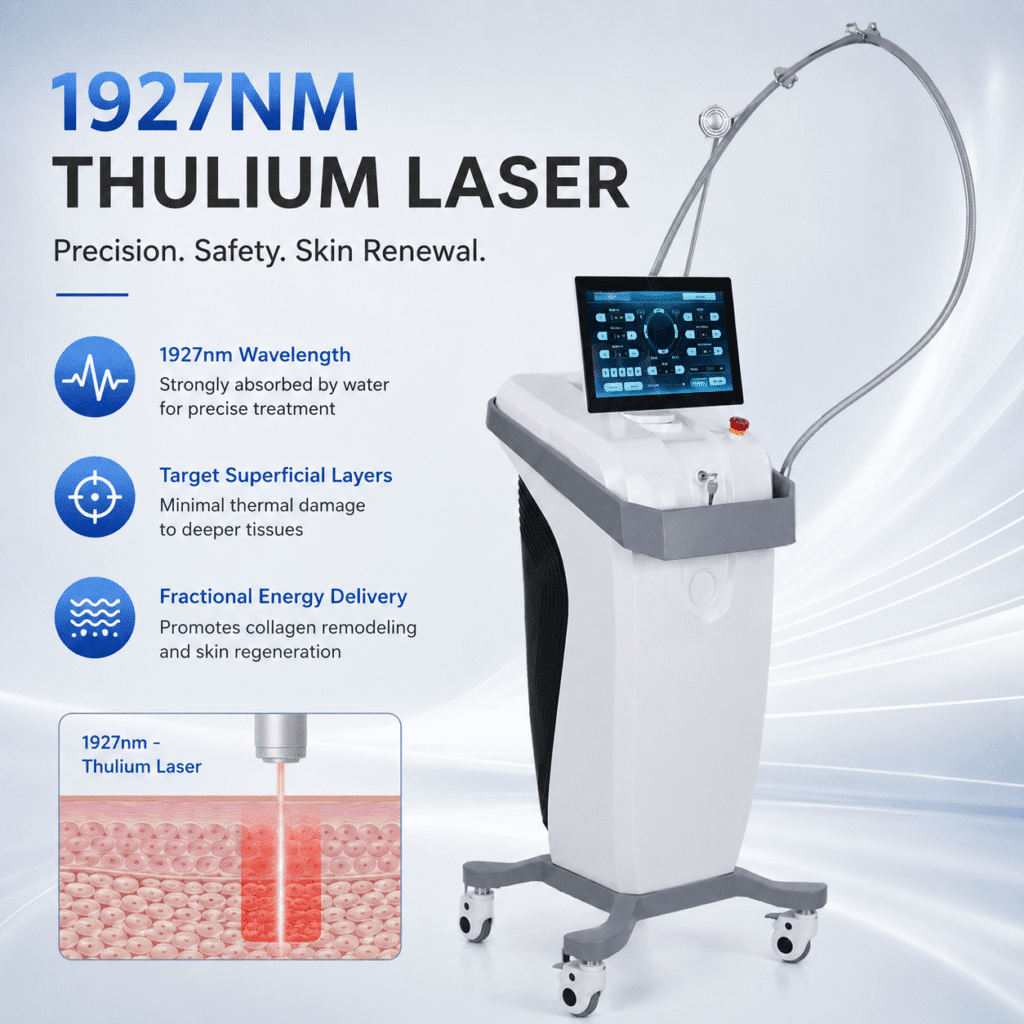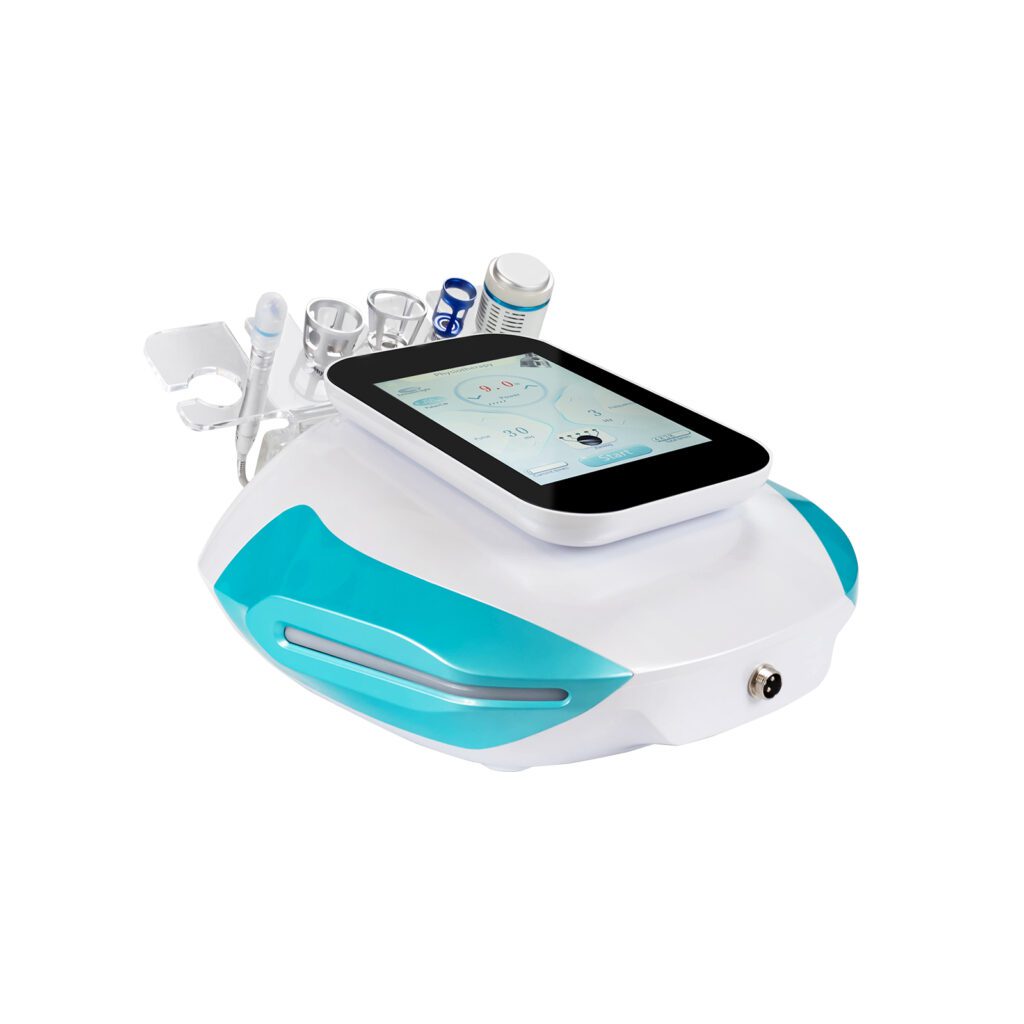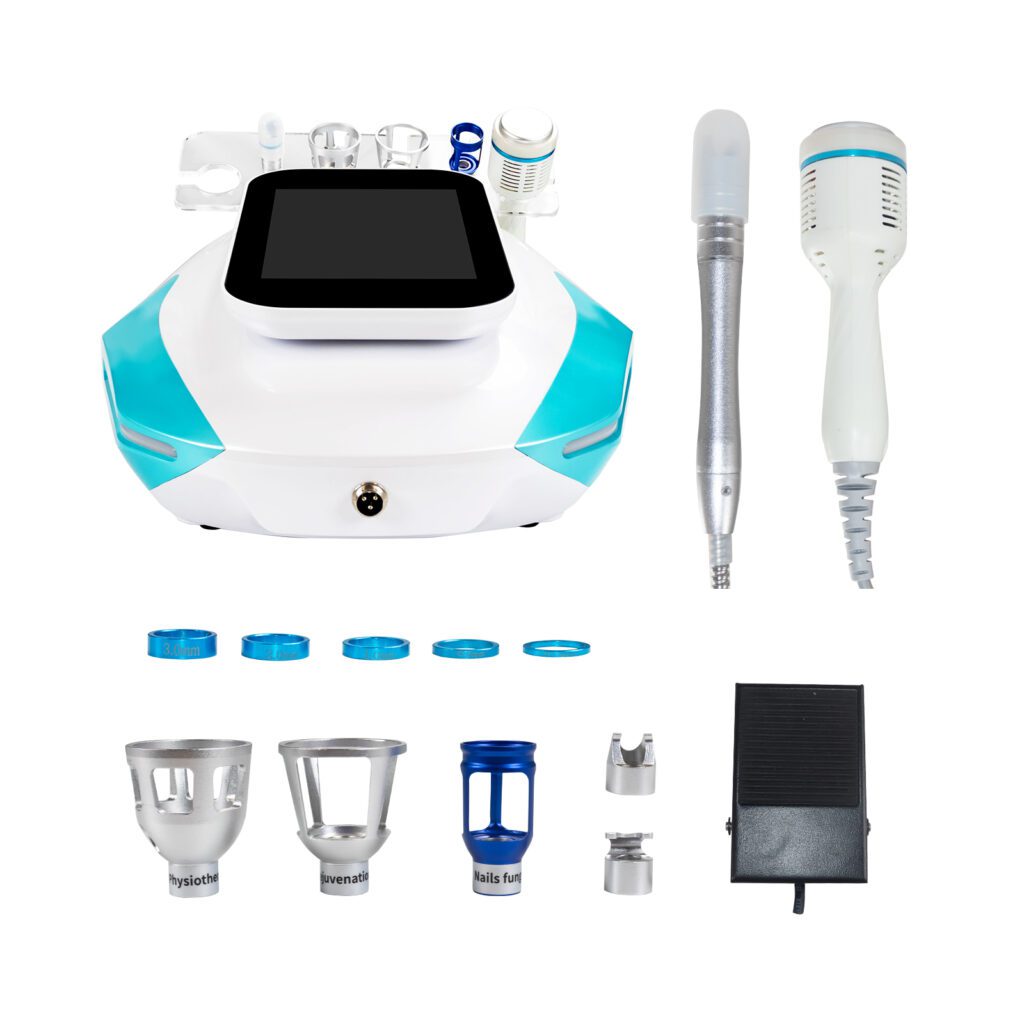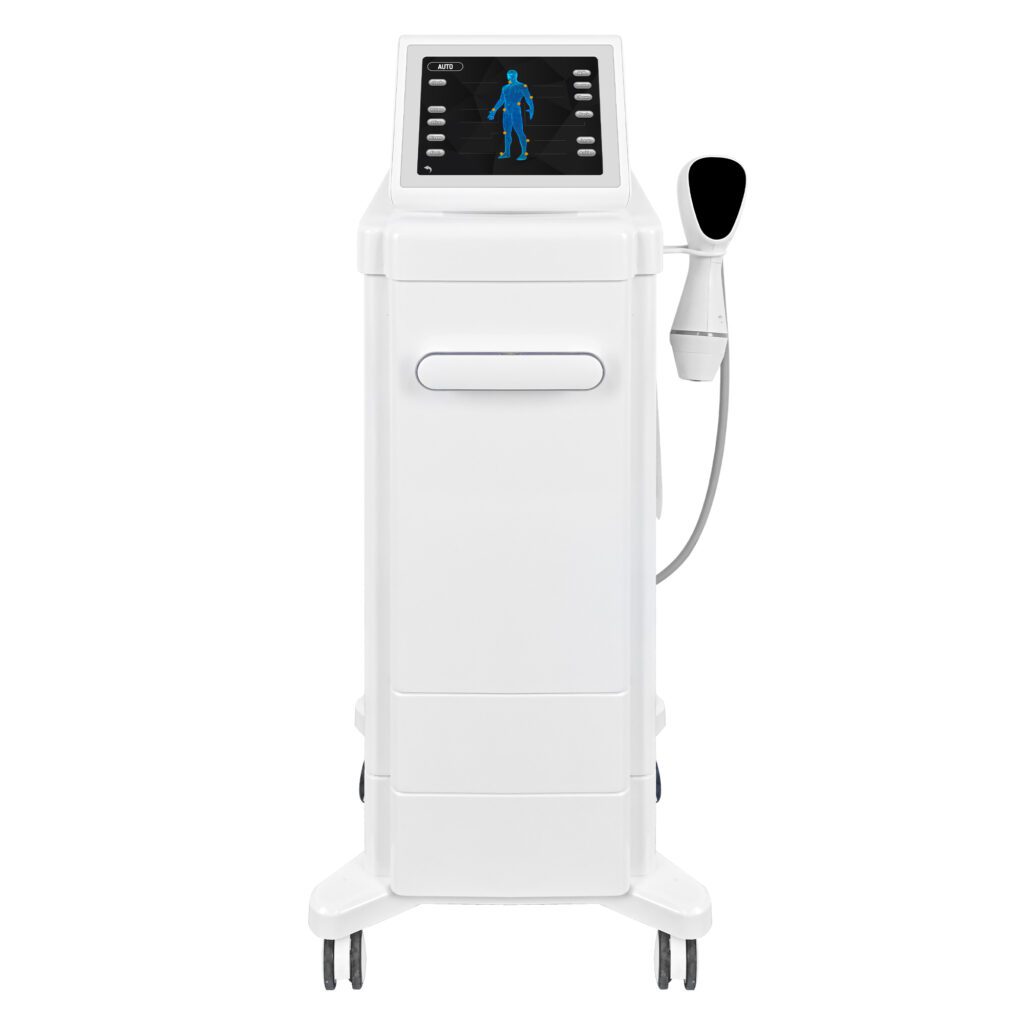








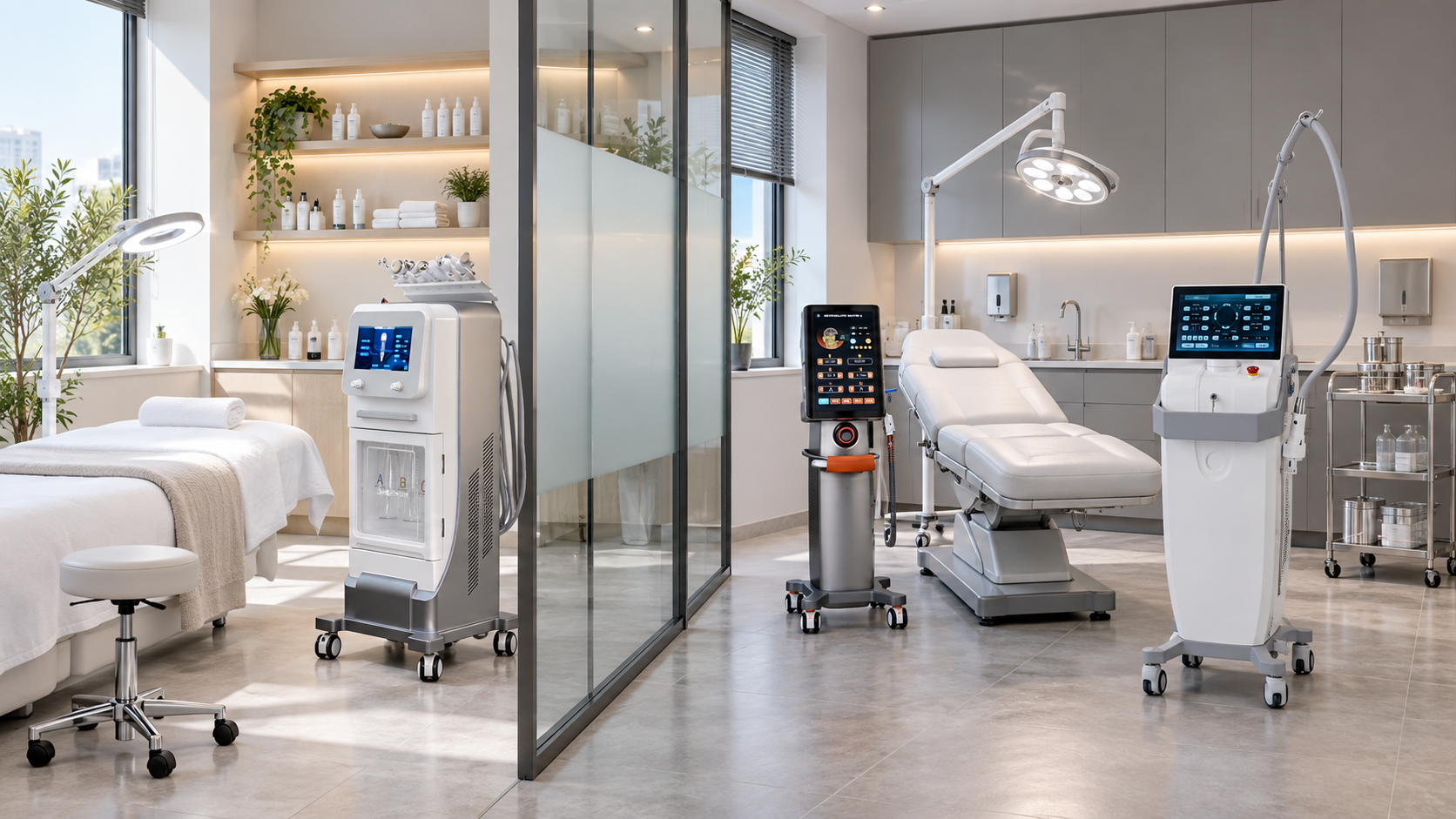
A clinic needs a clear boundary between core facial care and advanced device treatments. Without that boundary, cleansing and hydration services may be advertised with medical-sounding claims, while laser, focused ultrasound, or skin-penetrating procedures may be sold as casual facial upgrades. Clients then struggle to understand the menu, and staff may use the wrong consultation, room, records, or aftercare process.
This guide explains how clinics can separate the two service levels using selected Dispositivos de belleza SHEFMON. It defines the role of A0648 as a core facial platform, positions A0145 and A0272-F as distinct technology-led facial categories, and places A0423, A0204, and A0152 in progressively stronger professional or clinical pathways.
Resumen ejecutivo
- Core facial care should focus on accessible skin maintenance such as cleansing, exfoliation, extraction, and hydration-oriented services.
- Advanced device treatment should mean a separate technology, consultation, operating workflow, and staff authorization. It should not simply mean a longer or more expensive facial.
- A0648 can anchor the core facial menu.
- A0145 can support a separate plasma-based skin-care category, but its multiple heads and broad claims require careful documentation and marketing review.
- A0272-F can support a separate facial electrical-stimulation and RF pathway with its own screening, placement, and technical controls.
- A0204 focused HIFU should remain a selective professional category tied to its exact cartridge and handle configuration.
- A0152 RF microneedling belongs in an appropriately licensed clinical pathway with cartridge traceability, procedure hygiene, aftercare, and complication management.
- A0423 diode laser hair removal should operate as a specialist laser department rather than appear inside the core facial menu.
- Clinics should separate menu names, booking categories, consultations, operators, rooms, records, consent, instructions, and quality audits.
- Core facial care can support an advanced-treatment client journey, but this does not establish same-day compatibility or make the core facial mandatory before or after another procedure.
The purpose of separation is not to make core facials appear less valuable. It allows every service to be explained, staffed, documented, and delivered according to its actual technology and requirements.
1. Define Core and Advanced by Operating Requirements
Price, appointment length, and luxury presentation do not determine whether a service is core or advanced.
| Decision area | Core facial care | Advanced device treatment |
|---|---|---|
| Propósito principal | Routine cleansing, hydration-oriented care, and skin maintenance | A distinct technology-led goal requiring a separate pathway |
| Consulta | Core facial intake and suitability review | Device- and procedure-specific assessment |
| Operador | Staff authorized for the approved facial workflow | Staff specifically qualified and authorized for the device and service |
| Room | Facial room with solution, tip, cleaning, and waste controls | Room matched to energy, protective, clinical, or procedure requirements |
| Archivos | Service, functions used, consumables, observations, and instructions | Device ID, configuration, settings where required, consent, procedure details, aftercare, and escalation |
| Marketing | Clear skin-maintenance description | Accurate technology and service scope without medical or guaranteed claims |
| Hacer un seguimiento | Routine client review where appropriate | Device-specific follow-up and complication pathway where required |
A clinic can charge a premium price for a signature core facial without turning it into an advanced procedure. Conversely, an advanced treatment does not become routine because it is offered frequently.
2. Use a Three-Band Menu Structure
A simple three-band structure makes the boundary visible.
| Menu band | Role | Relevant SHEFMON models |
|---|---|---|
| Band 1: Core facial care | Cleansing, exfoliation, extraction, hydration-oriented care, and maintenance | A0648 hidromicrodermoabrasión |
| Band 2: Advanced non-invasive facial technology | Plasma-based skin care or facial electrical-stimulation and RF | A0145 Coolplasma, Dispositivo facial A0272-F |
| Band 3: Specialist professional or clinical treatment | Diode laser, focused HIFU, or RF microneedling | Láser de diodo A0423, HIFU focalizado A0204, A0152 Microagujas de radiofrecuencia |
This structure acknowledges that not all advanced devices have the same requirements. A non-invasive facial-tone device should not be treated as equivalent to skin-penetrating RF microneedling. The bands guide consultation and operations without implying that every client should progress upward.
3. Build the Core Facial Menu Around A0648
El Máquina de hidromicrodermoabrasión 9 en 1 A0648 is positioned around hydro facial care, cleansing, exfoliation, extraction, and hydration. These functions fit a foundation skin-maintenance category.
Possible core services include:
- Essential Cleansing Facial: a focused cleansing and suitable extraction pathway;
- Hydration Maintenance Facial: cleansing followed by hydration-oriented care;
- Tratamiento facial Hydro Facial exclusivo: a more complete approved workflow using selected supplied functions;
- Core Skin Review: consultation followed by the appropriate maintenance route.
Do not create nine services because the platform is described as 9-in-1. Confirm the exact handpieces, tips, filters, containers, solutions, cleaning tools, and instructions delivered. Each menu item should identify the permitted functions and consumables.
Core facial care still requires consultation, client records, cleaning, staff authorization, realistic claims, and escalation when a concern is outside the operator’s scope. “Core” means foundational to the menu; it does not mean informal or uncontrolled.
4. Give Core Facial Care Its Own Client Promise
The core menu should promise a clear service experience rather than an exaggerated outcome.
A useful description explains:
- the purpose: cleansing, hydration-oriented care, or routine maintenance;
- what the appointment includes at a high level;
- that the service begins with a suitability review;
- that functions are selected from the approved workflow;
- that individual response varies;
- that unexplained skin changes or concerns outside the service scope may require deferral or referral.
Avoid using advanced-procedure words such as resurfacing, remodeling, permanent correction, medical treatment, or guaranteed transformation unless they accurately describe an approved service and are supported for the specific device and market.
The clinic should also avoid calling every core facial “pre-treatment” or “post-treatment.” A client may receive core care independently. Any relationship to an advanced procedure requires qualified, procedure-specific guidance on timing, compatibility, and skin condition.
5. Move A0145 Into a Separate Plasma-Based Category
El Dispositivo Coolplasma A0145 currently lists cold and hot plasma concepts, two handles, eight replacement heads, and a 15-inch screen. That configuration is more complex than a single core facial pathway.
Before launching the category, verify:
- the exact purpose and operating boundary of each supplied head;
- which mode belongs to each approved service;
- gas, consumable, accessory, cleaning, and replacement requirements;
- preparation, contraindication, and aftercare information;
- operator authorization by head and service route;
- intended use and permitted claims in the clinic’s market.
The product page includes broad claims involving sterilization, bacteria, viruses, acne, infection, inflammatory diseases, wounds, scars, hair growth, and other medical or biological outcomes. Do not repeat those claims without reliable device-specific evidence and local professional review.
Place A0145 under a name such as Plasma Skin-Care Consultation rather than hiding it inside a deluxe hydro facial. Its separate identity tells staff and clients that another technology, configuration, and decision pathway applies.
6. Give A0272-F a Separate Facial-Tone Pathway
El Dispositivo facial A0272-F is positioned around facial electrical stimulation and RF. It serves a different purpose from surface cleansing and hydration.
The pathway should define:
- client goal and approved service wording;
- suitability and deferral questions;
- the exact applicators delivered;
- preparation and conductive materials where applicable;
- approved placement and parameter source;
- cable and applicator inspection;
- stop, follow-up, and technical escalation rules;
- service-specific records.
Do not adopt fixed treatment times, courses, price references, universal suitability, branded equivalence, or guaranteed outcomes from promotional material. Use current device-specific documentation and qualified training.
An A0272-F appointment should not appear in the booking system as “Hydro Facial Add-On.” It should appear as a separate facial-tone consultation and service. This makes the technical difference visible and prevents automatic upselling to every A0648 client.
7. Separate A0145 and A0272-F from Core Care Without Treating Them as Clinical Equals
A0145 and A0272-F are technology-led facial categories, but that does not make them equivalent to laser, focused HIFU, or RF microneedling.
| Categoría | Why it is separate from core care | Main control |
|---|---|---|
| A0145 plasma-based skin care | Multiple plasma concepts, heads, and claim questions | Head-specific intended use, consumables, cleaning, training, and marketing review |
| A0272-F facial electrical stimulation and RF | Different energy and facial-tone purpose | Screening, applicator placement, settings source, conductive materials, and technical inspection |
| HIFU focalizado A0204 | Cartridge- and handle-dependent focused-ultrasound platform | Qualified scope, configuration, cartridges, records, and aftercare |
| A0152 Microagujas de radiofrecuencia | Skin-penetrating RF procedure | Licensed provider, hygiene, cartridge traceability, aftercare, and complication management |
The clinic can use more than two operating levels even if the public menu displays two broad headings. Internal policies should reflect the actual difference in risk and professional requirements.
8. Keep A0204 Outside the Core Facial Menu
El Plataforma HIFU focalizada A0204 9D/7D lists multiple cartridge families and optional handles. The delivered configuration determines which services are available.
A focused-HIFU pathway should identify:
- the exact model and version;
- included and optional handles;
- cartridge types, documented purposes, use, and replacement;
- qualified operators and permitted service areas;
- consultation, consent, records, and aftercare;
- room requirements and equipment checks;
- escalation for unexpected responses or technical concerns;
- applicable local classification and professional rules.
Do not describe focused HIFU as a stronger core facial or a quick lifting upgrade. Do not advertise every optional function shown on the product page unless the delivered configuration, documentation, operator scope, and local requirements support it.
A0204 can sit within an advanced anti-aging department, but the core facial team should route clients to its separate assessment rather than add it during a routine A0648 booking.
9. Treat A0152 as a Clinical Procedure
Current specifications for the A0152 Escritorio MNRF Profundidad 8 identify four head options—12-pin, 24-pin, 40-pin, and nano—along with computerized depth control, a 15-inch display, and configurable handles.
RF microneedling penetrates the skin with microneedle electrodes and delivers RF energy. It requires a procedure-specific system for:
- appropriately licensed and trained providers under applicable rules;
- device-specific assessment and consent;
- clean setup and skin-penetrating procedure hygiene;
- cartridge identification, single-use control, and traceability;
- sharps or regulated waste handling where applicable;
- settings, areas, observations, and follow-up records;
- aftercare and complication recognition;
- medical escalation when required.
The U.S. FDA’s October 2025 Comunicación de seguridad sobre microagujas de radiofrecuencia reports serious complications with certain uses and describes RF microneedling as a medical procedure that should be performed by licensed health-care providers with appropriate training and experience. Other markets have their own classifications and rules.
A0152 should never be disguised as a premium facial add-on. Give it a clinical assessment, procedure room, controlled cartridge system, and separate follow-up pathway.
10. Place A0423 in a Separate Laser Department
El Láser de diodo A0423 serves a hair-removal category, not a core facial-care category. Current SHEFMON pages show wavelength and spot-size configuration options, so the delivered version must be confirmed.
The laser pathway needs:
- operator eligibility and laser-specific training;
- local licensing, registration, supervision, and facility review;
- client and treatment-area assessment;
- configuration-specific parameter selection;
- controlled room access and correct protective eyewear;
- cooling, pre-use checks, cleaning, and maintenance;
- preparation, aftercare, event response, reporting, and escalation.
The American Academy of Dermatology warns that laser hair removal can cause burns, lasting skin-color changes, and scars in inexperienced hands. It also describes treatment in a dedicated room with protective eyewear for everyone present. See the AAD laser hair-removal FAQs.
Do not place hair removal inside a “facial upgrades” section merely because facial areas can be among the requested treatment areas. It remains a specialist laser service.
11. Explain the Functional Principles to Staff and Clients
Microdermoabrasión hidrostática supports cleansing, exfoliation, extraction, and hydration-oriented facial care. It belongs in the core maintenance menu.
Plasma-based skin care uses an ionized-gas principle. The exact mode, head, accessory, intended use, and permitted claims require verification.
Estimulación eléctrica facial y radiofrecuencia create a facial-tone pathway distinct from surface cleansing. Placement, screening, and parameter selection require device-specific training.
HIFU focalizado directs ultrasound energy through selected cartridges or handles. Its configuration and qualified assessment determine the permitted service route.
Microagujas de radiofrecuencia delivers RF energy through skin-penetrating microneedle heads. It belongs in a clinical procedure system.
depilación láser de diodo uses light energy targeting pigment associated with hair. Client characteristics, treatment area, configuration, cooling, and skilled operation affect suitability and risk.
If staff describe every category as “deep rejuvenation” or “advanced lifting,” the menu boundary will collapse even when the devices are technically different.
12. Use Separate Menu Names and Descriptions
A practical menu can use clear headings.
Core Facial Care
- Essential Cleansing Facial — A0648
- Hydration Maintenance Facial — A0648
- Signature Hydro Facial — A0648
Advanced Non-Invasive Facial Technology
- Plasma Skin-Care Consultation — A0145
- Facial Tone and Contour Consultation — A0272-F
Specialist Device Treatments
- Diode Laser Hair-Removal Consultation — A0423
- Focused-HIFU Assessment — A0204
Advanced Clinical Skin Procedures
- RF Microneedling Assessment — A0152
Use the same names on the website, booking platform, menu, consultation forms, records, and staff scripts. Do not let different departments rename the same service with increasingly aggressive promises.
13. Create Separate Booking Categories
The booking system should protect the service boundary before the client arrives.
For each category, control:
- required consultation type;
- eligible operator roles;
- authorized room;
- appointment and reset duration;
- device and configuration;
- required forms;
- consumables and cartridges;
- pre-appointment instructions;
- aftercare and follow-up needs;
- approval for repeat bookings where relevant.
An online booking tool should not allow a client to add A0204 or A0152 to a core facial without the required assessment. Front-desk staff should not convert an unused appointment slot into an advanced procedure merely because a qualified room appears available.
14. Route Clients Through Separate Consultations
Core facial consultation can ask about the client’s skin-maintenance goal, relevant history, current products, recent services, sensitivities, and reasons to defer or refer within the approved workflow.
Advanced device assessment adds technology-specific questions and professional requirements. The form should change according to the service rather than expand one generic facial form until it tries to cover every machine.
Use four possible decisions:
| Consultation outcome | Significado | Next step |
|---|---|---|
| Core facial care | The client fits an approved maintenance pathway | Select the appropriate A0648 service |
| Advanced assessment | The goal may fit a separate technology-led service | Complete device-specific evaluation |
| Defer | Information, timing, skin condition, documentation, or readiness is unclear | Pause and obtain the required clarification |
| Refer | The concern is outside the operator or clinic scope | Direct the client to an appropriately qualified professional |
Consultation should not diagnose disease or turn every core-facial client into an advanced-device sales lead.
15. Assign Different Staff Authorization Levels
Create a service authorization matrix:
- Core facial operator: approved A0648 services, consumables, cleaning, records, and referral triggers.
- Advanced facial-device operator: A0145 or A0272-F service-specific training and assessment.
- Laser operator: A0423 configuration-specific authorization plus applicable local requirements.
- Focused-HIFU operator: A0204 handle- and cartridge-specific authorization within professional scope.
- Clinical provider: A0152 authorization under applicable licensing and governance.
- Consultation or clinical lead: approval of deferrals, referrals, escalations, and protocol changes where required.
Training attendance is not the same as authorization. Record supervised practice, practical assessment, restrictions, assessor, date, and reassessment requirement for each service.
16. Separate Rooms or Reset Them Completely
Core facials and selected non-invasive devices may share a suitable room when the clinic can maintain safe movement, separate storage, compatible cleaning, and complete turnover.
Laser and skin-penetrating procedures need stronger room controls. Depending on device classification, local rules, and facility requirements, focused HIFU may also need a dedicated or specially controlled procedure room.
The room plan should address:
- treatment bed and operator movement;
- clean and used item separation;
- hand hygiene and cleaning access;
- power, voltage, cable, and cooling requirements;
- accessory and cartridge storage;
- protective eyewear or access controls;
- sharps or procedure waste where applicable;
- maintenance and device quarantine;
- emergency and escalation access.
A machine fitting through the door does not make the room appropriate for the service.
17. Use Different Records for Different Service Levels
Core facial records may include:
- consultation outcome;
- service name and approved functions;
- device asset ID;
- tips, solutions, or other relevant consumables;
- observations and instructions;
- deferral, referral, or follow-up information.
Advanced records may also require:
- exact configuration, applicator, handle, cartridge, or wavelength route;
- operator authorization;
- device-specific consent;
- settings and areas where required;
- cartridge or accessory traceability;
- preparation and aftercare confirmation;
- unexpected response, event, and escalation details;
- procedure-specific follow-up.
Do not rely on a single free-text “facial notes” field for every category. Structured records help the clinic audit whether the separation works.
18. Separate Consumables, Hygiene, and Waste
Core A0648 services require control of tips, filters, solutions, tubing, cleaning products, and waste. A0145 requires verified heads, gases or consumables, and mode-specific cleaning where applicable. A0272-F requires applicator inspection and conductive materials where required.
A0204 needs cartridge control. A0152 needs microneedle cartridge traceability, procedure hygiene, and the applicable sharps or regulated waste route. A0423 needs eyewear, configuration-specific accessories, cooling-system care, and laser-room controls.
Create an approved item list for each service. Do not permit staff to substitute a solution, gel, cartridge, tip, or cleaning product based only on appearance or convenience.
19. Design Different Client Instructions
Core facial instructions should reflect the selected maintenance service. Advanced device instructions should be device- and procedure-specific.
Separate documents help prevent errors such as:
- giving hydro facial instructions after RF microneedling;
- using generic “no downtime” language for every device;
- failing to explain laser-specific preparation or aftercare;
- promising a fixed result or recovery experience;
- omitting contact and escalation information after a clinical procedure.
The clinic should not invent instructions from general internet content. Use current device documentation, qualified professional guidance, clinic policy, and applicable local requirements.
20. Keep Marketing Claims in the Correct Lane
| Service lane | Appropriate direction | Avoid |
|---|---|---|
| Core facial care | Cleansing, hydration-oriented care, skin maintenance, and client experience | Disease treatment, permanent correction, medical results, or guaranteed transformation |
| Advanced non-invasive facial | Accurate technology, verified service purpose, consultation, and individual response | Universal suitability, automatic add-ons, branded equivalence, or unsupported clinical claims |
| Specialist laser or focused HIFU | Configuration-specific service and qualified assessment | Painless, risk-free, permanent, all-skin, or guaranteed claims |
| RF microneedling clinical pathway | Licensed assessment, device-specific procedure, aftercare, and follow-up | Ordinary facial wording, casual upgrades, or claims that minimize procedure risk |
Higher price and stronger adjectives do not create an advanced service. The underlying technology, evidence, scope, and operating system determine what the clinic may say.
21. Use Core Care and Advanced Treatments as a Client Pathway
The two lanes can support one clinic journey without becoming one protocol.
Los ejemplos incluyen:
- a client remains in the A0648 maintenance menu because that route fits the goal;
- a core consultation identifies a separate facial-tone goal and schedules an A0272-F assessment;
- a hair-removal inquiry goes directly to the A0423 consultation rather than a facial appointment;
- a client requesting a focused procedure is routed to the A0204 or A0152 qualified provider;
- after an advanced procedure, future core care is considered only when timing, skin condition, and qualified guidance support it.
Do not promise a linear upgrade in which every client moves from A0648 to A0145, A0272-F, A0204, and A0152. The correct pathway may remain core, skip a category, defer, or refer.
22. Three Clinic Menu Models
Model 1: Core facial clinic
A0648
The clinic offers cleansing, hydration-oriented care, and maintenance. It develops strong consultation, cleaning, records, and referral boundaries before adding another technology.
Model 2: Core plus advanced non-invasive facial clinic
A0648 + A0145 or A0272-F
The clinic keeps the A0648 menu separate from either a plasma-based skin-care route or a facial electrical-stimulation and RF route.
Model 3: Multi-level skin and device clinic
A0648 + selected A0145 or A0272-F + selected A0423 or A0204 + A0152 where clinically appropriate
This clinic operates different departments with separate rooms, staff authorization, consultation, records, consumables, aftercare, and quality review. The device set should reflect proven demand rather than a desire to display every technology.
These models describe portfolio and service architecture. They do not establish same-day combinations, sequence, settings, treatment areas, or intervals.
23. How Distributors Can Support the Separation
Distributors should ask whether the buyer needs:
- a core facial foundation;
- one advanced non-invasive facial category;
- a qualified laser department;
- a focused-HIFU service;
- an RF-microneedling clinical pathway.
For each quoted model, specify:
- exact version and voltage;
- handles, heads, tips, cartridges, or applicators;
- accessories and consumables;
- current operating documents;
- training scope;
- maintenance, warranty, spare parts, and support route;
- which service category the device is intended to support.
Avoid selling A0204 or A0152 as a generic “premium facial package.” The clinic must retain responsibility for licensing, staff authorization, room suitability, service protocols, and local compliance.
24. Audit Whether the Boundary Works
Audit a sample client journey in each lane.
For core facial care, review:
- booking category and menu description;
- consultation and scope;
- operator authorization;
- selected A0648 workflow and consumables;
- cleaning and records;
- instructions and referral decisions.
For advanced services, review:
- device-specific assessment;
- operator qualifications;
- room and protective controls;
- exact configuration and accessories;
- consent, settings or procedure details where required;
- aftercare, follow-up, and event escalation;
- marketing alignment with the approved service.
Common warning signs include advanced procedures booked as add-ons, generic facial forms used for every device, missing cartridge or configuration records, unsupported claims, and operators working outside their authorization.
25. Implement the Separation in Four Steps
Step 1: Map every current service
List its device, purpose, operator, room, consultation, records, consumables, aftercare, and claims.
Step 2: Assign the correct lane
Place each service in core facial care, advanced non-invasive facial technology, specialist professional treatment, or advanced clinical procedure.
Step 3: Rebuild weak boundaries
Rename services, separate booking categories, update forms, authorize staff, reorganize rooms, and correct marketing.
Step 4: Train and audit
Observe real bookings and records. Correct drift before adding another advanced device.
26. Final Separation Checklist
Before approving the menu, confirm:
- core facial care has a defined maintenance purpose;
- every advanced device has a separate service identity;
- menu names match booking, consultation, records, and marketing;
- the exact device configurations are documented;
- staff are authorized by model and service;
- room and protective controls match each category;
- consultations, consent, and records change with the service level;
- consumables, cartridges, cleaning, and waste are controlled;
- client instructions and follow-up are service-specific;
- deferral, referral, complication, and technical escalation routes are ready;
- core care is not marketed as medical treatment;
- advanced procedures are not sold as casual facial add-ons.
Preguntas frecuentes
1. What counts as core facial care in a clinic?
Core facial care includes accessible skin-maintenance services such as cleansing, exfoliation, suitable extraction, and hydration-oriented care. A0648 can support this menu when its exact functions and consumables are controlled.
2. Does a high-priced facial automatically count as an advanced treatment?
No. Price, time, and luxury presentation do not determine the category. Technology, operator qualifications, consultation, room, records, hygiene, aftercare, and risk controls define the service level.
3. Is A0145 part of core facial care?
A0145 is better positioned as a separate plasma-based category because its heads, modes, consumables, cleaning, intended use, and claims require additional verification and training.
4. Can A0272-F be listed as a hydro facial add-on?
It should have a separate facial electrical-stimulation and RF pathway. Automatic add-on positioning can weaken screening, placement, documentation, and client understanding.
5. Should focused HIFU appear in the ordinary facial menu?
No. A0204 is a configuration-sensitive focused-HIFU platform requiring qualified assessment, cartridge and handle control, documentation, and applicable professional and local review.
6. Is RF microneedling simply a premium facial?
No. A0152 belongs in an appropriately licensed clinical procedure pathway with skin-penetrating hygiene, cartridge traceability, aftercare, follow-up, and complication management.
7. Where should diode laser hair removal appear on the menu?
A0423 should appear in a separate qualified laser or hair-removal department with laser-specific assessment, room controls, eyewear, records, maintenance, and aftercare.
8. Can clients receive core facial care and an advanced treatment on the same day?
Do not assume so. Compatibility, sequence, settings, areas, timing, and skin condition require qualified, device-specific assessment. A portfolio relationship does not create a same-day protocol.
9. Can the same operator provide core and advanced services?
Only when the person holds the required qualifications and separate authorization for each device and service. General facial experience does not authorize laser, focused HIFU, or RF microneedling.
10. How should distributors package core and advanced devices?
Offer a core A0648 package, an advanced non-invasive A0145 or A0272-F package, and separate qualified A0423, A0204, or A0152 packages. Match each to the buyer’s staff, rooms, country, service goals, and readiness.
Conclusión
Clinics can separate core facial care from advanced device treatments by giving each category its own purpose, menu name, consultation, operator authorization, room, records, consumables, instructions, and quality controls. A0648 can anchor the maintenance menu. A0145 and A0272-F can create distinct technology-led facial categories. A0423, A0204, and A0152 require increasingly specialized laser, professional, or clinical pathways.
Clear separation protects the value of core facial care while preventing advanced procedures from being reduced to casual add-ons. It also helps clients understand why different technologies require different assessments and service journeys.
Explore the Gama de dispositivos de belleza SHEFMON o Contacta con SHEFMON with your current facial menu, staff qualifications, treatment rooms, advanced-service goals, and preferred configurations to compare suitable core and advanced device categories.