









Comparta soluciones optimizadas, conocimiento profesional sobre válvulas y novedades de la industria.
Introduce los términos o palabras clave que necesitas consultar y los artículos relevantes aparecerán en los resultados de búsqueda. Si no encuentras la respuesta que buscas, no dudes en contactarnos y estaremos encantados de ayudarte. También puedes enviar un correo electrónico directamente a beauty@shefmon.com.
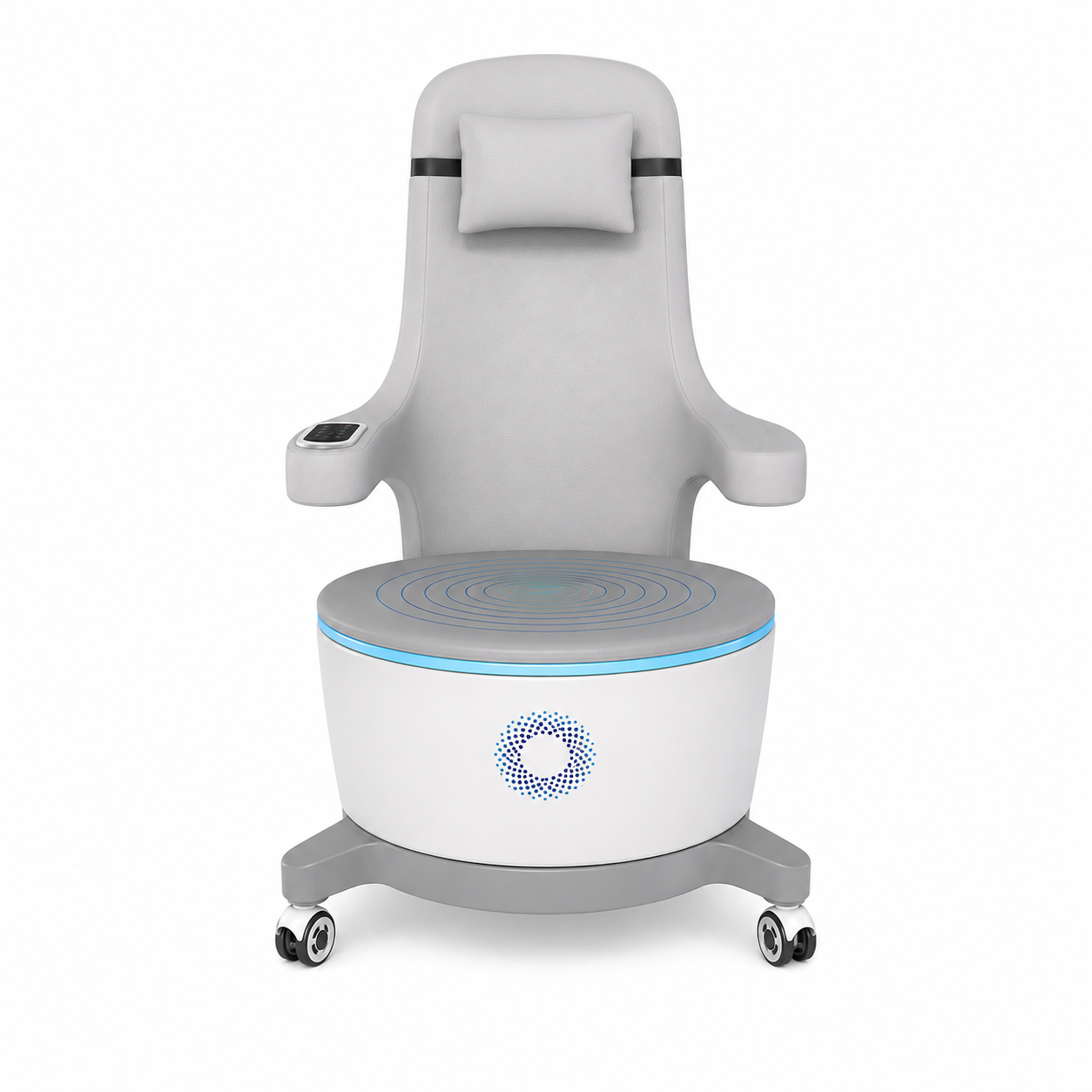
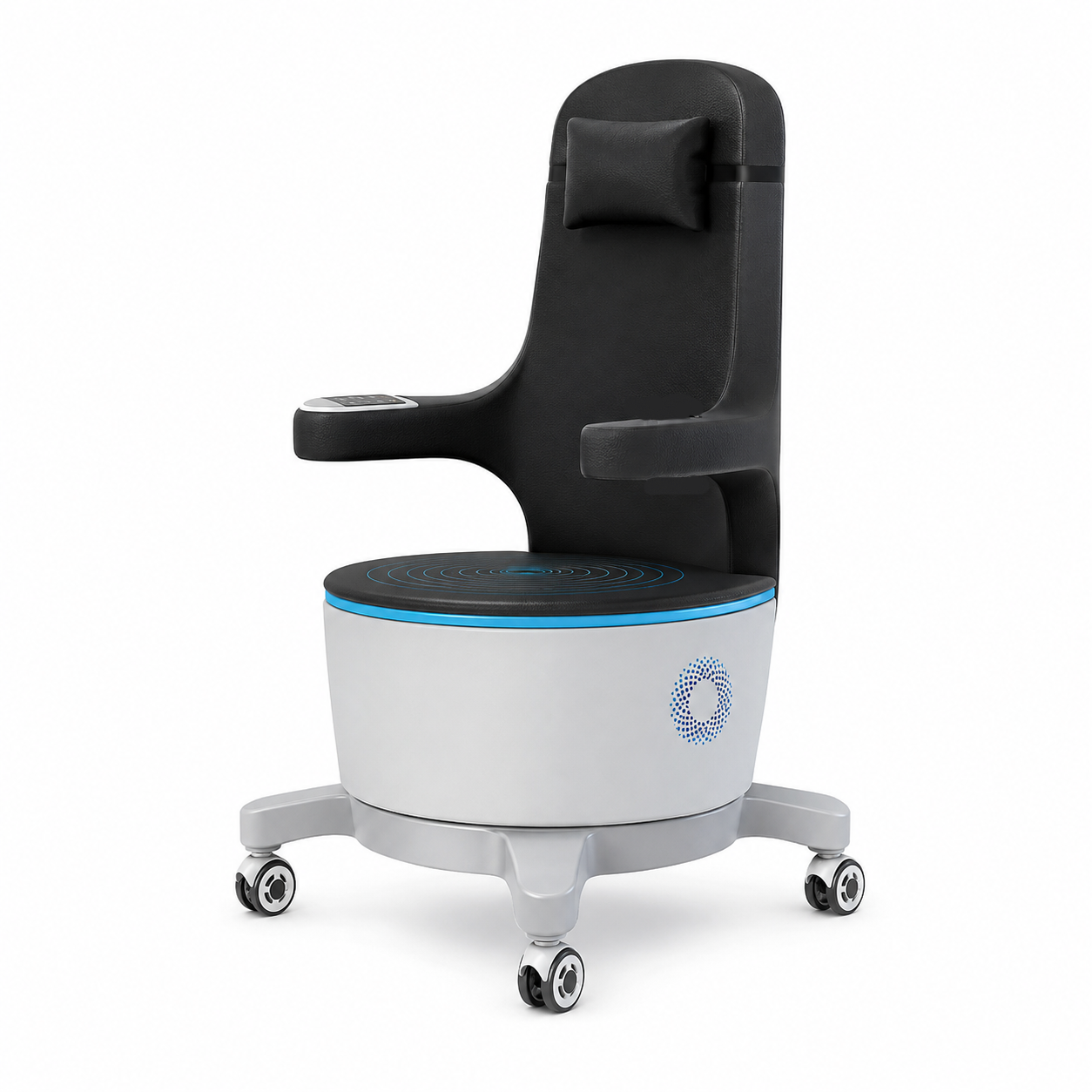
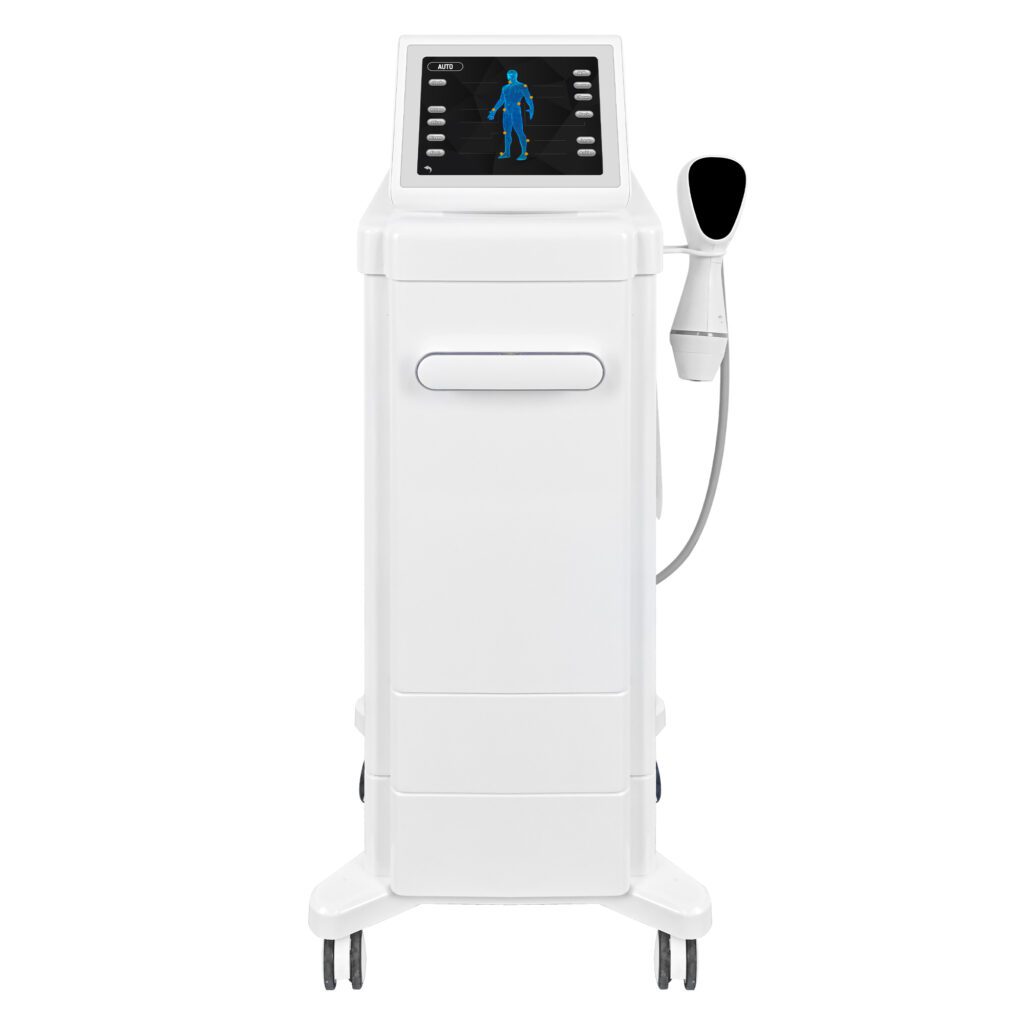
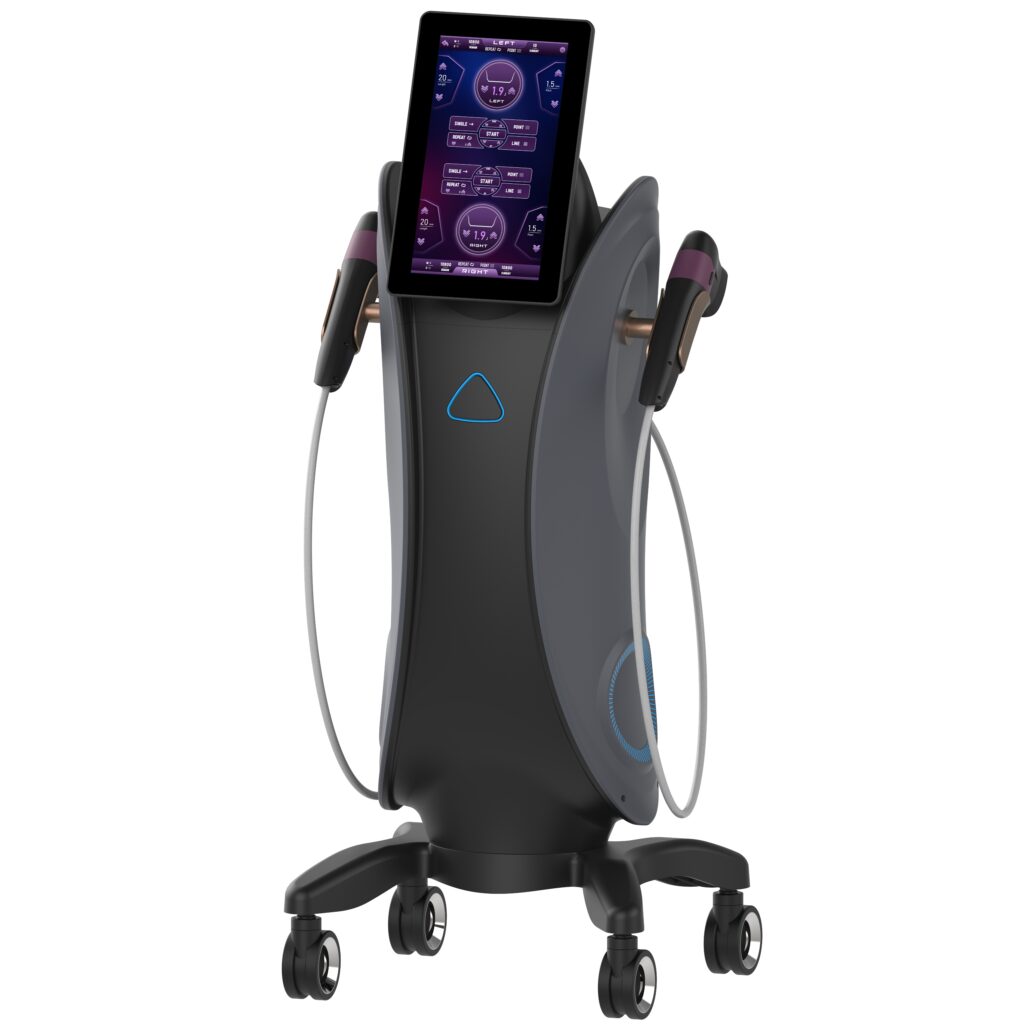
¿Qué ventajas tiene la silla para el suelo pélvico EMS de Shefmon sobre la Emsella?
- Shefmon
El mercado de dispositivos para la terapia del suelo pélvico ha experimentado un rápido crecimiento en los últimos años, impulsado por la creciente concienciación sobre el tratamiento de la incontinencia urinaria, las soluciones para la recuperación posparto y las tecnologías médicas estéticas no invasivas. Entre los sistemas más reconocidos se encuentra Emsella, desarrollado por BTL Industries, que ha consolidado una fuerte presencia en clínicas de todo el mundo gracias a su tecnología de estimulación electromagnética de alta intensidad. Sin embargo, ante el aumento de la demanda y la búsqueda por parte de las clínicas de soluciones más rentables y flexibles, fabricantes alternativos como Shefmon han introducido sillones de suelo pélvico con estimulación electromagnética que compiten en el mismo segmento funcional, pero operan bajo un modelo de producción y de negocio muy diferente.
1. Eficiencia de costos y accesibilidad a la clínica
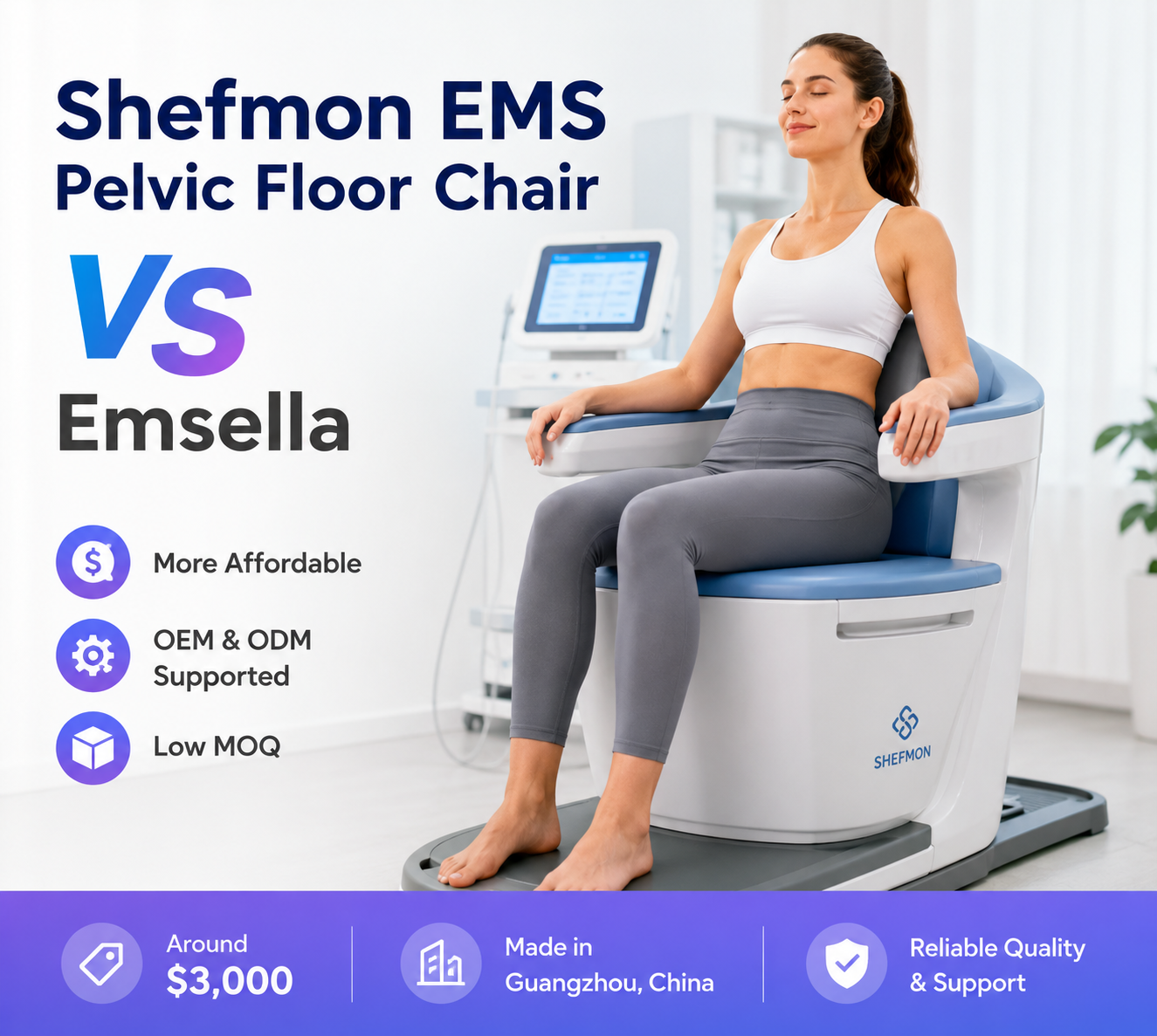
Una de las ventajas más significativas de Silla de suelo pélvico EMS de Shefmon es su estructura de costos. Mientras que Emsella se posiciona como un sistema médico de alta gama con un alto requisito de inversión de capital, Shefmon ofrece un punto de entrada mucho más accesible para clínicas y spas médicos. Por ejemplo, una silla Shefmon típica tiene un precio de alrededor de $3.000 por unidad, lo que facilita enormemente la entrada al mercado de la terapia del suelo pélvico para clínicas más pequeñas o empresas emergentes.
Este precio más bajo no solo reduce la presión de la inversión inicial, sino que también mejora la flexibilidad financiera. Las clínicas pueden destinar presupuesto a marketing, personal o la ampliación de su oferta de servicios, en lugar de inmovilizar una gran parte del capital en un solo dispositivo. Como resultado, el ciclo de retorno de la inversión se acorta, especialmente para las empresas que dependen de una alta rotación de pacientes o de planes de tratamiento integrales.
2. Ventajas de la ubicación de fabricación y la cadena de suministro
La silla para suelo pélvico EMS de Shefmon está diseñada, desarrollada y fabricada en Guangzhou, China, un importante centro mundial para la producción de dispositivos médicos y electrónicos. Esta ventaja geográfica desempeña un papel crucial en el control de costes y la eficiencia de la producción.
Al estar ubicada en Guangzhou, Shefmon se beneficia de una cadena de suministro altamente integrada, donde los componentes electrónicos, las piezas mecánicas y los servicios de ensamblaje están fácilmente disponibles en las proximidades. Esto reduce los costos de transporte y minimiza los retrasos asociados con el abastecimiento internacional. En contraste, el ecosistema de fabricación de Emsella tiene sus raíces en Europa, donde los procesos de producción suelen implicar cadenas de suministro más largas y una logística transfronteriza más compleja.
El resultado es un ciclo de producción más optimizado para Shefmon, lo que permite una fabricación más rápida y una mayor flexibilidad en la adaptación a los cambios en la demanda.
3. Flexibilidad de personalización OEM y ODM
Otra ventaja clave de Shefmon radica en su fuerte apoyo a Fabricantes de equipos originales (OEM) y fabricantes de diseño original (ODM) servicios. Esto significa que los compradores no están limitados a una identidad de producto fija, sino que pueden personalizar el dispositivo según los requisitos de su propia marca.
Las clínicas y los distribuidores pueden solicitar modificaciones como el diseño exterior, elementos de marca, personalización de la interfaz del software e incluso ajustes funcionales, según las necesidades del mercado. Este nivel de flexibilidad permite a las empresas crear su propia marca de terapia EMS, en lugar de depender de una única marca registrada global.
En comparación, Emsella opera dentro de un ecosistema de marca estrictamente controlado por BTL Industries, donde la personalización es extremadamente limitada. Esto hace que Shefmon resulte especialmente atractivo para distribuidores o emprendedores que buscan diferenciarse en mercados locales competitivos.

4. Menor cantidad mínima de pedido y escalabilidad del negocio.
Shefmon también ofrece una cantidad mínima de pedido más baja que los proveedores tradicionales de dispositivos médicos. Esto es especialmente importante para clínicas pequeñas o compradores primerizos que quizás no deseen comprometerse con grandes volúmenes de inventario.
La posibilidad de adquirir unidades individuales o lotes pequeños reduce significativamente el riesgo de entrada al mercado. Las clínicas pueden probar la demanda, evaluar la respuesta de los pacientes y expandirse gradualmente sin una gran exposición financiera. Esta es una ventaja importante en mercados emergentes o áreas urbanas competitivas donde la previsión de la demanda es incierta.
Por otro lado, los sistemas Emsella suelen distribuirse a través de canales médicos establecidos, con umbrales de compra más elevados y requisitos de adquisición más estrictos, lo que los hace menos accesibles para operadores pequeños o independientes.
5. Eficiencia de la cadena de suministro y accesibilidad a las materias primas
Operar en Guangzhou también le brinda a Shefmon acceso directo a uno de los ecosistemas de fabricación más eficientes del mundo para componentes electrónicos y de dispositivos médicos. Las materias primas y las piezas se pueden obtener de forma rápida y local, lo que reduce la dependencia de proveedores internacionales.
Esta estructura de cadena de suministro localizada no solo mejora la velocidad de producción, sino que también reduce los costos asociados con el envío, los aranceles y el abastecimiento a larga distancia. Al haber menos intermediarios en el proceso de producción, se contribuye aún más a la competitividad de precios y la eficiencia operativa.
6. Tecnología central comparable con diferente posicionamiento en el mercado.
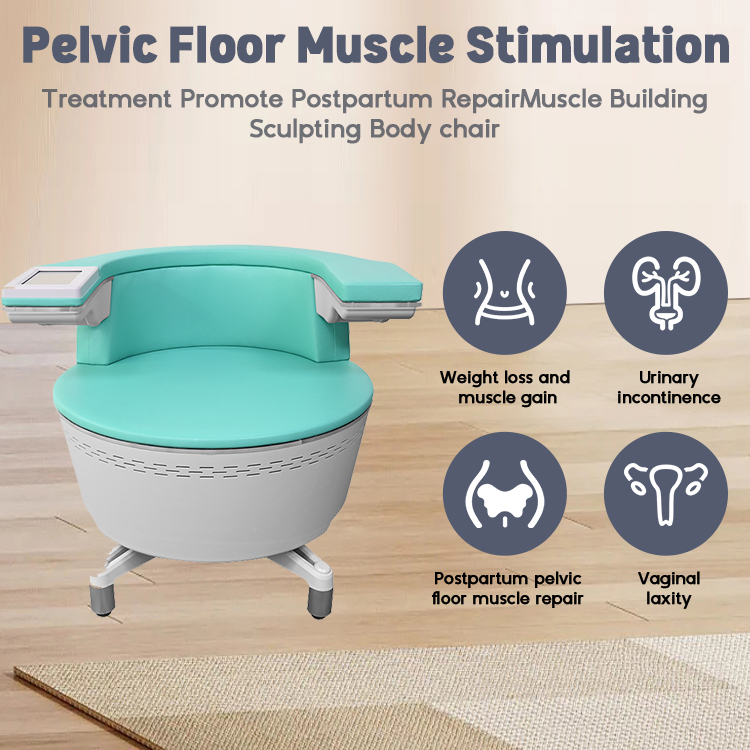
Aunque Shefmon y Emsella difieren significativamente en su marca y estructura de fabricación, ambos sistemas se basan en principios de estimulación electromagnética diseñados para activar los músculos del suelo pélvico mediante sesiones de tratamiento no invasivas. El objetivo principal en ambos casos es mejorar la fuerza muscular, apoyar el tratamiento de la incontinencia urinaria y optimizar la salud pélvica.
Sin embargo, su posicionamiento en el mercado es fundamentalmente diferente. Emsella se posiciona como una solución clínica de alta gama respaldada por una marca médica global, mientras que Shefmon se centra en la asequibilidad, la personalización y la flexibilidad de fabricación. Esta diferencia les permite atender segmentos de mercado distintos en lugar de sustituirse directamente entre sí.
7. Flexibilidad del modelo de negocio y potencial de expansión global
El modelo de fabricación y distribución de Shefmon resulta especialmente ventajoso para las estrategias de expansión global. Gracias a su compatibilidad con la producción OEM y ODM, los distribuidores pueden adaptar la marca y las estrategias de marketing a las diferentes regiones.
Esta flexibilidad permite una penetración más rápida en los mercados emergentes, donde la sensibilidad al precio es alta y la exclusividad de la marca es menos importante. Las clínicas y los distribuidores pueden adaptar rápidamente el producto a las normativas locales, las preferencias estéticas y las expectativas de precios.
Aunque Emsella goza de reconocimiento mundial, opera bajo una estructura de marca más centralizada, lo que garantiza la coherencia pero limita la adaptabilidad en algunos mercados regionales.
Conclusión
Silla de suelo pélvico EMS de Shefmon Shefmon ofrece una serie de ventajas distintivas sobre Emsella que se derivan principalmente de su modelo de fabricación, estrategia de precios y flexibilidad comercial, más que de diferencias puramente tecnológicas. Con producción en Guangzhou, una cadena de suministro optimizada y un sólido soporte OEM/ODM, Shefmon proporciona una solución rentable y altamente adaptable para clínicas y distribuidores. Su precio más bajo, requisitos mínimos de pedido reducidos y capacidad de personalización la hacen particularmente atractiva para nuevos participantes en el mercado y centros de estética en crecimiento que buscan soluciones escalables para el tratamiento del suelo pélvico. Si bien Emsella sigue siendo una marca global de primera calidad con un sólido posicionamiento clínico, Shefmon representa una alternativa más flexible y económicamente accesible en el campo en expansión del tratamiento no invasivo del suelo pélvico.