









Para los distribuidores, la verdadera cuestión no es solo si un dispositivo Shockwave es popular hoy en día.
La pregunta más profunda es: ¿Podrá este dispositivo seguir siendo vendible, funcional y rentable durante los próximos años?
Se trata de una cuestión práctica. Un distribuidor podría necesitar invertir en máquinas de muestra, capacitación sobre el producto, promoción local, repuestos, demostraciones y servicio posventa. Si una categoría de producto cambia demasiado rápido, el distribuidor podría preocuparse por el inventario sin vender, los accesorios obsoletos o los clientes que soliciten el modelo más reciente antes de que el modelo actual haya generado suficientes ganancias.
En el caso de los equipos Shockwave, la respuesta debe explicarse con detalle.
Una plataforma Shockwave bien posicionada no debe considerarse un producto pasajero. Su tecnología principal ya ha superado la fase inicial de novedad en muchos mercados de fisioterapia, recuperación deportiva y alivio del dolor. En los próximos 2 o 3 años, la mayoría de las actualizaciones probablemente consistirán en mejoras prácticas relacionadas con la interfaz del software, los ajustes preestablecidos de tratamiento, las opciones de piezas de mano, los accesorios, los materiales de capacitación y la documentación de servicio.
En otras palabras, los distribuidores deben esperar una evolución, no una sustitución repentina.
¿Por qué los distribuidores preguntan sobre el ciclo de vida de la tecnología?
Cuando un salón de belleza, un centro de rehabilitación o un estudio de recuperación deportiva compra una máquina, generalmente se preocupa por el efecto del tratamiento, la seguridad, el funcionamiento y el precio.
Los distribuidores tienen una preocupación adicional.
Necesitan saber si el dispositivo puede sustentar un modelo de negocio a largo plazo. Un distribuidor puede vender una máquina hoy, pero el verdadero valor reside en los pedidos recurrentes, las recomendaciones de los clientes, la sustitución de piezas de mano, la actualización de la formación, las mejoras del servicio y las futuras combinaciones de productos.
Por eso un distribuidor no debería preguntar solo:
- ¿Este modelo es nuevo?
- ¿Cuál es el precio más bajo?
- ¿Cuántas funciones tiene?
Las mejores preguntas son:
- ¿La tecnología principal es lo suficientemente estable como para garantizar su comercialización a largo plazo?
- ¿Se pueden actualizar el software o los ajustes preestablecidos del tratamiento?
- ¿Seguirán siendo compatibles las piezas de mano o los accesorios antiguos?
- ¿Durante cuánto tiempo se pueden suministrar las piezas de repuesto?
- ¿Puede el proveedor brindar capacitación cuando aparezcan nuevos protocolos o aplicaciones?
Estas preguntas ayudan al distribuidor a evitar un error de compra a corto plazo.
Respuesta breve: Shockwave es una categoría madura, pero la plataforma de productos aún puede evolucionar.
La terapia de ondas de choque no es un concepto experimental novedoso. La tecnología de ondas de choque extracorpóreas se ha estudiado y utilizado en los campos de la medicina y la fisioterapia durante muchos años. Las guías clínicas públicas y las recomendaciones profesionales siguen centrándose en las indicaciones, las contraindicaciones, el uso correcto, la selección de pacientes y la cualificación del operador.
Para los distribuidores, esto significa que es poco probable que la categoría básica desaparezca repentinamente.
Sin embargo, el mercado de equipos comerciales aún puede evolucionar. Los nuevos modelos pueden mejorar la interfaz de usuario, añadir preajustes de tratamiento, optimizar la ergonomía de la pieza de mano, perfeccionar el control de energía, combinar Shockwave con otras tecnologías o proporcionar mejores paquetes de formación y servicio.
Por lo tanto, la mejor manera de explicar el ciclo de vida es:
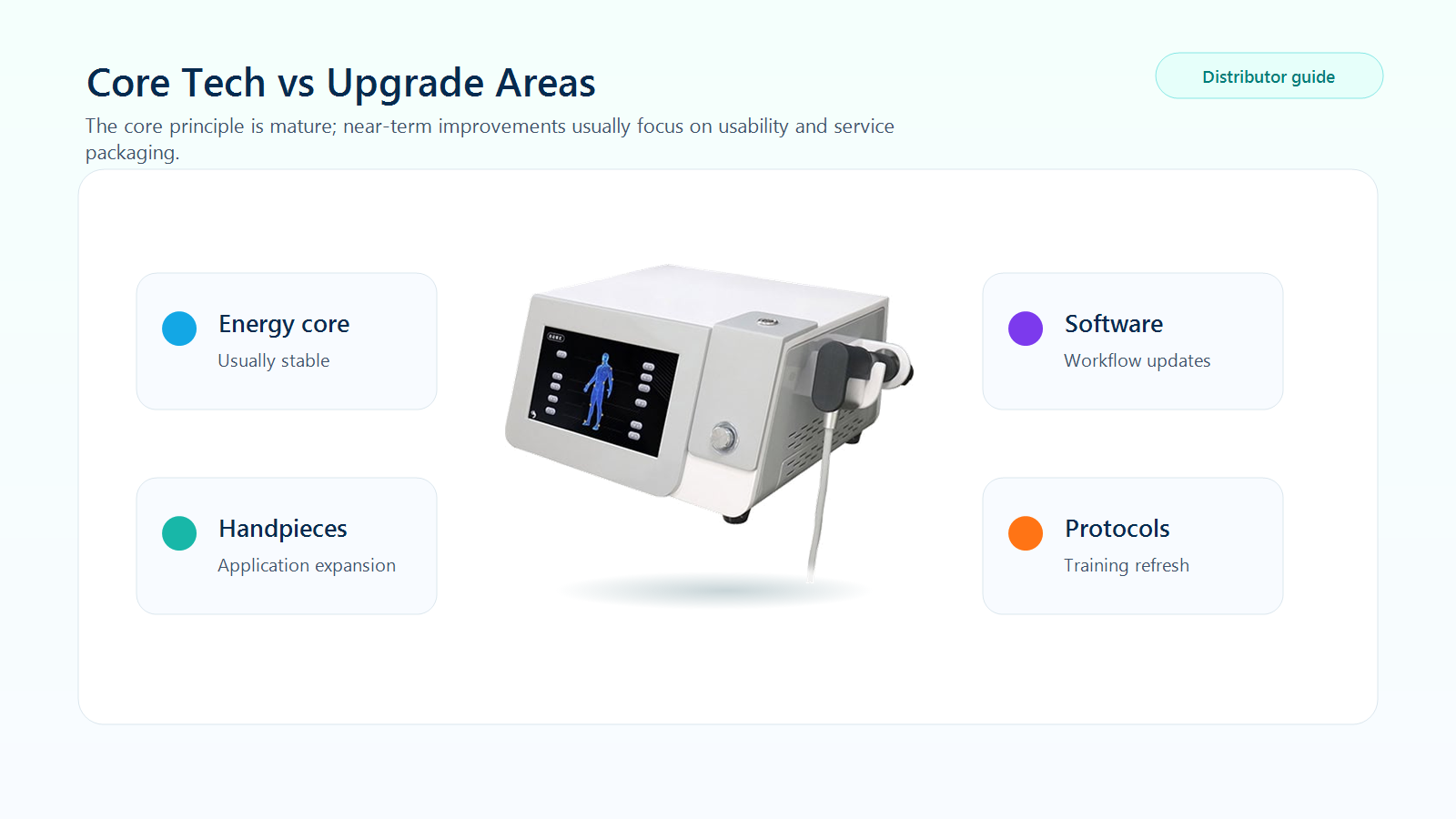
La tecnología principal está relativamente madura. La plataforma empresarial debería seguir actualizándose en cuanto a usabilidad, accesorios, servicio y escenarios de aplicación.
Esa distinción es importante. Si un distribuidor les dice a los clientes que una máquina nunca cambiará, suena poco realista. Si un distribuidor dice que el dispositivo quedará obsoleto el año que viene, genera un temor innecesario. La respuesta profesional se sitúa entre esos dos extremos.
Una visión práctica del ciclo de vida para los distribuidores de Shockwave
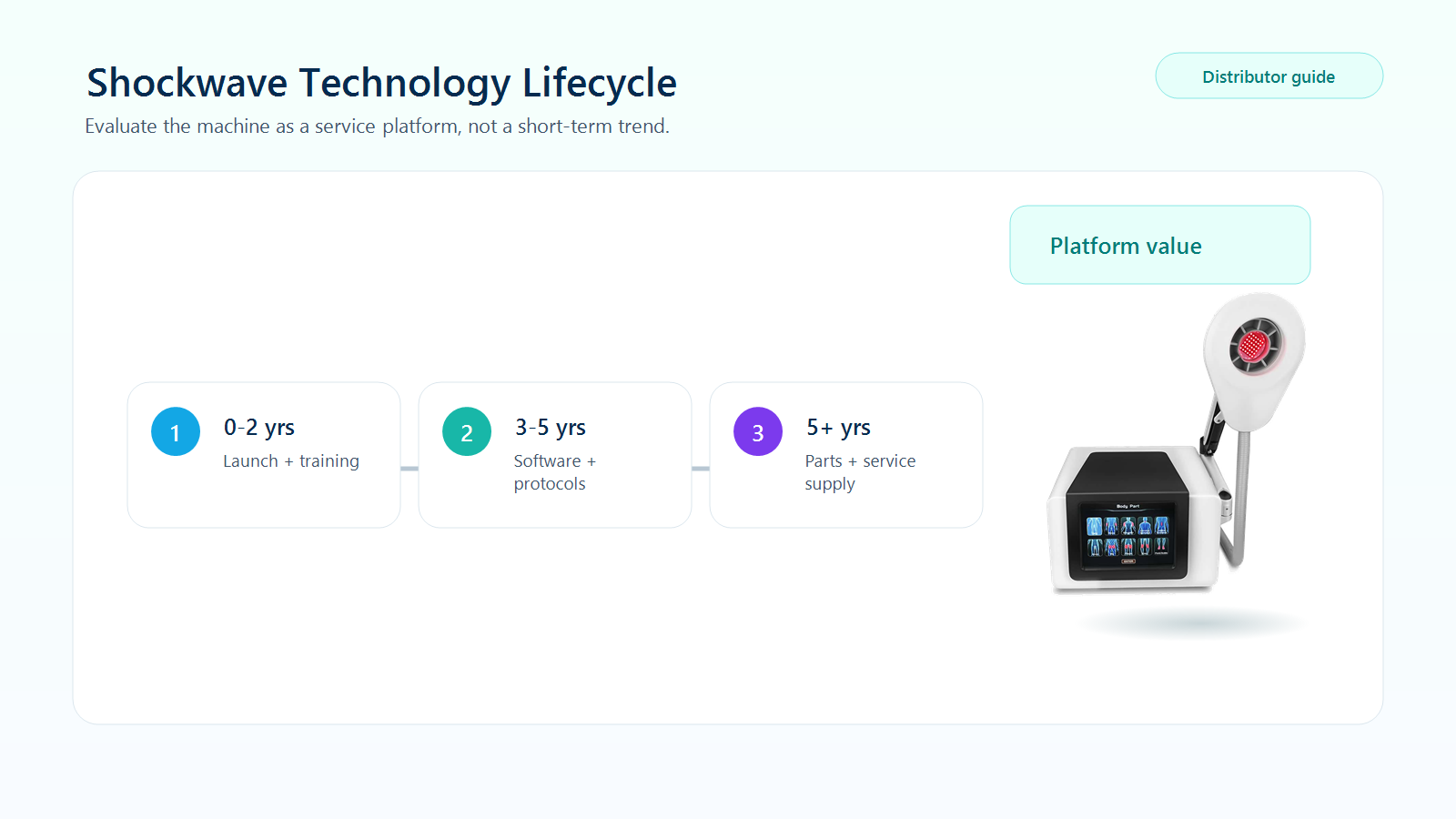
Una forma útil de evaluar un dispositivo Shockwave es dividir su ciclo de vida en tres etapas.
La primera fase corresponde al lanzamiento y la entrada al mercado, que suele abarcar los primeros 0-2 años de ventas locales. Durante esta fase, el distribuidor se centra en la formación del cliente, las demostraciones, la capacitación del personal, los materiales de venta en el idioma local y el diseño del menú de servicios.
La segunda fase corresponde a la etapa comercial estable, que suele durar entre 3 y 5 años si el producto cuenta con un buen soporte. Durante esta etapa, el dispositivo debería seguir generando pedidos, ya que los clientes ya comprenden el valor del servicio. El distribuidor debe centrarse en el uso del software, los protocolos, el suministro de accesorios y la reputación del servicio posventa.
La tercera capa es la etapa de servicio a largo plazo. Aquí es donde las piezas de repuesto, el reemplazo de piezas de mano, el soporte para reparaciones y la actualización de la capacitación cobran mayor importancia que la historia del lanzamiento original.
Por eso, el ciclo de vida no debe juzgarse únicamente por la apariencia de la máquina. Un dispositivo con un exterior algo antiguo aún puede ser comercialmente útil si la plataforma energética, el soporte de software, el suministro de piezas de mano y el servicio posventa son estables.
Lo que suele cambiar y lo que suele permanecer estable
Cuando los distribuidores pregunten si habrá una actualización importante en los próximos 2 o 3 años, deberían dividir el dispositivo en diferentes partes.
La plataforma energética central suele ser la parte más estable. Si la máquina ya está diseñada en torno a una tecnología de ondas de choque o fisioterapia consolidada, no es necesario reinventar el principio básico del tratamiento cada año.
La interfaz del software puede evolucionar rápidamente. Las fábricas pueden mejorar el diseño de la pantalla, los programas preestablecidos, los menús de parámetros, los registros de tratamiento o las opciones de idioma. Estos cambios pueden optimizar el funcionamiento diario, pero no siempre hacen que la máquina anterior quede obsoleta.
Las piezas de mano y los aplicadores también pueden evolucionar. Un proveedor puede añadir puntas diferentes, mejorar la comodidad del mango, cambiar los conectores o perfeccionar el embalaje de los accesorios. Para los distribuidores, aquí es donde la compatibilidad cobra importancia.
Los protocolos de capacitación pueden actualizarse a medida que los proveedores obtienen más información del mercado. Un buen distribuidor no solo debe vender la máquina, sino también la lógica de capacitación, los menús de servicio y una formación práctica para el cliente.
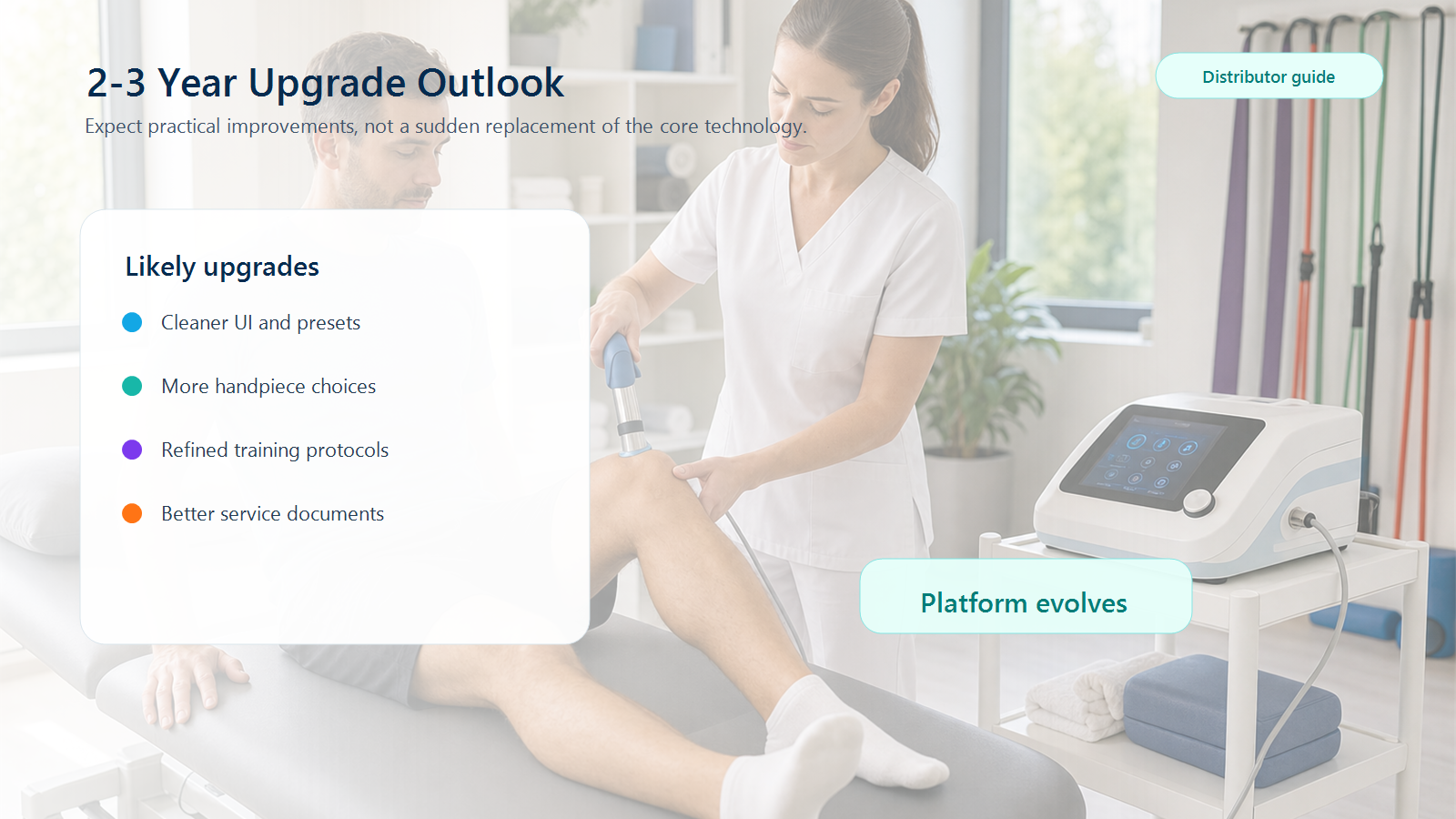
¿Qué mejoras son probables en los próximos 2-3 años?
Durante los próximos 2 o 3 años, las mejoras más realistas probablemente serán prácticas en lugar de revolucionarias.
Una posible área de mejora es la usabilidad del software. Los compradores podrían esperar pantallas más nítidas, una selección de parámetros más sencilla, modos de tratamiento preestablecidos, más opciones de idioma o un flujo de trabajo más fluido para la capacitación del personal.
Otra área probable de mejora es la de los accesorios y las piezas de mano. Los distribuidores deben estar atentos a si las futuras piezas de mano son compatibles con las máquinas antiguas, si el reemplazo de las puntas es sencillo y si los costos de los consumibles o las piezas de desgaste son predecibles.
Un tercer aspecto es el posicionamiento de productos multitecnológicos. Muchos clientes no adquieren Shockwave como un concepto aislado. Pueden compararlo con la terapia magnética, Tecar, láser, EMS, tratamientos corporales o programas de rehabilitación. Por ello, los dispositivos combinados y las líneas de productos de fisioterapia más amplias pueden ayudar a los distribuidores a atender a diferentes tipos de compradores.
La cuarta área es la capacitación y la documentación. En mercados competitivos, el distribuidor que pueda brindar una mejor incorporación, ejemplos de menús de servicio, información sobre contraindicaciones y seguimiento posventa generalmente tendrá una posición más sólida que el distribuidor que solo vende hardware.

¿Una máquina actual quedará obsoleta rápidamente?
Para la mayoría de los distribuidores, el riesgo no reside en que la tecnología Shockwave desaparezca repentinamente.
El mayor riesgo reside en comprar una máquina sin un plan de soporte claro.
Una máquina puede resultar difícil de vender si el proveedor no puede explicar las actualizaciones de software, no puede suministrar las piezas de mano, no puede proporcionar repuestos, no puede ofrecer cursos de actualización o no puede establecer una responsabilidad clara en el servicio posventa.
Por lo tanto, el distribuidor no debería juzgar la obsolescencia únicamente por el año del modelo. Una máquina de aspecto más nuevo con un soporte deficiente puede generar más riesgos que un modelo estable con buenos accesorios, guías de reparación y materiales de capacitación.
La opción más segura es adquirir una plataforma que pueda soportar varios años de desarrollo del canal.
Cómo posicionar los productos de ondas de choque de SHEFMON
La categoría de productos de ondas de choque y fisioterapia de SHEFMON ofrece a los distribuidores diversas maneras de posicionar el ciclo de vida de la tecnología.
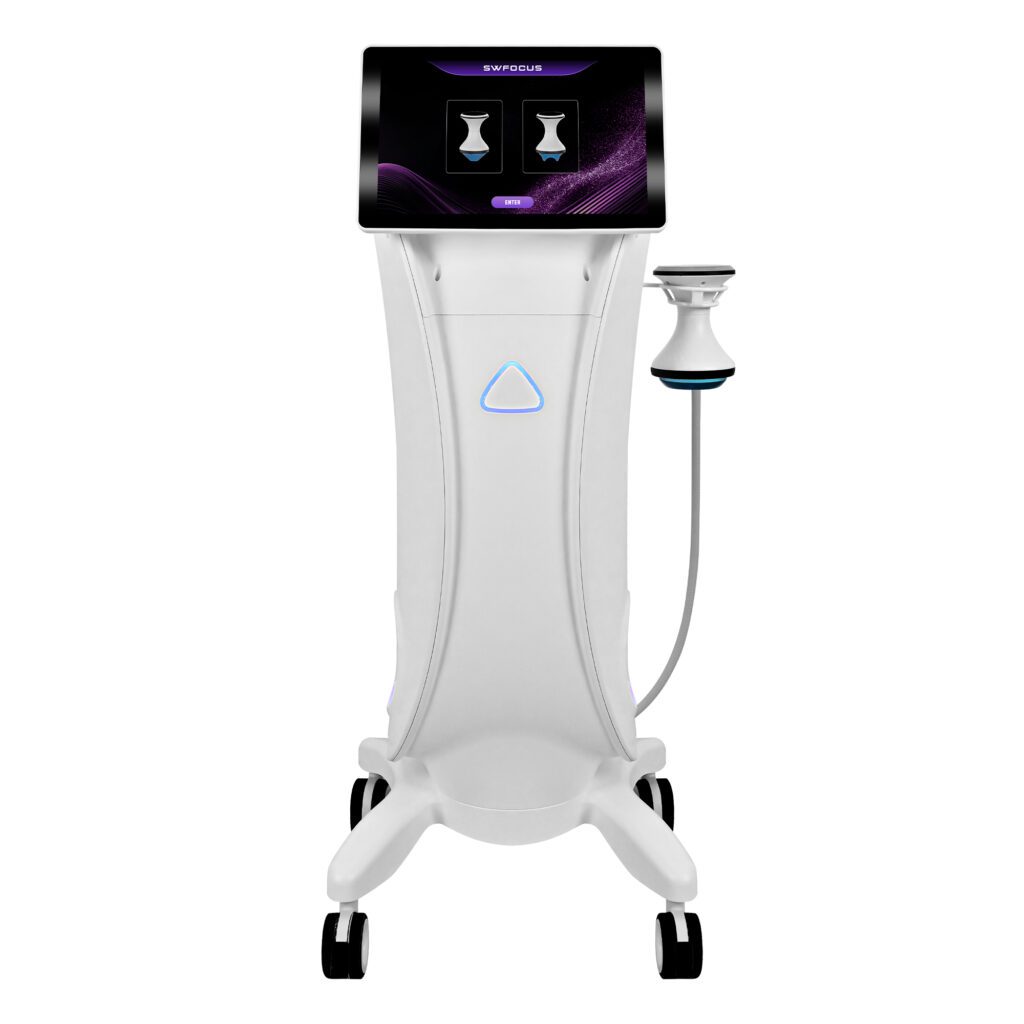
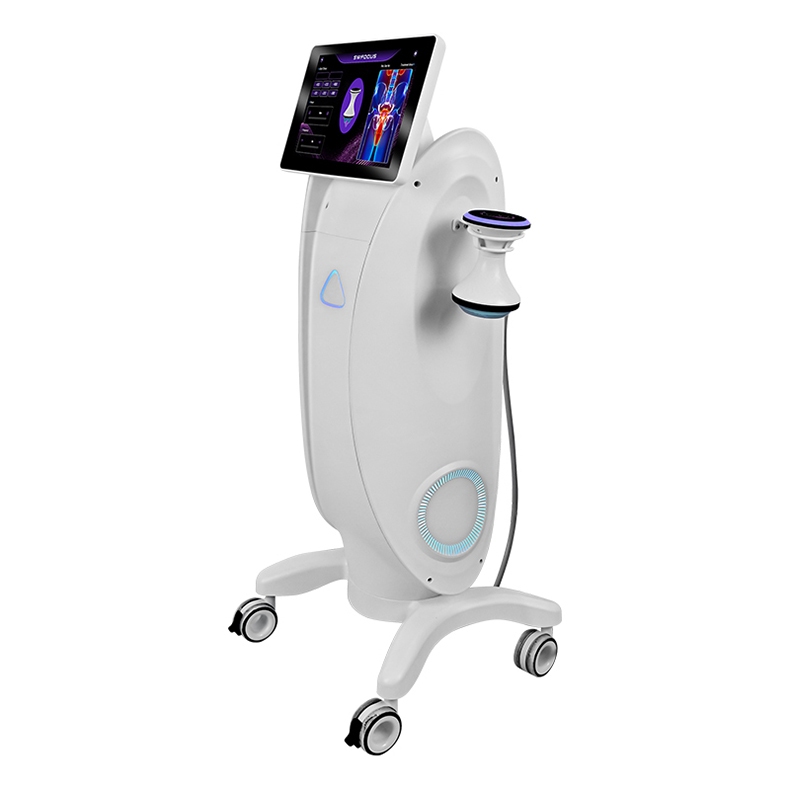
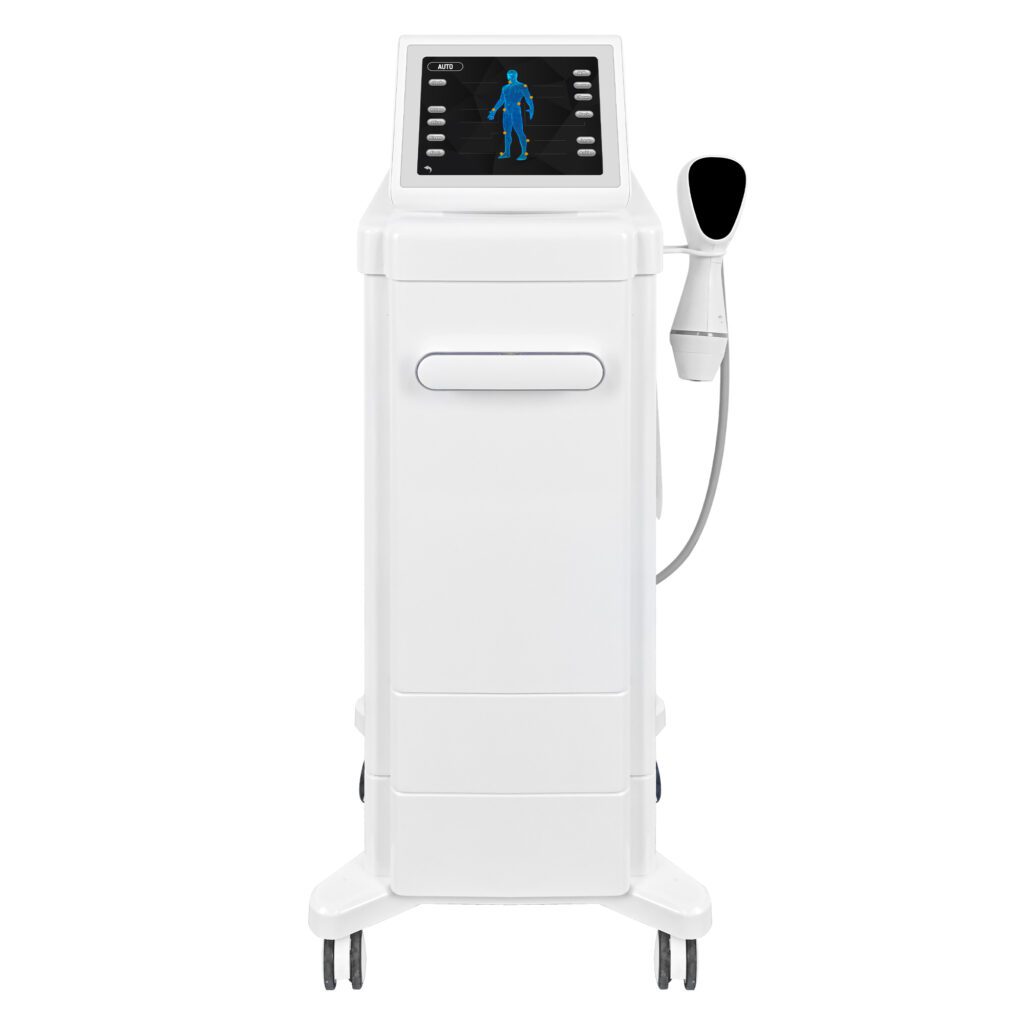
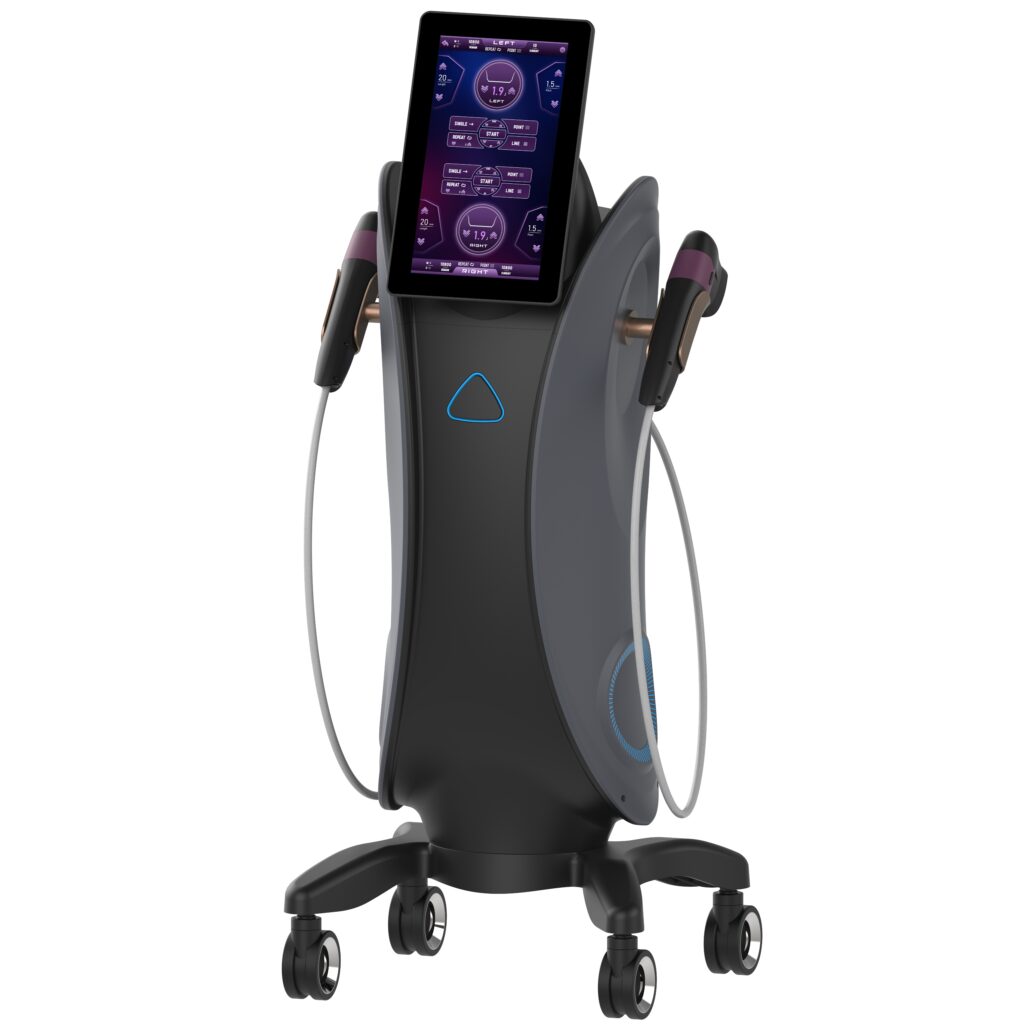
SW12 ESWT Puede presentarse como una opción práctica de terapia de ondas de choque y fisioterapia para clientes que deseen alivio del dolor, recuperación deportiva o ampliación de sus servicios de rehabilitación.
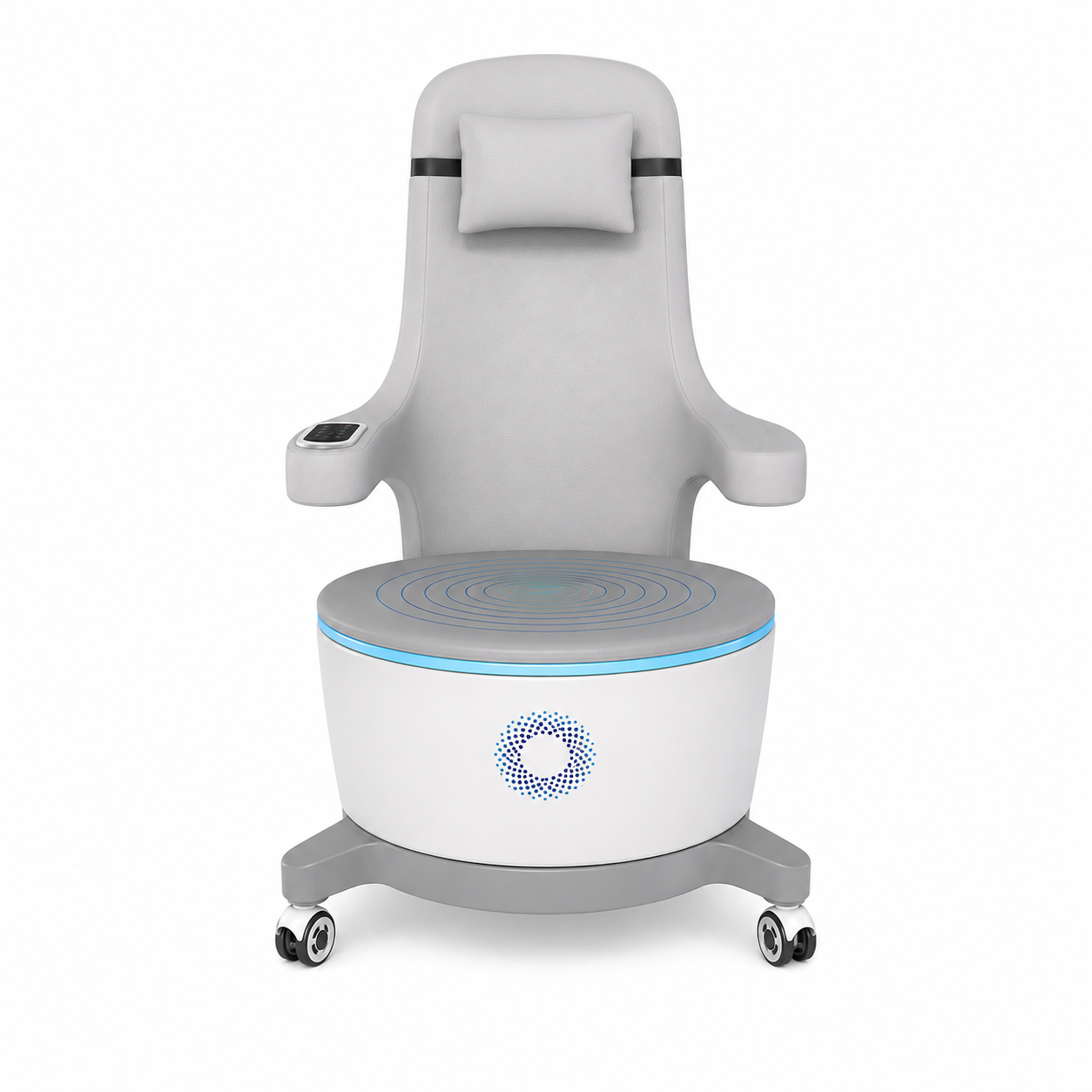
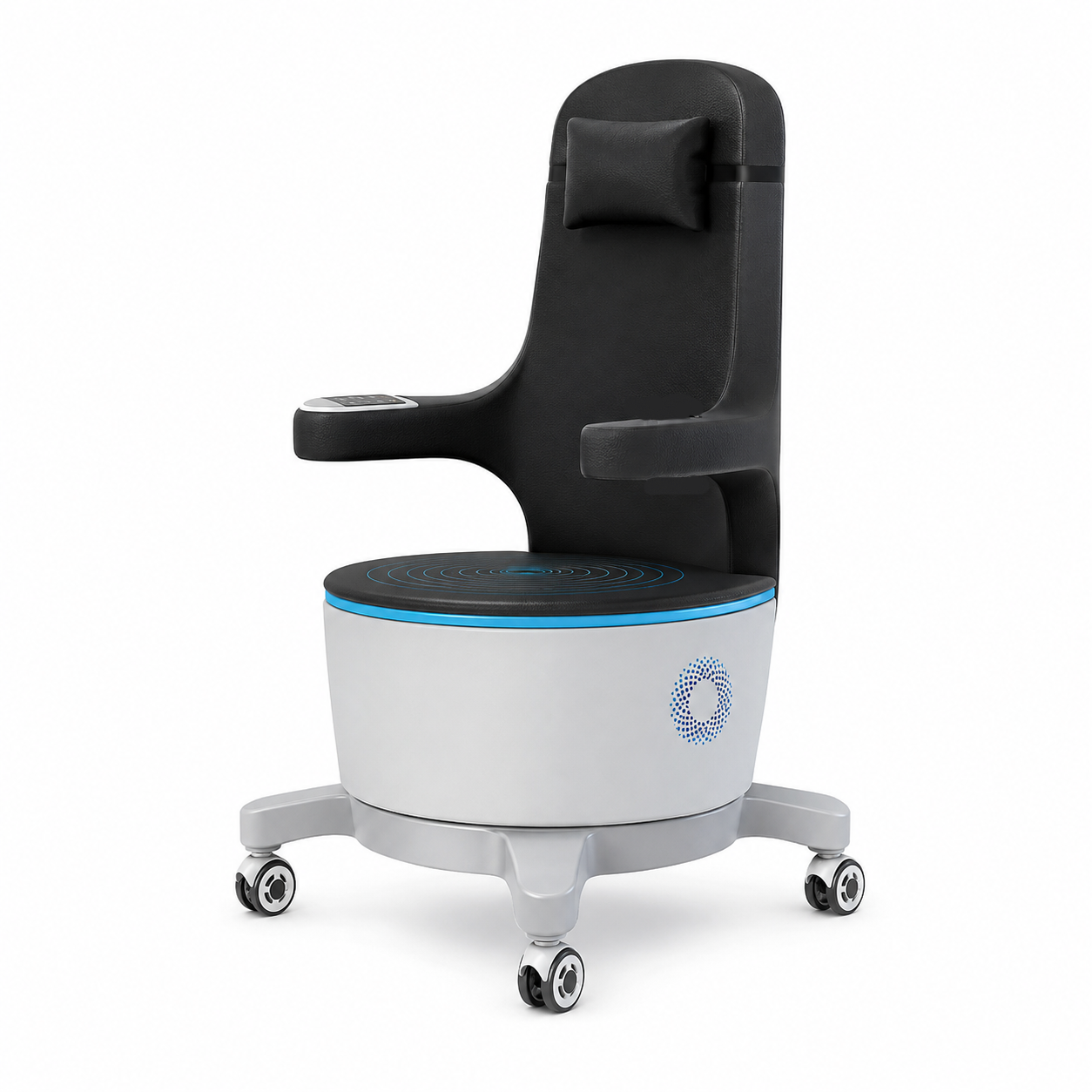
A0247E PMST Puede propiciar una conversación más orientada a la rehabilitación, especialmente cuando los compradores están interesados en el posicionamiento mediante terapia magnética y en servicios de recuperación profesional.
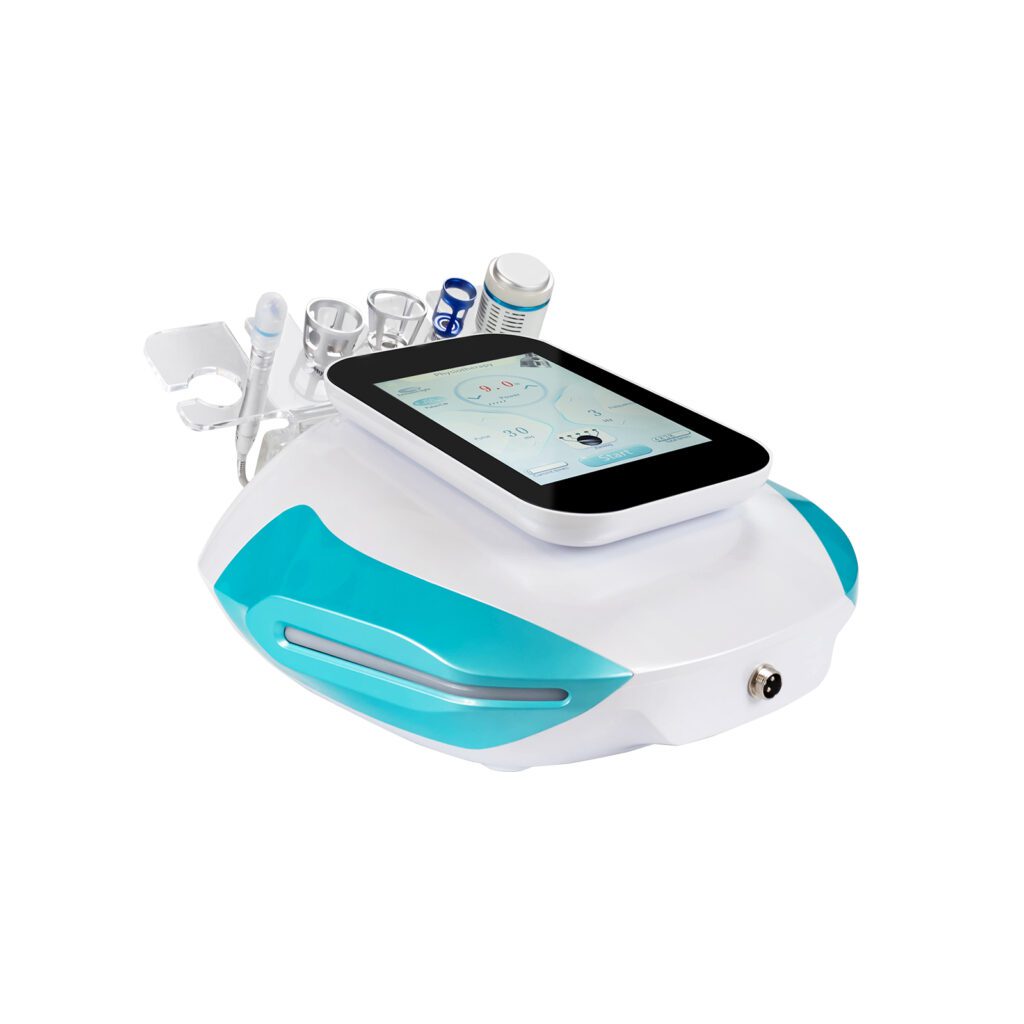
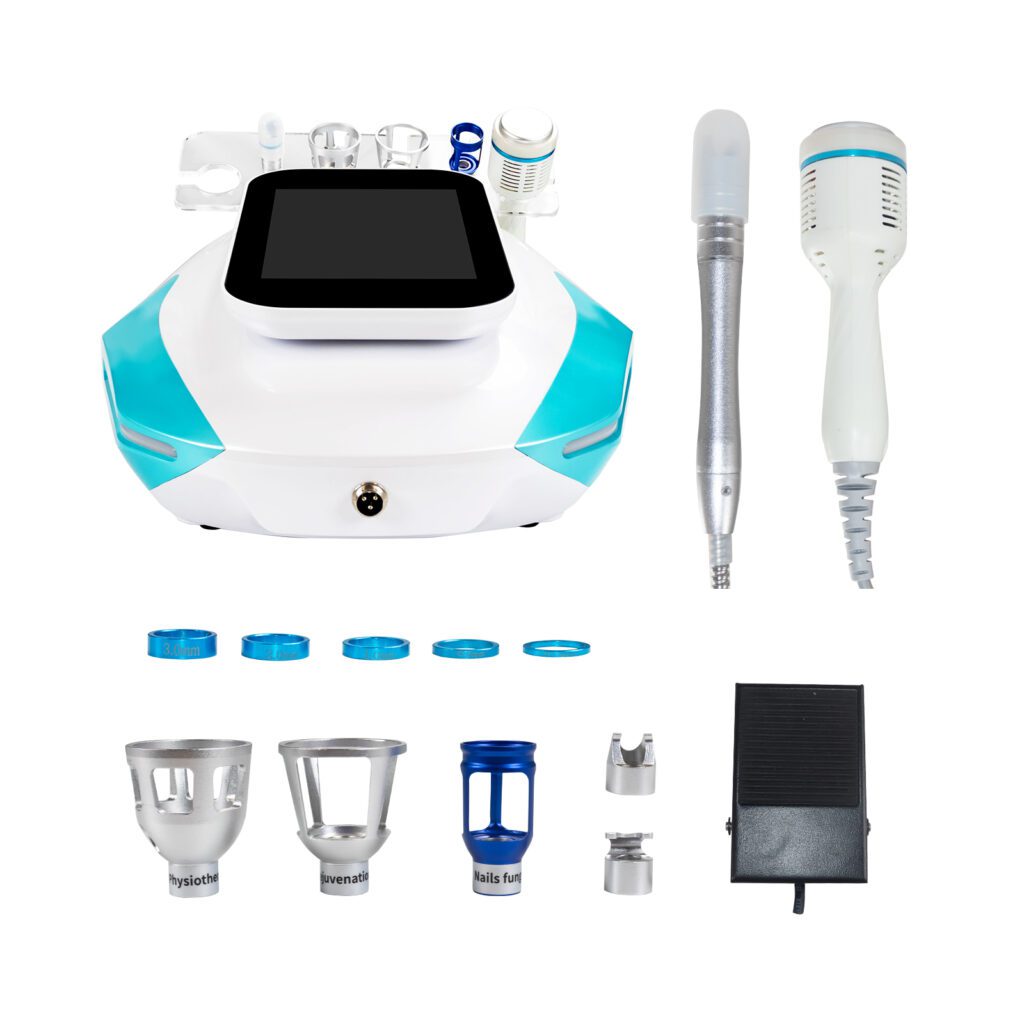
Máquina combinada A0275E Puede ayudar a los distribuidores a explicar el valor de la multitecnología, donde un paquete de productos admite una gama de servicios más amplia en lugar de una sola categoría de tratamiento limitada.
Esto es importante para la planificación del ciclo de vida. Si un distribuidor solo tiene un modelo de una sola función, la promoción local puede complicarse cuando cambia la demanda de los clientes. Si el distribuidor puede ofrecer una línea de productos, puede operar con mayor flexibilidad en salones de belleza, centros de rehabilitación, estudios de recuperación deportiva y proveedores de servicios de cuidado corporal.
Qué deben confirmar los distribuidores antes de realizar un pedido.
Antes de realizar un pedido, los distribuidores deberían hacer preguntas directas sobre el soporte a largo plazo.
La primera pregunta es sobre la política de actualización de software. ¿El proveedor ofrece soporte para las actualizaciones de software? ¿Las actualizaciones se gestionan de forma remota, mediante USB, archivo de servicio o a través del servicio técnico de fábrica? ¿Las actualizaciones básicas son gratuitas durante el período de garantía o se cobran por separado? Los distribuidores no deben dar por sentada la respuesta.
La segunda pregunta es sobre la compatibilidad de las piezas de mano. Si se actualiza la máquina en el futuro, ¿se podrán seguir utilizando las piezas de mano antiguas? Si no, ¿cuál es el costo de reemplazo? ¿Qué accesorios vienen de serie y cuáles son opcionales?
La tercera cuestión es la planificación de repuestos. Un distribuidor debe solicitar un horizonte de soporte de repuestos realista. Para un negocio de distribución profesional, un plan de repuestos de 3 a 5 años es mucho más importante que un precio bajo para el primer pedido.
La cuarta pregunta se refiere a la actualización de la capacitación. Si la fábrica mejora los protocolos de tratamiento o añade nuevas guías de aplicación, ¿pueden los distribuidores recibir materiales actualizados? ¿Pueden utilizar esos materiales para capacitar a los clientes locales?
Cómo explicar esto a los compradores locales
Un distribuidor puede explicar el ciclo de vida en un lenguaje sencillo:
La terapia de ondas de choque no es una moda pasajera. El principio de tratamiento ya está consolidado en muchos mercados de fisioterapia y rehabilitación. Lo que cambia con el tiempo es la interfaz de usuario, los accesorios, el menú de servicio y la formación. Por eso nos centramos en una plataforma de dispositivos estable, repuestos, soporte para las piezas de mano y formación práctica.
Esta respuesta es más contundente que decir que la máquina es "el modelo más reciente" sin explicar el soporte técnico.
Los compradores locales también buscan seguridad. El dueño de un salón de belleza quiere saber si el personal sabe manejar la máquina. Un centro de rehabilitación quiere saber si el servicio es profesional y controlado. Un estudio de recuperación deportiva quiere saber si el dispositivo permite ofrecer paquetes de servicios recurrentes. Un centro de recuperación posparto quiere saber si el servicio se puede realizar con cuidado y seguridad.
El distribuidor debe vincular la solución del ciclo de vida con el modelo de negocio de cada comprador.
Posicionamiento de ventas del distribuidor
En lugar de vender únicamente "nueva tecnología", los distribuidores pueden vender valor de servicio a largo plazo.
Para los salones de belleza, posicione Shockwave como una herramienta para ampliar sus servicios de cuidado corporal y bienestar. El mensaje clave debe centrarse en la estabilidad operativa, la capacitación del personal y la presentación de la oferta de productos.
Para los centros de rehabilitación, considérelo como parte de un flujo de trabajo profesional de recuperación y manejo del dolor. El mensaje sobre el ciclo de vida debe centrarse en los protocolos, las indicaciones, las contraindicaciones y la documentación de apoyo.
Para gimnasios y centros de recuperación deportiva, preséntelo como un servicio de recuperación que se puede ofrecer en paquetes. El mensaje clave debe centrarse en el uso repetido, la formación del cliente y su funcionamiento práctico.
Para los centros de recuperación posparto, es fundamental posicionarlos cuidadosamente como una opción de apoyo para la recuperación corporal, donde la evaluación profesional, el uso correcto y la comunicación sobre seguridad son primordiales. El mensaje sobre el ciclo de vida debe centrarse en la estandarización del servicio, en lugar de en afirmaciones agresivas.
Preguntas frecuentes para distribuidores
¿Cuál es la vida útil práctica de un dispositivo Shockwave?
Depende del proveedor, la calidad del modelo, la durabilidad de la pieza de mano, el soporte de software y la disponibilidad de repuestos. Desde la perspectiva de un distribuidor, una buena plataforma Shockwave debe planificarse como un activo comercial a largo plazo, en lugar de un producto a corto plazo.
¿Habrá una actualización tecnológica importante en los próximos 2 o 3 años?
Un reemplazo sustancial del principio básico de Shockwave no es el escenario más probable. Las mejoras más realistas incluyen la facilidad de uso del software, preajustes, opciones de piezas de mano, empaques de accesorios, sistemas combinados, materiales de capacitación y documentación posventa.
¿Deberían los distribuidores esperar a un modelo más nuevo?
No siempre. La espera puede retrasar la entrada al mercado. Lo más recomendable es confirmar si el modelo actual cuenta con soporte estable, condiciones de actualización claras, accesorios compatibles y un plan de repuestos realista.
¿Es necesaria la actualización de software OTA?
La actualización remota en línea puede ser conveniente, pero los distribuidores deben confirmar el método exacto con el proveedor. Algunas máquinas pueden usar actualizaciones en línea, actualizaciones asistidas por el servicio, actualizaciones por USB o el servicio de fábrica. Lo importante no es el término "OTA" en sí, sino si el proveedor tiene un procedimiento de actualización claro y una política de costos definida.
¿Cuál es el mayor riesgo del ciclo de vida?
El mayor riesgo reside en un soporte deficiente: actualizaciones de software poco claras, piezas de repuesto limitadas, reemplazo costoso de las piezas de mano, falta de capacitación de actualización o respuesta lenta al servicio posventa.
Conclusión
Para los distribuidores, los equipos Shockwave deben evaluarse como una plataforma de servicio a largo plazo.
La tecnología central es lo suficientemente madura como para satisfacer la demanda actual del mercado, pero la plataforma de productos debe seguir mejorando a través del software, las piezas de mano, los accesorios, los protocolos y el soporte técnico.
En los próximos 2-3 años, los distribuidores deberían esperar mejoras prácticas en lugar de una sustitución completa de la categoría.
La decisión de compra más inteligente no se limita a adquirir la máquina más novedosa. Se trata de una línea de máquinas con tecnología estable, condiciones de soporte claras, un plan de actualización realista y un servicio de calidad que permita a los clientes locales seguir ofreciendo tratamientos año tras año.
Referencias y notas de las fuentes
- Máquinas de ondas de choque y fisioterapia SHEFMON
- Tratamiento de ondas de choque ESWT SHEFMON SW12 Terapia láser de ondas de choque Tecar
- Máquina de magnetoterapia SHEFMON A0247E PMST NEO
- Máquina combinada 3 en 1 SHEFMON A0275E para magnetoterapia de onda PMST
 Recomendaciones de la ISMST para la terapia con ondas de choque
- Directrices de la ISMST para la terapia de ondas de choque extracorpóreas (ESWT)
 Guía NICE: Terapia de ondas de choque extracorpóreas para la tendinopatía de Aquiles