Introducción
Los salones de belleza siguen interesados en equipos de belleza de alta gama.
Pero el significado de "alta gama" está cambiando.
En el pasado, algunos compradores de salones de belleza juzgaban una máquina de alta gama principalmente por su apariencia, el tamaño de la pantalla, el número de asas, los nombres de tratamientos famosos o si la máquina lucía impresionante en la sala.
Hoy en día, cada vez más propietarios de salones de belleza se hacen preguntas empresariales más difíciles:
¿Este equipo me puede ayudar a crear servicios rentables?
¿Puede mi personal manejarlo de forma segura y con confianza?
¿Los clientes comprenderán el tratamiento y volverán a contratar paquetes?
¿Puede el proveedor proporcionar formación, repuestos y asistencia posventa?
¿Puedo promocionar este tratamiento sin hacer afirmaciones arriesgadas?
Este cambio es importante para los distribuidores de equipos de belleza.
La demanda de productos de alta gama no ha desaparecido. En muchos mercados, la demanda de depilación profesional, cuidado de la piel del rostro, remodelación corporal, tratamientos antienvejecimiento, rejuvenecimiento de la piel y servicios relacionados con el bienestar sigue impulsando la compra de equipos.
Sin embargo, los salones de belleza se están volviendo más selectivos.
Los clientes están menos dispuestos a comprar máquinas caras solo porque el proveedor diga que la tecnología es nueva. Buscan una relación más sólida entre el costo de la máquina, la demanda del cliente, la gama de tratamientos, la calidad del servicio, el cumplimiento de las normativas locales y el soporte a largo plazo.
Para los distribuidores, esto significa que la conversación sobre ventas debe cambiar.
El futuro de los equipos de belleza de alta gama no se trata solo de vender un dispositivo más caro.
Se trata de ayudar a los salones de belleza a construir un sistema de servicios más profesional y rentable.
1. Los salones de belleza están pasando de una “apariencia de lujo” a un valor comercial práctico.
Los equipos de belleza de alta gama solían asociarse fuertemente con el impacto visual.
Un cuerpo grande, una pantalla brillante, un diseño elegante y múltiples asas pueden hacer que una máquina parezca avanzada. Estos detalles siguen siendo importantes porque los salones de belleza buscan equipos que luzcan profesionales ante sus clientes.
Pero la apariencia ya no es suficiente.
Los compradores de salones de belleza ahora comparan equipos de alta gama a través de preguntas prácticas:
- ¿Cuántos servicios puede soportar esta máquina?
- ¿Con qué frecuencia se puede vender el servicio?
- ¿Cuál es el precio del tratamiento en mi mercado local?
- ¿Cuántas sesiones se necesitan para un paquete?
- ¿Cuánto dura cada cita?
- ¿Qué consumibles o piezas de repuesto se necesitan?
- ¿Qué tan difícil es la operación?
- ¿Cuánta formación se necesita?
- ¿Qué ocurre si la máquina tiene algún problema?
Esto significa que los equipos de alta gama deben tener una lógica comercial.
Una máquina elegante que no permite realizar servicios repetidos puede resultar menos atractiva que una máquina más sencilla que ayuda al salón a vender paquetes estables cada semana.
Por ejemplo, un salón de belleza podría estar más interesado en un láser de diodo profesional con un sistema de refrigeración potente, una buena vida útil de la pieza de mano y una guía de tratamiento clara, que en un dispositivo visualmente atractivo con soporte deficiente. Otro salón podría preferir una plataforma facial Hydra con mangos fiables y fácil mantenimiento, en lugar de una máquina multifunción compleja que el personal rara vez utiliza por completo.
La decisión de compra se está volviendo más racional.
Actualmente, "gama alta" significa útil, práctico y rentable, no solo caro.
2. El retorno de la inversión se ha convertido en una cuestión fundamental de compra.
Los propietarios de salones de belleza están prestando más atención al período de recuperación de la inversión.
Esto no significa que esperen promesas de ganancias poco realistas. Los compradores serios entienden que los ingresos dependen de los precios locales, el marketing, las habilidades del personal y la fidelización de los clientes.
Pero aún así, quieren un modelo financiero práctico antes de comprar.
Pueden preguntar:
- ¿Qué precio puedo cobrar por el servicio?
- ¿Cuántas sesiones puedo realizar al día?
- ¿Qué paquete puedo vender?
- ¿Cuántos meses podrían ser necesarios para recuperar la inversión?
- ¿Qué coste de mantenimiento debo esperar?
- ¿Hay consumibles?
- ¿Con qué frecuencia es necesario reemplazar los mangos o las puntas?
- ¿Puede este equipo aumentar el valor de los boletos?
- ¿Puede mejorar la retención de clientes?
Este es un cambio importante.
En el pasado, algunos proveedores se centraban principalmente en las funciones de las máquinas. Hoy en día, los distribuidores deben explicar cómo esas funciones se convierten en servicios de salón.
En el caso de las máquinas de gama alta, esto es especialmente importante debido a la mayor inversión.
Un salón de belleza podría estar dispuesto a comprar un dispositivo más caro si el modelo de negocio es claro. Pero si el proveedor no puede explicar el menú de servicios, la estrategia de paquetes o el costo del servicio posventa, el comprador podría dudar.
Los distribuidores deberían preparar ejemplos conservadores de retorno de la inversión (ROI) para diferentes tipos de compradores:
- pequeño salón de belleza
- centro de cuidado de la piel
- estudio de depilación láser
- centro de remodelación corporal
- spa médico
- centro de recuperación posparto
- clínica de bienestar
El objetivo no es garantizar ingresos.
El objetivo es ayudar al comprador a comprender si el equipo se ajusta a las necesidades reales de su negocio.
3. La demanda se está desplazando hacia paquetes de servicios repetibles.
Los equipos de alta gama resultan más atractivos cuando permiten visitas repetidas.
Los salones de belleza no solo buscan una máquina que despierte la curiosidad. Quieren servicios que hagan que los clientes quieran volver.
Las categorías repetibles pueden incluir:
- cursos de tratamiento de depilación láser
- Limpieza facial y mantenimiento de la hidratación
- Planes de servicios antienvejecimiento por radiofrecuencia o HIFU
- Programas de microagujas de radiofrecuencia para mejorar la textura de la piel
- paquetes de contorno corporal
- planes de estimulación muscular EMS
- Paquetes de cuidado corporal mediante criolipólisis y radiofrecuencia
- Servicios complementarios de terapia de luz LED
- sesiones de recuperación o bienestar cuando sea apropiado a nivel local
Esto cambia la forma en que los salones de belleza evalúan los equipos de alta gama.
Les impresiona menos la idea de que "una máquina tenga muchas funciones" si esas funciones no generan citas reales.
Prefieren equipos que puedan admitir paquetes de servicios claros:
- Curso de depilación de 6 sesiones
- membresía facial mensual
- Plan de remodelación corporal de 4 sesiones
- paquete de mantenimiento antienvejecimiento
- programa de mejora de la textura de la piel
- complemento de recuperación postratamiento
Para los distribuidores, esto significa que la capacitación sobre el producto debe incluir el diseño del empaque.
Vender una máquina de alta gama resulta más fácil cuando el salón puede imaginar:
- el guion de consulta
- el flujo del tratamiento
- el precio del paquete
- el horario de citas
- el plan de seguimiento del cliente
- el servicio de mantenimiento
La máquina es solo una parte del valor.
El sistema de servicio es lo que hace que la inversión se sienta más segura.
4. Los salones quieren una mejor experiencia para el cliente, no solo una energía más fuerte.
Otro cambio importante es la atención que se presta a la comodidad y la experiencia del cliente.
En los equipos de belleza de alta gama, una mayor potencia no siempre es el principal argumento de venta.
A los clientes del salón les importa lo siguiente:
- comodidad durante el tratamiento
- tiempo de tratamiento
- nivel de ruido
- sensación de la pieza de mano
- enfriamiento de la piel
- profesionalismo visible
- calidad de la consulta
- confianza en la habilidad del operador
- Sala de tratamiento limpia y organizada
- explicación realista de los resultados esperados
Por este motivo, los salones valoran cada vez más las características de los equipos que mejoran la experiencia del tratamiento:
- mejor refrigeración por contacto
- piezas de mano más ligeras
- diseño ergonómico
- suministro de energía estable
- Interfaz de pantalla más clara
- parámetros preestablecidos
- Cita más corta
- Posicionamiento del cliente más sencillo
- flujo de trabajo operativo más fluido
- menor tiempo de inactividad
Por ejemplo, una máquina láser de diodo con excelente sistema de refrigeración puede ayudar a los salones a reducir las molestias de los clientes y mejorar la finalización de los paquetes de tratamientos. Una máquina facial con succión estable y fácil manejo de los frascos puede facilitar los tratamientos diarios. Una plataforma de contorno corporal con un mejor diseño de aplicador puede mejorar la eficiencia del operador.
Los compradores de alta gama no solo preguntan: "¿Qué tan potente es?".“
Están preguntando:
¿Mis clientes se sentirán lo suficientemente seguros como para volver?
5. La formación se está convirtiendo en parte del producto.
La demanda de equipos de alta gama en los salones de belleza ahora incluye mayores expectativas en cuanto a la formación del personal.
Muchos dispositivos avanzados requieren más que un funcionamiento básico.
Los operadores deben comprender:
- consulta con el cliente
- detección de contraindicaciones
- selección del área de tratamiento
- ajuste de parámetros
- control del nivel de energía
- observación de la respuesta cutánea
- planificación del curso del tratamiento
- flujo de trabajo de higiene
- comunicación de atención posterior
- prevención de quejas
Si la máquina es cara pero el personal tiene miedo de usarla, la inversión fracasa.
Por eso, la formación se está convirtiendo en parte del valor añadido del producto.
Los compradores de salones de belleza pueden preguntar a los proveedores:
- ¿Ofrecen vídeos de funcionamiento?
- ¿Existe un manual en inglés?
- ¿Pueden capacitar a nuestro personal en línea?
- ¿Proporcionan orientación sobre los parámetros?
- ¿Puedes ayudarme con el diseño del menú de servicio?
- ¿Cómo evitamos los errores comunes?
- ¿Podemos contactar con el servicio de asistencia técnica después de la compra?
Para los distribuidores, esta es una gran oportunidad.
Un distribuidor que ofrece formación puede vender equipos de alta gama con más confianza que un distribuidor que solo proporciona un presupuesto.
La formación también ayuda a reducir la presión posterior a la venta.
Cuando los operarios comprenden la máquina, es menos probable que la utilicen incorrectamente, prometan resultados que no pueden cumplir o generen quejas evitables.
6. El cumplimiento normativo y el control de reclamaciones son más importantes.
Los salones de belleza están siendo cada vez más cuidadosos con las afirmaciones publicitarias.
Esto es especialmente cierto para dispositivos de alta gama como HIFU, radiofrecuencia (RF), microagujas de radiofrecuencia, láser, luz pulsada intensa (IPL), criolipólisis y sistemas profesionales de tratamiento de la piel.
La razón es simple:
Las máquinas de alta gama suelen implicar tecnología más avanzada y mayores expectativas por parte de los clientes.
Si el salón utiliza afirmaciones exageradas, el riesgo aumenta.
Entre las afirmaciones arriesgadas se incluyen:
- Garantía de resultado permanente
- sin efectos secundarios
- funciona para todos
- Una sesión lo cambia todo
- reemplaza la cirugía
- elimina todas las arrugas
- Pérdida de grasa garantizada
- tratamiento médico sin la cualificación adecuada
- completamente indoloro para todos los clientes.
Cada vez más compradores de salones de belleza desean un lenguaje de venta más seguro.
Quieren saber cómo promocionar el servicio sin generar problemas legales, de plataforma o de quejas de los clientes.
Una redacción responsable puede centrarse en:
- Favorece una piel de aspecto más firme.
- favorece una textura de aspecto más suave
- Ofrece menús de servicios de remodelación corporal.
- ayuda a reducir la apariencia del vello no deseado a lo largo del tiempo.
- Adecuado para clientes seleccionados tras una consulta.
- Los resultados varían según la condición del paciente y el plan de tratamiento.
- Se requiere personal capacitado para operar el sistema.
- Deben cumplirse las normas locales.
Para los distribuidores, el apoyo en materia de cumplimiento normativo puede convertirse en una ventaja competitiva en las ventas.
Un proveedor que ayuda a los salones de belleza a vender de forma responsable puede generar más confianza que un proveedor que solo ofrece afirmaciones de marketing agresivas.
7. Los salones de belleza comparan el servicio de atención al cliente antes de comprar.
Los equipos de belleza de alta gama generan mayores expectativas en cuanto al servicio posventa.
Cuando un salón de belleza paga más por un dispositivo, espera un soporte más sólido.
Los compradores pueden preguntar:
- ¿Cuánto dura la garantía?
- ¿Qué partes están cubiertas?
- ¿Con qué rapidez se pueden enviar las piezas de repuesto?
- ¿Hay piezas de mano disponibles?
- ¿Puede el proveedor ofrecer asistencia técnica remota?
- ¿Existe una guía en vídeo para técnicos?
- ¿Cuál es el proceso de reparación?
- ¿Se puede actualizar el software?
- ¿Es fácil comprar productos consumibles?
- ¿Qué sucede una vez finalizada la garantía?
Esto supone un cambio claro, pasando de la simple compra de productos a la compra a lo largo de todo su ciclo de vida.
El salón no solo está comprando la máquina.
Se trata de comprar la confianza de que la máquina puede seguir funcionando.
Para los dispositivos de alta gama, el tiempo de inactividad resulta costoso. Si un salón ha vendido paquetes y la máquina deja de funcionar, el negocio puede enfrentarse a reembolsos, reprogramaciones y la insatisfacción de los clientes.
Por eso, el servicio de atención al cliente posventa influye ahora en la decisión de compra desde una etapa más temprana.
Los distribuidores no deberían esperar a que surja un problema para explicar el servicio de asistencia técnica.
Deben incluir detalles sobre el servicio posventa durante el proceso de venta:
- Alcance de la garantía
- lista de repuestos
- pasos de mantenimiento comunes
- tiempo de respuesta
- método de soporte remoto
- Plan de reemplazo de la pieza de mano
- plan de suministro de consumibles
- proceso de contacto técnico
Un buen servicio de atención al cliente posventa hace que la inversión en equipos de alta gama parezca menos arriesgada.
8. Los salones prefieren funciones especializadas de alta gama a máquinas multifunción confusas.
Los equipos de belleza multifuncionales siguen teniendo demanda.
Pero los salones de belleza están siendo cada vez más cautelosos con las máquinas que afirman hacerlo todo.
Una máquina con muchos controles puede parecer atractiva, sobre todo para un salón de belleza nuevo. Sin embargo, si las funciones no están relacionadas entre sí, son limitadas o difíciles de usar, es posible que la máquina no genere un valor real.
Cada vez más compradores profesionales preguntan:
- ¿Qué funciones son realmente fuertes?
- ¿Qué servicios voy a vender realmente?
- ¿Son resistentes las asas?
- ¿Cada función está respaldada por un entrenamiento?
- ¿La máquina se ajusta a mis clientes objetivo?
- ¿El personal utilizará todas las funciones o solo una o dos?
Esto no significa que las máquinas multifunción sean malas.
Esto significa que la combinación debe tener sentido desde el punto de vista empresarial.
Algunas buenas combinaciones pueden incluir:
- Hidratación facial más spray de oxígeno y LED
- criolipólisis más radiofrecuencia y cuidado corporal al vacío
- Estimulación muscular EMS más contorno corporal.
- Menú de servicios de cuidado facial con radiofrecuencia y estiramiento de la piel.
- láser de diodo con opciones de longitud de onda adecuadas
- plataformas de bienestar corporal con funciones de recuperación relacionadas
Las malas combinaciones suelen añadir funciones que solo consiguen que la página del producto parezca más larga.
Para los compradores de salones de belleza de alta gama, la calidad de la funcionalidad está adquiriendo mayor importancia que la cantidad.
9. Los salones más pequeños buscan resultados de alta gama con un menor riesgo de inversión.
La demanda de equipos de alta gama ya no se limita a las grandes clínicas y los salones de lujo.
Los salones de belleza más pequeños también desean actualizar su carta de servicios.
Pero son más cautelosos con respecto al riesgo de inversión.
Pueden preferir:
- modelos compactos de alto rendimiento
- dispositivos profesionales de nivel básico
- paquetes de productos flexibles
- máquinas con bajo costo de consumibles
- apoyo claro para la formación
- fácil mantenimiento
- Menú de servicio realista
- menor riesgo de tiempo de inactividad
- Financiación o compra por etapas, donde esté disponible.
Esto crea un segmento intermedio importante.
No todos los salones pueden permitirse el equipo más caro y de gama alta. Pero muchos desean una máquina profesional que les permita ofrecer un servicio de mayor calidad que las herramientas de belleza básicas.
Para los distribuidores, esto significa que el posicionamiento del producto debe incluir diferentes niveles de compradores:
- modelo profesional de iniciación
- modelo de salón de gama media
- modelo de estudio de alto volumen
- modelo clínico avanzado
Una misma categoría de alta gama puede tener diferentes soluciones de equipamiento.
El distribuidor que comprende el tamaño del comprador y su capacidad de servicio puede recomendar mejores productos.
10. A los compradores les importa más la diferenciación de marca.
Muchos salones de belleza se enfrentan a una competencia feroz.
Si todos los salones de belleza cercanos ofrecen el mismo servicio básico de limpieza facial, corporal o depilación, resulta difícil defender el precio.
Los equipos de belleza de alta gama se utilizan cada vez más como herramienta de diferenciación.
Los propietarios de salones de belleza pueden desear máquinas que les ayuden a posicionarse como:
- más profesional
- más impulsado por la tecnología
- más cómodo
- más orientado a los resultados
- Más adecuado para clientes premium
- Paquetes de servicios más completos
- más especializado en una categoría
Esto afecta a la demanda de equipos.
Los compradores no solo preguntan si la máquina funciona, sino también si ayuda a que su marca destaque.
Por ejemplo:
- Un estudio de láser puede necesitar un láser de diodo de alto rendimiento para crear una identidad especializada.
- Un centro de cuidado de la piel puede optar por la microaguja de radiofrecuencia o el HIFU para complementar sus servicios antienvejecimiento avanzados.
- Un estudio de remodelación corporal puede optar por sistemas corporales de criolipólisis, electroestimulación muscular (EMS) y radiofrecuencia (RF) para crear un menú de tratamientos corporales personalizados.
- Es posible que una clínica de bienestar desee ampliar su equipamiento de recuperación más allá de los tratamientos de belleza tradicionales.
Los distribuidores pueden satisfacer esta demanda ayudando a los compradores a elegir una categoría de producto que se ajuste a su posicionamiento, y no solo a su presupuesto.
11. Las funciones digitales son interesantes, pero solo cuando son útiles.
El software, las consultas asistidas por IA, los registros de tratamientos, las interfaces inteligentes y los diagnósticos remotos están adquiriendo mayor protagonismo en la comercialización de equipos de belleza.
Puede que a los compradores de salones de belleza les gusten estas características, pero cada vez son más pragmáticos a la hora de evaluarlas.
Pueden preguntar:
- ¿El software facilita el funcionamiento?
- ¿Puede reducir el tiempo de formación del personal?
- ¿Puede almacenar registros de tratamientos útiles?
- ¿Puede ayudar con los recordatorios de mantenimiento?
- ¿Puede el proveedor actualizar el sistema?
- ¿Puede la máquina seguir funcionando si se interrumpen las funciones en línea?
- ¿Se gestionan correctamente los datos de los clientes?
- ¿Está disponible la interfaz en mi idioma?
Las funcionalidades digitales pueden reforzar el posicionamiento de alta gama.
Pero deberían resolver problemas reales.
Una interfaz inteligente que ayude a los operadores a seleccionar los modos de tratamiento puede resultar útil. El diagnóstico remoto puede reducir el tiempo de inactividad. Los recordatorios de mantenimiento pueden ayudar a proteger la máquina.
Pero un software decorativo que no mejore el funcionamiento puede no influir en los compradores serios.
En el caso de equipos de alta gama, el valor digital debe estar vinculado a la seguridad, la eficiencia, la formación o la gestión del servicio.
¿Qué categorías de equipos de belleza de alta gama se están beneficiando de estos cambios?
Los distintos mercados tienen patrones de demanda diferentes, pero varias categorías pueden beneficiarse de la nueva lógica de compra de los salones de belleza.
Depilación láser de diodo
Los salones de belleza y los centros de depilación láser siguen valorando la depilación porque permite complementar los tratamientos y las sesiones de seguimiento.
La demanda de alta gama se centra en:
- confort refrescante
- tamaño del punto
- opciones de longitud de onda
- vida útil de la pieza de mano
- velocidad del tratamiento
- energía estable
- capacitación del personal
- soporte de mantenimiento
Los compradores más importantes suelen ser aquellos que desean crear un servicio profesional de depilación en lugar de ofrecerlo como un pequeño complemento.
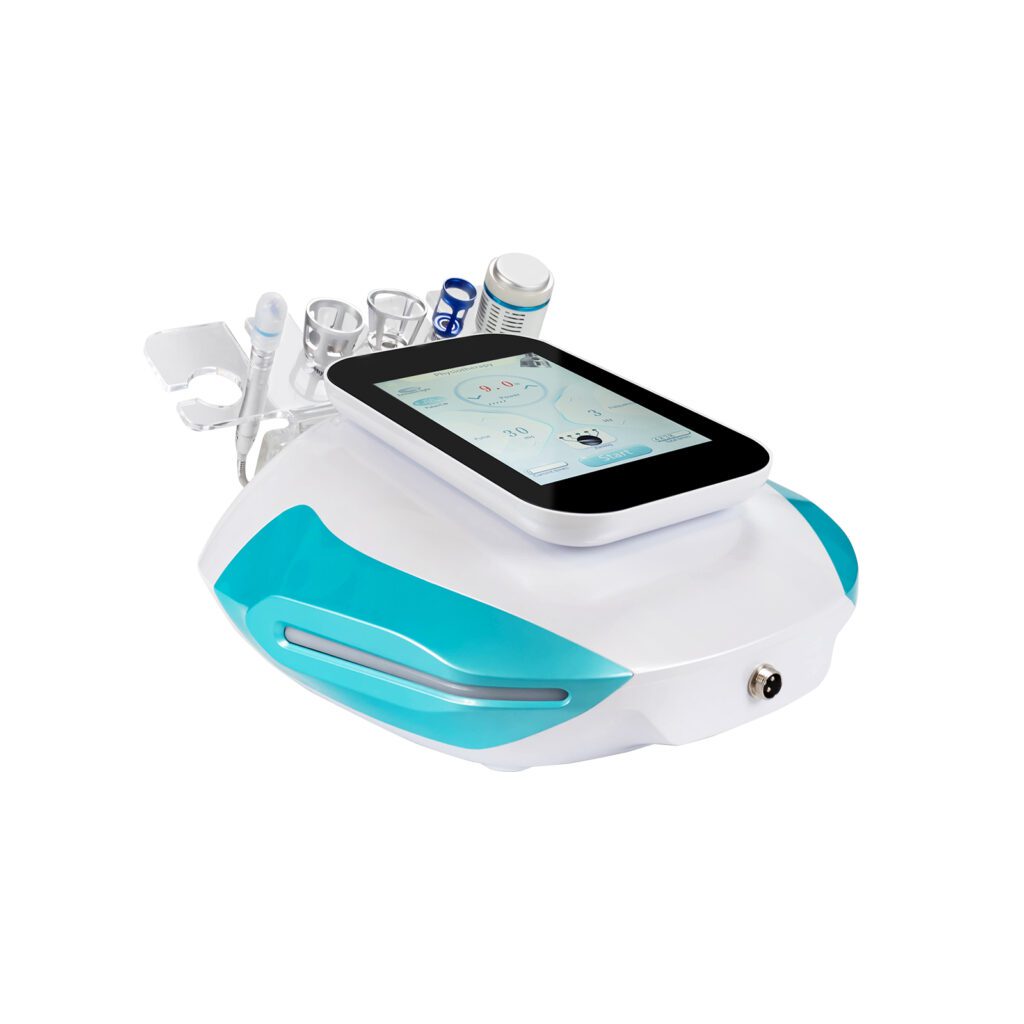
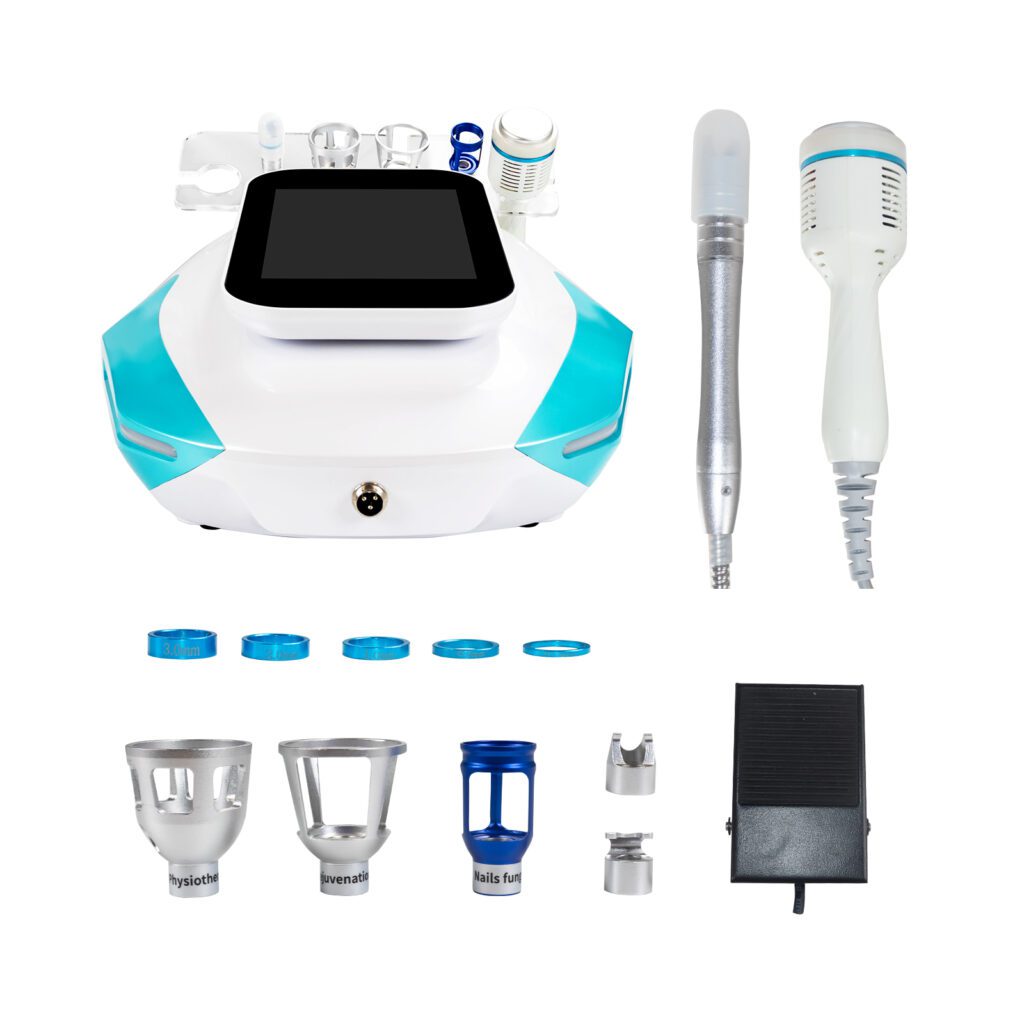
Máquinas Hydra Facial y para el cuidado de la piel
Los equipos para el cuidado facial siguen siendo atractivos porque los tratamientos faciales se pueden repetir mensualmente.
La demanda de alta gama se centra en:
- succión estable
- flujo de tratamiento cómodo
- asas fiables
- gestión de botellas limpias
- fácil mantenimiento
- combinación con LED, oxígeno o radiofrecuencia
- Diseño de membresías y paquetes
Esta categoría es ideal para salones de belleza que desean citas frecuentes y una experiencia de cliente visible.
Equipos antienvejecimiento HIFU y RF
La demanda de productos antienvejecimiento sigue siendo alta, pero los compradores son más cautelosos con las afirmaciones y la formación.
La demanda de alta gama se centra en:
- precisión del tratamiento
- calidad del cartucho o del mango
- Orientación de parámetros
- evaluación de clientes
- lenguaje de reclamación más seguro
- planificación de paquetes de servicios
- confianza del operador
Estas máquinas son más adecuadas para salones de belleza o clínicas que puedan ofrecer consultas profesionales.
Dispositivos de microagujas por radiofrecuencia y mejora de la textura de la piel
La microaguja por radiofrecuencia y las tecnologías relacionadas pueden resultar atractivas para los centros de cuidado de la piel más avanzados, ya que pueden contribuir a mejorar la textura de la piel y a desarrollar programas antienvejecimiento de mayor valor.
La demanda de alta gama se centra en:
- calidad de la aguja
- Salida de RF estable
- opciones de profundidad de tratamiento
- flujo de trabajo de higiene
- capacitación
- comunicación de atención posterior
- cumplimiento local
Estos productos requieren una colocación precisa y un manejo por parte de personal capacitado.
Equipos para el contorno y cuidado corporal
La criolipólisis, la electroestimulación muscular (EMS), la cavitación por radiofrecuencia (RF), el modelado corporal mediante vacío y los dispositivos de rodillo para el cuidado corporal aún pueden contribuir al crecimiento de los salones de belleza.
La demanda de alta gama se centra en:
- diseño del aplicador
- comodidad del tratamiento
- planificación de paquetes
- afirmaciones realistas sobre el contorno corporal
- servicios combinados
- mantenimiento y repuestos
- gestión de las expectativas del cliente
Los mejores clientes suelen comprender que los servicios corporales requieren cursos, asesoramiento y una adaptación al estilo de vida.
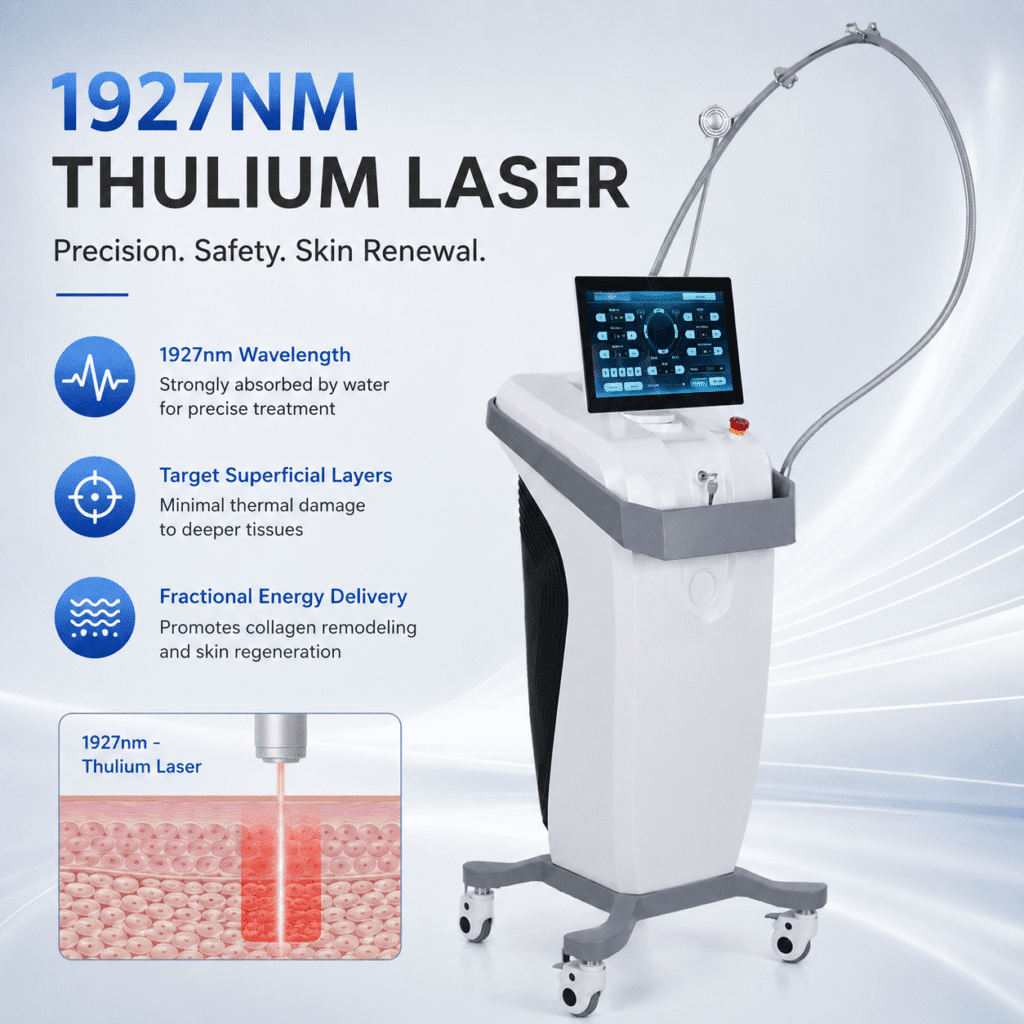
Dispositivos profesionales de láser y reparación de la piel
Los láseres fraccionados de CO2, los láseres de picosegundos y otros sistemas profesionales pueden ofrecer servicios de mayor valor añadido en los canales adecuados.
La demanda de alta gama se centra en:
- estabilidad del dispositivo
- formación de operadores
- control de la indicación del tratamiento
- protocolos de seguridad
- documentación
- cumplimiento
- soporte posventa
Estos dispositivos no son ideales para todos los salones de belleza. Se adaptan mejor a compradores profesionales.
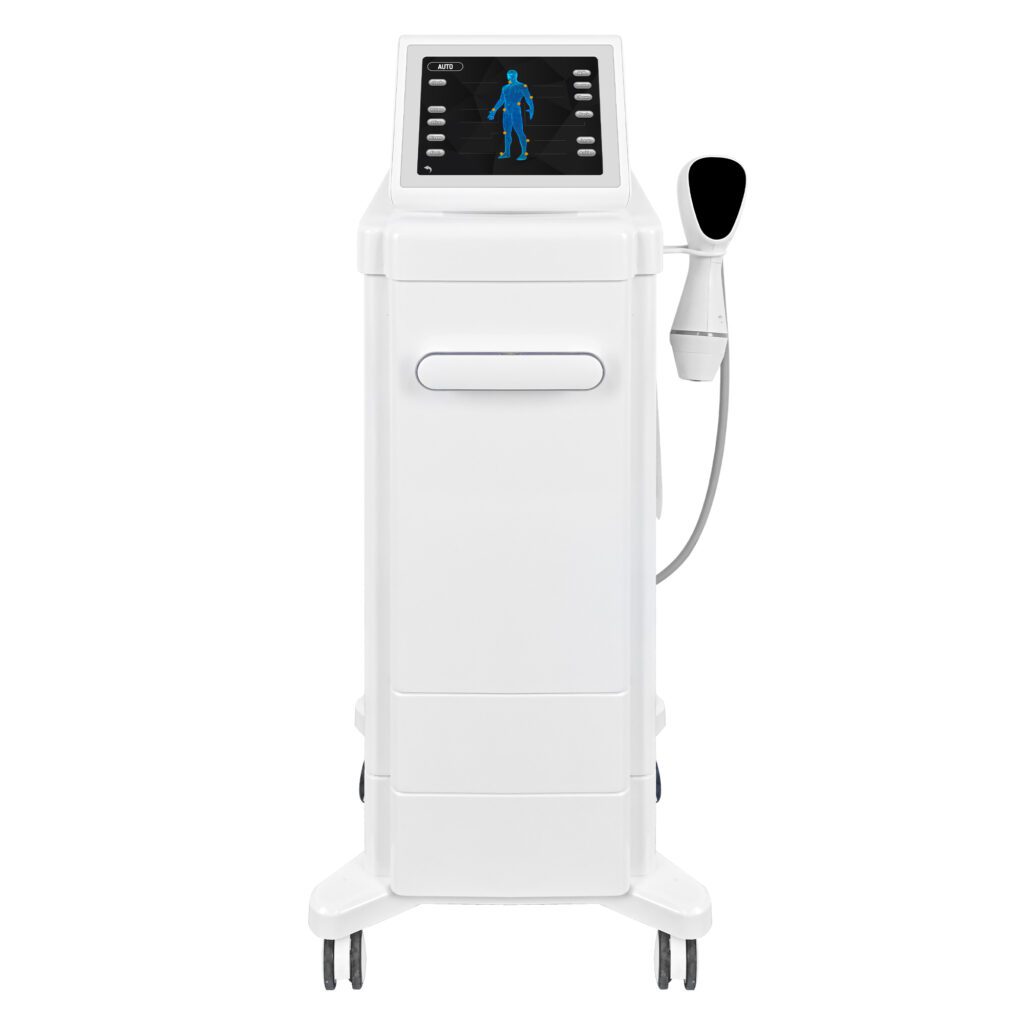
Equipos para la recuperación y el bienestar
Los equipos de recuperación Shockwave, Tecar, PMST y similares pueden atraer a salones de belleza, centros de bienestar, clínicas de fisioterapia y canales de recuperación deportiva, dependiendo de las normativas locales.
La demanda de alta gama se centra en:
- ajuste del canal
- posicionamiento del tratamiento
- formación de operadores
- lenguaje de reclamación segura
- diseño de paquetes de servicios
- durabilidad del dispositivo
- apoyo técnico
Esta categoría puede ayudar a algunas empresas a expandirse más allá de los servicios de belleza tradicionales.
Qué significa esto para los distribuidores
La cambiante demanda de equipos de belleza de alta gama crea tanto oportunidades como presiones.
Los distribuidores ya no pueden basarse únicamente en fotos de productos, precios bajos o largas listas de funciones.
Necesitan ayudar a los salones de belleza a responder preguntas de negocio.
Antes de promocionar una máquina de alta gama, los distribuidores deben prepararse:
- perfil del comprador objetivo
- sugerencias de menú de servicio
- Ejemplos de ROI conservadores
- plan de entrenamiento
- guía de reclamaciones
- Instrucciones de mantenimiento
- información sobre repuestos
- detalles de la garantía
- comparación con opciones de gama baja
- razón por la que esta máquina se ajusta al posicionamiento del salón
El papel del distribuidor se está volviendo más consultivo.
Los mejores distribuidores no se limitarán a preguntar: "¿Qué máquina desea?".“
Ellos preguntarán:
¿Qué servicios desea desarrollar, a qué clientes presta servicio y qué apoyo necesita para que la máquina sea rentable?
Qué preguntas deben hacerse los salones de belleza antes de comprar equipos de alta gama.
Los propietarios de salones de belleza deben evaluar cuidadosamente las máquinas de alta gama.
Algunas preguntas útiles son:
- ¿Este equipo se ajusta a mi base de clientes actual?
- ¿Puedo vender este tratamiento como un paquete?
- ¿Mi personal tiene la habilidad necesaria para manejarlo?
- ¿Qué formación proporcionará el proveedor?
- ¿Qué afirmaciones puedo utilizar sin riesgos en marketing?
- ¿Cuáles son las contraindicaciones y las necesidades de evaluación del cliente?
- ¿Qué piezas podrían necesitar ser reemplazadas?
- ¿Cuánto dura la garantía?
- ¿Con qué rapidez puede responder el soporte técnico?
- ¿Cuál es el plan de recuperación de la inversión más realista?
- ¿Mejorará este equipo el posicionamiento de mi marca?
- ¿Puedo mantener el servicio después del primer período promocional?
Si una máquina no puede responder a estas preguntas, puede que no sea la inversión de alta gama adecuada.
Conclusión
La demanda de equipos de belleza de alta gama por parte de los salones de belleza no está desapareciendo.
Está madurando.
Los salones de belleza siguen buscando tecnología avanzada, mejores experiencias de tratamiento y un posicionamiento de servicio premium. Sin embargo, ahora se centran más en el retorno de la inversión, los paquetes repetibles, la capacitación del personal, el servicio posventa, el cumplimiento normativo, la comodidad del cliente y la durabilidad de los equipos.
Para los distribuidores, esta es una señal clara.
Los equipos de belleza de alta gama deben venderse como una solución empresarial completa, no solo como una máquina con un precio más elevado.
Los salones de belleza que adquieran dispositivos de alta gama en los próximos años buscarán equipos que les ayuden a consolidar sus servicios, proteger su reputación y destacar en un mercado competitivo.
Los proveedores y distribuidores ganadores serán aquellos que comprendan que "alta gama" ahora significa profesional, fiable y comercialmente útil.
Preguntas frecuentes
1. ¿Los salones de belleza siguen comprando equipos de belleza de alta gama?
Sí. Muchos salones siguen queriendo equipos de alta gama, pero son más selectivos. Buscan máquinas que faciliten la rentabilidad de los servicios, la formación, el servicio posventa y un posicionamiento realista de los tratamientos.
2. ¿Qué significa hoy en día tener equipos de belleza de alta gama?
El término "gama alta" ya no significa solo una apariencia costosa o muchos detalles. Cada vez más, significa un rendimiento estable, una mejor experiencia para el cliente, soporte confiable, un funcionamiento seguro y un claro valor comercial.
3. ¿Por qué los salones de belleza se centran más en el retorno de la inversión (ROI)?
En muchos mercados, el coste de los equipos, la competencia y los gastos de captación de clientes son más elevados. Los salones de belleza quieren saber si una máquina puede ofrecer paquetes de tratamientos completos y ayudar a recuperar la inversión.
4. ¿Qué características son las más importantes en los equipos de peluquería de alta gama?
Entre las características importantes se incluyen comodidad, energía estable, velocidad de tratamiento, facilidad de uso, piezas de mano duraderas, soporte de software, materiales de capacitación, repuestos y servicio de garantía.
5. ¿Los salones de belleza siguen queriendo máquinas de belleza multifunción?
Sí, pero prefieren máquinas multifunción con funciones útiles y relacionadas. Una larga lista de funciones no basta si estas no ofrecen servicios reales.
6. ¿Por qué es importante la capacitación para los dispositivos de alta gama?
Los dispositivos avanzados suelen requerir una evaluación previa del cliente, el ajuste de parámetros y una planificación cuidadosa del tratamiento. La capacitación ayuda a los salones a operar con confianza y a reducir las quejas de los clientes.
7. ¿Cómo están cambiando las preocupaciones sobre el cumplimiento normativo la demanda de salones de belleza?
Cada vez más salones de belleza buscan un lenguaje publicitario más seguro y directrices más claras sobre los requisitos locales. Les resulta incómodo hacer afirmaciones exageradas, como prometer resultados garantizados o sustituir una cirugía estética.
8. ¿Qué tipo de asistencia posventa esperan los salones de belleza?
Los salones esperan asistencia técnica en garantía, repuestos, opciones de reemplazo de piezas de mano, solución de problemas, asistencia remota, manuales, videos y procesos de reparación claros.
9. ¿Están interesados los salones de belleza más pequeños en equipos de alta gama?
Sí. Los salones más pequeños pueden querer dispositivos profesionales, pero a menudo prefieren modelos de menor riesgo, capacitación clara, fácil mantenimiento y paquetes de servicios que se adapten a su clientela.
10. ¿Cómo deberían los distribuidores vender ahora equipos de belleza de alta gama?
Los distribuidores deben vender una solución integral: máquina, capacitación, menú de servicios, ejemplos de retorno de la inversión, guía para reclamaciones, plan de mantenimiento, repuestos y soporte posventa.