








Einführung
Schönheitssalons sind weiterhin an hochwertigen Schönheitsgeräten interessiert.
Doch die Bedeutung von “High-End” verändert sich.
In der Vergangenheit beurteilten einige Salonkäufer ein High-End-Gerät hauptsächlich nach Aussehen, Bildschirmgröße, Anzahl der Griffe, bekannten Behandlungsnamen oder danach, ob das Gerät im Raum einen imposanten Eindruck machte.
Heute stellen sich immer mehr Salonbesitzer schwierigeren betriebswirtschaftlichen Fragen:
Kann mir diese Ausrüstung dabei helfen, profitable Dienstleistungen zu entwickeln?
Können meine Mitarbeiter es sicher und souverän bedienen?
Werden die Kunden die Behandlung verstehen und für weitere Pakete zurückkommen?
Kann der Lieferant Schulungen, Ersatzteile und Kundendienstleistungen anbieten?
Kann ich diese Behandlungsmethode bewerben, ohne riskante Behauptungen aufzustellen?
Dieser Wandel ist wichtig für Händler von Kosmetikgeräten.
Die Nachfrage im Premiumsegment ist nicht verschwunden. In vielen Märkten treibt die Nachfrage nach professioneller Haarentfernung, Gesichtspflege, Körperformung, Anti-Aging, Hautverjüngung und Wellness-Dienstleistungen weiterhin den Gerätekauf an.
Salons werden jedoch immer wählerischer.
Sie sind weniger bereit, teure Maschinen nur deshalb zu kaufen, weil der Anbieter behauptet, die Technologie sei neu. Sie wünschen sich einen stärkeren Zusammenhang zwischen Maschinenkosten, Kundennachfrage, Behandlungsangebot, Servicequalität, Einhaltung lokaler Vorschriften und langfristigem Support.
Für Vertriebshändler bedeutet dies, dass sich die Verkaufsgespräche ändern müssen.
Die Zukunft von High-End-Schönheitsgeräten besteht nicht nur darin, teurere Geräte zu verkaufen.
Es geht darum, Salons dabei zu helfen, ein professionelleres und profitableres Service-System aufzubauen.
1. Salons verlagern ihren Fokus von “luxuriösem Erscheinungsbild” hin zu praktischem Geschäftswert
Hochwertige Kosmetikgeräte wurden früher vor allem mit optischer Wirkung in Verbindung gebracht.
Ein großes Gehäuse, ein helles Display, ein hochwertiges Design und mehrere Griffe können ein Gerät modern wirken lassen. Diese Details sind nach wie vor wichtig, denn Salons wünschen sich Geräte, die vor ihren Kunden professionell aussehen.
Doch das Äußere allein genügt nicht mehr.
Salonkäufer vergleichen hochwertige Geräte heute anhand praktischer Fragen:
- Wie viele Dienste kann diese Maschine unterstützen?
- Wie oft kann die Dienstleistung verkauft werden?
- Wie hoch sind die Behandlungskosten in meiner Region?
- Wie viele Sitzungen sind für ein Paket erforderlich?
- Wie lange dauert ein Termin?
- Welche Verbrauchsmaterialien oder Ersatzteile werden benötigt?
- Wie schwierig ist die Operation?
- Wie viel Schulung ist erforderlich?
- Was passiert, wenn die Maschine ein Problem hat?
Das bedeutet, dass High-End-Geräte eine wirtschaftliche Logik aufweisen müssen.
Eine optisch ansprechende Maschine, die keine wiederkehrenden Dienstleistungen ermöglicht, ist möglicherweise weniger attraktiv als eine einfachere Maschine, die dem Salon hilft, jede Woche stabile Pakete zu verkaufen.
Ein Kosmetikstudio könnte beispielsweise mehr Wert auf einen professionellen Diodenlaser mit starker Kühlung, langer Lebensdauer des Handstücks und klarer Behandlungsführung legen als auf ein optisch ansprechendes Gerät mit mangelhafter Stabilität. Ein anderes Studio bevorzugt möglicherweise eine Hydra-Facial-Plattform mit zuverlässigen Griffen und einfacher Wartung gegenüber einem komplizierten Multifunktionsgerät, das vom Personal selten vollumfänglich genutzt wird.
Die Kaufentscheidung wird rationaler.
Hochwertig bedeutet heute nützlich, brauchbar und profitabel, nicht nur teuer.
2. Der ROI ist zu einer zentralen Kauffrage geworden
Salonbesitzer achten verstärkt auf die Amortisationszeit.
Das bedeutet nicht, dass sie unrealistische Gewinnversprechen erwarten. Seriöse Käufer verstehen, dass der Umsatz von der lokalen Preisgestaltung, dem Marketing, den Qualifikationen der Mitarbeiter und der Kundenbindung abhängt.
Sie wollen aber vor dem Kauf trotzdem ein praktikables Finanzmodell.
Sie könnten fragen:
- Welchen Preis kann ich für meine Dienstleistung verlangen?
- Wie viele Trainingseinheiten kann ich pro Tag absolvieren?
- Welches Paket kann ich verkaufen?
- Wie viele Monate werden voraussichtlich benötigt, um die Investition wieder hereinzuholen?
- Mit welchen Wartungskosten muss ich rechnen?
- Gibt es Verbrauchsmaterialien?
- Wie oft müssen Griffe oder Spitzen ausgetauscht werden?
- Kann diese Ausrüstung den Ticketwert steigern?
- Kann es die Kundenbindung verbessern?
Das ist eine bedeutende Veränderung.
Früher konzentrierten sich einige Anbieter hauptsächlich auf die Funktionen der Maschinen. Heute müssen Händler erklären, wie diese Funktionen zu Salondienstleistungen werden.
Bei High-End-Maschinen ist dies besonders wichtig, da die Investition höher ist.
Ein Salon ist möglicherweise bereit, ein teureres Gerät zu kaufen, wenn das Geschäftsmodell klar ist. Kann der Anbieter jedoch das Leistungsangebot, die Paketstrategie oder die Kosten für den Kundendienst nicht erläutern, könnte der Käufer zögern.
Distributoren sollten konservative ROI-Beispiele für verschiedene Käufertypen vorbereiten:
- kleiner Schönheitssalon
- Hautmanagementzentrum
- Studio für Laserhaarentfernung
- Zentrum für Körperformung
- medizinisches Spa
- Erholungszentrum für die Zeit nach der Geburt
- Wellnessklinik
Ziel ist es nicht, ein Einkommen zu garantieren.
Ziel ist es, dem Käufer zu helfen, zu verstehen, ob die Ausrüstung zu seinem tatsächlichen Geschäftsbetrieb passt.
3. Die Nachfrage verlagert sich hin zu wiederholbaren Servicepaketen.
Hochwertige Geräte sind umso attraktiver, je mehr wiederholte Besuche sie ermöglichen.
Salons wollen nicht nur eine Maschine, die Neugier weckt. Sie wollen Dienstleistungen, für die die Kunden wiederkommen.
Wiederholbare Kategorien können Folgendes umfassen:
- Laser-Haarentfernungsbehandlungen
- Gesichtsreinigung und Feuchtigkeitspflege
- RF- oder HIFU-Anti-Aging-Behandlungspläne
- RF-Mikroneedling-Programme zur Verbesserung der Hautstruktur
- Pakete zur Körperformung
- EMS-Muskelstimulationspläne
- Kryolipolyse plus RF-Körperpflegepakete
- Zusatzleistungen für LED-Lichttherapie
- Erholungs- oder Wellness-Sitzungen, sofern dies vor Ort angemessen ist
Dies verändert die Art und Weise, wie Salons hochwertige Geräte beurteilen.
Sie sind weniger beeindruckt von der Aussage “Eine Maschine hat viele Funktionen”, wenn diese Funktionen keine tatsächlichen Termine generieren.
Sie bevorzugen Geräte, die klare Servicepakete unterstützen können:
- 6-Sitzungen-Haarentfernungskurs
- monatliche Mitgliedschaft für Gesichtsbehandlungen
- 4-Sitzungen-Plan zur Körperformung
- Anti-Aging-Pflegepaket
- Programm zur Verbesserung der Hautstruktur
- Zusatzleistung zur Erholung nach der Behandlung
Für Vertriebshändler bedeutet dies, dass die Produktschulung auch das Verpackungsdesign umfassen sollte.
Ein hochwertiges Gerät lässt sich leichter verkaufen, wenn sich der Salon Folgendes vorstellen kann:
- das Beratungsskript
- der Behandlungsablauf
- der Paketpreis
- der Terminplan
- der Nachfolgeplan für den Kunden
- der Wartungsservice
Die Maschine ist nur ein Teil des Wertes.
Das Service-System vermittelt das Gefühl, dass die Investition sicherer ist.
4. Salons wünschen sich ein besseres Kundenerlebnis, nicht nur mehr Energie.
Eine weitere wichtige Änderung ist die Fokussierung auf Komfort und Kundenerlebnis.
Bei hochwertigen Kosmetikgeräten ist eine höhere Energiedichte nicht immer das stärkste Verkaufsargument.
Salonkunden legen Wert auf:
- Komfort während der Behandlung
- Behandlungszeit
- Geräuschpegel
- Handstückgefühl
- Hautkühlung
- sichtbare Professionalität
- Beratungsqualität
- Vertrauen in die Fähigkeiten des Bedieners
- sauberer und ordentlicher Behandlungsraum
- realistische Erklärung der erwarteten Ergebnisse
Aus diesem Grund legen Salons zunehmend Wert auf Ausstattungsmerkmale, die das Behandlungserlebnis verbessern:
- bessere Kontaktkühlung
- leichtere Handstücke
- ergonomisches Design
- stabile Energieversorgung
- übersichtlichere Bildschirmschnittstelle
- voreingestellte Parameter
- kürzere Terminzeit
- einfachere Kundenpositionierung
- reibungsloserer Betriebsablauf
- geringere Ausfallzeiten
Beispielsweise kann ein Diodenlaser mit exzellenter Kühlung Salons dabei helfen, den Komfort für Kunden zu erhöhen und die Behandlungsergebnisse zu verbessern. Ein Gesichtsbehandlungsgerät mit stabiler Saugkraft und einfacher Flaschenhandhabung kann die tägliche Anwendung angenehmer gestalten. Eine Plattform für die Körperkonturierung mit optimiertem Applikatordesign kann die Effizienz des Anwenders steigern.
Käufer im Luxussegment fragen sich nicht nur: “Wie leistungsstark ist es?”
Sie fragen:
Werden meine Kunden genug Vertrauen haben, um wiederzukommen?
5. Schulungen werden Teil des Produkts.
Die Nachfrage von Salons nach hochwertiger Ausstattung geht mittlerweile mit höheren Schulungsanforderungen einher.
Viele hochentwickelte Geräte erfordern mehr als nur die grundlegende Bedienung.
Die Betreiber müssen Folgendes verstehen:
- Kundenberatung
- Kontraindikationsprüfung
- Auswahl des Behandlungsbereichs
- Parameteranpassung
- Energieniveauregelung
- Beobachtung der Hautreaktion
- Behandlungsverlaufsplanung
- Hygiene-Workflow
- Nachsorgekommunikation
- Beschwerdeprävention
If the machine is expensive but staff are afraid to use it, the investment fails.
This is why training is becoming part of the product value.
Salon buyers may ask suppliers:
- Stellen Sie Videos aus dem Betrieb zur Verfügung?
- Is there an English manual?
- Can you train our staff online?
- Do you provide parameter guidance?
- Can you help with service menu design?
- How do we avoid common mistakes?
- Can we contact technical support after purchase?
For distributors, this is a major opportunity.
A distributor that provides training can sell high-end equipment more confidently than a distributor that only provides a quotation.
Training also helps reduce after-sales pressure.
When operators understand the machine, they are less likely to misuse it, overpromise results or create preventable complaints.
6. Compliance and Claim Control Are More Important
Beauty salons are becoming more careful about advertising claims.
This is especially true for high-end devices such as HIFU, RF, RF microneedling, laser, IPL, cryolipolysis and professional skin-treatment systems.
The reason is simple:
High-end machines often involve stronger technology and stronger customer expectations.
If the salon uses exaggerated claims, the risk increases.
Risikoreiche Behauptungen umfassen:
- dauerhafte Ergebnisgarantie
- keine Nebenwirkungen
- Funktioniert für alle
- one session changes everything
- ersetzt Operation
- Entfernt alle Falten
- garantierter Fettabbau
- medizinische Behandlung ohne entsprechende Qualifikation
- completely pain-free for every client
More salon buyers now want safer sales language.
They want to know how to promote the service without creating legal, platform or customer complaint problems.
Responsible wording may focus on:
- unterstützt ein strafferes Hautbild
- unterstützt eine glattere Textur
- unterstützt Menüs für Körperformungsbehandlungen
- helps reduce the appearance of unwanted hair over a course
- Geeignet für ausgewählte Kunden nach Beratung
- Die Ergebnisse variieren je nach Zustand des Patienten und Behandlungsplan.
- Für die Bedienung ist eine geschulte Person erforderlich.
- Die örtlichen Vorschriften sollten beachtet werden.
For distributors, compliance support can become a sales advantage.
A supplier that helps salons sell responsibly can build more trust than a supplier that only provides aggressive marketing claims.
7. Salons Are Comparing After-sales Support Before Buying
High-end beauty equipment has higher after-sales expectations.
When a salon pays more for a device, it expects stronger support.
Buyers may ask:
- Wie lange ist die Garantiezeit?
- Welche Teile sind abgedeckt?
- Wie schnell können Ersatzteile geliefert werden?
- Sind Handstücke erhältlich?
- Can the supplier provide remote troubleshooting?
- Is there a technician video guide?
- What is the repair process?
- Kann die Software aktualisiert werden?
- Are consumables easy to buy?
- What happens after the warranty ends?
This is a clear shift from simple product buying to lifecycle buying.
The salon is not only buying the machine.
It is buying the confidence that the machine can keep operating.
For high-end devices, downtime is expensive. If a salon has sold packages and the machine stops working, the business may face refunds, rescheduling and customer dissatisfaction.
That is why after-sales support now affects the purchase decision earlier.
Distributors should not wait until a problem happens to explain service support.
They should include after-sales details during the sales process:
- Umfang der Gewährleistung
- Ersatzteilliste
- common maintenance steps
- Ansprechzeit
- remote support method
- handpiece replacement plan
- consumable supply plan
- technischer Kontaktprozess
Good after-sales support makes high-end equipment feel less risky.
8. Salons Prefer Focused High-End Functions Over Confusing Multifunction Machines
Multifunction beauty equipment still has demand.
But salons are becoming more careful about machines that claim to do everything.
A machine with many handles may look attractive, especially for a new salon. However, if the functions are unrelated, weak or difficult to train, the machine may not create real value.
More professional buyers now ask:
- Which functions are truly strong?
- Which services will I actually sell?
- Sind die Griffe robust?
- Is each function supported by training?
- Does the machine fit my target customers?
- Will staff use all functions or only one or two?
This does not mean multifunction machines are bad.
It means the combination must make business sense.
Good combinations may include:
- Hydra facial plus oxygen spray and LED
- cryolipolysis plus RF and vacuum body care
- EMS muscle stimulation plus body contouring
- RF facial care plus skin-tightening service menus
- Diodenlaser mit geeigneten Wellenlängenoptionen
- body wellness platforms with related recovery functions
Poor combinations often add functions only to make the product page look longer.
For high-end salon buyers, function quality is becoming more important than function quantity.
9. Smaller Salons Want High-End Results With Lower Investment Risk
High-end equipment demand is no longer limited to large clinics and luxury salons.
Smaller salons also want to upgrade their service menus.
But they are more cautious about investment risk.
They may prefer:
- compact high-performance models
- entry-level professional devices
- flexible Produktpakete
- machines with low consumable cost
- clear training support
- einfache Wartung
- realistic service menu
- lower downtime risk
- financing or staged purchasing where available
This creates an important middle segment.
Not every salon can buy the most expensive flagship device. But many salons want a professional machine that gives them a higher-end service offering than basic beauty tools.
For distributors, this means product positioning should include different buyer levels:
- starter professional model
- mid-range salon model
- high-volume studio model
- advanced clinic model
The same high-end category can have different equipment solutions.
The distributor who understands buyer size and service capacity can recommend better products.
10. Buyers Care More About Brand Differentiation
Many salons face intense competition.
If every nearby salon offers the same basic facial, body or hair removal service, it becomes hard to defend price.
High-end beauty equipment is increasingly used as a differentiation tool.
Salon owners may want machines that help them position themselves as:
- more professional
- more technology-driven
- more comfortable
- more results-oriented
- more suitable for premium clients
- more complete in service packages
- more specialized in one category
This affects equipment demand.
Buyers are not only asking whether the machine works. They are asking whether the machine helps their brand stand out.
Zum Beispiel:
- A laser studio may want a high-performance diode laser to build a specialist identity.
- A skin center may want RF microneedling or HIFU to support advanced anti-aging services.
- A body-contouring studio may want cryolipolysis, EMS and RF body systems to create a focused body-management menu.
- A wellness clinic may want recovery equipment to expand beyond traditional beauty.
Distributors can support this demand by helping buyers choose a product category that matches their positioning, not just their budget.
11. Digital Features Are Interesting, But Only When They Are Useful
Software, AI-assisted consultation, treatment records, smart interfaces and remote diagnostics are becoming more visible in beauty equipment marketing.
Salon buyers may like these features, but they are becoming more practical in how they judge them.
Sie könnten fragen:
- Does the software make operation easier?
- Can it reduce staff training time?
- Can it store useful treatment records?
- Can it help with maintenance reminders?
- Can the supplier update the system?
- Can the machine still operate if online functions stop?
- Is customer data handled properly?
- Is the interface available in my language?
Digital features can strengthen high-end positioning.
But they should solve real problems.
A smart interface that helps operators select treatment modes may be useful. Remote diagnostics may reduce downtime. Maintenance reminders may help protect the machine.
But decorative software that does not improve operation may not influence serious buyers.
For high-end equipment, digital value must connect to safety, efficiency, training or service management.
Which High-End Beauty Equipment Categories Are Benefiting From These Changes?
Different markets have different demand patterns, but several categories may benefit from the new salon buying logic.
Diodenlaser-Haarentfernung
Salons and laser studios continue to value hair removal because it supports treatment courses and repeat sessions.
High-end demand focuses on:
- Kühlkomfort
- Spotgröße
- wavelength options
- Lebensdauer des Handstücks
- Behandlungsgeschwindigkeit
- stabile Energie
- Mitarbeiterschulung
- Wartungsunterstützung
The strongest buyers are often those who want to build a professional hair removal service rather than offer it as a small add-on.
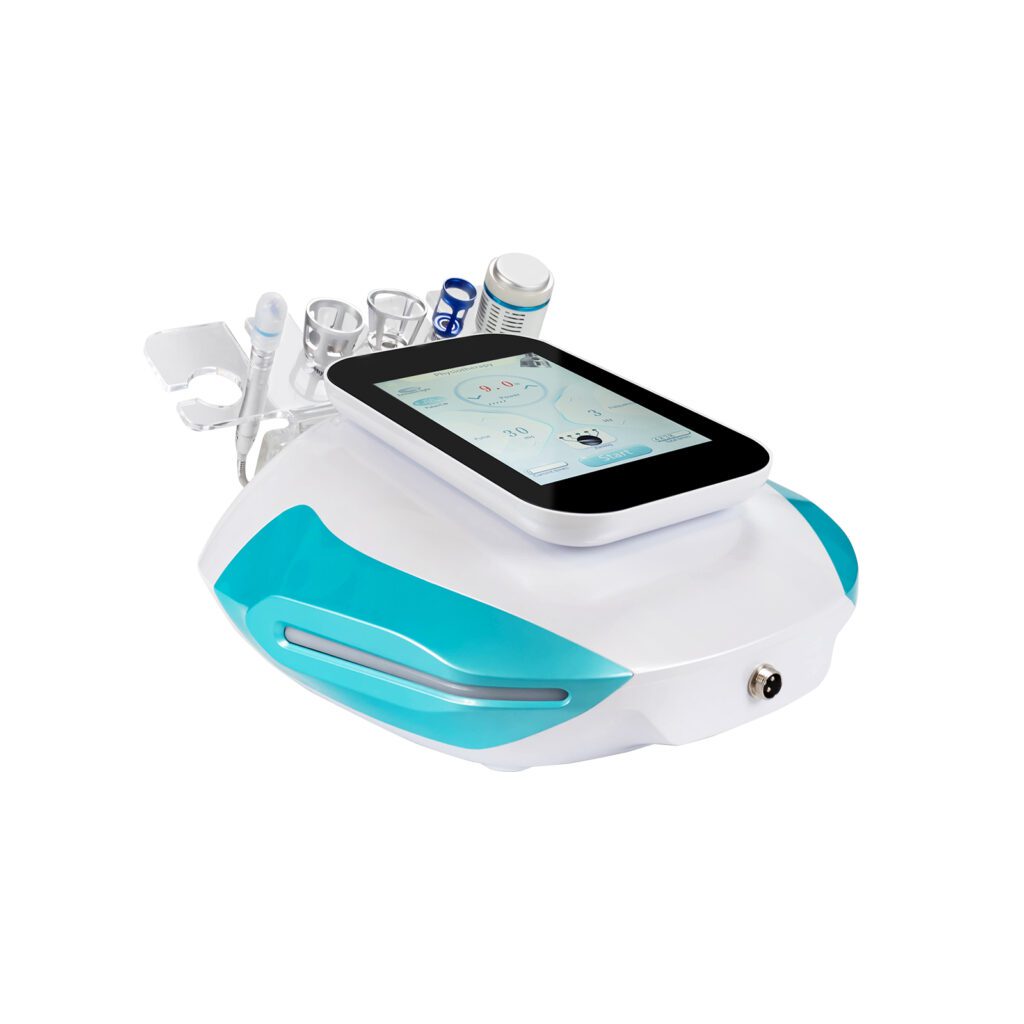
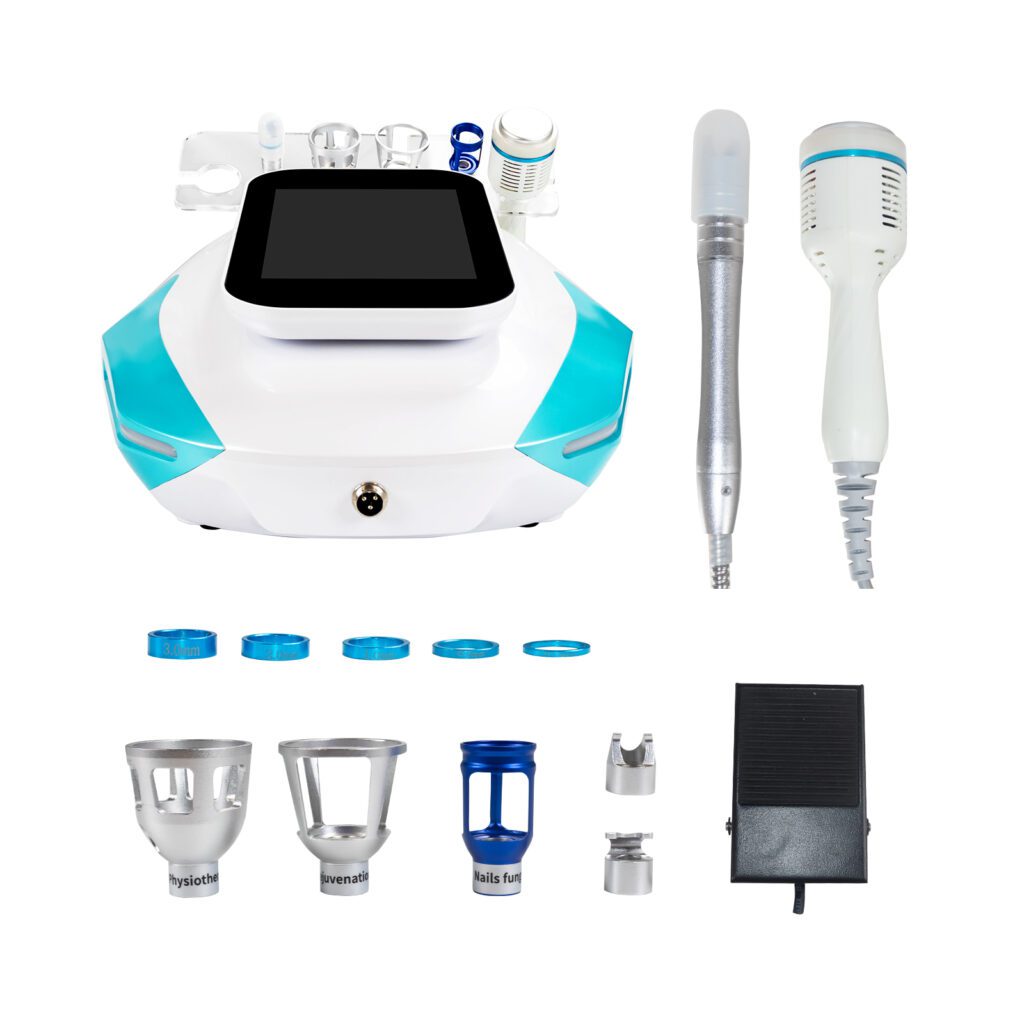
Hydra Facial and Skin-management Machines
Facial care equipment remains attractive because facial services can be repeated monthly.
High-end demand focuses on:
- stabile Saugkraft
- comfortable treatment flow
- zuverlässige Griffe
- clean bottle management
- einfache Wartung
- combination with LED, oxygen or RF
- membership and package design
This category fits salons that want frequent appointments and visible customer experience.
HIFU and RF Anti-aging Equipment
Anti-aging demand remains strong, but buyers are more careful about claims and training.
High-end demand focuses on:
- treatment precision
- cartridge or handle quality
- Parameterführung
- Kundenprüfung
- safer claim language
- Servicepaketplanung
- Bedienervertrauen
These machines are more suitable for salons or clinics that can support professional consultation.
RF Microneedling and Skin Texture Devices
RF microneedling and related technologies may attract advanced skin centers because they can support higher-value skin texture and anti-aging programs.
High-end demand focuses on:
- needle quality
- stable RF output
- Behandlungstiefenoptionen
- Hygiene-Workflow
- Ausbildung
- Nachsorgekommunikation
- lokale Einhaltung
These products require careful positioning and trained operation.
Body-contouring and Body-care Equipment
Cryolipolysis, EMS, RF cavitation, vacuum body shaping and roller body-care devices can still support salon growth.
High-end demand focuses on:
- Applikatordesign
- Behandlungskomfort
- Paketplanung
- realistische Aussagen zur Körperformung
- Kombinationsdienste
- maintenance and parts
- customer expectation management
The best buyers usually understand that body services need courses, consultation and lifestyle context.
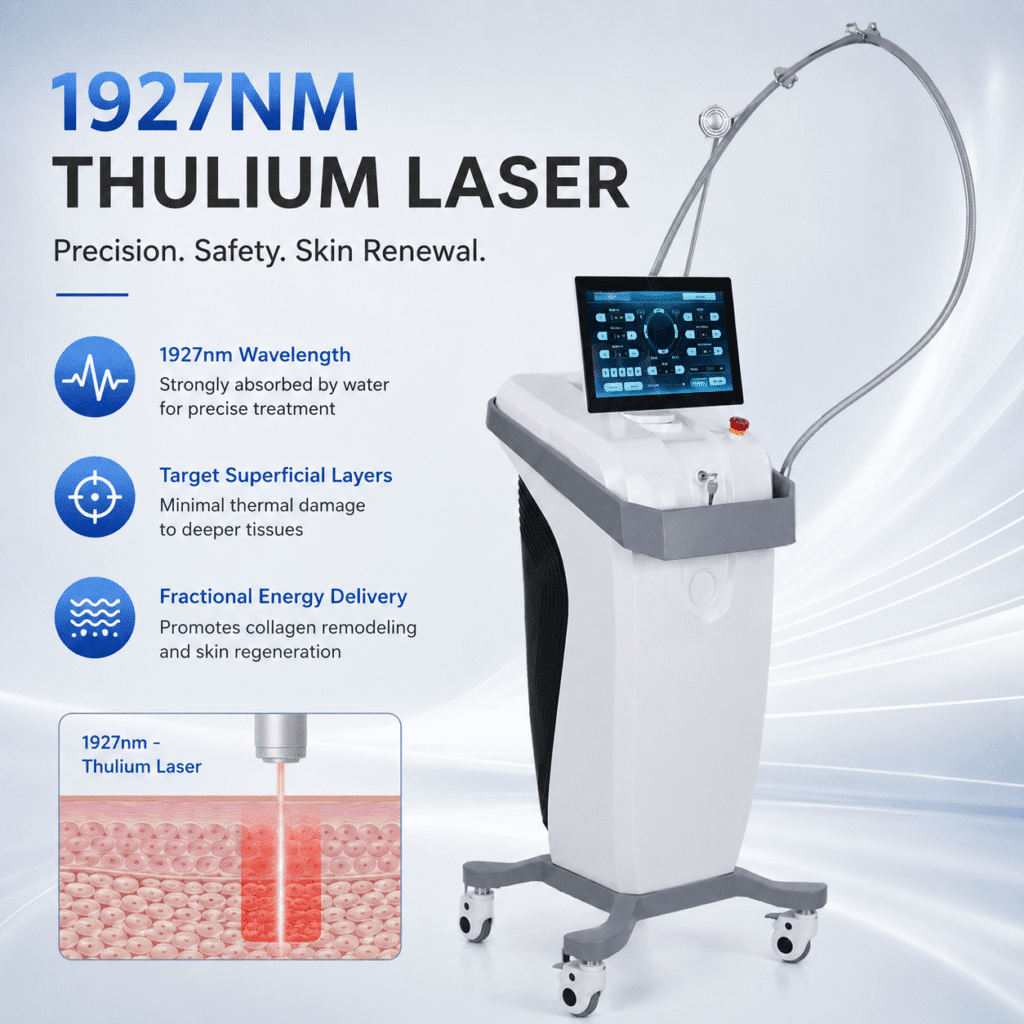
Professional Laser and Skin-repair Devices
CO2 fractional laser, picosecond laser and other professional systems can support higher-value services in suitable channels.
High-end demand focuses on:
- device stability
- Bedienerschulung
- treatment indication control
- Sicherheitsprotokolle
- Dokumentation
- Einhaltung
- After-Sales-Support
These devices are not ideal for every salon. They fit more professional buyers.
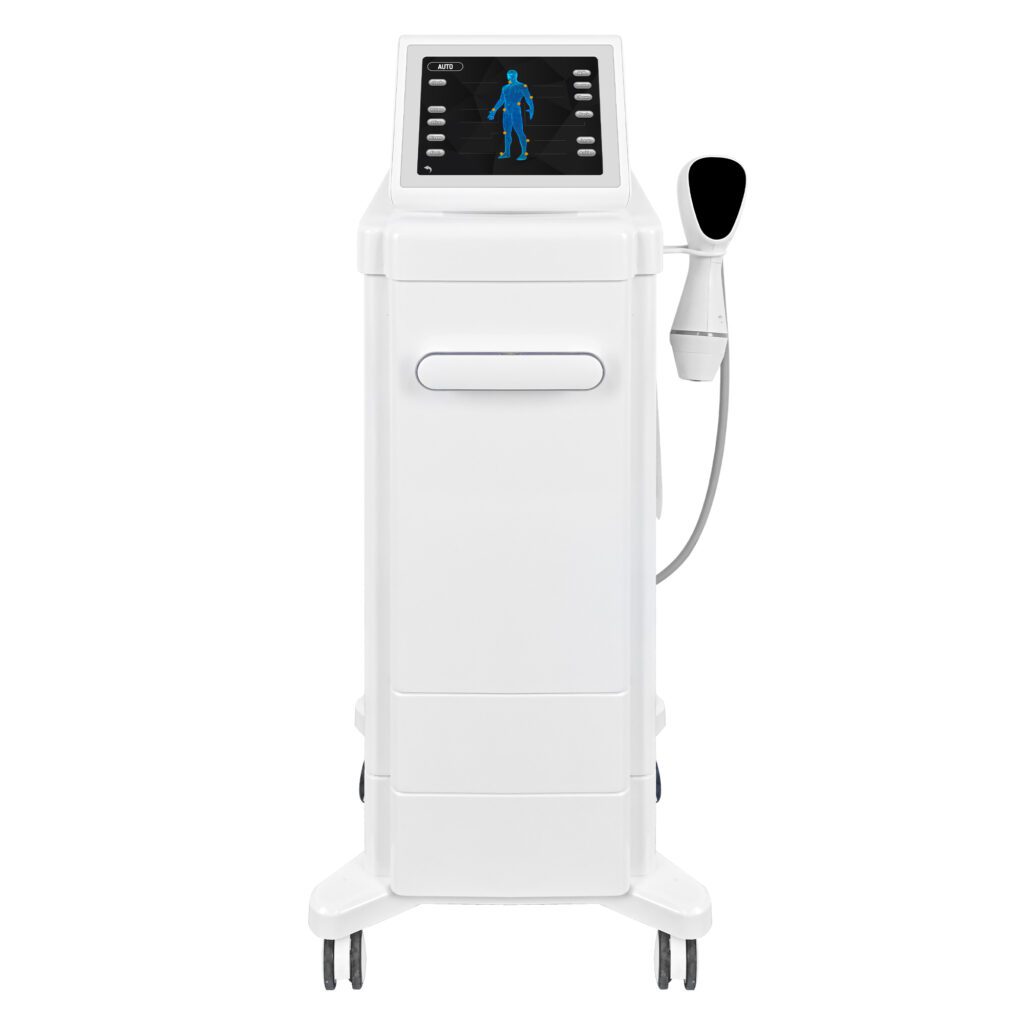
Recovery and Wellness Equipment
Shockwave, Tecar, PMST and related recovery equipment may attract salons, wellness centers, physiotherapy clinics and sports recovery channels depending on local rules.
High-end demand focuses on:
- channel fit
- Behandlungspositionierung
- Bedienerschulung
- sichere Anspruchssprache
- Servicepaket-Design
- device durability
- technische Unterstützung
This category can help some businesses expand beyond traditional beauty services.
What This Means for Distributors
The changing demand for high-end beauty equipment creates both opportunity and pressure.
Distributors can no longer rely only on product photos, low prices or long function lists.
They need to help salons answer business questions.
Before promoting a high-end machine, distributors should prepare:
- target buyer profile
- Vorschläge für das Servicemenü
- conservative ROI examples
- training plan
- Leitfaden zur Schadensmeldung
- Wartungsanleitung
- spare-parts information
- Garantiedetails
- comparison with lower-end options
- reason why this machine fits the salon’s positioning
The distributor’s role is becoming more consultative.
The best distributors will not simply ask, “Which machine do you want?”
They will ask:
What services do you want to build, what clients do you serve, and what support do you need to make the machine profitable?
What Salons Should Ask Before Buying High-End Equipment
Salon owners should evaluate high-end machines carefully.
Hilfreiche Fragen sind beispielsweise:
- Does this equipment match my current customer base?
- Kann ich diese Behandlung als Paket verkaufen?
- Do my staff have the skill level to operate it?
- What training will the supplier provide?
- What claims can I safely use in marketing?
- What are the contraindications and client screening needs?
- What parts may need replacement?
- Wie lange ist die Garantiezeit?
- How fast can technical support respond?
- What is the realistic payback plan?
- Will this equipment improve my brand positioning?
- Can I maintain the service after the first promotional period?
If a machine cannot answer these questions, it may not be the right high-end investment.
Abschluss
Beauty salon demand for high-end beauty equipment is not disappearing.
It is becoming more mature.
Salons still want advanced technology, better treatment experiences and premium service positioning. But they are now more focused on ROI, repeatable packages, staff training, after-sales support, compliance, client comfort and long-term machine usability.
For distributors, this is a clear signal.
High-end beauty equipment must be sold as a complete business solution, not only as a machine with a higher price.
The salons that buy high-end devices in the next few years will be looking for equipment that helps them build stable services, protect their reputation and stand out in a competitive market.
The winning suppliers and distributors will be those who understand that “high-end” now means professional, supportable and commercially useful.
Häufig gestellte Fragen
1. Are beauty salons still buying high-end beauty equipment?
Yes. Many salons still want high-end equipment, but they are more selective. They want machines that support profitable services, training, after-sales support and realistic treatment positioning.
2. What does high-end beauty equipment mean now?
High-end no longer means only expensive appearance or many handles. It increasingly means stable performance, better client experience, reliable support, safe operation and clear business value.
3. Why are salons more focused on ROI?
Equipment cost, competition and customer acquisition costs are higher in many markets. Salons want to know whether a machine can support real treatment packages and help recover the investment.
4. Which features matter most for high-end salon equipment?
Important features include comfort, stable energy, treatment speed, easy operation, durable handpieces, software support, training materials, spare parts and warranty service.
5. Do salons still want multifunction beauty machines?
Yes, but they prefer multifunction machines with useful and related functions. A long handle list is not enough if the functions do not support real services.
6. Why is training important for high-end devices?
Advanced devices often require client screening, parameter adjustment and careful treatment planning. Training helps salons operate confidently and reduce customer complaints.
7. How are compliance concerns changing salon demand?
More salons want safer marketing language and clearer guidance on local requirements. They are less comfortable with exaggerated claims such as guaranteed results or surgery replacement.
8. What after-sales support do salons expect?
Salons expect warranty support, spare parts, handpiece replacement options, troubleshooting, remote guidance, manuals, videos and clear repair processes.
9. Are smaller salons interested in high-end equipment?
Yes. Smaller salons may want professional devices, but they often prefer lower-risk models, clear training, easy maintenance and service packages that fit their customer base.
10. How should distributors sell high-end beauty equipment now?
Distributors should sell a full solution: machine, training, service menu, ROI examples, claim guidance, maintenance plan, spare parts and after-sales support.