Einführung
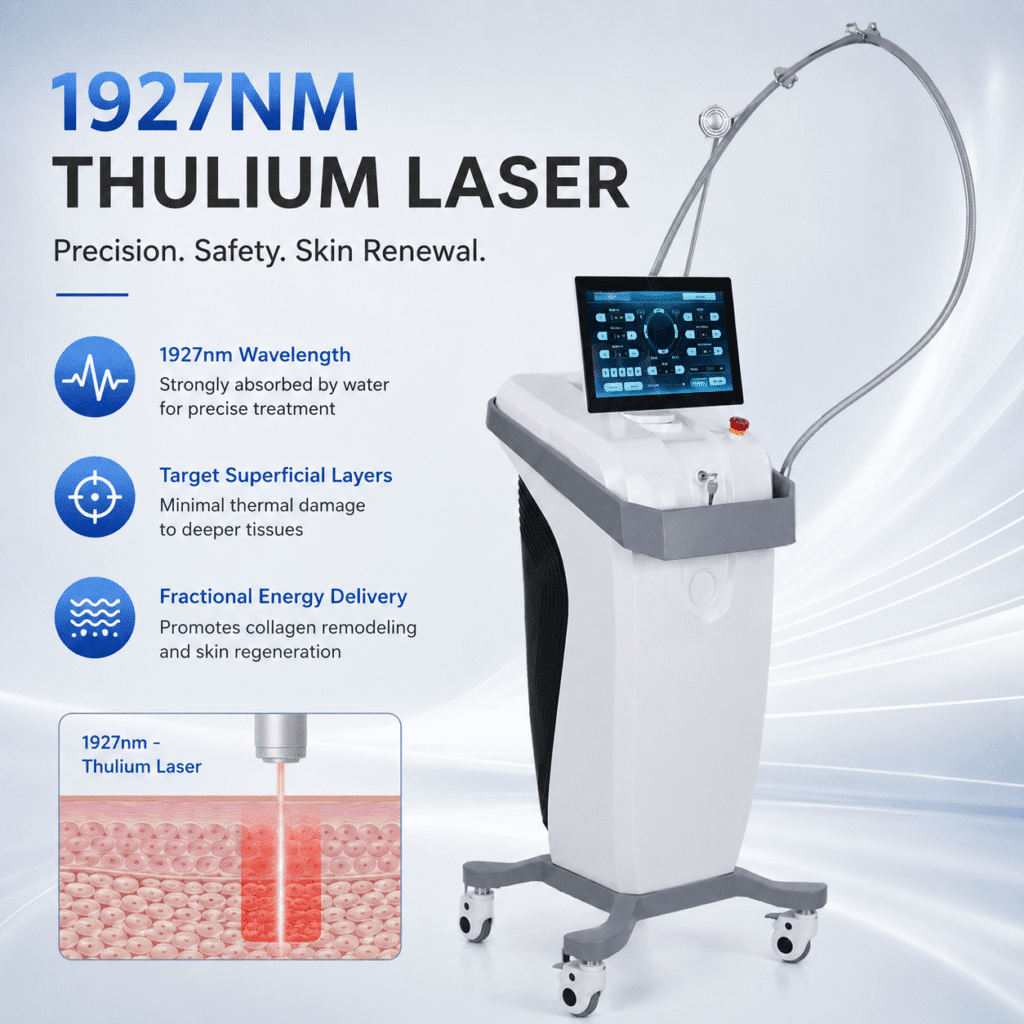
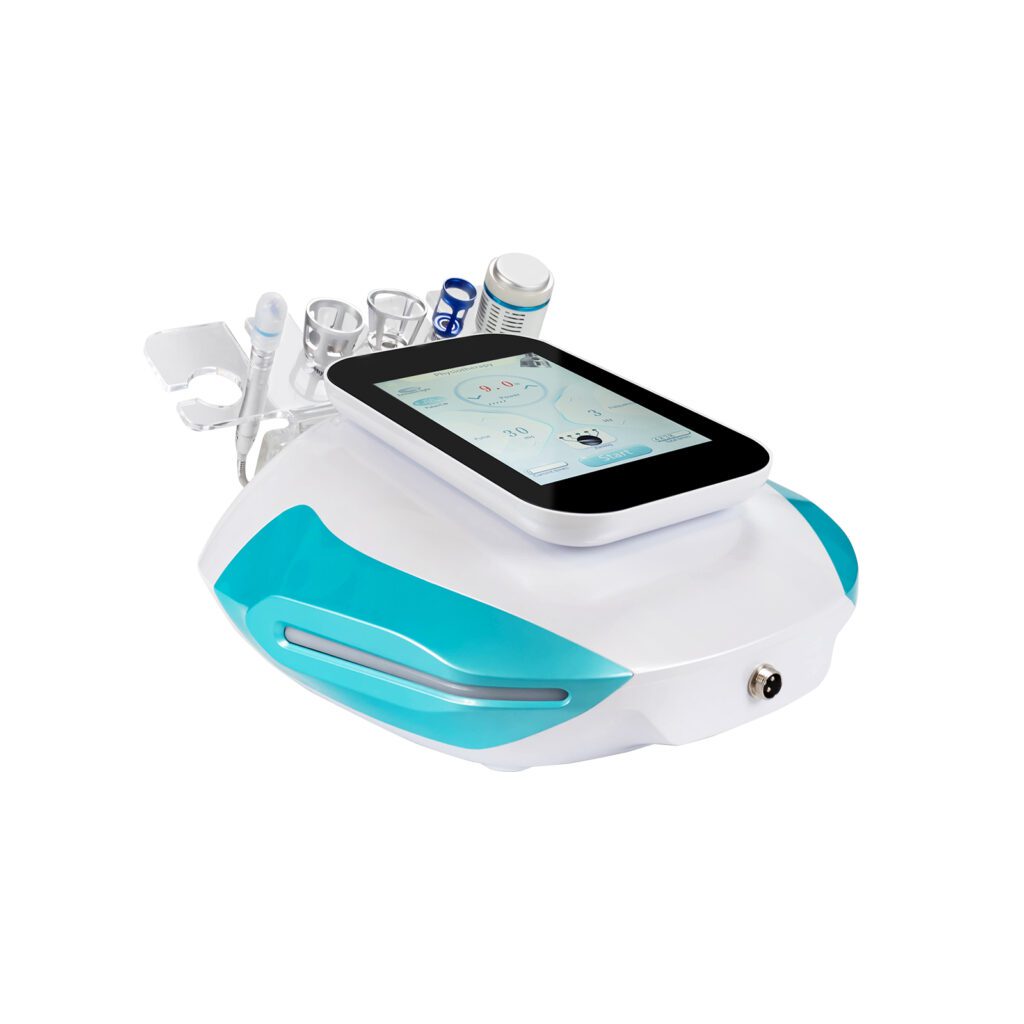
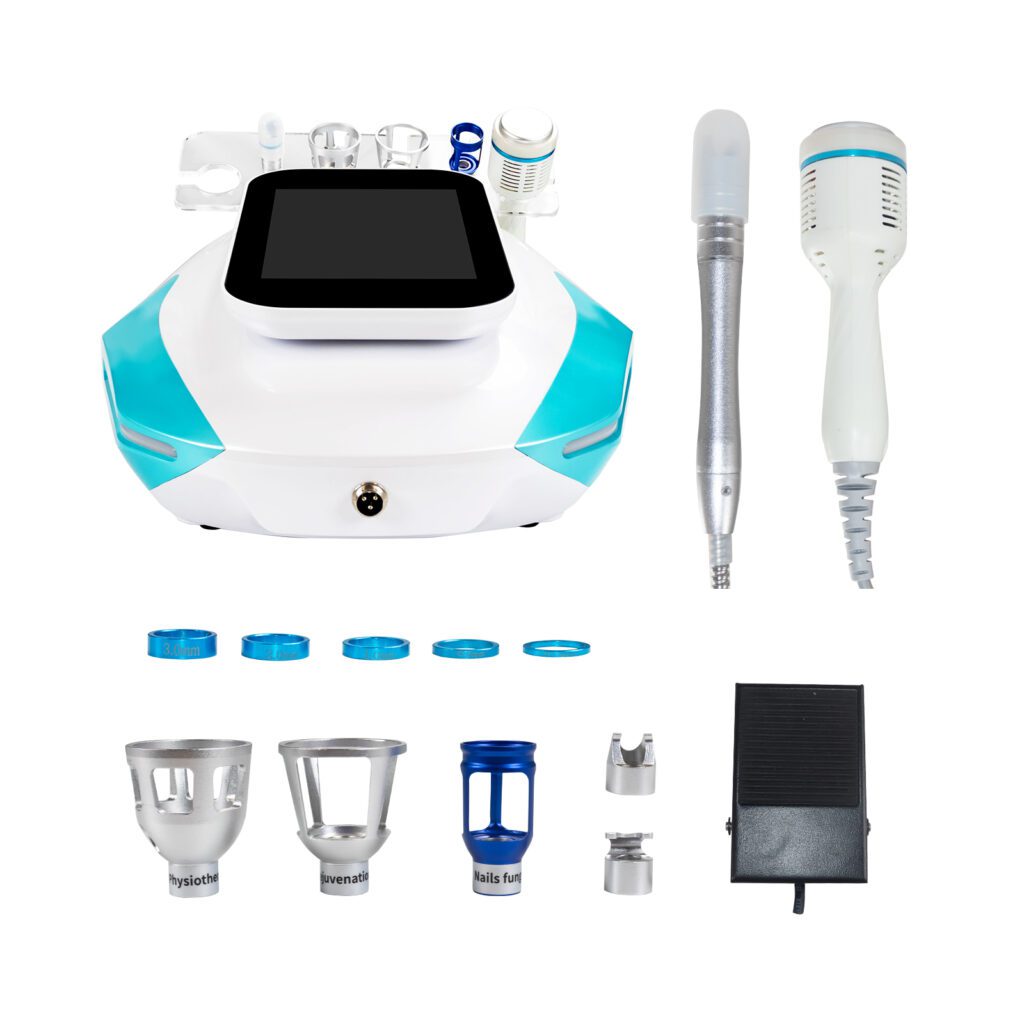
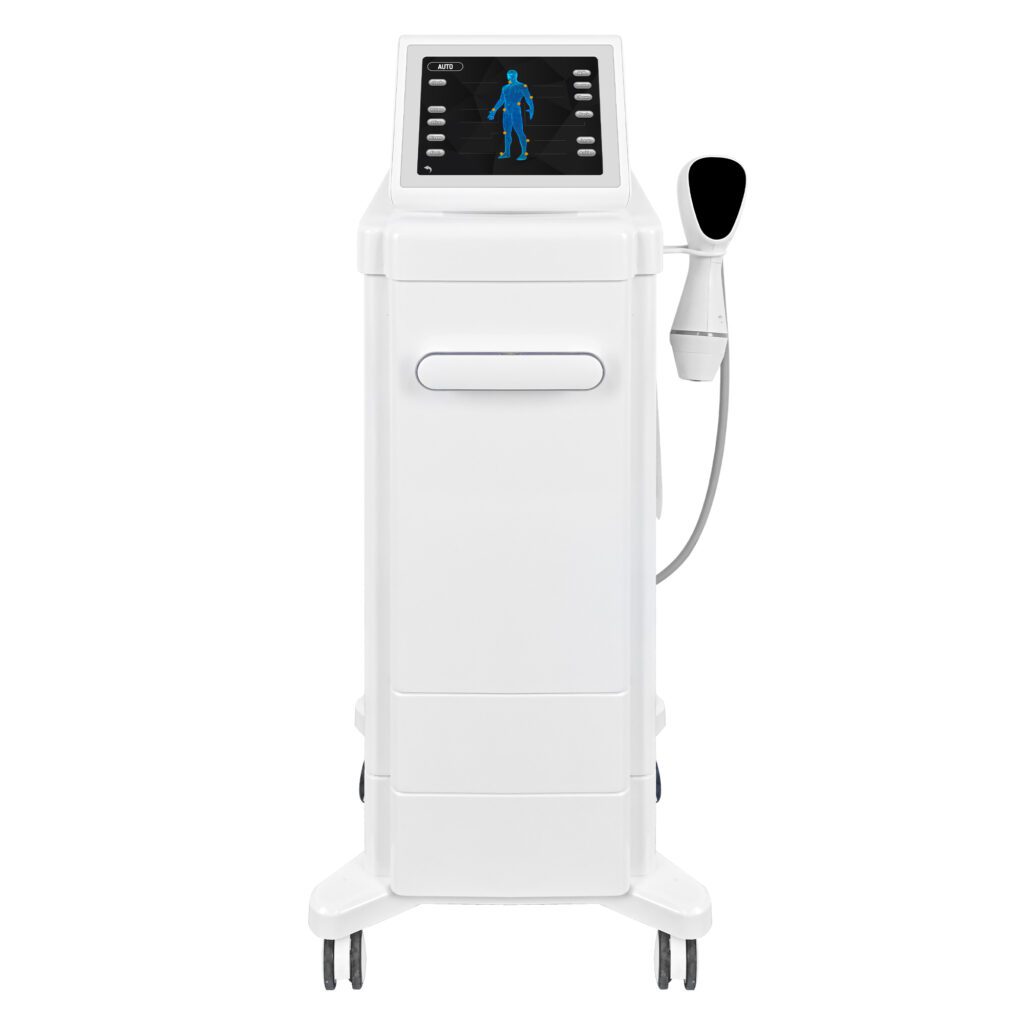
Die Preise für Kosmetikgeräte können stark variieren.
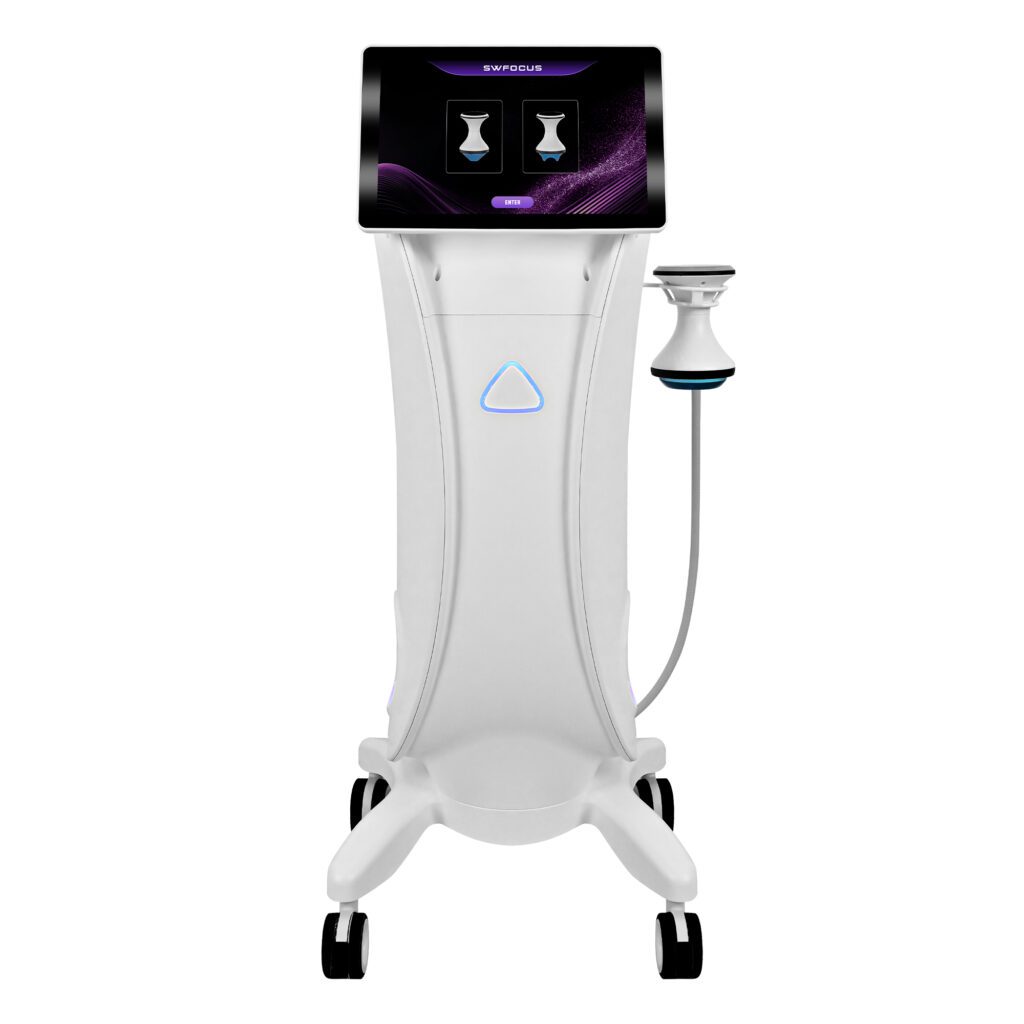
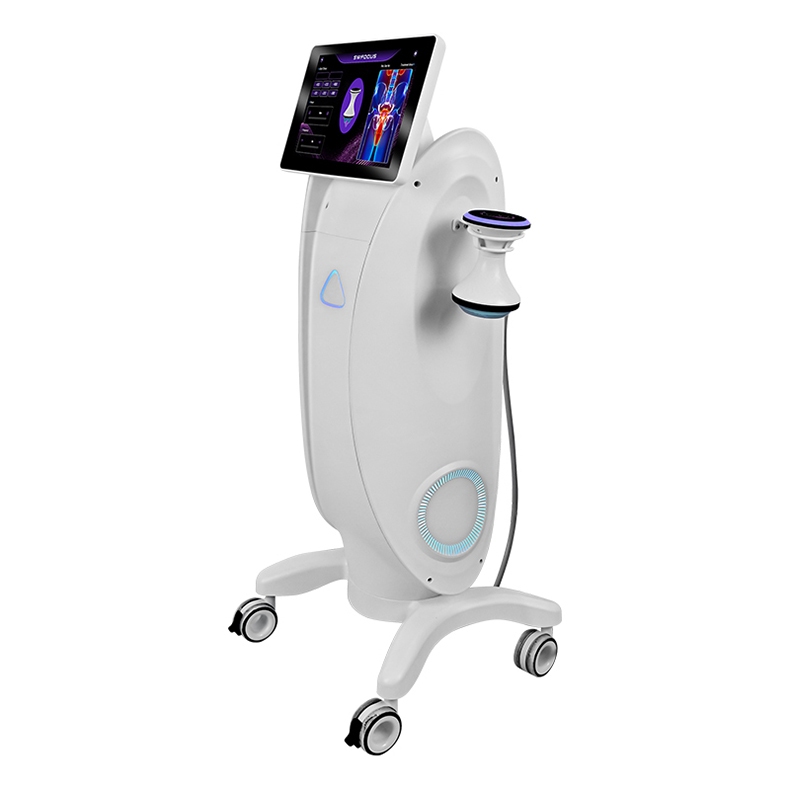
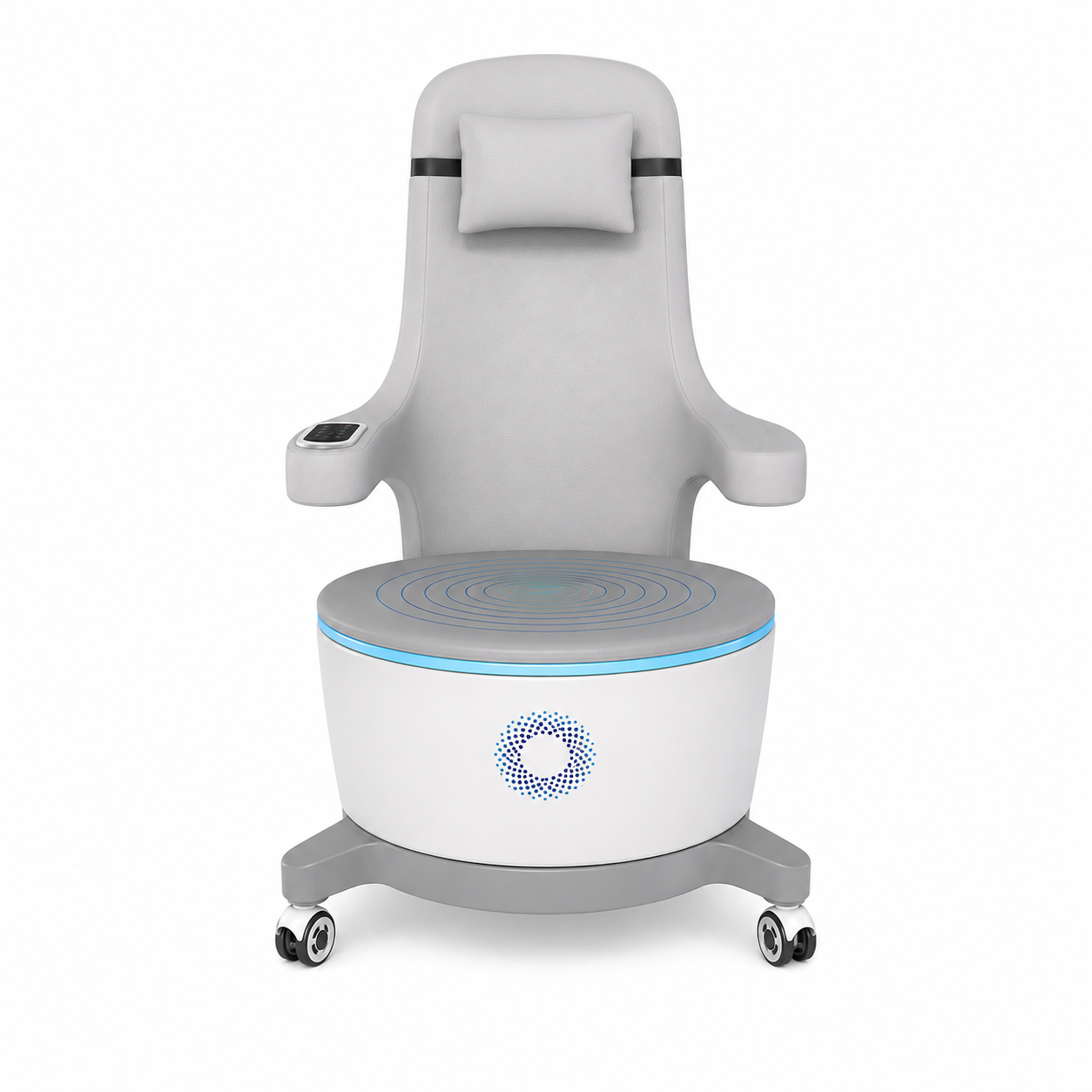
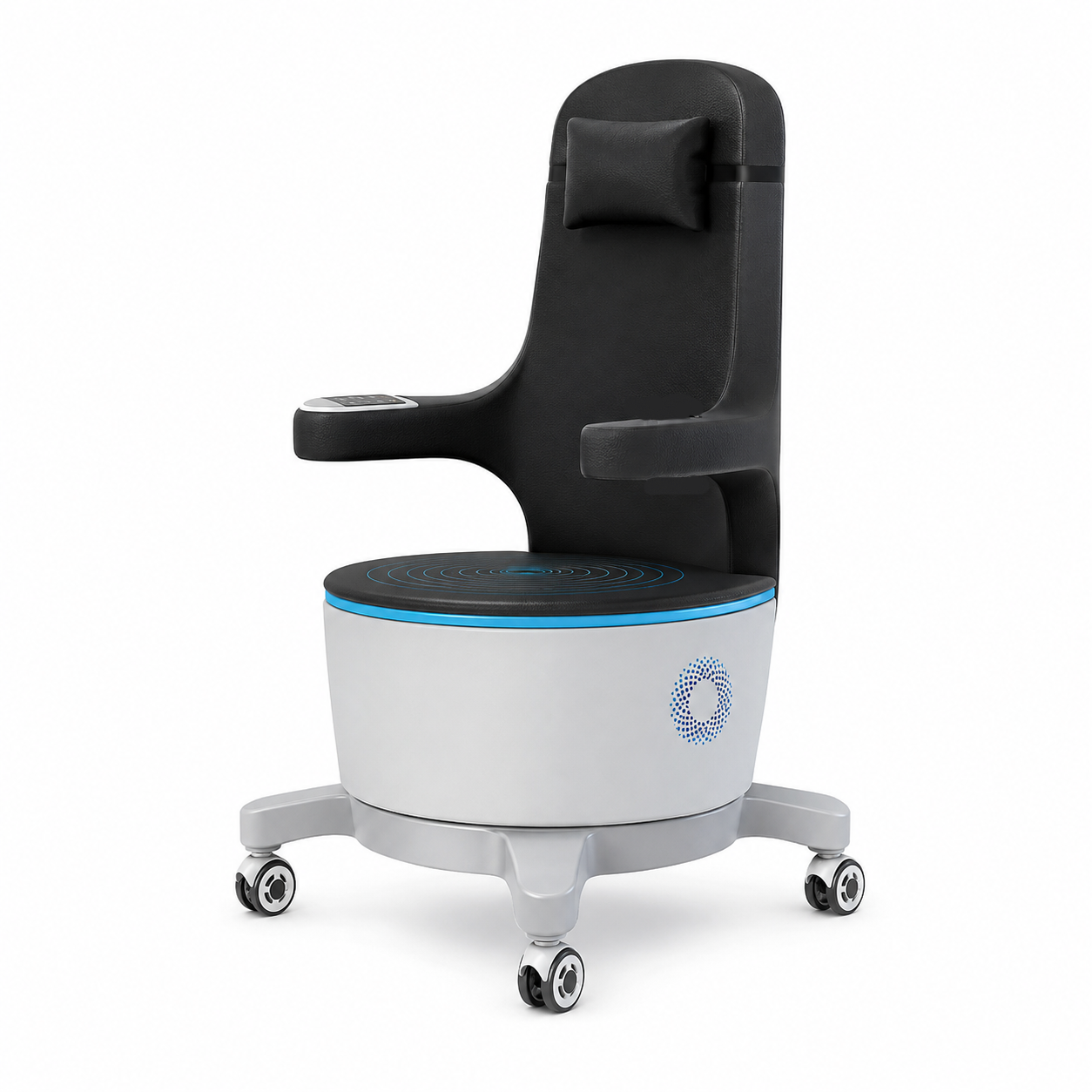
Zwei Maschinen mögen auf Fotos ähnlich aussehen, die gleiche Technologiebezeichnung verwenden, ähnliche Griffe haben und sogar ähnliche Leistungsstufen versprechen, aber der Preis kann sehr unterschiedlich sein.
Für Salonbesitzer und Vertriebshändler stellt sich daraus eine häufig gestellte Frage:
Warum ist ein Schönheitsgerät so teuer, während ein anderes, ähnlich aussehendes Gerät viel günstiger ist?
Die Antwort ist nicht immer einfach.
Manchmal resultiert der Preisunterschied aus tatsächlichen Unterschieden in Technologie, Komponenten, Energiestabilität, Sicherheitsdesign, Zertifikaten, Software, Fertigungsprozess, Tests, Garantie und Kundendienst.
Manchmal resultiert der Preisunterschied aus der Markenpositionierung, den Vertriebskanälen, den Marketingkosten, der Händlermarge oder der lokalen Servicestruktur.
Manchmal ist ein hoher Preis gerechtfertigt.
Manchmal geht es nur ums Branding.
Manchmal ist ein niedriger Preis eine gute Gelegenheit.
Manchmal verbergen sich dadurch Risiken in Bezug auf Qualität, Service oder Compliance.
Für Käufer von Kosmetikgeräten sollte das Ziel nicht darin bestehen, automatisch den höchsten oder niedrigsten Preis zu wählen. Vielmehr geht es darum zu verstehen, was im Preis enthalten ist und ob das Gerät langfristig den Anforderungen professioneller Salonbehandlungen gerecht wird.
Dieser Artikel erläutert die Hauptgründe für die großen Preisunterschiede bei Kosmetikgeräten und zeigt auf, wie Händler und Salonbesitzer Angebote professioneller bewerten können.
1. Unterschiedliche Technologien haben unterschiedliche Kostenstrukturen.
Der erste Grund für den Preisunterschied liegt in der Art der Technologie.
Schönheitsgeräte bilden keine einheitliche Produktkategorie. Sie umfassen viele Technologien, und jede Technologie hat eine unterschiedliche Kostenstruktur.
Beispiele hierfür sind:
- Hydra Facial-Geräte
- Diodenlaser-Haarentfernungssysteme
- IPL- und SHR-Geräte
- RF-Gesichts- und Körpergeräte
- RF-Mikroneedling-Systeme
- HIFU- und fokussierte Ultraschallgeräte
- Kryolipolyse-Körperkonturierungsgeräte
- EMS-Körperformungsgeräte
- CO2-Fraktionallaser
- Pikosekundenlaser
- gütegeschaltete Laser
- LED-Lichttherapiesysteme
- Stoßwellen- und physiotherapeutische Geräte
Ein einfaches Gesichtsbehandlungsgerät und eine professionelle Laserplattform können nicht allein anhand der Gerätegröße verglichen werden.
Professionelle, energiebasierte Geräte benötigen oft teurere Komponenten, eine bessere Kühlung, eine stärkere Stromversorgung, präzisere Steuerungssysteme und umfangreichere Sicherheitsprüfungen.
Beispielsweise hängt ein Diodenlaser-Haarentfernungssystem stark von den Laserstäben, dem Kühlsystem, der Langlebigkeit des Handstücks, der Stabilität der Energieabgabe und der Fähigkeit zum Dauerbetrieb ab. Ein CO₂-Laser oder Pikosekundenlaser erfordert optische Präzision, Leistungsstabilität und eine strengere technische Kontrolle. Ein Kryolipolysegerät ist auf Kühlmodule, das Applikatordesign, die Temperaturregelung und die Sicherheitsüberwachung angewiesen.
Je anspruchsvoller die Technologie, desto mehr Kosten können sich im Inneren der Maschine verbergen.
Deshalb können zwei Maschinen mit ähnlichem Gehäuse sehr unterschiedliche Preise haben.
Das Teuerste ist oft nicht das Gehäuse, sondern das Innenleben.
2. Kernkomponenten können große Preisunterschiede verursachen
Die Kernkomponenten sind einer der Hauptgründe für die Preisunterschiede bei Schönheitsmaschinen.
Viele Käufer konzentrieren sich auf das Produktfoto, aber die wahren Kosten liegen im Inneren:
- Laserstäbe
- Lampen
- Optik
- HF-Generatoren
- Ultraschallkartuschen
- Kühlmodule
- Kompressoren
- Pumps
- Steuerplatinen
- Netzteile
- Bildschirme
- Sensoren
- Ventile
- Applikatoren
- Handstückkabel
- Behandlungstipps
Die Qualität und Herkunft dieser Komponenten können den Preis erheblich beeinflussen.
Bei Laser-Haarentfernungsgeräten beispielsweise ist das Handstück eines der teuersten und wichtigsten Bauteile. Ein günstigeres Handstück kann eine kürzere Lebensdauer, eine schwächere Kühlung oder eine instabile Energieversorgung aufweisen. Bei Kryolipolyse-Geräten beeinflussen die Qualität des Applikators und die Kühlungskontrolle den Behandlungskomfort und die Sicherheit. Bei Hochfrequenzsystemen wirken sich die Generatorstabilität und die Temperaturregelung auf die Benutzerfreundlichkeit und das Vertrauen in die Bedienung aus.
Zwei Anbieter bezeichnen ihre Produkte möglicherweise als “808 nm Diodenlaser” oder “RF-Körperkonturierungsgerät”, aber die Komponenten entsprechen möglicherweise nicht dem gleichen Qualitätsniveau.
Deshalb sollten Vertriebshändler mehr als nur den Produktnamen erfragen.
Sie sollten fragen:
- Welche Kernkomponenten werden verwendet?
- Wie hoch ist die zu erwartende Lebensdauer des Handstücks?
- Ist das Kühlsystem für den Dauerbetrieb stabil?
- Sind Sensoren im Lieferumfang enthalten?
- Sind Ersatzteile erhältlich?
- Können wichtige Bauteile ausgetauscht werden?
- Was ist durch die Garantie abgedeckt?
- Welche Tests werden vor dem Versand durchgeführt?
Der Preis ist sinnvoller, wenn der Käufer die Komponentenebene versteht.
3. Energiestabilität und Ausgabegenauigkeit beeinflussen die Kosten
Viele Schönheitsgeräte werben mit ähnlichen technischen Parametern.
Die eigentliche Frage ist jedoch, ob das Gerät im tatsächlichen Einsatz eine stabile und kontrollierte Leistung erbringen kann.
Energiestabilität ist wichtig für:
- Diodenlaser
- IPL
- RF
- HIFU
- RF-Mikronadelung
- CO2-Laser
- Pikosekundenlaser
- EMS
- Stoßwelle
- Temperaturregelung bei der Kryolipolyse
Eine kostengünstige Maschine mag auf dem Datenblatt beeindruckende Zahlen aufweisen, aber während der Behandlung unbeständige Leistungen erbringen.
Zu den Problemen können gehören:
- Energieabfall im Dauerbetrieb
- instabile Erwärmung
- ungleichmäßige Kühlung
- ungenaue Temperaturrückmeldung
- ungleichmäßige Saugkraft
- schwache Impulse
- unangenehme Handstückleistung
- plötzliche Fehlercodes
- kurze Bauteillebensdauer
Für eine stabile Leistung sind besseres Design, bessere Tests und bessere Komponenten erforderlich.
Das erhöht die Kosten.
Für Salons können sich diese Kosten lohnen, da instabile Geräte zu Beschwerden, Uneinheitlichkeit der Behandlungen, Ängsten beim Personal und Druck im After-Sales-Bereich führen können.
Für Vertriebshändler ist Energiestabilität wichtig, da eine defekte Maschine das Vertrauen der Kunden schädigen kann.
Der Preisunterschied zwischen zwei ähnlichen Maschinen kann unter anderem darauf zurückzuführen sein, ob der Lieferant in eine stabile Leistung investiert oder nur eine Maschine gebaut hat, die auf Fotos gut aussieht.
4. Kühlsysteme erklären oft Preisunterschiede
Die Kühlung ist ein wichtiger Kostenfaktor bei vielen professionellen Kosmetikgeräten.
Dies ist insbesondere wichtig für:
- Diodenlaser-Haarentfernung
- IPL und SHR
- Kryolipolyse
- HF-Systeme
- Körperformungsmaschinen
- Hochleistungs-Profigeräte
Eine gute Kühlung kann den Behandlungskomfort verbessern, interne Bauteile schützen und einen längeren Dauerbetrieb ermöglichen.
Das Kühlkonzept kann Folgendes umfassen:
- Wasserkühlung
- Luftkühlung
- Halbleiterkühlung
- Kompressorkühlung
- Kontaktkühlung
- Kühlerdesign
- Temperatursensoren
- Durchflussüberwachung
- Kühlplatten
- interne Wärmeableitungsstruktur
Ein kostengünstiges Gerät kann die Kosten senken, indem schwächere Kühlkomponenten verwendet werden.
Dies mag bei einer kurzen Vorführung nicht offensichtlich sein, kann aber bei der täglichen Anwendung im Salon zu einem Problem werden.
Ein Diodenlaser kann sich beispielsweise bei einem kurzen Test angenehm anfühlen, aber bei mehreren Behandlungen heiß werden. Ein Kryolipolysegerät kann Schwierigkeiten haben, eine stabile Kühlung aufrechtzuerhalten. Ein Körperbehandlungsgerät kann überhitzen oder häufige Pausen erfordern.
Professionelle Käufer sollten fragen:
- Wie lange kann die Maschine ununterbrochen laufen?
- Welches Kühlsystem wird verwendet?
- Bleibt der Komfort des Handstücks auch bei wiederholten Behandlungen erhalten?
- Gibt es Temperatursensoren oder Alarme?
- Welche Wartungsarbeiten sind am Kühlsystem erforderlich?
- Sind Filter oder Wassersysteme beteiligt?
Die Kühlleistung ist nicht immer sichtbar, beeinflusst aber maßgeblich den Preis und das Benutzererlebnis.
5. Fertigungsqualität und Qualitätskontrolle verursachen zusätzliche Kosten.
Die Fertigungsqualität ist ein weiterer wichtiger Grund für die Preisunterschiede.
Eine Schönheitsmaschine ist nicht nur eine Ansammlung von Einzelteilen. Sie muss fachgerecht montiert, getestet, geprüft, verpackt und versendet werden.
Bessere Lieferanten investieren möglicherweise in:
- Wareneingangsprüfung
- Montagenormen
- elektrische Sicherheitsprüfung
- Ausgabeprüfung
- Alterungstests
- Überprüfung des Wasser- oder Kühlsystems
- Handle-Tests
- Bildschirm- und Softwareprüfungen
- Verpackungsschutz
- Seriennummernverfolgung
- Produktionsaufzeichnungen
- Endkontrolle vor dem Versand
Diese Schritte erhöhen die Kosten.
Aber sie reduzieren auch das Risiko.
Billige Geräte verzichten möglicherweise auf Tests oder vereinfachen diese. Sie funktionieren unter Umständen beim ersten Einschalten, fallen aber nach dem Transport, nach mehreren Behandlungen oder nach kontinuierlichem Betrieb aus.
Für Händler ist die Qualitätskontrolle besonders wichtig, da sie möglicherweise mehrere Einheiten bestellen und diese lokal weiterverkaufen.
Eine defekte Maschine mag noch zu bewältigen sein. Mehrere instabile Maschinen können jedoch einen erheblichen Aufwand für den Kundendienst verursachen.
Beim Preisvergleich sollten Händler folgende Fragen stellen:
- Verfügt der Lieferant über Inspektionsberichte?
- Wird jedes Gerät vor dem Versand getestet?
- Gibt es einen Alterungstest?
- Kann der Lieferant Testvideos senden?
- Werden Seriennummern erfasst?
- Wie werden Fehler behandelt?
Die Kosten für Qualitätskontrollen mögen zum Zeitpunkt des Kaufs unsichtbar erscheinen, doch die Kosten fehlender Qualitätskontrollen zeigen sich später.
6. Zertifizierungs- und Compliance-Kosten beeinflussen den Preis
Die Einhaltung der Vorschriften kann einen erheblichen Preisunterschied bewirken.
Je nach Produkt und Markt müssen bei der Auswahl von Kosmetikgeräten folgende Aspekte berücksichtigt werden:
- elektrische Sicherheit
- EMV-Prüfung
- CE-Kennzeichnung
- FDA-Registrierung oder -Zulassung, sofern zutreffend
- Klassifizierung von Medizinprodukten
- Erwartungen an das ISO-Qualitätssystem
- RoHS
- Kennzeichnungsvorschriften
- Benutzerhandbücher
- Risikomanagement-Dokumente
- Softwaredokumentation
- Nachmarktverpflichtungen
- Importdokumentation
Nicht alle Schönheitsgeräte werden in jedem Land gleich reguliert.
Ein einfaches Salongerät kann andere Anforderungen stellen als ein professionelles Laser- oder RF-Mikroneedling-System. Ein als Kosmetikgerät verkauftes Produkt unterliegt möglicherweise anderen Bestimmungen als ein Produkt, das mit medizinischen Aussagen beworben wird.
Die Einhaltung von Vorschriften kostet Geld.
Dies kann Folgendes beinhalten:
- Labortests
- Dokumentationserstellung
- technische Akten
- Qualitätssystemarbeit
- Beraterunterstützung
- Anmeldegebühren
- Vorbereitung auf die Prüfung
- Überwachung nach dem Inverkehrbringen
- Überprüfung der Kennzeichnung
Dies kann zu einem Preisanstieg des Produkts führen.
Zertifikate und Konformitätsaussagen sollten jedoch überprüft werden. Einige Anbieter verwenden unklare oder ungültige Zertifikate als Verkaufsargument.
Käufer sollten Folgendes prüfen:
- Welches Zertifikat gilt für welches genaue Modell?
- Wurde das Zertifikat von einer glaubwürdigen Stelle ausgestellt?
- Passt das Zertifikat zur Zielgruppe?
- Ist es für die Maschine oder nur für ein Bauteil?
- Stimmt der Verwendungszweck mit den Werbeaussagen überein?
- Stellt der Lieferant Benutzerhandbücher und Etiketten zur Verfügung?
Die Einhaltung von Vorschriften ist ein Grund dafür, dass professionelle Ausrüstung teurer sein kann, aber Käufer sollten nicht extra für bedeutungslose Dokumente bezahlen.
7. Markenpositionierung kann den Preis erhöhen
Der Markenwert beeinflusst auch den Preis.
Manche Marken verlangen höhere Preise, weil sie Folgendes bieten:
- starke Marktakzeptanz
- lange Technologiegeschichte
- Premium-Kundenvertrauen
- klinischer oder beruflicher Ruf
- lokale Vertriebsnetze
- Ausbildungssysteme
- Marketingunterstützung
- offizielle Garantiestruktur
- Kundenfinanzierungsoptionen
- Ausstellungsraum-Erlebnis
Für exklusive Salons und medizinische Spas kann der Markenwert von Nutzen sein.
Wenn Kunden eine bestimmte Gerätemarke wiedererkennen, kann der Salon diese Marke nutzen, um höhere Preise zu rechtfertigen. In diesem Fall ist das Gerät nicht nur ein technisches Hilfsmittel, sondern auch Teil des Marketings des Salons.
Eine bekannte Marke bedeutet jedoch nicht automatisch den besten ROI für jeden Salon.
Premiummarken können Folgendes aufweisen:
- höherer Kaufpreis
- teure Verbrauchsmaterialien
- strenger Serviceprozess
- höhere Reparaturkosten
- eingeschränkte Flexibilität des Vertriebspartners
- Längere Wartezeiten für Ersatzteile in einigen Märkten
Für manche Käufer ist der Markenaufschlag es wert.
Für andere wiederum bietet ein professioneller Direktvertrieb ab Werk oder eine einheimische Marke möglicherweise ein besseres Preis-Leistungs-Verhältnis.
Entscheidend ist, ob die Markenprämie dem Salon hilft, mehr zu verdienen, Vertrauen aufzubauen oder Risiken zu reduzieren.
8. Der Kundendienst ist oft im Preis inbegriffen.
Der Kundendienst ist einer der wichtigsten versteckten Preisfaktoren.
Zwei Maschinen können den gleichen Kaufpreis haben, aber sehr unterschiedliche reale Kosten, wenn ein Lieferant starken Support bietet und der andere nach der Lieferung verschwindet.
Der Kundendienst kann Folgendes umfassen:
- Installationsanleitung
- Online-Schulung
- Operationsvideos
- Benutzerhandbücher
- Fehlerbehebung
- Technischer Support per Fernzugriff
- Ersatzteilversorgung
- Handstückwechsel
- Garantieservice
- Softwareunterstützung
- Versandunterstützung
- lokaler Technikerservice
- Leitfaden zum Behandlungsmenü
- Wartungsanleitung
Starke Unterstützung kostet Geld.
Der Lieferant muss Ersatzteile vorhalten, Mitarbeiter schulen, Nachrichten beantworten, Videos erstellen, Vertriebspartner unterstützen und Garantieansprüche bearbeiten.
Dies kann zwar den Produktpreis erhöhen, aber Ausfallzeiten und Kundenbeschwerden reduzieren.
Für Salons ist der Kundendienst besonders wichtig, wenn die Maschine zum täglichen Umsatz beiträgt.
Wenn ein Hydra-Facial-Gerät, ein Diodenlaser oder eine Plattform zur Körperkonturierung ausfällt, muss der Salon möglicherweise Termine stornieren oder Pakete erstatten.
Für Händler kann der Kundendienst darüber entscheiden, ob Kunden erneut bestellen.
Eine billigere Maschine ohne Support kann sich auf lange Sicht als teurer erweisen.
9. Garantiedauer und Garantieumfang verändern den tatsächlichen Preis
Käufer vergleichen oft die Garantiedauer, sollten aber auch den Garantieumfang vergleichen.
Ein Lieferant bietet möglicherweise eine einjährige Garantie, die viele Kernteile abdeckt. Ein anderer bietet möglicherweise eine längere Garantie, schließt aber Handstücke, Verbrauchsmaterialien oder wichtige Komponenten aus.
Unterschiede in der Garantie können Folgendes umfassen:
- Hauptmaschinengarantie
- Garantie für Handstücke
- Garantie für Laserbarren
- Bildschirmgarantie
- Garantie für Netzteil
- Garantie für Pumpe oder Kompressor
- Anwendergarantie
- Softwareunterstützung
- Verantwortung für die Versandkosten
- Arbeitskosten
- Lieferzeit des Ersatzteils
- Ferndiagnoseverfahren
Die Garantie wirkt sich auf die Preisgestaltung aus, da der Lieferant sich auf zukünftige Servicekosten vorbereiten muss.
Ein sehr niedriger Preis kann bedeuten, dass die Garantie eingeschränkt oder schwer durchzusetzen ist.
Käufer sollten fragen:
- Was genau ist abgedeckt?
- Was ist ausgeschlossen?
- Wer übernimmt die Versandkosten für Ersatzteile?
- Wie lange dauert der Austausch in der Regel?
- Sind die Handstücke abgedeckt?
- Ist Missbrauch ausgeschlossen?
- Ist Fernsupport verfügbar?
- Was passiert nach Ablauf der Garantiezeit?
Der Preis sollte zusammen mit den Garantiebedingungen beurteilt werden.
10. Handstücke, Applikatoren und Verbrauchsmaterialien beeinflussen die Gesamtkosten
Manche Kosmetikgeräte sind anfangs günstig, werden aber später aufgrund von Verbrauchsmaterialien oder Ersatzteilen teuer.
Wichtige Kostenfaktoren können sein:
- Laserhandstücke
- IPL-Lampen
- HIFU-Kartuschen
- RF-Mikroneedling-Spitzen
- Kryolipolyse-Applikatoren
- Filter
- Behandlungstipps
- Elektroden
- Sonden
- Gel
- Lösungsflaschen
- Röhren
- Vakuumsauger
- Schutzbrille
- Softwareaktivierung
Für Friseursalons ist der Gesamtpreis wichtiger als der reine Gerätepreis.
Ein Gerät mit niedrigem Anschaffungspreis, aber hohen Verbrauchskosten ist möglicherweise nicht rentabel für einen Niedrigpreis-Markt.
Ein Gerät mit teuren, herstellerspezifischen Bauteilen kann zu einer Abhängigkeit von Zulieferern führen.
Vor dem Kauf sollten Salons und Händler Folgendes berechnen:
- Kaufpreis
- Verbrauchskosten pro Behandlung
- erwarteter Austauschzyklus
- Versandkosten für Teile
- Preis für lokale Behandlung
- Paketeinnahmen
- Wartungskosten
- Ausfallrisiko
Deshalb können zwei Maschinen mit ähnlichen Funktionen einen unterschiedlichen Langzeitwert haben.
Die günstigere Maschine ist möglicherweise nur am ersten Tag günstiger.
11. Software und Benutzeroberfläche können den Preis beeinflussen
Software gewinnt bei Kosmetikgeräten zunehmend an Bedeutung.
Einige Geräte beinhalten nun Folgendes:
- voreingestellte Protokolle
- Behandlungsdokumentation
- Benutzerkonten
- mehrsprachige Schnittstellen
- Fehlerdiagnose
- Wartungserinnerungen
- Temperaturüberwachung
- Energiekontrolle
- Optionen für Remote-Updates
- Schulungsvideos
- KI-gestützte Beratungstools in einigen Systemen
Softwareentwicklung und -tests verursachen zusätzliche Kosten.
Eine einfache Maschine mit grundlegenden Bedienelementen mag günstiger sein. Eine fortschrittlichere Maschine mit einer benutzerfreundlichen Oberfläche, sichererer Parametersteuerung und Diagnosefunktionen kann teurer sein.
Die Frage ist, ob die Software einen echten Mehrwert schafft.
Nützliche Software kann:
- Bedienungsfehler reduzieren
- vereinfachtes Training
- Behandlungskonsistenz verbessern
- Unterstützung der Wartung
- Hilfe bei der Fehlerbehebung
- das Gerät professioneller gestalten
Dekorative Software, die zwar beeindruckend aussieht, aber die Funktionalität nicht verbessert, rechtfertigt möglicherweise keinen höheren Preis.
Käufer sollten prüfen, ob die Software den tatsächlichen Arbeitsablauf in einem Salon unterstützt.
12. Produktionsumfang und Lieferantentyp beeinflussen den Preis
Die Art des Lieferanten beeinflusst auch die Preisgestaltung.
Zu den verschiedenen Lieferantentypen gehören:
- Originalhersteller
- Handelsunternehmen
- OEM/ODM-Fabrik
- lokaler Vertriebspartner
- Premiummarke
- Eigenmarkenmarke
- regionales Dienstleistungsunternehmen
- Online-Wiederverkäufer
Jede Ebene kann einen zusätzlichen Rand hinzufügen.
Ein Direktvertriebspreis ab Werk kann niedriger sein, da weniger Zwischenhändler beteiligt sind. Der Preis eines lokalen Vertriebspartners kann höher sein, da er Lagerhaltungskosten, Schulungen, Garantie und Kundendienst vor Ort umfasst. Der Preis einer Premiummarke kann Markeninvestitionen, Marketing, regulatorische Angelegenheiten und Vertriebsnetzkosten beinhalten.
Das bedeutet nicht, dass der Direktvertrieb ab Werk immer besser ist oder dass die Preise der Vertriebspartner immer zu hoch sind.
Der Direktkauf ab Werk kann zwar den Preis senken, erfordert aber vom Käufer die Abwicklung von Import, Service und technischem Support. Der Kauf über lokale Distributoren ist zwar möglicherweise teurer, bietet aber einen schnelleren Service und ein geringeres Risiko.
Für professionelle Einkäufer stellt sich die wichtige Frage:
Welchen Mehrwert bietet jede Kanalebene?
Wenn ein Händler Schulungen, lokale Ersatzteile und schnellen Service bietet, kann der höhere Preis gerechtfertigt sein.
Wenn ein Wiederverkäufer lediglich eine Gewinnspanne ohne Support hinzufügt, ist der höhere Preis möglicherweise nicht gerechtfertigt.
13. Bestellmenge und individuelle Anpassungen ändern den Preis
Der Preis für Kosmetikgeräte hängt auch von der Bestellmenge und den individuellen Anpassungen ab.
Der Preis für ein einzelnes Stück unterscheidet sich vom Preis für eine Großbestellung.
Der Preis kann sich aus folgenden Gründen ändern:
- Mindestbestellmenge
- OEM-Logo
- Eigenmarkenverpackung
- Sprachanpassung
- Spannungs- und Steckeränderungen
- Softwaresprache
- Zubehörauswahl
- Menge
- Verpackungsdesign
- Zertifikatsanforderungen
- Versandart
- Ersatzteilpaket
Für Vertriebspartner kann ein höheres erstes Angebot mehr Zubehör oder individuelle Anpassungen beinhalten.
Ein niedrigeres Angebot gilt möglicherweise nur für eine Basiskonfiguration.
Beim Vergleich von Angeboten sollten Sie immer Folgendes bestätigen:
- exaktes Modell
- Menge
- mitgeliefertes Zubehör
- Verbrauchsmaterial
- Verpackung
- Garantie
- Softwaresprache
- Ersatzteile
- Versandbedingungen
- Zertifikate
- Schulungsunterstützung
Viele Preismissverständnisse entstehen dadurch, dass Käufer unterschiedliche Konfigurationen vergleichen, als wären sie das gleiche Produkt.
14. Versandkosten, Steuern und Einfuhrkosten können zu Unterschieden im Endpreis führen.
Der Fabrikpreis entspricht nicht dem endgültigen Preis inklusive aller Nebenkosten.
Käufer von Kosmetikgeräten zahlen möglicherweise auch:
- internationaler Versand
- Versicherung
- Zoll
- Mehrwertsteuer oder Umsatzsteuer
- Zollabfertigung
- lokale Lieferung
- Lagerung
- Inspektionsgebühren
- Zertifizierungs- oder Registrierungskosten
- Währungsumtauschkosten
- Finanzierungskosten
Eine Maschine mag im Werk billig aussehen, aber nach dem Import teurer werden.
Bei großen oder schweren Geräten wie Kryolipolyse-Maschinen, Körperformungssystemen und Laserplattformen können erhebliche Versandkosten anfallen.
Distributoren sollten die Gesamtkosten berechnen, bevor sie entscheiden, ob ein Produkt tatsächlich rentabel ist.
Salonbesitzer, die bei lokalen Händlern einkaufen, sollten bedenken, dass der lokale Preis einige dieser Kosten bereits beinhalten kann.
15. Marktposition und Käuferpsychologie beeinflussen die Preisgestaltung
Der Preis umfasst nicht nur die Kosten.
Es geht auch um Positionierung.
Ein Anbieter kann die Preise für Ausrüstung höher ansetzen, um Premium-Käufer anzusprechen. Ein anderer kann die Preise senken, um in einen wettbewerbsintensiven Markt einzutreten.
Die Preispositionierung kann beeinflusst werden durch:
- lokale Einkommensniveaus
- Preise für Salonbehandlungen
- Konkurrenzmarken
- Markenimage
- Kundenerwartungen
- Händlermarge
- Finanzierungsmöglichkeiten
- Ausstellungsraum-Erlebnis
- Schulungspaket
- Exklusivität
- Marketingunterstützung
In manchen Märkten kann ein sehr niedriger Preis das Vertrauen mindern.
Salonbesitzer befürchten möglicherweise, dass das Gerät instabil oder unzureichend gestützt ist. In anderen Märkten ist die Preissensibilität hoch, und Käufer lehnen teure Geräte unter Umständen ab, selbst wenn die Qualität besser ist.
Distributoren müssen die Psychologie der lokalen Käufer verstehen.
Der richtige Preis ist nicht nur der niedrigste Preis.
Es ist der Preis, der dem Wert des Produkts, dem Budget des Käufers und dem Umsatzpotenzial der Dienstleistung entspricht.
16. Niedrige Preise können fehlende Artikel verschleiern
Sehr niedrige Preisangaben sollten sorgfältig geprüft werden.
Der niedrige Preis ist möglicherweise möglich aus folgenden Gründen:
- einfachere Konfiguration
- Komponenten minderer Qualität
- keine Ersatzteile
- beschränkte Garantie
- kein Training
- keine Zertifikate
- kein Alterungstest
- schwache Verpackung
- günstigere Handstücke
- kürzere Bauteillebensdauer
- kein Kundendienstteam
- alter Lagerbestand
- Auslaufmodell
- unklare Lieferantenverantwortung
Manchmal ist ein niedriger Preis legitim, insbesondere bei einem Direktlieferanten ab Werk mit effizienter Produktion.
Käufer sollten jedoch nicht davon ausgehen, dass alle niedrigen Preise gleichwertig sind.
Fragen Sie, was fehlt.
Ein niedriger Maschinenpreis kann sich als teuer erweisen, wenn der Käufer später für Reparaturen, Ersatzteile, Rückerstattungen, Ausfallzeiten oder Kundenbeschwerden aufkommen muss.
17. Hohe Preise sollten gegebenenfalls überprüft werden.
Ein hoher Preis ist nicht automatisch ein Beweis für Qualität.
Manche Maschinen sind teuer, weil sie echte Technologie, Compliance-Arbeit, Support und Markenwert beinhalten.
Andere sind vor allem aufgrund des Marketings teuer.
Käufer sollten Folgendes überprüfen:
- Produktspezifikationen
- reale Leistung
- Komponentenqualität
- Zertifikate
- Umfang der Gewährleistung
- Serviceprozess
- Ausbildungssystem
- Verfügbarkeit von Ersatzteilen
- Kundenfälle
- Preis für lokale Behandlungen
Kann der Lieferant nicht erklären, warum die Maschine mehr kostet, sollte der Käufer vorsichtig sein.
Ein professioneller Lieferant sollte in der Lage sein, den Preis mit dem Nutzen in Verbindung zu bringen.
Wie Händler ihren Kunden Preisunterschiede erklären sollten
Händler sehen sich häufig mit Kunden konfrontiert, die fragen:
“Warum ist Ihre Maschine teurer als die eines anderen Anbieters?”
Die Antwort sollte nicht emotional sein.
Es sollte strukturiert sein.
Konfiguration erläutern
Zeigen Sie, was enthalten ist:
- Maschinenmodell
- Menge
- Zubehörliste
- Verbrauchsmaterial
- Softwaresprache
- Verpackung
- Garantie
- Ersatzteile
- Ausbildung
Komponentenwert erläutern
Erläutern Sie dies nach Möglichkeit:
- Kühlsystem
- Lebensdauer des Handstücks
- Energiestabilität
- Applikatordesign
- Sensorsystem
- Qualität der Stromversorgung
- Behandlungsgeschwindigkeit
Servicewert erläutern
Zeigen Sie dem Käufer, was nach dem Kauf passiert:
- Ausbildung
- technische Unterstützung
- Fehlerbehebung
- Ersatzteile
- Wartungshinweise
- Marketingunterstützung
- Servicemenü-Unterstützung
Erläutern Sie den Risikounterschied
Helfen Sie den Käufern, die Gesamtkosten zu verstehen:
- Ausfallrisiko
- Teileverfügbarkeit
- Garantiebeschränkungen
- Verbrauchskosten
- Beschwerderisiko
- Wiederbeschaffungskosten
- lokales Compliance-Risiko
Erläutern Sie den ROI anstatt nur den Preis.
Eine Maschine sollte nach ihrem wirtschaftlichen Wert beurteilt werden.
Diskutieren:
- Behandlungspreis
- Servicepakete
- Terminkapazität
- Verbrauchskosten
- Amortisationsschätzung
- wiederholte Besuche
- Kundenbindung
Dies hilft dem Käufer, den Unterschied zwischen einem günstigen Kaufpreis und einer rentablen Nutzung zu erkennen.
Wie Salonbesitzer die Preise von Schönheitsmaschinen vergleichen sollten
Salonbesitzer sollten nicht nur Fotos oder detaillierte Produktbeschreibungen vergleichen.
Bevor Sie sich für eine Maschine entscheiden, vergleichen Sie folgende Punkte:
Produkt und Technologie
- Welche Technologie kommt zum Einsatz?
- Ist die Technologie für meine Dienstleistungen geeignet?
- Handelt es sich um ein Einsteigermodell, ein Modell der mittleren Preisklasse oder ein Profimodell?
- Passt die Maschine zu meiner Zielgruppe?
Leistung
- Ist die Energieabgabe stabil?
- Ist die Kühlung ausreichend?
- Ist der Behandlungskomfort akzeptabel?
- Ist die Maschine für den täglichen Gebrauch geeignet?
- Wie lange kann es ununterbrochen betrieben werden?
Konfiguration
- Wie viele Griffe sind im Lieferumfang enthalten?
- Sind Zubehörteile im Lieferumfang enthalten?
- Sind Verbrauchsmaterialien inbegriffen?
- Sind die optionalen Griffe separat erhältlich?
- Ist die Softwaresprache enthalten?
Service und Garantie
- Welche Garantie gibt es?
- Welche Teile sind abgedeckt?
- Sind die Handstücke abgedeckt?
- Wer übernimmt die Versandkosten für Ersatzteile?
- Wie schnell ist der Support?
- Sind Ersatzteile vorrätig?
Einhaltung
- Entspricht das Gerät den lokalen Anforderungen?
- Sind Zertifikate erhältlich?
- Werden Handbücher und Etiketten mitgeliefert?
- Sind diese Aussagen für meinen Markt angemessen?
Geschäftswert
- Kann ich diese Dienstleistung wiederholt verkaufen?
- Welches Paket kann ich erstellen?
- Wie hoch sind die Behandlungskosten vor Ort?
- Wie hoch ist die geschätzte Amortisationszeit?
- Wird diese Maschine meine Salonpositionierung verbessern?
Diese Fragen helfen Käufern, den tatsächlichen Wert und nicht nur den Preis zu vergleichen.
Welche Preisspanne ist am besten?
Es gibt keinen allgemeingültigen optimalen Preisbereich.
Der richtige Preis hängt von Folgendem ab:
- Salongröße
- Zielkunden
- Servicemenü
- Preise für lokale Behandlungen
- Bedienerfähigkeiten
- erwartetes Behandlungsvolumen
- Konformitätsanforderungen
- verfügbare Unterstützung
- Händlermarge
- langfristiger Geschäftsplan
Ein kleiner Salon benötigt möglicherweise ein erschwingliches Gerät mit einfacher Bedienung und schnellem Support.
Ein Laserstudio benötigt möglicherweise eine teurere, leistungsstärkere Plattform, da dort ein hohes Behandlungsvolumen herrscht.
Ein Premium-Medizinisches Spa wählt möglicherweise ein hochwertiges Markensystem, weil die Kunden Spitzentechnologie erwarten.
Ein Händler kann sich für Maschinen der mittleren Preisklasse direkt vom Hersteller entscheiden, da diese ein ausgewogenes Verhältnis von Qualität, Preis und Support bieten.
Der beste Preis ist der Preis, der zum Service-Modell des Käufers passt.
Häufige Beispiele für Preisunterschiede
Diodenlaser-Haarentfernungsgeräte
Der Preis kann aufgrund folgender Gründe variieren:
- Laserbarrenqualität
- Wellenlängenkonfiguration
- Kühlsystem
- Spotgröße
- Lebensdauer des Handstücks
- kontinuierliche Betriebsfähigkeit
- Bildschirm und Software
- Garantie
- Kosten für ein Ersatzhandstück
Hydra-Gesichtsgeräte
Der Preis kann aufgrund folgender Gründe variieren:
- Pumpenqualität
- Saugstabilität
- Menge
- Flaschensystem
- Zubehör
- Gehäusedesign
- Wartungsfreundlichkeit
- Schulung und Unterstützung
HF-Maschinen
Der Preis kann aufgrund folgender Gründe variieren:
- Qualität des HF-Generators
- monopolare, bipolare oder multipolare Ausführung
- Temperaturregelung
- Griffqualität
- Sicherheitsmerkmale
- Behandlungsvoreinstellungen
- Konformitätsdokumentation
HIFU-Geräte
Der Preis kann aufgrund folgender Gründe variieren:
- Patronenqualität
- Schussanzahl
- Tiefenoptionen
- Energiestabilität
- Griffdesign
- Softwaresteuerung
- Kosten der Ersatzkartusche
Kryolipolyse-Geräte
Der Preis kann aufgrund folgender Gründe variieren:
- Kompressor und Kühlsystem
- Applikatorqualität
- Temperaturregelung
- Sicherheitssensoren
- Anzahl der Griffe
- Vakuumsystem
- Behandlungskomfort
- Kosten für Ersatzapplikator
Professionelle Lasermaschinen
Der Preis kann aufgrund folgender Gründe variieren:
- Qualität der Laserquelle
- optische Komponenten
- Kühlsystem
- Pulssteuerung
- Sicherheitsdesign
- regulatorische Dokumentation
- Schulungsanforderungen
- Serviceunterstützung
Abschluss
Die Preise für Kosmetikgeräte variieren stark, da Geräte, die ähnlich aussehen, im Inneren sehr unterschiedlich sein können.
Der Preis kann beeinflusst werden durch Technologieart, Kernkomponenten, Energiestabilität, Kühlung, Fertigungsqualität, Konformität, Markenwert, Kundendienst, Garantie, Verbrauchsmaterialien, Software, Lieferantentyp, Anpassungsmöglichkeiten, Versand und Positionierung auf dem lokalen Markt.
Für Salons und Vertriebshändler ist es am klügsten, nicht dem niedrigsten Preis hinterherzujagen oder anzunehmen, dass der höchste Preis immer der beste ist.
Der intelligentere Ansatz besteht darin, den Gesamtwert zu vergleichen:
- Leistung
- Sicherheit
- Serviceunterstützung
- Ersatzteile
- Garantie
- Einhaltung
- Ausbildung
- Verbrauchskosten
- ROI-Potenzial
- langfristige Zuverlässigkeit
Eine billige Maschine mit mangelhaftem Support kann nach dem Kauf teuer werden.
Eine teure Maschine ohne klaren Geschäftsnutzen kann ebenfalls eine schlechte Investition sein.
Der beste Preis für Kosmetikgeräte ist derjenige, der zum Servicekonzept des Salons, den Kundenerwartungen und den langfristigen Betriebsbedürfnissen passt.
Häufig gestellte Fragen
1. Warum variieren die Preise für Kosmetikgeräte so stark?
Die Preise variieren aufgrund der Art der Technologie, der Komponentenqualität, der Energiestabilität, der Kühlsysteme, der Zertifikate, der Fertigungsqualität, der Garantie, der Markenpositionierung, des Kundendienstes und der Vertriebskanäle.
2. Sind teure Schönheitsgeräte immer besser?
Nein. Manche teure Maschinen bieten echte Technologie, guten Service und Markenwert, andere sind aber hauptsächlich aufgrund von Marketingstrategien teuer. Käufer sollten Leistung und Support prüfen.
3. Sind billige Schönheitsgeräte immer riskant?
Nicht immer. Manche direkt vom Hersteller angebotene Maschinen bieten ein gutes Preis-Leistungs-Verhältnis. Bei sehr niedrigen Preisen sollte man jedoch auf fehlende Garantie, minderwertige Bauteile, unzureichende Tests, mangelnde Schulung oder fehlenden Kundendienst achten.
4. Welche versteckten Kosten sollten Salons berücksichtigen?
Zu den versteckten Kosten können Verbrauchsmaterialien, Ersatzhandstücke, Kartuschen, Versand, Reparaturen, Ausfallzeiten, Schulungen, Ersatzteile, Einfuhrzölle und Wartung gehören.
5. Warum sind Lasergeräte teurer als herkömmliche Gesichtsbehandlungsgeräte?
Lasermaschinen benötigen in der Regel teurere Laserquellen, Optiken, Kühlung, Leistungssteuerung, Sicherheitskonstruktion und -prüfung. Zudem ist oft ein höherer Schulungs- und Compliance-Aufwand erforderlich.
6. Wie sollten Händler höhere Preise gegenüber ihren Kunden erklären?
Distributoren sollten nicht nur den Preis verteidigen, sondern auch die Konfiguration, die Komponentenqualität, die Leistungsstabilität, die Garantie, den Kundendienst, die Ersatzteile und die gesamten Besitzkosten erläutern.
7. Was sollten Salonbesitzer vor dem Kauf vergleichen?
Sie sollten Technologie, Leistung, Kühlung, Konfiguration, Garantie, Schulungen, Zertifikate, Ersatzteile, Verbrauchsmaterialien, Lieferantenunterstützung und realistischen ROI vergleichen.
8. Warum haben Maschinen mit der gleichen Funktion unterschiedliche Preise?
Der gleiche Funktionsname bedeutet nicht automatisch die gleiche interne Qualität. Komponenten, Ausgangsstabilität, Lebensdauer des Handstücks, Sicherheitsdesign und Kundendienst können sich stark unterscheiden.
9. Ist Kosmetikausrüstung, die direkt vom Hersteller bezogen wird, günstiger?
Direkt vom Hersteller gelieferte Geräte können günstiger sein, da weniger Zwischenhändler involviert sind. Käufer müssen jedoch weiterhin Qualität, Dokumentation, Garantie und Kundendienst prüfen.
10. Wie wählt man am besten ein Schönheitsgerät nach Preis aus?
Am besten vergleicht man den Gesamtwert, nicht nur den Kaufpreis. Wählen Sie Geräte, die zu den angebotenen Dienstleistungen, den ortsüblichen Behandlungspreisen, dem Supportbedarf und Ihrem langfristigen Geschäftsplan passen.