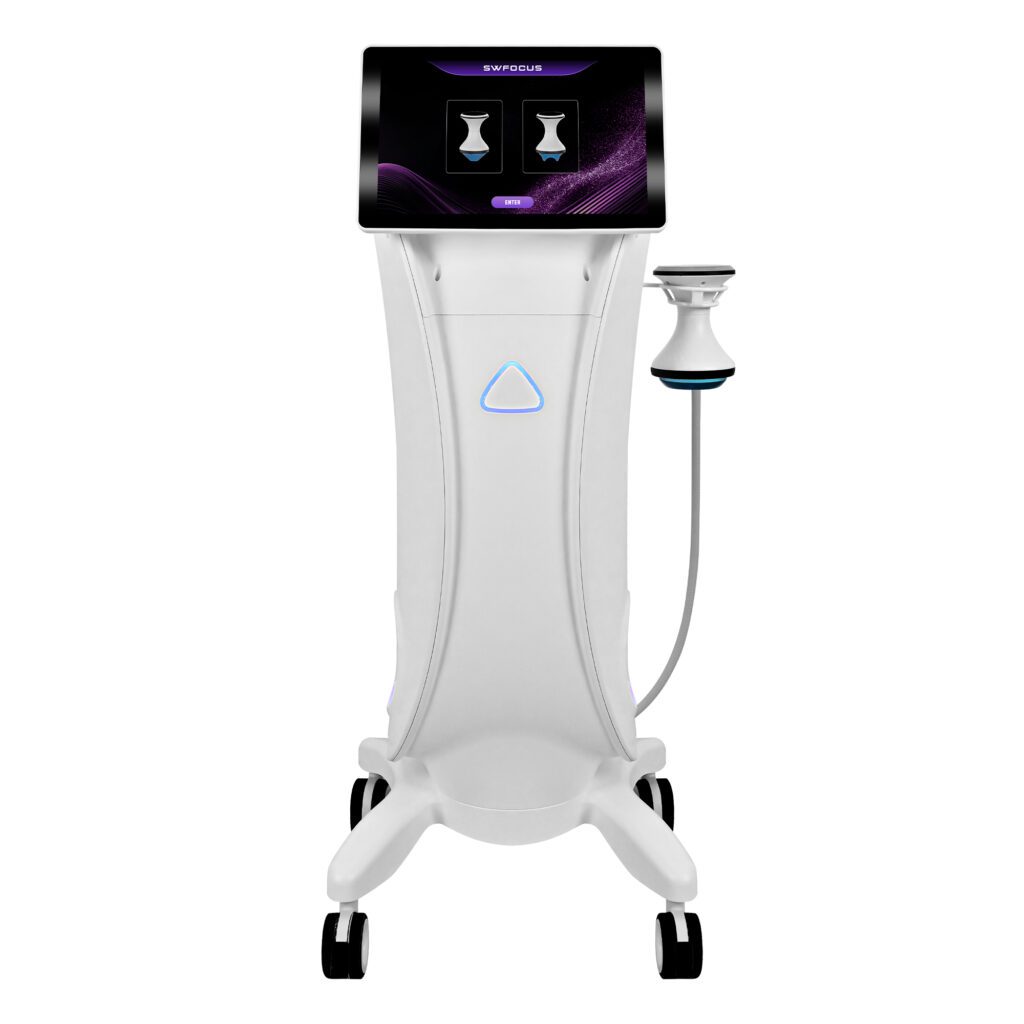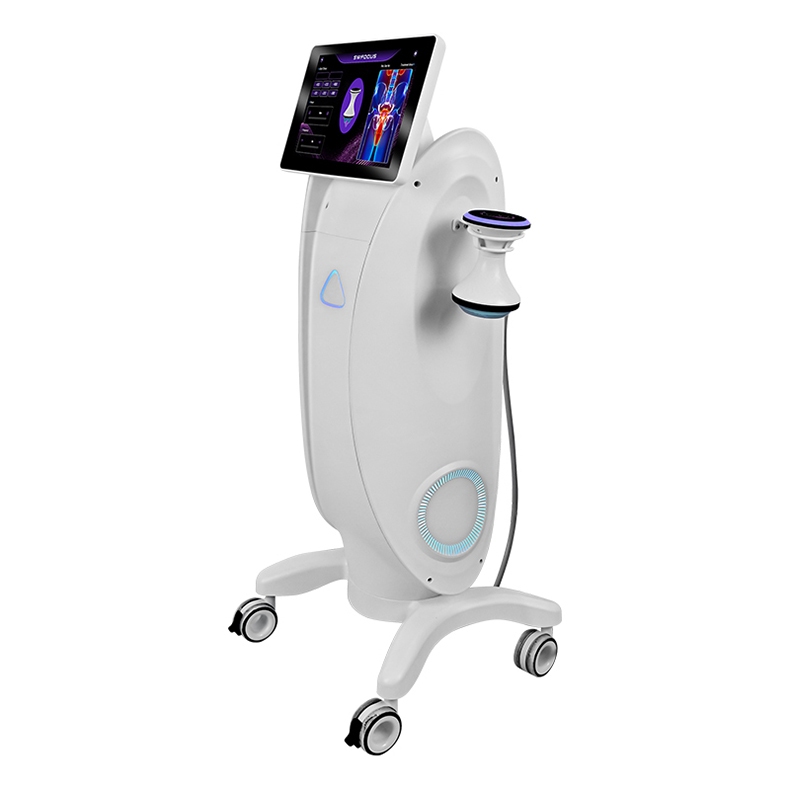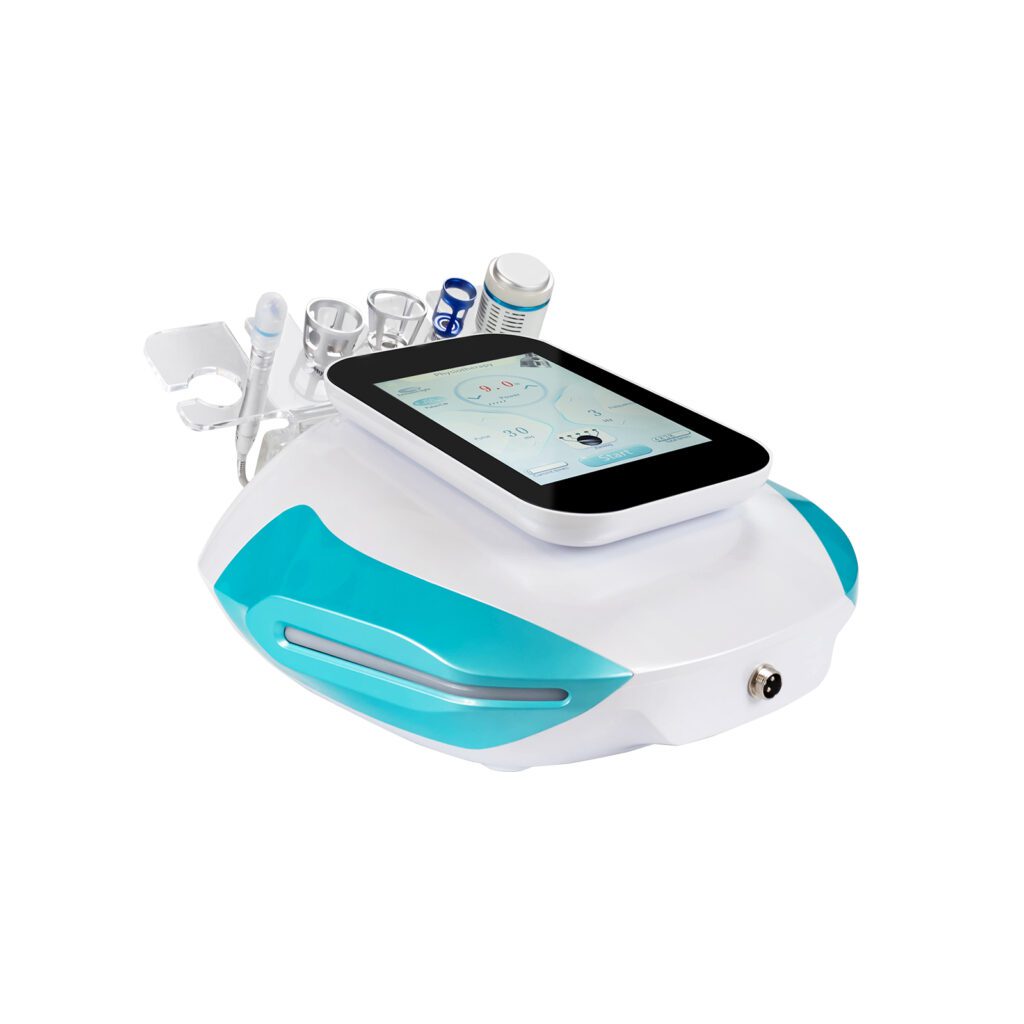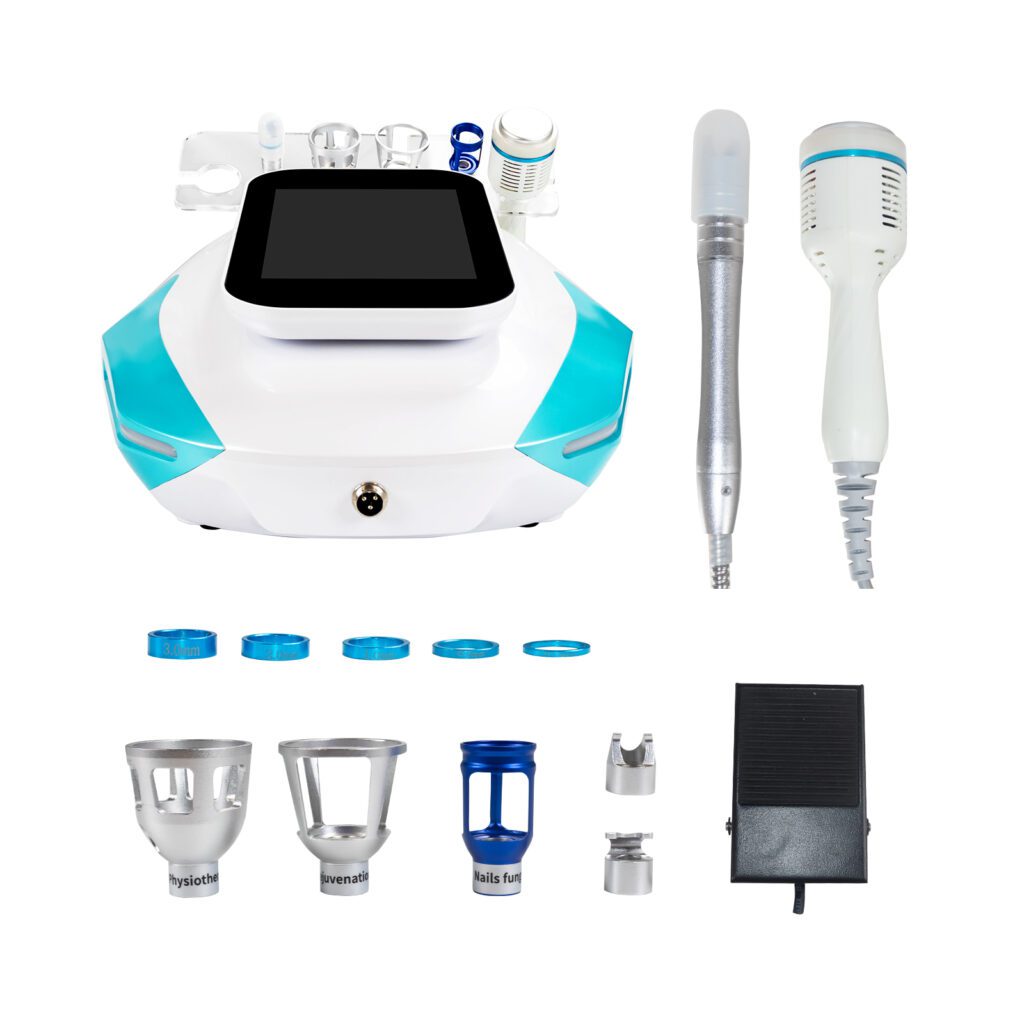










terapia de ondas de choque Se ha convertido en una modalidad ampliamente adoptada en fisioterapia, rehabilitación deportiva y tratamientos estéticos corporales. Entre los sistemas más utilizados se encuentran los dispositivos neumáticos (balísticos radiales) y los de ondas de choque electromagnéticas. Si bien ambos se engloban dentro de la categoría de "ondas de choque", difieren significativamente en la generación de energía, la profundidad de penetración y la aplicación clínica. Comprender estas diferencias ayuda a las clínicas y distribuidores a elegir el sistema adecuado según los objetivos del tratamiento, las necesidades del paciente y los requisitos del flujo de trabajo.
1. Principios de la tecnología
1.1 Tecnología de ondas de choque neumáticas (acústicas radiales)
Los sistemas de ondas de choque neumáticas, también conocidos como dispositivos de ondas de choque acústicas radiales o balísticas, generan energía mediante aire comprimido. Un proyectil dentro de la pieza de mano es acelerado por la presión del aire e impacta contra un transmisor, convirtiendo la energía cinética en ondas de presión radiales que se propagan hacia el tejido.
Este mecanismo crea un campo de energía amplio y difuso. La mayoría de los sistemas profesionales operan dentro de un rango de presión de aproximadamente 1 a 10 bares, con frecuencias ajustables que suelen oscilar entre 1 y 16 Hz. El resultado es un sistema versátil que se puede adaptar a diferentes intensidades y protocolos de tratamiento.
1.2 Tecnología de ondas de choque electromagnéticas
Los sistemas de ondas de choque electromagnéticas utilizan bobinas electromagnéticas para generar un campo magnético que cambia rápidamente. Este campo induce movimiento en una membrana o cabezal aplicador, produciendo una onda de presión que luego se transmite al cuerpo de forma más controlada y focalizada.
En comparación con los sistemas neumáticos, la tecnología electromagnética produce una salida de energía más concentrada, lo que permite una focalización más profunda y precisa de las capas de tejido.
2. Distribución de energía y profundidad de penetración
2.1 Características de la energía radial
Los sistemas neumáticos emiten ondas de choque radiales que se propagan en forma de cono. La mayor energía se concentra cerca de la superficie de la piel y disminuye gradualmente con la profundidad, alcanzando normalmente entre 0 y 50 mm, dependiendo de la configuración y los aplicadores.
Esto hace que los sistemas radiales sean especialmente adecuados para:
- Alivio de la tensión muscular superficial
- Terapia de puntos gatillo
- Reducción de la celulitis
- Mejora de la circulación local
Su amplia dispersión permite tratar superficies más grandes en menos tiempo.

2.2 Características de la energía focalizada
Los sistemas electromagnéticos proporcionan una entrega de energía más focalizada, alcanzando a menudo estructuras más profundas de aproximadamente 60-80 mm o más, dependiendo de la configuración del dispositivo.
Esto permite un tratamiento eficaz de:
- Lesiones profundas de los tendones
- Afecciones de los ligamentos
- Dolor musculoesquelético crónico
- Problemas relacionados con la calcificación
La energía concentrada mejora la precisión y la focalización clínica.
3. Comparación del desempeño clínico
3.1 Sensación de tratamiento
Los sistemas neumáticos de ondas de choque generan una sensación perceptible de golpeteo o percusión debido al impacto mecánico. Esta sensación puede ser más intensa a niveles de energía más altos, pero se puede ajustar para mayor comodidad del paciente.
Los sistemas electromagnéticos proporcionan una sensación más suave y controlada, ya que la energía se genera mediante inducción magnética en lugar de por impacto mecánico directo.
3.2 Eficiencia del tratamiento
Los sistemas radiales son muy eficaces para tratamientos de zonas extensas como muslos, espalda o relajación muscular de todo el cuerpo. Su amplia distribución de energía permite completar las sesiones más rápidamente.
Los sistemas electromagnéticos requieren una aplicación más focalizada y, por lo tanto, son más lentos por sesión, pero ofrecen una mayor precisión en áreas de tratamiento localizadas.
3.3 Precisión terapéutica
Los dispositivos de ondas de choque electromagnéticas ofrecen mayor precisión gracias a su perfil de energía focalizada. Esto los hace más adecuados para la rehabilitación clínica y los protocolos médicos específicos.
Los sistemas radiales son menos precisos, pero muy eficaces para la terapia musculoesquelética general y las aplicaciones estéticas.
4. Estructura y mantenimiento del sistema
4.1 Diseño de sistemas neumáticos
Un sistema neumático de ondas de choque generalmente incluye:
- Unidad compresora de aire
- Mecanismo de pieza de mano balística
- Puntas aplicadoras intercambiables
- Sistema de control de presión y frecuencia
El mantenimiento se centra en la estabilidad de la presión del aire, el desgaste interno del proyectil y la sustitución de la punta consumible.
Los sistemas radiales modernos suelen incluir modos de tratamiento preestablecidos para el alivio del dolor, la recuperación deportiva y las aplicaciones de remodelación corporal.
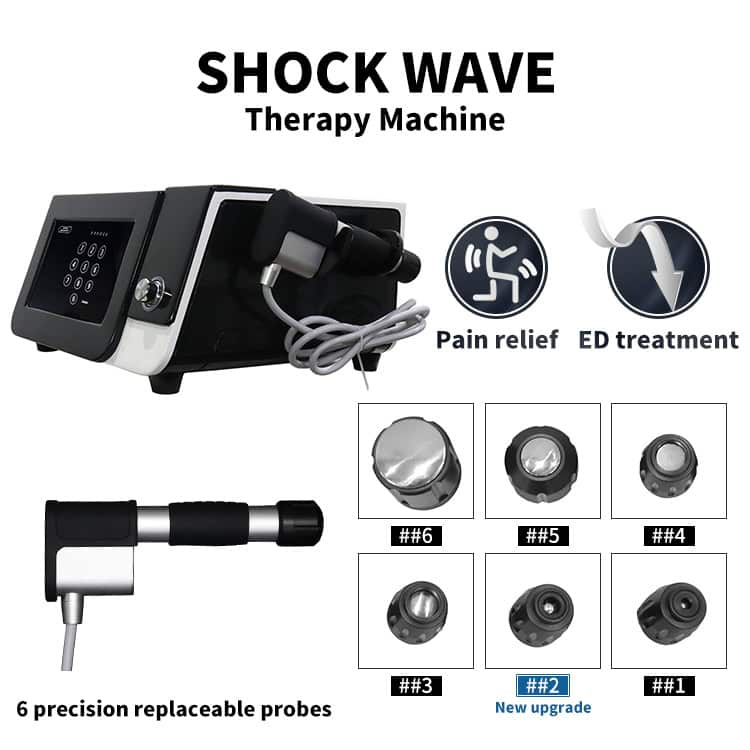
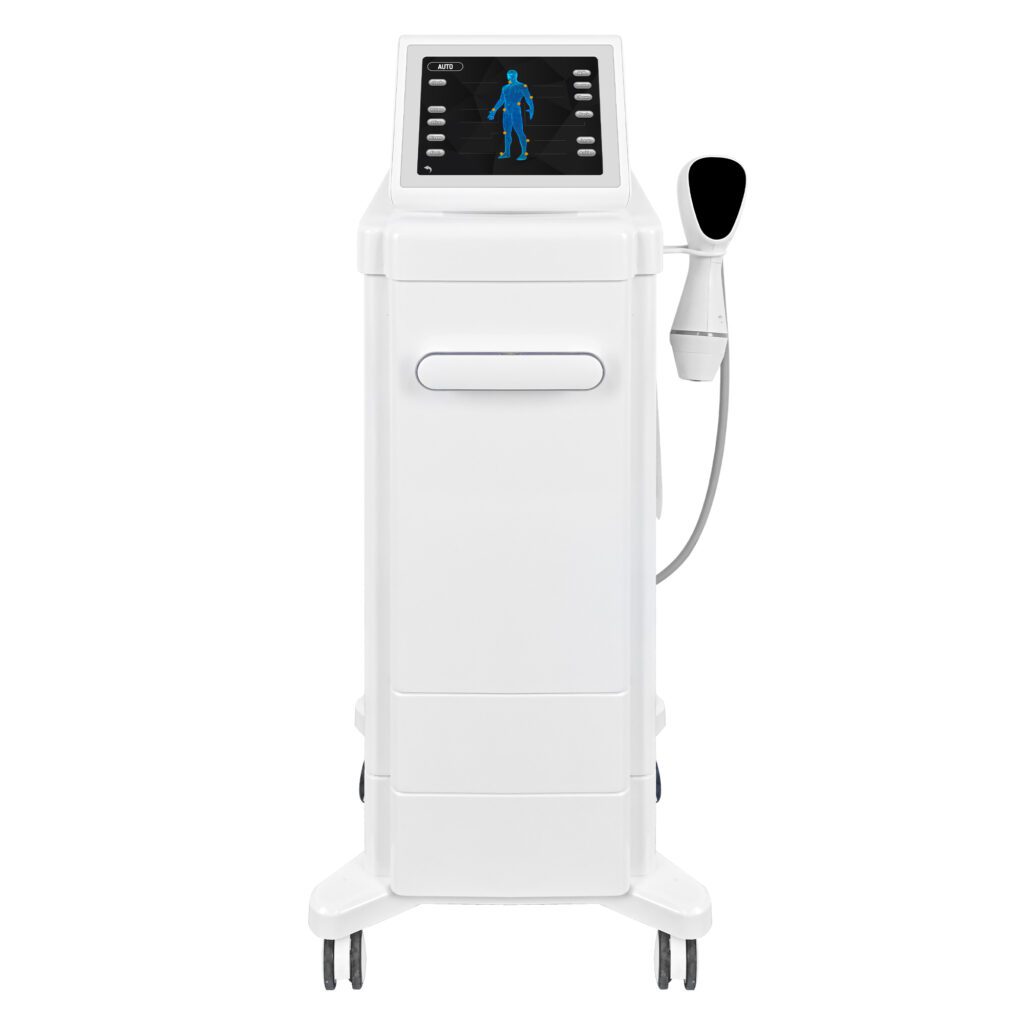
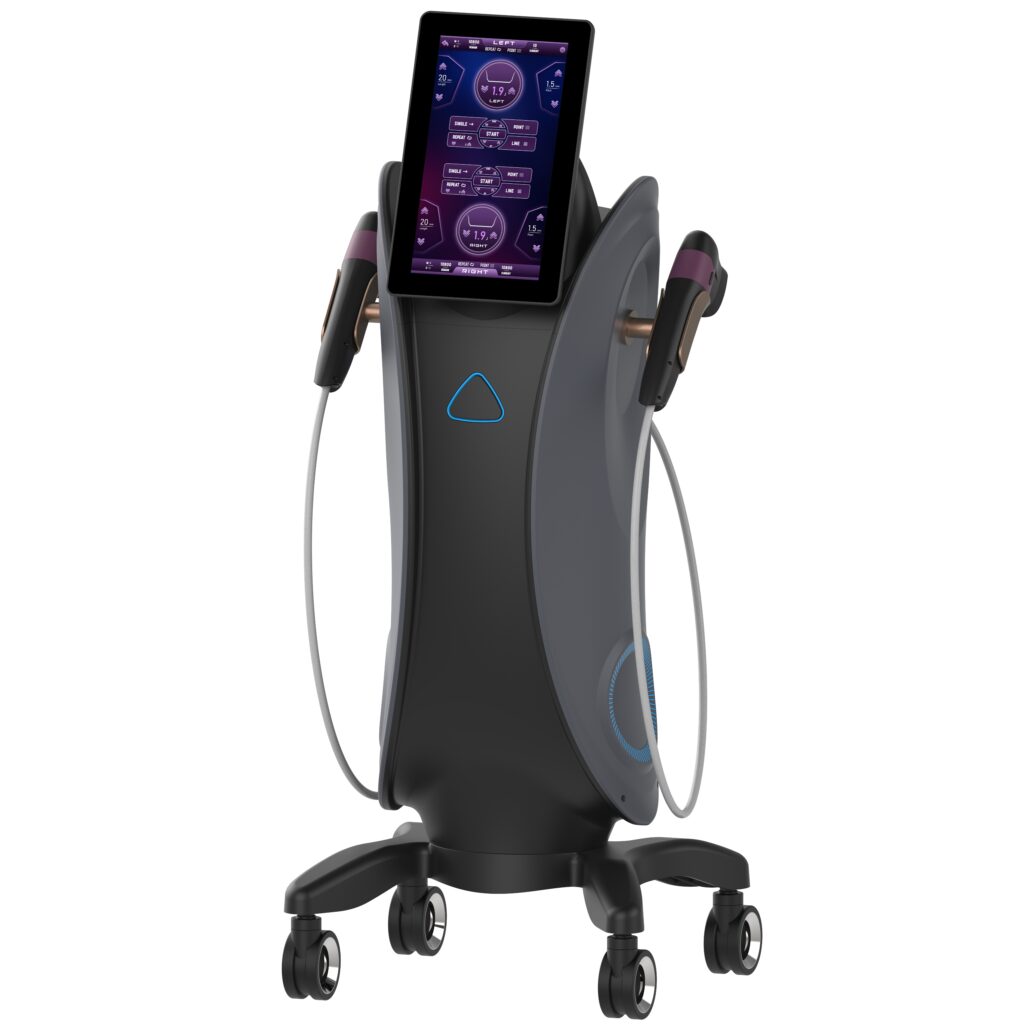
máquina de terapia de ondas de choque sw12
4.2 Diseño de sistemas electromagnéticos
Los sistemas electromagnéticos constan de:
- Generador de energía basado en bobina
- Sistema de descarga de condensadores
- Cabezal aplicador de precisión
- Módulos de refrigeración y control
El mantenimiento está relacionado principalmente con la estabilidad eléctrica, la durabilidad de la bobina y la calibración del sistema, más que con el desgaste mecánico.
5. Aplicaciones clínicas
5.1 Aplicaciones de ondas de choque neumáticas
Los sistemas neumáticos se utilizan ampliamente en:
- clínicas de rehabilitación deportiva
- centros de fisioterapia
- Clínicas de tratamientos estéticos corporales
- Programas generales de recuperación muscular
Son ideales para clínicas con un alto volumen de pacientes que requieren opciones de tratamiento rápidas y versátiles.
5.2 Aplicaciones de las ondas de choque electromagnéticas
Los sistemas electromagnéticos son los preferidos en:
- Centros de rehabilitación ortopédica
- clínicas de tratamiento del dolor crónico
- Tratamiento de lesiones de tejidos profundos
- Terapia médica de precisión
Se utilizan habitualmente en protocolos que requieren una mayor precisión clínica.
Conclusión
Neumática y electromagnética sistemas de ondas de choque Representan dos enfoques tecnológicos distintos con ventajas clínicas complementarias. Los sistemas radiales neumáticos destacan en tratamientos de áreas extensas, relajación muscular y una rápida rotación de pacientes, lo que los hace muy adecuados para fisioterapia y tratamientos de remodelación corporal estética. En cambio, los sistemas electromagnéticos ofrecen mayor penetración y precisión, lo que los hace más eficaces para la rehabilitación específica y afecciones musculoesqueléticas crónicas. En la práctica clínica moderna, la elección entre ambos no se basa en la superioridad de uno sobre el otro, sino en la especificidad de la aplicación; muchas clínicas obtienen los mejores resultados integrando ambas tecnologías en una estrategia de tratamiento integral que abarca tanto las necesidades de los tejidos superficiales como las de los tejidos profundos.