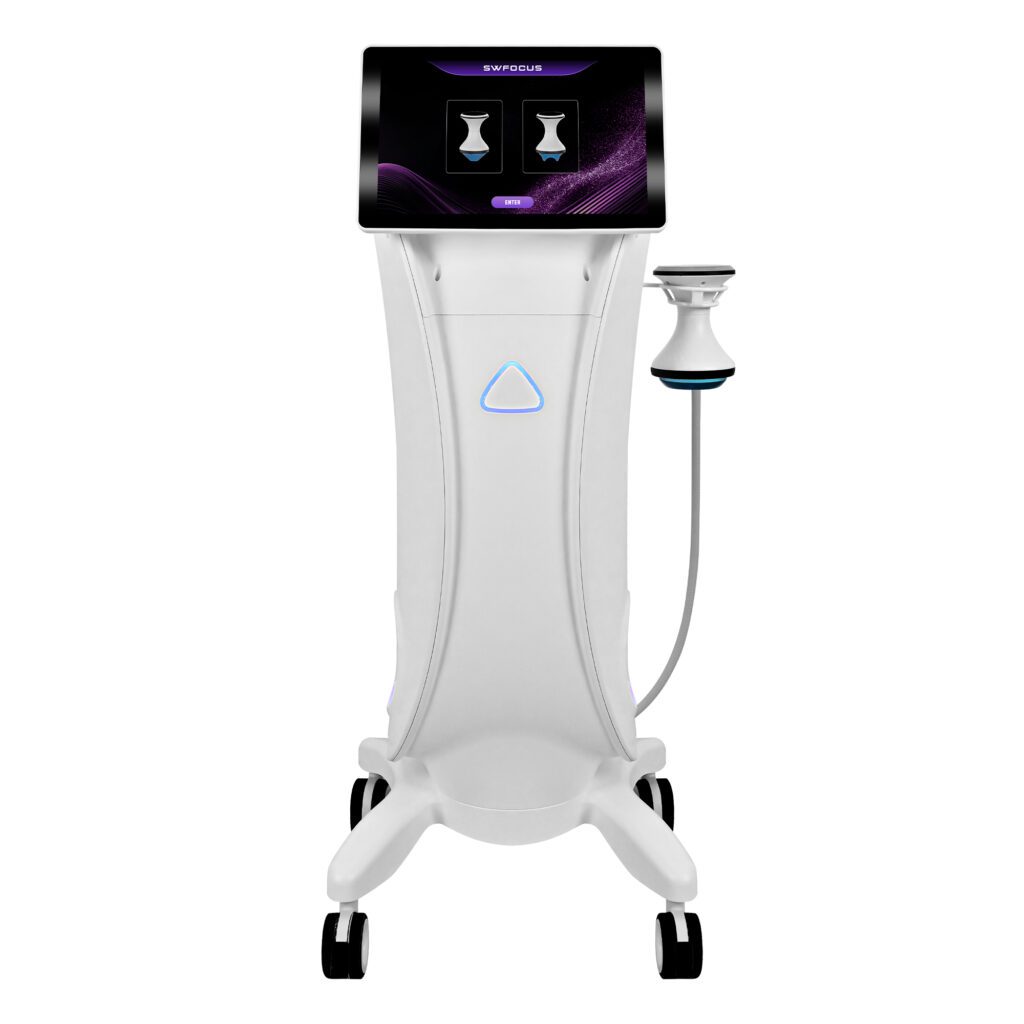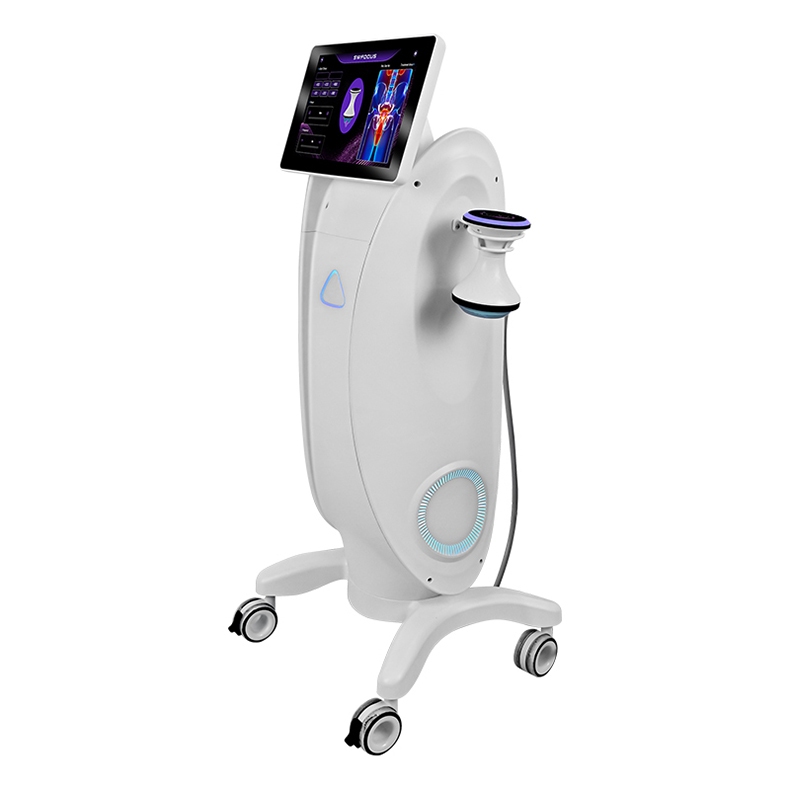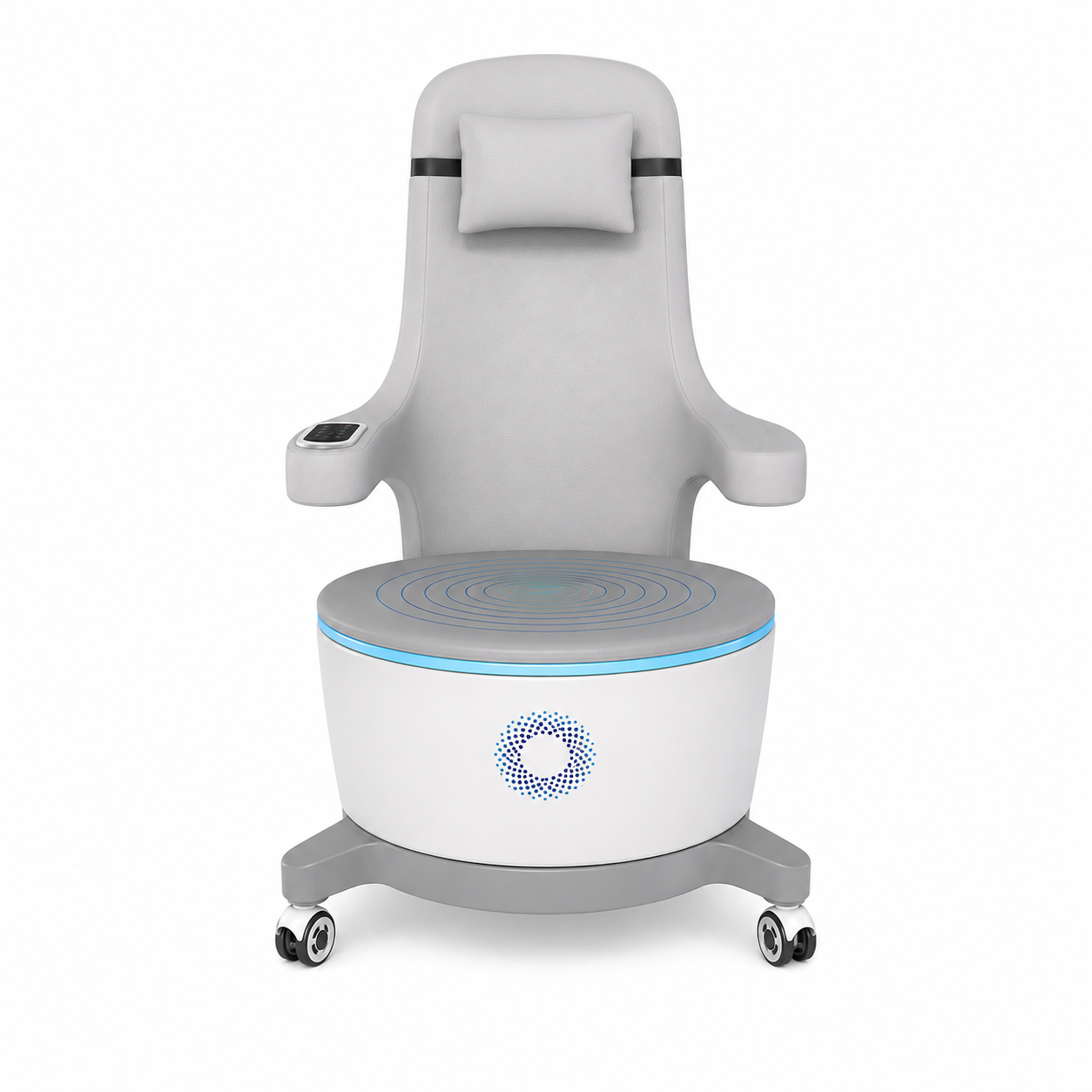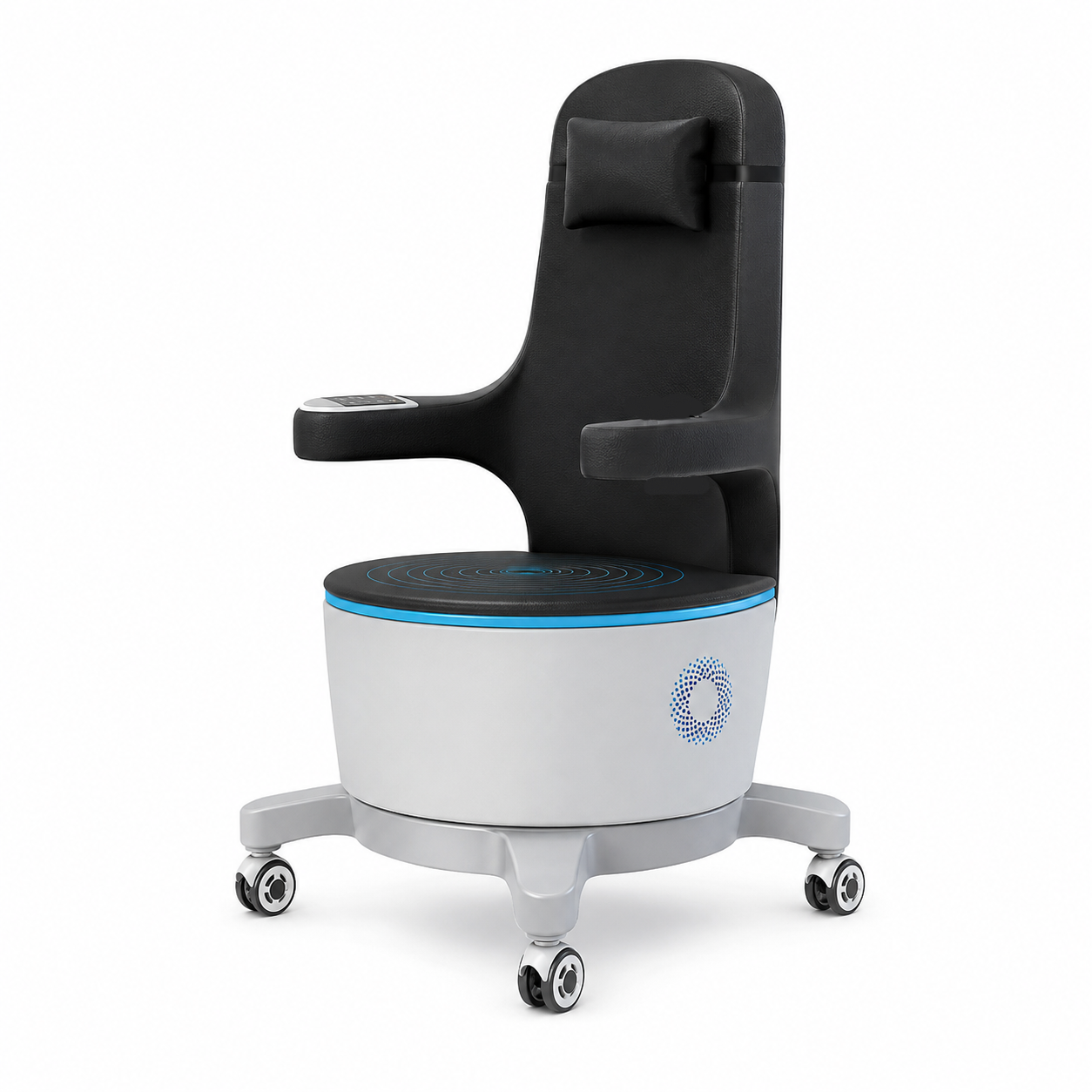








Ударно-волновая терапия Ударно-волновая терапия стала широко распространенным методом в физиотерапии, спортивной реабилитации и эстетических процедурах для тела. К числу наиболее часто используемых систем относятся пневматические (радиально-баллистические) и электромагнитные ударно-волновые устройства. Хотя оба относятся к категории “ударных волн”, они значительно различаются по генерации энергии, глубине проникновения и клиническому применению. Понимание этих различий помогает клиникам и дистрибьюторам выбирать подходящую систему в зависимости от целей лечения, потребностей пациента и требований к рабочему процессу.
1. Принципы технологии
1.1 Пневматическая (радиально-акустическая) ударно-волновая технология
Пневматические системы ударных волн, также известные как радиальные или баллистические акустические устройства ударных волн, генерируют энергию с помощью сжатого воздуха. Снаряд внутри наконечника ускоряется под действием давления воздуха и ударяет по передатчику, преобразуя кинетическую энергию в радиальные волны давления, которые распространяются в ткани.
Этот механизм создает широкое, несфокусированное энергетическое поле. Большинство профессиональных систем работают в диапазоне давления приблизительно от 1 до 10 бар, с регулируемой частотой, как правило, от 1 до 16 Гц. В результате получается универсальная система, которую можно адаптировать для различной интенсивности лечения и протоколов.
1.2 Технология электромагнитных ударных волн
В системах электромагнитной ударно-волновой терапии используются электромагнитные катушки для генерации быстро изменяющегося магнитного поля. Это поле вызывает движение мембраны или головки аппликатора, создавая ударную волну, которая затем передается в тело более контролируемым и сфокусированным образом.
По сравнению с пневматическими системами, электромагнитная технология обеспечивает более концентрированный выход энергии, что позволяет более глубоко и точно воздействовать на слои тканей.
2. Распределение энергии и глубина проникновения
2.1 Характеристики радиальной энергии
Пневматические системы генерируют радиальные ударные волны, распространяющиеся в конусообразном направлении. Наибольшая энергия концентрируется вблизи поверхности кожи и постепенно уменьшается с глубиной, обычно достигая 0–50 мм в зависимости от настроек и типа аппликатора.
Благодаря этому радиальные системы особенно подходят для:
- Снятие поверхностного мышечного напряжения
- Терапия триггерных точек
- Уменьшение целлюлита
- Улучшение местного транспортного сообщения
Широкое распределение позволяет обрабатывать большие площади поверхности за более короткое время.

2.2 Характеристики сфокусированной энергии
Электромагнитные системы обеспечивают более сфокусированную передачу энергии, часто достигая более глубоких структур глубиной приблизительно 60–80 мм и более, в зависимости от конфигурации устройства.
Это позволяет эффективно лечить:
- Глубокие травмы сухожилий
- Состояние связок
- Хроническая мышечно-скелетная боль
- Проблемы, связанные с кальцификацией
Концентрированная энергия повышает точность и эффективность клинического прицеливания.
3. Сравнение клинических показателей
3.1 Ощущения от лечения
Пневматические ударно-волновые системы создают заметное постукивающее или перкуссионное ощущение за счет механического воздействия. Ощущение может быть сильнее при более высоких уровнях энергии, но его можно регулировать для обеспечения комфорта пациента.
Электромагнитные системы обеспечивают более плавные и контролируемые ощущения, поскольку энергия генерируется за счет магнитной индукции, а не прямого механического воздействия.
3.2 Эффективность лечения
Радиальные системы очень эффективны для обработки больших зон, таких как бедра, спина или расслабление мышц всего тела. Широкое распределение энергии позволяет быстрее завершить сеанс.
Электромагнитные системы требуют более целенаправленного воздействия и, следовательно, требуют больше времени за сеанс, но обеспечивают большую точность при локальном лечении определенных участков.
3.3 Терапевтическая точность
Благодаря сфокусированному энергетическому профилю, электромагнитные ударно-волновые устройства обеспечивают более высокую точность. Это делает их более подходящими для клинической реабилитации и целенаправленных медицинских протоколов.
Радиальные системы менее точны, но весьма эффективны для общей терапии опорно-двигательного аппарата и эстетических целей.
4. Структура системы и техническое обслуживание
4.1 Проектирование пневматических систем
Пневматическая ударно-волновая система обычно включает в себя:
- Установка воздушного компрессора
- баллистический механизм рукоятки
- Сменные наконечники аппликатора
- Система регулирования давления и частоты
Техническое обслуживание включает в себя обеспечение стабильности давления воздуха, контроль внутреннего износа снаряда и замену расходных материалов на наконечнике.
Современные радиальные системы часто включают предустановленные режимы лечения для снятия боли, восстановления после спортивных нагрузок и коррекции контуров тела.
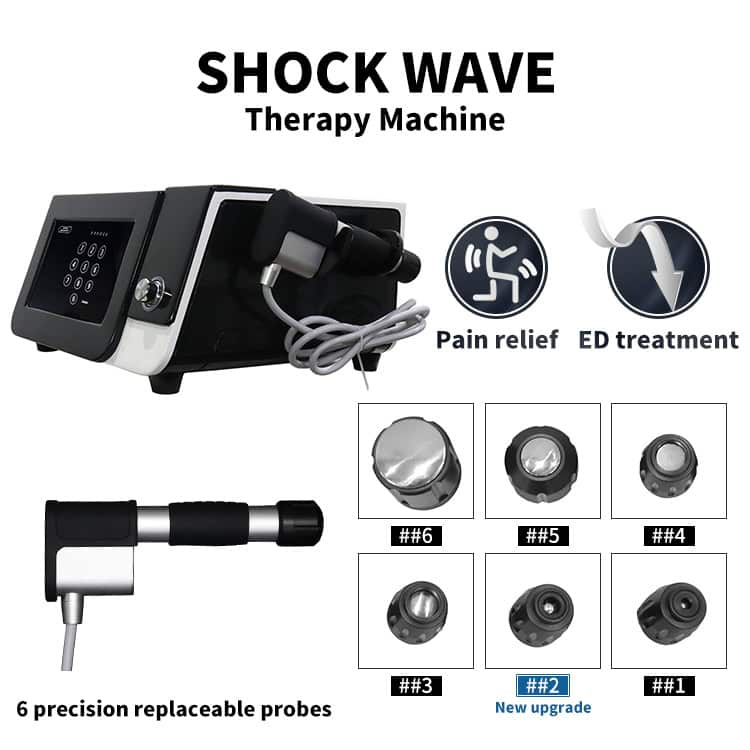
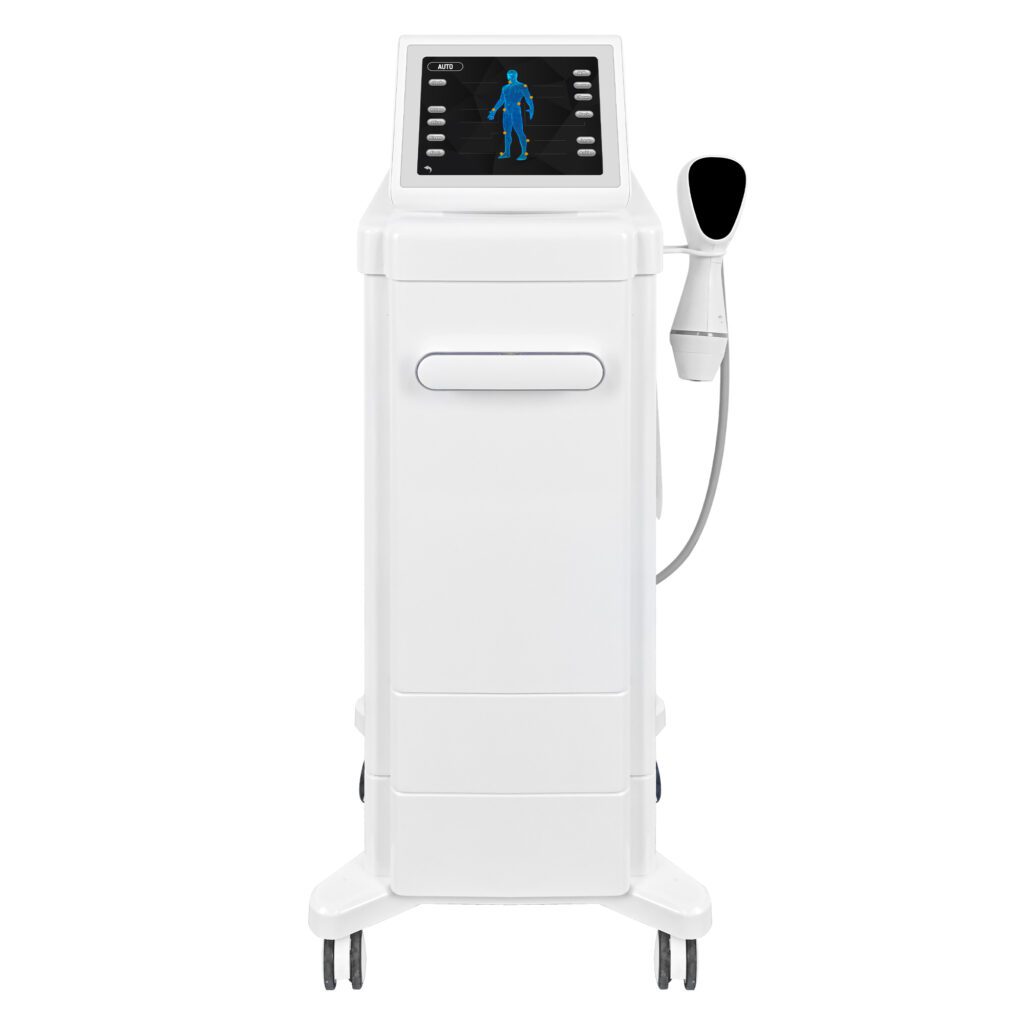
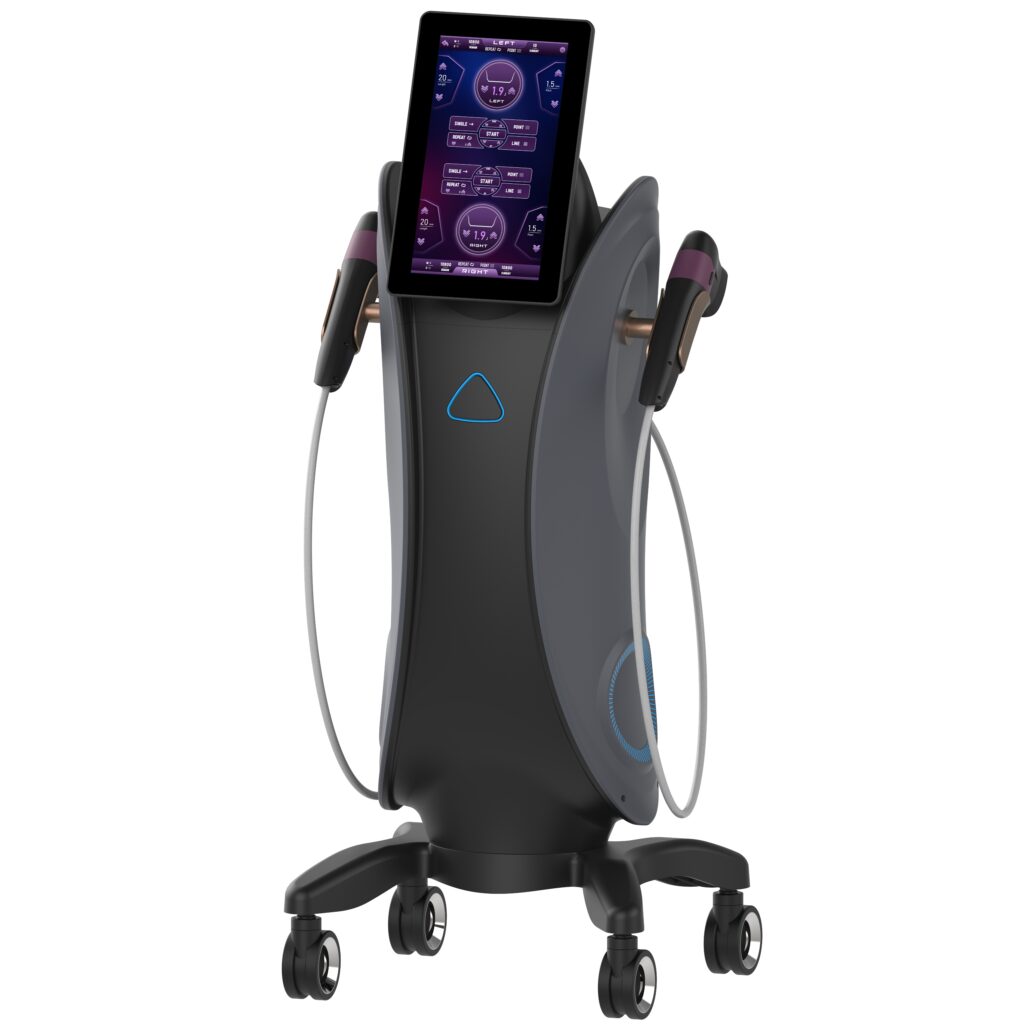
Аппарат ударно-волновой терапии SW12
4.2 Проектирование электромагнитных систем
Электромагнитные системы состоят из:
- Электронный генератор энергии
- система разряда конденсатора
- Прецизионная аппликационная головка
- Модули охлаждения и управления
Техническое обслуживание в основном связано с электрической стабильностью, долговечностью катушек и калибровкой системы, а не с механическим износом.
5. Клиническое применение
5.1 Применение пневматических ударных волн
Пневматические системы широко используются в:
- Клиники спортивной реабилитации
- Физиотерапевтические центры
- Клиники эстетических процедур для тела
- Общие программы восстановления мышц
Они идеально подходят для клиник с большим потоком пациентов, которым необходимы быстрые и универсальные варианты лечения.
5.2 Применение электромагнитных ударных волн
Электромагнитные системы предпочтительны в следующих случаях:
- центры ортопедической реабилитации
- клиники по лечению хронической боли
- лечение глубоких повреждений тканей
- Высокоточная медикаментозная терапия
Они широко используются в протоколах, требующих более высокой клинической точности.
Заключение
Пневматические и электромагнитные системы ударных волн Представляют собой два различных технологических подхода с взаимодополняющими клиническими преимуществами. Пневматические радиальные системы превосходно подходят для лечения больших площадей, расслабления мышц и быстрой смены пациентов, что делает их очень подходящими для физиотерапии и эстетической коррекции контуров тела. В отличие от них, электромагнитные системы обеспечивают более глубокое проникновение и большую точность, что делает их более эффективными для целенаправленной реабилитации и лечения хронических заболеваний опорно-двигательного аппарата. В современной клинической практике выбор между ними заключается не в превосходстве, а в специфике применения; многие клиники достигают наилучших результатов, интегрируя обе технологии в комплексную стратегию лечения, которая охватывает как поверхностные, так и глубокие ткани.