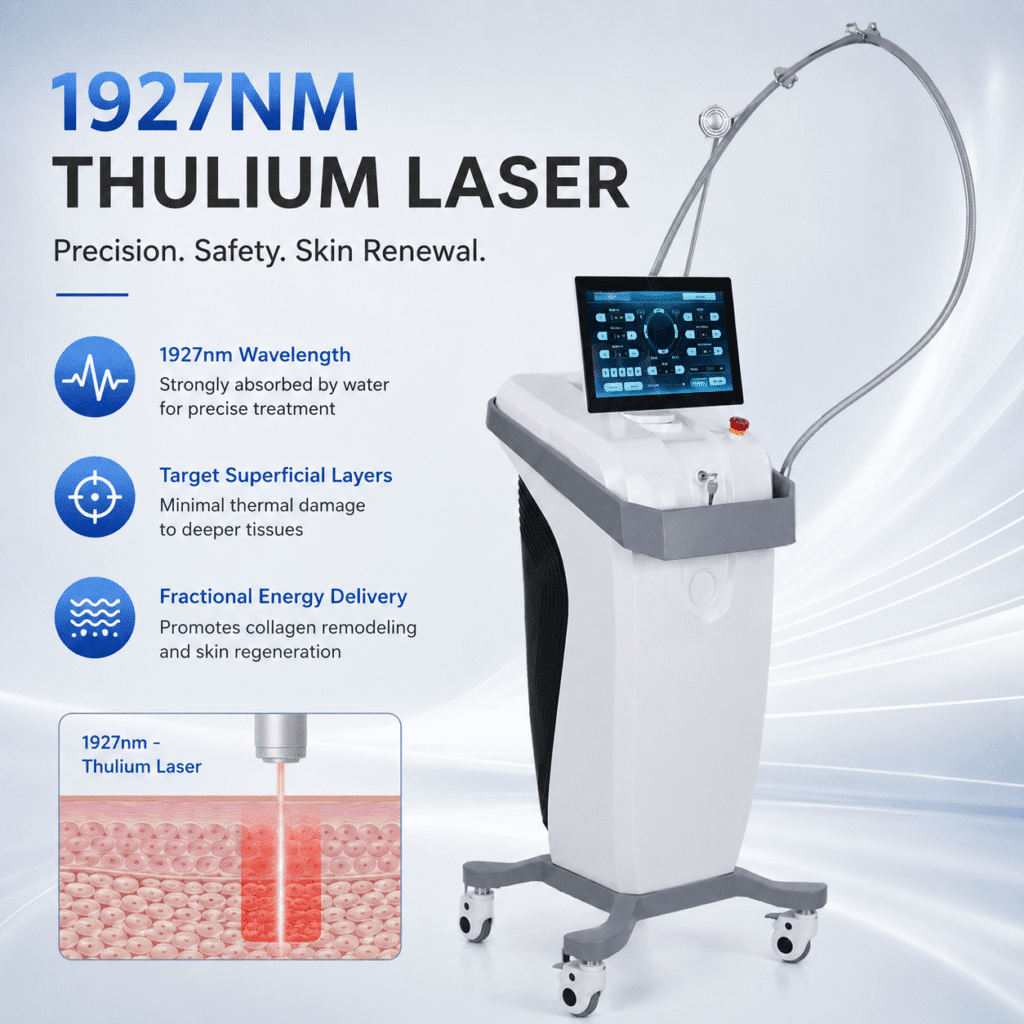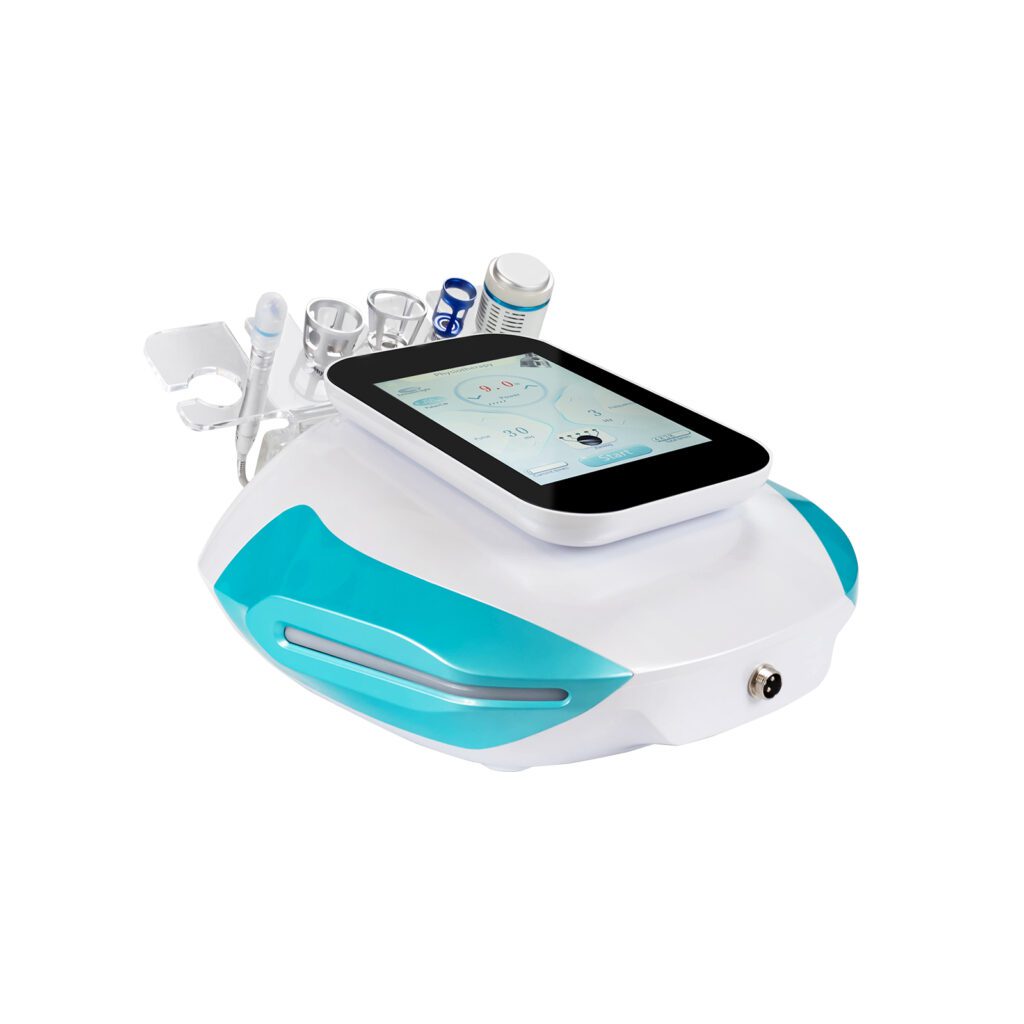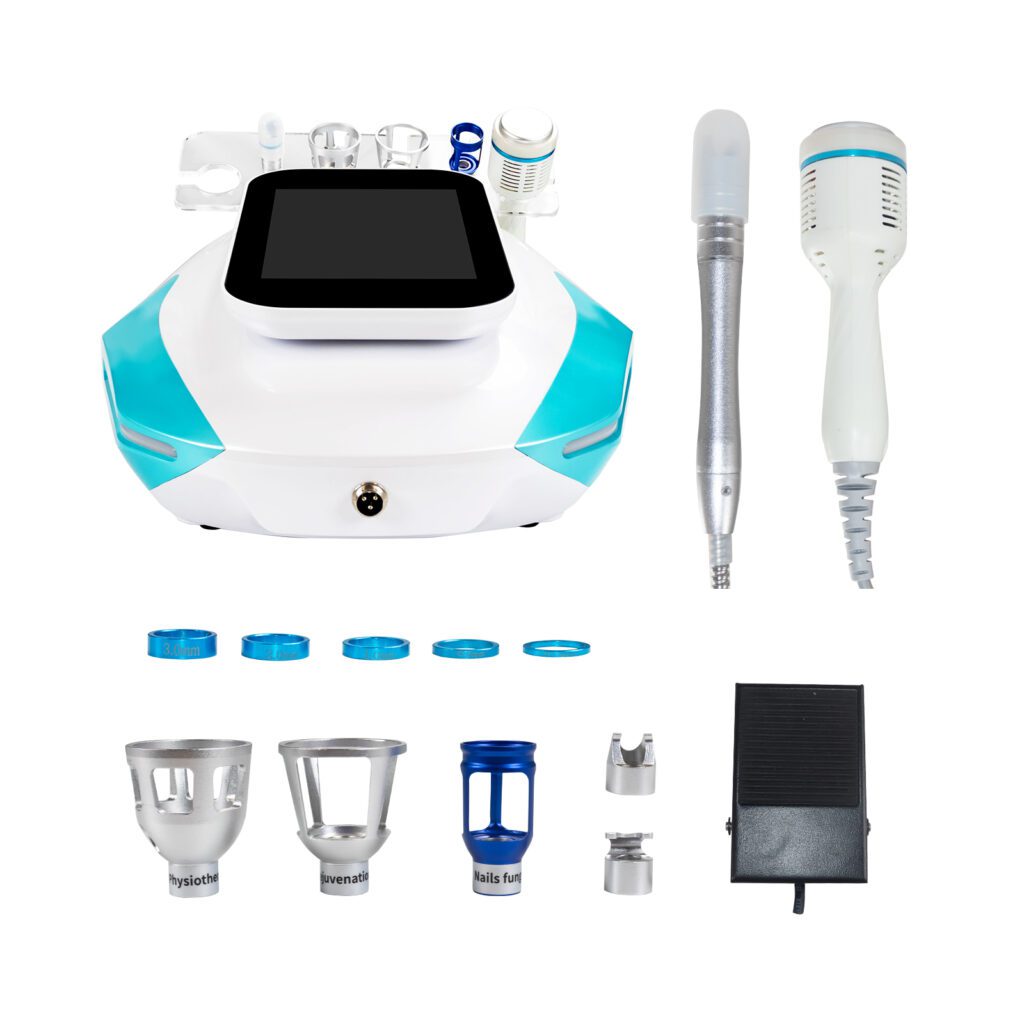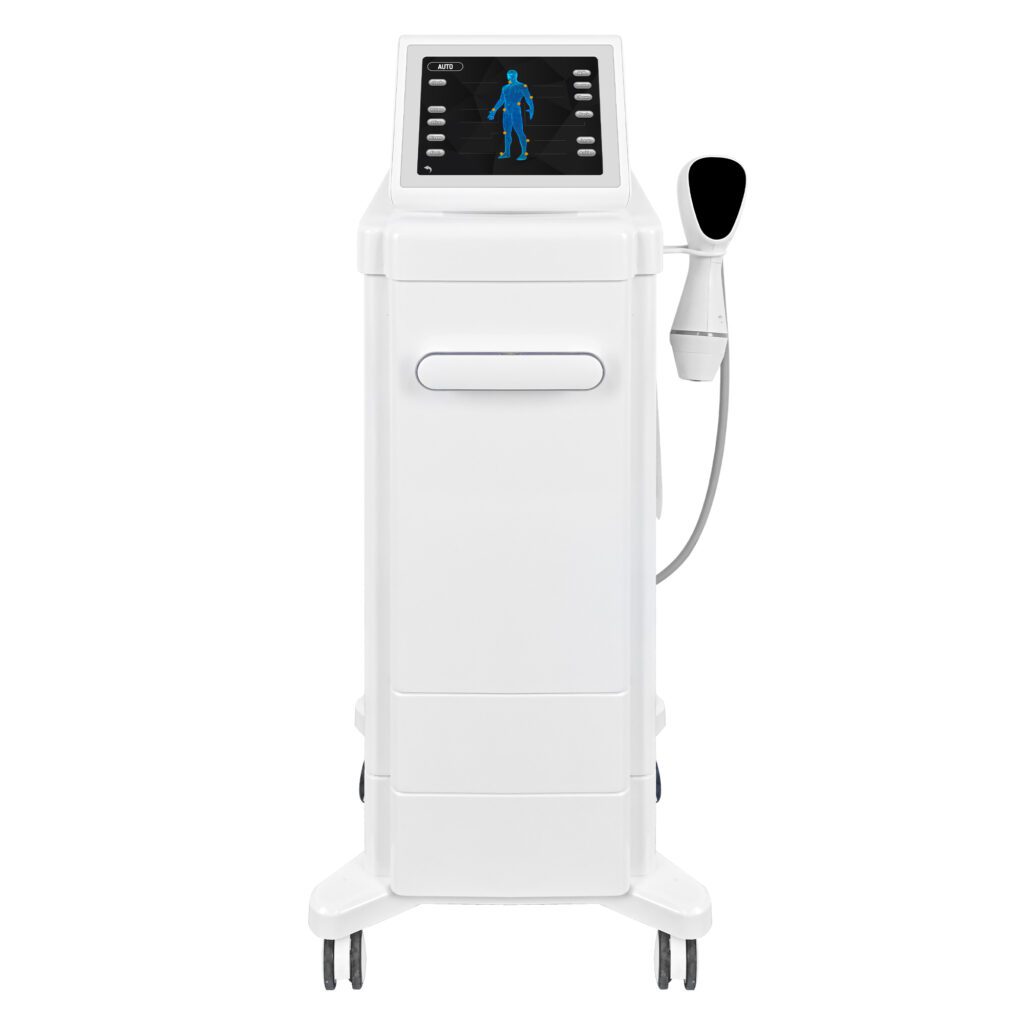










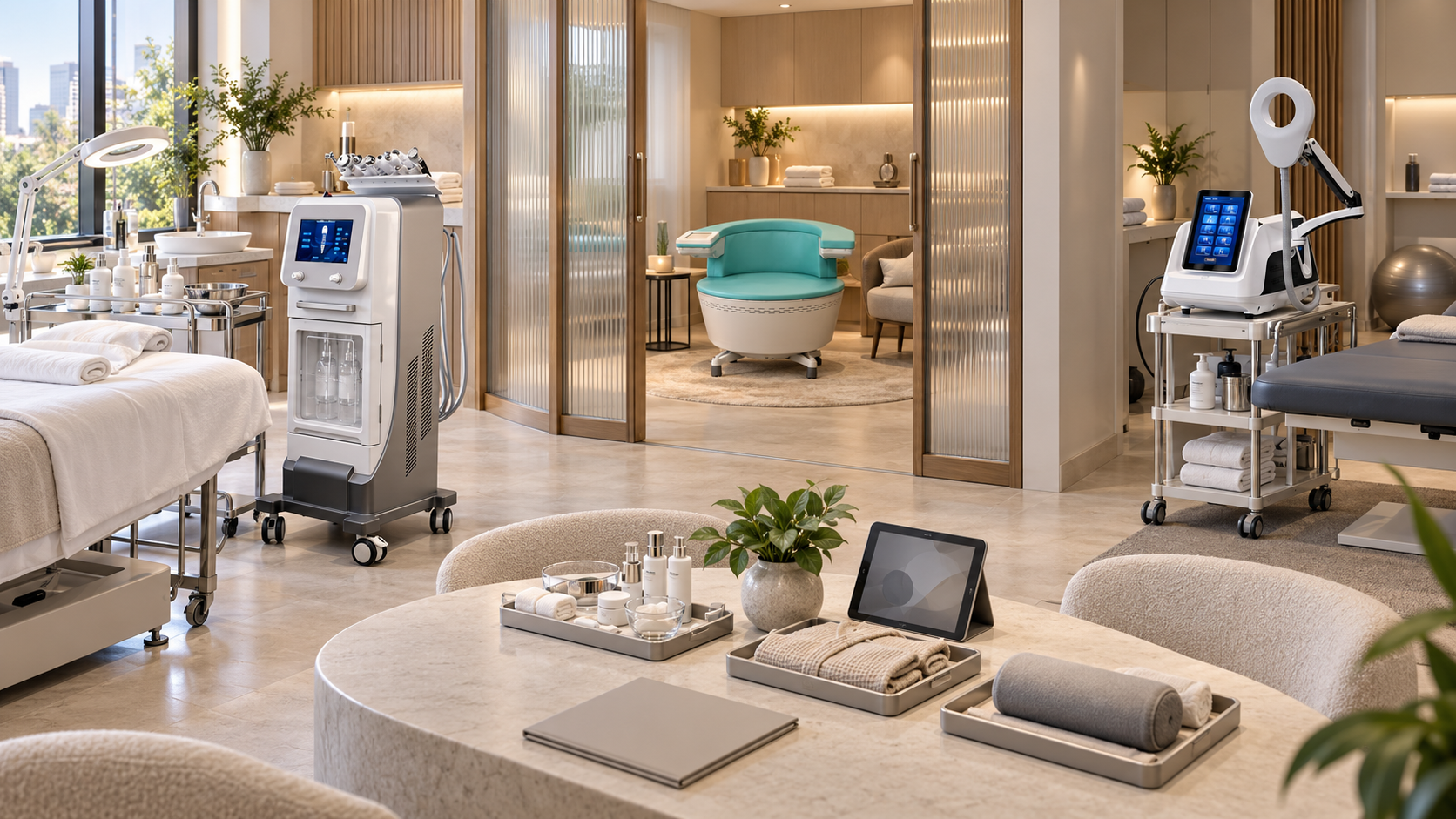
Expanding into a new treatment category involves more than adding another machine to the equipment list. A facial salon entering hair reduction, a body studio adding facial care, and a skin clinic introducing an advanced procedure each need a different device, menu structure, room plan, consultation process, and operating standard.
The right category should answer a verified client goal without duplicating the existing menu. It should also be narrow enough to launch clearly and complete enough to operate responsibly. This guide compares practical expansion categories, relevant SHEFMON models, business fit, and the systems required to turn a new device into a coherent service department.
Resumen ejecutivo
- Treat a new category as a complete operating unit with its own client goal, consultation, room, staff, records, aftercare, maintenance, and follow-up.
- Confirm whether the business needs greater depth within an existing department or a genuinely new facial, hair, body, or advanced-treatment department.
- Usar A0648 hidromicrodermoabrasión to establish an accessible cleansing and hydration-focused facial category.
- Agregar A0272-F EMS/RF facial when the new category is a distinct facial tone-and-contour pathway rather than another cleansing facial.
- Comparar Láser de diodo A0423 y A0426 multi-wavelength diode laser when opening a dedicated hair-reduction department.
- Usar B0155 multifunction body care as a broad body-service entry; choose A0241 muscle-focused equipment o S9 localized cooling contouring when demand supports a more specialized body category.
- Place HIFU focalizado A0204 y A0152 Microagujas de radiofrecuencia behind professional, clinical, and regulatory readiness gates.
- Launch a minimum viable category with a small number of clear services, then expand only after consultation quality, staff performance, records, maintenance, and client understanding are stable.
- Device combinations in a business portfolio do not establish same-day treatment compatibility or a required client sequence.
1. Define What Counts as a New Treatment Category
A category is a group of services that share a recognizable client goal and a common operating system. It normally has its own consultation questions, suitability criteria, room needs, staff competencies, service records, aftercare, and follow-up route.
Adding another name for an existing facial is not category expansion. Neither is using a new handpiece to create a long list of nearly identical menu entries.
A business is entering a new category when it adds one of the following:
- a new goal family, such as hair reduction or body contouring;
- a new department with different room or safety requirements;
- a new operating principle that requires separate assessment and records;
- an advanced procedure with a higher level of professional governance;
- a new continuity pathway that the present menu cannot support.
This definition helps buyers evaluate the full change rather than comparing machines in isolation.
2. Decide Between Category Depth and Category Breadth
Expansion can move deeper into an existing department or broader into another department.
| Expansion type | Ejemplo | Main operational effect |
|---|---|---|
| Facial depth | Cleansing and hydration facial care to a tone-and-contour category | New goal and protocol inside the facial room |
| Department breadth | Facial salon to hair reduction | New consultation, room controls, records, and scheduling logic |
| Body breadth | Facial or wellness business to multifunction body care | New privacy, positioning, area records, and body-service workflow |
| Body specialization | Broad body care to muscle-focused or localized cooling services | More specific assessment, applicators, and follow-up |
| Advanced depth | Core facial clinic to focused HIFU or RF microneedling | Higher professional, consent, documentation, and escalation requirements |
Depth is often easier for clients to understand because it stays within a familiar department. Breadth can reach more goals but requires stronger separation between menus, rooms, and staff roles. Advanced depth should be chosen only when the professional pathway exists before the equipment arrives.
3. Verify the Expansion Gap
Before selecting a device, describe the gap in one sentence:
> Our current menu serves [existing goal], but suitable clients repeatedly request [new goal], which requires [new category].
Support that statement with several forms of evidence:
- repeated enquiries recorded over a consistent period;
- requests from active clients as well as prospective clients;
- consultation-ready interest rather than general curiosity;
- documented referrals or lost bookings;
- a clear reason the current menu cannot honestly meet the goal;
- sufficient room, staff, and appointment capacity;
- a credible follow-up or continuity pathway.
If the problem is long waiting times for an existing service, the business may need more capacity rather than a new category. If the new goal overlaps with several current services, the menu may need consolidation before expansion.
4. Build a Category Charter Before Comparing Models
A category charter sets the boundary for the new department. It should be written before product specifications influence the decision.
| Charter field | Decision to document |
|---|---|
| Primary client goal | The main need the category will address |
| Intended buyer group | Existing clients, new clients, or both |
| Public category name | Clear language clients can understand |
| Included services | The small initial set that will be launched |
| Excluded services | Overlapping or unsupported claims and procedures |
| Consultation level | Standard, device-specific, laser-specific, or clinical |
| Staff owner | The role accountable for competency and quality |
| Room owner | Where the category will operate and how the room will be controlled |
| Archivos | Settings, areas, components, observations, consent, and follow-up fields |
| Support requirements | Consumables, cleaning, maintenance, warranty, and technical service |
| Success condition | Evidence that the category operates reliably |
| Pause condition | A problem that stops expansion or bookings |
The charter prevents a multifunction device from turning into an undefined collection of services.
5. Add a Facial Foundation with A0648
SHEFMON A0648 is a vertical nine-function platform positioned around hydro microdermabrasion and complementary facial-care functions. It can establish a facial category centered on cleansing, exfoliation, extraction, and hydration.
This expansion suits:
- salons moving beyond manual or basic facial services;
- body or wellness studios adding a clear facial entry category;
- clinics that need an understandable non-invasive facial-care lane;
- multi-service centers creating a repeatable facial department.
A compact launch menu could include an introductory cleansing-and-hydration facial, a standard facial with goal-specific assessment, and a maintenance option. The detailed handpiece sequence belongs in internal protocols; it should not become a separate public service for every function.
Prepare solution and tip stock, cleaning instructions, service records, maintenance responsibility, and client review criteria before opening bookings.
6. Add Facial Depth with A0272-F
SHEFMON A0272-F combines high-intensity facial electrical stimulation with RF-related positioning. Its category role should be facial tone and contour rather than cleansing and hydration.
This is a depth expansion for businesses that already have a stable facial audience and repeatedly receive requests for a different technology-led goal. The public menu should state the difference clearly:
- A0648 category: cleansing, exfoliation, extraction, and hydration-oriented care;
- A0272-F category: facial tone and contour-focused services after assessment.
Do not label A0272-F as the compulsory next level after a hydro facial. Clients should enter either category through assessment, not through a menu ladder based on machine strength.
7. Open a Hair-Reduction Department with A0423 or A0426
Hair reduction is a new department, even when it is added to an established facial salon. It changes consultations, booking intervals, room controls, records, protective equipment, operator requirements, and aftercare.
SHEFMON A0423 y SHEFMON A0426 are diode-laser options. The A0426 product page lists multi-wavelength positioning, 600 W or 1200 W options, several spot-size options, and semiconductor, water, and TEC cooling. Confirm the exact configuration supplied for either model before choosing between them.
A hair-reduction category needs:
- a laser-specific consultation and suitability decision;
- area-based service names and records;
- trained and appropriately authorized operators;
- protective equipment and controlled room access;
- test procedures when required;
- device settings, treatment areas, observations, and follow-up documentation;
- aftercare and an adverse-event escalation route;
- compliance with local licensing, professional, insurance, and facility requirements.
El American Academy of Dermatology’s laser hair removal guidance emphasizes provider experience and consultation about suitability and risks. Each business must adapt its system to its market and professional setting.
8. Enter Body Services with B0155
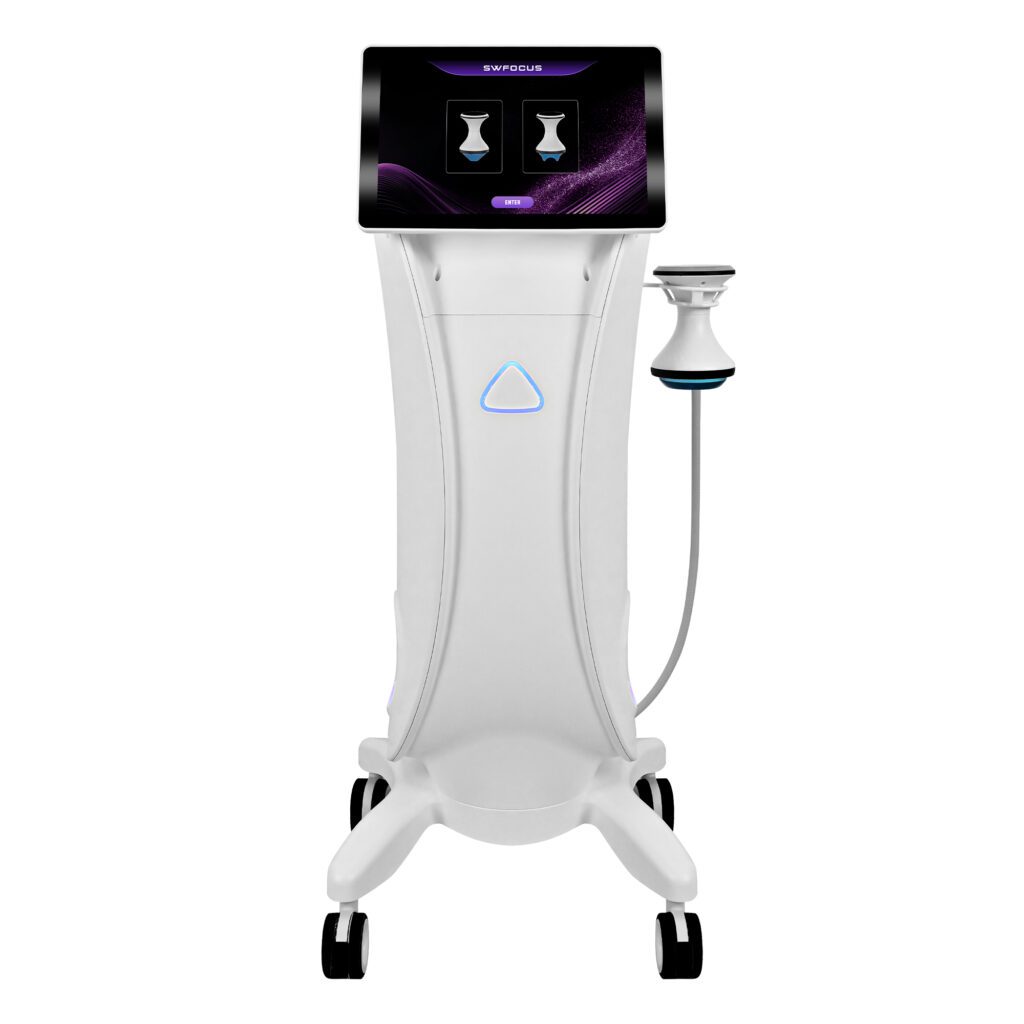
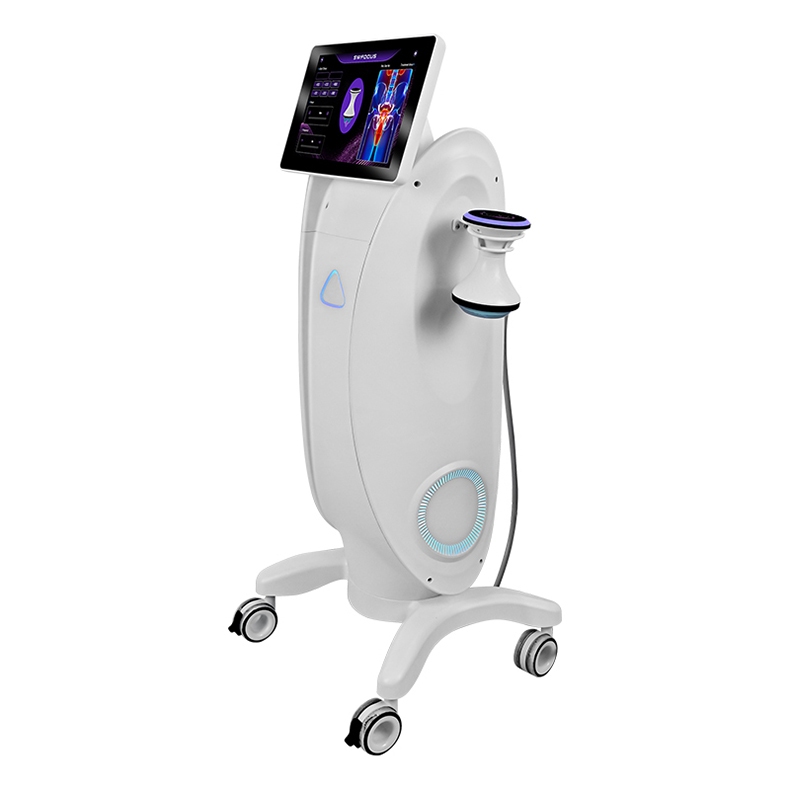
SHEFMON B0155 combines larger and smaller vacuum-roller functions with rotating handles, RF-related functions, light, and 80K cavitation. It can serve as a broad body-care platform when a business wants to establish a new body department without starting with a narrowly specialized goal.
It may fit:
- facial salons adding a body-service lane;
- wellness studios formalizing device-assisted body care;
- aesthetic centers that need one broad body platform;
- body studios building a foundation before choosing a specialization.
The category still needs clear service boundaries. Avoid presenting every function as an independent promise. Define relevant areas, appointment formats, privacy and positioning standards, cleaning, handle management, record fields, and aftercare.
9. Add a Muscle-Focused Category with A0241
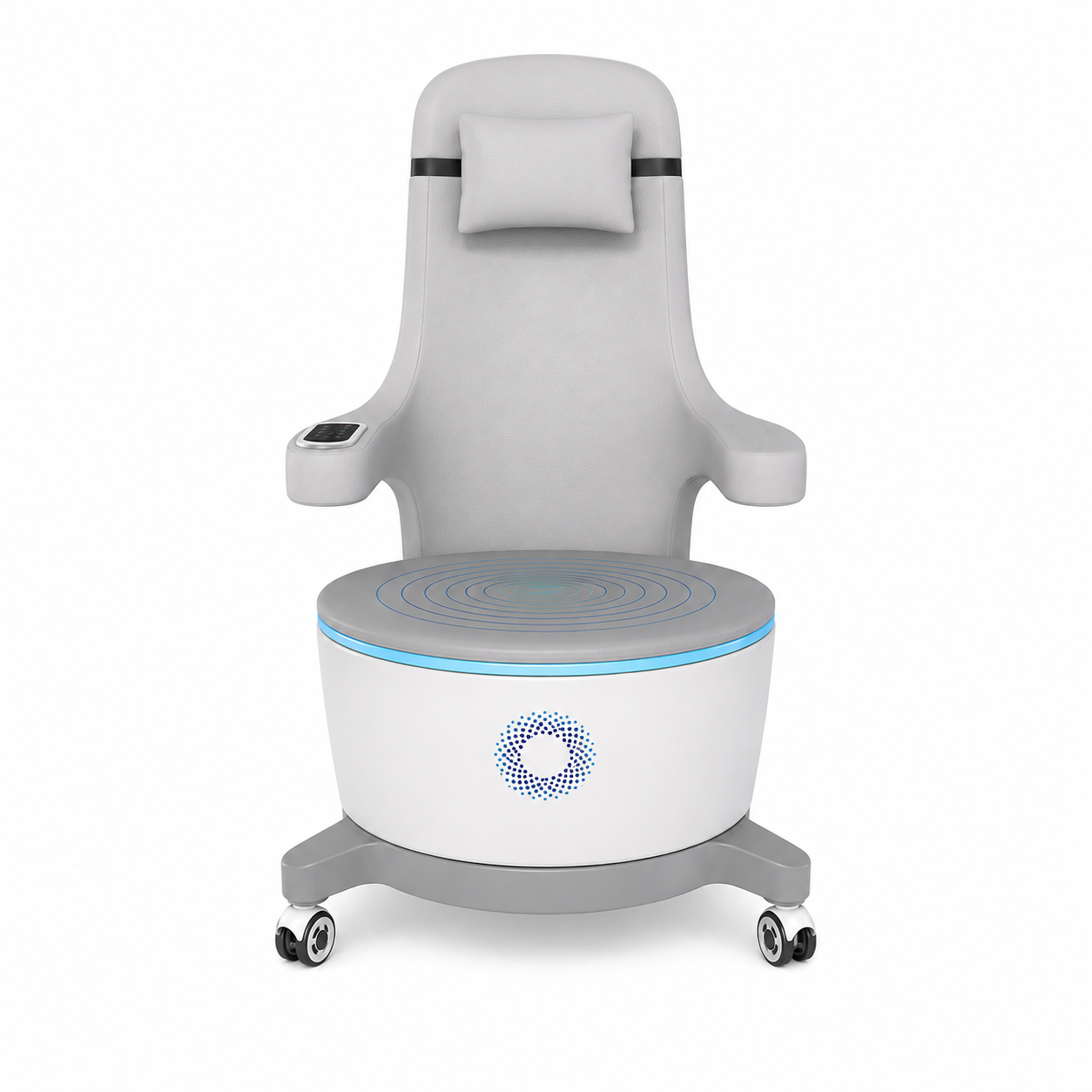
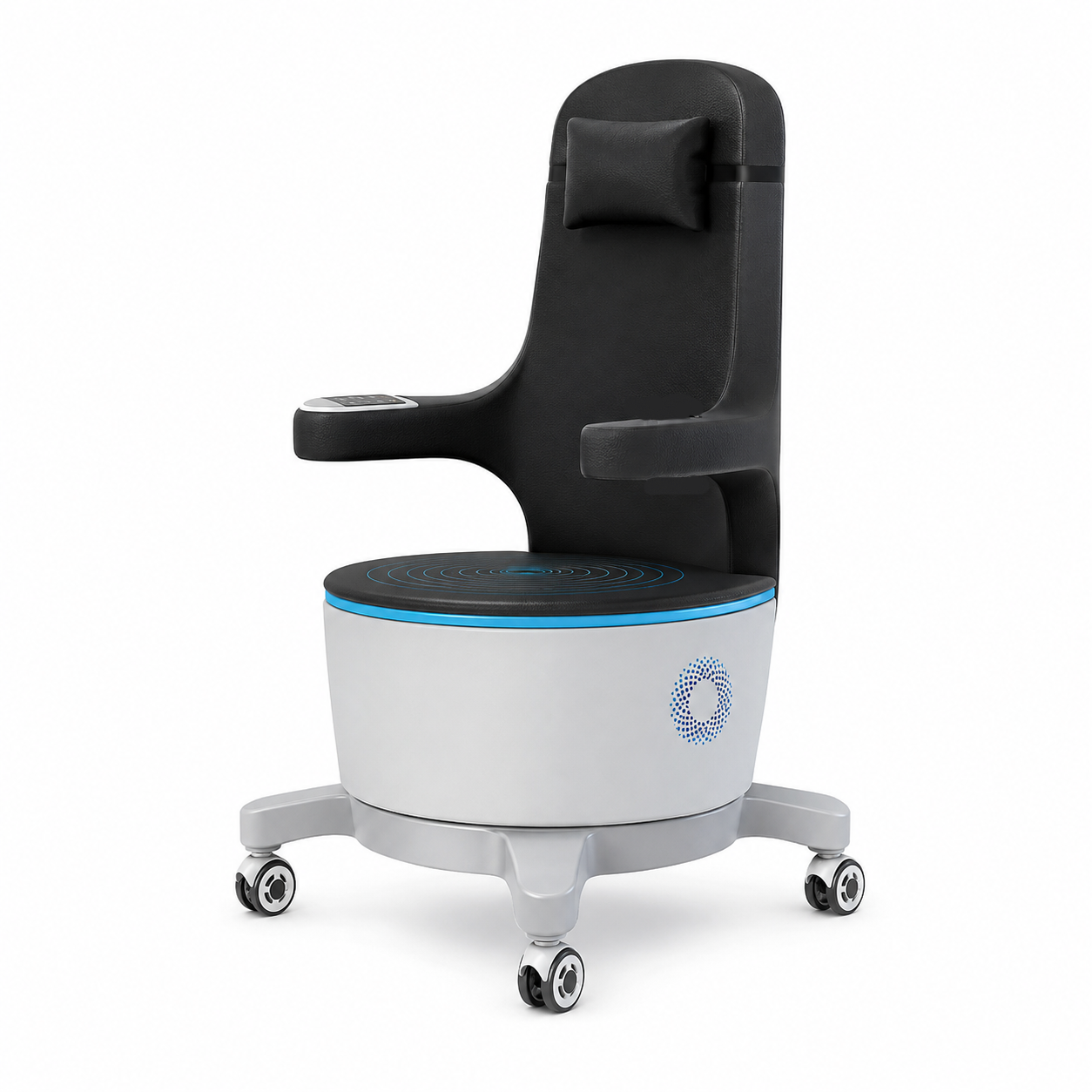
SHEFMON A0241 is positioned around electromagnetic muscle stimulation with RF-related functions. It should be used to create a distinct muscle-focused body category rather than as a premium version of all body services.
This category becomes relevant when consultations show repeated interest in a muscle-focused program and the business can support:
- specific body-area assessment;
- documented suitability and expectations;
- correct applicator positioning and monitoring;
- room and appointment capacity;
- consistent service records and review points;
- the exact included handle and applicator configuration.
For a facial salon with little body demand, B0155 may offer a broader entry. For an established body studio with a defined muscle-focused gap, A0241 may be the clearer expansion.
10. Add Localized Cooling Contouring with S9
SHEFMON S9 is a vacuum-assisted cooling-contouring platform. It creates a specialized localized contouring category with different assessment, applicator, monitoring, aftercare, and follow-up needs from broad body care.
Select this category only when demand is specifically related to localized cooling contouring and the business can provide:
- appropriate assessment of the proposed area;
- clear expectations and consent;
- documented applicator selection and placement;
- observation during the appointment;
- aftercare and planned follow-up;
- an escalation route for concerns;
- verified applicators, consumables, operating requirements, and destination documentation.
El FDA overview of non-invasive body contouring explains that these technologies are not intended to treat obesity or improve health and describes technology-specific risks. Menu and consultation language should preserve that distinction.
11. Add Focused HIFU Only as a Qualified Advanced Category
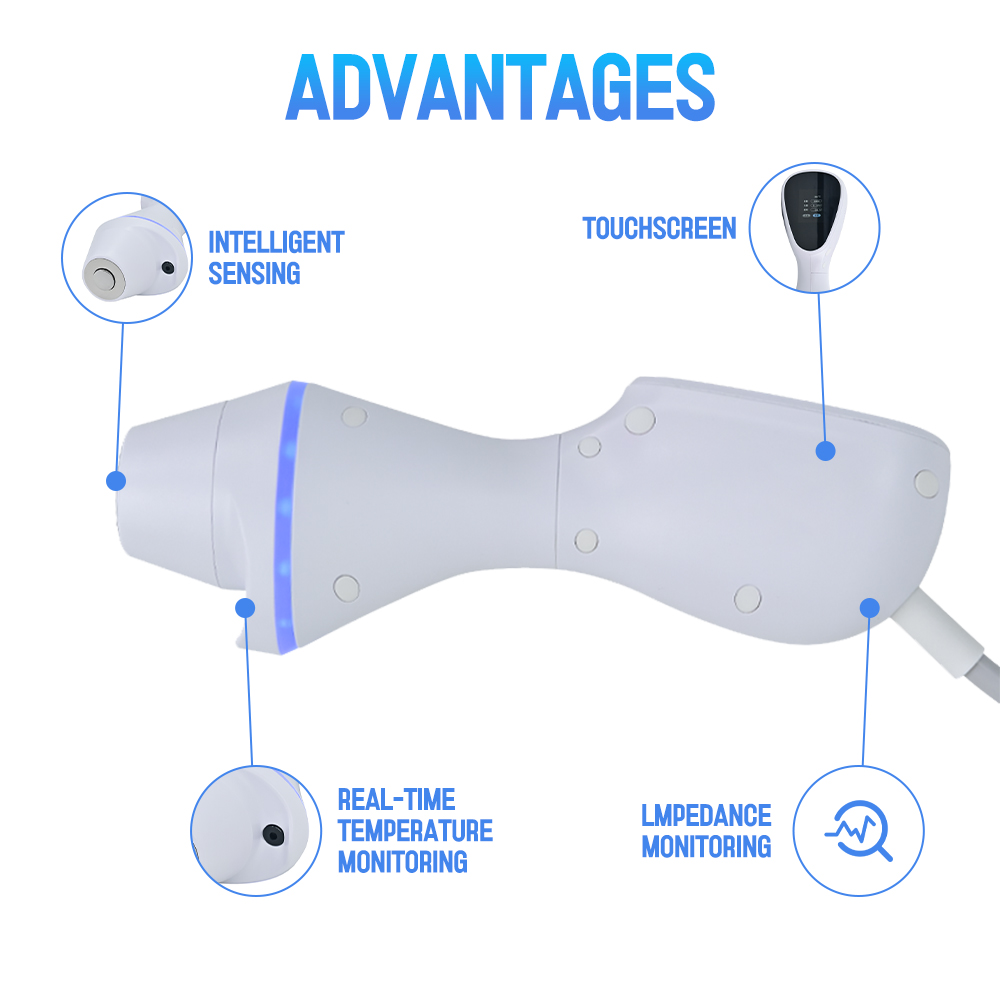
SHEFMON A0204 is a modular focused-HIFU platform. Its product page lists standard and optional handles and cartridges with different treatment depths.
This is an advanced category for an appropriately qualified setting. The business should establish professional responsibility, device-specific training, assessment, consent, exact handle and cartridge control, settings and area records, aftercare, follow-up, maintenance, and escalation before final equipment selection.
HIFU should not be added simply to make a facial menu appear more advanced. It needs its own client pathway, staff authorization, and category owner.
12. Add RF Microneedling Only with Clinical Controls
SHEFMON A0152 lists multiple needle configurations and a 0.5–7 mm depth range. RF microneedling is not a routine extension of a cleansing or hydration facial category.
The category requires appropriate professional oversight, clinical assessment, infection-control and sterile processes, single-use needle traceability, sharps handling, consent, detailed settings and area records, aftercare, follow-up, and a complication-response pathway.
El FDA RF microneedling safety communication describes reports of serious complications associated with certain uses and states that the procedure should be performed by a licensed health-care provider with appropriate training. Local requirements and professional scope must guide whether the category is appropriate.
13. Match the New Category to the Starting Business
| Starting business | Logical category options | Decisión principal |
|---|---|---|
| Basic facial salon | A0648 facial foundation or A0272-F facial depth | Is the gap core facial care or a distinct tone-and-contour goal? |
| Salón facial establecido | A0272-F, A0423/A0426, or B0155 | Add facial depth, hair breadth, or body breadth? |
| Hair-reduction practice | A0648 facial care or B0155 body care | Which adjacent goal is supported by current clients and rooms? |
| Body studio | B0155 foundation, A0241 muscle focus, or S9 localized cooling | Is demand broad or specialized? |
| Clínica dermatológica o spa médico | A0648/A0272-F core and targeted care, then one qualified advanced category | Is the clinical pathway ready for A0204 or A0152? |
| Multi-service center | One missing facial, hair, body, or advanced department | Which gap has a clear owner and can launch without destabilizing other departments? |
These are portfolio choices, not client treatment recommendations.
14. Compare Category Burden, Not Device Price Alone
The purchase price is only one part of category expansion. Build a complete burden map for every option.
Incluir:
- room preparation and controlled access;
- installation and electrical requirements;
- operator training and competency assessment;
- staff time for consultation, preparation, treatment, cleaning, records, and follow-up;
- tips, solutions, needles, membranes, cartridges, gels, or other consumables;
- protective equipment and clinical waste where relevant;
- maintenance, downtime, and technical support;
- booking-system changes and service forms;
- insurance, licensing, and local compliance costs;
- client education and launch materials;
- a reserve plan when the device is unavailable.
A device with many functions may still be a poor category choice if the operating burden cannot be supported.
15. Design a Minimum Viable Category
Launch the smallest complete version of the department. A minimum viable category is limited in menu size but complete in safety, records, staff preparation, support, and client communication.
It should contain:
1. one public category name; 2. one primary client goal; 3. a small number of services or treatment areas; 4. one consultation route; 5. named authorized staff; 6. one controlled room workflow; 7. complete service records; 8. aftercare and follow-up; 9. maintenance and consumable ownership; 10. pause and escalation rules.
Do not confuse “minimum” with incomplete. The reduction applies to menu complexity, not to operating controls.
16. Separate the Client Menu from the Internal Device Map
Clients need to understand goals, appointment type, consultation needs, and what happens next. Staff need more detailed information about device functions, settings, components, cleaning, records, and escalation.
Client-facing menu
Espectáculo:
- category and service name;
- main goal in plain language;
- areas offered;
- whether consultation is required;
- broad appointment format;
- who may need another assessment or referral;
- aftercare and review expectations.
Internal device map
Document:
- exact model and configuration;
- approved service role;
- trained and authorized operators;
- relevant components, handles, cartridges, needles, or applicators;
- settings and area records;
- cleaning and stock procedures;
- maintenance contacts;
- concern and incident pathway.
This separation keeps the public menu readable without weakening internal control.
17. Create a Category-Specific Consultation
Copying the existing facial form into a hair, body, or advanced category creates gaps. The consultation should reflect the device principle, intended area, professional scope, and follow-up needs.
Every category needs a defined outcome:
- proceed under the approved service plan;
- request more information;
- defer until a condition or timing issue is resolved;
- decline because the service is unsuitable;
- refer for another professional opinion or service.
Reception can route enquiries and explain the booking process. Suitability decisions should remain with the appropriately trained and authorized role.
18. Plan the Room Around the Category
Room allocation affects whether expansion can be sustained.
Evaluar:
- privacy and undressing needs;
- device footprint and movement around the bed;
- power, ventilation, and environmental requirements;
- controlled access and protective equipment;
- clean and used component separation;
- consumable and document storage;
- clinical waste or sharps management where relevant;
- preparation, cleaning, and reset time;
- noise and impact on adjacent rooms;
- emergency access and escalation procedures.
A portable or desktop machine does not automatically make the category operationally small. The entire appointment still needs space.
19. Build Category Ownership into Staff Roles
Assign one accountable owner for the new category. This person should coordinate:
- product and configuration confirmation;
- training records and competency sign-off;
- consultation and consent documents;
- room setup and opening checks;
- consumable stock and traceability;
- cleaning and maintenance logs;
- booking rules and reception scripts;
- follow-up and concern handling;
- periodic record review;
- launch evaluation.
Multi-location groups should name both a central category owner and a local site owner. A shared device model does not guarantee shared operating quality.
20. Use Launch Gates Instead of a Fixed Date
Open the category when evidence is complete, not merely when the machine is delivered.
Gate 1: Definition
The category charter, target client goal, service names, exclusions, and model role are approved.
Gate 2: Operational readiness
The exact configuration, room, staff, training, stock, cleaning, maintenance, records, aftercare, and escalation are ready.
Gate 3: Controlled service delivery
A limited menu is delivered by named staff with close record and workflow review.
Gate 4: Stable category
Clients and reception understand the service, records are complete, maintenance is reliable, and concerns are handled consistently.
Gate 5: Expansion
Additional areas, appointment formats, staff, rooms, or a second device are considered only after the initial category is stable.
21. Build Practical Expansion Packages
Package A: New facial department
A0648
Creates a clear cleansing and hydration-focused facial foundation for a salon, wellness studio, or multi-service center.
Package B: Two-category facial menu
A0648 + A0272-F
Separates core cleansing and hydration care from a facial tone-and-contour category.
Package C: Facial and hair center
A0648 + either A0423 or A0426
Combines an accessible facial department with a separately governed hair-reduction department.
Package D: Facial and body studio
A0648 + B0155
Creates distinct facial and broad body-care categories with separate room and consultation requirements.
Package E: Body foundation with one specialization
B0155 + either A0241 or S9
Adds muscle-focused services or localized cooling contouring after the broad body category is stable and the specialized demand is verified.
Package F: Clinic with one advanced category
A0648 or A0272-F + either A0204 or A0152
Pairs a core or targeted facial lane with one qualified advanced pathway. The clinic should establish the professional system for the chosen advanced category before considering the other.
The plus signs describe business portfolio composition. They do not confirm that devices should be combined in one appointment.
22. Know When to Postpone Expansion
Postpone the new category when:
- the client goal cannot be distinguished from current services;
- demand comes mainly from a short-lived trend or isolated client;
- the current department has unresolved quality or maintenance problems;
- no trained and authorized category owner is available;
- room, privacy, power, cleaning, or storage remains inadequate;
- the exact device configuration is unclear;
- consumables, spare components, or technical support are unconfirmed;
- consultation, consent, records, aftercare, or escalation are incomplete;
- local professional, licensing, insurance, or facility requirements are unresolved;
- several new categories are planned for the same launch.
Delay protects the existing business and gives the proposed category a better foundation.
23. Measure Whether the New Category Works
Measure operational stability as well as bookings.
Pista:
- suitable enquiries and consultation outcomes;
- the source of new-category clients;
- client understanding of the category’s purpose;
- incorrect bookings and menu overlap;
- complete appointment time, including room reset and records;
- staff competency and authorization status;
- record completeness and component traceability;
- consumable usage and stock interruptions;
- cleaning, maintenance, faults, and downtime;
- aftercare questions, follow-up completion, and concerns;
- referrals and declined or deferred cases;
- impact on the existing menu and rooms.
Only expand the service list when the original category remains understandable and reliable.
24. Common Category-Expansion Mistakes
Buying a multifunction device before defining the category
Functions do not determine the public menu. Start with the client goal and operating system.
Calling a new handpiece a new department
A category needs a distinct goal, assessment, service role, and continuity path.
Copying another business’s expansion order
A facial salon, body studio, laser practice, and skin clinic have different clients, rooms, and professional requirements.
Launching every possible service immediately
A small complete menu is easier to explain, train, record, and improve.
Treating advanced devices as marketing upgrades
Focused HIFU and RF microneedling require qualified professional and clinical pathways.
Sharing one generic consultation form
Facial care, hair reduction, body services, cooling contouring, HIFU, and RF microneedling require different information and decisions.
Ignoring category ownership
Without one accountable owner, stock, records, training, maintenance, and follow-up become fragmented.
Assuming devices in the same portfolio should be combined
Portfolio planning and treatment planning are separate. Combined use needs instructions, assessment, professional judgment, supported sequencing, and complete records.
25. Final Category-Expansion Checklist
Before approving the new category, confirm that:
1. the unmet client goal is documented; 2. the change is genuine category depth or breadth; 3. capacity pressure has been ruled out as the main problem; 4. the category charter is complete; 5. the selected device has one clear menu role; 6. the exact model configuration and included components are confirmed; 7. the minimum launch menu is small and understandable; 8. the consultation is specific to the category; 9. staff training, authorization, and ownership are documented; 10. the room supports the complete appointment; 11. consumables, cleaning, maintenance, warranty, and technical service are planned; 12. records, aftercare, follow-up, and escalation are complete; 13. local professional and regulatory requirements are satisfied; 14. controlled-launch and stabilization gates are defined; 15. treatment protocols remain separate from portfolio packages.
Preguntas frecuentes
1. What is the easiest new treatment category for a beauty salon to add?
The easiest category is the one closest to the current audience and operating strengths. For a salon without a clear device-assisted facial foundation, A0648 may be practical. Ease still depends on staff, room, cleaning, stock, records, maintenance, and client demand.
2. How can a business tell whether it is adding a service or a new category?
A new category normally introduces a distinct client goal, consultation logic, device principle, staff competency, record set, or room requirement. A service variation stays within the same established operating system.
3. Which device can add depth to an existing facial menu?
A0272-F can add a facial tone-and-contour pathway when the current menu already covers cleansing and hydration. Its role should remain separate from A0648 rather than being marketed as an automatic upgrade for every client.
4. What is required when a facial salon adds hair removal?
The salon needs a dedicated laser consultation, trained and authorized operators, suitable room controls, protective equipment, area-based records, aftercare, follow-up, escalation, and compliance with local professional, licensing, insurance, and facility requirements.
5. Should a business choose B0155, A0241, or S9 for a new body category?
Choose B0155 for broad multifunction body-care demand, A0241 for a defined muscle-focused service, or S9 for qualified localized cooling-contouring demand. The body category should be selected from the client goal and operating requirements.
6. Can a salon add A0204 HIFU as its first advanced service?
Only when the setting has the appropriate professional scope, device-specific training, assessment, consent, exact handle and cartridge controls, records, aftercare, follow-up, maintenance, and escalation. It should not be added only to create a premium menu tier.
7. Is A0152 RF microneedling suitable for an ordinary beauty salon?
Suitability depends on jurisdiction, professional scope, clinical oversight, training, infection control, needle traceability, sharps handling, consent, records, aftercare, and complication response. Many ordinary salons will not have the required pathway.
8. How many services should launch with a new device category?
Launch the smallest set that clients can understand and staff can deliver consistently. Add more areas or formats after the initial category has stable consultations, records, cleaning, stock, maintenance, and follow-up.
9. Can devices from two new categories be used in the same appointment?
Do not infer compatibility from the business portfolio. Combined use requires the instructions for each device, individual assessment, professional judgment, supported sequencing and timing, complete records, aftercare, and local requirements.
10. What should a buyer provide when asking SHEFMON for an expansion package?
Provide the business type, country or market, current menu and devices, intended new category, client-demand evidence, staff roles, rooms, expected workload, and shortlisted models. Ask for exact configurations, included components, operating requirements, training information, consumables, maintenance, warranty, technical documents, service process, and shipping details.
Conclusión
A new treatment category succeeds when the device, client goal, menu, staff, room, records, aftercare, and support system all fit together. A0648 can establish a facial-care foundation, while A0272-F adds a separate facial tone-and-contour route. A0423 or A0426 can support a dedicated hair-reduction department. B0155 can open broad body care, with A0241 or S9 serving more specialized body demand. A0204 and A0152 belong in qualified advanced pathways.
Explorar SHEFMON beauty-device categories y Contacta con SHEFMON with your current services, proposed category, client-demand evidence, rooms, staff roles, and shortlisted models. SHEFMON can help compare available configurations and the equipment needed for a clearly defined expansion plan.