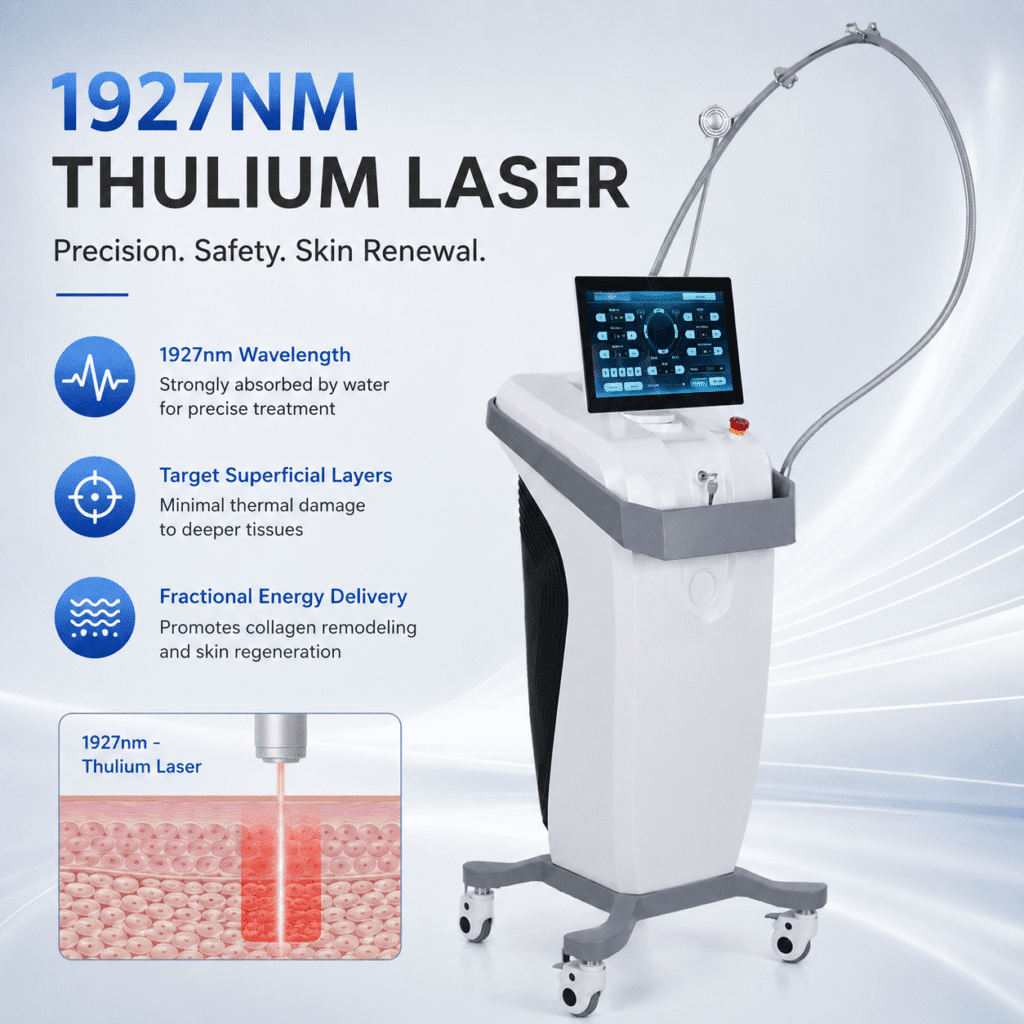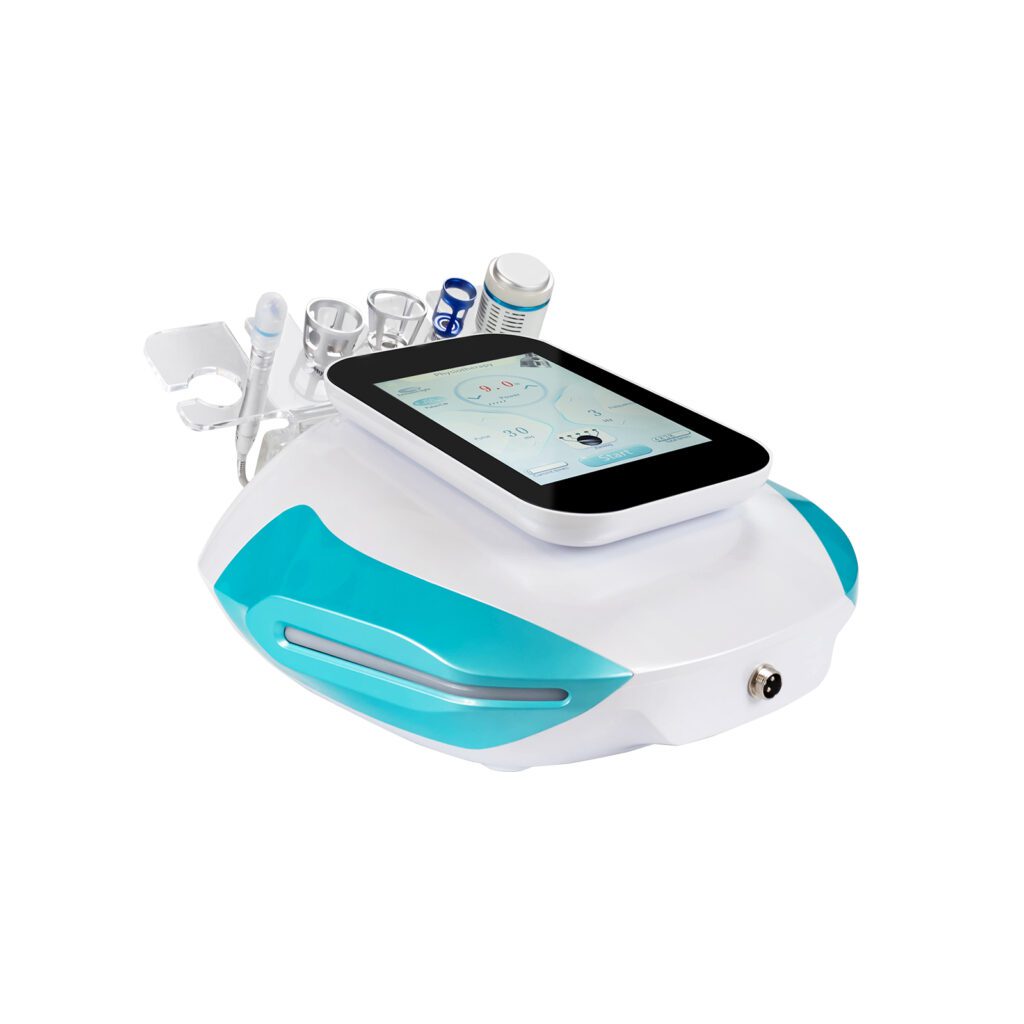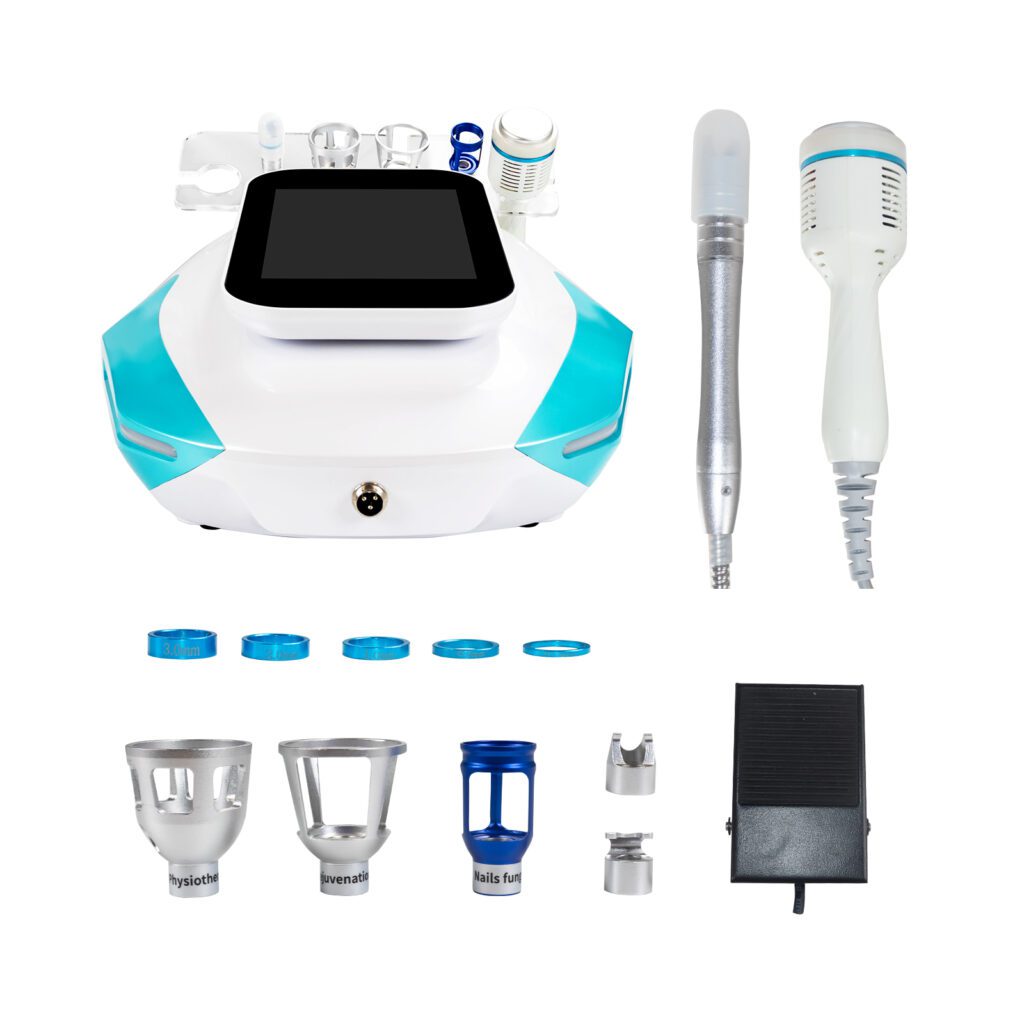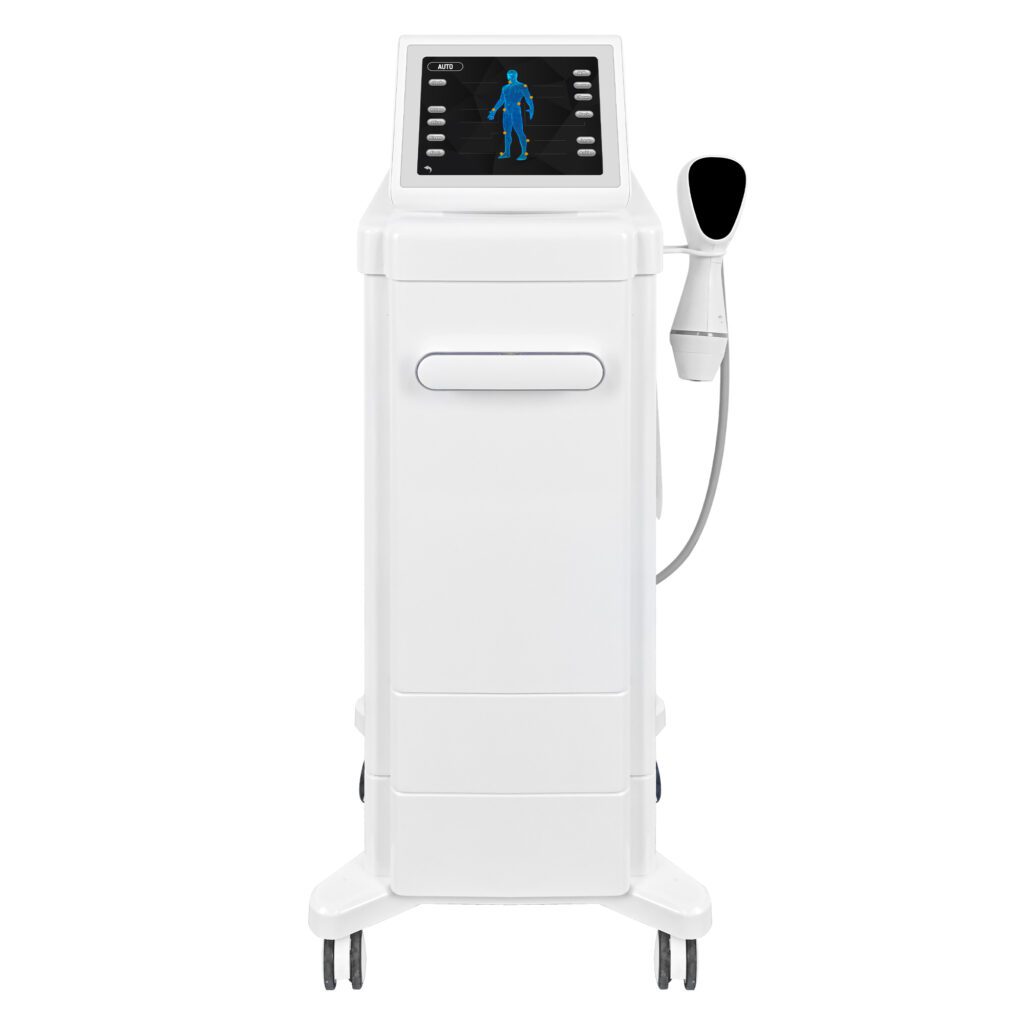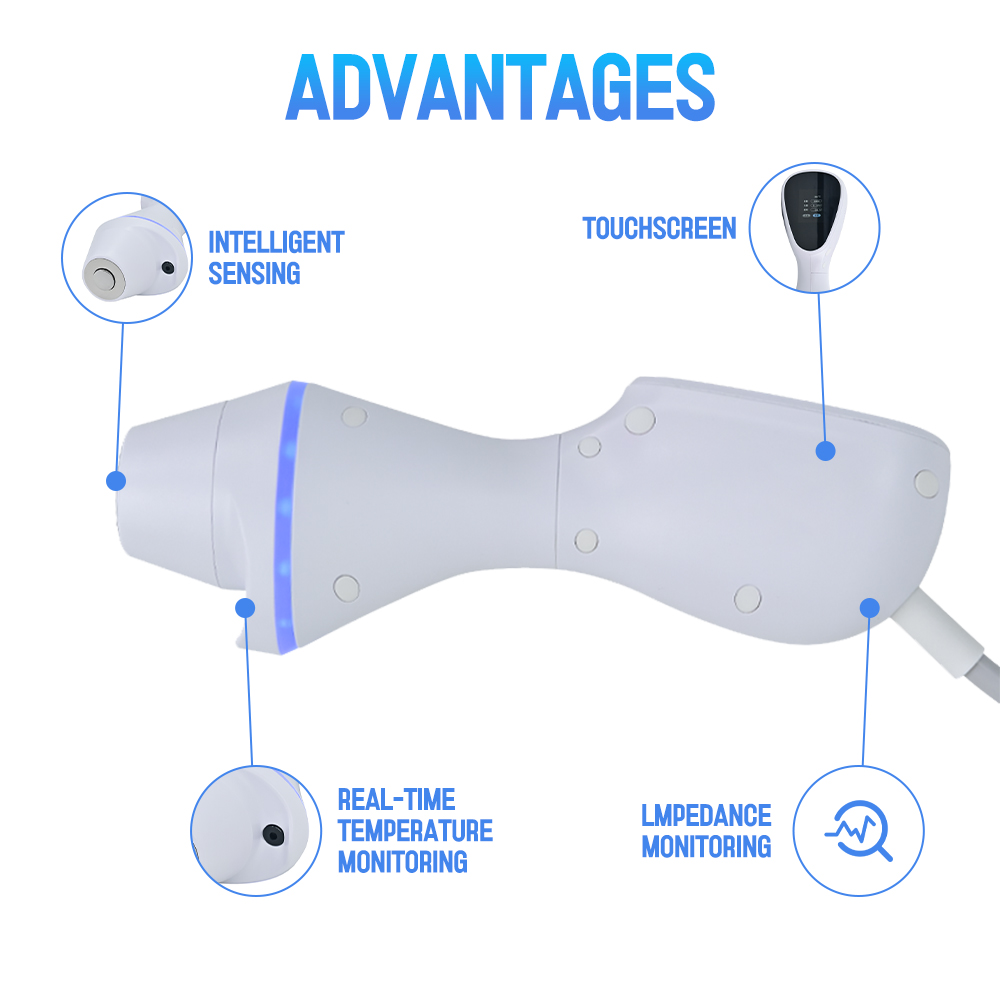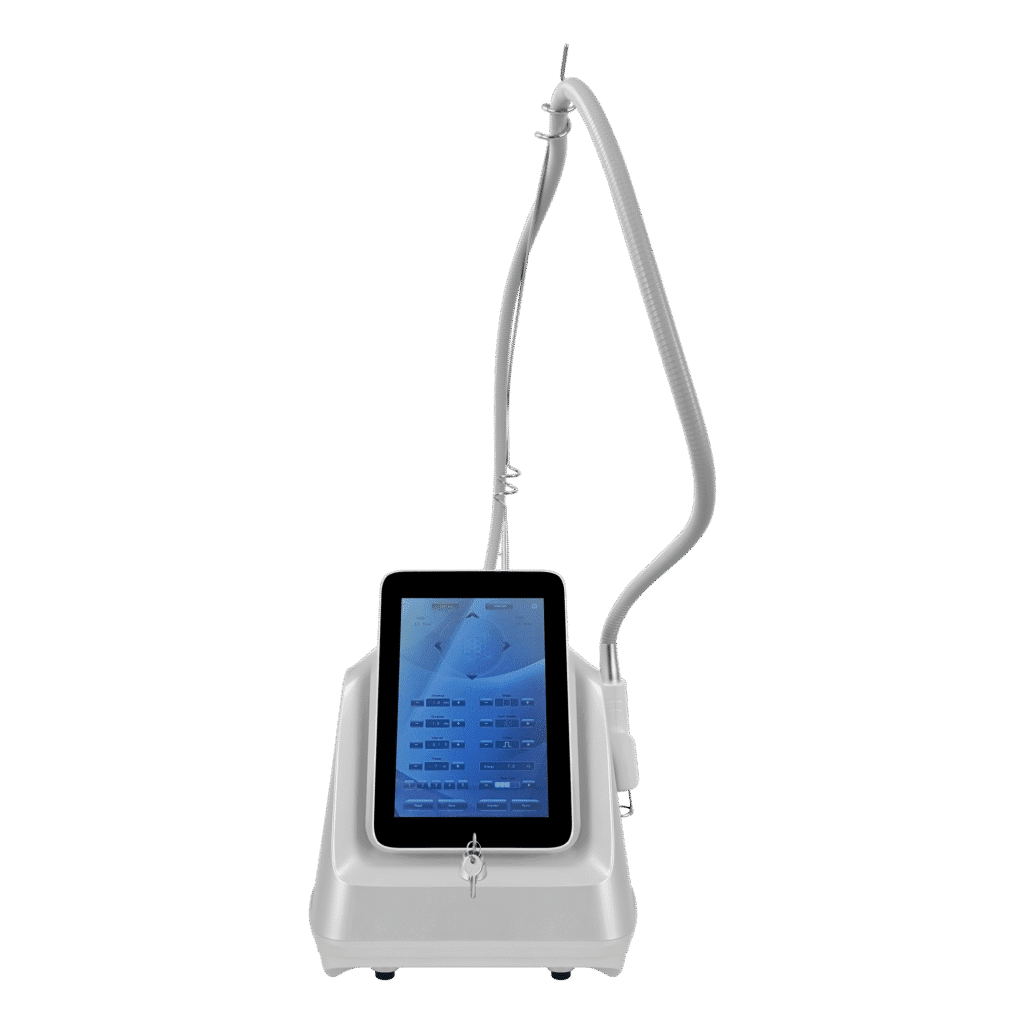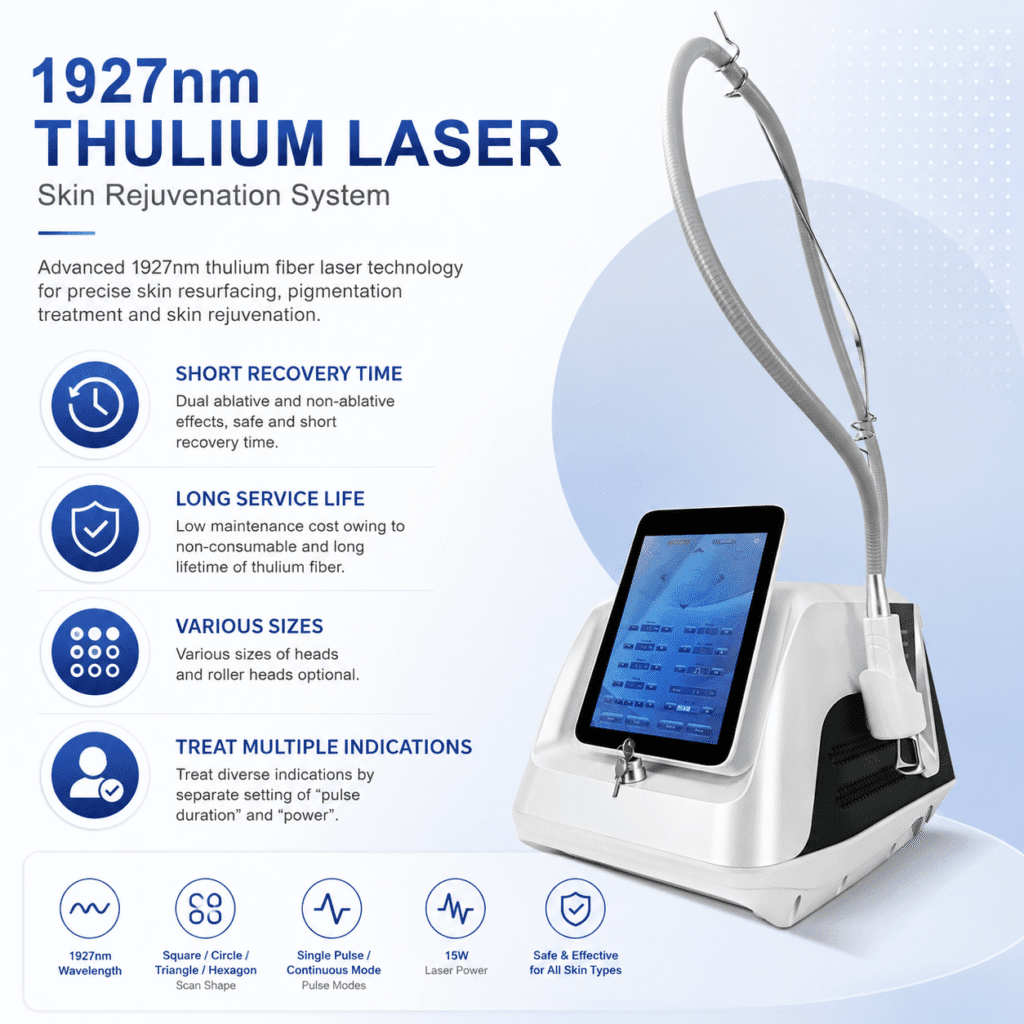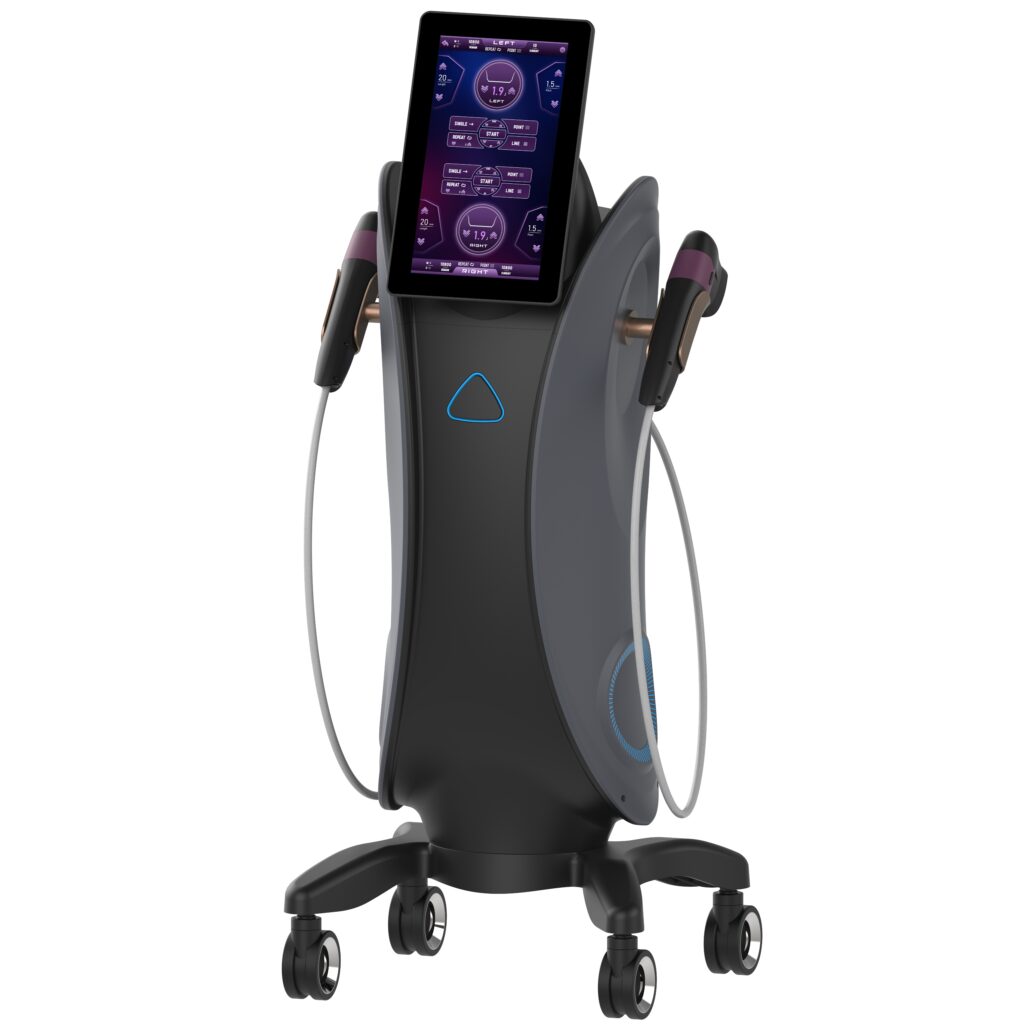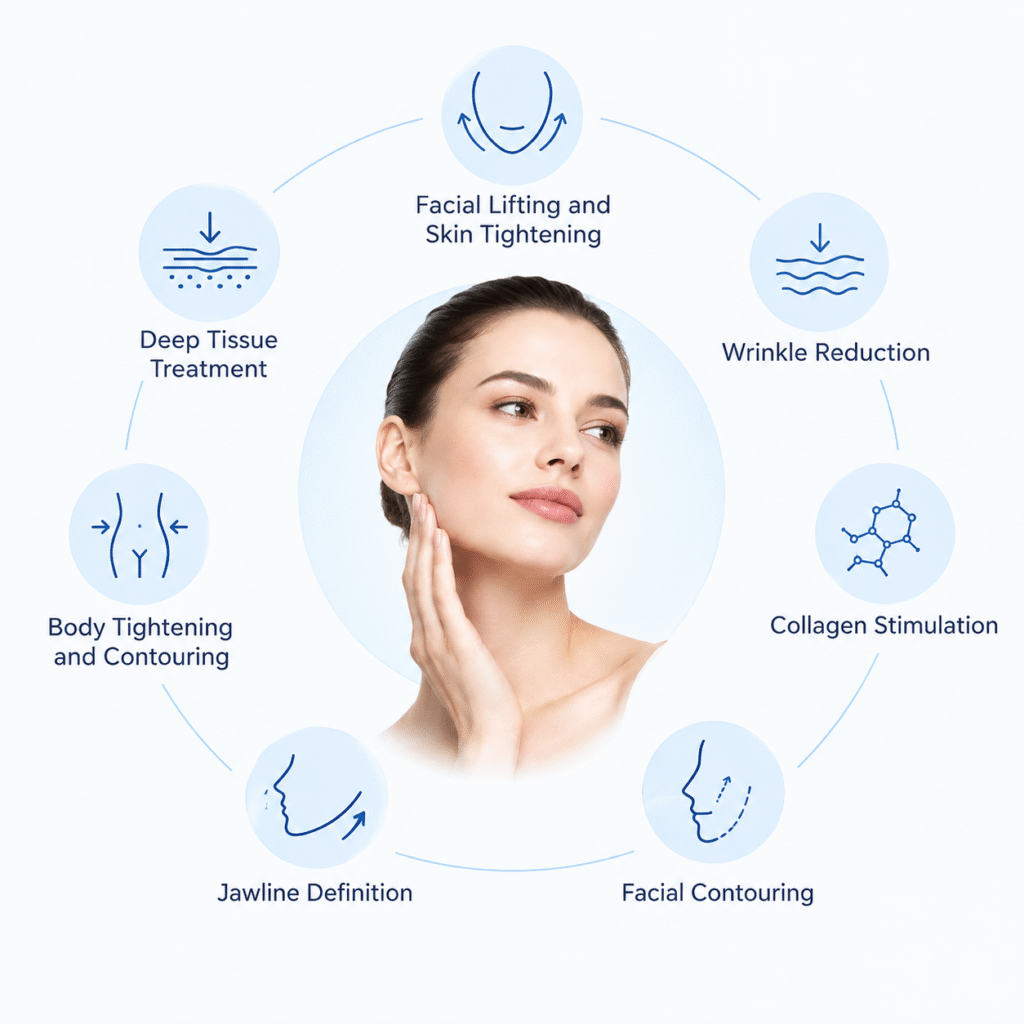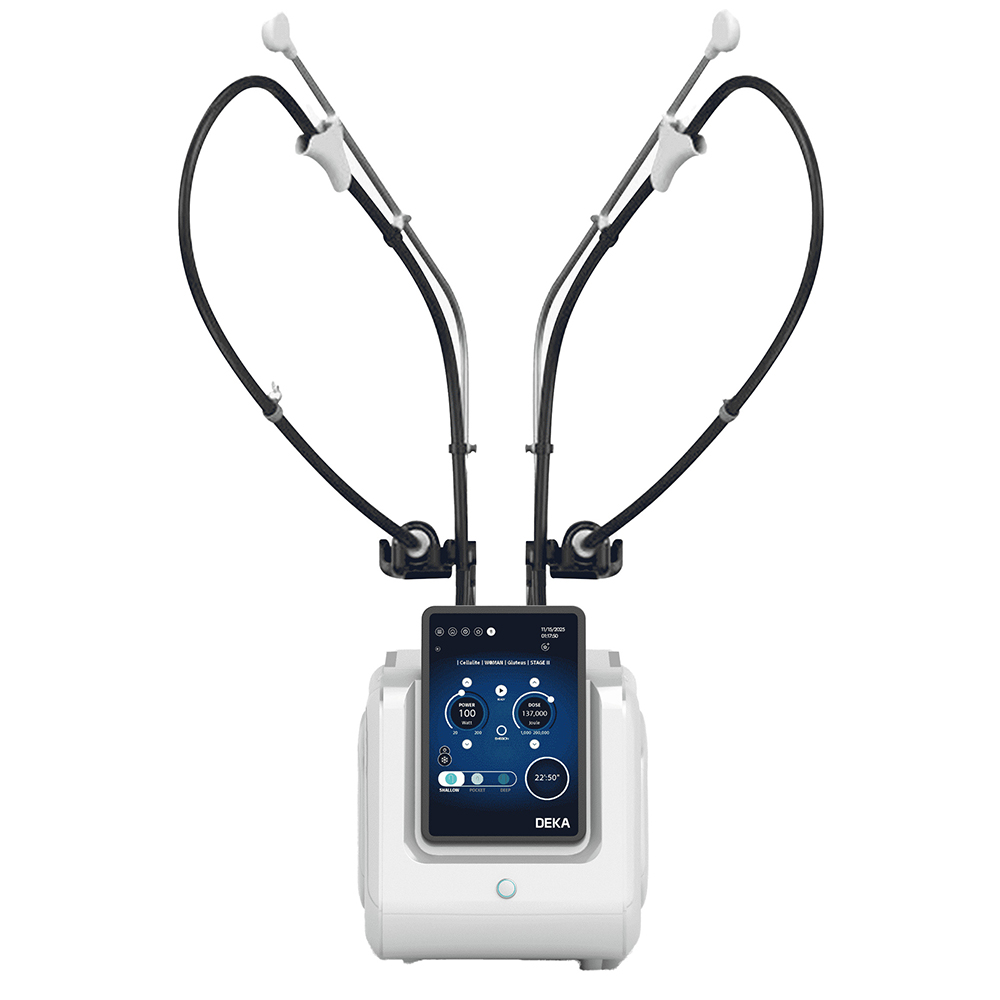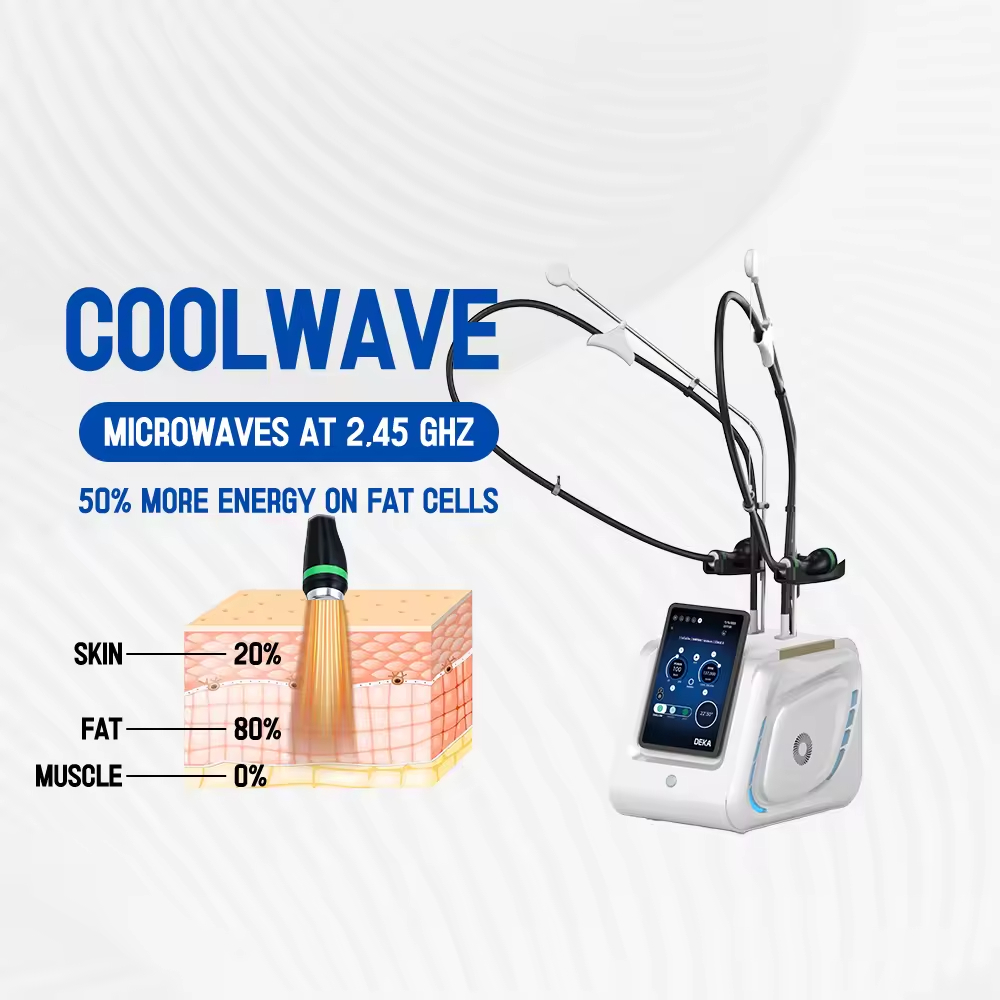










Los dispositivos de medicina estética han transformado la dermatología moderna y el cuidado cosmético de la piel al ofrecer soluciones no invasivas o mínimamente invasivas para una amplia gama de problemas cutáneos. Estos dispositivos avanzados, como los sistemas láser, las herramientas de radiofrecuencia (RF), la luz pulsada intensa (IPL) y las plataformas de microagujas, actúan estimulando el colágeno, regenerando la piel dañada o tratando problemas de pigmentación y vasculares. Por ello, se utilizan ampliamente en clínicas para tratar problemas cutáneos comunes y complejos de forma eficaz y segura cuando son operados por profesionales capacitados. A continuación, se describen los problemas cutáneos más comunes que pueden tratar los dispositivos de medicina estética, junto con su funcionamiento y las razones de su eficacia.
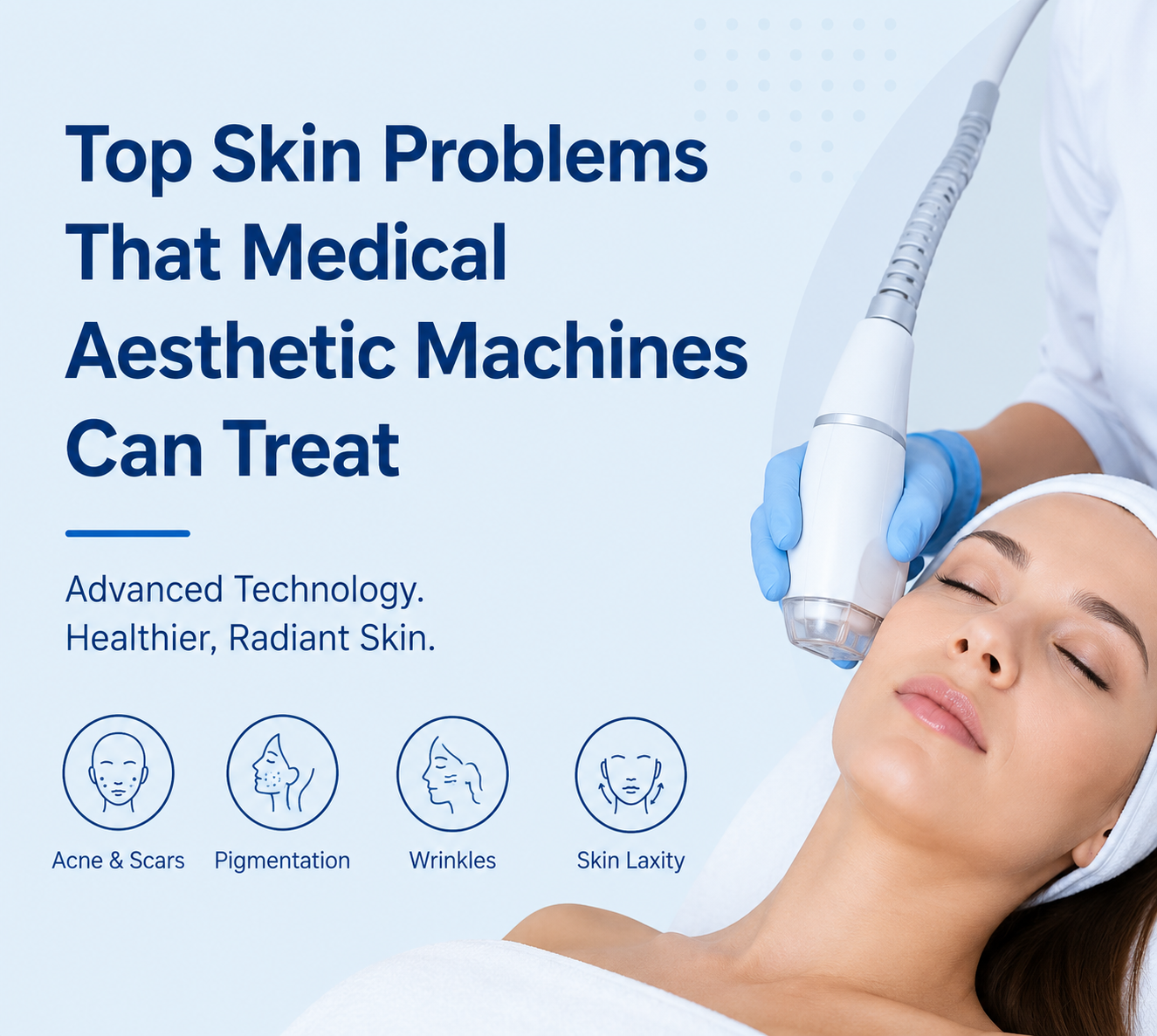
1. Acné y brotes activos
1.1 Cómo se desarrolla el acné
El acné se produce cuando los poros se obstruyen con grasa, células muertas de la piel y bacterias, lo que provoca inflamación y brotes. Si bien los productos tópicos y los medicamentos pueden ayudar, el acné persistente o quístico suele requerir un tratamiento más profundo.
1.2 Cómo ayudan las máquinas estéticas
Se utilizan varios dispositivos basados en energía para tratar el acné desde su raíz:
- tratamientos láser ataca las bacterias y reduce la actividad de las glándulas sebáceas.
- Terapia con luz azul o luz pulsada intensa (IPL). Ayuda a destruir las bacterias que causan el acné y a calmar la inflamación.
- Máquinas de radiofrecuencia (RF) reduce la producción de grasa y mejora la cicatrización de la piel.
Los sistemas láser no ablativos también pueden estimular la remodelación del colágeno, lo que ayuda a la piel a recuperarse de la inflamación repetida y reduce los brotes futuros.
1.3 Resultados y beneficios
Tras una serie de tratamientos, los pacientes suelen experimentar menos lesiones activas, menor enrojecimiento y una mejoría en la textura de la piel. Estas tecnologías son especialmente útiles para quienes no responden bien a los medicamentos tradicionales para el acné.
2. Cicatrices de acné y daños en la textura de la piel
2.1 El desafío de las cicatrices del acné
Una vez que el acné sana, puede dejar cicatrices profundas, textura irregular o manchas oscuras. Estos cambios se producen debido a la pérdida o la sobreproducción de colágeno durante el proceso de curación.
2.2 Tratamientos eficaces basados en máquinas
Los dispositivos estéticos modernos son altamente efectivos para el rejuvenecimiento y la reconstrucción de la estructura de la piel:
- Láseres de CO₂ fraccionados Eliminar las capas dañadas de la piel y estimular la regeneración profunda del colágeno.
- láseres de erbio Ofrecen un repintado más controlado con un tiempo de inactividad reducido.
- Sistemas de microagujas por radiofrecuencia Combinar microlesiones con energía térmica para remodelar el colágeno desde el interior.
- Láseres no ablativos mejorar gradualmente la textura sin dañar la capa superficial
Las tecnologías fraccionadas funcionan creando microzonas de lesión controlada, lo que permite que la piel sana se regenere de forma más eficiente alrededor de las áreas tratadas.
2.3 Resultados clínicos
Con varias sesiones, los pacientes pueden lograr una piel más suave, una reducción de la profundidad de las cicatrices y una mayor uniformidad facial en general.

máquina de radiofrecuencia con microagujas
3. Hiperpigmentación y tono de piel desigual
3.1 ¿Qué causa los problemas de pigmentación?
La hiperpigmentación incluye manchas solares, melasma y manchas oscuras postinflamatorias. Se produce por una producción excesiva de melanina desencadenada por la exposición al sol, las hormonas o la inflamación.
3.2 Tecnologías utilizadas para la corrección de la pigmentación
Las máquinas estéticas permiten una focalización precisa de los grupos de pigmento:
- Láseres con conmutación Q y láseres de picosegundos descomponen el exceso de partículas de melanina
- tratamientos faciales con luz pulsada intensa (IPL) Reduce las manchas solares, el enrojecimiento y el tono desigual.
- Láseres fraccionales mejorar las irregularidades de pigmentación más profundas
- Láseres Nd:YAG Actúa sobre la pigmentación dérmica más profunda de forma segura en diferentes tipos de piel.
Estos dispositivos suministran energía controlada que destruye selectivamente el pigmento sin dañar el tejido circundante.
3.3 Mejoras visibles
Tras el tratamiento, la piel luce más luminosa, con un tono más uniforme y un aspecto más saludable. El mantenimiento a largo plazo suele incluir protección solar para prevenir la reaparición del problema.

4. Líneas finas y arrugas
4.1 Cambios en la piel debido al envejecimiento
Las arrugas se forman debido a la disminución del colágeno, las expresiones faciales repetidas y los daños ambientales, como la exposición a los rayos UV. Con el tiempo, la piel pierde elasticidad y firmeza.
4.2 Tratamientos antienvejecimiento con máquinas
Los dispositivos de medicina estética son altamente efectivos para estimular la renovación del colágeno:
- Láseres ablativos (CO₂ o erbio) eliminar las capas de piel envejecida y estimular la regeneración
- Láseres no ablativos Calentar las capas más profundas para estimular el colágeno sin dañar la superficie.
- Tratamientos de radiofrecuencia (RF) Reafirma la piel calentando los tejidos más profundos y promoviendo la contracción y renovación del colágeno.
- Terapias basadas en la luz Al igual que la luz roja LED, puede mejorar gradualmente la textura y la elasticidad de la piel.
Los dispositivos basados en radiofrecuencia son especialmente populares porque ofrecen un ajuste notable con un tiempo de inactividad mínimo.
4.3 Resultados a lo largo del tiempo
Los pacientes suelen notar un efecto tensor inmediato, seguido de una mejora progresiva a lo largo de varios meses a medida que se forma nuevo colágeno.
5. Flacidez y pérdida de firmeza de la piel
5.1 ¿Por qué se produce la flacidez en la piel?
La flacidez de la piel se debe al envejecimiento, la pérdida de peso y la disminución de la producción de colágeno y elastina. Suele afectar a las mejillas, la mandíbula, el cuello y los párpados.
5.2 Tecnologías de ajuste
Existen varios sistemas avanzados diseñados para reafirmar y tonificar la piel:
- Dispositivos de radiofrecuencia monopolares y bipolares transmitir calor profundamente en las capas de tejido
- Microagujas de radiofrecuencia Combina la estimulación del colágeno con efectos reafirmantes.
- Dispositivos basados en ultrasonido (HIFU) apuntar a capas estructurales profundas para el levantamiento
- Sistemas combinados Integrar múltiples tecnologías para obtener mejores resultados.
Estos tratamientos actúan contrayendo las fibras de colágeno existentes y estimulando el crecimiento de nuevo colágeno, mejorando gradualmente la firmeza de la piel con el tiempo.
5.3 Ventajas
El estiramiento de la piel sin cirugía ofrece una alternativa más segura a los estiramientos faciales para personas con flacidez leve o moderada.

6. Enrojecimiento, rosácea y afecciones vasculares
6.1 Comprensión de los problemas vasculares de la piel
Afecciones como la rosácea, la rotura de capilares y el enrojecimiento facial se producen cuando los vasos sanguíneos se dilatan o se vuelven inestables.
6.2 Cómo los dispositivos tratan los problemas vasculares
Los dispositivos de medicina estética actúan sobre los vasos sanguíneos sin dañar el tejido circundante:
- Láseres de colorante pulsado calor y colapso capilar visible
- Sistemas IPL Reduce el enrojecimiento y unifica el tono de la piel.
- láseres específicos para vasos sanguíneos Tratar las arañas vasculares y el enrojecimiento facial persistente.
Estos tratamientos funcionan absorbiendo selectivamente la energía lumínica de la hemoglobina, reduciendo así el tamaño de los vasos sanguíneos visibles.
6.3 Resultados del tratamiento
Los pacientes suelen experimentar una reducción del enrojecimiento, una menor visibilidad de las venas y una tez más uniforme después de unas pocas sesiones.
Conclusión
Los equipos de medicina estética ofrecen soluciones eficaces y científicamente probadas para una amplia gama de problemas cutáneos, desde acné y cicatrices hasta pigmentación, arrugas y enrojecimiento. Mediante tecnologías como láseres, radiofrecuencia, luz pulsada intensa (IPL) y microagujas, estos sistemas atacan los problemas de la piel desde su origen, en lugar de limitarse a tratar los síntomas superficiales. A medida que la tecnología sigue evolucionando, estos tratamientos se vuelven más seguros, precisos y personalizables, lo que hace que el rejuvenecimiento cutáneo profesional sea más accesible y eficaz que nunca.