









Understanding Postpartum Pelvic Floor Challenges
Childbirth is one of the most remarkable experiences a woman can go through, but it also places tremendous pressure on the body. One area that often receives less attention than it deserves is the pelvic floor. These muscles act like a supportive hammock, holding the bladder, uterus, and bowel in place. During pregnancy, the growing baby continuously increases pressure on these muscles. During vaginal delivery, they can stretch significantly, leading to weakness and dysfunction.
Many women notice symptoms shortly after giving birth. Urine leakage while coughing, sneezing, laughing, or exercising becomes surprisingly common. Some women experience a feeling of heaviness in the pelvic region, while others report decreased sexual satisfaction or weakened muscle control. These issues can affect confidence, daily comfort, and overall quality of life.
Traditional recovery methods often rely on Kegel exercises. While helpful, many women struggle to perform them correctly or consistently. This challenge has created demand for modern, technology-driven solutions that can provide stronger and more reliable muscle activation.
The good news is that advancements in electromagnetic muscle stimulation technology are transforming postpartum rehabilitation. Devices such as the E0435 Women’s Postpartum Repair EMS Chair are designed specifically to help women rebuild pelvic floor strength safely, comfortably, and efficiently.
Why Pregnancy Weakens the Pelvic Floor
Pregnancy creates continuous stress on pelvic tissues for months. Hormonal changes increase ligament flexibility to prepare the body for childbirth. While this flexibility is necessary, it can also reduce pelvic stability. The result is a weakened support system that often requires targeted rehabilitation after delivery.
Common Symptoms Women Experience After Childbirth
Some of the most common postpartum symptoms include:
| Symptom | Potential Cause |
|---|---|
| Urinary leakage | Weak pelvic floor muscles |
| Reduced muscle tone | Muscle stretching during childbirth |
| Pelvic heaviness | Support structure weakening |
| Reduced sexual sensitivity | Decreased muscle strength and circulation |
| Core instability | Weak pelvic floor foundation |
What Is the E0435 Women’s Postpartum Repair EMS Chair?
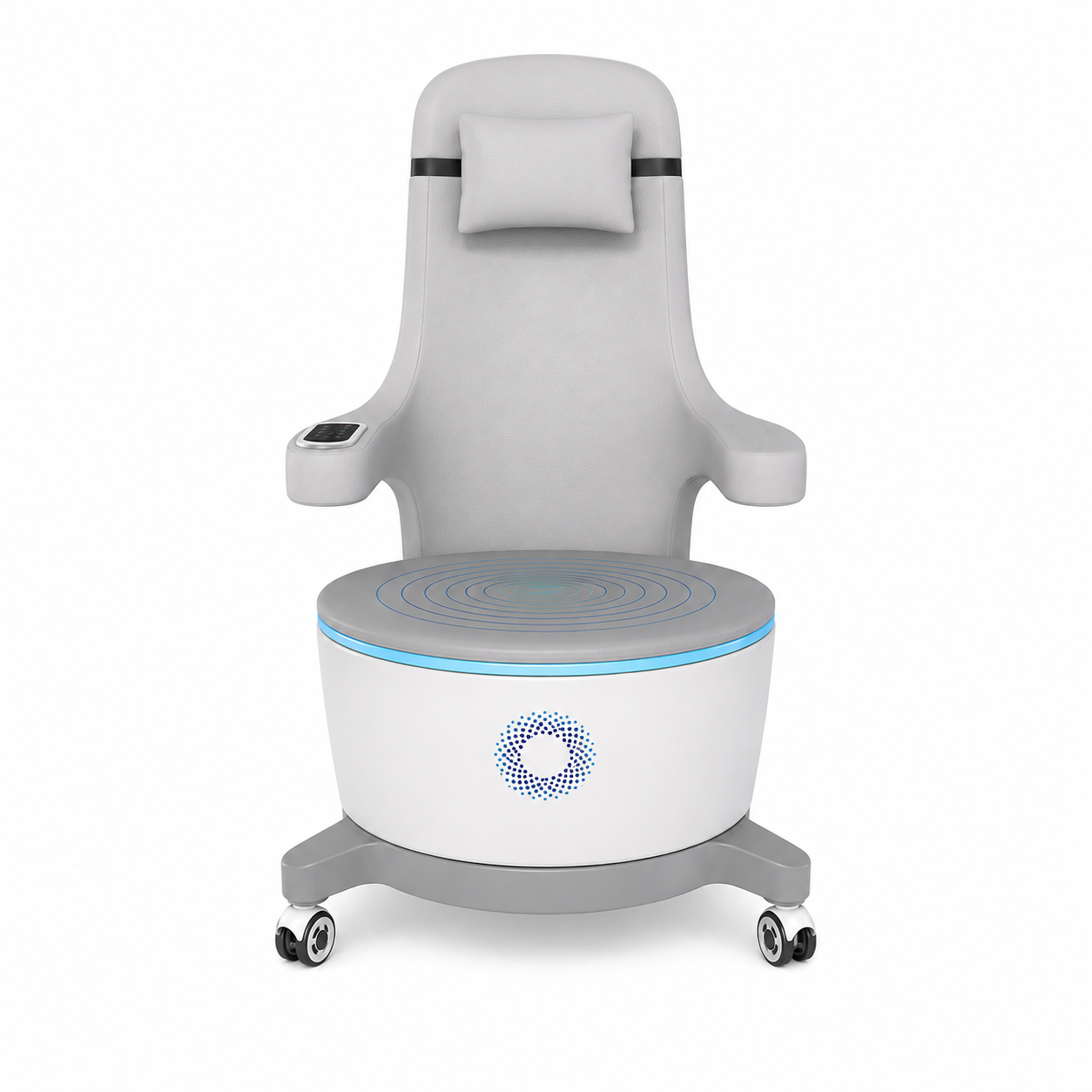
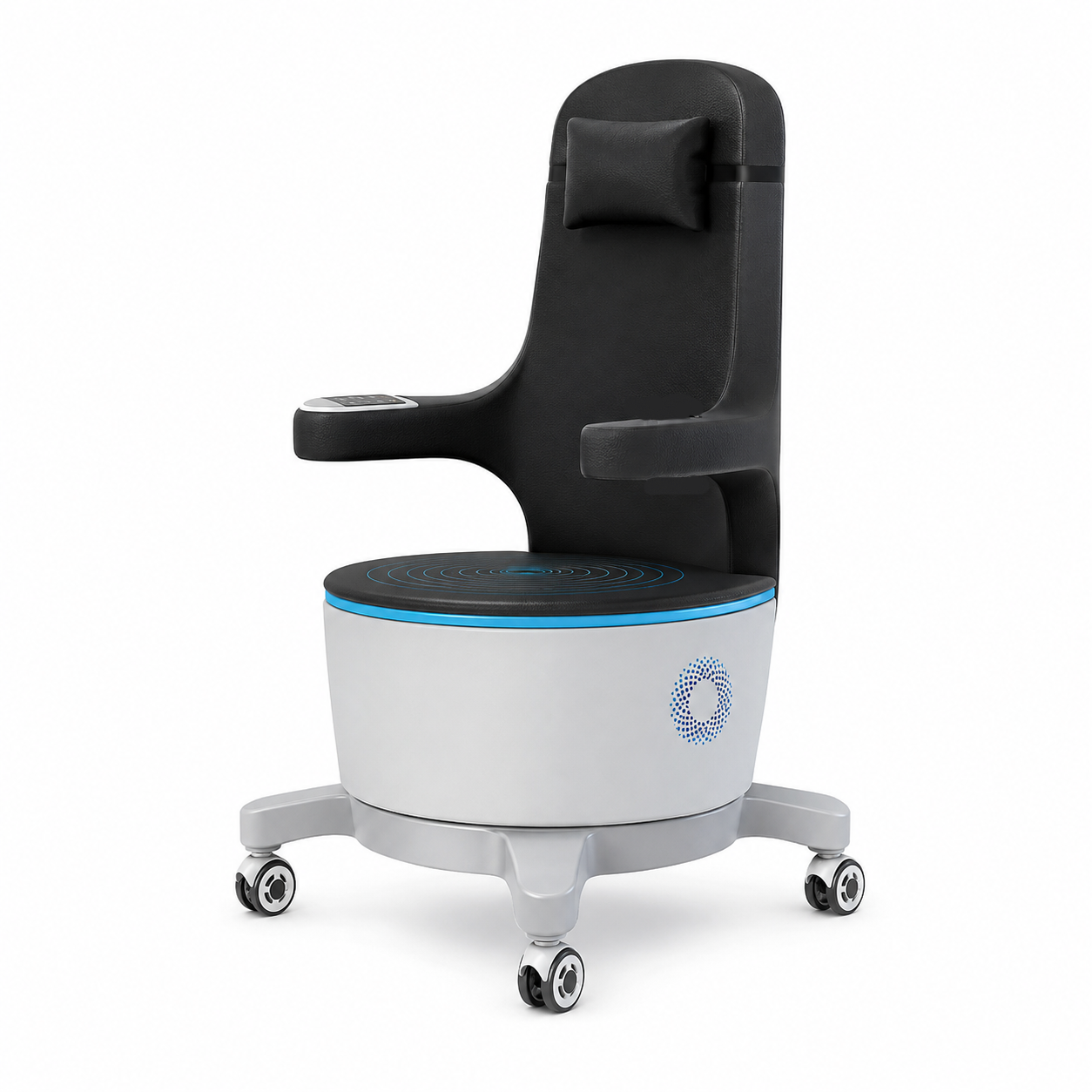
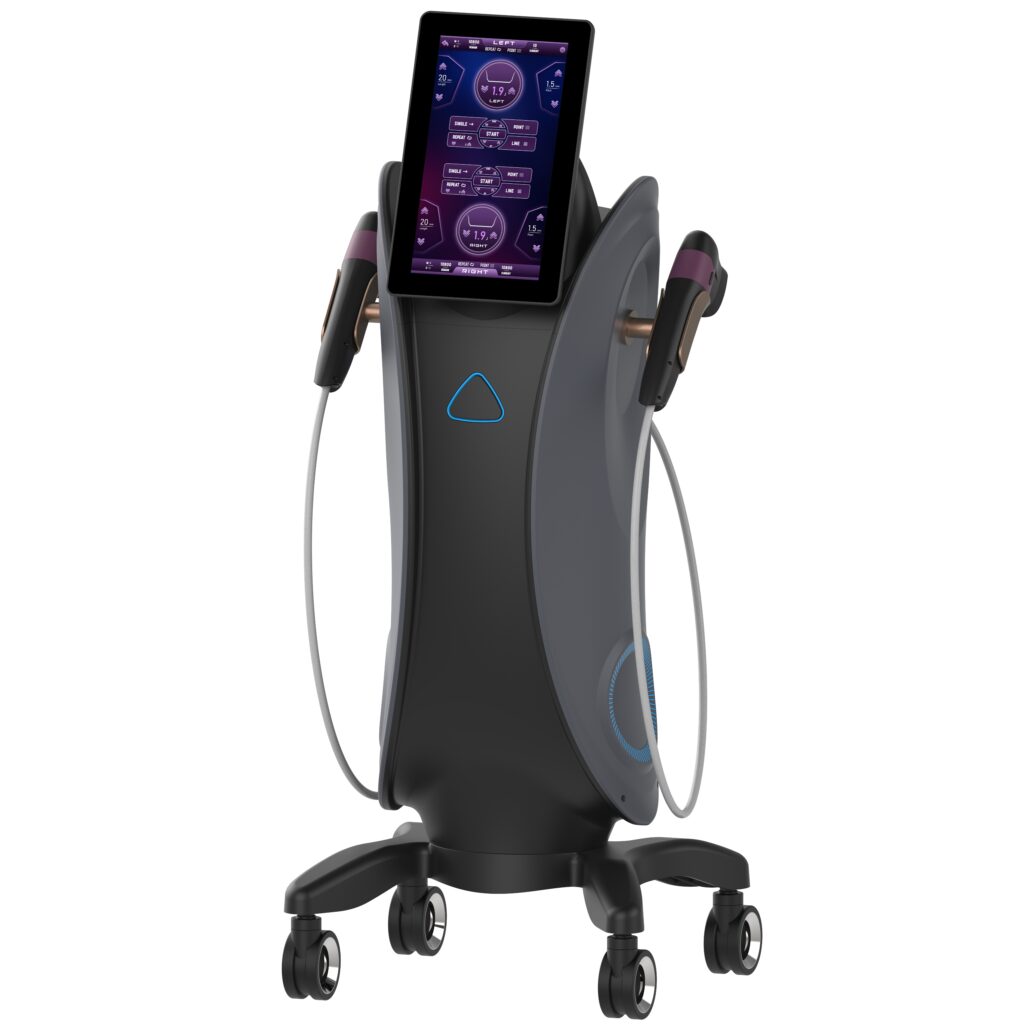
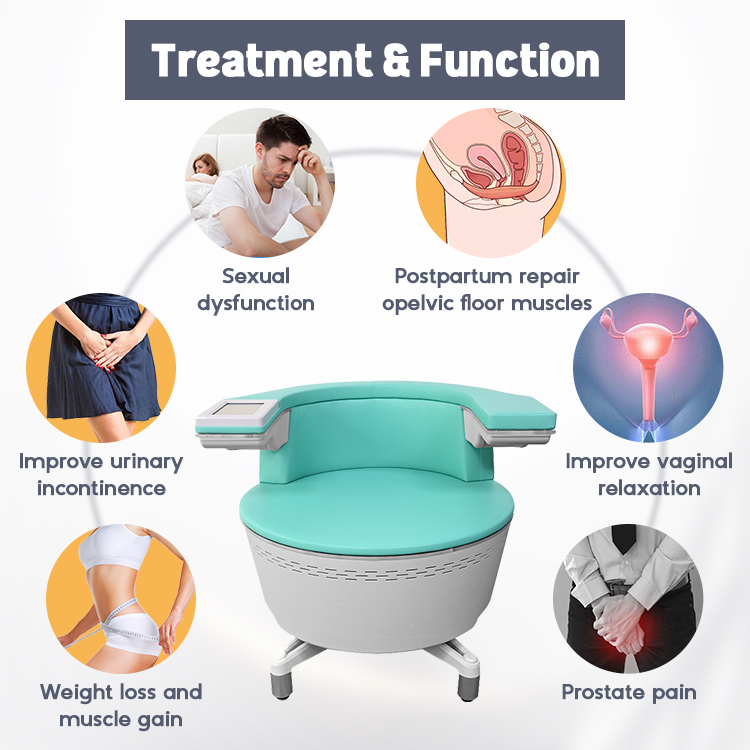
The E0435 Women’s Postpartum Repair EMS Chair is an advanced pelvic floor rehabilitation system developed by SHEFMON. It utilizes focused electromagnetic energy to stimulate deep pelvic floor muscles without requiring invasive procedures, surgery, or physical exertion. Users simply sit on the chair fully clothed while the system performs the therapy.
Think of it as having a personal trainer dedicated exclusively to your pelvic floor muscles. Unlike traditional exercises that depend on user effort, the E0435 chair automatically activates muscle fibers deep within the pelvic region. This allows muscles that may be difficult to engage voluntarily to receive effective training.
The treatment is designed for postpartum women, individuals dealing with urinary incontinence, and those seeking improved pelvic health. Because the process is non-invasive, there is no downtime, discomfort, or recovery period after sessions.
Introduction to EMS Pelvic Floor Technology
EMS stands for Electromagnetic Muscle Stimulation. This technology has been widely used in physical rehabilitation and muscle conditioning. In pelvic floor applications, focused electromagnetic pulses stimulate motor neurons, creating contractions that strengthen muscles and improve neuromuscular control.
How Electromagnetic Stimulation Works
The E0435 emits focused electromagnetic energy that penetrates deeply into the pelvic floor region. These pulses induce powerful muscle contractions known as supramaximal contractions, which are stronger than voluntary contractions achieved through standard exercise. According to SHEFMON, a single treatment can generate the equivalent of approximately 12,000 pelvic floor muscle contractions.
Key Features of the E0435 EMS Chair
The E0435 is designed with both effectiveness and user comfort in mind. It combines advanced engineering with a simple user experience that requires little effort from the patient.
Non-Invasive Treatment Experience
One of the biggest advantages is that treatment is completely non-invasive. There are no probes, injections, medications, or surgical procedures involved. Patients remain fully clothed throughout the session. This makes the experience more comfortable and less intimidating compared to many traditional pelvic rehabilitation methods.
High-Intensity Focused Electromagnetic Energy
The chair utilizes focused electromagnetic pulses to activate deep muscle tissues. Unlike surface-level stimulation technologies, this energy reaches muscles that are difficult to target with ordinary exercises. The result is more comprehensive pelvic floor strengthening.
Comfortable Chair-Based Design
Comfort plays a major role in treatment compliance. The ergonomic design allows users to sit naturally during sessions lasting approximately 20–30 minutes. Many clinics appreciate the chair’s approachable appearance because it helps reduce anxiety among first-time patients.
Benefits of the E0435 EMS Pelvic Floor Chair
The popularity of EMS pelvic floor chairs continues to grow because they address several common women’s health concerns simultaneously.
Improved Bladder Control
Urinary incontinence is one of the most frequent postpartum complaints. Strengthening pelvic floor muscles improves support around the bladder and urethra, helping women regain better control. Many clinics use EMS therapy specifically for stress urinary incontinence management.
Enhanced Sexual Wellness
Pelvic floor strength plays a direct role in sexual function. Stronger muscles can improve blood flow, sensation, and muscle responsiveness. SHEFMON highlights improved sensitivity and sexual wellness as one of the primary benefits of the E0435 system.
Stronger Pelvic Floor Muscles
Like any muscle group, pelvic floor muscles respond positively to training. Regular EMS sessions help rebuild strength, endurance, and neuromuscular coordination. The result is improved support for pelvic organs and better overall pelvic health.
Postpartum Recovery Support
Recovery after childbirth often takes months. EMS technology accelerates muscle conditioning without requiring strenuous workouts. This makes it particularly attractive to new mothers balancing recovery with childcare responsibilities.
E0435 EMS Chair vs Traditional Kegel Exercises
Many women wonder whether EMS therapy can replace Kegel exercises. The answer is nuanced. Both methods aim to strengthen pelvic floor muscles, but they differ significantly in execution and effectiveness.
Efficiency Comparison
| Feature | E0435 EMS Chair | Traditional Kegels |
|---|---|---|
| Muscle Activation | Automated | User-dependent |
| Deep Muscle Access | Excellent | Moderate |
| Consistency | High | Varies |
| Session Duration | 20–30 minutes | Daily practice required |
| Effort Required | Minimal | Active participation |
The biggest challenge with Kegels is technique. Research and clinical experience suggest many individuals perform them incorrectly. EMS technology removes this barrier by automatically stimulating targeted muscles.
Convenience Comparison
Busy mothers often struggle to maintain exercise routines. The E0435 allows treatment while simply sitting in a chair. No special clothing, physical exertion, or exercise knowledge is required. This convenience increases compliance and encourages consistent treatment schedules.
Who Can Benefit from the E0435 EMS Chair?
The E0435 was developed primarily for women’s pelvic health, but its applications extend beyond postpartum recovery.
Postpartum Mothers
Women recovering from pregnancy and childbirth are the primary target audience. The chair helps strengthen muscles weakened by pregnancy and delivery while supporting overall recovery.
Women with Urinary Incontinence
Stress urinary incontinence affects millions of women worldwide. EMS therapy offers a non-surgical option for strengthening muscles involved in bladder control.
Women Seeking Pelvic Health Improvement
Even women without major symptoms can benefit from stronger pelvic floor muscles. Improved muscle tone supports posture, stability, sexual wellness, and long-term pelvic health.
Why Clinics and Wellness Centers Choose SHEFMON
The growing demand for non-invasive wellness treatments has created significant opportunities for clinics, physiotherapy centers, and beauty establishments.
Cost Advantages
Traditional premium pelvic floor chair systems can be extremely expensive. SHEFMON positions the E0435 as a more affordable alternative while still delivering focused electromagnetic stimulation technology. This lower investment threshold makes the technology accessible to a broader range of businesses.
Business Opportunities
Pelvic health services are becoming increasingly popular among:
- Women’s health clinics
- Physiotherapy centers
- Postpartum recovery facilities
- Wellness centers
- Aesthetic clinics
- Medical spas
Adding pelvic floor therapy services can create new revenue streams while addressing genuine patient needs.
Technical Overview and Specifications
The E0435 incorporates advanced electromagnetic stimulation technology designed to target the pelvic floor muscles efficiently. Key operational characteristics include:
| Specification | Description |
|---|---|
| Technology | Focused Electromagnetic Stimulation |
| Application | Pelvic Floor Rehabilitation |
| Treatment Style | Non-Invasive |
| User Position | Fully Clothed Sitting |
| Session Duration | Approximately 20–30 Minutes |
| Primary Audience | Women, Especially Postpartum |
| Main Benefits | Muscle Strengthening, Incontinence Support, Sexual Wellness |
According to SHEFMON, the technology induces deep pelvic floor muscle contractions and may provide benefits comparable to thousands of Kegel contractions during a single session.
Related SHEFMON Pelvic Floor Solutions
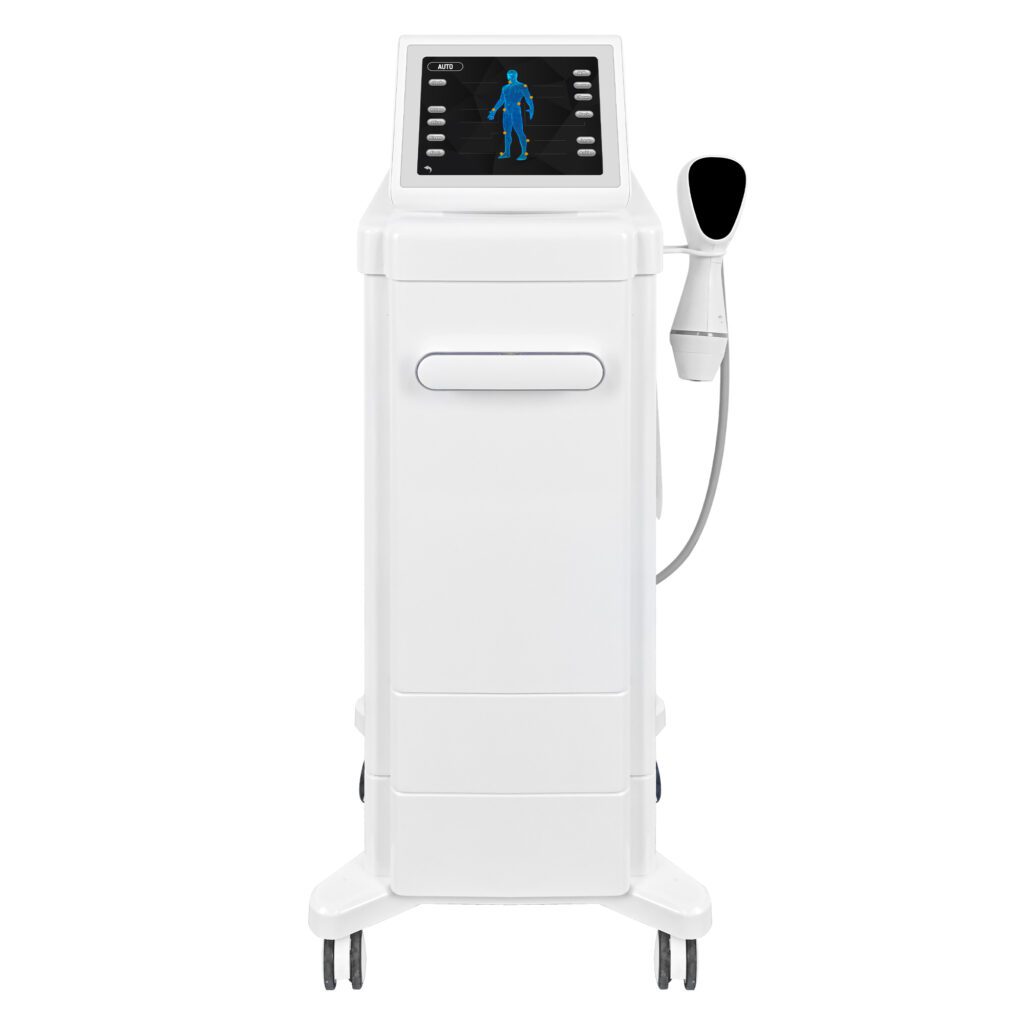
SHEFMON offers additional pelvic rehabilitation equipment alongside the E0435. One notable option is the E0436 EMS Pelvic Floor Rehabilitation Chair, which is designed for broader pelvic health applications and can be used for both men and women. These systems allow clinics to expand treatment offerings and address multiple pelvic health concerns using similar electromagnetic stimulation principles.
For businesses interested in OEM and ODM opportunities, SHEFMON also provides customization services, allowing distributors and clinics to develop branded solutions tailored to their markets.
Related SHEFMON Product Pages:
- SHEFMON Official Website
- E0435 Women’s Postpartum Repair EMS Chair
- E0436 EMS Pelvic Floor Rehabilitation Chair
Conclusion
The E0435 Women’s Postpartum Repair EMS Chair represents a modern approach to pelvic floor rehabilitation. By combining focused electromagnetic stimulation with a comfortable, non-invasive treatment experience, it offers women an effective option for addressing postpartum muscle weakness, urinary incontinence, and pelvic wellness concerns. The technology removes many of the barriers associated with traditional pelvic floor exercises and provides clinics with a highly marketable service.
As awareness of women’s pelvic health continues to grow, innovative solutions like the E0435 are helping bridge the gap between rehabilitation, wellness, and convenience. Whether used in a medical clinic, postpartum recovery center, physiotherapy practice, or wellness facility, the E0435 provides a practical way to support stronger pelvic muscles, improved confidence, and enhanced quality of life.
FAQs
1. What is the E0435 EMS Chair used for?
The E0435 EMS Chair is primarily used for postpartum pelvic floor rehabilitation, urinary incontinence support, pelvic muscle strengthening, and sexual wellness enhancement.
2. How long does an EMS pelvic floor session take?
Most sessions last approximately 20–30 minutes, depending on the treatment protocol being used.
3. Is the E0435 treatment painful?
No. The treatment is non-invasive and generally described as comfortable. Users remain fully clothed throughout the session.
4. Can the E0435 replace Kegel exercises?
The E0435 provides automated deep muscle stimulation and can complement or enhance traditional pelvic floor training. Many users find it easier to maintain than daily exercise routines.
5. Who should consider purchasing the E0435 EMS Chair?
Women’s health clinics, physiotherapy centers, postpartum recovery facilities, medical spas, and wellness clinics can all benefit from adding EMS pelvic floor therapy services.