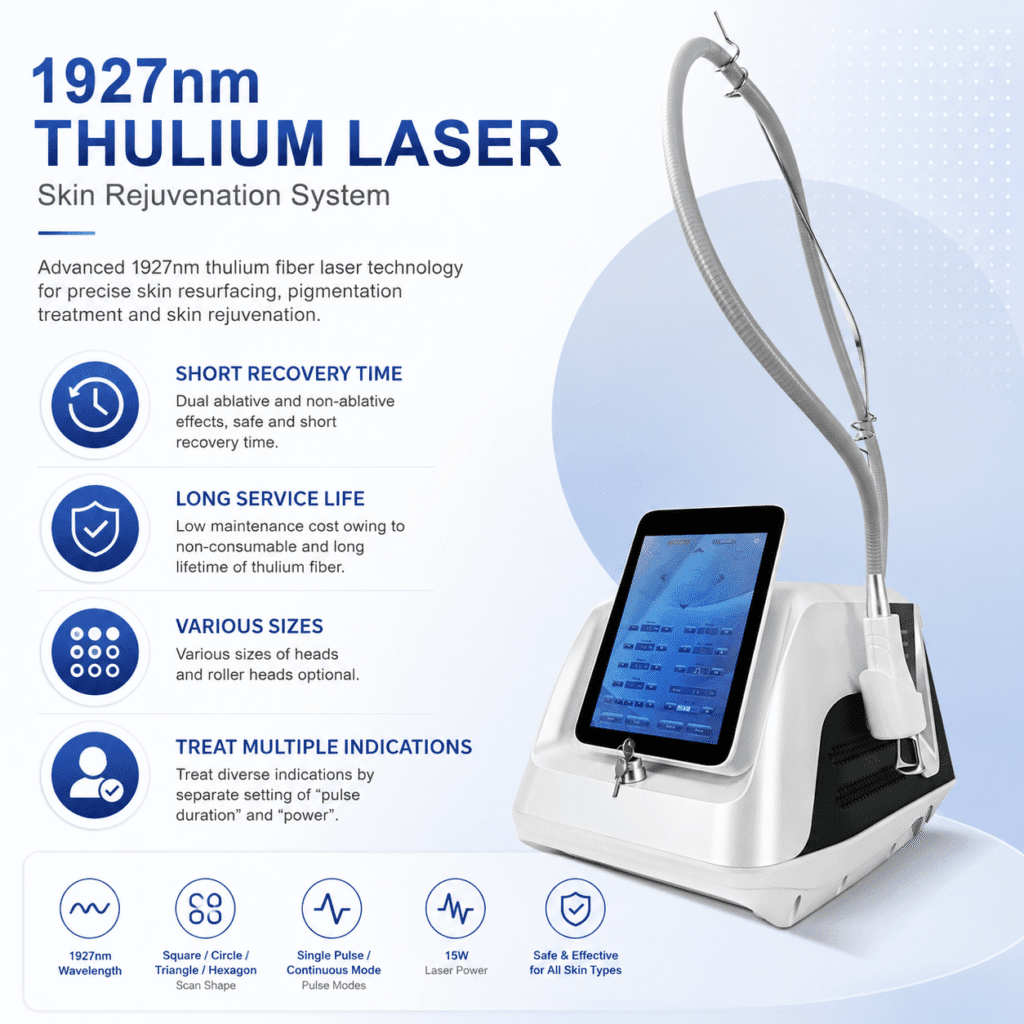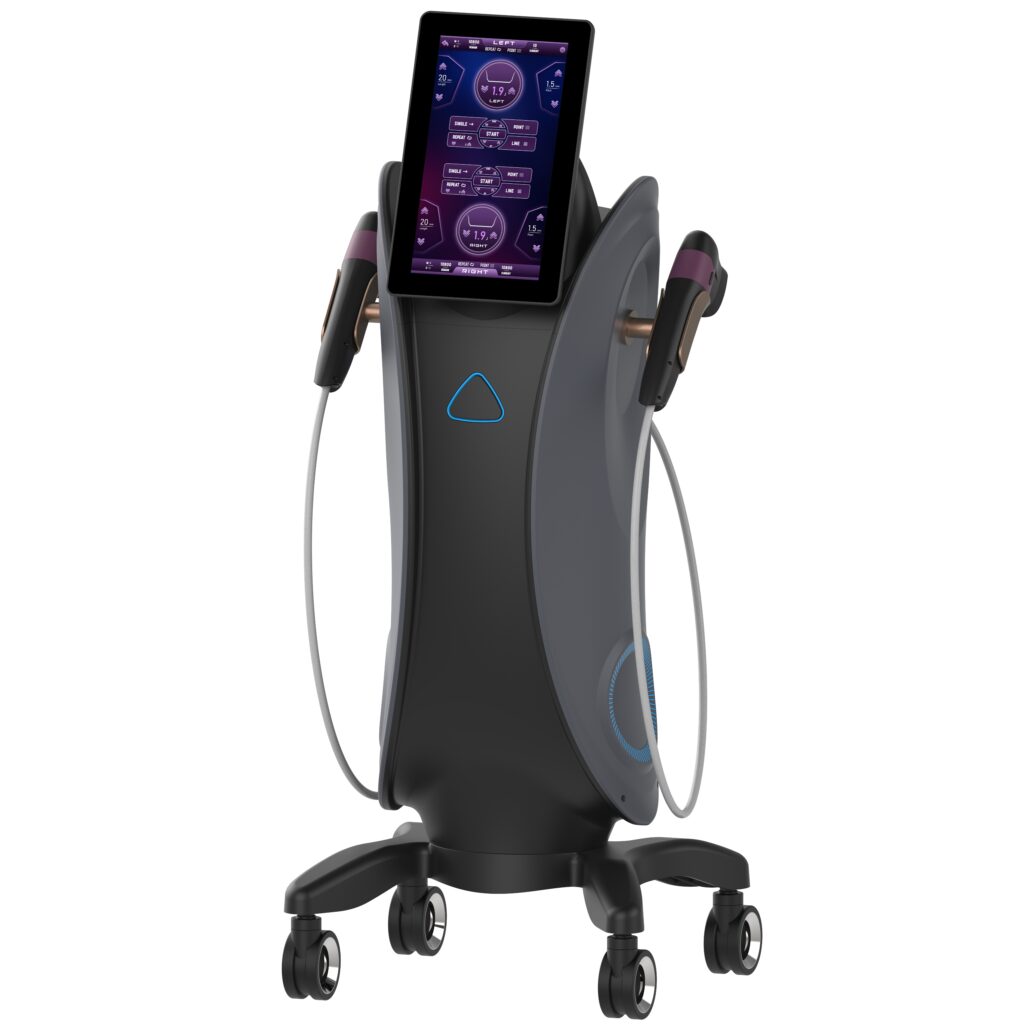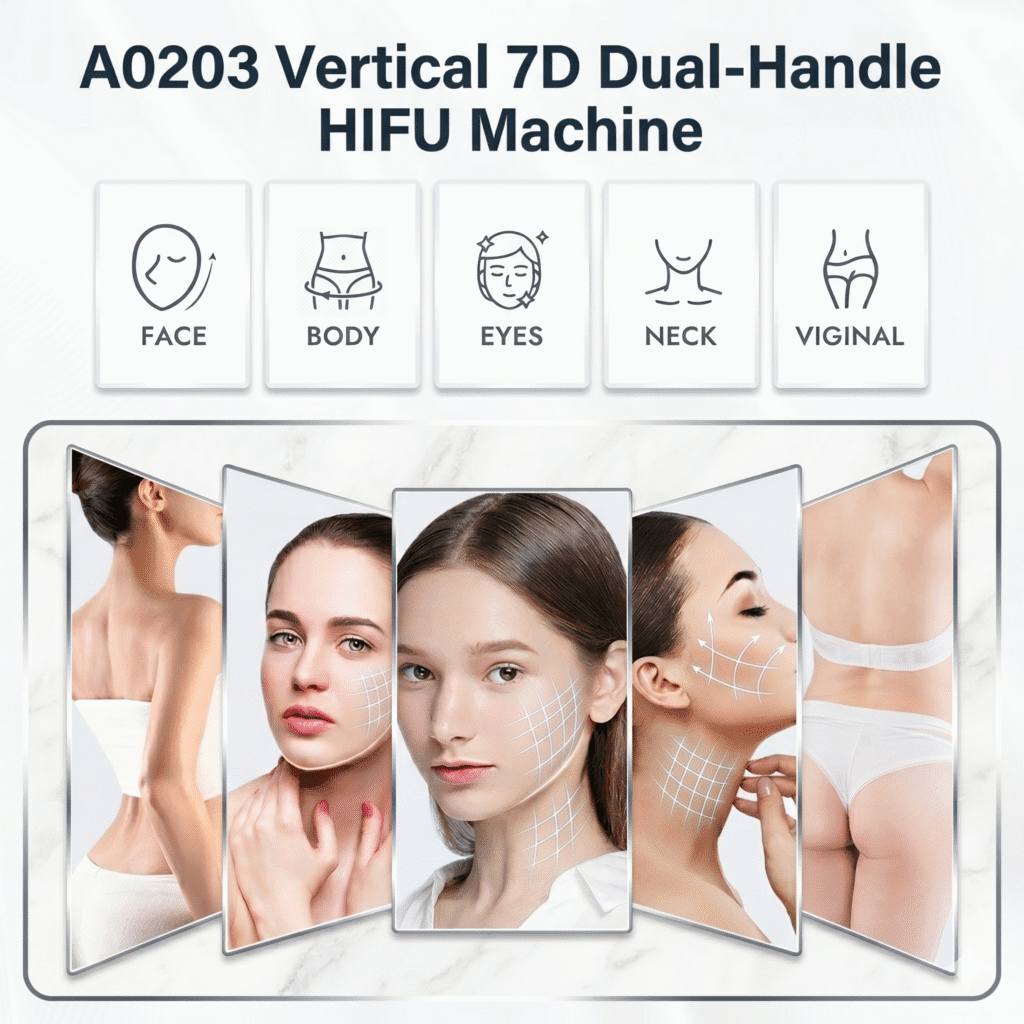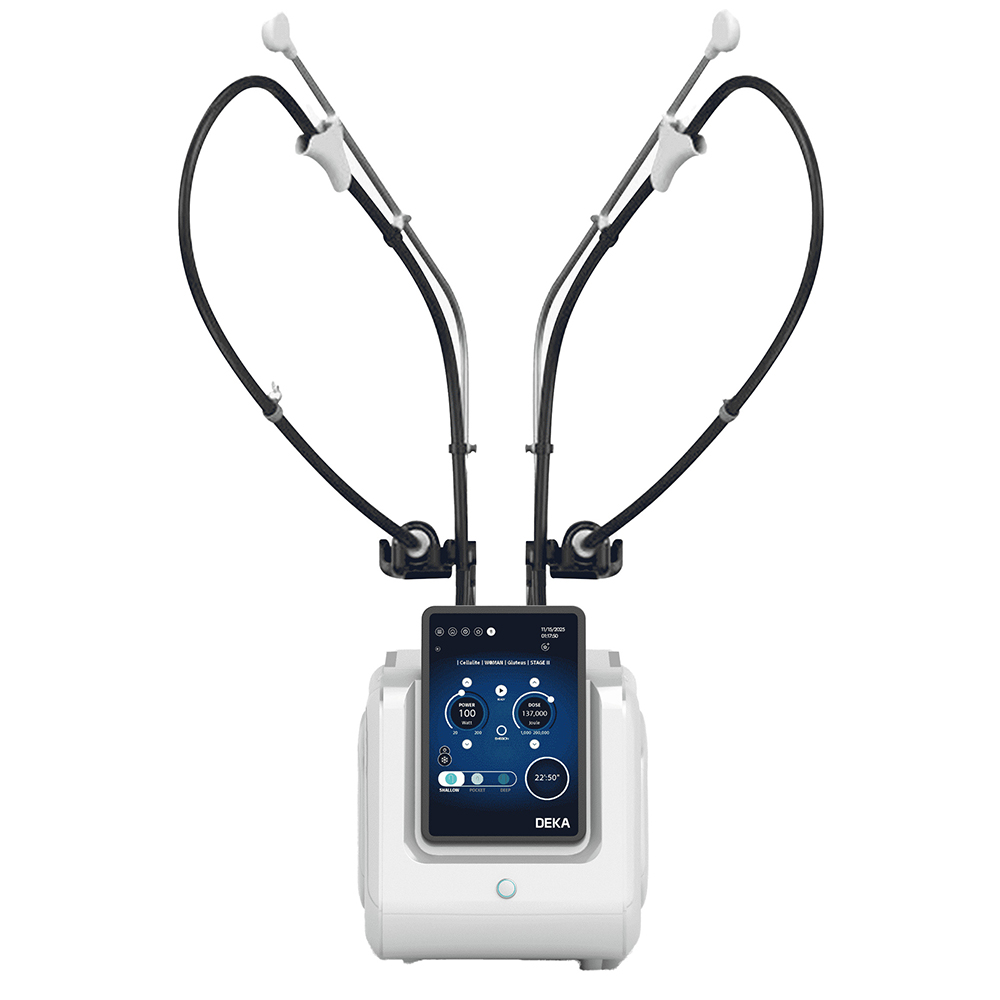










Executive Summary
Beauty equipment agents do not always need to keep large inventory. For most new agents, heavy stocking is risky because beauty equipment has high unit cost, fast model updates, uncertain local demand, after-sales pressure, and cash flow burden. A smarter approach is to start with samples, demo machines, supplier-backed delivery, small fast-moving inventory, and preorder validation.
However, this does not mean agents should never stock products. Inventory can be useful when the agent has stable demand, reliable supplier support, regional dealer customers, repeat orders, fast-moving basic devices, consumables, spare parts, or a strong local salon network. The key is not whether to stock. The key is what to stock, how much to stock, and when to stock.
The beauty equipment market still has growth momentum. Grand View Research estimates the global energy-based aesthetic devices market at USD 7.5 billion in 2025 and projects growth from USD 8.1 billion in 2026 to USD 15.7 billion by 2033. Fortune Business Insights estimates the beauty tools market at USD 73.53 billion in 2025 and projects growth from USD 76.33 billion in 2026 to USD 117.29 billion by 2034. Mordor Intelligence estimates the medical aesthetic devices market at USD 18.83 billion in 2026 and projects it to reach USD 30.49 billion by 2031.
Growth creates opportunity, but inventory still needs discipline. A beauty equipment agent should use a staged inventory model:
- No-stock or light-stock model for new agents.
- Demo-first model for products that need consultation.
- Small-stock model for fast-moving basic devices.
- Preorder model for high-ticket equipment.
- Spare-parts stock for after-sales protection.
- Regional warehouse model only after demand is proven.
The strongest agents are not those who fill a warehouse first. They are those who understand local salon demand, test product-market fit, protect cash flow, maintain demo capability, respond quickly after sale, and stock only products that can move.
1. The Short Answer: Not At The Beginning
For new beauty equipment agents, the safest answer is: do not start with heavy inventory. Start with market validation.
Beauty equipment is different from low-cost cosmetics or accessories. A single device may cost hundreds, thousands, or tens of thousands of dollars. If the agent chooses the wrong category, wrong price tier, wrong supplier, or wrong local market, unsold stock can damage cash flow quickly.
A new agent should first validate:
- Which beauty salon types exist in the local market.
- What equipment they already use.
- What project categories they want to add.
- What price level they can accept.
- Whether they prefer domestic or imported equipment.
- Whether they need training, warranty, and financing.
- Which devices can generate repeat orders.
- Whether competitors are already selling the same models.
Only after this validation should the agent decide whether to stock. Inventory should follow demand, not guesswork.
2. Why Many New Agents Want To Stock Products
New agents often want to stock products for understandable reasons. They believe inventory can make them look professional, deliver faster, close deals more easily, and negotiate better factory prices.
These benefits are real in some cases. A salon owner may trust an agent more if the agent can show machines, arrange a demo, and deliver quickly. A distributor may also get better pricing by placing larger orders.
But stocking too early can create hidden problems:
- Cash is locked in machines.
- Unsold models become outdated.
- Similar products appear online at lower prices.
- Warranty period may start before the machine is sold.
- Storage and handling can damage devices.
- New versions may replace old versions.
- The agent may lack technical repair ability.
- The agent may buy products that salons do not actually want.
Inventory can help sales, but only when demand is clear.
3. Inventory Is A Cash Flow Decision
Inventory is not only a product decision. It is a cash flow decision. The U.S. Small Business Administration emphasizes the importance of financial planning and cash flow projection for business management. This matters strongly in beauty equipment agency because devices are high-value assets.
If an agent spends too much cash on stock, the business may lack money for:
- Marketing.
- Demo events.
- Sales staff.
- Customer visits.
- Training.
- Repair parts.
- Freight.
- Website and content.
- Advertising.
- Sample replacement.
- Emergency warranty issues.
Many agents fail not because the market has no demand, but because cash is trapped in slow-moving inventory. A machine sitting in a warehouse is not profit. It is frozen capital.
4. Inventory Should Match Business Stage
Beauty equipment agents should manage inventory by business stage.
In the startup stage, the agent should use light inventory. The goal is to learn the market, test customer response, build trust, and avoid large mistakes.
In the growth stage, the agent can stock fast-moving models, demo units, consumables, and key spare parts. The goal is faster delivery and better after-sales response.
In the mature stage, the agent can build a structured inventory plan by category, region, dealer level, and monthly sales forecast. The goal is channel efficiency and territory control.
The biggest mistake is using a mature distributor inventory model before the business has mature demand.
5. No-Stock Agency Model
The no-stock model means the agent mainly sells through supplier direct shipment, factory delivery, or order-based procurement. The agent focuses on sales, consultation, product selection, and customer management.
Advantages:
- Low startup cost.
- Lower inventory risk.
- Easier product testing.
- More flexible category selection.
- Less pressure from model updates.
- Suitable for new agents.
Disadvantages:
- Slower delivery.
- Lower customer confidence if no demo is available.
- Less price negotiation power.
- Harder to serve urgent salon orders.
- Supplier reliability becomes critical.
This model works best when the agent has a reliable manufacturer, clear delivery time, strong product materials, and good communication with salons.
6. Light-Stock Agency Model
The light-stock model is usually the best starting point for serious new agents. It means keeping a small number of demo machines and fast-moving items, while using preorder or supplier shipment for expensive models.
Suitable inventory includes:
- One or two demo units.
- Small bubble or hydro cleansing device.
- Basic LED device.
- Entry RF or EMS device.
- Popular multifunction facial machine.
- Common consumables.
- Key spare parts.
This model gives the agent enough physical product to build trust without creating heavy stock pressure. It also allows the agent to learn which models sell before ordering more.
7. Heavy-Stock Agency Model
The heavy-stock model means the agent keeps multiple units, multiple models, warehouse space, and sometimes regional dealer supply. This model can be profitable, but it is not suitable for beginners.
It works when the agent has:
- Stable monthly sales.
- Confirmed salon customer base.
- Regional distribution rights.
- Strong supplier terms.
- Good inventory management.
- Cash flow buffer.
- Repair and after-sales capability.
- Channel pricing control.
- Demand forecast by category.
Heavy stock can improve delivery speed and dealer confidence. But if demand slows, it can create large losses.
8. Demo Units Are More Important Than Large Inventory
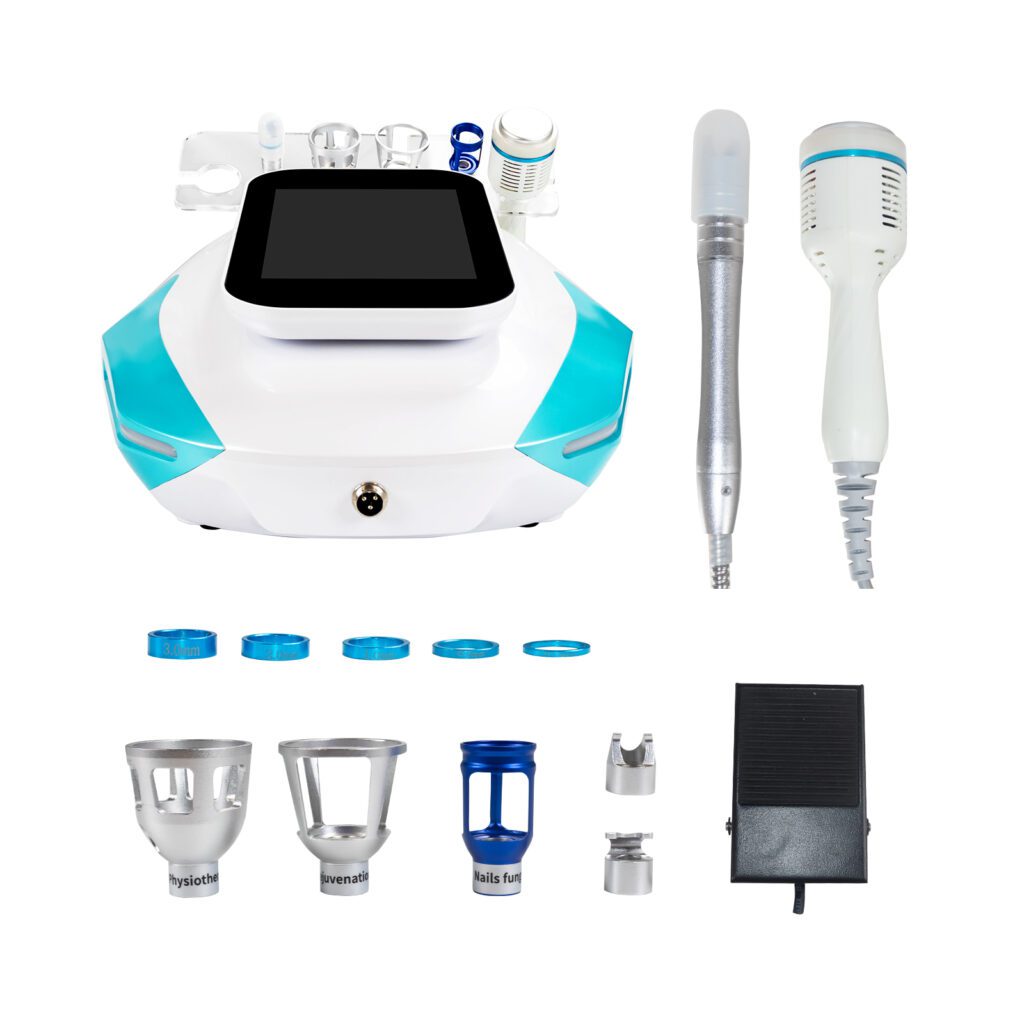
For beauty equipment agents, demo units are often more valuable than large stock. A demo unit helps customers see, touch, test, and trust the device.
Demo units are useful for:
- Salon visits.
- Local training events.
- Distributor showroom.
- Social media content.
- Before-and-after demonstration.
- Staff operation practice.
- Treatment package explanation.
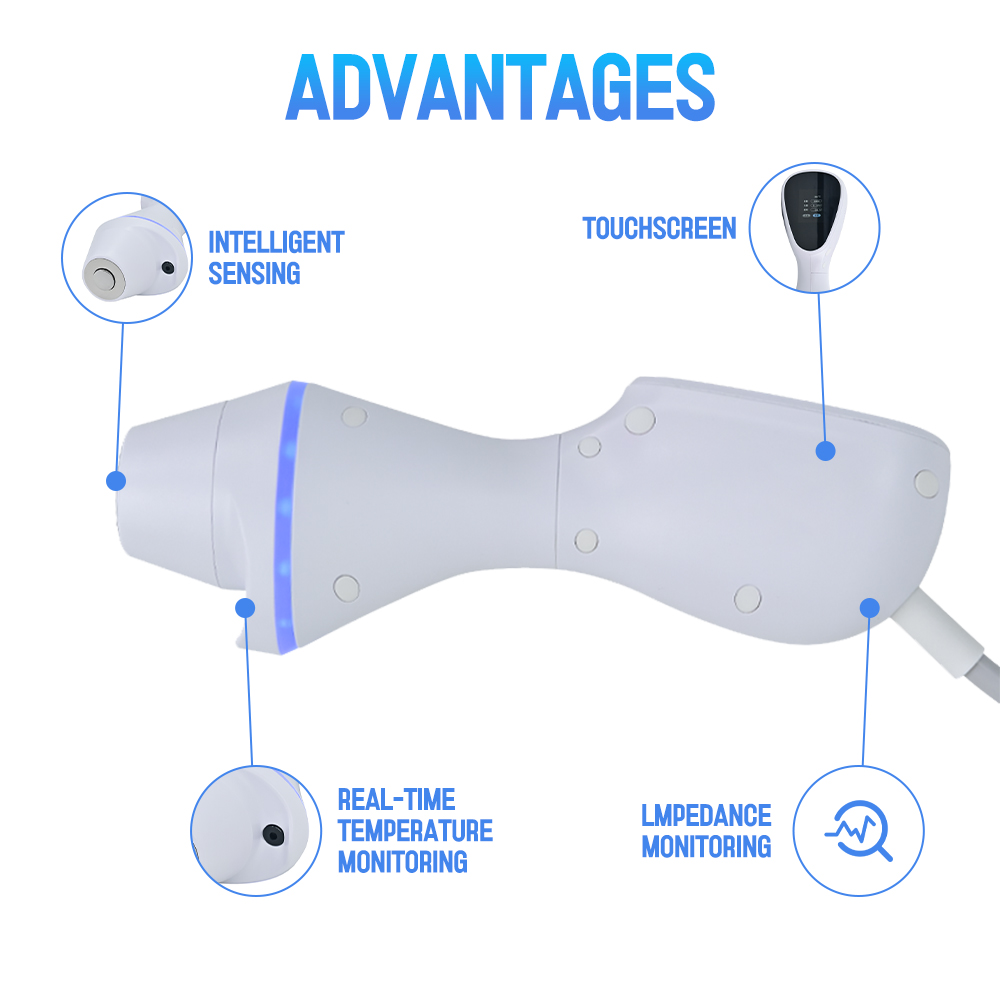
Many salon owners do not want to buy a machine only from photos. They want to feel the handle, see the screen, test the treatment process, and understand the business package.
For new agents, one good demo unit can generate more sales than five unopened machines in storage.
9. Which Products Are Suitable For Stocking?
Not every beauty device is suitable for stocking. The best stocked products usually have high repeat demand, stable models, moderate price, low failure rate, and broad salon acceptance.
Suitable products may include:
- Basic facial devices.
- Hydro cleansing and small bubble systems.
- Oxygen spray devices.
- Basic LED light therapy devices.
- Entry RF and EMS devices.
- Common multifunction facial platforms.
- Consumables.
- Disposable tips.
- Filters.
- Gels.
- Replacement handles.
- Power cords and accessories.
These items are easier to sell because many beauty salons use them for basic projects.
10. Which Products Should Not Be Heavily Stocked?
High-cost, slow-moving, technical, or highly regulated equipment should not be heavily stocked unless demand is proven.
Be careful with:
- Premium imported devices.
- Advanced laser systems.
- High-end IPL platforms.
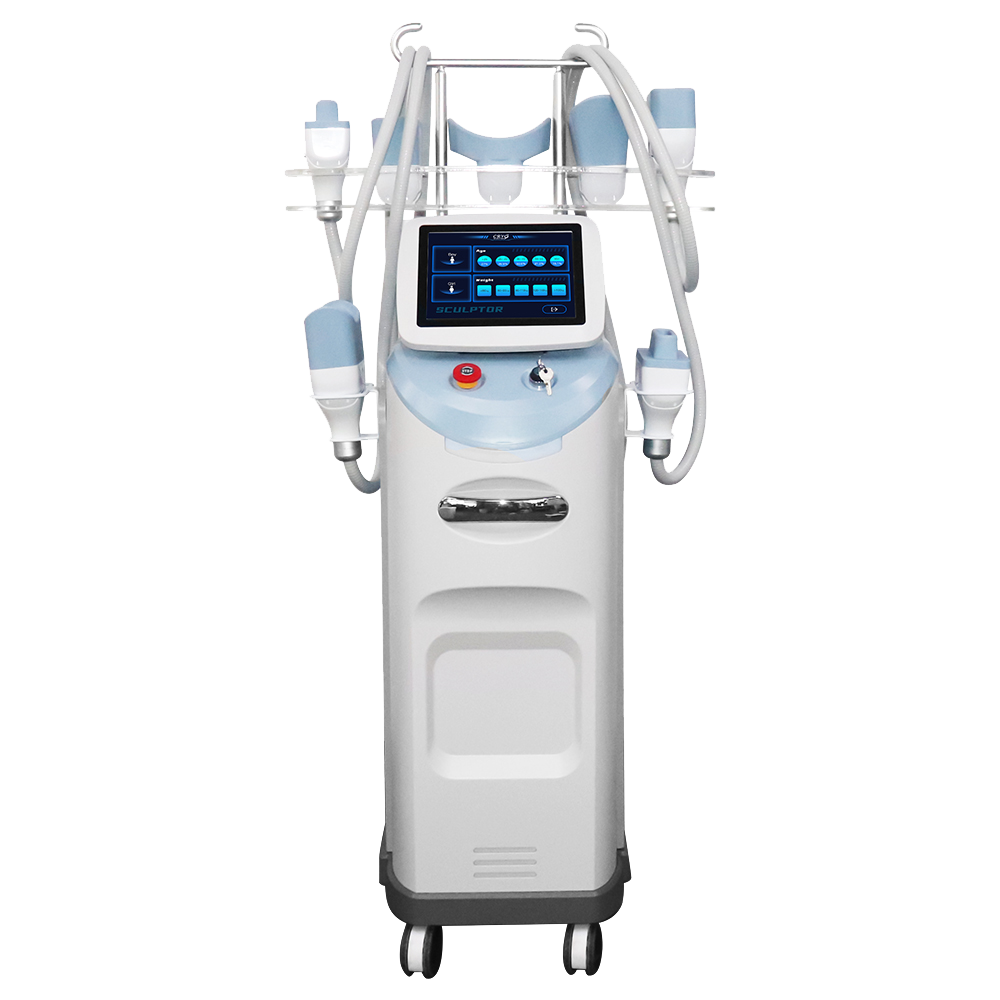
- Expensive body contouring systems.
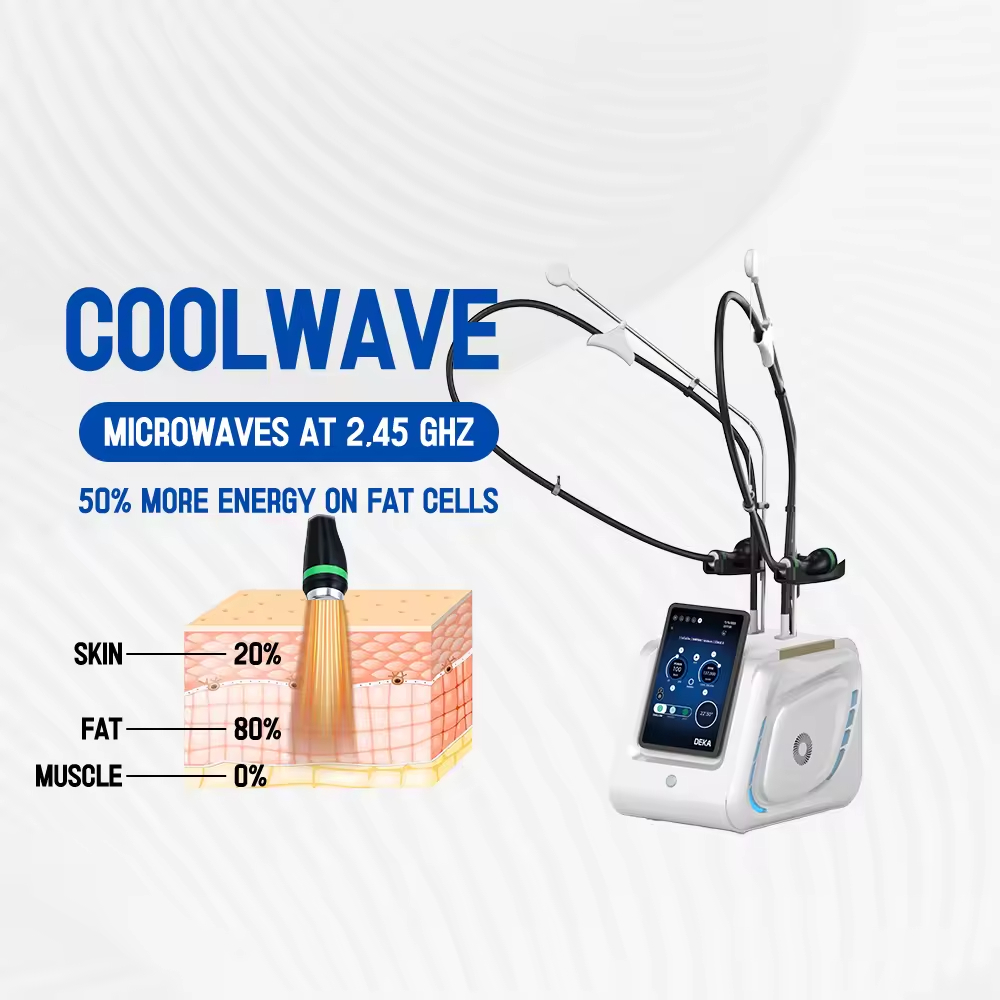
- Cryolipolysis-style equipment.
- Complex AI skin analyzers.
- New untested models.
- Products with unclear compliance.
- Devices with expensive parts.
- Machines that need special operator qualification.
These products can be profitable, but they require pre-sale consultation, deposits, clear delivery time, training, and after-sales planning. They are better suited to preorder or project-based sales.
11. Stocking Consumables Is Often Smarter Than Stocking Machines
Consumables and accessories are often safer inventory than machines. They are lower cost, easier to store, and can generate repeat revenue.
Common consumables include:
- Hydro facial solution.
- Disposable tips.
- Filters.
- Conductive gel.
- Cooling gel.
- Electrode pads.
- Protective eyewear.
- Treatment sheets.
- Replacement small parts.
- Cleaning and maintenance accessories.
If salons already use the device, consumables can create stable repeat orders. Consumables also help the agent maintain customer contact after the initial machine sale.
However, the agent should still monitor expiration dates, compatibility, packaging quality, and stock turnover.
12. Spare Parts Inventory Is Important For After-Sales Trust
Even agents who do not stock many machines should keep basic spare parts. After-sales response is one of the biggest differences between a professional agent and a one-time seller.
Useful spare parts include:
- Common handles.
- Cables.
- Power adapters.
- Filters.
- O-rings.
- Tips.
- Fuses.
- Screens if applicable.
- Small connectors.
- Lamps or modules if applicable.
When a salon has sold treatment packages, device downtime becomes a serious problem. If the agent can solve small faults quickly, the salon will trust the agent and may repurchase.
Spare parts inventory is not glamorous, but it protects long-term business.
13. Supplier Support Determines Inventory Risk
Before stocking beauty equipment, agents must evaluate supplier support. A weak supplier can turn inventory into a liability.
Key questions include:
- Is the supplier financially stable?
- Does the supplier keep spare parts?
- How fast can it ship?
- Does it provide technical support?
- Does it offer warranty terms in writing?
- Can it support training?
- Can it provide product videos and manuals?
- Does it update models too frequently?
- Does it sell the same product online at low prices?
- Can it protect regional agents?
If the supplier cannot support the agent after sale, stocking more units only increases risk.
14. Local Demand Comes Before Inventory
The SBA’s market research guidance emphasizes understanding customers, demand, and competition. This applies directly to beauty equipment agency. Agents should not stock based only on manufacturer recommendation.
Before stocking, research:
- Number of local beauty salons.
- Skin management stores.
- Med spas or clinics.
- Existing equipment categories.
- Local price levels.
- Popular treatment projects.
- Competitor distributors.
- Online price exposure.
- Customer spending power.
- Seasonal demand.
- Regulation and qualification requirements.
Inventory should match local demand. A device popular in one city may not sell well in another.
15. New Agents Should Use Preorder And Deposit Models
Preorder and deposit models help new agents reduce risk. Instead of buying many units first, the agent can collect demand and then order from the supplier.
Preorder works best when:
- The supplier delivery time is predictable.
- Customers trust the agent.
- The agent has a demo unit.
- Product information is clear.
- Price and warranty are written.
- Delivery terms are realistic.
- Deposit refund rules are clear.
For high-ticket devices, a deposit-based sale is often healthier than blind stocking. The agent protects cash flow while still serving customer demand.
16. Regional Agents Need More Inventory Than Online Agents
Different agency models require different stock levels.
An online agent can often use supplier direct shipment and keep minimal inventory. The main challenge is content, lead generation, and trust.
A local salon-service agent needs demo units, small stock, and spare parts because customers expect hands-on support.
A regional wholesale agent needs more inventory because it serves dealers and needs faster delivery.
A brand-exclusive agent may need stock commitment because the manufacturer expects territory development.
The inventory model should match the business model.
17. Inventory Strategy For New Beauty Equipment Agents
New agents should keep inventory very focused.
Recommended starting strategy:
- Choose 2 to 3 categories only.
- Keep 1 demo unit per key category.
- Stock only low-risk basic devices.
- Use preorder for high-cost devices.
- Keep common consumables.
- Keep key spare parts.
- Track every inquiry and lost order.
- Reorder only after real sales.
The goal is to learn quickly without taking unnecessary risk.
18. Inventory Strategy For Growing Agents
Growing agents can stock more, but still need discipline.
Recommended strategy:
- Stock best-selling models.
- Set minimum and maximum inventory levels.
- Keep demo machines separate from new stock.
- Track monthly sales velocity.
- Rotate slow-moving units into promotions.
- Maintain spare parts.
- Negotiate supplier replacement terms.
- Avoid too many similar models.
- Use deposits for expensive devices.
At this stage, inventory can increase sales speed, but it must be managed by data.
19. Inventory Strategy For Mature Distributors
Mature distributors can use a more advanced inventory system.
Recommended strategy:
- Forecast by category.
- Forecast by region.
- Separate fast-moving and slow-moving models.
- Maintain spare-parts warehouse.
- Control dealer pricing.
- Use serial number tracking.
- Track warranty claims by model.
- Build demo-room inventory.
- Negotiate exclusive models.
- Use inventory turnover targets.
Mature distributors should treat inventory as an operating system, not just a pile of machines.
20. Inventory Turnover Is More Important Than Inventory Size
Inventory turnover measures how quickly stock is sold and replaced. A small inventory that turns quickly is healthier than a large warehouse full of slow-moving machines.
Agents should track:
- Days in stock.
- Units sold per month.
- Gross margin per unit.
- Warranty rate.
- Demo conversion rate.
- Inquiry-to-sale conversion.
- Lost sales due to no stock.
- Cash tied in inventory.
If a product stays unsold for too long, the agent should stop reordering, adjust price, bundle training, or return to the supplier if possible.
21. Beauty Equipment Model Updates Create Inventory Risk
Beauty equipment changes quickly. Suppliers may update shell design, screen interface, software, handle structure, energy settings, or function combination. A model that looks new this year may look old next year.
This creates risk for agents who stock too many units.
Common risks include:
- Old model discount pressure.
- Customers asking for the latest version.
- Spare parts mismatch.
- Online sellers clearing old stock cheaply.
- Warranty confusion.
- Lower perceived value.
Agents should ask suppliers about product life cycle before ordering. A stable model is safer to stock than a trend-driven model.
22. High-Ticket Devices Need A Different Sales Model
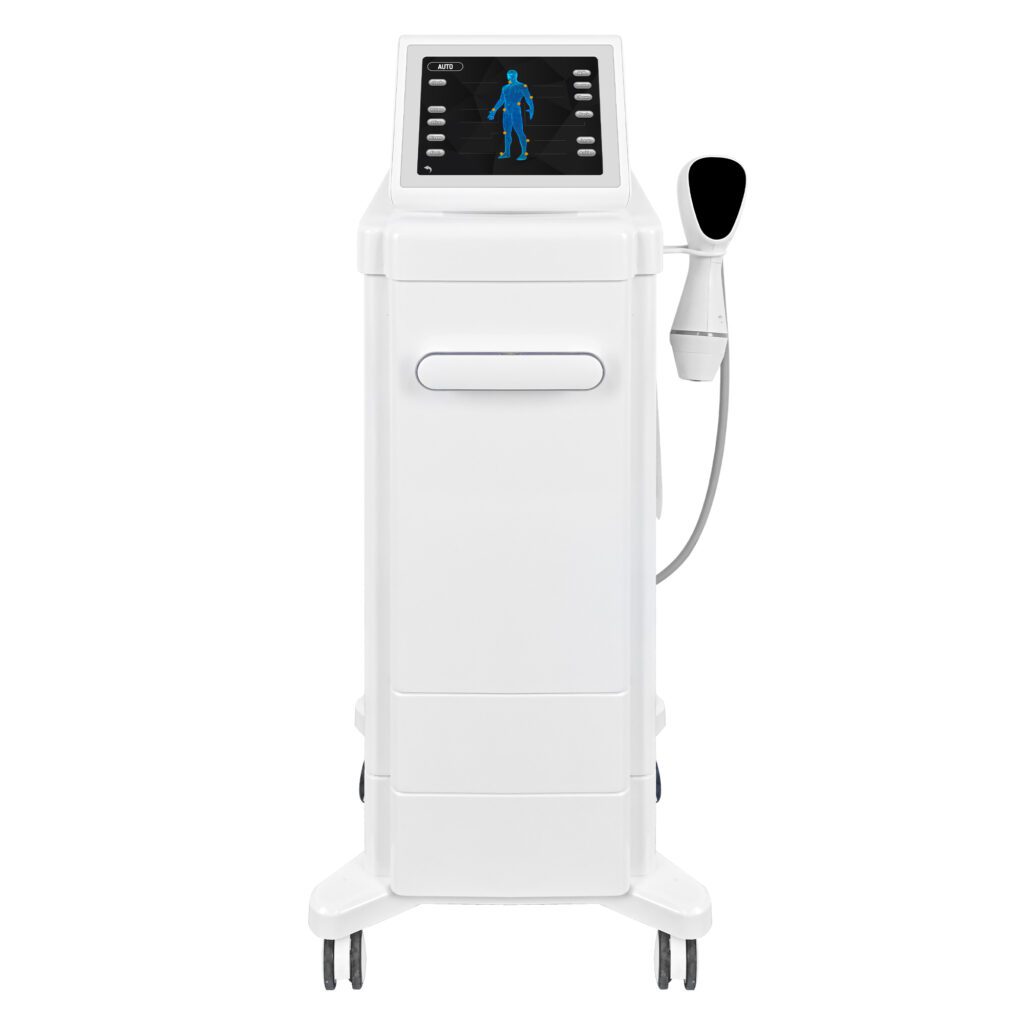
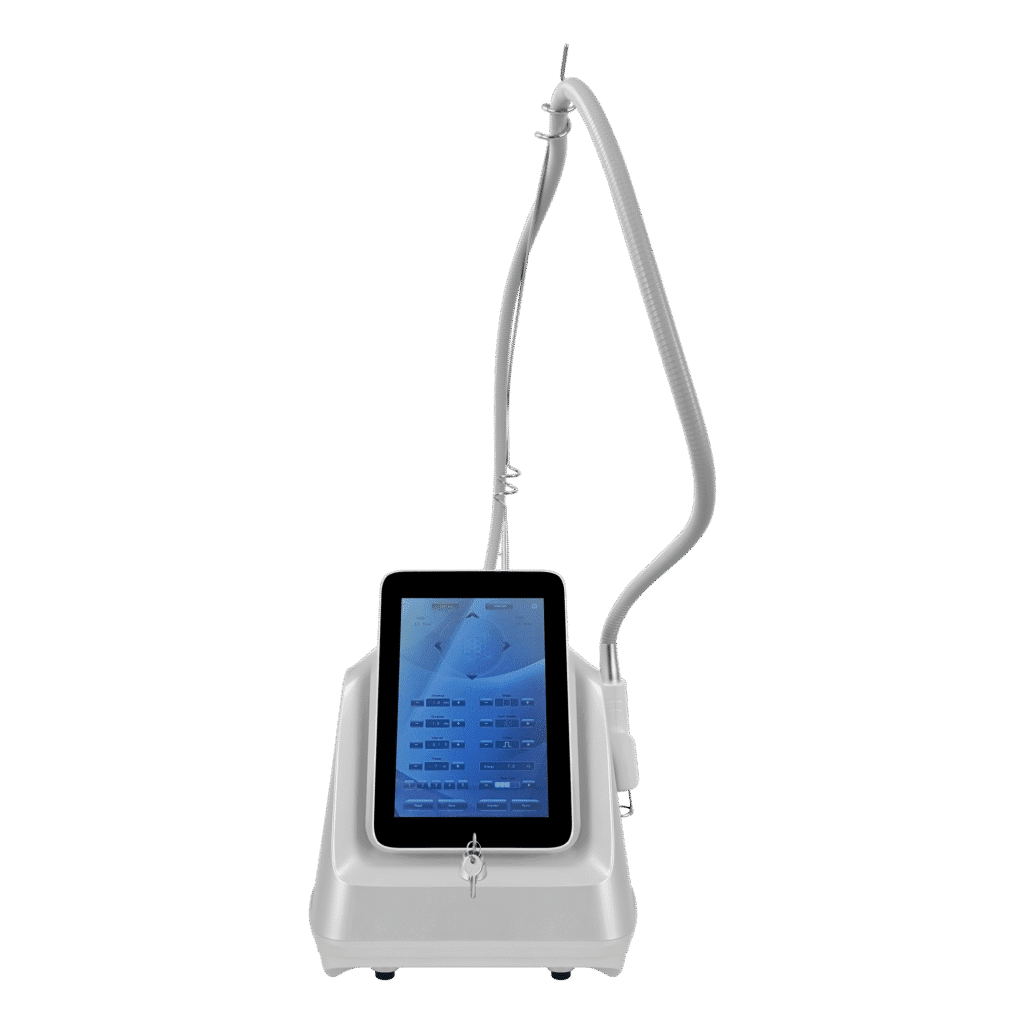
High-ticket beauty equipment should rarely be stocked heavily by new agents. These machines often need consultation, site assessment, training, financing, and compliance review.
Examples include:
- Advanced RF systems.
- Laser platforms.
- High-end IPL.
- Professional body contouring systems.
- Premium AI skin analyzers.
- Imported energy-based devices.
For these products, the better model is:
- Keep one demo unit if possible.
- Use case studies and training materials.
- Collect customer deposit.
- Confirm delivery time.
- Provide installation and training.
- Keep critical spare parts.
- Offer after-sales plan.
The agent should not carry expensive stock unless there is stable pipeline demand.
23. Fast Delivery Can Win Sales
Stock has one major advantage: fast delivery. Beauty salon owners sometimes buy equipment because they want to launch a project quickly, respond to customer demand, or catch a seasonal opportunity.
Fast delivery matters for:
- Hair removal before summer.
- Body contouring before holiday seasons.
- Skin repair during dry seasons.
- New store opening.
- Promotional events.
- Competitor response.
If the agent has the right product in stock, it can close deals faster. But this advantage only works for products with proven demand. Fast delivery of the wrong product does not create sales.
24. Demo Inventory Can Increase Closing Rate
Many beauty equipment sales require trust. A demo machine allows the salon owner and staff to experience the treatment, ask questions, and imagine the project menu.
Demo inventory should be managed carefully:
- Keep demo units clean.
- Record usage.
- Update software.
- Replace worn handles.
- Keep packaging and manuals.
- Use demo units for videos.
- Do not sell heavily used demo units as new.
- Price demo units transparently if sold.
A professional demo process can make a small agent look much more reliable.
25. Inventory And After-Sales Are Connected
Agents should not separate inventory from after-sales. If an agent sells equipment but cannot provide parts, training, or repair response, customers may not repurchase.
After-sales inventory includes:
- Common spare parts.
- Replacement handles.
- Consumables.
- Maintenance kits.
- Demo backup unit.
- Basic testing tools.
This kind of inventory protects customer relationships. It may not look like sales inventory, but it creates long-term profit through trust and repurchase.
26. How Much Inventory Should A New Agent Keep?
There is no universal number, but a new agent can use a practical rule:
- Keep 1 demo unit for each core category.
- Keep 1 to 3 units of fast-moving low-cost machines.
- Keep consumables equal to 1 to 2 months of expected demand.
- Keep key spare parts for sold machines.
- Do not stock high-ticket devices without confirmed customer interest.
- Do not let total inventory consume all operating cash.
If the agent has not sold at least several units of a model, it should not order a large batch.
27. How To Decide Whether A Product Deserves Stock
A product deserves stock only when several conditions are met:
- Multiple salons have asked for it.
- The agent has sold it successfully.
- The supplier is reliable.
- The model is stable.
- The margin is healthy.
- The failure rate is low.
- Delivery from supplier is slow enough that local stock adds value.
- Competitors cannot easily undercut the price.
- The product supports repeat consumables or future upgrades.
- The agent can train and service it.
If these conditions are missing, preorder is safer.
28. Inventory Red Flags
Agents should be cautious if they see these warning signs:
- Supplier pushes large first order before market testing.
- Product price is much lower than similar machines.
- No written warranty.
- No spare parts commitment.
- No training materials.
- Supplier updates models too often.
- Online price is already chaotic.
- Many competitors sell the same machine.
- Product claims sound exaggerated.
- Delivery time is unclear.
- The agent cannot test the machine.
These red flags do not always mean the product is bad, but they mean stocking risk is higher.
29. Stocking And Regional Agency Rights
Some manufacturers require agents to stock inventory in exchange for regional agency rights. This can be reasonable if the territory is strong and the product is proven.
Before accepting stock requirements, the agent should negotiate:
- Territory protection.
- Online sales rules.
- Minimum advertised price.
- Dealer policy.
- Warranty responsibility.
- Spare parts support.
- Slow-moving stock exchange.
- Demo unit discount.
- Training support.
- Marketing support.
- Sales target schedule.
Regional rights are valuable only if the brand protects the agent. If the manufacturer sells to everyone at similar prices, stocking for regional rights is dangerous.
30. Inventory Financing And Payment Terms
Payment terms can reduce inventory pressure. Agents can negotiate:
- Deposit plus balance payment.
- Staged shipment.
- Credit terms after trust is built.
- Consignment for demo machines.
- Supplier-backed sample discount.
- Stock rotation support.
- Buyback or exchange agreement.
- Dealer prepayment.
New agents may not receive generous terms immediately. But they can still reduce risk by starting small and building a sales record.
31. Stocking Imported Equipment Requires Extra Caution
Imported equipment often has higher unit cost and longer replacement cycle. Agents should be careful before stocking imported machines.
Additional risks include:
- Customs and import duties.
- Currency fluctuation.
- Longer delivery time.
- Local registration requirements.
- Spare parts delay.
- High repair cost.
- Brand authorization issues.
- Documentation language.
- Software region limits.
Imported equipment can be profitable when it supports premium pricing, but it should usually be stocked after confirmed demand or with strong brand support.
32. Stocking Domestic Equipment Also Needs Control
Domestic equipment usually has faster delivery and lower cost, but agents should still avoid careless stocking.
Risks include:
- Too many similar suppliers.
- Price competition.
- Online undercutting.
- Quality inconsistency.
- Fast model updates.
- Weak brand protection.
- Different factories selling similar models.
Domestic equipment is suitable for light stock and fast-moving salon categories, but only after supplier quality and service are confirmed.
33. Compliance And Claim Risk Affects Inventory
Agents should not stock products with unclear compliance or exaggerated claims. FDA guidance states that aesthetic devices may be regulated depending on intended use and whether they affect the structure or function of the body. FTC guidance states that health-related product claims should be truthful, not misleading, and supported by reliable evidence.
This matters because unsold inventory is not the only risk. If a stocked product creates complaints, false advertising issues, or regulatory problems, the loss can be much larger.
Be careful with claims such as:
- Guaranteed weight loss.
- Permanent lifting.
- Cure acne.
- Remove all pigmentation.
- Medical diagnosis.
- Scar removal.
- Disease treatment.
- No risk.
Agents should review product documents, manuals, labels, training materials, and advertising language before stocking.
34. Distributor Inventory Checklist
Before stocking a beauty device, the agent should answer these questions:
- Have I sold this model before?
- How many real inquiries did I receive?
- Which salon type needs it?
- What price can the market accept?
- What is the gross margin?
- What is the expected monthly sales volume?
- How long is supplier delivery time?
- What is the warranty policy?
- Are spare parts available?
- Can staff operate it easily?
- Is training material ready?
- Are claims compliant?
- Are competitors selling the same product cheaper?
- Can I return or exchange slow-moving stock?
- How much cash will be tied up?
If the agent cannot answer these questions, stocking should be delayed.
35. Recommended Stocking Plan For A New Agent
A practical first-stage plan may look like this:
- 1 demo skin analyzer or consultation device.
- 1 demo hydro cleansing device.
- 1 demo LED or RF/EMS device.
- 1 to 3 units of the easiest fast-moving model.
- Small consumables inventory.
- Key spare parts for demo and sold units.
- Supplier direct shipment for high-ticket devices.
- Preorder and deposit system for expensive equipment.
- Monthly inventory review.
This plan allows the agent to look professional, serve customers, and protect cash flow.
36. Recommended Stocking Plan For A Regional Agent
A regional agent with stable demand can stock more.
Suggested structure:
- Demo units for all core categories.
- 1 to 2 months of fast-moving inventory.
- More stock for seasonal products.
- Separate stock for dealer orders.
- Spare-parts shelf.
- Consumables inventory.
- Loaner or backup unit if feasible.
- Slow-moving stock review every month.
- Supplier exchange terms.
- Dealer price policy.
Regional agents should use data instead of emotion. Stock levels should reflect sales velocity, not optimism.
37. When Stocking Is A Competitive Advantage
Stocking becomes a competitive advantage when:
- Customers need fast delivery.
- Competitors have long delivery time.
- The agent has demo capability.
- The product is proven.
- The agent can provide immediate training.
- Spare parts are available.
- The price is protected.
- The product has stable demand.
In this case, inventory helps the agent close deals, support dealers, and build local reputation.
38. When Stocking Becomes A Trap
Stocking becomes a trap when:
- Demand is guessed, not validated.
- The agent stocks too many similar models.
- The supplier does not protect price.
- New versions launch quickly.
- The agent lacks after-sales capability.
- The product has high failure rate.
- The local market cannot afford the price.
- The machine needs compliance documents that are missing.
- Cash flow becomes tight.
Inventory should create speed and confidence. If it creates pressure and discounting, it is too much.
39. Strategic Recommendations For New Agents
New beauty equipment agents should start with a light, flexible model.
Recommended actions include:
- Do local market research first.
- Select a narrow product category.
- Buy demo units before large stock.
- Use preorder for expensive devices.
- Stock only fast-moving basic devices.
- Keep consumables and spare parts.
- Track inquiries and lost sales.
- Build supplier delivery agreements.
- Avoid products with unclear claims.
- Protect cash flow for marketing and service.
The goal is to build sales proof before building inventory.
40. Strategic Recommendations For Existing Agents
Existing agents should use inventory data to improve profit.
Recommended actions include:
- Calculate turnover by model.
- Stop stocking slow-moving items.
- Increase stock for proven fast sellers.
- Negotiate supplier exchange terms.
- Separate new stock, demo stock, and repair stock.
- Track warranty cost by model.
- Use bundles to move older inventory.
- Keep spare parts for high-use models.
- Review stock monthly.
- Protect dealer pricing.
Inventory should be managed like capital, not like decoration.
41. Strategic Recommendations For Manufacturers
Manufacturers should support agents with flexible inventory models.
Useful support includes:
- Low-cost demo units.
- Small first-order quantity.
- Spare parts kits.
- Fast replenishment.
- Drop-shipping support.
- Product training.
- Marketing materials.
- Warranty clarity.
- Slow-moving stock exchange.
- Territory protection.
- Stable model life cycle.
Manufacturers that force new agents to stock too much may gain one order but lose long-term channel trust.
Conclusion
Beauty equipment agents do not need to keep large inventory at the beginning. The safer strategy is to start with demo units, small fast-moving stock, consumables, spare parts, supplier direct shipment, and preorder sales. Heavy inventory should come only after the agent has proven demand, stable customers, reliable supplier support, and enough cash flow.
Some inventory is still necessary for professional operation. Demo machines help close deals. Consumables create repeat revenue. Spare parts protect after-sales trust. Fast-moving basic devices can improve delivery speed. But expensive, slow-moving, technical, or compliance-sensitive equipment should be stocked carefully.
The best inventory strategy is staged: validate first, demo second, stock small, track turnover, then expand only where demand is proven. In beauty equipment agency, the winner is not the person who stocks the most machines. The winner is the person who sells the right products, protects cash flow, supports salons after sale, and keeps inventory moving.
FAQ
Do new beauty equipment agents need to stock inventory?
New agents usually do not need heavy inventory. They should start with demo units, small fast-moving stock, consumables, spare parts, and supplier direct shipment.
What products are safest for beauty equipment agents to stock?
Safer products include basic facial devices, hydro cleansing systems, LED devices, entry RF or EMS devices, multifunction facial machines, consumables, and common spare parts.
Should agents stock high-end beauty equipment?
High-end equipment should usually be sold through preorder, deposit, or project-based sales unless the agent already has proven demand and strong cash flow.
Why is inventory risky for beauty equipment agents?
Inventory is risky because devices have high unit cost, fast model updates, uncertain local demand, warranty pressure, online price competition, and cash flow burden.
What is the best inventory strategy for a beauty equipment agent?
The best strategy is to validate local demand first, keep demo units, stock only proven fast-moving products, maintain spare parts, use preorder for expensive devices, and review inventory turnover monthly.