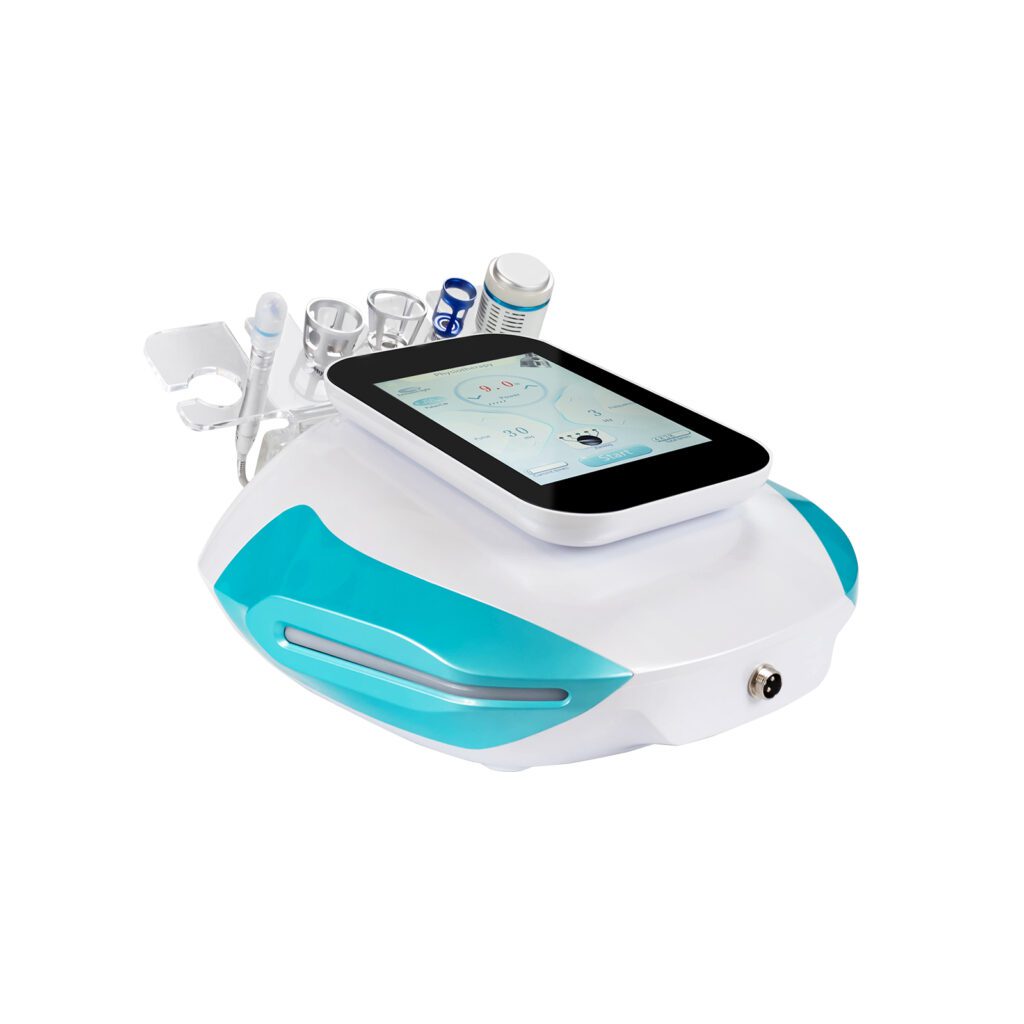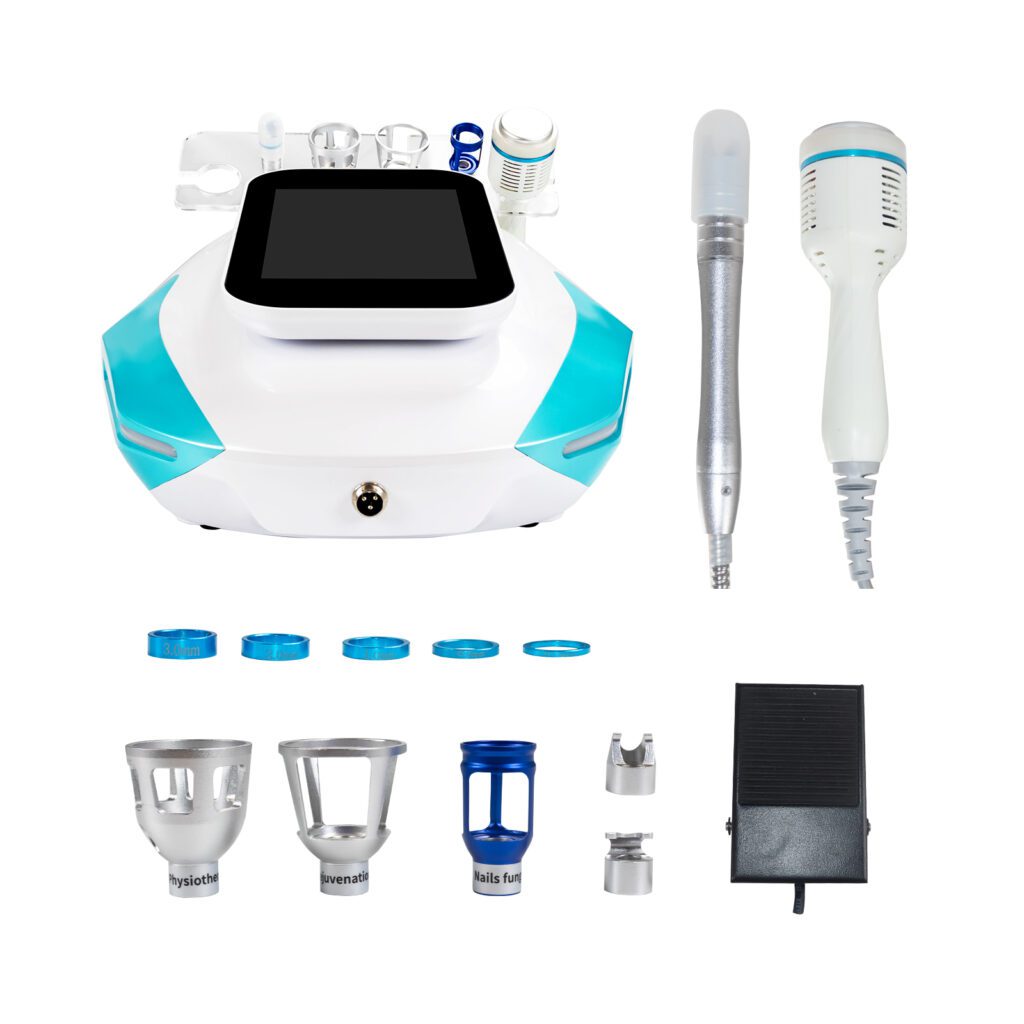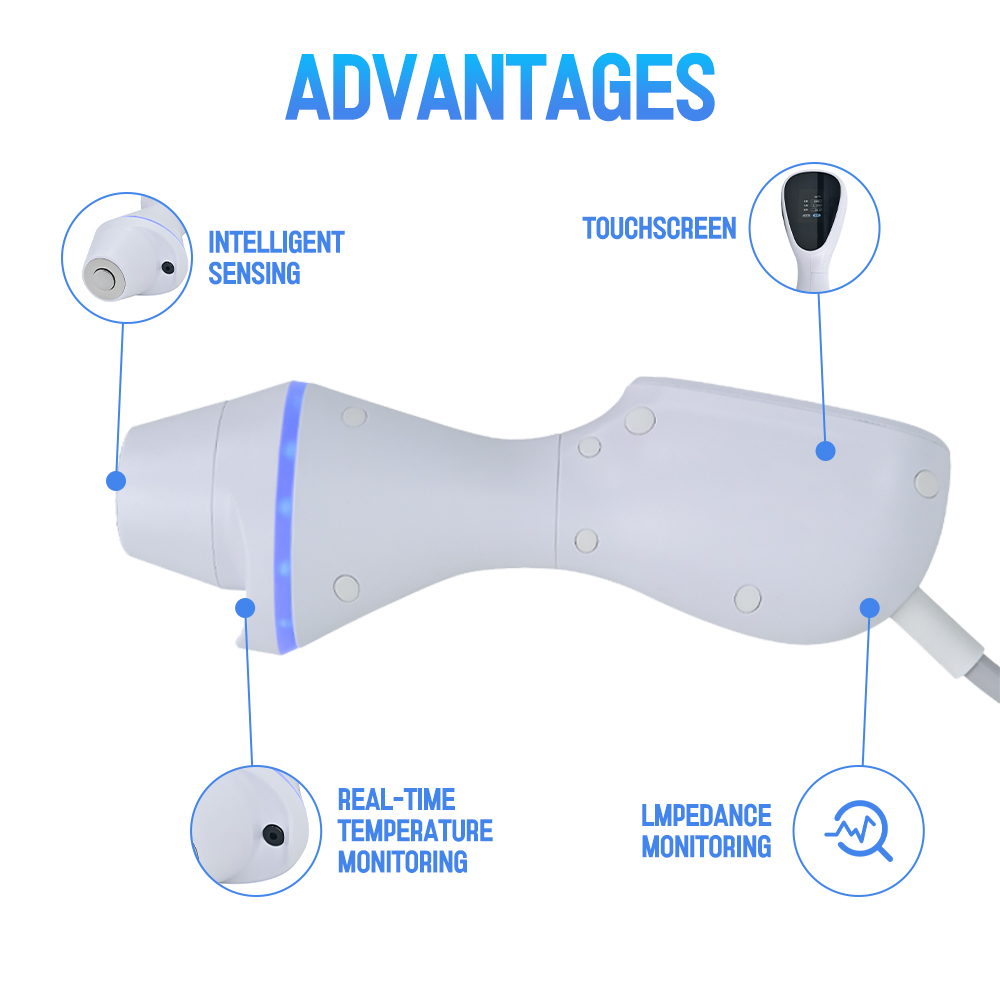
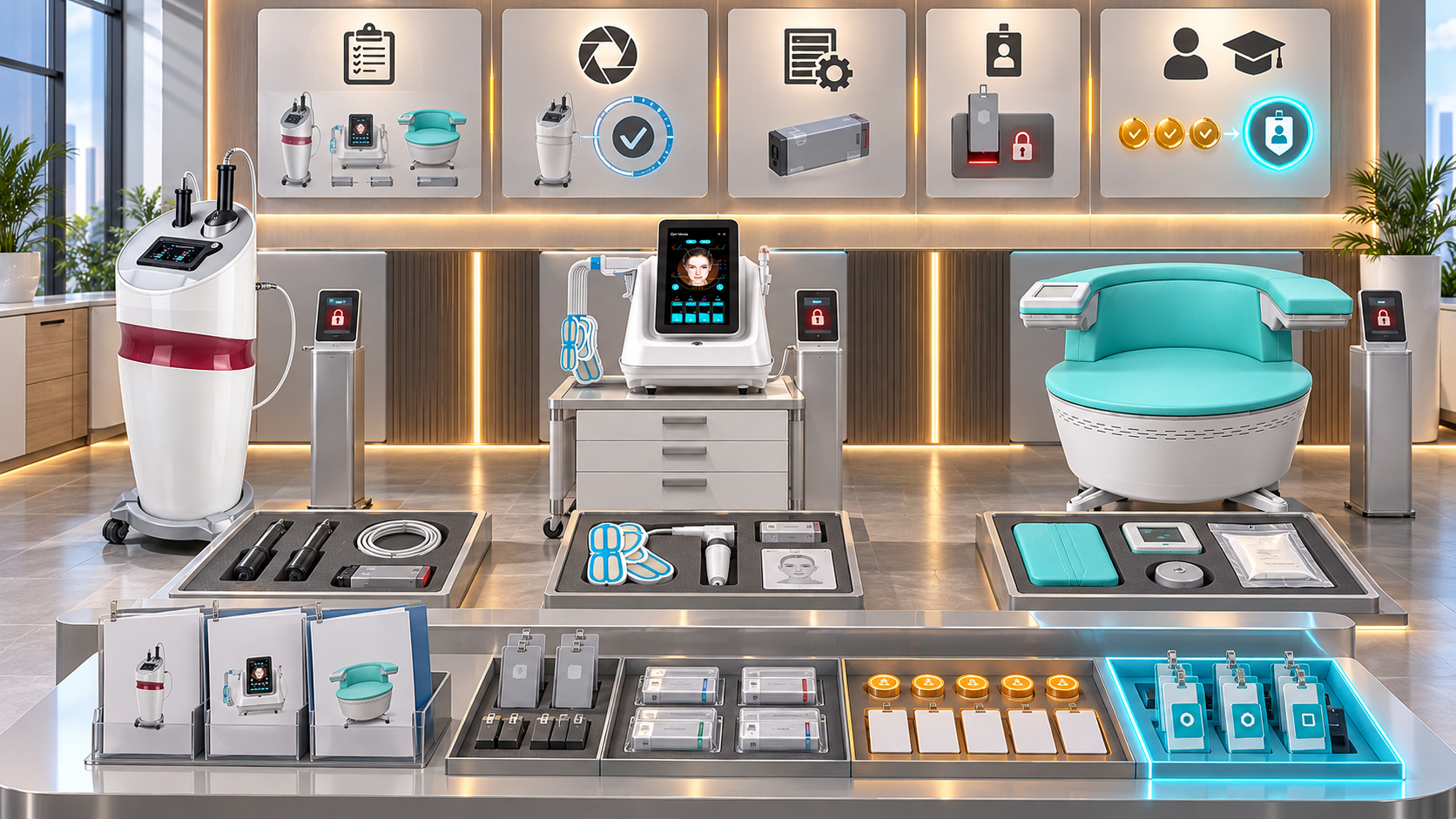
When a trained beauty device operator leaves, the business loses more than one name from the staff schedule. The departing person may hold device access, room knowledge, service-specific experience, client appointments, consumable routines, maintenance contacts, and information about unresolved equipment issues. If these responsibilities are not transferred deliberately, a working device can become unavailable even though nothing is technically wrong with it.
A controlled handover protects the service menu while preventing unassessed staff from stepping into the gap. This guide explains how salons, skin clinics, med spas, body studios, multi-location groups, and distributors can transfer SHEFMON facial, body, RF-microneedling, HIFU, and laser-device responsibilities when an authorized operator resigns, transfers, takes extended leave, or suddenly becomes unavailable.
Zusammenfassung
- Treat operator departure as a service-continuity and access-control event, not only an HR task.
- Appoint one handover owner and create a timeline based on the person’s final working access, booked services, and local employment requirements.
- Map every affected service to the exact device, configuration, function, room, consumables, client commitments, and remaining authorized staff.
- Remove device, booking, room, key, account, and record access at the approved effective time while preserving the audit history.
- Capture device condition, accessory inventory, consumable status, maintenance history, open incidents, and current booking holds.
- Transfer client-facing work through controlled record review; do not rely on personal memory or informal messages.
- Use shadowing and demonstration as evidence inputs, not automatic authorization for the replacement operator.
- Pause, reduce, transfer, or reschedule a service when the business no longer has a verified authorized operator.
- Confirm device-specific knowledge for A0648, B0155, A0152, A0204, and A0426 rather than using one generic checklist.
- Close the handover only after permissions, appointments, devices, records, stock, support contacts, and successor responsibilities are verified.
1. Define the Handover Trigger
Not every departure follows the same timetable. Classify the event first.
| Handover trigger | Typical planning condition | Operational response |
|---|---|---|
| Planned resignation | Final date and notice period are known | Schedule knowledge capture, successor assessment, booking transition, and access closure |
| Internal transfer | The person remains in the organization but changes site or role | Close old permissions and approve any new site or device scope separately |
| Extended leave | Return may be expected, but active coverage is needed | Suspend or time-limit access, assign interim operators, and plan recency review before return |
| Immediate or unexpected departure | Little or no overlap is available | Protect access and records first, pause unsupported services, and reconstruct the handover from controlled sources |
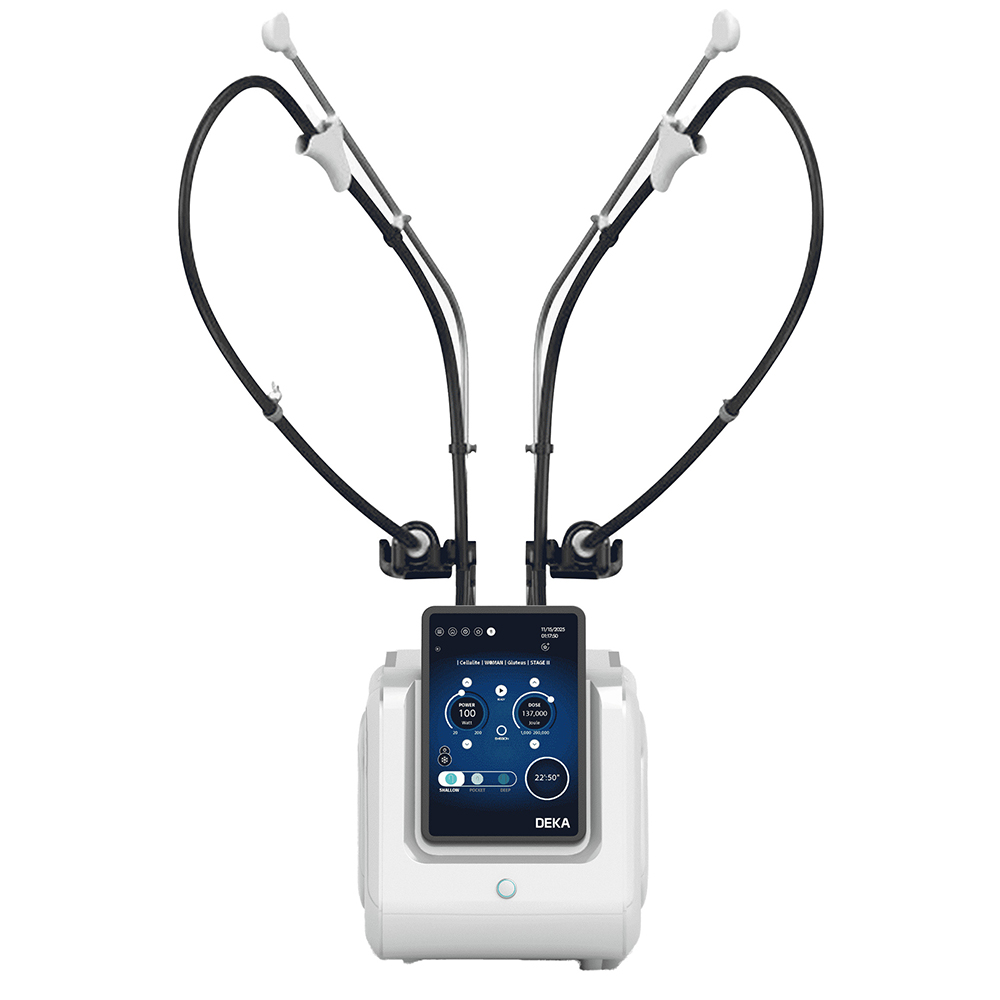
| Professional-status or eligibility change | The person can no longer meet a required condition | Stop affected services immediately and follow the required review process |
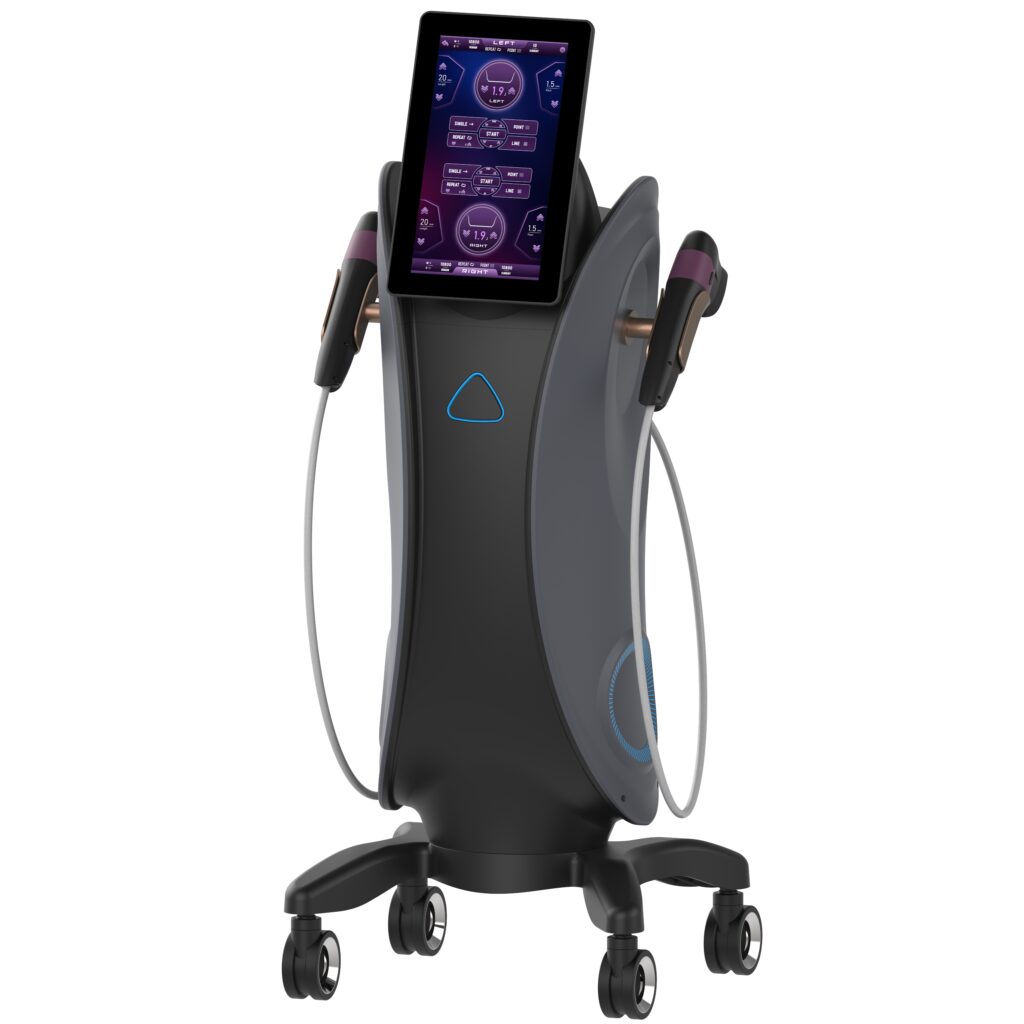
| Contractor completion | A temporary assignment or trainer engagement ends | Close time-limited access and confirm ownership of records, equipment, and open actions |
Use the business’s HR, legal, privacy, and security process to determine what may be requested, when access changes take effect, and who communicates with the departing person.
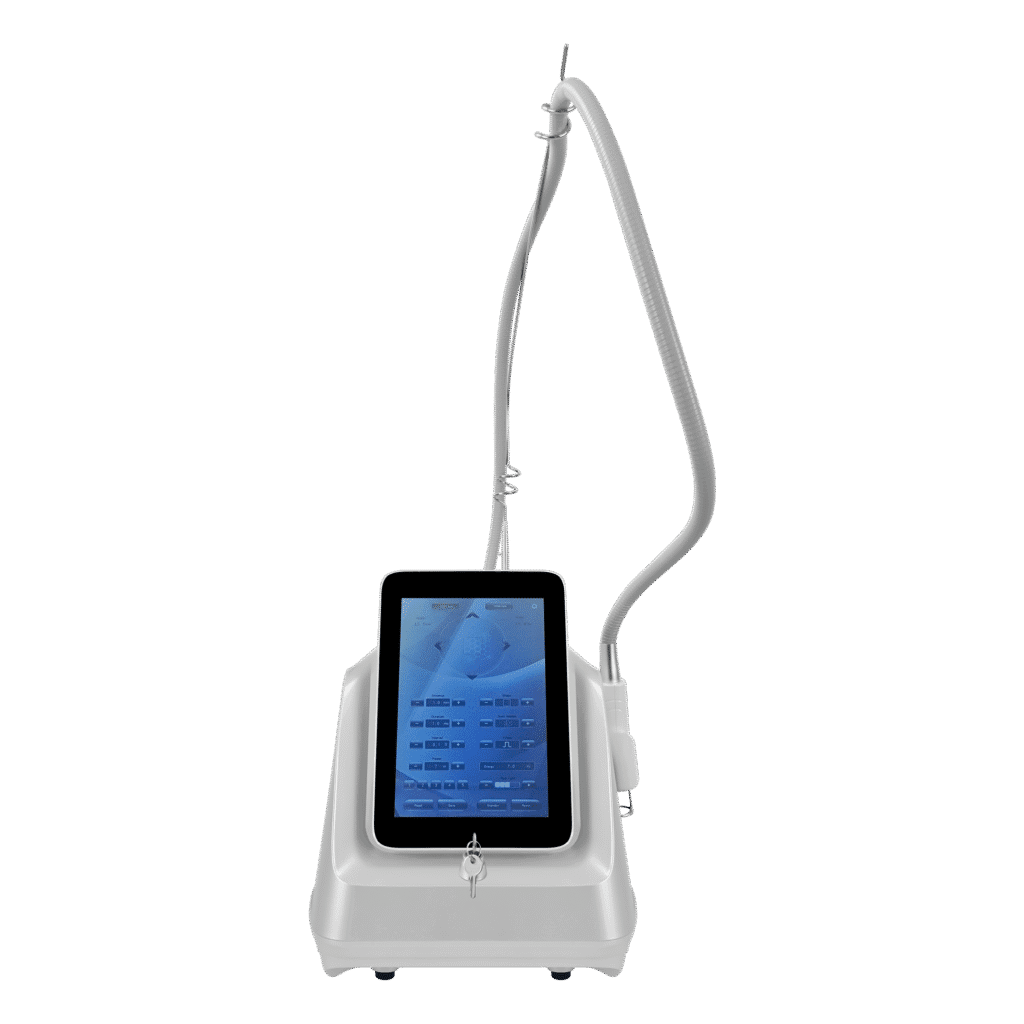
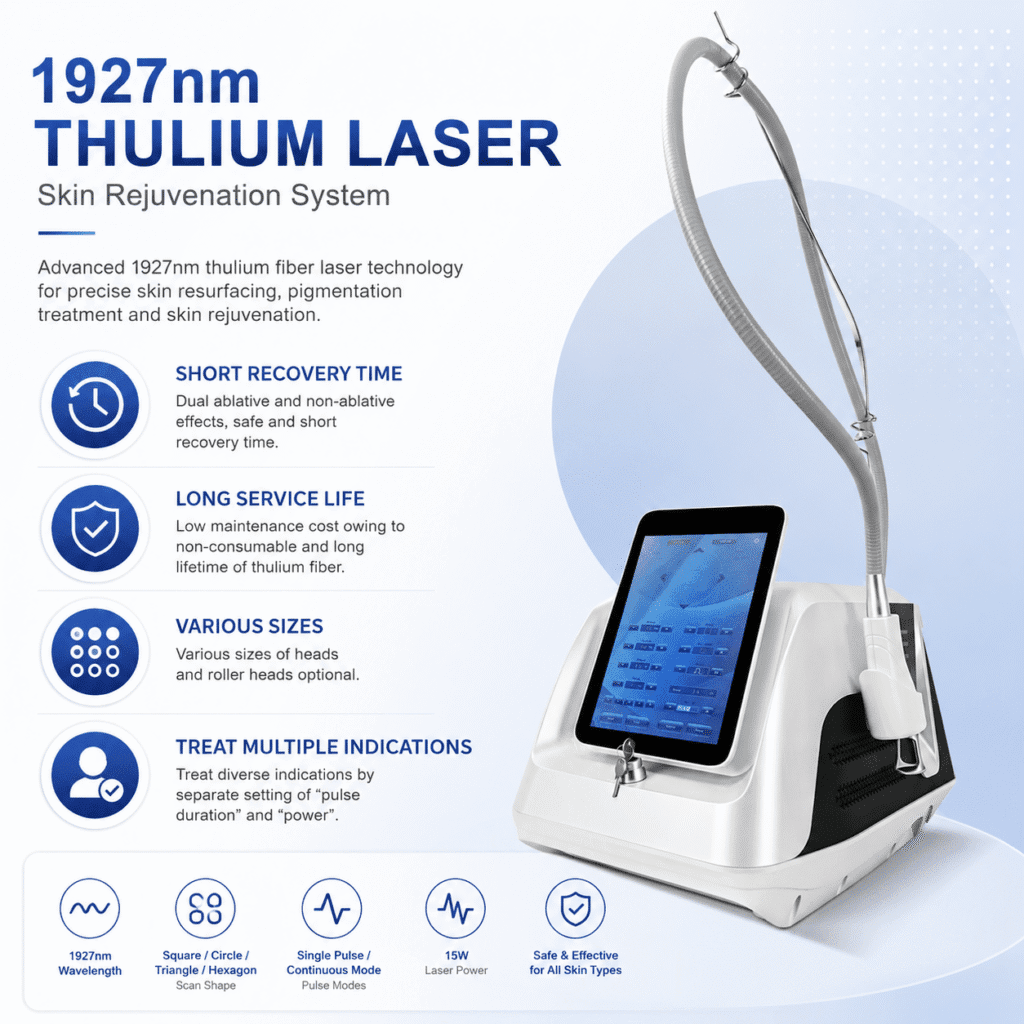
2. Appoint One Handover Owner
One person should coordinate the operational transfer. Depending on the business, this may be the store manager, clinical or professional lead, device program owner, operations manager, or another authorized role.
The owner should coordinate:
- departure timeline and access cutoff;
- affected services and bookings;
- device and room status;
- authorization records;
- client-record transfer;
- consumables and accessories;
- maintenance and support cases;
- successor selection and assessment;
- temporary service restrictions;
- final verification and closure.
The departing operator can contribute information, but should not be the only person deciding whether the handover is complete.
3. Apply Immediate Risk Controls
Before scheduling detailed meetings, identify issues that require immediate action.
Check whether:
- the departing person is the only authorized operator for a booked service;
- a device, handle, cartridge, room, or service is already on hold;
- an incident, complaint, unexpected client response, or technical case remains open;
- shared passwords, keys, or account access are in use;
- client information is stored outside the approved record system;
- consumables or accessories cannot be located;
- maintenance is overdue or undocumented;
- the person holds the only contact with a service provider or distributor;
- future appointments extend beyond the final authorized date;
- another staff member has been operating informally without completed authorization.
Pause affected bookings when eligibility, device status, or operator coverage cannot be confirmed. Do not fill the gap with the nearest available employee.
4. Build a Date-Based Handover Plan
Work backward from the final date on which the person is permitted and scheduled to perform each duty.
Key milestones can include:
- departure notification received;
- handover owner appointed;
- affected device-services identified;
- future bookings and packages reviewed;
- device and accessory audit completed;
- open incidents and support cases reassigned;
- potential successors evaluated;
- shadowing or supervised assessment completed where appropriate;
- client communication issued when needed;
- final services, notes, and stock records reconciled;
- physical and digital access closed at the approved time;
- post-departure verification completed.
Do not schedule the last knowledge-transfer session after the person’s account or site access has already ended unless the applicable process explicitly permits it.
5. Map Operator-Dependent Services
Create a service dependency list for the departing person.
Aufzeichnen:
- service and menu tier;
- device model and installed-unit ID;
- configuration, handle, applicator, cartridge, tip, or needle head;
- site, room, and utilities;
- operator authorization level;
- required consultation or professional oversight;
- recurring and future bookings;
- prepaid packages or memberships;
- required consumables;
- another currently authorized operator;
- temporary service disposition;
- successor and readiness date.
This map shows whether the departure affects one function, one category, one location, or several parts of the service menu.
6. Choose a Temporary Service Disposition
Every affected service needs a clear status.
| Status | When it fits | Booking action |
|---|---|---|
| Continue | Another current operator is authorized for the same device-service scope | Reassign bookings within verified capacity |
| Reduced capacity | Coverage exists but cannot support the full schedule | Protect priority commitments and open recovery slots |
| Cross-location transfer | Another approved site has the device, room, staff, and record pathway | Offer controlled transfer under the business’s policy |
| Supervised delivery | Local rules and the internal authorization system permit a named supervised operator | Book only within the recorded supervision conditions |
| Temporary pause | No valid operator or required resource is available | Block new bookings and manage existing clients |
| Service withdrawal | The business will no longer maintain the category | Close packages and client commitments through the approved process |
Another technology should not be presented as the same service merely to avoid a pause. Any different pathway needs its own consultation, authorization, consent, and documentation.
7. Protect the Booking Calendar
Review appointments beyond the operator’s last approved service date.
For each booking, confirm:
- service and device resource;
- assigned staff member;
- staff authorization at the appointment date;
- room and consumable availability;
- client record and consultation status;
- package, deposit, promotion, or membership condition;
- whether the appointment can be reassigned without changing the service;
- whether client notice is required;
- next approved action if capacity is unavailable.
Update recurring bookings and automated staff assignments. A booking should not remain attached to a departed user account or be moved to someone whose authorization is pending.
8. Control Digital and Physical Access
Access closure should follow the organization’s approved offboarding time and authority.
Rezension:
- device login or operator profile;
- booking and client-record accounts;
- room or building access;
- device keys and activation credentials;
- shared password exposure;
- inventory, purchasing, and support portals;
- email or messaging groups used for device cases;
- cloud folders and training systems;
- service-provider accounts;
- physical manuals, logs, and removable storage.
Disable or reassign access without deleting the historical identity from treatment, maintenance, training, or incident records. Never continue operating under the departed person’s credentials.
9. Create a Complete Handover Package
The package should give the replacement team a controlled view of the current service and equipment state.
| Handover section | Required content |
|---|---|
| Device identity | Model, installed-unit ID, serial or verified physical identifier, configuration, revision, site, and room |
| Service scope | Current menu services, function used, booking duration, professional boundary, and approved procedure version |
| Zugang | Keys, login profiles, room permissions, booking resources, and support accounts |
| Equipment state | Current readiness, holds, warnings, damaged items, maintenance due, and recent changes |
| Components | Handles, applicators, cartridges, tips, needle heads, cables, adapters, and assigned quantities |
| Verbrauchsmaterial | Item IDs, open and sealed stock, storage, expiry where relevant, reorder status, and quarantined items |
| Client continuity | Future bookings, package commitments, incomplete follow-up, and authorized receiving staff |
| Open actions | Incidents, complaints, support tickets, quotes, repairs, orders, and promised updates |
| Training evidence | Departing person’s scope, successor status, assessor, documents, and identified gaps |
| Contacts | Internal owners, distributor or service contacts, and escalation route |
Store the package in the approved business system. Personal notebooks and chat history can help identify gaps but should not become the final source of truth.
10. Verify the Physical Device State
Conduct a joint review when possible, with another authorized person present.
Aufzeichnen:
- device powered and stored according to the approved process;
- exterior condition;
- screen, cables, connectors, handles, and accessories;
- current operating or hold status;
- installed configuration;
- remaining use counts or cartridge status where available;
- visible damage, leakage, abnormal heat, sound, cooling, suction, or other reported symptom;
- room and utility condition;
- cleaning status;
- next maintenance or verification date;
- evidence for any unresolved technical issue.
This is not a substitute for technical inspection. If a stop-use condition exists, keep the unit unavailable and escalate through the approved service path.
11. Reconcile Handles, Applicators, and Accessories
Compare the physical inventory with the installed-unit record and accepted configuration.
Überprüfen:
- correct item identity and revision;
- quantity;
- assigned device or room;
- working, restricted, quarantined, or retired status;
- cables, adapters, caps, holders, and companion items;
- cleaning and storage condition;
- missing or unlabelled items;
- items borrowed by another room or site;
- replacement orders in progress;
- compatibility evidence.
Do not merge unlabelled handles or cartridges into general stock. Hold them until identity and compatibility are confirmed.
12. Reconcile Consumables and Reorders
The departing operator may know that stock is low even when the system has not been updated.
Capture:
- exact consumable item and compatible configuration;
- pack size and order unit;
- sealed and opened quantities;
- storage location and condition;
- expiry or use limitation where applicable;
- quantities reserved for booked clients;
- purchase orders in progress;
- items borrowed or transferred;
- substitutes that are verified, conditional, or prohibited;
- final reorder owner.
Adjust future bookings if usable stock cannot support them. Do not accept an informal claim that a similar item “usually works.”
13. Transfer Open Maintenance and Support Cases
Every unresolved technical issue needs a new owner before the operator leaves.
The case file should include:
- installed unit and configuration;
- date first observed;
- reported symptom;
- photos, videos, codes, or other evidence;
- approved checks already completed;
- current stop-use or limited-function decision;
- affected services and bookings;
- support contact and case number;
- components requested or shipped;
- next update date;
- person responsible for receiving, testing, and documenting the outcome;
- return-to-service approval path.
Avoid asking the departed operator for missing details after access closes when the information could have been captured in advance.
14. Transfer Client Work Through Controlled Records
Client continuity should come from complete records, not the departing person’s memory.
Rezension:
- service delivered and device used;
- consultation and consent status;
- permitted treatment record fields;
- device function, cartridge, handle, or applicator where required;
- scheduled follow-up;
- package balance;
- pending questions or complaints;
- relevant client communication;
- receiving authorized operator;
- professional review needed before the next service.
Respect applicable privacy, access, and retention requirements. Do not copy client details into personal accounts or uncontrolled handover documents.
15. Capture Operational Knowledge Without Creating a Hidden Protocol
The departing operator may hold useful practical knowledge about room flow, stock location, booking time, cleaning sequence, common client questions, or escalation contacts. Capture it, then compare it with approved documents.
Classify information as:
- already documented and current;
- useful workflow clarification to be reviewed;
- outdated practice;
- unsupported personal preference;
- potential procedure deviation;
- safety or technical concern requiring escalation.
Do not turn personal habit into the new standard simply because it has been used for a long time. Update controlled procedures only through the approved review process.
16. Preserve Training and Authorization Evidence
The departing person’s records may matter after departure for past appointments, incidents, and audits.
Preserve:
- eligibility evidence and verification dates;
- training attendance;
- device and configuration scope;
- competency assessments;
- authorization level and exclusions;
- supervision records;
- refresher and recency evidence;
- assessor appointments;
- suspensions and reinstatements;
- effective end date;
- historical device, room, and service access.
End the active permission without deleting the history. Follow applicable retention and privacy rules.
17. Assess the Successor Gap
Compare remaining staff with the services that need coverage.
| Successor status | Bedeutung | Nächster Schritt |
|---|---|---|
| Currently authorized | Holds valid permission for the exact device-service-site scope | Reassign within available capacity |
| Authorized on another configuration | Competent in the category but not the installed setup | Complete configuration and site review before operation |
| Supervised operator | May work only under a current supervision condition | Confirm supervisor and scheduling capacity |
| Training completed, assessment pending | Learning evidence exists but independent competence is not yet verified | Arrange assessment; keep independent bookings blocked |
| New to the category | No relevant authorization evidence | Build the full training and assessment plan |
| Eligibility unclear | Professional or local conditions cannot be confirmed | Keep status Verification Required or Not Authorized |
This comparison prevents a manager from confusing availability with competence.
18. Use Shadowing as Structured Evidence
If a planned notice period permits overlap, use it deliberately.
A shadowing record should state:
- exact device and service observed;
- departing operator’s valid scope;
- successor’s current level;
- assessor or supervisor present;
- tasks observed or performed;
- client and consent conditions;
- documents and protocol versions used;
- questions or gaps found;
- next assessment step.
The departing operator can demonstrate established workflows but should not single-handedly grant the replacement person independent authorization unless formally appointed and permitted to assess that scope.
19. Avoid Compressed Training That Hides Gaps
Departure dates create pressure to approve someone quickly. Keep the assessment standard intact.
Do not:
- convert observation into independent permission;
- skip local eligibility checks;
- reduce a practical assessment to a quiz;
- authorize every function on a multifunction platform;
- use one successful service as evidence for another device or treatment area;
- allow an expired assessor to sign off;
- schedule clients before the successor’s effective authorization date;
- let the departing person’s final day become the only assessment opportunity.
When time is insufficient, reduce or pause the service and complete the authorization properly.
20. Plan A0648 Facial-Service Handover
Der SHEFMON A0648 hydro microdermabrasion machine is presented as a multifunction facial platform. The handover should identify which installed tools the departing operator actually used and which services depend on them.
Transfer:
- A0648 unit and room identity;
- authorized facial services;
- installed handpieces and tools;
- tips, solution containers, tubing, cables, and refill items;
- cleaning and flushing process in the current approved document;
- suction or function-specific operating checks;
- stock and reorder status;
- leakage, blockage, damaged tubing, weak suction, or other open observations;
- successor authorization by function;
- affected appointments and packages.
Competence in one A0648 function should not be used to approve every tool on the platform.
21. Plan B0155 Body-Service Handover
Der SHEFMON B0155 body-care system is described with handles for body and smaller-area applications. Capture the exact handle package and service allocation.
Rezension:
- B0155 configuration and applicator inventory;
- services and appointment duration by handle;
- operator and room setup;
- client-positioning and monitoring workflow;
- cleaning and storage;
- cable, connector, vacuum, roller, RF, or physical observations relevant to the confirmed setup;
- package commitments;
- replacement-handle or support case;
- successor scope for each applicator;
- cross-room or cross-site capacity.
A replacement operator assessed on one applicator should not inherit every B0155 service automatically.
22. Plan A0152 RF-Microneedling Handover
Die jetzige SHEFMON A0152 RF-microneedling page lists working-handle choices and several needle-head formats. The handover must preserve the buyer’s exact configuration and professional controls.
Enthalten:
- A0152 installed-unit and handle arrangement;
- needle-head identities, stock, storage, and disposal route;
- approved services and treatment areas;
- professional eligibility and supervision requirements;
- current procedure, consent, and record versions;
- room preparation and infection-control workflow;
- open client follow-up within the permitted record system;
- device warnings or support cases;
- successor’s assessed handle and needle-head scope;
- appointments kept on hold until authorization is effective.
General microneedling experience is not a complete substitute for configuration-specific RF-microneedling assessment.
23. Plan A0204 HIFU Handover
Der SHEFMON A0204 focused HIFU system has a configuration structure involving handles, optional modules, and cartridge groups. Transfer the installed reality rather than a full product-option list.
Aufzeichnen:
- A0204 configuration and revision;
- active handles and modules;
- cartridge identity, status, and available use information;
- approved service menu and professional pathway;
- current protocol and documentation versions;
- storage and room controls;
- open bookings and package commitments;
- component, cartridge, or technical issues;
- successor authorization by handle and cartridge family;
- excluded functions or modules.
If no remaining person is authorized for the required configuration, pause the HIFU service until coverage is verified.
24. Plan A0426 Laser-Service Handover
Der SHEFMON A0426 diode laser lists choices involving wavelength arrangement, handle power, and spot size. Preserve the exact installed configuration in the handover.
Rezension:
- A0426 unit, handle, wavelength, power, and spot-size relationship;
- operator and facility eligibility;
- room-access and restricted-area controls;
- protective eyewear and its approved relationship to the setup;
- cooling, electrical, and maintenance status;
- hair-removal services and prepaid course commitments;
- client records and future appointments;
- device warnings, handle issues, or support cases;
- remaining laser-authorized staff;
- successor’s model-, site-, and service-specific assessment;
- key, login, and booking access closure.
Training on another laser should not be accepted automatically as A0426 authorization.
25. Transfer Maintenance Ownership
Departure can expose maintenance tasks that were handled informally.
Assign a named owner for:
- daily and pre-use checks;
- scheduled cleaning and user maintenance;
- maintenance calendar;
- equipment holds;
- service cases;
- component receipt and tracking;
- technical access control;
- post-service verification;
- document updates;
- release back to bookings.
Treatment authorization does not automatically include technical maintenance permission. Use the separate technical-authority record for controlled tasks.
26. Transfer Distributor and Support Relationships
Move support communication from the departing person’s private contact history into the business record.
Capture:
- supplier or distributor contact;
- support channel;
- installed-unit details already shared;
- case numbers;
- quotations and orders;
- components or consumables in transit;
- warranty or support status;
- promised evidence or next action;
- authorized business contact taking over;
- communication that must remain confidential.
Notify the support contact of the new representative when appropriate and authorized. Do not leave account recovery dependent on the former employee’s personal email or phone.
27. Coordinate Multi-Location Handovers
A transfer or resignation at one branch can affect capacity elsewhere.
The central record should show:
- the operator’s active permissions at every site;
- services and bookings by branch;
- device configurations used at each location;
- temporary staff or client transfer plan;
- room induction and local controls;
- shared components and consumables;
- training and assessor capacity;
- central and local support owners;
- access closure at each site;
- post-transfer or post-departure status.
Do not close only the person’s home-site permission if they also have active credentials, keys, or bookings at other branches.
28. Handle an Immediate Departure Without Overlap
When no handover meeting is possible, use controlled reconstruction.
- Close or suspend personal access at the approved effective time.
- Block services with no confirmed authorized coverage.
- Preserve business records and audit trails.
- Inspect assigned devices, rooms, accessories, and stock with two authorized staff where practical.
- Review future bookings and packages.
- Reassign open incidents, complaints, orders, and support cases.
- Compare device state with maintenance, inventory, and installed-base records.
- Identify undocumented practices as gaps, not accepted procedures.
- Assess successors through the normal authorization process.
- Record unresolved issues and management decisions.
Follow local employment, privacy, security, and records requirements throughout the reconstruction.
29. Run a Structured Handover Meeting
Use a fixed agenda:
- affected services and final operating date;
- future clients, packages, and follow-up;
- device status and current holds;
- handles, applicators, cartridges, tips, and needle heads;
- consumables, orders, and quarantined stock;
- cleaning and maintenance schedule;
- incidents, complaints, and support tickets;
- room, key, login, and booking access;
- successor training and assessment status;
- distributor and service contacts;
- unresolved decisions, owners, and dates;
- final sign-off limitations.
The meeting record should distinguish verified facts, reported information, and items still requiring confirmation.
30. Define Closure Criteria
The handover can close when:
- all affected services have an approved status;
- future appointments have a valid operator or documented client action;
- the departing person’s active permissions are ended;
- required business records remain accessible and traceable;
- devices and rooms have a verified state;
- components and consumables are reconciled;
- open incidents and support cases have owners;
- maintenance responsibility is reassigned;
- successor authorization is complete or the service remains blocked;
- outstanding actions have dates and owners;
- the handover owner approves closure.
Do not close the case because the final employment date has passed. Operational actions may remain open afterward.
31. Review the Outcome After Departure
After the first operating period without the former operator, review:
- cancelled, reassigned, or delayed appointments;
- unsupported bookings discovered late;
- missing device or inventory records;
- successor performance and supervision load;
- access that remained active too long;
- shared credentials found;
- incomplete client or maintenance documentation;
- services still dependent on one person;
- distributor or support delays caused by missing information;
- procedure updates needed;
- additional cross-training priorities.
Use these findings to reduce future knowledge concentration and improve authorization, backup, and succession planning.
32. Common Handover Errors
- Treating the departure as an HR event only.
- Waiting until the final day to review bookings and equipment.
- Letting the departing operator approve their own replacement without independent review.
- Transferring shared passwords instead of issuing controlled access.
- Deleting the historical user from treatment and maintenance records.
- Leaving future appointments attached to an inactive account.
- Assuming category experience covers the installed model and configuration.
- Copying personal work habits into controlled procedures without review.
- Ignoring stock, accessories, or open support cases.
- Allowing technical service because the successor is an advanced operator.
- Continuing a service when no authorized operator remains.
- Closing the handover with unresolved actions and no owners.
33. Trained-Operator Departure Checklist
- Handover type, owner, final operating date, and access cutoff are recorded.
- Immediate safety, eligibility, privacy, and service risks have been reviewed.
- Every affected service is linked to its exact device and configuration.
- Future bookings, packages, deposits, and follow-up needs have been reviewed.
- Each service has Continue, Reduced, Transfer, Supervised, Pause, or Withdraw status.
- Digital, physical, device, room, key, and booking access are controlled.
- Device condition, readiness, holds, and maintenance dates are verified.
- Handles, applicators, cartridges, tips, needle heads, cables, and accessories are reconciled.
- Consumables, storage, expiry, reservations, and orders are reconciled.
- Open incidents, complaints, repairs, and support cases have new owners.
- Client information remains in approved records and has a receiving operator.
- Training and authorization history is preserved.
- Successor gaps have been assessed by exact service and configuration.
- Shadowing has not been mistaken for independent authorization.
- Maintenance and technical responsibilities are assigned separately.
- Multi-location permissions and bookings are closed or transferred.
- Outstanding actions have owners and due dates.
- A post-departure review is scheduled.
Häufig gestellte Fragen
1. When should beauty device handover planning begin?
Begin as soon as the departure, transfer, extended leave, or eligibility change is confirmed and the applicable employment process permits operational planning. Early review protects future bookings and creates time for assessment without lowering authorization standards.
2. Can the next most experienced employee take over immediately?
Only if that person already holds valid authorization for the exact device, configuration, service, site, and required professional conditions. Experience or availability alone does not create permission.
3. What if the departing operator is the only authorized person?
Block new bookings and decide whether current clients can be transferred to another approved operator or location, rescheduled, or managed under another permitted service status. Train and assess a successor through the normal process rather than granting emergency independent access.
4. Should the former operator’s account be deleted?
End active access according to the approved offboarding process, but preserve the historical identity in treatment, maintenance, training, and incident records as required. Do not erase audit history or continue using the old credentials.
5. Is shadowing enough to authorize the replacement operator?
No. Shadowing can provide useful learning evidence. The successor still needs confirmed eligibility, device- and service-specific training, practical competency assessment, and documented authorization.
6. What equipment information must be handed over?
At minimum, transfer the exact unit and configuration, current readiness, handles and accessories, consumables, maintenance status, holds, open technical cases, procedure versions, support contacts, and future bookings linked to the device.
7. How should active treatment packages be handled?
Review each package against available authorized staff, device capacity, site options, and the business’s approved client and contract process. Communicate confirmed options without promising a service date or alternative before capacity and suitability are verified.
8. Can authorization transfer when an operator moves to another branch?
Do not transfer it automatically. Confirm the receiving site’s model, configuration, room, procedures, professional conditions, support route, and induction. Close the old-site permission and document the new one separately.
9. What if undocumented practices are discovered during handover?
Classify them as gaps or possible deviations. Compare them with current approved documents, protect affected services, investigate as needed, and update procedures only through the controlled review process.
10. When should SHEFMON be contacted during a handover?
Contact SHEFMON when model configuration, installed functions, handle or cartridge identity, consumable relationship, documentation, open support cases, or product-training scope needs confirmation. Provide the installed-unit details and the new authorized business contact.
Abschluss
Beauty device handover is complete only when the service, equipment, client, access, stock, and support responsibilities have all moved to verified owners. A planned process can preserve appointments and device knowledge without granting permission too quickly. An unexpected departure requires the same controls, with unsupported services paused while records and equipment are reconstructed.
Map operator-dependent services, protect the calendar, close personal access, verify each device and configuration, preserve historical records, and assess successors through the existing authorization system. This keeps the service menu aligned with the people who are actually qualified and approved to deliver it.
Erkunden Sie die SHEFMON Schönheitsgeräte-Kategorien oder Kontaktieren Sie SHEFMON with your installed models, configurations, open support needs, affected services, and handover timeline to confirm product information and training scope for the receiving team.