A component substitution can look harmless on a purchasing screen. Two pumps may share voltage and nominal flow. Two connectors may fit the same opening. Two fans may have the same dimensions. Yet the replacement can change heat removal, noise, leakage, calibration, software timing, electromagnetic behavior, assembly force, service compatibility, packaging, or long-term reliability.
Factories therefore need more than a buyer’s promise that a part is “equivalent.” An approved substitution should identify the exact original and proposed parts, define the products and revisions affected, evaluate every relevant interface, generate proportionate evidence, specify the effective production range, and update purchasing, inventory, assembly, inspection, traceability, and service controls before use.
This guide explains how beauty device factories can control approved component substitutions without creating silent product variants. It focuses on internal components, subassemblies, handles, cables, tubes, connectors, displays, power and cooling parts, and similar production items. A component-level change is different from substituting one finished beauty device model for another in a customer quotation.
Zusammenfassung
A controlled component-substitution process should:
- Define substitution terms precisely. Separate a permanent approved alternate, supplier change, supersession, temporary deviation, emergency use, repair part, and unauthorized replacement.
- Freeze the original baseline. Identify the original part, supplier, drawing, revision, product models, hardware and software combinations, tests, service parts, and market configurations affected.
- Start with function and risk—not price or availability. Determine what the component actually contributes and how its failure or variation could affect the complete device.
- Compare all relevant interfaces. Mechanical fit, materials, electrical characteristics, heat, flow, pressure, optics, motion, software, calibration, assembly, cleaning, packaging, and service can matter.
- Use evidence proportional to change risk. Document review may be adequate for a low-risk administrative difference; critical components may require bench testing, system verification, reliability exposure, pilot builds, and market review.
- Approve a bounded substitution. State exactly which model, revision, supplier site, part, lot, configuration, market, and date or serial range the approval covers.
- Implement through controlled master data. BOMs, approved supplier lists, purchasing, ERP, warehouse, work instructions, inspection, test, service, and spare-part data must agree.
- Prevent uncontrolled mixing. Old and new parts need clear inventory, WIP, rework, repair, and effectivity rules.
- Verify the first effective units. Confirm material identity, assembly behavior, configuration, test results, packaging, records, and release before routine use.
- Monitor after approval. Incoming results, yields, test drift, rework, failures, service cases, and supplier changes should confirm or challenge the equivalence conclusion.
The goal is not to prohibit alternate sources. It is to make every approved alternate a controlled, traceable, evidence-based part of the released product definition.
1. What Is an Approved Component Substitution?
An approved component substitution is the authorized use of a defined replacement component in place of an existing component for a stated product and scope after appropriate technical, quality, production, supply, market, and service review.
The approval should answer:
- What original part is being replaced or supplemented?
- What proposed part, revision, manufacturer, and manufacturing site are involved?
- Is the change permanent, conditional, limited, or temporary?
- Which products and configurations may use it?
- Which evidence supports the decision?
- At what date, lot, work order, or serial number does it become effective?
- Can original and substitute parts coexist?
- How will installed units and service spares be supported?
“Same specification” is not an approval status.
2. Separate Similar Change Types
| Änderungstyp | Bedeutung | Required control focus |
|---|---|---|
| Approved alternate | Two or more parts are authorized under defined applicability | interchangeability, selection rules and ongoing control |
| Supersession | A new part replaces an old part from an effective point | transition, old-stock disposition and compatibility |
| Supplier-source change | Nominal part may remain similar while manufacturer or site changes | material/process equivalence and supplier qualification |
| Temporary deviation | A time-, lot-, quantity- or order-bounded departure | expiry, segregation, special evidence and closure |
| Emergency substitution | Urgent temporary use under elevated approval | containment, limited scope, retrospective completion and stop rules |
| Service replacement | Part used for installed equipment repair | backward compatibility, instructions and service verification |
| Unauthorized substitution | Part used without required approval | hold, investigation, scope assessment and corrective action |
Naming the change correctly prevents a temporary exception from becoming a permanent hidden alternate.
3. Gültige Substitutionsauslöser definieren
Triggers may include:
- supplier discontinuation or allocation;
- long lead time or continuity risk;
- recurring incoming or field quality problems;
- need for a qualified second source;
- lifecycle or obsolescence management;
- design or performance improvement;
- manufacturability or serviceability improvement;
- regionale Verfügbarkeit;
- compliance or material requirement identified by qualified reviewers; or
- documented cost optimization that does not weaken approved requirements.
Urgency, lower price, or physical fit can justify opening a request. None of them proves equivalence.
4. Create a Complete Substitution Request
Die Anfrage sollte Folgendes enthalten:
- reason and business urgency;
- original part number, revision, supplier, and site;
- proposed part number, revision, manufacturer, supplier, and site;
- affected product models, revisions, and configurations;
- available original inventory and open purchase orders;
- WIP, finished goods, installed base, and service stock potentially affected;
- claimed similarities and known differences;
- supplier documents, samples, and change history;
- proposed test and review plan;
- desired effectivity; and
- request owner.
Do not begin by editing the production BOM. The approved baseline should remain intact while the proposal is evaluated.
5. Freeze the Original Component Baseline
Collect the information that explains why the original component was selected:
- released drawing and specification;
- manufacturer and supplier identity;
- material and process;
- dimensions and tolerances;
- electrical, thermal, mechanical, optical, fluid, or motion characteristics as relevant;
- interfaces and mating parts;
- software, calibration, or parameter dependencies;
- assembly and inspection method;
- verification, validation, reliability, and production evidence;
- known failure history;
- approved markets and product claims affected; and
- service, spare, packaging, and storage requirements.
If the original requirement is unclear, the team cannot judge whether the replacement is equivalent.
6. Classify Component Criticality and Change Risk
| Risk factor | Fragen, die man stellen sollte |
|---|---|
| Produktfunktion | Does the part generate, control, deliver, cool, move, seal, measure, display, or protect a required function? |
| Failure consequence | Could failure cause loss of function, incorrect output, leakage, overheating, unstable motion, wrong parameter, or other significant condition? |
| Detectability | Will incoming or final testing reliably detect a wrong or weak part? |
| Interface complexity | Does the part interact with software, calibration, multiple modules, fluids, optics, RF, power, or moving mechanisms? |
| Variation | Are performance and reliability sensitive to supplier process or material differences? |
| Installed-base impact | Is the part replaceable in service, and must it fit older units? |
| Market/document impact | Could labels, manuals, claims, technical files, or qualified market reviews be affected? |
Use the risk classification to determine reviewers, sample coverage, test depth, approval authority, and monitoring.
7. Compare Requirements, Not Marketing Datasheets
A supplier datasheet may omit the characteristic that controls the beauty device. Build a requirement comparison from the product’s actual needs.
| Comparison layer | Example characteristics |
|---|---|
| Identity/source | manufacturer, site, part, revision, process and change notification |
| Physical | dimensions, tolerance, mass, center of gravity, finish and mounting |
| Material | composition, hardness, chemical compatibility, flammability or aging behavior where relevant |
| Electrical | voltage, current, power, resistance, insulation, connector pinout and transient behavior |
| Thermal | heat generation, dissipation, temperature limit, airflow and mounting path |
| Mechanisch | load, torque, speed, vibration, wear, backlash, noise and life |
| Fluid/vacuum | flow, pressure, leakage, sealing, tubing compatibility and chemical exposure |
| Optical/energy | wavelength-related applicability, transmission, output interface, window or coupling characteristics |
| Digital | protocol, firmware, timing, drivers, recognition and calibration data |
| Production/service | assembly method, inspection, tools, packaging, replacement and availability |
Mark each difference as irrelevant, equivalent, conservative, nonconservative, or unresolved, with rationale.
8. Confirm Form, Fit, Function—and More
“Form, fit, and function” is a useful starting point but often too narrow.
- Form: physical envelope, mounting, orientation, cable or tube routing, clearances, and access.
- Fit: connectors, threads, seals, holders, fasteners, mating surfaces, tolerance stack, and assembly force.
- Funktion: required performance across the approved operating range.
- Reliability: performance after cycles, duration, starts, cleaning, movement, temperature, or other relevant exposure.
- Manufacturability: operator steps, fixtures, inspection, mistake opportunities, rework, and yield.
- Serviceability: diagnosis, replacement, calibration, backward compatibility, and spare identity.
- Configuration: hardware, software, parameter, regional, label, document, and package relationships.
Approval should address every applicable dimension rather than stopping after a fit check.
9. Review Supplier and Manufacturing-Site Differences
Even when drawings match, manufacturing can differ through:
- raw-material source;
- tooling and cavity;
- process sequence and controls;
- heat treatment, coating, bonding, molding, machining, or winding;
- inspection equipment and sampling;
- subcontractors;
- packaging and transport;
- manufacturing site;
- lot definition and traceability; and
- change-notification discipline.
Supplier qualification and component equivalence are related but separate decisions. An approved supplier does not make every proposed part acceptable.
10. Perform Cross-Functional Impact Analysis
Include the functions needed for the affected risk, such as:
- product and systems engineering;
- electrical, mechanical, optical, software, or fluid engineering;
- quality and validation;
- supplier quality and purchasing;
- manufacturing engineering and production;
- incoming inspection and warehouse;
- Verpackung und Logistik;
- service and spare-parts management;
- documentation and configuration control; and
- qualified market, regulatory, or safety specialists where applicable.
The review should trace every difference to product requirements, risks, tests, records, and downstream systems.
11. Define the Evidence Plan before Testing
The plan should state:
- decision the evidence must support;
- affected product and configurations;
- original and proposed part identities;
- requirements and acceptance criteria;
- comparison or test methods;
- sample selection and supplier lots;
- representative assemblies and finished systems;
- environmental, load, duty-cycle, and boundary conditions;
- reliability or accelerated exposure rationale;
- software and calibration state;
- regression scope;
- deviations and stop rules; and
- reviewers and approval authority.
Testing without an approved question can produce data that is impressive but irrelevant.
12. Use an Evidence Ladder Proportional to Risk
Evidence can progress through:
- specification and drawing review;
- supplier-document and process review;
- dimensional and material inspection;
- component bench characterization;
- subassembly integration testing;
- complete-device functional and performance testing;
- boundary, environmental, durability, and reliability exposure;
- software and calibration regression;
- production trial or pilot build;
- packaging and service evaluation; and
- monitored initial production.
Not every substitution needs every level. The documented rationale should explain why the selected evidence is sufficient.
13. Select Representative and Worst-Relevant Configurations
One beauty device platform may use the component differently across models. Consider:
- highest electrical or thermal load;
- longest operating period or fastest cycling;
- lowest available cooling or airflow margin;
- highest flow, vacuum, pressure, torque, or motion demand;
- different enclosure or mounting orientation;
- different software timing or parameter range;
- different handles or accessories;
- regional voltage and frequency;
- product with the tightest physical clearance; and
- configuration with the greatest failure consequence.
The numerically largest setting is not automatically worst case for every failure mode.
14. Compare Original and Substitute Parts Directly
Where feasible, test both parts under the same controlled method. Compare:
- baseline performance;
- variation among samples and lots;
- behavior at operating boundaries;
- warm-up, steady-state, and recovery;
- noise, vibration, temperature, flow, current, or other relevant trends;
- interaction with mating components;
- failure response;
- assembly and inspection results; and
- degradation after representative exposure.
A substitute may meet a minimum limit while shifting system behavior enough to reduce margin.
15. Verify Mechanical and Assembly Compatibility
Check more than nominal dimensions:
- tolerance stack and alignment;
- mounting and support surfaces;
- fastener and torque relationship;
- connector engagement and retention;
- cable, harness, tube, and hose routing;
- bend radius and strain relief;
- access for tools and inspection;
- enclosure and holder fit;
- assembly force and error opportunities;
- movement, vibration, rubbing, and wear; and
- rework or replacement method.
Trial builds should use normal operators and released or draft-controlled instructions, not only engineers who know how to compensate for differences.
16. Verify Electrical, Power, and Thermal Compatibility
Depending on the part, review:
- input and output ranges;
- current draw and startup behavior;
- power rating and derating;
- connector pinout and polarity;
- insulation and grounding relationships;
- control signal and timing;
- heat generation and dissipation;
- fan or cooling demand;
- temperature at neighboring parts;
- fault behavior and protective controls; and
- regional electrical configuration.
Qualified reviewers should determine applicable safety and market evaluation. A component rating alone does not establish system suitability.
17. Verify Fluid, Vacuum, Cooling, and Chemical Compatibility
For pumps, valves, seals, filters, bottles, tubing, fittings, and cooling parts, compare:
- flow and pressure range;
- vacuum and leakage;
- priming and recovery;
- connector and seal fit;
- internal volume and restriction;
- allowed liquids or residues;
- cleaning-material compatibility;
- temperature exposure;
- noise and vibration;
- blockage or dry-running response where relevant;
- life and maintenance; and
- packaging and storage condition.
Two tubes with the same inner diameter can differ in stiffness, chemical response, bend behavior, sealing, or aging.
18. Verify Optical, Energy-Delivery, and Motion Interfaces
Where relevant, evaluate:
- optical window, transmission, coupling, alignment, and surface condition;
- energy-delivery interface and calibration relationship;
- motor speed, torque, direction, bearing, and controller interaction;
- roller geometry and load;
- RF, ultrasound, EMS, microcurrent, or other output-related dependencies;
- sensor response;
- handpiece cable and connector behavior;
- temperature and cooling; and
- software parameter limits.
These areas may require specialized personnel and equipment. Avoid inferring system performance from a component datasheet alone.
19. Verify Software, Firmware, and Calibration Dependencies
A hardware alternate may require software review when it changes:
- identification or communication protocol;
- sensor scaling;
- timing or control loop;
- startup and fault detection;
- calibration coefficients;
- parameter limits;
- handle recognition;
- error messages and recovery;
- service diagnostics; or
- update and rollback compatibility.
Record which software builds support the substitute. Do not allow one component to require an untracked factory-only parameter adjustment.
20. Review Reliability and Lifetime Evidence
Reliability review should connect the substitute to its likely degradation mechanisms. Evidence may cover:
- operating hours;
- starts and stops;
- pulses or activations;
- connector mating;
- cable flex;
- pump, motor, fan, or roller cycles;
- thermal cycles;
- cleaning and chemical exposure;
- vibration or transport;
- seal, tube, bearing, or surface wear; and
- supplier lot variation.
Supplier life claims can contribute, but system mounting, load, heat, fluid, software, and maintenance conditions may be different.
21. Evaluate Market, Compliance, and Documentation Impact
Qualified specialists should determine whether the substitution affects:
- product classification or market pathway;
- approved technical evidence;
- electrical, material, labeling, or documentation requirements;
- risk analyses and protective controls;
- claims or specifications;
- product labels or rating information;
- manuals and maintenance instructions;
- registrations or declarations; or
- distributor or customer notifications.
A technically functional substitute may still require market-specific review before use.
22. Classify the Approval Outcome
| Ergebnis | Bedeutung |
|---|---|
| Abgelehnt | evidence does not support use or the risk is unacceptable |
| More evidence required | unresolved differences prevent a decision |
| Approved for trial only | restricted to controlled build and evaluation; not routine production |
| Approved with conditions | use allowed only for named products, lots, settings, suppliers, markets, or controls |
| Approved as alternate | both original and substitute are allowed under defined selection rules |
| Approved as supersession | substitute replaces original from a controlled effectivity point |
| Temporary deviation | limited quantity, order, lot, date, or serial range with expiry and closure |
The approval should name limitations instead of relying on a generic “approved” checkbox.
23. Decide Whether the Part Number Must Change
A new internal part number or revision may be required when the substitute is not fully interchangeable, needs different inspection, has different service compatibility, changes software or calibration, requires separate traceability, or must not be mixed.
Using one part number for materially different items can hide:
- supplier and performance differences;
- assembly instructions;
- incoming criteria;
- test and calibration requirements;
- installed-base compatibility;
- spare-part selection; and
- failure trends.
Conversely, unnecessary new part numbers can create avoidable inventory complexity. Configuration control should document the rationale.
24. Define Approved Manufacturer and Supplier Rules
The released record can separate:
- factory part number;
- manufacturer part number;
- manufacturer site;
- approved purchasing supplier;
- approved supplier site;
- approved revision or process;
- product applicability;
- incoming control plan;
- qualification status; and
- change-notification requirement.
A distributor or purchasing agent should not replace the actual manufacturer simply because the commercial supplier name remains unchanged.
25. Establish Exact Effectivity
Effectivity can be defined by:
- Datum und Uhrzeit;
- purchase order or supplier lot;
- work order;
- production batch;
- finished-unit serial number;
- Modell und Konfiguration;
- factory site or line;
- region or customer project; or
- service campaign.
The chosen method should allow teams to identify the last original-part unit and first substitute-part unit without guessing.
26. Decide How Old and New Material Will Coexist
Zu den Optionen gehören:
- consume original material first, then switch;
- use either part under approved alternate rules;
- restrict each part to different products or markets;
- return or scrap old material;
- rework or reinspect existing stock;
- reserve original parts for service; or
- prohibit mixing within a defined unit or lot.
State the decision for incoming inventory, warehouse stock, line-side material, WIP, finished goods, demos, returns, and service stock.
27. Update Master Data as One Controlled Change Set
Implementation may require coordinated updates to:
- engineering BOM and approved alternates;
- manufacturer and supplier lists;
- drawings and specifications;
- purchase descriptions;
- incoming inspection plans;
- ERP and material status;
- warehouse labels and locations;
- kitting rules;
- work instructions and fixtures;
- software, calibration, and test programs;
- control plans and final inspection;
- traceability fields;
- service and spare-part catalogs;
- manuals, labels, packaging, and training; and
- OEM/ODM customer specifications.
Set a release sequence so purchasing cannot order the substitute before incoming and production controls can recognize it.
28. Train Purchasing, Warehouse, and Production Teams
Training should explain:
- exact approved identity;
- permitted product and configuration scope;
- effective point;
- old-stock disposition;
- storage and segregation;
- incoming criteria;
- kitting and assembly differences;
- required scans or records;
- visual identification;
- prohibited substitutions; and
- escalation when the received part differs from approval.
A change notice that only engineering understands is not an implemented substitution.
29. Verify Incoming Material after Approval
Initial or ongoing incoming controls may confirm:
- manufacturer and site;
- part and revision;
- supplier lot and factory receipt lot;
- dimensions, material, finish, and workmanship;
- critical electrical, mechanical, fluid, optical, or thermal characteristics;
- supplier documents;
- packaging and storage condition;
- sample or unit coverage;
- special initial-lot requirements; and
- accepted, rejected, or quarantined status.
The inspection plan should distinguish original and substitute characteristics where their controls differ.
30. Run a Controlled Trial or Pilot Build
The trial should use:
- authorized substitute material;
- production-representative supplier lots;
- intended operators and line conditions;
- released or controlled draft instructions;
- normal tools and fixtures;
- target hardware and software configurations;
- defined sample coverage;
- inspection and test methods;
- explicit stop rules; and
- full traceability.
Record fit issues, adjustments, cycle time, errors, rework, yields, test trends, and operator feedback. A single engineer-built unit is weak evidence for production readiness.
31. Verify the First Effective Production Units
Before routine release, confirm:
- correct material and supplier identity;
- approved product applicability;
- assembly and tooling behavior;
- software and calibration compatibility;
- in-process and final results;
- expected performance margin;
- labels, documents, and package configuration;
- unit-level traceability;
- absence of unapproved mixing; and
- completion of special initial monitoring.
The first-unit review should close with a clear decision to continue, correct, restrict, or stop.
32. Preserve Unit-Level and Lot-Level Traceability
The record system should connect:
- substitute request and approval;
- factory, manufacturer, and supplier part identities;
- supplier and factory lots;
- incoming results;
- work orders and unit serials;
- installed component serial or lot where required;
- software and calibration state;
- trial and first-production results;
- nonconformities and rework;
- shipment and installed-base records; and
- service replacements.
Traceability supports both backward review of one unit and forward identification of every unit using a suspect substitute lot.
33. Update Service and Spare-Part Controls
Service teams need to know:
- which units can receive the substitute;
- whether it is backward or forward compatible;
- whether mating parts must change together;
- required tools, software, calibration, or retest;
- how original and substitute parts are identified;
- which part should be ordered;
- whether removed parts can be repaired or reused;
- documentation and training changes; and
- installed-unit history requirements.
An approved production substitution is not automatically an approved field-service replacement.
34. Control Emergency Substitutions without Normalizing Them
When supply interruption creates urgency:
- define the business and product impact;
- limit quantity, order, market, model, and time;
- require the minimum qualified technical and quality review;
- isolate material and units;
- increase inspection or testing where justified;
- prohibit unapproved expansion;
- document buyer or market implications;
- set expiry and stop conditions;
- complete remaining evidence; and
- convert, close, or reject the deviation formally.
Emergency use should never become permanent simply because the first units appeared to pass.
35. Monitor Approved Substitutions after Implementation
Compare original and substitute performance using:
- incoming acceptance and defect trends;
- assembly fit and cycle time;
- yield and retest rate;
- functional and performance measurements;
- aging and reliability events;
- rework and scrap;
- packaging or logistics problems;
- service, repair, and replacement patterns;
- supplier process or material changes; and
- configuration or ordering errors.
Define review periods, thresholds, owners, and possible actions before routine production expands.
36. Apply the Process to Beauty Device Architectures
Public SHEFMON pages illustrate why substitution evidence must follow the product architecture. These examples do not claim access to confidential SHEFMON components, suppliers, substitution approvals, test results, BOMs, or change records.
A0648: fluid, vacuum, and multi-handle substitution risks
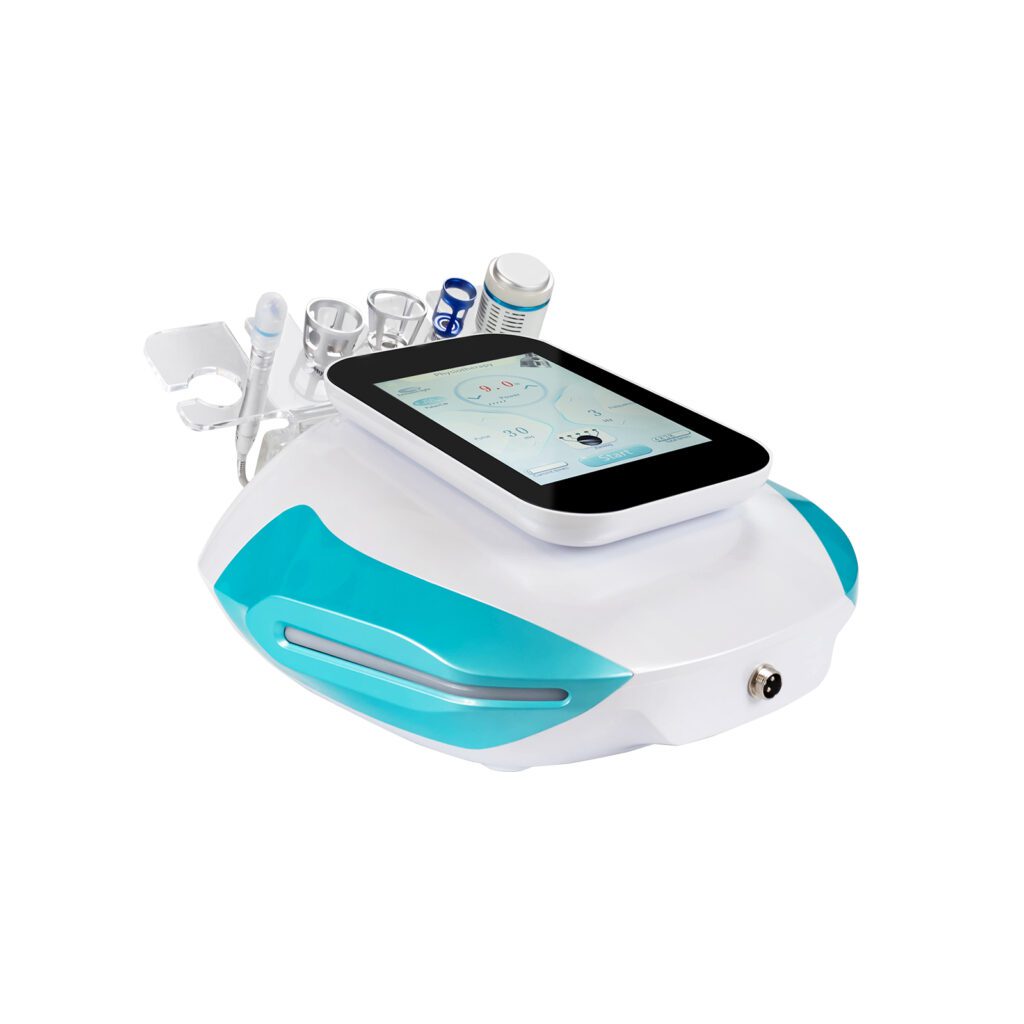
The public SHEFMON A0648 Hydro-Mikrodermabrasionssystem is presented as a vertical 9-in-1 device with vacuum and cleansing, exfoliation, extraction, and hydration positioning. Pump, valve, tubing, bottle, seal, fitting, filter, tip, or vacuum-related substitutions should therefore consider flow, suction, leakage, chemical compatibility, cleaning, noise, connector fit, packaging, and interaction with the intended handle set.
A0426: power, cooling, handpiece, and software substitution risks
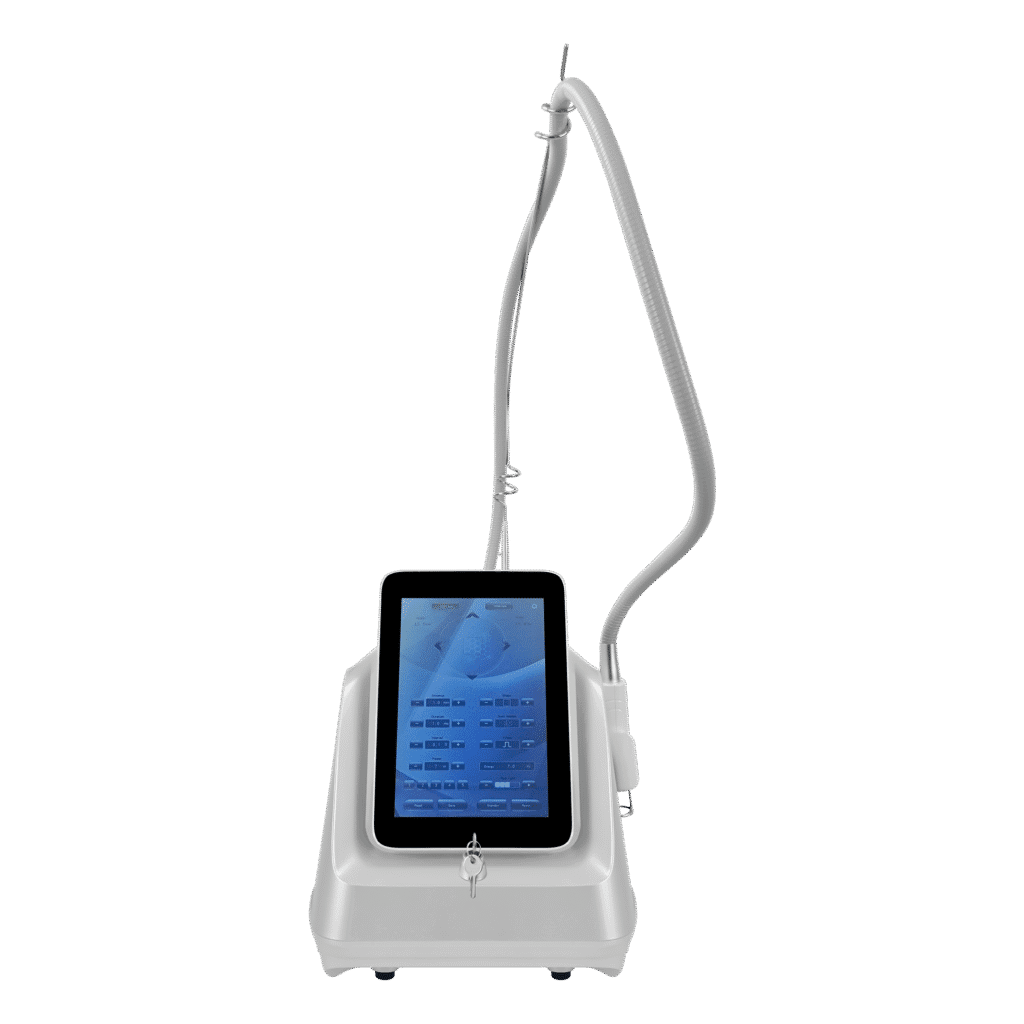
The public SHEFMON A0426 diode laser system lists wavelength, spot-size, cooling, touchscreen, voltage, and language choices. Substitutions involving power, pumps, fans, cooling elements, sensors, displays, control boards, cables, connectors, or handpiece-related assemblies should be evaluated against the exact optical, cooling, software, parameter, electrical, and regional configuration.
B0155: motor, roller, vacuum, RF-related, and handle substitutions
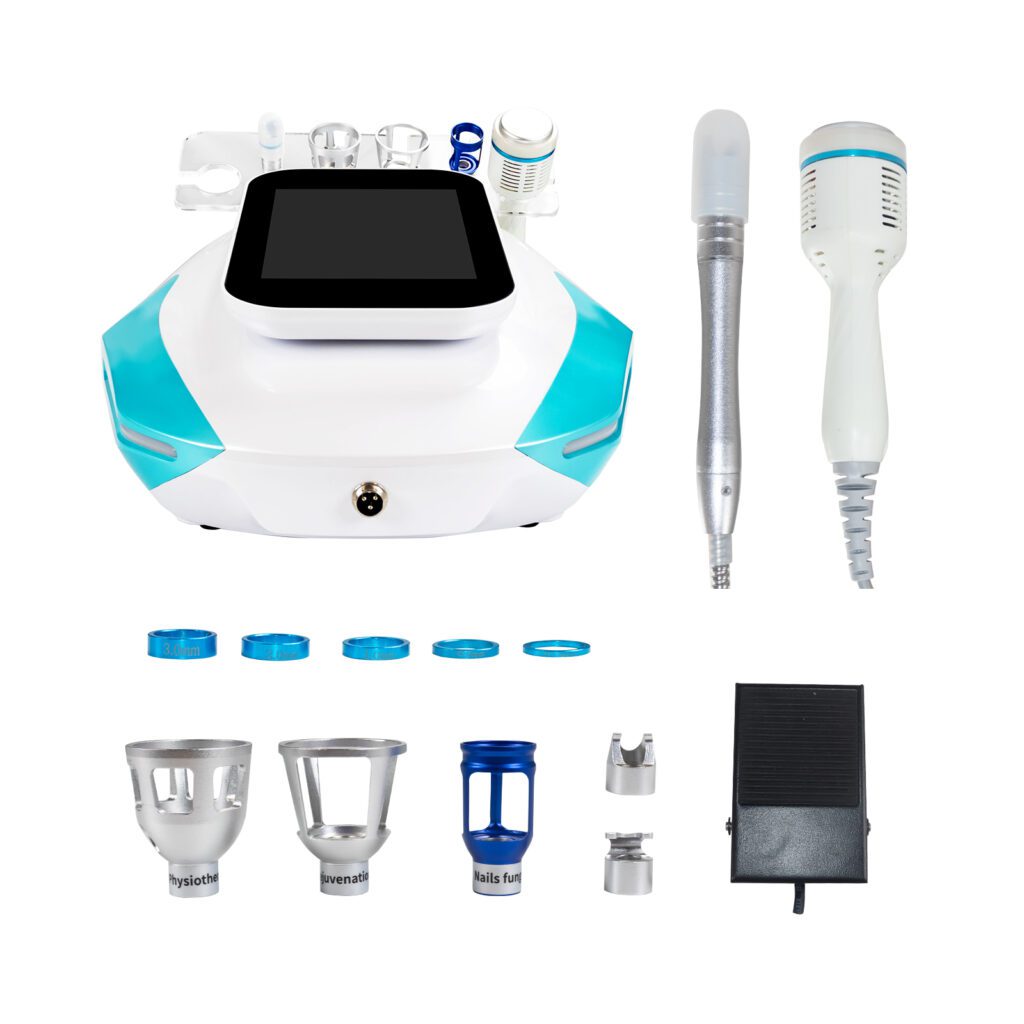
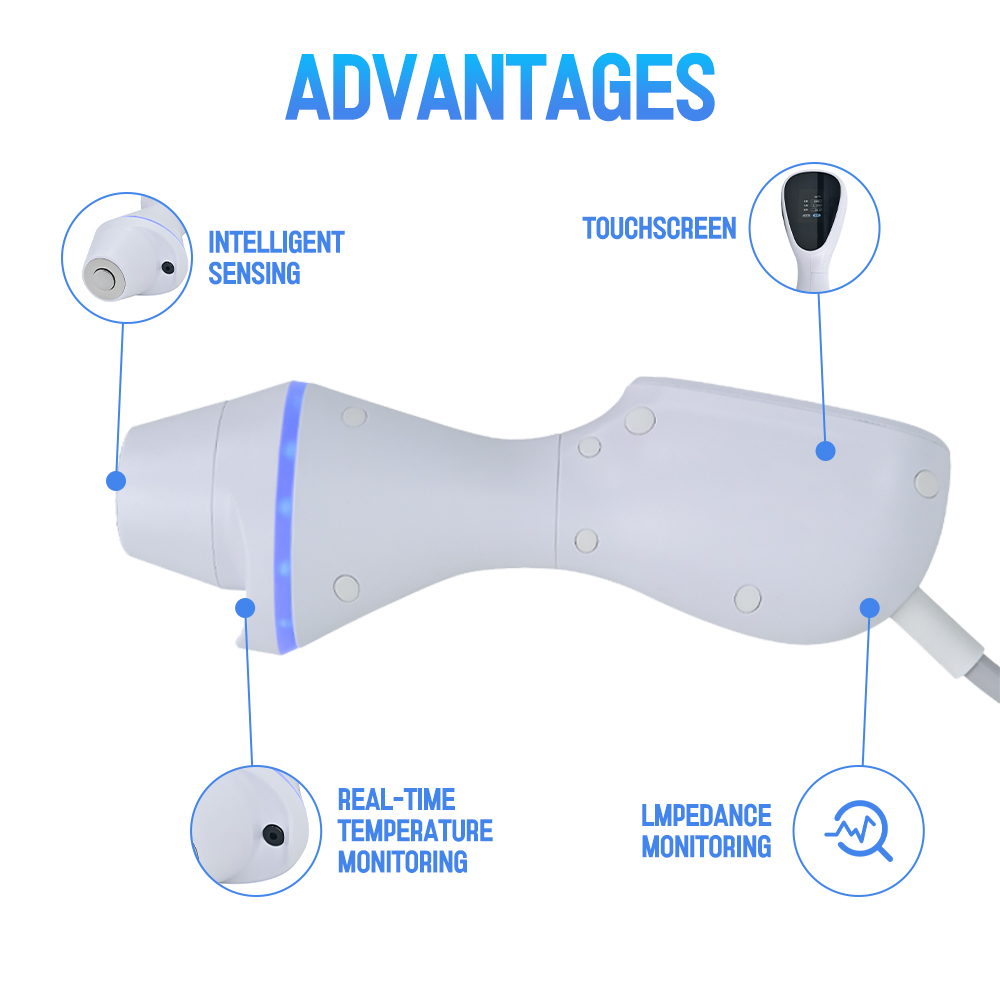
The public SHEFMON B0155 Desktop Endos Velapro is presented as a desktop 5-in-1 platform that can combine different handles, including vacuum-roller, rotating, RF-related, and cavitation functions. Relevant substitution reviews may need to cover roller geometry, bearings, motors, vacuum paths, cables, connectors, handle detection, software selection, shared console loads, accessory packaging, and service compatibility.
37. Control OEM/ODM Substitution Boundaries
Customized products can use buyer-specific housings, layouts, wiring, airflow, handpiece connections, interfaces, languages, branding, packaging, or manuals. The public SHEFMON OEM/ODM-Fähigkeiten discusses these areas and small-batch trial production.
For an OEM/ODM project, define:
- which component sources are locked by buyer approval;
- which preapproved alternates the factory may use;
- which changes require notification or new buyer approval;
- which evidence may be shared;
- whether a substitution changes the buyer’s model or documents;
- how effectivity and serial ranges will be reported; and
- how installed units and spares will remain compatible.
Contractual notification rules do not replace technical change control, and technical approval does not replace agreed buyer communication.
38. Approved Component Substitution Checklist
Before using a substitute component, confirm that:
- The original and proposed parts are uniquely identified.
- Manufacturer, supplier and manufacturing site are distinguished.
- The reason and urgency for substitution are documented.
- Affected models, revisions and configurations are defined.
- Original requirements and selection rationale are available.
- Component criticality and change risk are classified.
- Relevant mechanical, material and dimensional differences are reviewed.
- Electrical, power and thermal relationships are assessed where applicable.
- Fluid, vacuum, cooling and chemical compatibility are assessed where applicable.
- Optical, energy-delivery and motion interfaces are assessed where applicable.
- Software, calibration and parameter dependencies are reviewed.
- Supplier process and site differences are evaluated.
- Market, risk, claims and documentation impact have qualified review.
- Evidence requirements and acceptance criteria were defined before testing.
- Representative and worst-relevant configurations are covered.
- Original and substitute behavior is compared where feasible.
- Reliability and lifetime evidence addresses expected use.
- Production assembly and inspection can control the substitute.
- Trial or pilot units use representative material and normal processes.
- Approval outcome and limitations are explicit.
- Part-number and revision strategy is documented.
- Approved manufacturer and supplier rules are released.
- Effectivity is defined by date, lot, work order or serial range.
- Old stock, WIP, finished goods and service inventory have dispositions.
- Mixing rules for original and substitute parts are clear.
- BOM, ERP, purchasing and warehouse data agree.
- Incoming inspection recognizes the substitute correctly.
- Work instructions, fixtures, software and tests are updated.
- Purchasing, warehouse, production and service teams are trained.
- First effective production units receive special verification.
- Unit and lot traceability preserves substitute identity.
- Service and spare-part compatibility is defined.
- Emergency deviations have expiry and stop conditions.
- Initial production monitoring has thresholds and owners.
- Future supplier changes trigger renewed impact review.
- OEM/ODM notification and approval boundaries are followed.
Häufig gestellte Fragen
1. Is a component with the same basic specification automatically interchangeable?
No. Basic specifications may omit tolerance, heat, startup behavior, material, sealing, timing, software, reliability, supplier-process, assembly, or service differences. Interchangeability needs a product-specific review.
2. What is the difference between an approved alternate and a temporary deviation?
An approved alternate is part of the released product definition within stated rules. A temporary deviation permits limited use outside the normal baseline for a defined quantity, lot, order, serial range, or time and must expire or be formally converted.
3. Does every component substitution require complete product retesting?
No. Test scope should follow risk, interfaces, differences, detectability, prior evidence, and affected configurations. The factory should document why selected comparison, bench, subsystem, system, reliability, production, and regression evidence is sufficient.
4. Can purchasing approve an alternate supplier part?
Purchasing can initiate the request and provide supply information, but technical, quality, production, service, and market impacts require appropriate qualified approval. Price and availability do not establish product equivalence.
5. Can original and substitute components be used at the same time?
Only when the approval defines both as permitted alternates or provides controlled coexistence rules. Mixing may be prohibited within one unit, work order, market, or service configuration when differences matter.
6. When should a substitute receive a new internal part number?
A new number or revision may be needed when the substitute is not fully interchangeable, needs separate incoming controls, changes software or calibration, affects service selection, or must remain individually traceable. Configuration control should document the decision.
7. How should a factory handle an emergency supply shortage?
Use a limited emergency deviation with technical and quality review, defined scope, segregation, added evidence or testing, traceability, expiry, and stop conditions. Do not silently insert an unapproved part into production.
8. Does production approval make the substitute valid for field repairs?
Not automatically. Service use requires backward-compatibility, replacement-method, software, calibration, retest, documentation, and installed-unit traceability review.
9. What should happen if an unapproved substitution is discovered?
Hold affected material and product, identify scope, preserve evidence, assess units and shipments, investigate how the control failed, perform required technical review, and authorize disposition. Do not approve it retrospectively merely because finished units passed selected tests.
10. What should an OEM/ODM buyer ask about component substitutions?
Agree on locked components, preapproved alternates, notification thresholds, approval authority, evidence summaries, serial or lot effectivity, installed-base compatibility, spare parts, change records, and how buyer-specific specifications and documents will be updated.
Abschluss
Approved component substitution is a controlled product decision, not a purchasing shortcut. The factory must understand what the original part contributes, compare the proposed part across every relevant interface, generate proportionate evidence, and define exactly where the approval applies.
The process is complete only when the technical decision reaches BOMs, suppliers, purchasing, warehouse, incoming inspection, assembly, software, testing, traceability, packaging, service, and installed-base support. Clear effectivity and first-unit verification prevent old and new parts from creating an invisible device version.
SHEFMON’s public Übersicht der Qualitätskontrolle describes raw-material testing, parts assembly, circuit-board aging and power testing, functional aging, inspection, and ERP management. These public statements can start a supplier-control conversation, but buyers should request substitution information applicable to the exact ordered configuration rather than infer confidential component approvals from a general quality page.
To discuss a facial, laser, body, or customized device configuration, explore the SHEFMON Beauty-Geräte-Portfolio Und Kontaktieren Sie SHEFMON. Share any locked components, required suppliers, target market, expected configuration, approval rights, service needs, and change-notification expectations before production begins.