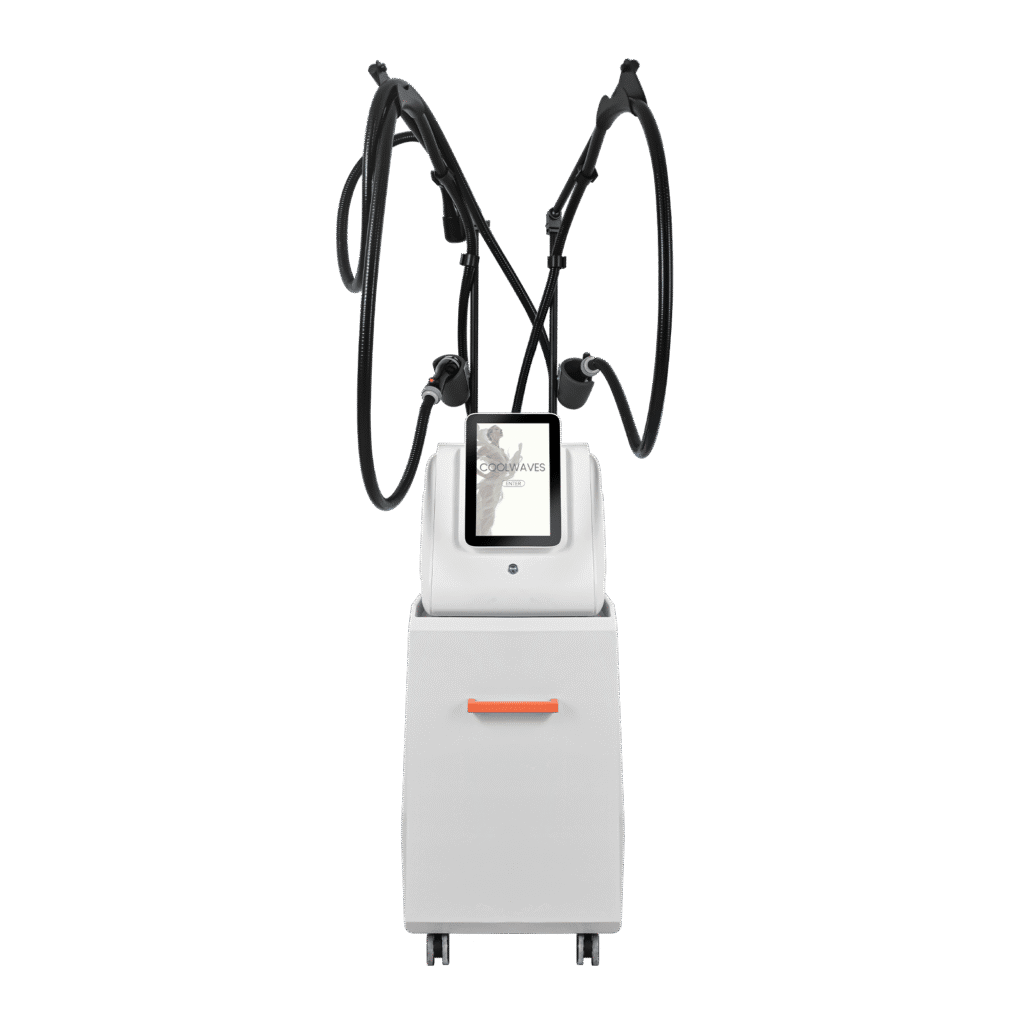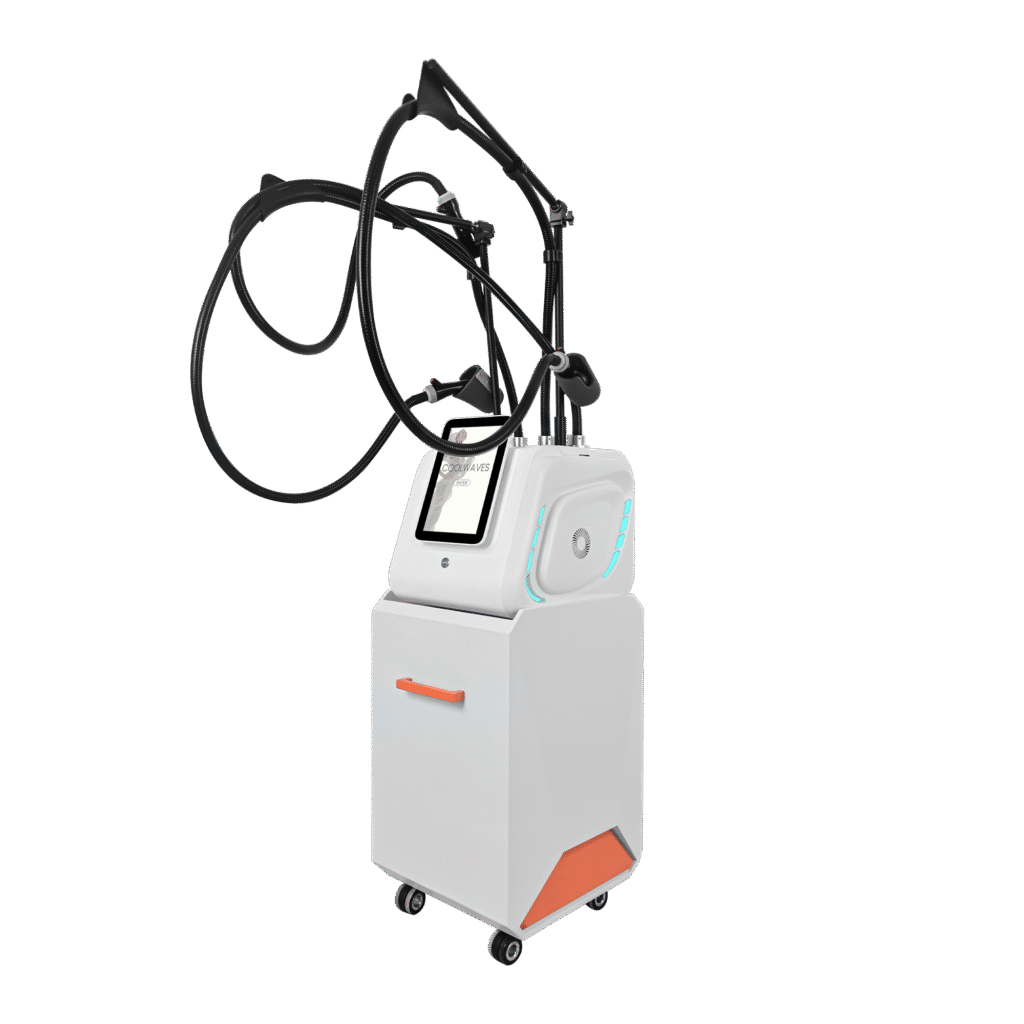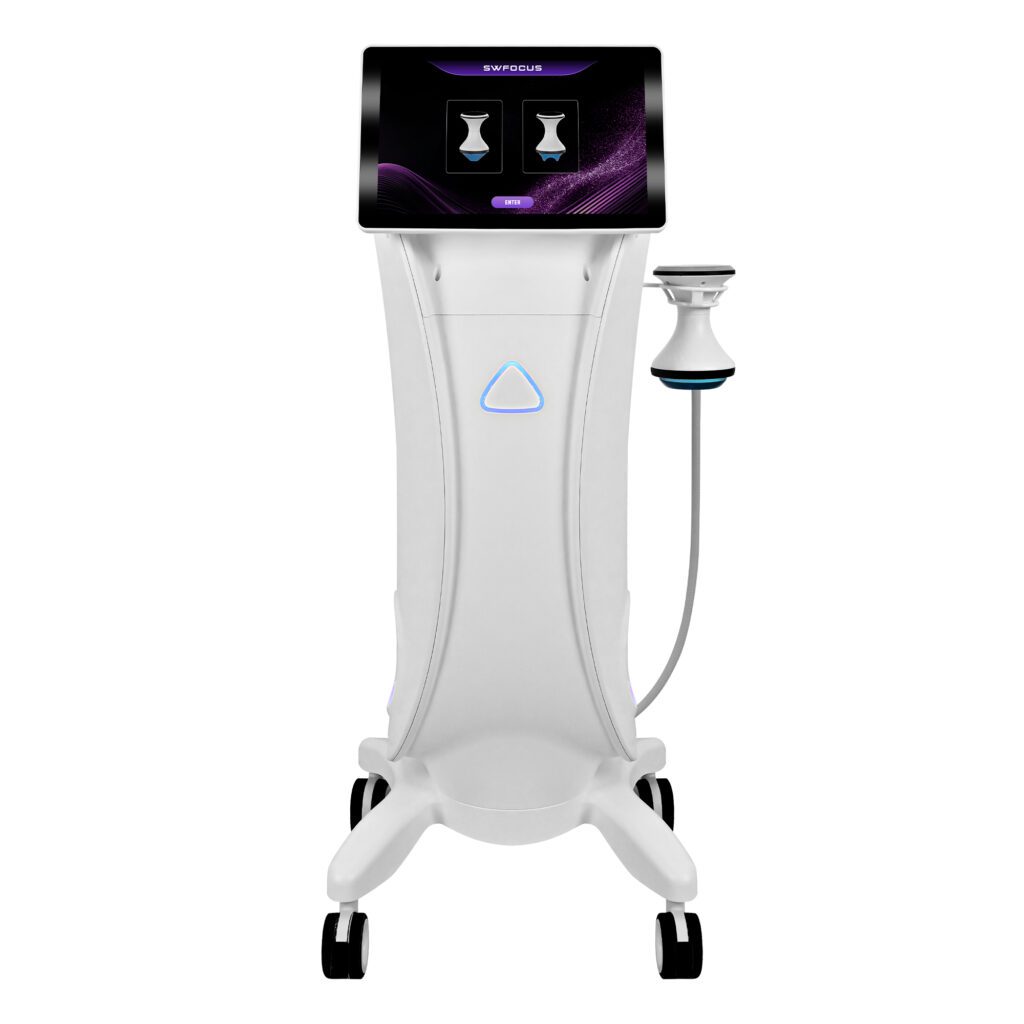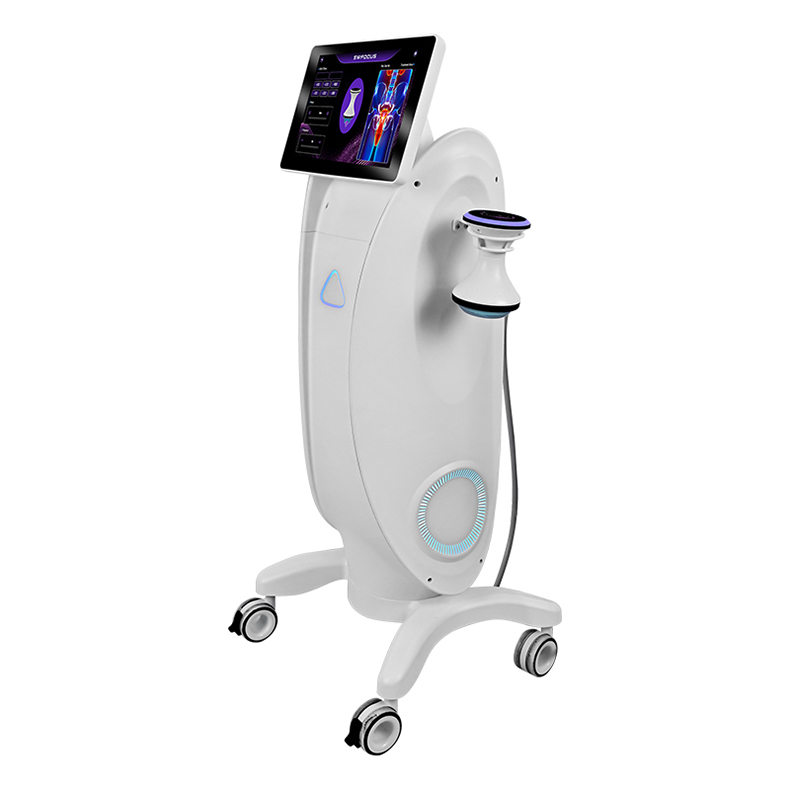

A beauty device may pass every planned function check and still be unready for release. A pump can work during a short bench test but drift after repeated cleaning cycles. A laser system can start normally while its cooling performance deteriorates during long operating periods. A multi-handle body platform can complete a demonstration even though connectors, cables, rollers, or holders have not been challenged by representative daily use.
Reliability review asks a different question from basic function testing: does the available evidence justify confidence that the released configuration will continue to perform as intended throughout its defined operating and service conditions? The answer cannot come from a single aging-test label, an informal prototype demonstration, or a summary stating that all samples passed.
This guide explains how beauty device product, engineering, quality, production, service, and management teams can evaluate reliability evidence before authorizing release. It focuses on evidence quality, configuration coverage, failure learning, corrective-action closure, residual uncertainty, and a bounded release decision—not on claiming that any one test proves lifetime performance.
Zusammenfassung
A disciplined pre-release reliability review should:
- Define what “reliable” means for the product. Convert broad expectations into functions, failure conditions, usage profiles, environments, maintenance assumptions, and measurable acceptance criteria.
- Review evidence against the exact release configuration. Identify hardware, software, handles, accessories, consumables, suppliers, documents, and manufacturing state represented by each result.
- Use a reliability evidence map. Connect critical functions and failure modes to test, analysis, supplier, production, and field-relevant evidence.
- Evaluate exposure, not just sample count. Record cycles, operating hours, pulses, starts, connections, cleaning events, loads, temperatures, flow conditions, and other category-relevant stresses.
- Challenge the usage model. Evidence is weak when the assumed duty cycle, operator behavior, environment, cleaning, maintenance, or transport conditions do not resemble intended use.
- Read failures as product information. Every anomaly needs identity, timeline, containment, root-cause status, corrective action, and regression evidence.
- Separate correction from demonstrated improvement. Replacing a failed component or editing a work instruction does not prove that the underlying reliability risk has been controlled.
- Account for variants and combined stresses. A base console result may not cover a different pump, power module, handle, connector, software build, wavelength package, or regional electrical configuration.
- Record uncertainty honestly. Limited duration, censored samples, untested extremes, measurement limits, and open investigations belong in the release decision.
- Approve a defined scope. Release should identify what is supported, what is excluded, which conditions remain, and how early production and field performance will be monitored.
The aim is not to collect the largest possible test folder. It is to show that the most important reliability questions have credible, traceable answers—or that decision-makers can clearly see the remaining risk.
1. Reliability Evidence Is More Than a Pass/Fail Test Report
Reliability evidence is the connected body of information used to judge whether a product will maintain required performance under stated conditions for a defined period, number of uses, or exposure profile.
Dies kann Folgendes umfassen:
- design analyses and risk assessments;
- component qualification and supplier data;
- engineering characterization;
- endurance, cycling, aging, environmental, transport, and misuse-related tests;
- software stability and recovery results;
- production-pilot and process data;
- failure-analysis records;
- corrective-action and regression results;
- maintenance and replaceable-part assumptions;
- comparable-product information where equivalence is justified; and
- early monitored-use or field information when legitimately available.
A reviewer should not treat all documents as equally strong. Supplier claims, calculations, prototype observations, controlled tests, pilot-production data, and field experience answer different questions. Reliability confidence comes from their agreement and from an explicit explanation of their limits.
2. Separate Reliability Review from Adjacent Release Activities
| Review activity | Hauptfrage | Relationship to reliability |
|---|---|---|
| Funktionsprüfung | Does the device perform the required function at the time of test? | Establishes initial performance but not persistence over use |
| Safety or compliance evaluation | Does the defined product meet applicable requirements? | May identify protective limits and test conditions; it does not automatically establish service reliability |
| Product validation | Does the device support intended users and intended application? | Supplies representative-use evidence and exposes workflow-related stresses |
| Production validation | Can the intended process repeatedly build the approved product? | Shows whether manufacturing variation can be controlled |
| Endabnahme | Does a completed unit meet selected release checks? | Detects defined defects but cannot recreate long-duration exposure |
| Reliability review | Is the body of evidence sufficient to support continued required performance under the release assumptions? | Integrates design, component, test, failure, process, and monitoring evidence |
These activities should inform one another without being collapsed into a single “tested” status. A unit that passes final inspection after rework, for example, does not by itself prove that the original failure mechanism will not recur.
3. Begin with a Reliability Claim Register
Before reviewing reports, state exactly what the team intends to support. Avoid phrases such as “stable,” “industrial grade,” “long life,” or “suitable for continuous work” unless their meaning and evidence are defined.
| Claim field | Frage zur Beantwortung |
|---|---|
| Erforderliche Funktion | What must remain available and within limits? |
| Reliability measure | Hours, cycles, pulses, connections, treatments, starts, distance, or another justified exposure? |
| Use profile | How often, how long, at what settings, with what rest periods and operator actions? |
| Environment | What temperature, humidity, dust, ventilation, liquid exposure, transport, and storage assumptions apply? |
| Wartung | Which cleaning, calibration, fluid replacement, inspection, and preventive service are assumed? |
| Replaceable items | Which consumables or wear parts are excluded from the core-life claim, and when are they replaced? |
| Failure definition | What loss, drift, interruption, leak, error, degradation, or physical damage counts as failure? |
| Acceptance rule | What result, confidence, margin, or zero-failure exposure is required? |
| Applicable configuration | Which model, revision, software, handles, suppliers, and regions are covered? |
This register prevents teams from completing a convenient test and later attaching a broader claim to it.
4. Freeze the Release Baseline Being Reviewed
Every reliability conclusion needs a configuration boundary. Record at least:
- model and saleable configuration;
- hardware and BOM revision;
- critical component manufacturers and part revisions;
- firmware, application, parameter set, and language package;
- console, handles, applicators, cartridges, tips, tubing, and cables;
- cooling, vacuum, fluid, motion, RF, optical, ultrasound, or other functional modules;
- power supply, cord, plug, and regional electrical profile;
- enclosure, holders, connectors, seals, fasteners, and moving parts;
- labels, manuals, cleaning instructions, and maintenance schedule;
- assembly process and test method used for the samples; and
- deviations, rework, engineering modifications, or nonstandard parts.
If a test sample differs from the intended release product, the reviewer should classify the difference as irrelevant, conservative, nonconservative, or unresolved—and document the rationale.
5. Build a Requirement-to-Evidence Map
Organize evidence by reliability question rather than by department folder. A useful map can contain:
| Reliability subject | Credible evidence may include | Typical review concern |
|---|---|---|
| Power and electronics | thermal mapping, power cycling, load testing, board aging, supplier qualification | evidence collected at an easier load or different board revision |
| Cooling and heat control | flow, temperature stability, fan/pump cycling, blocked-flow response, extended operation | room conditions or rest periods unlike intended use |
| Fluid and vacuum paths | leak, clogging, seal, tubing, pump, bottle, cleaning-cycle and chemical-compatibility tests | clean laboratory fluids do not represent residue or repeated cleaning |
| Handles and applicators | activation cycles, cable flex, connector mating, drop/impact where justified, thermal behavior | console tested without representative handle loads |
| Mechanical structure | transport, vibration, caster, hinge, holder, roller, fastener and repeated-adjustment evidence | prototype hardware differs from production parts |
| Software and controls | long-run operation, memory, recovery, power interruption, error handling, parameter retention | only nominal workflow tested |
| Consumables and interfaces | insertion, removal, recognition, sealing, wear, lot variation and compatibility | one lot or one dimensional condition used |
| Packaging and transport | packaged-product simulation, post-test inspection and functional retest | cosmetic inspection performed without complete functional reassessment |
The map should reveal empty cells. A thick report for one subsystem cannot compensate for no evidence on another release-critical interface.
6. Review the Intended-Use and Duty-Cycle Model
Reliability tests are only meaningful relative to a use model. Ask:
- How many appointments or operating sessions are expected per day?
- How long does a typical and maximum session last?
- Which settings create the greatest electrical, thermal, mechanical, fluid, or software load?
- How often is the device powered on and off?
- How frequently are handles connected, disconnected, moved, dropped into holders, cleaned, or stored?
- Which rest, refill, purge, warm-up, or cooldown steps are expected?
- What happens when appointments run back-to-back?
- What cleaning materials and concentrations are allowed?
- How consistently will users perform maintenance?
- Which environmental and power conditions could occur at the intended site?
A test can accumulate many hours while missing the damaging transition. Continuous running may not represent repeated cold starts; steady flow may not represent priming and draining; static cable loading may not represent frequent bending at the strain relief.
7. Evaluate Exposure in the Units That Drive Wear
Do not accept “tested for a long time” as a measurable result. Select exposure units linked to plausible degradation.
| Device element | Useful exposure units |
|---|---|
| Pump or vacuum system | operating hours, starts, pressure cycles, fluid changes, cleaning cycles |
| Laser or light handpiece | pulses, energy-setting distribution, trigger cycles, cooling hours, cable movements |
| RF, ultrasound, EMS, or cavitation handle | activation time, output cycles, loading conditions, connector cycles, thermal cycles |
| Roller or motorized applicator | revolutions, direction changes, load, vacuum cycles, cable and bearing exposure |
| Touchscreen and controls | touches, navigation sequences, parameter changes, long-run screen time, restarts |
| Adjustable arm, holder, caster, hinge, or door | movement cycles, load, impact, locking operations |
| Tip, cartridge, or detachable interface | insertions, removals, locking cycles, cleaning, dimensional variation |
| Verpackung | drops, vibration duration, compression, handling orientation, shipment sequence |
Report both total exposure and distribution. Ten hours at a light setting is not equivalent to ten hours spread across the highest justified loads.
8. Examine Sample Selection and Independence
The sample list should show:
- sample identifier and build date;
- configuration and component lots;
- build process and operator;
- prior test history;
- any rework, repair, calibration, or parts replacement;
- test assignment and sequence;
- start and end exposure; and
- Endgültiger Status.
Reviewers should challenge hand-picked “best” prototypes, repeated use of one engineering unit, and samples whose prior stress history is unknown. If one unit contributes to multiple tests, sequence effects must be considered. If a failed unit is repaired and returned to testing, preserve both the original failure and the post-repair exposure rather than reporting it as an uninterrupted pass.
Sample size should follow the decision being made, expected variability, failure consequences, test duration, and analysis method. There is no universal sample count that makes every beauty device reliable.
9. Check Whether Stress Conditions Are Representative and Defensible
Reliability evidence can use normal-use, worst-case, margin, accelerated, or combined-stress conditions. Each needs a purpose.
Normal-use conditions
These support realistic operation and workflow. Verify that operators, settings, accessories, cleaning, maintenance, and environment match the intended profile.
Worst-case conditions
These target the most demanding approved configuration or boundary. The team should explain why the chosen load is worst case for the specific failure mode; the largest numerical setting is not always the most damaging combination.
Accelerated conditions
Acceleration is useful only when the relationship to the real failure mechanism is credible. Excess heat, load, cycling speed, voltage, or concentration can create a different failure mode rather than accelerate the intended one.
Combined stresses
Real products often face heat, motion, output, cable flex, vacuum, fluid, and software activity together. Separate subsystem tests are valuable, but reviewers should determine whether critical interactions also need complete-system exposure.
10. Verify the Test Method before Trusting the Result
For each important study, confirm:
- objective and linked requirement;
- approved protocol and revision;
- test article configuration;
- equipment identity and measurement suitability;
- setup photographs or diagrams where useful;
- preconditioning and baseline measurements;
- operating profile and control of settings;
- environmental conditions;
- inspection and measurement intervals;
- failure, stop, pause, repair, and restart rules;
- raw-data retention;
- deviation handling;
- acceptance criteria established before result review; and
- reviewer independence appropriate to the risk.
A polished summary cannot repair an ambiguous protocol. Review raw time histories, event logs, photographs, measurements, and sample records for the highest-risk questions.
11. Distinguish Endurance, Robustness, and Manufacturing Variation
These evidence types are related but not interchangeable:
- Endurance evidence evaluates performance over accumulated use or time.
- Robustness evidence examines sensitivity to reasonable variation in load, environment, user action, or component condition.
- Manufacturing evidence evaluates variation created by normal materials, suppliers, processes, equipment, and operators.
- Margin evidence explores distance between an approved operating boundary and loss of performance.
A single carefully built prototype may accumulate endurance exposure but reveal little about production variation. Several production-representative units may show build consistency but not long-term wear. The release package should explain how the evidence types complement each other.
12. Review Category-Specific Reliability Questions
Public SHEFMON pages illustrate why one generic aging plan cannot cover every product architecture. These are public product examples, not statements about confidential SHEFMON test records or release approvals.
Hydro microdermabrasion and facial-fluid systems
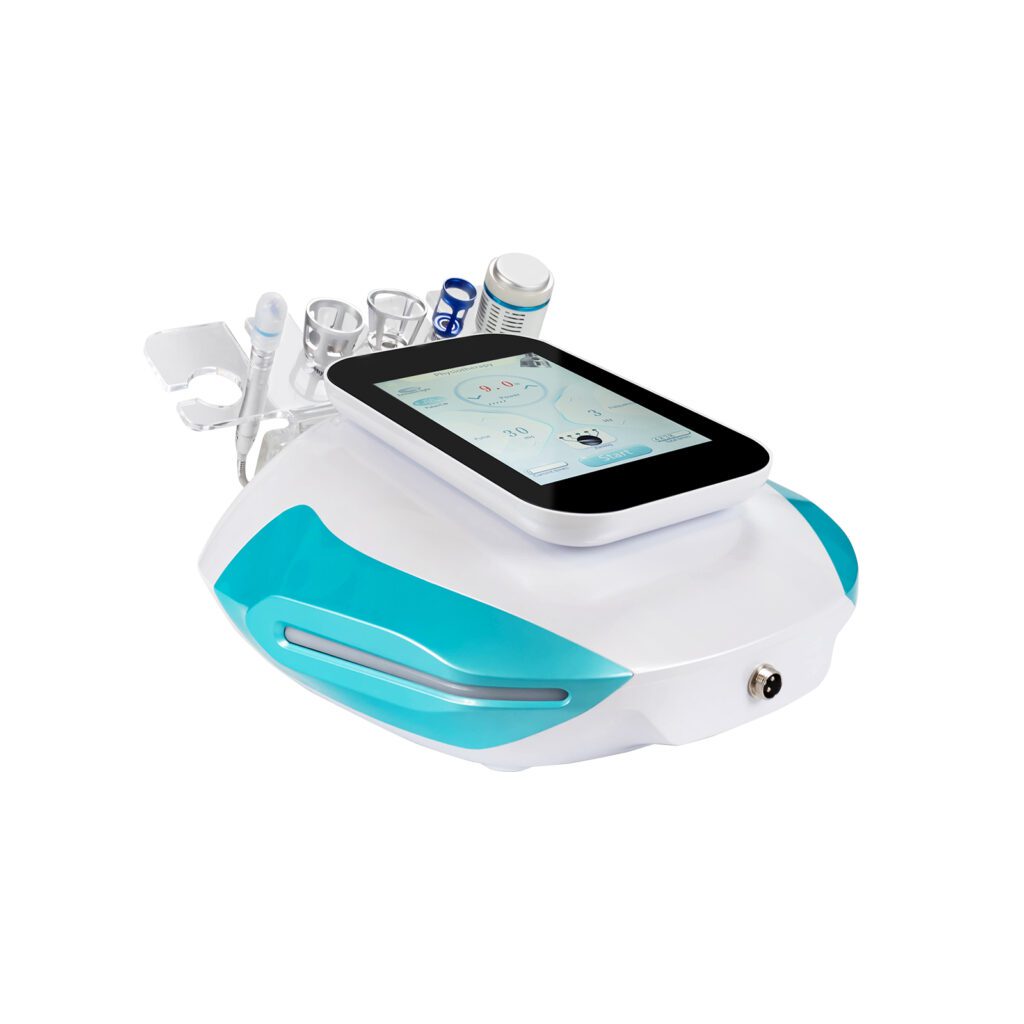
The public SHEFMON A0648 Hydro-Mikrodermabrasionssystem is presented as a vertical 9-in-1 system with vacuum and cleansing, exfoliation, extraction, and hydration positioning. A relevant reliability review could therefore ask whether evidence covers pump and vacuum stability, bottles and tubing, seals, fluid-path cleaning, blockage, leakage, tips, connectors, solution compatibility, repeated switching between functions, and storage after cleaning.
Diode laser hair-removal systems
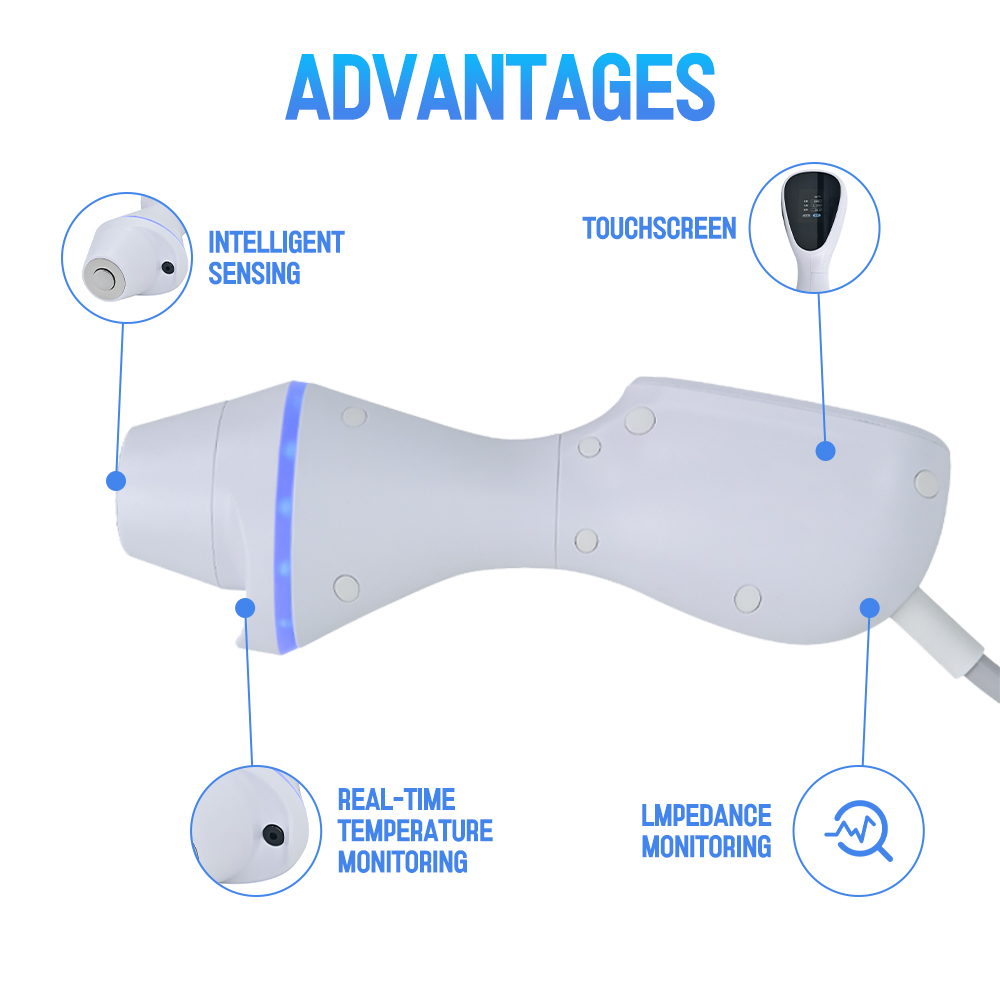
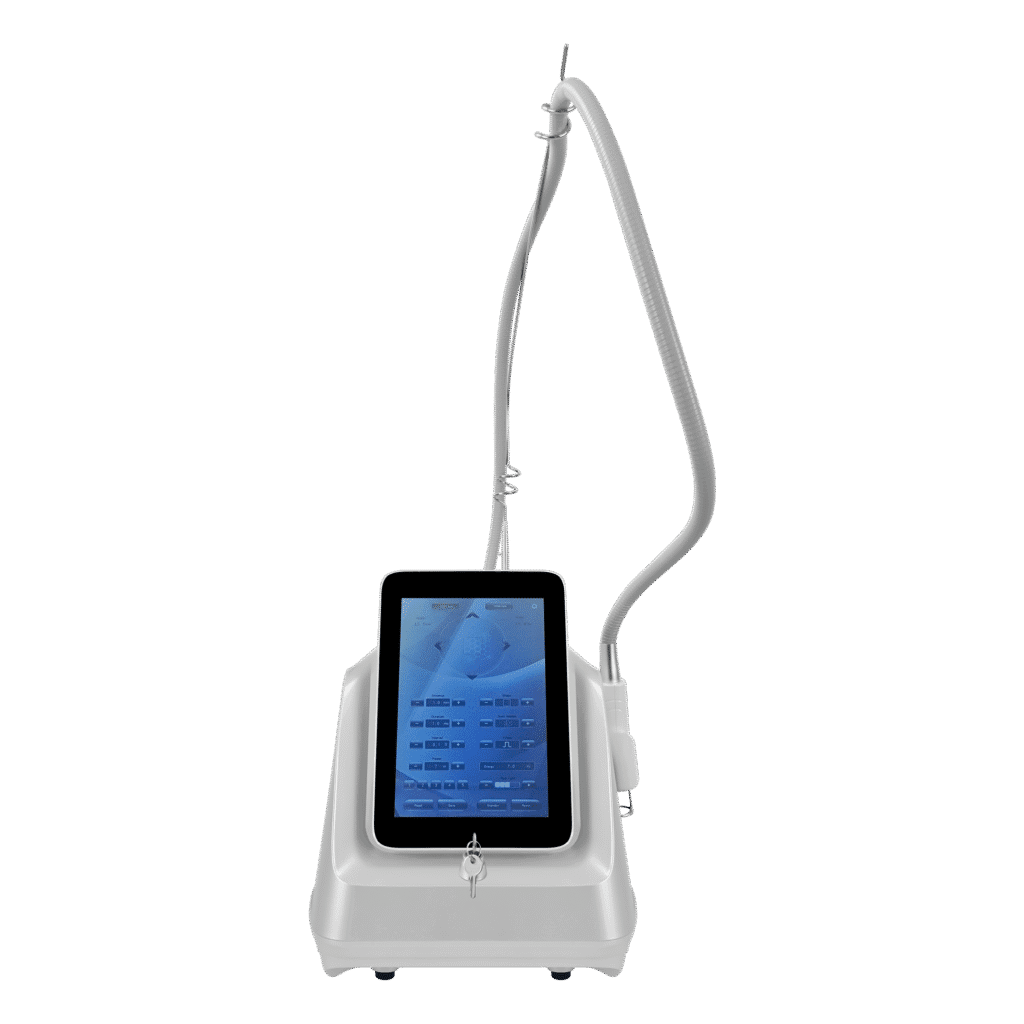
The public SHEFMON A0426 diode laser system lists wavelength, spot-size, cooling, touchscreen, voltage, and language choices. Reviewers should identify which exact optical, handpiece, spot-size, cooling, software, and electrical configuration was tested. Relevant evidence areas may include output stability, pulse accumulation, thermal control, water flow, handpiece cable and connector exposure, screen and software stability, error recovery, and maintenance assumptions.
Multi-handle body systems
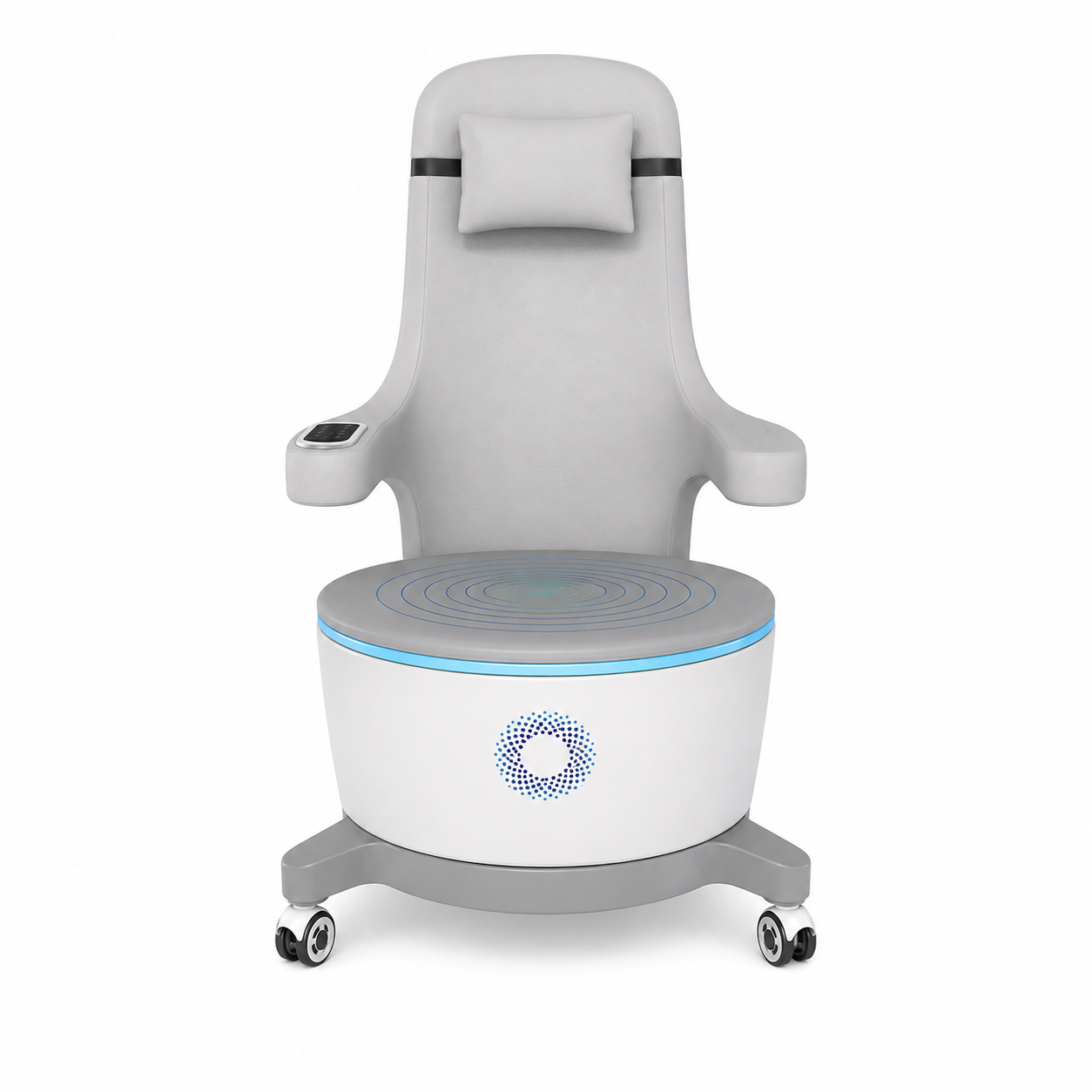
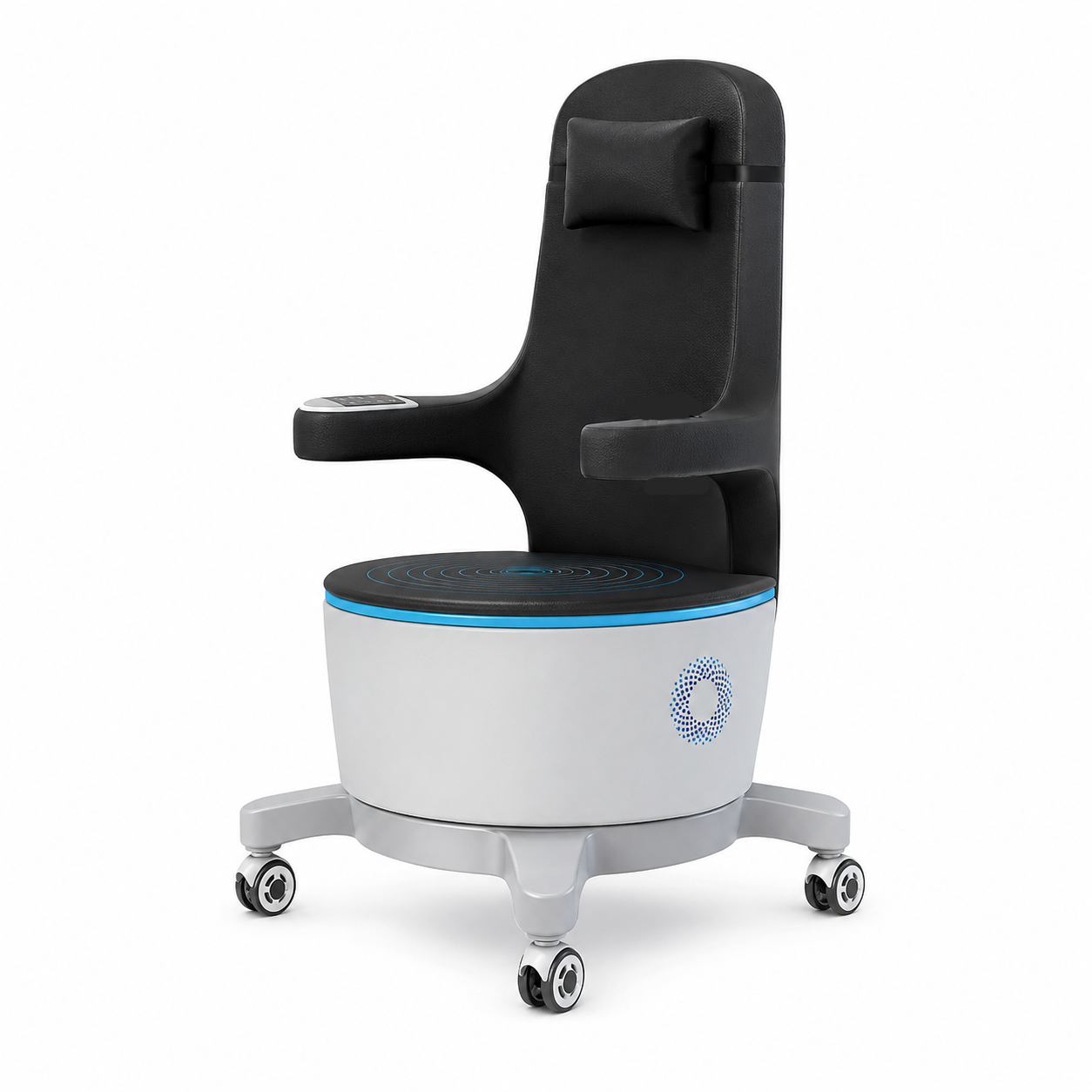
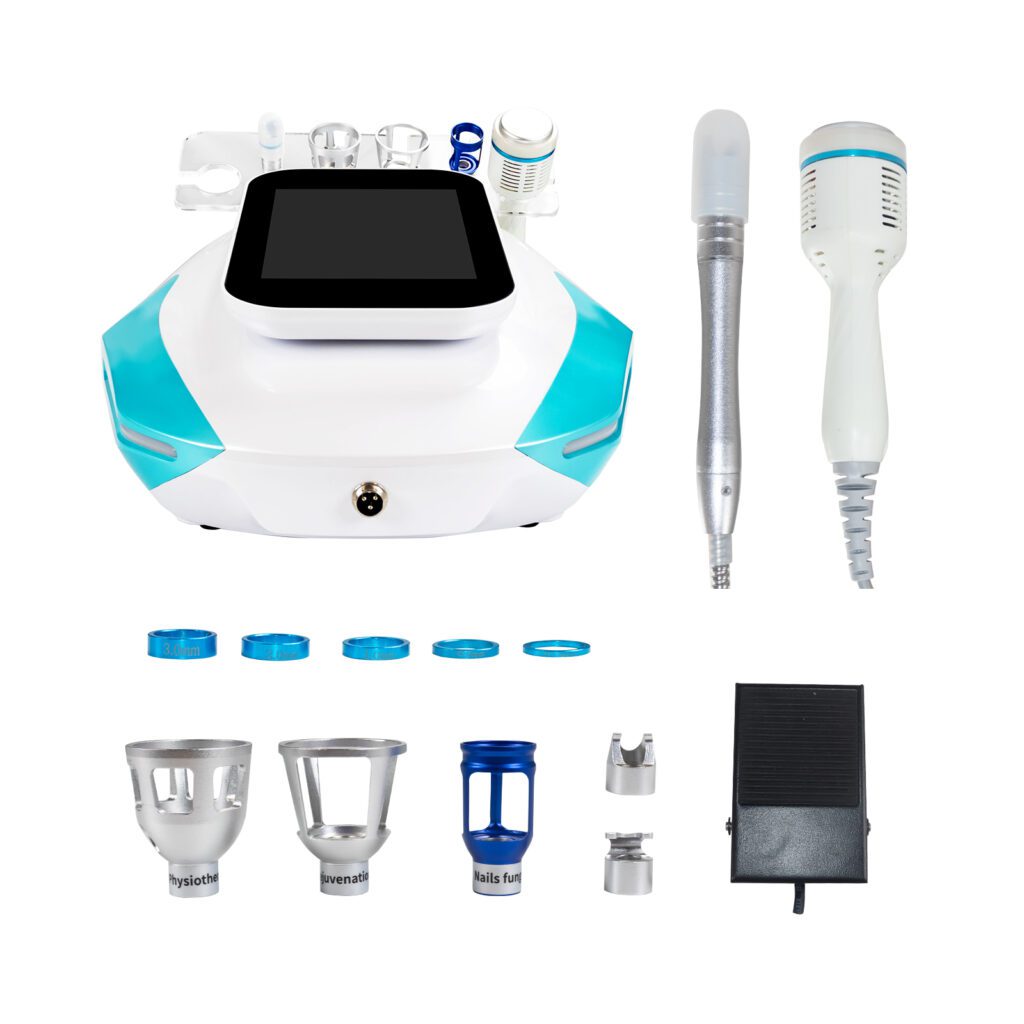
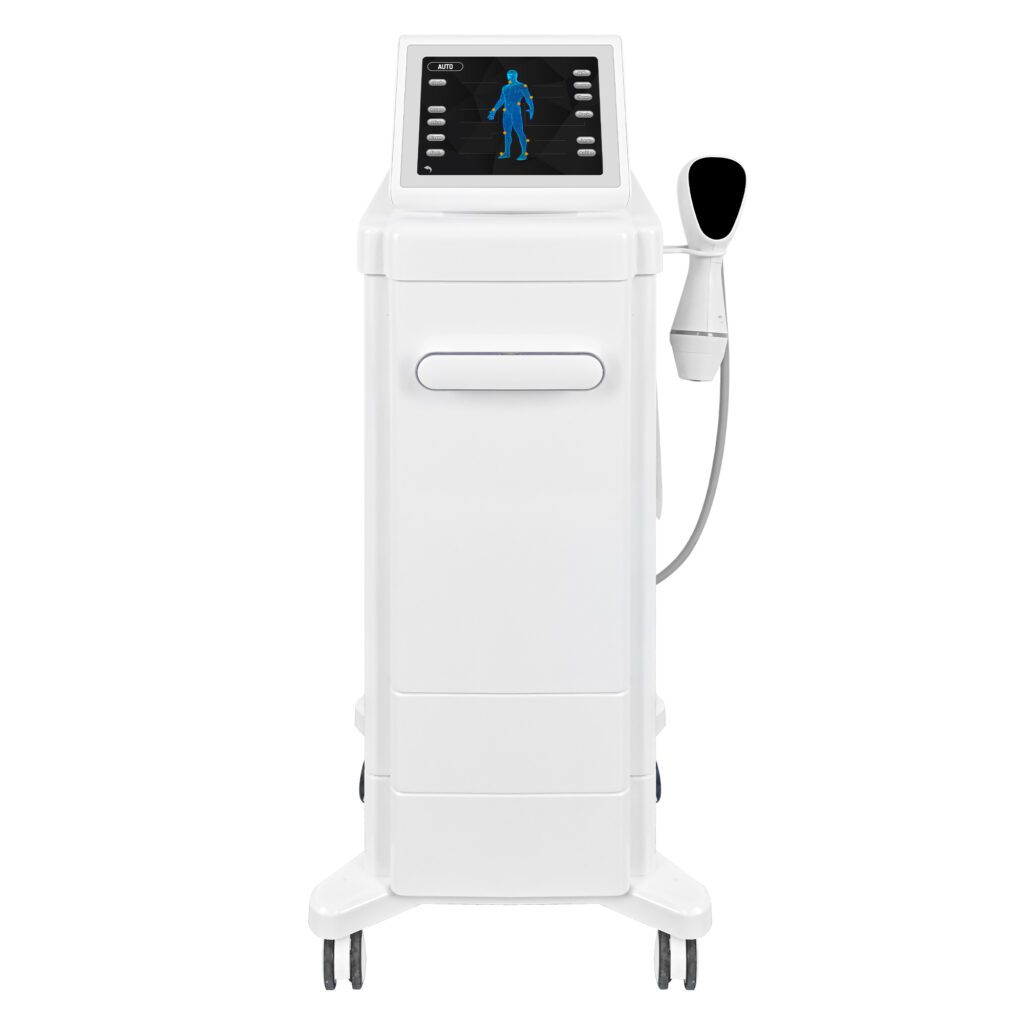
The public SHEFMON B0155 Desktop Endos Velapro is presented as a desktop 5-in-1 platform that can combine different handles, including vacuum-roller, rotating, RF-related, and cavitation functions. The evidence review should cover handle-specific exposure as well as shared console loads, connector mating, simultaneous or sequential subsystem demand, vacuum paths, rollers, bearings, cables, storage, software selection, and replacement compatibility.
The lesson is structural: evidence must follow the device’s actual energy paths, moving parts, fluids, consumables, software, and user interactions.
13. Audit Failures, Anomalies, and Interrupted Tests
Create one reliability event register across engineering, suppliers, pilot production, and formal testing.
| Event field | Minimum information |
|---|---|
| Identität | event number, date, sample and configuration |
| Detection | test step, accumulated exposure, setting and observed symptom |
| Immediate response | stop, continue, contain, inspect, replace or quarantine |
| Beweis | logs, measurements, images, parts, software records and operator notes |
| Scope | affected samples, lots, revisions, suppliers, functions and tests |
| Cause status | confirmed, probable, under investigation or unknown |
| Aktion | design, supplier, process, software, documentation, maintenance or test change |
| Verification | evidence that the action was implemented correctly |
| Wirksamkeit | evidence that recurrence risk was reduced under relevant exposure |
| Release impact | closed, accepted with rationale, conditional, or release-blocking |
Avoid reclassifying an inconvenient failure as “operator error” without showing why the expected operator workflow and instructions adequately control it.
14. Treat Censored and Incomplete Data Transparently
A sample that has not failed when testing stops is not proof of unlimited life. It is evidence of survival through a stated exposure under stated conditions. Record:
- planned exposure;
- actual completed exposure;
- reason for stopping;
- whether the unit was still operating within limits;
- any drift or degradation trend;
- interruptions and inactive time;
- repairs or resets;
- data gaps; and
- whether the result is included, excluded, or statistically censored.
Likewise, do not hide units removed for unrelated damage, laboratory problems, or configuration changes. Their treatment can materially affect the conclusion.
15. Review Performance Drift, Not Only Catastrophic Failure
Beauty devices can remain operational while gradually moving outside an acceptable range. Trend measurements such as:
- output or energy consistency;
- temperature and cooldown time;
- flow, pressure, or vacuum stability;
- motor current, speed, vibration, or noise;
- leakage or seal condition;
- software response, memory, or error frequency;
- connector resistance or intermittent behavior;
- touchscreen response and display condition; and
- physical wear, cracking, loosening, corrosion, discoloration, or coating damage.
Define allowable drift before examining the trend. A final functional check alone may miss degradation that predicts early field failure.
16. Test Maintenance and Replaceable-Part Assumptions
Reliability claims often depend on maintenance. Verify that:
- the maintenance task is clearly defined;
- the interval fits the duty-cycle model;
- trained intended personnel can complete it;
- required tools and parts are available;
- the device indicates the need appropriately where required;
- skipped or delayed maintenance has been considered;
- replacing a wear item restores required performance; and
- service records can identify what was changed.
If reliability depends on replacing tubing, filters, lamps, seals, tips, cartridges, fluids, handpiece elements, or other parts, state that boundary. Do not present replaceable-part life as whole-device life or vice versa.
17. Challenge Supplier and Component Evidence
Supplier reports can reduce duplicate testing, but first confirm:
- exact part number and revision;
- manufacturing site and process;
- material and critical characteristics;
- test configuration and load;
- environmental and mounting conditions;
- sample size and lot coverage;
- failure definition and completed exposure;
- date, report revision, and change status; and
- relationship between the supplier test and the assembled device.
A fan, pump, power supply, diode, touchscreen, valve, motor, bearing, connector, or tube may behave differently after installation because of heat, vibration, duty cycle, mounting, airflow, fluid chemistry, or electrical load. Component evidence should therefore be connected to system evidence.
18. Determine Whether Variants Can Inherit Evidence
Use a documented equivalence assessment before transferring evidence between configurations.
| Comparison dimension | Questions for inheritance |
|---|---|
| Function and load | Does the variant impose equal or lower stress on shared parts? |
| Critical components | Are suppliers, materials, ratings and revisions equivalent? |
| Thermal behavior | Are heat generation, cooling path, airflow and enclosure conditions comparable? |
| Software | Does the same control logic, timing, error handling and parameter range apply? |
| Interfaces | Are handles, cables, connectors, fluids and consumables unchanged? |
| Produktion | Is the same assembly and test process used? |
| Use profile | Are operating frequency, session length, environment and maintenance equivalent? |
| Failure modes | Could the variant create a new mechanism or increase an existing risk? |
The outcome may be full inheritance, partial inheritance plus bridging tests, or a new evidence program. “Same platform” is not enough by itself.
19. Confirm Corrective Actions with Regression and Repeat Exposure
A reliability failure is not closed merely because the sample works after repair. Closure may require:
- clear containment of affected material and configurations;
- evidence-based root-cause analysis;
- action linked to the cause;
- verification that drawings, BOMs, code, suppliers, tools, or instructions changed correctly;
- targeted reproduction or challenge of the original failure mechanism;
- regression testing for adjacent functions;
- renewed exposure sufficient to support the release conclusion; and
- confirmation on production-representative samples when manufacturing is involved.
If the full planned exposure will not be repeated, explain why the remaining evidence is sufficient and who accepts the uncertainty.
20. Compare Evidence with Risk, Complaints, and Service Knowledge
The review should cross-check reliability findings against:
- design and use-related risk analyses;
- known failure modes from related architectures;
- prototype and pilot-build defect records;
- supplier nonconformities;
- production rework and test trends;
- serviceability analysis;
- available complaint, return, or repair information from comparable released models; and
- installation, cleaning, maintenance, and training feedback.
This comparison may reveal that a recurring service issue was never represented in the formal test plan, or that a laboratory anomaly resembles an established field pattern.
21. Use an Evidence-Quality Rating, Not a Simple Document Count
Teams can score each critical reliability question across five dimensions:
| Dimension | Weak evidence | Strong evidence |
|---|---|---|
| Applicability | different or poorly identified configuration | exact or justified representative configuration |
| Method quality | informal, uncontrolled or retrospective criteria | approved method, controlled setup and predefined criteria |
| Exposure adequacy | little connection to the failure mechanism | justified duration, cycles, loads and transitions |
| Data integrity | summary only, missing events or unclear sample history | traceable raw data, complete event and sample records |
| Failure closure | unexplained anomalies or repair-only response | root cause, controlled action, regression and effectiveness evidence |
Do not average away a release-critical gap. One low score on a high-severity failure mode may require more work even when the overall package appears strong.
22. Hold a Cross-Functional Reliability Evidence Review
The meeting should include the owners needed to challenge the evidence, such as product, systems, hardware, software, mechanical, manufacturing, quality, supplier quality, service, documentation, and qualified regulatory or safety specialists where applicable.
The review should answer:
- Which reliability claims are being approved?
- Is the release baseline stable and fully identified?
- Which critical failure modes have direct evidence?
- Which results are inherited, and is equivalence justified?
- What failed, drifted, stopped, or required intervention?
- Are corrective actions demonstrably effective?
- What evidence remains incomplete?
- What conditions, exclusions, monitoring, or service assumptions are necessary?
- Who owns each post-review action?
- What change would invalidate the conclusion?
The review record should preserve dissenting technical concerns and their resolution, not just the final signature.
23. Choose a Clear Release Decision
Possible outcomes include:
- Approved: evidence supports the named configuration and intended release assumptions.
- Approved with conditions: bounded gaps remain, but controls, limits, owners, dates, and monitoring are explicit and authorized.
- Limited release: scope, quantity, market, user group, or configuration is deliberately restricted while evidence is extended.
- Hold: additional testing, analysis, correction, or investigation is required before release.
- Rejected: the evidence or product result does not support the proposed release.
The decision should state the exact model and revisions, supported use profile, key maintenance assumptions, excluded variants, open actions, monitoring plan, change triggers, approvers, and effective date.
24. Reliability Evidence Review Checklist
Before release, confirm that:
- Reliability claims and failure definitions are measurable.
- The intended duty cycle and environment are documented.
- The exact release configuration is identified.
- Test samples are traceable to build and component records.
- Prior sample use, repair, and rework are visible.
- Critical functions and failure modes map to evidence.
- Exposure is reported in meaningful units.
- Normal, boundary, and transition conditions are justified.
- Accelerated stresses preserve relevant failure mechanisms.
- Complete-system interactions are addressed where needed.
- Protocols and acceptance criteria preceded result review.
- Measurement methods can detect meaningful drift.
- Raw data and event histories support summaries.
- Interrupted and censored samples are treated transparently.
- Every failure and anomaly appears in a common register.
- Root-cause status is distinguished from assumption.
- Corrective actions have verification and effectiveness evidence.
- Regression testing covers adjacent affected functions.
- Supplier reports match the installed part and use condition.
- Manufacturing variation is represented.
- Maintenance and wear-part assumptions are feasible.
- Variant evidence inheritance has a written rationale.
- Pilot and production information agrees with laboratory conclusions.
- Relevant service knowledge has been considered.
- Open gaps have owner, due date, risk and disposition.
- The release decision names scope, limits and conditions.
- Early-production and early-field monitoring is defined.
- Engineering and supplier changes trigger reliability impact review.
25. Monitor Reliability after Release
Pre-release evidence reduces uncertainty; it does not eliminate it. Build an early-life monitoring plan that can connect:
- serial number and configuration;
- component and supplier lots;
- production and test records;
- installation date and location;
- usage or exposure information where legitimately available;
- error, interruption, maintenance, replacement, repair, and return records;
- failure symptoms and confirmed causes; and
- corrective actions and affected population.
Define review intervals and escalation thresholds before launch. Monitoring is most useful when factory, distributor, and service records use consistent model, configuration, component, and failure terminology.
SHEFMON’s public Übersicht der Qualitätskontrolle describes raw-material testing, assembly, circuit-board aging and power testing, functional aging, and inspection. Buyers developing a customized configuration can also review the public OEM/ODM-Funktionen, which discuss mechanical layout, airflow, wiring, handpiece connections, interface, language, prototypes, and small-batch trial production. These pages can begin a technical discussion, but a buyer should request the evidence applicable to the exact ordered model and configuration rather than infer release status from a general webpage.
Häufig gestellte Fragen
1. Is an aging test enough to prove beauty device reliability?
No. Aging can provide useful operating exposure, but its value depends on the configuration, load, duration, cycles, environment, monitoring, failure criteria, interruptions, and post-test measurements. Other evidence may be needed for transport, connectors, moving parts, fluids, software recovery, production variation, and maintenance.
2. How many samples are required for reliability testing?
There is no universal number. Sample planning should reflect the reliability claim, failure consequences, expected variability, evidence model, confidence objective, available prior knowledge, and feasible exposure. The rationale matters more than copying a standard sample count from an unrelated product.
3. Can prototype reliability results support production release?
They can contribute when the prototype is representative and differences are assessed. Production release normally also needs evidence addressing released components, suppliers, assembly processes, software, test methods, and manufacturing variation.
4. Can one model’s evidence be applied to another model on the same platform?
Only after an equivalence assessment. Shared architecture may support partial inheritance, but different loads, cooling, enclosures, handles, connectors, suppliers, software, settings, or use profiles can require bridging work or separate testing.
5. What should happen when a sample fails near the end of a test?
Preserve the event, accumulated exposure, symptoms, data, parts, and conditions. Investigate scope and cause, assess the release impact, implement any justified action, and determine the repeat and regression evidence needed. Do not erase the failure by repairing the unit and reporting only its final pass.
6. Does zero failures mean the product has unlimited life?
No. It means the observed samples survived the completed exposure under the recorded conditions, subject to the method and data quality. The conclusion should not exceed that evidence without an appropriate reliability model and justified assumptions.
7. Should consumables and wear parts be included in reliability review?
Yes. Their expected replacement may be acceptable, but compatibility, replacement interval, availability, installation, maintenance instructions, and impact on device performance should be defined. Consumable life and core-device life should be reported separately.
8. What is the difference between a test deviation and a product failure?
A test deviation is a departure from the approved method or setup. A product failure is a defined loss or unacceptable degradation of product performance. One event can involve both, and the investigation should determine whether the product conclusion remains valid.
9. Can a beauty device be released with open reliability actions?
Only through an authorized, risk-based decision that defines the open issue, affected scope, interim controls, owner, due date, monitoring, and stop conditions. High-consequence or poorly understood failure mechanisms may require a hold rather than conditional release.
10. What reliability evidence should a distributor request from a factory?
The request should be configuration-specific. Useful items can include the reliability plan or summary, sample and revision identities, exposure profile, acceptance criteria, result summary, failure and corrective-action status, maintenance assumptions, variant coverage, production-representative evidence, and post-release support plan. Confidential raw data access may depend on the commercial relationship, but the conclusion should still be traceable and bounded.
Abschluss
Product reliability evidence should answer more than whether selected units completed selected tests. It should show what configuration was evaluated, how use and stress were represented, which failure mechanisms were challenged, what drift and anomalies occurred, how changes were verified, and where uncertainty remains.
The strongest release review follows a continuous chain: defined reliability claims lead to a representative use model; critical functions and failure modes lead to planned evidence; samples and exposure remain traceable; failures produce learning and verified action; and the final decision names an exact scope with monitoring and change triggers.
To discuss a product category or a configuration-specific evidence package, explore the SHEFMON Beauty-Geräte-Portfolio Und Kontaktieren Sie SHEFMON. For a meaningful review, share the intended model, handles, target market, expected daily workload, environment, maintenance assumptions, and required customization so the technical discussion can focus on the configuration you actually plan to release.