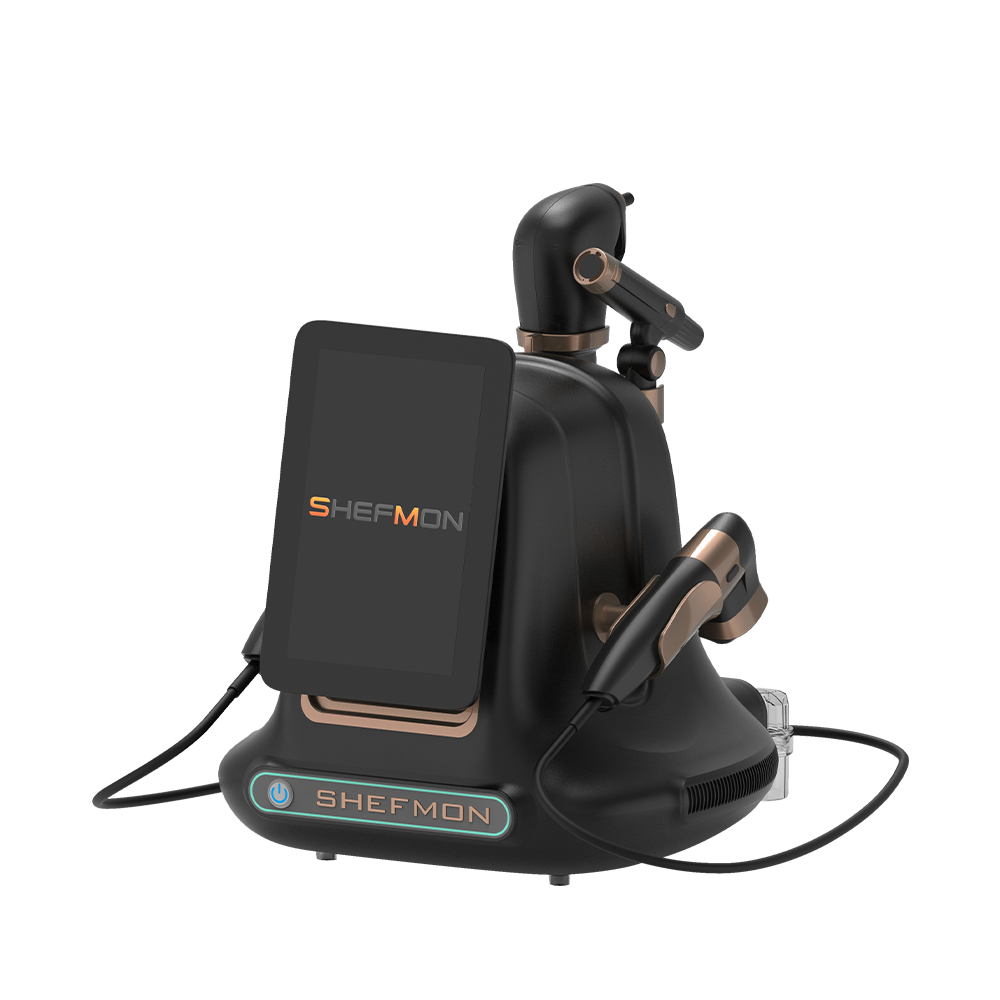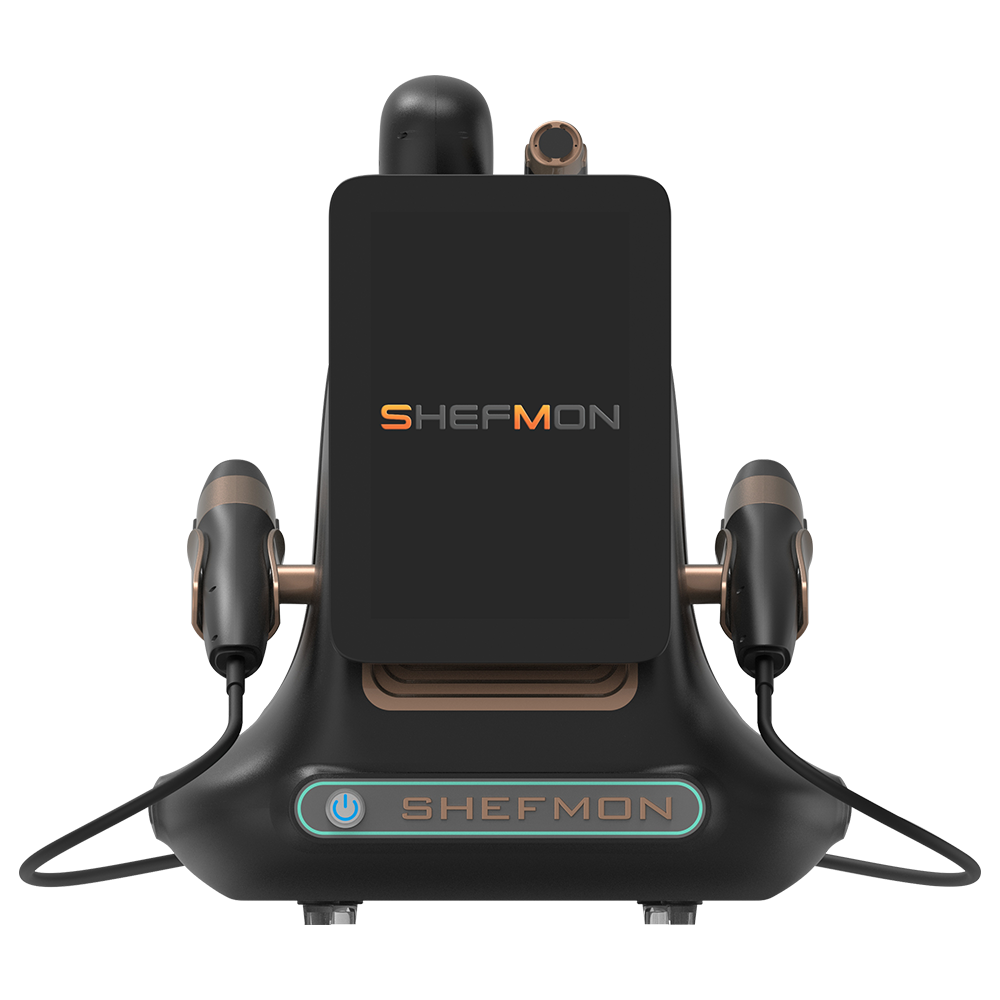
Radiofrequency (RF) technology is widely used in professional aesthetic treatments for skin tightening, wrinkle improvement, and skin rejuvenation. EMRF is based on monopolar radiofrequency technology, which converts electrical energy into controlled thermal energy within targeted tissue. This heating effect helps contract existing collagen fibers and stimulates the biological processes involved in collagen regeneration. Understanding how EMRF works, how different RF technologies deliver energy, and what features matter in professional equipment helps beauty salon owners, aesthetic practitioners, and distributors make informed purchasing decisions.
1. Was ist eine EMRF-Behandlung?
EMRF is an aesthetic treatment technology that uses monopolar radiofrequency (RF) to heat targeted skin tissue and support collagen remodeling. By stimulating collagen reorganization and regeneration, it aims to improve skin firmness, elasticity, and overall appearance.
RF energy is different from laser energy. Laser treatments generally rely on specific skin chromophores, such as melanin or water, to absorb light energy. RF treatments use electrical energy and tissue resistance to generate heat. This makes RF a versatile technology for professional skin-tightening and rejuvenation equipment.
EMRF can be incorporated into facial and body treatments, depending on the machine’s electrode configuration, applicator size, and intended applications.
2. How Does EMRF Work?
The working principle of EMRF involves three connected processes: RF energy delivery, tissue heating, and collagen remodeling.
2.1 Radiofrequency Energy Delivery
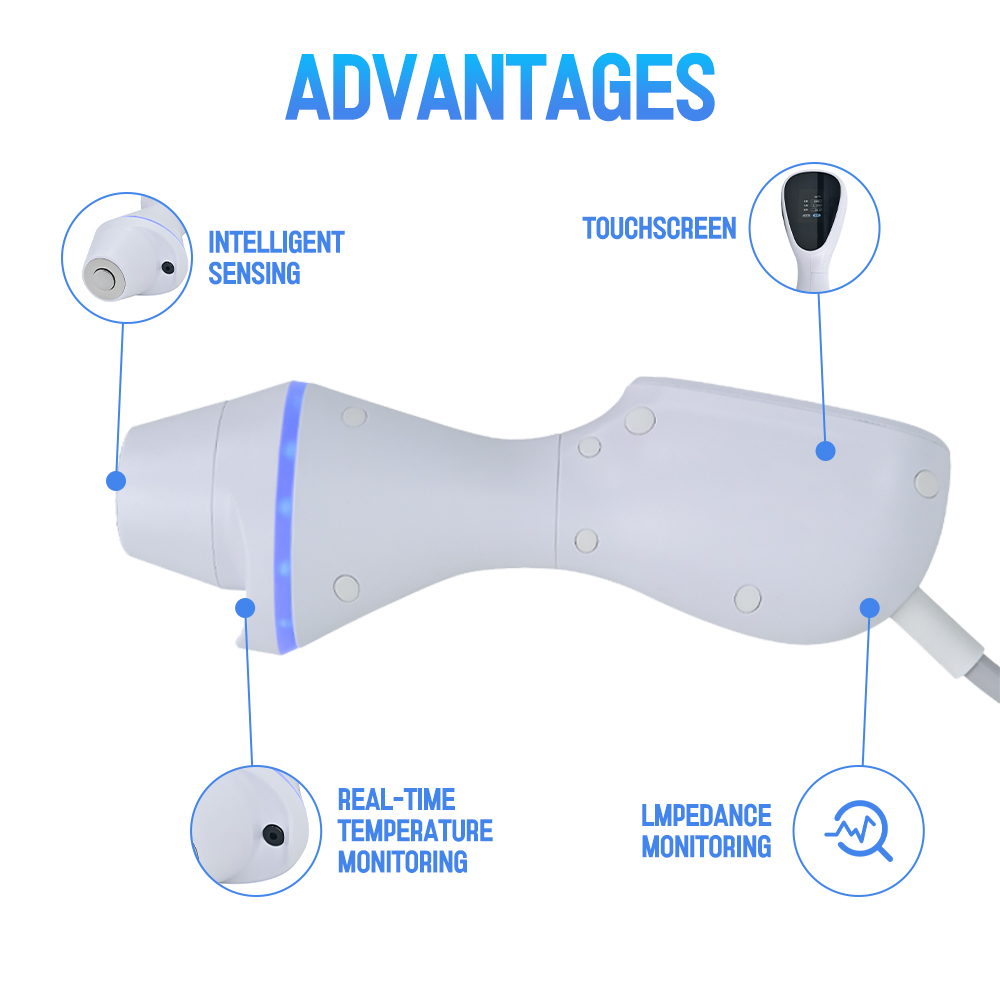
During treatment, the EMRF handpiece delivers monopolar RF energy to the target area. The electrical current travels through tissue as part of an RF circuit, and tissue resistance converts electrical energy into heat.
The amount and distribution of heat depend on several factors, including current intensity, tissue impedance, electrode design, contact quality, and treatment duration. These parameters influence how thermal energy develops within the targeted tissue.
Unlike laser technology, RF does not depend on melanin absorption. Its thermal effect is primarily associated with electrical conductivity and resistance within tissue, making it an important option in aesthetic treatments across different skin phototypes.
2.2 Controlled Heating and Collagen Contraction
Collagen is a structural protein that provides support and firmness to the skin. When RF-generated heat reaches the appropriate thermal range, it changes the structure of existing collagen fibers.
This thermal response can cause collagen fibers to contract and shorten, contributing to an immediate tightening effect. The degree of contraction depends on the temperature reached and the duration of exposure.
Professional RF equipment is designed to control energy delivery and treatment conditions. Appropriate electrode contact, parameter selection, and temperature management are important for maintaining consistent treatment performance.
2.3 Fibroblast Activation and Long-Term Collagen Remodeling
The effects of RF extend beyond the initial heating process. Thermal stimulation can activate fibroblasts, which are responsible for producing collagen, elastin, and other components of the skin’s extracellular matrix.
Following treatment, the body’s tissue-repair response supports collagen reorganization and the formation of new collagen. These processes develop over time and can contribute to improvements in skin firmness, elasticity, and texture.
This combination of immediate collagen contraction and longer-term remodeling explains why RF is widely used in professional skin rejuvenation treatments.
3. What Are the Main Types of Radiofrequency Technology?
Different RF machines use different electrode configurations. These designs influence the electrical pathway, energy distribution, and treatment characteristics.
3.1 Monopolar RF
Monopolar RF generally uses an active treatment electrode and a separate return electrode to complete the electrical circuit. Current travels through a relatively broad volume of tissue, allowing the technology to produce deeper and more distributed heating, depending on the device design.
It is commonly used in professional skin-tightening applications targeting dermal and deeper tissue structures.
3.2 Bipolar RF
Bipolar RF uses two electrodes positioned within the same treatment applicator. Electrical current passes between these electrodes, producing a more localized heating pattern.
Its energy distribution is generally more confined than that of monopolar RF, making it suitable for applications where controlled, localized tissue heating is desired.
3.3 Multipolar RF
Multipolar RF uses three or more electrodes to create multiple electrical pathways. The configuration is designed to distribute RF energy across the treatment area, with the actual heating pattern depending on electrode arrangement and device parameters.
Some professional machines combine different RF configurations to provide additional treatment options.
4. EMRF- vs. RF-Mikroneedling: Worin besteht der Unterschied?
Although both technologies use radiofrequency energy to stimulate collagen remodeling, their delivery methods are different.
4.1 EMRF: Monopolar Radiofrequency
EMRF delivers RF energy through a monopolar treatment electrode. Its primary mechanism is controlled tissue heating, followed by collagen contraction and remodeling.
This approach is commonly incorporated into professional treatments focused on skin tightening, firmness, and rejuvenation.
4.2 RF Microneedling: RF Energy Through Needles
RF microneedling combines physical microneedling with radiofrequency energy. Fine needle electrodes penetrate the skin to selected depths and deliver RF energy into targeted tissue.
The combination of controlled micro-injuries and thermal stimulation supports collagen remodeling. Depending on the needle configuration and treatment parameters, RF microneedling is used for concerns such as acne scars, enlarged pores, uneven skin texture, and wrinkles.
4.3 Why Combine Both Technologies?
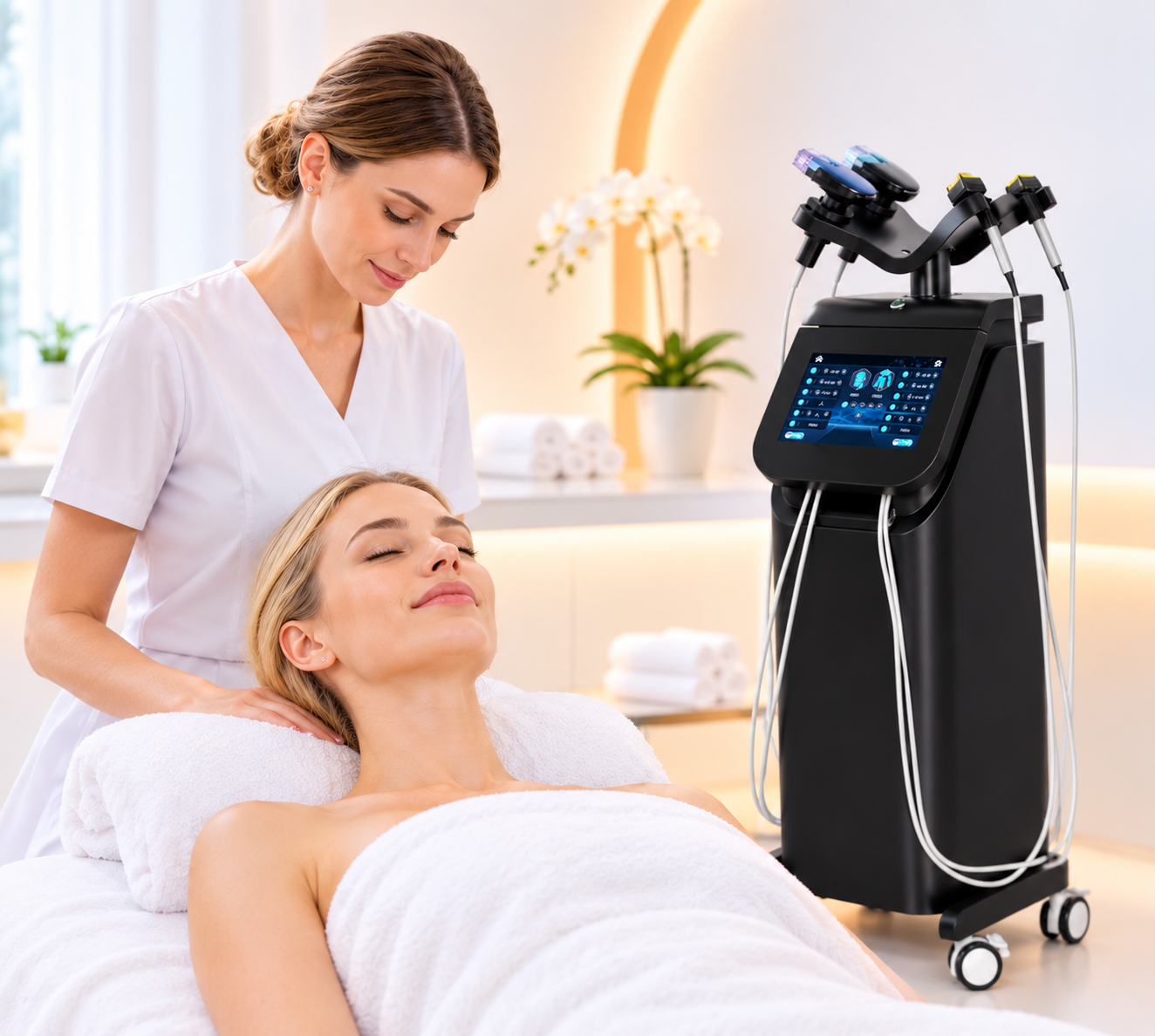
Combining EMRF and RF microneedling gives professional beauty businesses access to different RF delivery methods within one equipment platform.
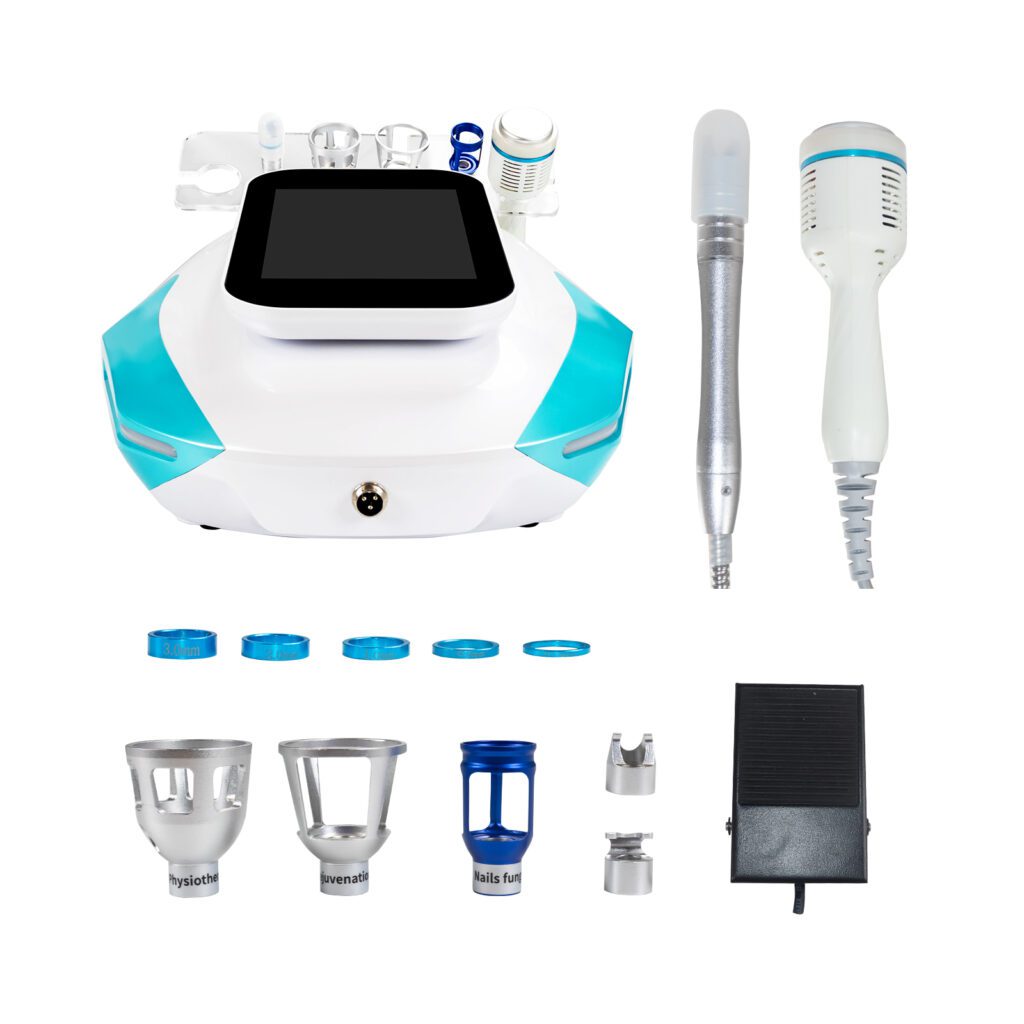
EMRF focuses on monopolar RF heating, while RF microneedling combines needle penetration with localized RF energy delivery. Different handpieces and treatment tips allow practitioners to select the appropriate approach for different treatment areas and service requirements.
5. What Skin Treatments Can EMRF Support?
EMRF technology can be incorporated into several professional aesthetic treatment programs.
5.1 Skin Tightening and Facial Lifting
RF-generated heat supports collagen contraction and remodeling, making EMRF suitable for treatments targeting loose or sagging-looking skin. Areas such as the cheeks, jawline, and lower face may be included according to the device’s intended applications.
5.2 Wrinkle and Fine-Line Improvement
Collagen provides structural support to the skin. By promoting collagen remodeling, EMRF treatments can help improve the appearance of fine lines and wrinkles and support a smoother-looking complexion.
5.3 Skin Rejuvenation and Firmness
RF treatments can support improvements in skin texture, elasticity, and overall firmness. This makes EMRF a useful addition to professional facial rejuvenation programs.
5.4 Body Skin-Firming Treatments
With suitable applicators, RF technology can also be incorporated into body treatments targeting skin firmness and texture. Buyers should check the machine’s handpiece configuration and recommended treatment areas when evaluating its facial and body applications.
Abschluss
EMRF works by converting monopolar radiofrequency energy into controlled heat within targeted tissue, supporting immediate collagen contraction and longer-term collagen remodeling. Its applications in skin tightening, wrinkle improvement, and rejuvenation make it an important technology in professional aesthetic equipment. When combined with RF-Mikronadelung in a multifunctional machine such as the 4 IN 1 EMRF M8 Gold, it offers beauty businesses additional treatment approaches through different handpieces and replaceable tips. Understanding RF mechanisms, electrode configurations, treatment applications, and equipment specifications helps buyers select professional machines that meet their service and business requirements.