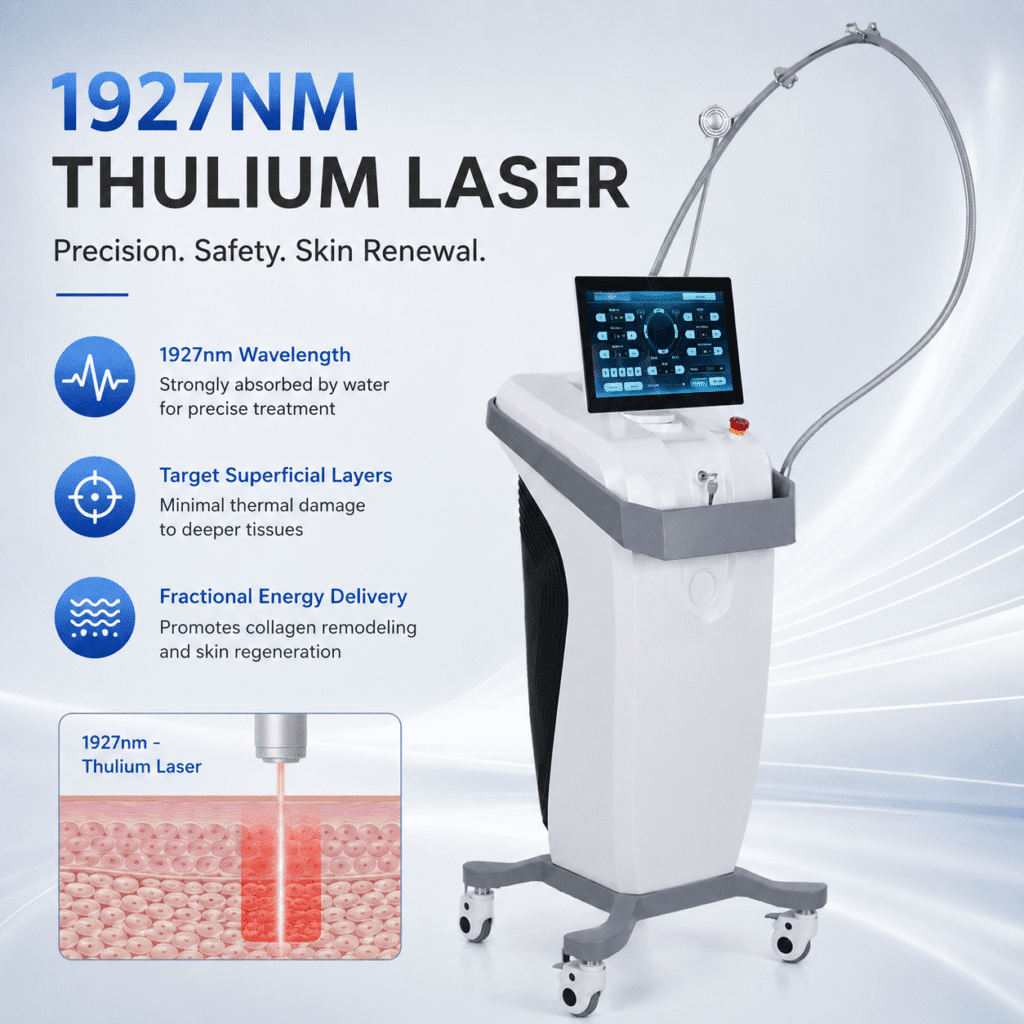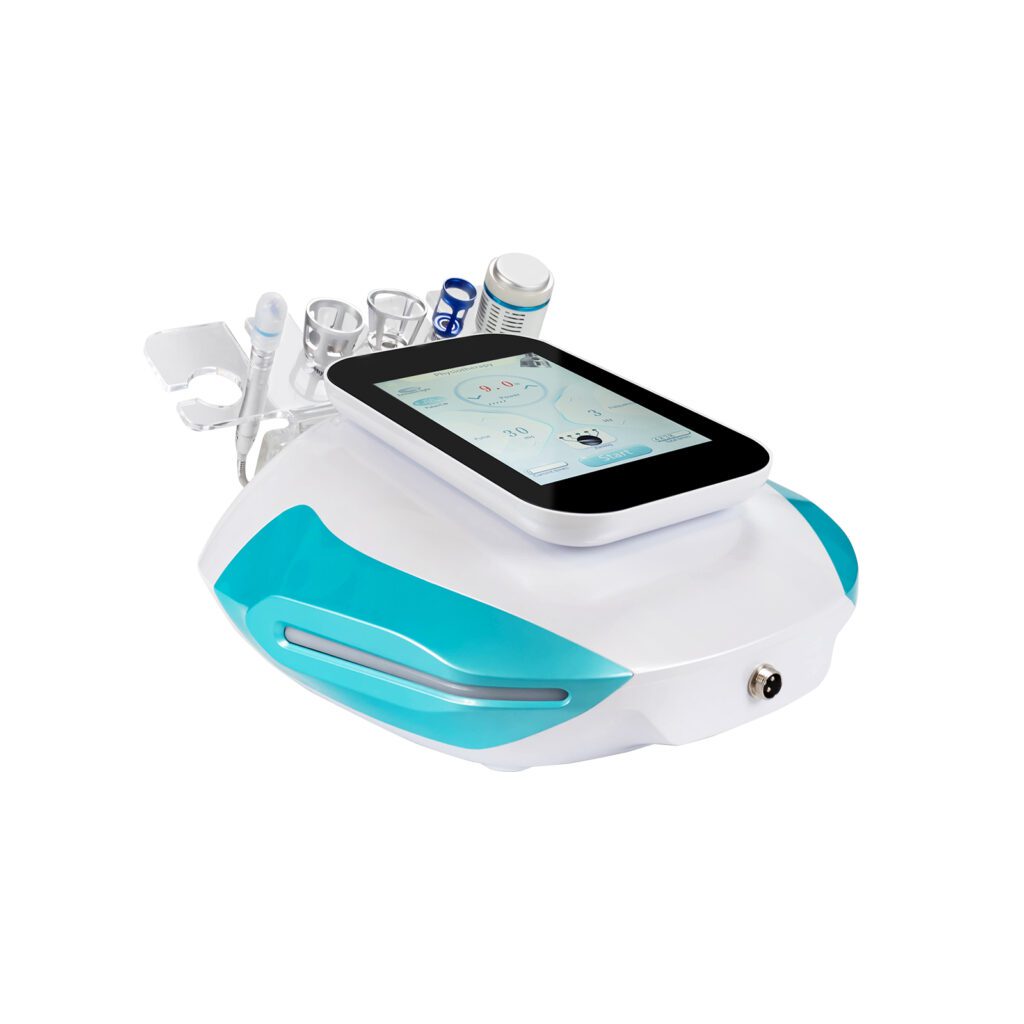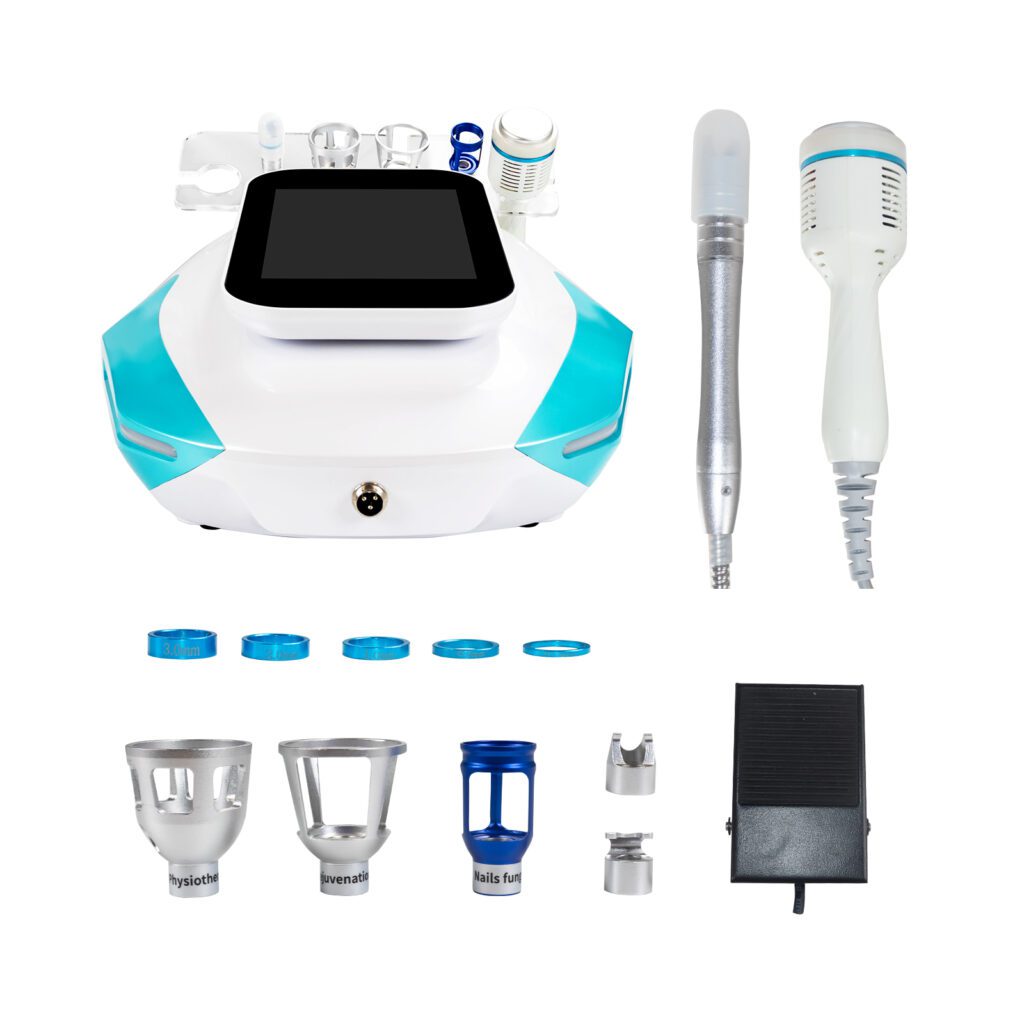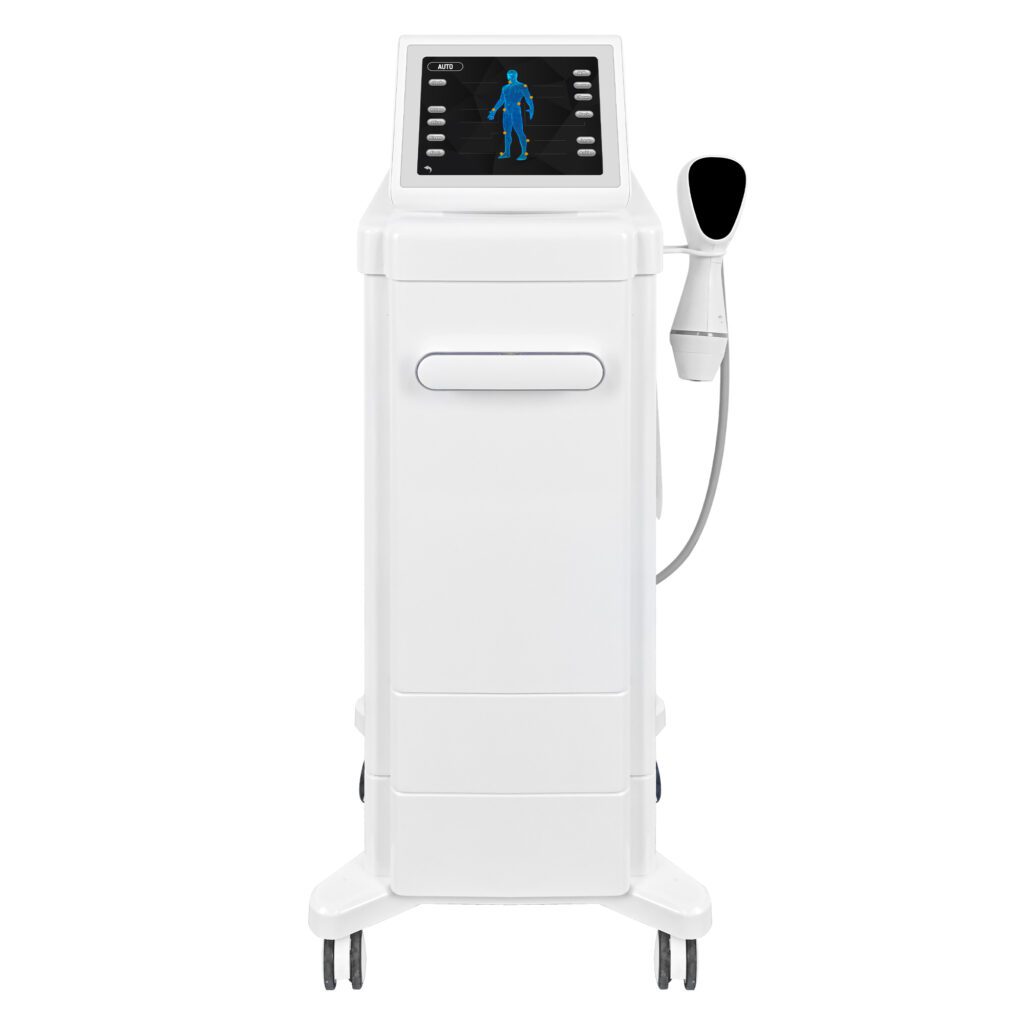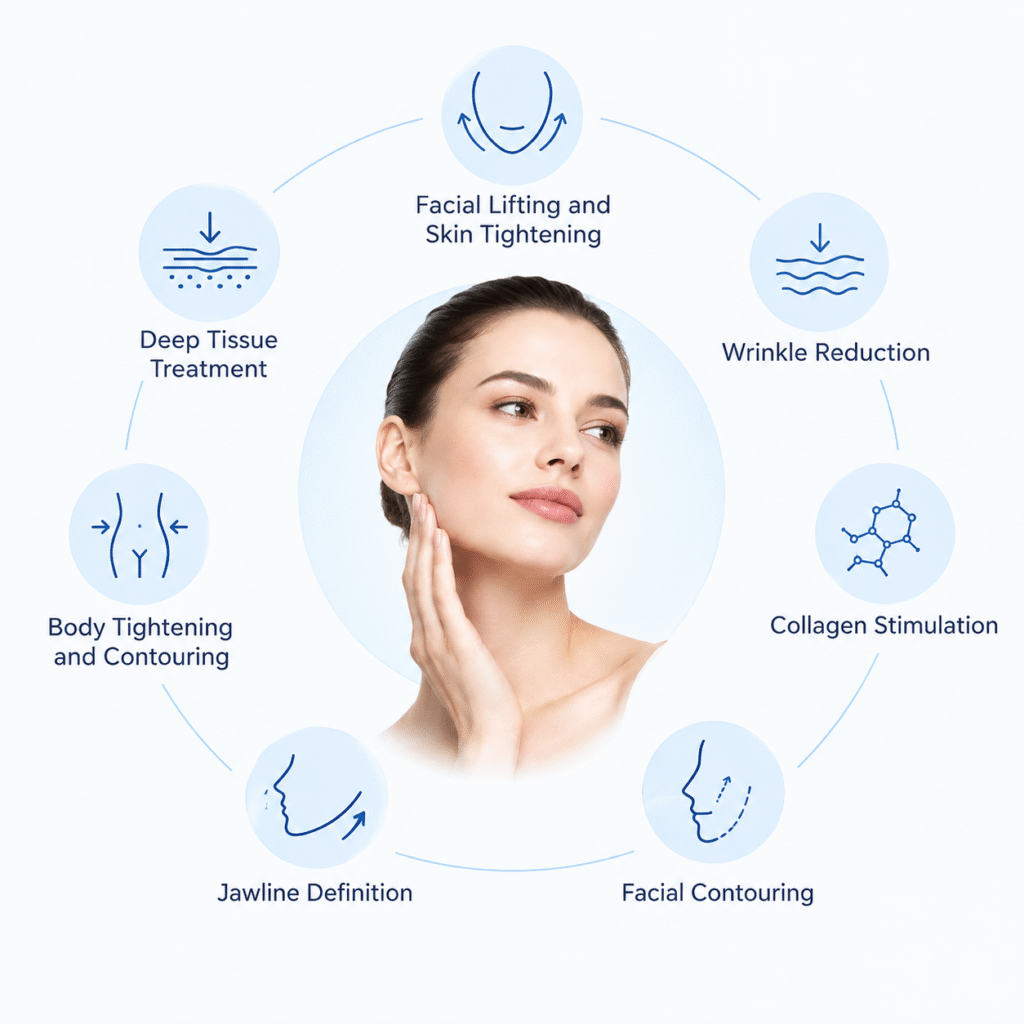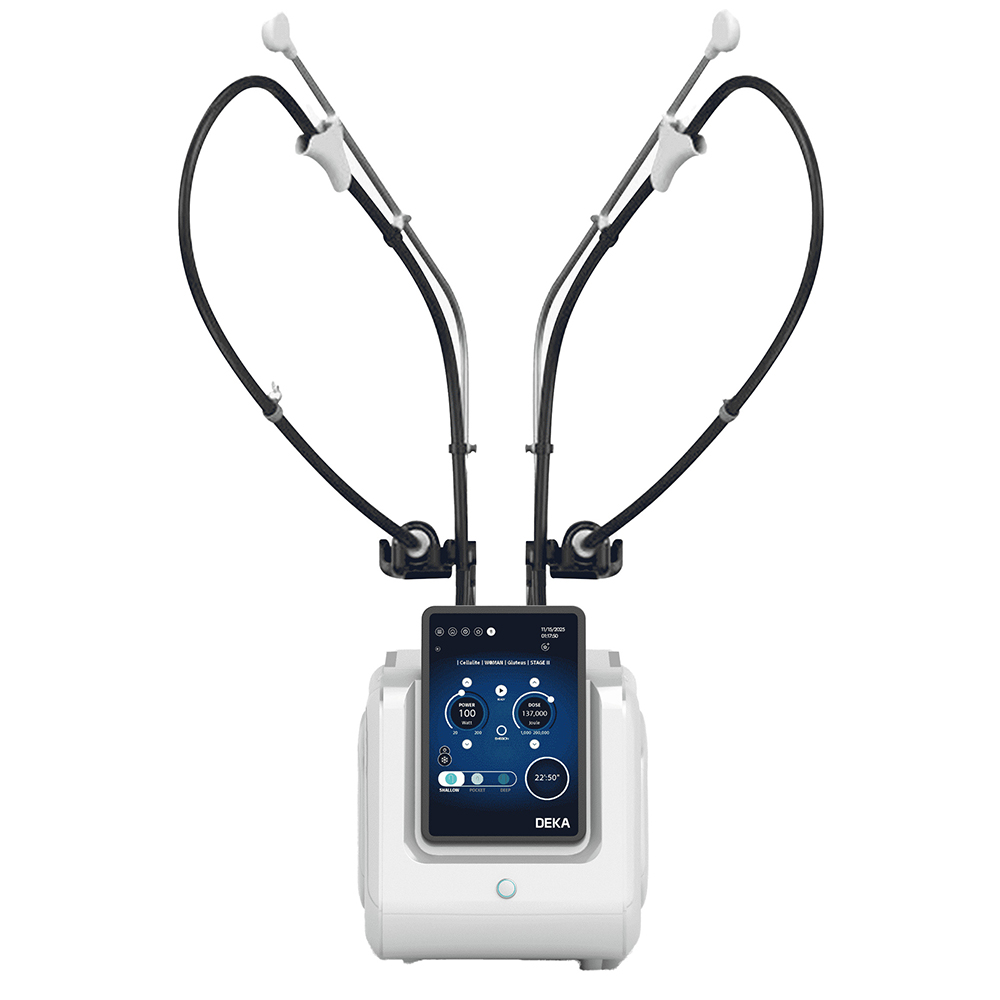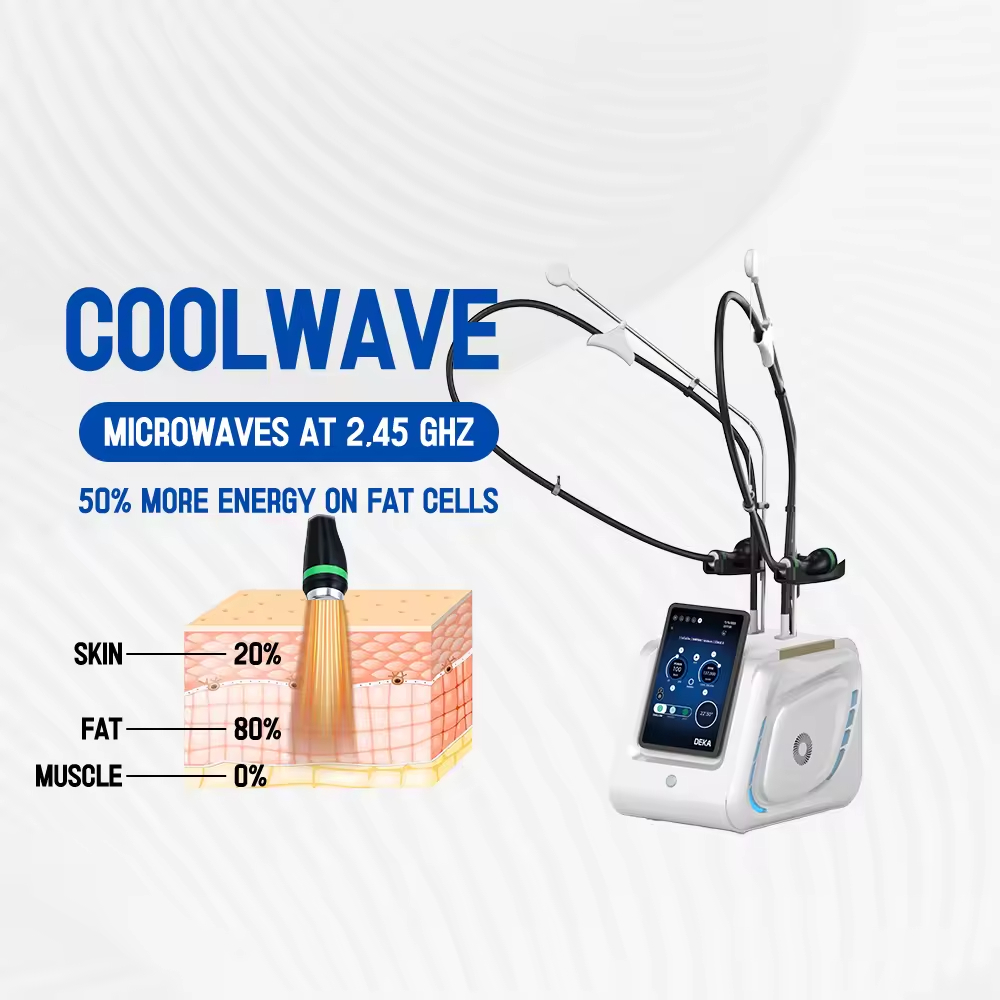










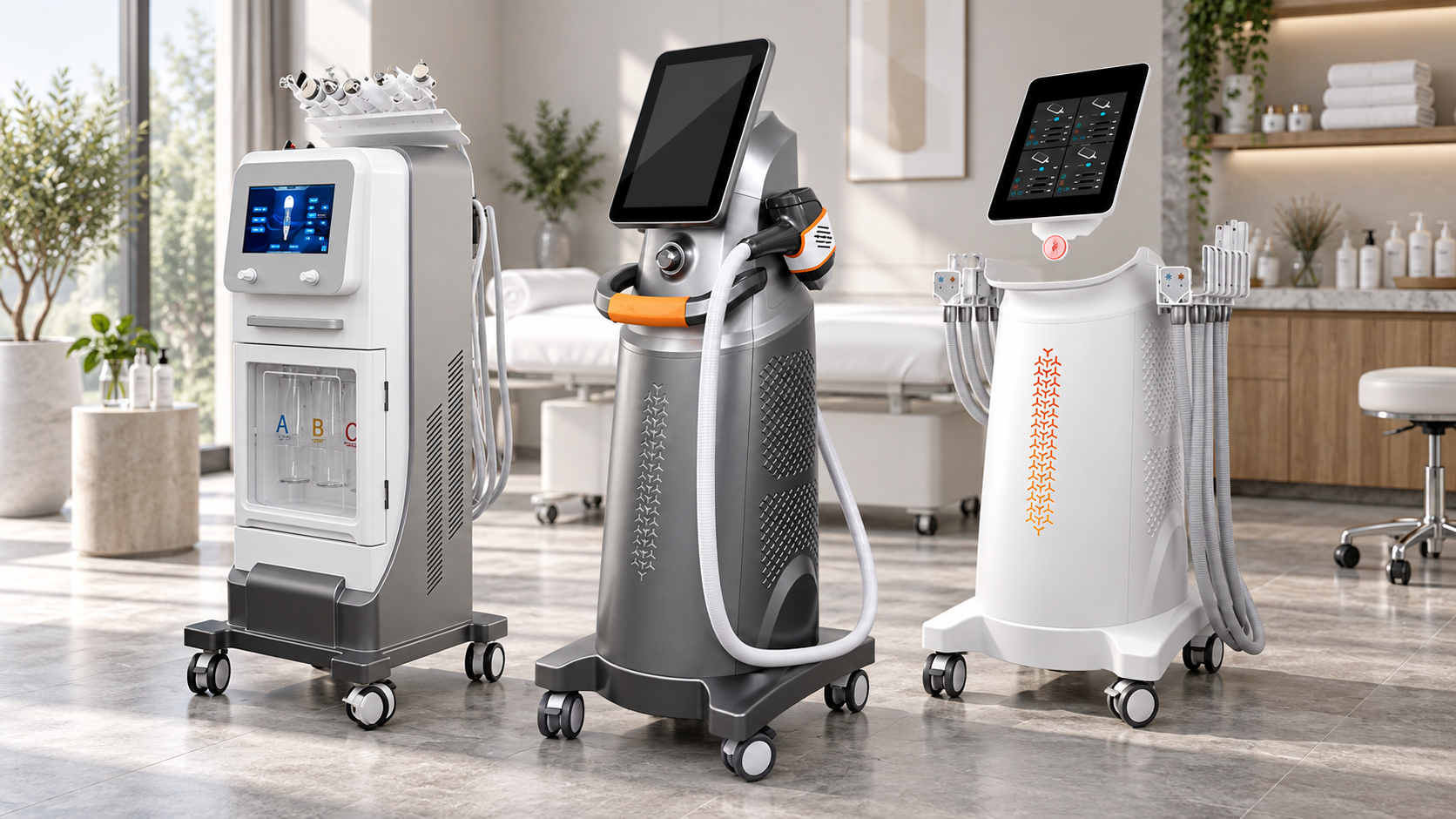
A complete aesthetic menu should help clients find appropriate care for their skin, unwanted hair, facial appearance, and body-contour goals. For a salon or clinic, the challenge is choosing equipment that covers those needs without buying several machines that perform similar jobs.
“Head-to-toe” works best as a description of a coordinated service range. It does not mean treating every body area with one device or offering every service to every client. This guide explains how to select relevant SHEFMON beauty devices and build a practical portfolio for facial salons, med spas, skin clinics, body contouring centers, and distributors.
Executive Summary
- Establish a facial-care foundation with A0648 hydro microdermabrasion.
- Consider A0272-F for a distinct facial-tone and contour service.
- Add a dedicated hair-removal category, with A0423 diode laser as a model to evaluate.
- Choose B0158 inner-ball roller for a mechanical body-care menu.
- Compare A0241 EMS/RF for muscle-focused services and S9 cryolipolysis for localized contouring; these answer different client concerns.
- Reserve an A0529 fractional CO2 laser pathway for a suitably qualified clinical practice with appropriate facilities.
- Build the range in stages. Device combinations are equipment portfolios, not automatic same-day treatment sequences.
1. Define What Complete Coverage Means for Your Business
A facial salon, a hair-removal clinic, and a body contouring center do not need identical equipment. Completeness depends on the clients the business serves, the staff’s expertise, and which services the practice can responsibly support.
Start by mapping demand into service families:
| Service family | Client need | Equipment direction | Business question |
|---|---|---|---|
| Facial foundation | Cleansing and hydration-oriented care | Hydro microdermabrasion | Is there demand for regular facial appointments? |
| Facial tone | A consultation about facial contour and tone | Face-specific stimulation/RF | Can the team support a separate assessment pathway? |
| Hair reduction | Unwanted hair in assessed areas | Dedicated diode laser | Are staffing, client suitability and room requirements established? |
| Mechanical body care | Massage-style body service | Inner-ball roller | Does this complement the current client experience? |
| Body muscle tone | Muscle-focused contour goals | Electromagnetic stimulation | Is muscle tone distinct from the client’s skin or fat concern? |
| Localized body contour | A suitable localized fat-area concern | Cryolipolysis | Can the practice provide assessment and follow-up? |
| Advanced skin texture | Clinical resurfacing assessment | Fractional CO2 laser | Does this fit the clinical team and facilities? |
A broad menu can be built from selected categories rather than all seven. Referral to another professional is also a valid response when a request falls outside the practice’s expertise.
2. Functional Principle: Different Goals Need Different Technologies
Hydro microdermabrasion supports a cleansing, exfoliation, and hydration-oriented service. It should not be described as interchangeable with a lifting or resurfacing procedure.
Facial electrical stimulation and radiofrequency provide a separate technology route for facial-tone services. The documented facial applicators and instructions determine what the system can be used for.
Diode hair-removal lasers use light absorbed by pigment in hair to produce a thermal effect. Suitability depends on the client and equipment; a multi-wavelength product title does not mean every hair color responds equally.
Mechanical roller systems provide massage-style movement and pressure. Their menu role differs from a cooling-based fat-contour procedure.
Body electromagnetic stimulation produces muscle contractions. A muscle-focused service does not automatically address loose skin or a localized fat bulge.
Cryolipolysis uses controlled cooling for appropriate localized contour concerns. The FDA explains that non-invasive body contouring does not treat obesity or deliver the health benefits of weight loss. See its body contouring technology overview.
Fractional CO2 laser systems belong to a clinical resurfacing category. Their inclusion in a complete aesthetic portfolio should follow the practice’s clinical expertise, not a desire to add another premium service name.
3. Face: Start with a Clear Facial Foundation
The A0648 hydro microdermabrasion machine is positioned by SHEFMON around cleansing, exfoliation, extraction, and hydration. Its proposed role is an Essential Facial Care service that gives new clients an understandable first booking.
Before defining the exact menu, request the supplied handpiece list, compatible solutions, tips, filters, and cleaning instructions. The “9-in-1” title does not by itself identify every included accessory.
A practice can differentiate an initial consultation appointment from ongoing facial care without creating numerous near-identical services. Explain the purpose, inclusions, and next step. Additional functions should be selected because they fit the individual, rather than used simply to justify a premium price.
For a body-focused business expanding into facial care, this category creates a distinct service family. It is a more coherent purchase when existing clients actually ask for facials and trained staff are available to deliver them.
4. Facial Tone: Add a Separate Consultation Pathway
The A0272-F facial device is positioned around facial electrical stimulation and RF. Consider it for a Facial Tone and Contour Consultation category.
Keep this pathway separate from the cleansing menu. Clients should understand that the service has a different purpose and its own suitability assessment. Confirm the current facial applicators and intended areas before advertising treatments around the forehead, cheeks, jawline, or neck.
Avoid assuming equivalence to other branded facial procedures or borrowing their clinical results. Evaluate the actual supplied model and documentation.
A face-specific platform also helps a business avoid treating a small body handpiece as a universal facial tool. Area suitability comes from documented intended use, not from whether a handle physically fits the area.
5. Face and Body Hair Reduction: Build an Area-Based Menu
Hair removal can connect multiple areas within a head-to-toe service range. The A0423 diode laser is a relevant SHEFMON model to evaluate, also listed in the company’s hair-removal category.
Confirm the delivered wavelength configuration, spot sizes, cooling system, and operating documentation. Public product titles and optional configurations should not be treated as identical to the final quotation.
An area-based menu is easier to explain than an undefined “full-body” booking:
| Proposed booking category | How to define it | What to clarify |
|---|---|---|
| Small-area hair consultation | Name the exact permitted area | Suitability and what is excluded |
| Underarm or arm hair reduction | State the coverage boundary | Whether partial and full-area services differ |
| Leg hair reduction | Define lower-leg or full-leg coverage | Whether knees, feet or toes are included and permitted |
| Back or torso hair reduction | Describe the specific area | Coverage, appointment needs and assessment |
| Multi-area plan | List every included area | Individual scheduling and package terms |
These are menu structures, not confirmation that every listed area is approved for a particular configuration. Verify each area against the supplied instructions.
The American Academy of Dermatology explains that outcomes vary with hair and skin characteristics and that maintenance may be needed. It also describes possible side effects. Use its laser hair-removal FAQs to support realistic consultation language rather than promising one-session permanent removal.
6. Arms, Thighs and Body Care: Give Mechanical Services Their Own Role
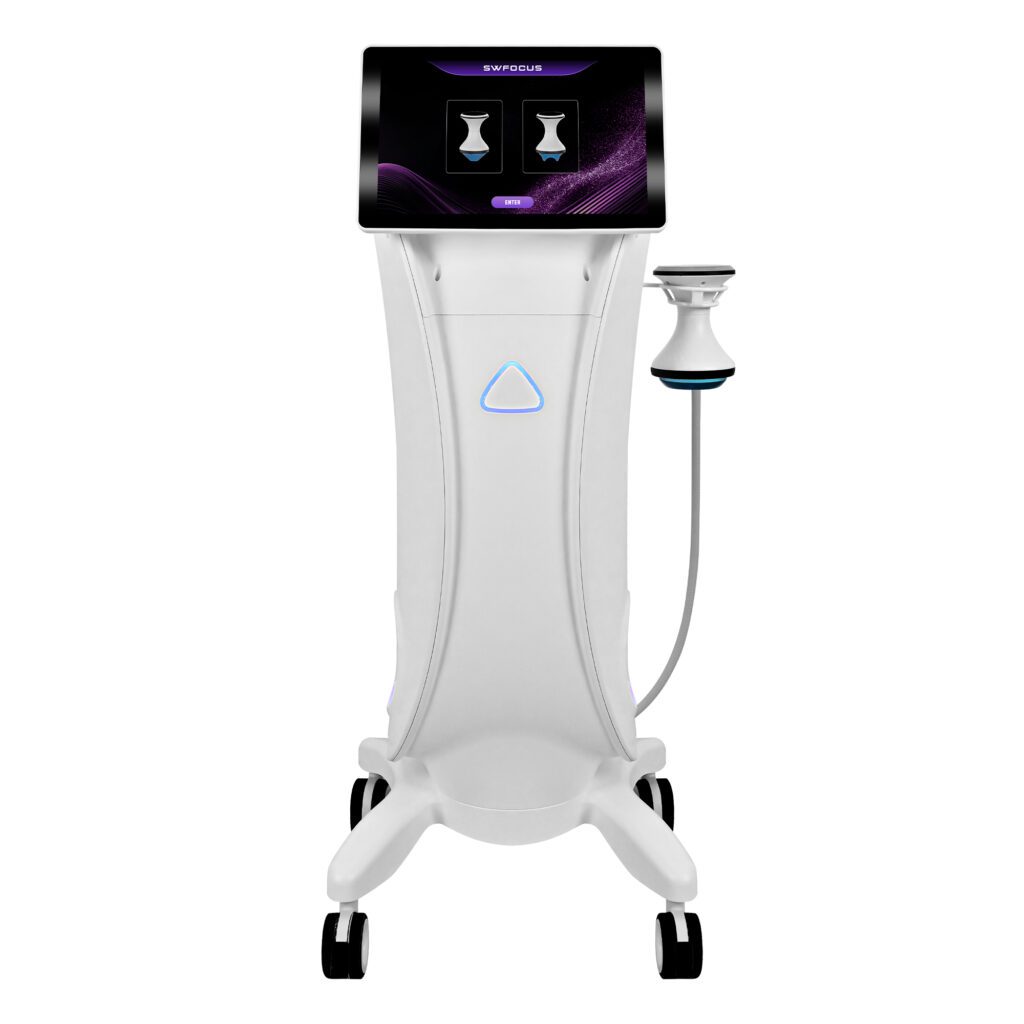
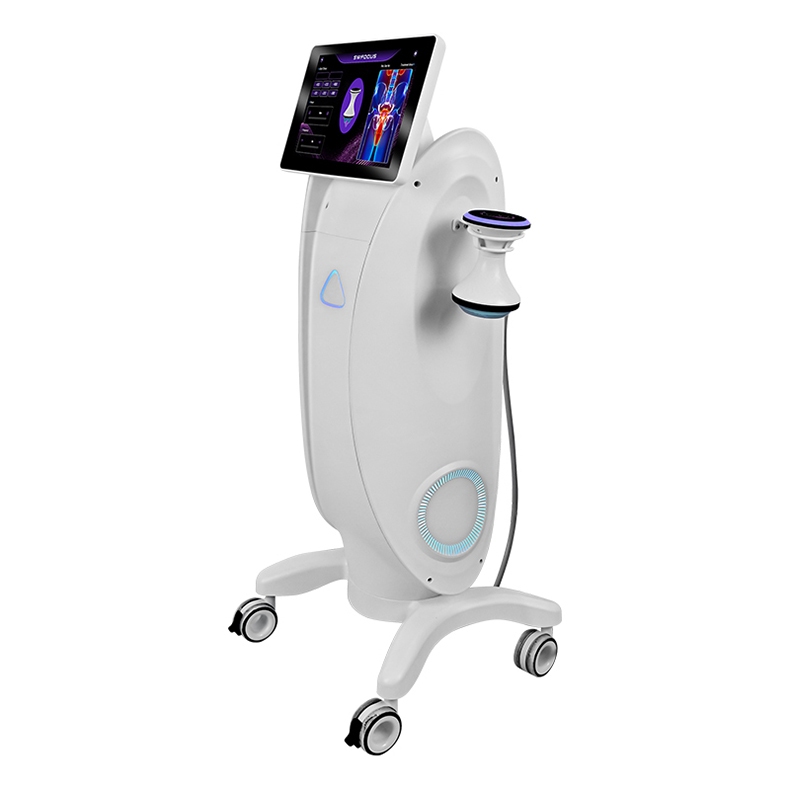
The B0158 inner-ball roller is described as a mechanical compression micro-vibration system, with face and body handpieces in its listing. Its proposed menu role is Selected-Area Roller Care.
This gives a practice a massage-style category alongside facial or hair-removal services. Confirm which areas and accessories belong in the actual service before promoting coverage across the arms, thighs, or other regions.
Keep the wording grounded in the mechanical service. Do not present it as guaranteed fat removal, detoxification, or a required recovery treatment after another procedure. A client may choose roller care independently of any contouring plan.
Operationally, make sure the room accommodates positioning, privacy, handpiece storage, and cleaning. A device’s stated footprint is only part of the space needed to deliver the service comfortably.
7. Body Contour: Separate Muscle Goals from Localized Fat Concerns
A complete body menu should not place every inquiry under one “slimming” appointment.
A0241 for a muscle-focused pathway
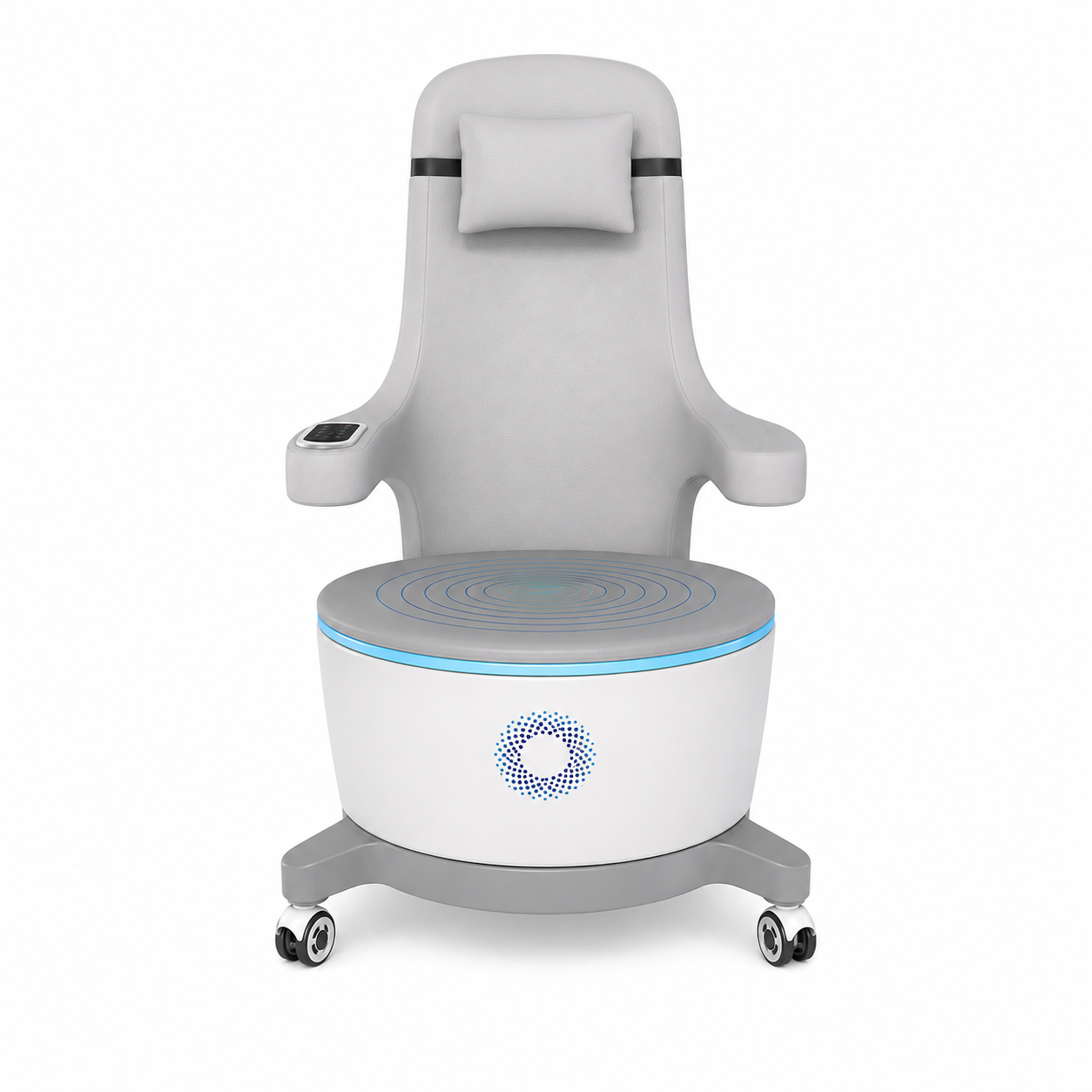
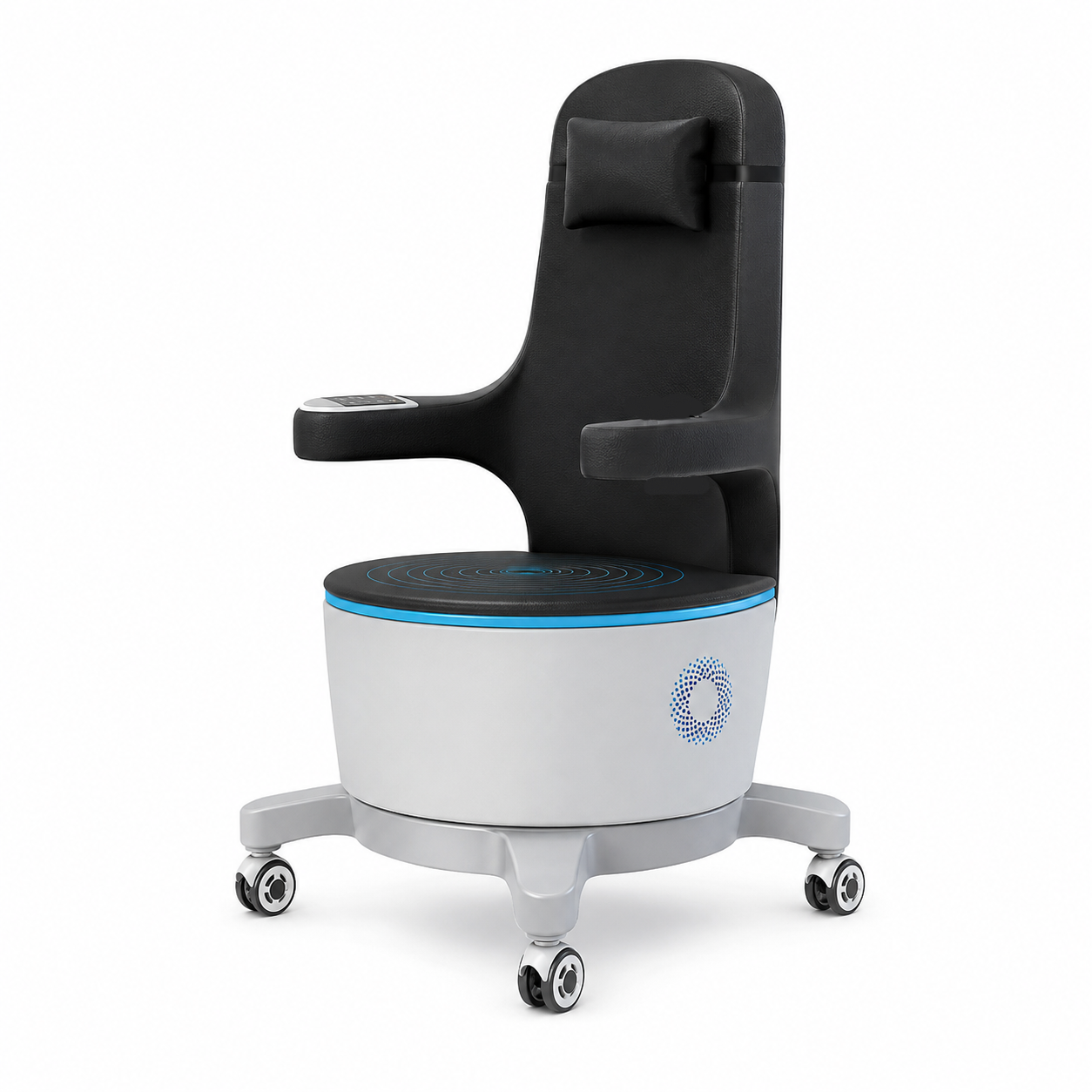
SHEFMON positions A0241 EMS/RF around electromagnetic stimulation with RF. Consider a Body Muscle Tone Consultation followed by an individual plan where suitable.
The public page contains different applicator counts in its specification and descriptive sections. Ask for written confirmation of the supplied handles and compatible functions. Do not build room-capacity assumptions around an unresolved configuration.
S9 for localized cooling assessment
The S9 cryolipolysis system is listed as a vacuum-assisted cooling platform. It can provide the equipment route for a Localized Contour Consultation service.
Applicator fit, permitted areas, protective consumables, and follow-up requirements belong in the buying discussion. Avoid a general weight-loss promise or a default full-body cooling package.
The two categories may coexist in one business, but neither should be an automatic add-on to the other. Begin with the concern the client actually wants assessed.
8. Advanced Skin Texture: An Optional Clinical Extension
The A0529 fractional CO2 laser is listed by SHEFMON as a 10600nm CO2 fractional system. It is a possible model for a qualified practice evaluating a clinical resurfacing category.
Keep the menu entry consultation-led: Skin Texture and Resurfacing Assessment. Confirm the technical file, intended indications, treatment areas, operator requirements, and facility needs before defining specific procedures.
For business planning, assess whether the practice can support preparation, recovery advice, follow-up, and management of complications. Clinical resurfacing should not be added as a routine upgrade to a general salon facial.
A clinic may assess concerns beyond the face, but do not assume face protocols transfer to the neck, chest, hands, or other regions. These require their own documented indication and clinical judgment. The broad “head-to-toe” concept does not establish device coverage.
9. Be Precise About Scalp, Hands, Feet and Sensitive Areas
A comprehensive aesthetic practice does not need to claim treatment of every anatomical area. The scalp, eye region, nails, and sensitive areas create different questions from general facial cleansing or body care.
| Area or request | Practical menu approach |
|---|---|
| Scalp or hair-loss concern | Offer an appropriate assessment or referral; do not infer a hair-growth service from a general facial device |
| Eye-area treatment | Require explicit device and applicator guidance; avoid extrapolating from nearby facial uses |
| Hands and feet | Name only services and areas the practice is equipped and permitted to provide |
| Nail condition | Refer for appropriate evaluation rather than treating it as a generic beauty-device request |
| Sensitive or intimate area | Assess scope, privacy, consent and documented indications separately |
This makes the service range more credible. Clients should know what is available, what requires consultation, and where a referral may be the better next step.
10. Three Practical Equipment Portfolios
Portfolio A: facial and body-care foundation
A0648 + B0158 creates a straightforward starting range: facial care and mechanical body care. It suits a practice that wants two distinct service categories and can support both with trained staff.
Add hair removal only when the business has the relevant expertise and a clear demand. A new device should resolve an identified menu gap rather than merely expand the list of available technologies.
Portfolio B: face, hair and body-tone practice
A0648 + A0423 + A0241 provides separate facial, hair-reduction, and muscle-tone routes. This combination requires planning for different consultations, equipment workflows, and appointment patterns.
A0272-F may be a later addition if facial-tone demand is established. It should earn a separate role rather than duplicate an unclear premium facial listing.
Portfolio C: broader aesthetic clinic
A qualified clinic may combine facial care, hair reduction, selected body-contour services, and clinical resurfacing. Choose among the listed models according to the clinic’s scope and existing equipment.
A broad portfolio is justified by expertise and sustained demand. It does not require purchasing every model at launch or treating one client with the entire range.
11. Match the Portfolio to the Buyer
| Buyer | Main priority | Sensible starting direction | Expansion trigger |
|---|---|---|---|
| Facial salon | Consistent skin-care service | Facial foundation plus selected body care | Repeated requests for another supported category |
| Hair-removal practice | Area coverage and consultation workflow | Dedicated hair-removal platform | Demand for complementary facial care |
| Body contouring center | Clear body-goal assessment | Muscle tone or localized contour anchor | An unmet separate service need |
| Med spa | Coordinated face and body pathways | Selected facial, hair and body categories | Staff and room capacity support expansion |
| Skin clinic | Clinical fit and follow-up | Existing skin expertise plus selected equipment | Documented clinical and business rationale |
| Distributor | Explainable equipment bundles | Foundation, growth and clinical options | Buyer qualification and local support capacity |
The business name alone does not determine legal operating scope. The final choice depends on local requirements, the actual device, and the qualifications of the people delivering the service.
12. Turn Coverage into a Client-Friendly Menu
A complete menu needs clear entry points rather than a page of model numbers.
| Public service name | Main purpose | Booking structure |
|---|---|---|
| Facial Care | Cleansing and hydration-oriented appointment | Initial assessment within the booking |
| Facial Tone Consultation | Discuss facial-tone goals | Consultation before a plan |
| Hair Reduction Consultation | Assess hair, skin and requested areas | Area-specific planning |
| Selected-Area Body Care | Mechanical massage-style service | Suitability and area confirmation |
| Body Muscle Tone Consultation | Assess a muscle-focused goal | Individual program where appropriate |
| Localized Contour Consultation | Assess a specific body-area concern | Cooling considered after screening |
| Skin Texture Assessment | Clinical resurfacing discussion | Qualified clinical consultation |
| Progress Review | Evaluate response and next steps | No automatic additional treatment |
Use packages to coordinate suitable services across visits. For example, a facial-care and hair-reduction package may offer convenient booking and a shared review process without claiming that the treatments improve each other’s effects.
Define the areas, inclusions, scheduling flexibility, and what happens if one component is unsuitable. A broad package should not commit the client to treatment before assessment.
13. Plan Rooms, Staff and Appointments Before Expanding
Head-to-toe services require different room arrangements. Body appointments need privacy and positioning space. Laser work requires appropriate controls, training, and protective measures. Clinical procedures may require additional facilities and follow-up capacity.
For every proposed service, map consultation, preparation, treatment, cleaning, documentation, and review. Avoid treating device activation time as the entire appointment or assuming staff can leave one procedure to perform another.
Equipment bundles also differ from same-day protocols. The FDA describes procedure-specific risks in body contouring, including burns with some technologies and paradoxical adipose hyperplasia after fat freezing. Its body contouring guidance reinforces the need for informed selection; it does not establish compatibility between the devices in this article.
14. Buy in Stages and Measure Actual Demand
Begin with the category that best matches existing clients and staff expertise. Then record which inquiries the practice cannot serve, why clients decline treatment, and how heavily the current rooms are used.
Before the next purchase, compare the full cost of delivery: equipment, training, accessories, consumables, maintenance, practitioner time, and space. Optional handles should appear separately in quotations so buyers can compare equivalent configurations.
For distributors, use these same stages to create understandable packages. A foundation bundle, an expansion bundle, and a qualified clinical option communicate more than a single oversized “complete center” package.
Review utilization before adding more devices. An existing service may need clearer communication or better scheduling rather than another machine.
FAQ
1. What does head-to-toe aesthetic equipment mean?
It describes a coordinated range of facial, hair-removal, and body services. It does not establish that every anatomical area is treatable or that one machine can provide all services. Define the actual coverage in the menu.
2. Which device should a salon buy first?
Start with the service most relevant to its clients and staff expertise. A facial practice may prioritize a facial foundation, while a body-focused business may choose a body-care anchor. Purchase additional categories after confirming demand and scope.
3. Can a hydro facial device replace a facial-tone platform?
They have different menu roles. Cleansing and hydration-oriented care should not be presented as the same service as facial stimulation/RF. Select equipment according to the goal being addressed.
4. Is laser hair removal suitable for every hair color?
Do not promise universal suitability. Response depends on hair and skin characteristics as well as the equipment and assessment. A multi-wavelength title is not proof that all hair colors will respond equally.
5. Should muscle stimulation and cryolipolysis be sold together?
They can sit within one business portfolio, but a client may need only one or neither. Establish whether the main concern is muscle tone, localized fat, skin appearance, or another issue before planning treatment.
6. Does a complete menu need fractional CO2 resurfacing?
No. It is an optional clinical category for a suitably qualified practice. A salon can offer a coherent and useful service range without operating advanced resurfacing equipment.
7. Can face and body treatments be performed in one visit?
That requires individual assessment and device-specific guidance. A commercial package does not establish same-day compatibility or permit reduced supervision. Separate appointments may be appropriate.
8. Can these devices treat the scalp, nails or feet?
Only offer uses supported by the specific equipment and the practitioner’s scope. Do not infer hair-growth, nail-treatment, or foot-care capabilities from a broad product description. Assess or refer requests outside the verified range.
9. What should buyers confirm about multifunction equipment?
Confirm included handles, optional modules, intended areas, consumables, training, cleaning, and maintenance. Similar product names or chassis designs do not establish identical configurations or functions.
10. How should distributors package a complete aesthetic range?
Build packages around buyer type and service goals, with standard and optional components clearly separated. Include operator and support requirements. Let buyers expand from a foundation rather than assuming every practice needs the full catalog.
Conclusion
Beauty devices for complete head-to-toe aesthetic services should create a clear, manageable range of client options. Facial care, hair reduction, mechanical body care, muscle tone, localized contouring, and clinical resurfacing each need a defined role.
Choose the categories that fit your clients and expertise, confirm the actual device configurations, and expand in stages. To plan a suitable equipment portfolio, contact SHEFMON with your business type, existing devices, target services, treatment areas, and available space.