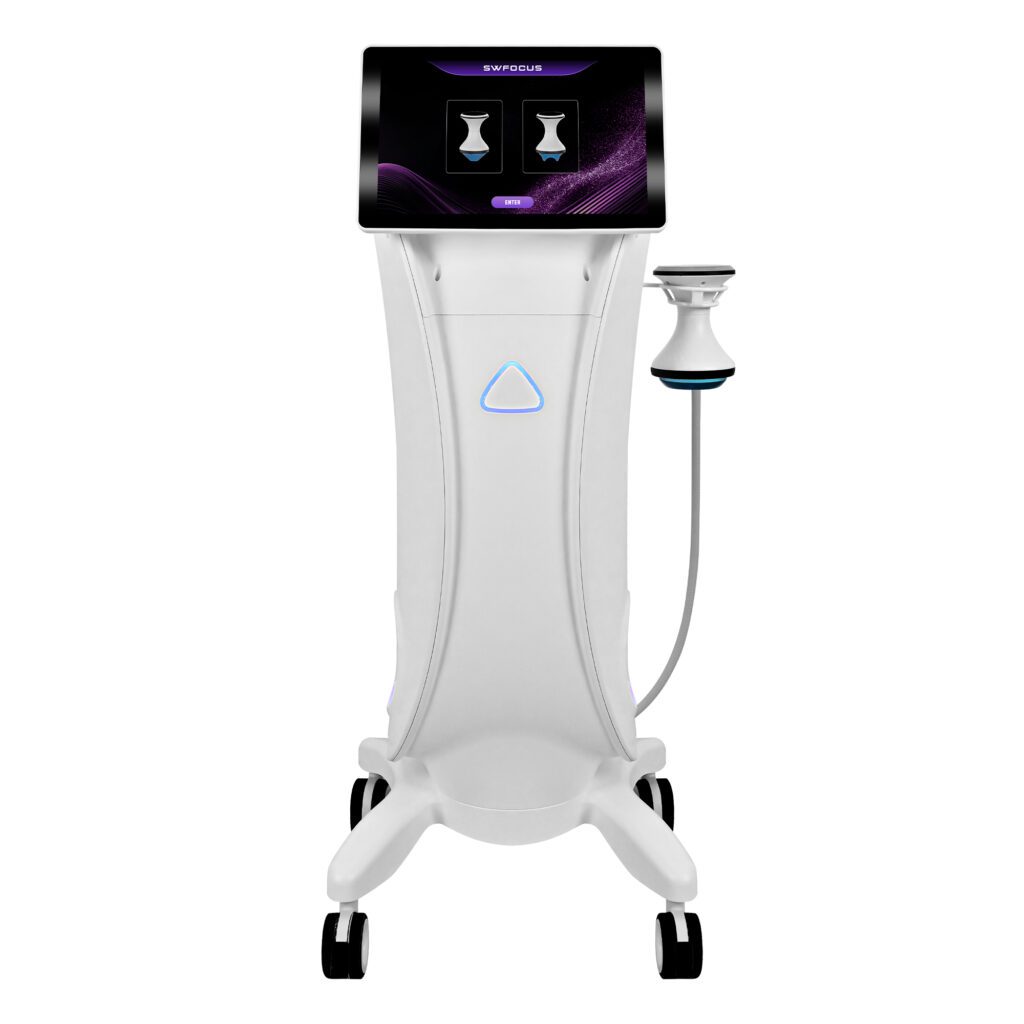
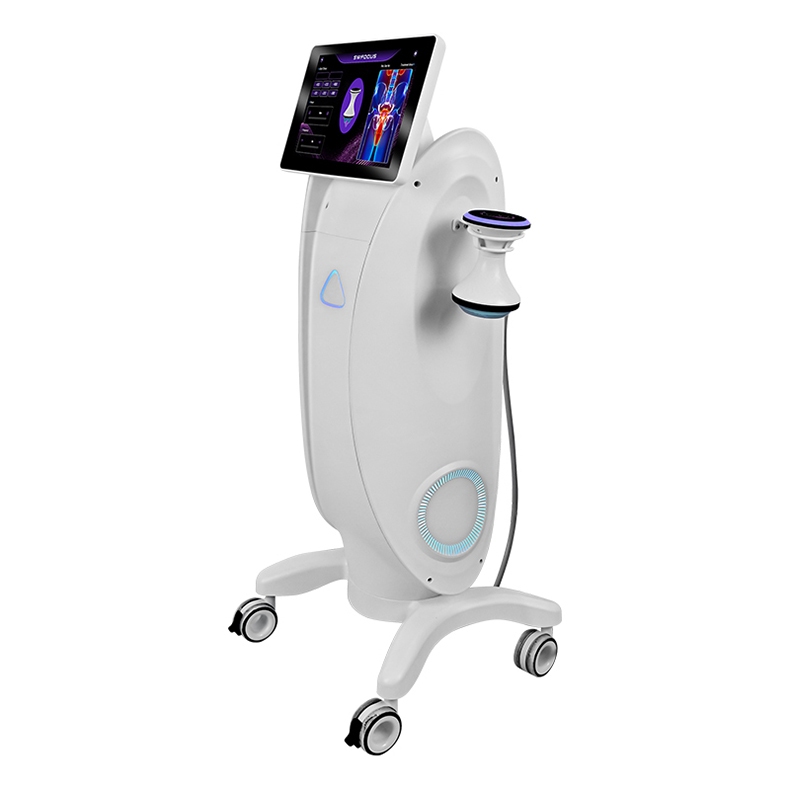
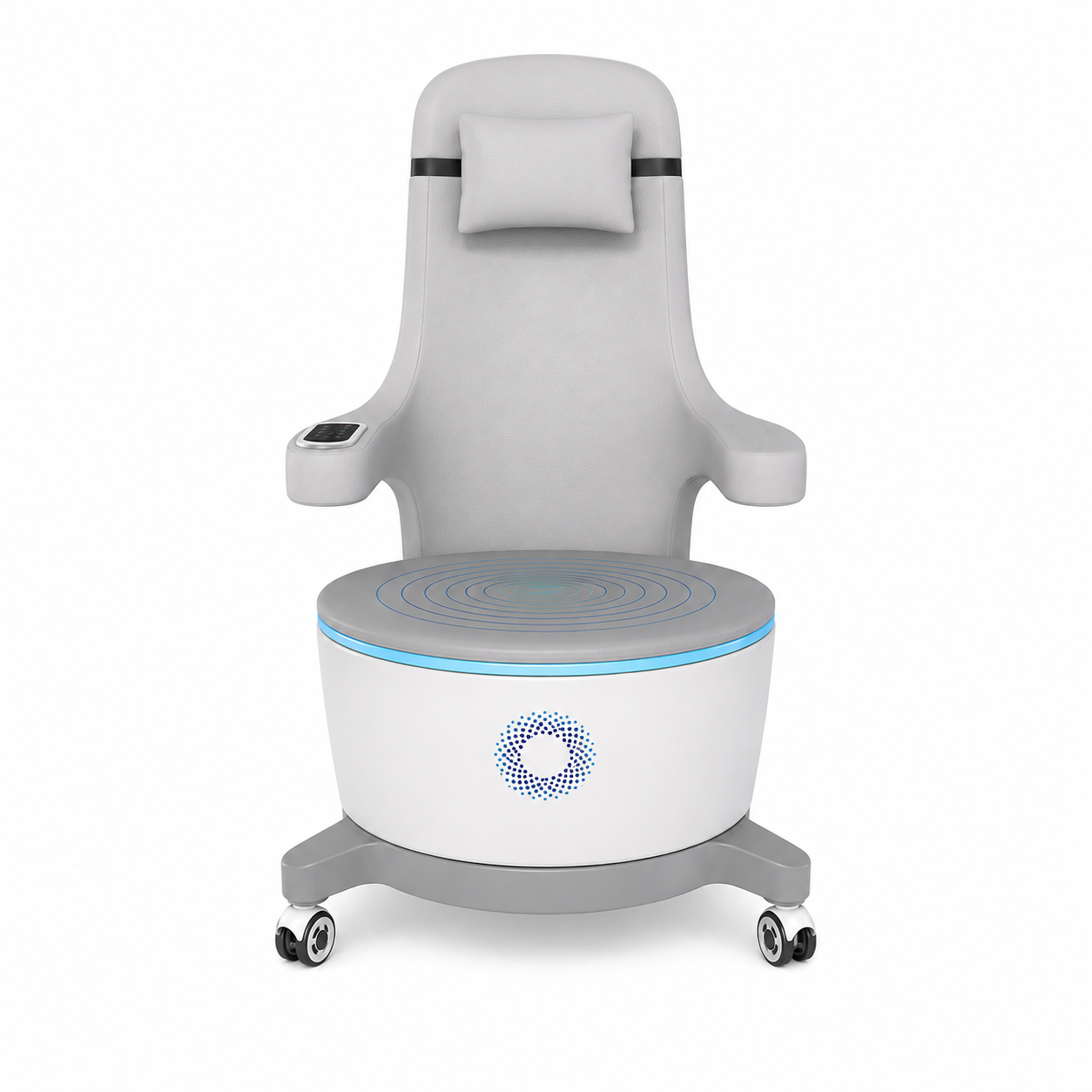
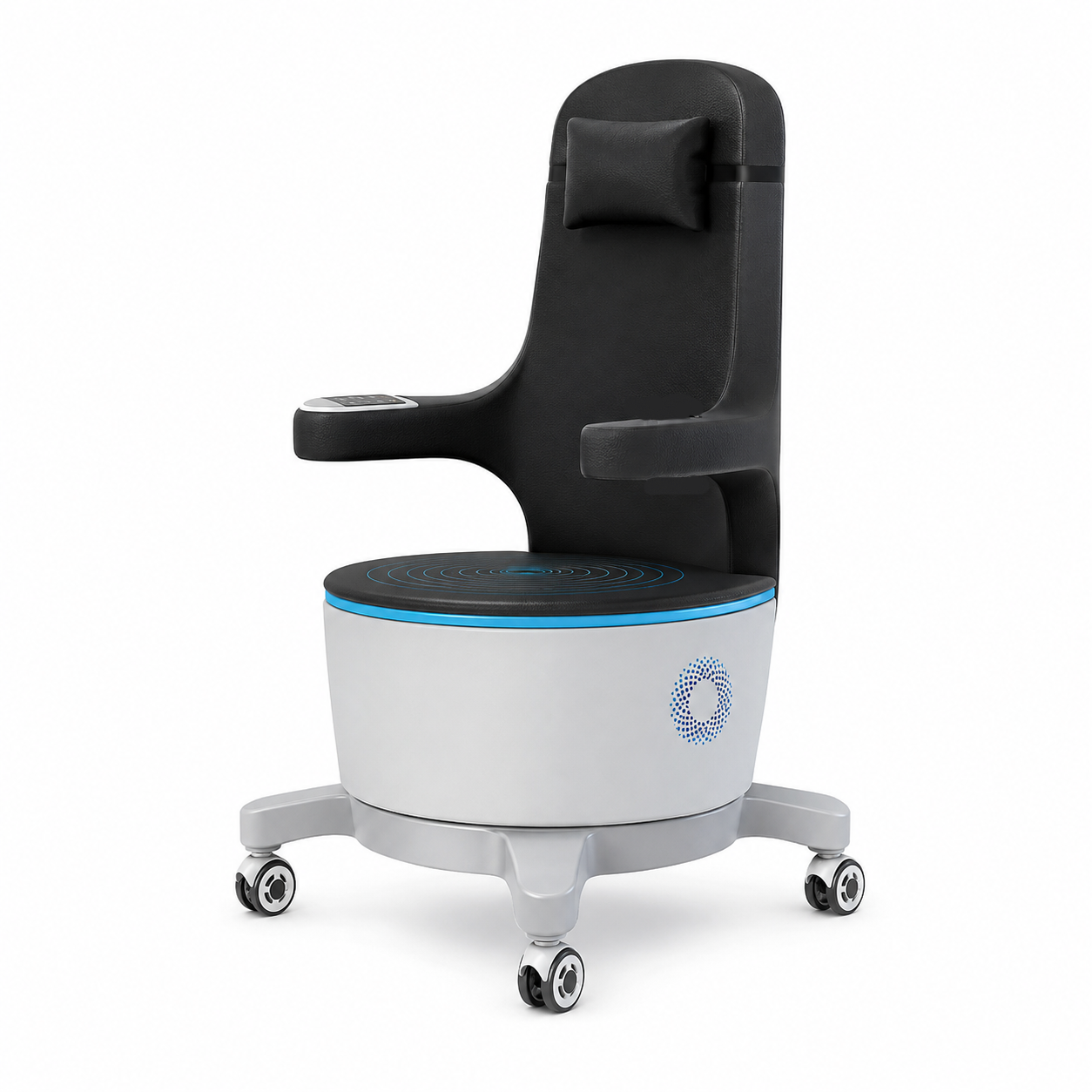
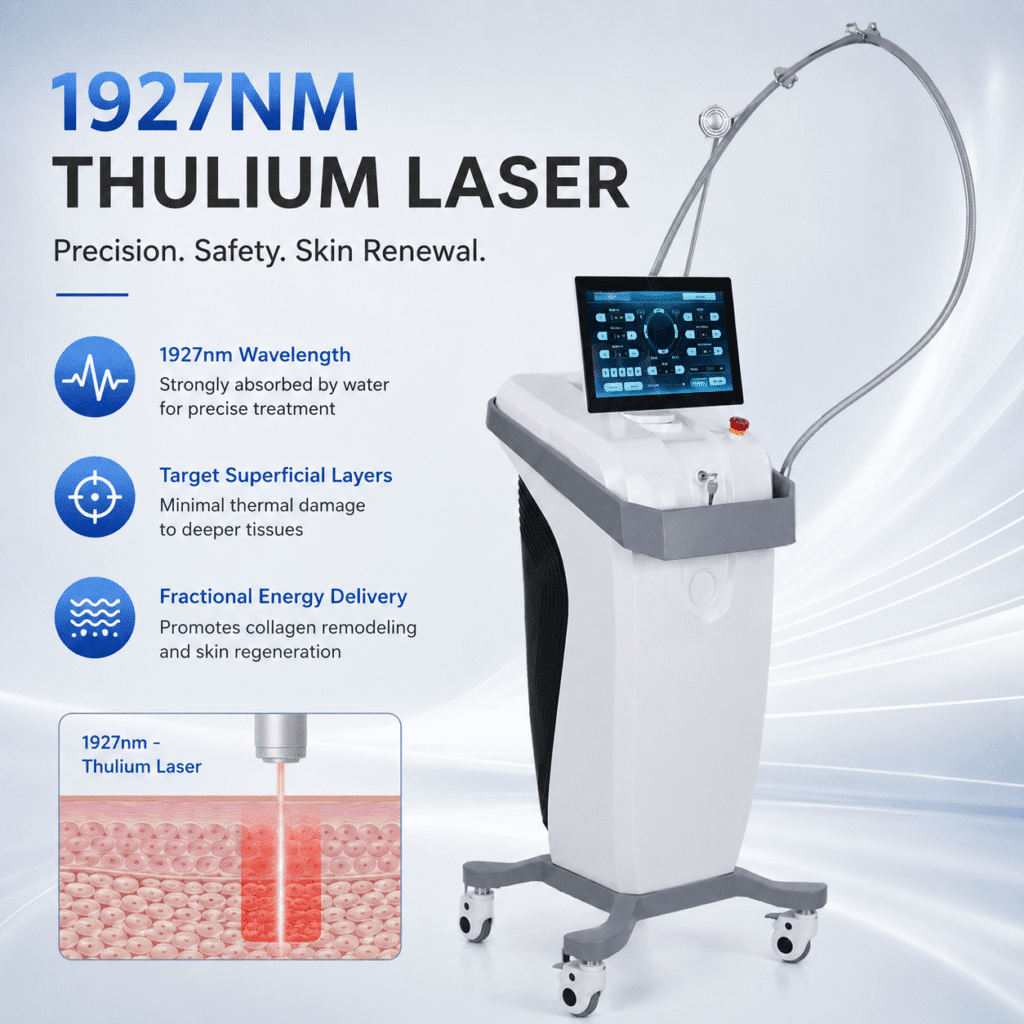
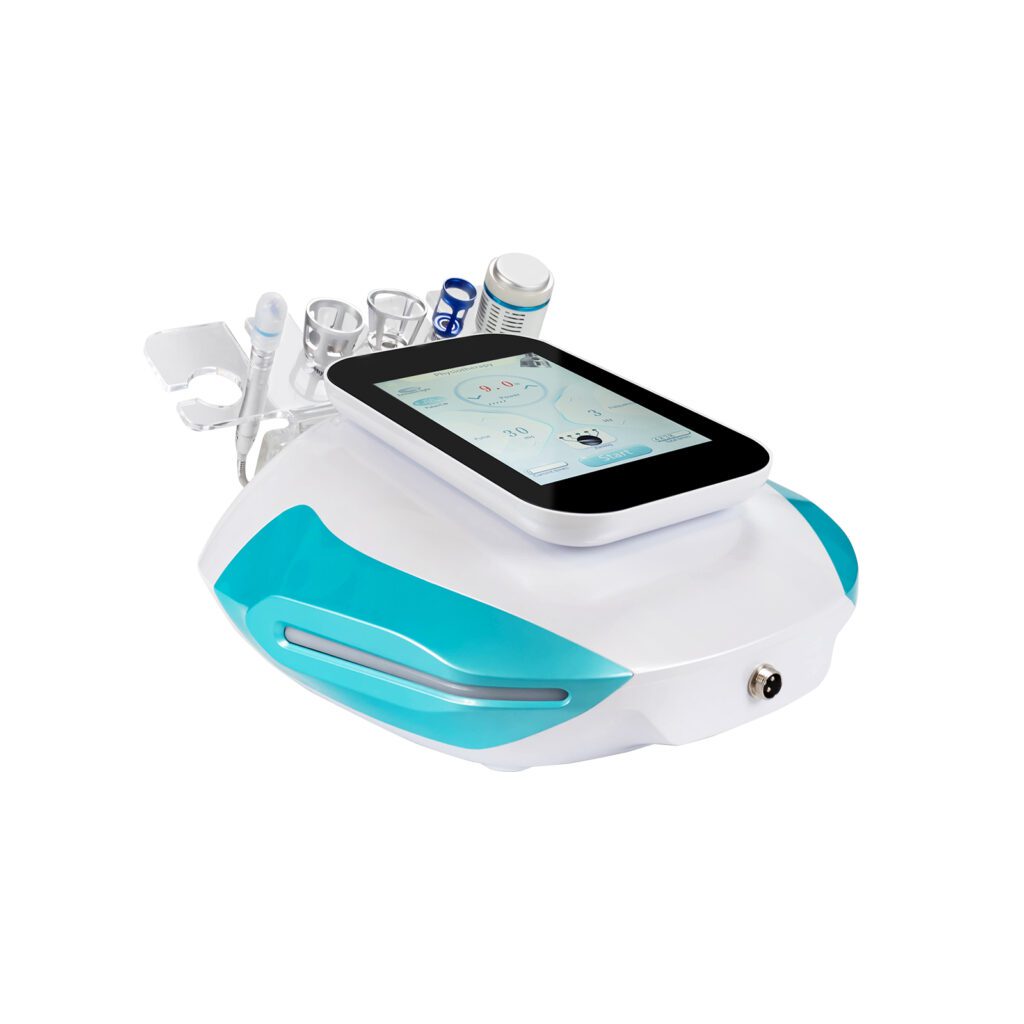
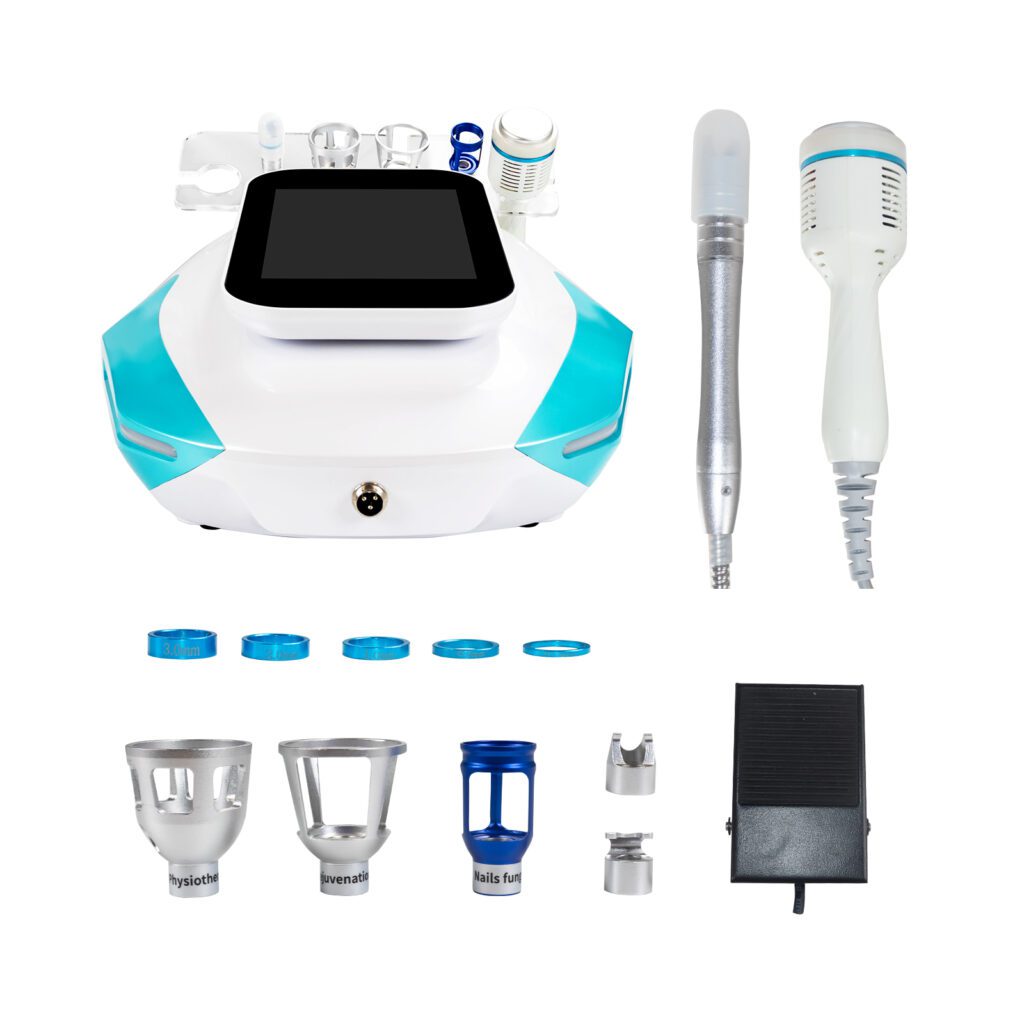
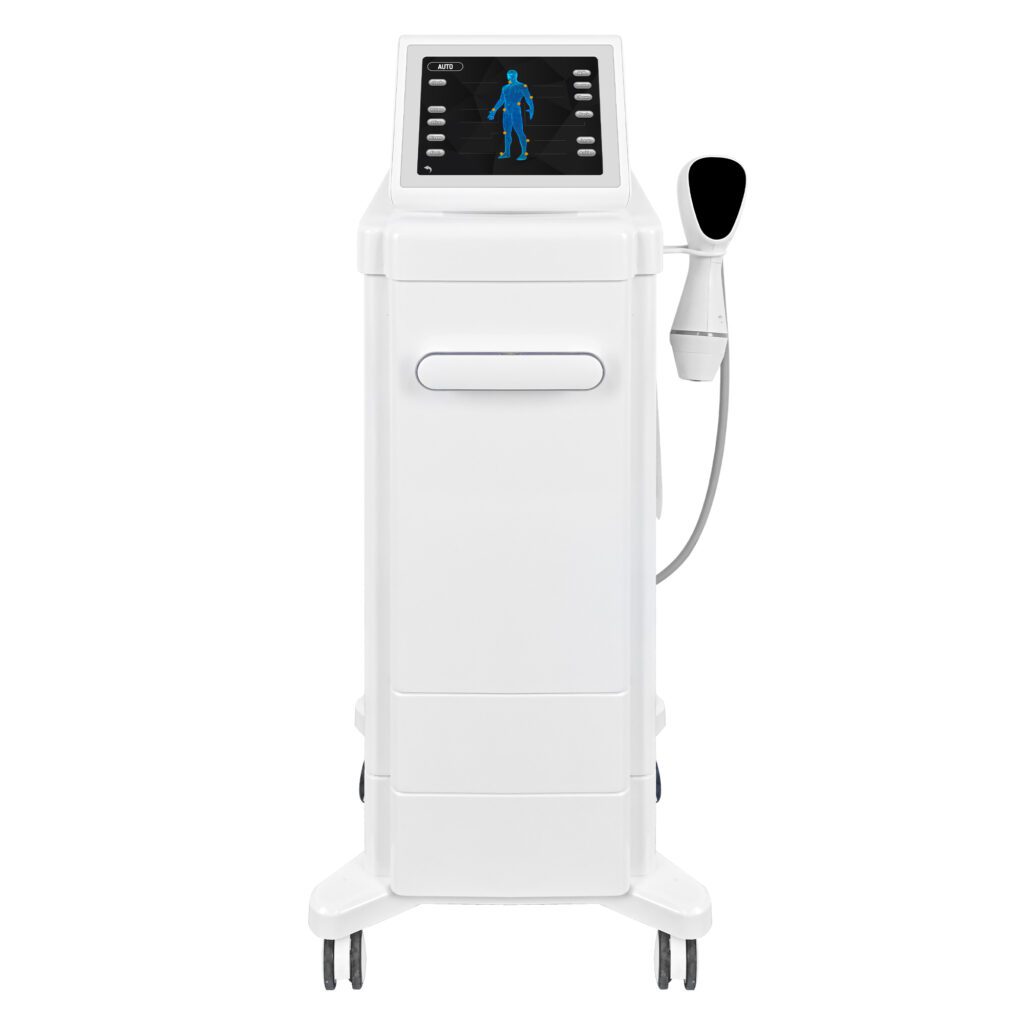
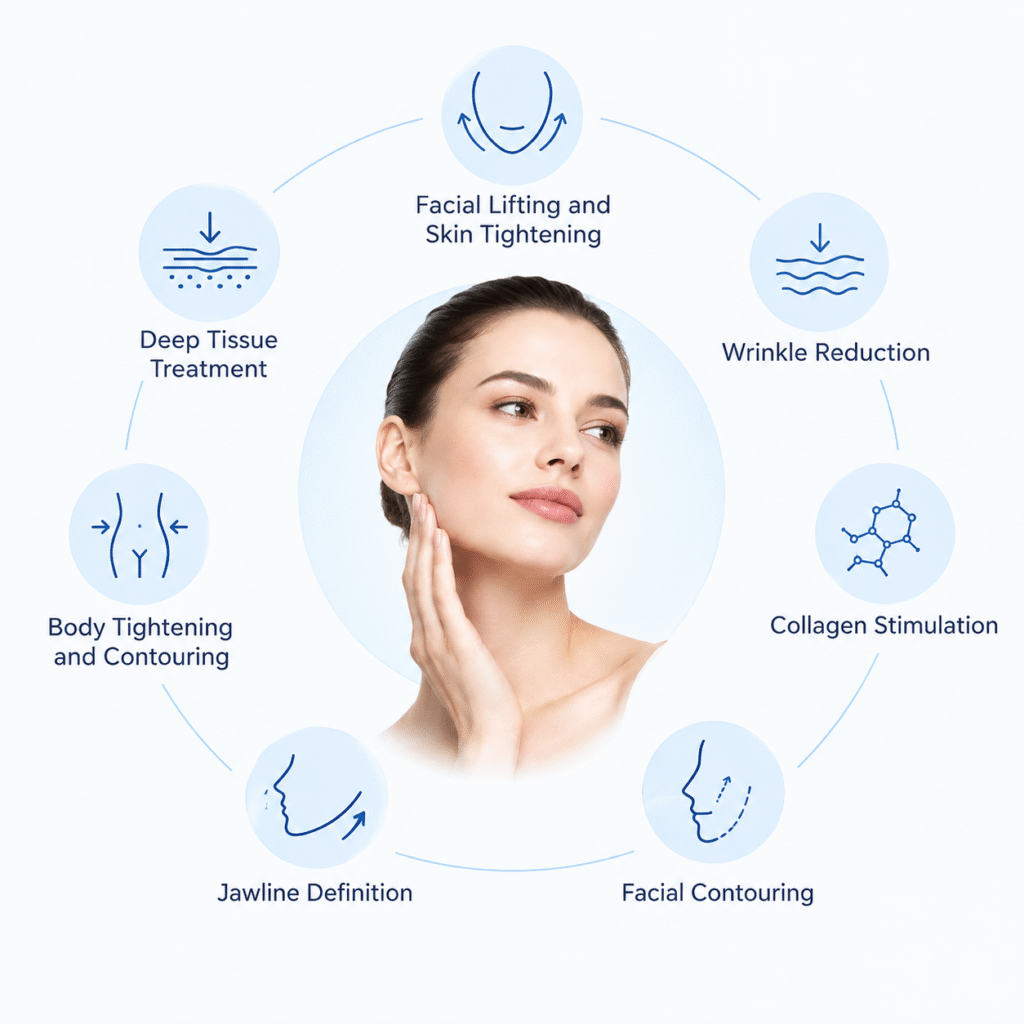
شهد قطاع التجميل نموًا تكنولوجيًا سريعًا في السنوات الأخيرة، مما أدى إلى ظهور مجموعة أوسع من الأجهزة الاحترافية لتجديد البشرة، ونحت الجسم، وعلاجات مكافحة الشيخوخة. ومع استمرار توسع عيادات التجميل، يُعدّ السؤال الأكثر شيوعًا بين أصحاب العيادات والمتخصصين في مجال التجميل هو: هل الاستثمار في أجهزة التجميل الطبية أم أجهزة التجميل الاحترافية هو الخيار الأمثل؟ وبينما يؤدي كلا النوعين دورًا هامًا في هذا القطاع، تُفضّل العيادات بشكل متزايد الأجهزة التي تجمع بين الأداء العالي، وتعدد استخدامات العلاجات، ومعايير السلامة المُحسّنة لتلبية توقعات العملاء المتزايدة.
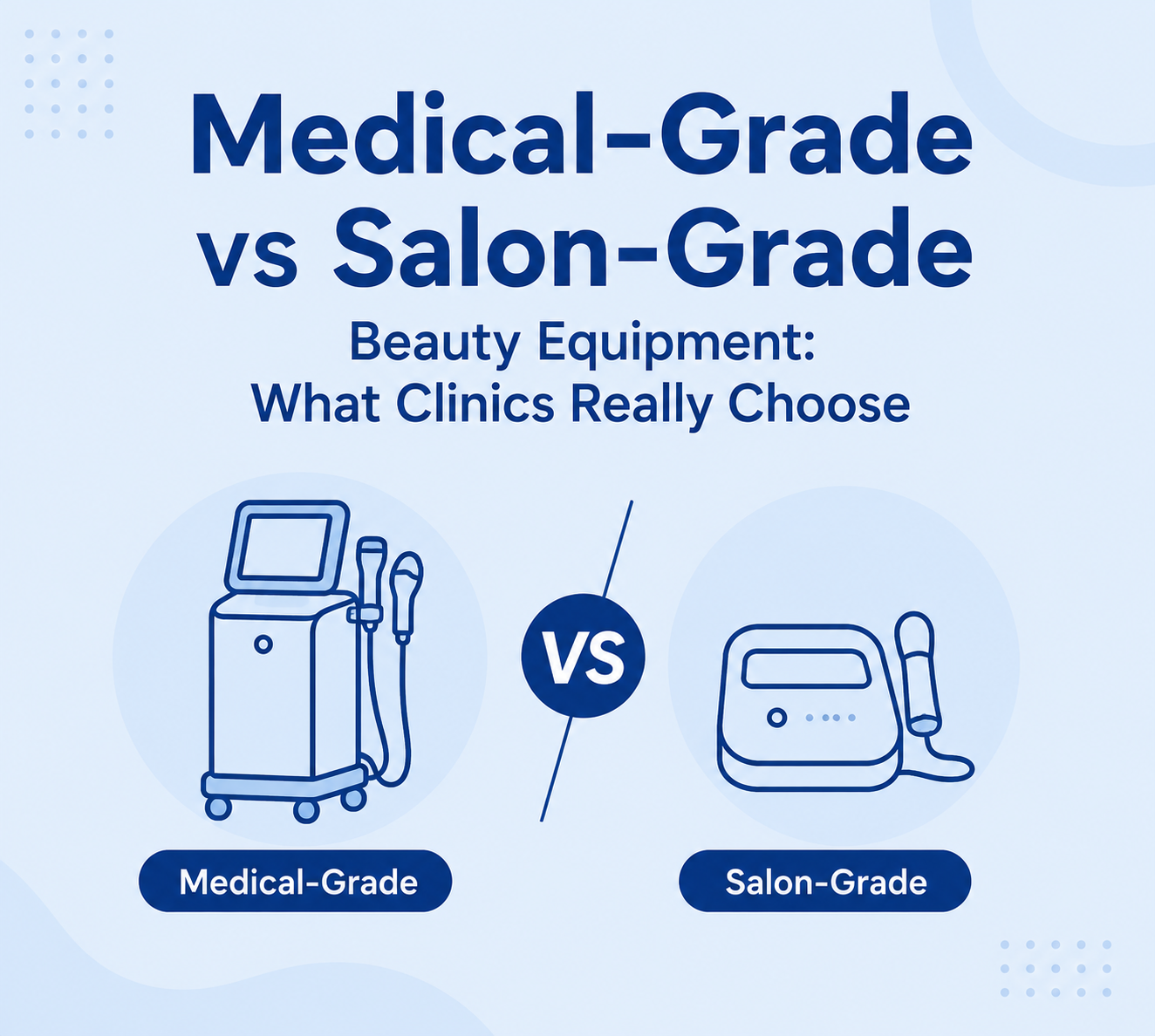
1. فهم الفرق بين المعدات الطبية ومعدات صالونات التجميل
1.1 ما هي معدات التجميل الطبية؟
صُممت أجهزة التجميل الطبية للاستخدام في عيادات التجميل الاحترافية، والمنتجعات الصحية الطبية، ومراكز إعادة التأهيل، وعيادات الأمراض الجلدية. وتعمل هذه الأجهزة عادةً بمستويات طاقة أعلى، وقدرة أكبر على اختراق الطاقة، وتقنيات أكثر تطوراً مقارنةً بأنظمة الصالونات العادية.
تُستخدم الأجهزة الطبية بشكل شائع في علاجات مثل:
- شد الجلد بترددات الراديو
- شد الوجه بتقنية HIFU
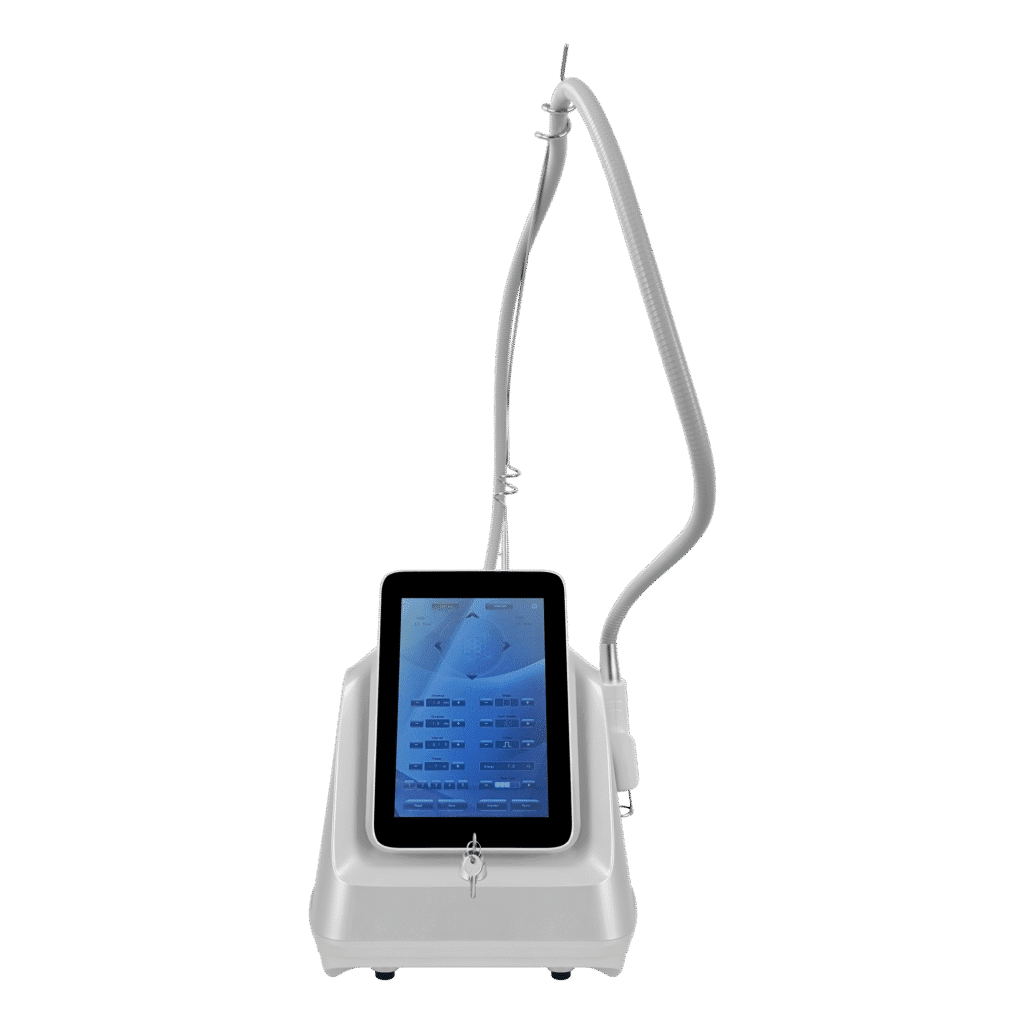
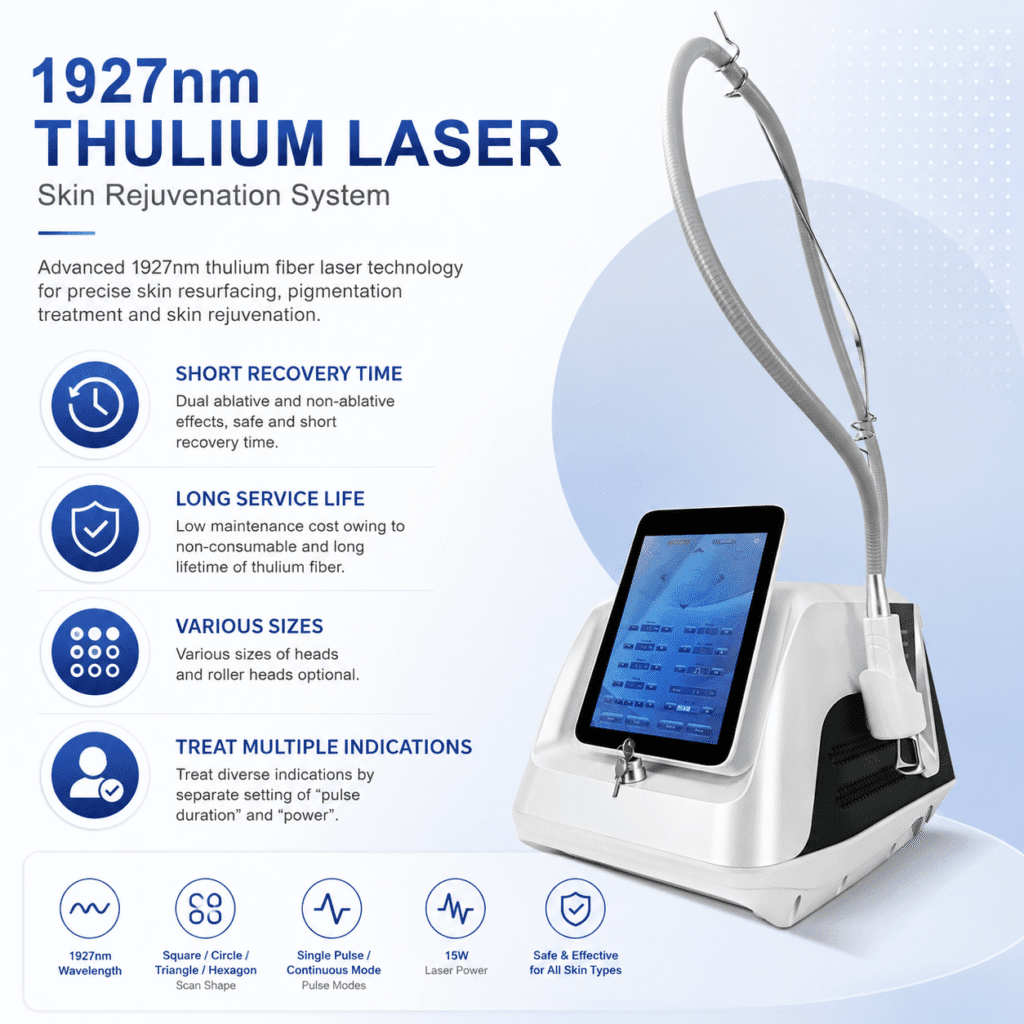
- تجديد البشرة بالليزر
- تقليل الدهون بتقنية التبريد الدهني
- علاجات الترددات الراديوية بالوخز بالإبر الدقيقة
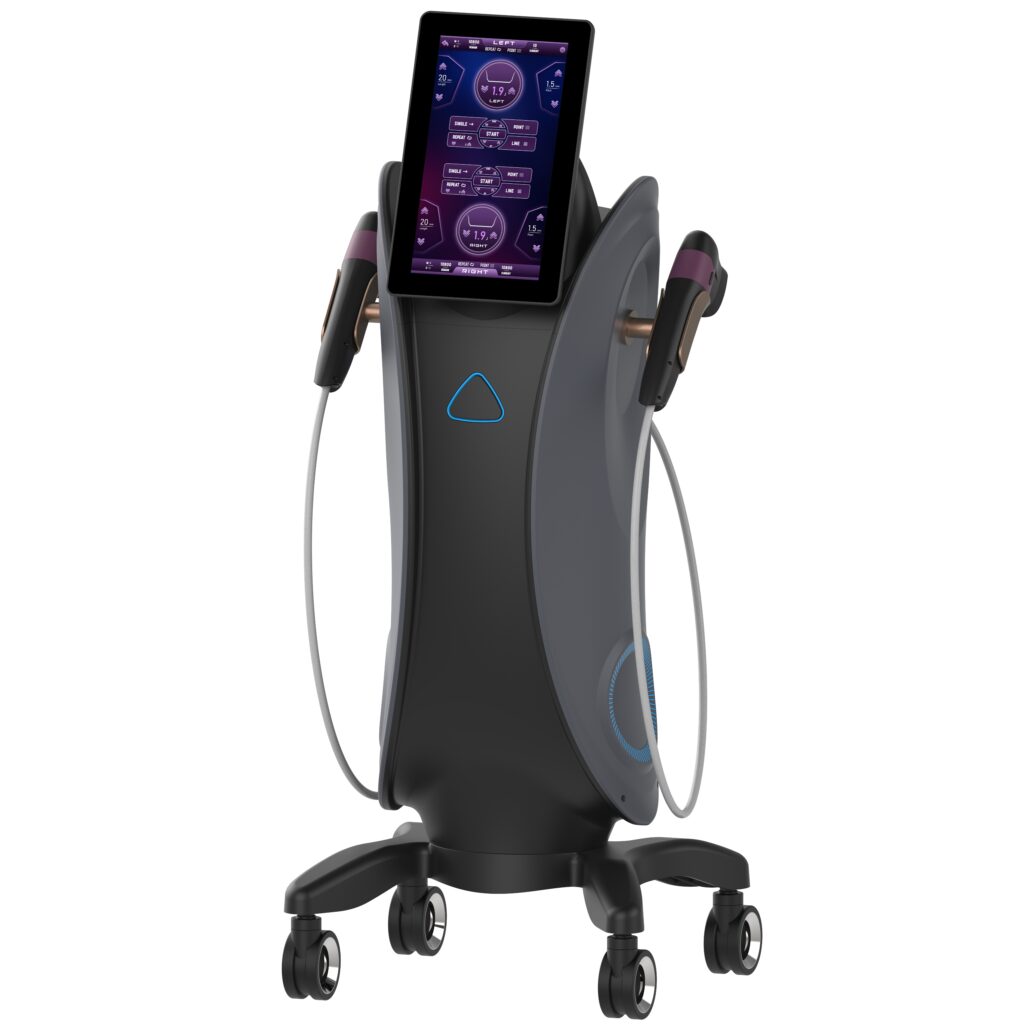
- التحفيز الكهرومغناطيسي للعضلات
تم تطوير هذه الأنظمة لتقديم نتائج علاجية أقوى وأكثر اتساقًا مع دعم ساعات تشغيل أطول في البيئات السريرية.
1.2 ما هي معدات التجميل ذات الجودة الاحترافية؟
تُصمَّم المعدات المستخدمة في الصالونات عادةً لصالونات التجميل والمنتجعات الصحية والمشاريع التجميلية الناشئة. وتركز هذه الأجهزة غالبًا على العناية الأساسية بالوجه، وترطيب البشرة، وشد البشرة السطحي، والعلاجات التي تهدف إلى الاسترخاء.
بالمقارنة مع الأنظمة الطبية، تعمل أجهزة صالونات التجميل عادةً بمستويات طاقة أقل وتوفر إعدادات علاج أبسط. وتتمثل ميزتها الأساسية في سهولة الاستخدام وانخفاض تكلفة الاستثمار، مما يجعلها مناسبة للشركات التي تركز على علاجات الصيانة بدلاً من الإجراءات التصحيحية المكثفة.
2. لماذا تفضل العيادات معدات التجميل الطبية؟
2.1 أداء علاجي أفضل
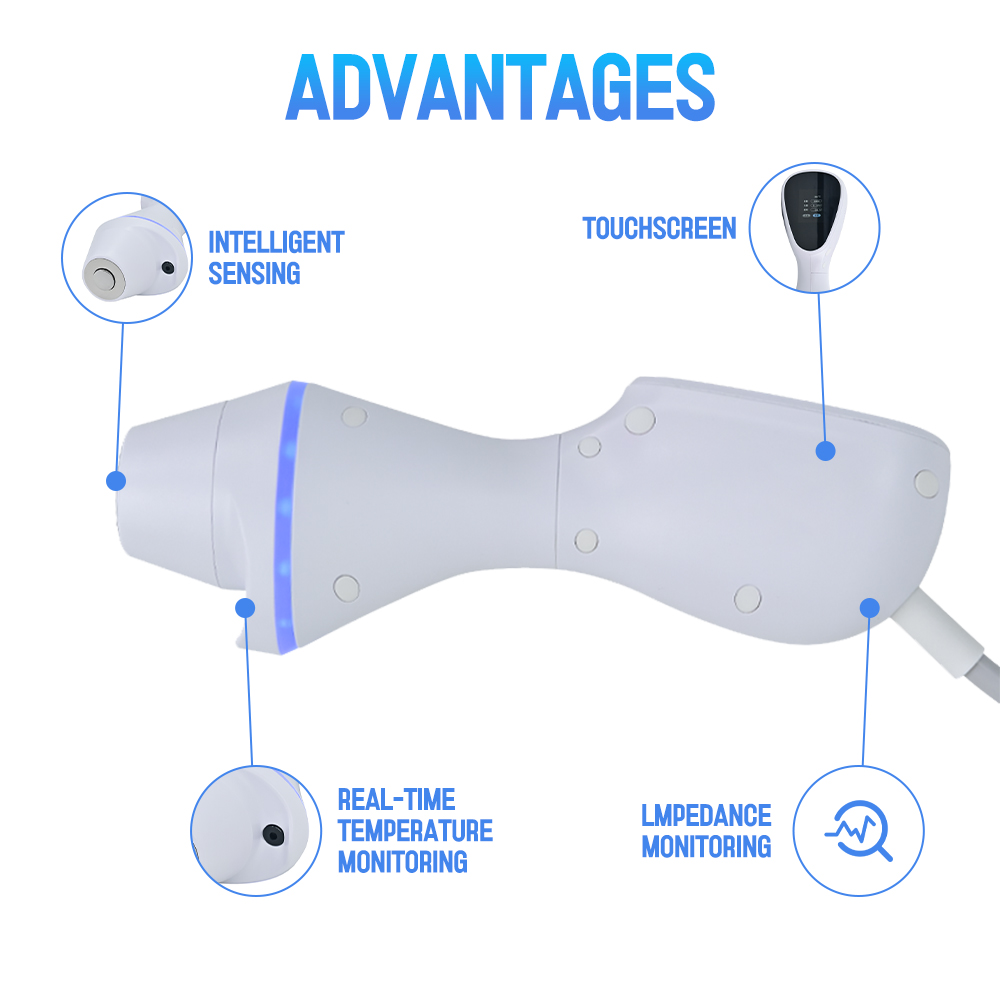
تُولي العيادات أهمية قصوى للنتائج الواضحة وطويلة الأمد، وهذا أحد الأسباب الرئيسية لاختيارها أنظمة طبية متطورة. وتتيح التقنيات المتقدمة، مثل الترددات الراديوية أحادية القطب، وعلاج CET/RET Tecar، والموجات فوق الصوتية عالية الكثافة، تحفيز الأنسجة بشكل أعمق وإعادة بناء الكولاجين بشكل أقوى.
على سبيل المثال، أجهزة الترددات اللاسلكية الاحترافية التي تعمل بترددات مثل 448 كيلو هرتز يمكنها توصيل الطاقة الحرارية المتحكم بها إلى طبقات الجلد العميقة، مما يحسن نتائج شد الجلد ورفعه بشكل أكثر فعالية من أجهزة الصالونات ذات الطاقة المنخفضة.
تُعد هذه الميزة في الأداء ذات أهمية خاصة في العيادات التي يتوقع فيها العملاء تحسينات قابلة للقياس بعد سلسلة من العلاجات.
2.2 قدرات العلاج متعددة الوظائف
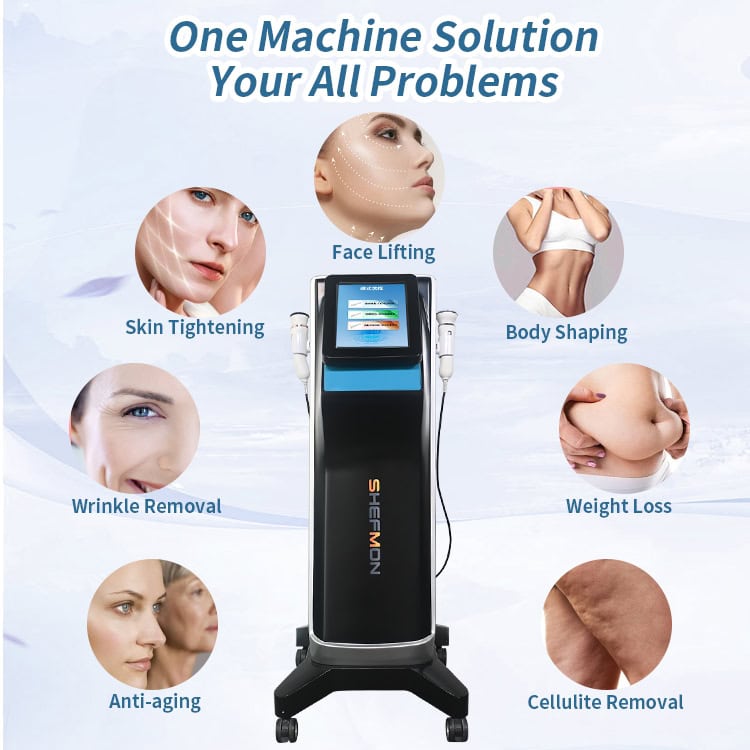
تُفضّل العيادات الحديثة بشكل متزايد الأنظمة متعددة الوظائف بدلاً من الأجهزة ذات الغرض الواحد. غالباً ما تجمع المعدات الطبية بين عدة تقنيات في منصة واحدة، بما في ذلك الترددات الراديوية، والموجات فوق الصوتية، والعلاج بالموجات الصدمية، والتحفيز الكهربائي للعضلات، أو الوظائف القائمة على الليزر.
وهذا يسمح للعيادات بتقديم مجموعة أوسع من الخدمات مثل:
- شد الوجه
- شد الجلد
- تحديد شكل الجسم
- استعادة العضلات
- علاج تخفيف الألم
- تقليل السيلوليت
إن القدرة على علاج حالات متعددة باستخدام نظام واحد تعمل على تحسين كفاءة العيادة وتقليل تكاليف إدارة المعدات.
2.3 تحسين التخصيص للعملاء المختلفين
تتميز الأنظمة الطبية عادةً بإمكانية تعديل مستويات الطاقة، وأنماط العلاج، وأحجام أدوات التطبيق. وتتيح هذه المرونة للممارسين تخصيص البروتوكولات لأنواع البشرة المختلفة، ومناطق العلاج، والاعتبارات التجميلية.
على سبيل المثال، يمكن استخدام أجهزة تطبيق الترددات الراديوية الأصغر حجماً للمناطق الحساسة في الوجه، بينما يمكن استخدام رؤوس أكبر حجماً لاستهداف علاجات شد الجسم في منطقة البطن أو الفخذين. وتُعد هذه الدقة العالية ذات قيمة خاصة في العيادات التي تقدم برامج علاجية مُخصصة.
3. الحالات التي لا تزال فيها معدات الصالونات تعمل بشكل جيد
3.1 مشاريع التجميل للمبتدئين
لا تزال المعدات ذات الجودة العالية المستخدمة في الصالونات تحظى بشعبية كبيرة بين صالونات التجميل الصغيرة والشركات الناشئة نظرًا لانخفاض تكلفتها وسهولة استخدامها. ويمكن للشركات التي تقدم علاجات العناية بالبشرة، أو علاجات الترطيب، أو تجديد البشرة الخفيف، أن تحقق رضا العملاء بشكل جيد باستخدام أنظمة ذات طاقة أقل.
كما أن هذه الأجهزة أسهل في التشغيل بالنسبة للموظفين الذين لا يملكون تدريباً سريرياً مكثفاً.
3.2 خدمات تركز على الاسترخاء والعافية
لا يسعى جميع العملاء إلى علاجات تصحيحية قاسية. يفضل البعض إجراءات لطيفة مصممة للاسترخاء، وتحسين الدورة الدموية، أو العناية الروتينية بالبشرة. يمكن لأنظمة الصالونات أن تؤدي أداءً جيدًا في هذه الحالات لأن التركيز ينصب على الراحة بدلاً من إعادة بناء بنية البشرة بعمق.
ونتيجة لذلك، لا تزال العديد من المنتجعات الصحية ومراكز العافية تعتمد على أجهزة التجميل ذات الجودة المستخدمة في الصالونات لتقديم خدمات تجميلية غير مكثفة.
4. ما الذي تبحث عنه العيادات حقًا عند اختيار معدات التجميل؟
4.1 نتائج العلاج واحتفاظ العملاء
تستثمر العيادات بكثافة في سمعتها والحفاظ على عملائها على المدى الطويل. وتساعد الأجهزة التي توفر تحسينات ملحوظة في شد البشرة ورفعها وتحديد ملامحها، الشركات على بناء الثقة وتشجيع الزيارات المتكررة.
ولهذا السبب، غالباً ما تعطي العيادات الأولوية لفعالية العلاج على حساب تكلفة المعدات الأولية.
4.2 استقرار التكنولوجيا ومتانتها
تُصنع المعدات الطبية عادةً للاستخدام اليومي المتكرر. قد تُجري العيادات علاجات متعددة بشكل مستمر طوال اليوم، لذا فإن استقرار الجهاز ومتانته عاملان حاسمان.
تُعد أنظمة التبريد عالية الجودة، ومخرجات الطاقة المستقرة، وأدوات التطبيق المتينة أمورًا ضرورية للحفاظ على اتساق العلاج بمرور الوقت.
4.3 إمكانات توسيع الأعمال
تُولي العيادات اهتماماً أيضاً لكيفية دعم المعدات لنمو أعمالها مستقبلاً. وتتيح الأنظمة متعددة الوظائف لمراكز التجميل توسيع خدماتها دون الحاجة إلى شراء أجهزة إضافية باستمرار.
على سبيل المثال، قد يتم استخدام منصة الترددات الراديوية الاحترافية في البداية لشد الجلد، ثم يتم دمجها لاحقًا في برامج نحت الجسم أو إعادة التأهيل مع توسيع العيادة لقائمة علاجاتها.
5. اتجاهات الصناعة التي تدفع الطلب على المعدات الطبية
يتجه قطاع التجميل العالمي نحو إجراءات غير جراحية تُحقق نتائج بمستوى احترافي دون جراحة أو فترة نقاهة. ونتيجة لذلك، يستمر الطلب على أجهزة التجميل الطبية في النمو بوتيرة متسارعة.
يزداد وعي المرضى بالتكنولوجيا وجودة العلاج، مما يدفع العيادات إلى تبني أنظمة متطورة قادرة على تحقيق نتائج أفضل. وفي الوقت نفسه، تزداد شعبية الأجهزة متعددة الوظائف لأنها تُحسّن الكفاءة التشغيلية وتُعظّم العائد على الاستثمار.
يظهر هذا الاتجاه بشكل خاص في عيادات التجميل الحديثة التي تقدم نفسها كمراكز علاج احترافية بدلاً من صالونات التجميل التقليدية.
خاتمة
كل من الدرجة الطبية ودرجة الصالون معدات التجميل تلعب الأجهزة الطبية دورًا هامًا في مجال التجميل، إلا أن العيادات تُفضل بشكل متزايد الأنظمة الطبية نظرًا لأدائها المتميز، وتعدد وظائفها، وقدرتها على تحقيق نتائج علاجية أكثر وضوحًا. تُساعد التقنيات المتقدمة، مثل الترددات الراديوية الاحترافية، والموجات فوق الصوتية، والتحفيز الكهرومغناطيسي، العيادات على تقديم علاجات فعّالة لشد البشرة، ونحت الجسم، وتجديد البشرة، مع دعم نمو الأعمال على المدى الطويل. ومع استمرار ارتفاع توقعات العملاء، أصبحت أجهزة التجميل الطبية الخيار المُفضل للعيادات التي تُركز على النتائج الاحترافية والميزة التنافسية.