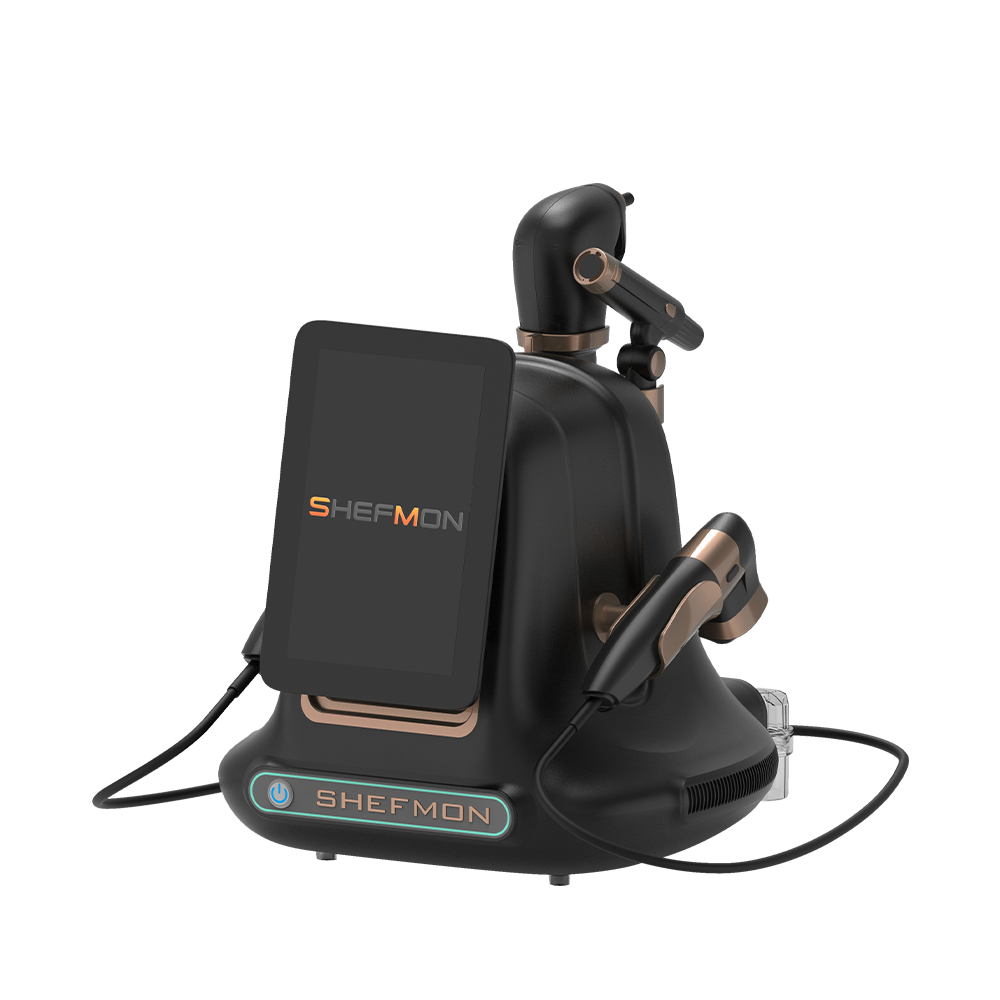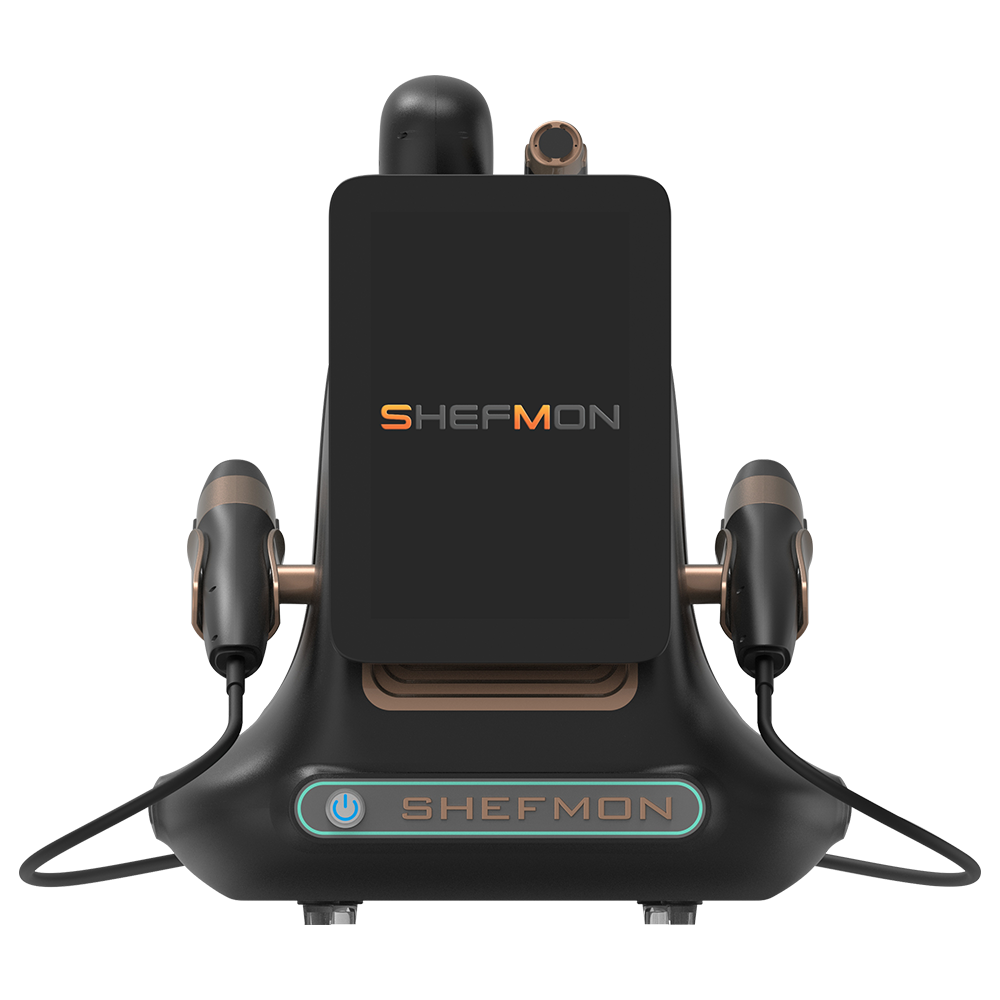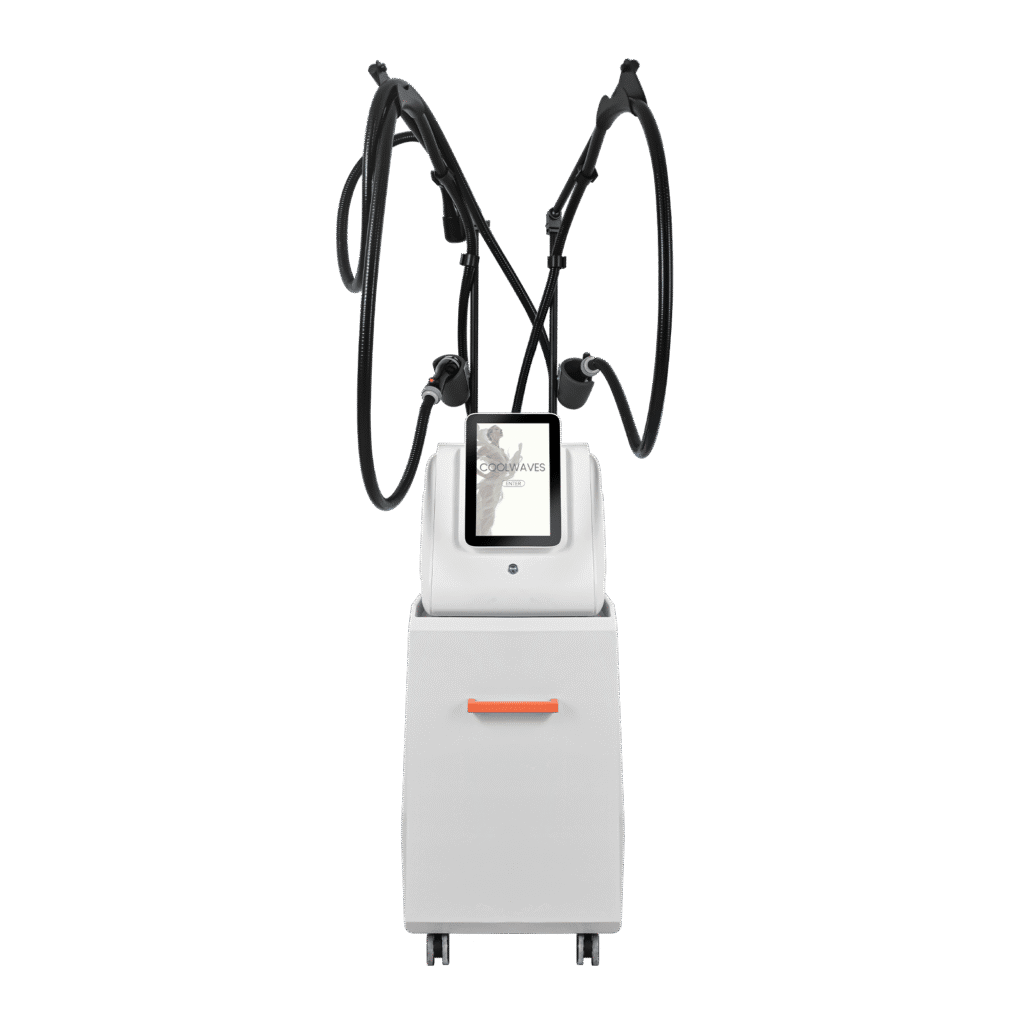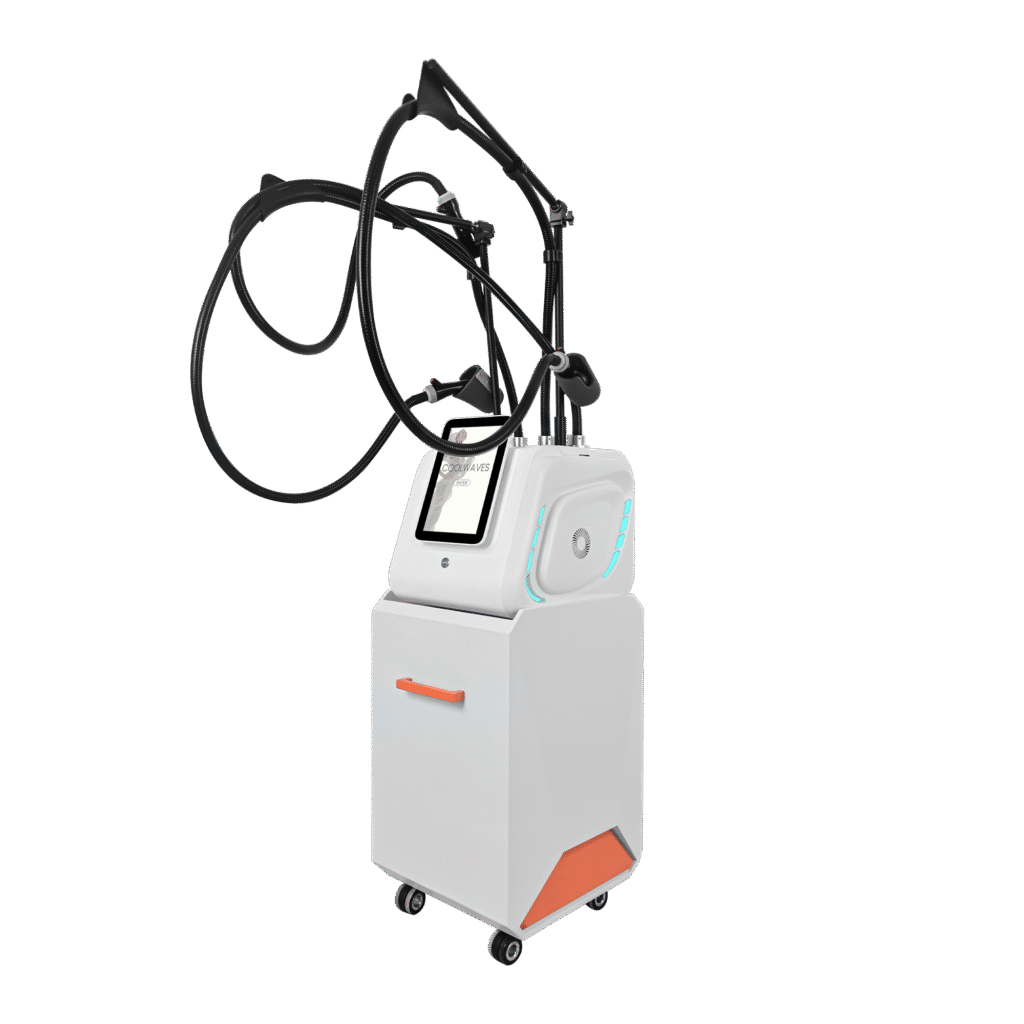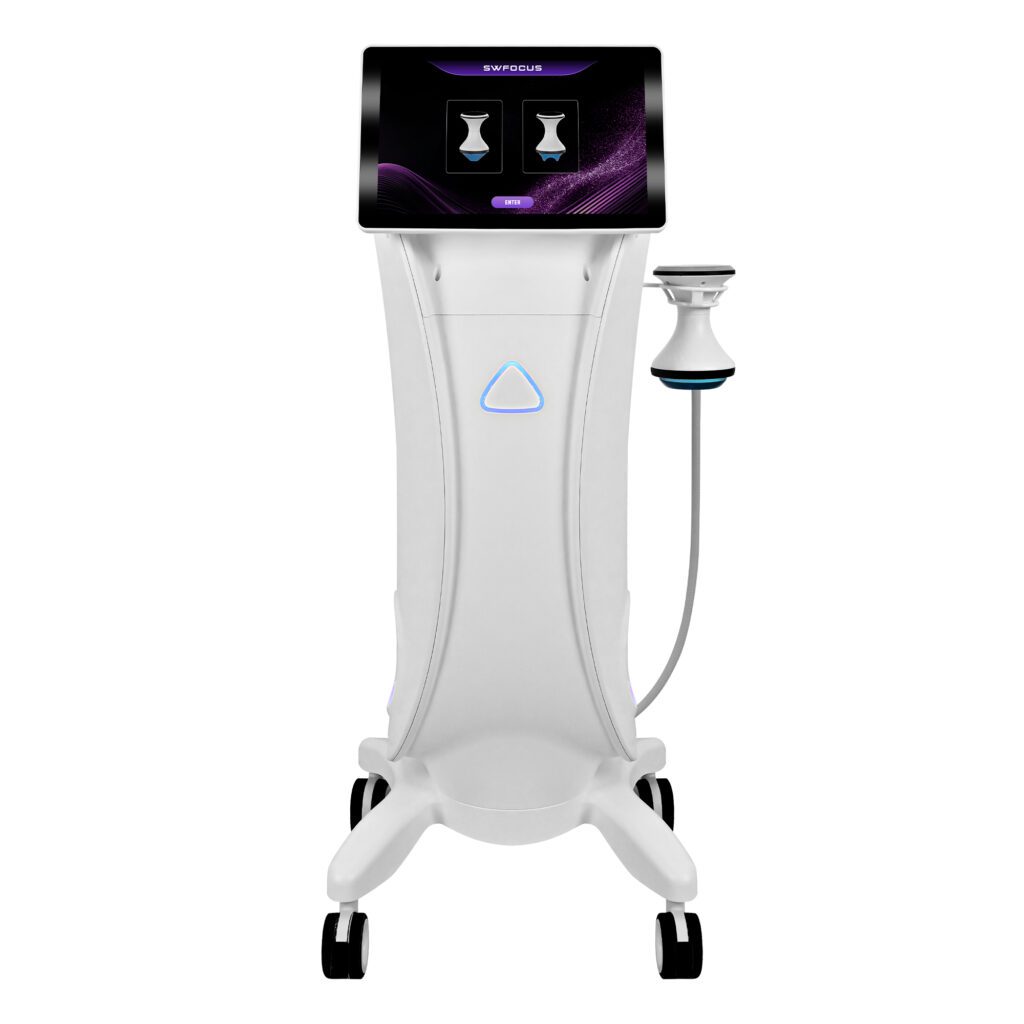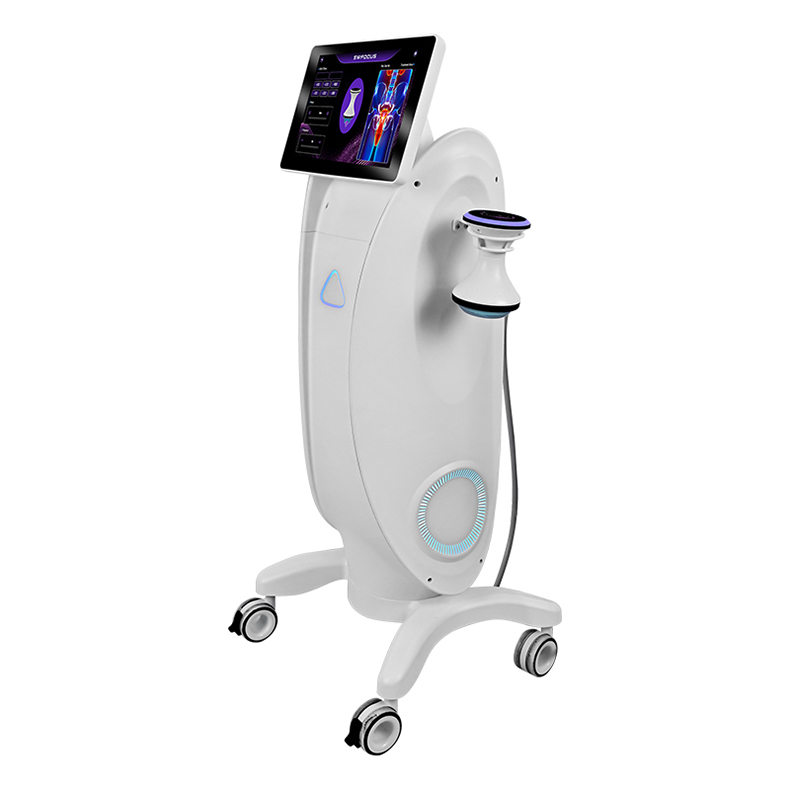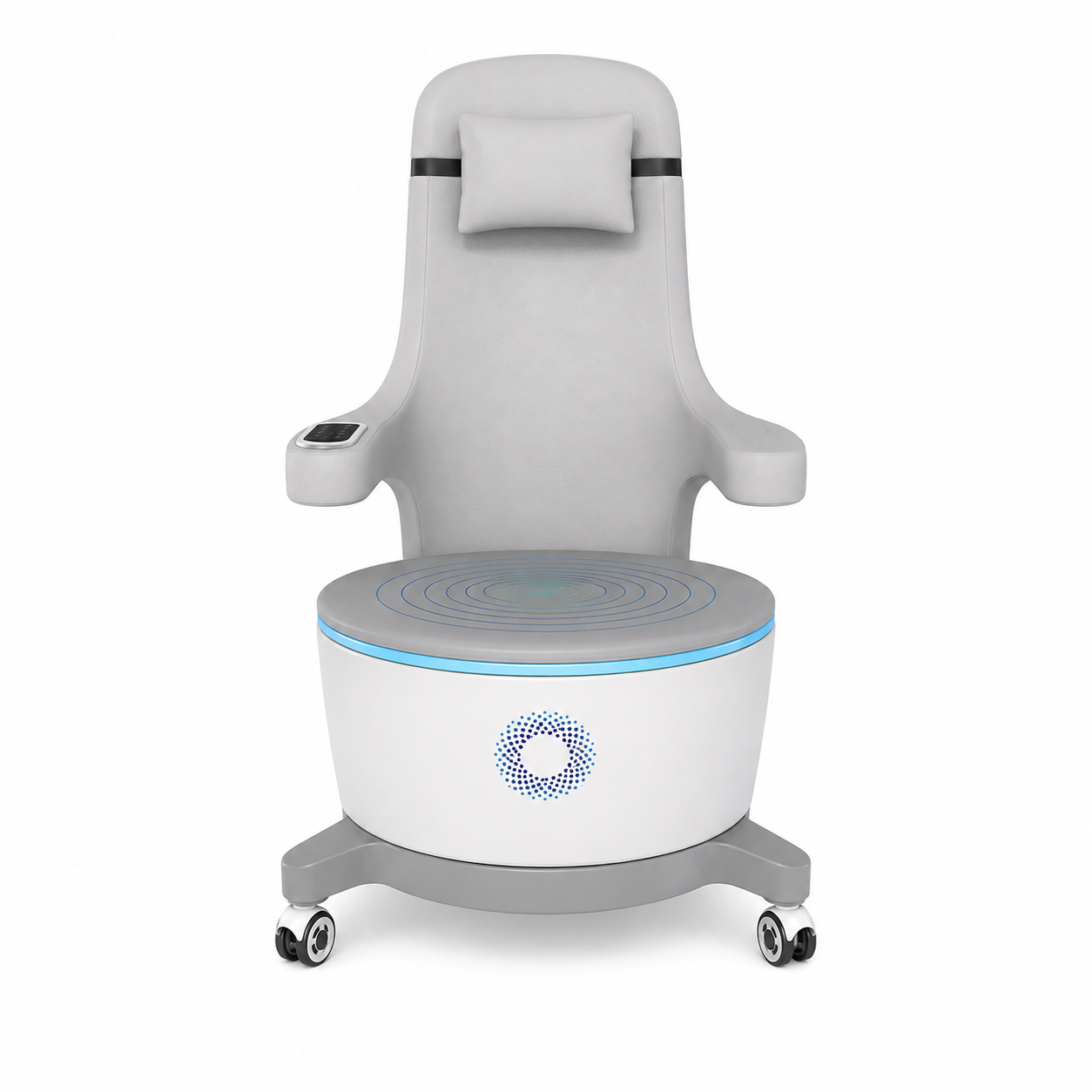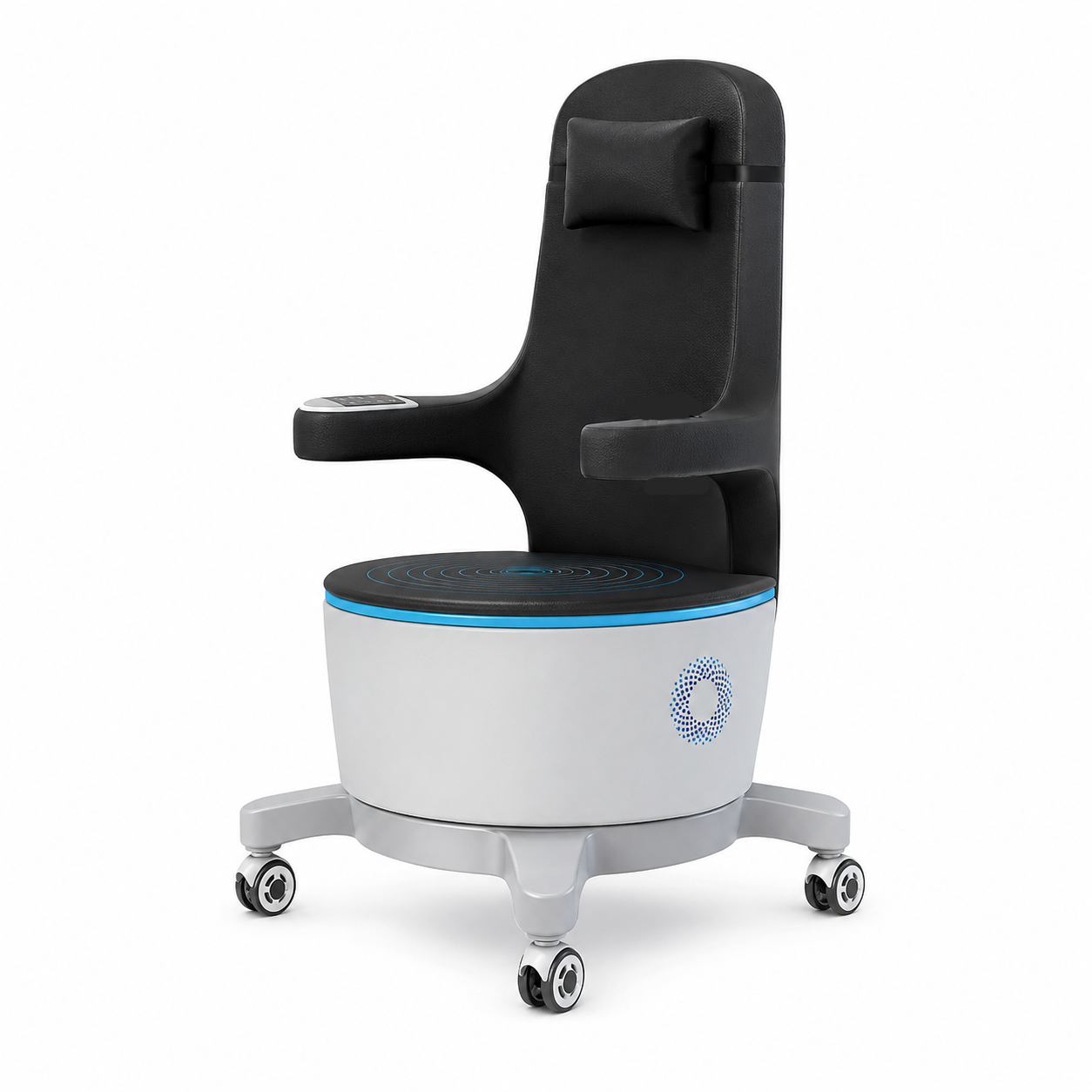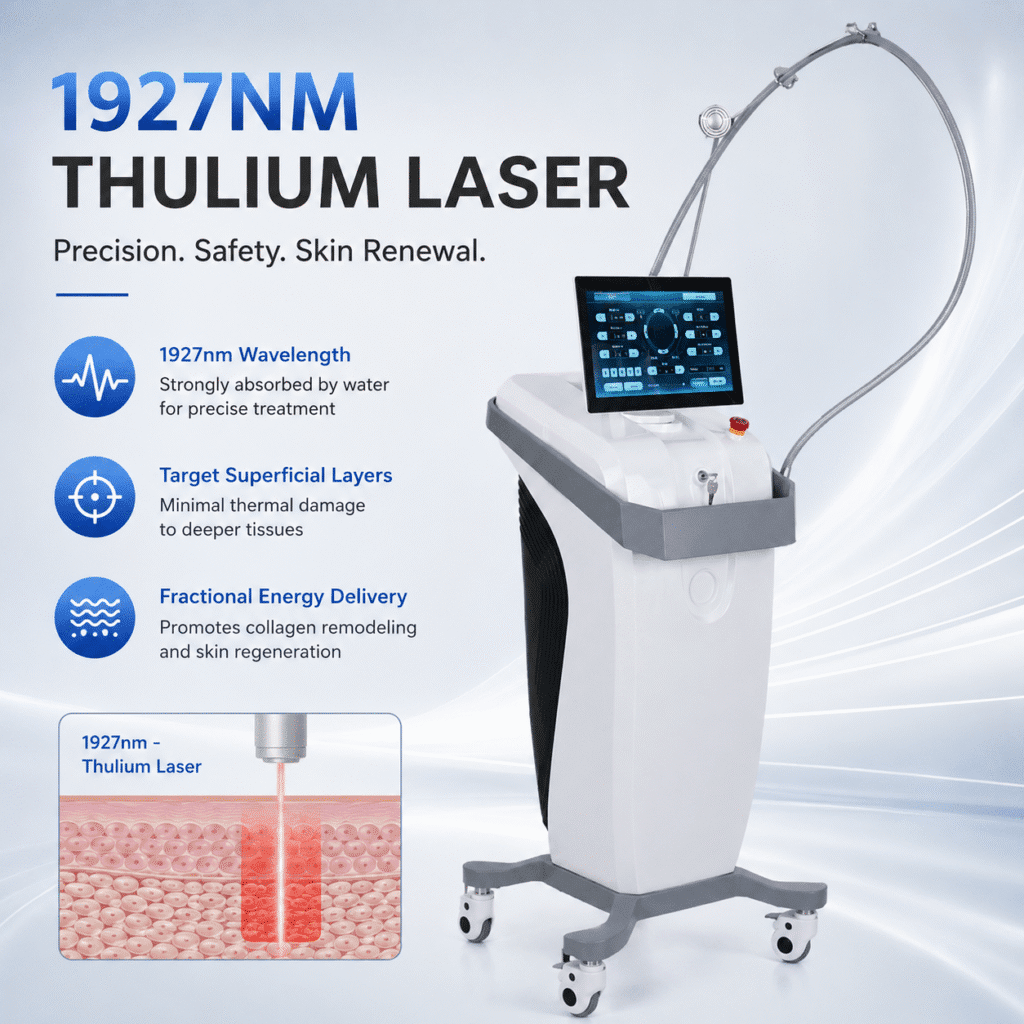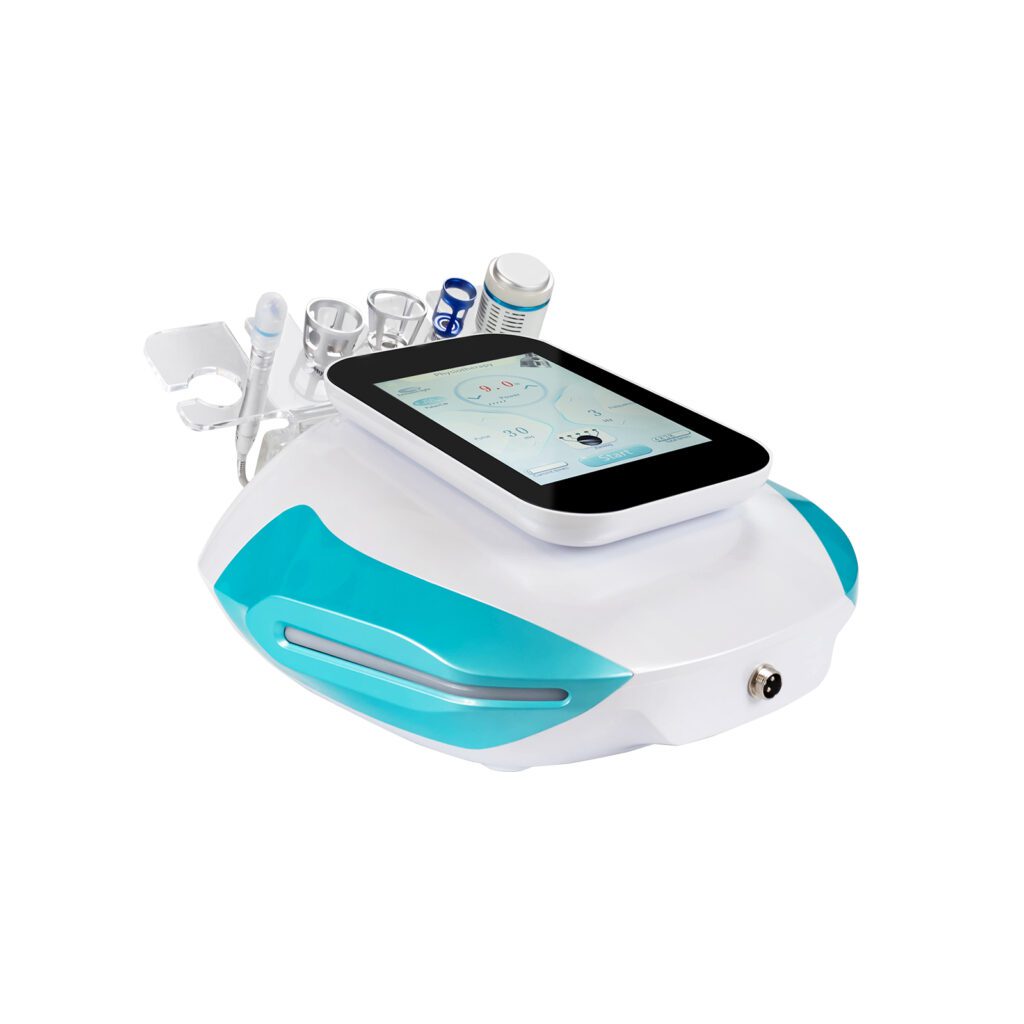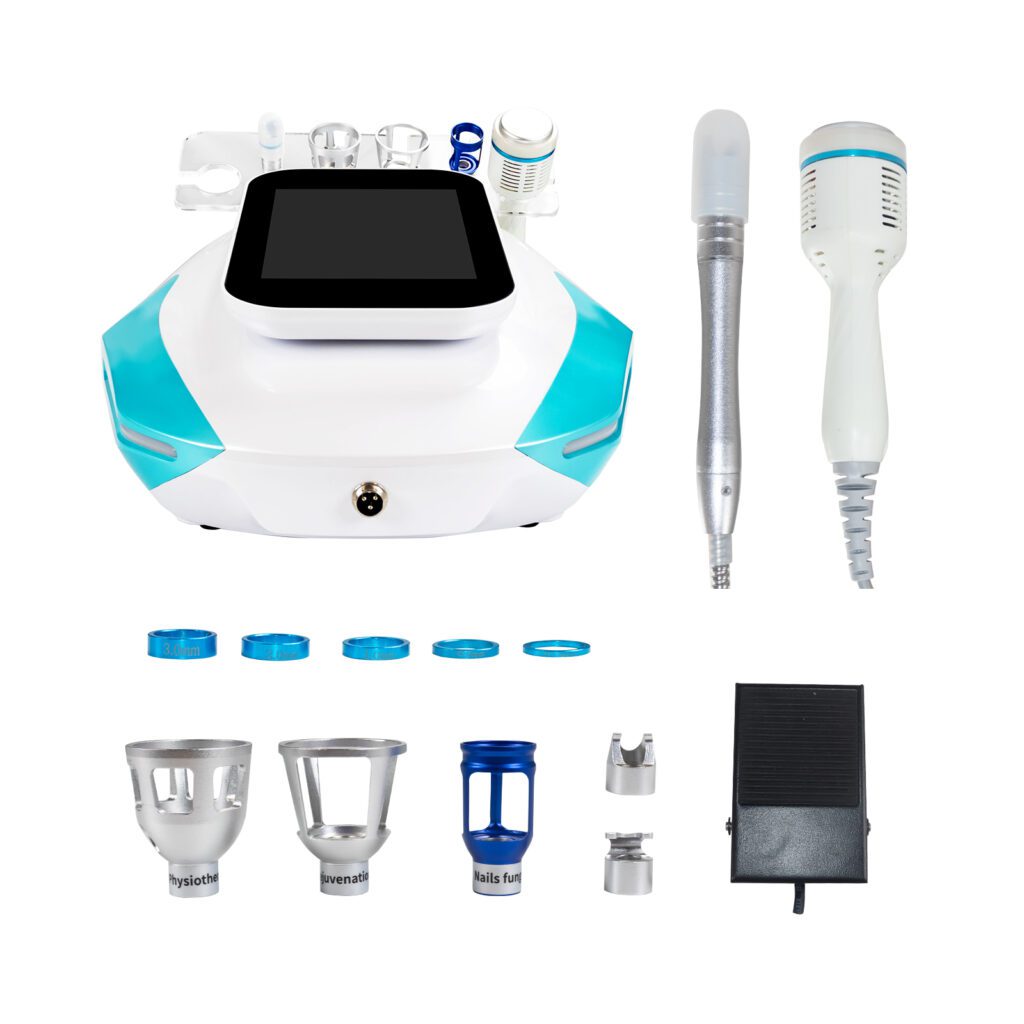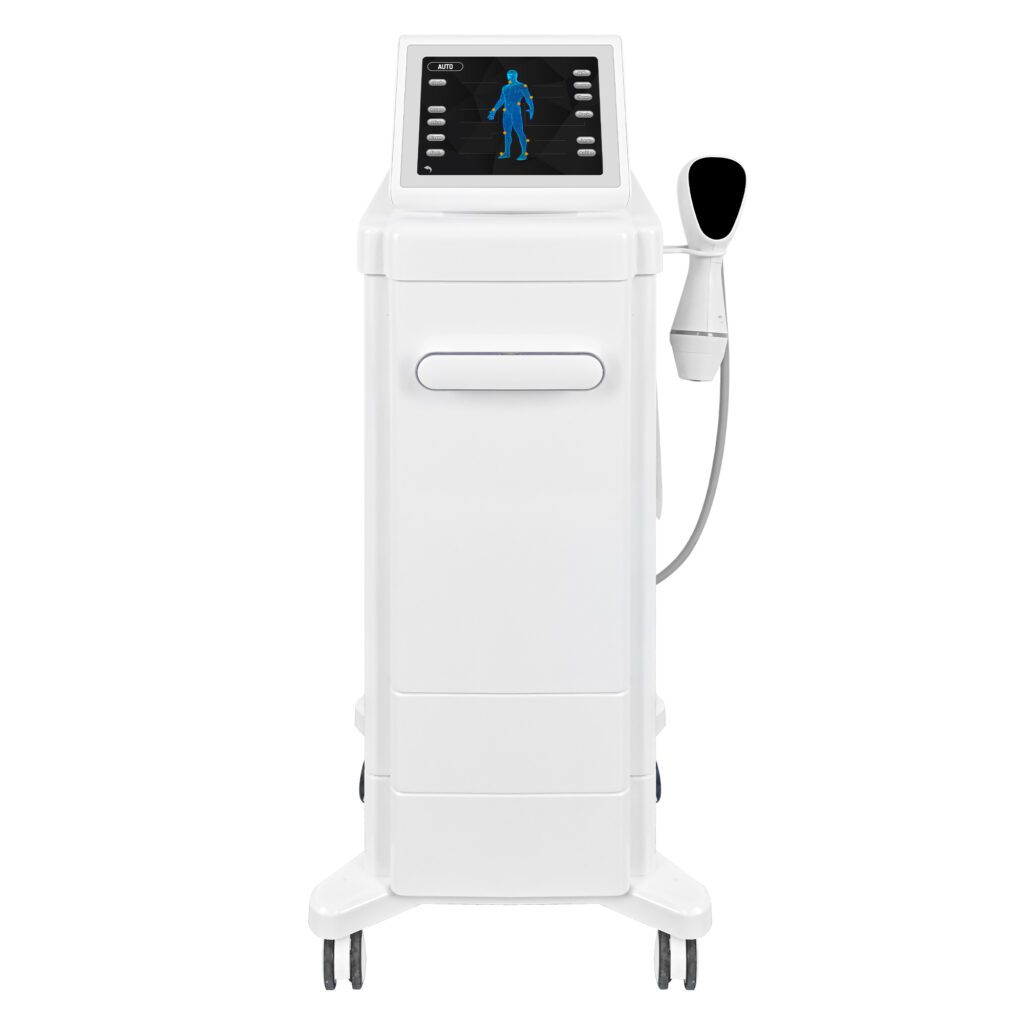








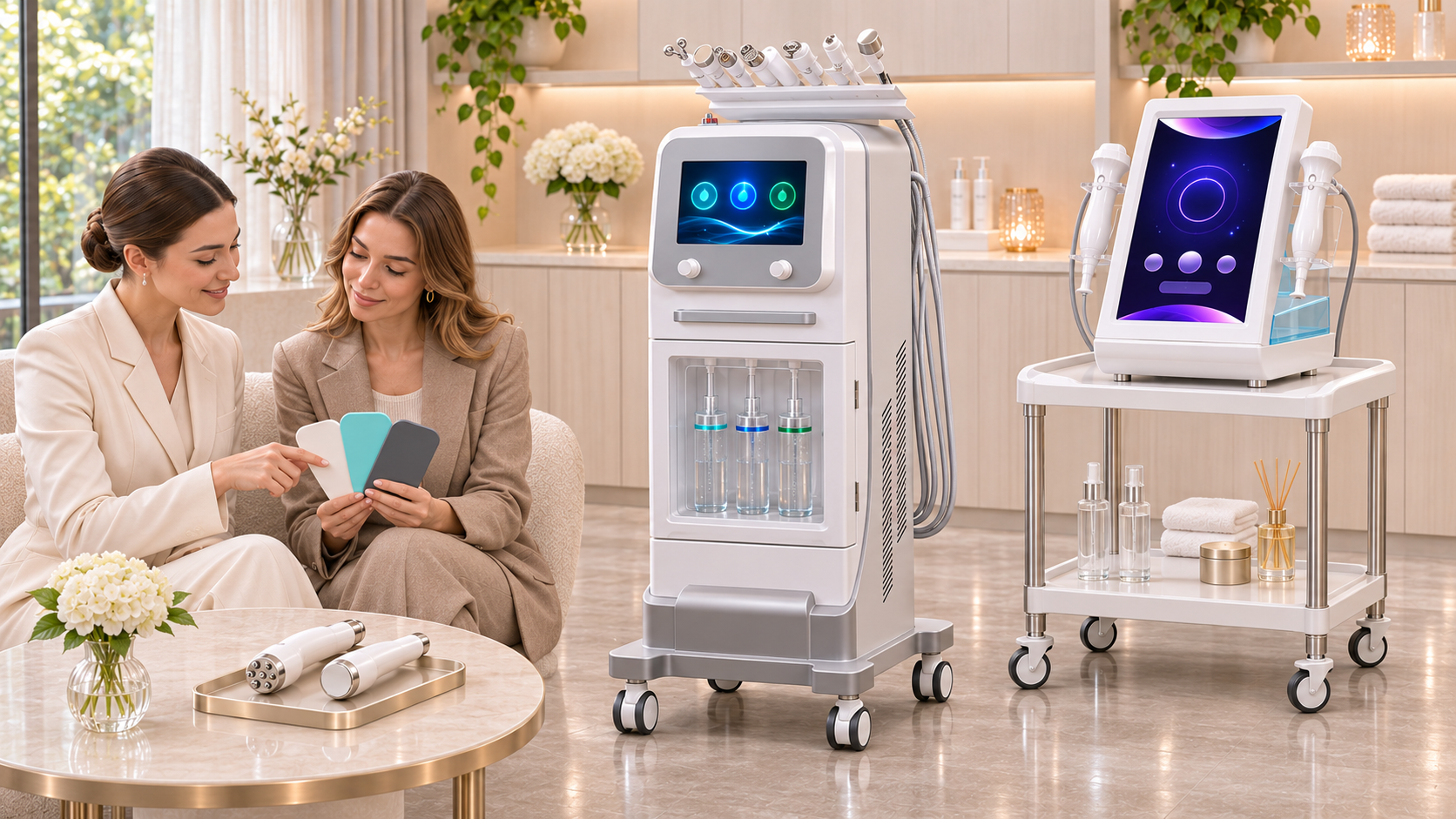
Choosing a facial beauty machine manufacturer is a long-term sourcing decision, not simply a search for the lowest unit price. A distributor, salon chain, aesthetic clinic group, or private-label brand needs a supplier that can match technologies to the intended market, control the production configuration, customize the product responsibly, inspect the finished equipment, and support the buyer after shipment.
شيفمان manufactures professional beauty equipment and presents facial, body, laser, and physiotherapy categories for international buyers. Its facial equipment range includes hydrodermabrasion, cool plasma, HIFU, facial EMS, microneedling RF, laser, and related skin care systems. Through خدمات SHEFMON OEM/ODM, buyers can discuss housing, logo, interface, language, function, packaging, and manual customization.
This guide explains what a professional facial beauty machine manufacturer and OEM factory should provide, how buyers can plan a product line, and which technical, quality, regulatory, and after-sales questions belong in an RFQ before production begins.
ملخص تنفيذي
- A facial beauty machine factory should do more than assemble a catalog product. It should control the bill of materials, software version, handpiece configuration, inspection standard, packaging, and change history for the exact ordered model.
- A complete facial product line may include basic cleansing and hydration, plasma skin care, lifting and tightening, facial muscle stimulation, texture and resurfacing, and laser-based categories. Each has different operator, documentation, and market requirements.
- OEM normally adapts an existing platform with the buyer’s branding and selected configuration. ODM may involve deeper appearance, mechanical, interface, function, or product-development work.
- The project should move through requirement definition, model selection, specification confirmation, artwork approval, sample or prototype review, pilot production, inspection, shipment approval, and after-sales handover.
- Buyers should request evidence for claims about output, materials, testing, certifications, factory capacity, patents, and delivery. A website statement is a starting point, not a substitute for current order-specific documents.
- SHEFMON’s public pages describe raw-material testing, circuit-board aging and power tests, functional aging, multiple mechanical inspections, ERP-supported tracking, and OEM/ODM customization. Final requirements should be written into the quotation, specification, and purchase agreement.
1. What Is a Facial Beauty Machine Manufacturer?
A facial beauty machine manufacturer develops or produces equipment used in professional facial skin care and aesthetic service environments. Depending on the product category, this may involve electronics, touchscreens, pumps, fluid paths, RF boards, ultrasound transducers, laser modules, cooling systems, handpieces, disposable tips, needles, software, housings, and protective components.
Manufacturing responsibility should cover more than putting parts into a shell. A capable factory should be able to explain:
- which technology platform is used and how it is controlled;
- which components and accessories define the model;
- what operators and business types the machine is designed for;
- which tests are performed during incoming inspection, assembly, aging, and final inspection;
- how software, language, voltage, plug, and regional configurations are managed;
- how replacement parts, consumables, training, and repairs will be supported;
- which regulatory documents apply to the supplied configuration and destination market.
The buyer should distinguish a manufacturer from a seller that only changes product photos or passes questions to an unknown third party. A trading company can still provide value, but buyers searching specifically for a factory should verify who owns the product specification, performs production, approves changes, and handles technical failures.
2. Facial Equipment Categories a Factory Should Understand
A manufacturer does not need to sell every device on the market. It does need to understand how its product categories differ and how each one fits a professional facial service menu. The فئة شيفمون للعناية بالبشرة وتجديد شباب الوجه illustrates several distinct equipment directions.
| Facial service direction | Typical technology category | Main factory and buyer questions |
|---|---|---|
| Cleansing, exfoliation, extraction, hydration | Hydrodermabrasion and multifunction facial systems | Pump performance, fluid path, bottles, tips, filters, suction control, leakage testing |
| Plasma facial and skin-quality services | Cool or fusion plasma systems | Plasma generation, head configuration, temperature behavior, consumables, cleaning method |
| Lifting and firmness programs | HIFU, RF, or combined platforms | Cartridge depths, shot counts, energy control, transducer life, coupling and calibration |
| تحفيز عضلات الوجه | EMS or electromagnetic facial systems | Applicator design, output levels, placement guidance, software modes, cable durability |
| Texture and pore-focused services | Microneedling RF and fractional systems | Needle depth, RF output, tip recognition, consumable sterility, treatment records |
| Pigment, vascular, resurfacing, or tattoo-related services | Laser and light systems | Wavelength, fluence, spot size, pulse control, cooling, eyewear, classification and operator scope |
This category knowledge helps a factory recommend an appropriate platform instead of presenting every facial machine as suitable for every salon. A basic facial studio may begin with the جهاز التقشير المائي الدقيق A0648. A skin management center may add the A0145 cool plasma facial machine. More advanced buyers may evaluate the A0203 25D HIFU platform أو A0157 microneedling RF machine if their qualifications and local rules support those services.
3. OEM vs ODM for Facial Beauty Machines
OEM and ODM are often used together, but they describe different project depth.
OEM Facial Beauty Machines
An OEM project normally starts from an existing, tested machine platform. The buyer selects a model and requests permitted changes such as:
- brand logo and model name;
- housing color or surface finish;
- startup screen and interface branding;
- system language;
- carton, label, and manual artwork;
- accessory package;
- الجهد الكهربائي وتكوين القابس؛;
- selected presets or menu presentation where available.
OEM is usually the practical route for a distributor that wants a private-label facial machine without funding a completely new platform. The buyer still needs a controlled sample and a written specification because even a logo project can affect labels, software, packaging, and traceability.
ODM Facial Beauty Machine Development
ODM can involve a new housing, mechanical layout, handpiece ergonomics, interface flow, function combination, circuit adaptation, prototype, or other development work. This requires clearer ownership and validation rules.
An ODM agreement should define:
- product requirement document and intended market;
- project scope and excluded work;
- development stages and approval gates;
- engineering fees, tooling, samples, and minimum quantities;
- ownership of drawings, molds, software, and artwork;
- testing responsibilities and acceptance criteria;
- change-control process;
- regulatory and labeling responsibilities;
- schedule assumptions and consequences of buyer-requested changes.
ODM should not mean adding several attractive functions to one housing without engineering verification. Fluid systems, RF, ultrasound, laser, cooling, and high-voltage plasma functions can create different electrical, thermal, mechanical, hygiene, and software requirements.
4. A Practical OEM/ODM Project Workflow
A controlled project reduces misunderstanding before money is committed to production.
| منصة | Factory output | Buyer decision or approval |
|---|---|---|
| 1. Requirement definition | Product suggestions and feasibility questions | Target users, country, service menu, price level, quantity, timeline |
| 2. Model and configuration selection | Technical sheet, accessory list, options | Exact base model and ordered configuration |
| 3. Commercial quotation | Price, MOQ, sample terms, lead time, warranty scope | Budget and commercial acceptance |
| 4. Customization brief | Artwork templates and available changes | Logo, color, language, label, package, manual, UI requirements |
| 5. Sample or prototype | Physical or documented approval unit | Function, appearance, interface, accessories and packaging approval |
| 6. Pilot or pre-production review | Updated specification and inspection points | Approval to begin the agreed production quantity |
| 7. Production and quality control | Assembly, aging, inspection and records | Review of agreed evidence and change notices |
| 8. Pre-shipment inspection | Finished-unit results, packing list, photos or video | Shipment release or corrective action request |
| 9. Delivery and support handover | Manuals, training, spare parts and service route | Import, inventory, launch and customer-support preparation |
The approved sample should not stand alone. The factory and buyer should maintain a master specification containing model code, product photos, housing color, software version, language, logo placement, labels, electrical input, plug, handpieces, consumables, spare parts, packaging, and inspection requirements.
5. How to Plan a Facial Beauty Machine Product Line
A distributor should not select products only because they look different. Each model should serve a defined buyer, service level, and price position.
Entry-Level Facial Care
Hydrodermabrasion and multifunction cleaning systems are common entry points because salons understand cleansing, extraction, hydration, and repeat facial care. The factory should clarify pump design, solution bottles, filters, suction range, compatible tips, and routine maintenance.
Professional Skin Management
Cool plasma, oxygen infusion, RF, ultrasound, or other skin-management systems can add a premium step. The buyer needs clear differences between cosmetic support claims and regulated medical claims. Training should distinguish broad facial heads, localized heads, roller or permeation heads, and any attachment that changes skin-contact intensity.
Lifting and Facial Contouring
HIFU, RF, microcurrent, EMS, and electromagnetic facial systems are not the same technology. A factory should provide the output type, applicator or cartridge configuration, service life, adjustment range, safety controls, and operator requirements rather than grouping them under a generic anti-aging label.
Advanced Texture and Resurfacing
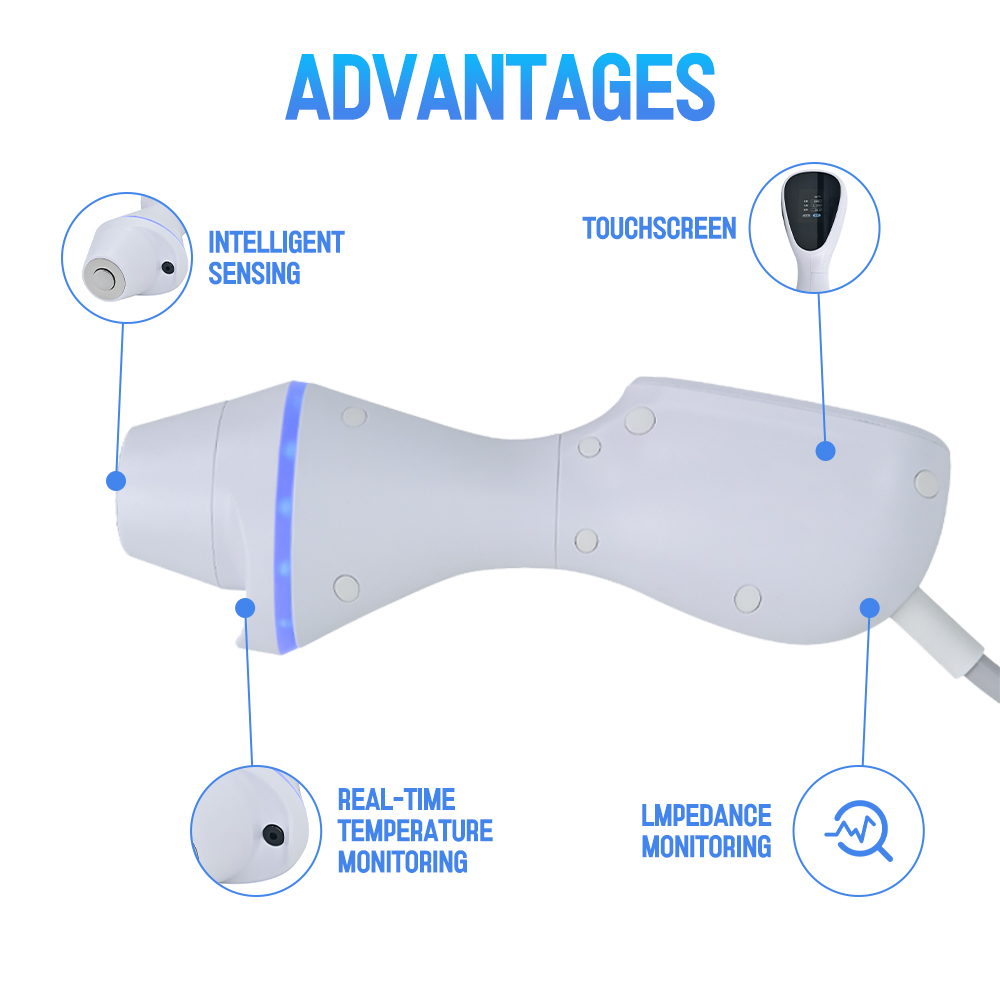
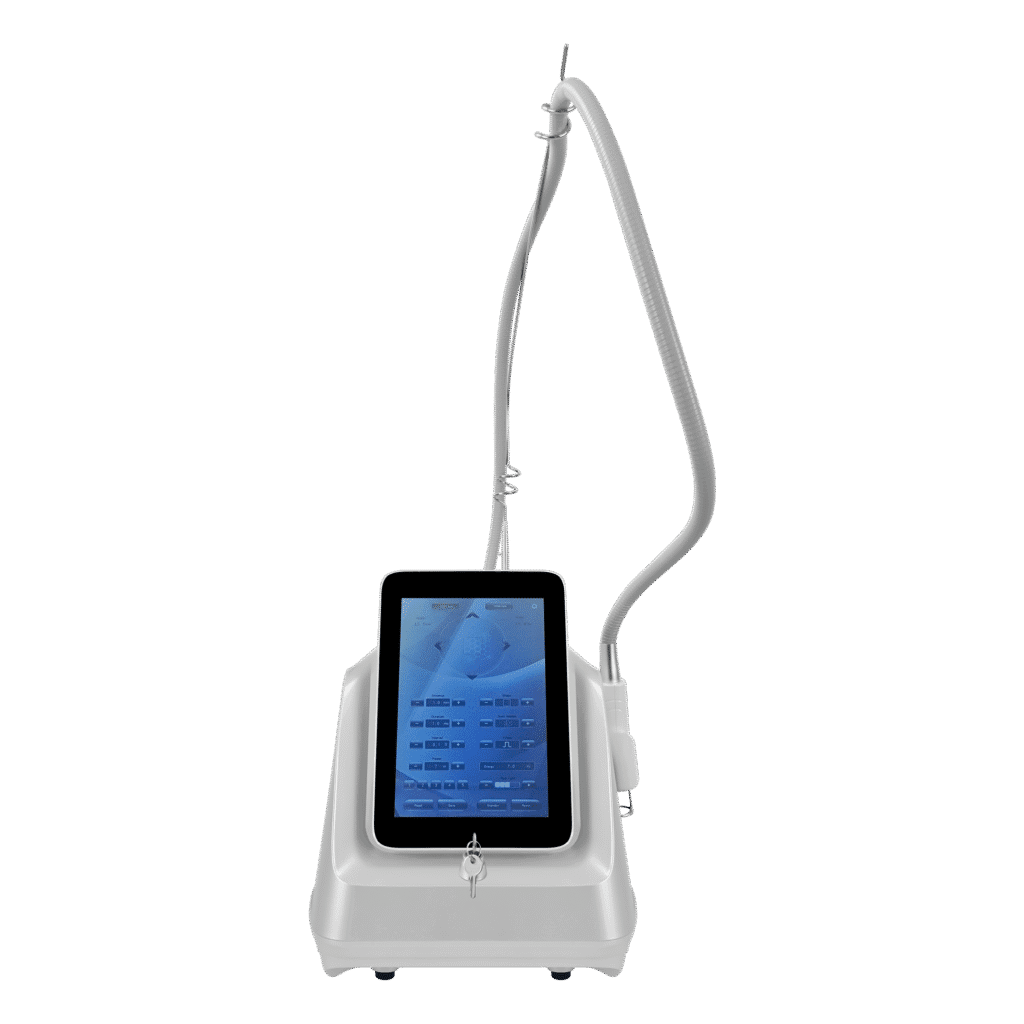
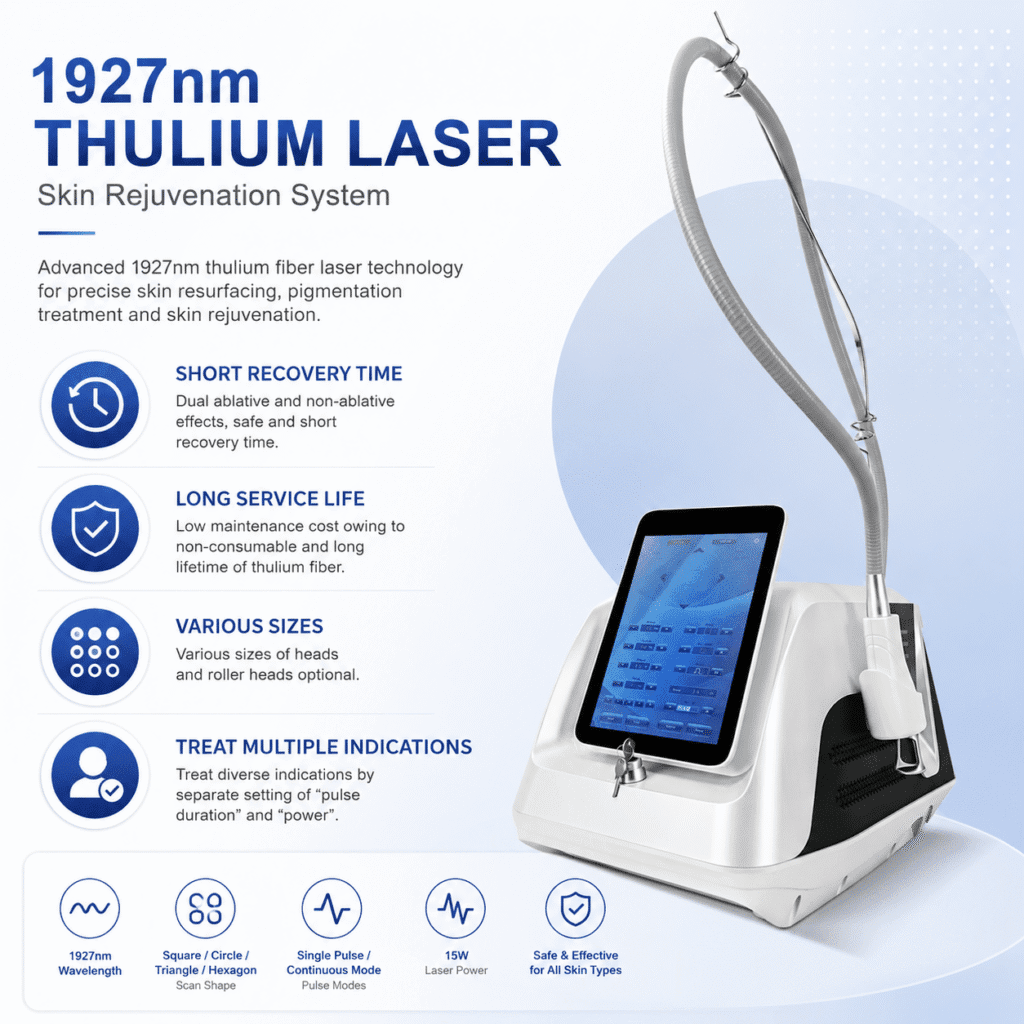
Microneedling RF, fractional laser, CO2 laser, thulium or other resurfacing systems may require higher operator qualifications, stronger clinical governance, and market-specific registration. They should not be recommended to a basic salon simply to increase order value.
A balanced distributor catalog may therefore include one entry facial machine, one skin-management upgrade, one lifting category, and one advanced platform for qualified buyers. This is easier to explain and support than many overlapping models with no clear position.
6. Customization Decisions That Need Written Approval
SHEFMON’s OEM/ODM page lists customization around machine housing, logo, system language, operator interface, functions, and instruction manuals. Every customization should be translated into a controlled deliverable.
Housing and Color
Approve color references, finish, material, sample photos under neutral lighting, and acceptable appearance tolerances. Ask whether a color change affects minimum quantity, production time, or replacement-part matching.
Logo and Product Identity
Define the logo file, size, position, application method, model name, serial label, carton mark, and manual cover. Confirm whether the factory or buyer is responsible for trademark authorization.
Interface and Language
Review every screen, button, warning, unit, treatment name, and translated string. A translated startup screen is not the same as a fully localized interface. The approval record should include a software version.
Function and Accessories
List each handpiece, tip, cartridge, cable, pedal, eyewear item, bottle, filter, tool, and spare part. If a function is removed or added, request an updated specification and verification plan.
Packaging and Manuals
Packaging should protect the machine and separately secure fragile handpieces. Manuals should match the ordered model, interface, and accessories. A buyer should not accept a generic manual covering several unrelated configurations without clear identification.
7. Factory Quality Control for Facial Equipment
ال صفحة مراقبة الجودة لشركة شيفمون describes raw-material testing, precision assembly, circuit-board aging and power testing, functional aging, at least three mechanical inspections for a prototype, and ERP-supported issue tracking. Buyers should convert broad factory statements into inspection items for their order.
A facial equipment quality plan may include:
- incoming inspection for key electrical and mechanical components;
- verification of the approved bill of materials;
- wiring, connector, grounding, fuse, and protective-component checks;
- touchscreen, button, emergency control, and software checks;
- output verification appropriate to the technology;
- pump, suction, fluid-path, and leakage testing where applicable;
- handpiece, cartridge, tip, cable, and accessory inspection;
- continuous operation or aging tests under defined conditions;
- appearance and labeling inspection;
- electrical input and plug confirmation;
- carton, foam, accessory, and packing-list checks;
- serial-number and inspection-record traceability.
The buyer should ask what is checked on every unit, what is sampled by batch, which instruments are used, how failed units are controlled, and which records can be shared. A short video of a machine turning on does not demonstrate that every critical function has been verified.
8. Sample Machines, Golden Samples, and Change Control
A sample order gives the buyer an opportunity to review more than appearance. Test the full operating sequence, screen language, energy adjustment, handpiece recognition, cable reach, noise, heat, consumables, cleaning access, accessories, manual, packaging, and error handling.
Once approved, the sample can become a golden-sample reference, supported by written specifications and photos. The purchase agreement should state that material, component, software, supplier, or design changes require notification and approval when they affect the agreed product.
For repeat orders, compare the new batch with the approved reference. Confirm that consumables remain compatible and that the factory has not changed connectors, bottle dimensions, tips, cartridges, needles, or software behavior without a documented reason.
9. Documentation and Market Compliance
There is no single document that authorizes every facial machine in every country. Product classification depends on technology, intended use, claims, market, and sometimes operator setting. A cosmetic hydrodermabrasion system and a medical-purpose laser cannot be treated as the same compliance project.
Before ordering, the buyer should identify:
- destination country and distribution channel;
- intended use and exact marketing claims;
- device classification and registration route where applicable;
- required electrical, EMC, laser, radio, material, or other standards;
- labeling, language, importer, and traceability rules;
- documents required by customs, marketplaces, insurers, or local authorities;
- who owns each compliance task and who pays for additional testing.
Request current, model-specific documents and verify that the product name, model, manufacturer, standard, test scope, and supplied configuration match. Do not rely on an unrelated certificate from another model or assume that a component certificate covers the finished machine.
10. Training, Spare Parts, and After-Sales Support
The factory relationship continues after shipment. A distributor must be able to teach customers, answer setup questions, identify faults, supply wear parts, and manage repairs.
An after-sales package should clarify:
- installation and startup instructions;
- operator manual and training videos;
- treatment-head or handpiece guidance within permitted scope;
- cleaning and preventive-maintenance schedule;
- consumables and recommended opening stock;
- common fault codes and troubleshooting flow;
- remote diagnostic process;
- parts supplied under warranty and parts excluded;
- repair authorization and return procedure;
- response-time expectations and technical contact route;
- support period after a model is upgraded or discontinued.
For a private-label buyer, the factory should also clarify whether training files can carry the buyer’s brand, who may edit them, and how updates are distributed when the software or configuration changes.
11. Which Buyers Need a Facial Machine OEM Factory?
موزعي معدات التجميل
Distributors need model differentiation, stable repeat orders, regional sales materials, spare parts, and technical escalation. OEM branding can help them build a recognizable catalog instead of competing only on an identical product photo.
Salon and Clinic Chains
Chains may want consistent configurations, interface languages, service menus, training, and maintenance across several locations. They should prioritize standardization and replacement-part availability over frequent cosmetic model changes.
Private-Label Beauty Brands
Private-label brands need clear ownership of artwork, packaging, naming, manuals, and marketing claims. They also need a realistic plan for customer service, warranty cost, inventory, and product updates.
Importers Building a New Category
New importers should begin with a small, clearly positioned range and complete the compliance and support work before expanding. A factory can supply machines, but the local importer remains responsible for many market-entry obligations.
12. RFQ Checklist for Facial Beauty Machines
Send a structured request instead of asking only for the best price.
يشمل:
- target country and buyer type;
- intended cosmetic or professional application;
- preferred technologies and models;
- expected annual and first-order quantity;
- target price range and launch schedule;
- voltage, frequency, plug, and language;
- required housing, color, logo, UI, packaging, and manual changes;
- required handpieces, consumables, and spare parts;
- required technical and compliance documents;
- sample and inspection expectations;
- warranty and after-sales requirements;
- shipping term and destination.
Ask the factory to return a configuration-specific quotation, technical sheet, accessory list, customization scope, sample terms, production lead time, payment terms, warranty, packaging data, and document list. This makes supplier comparisons far more useful than comparing unit price alone.
13. Warning Signs During Supplier Evaluation
Pause the project when a supplier:
- cannot identify the actual manufacturer or production address;
- changes specifications verbally without updating the quotation;
- uses the same certificate for unrelated models;
- refuses to provide a complete accessory and consumable list;
- promises that one device is suitable for every facial concern and every business;
- cannot explain how output or safety functions are tested;
- avoids questions about software versions, spare parts, or repair responsibility;
- offers custom functions without an engineering or validation stage;
- pressures the buyer into mass production before sample approval;
- makes medical or income claims that the buyer cannot legally use.
Good supplier communication is specific. The factory should be comfortable documenting what is included, what can be changed, what cannot be changed, and what the buyer must verify locally.
14. Why Consider SHEFMON for Facial Beauty Equipment?
SHEFMON’s website states that it has manufactured beauty equipment since 2014 and presents a product portfolio covering facial skin care, rejuvenation, HIFU, MNRF, plasma, facial EMS, lasers, and other professional categories. Its OEM/ODM materials describe exterior, mechanical, interface, language, function, packaging, manual, prototype, and engineering customization.
For buyers, the useful next step is not to accept every website statement without review. It is to send an RFQ containing the destination market, buyer type, required facial service categories, order quantity, customization scope, and documentation needs. SHEFMON can then provide a model-specific proposal for evaluation.
The factory relationship is strongest when the buyer and manufacturer agree on one controlled configuration, objective inspection points, realistic claims, and a support route before production begins.
الأسئلة الشائعة
1. What products does a facial beauty machine manufacturer produce?
A facial equipment manufacturer may produce hydrodermabrasion, plasma, HIFU, RF, EMS, microcurrent, microneedling RF, laser, light-based, and multifunction skin care systems. The exact range should be evaluated by technology, intended buyer, and factory competence rather than catalog size alone.
2. What is the difference between OEM and ODM facial machines?
OEM generally customizes an existing platform through branding, color, language, interface, packaging, manuals, or approved configuration options. ODM involves deeper design or engineering work such as a new housing, mechanical structure, handpiece, function combination, or software flow.
3. Can a factory add my logo and packaging?
Yes, many OEM factories support logo, label, carton, manual, and interface branding. Approve artwork, color, placement, application method, model name, serial label, and packaging sample in writing before mass production.
4. Should I order a sample before a bulk order?
Yes. A sample allows you to review the actual configuration, function, language, accessories, consumables, manual, labels, and packaging. The approved unit should be supported by a master specification and used as a reference for production inspection.
5. How should I compare facial machine factories?
Compare technical transparency, product fit, engineering response, quality controls, sample process, documentation, customization discipline, lead time, warranty, spare parts, and after-sales support. Unit price is important, but it does not measure the full ownership risk.
6. Can one facial machine be sold to both salons and medical clinics?
Possibly, but the configuration, intended use, claims, operator qualifications, and regulatory requirements may differ. Buyers must verify the product’s permitted market position instead of assuming that one brochure works for every customer group.
7. What documents should an importer request?
Request the technical specification, manual, labels, packing list, warranty, inspection information, and market-relevant compliance documents. Verify that every document matches the exact model, manufacturer, configuration, and intended use.
8. What facial machines are suitable for a starter product line?
A practical starter line may include a cleansing and hydration system, a professional skin-management upgrade, and one lifting or facial-stimulation platform. Add advanced microneedling RF or laser equipment only when the target buyers and compliance plan support them.
9. What after-sales support should an OEM factory provide?
Look for manuals, training, startup support, troubleshooting, consumables, spare parts, warranty procedures, remote diagnostics, repair routes, and a policy for discontinued or upgraded models. Put the agreed support scope in writing.
10. How do I start an OEM/ODM project with SHEFMON?
Prepare the target country, buyer type, preferred facial machine categories, quantity, budget, launch date, voltage, plug, language, branding, packaging, documentation, and support requirements. Then contact SHEFMON through its OEM/ODM consultation page for a configuration-specific proposal.
خاتمة
A reliable facial beauty machine manufacturer and OEM factory should connect product selection, engineering, customization, quality control, documentation, and after-sales service. The right partner helps a buyer build a coherent facial equipment line and maintain a consistent approved configuration across samples, production, repeat orders, and customer support.
SHEFMON offers facial equipment categories ranging from hydrodermabrasion and cool plasma to HIFU, facial EMS, microneedling RF, and laser platforms. Buyers can review the facial skin care equipment range, examine the factory’s عملية مراقبة الجودة, and submit an OEM/ODM inquiry with their market and customization requirements.