










هل يُحسّن جهاز إمسيللا من قوة عضلات قاع الحوض؟ الحقيقة حول شد عضلات قاع الحوض وعلاجات كرسي التحفيز الكهربائي للعضلات
إن فكرة الجلوس على كرسي لأقل من نصف ساعة وتحسين التحكم في المثانة، والعلاقة الحميمة، وقوة عضلات الحوض تبدو مثالية لدرجة يصعب تصديقها. ولكن هذا هو السبب تحديدًا. علاجات إمسيلا انتشرت هذه التقنية بشكل واسع في عيادات الصحة العامة ومراكز أمراض النساء وعيادات التجميل حول العالم. ومن أكثر الأسئلة شيوعًا التي يطرحها الناس قبل حجز جلسة هو سؤال بسيط: هل تجعلك إمسيللا أكثر ضيقاً؟
باختصار، نعم، بالنسبة للعديد من المرضى، يمكن أن يُحسّن جهاز إمسيلّا الشعور بالشد عن طريق تقوية عضلات قاع الحوض الضعيفة. لكن الإجابة الحقيقية أكثر تعقيدًا من مجرد نعم أو لا. فالشد ليس مجرد إحساس، بل يرتبط بقوة العضلات، ودعم الأنسجة، واستجابة الأعصاب، وتاريخ الولادة، والتغيرات الهرمونية، والتقدم في السن، وصحة الحوض بشكل عام. يلاحظ بعض الأشخاص تحسنًا ملحوظًا بعد بضع جلسات، بينما يلاحظ آخرون تغيرات طفيفة أو مؤقتة.
دراسات حديثة حول التحفيز المغناطيسي لقاع الحوض من وضعية الجلوس أظهرت الدراسات تحسناً واعداً في قوة عضلات قاع الحوض، وأعراض سلس البول، والوظيفة الجنسية. نُشرت مراجعة منهجية في عام 2025 في مجلة الطب السريري أظهرت الدراسات تحسناً ملحوظاً في نتائج وظائف الأعضاء التناسلية لدى النساء بعد جلسات التحفيز الكهرومغناطيسي لعضلات قاع الحوض. لا يعني هذا بالضرورة أن كل امرأة ستشعر فجأة بتحسن كبير في قوة عضلات قاع الحوض، ولكنه يشير إلى أن تقوية هذه العضلات قد تُحسّن الإحساس والدعم والثقة بالنفس.
إذن، ما الذي يحدث فعلاً خلال جلسة علاج إمسيللا؟ ولماذا تصفها بعض النساء بأنها غيّرت حياتهن بينما تقول أخريات إنها بالكاد حققت أي نتيجة؟ دعونا نتعمق في الجوانب العلمية، وتجارب المرضى، والتوقعات الواقعية وراء هذه التقنية التي تزداد شعبيتها في مجال علاج قاع الحوض.
ما هو جهاز إمسيللا وكيف يعمل؟
فهم تقنية HIFEM
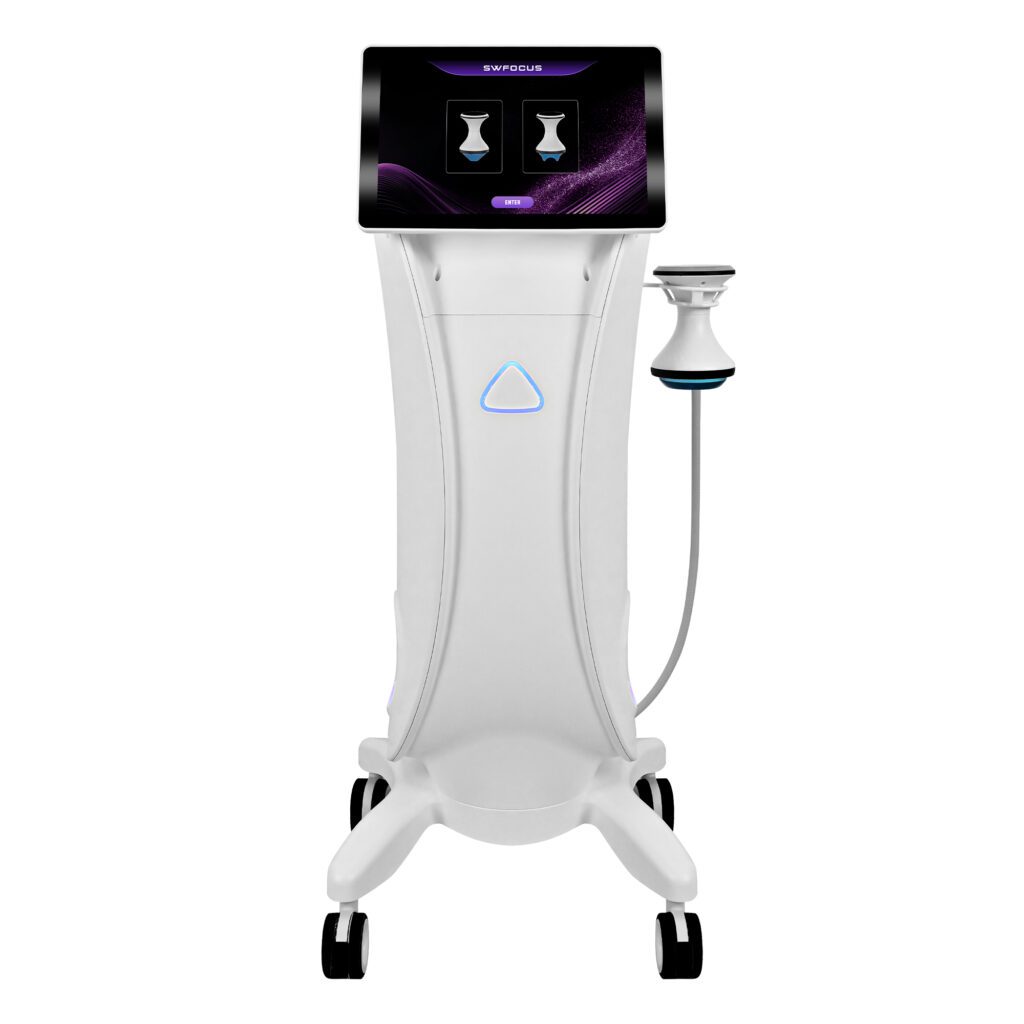
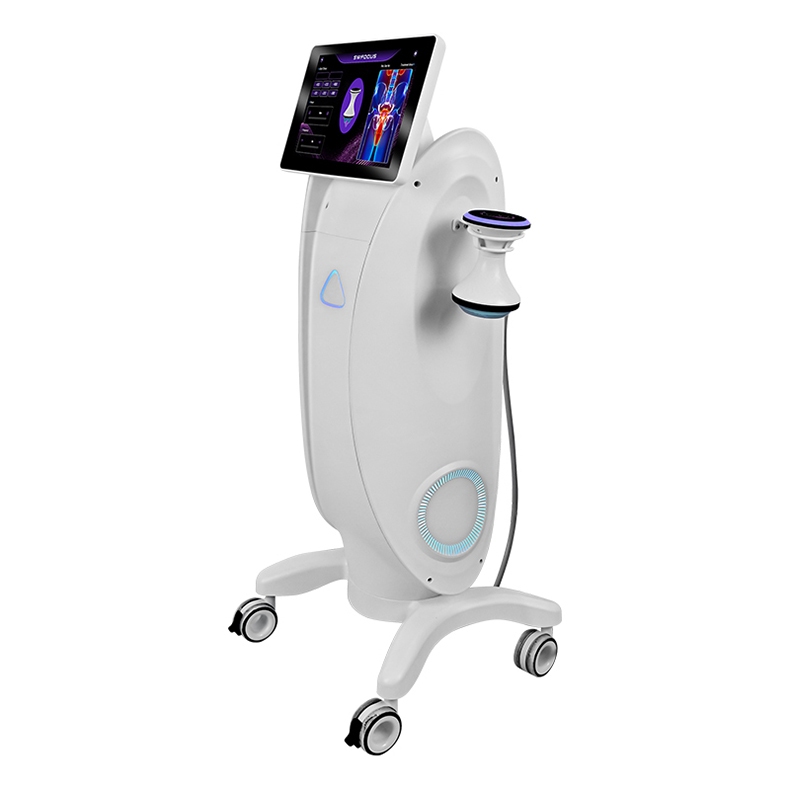
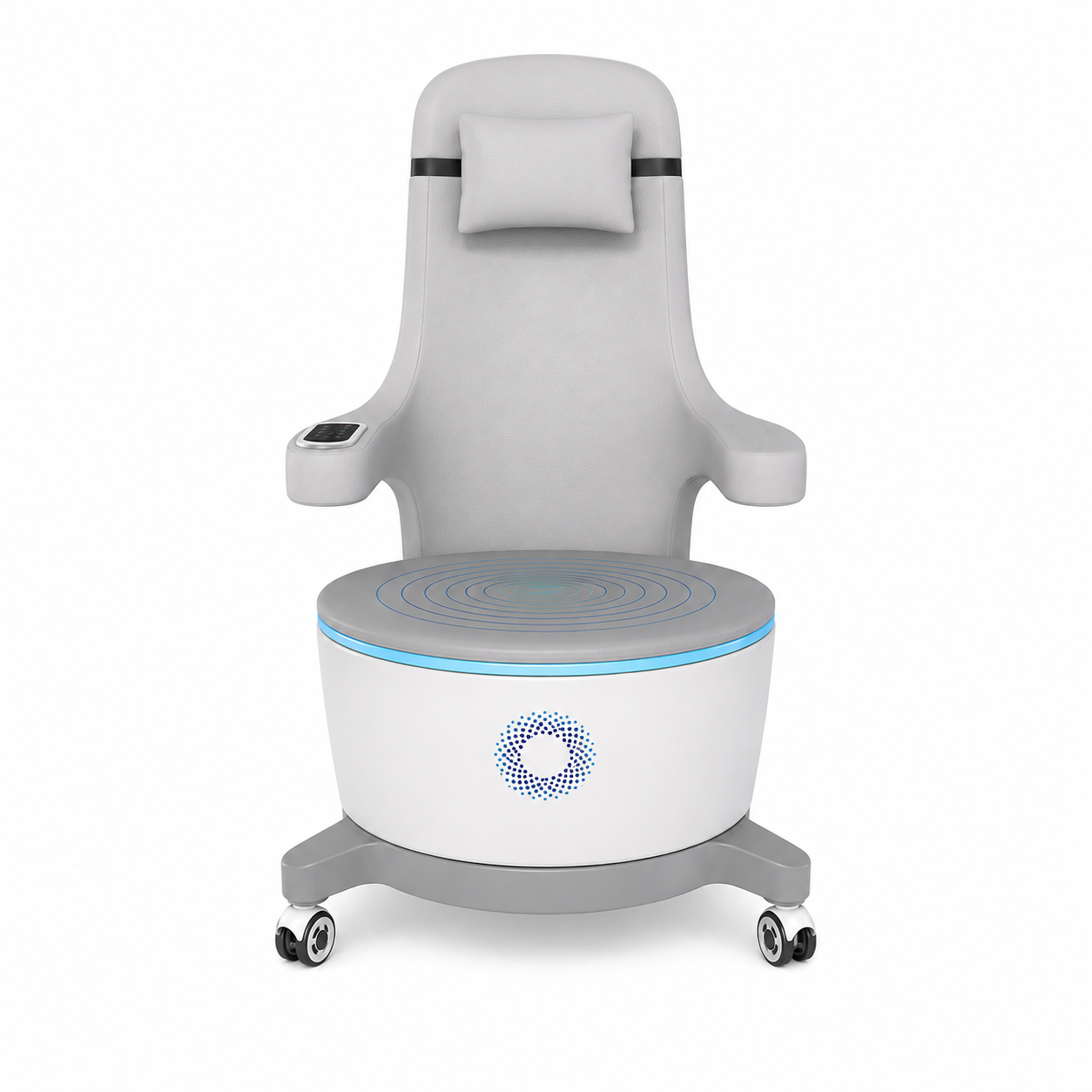
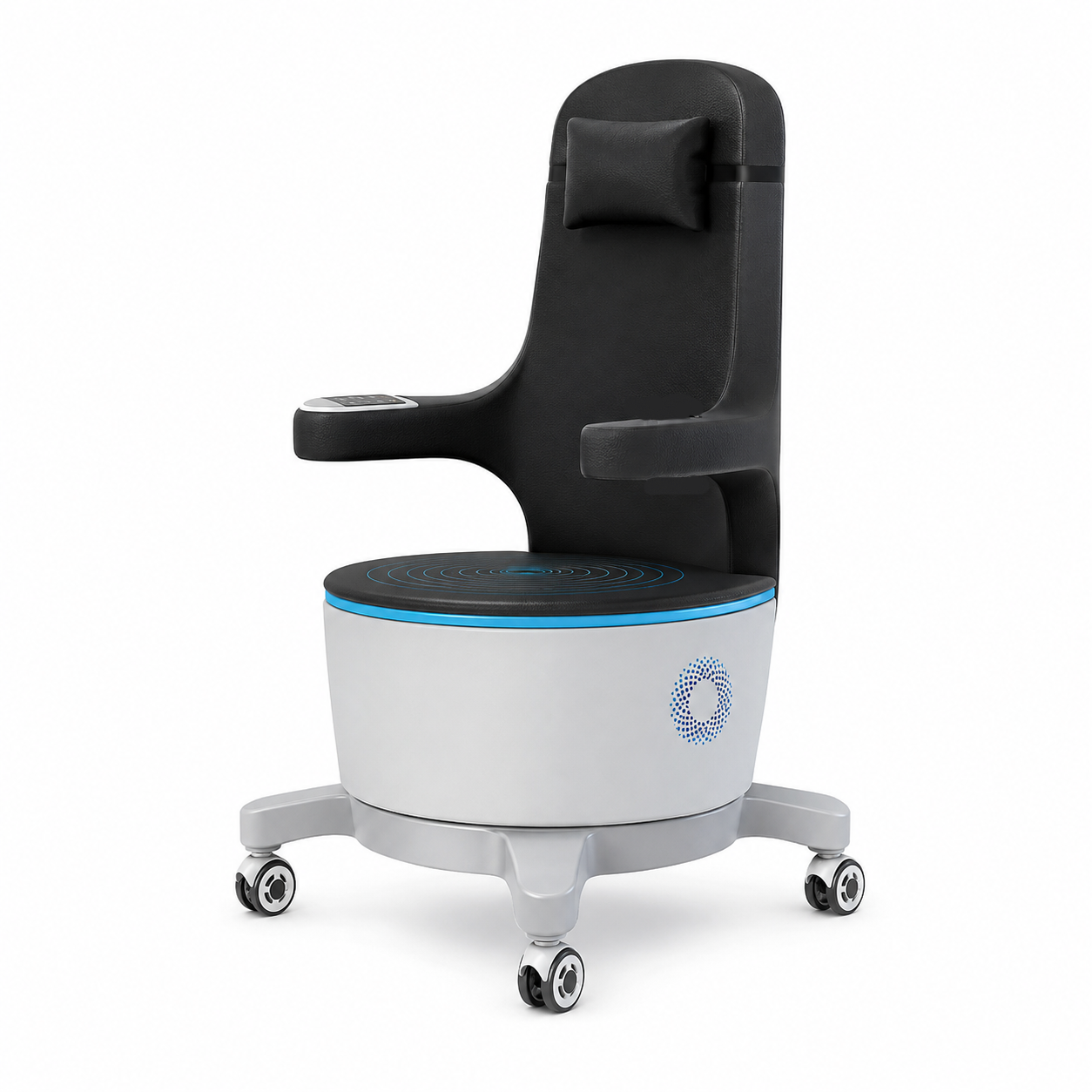
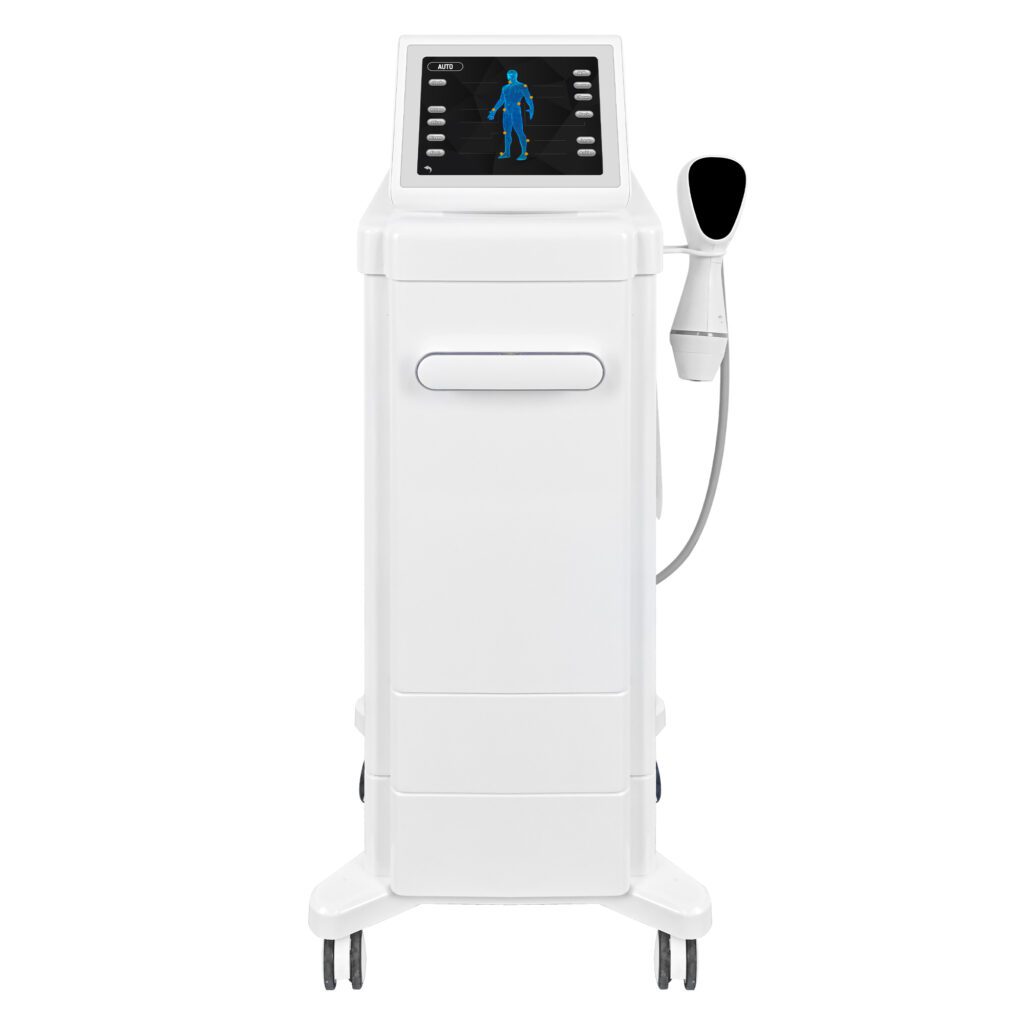
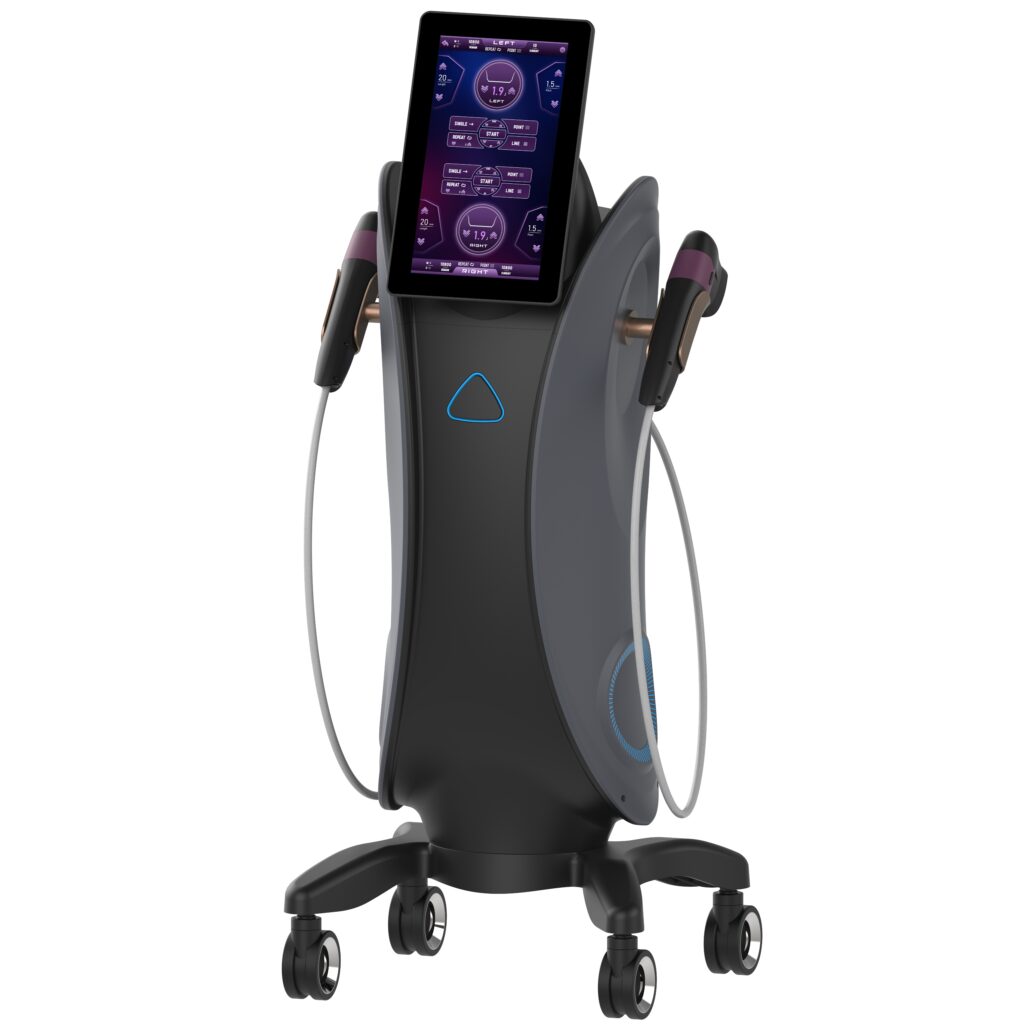
يستخدم Emsella تقنية الكهرومغناطيسية المركزة عالية الكثافة, يُعرف هذا العلاج اختصارًا باسم HIFEM. وبدلًا من الحاجة إلى إجراءات جراحية أو أجهزة داخلية، يعمل هذا العلاج بينما يجلس المريض مرتديًا ملابسه كاملةً على كرسي مصمم خصيصًا لهذا الغرض. يرسل الجهاز طاقة كهرومغناطيسية إلى عمق عضلات قاع الحوض، مما يُحفز آلاف الانقباضات القوية خلال جلسة واحدة.
يشبه هذا المفهوم كيفية تقوية التمارين الرياضية لعضلات الجسم الأخرى. تخيل القيام بتمارين القرفصاء في صالة الألعاب الرياضية. تعمل الانقباضات العضلية المتكررة على بناء القوة والقدرة على التحمل تدريجيًا مع مرور الوقت. يقوم جهاز إمسيلا أساسًا بما يعادل جلسة تمرين مكثفة للغاية لعضلات قاع الحوض، يصعب تكرارها يدويًا. أشار أحد التقارير السريرية إلى أن جلسة واحدة مدتها 28 دقيقة يمكن أن تولد ما يقارب 11000 انقباض لعضلات قاع الحوض.
تستهدف هذه الانقباضات العضلات المسؤولة عن دعم المثانة والرحم والمهبل. عندما تضعف هذه العضلات نتيجة الولادة أو التقدم في السن أو انقطاع الطمث أو السمنة أو الضغط المزمن، قد تظهر أعراض مثل سلس البول وضعف دعم المهبل. تقوية هذه العضلات قد تُحسّن كلاً من الوظيفة والإحساس.
لماذا تُعدّ عضلات قاع الحوض مهمة؟
يُشبه قاع الحوض شبكة عضلية تدعم العديد من الأعضاء الحيوية. عندما تكون هذه العضلات سليمة وفعّالة، فإنها تُساعد في الحفاظ على التحكم في المثانة، وتثبيت عضلات الجذع، ودعم الوظيفة الجنسية. أما عند ضعفها، فقد تُساهم في سلس البول الإجهادي، وهبوط أعضاء الحوض، وانخفاض الإحساس أثناء العلاقة الحميمة.
يُسيء الكثيرون فهم مصطلح "الضيق". فالنسيج المهبلي نفسه مرن بطبيعته. ما يتغير غالبًا بعد الولادة أو التقدم في السن هو الدعم العضلي المحيط به. تخيلوا ترامبولين بنوابض مرتخية. قد يبقى النسيج سليمًا، لكن هيكل الدعم لم يعد متماسكًا. يهدف تقوية عضلات قاع الحوض إلى تحسين هذه "النوابض".“
بحث منشور في مجلة بي إم سي لصحة المرأة أظهرت الدراسات أن تمارين عضلات قاع الحوض تُحسّن من شكل قاع الحوض ودعم العضلات لدى النساء اللواتي يعانين من خلل وظيفي فيه. وتسعى إمسيلا إلى تحقيق تأثيرات تقوية مماثلة من خلال التحفيز الكهرومغناطيسي بدلاً من التمارين التقليدية وحدها.
هل يمكن أن تجعلك إمسيللا تشعرين فعلاً بمزيد من الضيق؟
ماذا تعني كلمة "أكثر صرامة" حقاً
عندما يسأل الناس عما إذا كان جهاز إمسيللا يجعلهم أكثر ضيقًا، فإنهم عادةً ما يتحدثون عن واحدة أو أكثر من هذه التجارب:
- زيادة قوة العضلات
- تحسن الإحساس أثناء العلاقة الحميمة
- دعم أفضل للمهبل
- زيادة شدة النشوة الجنسية
- انخفاض ارتخاء العضلات بعد الولادة
- تحكم عضلي أقوى
هذا التمييز مهم لأن جهاز إمسيللا لا يُقلص أنسجة المهبل فعلياً كما قد تفعل الجراحة. بدلاً من ذلك، يُقوي عضلات قاع الحوض المحيطة، مما قد يُعطي إحساساً أكثر صلابة ودعماً.
أفاد بعض المرضى بملاحظة فرق أثناء الجماع، بينما لاحظ آخرون تحسناً في التحكم بالمثانة بشكل أساسي. وفي مناقشات على موقع ريديت حول جهاز إمسيلا، وصف العديد من المستخدمين شعورهم بزيادة في قوة انقباض العضلات وتضييقاً بعد إكمال جلسات العلاج، على الرغم من تباين التجارب بشكل كبير.
كتبت إحدى مستخدمات موقع Reddit أنه بعد عدة جلسات، أصبحت عضلات مهبلها أكثر انقباضًا أثناء العلاقة الحميمة. وأفادت أخرى بتحسن ثقتها بنفسها وانخفاض أعراض سلس البول. في الوقت نفسه، ذكرت بعض المستخدمات أنهن لم يلاحظن تحسنًا يُذكر أو لم يلاحظن أي تحسن على الإطلاق رغم إكمالهن جلسات متعددة.
كيف تؤثر قوة العضلات على دعم المهبل
تعمل عضلات قاع الحوض كحزام داخلي طبيعي للجسم. وعند تقويتها، توفر دعماً أفضل لأعضاء الحوض، ويمكنها تحسين استجابة العضلات أثناء النشاط الجنسي. وهذا قد يساهم في الشعور الذي يصفه الكثيرون بأنه شعور بالشد.
ليست هذه العملية سحرية، بل هي إعادة تأهيل عضلي. فكما أن تقوية عضلات البطن تُحسّن من ثبات الجذع، فإن تقوية عضلات قاع الحوض قد تُحسّن من صلابة واستجابة منطقة الحوض.
ومن المثير للاهتمام أن الأبحاث الحديثة تشير إلى أن علاجات التحفيز المغناطيسي التي تُجرى على الكرسي قد تُحسّن نتائج الوظيفة الجنسية لدى النساء بطرق قابلة للقياس. وقد وجدت مراجعة منهجية نُشرت عام 2025 تحسّنات ذات دلالة سريرية في تقييمات الوظيفة الجنسية لدى النساء اللواتي يتلقين علاجات التحفيز المغناطيسي لقاع الحوض.
وهذا أمر مهم لأنه يحول النقاش من التوقعات التجميلية البحتة إلى التحسين الوظيفي الفعلي.
الأدلة العلمية وراء علاجات إمسيللا
الدراسات والنتائج السريرية الحديثة
شهدت العلوم المتعلقة بجهاز إمسيلا والعلاجات الكهرومغناطيسية المماثلة لقاع الحوض نموًا سريعًا خلال السنوات القليلة الماضية. فبينما كانت الأدلة السابقة محدودة، توفر المراجعات والتجارب الحديثة بيانات أكثر دقة ومنهجية.
أظهرت مراجعة منهجية أجريت عام 2025، تناولت التحفيز المغناطيسي لقاع الحوض باستخدام الكرسي، تحسناً في أعراض سلس البول ووظائف المرأة الجنسية في العديد من الدراسات السريرية. وأشار الباحثون إلى أن الفوائد بدت أكثر وضوحاً عند دمج التحفيز المغناطيسي مع تمارين عضلات قاع الحوض.
أشارت دراسة مقارنة أخرى تقيّم علاج EMSella إلى انخفاض في شدة تدلي الأعضاء وتحسين وظيفة المثانة بين المرضى الذين يخضعون للعلاج.
فيما يلي ملخص مبسط لنتائج الدراسات الحديثة:
| تركيز الدراسة | الفوائد المبلغ عنها | النتائج الرئيسية |
|---|---|---|
| مراجعة التحفيز المغناطيسي لقاع الحوض | تحسين الوظيفة الجنسية | أظهرت العديد من الدراسات تحسناً في نتائج مؤشر وظيفة الجنس الأنثوي (FSFI). |
| تحليل تدريب عضلات قاع الحوض | تحسين دعم الحوض | بنية عضلية أقوى |
| علاجات سلس البول | انخفاض أعراض التسرب | نتائج أفضل في التحكم في المثانة |
| أساليب العلاج الحوضي المشتركة | تحسين جودة الحياة | تحسن أكبر في الأعراض |
الأدلة مشجعة، ولكن من المهم أيضاً أن نكون واقعيين. تركز معظم الدراسات على تحسين الأعراض وتعزيز الوظائف بدلاً من الوعد بتحول تجميلي جذري.
ما يقوله الباحثون عن الوظيفة الجنسية
تُعدّ الصحة الجنسية من أكثر جوانب صحة قاع الحوض حساسيةً وخصوصيةً. فضعف عضلات الحوض قد يُقلّل من الإحساس، ويُضعف شدة النشوة الجنسية، ويُساهم في انخفاض الثقة بالنفس أثناء العلاقة الحميمة.
وجد الباحثون الذين قاموا بمراجعة علاجات التحفيز الكهرومغناطيسي لقاع الحوض أن العديد من المشاركين أبلغوا عن تحسنات كبيرة في درجات الرضا الجنسي بعد العلاج.
لماذا يحدث هذا؟ قد تُحسّن عضلات الحوض القوية تدفق الدم، واستجابة الأعصاب، وانقباضات العضلات أثناء العلاقة الحميمة. تخيّل محاولة الضغط على يدك بعد أن ظلت ثابتة لأشهر. ببساطة، لا تستجيب العضلات الضعيفة بنفس طريقة استجابة العضلات القوية. يعمل تأهيل قاع الحوض على استعادة تلك الاستجابة.
ومع ذلك، تختلف النتائج. تؤثر الصحة الهرمونية، ومرونة الأنسجة، والعمر، وإصابات الولادة، والحالة العامة للحوض على النتيجة النهائية.
تجارب حقيقية للمرضى مع إمسيلا
تقييمات إيجابية وقصص نجاح
تكشف المناقشات الإلكترونية حول إمسيلا عن أمرٍ مثير للاهتمام: التأثير النفسي لمشاكل قاع الحوض هائل. يصف الكثيرون شعورهم بالحرج، وانخفاض ثقتهم بأنفسهم، والقلق المصاحب لسلس البول أو مشاكل العلاقة الحميمة.
أبلغ بعض المرضى عن تحسنات ملحوظة بعد العلاج. وقد وصف مستخدمو موقع Reddit شعورهم بانقباضات أقوى في الحوض، وانخفاضاً في سلس البول، وزيادة في الثقة بالنفس أثناء العلاقة الحميمة.
أوضحت إحدى المستخدمات أنه بعد ست جلسات، تحسنت أعراضها بشكل ملحوظ، ولاحظ شركاؤها زيادة في الشعور بالضيق. وذكرت أخرى أن سلس البول اختفى تماماً تقريباً بعد إتمام جلسات العلاج.
أبرز ما يميز هذه التقييمات الإيجابية هو أنها غالباً ما تشير إلى تحسن وظيفي وليس مجرد تغيير تجميلي. يشعر الناس بمزيد من التحكم في أجسادهم، مما قد يكون له أثر نفسي قوي.
لماذا يرى بعض الناس نتائج محدودة؟
لا يشهد الجميع تحسناً ملحوظاً. يصف بعض المستخدمين إنفاقهم آلاف الدولارات مقابل تغيير طفيف.
هناك عدة أسباب لذلك:
- قد يتطلب تلف قاع الحوض الشديد علاجًا أكثر كثافة
- يعاني بعض المرضى من شد مفرط في عضلات قاع الحوض بدلاً من ضعفها.
- قد تؤثر العوامل الهرمونية على جودة الأنسجة
- قد تكون جلسات الصيانة ضرورية
- تختلف استجابة العضلات الفردية
أشار أحد المعلقين على موقع Reddit إلى نقطة مهمة: وهي أن تمارين تقوية عضلات قاع الحوض ليست مناسبة دائمًا للأشخاص الذين يعانون من فرط توتر عضلات قاع الحوض. في هذه الحالات، قد تكون علاجات الاسترخاء أكثر فائدة من تمارين الانقباض الإضافية.
ولهذا السبب، يُعد التقييم المهني أمراً بالغ الأهمية قبل البدء بالعلاج.
من هو أفضل مرشح لمنصب إمسيللا؟
النساء بعد الولادة
تُعدّ الولادة من أهم العوامل المساهمة في ضعف عضلات قاع الحوض. فالحمل يُشكّل ضغطاً هائلاً على عضلات الحوض، وقد تؤدي الولادة المهبلية إلى تمدد أو إصابة الأنسجة الداعمة.
تُعدّ النساء في فترة ما بعد الولادة من بين أكثر المرضى شيوعاً في استخدام جهاز إمسيللا، لأنهن غالباً ما يعانين مما يلي:
- سلس البول الإجهادي
- انخفاض دعم الحوض
- ضعف قوة العضلات
- انخفاض الإحساس
بالنسبة للعديد من الأمهات، يصعب أداء تمارين كيجل التقليدية باستمرار أو بشكل صحيح. يوفر جهاز إمسيللا بديلاً لا يتطلب فترة نقاهة ويتطلب جهداً بسيطاً أثناء العلاج.
النساء اللواتي يعانين من ضعف طفيف في عضلات قاع الحوض
يبدو أن جهاز إمسيلا أكثر فعالية في حالات ضعف عضلات قاع الحوض الخفيفة إلى المتوسطة، وليس في حالات المشاكل الهيكلية الشديدة. غالباً ما يستجيب الأشخاص الذين يعانون من أعراض مبكرة بشكل أفضل، لأن إعادة تأهيل العضلات تكون أسهل قبل حدوث تلف واسع النطاق في الأنسجة.
غالباً ما تشمل المرشحات النساء اللواتي يمررن بما يلي:
- تسرب البول العرضي
- انخفاض دعم المهبل
- أعراض تدلي خفيفة
- انخفاض الإحساس بالعلاقة الحميمة
- صعوبة أداء تمارين كيجل بشكل صحيح
قد يلاحظ المرضى الذين يسعون إلى تضييق المهبل لأغراض تجميلية بحتة دون أعراض وظيفية فوائد، ولكن يجب أن تظل التوقعات واقعية.
كيف تبدو جلسة إمسيللا
أثناء العلاج
يصف معظم المرضى كرسي إمسيللا بأنه غريب أكثر من كونه مؤلماً. يُحدث الكرسي انقباضات حوضية إيقاعية قد تكون شديدة، خاصة خلال الجلسات الأولى.
يقارن البعض هذا الإحساس بنبضات عضلية سريعة أو تمارين كيجل اللاإرادية. بينما يصفه آخرون بأنه أشبه باهتزازات عميقة داخل الحوض. وتستغرق الجلسات عادةً من 28 إلى 30 دقيقة.
يبقى المرضى بكامل ملابسهم، وهذا أحد أسباب شيوع هذا العلاج بين الأشخاص الذين لا يشعرون بالراحة تجاه الإجراءات الجراحية.
بعد العلاج
لا يتطلب الأمر عادةً فترة نقاهة. يشعر بعض الأشخاص بإرهاق عضلي مؤقت مشابه لما يشعرون به بعد التمرين في الصالة الرياضية. بينما يلاحظ آخرون تحسناً طفيفاً في الوعي الحوضي فوراً.
تتطور النتائج عادةً تدريجياً على مدار جلسات متعددة بدلاً من ظهورها فوراً. وتوصي معظم بروتوكولات العلاج بست جلسات على مدى عدة أسابيع.
إمسيللا مقابل تمارين كيجل: أيهما أفضل؟
التمرين اليدوي مقابل التحفيز الكهرومغناطيسي
لا تزال تمارين كيجل من أكثر تمارين قاع الحوض شيوعاً. تكمن المشكلة في أن الكثيرين يمارسونها بشكل خاطئ أو غير منتظم.
يُسهّل جهاز إمسيلا العملية من خلال توليد آلاف الانقباضات القوية في فترة وجيزة. وهذا قد يكون مفيدًا بشكل خاص للأشخاص الذين يجدون صعوبة في عزل عضلات قاع الحوض يدويًا.
إليكم مقارنة:
| ميزة | إمسيلا | تمارين كيجل التقليدية |
|---|---|---|
| يتطلب جهداً | الحد الأدنى | مطلوب مستوى عالٍ من الاتساق |
| عدد الانقباضات | آلاف لكل جلسة | محدود يدويًا |
| الإشراف المهني | نعم في الغالب | غالباً ما يكون موجهاً ذاتياً |
| يكلف | غالي | حر |
| راحة | جلسات سريعة | التكرار اليومي مطلوب |
هل بإمكانهم العمل معاً؟
بالتأكيد. يعتقد العديد من المختصين أن الجمع بين جهاز إمسيللا وتمارين قاع الحوض المنتظمة يحقق أفضل النتائج. وقد أشارت الأبحاث إلى أن الجمع بين التحفيز المغناطيسي وتدريب قاع الحوض قد يحسن النتائج بشكل أكثر فعالية من أي من الطريقتين على حدة.
يمكن اعتبار تمرين إمسيللا بمثابة تنشيط العضلات لبدء التمرين، بينما تحافظ تمارين كيجل على اللياقة البدنية على المدى الطويل.
المخاطر المحتملة والآثار الجانبية
إجهاد عضلي مؤقت
معظم الآثار الجانبية خفيفة. تشمل التجارب الشائعة ما يلي:
- ألم عضلي مؤقت
- إحساس بالوخز
- إرهاق خفيف في الحوض
يبدو أن المضاعفات الخطيرة غير شائعة بناءً على الدراسات الحالية.
من ينبغي عليه تجنب إمسيلا
لا يُعد جهاز إمسيللا مناسبًا للجميع. قد لا يكون المرضى الذين لديهم غرسات معدنية أو أجهزة تنظيم ضربات القلب أو أجهزة طبية معينة مؤهلين بسبب التكنولوجيا الكهرومغناطيسية المستخدمة.
يُنصح النساء الحوامل عموماً بتجنب العلاج أيضاً.
ينبغي على أي شخص يعاني من اضطرابات آلام الحوض أو شد مفرط في عضلات قاع الحوض أن يخضع لتقييم مناسب قبل العلاج.
ما هي مدة استمرار نتائج Emsella؟
شرح جلسات الصيانة
من أكثر المفاهيم الخاطئة شيوعاً حول جهاز إمسيلا هو الاعتقاد بأن النتائج دائمة بعد ست جلسات فقط. تتصرف عضلات قاع الحوض كأي عضلة أخرى في الجسم، وبدون صيانة مستمرة، قد تضعف قوتها مع مرور الوقت.
لاحظ العديد من مستخدمي موقع Reddit أن الفوائد تلاشت بعد أشهر دون علاجات وقائية.
توصي العديد من العيادات بجلسات متابعة دورية كل بضعة أشهر حسب شدة الأعراض وعوامل نمط الحياة.
عادات نمط الحياة التي تساعد على استمرار النتائج
إن الحفاظ على قوة عضلات قاع الحوض يتطلب أكثر من مجرد زيارات للعيادة. تتحسن النتائج على المدى الطويل عندما:
- الحفاظ على وزن صحي للجسم
- تجنب الإجهاد المزمن
- مارسي تمارين قاع الحوض
- حافظ على نشاطك البدني
- معالجة مشاكل الإمساك
- دعم الصحة الهرمونية خلال فترة انقطاع الطمث
إن صحة الحوض أشبه بالحفاظ على اللياقة البدنية منها بإجراء عملية لمرة واحدة.
خاتمة
إذن، هل يجعلك إمسيللا أكثر ضيقًا؟ بالنسبة للكثيرين، نعم - ولكن ليس بالطريقة المبسطة التي توحي بها الإعلانات أحيانًا.
يعمل جهاز إمسيللا على تقوية عضلات قاع الحوض من خلال التحفيز الكهرومغناطيسي عالي الكثافة. ويمكن للعضلات الأقوى أن تُحسّن دعم المهبل، والتحكم في المثانة، والإحساس بالعلاقة الحميمة، ووظيفة الحوض بشكل عام. وتشير الدراسات السريرية وتجارب المرضى إلى إمكانية تحقيق تحسينات ملحوظة، خاصةً للنساء اللواتي يعانين من ضعف خفيف إلى متوسط في عضلات قاع الحوض.
في الوقت نفسه، تختلف النتائج اختلافاً كبيراً. فبعض المرضى يشهدون تغييرات جذرية، بينما يلاحظ آخرون تحسناً طفيفاً أو يحتاجون إلى جلسات متابعة دورية. وتؤثر عوامل مثل تاريخ الولادة، والعمر، والحالة الهرمونية، وحالة العضلات الأساسية، والالتزام بالجلسات، على النتائج.
أهم ما يمكن استخلاصه هو التالي: إمسيللا هي في الأساس... علاج إعادة تأهيل العضلات, ليس الأمر مجرد شد تجميلي سحري. عندما تكون التوقعات واقعية ويُدمج العلاج مع عادات صحية لعضلات قاع الحوض، يمكن أن يصبح أداة قيّمة لتحسين الثقة بالنفس ونوعية الحياة.
الأسئلة الشائعة
هل عملية إمسيللا هي نفسها عملية تضييق المهبل؟
لا، إمسيلا إجراء غير جراحي ويركز على تقوية عضلات قاع الحوض. بينما تعمل جراحة تضييق المهبل على تغيير بنية الأنسجة، فإن إمسيلا تُحسّن الدعم العضلي ووظيفته.
كم عدد جلسات إمسيللا المطلوبة عادةً؟
توصي معظم خطط العلاج بست جلسات على مدى عدة أسابيع. وقد يحتاج بعض المرضى إلى جلسات متابعة لاحقة للحفاظ على النتائج.
هل يمكن أن تُحسّن إمسيللا العلاقة الحميمة؟
يُبلغ العديد من المرضى عن تحسن في الإحساس وزيادة في استجابة العضلات أثناء العلاقة الحميمة. كما تشير الأبحاث الحديثة إلى تحسن في نتائج وظائف الجنس لدى النساء بعد العلاج.
هل يؤلمك إمسيللا؟
يصف معظم الناس الإحساس بأنه غير مألوف وليس مؤلماً. يُحدث العلاج انقباضات قوية في عضلات الحوض، لكن الانزعاج يكون خفيفاً بشكل عام.
هل نتائج إمسيللا دائمة؟
ليس دائماً. فمثل التمارين الرياضية، قد تضعف قوة عضلات قاع الحوض بمرور الوقت دون ممارسة منتظمة. ويستفيد العديد من المرضى من جلسات متابعة دورية ومواصلة تمارين قاع الحوض.