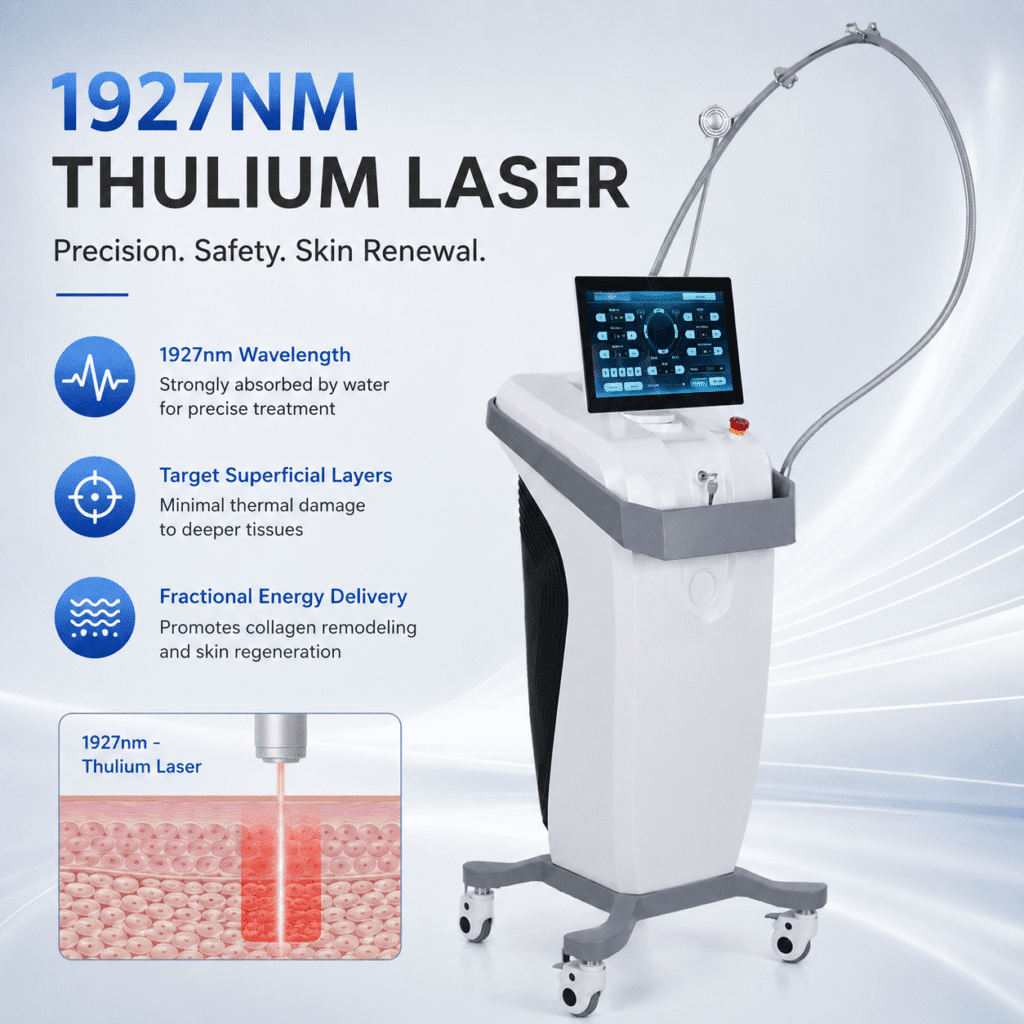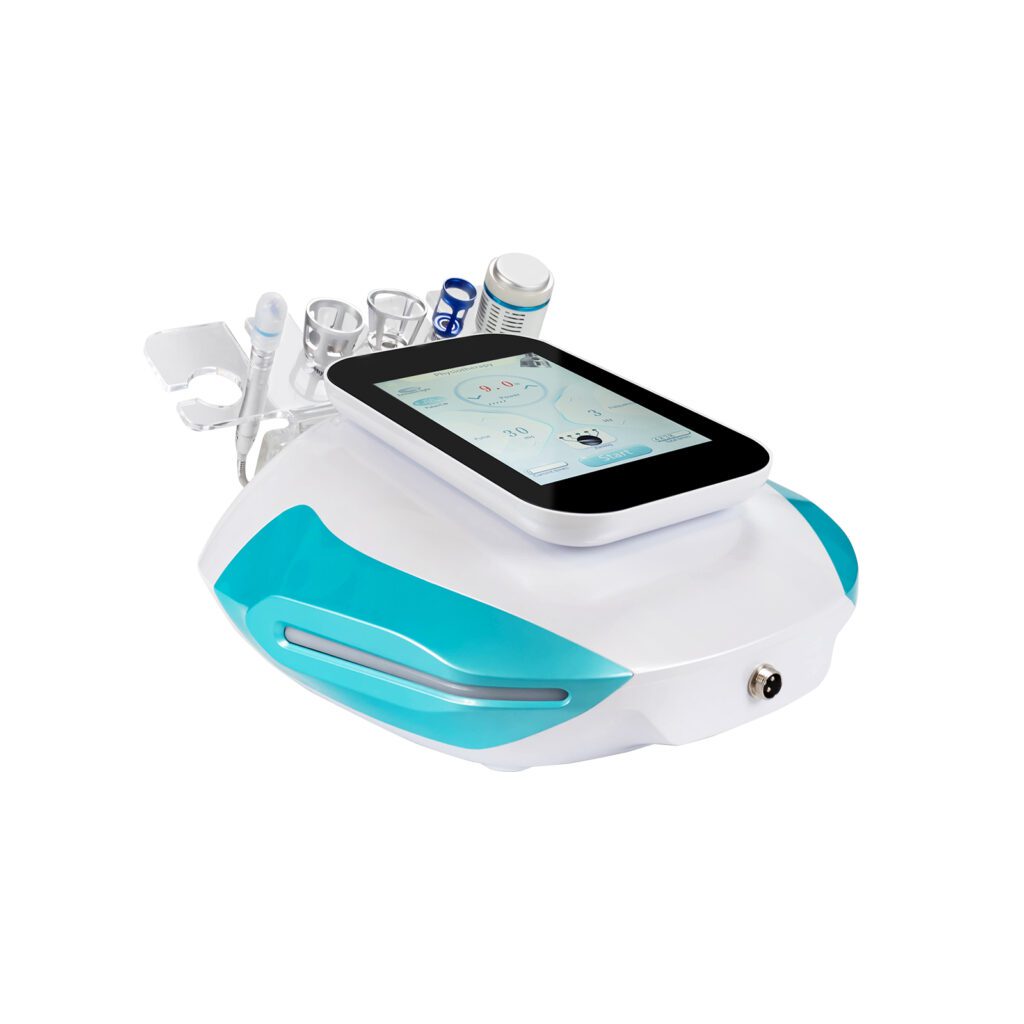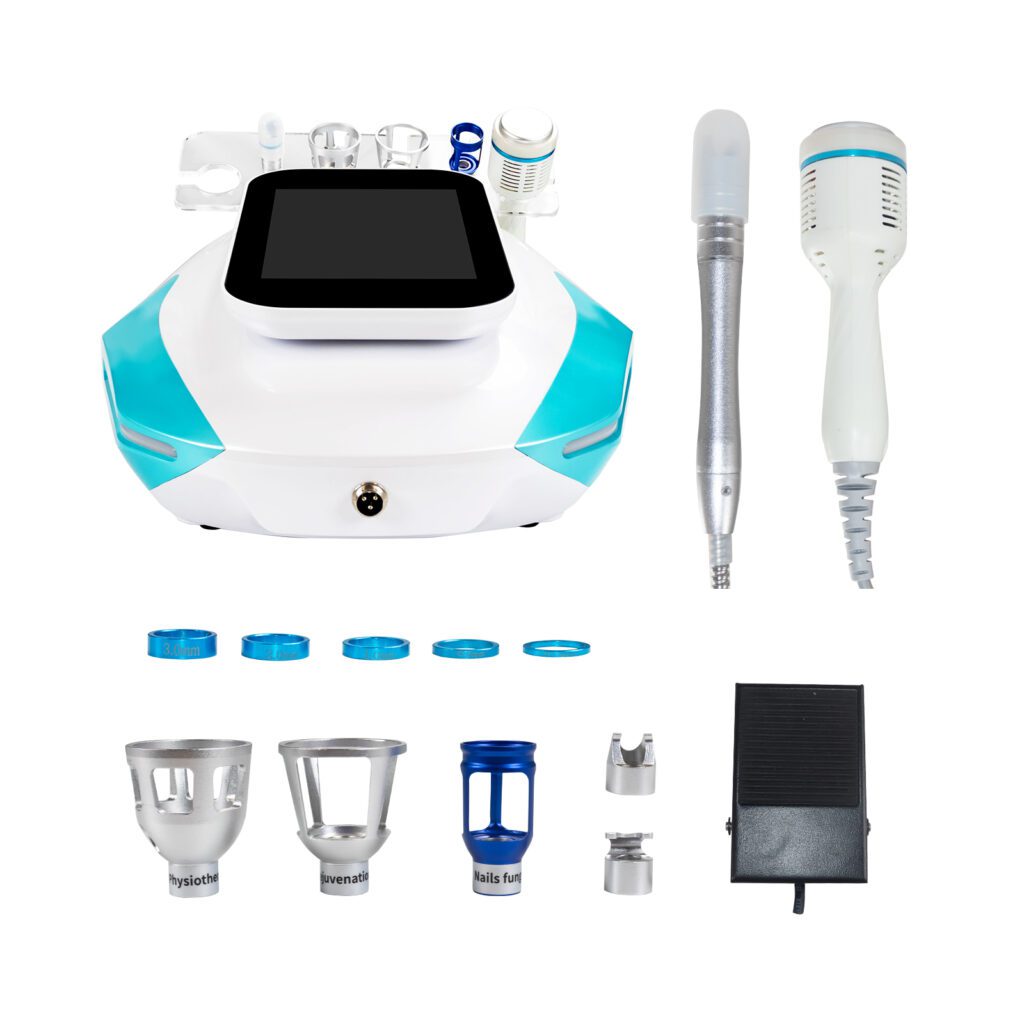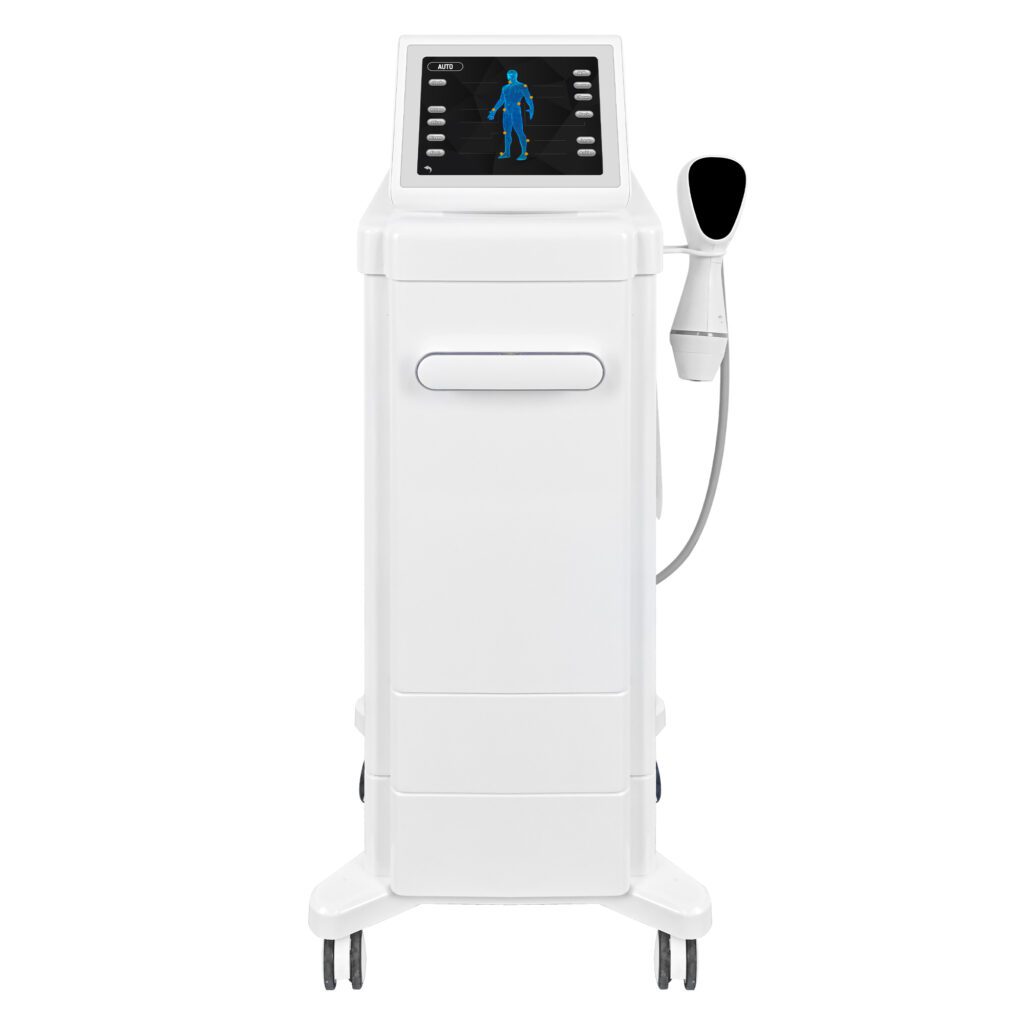
أصبح الطلب على شراء معدات صالونات التجميل أكثر احترافية، وأكثر حذرًا، وأكثر تركيزًا على المشاريع. لا تزال الصالونات ترغب في أجهزة تجميل جديدة، لكنها لم تعد تشتريها لمجرد أن الجهاز يبدو متطورًا أو لأن المورد يقدم خصمًا. يتساءل المزيد من أصحاب الصالونات الآن عما إذا كانت المعدات قادرة على جذب العملاء، وزيادة متوسط قيمة المعاملة، وتشجيع الزيارات المتكررة، وملاءمة مهارات الموظفين، واسترداد الاستثمار، والحصول على دعم موثوق لما بعد البيع.
يحلل هذا التقرير أنماط الطلب الشرائي الرئيسية لصالونات التجميل، بما في ذلك أسباب شراء الصالونات للمعدات، وفئات الأجهزة التي تهتم بها، وكيف تتغير الميزانيات، والعوامل التي تؤثر على قرارات الشراء، وما الذي يجب على المصنعين والموزعين فعله لكسب مشتري الصالونات.
ملخص تنفيذي
لا يزال سوق أجهزة التجميل يُظهر إمكانات نمو واعدة. وتشير تقارير السوق العامة الحديثة إلى توسع في أجهزة التجميل التي تعمل بالطاقة، وأجهزة التجميل الطبية، وأجهزة نحت الجسم، وفئات أجهزة التجميل الأوسع نطاقًا حتى أوائل العقد الثالث من القرن الحالي. فعلى سبيل المثال، تتوقع شركة "جراند فيو ريسيرش" أن ينمو سوق أجهزة التجميل العالمية التي تعمل بالطاقة من 8.1 مليار دولار أمريكي في عام 2026 إلى 15.7 مليار دولار أمريكي بحلول عام 2033. كما تتوقع شركة "فورتشن بزنس إنسايتس" أن ينمو سوق أجهزة التجميل الطبية العالمية من 28.49 مليار دولار أمريكي في عام 2025 إلى 89.59 مليار دولار أمريكي بحلول عام 2034.
لكن طلب الشراء من الصالونات لا يقتصر على زيادة الكمية فحسب، بل أصبح أكثر انتقائية.
أهم النتائج:
- تشتري الصالونات المعدات لبناء مشاريع الخدمات، وليس فقط لإضافة مخزون من الآلات.
- لا تزال مكافحة الشيخوخة، وشد البشرة، وتحسين جودة البشرة، والترطيب، وتحليل البشرة، وإزالة الشعر، ونحت الجسم من الفئات الرئيسية المطلوبة.
- تفضل الصالونات الجديدة والصغيرة الأجهزة العملية ذات معدل الاستخدام العالي والعائد السريع على الاستثمار.
- تفضل مراكز العناية بالبشرة الراقية التشخيص المتقدم، ومكافحة الشيخوخة، ومجموعات العلاج، والسجلات الرقمية، وتغليف المشاريع المتميزة.
- تفضل صالونات التجميل المجتمعية المعدات سهلة الشرح، والمدمجة، والقابلة للتكرار، والأقل خطورة.
- تقوم صالونات التجميل بشكل متزايد بتقييم العائد على الاستثمار، والمواد الاستهلاكية، والتدريب، وعمر الخدمة، وموثوقية المورد، ودعم ما بعد البيع قبل الشراء.
- لا يزال السعر مهمًا، لكنه لم يعد العامل الوحيد. فالعديد من الصالونات مستعدة لدفع المزيد مقابل المعدات التي توفر تدريبًا أفضل، وضمانًا، وقطع غيار، وبروتوكولات، ودعمًا تسويقيًا.
- يتزايد الوعي بالامتثال والادعاءات الإعلانية، لا سيما بالنسبة للأجهزة التي تعتمد على الطاقة، والأجهزة التي تعتمد على الضوء، وأجهزة إزالة الشعر، وأجهزة نحت الجسم، والأجهزة التي تدعي تحقيق نتائج عالية.
بالنسبة للمصنعين والموزعين، فإن الفرصة واضحة: فالطلب الأقوى ليس على الآلات وحدها، بل على حلول مشاريع المعدات الكاملة.
1. خلفية البحث: لماذا يتغير الطلب على معدات الصالونات
تواجه صالونات التجميل ضغوطًا متعددة في آن واحد. فتوقعات العملاء في ازدياد، والمنافسة تشتد، وتكاليف العمالة أعلى، وغالبًا ما يصعب التمييز بين الخدمات اليدوية الأساسية. وتساعد المشاريع القائمة على المعدات الصالونات على الاستجابة لهذه الضغوط.
تشتري الصالونات المعدات لأنها ترغب في:
- قم بتحديث قوائم الخدمة.
- زيادة أسعار العلاج.
- تحسين ثقة العملاء من خلال التكنولوجيا.
- أنشئ حزمًا ذات قيمة أعلى.
- ادعم التقدم المرئي أو القابل للقياس.
- اجذب العملاء الأصغر سناً المهتمين بالرعاية القائمة على التكنولوجيا.
- تلبية احتياجات العملاء من كبار السن فيما يتعلق بمنتجات مكافحة الشيخوخة وشد البشرة.
- تحسين عمليات الشراء المتكررة والحفاظ على العضوية.
- التنافس مع الصالونات والمنتجعات الصحية ومراكز التجميل والعيادات القريبة.
- قم ببناء صورة أكثر احترافية للعلامة التجارية.
في الوقت نفسه، أصبح الشراء أكثر حذراً. فقد شهدت العديد من الصالونات وجود أجهزة غير مستخدمة، وصعوبة في التدريب، وضعف في خدمة ما بعد البيع، وانخفاض في معدل تحويل الباقات. وهذا ما يجعل المشترين أكثر تركيزاً على النتائج العملية للأعمال.
2. أنواع المشترين الرئيسيين في شراء معدات صالونات التجميل
تختلف أنواع الصالونات المختلفة في طلبات الشراء.
صالونات تجميل جديدة:
- نحتاج إلى معدات الدفعة الأولى.
- يفضل الاستثمار الذي يمكن التحكم فيه.
- نهتم بسهولة التشغيل وسرعة التدريب.
- نحتاج إلى أجهزة تدعم فتح الطرود.
- تجنب استخدام الآلات المتخصصة للغاية في البداية.
صالونات التجميل المجتمعية:
- خدمة الزبائن الدائمين القريبين.
- نحتاج إلى خدمات عالية التردد وسهلة الشرح.
- فضل الأجهزة الصغيرة الحجم ذات منطق الشراء المتكرر الجيد.
- اهتم بالتدفق النقدي وسرعة استرداد رأس المال.
- قيمة دعم ما بعد البيع وتوفير المواد الاستهلاكية.
مراكز العناية بالبشرة المعتمدة:
- نحتاج إلى تحليل البشرة، والتنظيف، والترطيب، والعلاج بتقنية LED، والتيار الدقيق، والترددات الراديوية، وأنظمة العرض.
- الاهتمام ببيانات العملاء، والاستشارات، وتصميم الدورات التدريبية.
- هل تبحث عن أجهزة تساعد في بيع الخطط الشهرية أو متعددة الجلسات؟.
مراكز العناية بالبشرة الراقية:
- نحتاج إلى تشخيص متقدم، ومكافحة الشيخوخة، والتعافي، والتتبع الرقمي، وتغليف المشاريع المتميز.
- الاهتمام بصورة العلامة التجارية، وجودة الأجهزة، وكفاءة الموظفين، وموثوقية الموردين.
- يفضل استخدام الأنظمة الاحترافية على الآلات متعددة الوظائف منخفضة الجودة.
المنتجعات الطبية وعيادات التجميل:
- قد يتطلب الأمر أجهزة أكثر تطوراً.
- يجب أن تكون متطلبات الامتثال والتدريب والسلامة أكثر صرامة.
- غالباً ما تتم مقارنة المعدات بالنتائج السريرية والنطاق التنظيمي.
صالونات التجميل المتسلسلة:
- الحاجة إلى التوحيد القياسي، وأنظمة التدريب، والبروتوكولات القابلة للتطوير، وقطع الغيار، واستقرار الموردين.
- اهتم بالاتساق بين المواقع.
لا ينبغي للموزعين والمصنعين استخدام أسلوب واحد لعرض المنتج على جميع المشترين. يعتمد الطلب على الشراء بشكل كبير على نوع المشتري.
3. دوافع الشراء الأساسية
تشتري صالونات التجميل عادةً المعدات لعدة أسباب تجارية.
زيادة الإيرادات
تسعى العديد من صالونات التجميل إلى رفع متوسط قيمة المعاملات. ويمكن أن تدعم العلاجات التي تعتمد على الأجهزة ارتفاع الأسعار عند تقديمها ضمن باقات تشمل مكافحة الشيخوخة، وشد البشرة، وتحليل البشرة، والعناية بالجسم، أو برامج العناية بالبشرة المصممة خصيصًا.
تمييز الخدمة
في الأسواق التي تقدم فيها العديد من الصالونات علاجات وجه متشابهة، يمكن للأجهزة أن تساعد في إحداث اختلافات واضحة. فالصالون الذي يمتلك أجهزة تحليل البشرة، أو تقنية الترددات الراديوية، أو تقنية LED، أو تقنية العلاج المائي للوجه، يمكنه تقديم قائمة خدمات أكثر احترافية.
الاحتفاظ بالعملاء
يمكن تصميم مشاريع المعدات على شكل دورات تدريبية أو اشتراكات. وهذا يساعد الصالونات على زيادة الزيارات المتكررة بدلاً من الاعتماد فقط على العلاجات لمرة واحدة.
الثقة والصورة الاحترافية
غالباً ما يشعر العملاء بأن الصالونات التي تستخدم أدوات التشخيص والأجهزة الاحترافية أكثر حداثة. وينطبق هذا بشكل خاص على مراكز العناية بالبشرة والصالونات الراقية.
الضغط التنافسي
تشتري بعض الصالونات معداتٍ لأن المنافسين يقدمون خدماتٍ مماثلة. قد يكون هذا مبرراً، ولكنه ينطوي على مخاطرة إذا لم يجرِ الصالون دراسةً للأسعار، ومدى تقبّل العملاء، وإمكانية التميّز.
كفاءة العمل
يمكن أن تساعد المعدات في توحيد أجزاء من عملية العلاج. وهذا قد يقلل الاعتماد على أسلوب كل فرد من أفراد الطاقم، على الرغم من أن التدريب والإشراف لا يزالان ضروريين.
4. أهم فئات الأجهزة في طلبات الشراء في الصالونات
يتركز الطلب في صالونات التجميل على عدة فئات من الأجهزة.
معدات تحليل الجلد:
- تُستخدم للاستشارات، وتثقيف العملاء، وتتبع التقدم، وتحويل الحزم.
- يتزايد الطلب في مراكز العناية بالبشرة والصالونات الراقية.
أجهزة ترطيب الوجه بالفقاعات الصغيرة:
- مناسب للتنظيف الأساسي، والترطيب، والمسام، والبشرة الدهنية، والبهتان، والعناية بالبشرة للمبتدئين.
- طلب قوي من الصالونات الجديدة وصالونات التجميل المجتمعية.
ضخ الأكسجين والضخ بالموجات فوق الصوتية:
- مفيد للترطيب، ودعم السيروم، والعناية بالبشرة المتألقة، وخطوات العناية بالبشرة بعد التنظيف.
- غالباً ما يتم شراؤها كأجهزة مساعدة.
العلاج بالضوء بتقنية LED:
- غالباً ما يستخدم في إدارة البشرة، وتهدئتها، والعناية بها على غرار علاجها، وإدارة البشرة المعرضة لحب الشباب عند الاقتضاء، والمحافظة على شباب البشرة.
- قيمة الجمع القوية.
أجهزة التجميل بتقنية الترددات الراديوية:
- مهم لشد البشرة، ومكافحة الشيخوخة، والعناية بالرقبة، وتحديد ملامح الوجه.
- طلب قوي من صالونات التجميل الناضجة التي تركز على العملاء والمراكز الراقية.
معدات التيار الدقيق الكهرومغناطيسي:
- مناسب لمكافحة الشيخوخة المبكرة، والحفاظ على ملامح الوجه، والتحسينات الإضافية.
- يحظى بشعبية لأنه يمكن وصفه بأنه لطيف وقابل للتكرار.
أجهزة التجميل بالموجات فوق الصوتية:
- مناسب في أسواق ونطاقات أعمال مختارة.
- يتطلب الأمر مزيدًا من الدقة في الالتزام والمراجعة من قبل المشغلين.
معدات إزالة الشعر:
- فئة ناضجة ذات طلب واسع النطاق ولكن بمنافسة سعرية قوية في العديد من الأسواق.
- مناسب عندما يكون الطلب المحلي والخصوصية والتدريب والشروط التنظيمية واضحة.
معدات نحت الجسم:
- يدعم المشاريع ذات التكلفة العالية المتعلقة بإدارة الجسم والتنحيف.
- يتطلب ذلك تتبع القياسات، والخصوصية، وتدريب الموظفين، وتقديم ادعاءات واقعية.
أجهزة الوجه متعددة الوظائف:
- جذاب للصالونات الجديدة والصغيرة والمجتمعية.
- يهتم المشترون الآن أكثر بجودة الوظائف والتدريب والتغليف العملي للمشاريع.
5. الطلب حسب حجم الصالون
عادة ما تعطي الصالونات الصغيرة الأولوية لما يلي:
- تحليل البشرة.
- هيدرو فيشال.
- فقاعة صغيرة.
- ضخ الأكسجين.
- قاد.
- التنظيف والتسريب بالموجات فوق الصوتية.
- أجهزة تجميل الوجه متعددة الوظائف صغيرة الحجم.
تتمثل احتياجاتهم الرئيسية في القدرة على تحمل التكاليف، والاستخدام المتكرر، وسهولة الشرح، وسرعة الاسترداد.
عادة ما تعطي الصالونات المتوسطة الأولوية لما يلي:
- تحليل البشرة.
- هيدرو فيشال.
- قاد.
- التيار الدقيق.
- ترددات لاسلكية لطيفة.
- أنظمة متعددة الوظائف.
- معدات مختارة لإزالة الشعر أو الجسم إذا ثبت وجود طلب عليها.
تتمثل احتياجاتهم الرئيسية في تطوير الخدمات، وبيع الباقات، وتعزيز الاحتفاظ بالعملاء.
عادةً ما تعطي الصالونات الكبيرة والسلاسل التجارية الأولوية لما يلي:
- أنظمة تحليل الجلد المعيارية.
- أنظمة الترددات اللاسلكية الاحترافية.
- منصات LED.
- أنظمة إزالة الشعر.
- معدات نحت الجسم.
- السجلات الرقمية.
- التدريب وتوحيد البروتوكولات.
تتمثل احتياجاتهم الرئيسية في قابلية التوسع، واتساق الخدمة، واستقرار الموردين، والاستجابة لما بعد البيع.
6. الطلب حسب موقع الصالون
صالونات التجميل المجتمعية:
- نحتاج إلى أجهزة عالية التردد.
- يفضل الاستثمار المنخفض إلى المتوسط.
- اهتم بالعملاء الدائمين والتوصيات الشفهية.
- تشمل الفئات المناسبة: العلاج المائي للوجه، والفقاعات الصغيرة، وتقنية LED، وحقن الأكسجين، وأجهزة الموجات فوق الصوتية، وأجهزة تحليل البشرة، والتيار الدقيق، والترددات الراديوية اللطيفة.
مراكز العناية بالبشرة الراقية:
- أحتاج إلى استشارة مهنية وباقات مميزة.
- يفضل استخدام تقنيات متقدمة لتحليل البشرة، والترددات الراديوية، والتيار الدقيق، والضوء LED، والترطيب المائي للوجه، والتسريب، والتبريد، والسجلات الرقمية، ومعدات متطورة مختارة.
- اهتم بقيمة نظام الخدمة أكثر من السعر المنخفض.
صالونات العناية بالجسم:
- أحتاج إلى أدوات نحت الجسم، وتقنية الترددات الراديوية للجسم، وتقنية التحفيز الكهربائي للعضلات للجسم، وتقنية شفط الجسم، وأدوات القياس.
- يتطلب الأمر الخصوصية، وتخطيطًا أطول للجلسات، والقدرة على بيع الدورات التدريبية.
صالونات متخصصة في إزالة الشعر:
- نحتاج إلى معدات موثوقة لإزالة الشعر، وأداء تبريد ممتاز، وقطع غيار، ودعم للأجهزة اليدوية، وتدريب للموظفين، وأسعار مناسبة للباقات.
مراكز رعاية ما بعد الولادة والرعاية الخاصة:
- يتطلب الأمر مستوى عالٍ من الثقة، والخصوصية، والتواصل الحساس، ومراجعة الامتثال المحلي، وكفاءة الموظفين المهنية.
7. اتجاهات الميزانية في شراء معدات الصالونات
Salon equipment budgets are becoming more segmented.
New and small salons often prefer:
- Lower first-batch investment.
- Devices that can recover cost quickly.
- Multifunction devices.
- Starter packages from suppliers.
- Financing or staged purchasing.
Established salons often prefer:
- Mid-range and premium equipment.
- Better training and warranty.
- Devices that improve average ticket.
- Product upgrades when older machines underperform.
High-end centers often prefer:
- Higher-quality systems.
- صورة أفضل للعلامة التجارية.
- تحليل متقدم للبشرة.
- Professional anti-aging devices.
- Service packages that justify premium pricing.
The budget trend is not simply “salons spend more” or “salons spend less.” The real trend is that salons want clearer value for each purchase.
8. What Salons Care About Most Before Purchasing
Beauty salons usually evaluate several factors before buying.
Top factors include:
- Device function and treatment effect.
- قبول العملاء.
- Treatment price potential.
- العائد على الاستثمار وفترة الاسترداد.
- موثوقية المورد.
- صعوبة التدريب.
- تكلفة المواد الاستهلاكية.
- توافر قطع الغيار.
- عملية الضمان والإصلاح.
- الدعم التسويقي.
- Compliance documents.
- بروتوكولات العلاج.
- ثقة الموظفين.
- Competitor pressure.
- Cash-flow impact.
Price is important, but it is only one part of the decision. A device with a lower price may lose if it lacks training, spare parts, warranty, or clear project positioning.
9. Demand For ROI Transparency
More salons now ask suppliers to explain ROI. They want to know how many sessions are needed to recover the machine cost and whether the expected volume is realistic.
Salons commonly ask:
- ما هي التكلفة الإجمالية للشراء؟
- ما هي المواد الاستهلاكية المطلوبة؟
- ما هي تكلفة العلاج الواحد؟
- ما هو السعر الذي يمكن أن يتقاضاه الصالون؟
- How many treatments are needed to break even?
- How many sessions per week are realistic?
- Does the treatment sell as a course?
- What is the package conversion rate?
- What is the maintenance cost?
Distributors should be ready with ROI calculators, conservative scenarios, and real case examples. Overly optimistic revenue examples can hurt trust.
10. Demand For Project Packaging
One major change is that salons increasingly want project support. They do not only ask for a machine. They ask how to turn the machine into a sellable service.
Useful project support includes:
- أسماء العلاجات.
- Service menu structure.
- Single-session pricing.
- Course pricing.
- Member pricing.
- Trial campaign design.
- نصوص استشارة العملاء.
- قوالب تتبع قبل وبعد.
- قوائم التحقق من موانع الاستخدام.
- تعليمات العناية اللاحقة.
- تدريب موظفي المبيعات.
- Launch promotion materials.
For manufacturers and distributors, project packaging is now a key sales advantage. It helps the salon see how the device can generate revenue after purchase.
11. Demand For Training And Standardized Operation
Training is a major purchasing factor because many salons have staff turnover and different operator skill levels.
Salons want:
- Simple operating instructions.
- مقاطع فيديو تدريبية.
- تدريب مباشر.
- Written protocols.
- Parameter guidance.
- التدريب على السلامة وموانع الاستخدام.
- Troubleshooting instructions.
- Sales and consultation training.
- Training for new staff after purchase.
The more complex the device, the more important training becomes. For energy-based, light-based, hair removal, body contouring, and anti-aging devices, weak training can create poor results, safety concerns, and customer dissatisfaction.
12. Demand For After-Sales Service
After-sales service is one of the strongest demand factors in current salon purchasing. A machine problem can stop treatments, cancel bookings, damage trust, and create refund pressure.
تهتم الصالونات بما يلي:
- فترة الضمان.
- Which parts are covered.
- Repair turnaround time.
- Remote technical support.
- Local technician availability.
- توريد قطع الغيار.
- الإمدادات الاستهلاكية.
- ملحقات الاستبدال.
- جدول الصيانة.
- Shipping responsibility for repair.
Distributors that can respond quickly have a major advantage. In many cases, salons will choose a slightly more expensive supplier if the service system is more reliable.
13. Demand For Consumables And Repeat Supply
Many beauty devices require consumables such as tips, filters, cartridges, gels, serums, masks, pads, probes, or replacement heads. Salons increasingly ask about these costs before purchase.
تتضمن الأسئلة المهمة ما يلي:
- ما هي المواد الاستهلاكية المطلوبة؟
- How many treatments does each consumable support?
- Is the consumable proprietary?
- Can the salon buy it locally?
- ما هي تكلفة العلاج الواحد؟
- Are replacement parts stable?
- What happens if the supplier stops selling consumables?
For distributors, consumables create repeat revenue. But if consumable costs are too high or supply is unstable, salons may reject the equipment.
14. Demand For Compliance And Documentation
Compliance awareness is increasing, especially for advanced equipment.
Salons may request:
- مواصفات المنتج.
- كتيبات المستخدم.
- Warranty documents.
- Certificates or declarations.
- قم باستيراد المستندات عند الاقتضاء.
- Safety instructions.
- Contraindication lists.
- Training records.
- Labeling and intended use information.
The FDA states that aesthetic devices may be regulated depending on intended use and whether they affect the structure or function of the body. The FTC also emphasizes that health-related advertising claims should be truthful, not misleading, and properly supported.
This means salons and distributors should avoid unsupported claims, especially for lifting, slimming, hair removal, pigmentation, acne, body reduction, or medical-sounding results.
15. Demand For Clear Pricing Space
Salons want to know whether a device can support profitable treatment pricing. They compare cost, competitor prices, customer payment ability, and package value.
Pricing demand includes:
- سعر تجريبي.
- Standard session price.
- سعر باقة الدورة التدريبية.
- Member price.
- Add-on upgrade price.
- Premium program price.
Devices with strong pricing space usually have:
- Clear customer pain point.
- Visible or trackable progress.
- Course treatment logic.
- Good customer understanding.
- Differentiation from competitors.
- Low enough consumable cost.
- Strong consultation support.
If the project can only sell through deep discounts, purchasing demand becomes weaker.
16. Demand For Devices That Improve Customer Conversion
Some devices are purchased not because they directly generate high service fees, but because they help sell other services.
The best example is skin analysis equipment. It may not always create high direct treatment revenue, but it helps:
- Increase customer trust.
- Identify customer concerns.
- Recommend suitable treatments.
- Track progress.
- تحسين تحويل الحزم.
- ادعم تجديد العضوية.
This creates demand for diagnostic and digital tools. Manufacturers and distributors should explain conversion value, not only technical specifications.
17. Demand For High-Frequency Core Devices
High-frequency devices remain important because they support stable salon operation.
ومن الأمثلة على ذلك:
- هيدرو فيشال.
- فقاعة صغيرة.
- ضخ الأكسجين.
- التنظيف بالموجات فوق الصوتية.
- قاد.
- Basic skin analysis.
- Cooling and soothing equipment.
These devices are attractive because they can be used regularly, fit many customers, and support entry-level or mid-level packages. For new salons, high-frequency devices often matter more than expensive advanced machines.
18. Demand For Premium Anti-Aging Devices
Anti-aging remains one of the strongest high-value needs. Salons with customers aged 30 and above often demand RF, microcurrent, LED, ultrasound-related devices, skin analysis, and recovery support.
Premium anti-aging demand is driven by:
- خطوط دقيقة.
- Sagging.
- Facial contour concerns.
- Neck care.
- Dullness.
- فقدان الصلابة.
- العناية بالبشرة الناضجة.
- High-ticket package potential.
This category is attractive for distributors because it supports higher transaction value. But it also requires training, realistic claims, and better after-sales support.
19. Demand For Body And Shape Management Devices
Body contouring and slimming-related devices have purchasing demand in selected markets. Demand is stronger when salons have:
- Mature female customers.
- Postpartum clients.
- Customers interested in body shape.
- Private treatment rooms.
- Staff able to sell courses.
- A local market that accepts package pricing.
Body equipment demand is weaker when the salon mainly sells basic facials, has limited space, or serves highly price-sensitive customers.
20. Demand For Hair Removal Devices
Hair removal remains a mature but selective demand category.
Salons demand hair removal equipment when:
- Local customers ask about it.
- Competitors are not too low-priced.
- The salon has privacy and staff training.
- Package sales are possible.
- The device has reliable cooling and maintenance support.
- Regulatory and operating requirements are clear.
In saturated markets, salons may hesitate because of price wars. Distributors should provide competitor pricing analysis and ROI estimates before pushing hair removal machines.
21. Purchasing Decision Process
A salon’s purchasing process often follows these stages:
1. Identifying customer demand.
2. Watching competitors.
3. Asking suppliers for product options.
4. Comparing prices and functions.
5. Asking about training, warranty, and consumables.
6. Calculating ROI.
7. Testing customer interest through surveys or trials.
8. Negotiating package support and after-sales terms.
9. Buying one device or a starter package.
10. Tracking usage, customer feedback, and revenue.
Distributors can improve conversion by supporting each stage instead of only sending a quotation.
22. Key Barriers To Purchase
Salons may delay or reject purchases because of:
- High machine price.
- Unclear customer demand.
- Fear of low utilization.
- Weak staff confidence.
- Expensive consumables.
- Unclear warranty.
- Previous bad supplier experience.
- Competitor price pressure.
- عدم اليقين بشأن الامتثال.
- Lack of project packaging.
- Cash-flow pressure.
- Doubts about treatment results.
Sales teams should address these barriers directly. A beautiful brochure is not enough.
23. How Salons Validate Demand Before Purchasing
More salons are beginning to validate demand before buying.
تشمل الطرق الشائعة ما يلي:
- Customer surveys.
- VIP trial campaigns.
- Pre-sale deposits.
- Competitor research.
- Staff feedback.
- Price testing.
- Social media interest checks.
- Consultation record analysis.
- Existing customer age and spending analysis.
The strongest signal is not “customers are interested.” The strongest signal is that customers book, pay, buy packages, return, and refer others.
24. Distributor Opportunities From Purchasing Demand
Salon purchasing demand creates several opportunities for distributors.
Opportunity 1: Product portfolio segmentation.
Distributors can create product lines for new salons, community salons, standard skin management centers, and high-end centers.
Opportunity 2: Project package support.
Distributors can sell treatment systems, not just machines.
Opportunity 3: After-sales service differentiation.
Fast repair, spare parts, and training can create strong customer loyalty.
Opportunity 4: Consumable supply programs.
Stable consumables create repeat revenue and help salons maintain treatments.
Opportunity 5: Training and education.
Distributors can offer operator training, sales scripts, consultation training, and launch programs.
Opportunity 6: ROI tools.
Salons trust suppliers who help them calculate realistic payback.
Opportunity 7: Local market research.
Regional distributors can help salons understand competitors, pricing, and customer acceptance.
25. Strategic Recommendations For Manufacturers And Distributors
Manufacturers and distributors should adjust their strategy around salon purchasing demand.
Recommendations:
- Build product portfolios by salon type.
- Provide clear ROI worksheets.
- Offer treatment protocols and project packages.
- Prepare training videos and manuals.
- Keep spare parts and consumables in stock.
- Provide warranty and repair terms clearly.
- تجنب المبالغة في الادعاءات.
- Help salons test customer demand before large purchases.
- Build demo cases by salon type.
- Create entry, mid-level, and premium product ladders.
- Support salon pricing and package design.
- Develop local after-sales capacity.
- Provide compliance and intended-use documentation.
The sales message should shift from “this machine has many functions” to “this equipment can help your salon build a profitable and repeatable project.”
26. Demand Outlook For The Next 3 To 5 Years
Over the next 3 to 5 years, beauty salon equipment purchasing demand is likely to move in several directions.
Likely growth areas:
- AI skin analysis and digital consultation.
- RF and anti-aging systems.
- Microcurrent and facial contour maintenance.
- LED and recovery support.
- Hydro facial and skin management systems.
- Body contouring in validated markets.
- Hair removal upgrades in selected regions.
- Multifunction devices for small salons.
- Premium equipment portfolios for high-end centers.
- After-sales service and consumables programs.
Likely buyer behavior:
- More ROI calculation before purchase.
- More demand for training and protocols.
- More attention to compliance and claims.
- More comparison of supplier service.
- More preference for project packages.
- More cautious buying of expensive single-function devices.
The market is still attractive, but salons will reward suppliers who understand business reality.
خاتمة
Beauty salon equipment purchasing demand is becoming more rational, segmented, and service-driven. Salons still need devices, but they increasingly purchase based on customer demand, project value, ROI, training, after-sales service, consumables, compliance, and supplier reliability.
The strongest demand categories include skin analysis, hydro facial and small bubble devices, oxygen and ultrasonic infusion, LED, RF, EMS microcurrent, multifunction facial machines, selected hair removal systems, and body contouring equipment in validated markets.
For distributors and manufacturers, the main opportunity is to move beyond product selling. The future belongs to suppliers who can help salons choose the right equipment, price the project, train staff, support customers after purchase, and turn devices into sustainable revenue.
التعليمات
What are beauty salons looking for when buying equipment?
Beauty salons look for customer demand, treatment value, ROI, easy operation, training, after-sales service, consumable cost, supplier reliability, compliance documents, and whether the device can support repeat purchases.
Which beauty equipment categories have the strongest salon demand?
Strong demand categories include skin analysis systems, hydro facial and small bubble devices, oxygen infusion, ultrasonic infusion, LED, RF, EMS microcurrent, multifunction facial machines, hair removal in selected markets, and body contouring equipment.
Do salons care more about price or after-sales service?
Price matters, especially for small salons, but after-sales service is becoming increasingly important. Many salons will choose a higher-priced supplier if warranty, training, spare parts, and technical support are stronger.
Why do salons ask for ROI before buying beauty equipment?
Salons want to know whether the device can recover its investment through realistic treatment volume, package sales, and repeat visits. ROI helps prevent idle equipment and cash-flow pressure.
How can distributors meet salon purchasing demand?
Distributors can meet demand by offering segmented product portfolios, training, treatment protocols, ROI calculators, pricing guidance, spare parts, consumables, warranty support, and local market research.