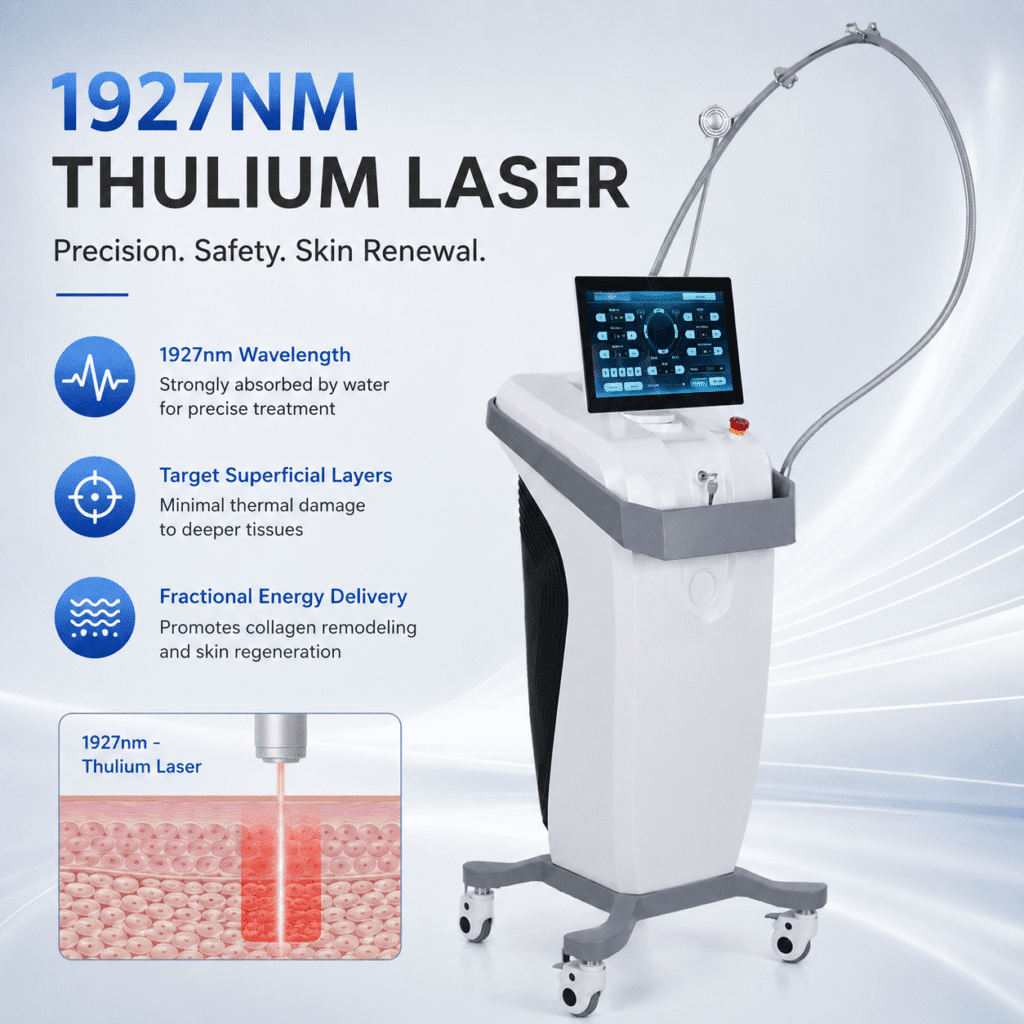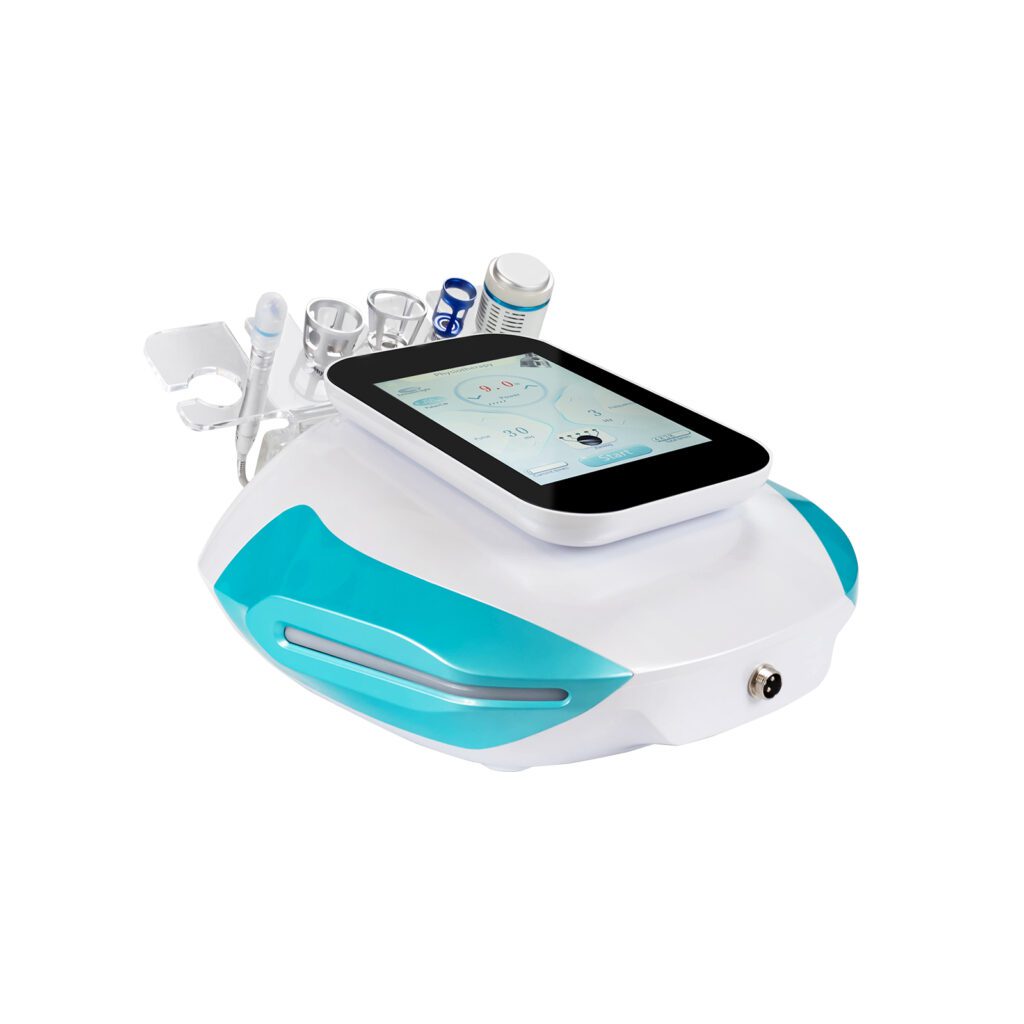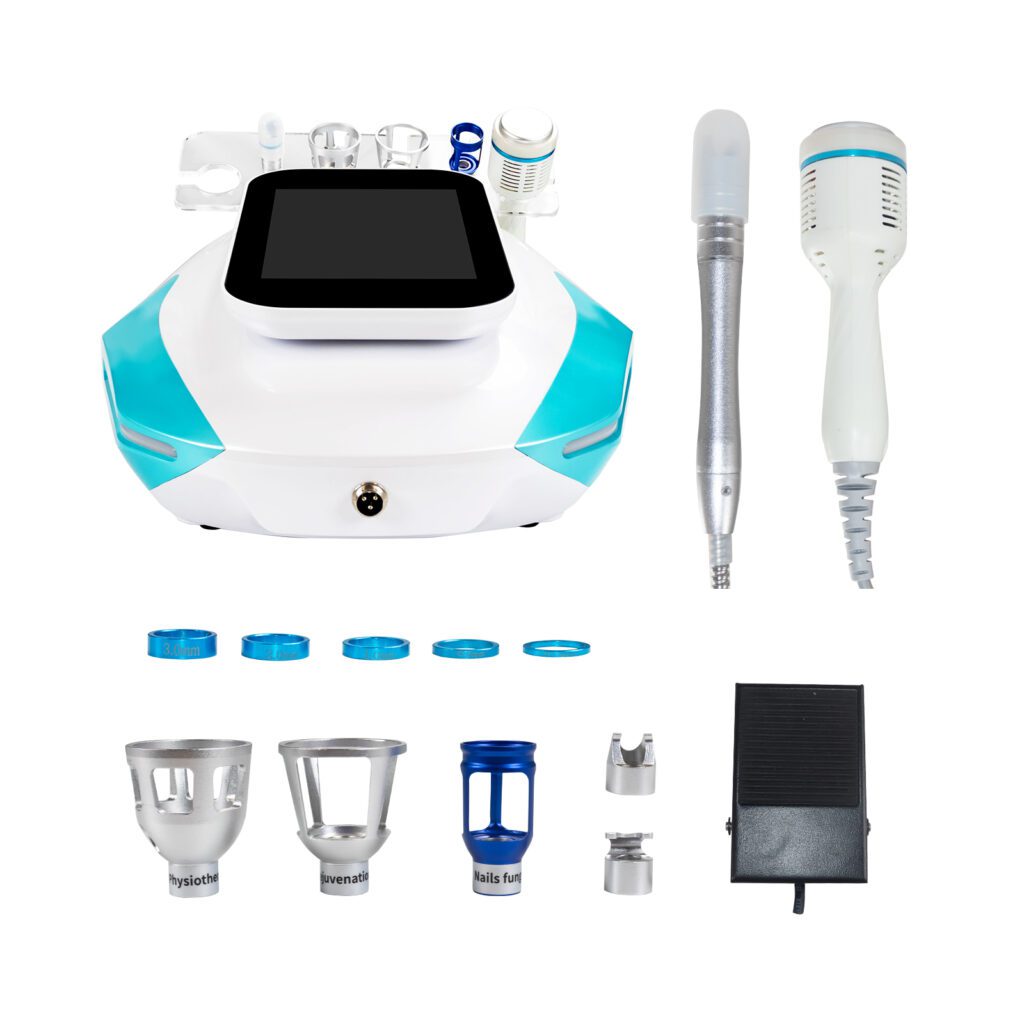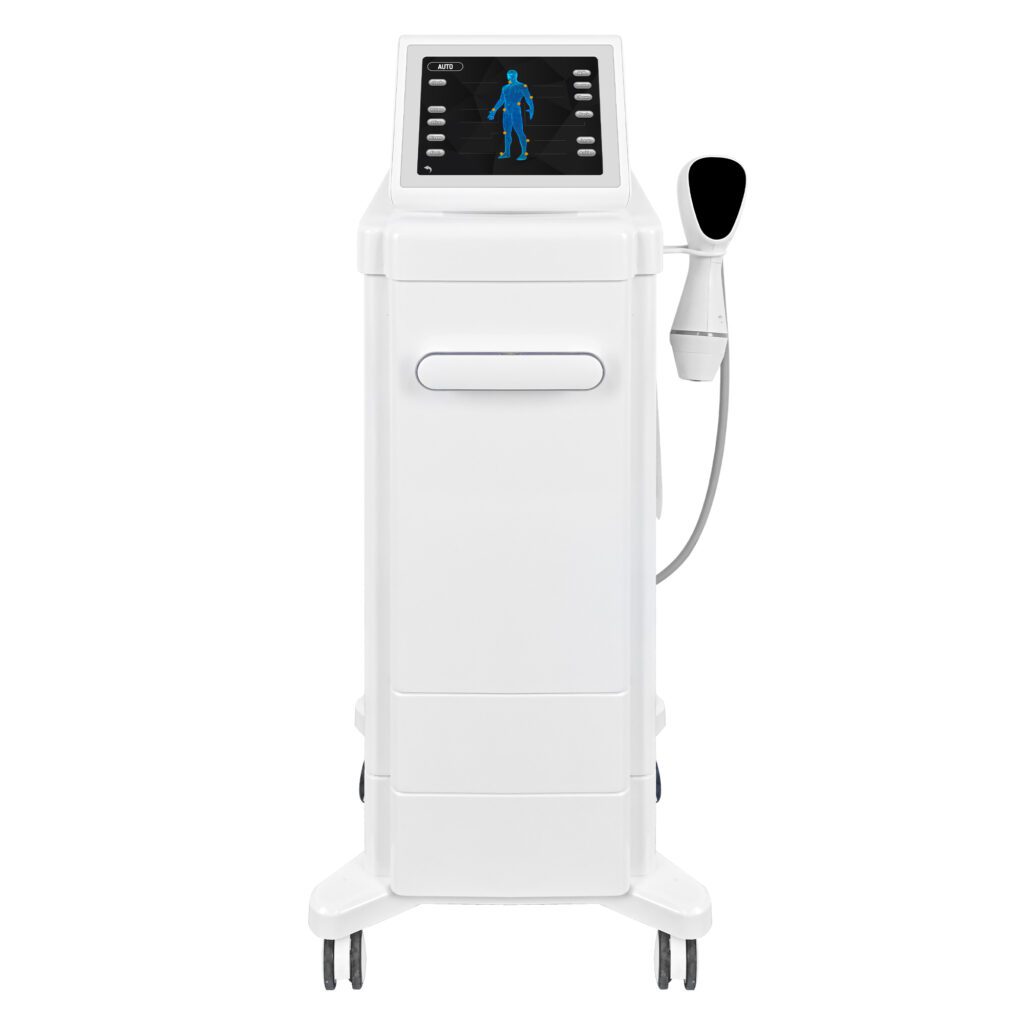










A skin clinic adding body services should build a separate body-care pathway rather than extend facial protocols to larger treatment areas. Body clients have different goals, screening needs, privacy expectations, room requirements, applicator choices, and follow-up questions. The clinic also needs to decide whether it wants mechanical body care, muscle-focused services, or localized cooling-based contouring.
This guide compares selected أجهزة التجميل من شيفمون for skin clinics entering non-invasive body services. It explains how B0155, A0241, and S9 differ, which clinic each model fits, how to turn the equipment into clear menu categories, and how to expand without weakening the existing facial business.
ملخص تنفيذي
- Start with one body-service goal rather than a general promise of slimming, firming, toning, and fat removal.
- B0155 is the broadest multifunction option in this comparison. It lists body and smaller-area vacuum rollers, rotating handles, RF-related functions, and 80K cavitation.
- A0241 fits a muscle-focused service department and lists RF with four body handles; it should not be positioned as mechanical massage or localized cooling.
- S9 fits a dedicated localized cooling-based contouring pathway. It should not be marketed as obesity treatment or general weight loss.
- Non-invasive body services still require device-specific client assessment, staff authorization, room planning, records, maintenance, and event escalation.
- Preserve the clinic’s facial identity by maintaining the existing skin-care menu and introducing the body category as a separate consultation route.
- Cross-referrals between facial and body departments can support the business. They do not establish same-day compatibility or make a combined appointment appropriate for every client.
- A compact skin clinic should usually add one body platform first, review real demand and operations, then consider a second specialist category.
- Distributors should match B0155, A0241, or S9 to the buyer’s service goal, staff, room, country, configuration, and support needs.
The right first body device is the one the clinic can describe accurately, operate within scope, and support with a complete client journey.
1. Decide Why the Skin Clinic Is Adding Body Services
Body expansion should answer a verified service gap.
Useful demand signals include:
- existing clients repeatedly asking about a defined body concern;
- consultations that the clinic currently refers elsewhere;
- room capacity that can support longer body appointments and turnover;
- staff interest matched by appropriate training and scope;
- a local market that fits the clinic’s intended category;
- management capacity to build a new operational system.
Weak reasons include copying a nearby competitor, buying a device because it has many handles, or assuming that facial clients will automatically buy body packages.
Define the first goal in one sentence. Examples include:
- “We want a multifunction mechanical and energy-based body-care menu.”
- “We want a dedicated muscle-focused body service.”
- “We want a localized cooling-based contouring category.”
These statements point to different devices, consultations, rooms, and staff requirements.
2. Separate Three Non-Invasive Body-Service Categories
| Body-service category | Functional direction | Relevant SHEFMON model | الأنسب |
|---|---|---|---|
| عناية متعددة الوظائف بالجسم | Vacuum rollers, rotating handles, RF-related functions, and cavitation | B0155 سطح المكتب Endos Velapro | Clinics wanting several clearly separated body-care routes from one platform |
| Muscle-focused service | التحفيز الكهرومغناطيسي للعضلات مع تحديد الموضع بترددات الراديو | A0241 muscle-stimulation platform | Clinics with proven demand for a distinct muscle-focused category |
| Localized cooling-based contouring | Controlled cooling with vacuum applicators | S9 360 cryolipolysis platform | Qualified clinics prepared for cold-specific screening, applicator selection, monitoring, and follow-up |
These categories should not be grouped under one vague “body slimming” menu. The technologies do different things and require different client communication.
3. Check Whether the Clinic Is Ready for a Body Department
A stable facial menu is useful but does not prove body-service readiness.
مراجعة:
| Readiness area | Questions for the clinic |
|---|---|
| طلب العميل | Which body goal appears repeatedly in consultations? Is the demand specific enough to select a category? |
| Professional scope | Who may assess and perform the service under applicable local rules? |
| Room | Is there sufficient privacy, bed access, device clearance, power, storage, and turnover time? |
| Workflow | Are consultation, consent, preparation, records, cleaning, aftercare, and escalation ready? |
| التوظيف | Can the clinic train and authorize a body-service team without weakening facial operations? |
| Equipment support | Are configuration, consumables, maintenance, warranty, spare parts, and technical escalation clear? |
| تسويق | Can the clinic describe the category without promising weight loss, medical treatment, or guaranteed outcomes? |
If the clinic cannot answer these questions, it should complete the operating plan before ordering equipment.
4. Keep the Existing Facial Menu Stable
The clinic’s facial foundation should continue serving its original clients. A model such as the A0648 hydro microdermabrasion platform may remain the core cleansing and hydration-oriented route while the body department develops independently.
Avoid these disruptions:
- converting facial rooms into body rooms without reviewing privacy and space;
- moving experienced facial staff into body services without capacity planning;
- adding body claims to existing skin consultations;
- forcing facial clients into bundled body packages;
- presenting body services as the next step for every facial client;
- using one generic consent or contraindication form for unrelated technologies.
The new department should complement the clinic identity. It should not make the facial menu harder to book or operate.
5. B0155 for a Multifunction Body-Care Department
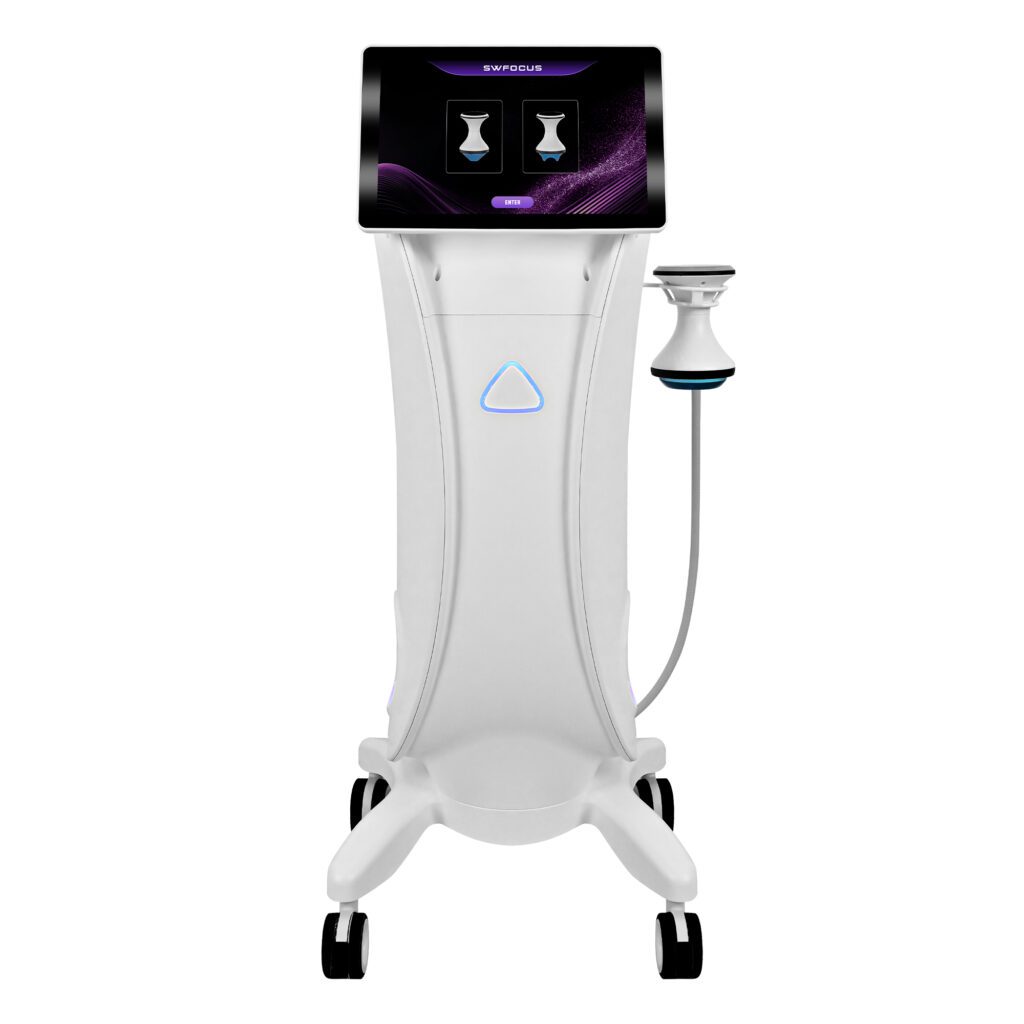
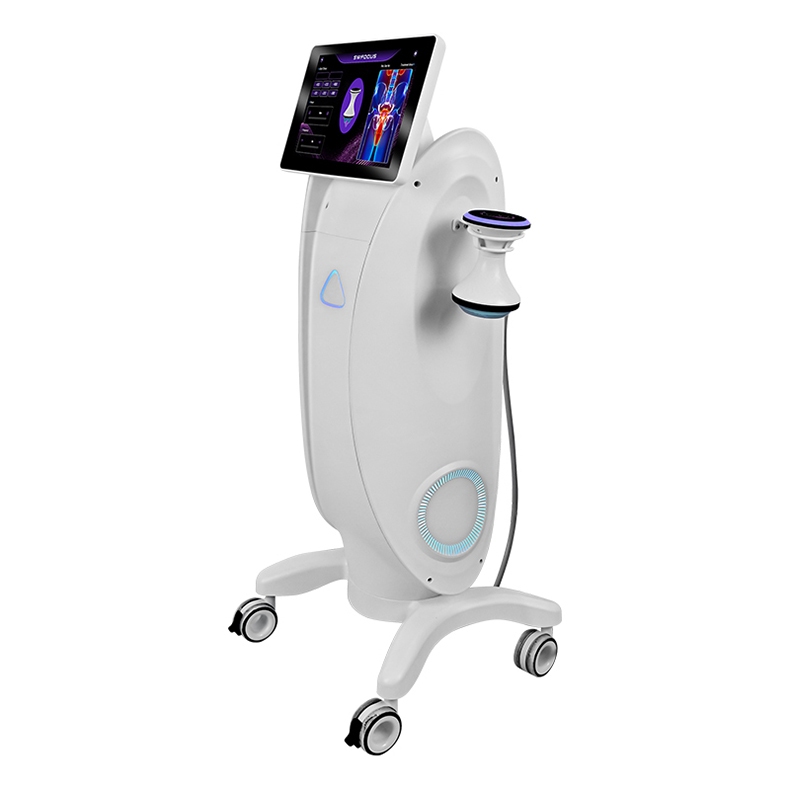
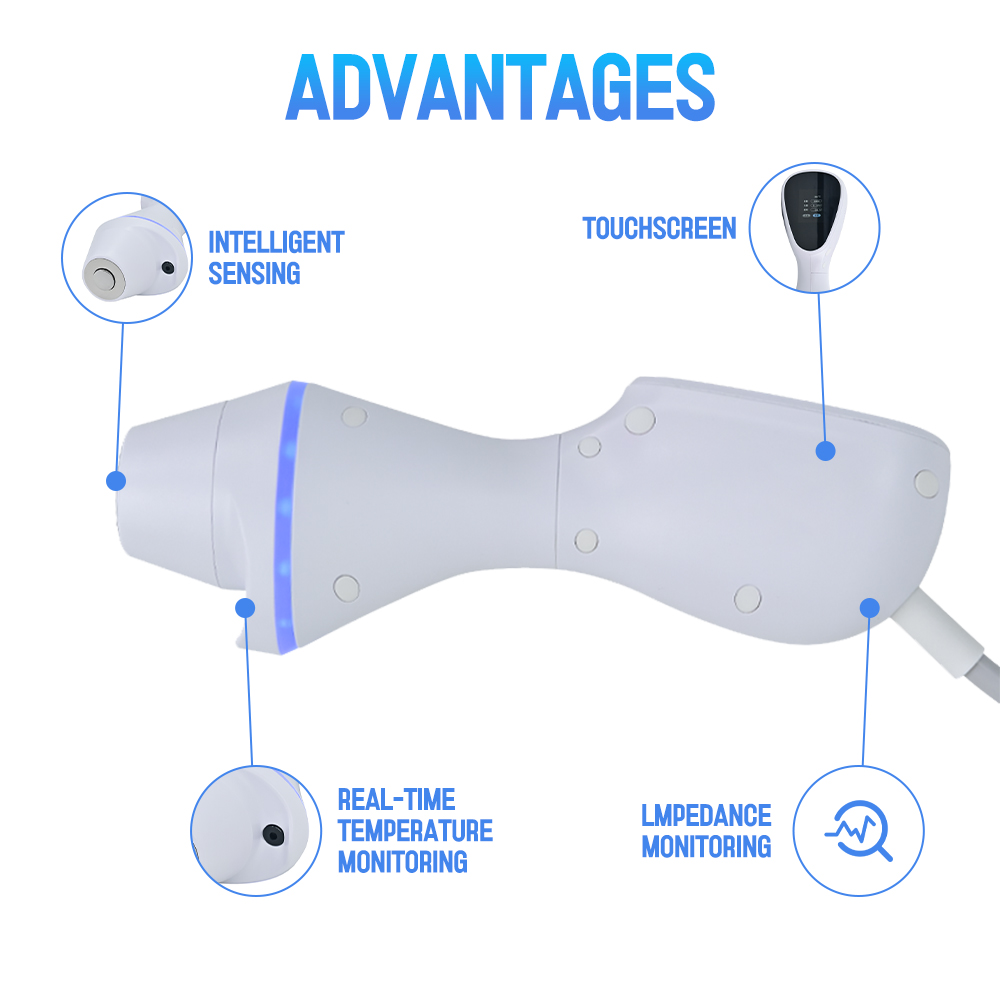
ال B0155 سطح المكتب Endos Velapro currently lists a larger body vacuum roller, a smaller face/arm/neck vacuum roller, rotating handles, RF-related functions, and 80K cavitation. This makes it the broadest first-platform option in the comparison.
Its flexibility also creates a standardization challenge. Do not sell one undefined “5-in-1 body treatment.” Build separate routes such as:
- Mechanical Roller Body Care: centered on the approved larger roller workflow;
- Targeted Smaller-Area Care: using the verified smaller applicator in permitted areas;
- RF-Related Body Service: with documented coupling materials, settings source, monitoring, and scope;
- Cavitation Consultation: offered only where the delivered handle, staff scope, client selection, and local requirements support it.
The clinic should confirm every included handle and function in the quotation and packing list. It also needs handle-specific training, cleaning, inspection, and records.
The current product page includes broad claims about fat loss, pain relief, lymphatic drainage, circulation, cellulite, wrinkles, and other outcomes. Do not copy those claims into the clinic menu without reliable evidence for the delivered configuration and local professional review.
6. When B0155 Is the Strongest First Choice
B0155 may fit a skin clinic when:
- clients ask for a broader body-care category rather than one specialist goal;
- the clinic wants a desktop platform with several defined handles;
- staff can learn and remain authorized for each enabled function;
- the room supports a treatment bed, hoses, cables, storage, privacy, and cleaning;
- management can keep the services separate instead of using all handles automatically;
- the clinic is prepared to control coupling products, reusable applicators, and turnover.
It may be a poor fit when the clinic wants only muscle stimulation or only localized cooling-based contouring. In those cases, a dedicated platform may create clearer marketing and training.
7. A0241 for a Muscle-Focused Body Category
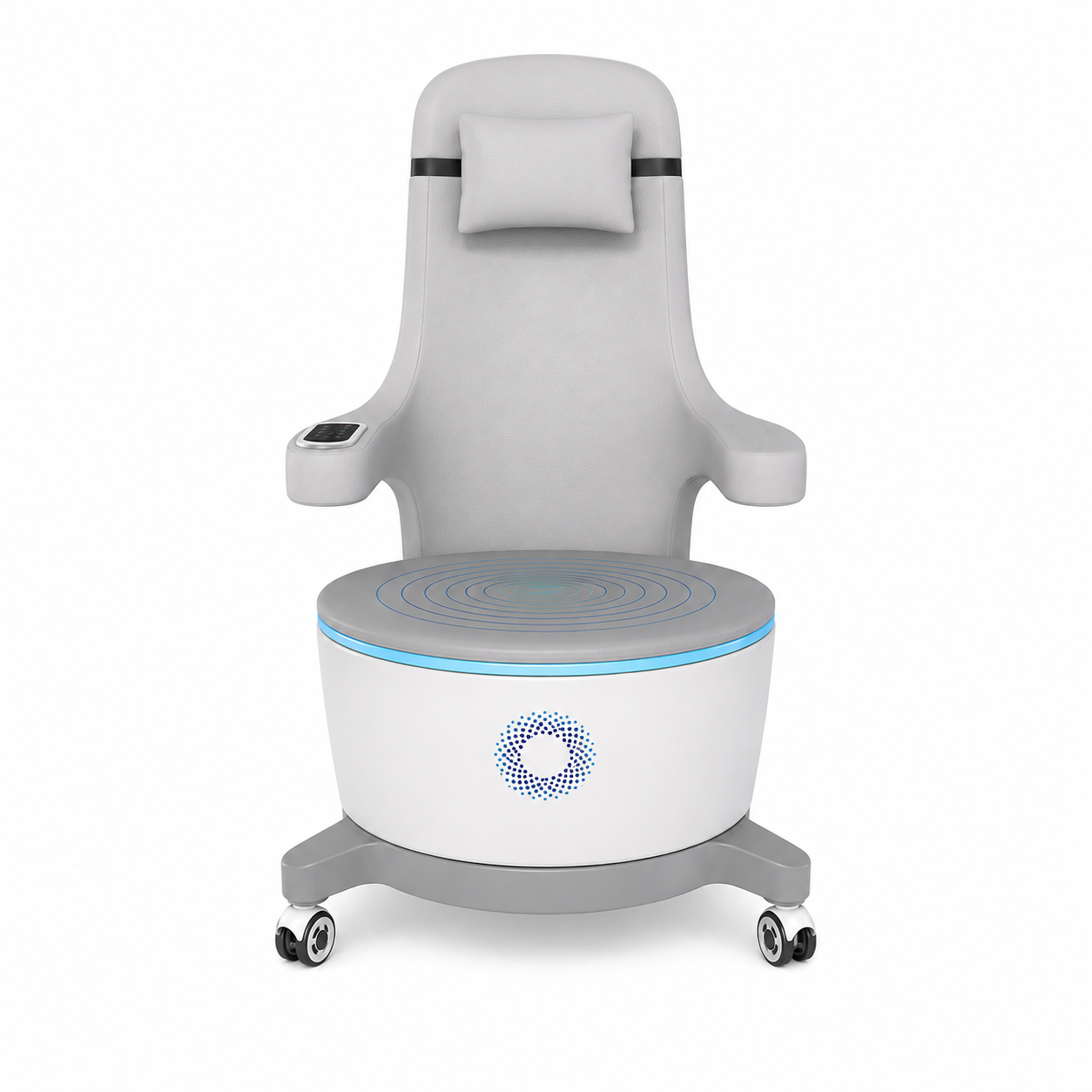
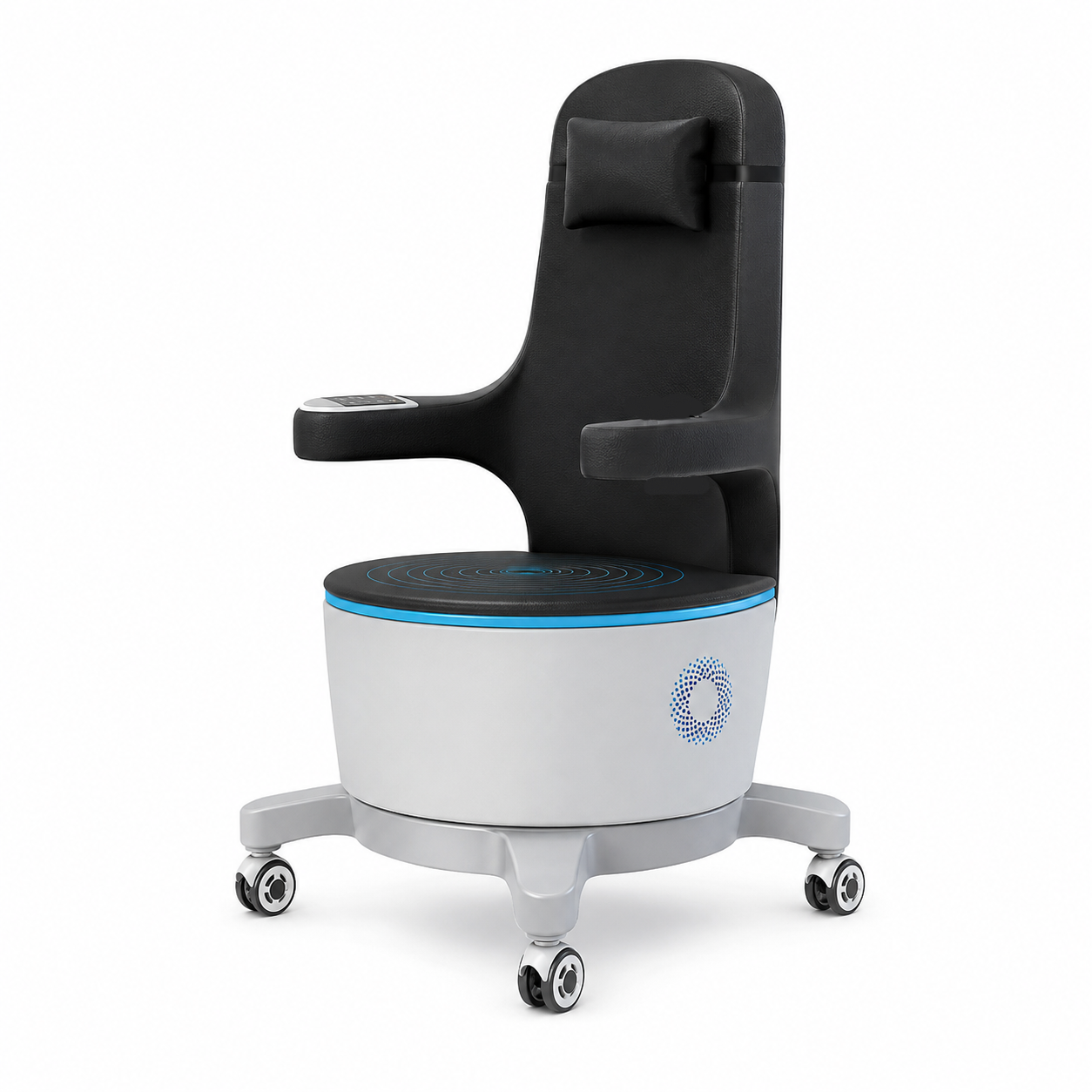
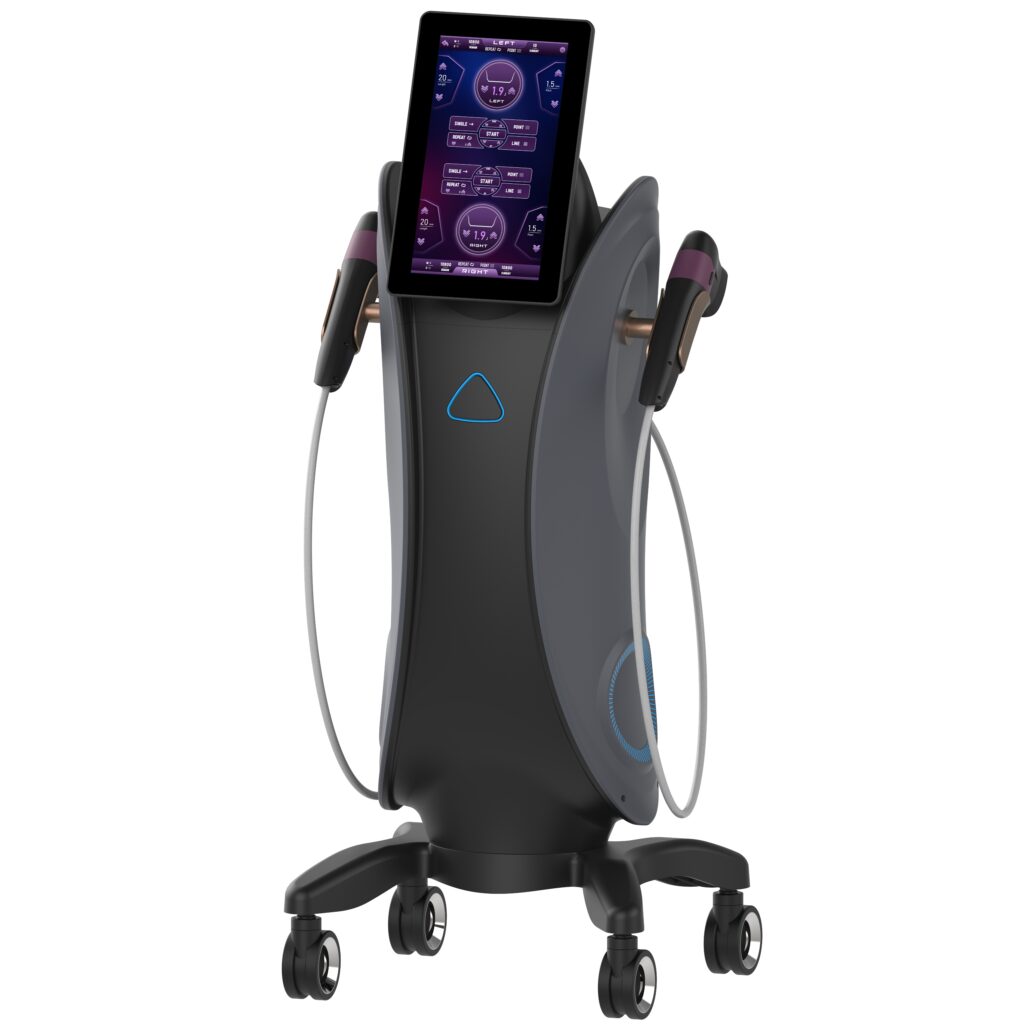
ال A0241 muscle-stimulation platform currently lists RF, four handles, a 10.4-inch screen, selectable voltage, air cooling, and a 2500W power specification. The page also mentions an optional pelvic-floor-related handle, which should not be assumed to be included or relevant to a general body-service package.
A0241 should create a clearly named muscle-focused service. The clinic needs:
- confirmation of body applicators and optional components;
- suitability screening, including device-specific implant and metal considerations;
- approved applicator placement and settings guidance;
- adequate electrical capacity and correct voltage;
- cable, connector, cooling, and applicator inspection;
- privacy and stable client positioning;
- service records and follow-up;
- a technical fault and event-escalation route.
The product page contains promotional claims involving fat reduction, muscle-gain percentages, fixed treatment courses, a specific number of contractions, no side effects, no pain, price, and clinical studies. The clinic should not repeat these statements without independent, device-specific substantiation and local review.
8. When A0241 Is the Strongest First Choice
A0241 may fit when:
- consultation records show specific demand for muscle-focused body services;
- the clinic can explain the category without calling it mechanical massage or weight loss;
- the room has suitable power, device clearance, applicator storage, and cable routes;
- trained staff can perform placement and monitoring according to current guidance;
- the clinic is prepared for device-specific screening and documentation;
- marketing can avoid guaranteed fat, muscle, fitness, or health outcomes.
Do not select A0241 simply because muscle stimulation is easy to describe on social media. The service still needs an accurate operating and risk-management system.
9. S9 for Localized Cooling-Based Contouring
ال S9 cryolipolysis platform currently lists 360-degree silicon applicators, five standard tips with up to seven noted, vacuum suction, heating and cooling controls, selectable voltage, and a 1000W power specification.
The clinic should verify:
- exact applicator number, sizes, and compatible areas;
- membrane, liner, gel, or other protective consumables required by current instructions;
- vacuum and cooling-system maintenance;
- cold-specific client screening;
- applicator selection, positioning, and monitoring guidance;
- room turnover and consumable storage;
- aftercare, follow-up, adverse-event recognition, and escalation;
- the device’s marketing authorization and permitted intended use in the destination market.
The current product title and page use weight-loss, permanent fat elimination, 100% safety, and other aggressive language. Do not adopt those claims. The clinic should position S9 as a localized cooling-based contouring consultation for suitable clients where permitted.
10. Non-Invasive Body Contouring Is Not Weight-Loss Treatment
The U.S. FDA explains that non-invasive body contouring does not treat obesity, does not result in weight loss, and does not provide the health benefits associated with weight loss. It also notes that results may be temporary, not everyone achieves the desired effect, and different technologies carry different risks. See the FDA overview of non-invasive body contouring technologies.
This distinction should shape the clinic’s entire body menu.
تجنب أسماء الخدمات مثل:
- Medical Weight-Loss Machine;
- Guaranteed Fat Removal;
- Permanent Body Slimming;
- Full-Body Transformation;
- Effortless Obesity Treatment.
Use technology- and purpose-led wording, subject to local review:
- Mechanical Roller Body-Care Consultation;
- Muscle-Focused Body Consultation;
- Localized Cooling Contour Assessment;
- RF-Related Body-Care Service.
The clinic should refer clients seeking diagnosis, obesity care, or medical weight management to the appropriate qualified service rather than reposition an aesthetic device as treatment.
11. Compare the Functional Principles
Vacuum roller and mechanical manipulation use pressure, suction, and roller movement. B0155 combines these with other listed functions, so the clinic must identify which mechanism belongs to each service.
Radiofrequency-related body care applies electrical energy that produces heat. Configuration, client screening, coupling, monitoring, settings, and local intended use require verification.
التجويف uses ultrasound energy. It is a different function from rollers or electromagnetic muscle stimulation and needs its own operating guidance.
التحفيز الكهرومغناطيسي للعضلات produces muscle contractions through pulsed magnetic fields. A0241 also lists RF, but its portfolio role should remain muscle-focused.
تجميد الدهون uses controlled cooling with vacuum applicators for selected localized contour concerns. It is not whole-body weight-loss care.
Clear functional language helps facial-clinic staff avoid describing all body technologies as “slimming machines.”
12. Choose the First Device with a Decision Matrix
| Clinic priority | ب0155 | A0241 | س9 |
|---|---|---|---|
| Broad first body-care menu | Strong fit | Narrower specialist fit | Narrower specialist fit |
| Muscle-focused positioning | Weak fit | Strong fit | Weak fit |
| Localized cooling pathway | لا | لا | Strong fit |
| Applicator complexity | Several handles and functions | Multiple body applicators | Multiple cooling tips or applicators |
| Main room issue | Bed access, hoses, coupling materials, reusable-handle cleaning | Electrical capacity, applicator placement, cables, cooling | Applicator storage, vacuum/cooling maintenance, protective consumables |
| Main marketing risk | Combining every function and copying broad body claims | Muscle/fat percentages, fixed courses, fitness or health claims | Weight-loss, permanent-fat, and universal-safety claims |
The best model is not the one with the longest list of functions. It is the one whose category matches the clinic’s strongest verified demand and operational readiness.
13. Create a Separate Body Consultation
A facial consultation form should not be expanded with one checkbox marked “body slimming.”
A body-service consultation should capture, within the clinic’s permitted scope:
- the client’s stated goal and target area;
- the difference between weight loss and localized aesthetic goals;
- relevant medical history, medications, implants, metal, prior procedures, surgery, scars, skin changes, circulation, sensation, and cold sensitivity where relevant;
- suitability for the selected technology and applicator;
- reasons to proceed, defer, or refer;
- service boundaries and realistic expectations;
- preparation, consent, records, follow-up, and escalation.
The exact questions must come from current device-specific information, qualified professional guidance, clinic policy, and local requirements. The consultation should not diagnose a medical condition.
14. Prepare a Body-Specific Treatment Room
Body services usually need more space and privacy than a facial room.
Plan for:
- client changing and draping;
- access around the treatment bed;
- stable positioning for larger body areas;
- device clearance and ventilation;
- correct voltage, power, and plug;
- safe cable, hose, and applicator reach;
- clean storage for handles and consumables;
- used-item and waste routes;
- reusable-applicator cleaning;
- room turnover without delaying facial services;
- technical and client-event escalation.
B0155, A0241, and S9 create different layouts. Use the actual dimensions, package details, power requirements, and included accessories from the quotation when planning the room.
15. Train Staff for a Different Service Department
Facial expertise does not automatically authorize body-device operation.
Create role-based authorization:
- Front desk: explain the three body categories and book the correct consultation.
- Body consultant: identify the client goal, stay within scope, and route the client to B0155, A0241, S9, deferral, or referral.
- Device operator: complete model-, configuration-, function-, and applicator-specific training and assessment.
- Room lead: control daily checks, cleaning, stock, maintenance, and device status.
- Clinical or technical escalation lead: review concerns, incidents, and service changes within the appropriate scope.
Authorization should list the model and permitted service. “Trained on body machines” is too broad for platforms with different functional principles.
16. Build Body-Specific Records
The treatment record can include:
- client goal and consultation outcome;
- body service name;
- device model, asset ID, and configuration;
- operator identity and authorization;
- area and applicator or handle used;
- consumables and lot information where relevant;
- settings and observations where required;
- approved variation from the standard route;
- instructions and follow-up;
- unexpected response, event, or escalation.
Do not document all body appointments as “slimming treatment completed.” Structured records help the clinic identify unapproved handles, missing consumables, repeated equipment concerns, and consultation gaps.
17. Use Clear Client-Facing Service Names
A body menu can use three separate headings.
Multifunction Body Care
- Mechanical Roller Body Care — B0155
- Targeted Smaller-Area Care — B0155
- Verified RF-Related Body Service — B0155
Muscle-Focused Body Services
- Muscle-Focused Body Consultation — A0241
- Approved Area-Specific Muscle Service — A0241
Localized Cooling-Based Contouring
- Localized Cooling Contour Assessment — S9
- Applicator-Specific Cooling Service — S9
Final names must reflect the delivered device documentation and local permitted claims. Do not call all three services “body sculpting” if staff cannot explain their differences.
18. Preserve the Skin Clinic’s Brand Position
A skin clinic can add body services without becoming a generic slimming center.
Use the same brand standards for:
- consultation quality;
- realistic explanations;
- professional photography and records where appropriate;
- privacy and client communication;
- aftercare and follow-up;
- clean, controlled treatment rooms;
- referral when a concern is outside scope;
- evidence-based claim review.
Keep facial and body menu navigation distinct. A client looking for skin maintenance should not encounter an automatic body-sales pitch. A client seeking body care should receive a body-specific consultation rather than a shortened facial intake.
19. Use Cross-Referrals Instead of Automatic Bundles
Cross-referral means introducing another department when the client expresses a relevant goal. It does not mean combining devices by default.
أمثلة:
- a returning facial client asks about mechanical body care and receives a separate B0155 consultation;
- a body client with a muscle-focused goal is routed from B0155 inquiry to an A0241 assessment;
- a client asking for generalized weight loss is referred to an appropriate qualified health-care pathway instead of S9;
- a body-service client may later book the clinic’s core facial menu as an unrelated service.
Same-day use, sequence, settings, treatment areas, and timing require qualified, device-specific guidance. Do not create a “face plus full-body transformation” package merely to increase appointment value.
20. Three Equipment Strategies for Skin Clinics
Strategy 1: Broad first body department
Existing facial menu + B0155
This strategy fits clinics wanting several defined mechanical and energy-based body-care routes from one platform. It requires strict handle-by-handle menu control.
Strategy 2: Specialist muscle department
Existing facial menu + A0241
This strategy fits clinics with strong muscle-focused demand and suitable electrical, placement, screening, and room capability.
Strategy 3: Localized contour department
Existing facial menu + S9
This strategy fits clinics prepared for cooling-specific assessment, applicator and consumable control, monitoring, follow-up, and complication escalation.
The existing facial menu may use A0648 or another approved skin-care platform. It does not need to be replaced when the body category launches.
21. Build the Body Portfolio in Phases
Phase 1: Select one service category
Choose B0155, A0241, or S9 according to verified demand and readiness.
Phase 2: Prepare the department
Complete room planning, configuration confirmation, consultation, forms, training, staff assessment, cleaning, consumables, records, maintenance, and marketing review.
Phase 3: Controlled launch
Use a limited schedule and audit consultations, client understanding, room turnover, equipment performance, stock, documentation, and events.
Phase 4: Consider a second category
Add another device only when it answers a different proven goal and the first service operates consistently.
Do not purchase all three platforms at once unless the clinic already has the separate demand, staff, rooms, and governance for each category.
22. Plan Costs Without Inventing Return Claims
Model the clinic’s own operating conditions:
- qualified consultation volume;
- realistic treatment-room capacity;
- staff and training time;
- applicators, membranes, gels, liners, tips, filters, or coupling materials;
- cleaning and room turnover;
- maintenance, cooling, vacuum, cable, handle, and spare-part needs;
- documentation and follow-up time;
- local marketing and administrative costs;
- expected deferrals, referrals, cancellations, and no-shows.
Do not assume a universal service price, number of sessions, utilization rate, or payback period. Review quality indicators together with bookings and revenue.
23. Distributor Packages for Skin-Clinic Expansion
Distributors can organize offers around the body-service goal.
- Multifunction body-care package: B0155 with exact handles, verified functions, coupling products, cleaning, and handle-specific training.
- Muscle-focused package: A0241 with voltage, power, body applicators, optional-component status, placement guidance, and technical support.
- Localized cooling package: S9 with confirmed applicator count and sizes, required protective consumables, vacuum/cooling maintenance, and cold-specific training topics.
- Phased clinic expansion package: one selected body model with a later option for another non-overlapping category.
Before recommending a model, ask about the current facial menu, body-service demand, staff qualifications, rooms, country, local requirements, electrical supply, client profile, budget framework, and support expectations.
24. Know When to Postpone the Expansion
Postpone body-device purchasing when:
- the clinic only has vague demand for “slimming”;
- management cannot distinguish B0155, A0241, and S9;
- staff scope or local requirements are unclear;
- no private body-treatment room is available;
- the electrical setup has not been assessed;
- configuration and included applicators are unknown;
- consultation, consent, records, aftercare, or escalation are missing;
- the marketing plan depends on weight-loss or guaranteed-result claims;
- the facial department is already understaffed or operationally unstable.
The clinic can continue collecting consultation data while it resolves these gaps.
25. Final Selection Checklist
Before adding the first body device, confirm:
- the clinic has selected one clear body-service goal;
- the category answers documented demand;
- the device’s functional principle matches that goal;
- the exact model, handles, applicators, voltage, and accessories are documented;
- staff and facility meet applicable requirements;
- the body consultation is separate from the facial intake;
- the treatment room supports privacy, movement, power, storage, and turnover;
- consumables, cleaning, maintenance, and spare parts are planned;
- records, instructions, follow-up, and escalation are ready;
- marketing avoids weight-loss, medical, permanent, universal, and guaranteed claims;
- the launch will begin with a controlled schedule;
- management will review the first category before adding another.
التعليمات
1. Which body device should a skin clinic add first?
Choose according to the first service goal. B0155 fits a broad multifunction body-care department, A0241 fits a muscle-focused category, and S9 fits a localized cooling-based contouring pathway.
2. Is B0155 the best bridge from facial to body services?
It can be a practical bridge because it lists larger and smaller rollers plus several body-care functions. The clinic still needs separate handle-specific services, training, cleaning, and records.
3. What is the main difference between B0155 and A0241?
B0155 combines mechanical roller, vacuum, RF-related, rotating, and cavitation functions. A0241 is positioned around electromagnetic muscle stimulation and RF. They should not share one generic slimming description.
4. Is S9 a weight-loss device?
No. It should be positioned as a localized cooling-based contouring platform for suitable clients where permitted. Non-invasive body contouring does not treat obesity or produce the health benefits of weight loss.
5. Can facial staff operate body devices immediately?
No. Staff need model-, configuration-, function-, and applicator-specific training and authorization, plus body-specific consultation, privacy, records, and escalation skills.
6. Does a skin clinic need a separate body room?
A dedicated room is often practical because body services need privacy, larger-area access, different applicators, cables, consumables, and turnover. The final requirement depends on the device, facility, workflow, and local rules.
7. Can B0155, A0241, and S9 be used in the same appointment?
Do not assume so. The equipment package describes business coverage. Same-day compatibility, sequence, settings, areas, and timing require qualified, device-specific assessment.
8. How should the clinic introduce body services to facial clients?
Use an optional cross-referral when the client expresses a relevant goal. Schedule a separate body consultation rather than automatically adding the service to a facial appointment.
9. How many body devices should a skin clinic buy initially?
One clearly positioned platform is usually easier to train, launch, document, and review. Add another only when it fills a different verified service gap.
10. What should a distributor verify before recommending a body device?
Verify the clinic’s intended body category, staff qualifications, room, country, local requirements, electrical supply, existing menu, desired configuration, consumables, maintenance, and support needs.
خاتمة
Skin clinics can add non-invasive body services successfully when they choose one clear category and build a separate department around it. B0155 supports a multifunction body-care menu, A0241 supports a muscle-focused route, and S9 supports localized cooling-based contouring. None should be reduced to a generic weight-loss or slimming machine.
Keep the facial menu stable, use body-specific consultation and rooms, authorize staff by device and function, and launch one category at a time. This approach expands the clinic’s service range while preserving its professional skin-care identity.
استكشف SHEFMON beauty device range أو اتصل بشيفمون with your current facial menu, desired body-service category, staff qualifications, treatment-room details, country, and required configuration to compare suitable B0155, A0241, and S9 options.