
A picosecond laser service should begin with consultation, not with a promise of rapid tattoo clearance. Ink color, tattoo depth, previous treatments, skin response, medical history, operator qualification and local laser rules can all change the plan. Clinics therefore need a menu that makes assessment, documentation, staged sessions and follow-up visible parts of the service.
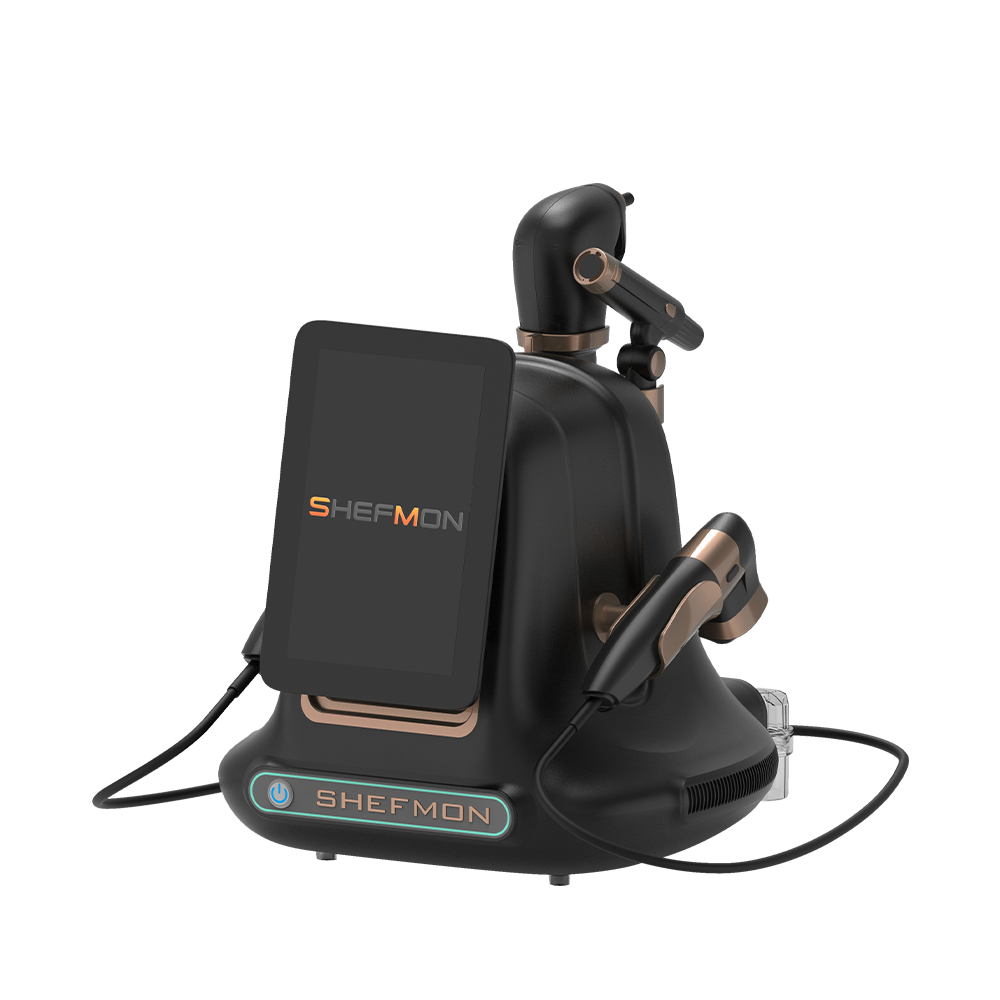
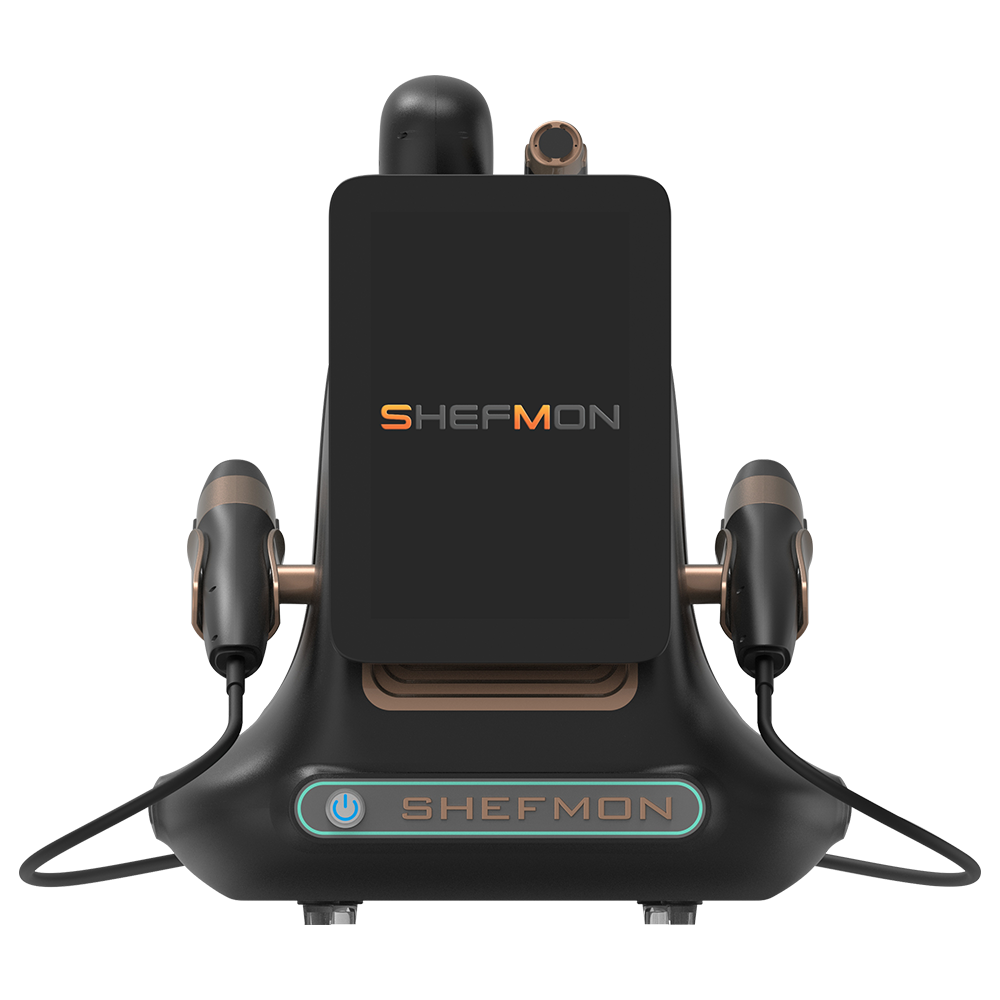
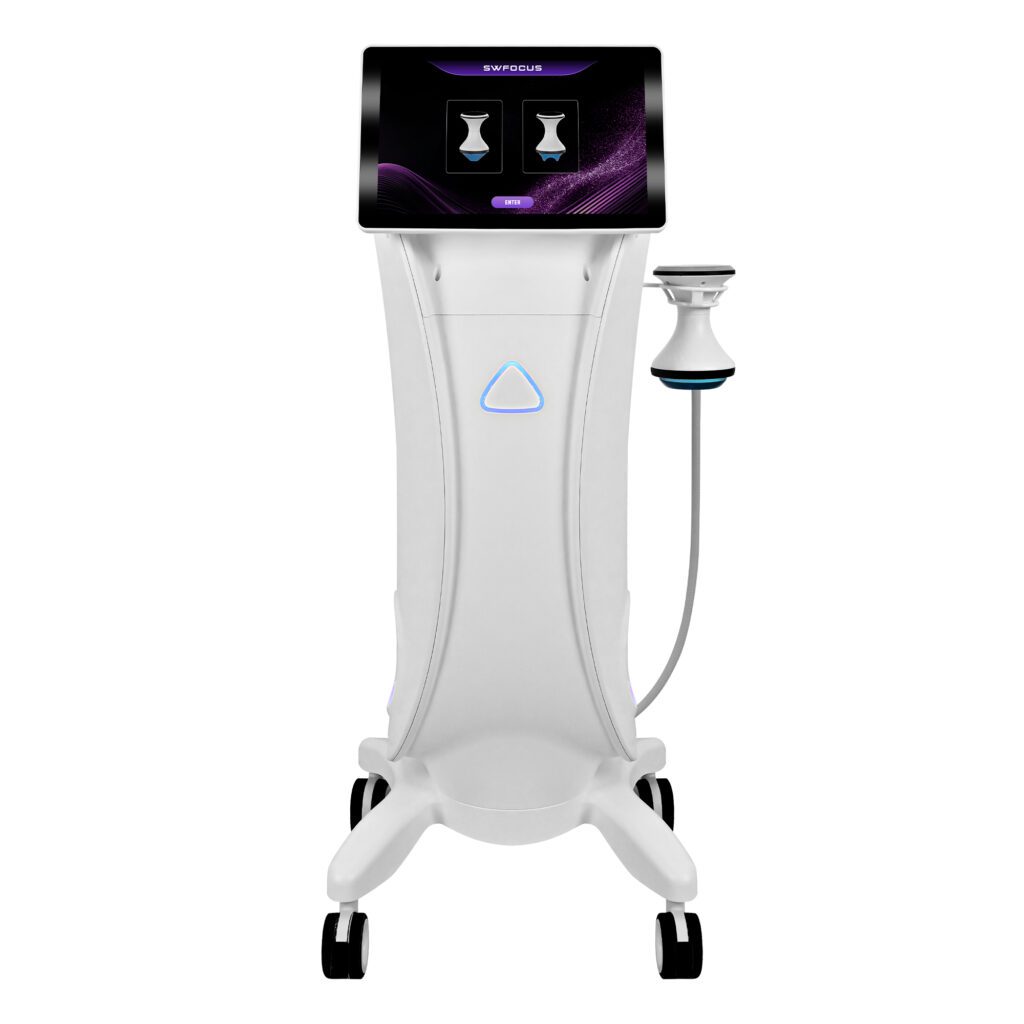
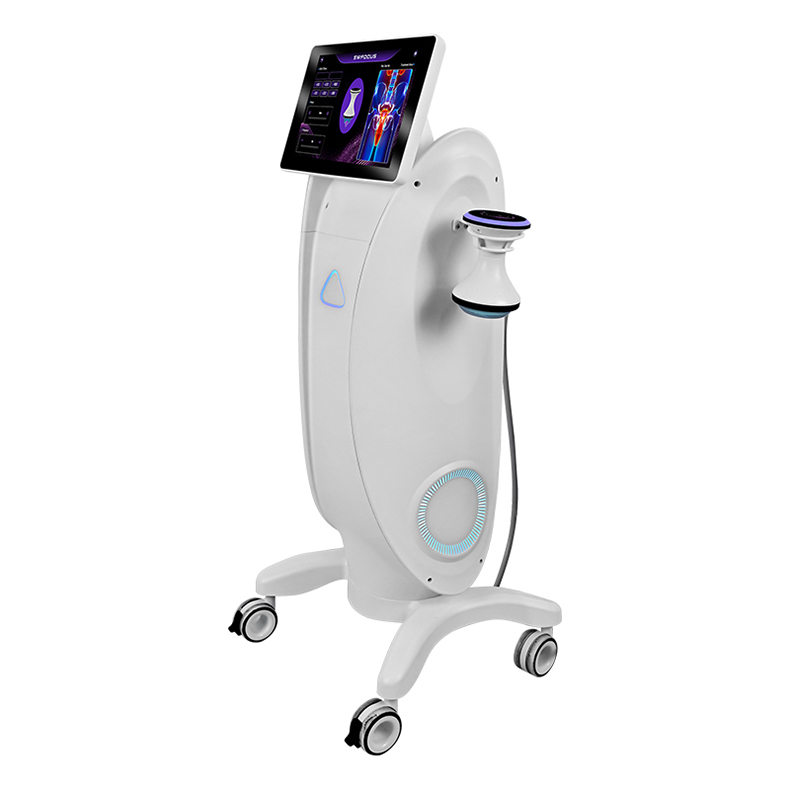
ال SHEFMON A0507 picosecond laser machine is positioned around 1064nm and 532nm wavelengths for tattoo and selected pigmentation projects. This guide explains how qualified clinics can turn that product direction into a practical consultation workflow and a responsible treatment menu without using one protocol or one outcome promise for every client.
ملخص تنفيذي
- Build the menu around assessment, tattoo characteristics and service complexity rather than only body area.
- Use 1064nm and 532nm as consultation tools for different pigment directions, not as a claim that every ink color can be cleared.
- Separate dark-ink tattoo courses, multicolor tattoo planning, cosmetic tattoo assessment and professionally evaluated pigmentation projects.
- Include photography, consent, eye protection, treatment records, aftercare and review visits in the operational design.
- Keep parameters inside the approved manual and trained operator protocol; a public service menu should never prescribe energy, frequency or pass count.
- Position A0507 as a dedicated tattoo and pigment platform, not as a replacement for fractional resurfacing or every other clinic laser.
1. Product Introduction: Where A0507 Fits
A0507 is listed by SHEFMON as a 1064nm and 532nm Q-switched super picosecond YAG laser tattoo removal machine. Its main business fit is a professional clinic that wants a structured tattoo and pigmentation service category rather than a general facial add-on.
The product page discusses Q-switched Nd:YAG and picosecond laser principles, with tattoo ink and pigment as the main targets. The shorter-pulse positioning supports a pigment-fragmentation story, while the two listed wavelengths help a clinic discuss different tattoo colors and pigment depths during consultation.
A0507 may be relevant to:
- tattoo removal clinics;
- aesthetic or dermatology-led clinics adding pigment-focused laser services;
- med spas operating within local professional and regulatory requirements;
- skin centers with trained laser personnel and a referral pathway;
- distributors serving qualified professional buyers.
Businesses comparing the wider category can also review SHEFMON’s Tattoo and Pigmentation Removal machines و معدات الليزر IPL. The buyer should confirm the exact A0507 configuration, included accessories, training scope and regional documents before ordering.
2. Functional Principle: Why Pigment Assessment Matters
Short-pulse laser energy is directed toward pigment that absorbs the selected wavelength. The rapid energy delivery can produce a photoacoustic effect that fragments targeted pigment into smaller particles. The body then processes some of those fragments gradually.
This mechanism explains why tattoo removal is normally course-based. A tattoo is not one uniform target. It may contain several inks, layers, densities and depths. A cover-up tattoo, professional tattoo, amateur tattoo and cosmetic tattoo can respond differently even when they look similar in a photograph.
The A0507 product page identifies two wavelength directions:
| الطول الموجي | Common consultation direction | Planning caution |
|---|---|---|
| 1064 نانومتر | Often discussed for black, blue and other darker tattoo pigments | Response still varies with ink composition, depth, layering, skin characteristics and previous treatment |
| 532 نانومتر | Often discussed for selected red, orange and more superficial pigment targets | Skin response and pigment behavior require careful assessment; not every bright or mixed color is predictable |
The wavelength table is a menu-planning aid, not an operator protocol. Energy, spot size, repetition rate, pulse mode, cooling and pass strategy must follow the supplied device documentation, professional training, client assessment and local scope-of-practice rules.
3. Start With a Consultation-Led Menu
The clinic should make consultation a named service. This changes the sales conversation from “How many sessions will remove this tattoo?” to “What can be assessed now, what remains uncertain and what is the safest next step?”
A strong consultation has four goals:
- Determine whether the requested service fits the clinic’s scope.
- Document the tattoo, skin and treatment history.
- Explain the likely course without promising a fixed result.
- Decide whether to proceed, test according to clinic protocol, postpone or refer.
The consultation can be complimentary, paid or credited toward a course, depending on the clinic’s business model. Its value should remain visible even when the clinic does not treat on the same day.
4. A0507 Consultation Workflow
Step 1: Clarify the client’s goal
The client may want complete removal, partial fading before a cover-up, correction of an old cosmetic tattoo or evaluation of a pigmented area. These are different goals and should not share one generic package.
Record the desired end point in plain language. For example, “fade enough for an artist to cover” is different from “pursue the greatest feasible clearance.” The plan should also note that the final outcome cannot be known from appearance alone.
Step 2: Build a tattoo and pigment profile
For a tattoo project, record:
- body location and approximate dimensions;
- visible colors and whether white or flesh-toned ink may be present;
- professional, amateur or cosmetic origin;
- age of the tattoo and whether it is a cover-up;
- previous laser or removal attempts;
- known ink reactions or changes;
- scarring, texture change or skin symptoms in the area.
For a pigmentation request, do not assume that every brown mark is an appropriate cosmetic laser target. Undiagnosed, changing or suspicious lesions need qualified medical evaluation. The service menu should state that treatment suitability follows professional assessment and local requirements.
Step 3: Review relevant health and skin history
Use a clinic-approved consultation form and escalation pathway. Questions may cover current skin condition, recent sun exposure, previous healing problems, history of raised scarring, medications or products that may affect photosensitivity or healing, and previous adverse reactions.
The form is not a substitute for professional judgment. When the history or appearance falls outside the operator’s scope, postpone treatment and refer to an appropriate healthcare professional.
Step 4: Standardize photography
Take consistent baseline photographs with consent. Use the same room, lighting direction, camera distance and framing at review visits. Include a size reference when appropriate and record the date.
Photography helps the clinic compare progress honestly. It also reduces dependence on memory, which is especially important when sessions are separated by healing intervals.
Step 5: Explain uncertainty before discussing a package
The consultation should explain that response can vary by color, depth, ink chemistry, tattoo density, skin characteristics, healing and adherence to aftercare. Some colors or cosmetic pigments can behave unpredictably. Complete removal may not be possible.
Only after this explanation should staff present a course structure, payment option or next appointment.
5. Recommended A0507 Treatment Menu Structure
The menu below is designed for business planning. It deliberately avoids prescriptive laser settings.
| عناصر القائمة | Best suited to | What the service includes | How to sell it responsibly |
|---|---|---|---|
| Laser Tattoo Consultation | Every new tattoo client | History, tattoo profile, photographs, suitability review and staged plan | A professional assessment, not a clearance promise |
| Small Dark-Ink Tattoo Course | Selected small black or dark tattoos | Consultation, planned sessions, records, aftercare and review | Course-based fading or removal planning |
| Medium or Large Tattoo Plan | Larger areas requiring more room time and staging | Area mapping, staged scheduling and progress review | Quote after assessment rather than using one universal price |
| Multicolor Tattoo Assessment | Tattoos with several inks or uncertain composition | Color map, wavelength discussion, uncertainty review and referral when needed | Some colors may need a different strategy or may not be suitable |
| Cover-Up Fading Plan | Clients preparing for new tattoo artwork | Defined fading goal, progress photography and coordination with the tattoo artist’s timeline | The aim may be sufficient fading, not full removal |
| Cosmetic Tattoo Evaluation | Eyebrow or other permanent makeup requests where permitted | Pigment history, color-change risk discussion and professional assessment | Cosmetic pigments can respond unpredictably; suitability comes first |
| Selected Pigment Consultation | Professionally evaluated pigmentation concerns | Assessment, documentation and treatment planning within scope | Never advertise one laser as appropriate for every pigmented lesion |
| Post-Session Review | Existing A0507 clients | Healing review, photo comparison and next-step decision | Review is part of the treatment pathway, not an optional sales extra |
6. Build Packages Around Complexity, Not Only Size
Entry service: consultation and planning
The entry service should be easy to book and long enough for proper documentation. It can include photography, a tattoo color map, review of previous treatment and a written outline of the proposed pathway.
This service gives cautious clients a low-commitment starting point. It also prevents reception staff from quoting a full course from a phone photograph.
Core service: selected single-color tattoo course
For selected black or dark-ink tattoos, clinics can offer a course framework with session-by-session review. The package should describe what is included without fixing a universal number of sessions.
Possible inclusions are consultation, standardized photographs, treatment records, aftercare instructions and scheduled reviews. Payment may be per visit, in stages or through a limited package with clear terms for unused sessions.
Advanced service: multicolor or layered tattoo plan
Multicolor, cover-up and previously treated tattoos should sit in a higher-complexity category. The clinic may need additional assessment, more conservative planning or referral for colors outside the practical capability of the available wavelength configuration.
Do not sell this tier as a stronger version of the basic package. It is a more complex planning service with greater uncertainty.
Goal-based service: fading before cover-up
Some clients do not need maximum clearance. A cover-up fading plan can be built around a practical endpoint agreed with the client and, when useful, their tattoo artist.
This is often easier to communicate than promising total removal. Progress photographs and periodic reassessment help determine when enough fading has been achieved.
Review and maintenance service
A review appointment checks healing, photographs the area and decides whether the next session remains appropriate. It should not be framed as an automatic treatment appointment. The clinician may continue, adjust the plan, extend the interval, postpone or refer.
7. Separate Tattoo Services From Pigmentation Services
Tattoo ink is intentionally placed pigment. A naturally occurring or acquired pigmented lesion is a different clinical question. They should not be grouped under a vague “remove all pigment” menu.
A tattoo-focused menu may include dark-ink tattoos, multicolor tattoos, cosmetic tattoos and cover-up fading. A pigmentation-focused menu should require a suitable evaluation process and should clearly state that some lesions need diagnosis or referral before cosmetic laser treatment.
This distinction protects clients and makes the clinic’s marketing more credible. It also helps distributors explain why A0507 is a professional pigment platform rather than a universal facial machine.
8. Course Planning Without Overpromising
The safest package language is based on a staged course with reassessment. Avoid promising a fixed clearance percentage, an identical session count or a specific result date.
Useful course-planning elements include:
- an initial consultation and baseline record;
- a treatment plan based on current assessment;
- an interval set by the qualified provider and treatment protocol;
- a healing review before the next session;
- updated photographs and notes;
- the option to pause, change the objective or refer.
Treatment intervals should not be shortened simply to make a package look faster. The clinic needs to follow professional guidance and allow appropriate recovery before reassessment.
9. Pricing Logic for an A0507 Menu
Pricing should reflect actual workload and complexity rather than using one flat fee for all tattoos. A clinic can create transparent price bands without promising identical outcomes.
يعتبر:
- consultation and documentation time;
- tattoo dimensions and location;
- number and uncertainty of colors;
- density, layering and cover-up history;
- expected appointment time;
- consumables, protective equipment and room turnover;
- follow-up and photography;
- staff qualification and local operating costs.
For medium, large, multicolor or cosmetic tattoo projects, “assessment required” is more responsible than an instant online price. The quotation should define what the client is buying: one appointment, a limited package or a staged plan with review points.
10. Treatment-Room Workflow
Before the appointment
- Confirm the booking type and that consultation information is current.
- Review consent, photographs and previous treatment notes.
- Check the device, handpiece, emergency procedures and room controls according to the manual and clinic SOP.
- Prepare wavelength-appropriate laser eye protection for every person in the controlled area.
- Remove unnecessary reflective objects and restrict room access during operation.
During the appointment
- Complete the final suitability check and confirm the treatment area.
- Follow the approved device protocol and trained operator plan.
- Monitor skin response and stop when the response falls outside the expected protocol.
- Record the actual device mode and settings used rather than relying on memory.
After the appointment
- Provide written aftercare appropriate to the procedure and local professional guidance.
- Explain which responses are expected and which require prompt clinical contact.
- Schedule review according to the provider’s plan, not a sales target.
- Clean and reset the room following the equipment and infection-control procedures.
11. Laser Safety Belongs in the Service Design
Laser safety cannot be reduced to a pair of generic goggles. Protective eyewear must match the wavelengths and hazard requirements of the actual system. Clinics also need controlled access, warning signs, trained personnel, a written SOP, device checks and a clear responsibility structure.
Before launching A0507 services, confirm:
- who is legally allowed to operate or supervise the device;
- which eyewear is specified for the 1064nm and 532nm configuration;
- how access to the treatment room is controlled;
- how reflective surfaces and beam hazards are managed;
- how incidents and adverse responses are documented;
- how maintenance, calibration and service records are stored;
- what emergency and referral procedures staff must follow.
Requirements differ by country and region. A sales page should never imply that purchasing the machine alone authorizes a salon to provide laser treatment.
12. Treatment Records and Progress Reviews
A reusable record template improves consistency across operators and visits. It may include:
- client and consent details;
- tattoo or pigment description;
- photographs and measurement reference;
- treatment history and relevant screening notes;
- device serial number or room identification;
- wavelength, mode and settings used by the trained provider;
- observed endpoint and immediate response;
- aftercare supplied;
- review findings and next-step decision.
Records also help distributors and clinic owners identify training needs. If results or responses vary across operators, the clinic can audit documentation and workflow instead of changing settings without a structured review.
13. Aftercare Communication
Aftercare should be written, easy to understand and consistent with the treating professional’s protocol. It should explain basic area care, sun precautions, what not to pick or disturb, and how to contact the clinic if healing does not follow the expected course.
Avoid giving clients a generic handout that promises a normal response for everyone. Tattoo location, treatment history, skin characteristics and session response may change the instructions. The clinic should document which aftercare version was supplied.
14. Who Should Add A0507 to Their Menu?
Tattoo removal specialists
A0507 fits businesses whose primary inquiries concern tattoo fading and removal. These clinics can build detailed size, color and complexity pathways around one focused device category.
Established aesthetic clinics
An established clinic may add A0507 to separate pigment and tattoo demand from resurfacing services. This can make the laser menu easier to understand and prevent one device from being marketed for unrelated goals.
Skin clinics with professional oversight
Clinics receiving pigmentation inquiries may use A0507 as one part of a broader assessment-led service. They need a clear referral route for lesions or conditions requiring medical evaluation.
الموزعون
Distributors can present A0507 to buyers asking for a dedicated tattoo and pigment machine. Sales training should cover buyer qualification, two-wavelength positioning, clinic workflow, safety planning and after-sales support rather than only a list of claimed indications.
15. A0507 Compared With Other SHEFMON Laser Categories
A0507 is not the first choice for every laser service. Buyers should start with the clinic’s main menu.
| Main business goal | More relevant SHEFMON direction | سبب |
|---|---|---|
| Tattoo fading and selected pigment projects | A0507 picosecond / Q-switched YAG laser | Dedicated 1064nm and 532nm pigment-focused positioning |
| Fractional resurfacing and acne-scar appearance programs | A0529 CO2 fractional laser | Different ablative fractional technology and recovery pathway |
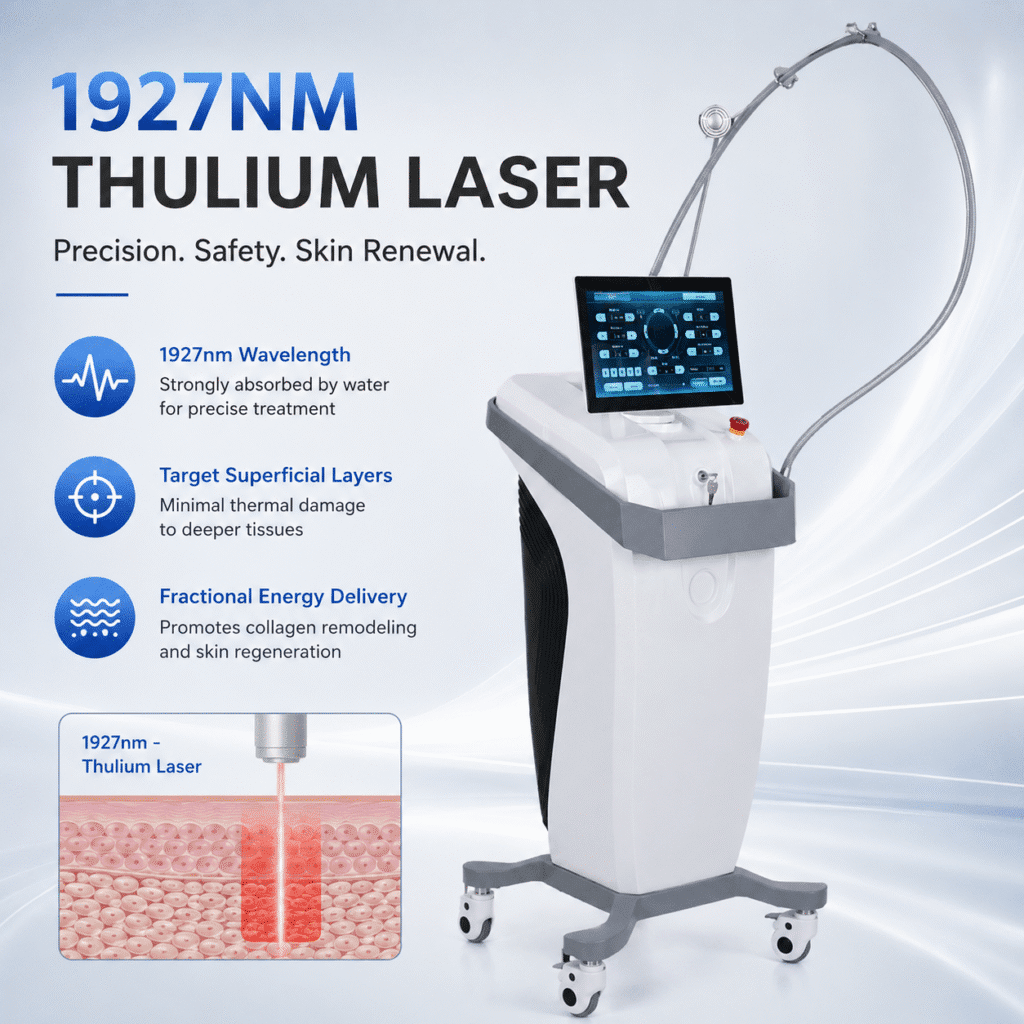
| Broader thulium skin rejuvenation and pigment-appearance menus | ليزر ألياف الثوليوم المكتبي A0532 | Different wavelength platform and clinic positioning |
This comparison prevents the phrase “laser machine” from becoming the only buying criterion. Tattoo ink fragmentation, fractional resurfacing and thulium skin programs involve different technologies, workflows and client expectations.
16. Responsible Marketing Language
Recommended wording includes:
- “consultation-led tattoo fading and removal planning”;
- “1064nm and 532nm pigment-focused laser platform”;
- “course planning based on tattoo color, depth and treatment history”;
- “results and suitability vary by client and pigment characteristics”;
- “professional assessment and trained operation required.”
تجنب الادعاءات من هذا القبيل:
- every tattoo can be completely removed;
- one session works for all colors;
- there is no discomfort, downtime or risk;
- every pigmented lesion is suitable for laser treatment;
- the same settings are appropriate for all skin characteristics;
- buying the device allows operation without local qualification.
Responsible language does not weaken the offer. It helps attract buyers and clients who understand that laser services require professional planning.
17. Buyer Checklist Before Ordering A0507
Ask SHEFMON to confirm the current configuration for the quotation, including:
- exact wavelength and pulse-mode configuration;
- included handpieces, tips and accessories;
- laser eyewear specifications for the supplied system;
- operator manual and training materials;
- electrical, room and installation requirements;
- maintenance schedule and service procedures;
- warranty scope, spare parts and technical support;
- language, plug, packaging and shipping options;
- documents available for the destination market;
- whether branding or دعم تصنيع المعدات الأصلية (OEM) وتصميمها (ODM) is required.
The product page is the starting point. The final purchase decision should rely on the current quotation, product specification sheet, supplied manual and the buyer’s local rules.
التعليمات
1. What is the main purpose of the A0507 consultation?
The consultation determines whether the requested tattoo or pigment service fits the clinic’s scope, records the target and history, explains uncertainty, and creates a staged plan. It should happen before the clinic promises a package or result.
2. Which wavelengths are listed for A0507?
The A0507 product page lists 1064nm and 532nm. These are commonly used as different pigment-targeting directions, but wavelength choice and settings must follow professional assessment, training and the supplied device protocol.
3. Can clinics quote tattoo removal from a photograph?
A photograph can support an initial conversation, but it cannot show every relevant factor. Final suitability, complexity and pricing should follow an in-person professional assessment where required.
4. Should services be priced only by tattoo size?
No. Size affects time, but color, density, layering, location, previous treatment and the client’s goal can also change complexity. Larger or multicolor projects usually need an individual quotation.
5. Can A0507 be used for every tattoo color?
No responsible menu should promise that. The listed wavelengths support important pigment directions, but some colors, mixtures and cosmetic pigments may respond unpredictably or require a different approach.
6. How many sessions should a clinic advertise?
Avoid one universal session number. Laser tattoo removal usually requires multiple appointments, and the course varies by tattoo and client factors. Reassess healing and progress before confirming the next step.
7. Can beauty salons offer A0507 services?
That depends on local laws, licensing, supervision and training requirements. A business should confirm its legal scope and room-safety obligations before purchasing or advertising laser services.
8. Should cosmetic tattoo removal appear on the same menu?
It can appear as a separate evaluation service where permitted. Cosmetic pigments may behave differently from conventional tattoo ink, so the menu should emphasize assessment and uncertainty rather than automatic treatment.
9. Does A0507 replace a CO2 fractional laser?
No. A0507 is positioned for tattoo and pigment projects. CO2 fractional equipment such as A0529 is designed around a different resurfacing pathway and service menu.
10. What support should a distributor discuss with buyers?
Discuss current configuration, training, manuals, safety accessories, warranty, spare parts, maintenance, destination-market documents and service-menu fit. The buyer should understand the operational requirements as clearly as the product features.
خاتمة
The best A0507 menu begins with professional consultation and continues through documented, staged care. Dark-ink tattoos, multicolor work, cosmetic tattoos, cover-up fading and pigmentation requests should not be sold as one identical service. Each needs its own assessment logic, client language and escalation pathway.
For clinics, this structure creates a clearer service menu and more consistent records. For distributors, it creates a more useful product story: A0507 is a dedicated 1064nm and 532nm tattoo and pigment platform that belongs in a qualified laser workflow.
مراجعة الوضع الحالي SHEFMON A0507 product page or contact SHEFMON to confirm the supplied configuration, training support and purchasing requirements for your market.