





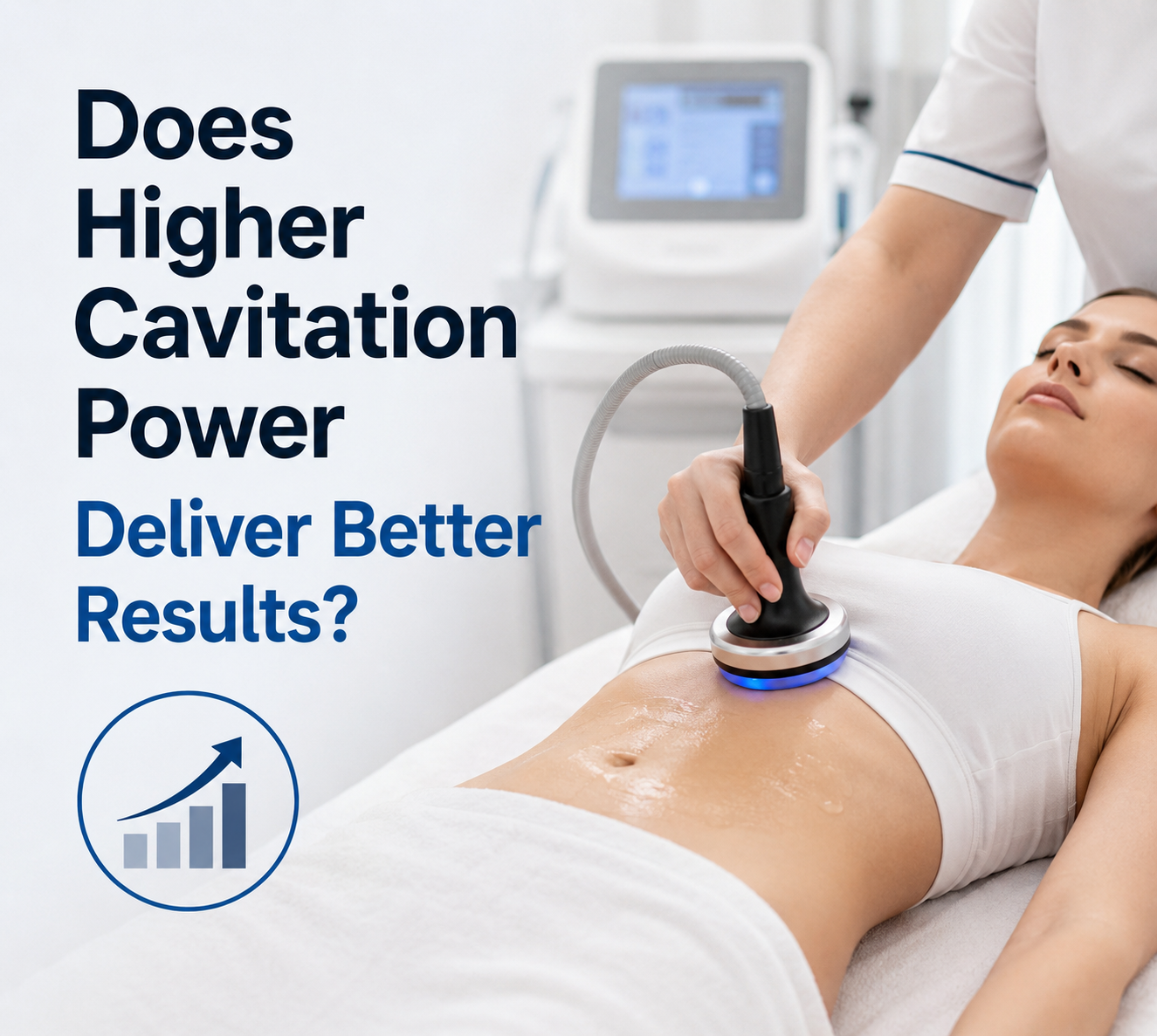
أصبحت تقنية التجويف بالموجات فوق الصوتية شائعة بشكل متزايد في علاجات نحت الجسم غير الجراحية، وغالبًا ما تُسوَّق كوسيلة لتقليل الدهون الموضعية وتحسين شكل الجسم دون جراحة أو فترة نقاهة. ومع توسع السوق، برز اعتقاد شائع بين المستهلكين مفاده أن قوة التجويف العالية تُؤدي تلقائيًا إلى نتائج أفضل وأسرع. يبدو هذا الافتراض منطقيًا، ففي العديد من الأنظمة الفيزيائية، تُعادل القوة الأكبر أداءً أقوى. مع ذلك، عندما يتعلق الأمر باستجابة الأنسجة البيولوجية واستقلاب الدهون، فإن العلاقة بين القوة والنتائج أكثر تعقيدًا مما تبدو عليه للوهلة الأولى.
1. فهم قوة التكهف من الناحية العملية
1.1 ما يفعله التكهف فعلياً في الجسم
يعمل التكهف بالموجات فوق الصوتية عن طريق إرسال موجات صوتية منخفضة التردد إلى مناطق محددة من الجسم. تُحدث هذه الموجات فقاعات مجهرية في السائل الخلالي المحيط بالخلايا الدهنية. ومع تمدد هذه الفقاعات وانكماشها السريع، فإنها تُولد إجهادًا ميكانيكيًا موضعيًا قد يُؤدي إلى تمزق أغشية الخلايا الدهنية. ثم تتم معالجة المحتوى الدهني المُحرر تدريجيًا عبر الجهاز اللمفاوي والجهاز الأيضي في الجسم.
1.2 ما الذي تعنيه "القوة العليا" حقاً
تُقاس قدرة التكهف عادةً بالواط، وهو ما يُمثل الطاقة الناتجة عن الجهاز. يُمكن للجهاز ذي القدرة الأعلى أن يُوصل طاقة فوق صوتية أقوى إلى الأنسجة، مما قد يزيد من شدة تأثيرات التكهف. مع ذلك، لا تُحدد القدرة وحدها الأداء. فكفاءة نقل الطاقة، واستقرار التردد، وتصميم العلاج عواملٌ لا تقل أهمية تُحدد مدى فعالية تفاعل الموجات فوق الصوتية مع الأنسجة الدهنية.
2. الفوائد النظرية لقوة التجويف العالية
2.1 اختراق أقوى وتوصيل أسرع للطاقة
تستطيع الأجهزة ذات الطاقة العالية اختراق طبقات الدهون تحت الجلد بشكل أكثر فعالية، مما قد يفيد الأفراد الذين يعانون من تراكمات دهنية أكثر كثافة. وفي البيئات السريرية المتخصصة، قد تُقلل الأجهزة الأقوى من الوقت اللازم لعلاج مساحات أكبر، مما يُحسّن كفاءة العمل للأطباء.
2.2 نشاط تجويف أكثر كثافة
مع زيادة الطاقة المُنتجة، قد يحدث تكوّن الفقاعات وانهيارها بشكلٍ أسرع داخل الأنسجة المستهدفة. نظرياً، قد يُعزز ذلك من تفتيت الخلايا الدهنية خلال جلسة واحدة. لهذا السبب، غالباً ما يُنظر إلى الأجهزة عالية الطاقة على أنها أكثر "تطوراً" أو "فعالية" من قِبل المستهلكين.
ومع ذلك، فبينما توجد هذه المزايا في بيئات خاضعة للرقابة، فإنها لا تترجم تلقائيًا إلى نتائج أفضل على المدى الطويل.
3. لماذا لا تعني القوة الأعلى بالضرورة نتائج أفضل؟
3.1 قيود المعالجة البيولوجية
يتمتع جسم الإنسان بقدرة محدودة على معالجة نواتج أيض الدهون والتخلص منها. فبعد تكسير الخلايا الدهنية، يجب نقل محتوياتها عبر الجهاز اللمفاوي واستقلابها في الكبد. وحتى لو ساهم جهاز ذو طاقة عالية في إطلاق كمية أكبر من الدهون في جلسة واحدة، فقد لا يتمكن الجسم من التخلص من الفائض بكفاءة، مما قد يقلل من الفعالية الإجمالية أو يؤدي إلى احتباس السوائل مؤقتًا.
3.2 تأثير تناقص العوائد
بعد تجاوز حد معين من الطاقة، يؤدي رفع قوة التجويف إلى تحسينات أقل تدريجيًا. هذه حالة نموذجية لتناقص العائد. فبدلاً من تسريع النتائج، قد تؤدي الطاقة الزائدة إلى تشبع استجابة الأنسجة دون تحسين نتائج تقليل الدهون. في بعض الحالات، قد تؤدي العلاجات شديدة الكثافة إلى إبطاء التقدم الملحوظ بسبب الالتهاب أو التورم المؤقت.
3.3 زيادة خطر الشعور بعدم الراحة والآثار الجانبية
قد تؤدي إعدادات الطاقة العالية إلى توليد حرارة زائدة أو إجهاد ميكانيكي في منطقة العلاج، مما قد يسبب عدم الراحة أو الاحمرار أو حساسية الجلد. ورغم أن تقنية التكهف تُعتبر عمومًا غير جراحية، إلا أن الاستخدام غير السليم لإعدادات الطاقة العالية قد يُعرّض سلامة المريض وراحته للخطر. ولذلك، يُفضّل المُشغّلون المُحترفون غالبًا التحكم في توصيل الطاقة بدلًا من استخدام أقصى طاقة ممكنة.
4. عوامل أهم من القوة الخام
4.1 استقرار التردد وجودة شكل الموجة
يلعب تردد الموجات فوق الصوتية دورًا حاسمًا في كفاءة التكهف. عادةً ما تكون الترددات المنخفضة أكثر فعالية في استهداف الأنسجة الدهنية، بينما تضمن أشكال الموجات المستقرة تكوين فقاعات متسقة. غالبًا ما يتفوق الجهاز ذو خرج التردد المستقر على جهاز ذي طاقة أعلى ولكن بتحكم ضعيف في الإشارة.
4.2 بروتوكول العلاج والاتساق
تعتمد النتائج بشكل كبير على جلسات متكررة ومتباعدة بشكل مناسب بدلاً من جلسات علاجية مكثفة لمرة واحدة. يستجيب الجسم بشكل أفضل للمعالجة الأيضية التدريجية. تسمح الجلسات العلاجية المعتدلة والمنتظمة للجهاز اللمفاوي بالتخلص من نواتج الدهون بكفاءة، مما يؤدي إلى نتائج أكثر استدامة على المدى الطويل.
4.3 تقنية التطبيق ومهارة المستخدم
تؤثر طريقة استخدام الجهاز بشكل كبير على النتائج. فأنماط الحركة الصحيحة، والاستخدام السليم للجل الموصل، والتلامس المستمر مع الجلد، تضمن نقل الطاقة على النحو الأمثل. حتى الجهاز عالي الطاقة لن يؤدي وظيفته بكفاءة إذا استُخدم بشكل خاطئ، بينما يمكن أن يكون الجهاز متوسط الطاقة فعالاً للغاية في أيدي الخبراء.
4.4 هندسة الأجهزة وكفاءة الطاقة
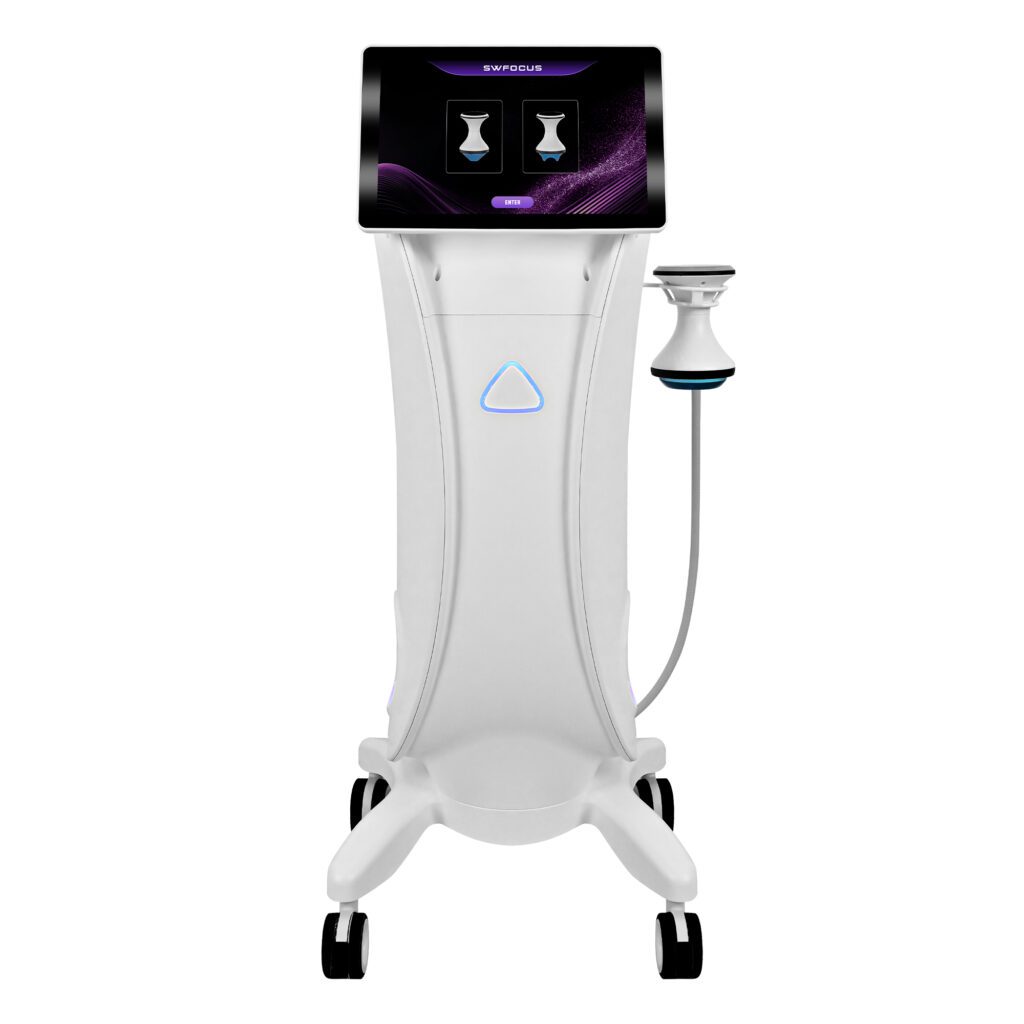
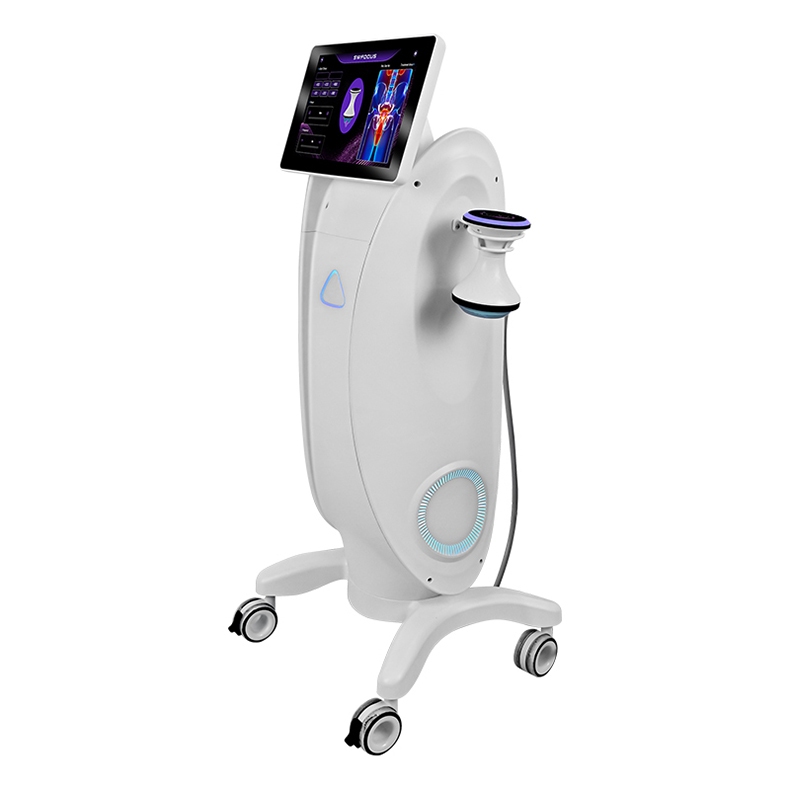
يؤثر التصميم الداخلي لجهاز التجويف - بما في ذلك محولات الطاقة ونظام التبريد ودقة المعايرة - على كفاءة توصيل الطاقة إلى الأنسجة. يمكن لجهاز متوسط الطاقة مصمم جيدًا أن يتفوق على جهاز عالي الطاقة مصمم بشكل سيئ لأنه ينقل الطاقة بشكل أكثر اتساقًا وأمانًا.
5. منظور عملي للمستخدمين والممارسين
5.1 اختيار التوازن الصحيح بين القوة والسيطرة
عند اختيار جهاز التحفيز بالموجات فوق الصوتية، قد يكون التركيز فقط على القدرة الكهربائية مضللاً. من الأفضل تقييم ما إذا كان الجهاز يوفر مستويات شدة قابلة للتعديل، وتردد خرج ثابت، وآليات أمان مثل تنظيم درجة الحرارة. تضمن هذه الميزات إمكانية تخصيص العلاجات لتناسب مناطق الجسم المختلفة ومستويات حساسية الأفراد.
5.2 وضع توقعات واقعية للنتائج
التكهف ليس عملية سريعة حلول لفقدان الدهون بل هي طريقة تدريجية لنحت الجسم. وتعتمد النتائج على التمثيل الغذائي، ونمط الحياة، ومستوى الترطيب، والصحة العامة. ويؤدي الجمع بين العلاجات والنشاط البدني والتغذية السليمة إلى تحسين النتائج بشكل ملحوظ. وعادةً ما يكون الانتظام والاعتدال أفضل من الأساليب المكثفة عالية الشدة على المدى الطويل.
خاتمة
يمكن أن تُحسّن طاقة التجويف العالية بعض جوانب العلاج، مثل اختراق الطاقة والاستجابة الفورية للأنسجة، لكنها ليست العامل الحاسم لتحقيق نتائج أفضل. تعتمد فعالية التجويف على مزيج متوازن من توصيل الطاقة المُتحكّم به، والتقنية الصحيحة، والقدرة البيولوجية على المعالجة، وجدولة العلاج بانتظام. عمليًا، غالبًا ما تُنتج مستويات الطاقة المعتدلة والمُدارة جيدًا نتائج أكثر استقرارًا وقابلية للتنبؤ واستدامة من مجرد زيادة الطاقة إلى أقصى حد.