










What Chair Is Best for Pelvic Floor? The Complete Guide to Choosing the Right Support
Maintaining pelvic floor health is essential for comfort, posture, and core strength. If you experience discomfort when sitting, leaks, or pelvic tension, your chair may be a big part of the problem. So, what chair is best for pelvic floor support? Let’s break it down in a simple, human, and practical way.
Understanding the Pelvic Floor
The pelvic floor is a powerful hammock of muscles located at the base of your pelvis. These muscles hold important organs like the bladder, bowel, and uterus in place. They also control posture, support the spine, and keep your abdomen stable.
When these muscles weaken or become overly tight, you may experience symptoms like:
Lower back pain
Incontinence
Pelvic pressure
Pain during movement or sitting
Good sitting posture—and most importantly, a well-designed chair—can dramatically reduce these symptoms.
How Sitting Impacts Pelvic Floor Health
Pressure on the Pelvic Muscles
Most people sit for hours every day. If your chair is too soft, too hard, or poorly angled, it can place direct pressure on the pelvic floor, causing tension and inflammation.
The Role of Posture
A slouched posture compresses abdominal organs and forces the pelvic muscles to compensate. Over time, this leads to weakness or tightness.
Why Chair Design Matters
A pelvic-friendly chair should:
Maintain a neutral hip angle
Support natural spinal curvature
Reduce pressure on the perineum
Encourage core engagement
The right chair doesn’t just make sitting comfortable—it actively supports pelvic floor health.
Types of Chairs for Pelvic Floor Support
1. Ergonomic Office Chairs
A good ergonomic office chair is designed to support long hours of sitting. Features include:
Adjustable lumbar support
Height adjustment
A firm but cushioned seat
These chairs help maintain posture and reduce back and pelvic strain.
2. Saddle Chairs
These chairs look like a horse saddle and position your hips at a 135-degree angle—ideal for pelvic alignment.
Benefits:
Reduces pelvic compression
Opens hip joints
Encourages upright posture
Great for those who sit long hours but want more active engagement.
3. Kneeling Chairs
Kneeling chairs shift the body forward and distribute weight between the shins and buttocks.
Advantages:
Promotes forward tilt
Prevents pelvic slumping
Engages core muscles
However, they may not be ideal for people with knee issues.
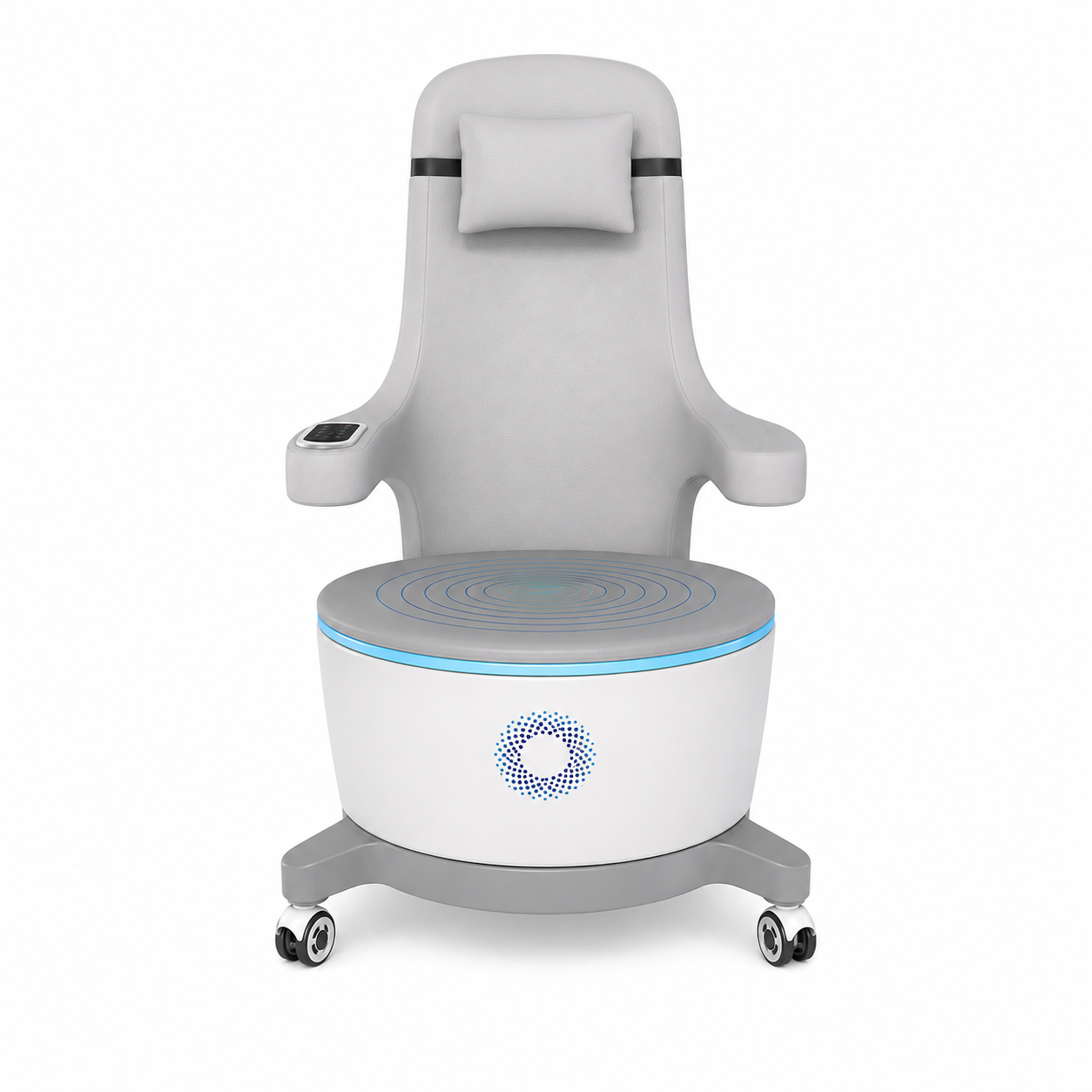
4. Pelvic Floor Therapy Chairs (EMS Chairs)
These chairs use electromagnetic stimulation to contract pelvic floor muscles automatically—up to 12,000 contractions in a single session.
5. Exercise Ball Chairs
Involves active sitting, improving balance and core strength. But not suitable for everyone and not ideal for long work sessions.
Comparing Different Chair Types
| Chair Type | Best For | Pros | Cons |
|---|---|---|---|
| Ergonomic Office Chairs | Office workers | Comfortable, adjustable | Limited pelvic activation |
| Saddle Chairs | Pelvic alignment | Open hip angle | Takes time to adapt |
| Kneeling Chairs | Forward posture | Reduces slumping | Hard on knees |
| EMS Chairs | Pelvic therapy | Strengthens muscles automatically | Not for regular sitting |
| Ball Chairs | Active sitting | Improves balance | Less stable |
Best Chair for Pelvic Floor Weakness
If your biggest issue is pelvic floor weakness, no ergonomic chair can fix that alone. Strengthening the muscles is key.
This is where EMS pelvic floor chairs—similar to Emsella—come in.
Why EMS Chairs Are the Best for Pelvic Weakness
They stimulate deep pelvic muscles that are hard to reach with regular Kegels.
Great for postpartum recovery.
Ideal for urinary leakage, aging muscles, and pelvic relaxation.
Features to Look for in a Pelvic-Friendly Chair
1. Seat Height and Angle
Your knees should be slightly lower than your hips to reduce pelvic pressure.
2. Cushion Design
Avoid overly soft cushions; they cause sinking that strains the hips.
3. Hip Positioning
The chair should encourage slight forward pelvic tilt.
4. Backrest Shape
A curved backrest protects the spine and reduces pelvic stress.
5. Adjustable Components
Fully adjustable chairs offer the best customization for your body.
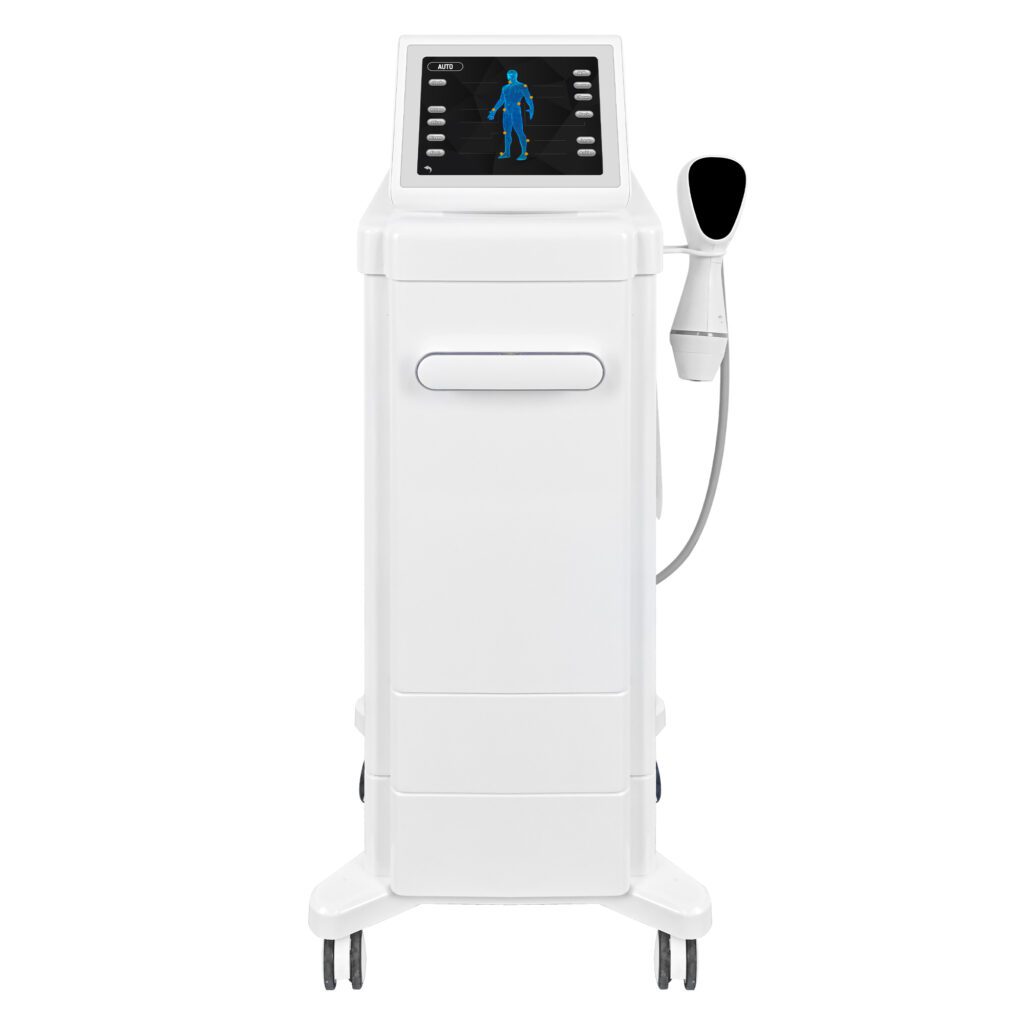
Introducing EMS Pelvic Floor Chairs (Emsella-Type)
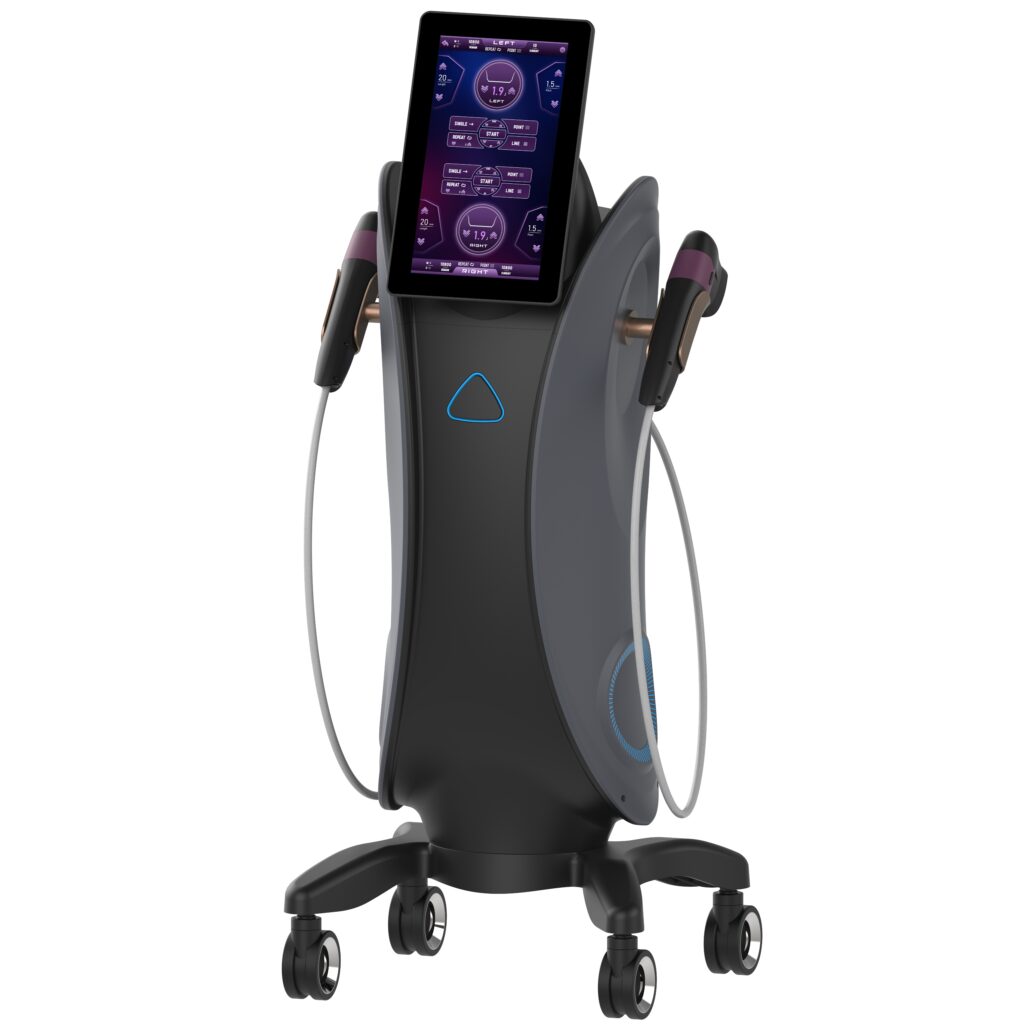
EMS (Electromagnetic Muscle Stimulation) chairs use high-intensity focused electromagnetic energy to trigger thousands of pelvic floor contractions. It’s like doing thousands of perfect Kegels without effort.
Who Needs an EMS Pelvic Floor Chair?
Women postpartum
Seniors with muscle weakness
People with urinary leakage
Anyone with sedentary lifestyle pelvic fatigue
Best EMS Pelvic Floor Chairs (Recommended from SHEFMON)
1. SHEFMON EMS Pelvic Floor Chair – Model E0435
Highlights:
Strong electromagnetic field
Optimized for women’s postpartum recovery
Modern, comfortable design
Non-invasive treatment sessions
Up to 30-minute therapy cycles
Great for clinics, spas, wellness centers, or home use.
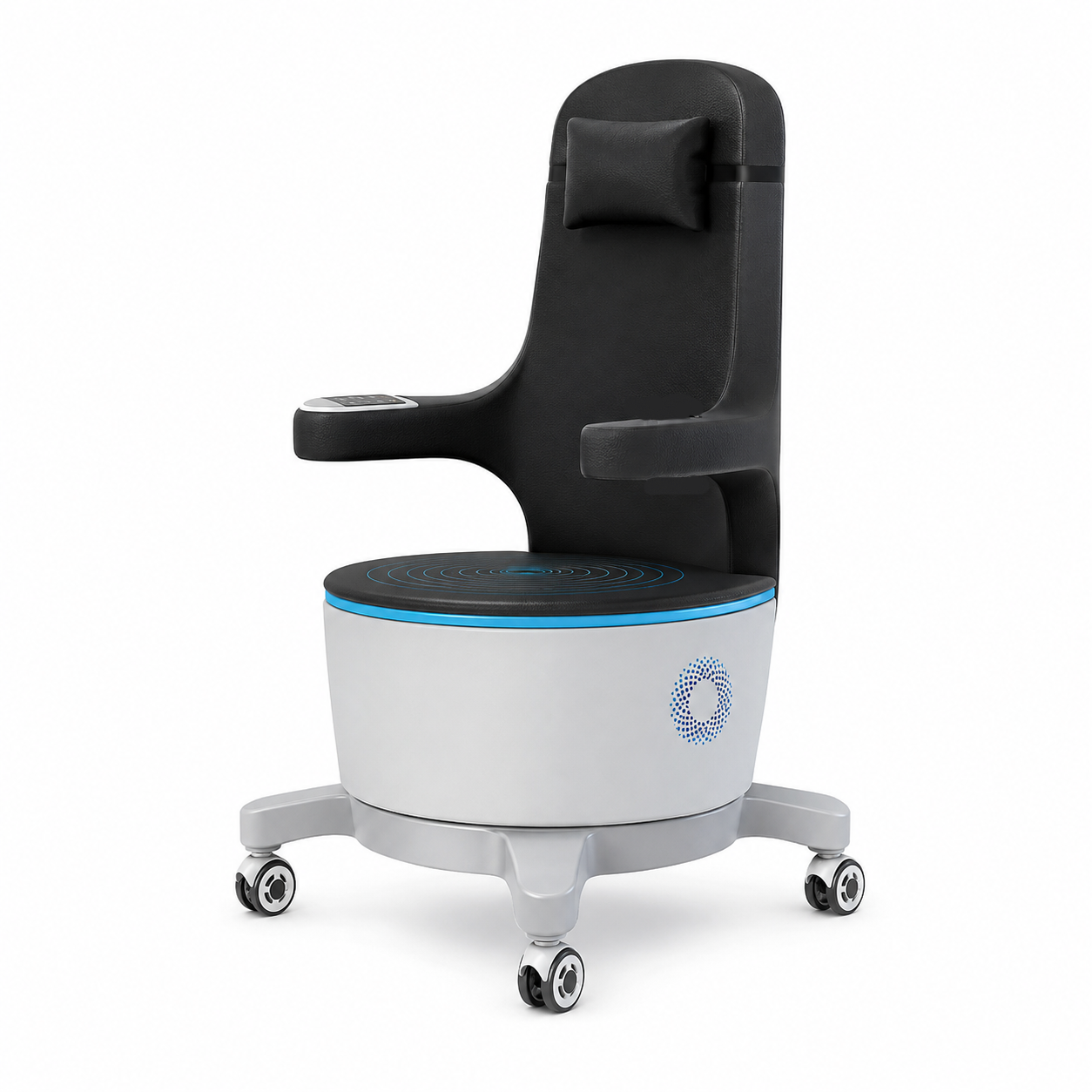
2. SHEFMON EMS Pelvic Floor Chair – Model E0436
Key Features:
Designed for both men and women
Supports significant pelvic muscle strengthening
Durable and heavy-duty build
User-friendly interface
Perfect for rehabilitation or long-term pelvic health maintenance.
How to Use a Pelvic Floor Therapy Chair Safely
Sessions typically last 20–30 minutes
Recommended 2–3 sessions per week
Wear light clothing
Avoid use if pregnant or with metal implants
Additional Tips to Strengthen Your Pelvic Floor
Take standing breaks every 30–45 minutes
Incorporate daily Kegel exercises
Avoid slouching
Use ergonomic support cushions if needed
Combined with the right chair, these habits can dramatically improve pelvic comfort.
Final Recommendation
Best for Pelvic Therapy: EMS Chairs (SHEFMON E0435 & E0436)
Best for Daily Office Work: Ergonomic or saddle chairs
Best for Active Sitting: Exercise ball chairs
If you’re struggling with pelvic discomfort or weakness, pairing a pelvic-friendly chair with regular therapy is the fastest way to feel better.
Conclusion
Choosing the best chair for pelvic floor health depends on your needs. If you’re looking for daily support, ergonomic or saddle chairs are great options. But if your goal is to strengthen weak pelvic floor muscles, nothing beats an EMS pelvic therapy chair like those from SHEFMON. With consistent use and healthy sitting habits, you can reduce pain, improve posture, and restore pelvic strength naturally.
FAQs
1. What is the best chair to strengthen pelvic floor muscles?
EMS pelvic floor chairs are the most effective because they stimulate deep muscle contractions.
2. Can sitting too long weaken the pelvic floor?
Yes. Prolonged sitting compresses the pelvic muscles, leading to weakness or tension.
3. Is a saddle chair good for pelvic health?
Absolutely. It opens the hip angle and reduces pelvic pressure.
4. Are EMS pelvic floor chairs safe?
Yes, they are non-invasive and widely used in therapy clinics, but not recommended during pregnancy.
5. How often should you use a pelvic floor therapy chair?
2–3 sessions per week is ideal for strengthening weak pelvic muscles.