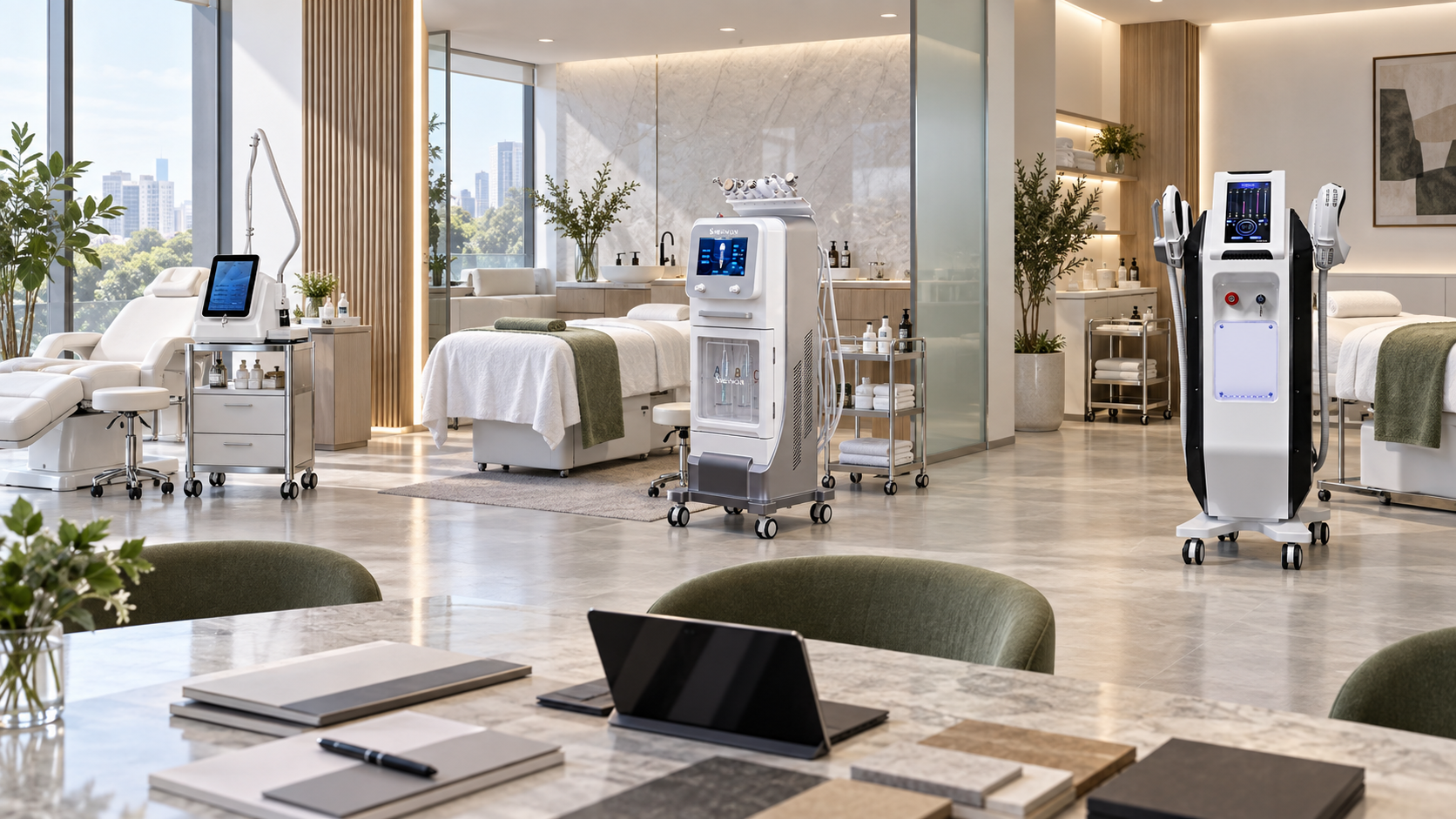
Beauty device buyers may ask for similar technologies, but they do not buy for the same reason. A new facial studio needs a dependable starting menu. A hair-removal practice needs a focused platform and a suitable operating environment. A distributor needs a range that can be explained, demonstrated, quoted, and supported across several customer profiles.
Product-line segmentation turns those differences into a practical range structure. Instead of offering every device to every lead, the seller identifies the buyer’s service model, operating readiness, treatment space, staffing, and growth plan. It then presents a core device, a logical upgrade, and only the advanced categories that the buyer is prepared to operate.
This guide shows how to segment SHEFMON beauty devices for facial salons, established beauty studios, med spas, clinical skin practices, hair-removal specialists, body-contouring centers, and distributors serving mixed accounts.
Executive Summary
A useful beauty device product line should answer four questions for each buyer type:
- What should be the first device? Choose the system that supports the buyer’s clearest and most repeatable service category.
- What is the next meaningful upgrade? Add a technology that creates a distinct consultation or menu path rather than duplicating the core device.
- Which systems should be quoted selectively? Reserve advanced, configuration-sensitive, or regulated devices for buyers with the right staff, space, protocols, and local authorization.
- What should be postponed? Exclude categories that the buyer cannot yet position, operate, or support properly.
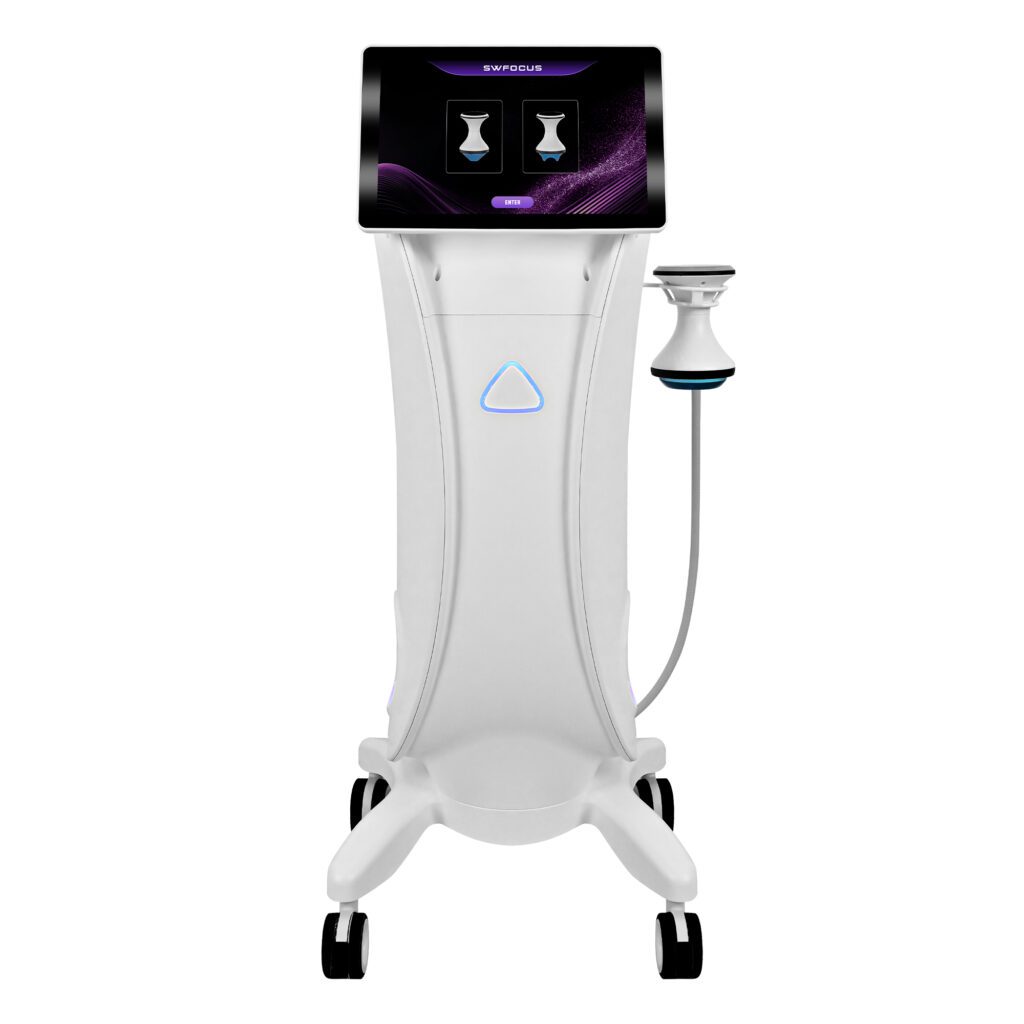
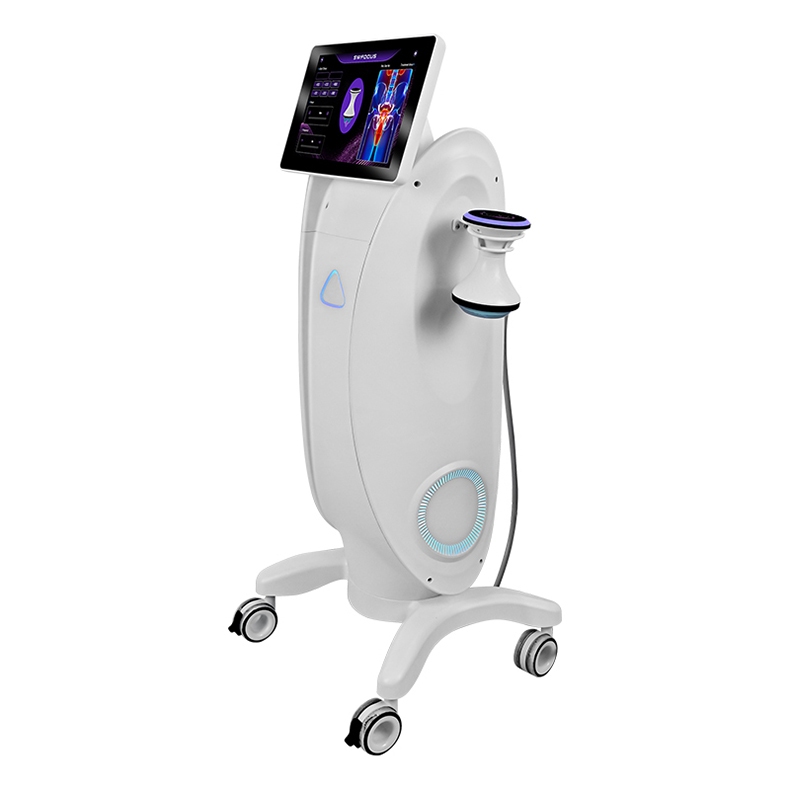
For many facial salons, the A0648 hydro microdermabrasion system is a logical foundation. A hair-removal specialist requires a dedicated platform such as the A0423 diode laser. Body-focused buyers may compare the B0155, A0241, and S9 according to service principle rather than treating them as interchangeable slimming machines. Med spas and clinics can consider focused HIFU or RF microneedling only when their scope, training, screening, and follow-up systems support those procedures.
1. What Buyer-Type Segmentation Means
Buyer-type segmentation groups products according to the business that will use or resell them. It is more precise than dividing a catalog into facial, body, and laser pages because two buyers interested in facial treatments may still need very different ranges.
A facial salon may prioritize cleansing, hydration, comfortable appointments, and an easy-to-explain menu. A clinical skin practice may need those maintenance services too, but it may also evaluate invasive or energy-based procedures, documented contraindication screening, and structured aftercare. The product category overlaps; the purchasing logic does not.
Good segmentation therefore considers the buyer, service, operating conditions, and support burden together. The purpose is to reduce irrelevant quotations and help each prospect see a realistic path from the first device to the next category.
2. Profile the Buyer Before Recommending a Device
The business label on a lead form is only a starting point. Before assigning a product line, qualify seven factors:
| Qualification factor | What to establish | Why it changes the product line |
|---|---|---|
| Current service menu | Services already sold and the main client concerns | Shows whether the device extends a proven category or starts a new one |
| Operator background | Training, professional role, and experience with energy-based equipment | Determines which technologies can be considered responsibly |
| Treatment environment | Room count, privacy, ventilation, electrical supply, storage, and workflow | Affects format, installation, and daily usability |
| Client demand | Consultation patterns and requested service outcomes | Helps choose one relevant technology instead of a broad catalog |
| Operating capacity | Appointment length, cleaning process, records, screening, and follow-up | Reveals whether the team can deliver the proposed service consistently |
| Commercial route | End user, local reseller, project buyer, or multi-market distributor | Changes demonstration, stock, documentation, and support needs |
| Growth horizon | Immediate launch, six-month expansion, or long-term category plan | Separates a present purchase from a future upgrade |
These questions keep a recommendation tied to actual use. They also expose cases in which the right decision is to strengthen an existing category before adding another machine.
3. Give Every Segment Four Product-Line Positions
Each buyer segment should have a simple product architecture:
- Core: the device or category that expresses the segment’s main service promise.
- Growth: the next device that adds a distinct reason to book or consult.
- Selective: a system quoted after deeper qualification because it needs special configuration, skills, facilities, or local review.
- Postpone: a category that does not yet fit the buyer’s menu, readiness, or customer base.
This structure prevents a common sales problem: presenting a long list without telling the buyer what belongs first. It also gives distributors a consistent way to train sales representatives and route leads.
4. Master Product-Line Map by Buyer Type
| Buyer type | Core line | Growth line | Selective line | Usually postpone until ready |
|---|---|---|---|---|
| New facial salon | Hydro cleansing and hydration | Facial tone and contour consultation | Defined body-care category | Laser, HIFU, and RF microneedling |
| Established beauty studio | Hydro facial plus facial contour category | Multifunction body care | Focused body platform | Clinical procedures outside staff scope |
| Anti-aging med spa | Facial maintenance plus consultation-led lifting | Focused HIFU | RF microneedling where qualified | Unrelated categories without a menu role |
| Clinical skin practice | Maintenance facial plus advanced skin procedure | RF microneedling or selected laser category | Configuration-specific energy platforms | General-purpose bundles that blur protocols |
| Hair-removal specialist | Diode laser hair-removal line | Maintenance facial or another clearly separate service | Additional laser configuration | Broad body catalog with no demand evidence |
| Body-contouring center | One clearly defined body modality | A second modality with a different mechanism | Higher-complexity contour systems | Facial equipment unless expansion is planned |
| Multi-market distributor | Modular facial, hair, body, and advanced ranges | Demonstration models for priority segments | Order-led clinical/configuration-sensitive systems | Deep stock across unvalidated variants |
The table is a routing guide, not an automatic prescription. The final selection still depends on configuration, intended use, operator qualifications, and the rules that apply in the destination market.
5. Product Line for a New Facial Salon
A new facial salon benefits from a narrow starting range. Its first device should support a service that is easy to introduce, easy to place within a consultation, and compatible with the salon’s room and staffing model.
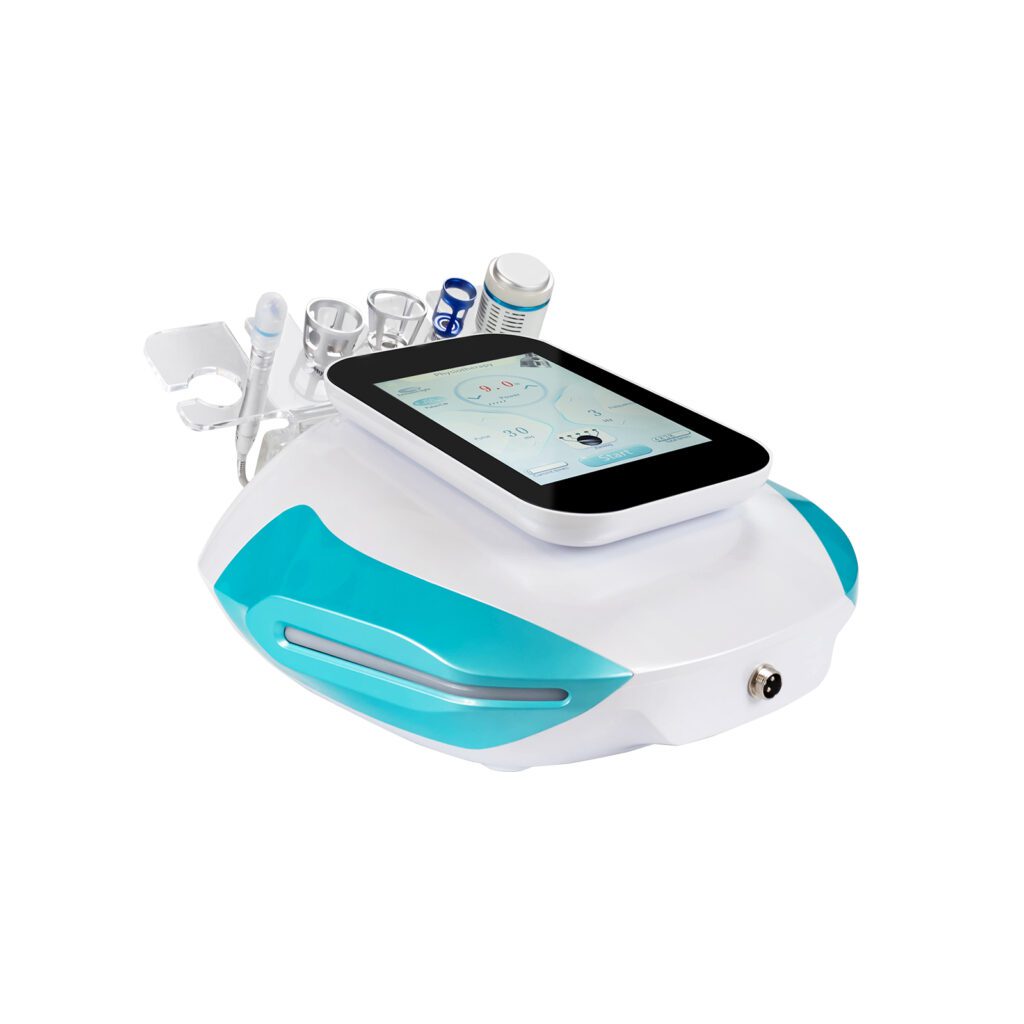
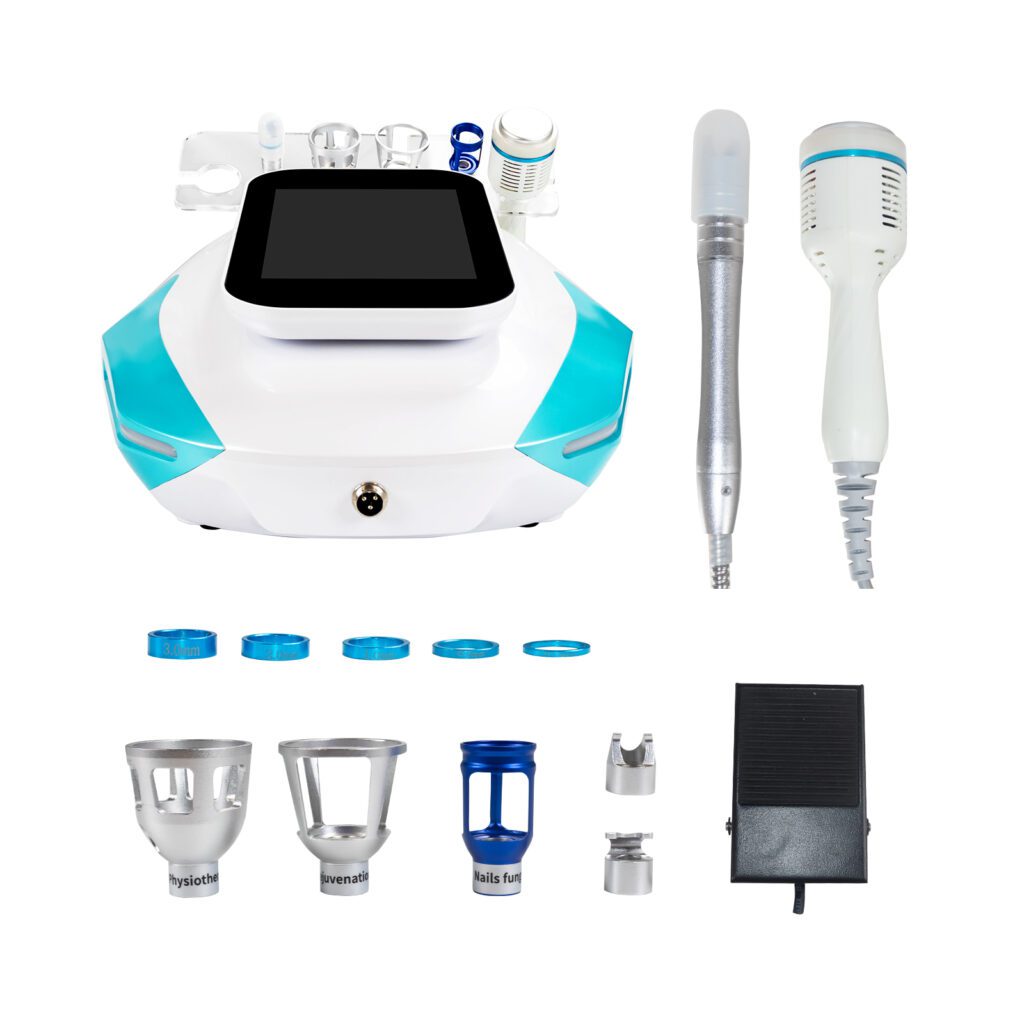
The A0648 9-in-1 hydro microdermabrasion device can anchor a cleansing and hydration-oriented facial line. Its role is not simply “nine functions.” Its business value comes from organizing functions around a coherent facial appointment: surface cleansing, exfoliation, vacuum-assisted extraction, and hydration steps selected for the client and delivered within the operator’s training.
Once the salon has a stable consultation and repeat-care pathway, it can evaluate the A0272-F facial electrical stimulation and RF system as a separate facial tone and contour category. The buyer should keep that menu distinct from the hydro facial instead of presenting every modality as one oversized treatment.
Advanced laser, focused ultrasound, and microneedling systems should not appear as automatic add-ons for a first-time salon buyer. They require a separate readiness review.
6. Product Line for an Established Beauty Studio
An established studio already has client records, consultation habits, and evidence of which appointments create repeat demand. Its product line can cover more than one service family, but each device should still have a defined role.
A practical structure is:
- Facial foundation: A0648 for cleansing and hydration-oriented care.
- Facial growth category: A0272-F for a consultation-led facial tone and contour offering.
- Body expansion: B0155 Desktop Endos Velapro where the studio wants a selected combination of vacuum roller, RF, rotating massage, and cavitation functions.
The B0155 should be introduced through named body-service pathways and clear operator procedures. Its multifunction design does not mean every function must be used in every appointment. The studio should define which handle supports which service, who is suitable, how settings are recorded, and how the equipment is cleaned between clients.
7. Product Line for an Anti-Aging Med Spa
An anti-aging med spa normally needs a ladder of service intensity. It may use a hydro facial category for routine maintenance, a facial stimulation/RF platform for non-invasive contour-oriented consultations, and a more advanced system for carefully selected clients.
The A0204 focused HIFU platform can represent the advanced tightening line. The product page presents standard and optional components, so buyers must confirm the exact handpieces, cartridges, intended areas, consumables, and documentation included in the quotation. A broad product-page title should never replace a configuration sheet.
The med spa should separate three menu levels:
- routine facial maintenance;
- non-invasive facial tone or contour consultations; and
- advanced, eligibility-based procedures delivered by appropriately qualified personnel.
This gives clients a clear route through the menu without implying that every appointment should progress to an advanced device.
8. Product Line for a Clinical Skin Practice
A clinical skin practice may need a small maintenance line alongside procedure-specific technology. Its range should emphasize clinical governance as much as machine capability.
The A0648 can cover a maintenance facial category where permitted. The A0152 Desktop MNRF Depth 8 can be evaluated for an advanced skin-texture procedure line. SHEFMON’s product page lists 12-pin, 24-pin, 40-pin, and nano heads as well as selectable handle configurations, which makes configuration confirmation essential before purchase.
RF microneedling should be treated as a medical procedure, with appropriate training, client selection, infection-control practices, risk discussion, and follow-up. The U.S. FDA has published a safety communication on certain uses of RF microneedling, and buyers should review the rules and professional requirements that apply in their own market.
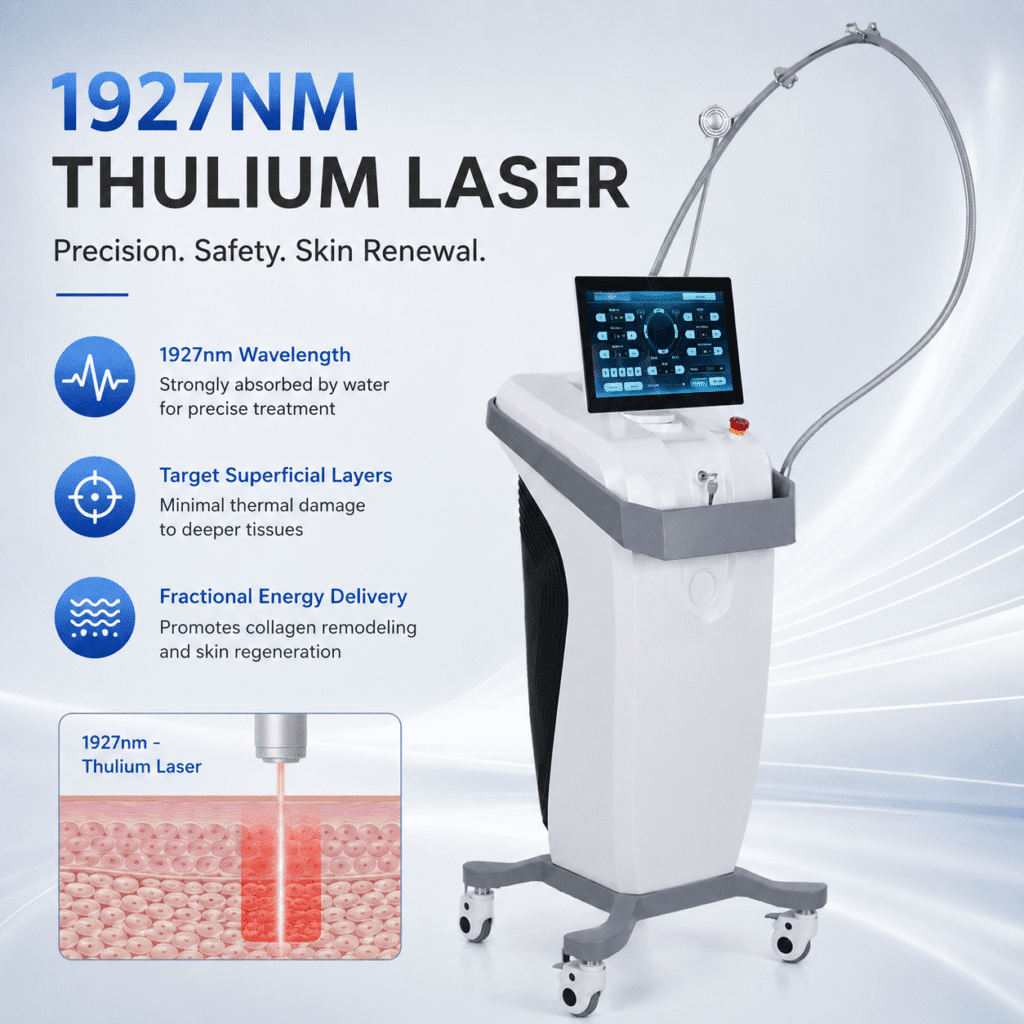
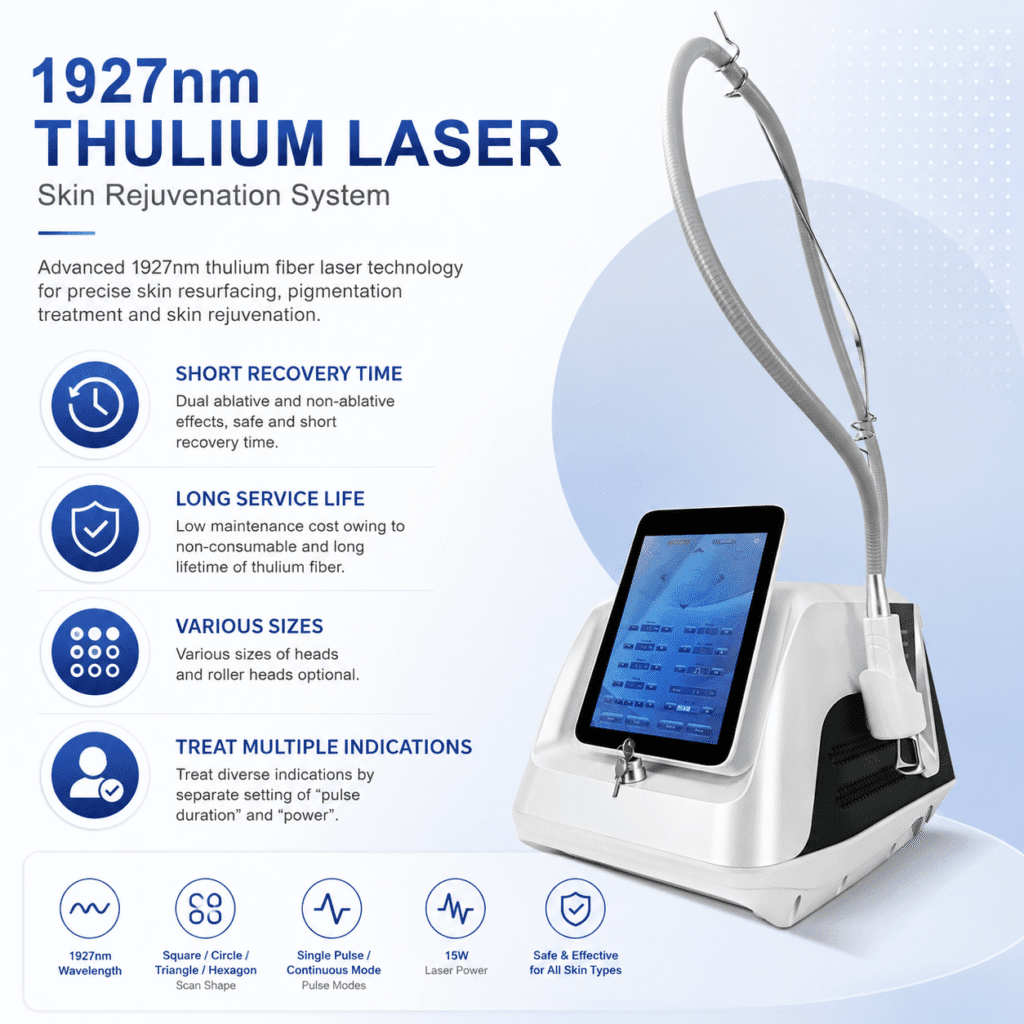
A clinic may also evaluate a wavelength-specific laser category, but it should not place a laser in the same general-purpose bundle as a maintenance facial device. The clinical indication, operator scope, room controls, protective equipment, and post-procedure pathway need separate review.
9. Product Line for a Hair-Removal Specialist
For a dedicated hair-removal business, the hair-removal platform is the core product line rather than an optional category. The A0423 diode laser page lists several wavelength and spot-size choices, including combination options. Buyers should confirm the ordered wavelength configuration, spot size, handle power, cooling arrangement, electrical requirements, and supplied accessories in writing.
The service menu can be organized by treatment area and consultation outcome, but the operator still needs to assess individual suitability. The American Academy of Dermatology explains that laser hair removal may involve a series of treatments and that results and risks vary; its laser hair removal guidance also emphasizes treatment by an experienced practitioner.
A hydro facial device can become a separate growth line if the business plans to add skin-maintenance appointments. It should have its own client journey and room schedule rather than being presented as a required companion to laser hair removal.
10. Product Line for a Body-Contouring Center
Body-contouring buyers should not receive one generic “slimming machine” list. The seller should segment the range by service principle and operating model.
| Product | Main technology direction | Product-line role | Qualification focus |
|---|---|---|---|
| B0155 | Vacuum roller, RF, rotating massage, and 80K cavitation | Multifunction body-care foundation | Handle workflow, treatment-room process, and service naming |
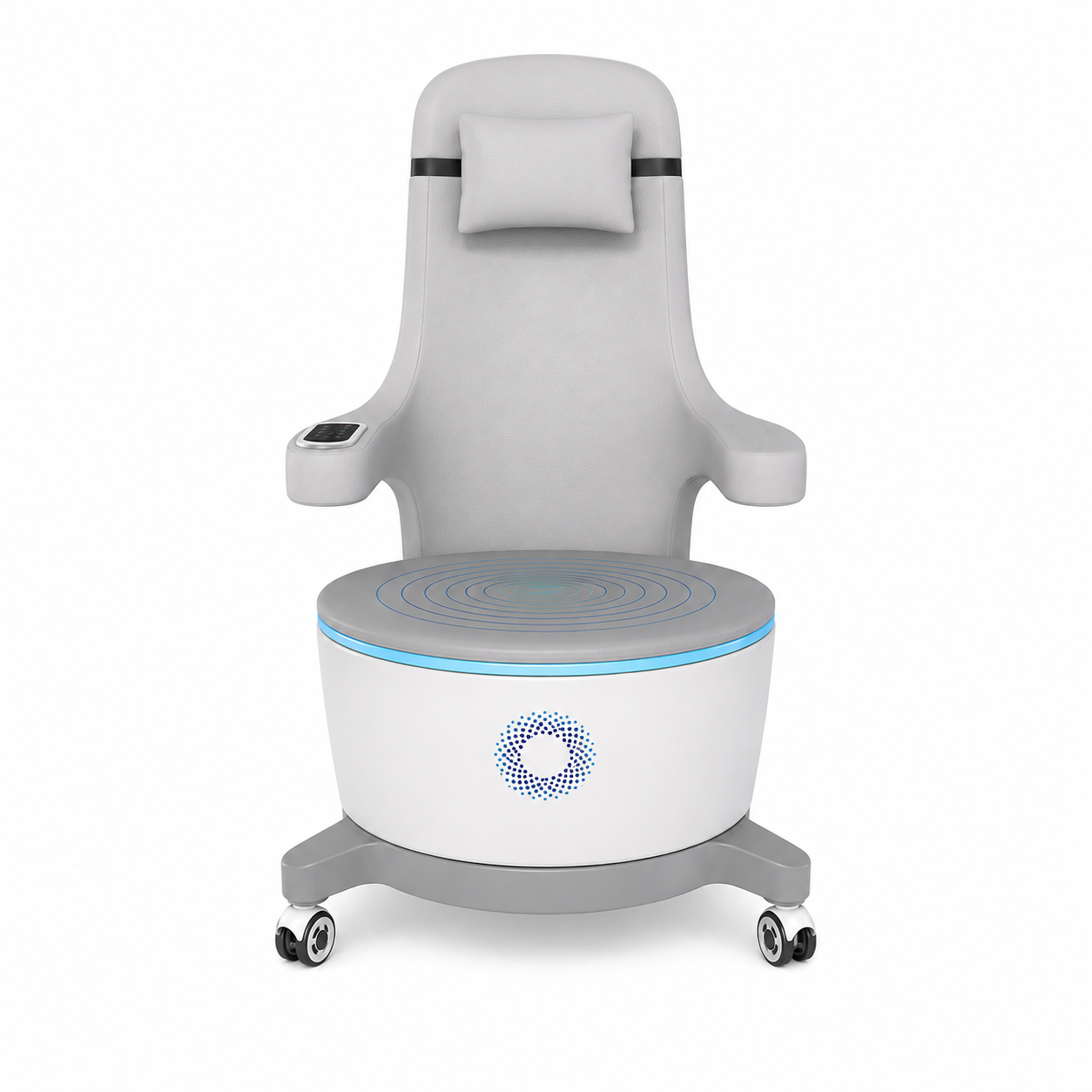
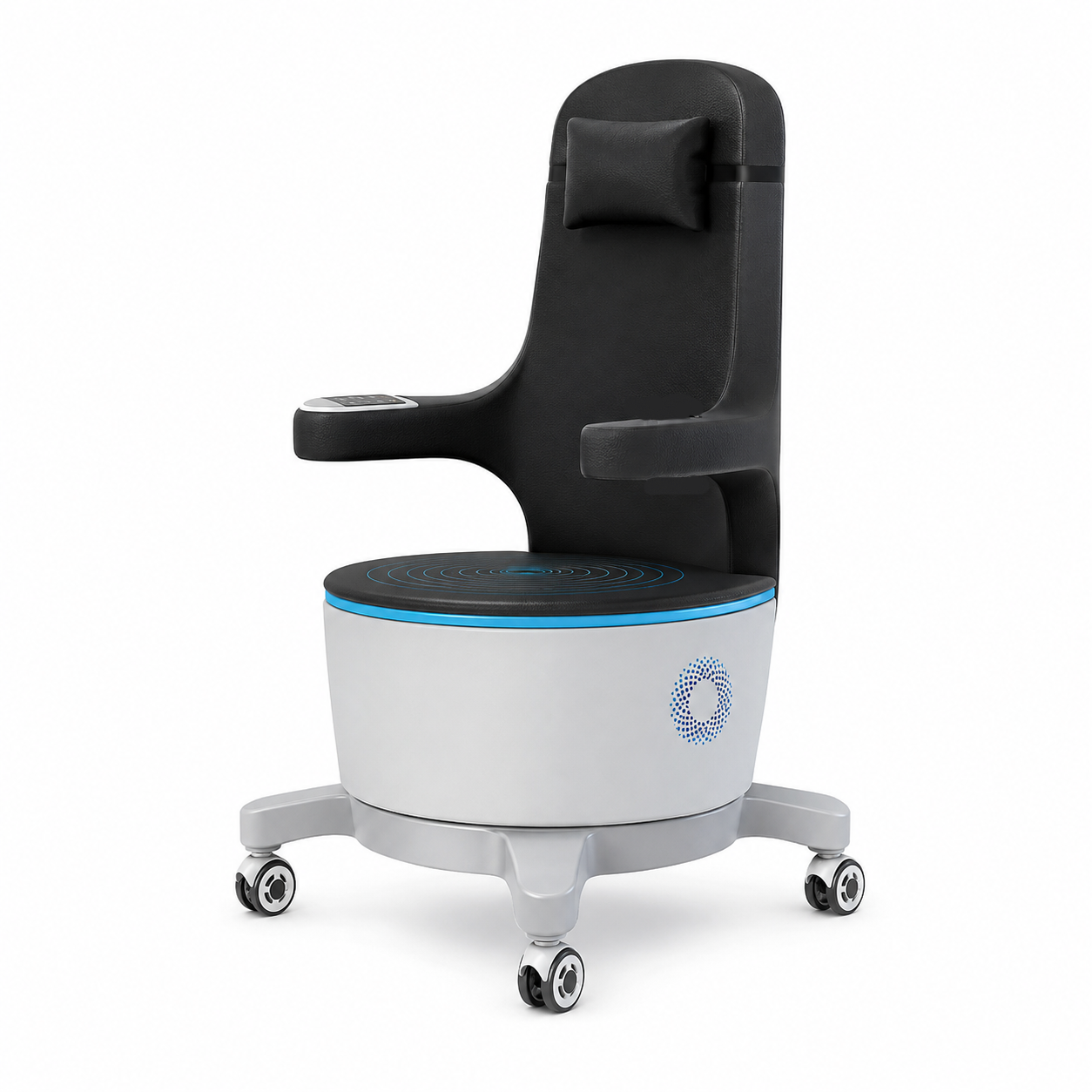
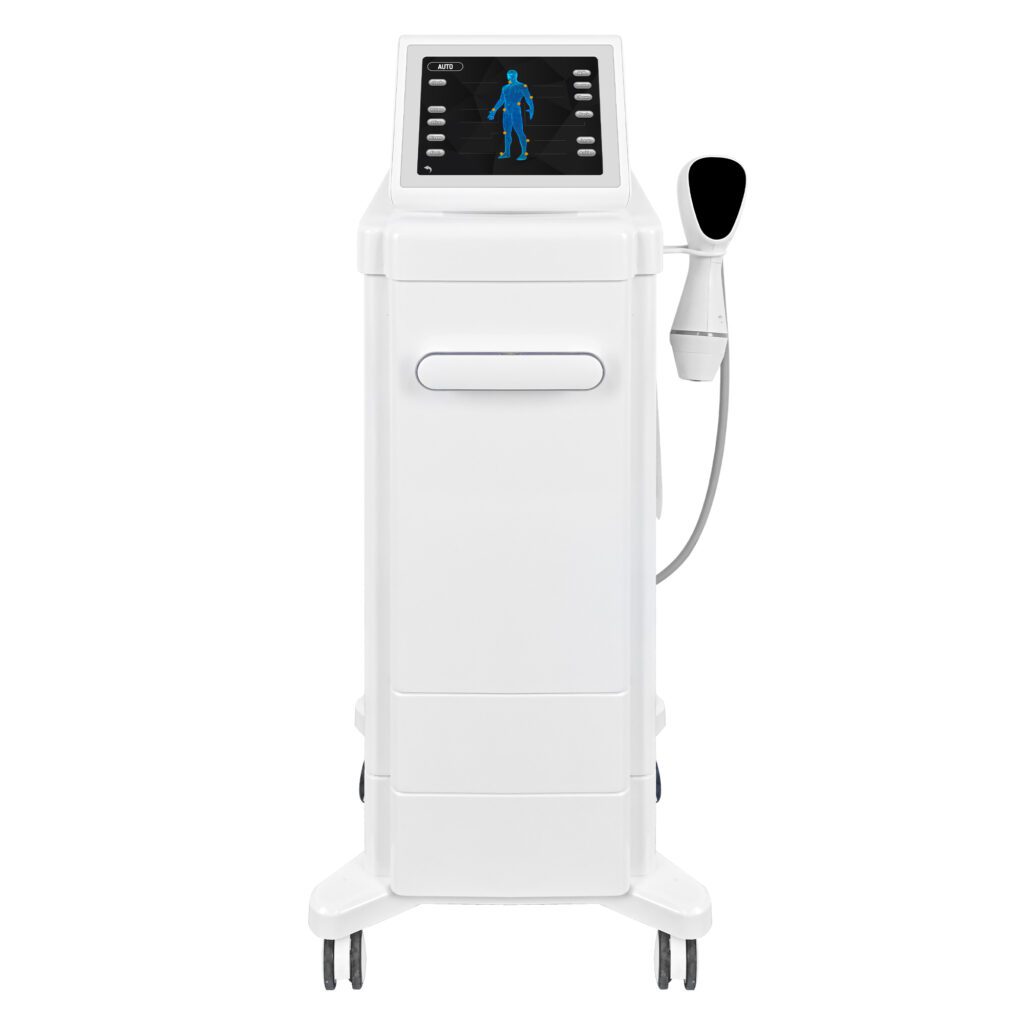
| A0241 | Electromagnetic stimulation with RF | Muscle-focused body category | Suitability screening, applicator setup, space, and staff training |
| S9 | Vacuum-assisted localized cooling | Cooling-based contour category | Applicator selection, screening, monitoring, and follow-up |
These devices are not substitutes based solely on price. They support different consultations, operating steps, and client expectations. A center should launch one main modality, document its workflow, and add another only when it addresses a clearly different demand.
Non-invasive body contouring has limitations and possible complications. Buyers should review an authoritative overview such as the FDA’s non-invasive body contouring information, establish realistic communication, and follow applicable local requirements.
11. Product Line for a Multi-Market Distributor
A distributor needs a modular range that can be assembled differently for each account. The product line may contain the same representative models described above, but its commercial organization should be buyer-led:
- Facial salon module: A0648 as the entry point, with A0272-F as a distinct upgrade.
- Hair-removal module: A0423 with configuration choices documented before quoting.
- Beauty studio body module: B0155 for a defined multifunction body-care line.
- Body specialist module: A0241 and S9 as separate modality families.
- Advanced med-spa module: A0204 after scope, training, configuration, and service-path review.
- Clinical skin module: A0152 for appropriately qualified accounts.
Sales teams can then start with the relevant module instead of sending the full catalog. This makes lead qualification faster and reduces comparisons between products designed for very different services.
12. Compare Representative Models by Commercial Role
| Model | Best initial buyer fit | Menu role | Product-line position |
|---|---|---|---|
| A0648 | Facial salons, skin studios, med spas | Cleansing and hydration-oriented facial care | Core facial model |
| A0272-F | Established salons and med spas | Facial tone and contour consultation | Facial growth model |
| A0423 | Hair-removal practices and qualified multi-service businesses | Area-based hair-reduction service | Core specialist model |
| B0155 | Beauty studios adding body services | Defined multifunction body-care services | Body entry or growth model |
| A0241 | Body-focused studios and med spas | Electromagnetic stimulation and RF body category | Specialist body model |
| S9 | Qualified contouring centers | Localized cooling-based contour consultation | Selective body model |
| A0204 | Qualified med spas and clinics | Focused HIFU consultation | Advanced selective model |
| A0152 | Appropriately qualified clinical settings | RF microneedling procedure category | Clinical selective model |
“Best fit” describes a commercial starting point, not blanket authorization to use the equipment. Market rules, intended use, client selection, training, and the exact device configuration remain decisive.
13. Prevent Overlap Between Product Lines
Two models should not occupy the same place in the sales story unless there is a meaningful reason for the choice. Useful differences include format, configuration, treatment principle, target service, room requirements, or buyer readiness. A higher number of handles is not enough.
For each model, write a one-sentence role statement. For example: “A0648 is the facial-salon foundation for cleansing and hydration-oriented services.” If two products receive essentially the same statement, clarify their differences or remove one from that segment’s standard range.
This practice also prevents internal competition. Sales representatives can explain why a model is core for one buyer and selective for another without suggesting that the products are universally interchangeable.
14. Decide What to Stock, Demonstrate, and Quote on Demand
Segmentation should guide inventory policy as well as marketing.
| Range status | Suitable candidates | Distributor action |
|---|---|---|
| Stock or rapid-availability line | Proven core configurations for priority buyer groups | Keep the SKU definition stable and train the whole sales team |
| Demonstration line | Models that require explanation of handles, workflow, or service positioning | Maintain one controlled demonstration configuration and a checklist |
| Order-led line | Advanced, lower-frequency, or configuration-sensitive systems | Confirm every component, voltage, documentation need, and lead time before order |
| Future-test line | Products with uncertain segment demand | Collect qualified inquiries before committing to range depth |
This is a planning method rather than a recommendation to hold a specific quantity. Each distributor should use its own verified inquiry, demonstration, order, support, and return data.
15. Ask Segment-Specific Sales Questions
A single inquiry form rarely qualifies every buyer well. Add questions that expose the intended operating model.
For facial salons: Which facial steps are already offered? Is the priority deep cleansing, hydration, facial tone, or a new premium consultation?
For med spas and clinics: Who will operate the device? Which procedures are already within scope? What screening, consent, records, and follow-up systems are in place?
For hair-removal practices: Which treatment areas and client profiles drive demand? What laser room, eye protection, cooling, and operator training arrangements are available?
For body centers: Which modality does the current menu promise? Does the business need mechanical body care, muscle-focused stimulation, or localized cooling?
For distributors: Which buyer groups create qualified inquiries? Which models can the team demonstrate and support? Which variants should remain order-led?
16. Build Quotations Around a Buyer Scenario
A quotation becomes easier to evaluate when it reflects a specific service plan. It should identify:
- the proposed model and exact configuration;
- included and optional handpieces, cartridges, tips, or applicators;
- voltage and plug requirements;
- consumables and expected replacement items;
- installation, training, documentation, and after-sales scope;
- packaging and shipping details relevant to delivery planning; and
- items excluded from the quotation.
For a new salon, the quote may cover one core facial device and its working accessories. For a distributor, it may define a demonstration unit plus separate order-led variants. For a clinic, it should make the advanced configuration and documentation especially explicit.
17. Match Training to the Product-Line Tier
Training should follow the risk and complexity of the category. A core facial device needs function identification, setup, cleaning, routine maintenance, consultation boundaries, and a consistent operating sequence. A multifunction body system needs handle-specific workflows and a way to prevent operators from combining functions without a defined protocol.
Laser, focused HIFU, cooling-based contouring, electromagnetic stimulation, and RF microneedling require deeper preparation appropriate to the technology and local rules. Product familiarization alone does not establish professional authorization or clinical competence. Distributors should state clearly what their training covers and what the buyer must obtain locally.
18. Plan Accessories and Consumables by Segment
A product line is incomplete if the buyer cannot see what keeps it operating. Create a bill of materials for each standard configuration and separate it into:
- supplied items;
- optional application components;
- routine consumables;
- cleaning and room supplies;
- wear items or planned replacements; and
- items sourced locally.
The list should be model-specific. Hydro facial solutions and tips, HIFU cartridges, RF microneedling heads, laser protective equipment, and body applicators have different planning requirements. Avoid promising “no consumables” unless the exact operating configuration and all recurring items support that claim.
19. Control Configuration and Market Variants
Some SHEFMON pages list more than one wavelength, handpiece, cartridge, applicator, or optional function. The model name alone may therefore be insufficient for ordering and resale.
Use a configuration code or signed specification sheet that records the selected system, handpieces, tips, software language, voltage, plug, packaging, and documentation. The same discipline should flow into the distributor’s website and price list so an image or broad headline does not imply that every option is standard.
Before commercial launch, verify local device classification, import conditions, labeling, operator rules, advertising restrictions, and any facility requirements. These details can change which buyer types should see the product and what claims sales teams may make.
20. Organize Website Navigation Around Buyer Paths
A category page can remain technology-based while landing pages and sales tools provide buyer routes. For example, a distributor website might offer:
- Start a Facial Salon
- Expand a Beauty Studio into Body Care
- Build a Hair-Removal Practice
- Add an Anti-Aging Category to a Med Spa
- Source Advanced Devices for a Clinical Setting
Each route should show a small number of relevant categories, compare their roles, and end with qualification questions. It should not copy the entire catalog into every buyer page. Internal links can then take readers to detailed product specifications after they understand why the model fits their business.
21. Measure Segment Performance with Useful Data
Avoid calling a product a bestseller without verified sales evidence. Track performance within each buyer segment using consistent fields:
- qualified inquiries by buyer type;
- quotation-to-order conversion by model and configuration;
- time required to reach an approved specification;
- demonstration requests and outcomes;
- accessory or consumable demand;
- installation and training workload;
- support cases by configuration; and
- repeat orders or expansion into a second category.
These measures show whether the segmentation is working. A model may attract many inquiries but create poor-fit quotations, while a selective system may generate fewer leads and stronger qualified demand.
22. Move Buyers Between Tiers Deliberately
Segmentation should support growth without forcing an upgrade. A salon is ready to move from hydro facial care into a facial contour category when it has a stable client base, trained operators, space in the menu, and demand that the new service can address. A body studio is ready for a second modality when it can explain how the new mechanism differs and support the added screening and workflow.
A med spa or clinic should move into an advanced category only after confirming professional scope, governance, room readiness, technical training, and aftercare. Purchase timing should follow operating readiness, not the desire to display more equipment.
23. Example Segmented Service Menus
The following examples describe menu architecture. They are not instructions to combine devices in one visit.
| Buyer | Foundation service family | Growth service family | Advanced or selective family |
|---|---|---|---|
| New facial salon | Cleansing and hydration facial | Facial tone consultation | Add later after readiness review |
| Established studio | Essential facial care | Facial contour or selected body care | One specialist category based on demand |
| Anti-aging med spa | Maintenance facial | Non-invasive contour consultation | Focused HIFU for suitable clients where permitted |
| Clinical skin practice | Maintenance pathway | Procedure-specific skin consultation | RF microneedling or selected laser service where qualified |
| Hair-removal practice | Area-based laser hair-reduction menu | Skin-maintenance appointments | Additional laser configuration after demand validation |
| Body-contouring center | One principal body modality | A second, clearly differentiated modality | Selective advanced platform after workflow review |
Appointment sequence, treatment intervals, and suitability must be determined through the device instructions, practitioner judgment, client assessment, and applicable professional standards.
24. Common Segmentation Mistakes
Segmenting only by budget
Two buyers with the same budget can have completely different staffing, room, and service needs. Price bands can sit inside a segment, but they should not define it.
Treating all multifunction devices as universal starters
A multifunction platform is valuable when its functions support a coherent menu and the team can operate them consistently. Function count alone does not establish fit.
Mixing salon and clinical messages
When an advanced procedure is presented beside routine salon care without a clear boundary, buyers may misunderstand the required qualifications and controls.
Stocking every available configuration
Optional wavelengths, handles, and cartridges can multiply SKUs quickly. Keep a documented standard configuration and quote variants after qualification.
Using treatment combinations as a sales shortcut
Owning two devices does not establish that they should be used together or on the same day. Sell a structured menu and require appropriate protocols for any treatment plan.
25. Buyer-Type Segmentation Checklist
Before assigning a product line, confirm that you can answer each question:
- What type of business is buying, and who is the end operator?
- Which client concern and service family are the immediate priority?
- What is the segment’s core model and why?
- Which upgrade creates a genuinely different menu path?
- Which categories require additional qualification or local review?
- What should be postponed at the buyer’s current stage?
- Is the exact configuration documented?
- Are room, electrical, cleaning, storage, and workflow needs understood?
- Are training responsibilities and professional boundaries clear?
- Does the quotation identify accessories, consumables, options, and exclusions?
- Will the product be stocked, demonstrated, or supplied on order?
- Which data will determine whether the segment should expand?
Frequently Asked Questions
1. What is the best way to segment a beauty device catalog?
Start with buyer type and service model, then add readiness, operator background, treatment environment, and demand. Use core, growth, selective, and postpone positions so every segment has a clear purchasing path.
2. Should a distributor create a separate catalog for every buyer type?
Not necessarily. A master catalog can remain category-based, while shorter buyer-specific pages, line sheets, and quotation templates show only the relevant models. This keeps technical information centralized and makes the sales path more focused.
3. Which device is a practical starting point for a facial salon?
For a salon centered on cleansing and hydration, A0648 is a relevant foundation model. The final decision should still consider room workflow, operator training, included functions, consumables, and the services the salon plans to place on its menu.
4. When should a salon add a facial contour device?
Add it when the salon already delivers its core facial services consistently and has qualified demand for a separate tone or contour consultation. A0272-F can be evaluated as that growth category rather than being folded into every hydro facial appointment.
5. How should body devices be divided into product lines?
Divide them by technology and service logic. B0155 represents multifunction mechanical and energy-based body care, A0241 represents electromagnetic stimulation with RF, and S9 represents localized vacuum-assisted cooling. Their screening, workflow, and positioning differ.
6. Is a laser device suitable for an ordinary beauty salon?
That cannot be decided from the business label alone. The buyer must confirm local rules, operator qualifications, room controls, protective equipment, client screening, and the specific device’s intended use before adding laser services.
7. Where should RF microneedling sit in the range?
It belongs in a selective clinical line for appropriately qualified settings. It should not be treated as a routine upgrade for every facial salon, because the procedure requires stronger clinical controls, risk management, and aftercare.
8. How many models should a distributor keep in each segment?
There is no universal number. Begin with enough models to represent genuinely different buyer needs and configurations. Expand only when qualified inquiry, demonstration, order, and support data show a clear gap.
9. Can one device appear in more than one buyer segment?
Yes. A0648, for example, may serve a salon’s main facial menu and a med spa’s maintenance pathway. Its position and supporting sales message should change with the buyer’s business model.
10. What information should a buyer send before requesting a recommendation?
Send the business type, country, current services, staff qualifications, target client concerns, room and power details, preferred service category, existing equipment, and launch schedule. This allows SHEFMON to compare relevant models and confirm configurations more accurately.
Conclusion
The strongest beauty device range is not the longest one. It gives each buyer a clear starting point, a justified next step, and a firm boundary around systems that require greater readiness. Facial salons can build from hydro cleansing and hydration. Specialist businesses can anchor the range in hair removal or one body modality. Med spas and clinics can add advanced categories through a stricter qualification process. Distributors can use the same logic to decide what to stock, demonstrate, or supply on order.
Explore SHEFMON beauty device categories or contact SHEFMON with your buyer profile, destination market, service plan, and preferred configuration. The product team can help you compare relevant categories without turning a focused product line into an unfocused catalog.