








Fractional CO2 laser resurfacing has become one of the most advanced solutions for skin rejuvenation, scar improvement, and collagen remodeling. With a wavelength of 10600nm, professional CO2 fractional laser equipment uses controlled laser energy to create microscopic treatment zones in the skin, stimulating the body’s natural healing process while improving skin texture, firmness, and overall appearance. Although CO2 laser treatments are widely recognized for their effectiveness in treating acne scars, wrinkles, pigmentation, and skin aging concerns, understanding possible side effects and proper aftercare is essential for both practitioners and clients. For beauty clinics and aesthetic professionals, knowing how to manage these reactions helps improve treatment safety, customer satisfaction, and long-term results.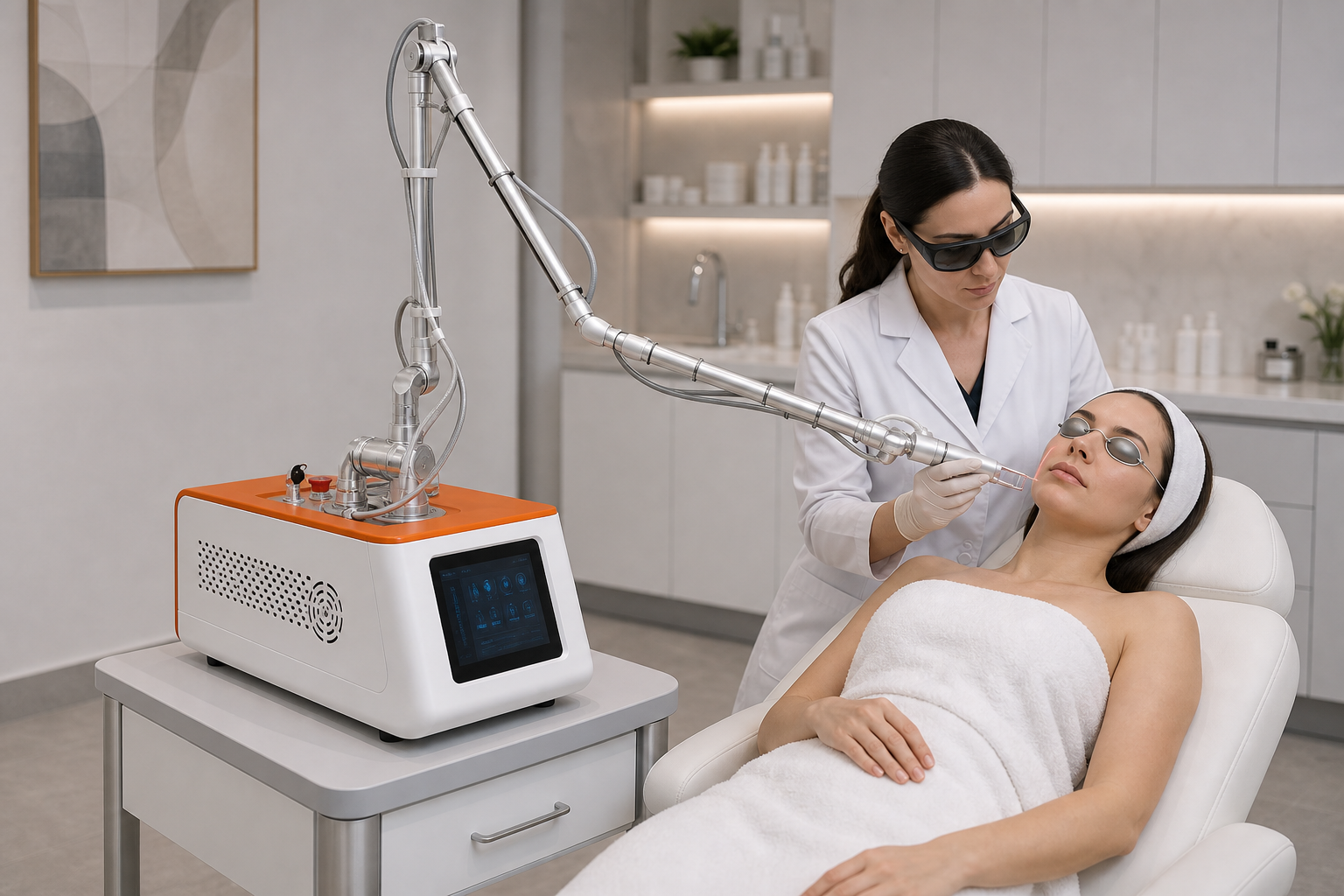
1. Understanding How Fractional CO2 Laser Resurfacing Works
Fractional CO2 laser technology works by delivering precise 10600nm laser energy into the skin’s surface and dermal layers. Unlike traditional full-surface CO2 laser peeling, fractional technology creates controlled micro-columns of thermal injury while leaving surrounding tissue intact. This allows faster healing and reduces recovery time.
The controlled thermal effect stimulates collagen contraction and new collagen production, helping improve:
- Acne scars and surgical scars
- Fine lines and wrinkles
- Uneven skin texture
- Sun damage
- Pigmentation problems
- Skin laxity
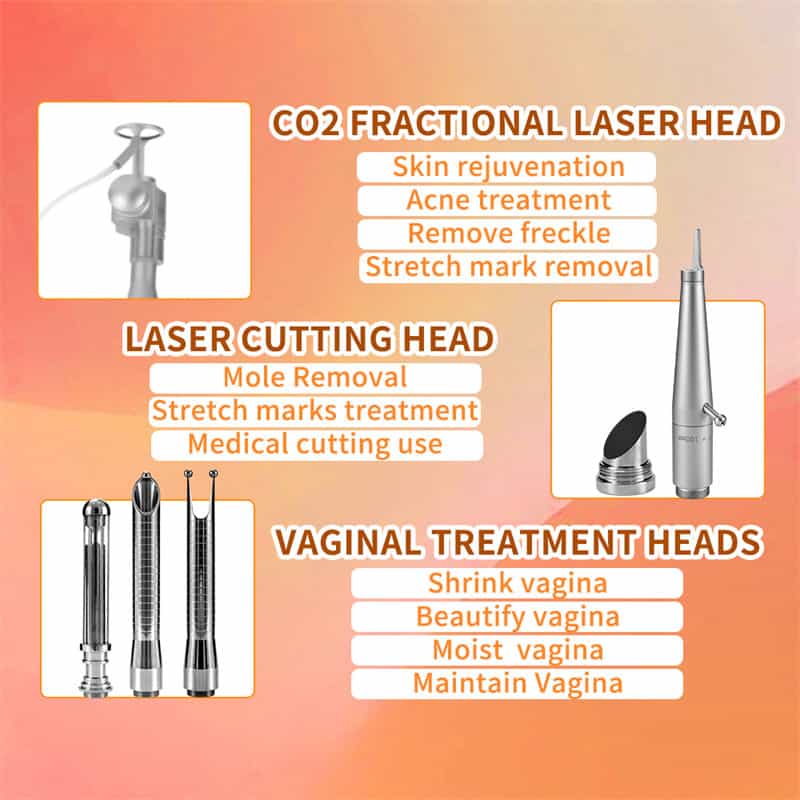
Advanced professional CO2 fractional laser systems use scanning technology, multiple treatment patterns, and adjustable energy settings to provide customized procedures for different skin concerns.
2. Common Side Effects After CO2 Laser Resurfacing
Although fractional CO2 laser treatment is considered safe when performed correctly, temporary side effects may occur as part of the skin recovery process.
2.1 Redness and Swelling
Redness and swelling are among the most common reactions after CO2 laser resurfacing. Since the laser creates controlled thermal stimulation in the skin, increased blood circulation and inflammation naturally occur during the healing process.
The level of redness depends on:
- Treatment intensity
- Skin condition
- Treatment area
- Individual healing ability
Most clients experience gradual improvement as the skin begins to repair itself.
2.2 Heat Sensation and Mild Discomfort
Some clients may experience warmth, tingling, or a mild burning sensation after treatment. This happens because the laser energy activates the skin’s repair response.
Professional CO2 laser systems with accurate energy control help minimize unnecessary thermal damage and improve patient comfort during and after procedures.
2.3 Peeling and Dryness
As damaged skin cells are removed and new skin develops, peeling and dryness may appear several days after treatment. This is a normal part of skin renewal.
The peeling process helps reveal smoother and healthier-looking skin underneath, especially for clients treating:
- Acne scars
- Rough skin texture
- Sun-damaged skin
- Fine wrinkles
2.4 Temporary Pigmentation Changes
Some clients may notice temporary darkening or lightening of treated areas. This is usually related to the skin’s response to heat and inflammation.
Patients with higher pigmentation levels require careful parameter selection and professional evaluation before treatment to reduce the risk of unwanted pigmentation changes.
3. How to Reduce CO2 Laser Side Effects
Proper treatment management and aftercare play an important role in minimizing side effects and improving recovery.
3.1 Choose the Correct Laser Settings
One of the most important factors in reducing side effects is selecting suitable treatment parameters.
Professional CO2 fractional laser equipment allows practitioners to adjust:
- Energy intensity
- Scan density
- Treatment depth
- Scan patterns
Different skin conditions require different settings. For example, scar treatment may require deeper penetration, while skin rejuvenation procedures may use gentler parameters.
3.2 Use Advanced Cooling and Energy Control Systems
Modern CO2 fractional laser machines are designed with technologies that improve safety and treatment comfort. Features such as stable RF tube output, precise scanning systems, and efficient cooling systems help maintain consistent energy delivery.
High-quality equipment reduces the possibility of uneven heating and supports better clinical outcomes.
3.3 Follow Proper Post-Treatment Skincare
After CO2 laser resurfacing, clients should follow professional skincare instructions to support healing.
Recommended care includes:
- Keeping the treated area clean
- Applying recommended recovery products
- Avoiding strong exfoliating ingredients
- Using sunscreen regularly
- Avoiding excessive sun exposure
Sun protection is especially important because newly treated skin is more sensitive to ultraviolet damage.
4. Professional Applications of Fractional CO2 Laser Equipment
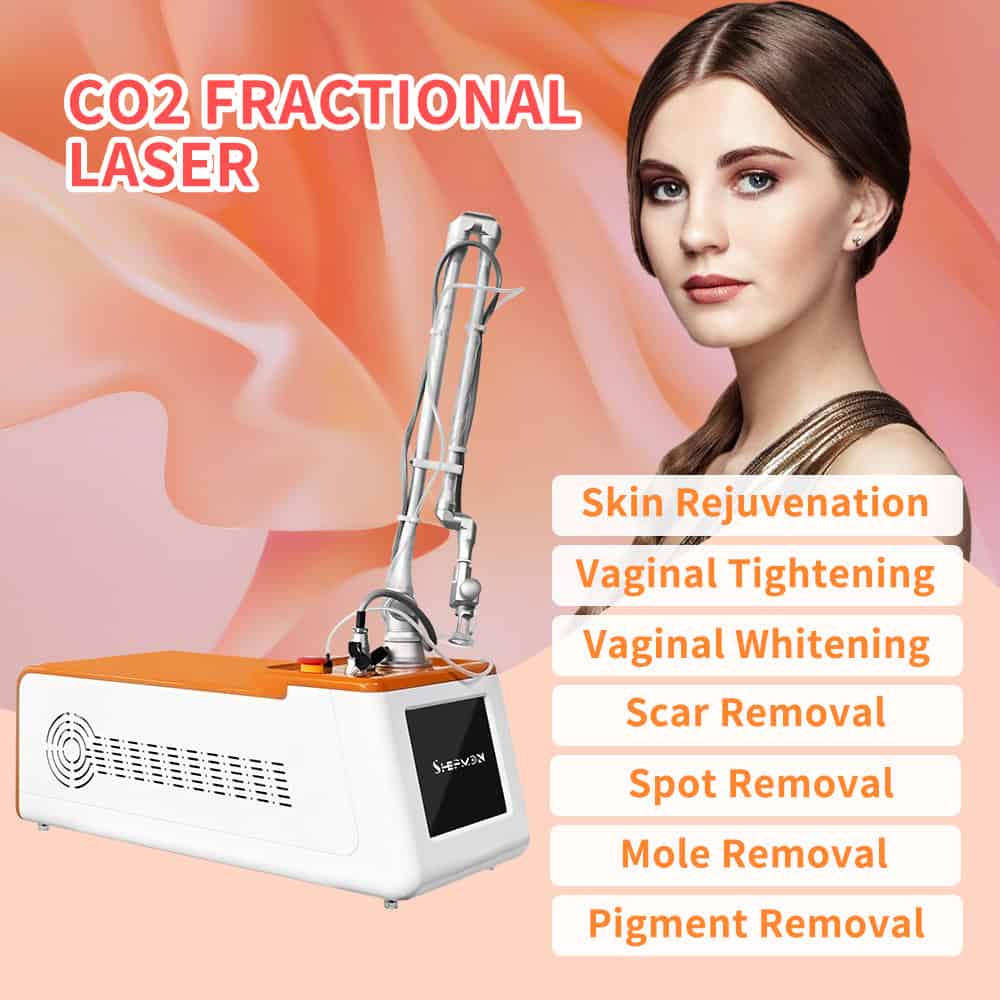
For aesthetic clinics, fractional CO2 laser technology provides a wide range of treatment opportunities.
4.1 Acne Scar and Scar Remodeling
CO2 fractional laser is widely used for improving:
- Acne scars
- Surgical scars
- Burn scars
- Irregular skin texture
The laser stimulates collagen remodeling, helping soften scar tissue and improve overall skin smoothness.
4.2 Skin Rejuvenation and Anti-Aging Treatments
By promoting collagen regeneration, CO2 laser resurfacing helps address:
- Fine lines
- Wrinkles
- Enlarged pores
- Loss of firmness
- Uneven skin tone
This makes it a popular choice for clients seeking long-term skin improvement.
4.3 Pigmentation and Skin Renewal
Fractional CO2 laser treatment can also support improvement of:
- Age spots
- Sun damage
- Blemishes
- Certain pigmentation concerns
Customized treatment plans help achieve more balanced skin appearance.
5. Why Professional Clinics Should Invest in Advanced CO2 Laser Technology
For beauty equipment buyers, choosing a reliable CO2 fractional laser system is essential for treatment quality and business development.
Important features include:
- High-quality RF laser tube technology
- Stable energy output
- Multiple scan modes
- Flexible scan shapes
- User-friendly touchscreen operation
- Long equipment lifespan
- Professional training and technical support
A well-designed CO2 laser platform helps practitioners deliver safer treatments while providing clients with effective skin renewal solutions.
Conclusion
CO2 fractional laser resurfacing is a powerful technology for skin rejuvenation, scar removal, and collagen remodeling. While temporary side effects such as redness, swelling, dryness, and pigmentation changes may occur, proper treatment settings, advanced equipment technology, and professional aftercare can significantly reduce these concerns. For aesthetic clinics and professional buyers, investing in a high-quality 10600nm fractional CO2 laser system provides the ability to offer diverse treatments, improve client satisfaction, and stay competitive in the growing medical beauty market.