









Shockwave therapy has become a widely adopted modality in physiotherapy, sports rehabilitation, and aesthetic body treatments. Among the most commonly used systems are pneumatic (radial ballistic) and electromagnetic shockwave devices. While both fall under the “shockwave” category, they differ significantly in energy generation, penetration depth, and clinical application. Understanding these differences helps clinics and distributors choose the right system based on treatment goals, patient needs, and workflow requirements.
1. Technology Principles
1.1 Pneumatic (Radial Acoustic) Shockwave Technology
Pneumatic shockwave systems, also known as radial or ballistic acoustic shockwave devices, generate energy through compressed air. A projectile inside the handpiece is accelerated by air pressure and strikes a transmitter, converting kinetic energy into radial pressure waves that spread outward into tissue.
This mechanism creates a broad, unfocused energy field. Most professional systems operate within a pressure range of approximately 1–10 bar, with adjustable frequencies typically from 1–16 Hz. The result is a versatile system that can be adapted for different treatment intensities and protocols.
1.2 Electromagnetic Shockwave Technology
Electromagnetic shockwave systems use electromagnetic coils to generate a rapidly changing magnetic field. This field induces movement in a membrane or applicator head, producing a pressure wave that is then transmitted into the body in a more controlled and focused manner.
Compared with pneumatic systems, electromagnetic technology produces more concentrated energy output, allowing deeper and more precise targeting of tissue layers.
2. Energy Distribution and Penetration Depth
2.1 Radial Energy Characteristics
Pneumatic systems deliver radial shockwaves that spread in a cone-like pattern. The highest energy is concentrated near the skin surface and gradually decreases with depth, typically reaching around 0–50 mm depending on settings and applicators.
This makes radial systems particularly suitable for:
- Superficial muscle tension relief
- Trigger point therapy
- Cellulite reduction
- Local circulation improvement
The wide dispersion allows treatment of larger surface areas in a shorter time.

2.2 Focused Energy Characteristics
Electromagnetic systems provide more focused energy delivery, often reaching deeper structures of approximately 60–80 mm or more depending on device configuration.
This allows effective treatment of:
- Deep tendon injuries
- Ligament conditions
- Chronic musculoskeletal pain
- Calcification-related issues
The concentrated energy improves precision and clinical targeting.
3. Clinical Performance Comparison
3.1 Treatment Sensation
Pneumatic shockwave systems create a noticeable tapping or percussion-like sensation due to mechanical impact. The feeling can be stronger at higher energy levels but remains adjustable for patient comfort.
Electromagnetic systems deliver a smoother and more controlled sensation, as energy is generated through magnetic induction rather than direct mechanical impact.
3.2 Treatment Efficiency
Radial systems are highly efficient for large-area treatments such as thighs, back, or full-body muscle relaxation. Their broad energy distribution allows faster session completion.
Electromagnetic systems require more focused application and are therefore slower per session, but offer greater precision in localized treatment areas.
3.3 Therapeutic Precision
Electromagnetic shockwave devices provide higher precision due to their focused energy profile. This makes them more suitable for clinical rehabilitation and targeted medical protocols.
Radial systems are less precise but highly effective for general musculoskeletal therapy and aesthetic applications.
4. System Structure and Maintenance
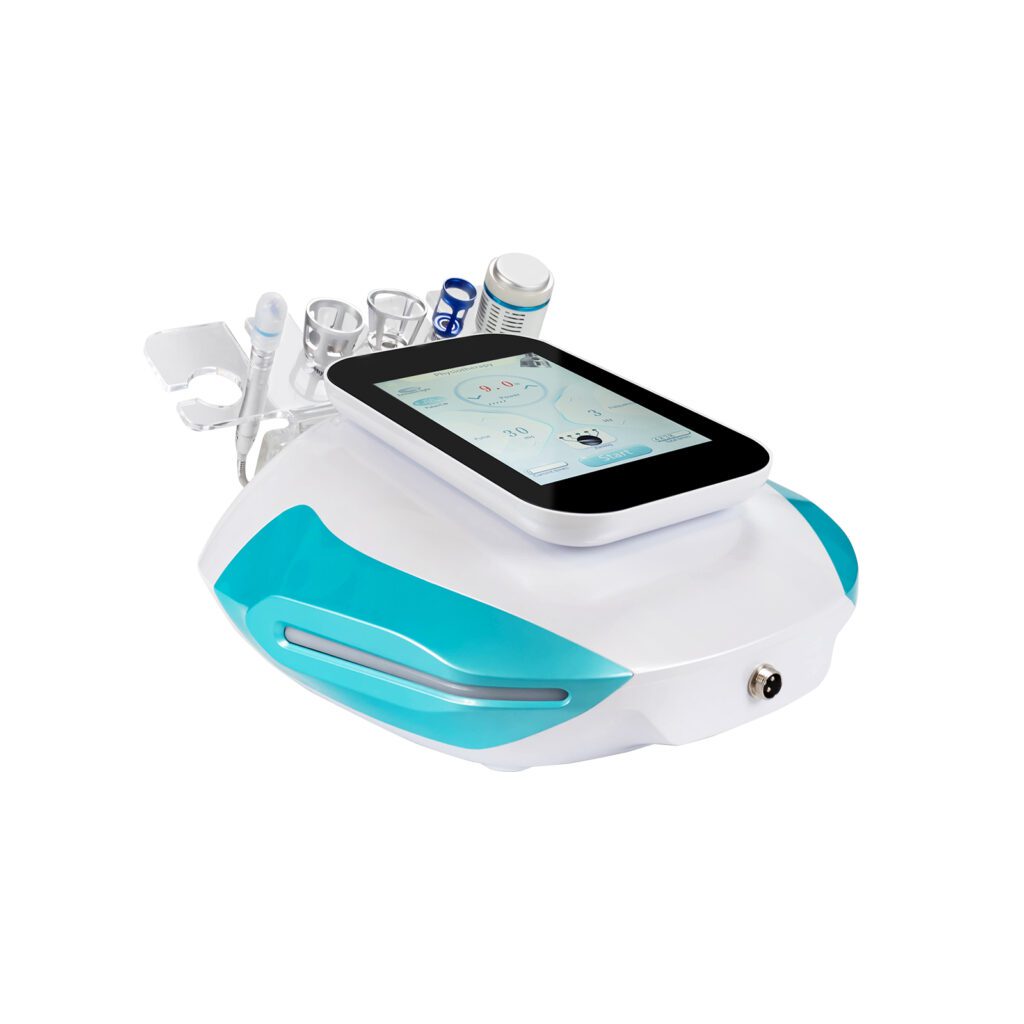
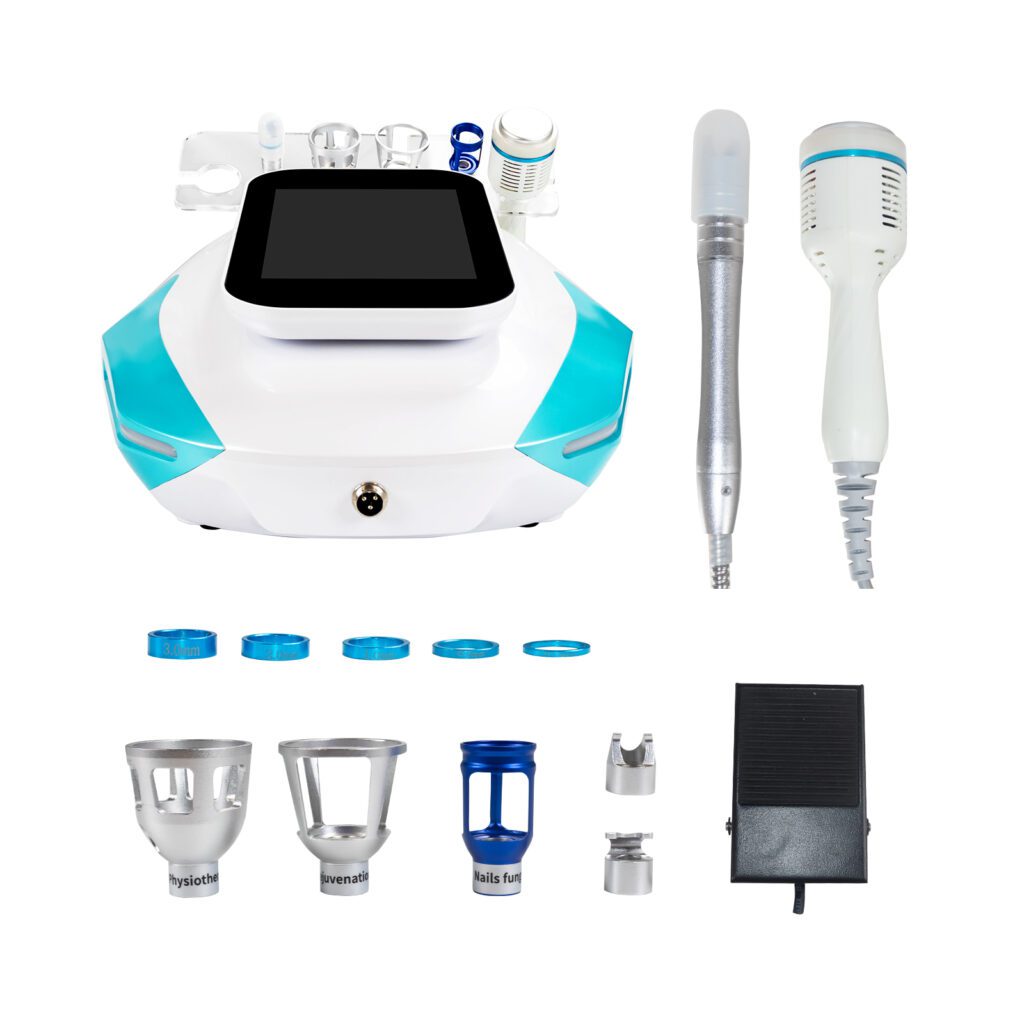
4.1 Pneumatic System Design
A pneumatic shockwave system typically includes:
- Air compressor unit
- Ballistic handpiece mechanism
- Interchangeable applicator tips
- Pressure and frequency control system
Maintenance focuses on air pressure stability, internal projectile wear, and consumable tip replacement.
Modern radial systems often include preset treatment modes for pain relief, sports recovery, and body contouring applications.
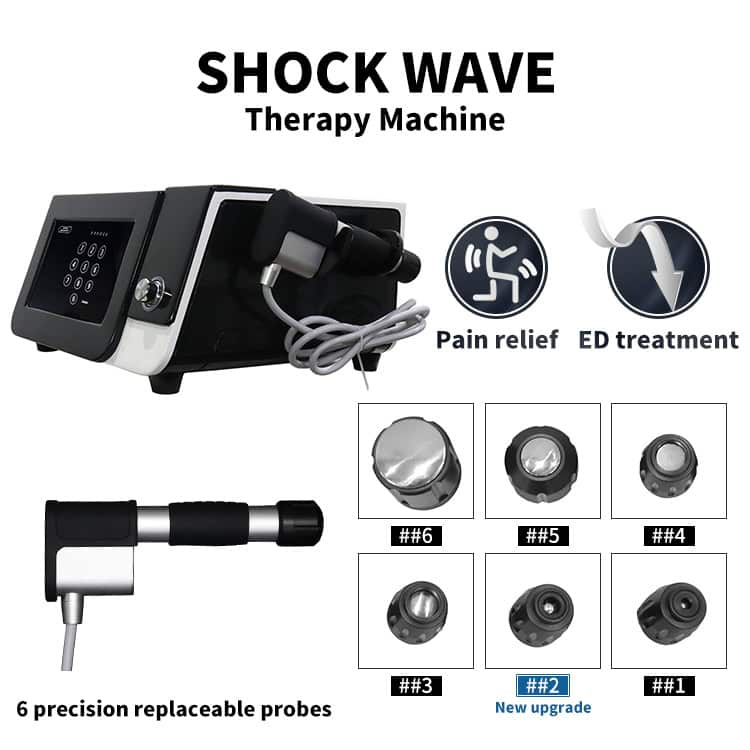
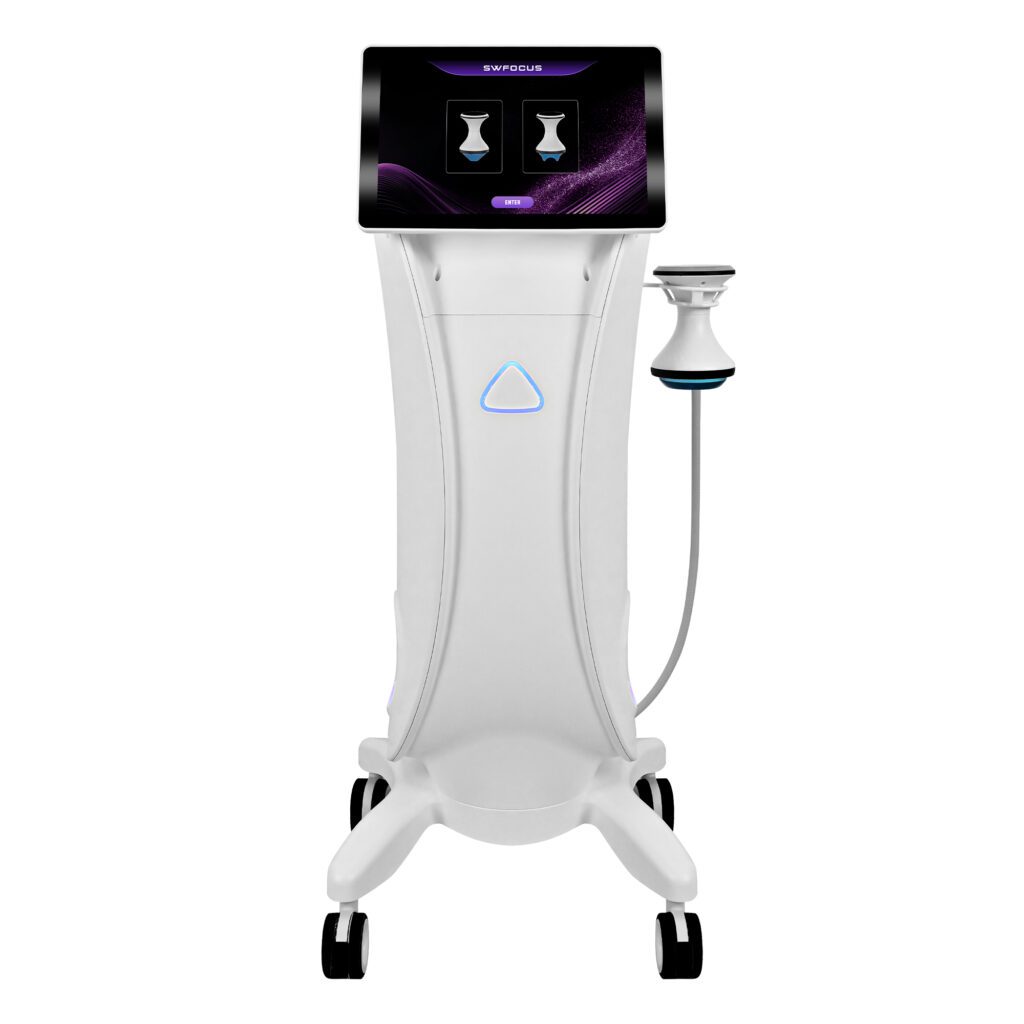
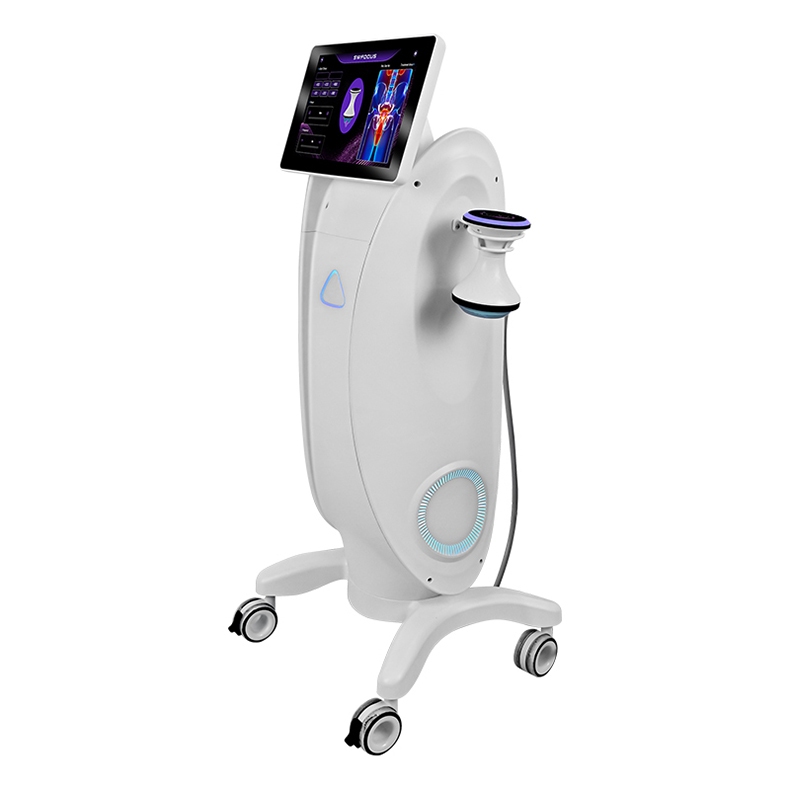
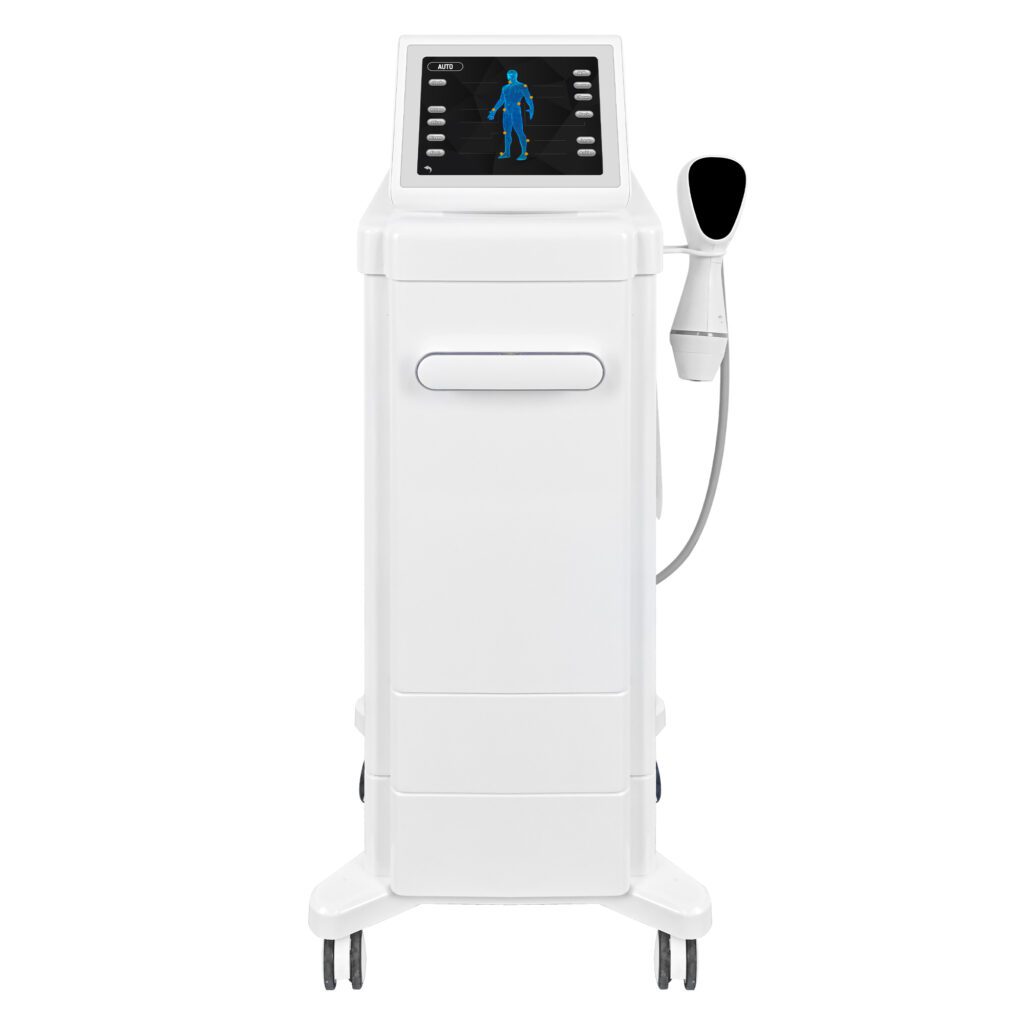
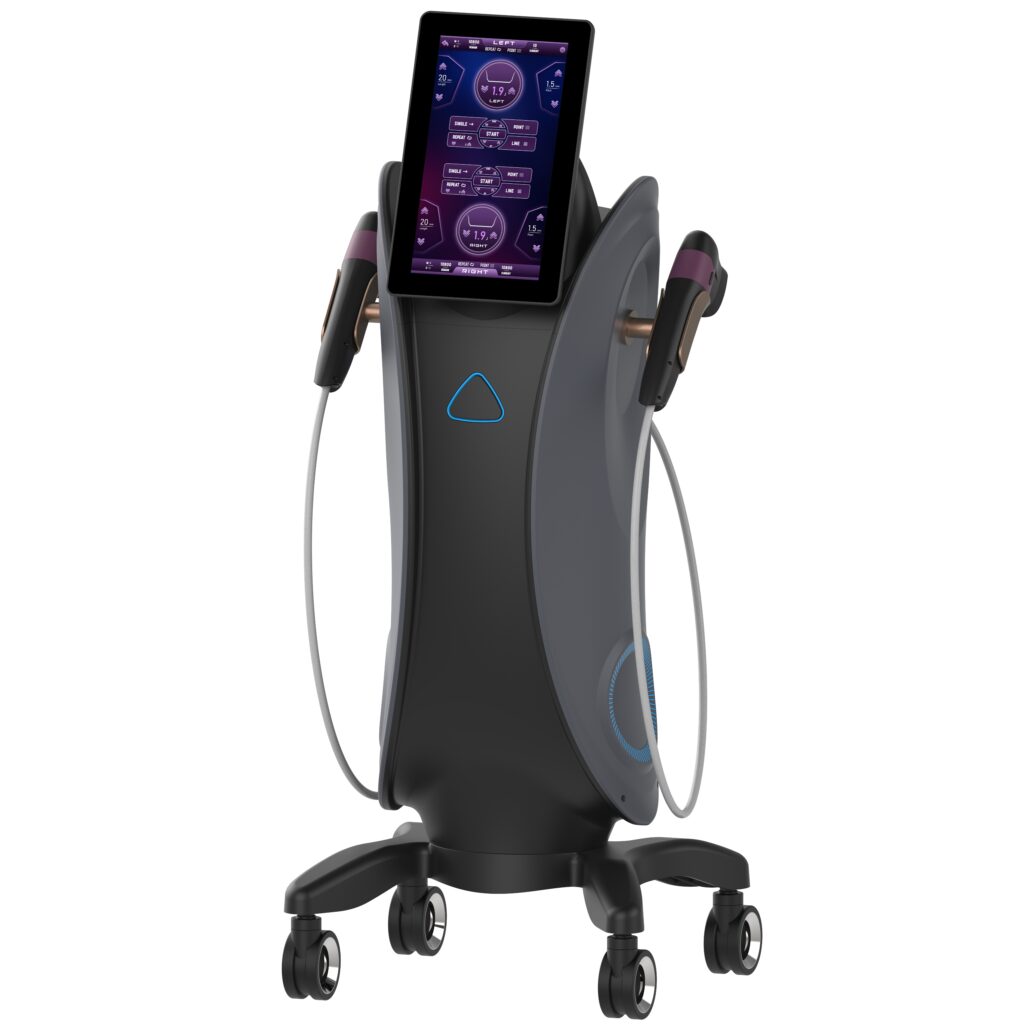
sw12 shockwave therapy machine
4.2 Electromagnetic System Design
Electromagnetic systems consist of:
- Coil-based energy generator
- Capacitor discharge system
- Precision applicator head
- Cooling and control modules
Maintenance is mainly related to electrical stability, coil durability, and system calibration rather than mechanical wear.
5. Clinical Applications
5.1 Pneumatic Shockwave Applications
Pneumatic systems are widely used in:
- Sports rehabilitation clinics
- Physiotherapy centers
- Aesthetic body treatment clinics
- General muscle recovery programs
They are ideal for high-volume clinics requiring fast and versatile treatment options.
5.2 Electromagnetic Shockwave Applications
Electromagnetic systems are preferred in:
- Orthopedic rehabilitation centers
- Chronic pain management clinics
- Deep tissue injury treatment
- Precision-focused medical therapy
They are commonly used in protocols requiring higher clinical accuracy.
Conclusion
Pneumatic and electromagnetic shockwave systems represent two distinct technological approaches with complementary clinical advantages. Pneumatic radial systems excel in broad-area treatments, muscle relaxation, and fast patient turnover, making them highly suitable for physiotherapy and aesthetic body contouring applications. In contrast, electromagnetic systems provide deeper penetration and greater precision, making them more effective for targeted rehabilitation and chronic musculoskeletal conditions. In modern clinical practice, the choice between the two is not about superiority but about application specificity; many clinics achieve the best outcomes by integrating both technologies into a comprehensive treatment strategy that covers both superficial and deep tissue needs.