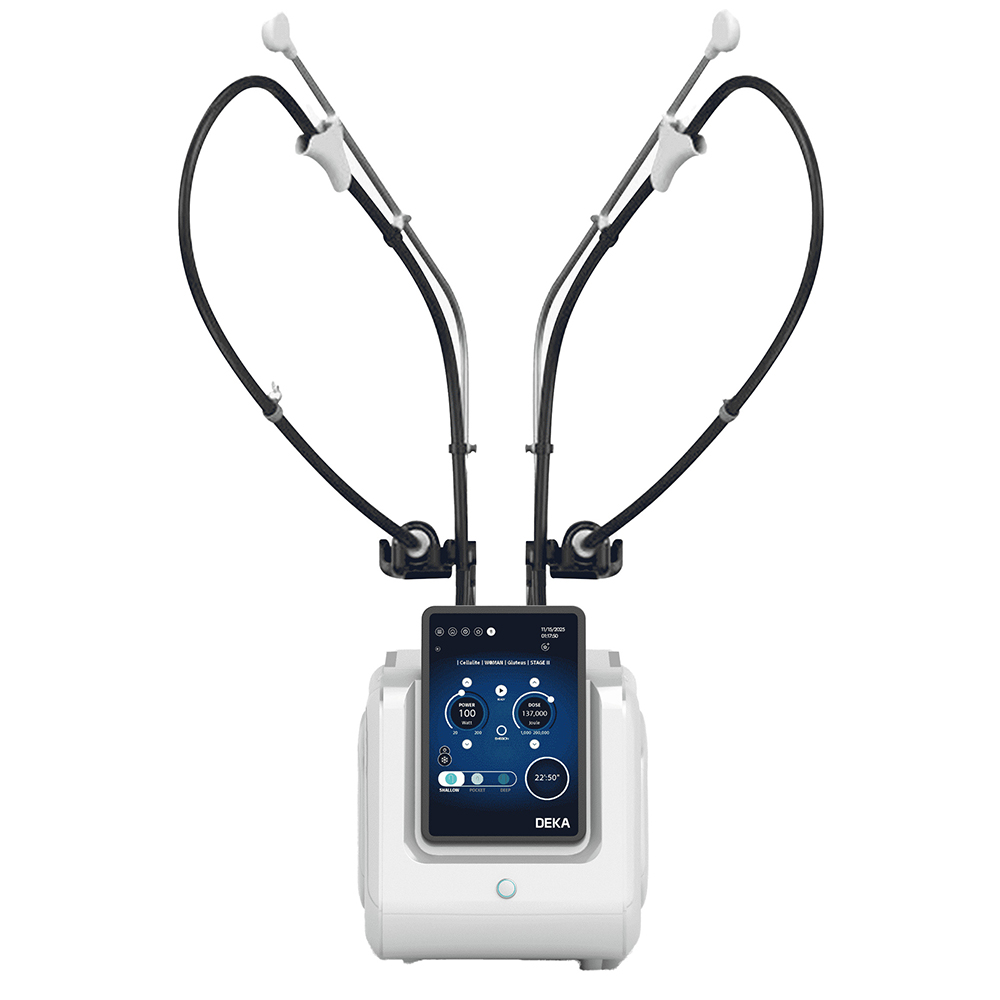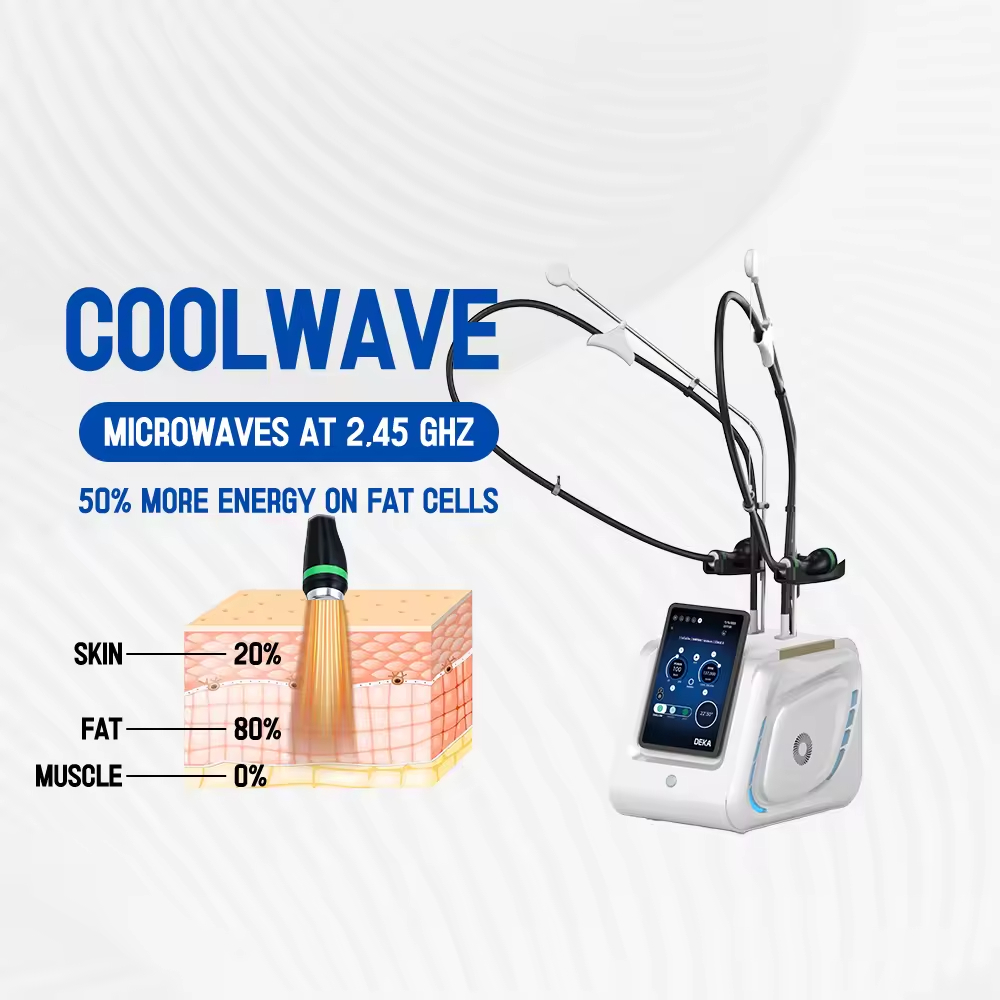










For a low-budget beauty salon, entering the fat-reduction and body-contouring market can look attractive but risky.
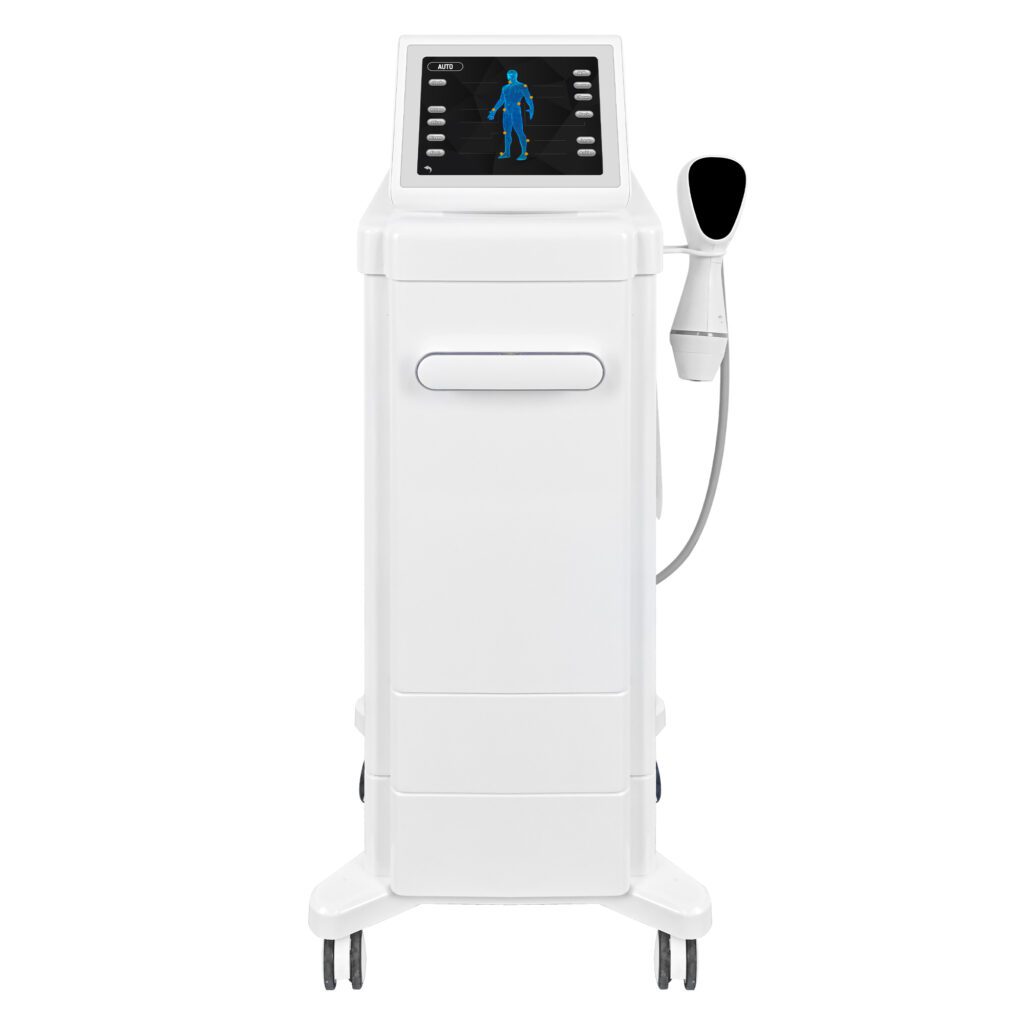
Premium body-contouring equipment such as cryolipolysis, EMSlim, high-end RF platforms or advanced medical-aesthetic systems may require higher investment, more training, more treatment-room space and a longer payback period.
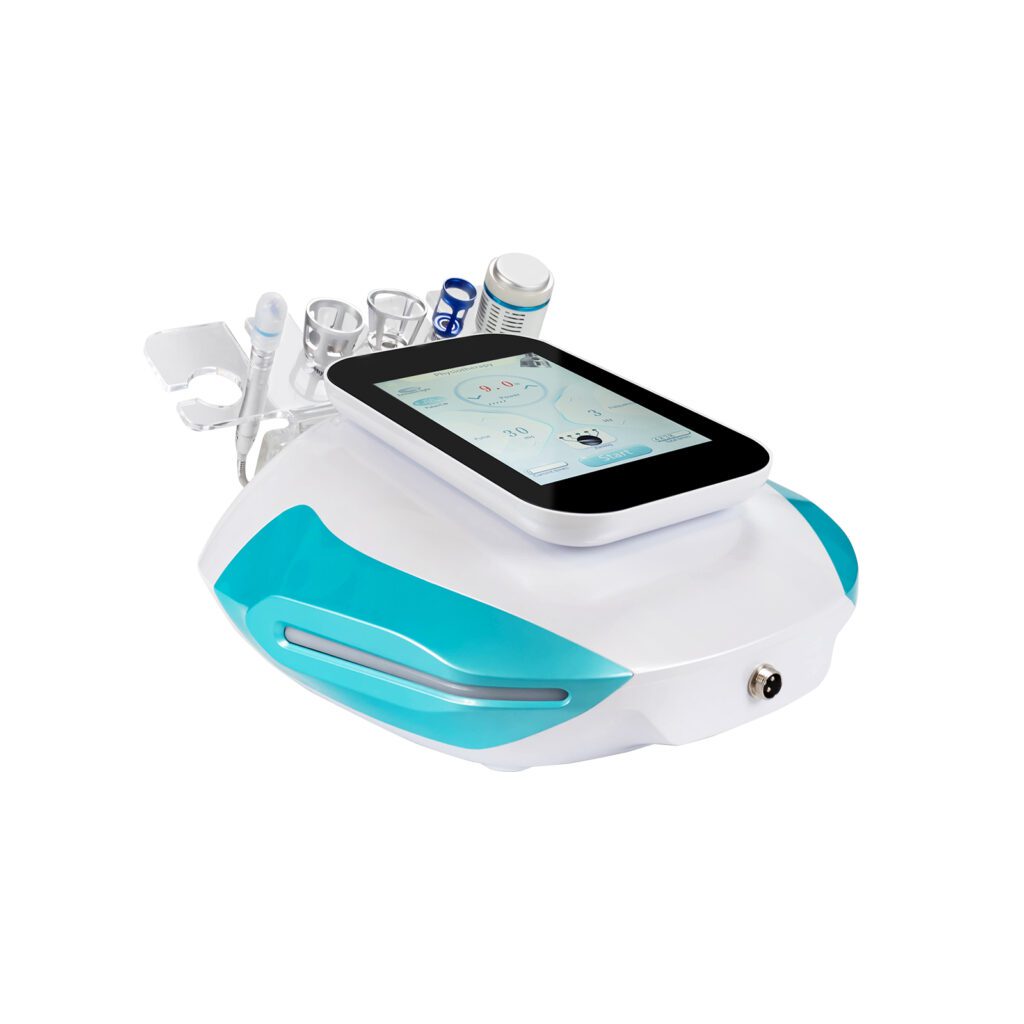
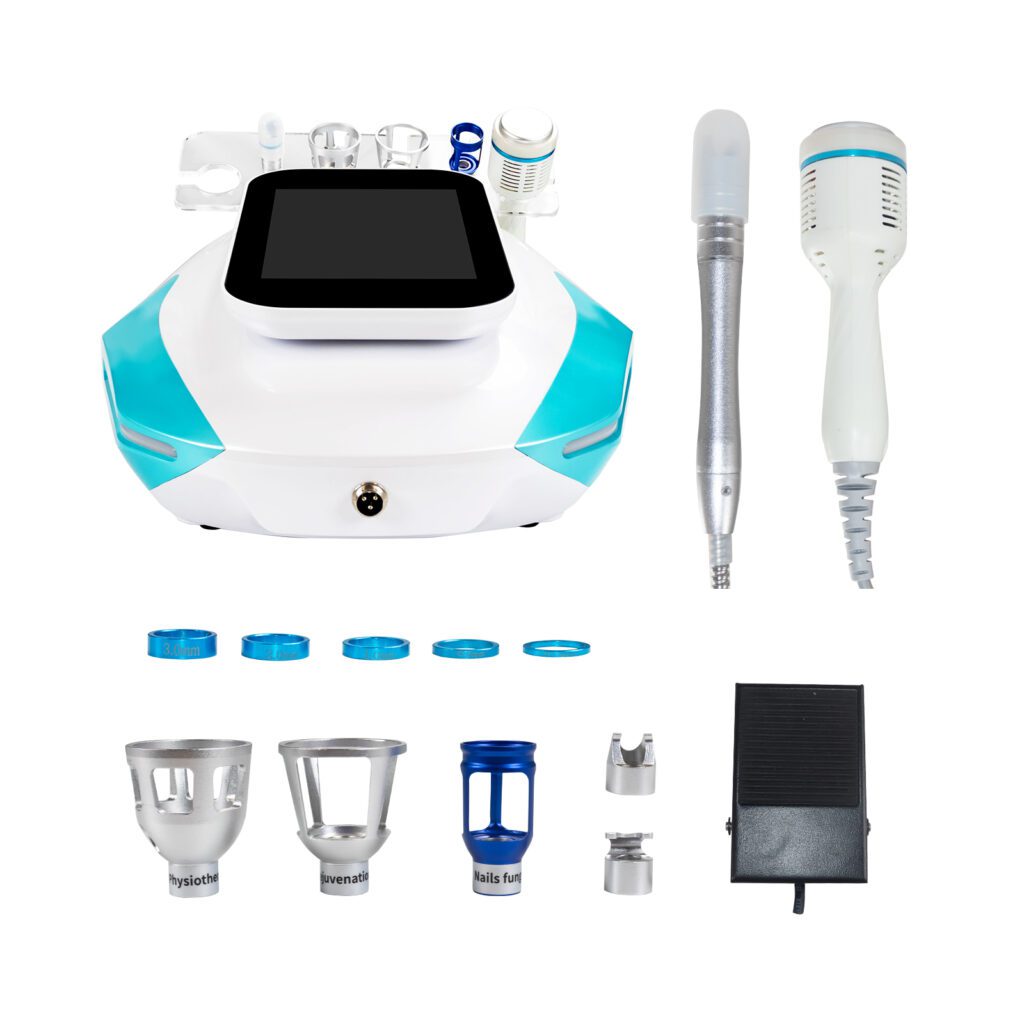
This is why many small salons first consider RF cavitation-category equipment or multifunction body slimming machines.
The short answer is:
Yes, RF cavitation-category equipment can be a practical entry point for low-budget beauty salons, but only when it is positioned as a repeat body-contouring and firming service, not as a cheap shortcut to guaranteed fat loss.
For distributors, the best sales message is not:
“This machine helps every client lose fat quickly.”
The better message is:
“This type of equipment can help a salon test local body-contouring demand with lower entry cost, flexible service packages and realistic client education.”
Relevant SHEFMON pages:
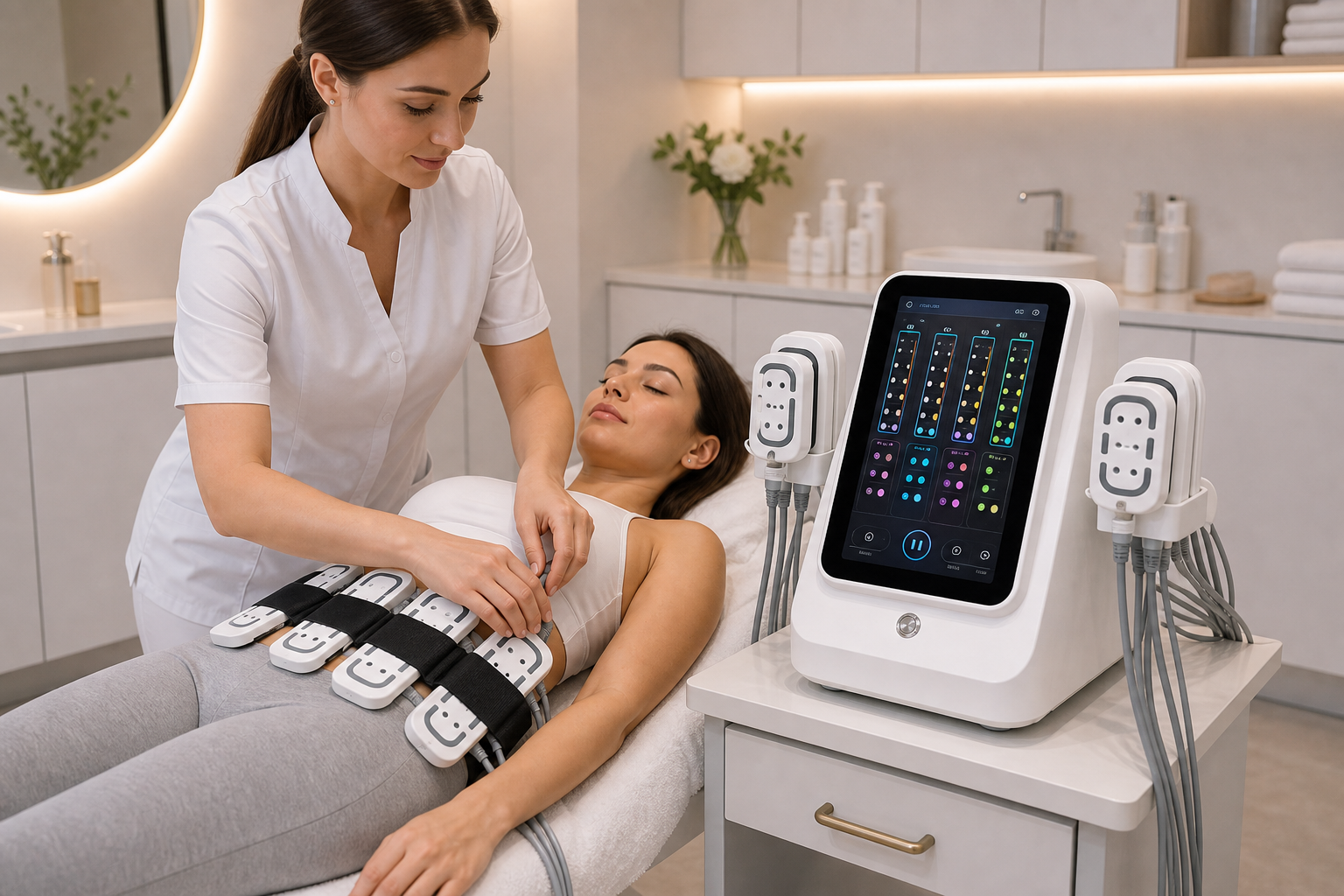
1. Why Low-Budget Salons Consider RF Cavitation-category Equipment
Small beauty salons usually have limited cash flow.
They may want to enter the body-contouring market, but they cannot always afford a large machine portfolio from the beginning.
RF cavitation-category equipment can be attractive because it often supports:
- body contouring service positioning
- waist, abdomen, arm and thigh packages
- RF warming and firming support
- lipo-laser or red-light body-care positioning
- EMS-assisted muscle stimulation
- repeat treatment courses
- lower entry cost compared with some premium platforms
This gives the salon more than one way to sell a body service.
For a distributor, this is useful because the buyer does not need to open a full slimming center on day one.
The machine can become an entry product that helps the salon test whether local clients will pay for body-care packages.
2. Confirm the Exact Technology Before Selling
The phrase “RF cavitation” is used very broadly in the beauty equipment market.
Some buyers use it to describe ultrasonic cavitation. Some use it for RF slimming devices. Some use it for multifunction systems that combine RF, EMS, red light or lipo-laser plates.
Distributors should not treat every machine in this category as the same.
For example, SHEFMON’s A0928 product page positions the machine as a 3 in 1 system with RF, EMS and lipo-laser functions. The published product information describes:
- 1 MHz radio frequency
- amplitude-modulated intermediate-frequency energy
- 650-658 nm red-light or lipo-laser plates
- 8 handles, including 4 large handles and 4 small handles
- separate control of handles
This is different from a traditional 40 kHz ultrasonic cavitation handpiece.
That distinction matters.
If a distributor sells A0928, the safer message is based on the published RF, EMS and red-light/lipo-laser configuration, not generic ultrasonic cavitation claims.
Before ordering, buyers should confirm:
- Is ultrasonic cavitation included?
- What RF frequency is used?
- Is EMS included?
- What wavelength are the red-light or lipo-laser plates?
- How many handles are included?
- Can handles be controlled separately?
- What areas are recommended in the user manual?
- What training and contraindication guidance is provided?
This prevents a common sales problem: using a popular keyword but delivering a different technology configuration.
3. Why It Can Be Suitable for Low-Budget Salons
RF cavitation-category equipment can be suitable for low-budget salons for three practical reasons.
First, the investment is usually easier to accept than buying several premium body-contouring systems at once.
Second, multifunction body slimming machines can support several service conversations, such as body firming, abdomen care, waistline support, arm or thigh packages and body confidence programs.
Third, these services are usually easier to sell as treatment courses than one-time appointments. This matters because low-budget salons need repeat revenue, not only low equipment cost.
The commercial logic is:
| Salon need | Why RF cavitation-category equipment may help |
|---|---|
| Low first investment | Easier entry than building a full body-contouring room |
| Flexible service menu | RF, EMS and red-light positioning can support more packages |
| Repeat visits | Body-care services are often sold as courses |
| Upgrade path | Salon can later add cryolipolysis, EMSlim or roller massage |
| Simple first body service | Easier than launching too many technologies at once |
For a small salon, this can be a sensible first step.
But the salon still needs a real business plan.
4. The Real Question Is Payback, Not Only Price
A cheap machine is not automatically a profitable machine.
The salon should calculate total launch cost, not only the supplier quotation.
Total launch cost may include:
- machine price
- shipping cost
- import duties and taxes
- staff training
- treatment bed or room preparation
- straps, covers, gels or cleaning supplies
- marketing materials
- trial promotions
- spare parts and accessory reserve
- warranty or service cost
A simple formula is:
Break-even paid sessions = Total launch cost / Contribution margin per paid session
Contribution margin means the treatment price after deducting direct service cost.
For example, if the salon earns a realistic margin of 25 USD per paid session and total launch cost is 1,500 USD, the break-even point is 60 paid sessions.
If the salon can sell 20 paid sessions per month, the payback may be around three months. If it can sell only five paid sessions per month, the same machine becomes much slower to recover.
This is why distributors should not sell only a low price.
They should help the buyer estimate local service demand.
5. What Type of Salon Is a Good Fit?
RF cavitation-category equipment is more suitable for salons that already have some body-care demand.
Good buyer profiles include:
- small beauty salons adding their first body service
- skin management centers expanding beyond facial care
- massage and wellness studios adding body-contouring packages
- salons with existing slimming or body massage clients
- nail, lash or facial salons with a spare private treatment room
- new body-contouring studios testing local demand
- distributors serving budget-sensitive salon buyers
The salon should have:
- a private treatment area
- staff willing to learn protocols
- clients interested in body shape or firmness
- ability to sell service courses
- realistic pricing in the local market
- basic cleaning and maintenance workflow
If a salon already has clients asking about abdomen, waist, thigh, arm or post-weight-change body care, the machine may be easier to introduce.
6. When It Is Not a Good First Purchase
RF cavitation-category equipment is not suitable for every low-budget salon.
It may not be the right first purchase when:
- the salon has no body-care client base
- staff cannot receive training
- there is no private treatment room
- the salon only wants one-time discount sessions
- the owner expects guaranteed fat loss
- the buyer cannot explain contraindications
- local advertising rules do not allow the intended claims
- spare parts and accessories are not available
It is also not ideal if a salon wants a premium medical-aesthetic positioning from the beginning. In that case, the buyer may need a stronger platform, stricter training and a higher budget.
For very small salons, hair removal, skin management or facial services may sometimes generate faster turnover than body contouring.
The distributor should compare local client demand before recommending any machine.
7. Safety and Training Still Matter
Lower budget does not mean lower responsibility.
RF energy uses controlled heating. EMS uses electrical stimulation and muscle contraction. Red-light or lipo-laser plates require proper placement and client screening.
Staff training should cover:
- client consultation
- contraindication screening
- treatment-area selection
- correct plate or handle placement
- energy setting and comfort checks
- temperature and skin monitoring
- cleaning and disinfection
- cable and connector inspection
- treatment record keeping
- when to stop treatment and contact support
The U.S. FDA explains that non-invasive body contouring is not intended to treat obesity or produce weight-loss health benefits. It also notes that body contouring procedures may have temporary results, may require more than one treatment and may cause complications.
For RF body contouring, FDA describes RF energy as a heat-based technology and notes that complications can include pain, redness, swelling, blisters, burns, skin color changes and scars. FDA also warns against RF use in certain situations such as active implants or metal under the skin.
For EMS devices, FDA consumer information states that EMS may temporarily strengthen, tone or firm a muscle, but EMS devices are not cleared for weight loss, girth reduction or “rock hard” abs. FDA also reports risks such as shocks, burns, bruising, skin irritation, pain and possible interference with implanted devices.
For distributors and salons, the lesson is simple:
Sell the service with realistic body-contouring, firming and muscle-stimulation language. Do not sell it as guaranteed medical weight loss.
8. How Salons Should Position the Service
The service should not be promoted as “cheap fat removal.”
That attracts unrealistic clients and increases complaint risk.
A better client-facing explanation is:
“This is a non-invasive body-contouring and firming service. We use RF, EMS and red-light body-care functions depending on the machine configuration. We first assess your goals and suitability, then recommend a treatment plan. Results vary by client and may require multiple sessions.”
Good service package names:
- abdomen and waist body-care program
- arm and thigh firmness support
- post-weight-change body contouring package
- body confidence membership
- seasonal body shaping service
- entry-level body sculpting course
Avoid service names such as:
- instant fat removal
- non-surgical liposuction guarantee
- permanent fat loss
- medical slimming treatment
- no-exercise weight-loss package
For long-term salon reputation, safer wording is better.
9. How Distributors Can Make the Equipment Easier to Sell
Low-budget buyers need more guidance, not less.
A distributor can improve the offer by providing:
- product configuration sheet
- included handle checklist
- operation training
- contraindication reminder
- client consultation form
- service package suggestions
- conservative ROI calculator
- cleaning and maintenance checklist
- spare parts and accessory list
- warranty and after-sales support explanation
- upgrade path to cryolipolysis, EMSlim or roller body massage
This changes the sales story from:
“This is a cheap machine.”
to:
“This is an accessible first body-contouring platform with training, service menu support and an upgrade path.”
That is a stronger B2B sales message.
10. Practical Decision Checklist
Before recommending RF cavitation-category equipment to a low-budget salon, ask:
- Does the salon already have body-care clients?
- Do local clients ask about abdomen, waist, thighs, arms or body firmness?
- What treatment price is realistic in the area?
- How many paid sessions can the salon sell per month?
- Can the salon sell a course instead of one discounted session?
- Does the salon have a private room?
- Can staff follow safety and cleaning protocols?
- Are the planned marketing claims compliant locally?
- Are spare handles, cables or plates available?
- Is there an upgrade path if the service performs well?
If most answers are positive, RF cavitation-category equipment can be a smart entry product.
If the buyer cannot answer these questions, the distributor should help build the business model first.
Final Answer
RF cavitation-category equipment can be suitable for low-budget beauty salons entering the fat-reduction and body-contouring market.
It is especially suitable when the salon wants a lower-cost entry product, already has clients interested in body-care services and can sell repeat packages with realistic expectations.
For SHEFMON, the A0928 is relevant because it is positioned as a 3 in 1 RF, EMS and lipo-laser body slimming machine with 8 handles. However, distributors should explain it according to its actual published configuration and should not automatically market it as a traditional ultrasonic cavitation device.
The best positioning is:
RF cavitation-category equipment can help low-budget salons test body-contouring demand and build repeat body-care packages, but it should not be sold as guaranteed fat loss or a replacement for medical weight management.
FAQ
1. Is RF cavitation equipment good for low-budget beauty salons?
Yes, it can be a good entry product if the salon has body-care demand, trained staff, a private treatment area and a realistic package-selling plan.
2. Is SHEFMON A0928 a traditional 40 kHz ultrasonic cavitation machine?
The SHEFMON A0928 product page positions it as a 3 in 1 RF, EMS and lipo-laser machine. Distributors should confirm the exact current specification before using ultrasonic cavitation claims.
3. Can salons advertise guaranteed fat loss?
No. Safer wording includes body contouring support, body firming, muscle stimulation and non-invasive body-care packages. Results vary by client.
4. How should a salon calculate payback?
Use this formula: total launch cost divided by contribution margin per paid session. The salon should use conservative monthly booking estimates.
5. What clients are suitable for this type of service?
Better candidates are clients who want body contouring, firmness support or body-care maintenance and who pass consultation and contraindication screening.
6. What clients should not be treated?
Suitability depends on the device manual, local rules and professional guidance. Clients with pregnancy, active implants, certain metal implants, open wounds, serious health conditions or other contraindications should be screened carefully.
7. What should distributors provide with the machine?
Distributors should provide training, service package ideas, contraindication wording, maintenance guidance, spare parts information and realistic marketing language.
8. When should a salon upgrade to cryolipolysis or EMSlim?
Upgrade when the entry service has stable bookings and clients begin asking for stronger localized fat-freezing, muscle sculpting or premium body-contouring packages.
9. Is low price the most important factor?
No. Payback depends on local demand, session pricing, repeat bookings, training, maintenance and realistic marketing, not only machine price.
10. What is the best distributor sales angle?
The best angle is to sell RF cavitation-category equipment as a low-barrier body-contouring entry platform with service packages and an upgrade path.
Sources Used
- SHEFMON RF Cavitation category: https://shefmon.com/beauty-machines/rf-cavitation/
- SHEFMON A0928 3 in 1 Super Lipolaser RF EMS Muscle Stimulator product page: https://shefmon.com/product/3-in-1-super-lipolaser-rf-ems-muscle-stimulator/
- FDA non-invasive body contouring overview: https://www.fda.gov/medical-devices/aesthetic-cosmetic-devices/non-invasive-body-contouring-technologies
- FDA electronic muscle stimulators consumer information: https://www.fda.gov/medical-devices/consumer-products/electronic-muscle-stimulators