





For beauty equipment distributors, European and American premium brands are often the first reference point.
They may have strong brand recognition, mature marketing materials, established clinical stories and a long history in certain professional channels. For some high-end clinics, this brand influence can be valuable.
But for many distributors, especially those who want to enter a new market, build a private-label product line, serve small and medium salons, or create a more flexible resale model, premium Western brands can also create pressure: higher entry cost, limited customization, slower product flexibility and a smaller margin space for local channel development.
This is where SHEFMON should not be positioned simply as a “cheaper alternative.”
The stronger positioning is:
SHEFMON gives distributors a factory-direct, multi-category and serviceable beauty equipment solution that can help them enter the market faster, protect margin room and build long-term local resale value.
Cost-performance is not only about purchase price. It is about total business value.
Cost-performance Is More Than a Lower Machine Price
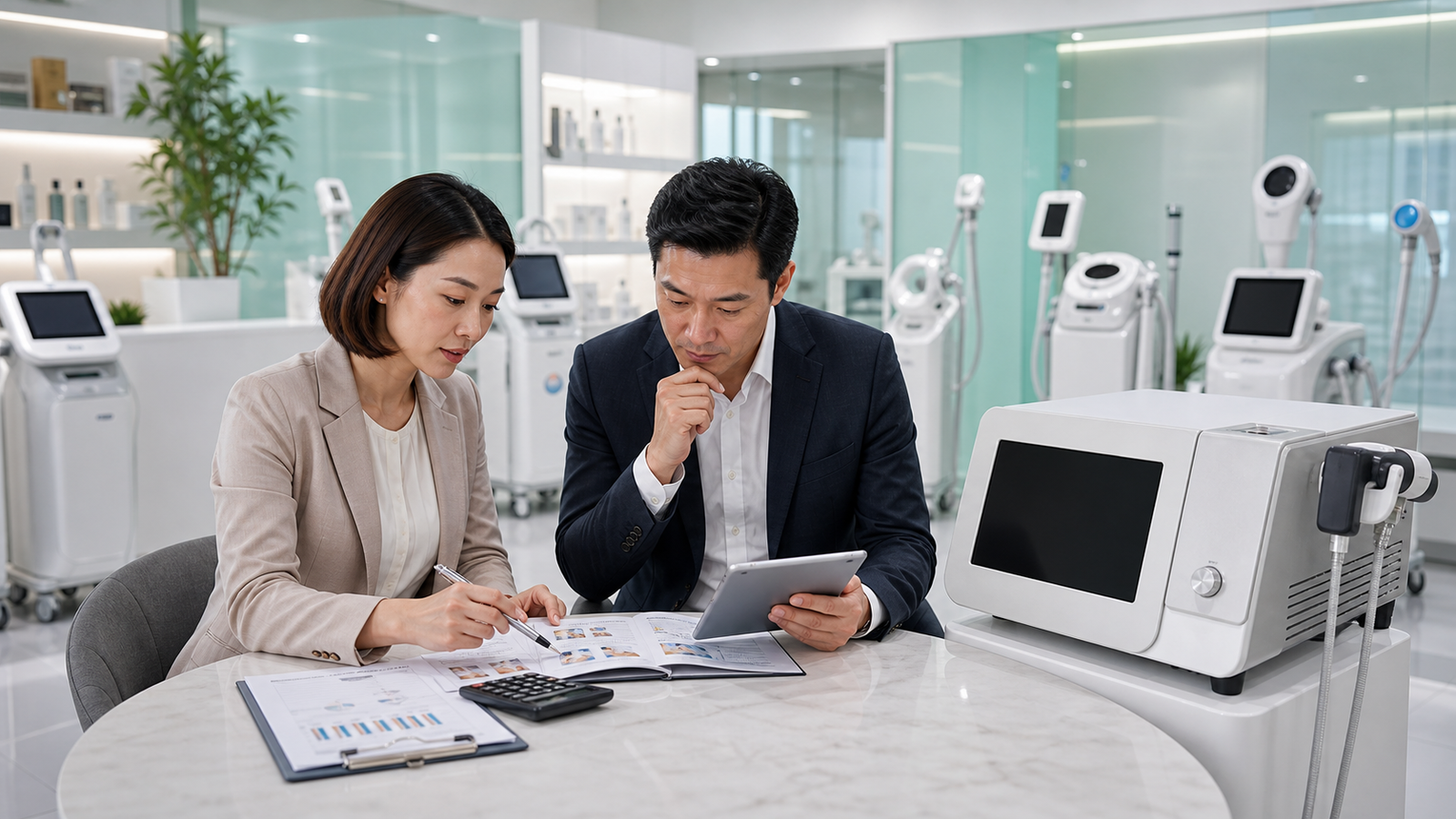
When distributors compare SHEFMON with premium European or American brands, the conversation should not start and end with price.
If the only message is “our machine is cheaper,” the distributor may attract buyers who only care about the lowest cost. That type of buyer is often difficult to support, sensitive to every discount and less loyal over time.
A better message is value structure.
For a distributor, cost-performance includes:
- equipment purchase cost
- local resale margin
- product category flexibility
- training support
- spare parts availability
- warranty handling
- OEM or ODM options
- marketing material support
- service menu design
- speed of market entry
- ability to support different buyer channels
This is why distributors should explain SHEFMON as a practical business solution, not only a lower-priced machine.
Premium Western brands may be strong in brand story. SHEFMON’s advantage is that distributors can build a more flexible product and channel strategy around factory-direct supply.
Advantage 1: Factory-direct Value and Fewer Channel Layers
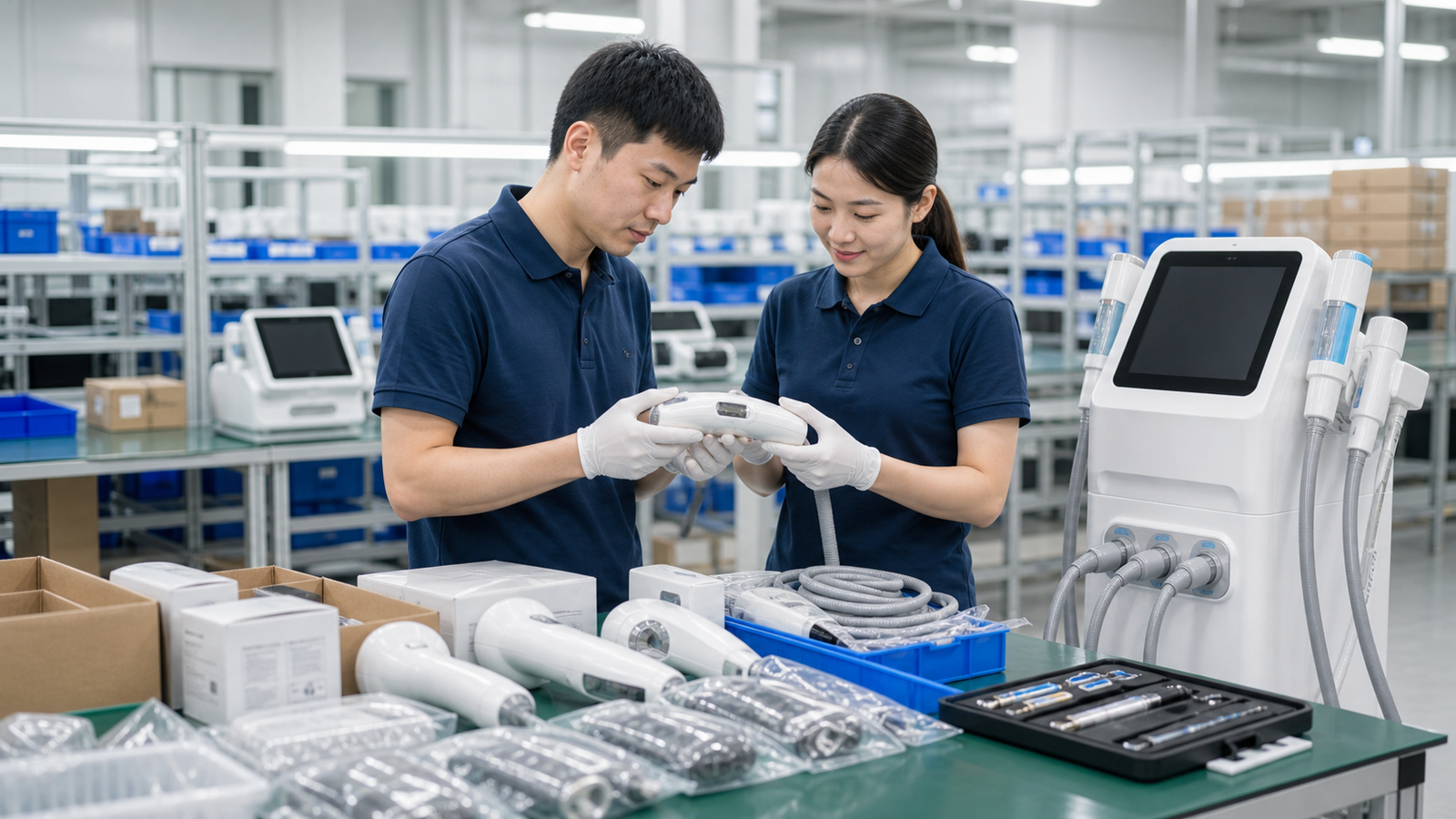
One of the most important advantages for distributors is factory-direct value.
Many premium brands include multiple layers in their final market price. The buyer may be paying for brand premium, regional exclusivity, marketing cost, distributor layers, high-end positioning and mature corporate overhead.
That can make sense for some clinics that mainly want a famous brand name.
But many local salon owners and small clinics care about a different question:
Can this device help me create a profitable service without making my investment too heavy?
SHEFMON’s factory-direct positioning gives distributors more flexibility. Instead of selling only a high brand premium, distributors can sell a practical value package:
- reliable equipment
- suitable technology configuration
- realistic service positioning
- training support
- spare parts support
- room for local margin
- room for local branding
This is especially important in price-sensitive or developing markets, where beauty salons want professional equipment but may not be ready to pay the very high entry cost of premium Western systems.
For distributors, lower entry cost can also reduce inventory pressure. It allows them to test a category, run demonstrations, support smaller first orders and scale the market step by step.
The correct sales message is not:
“This is the cheapest option.”
The better sales message is:
“This gives your salon a more realistic investment level, while still supporting a professional service menu and long-term after-sales support.”
Advantage 2: Product Range That Helps Distributors Serve More Than One Channel
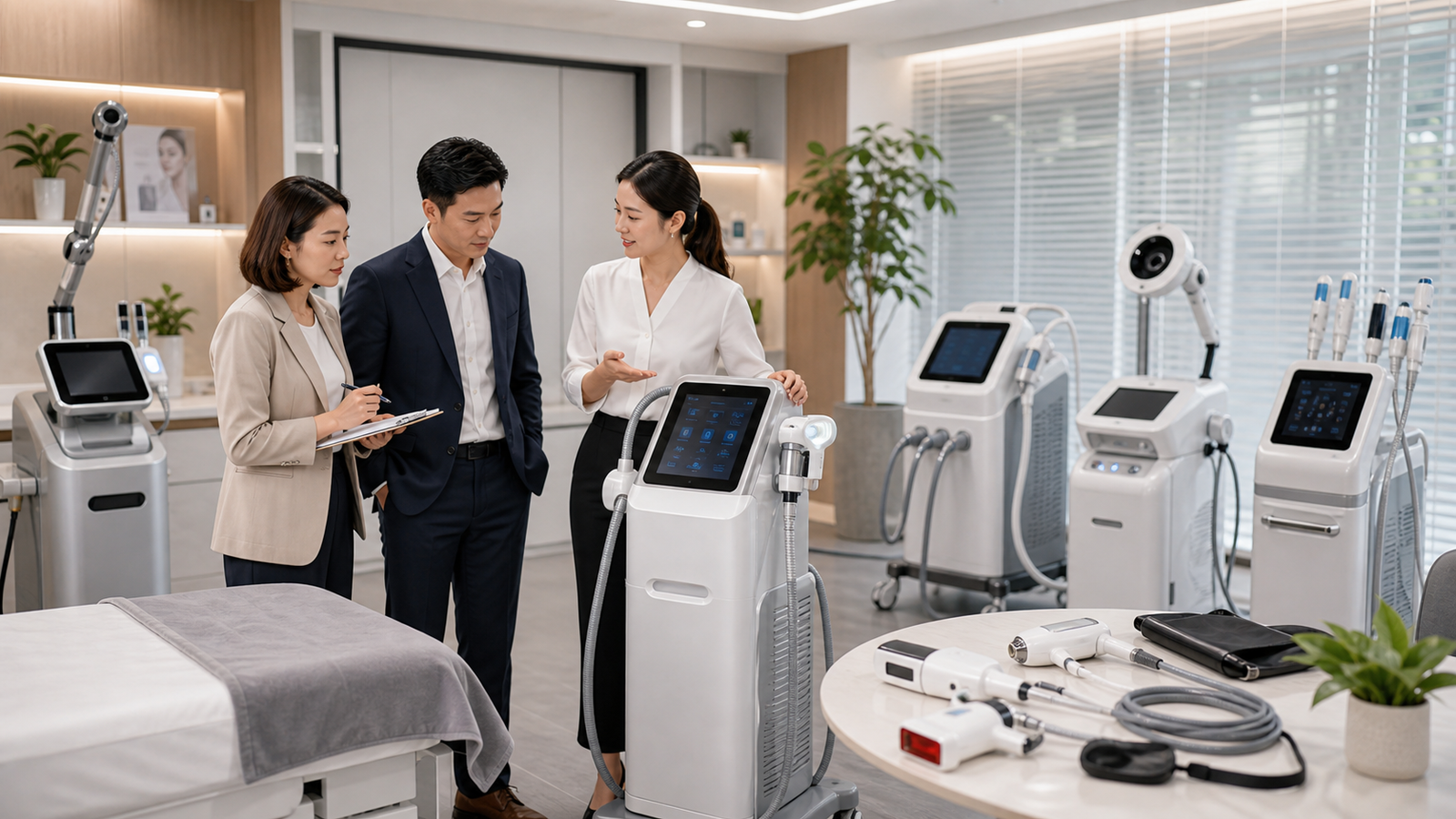
Many distributors do not want to build their entire business around only one machine.
They need a product portfolio that can serve different buyer types: beauty salons, med spas, skin-management centers, body-contouring studios, laser hair removal studios, rehabilitation centers, gyms and wellness businesses.
This is where SHEFMON’s multi-category product range becomes important.
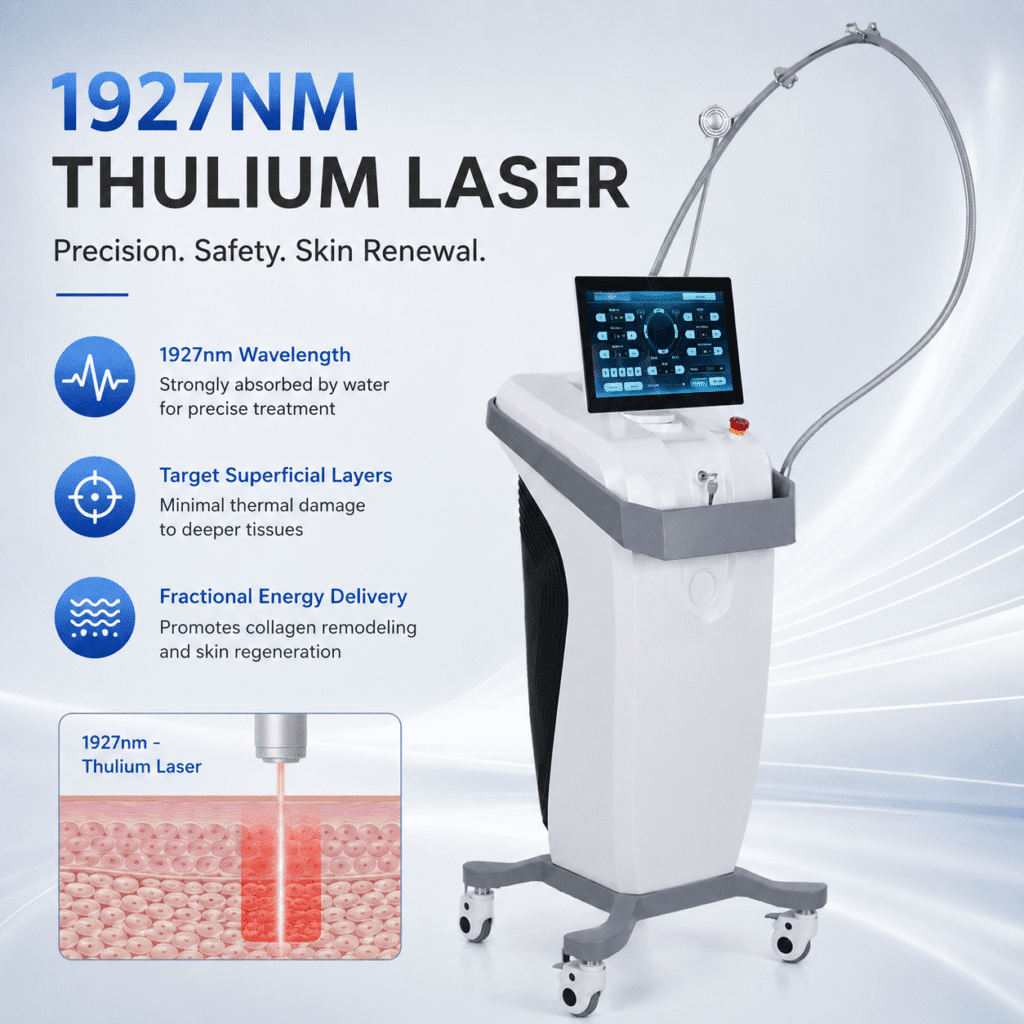
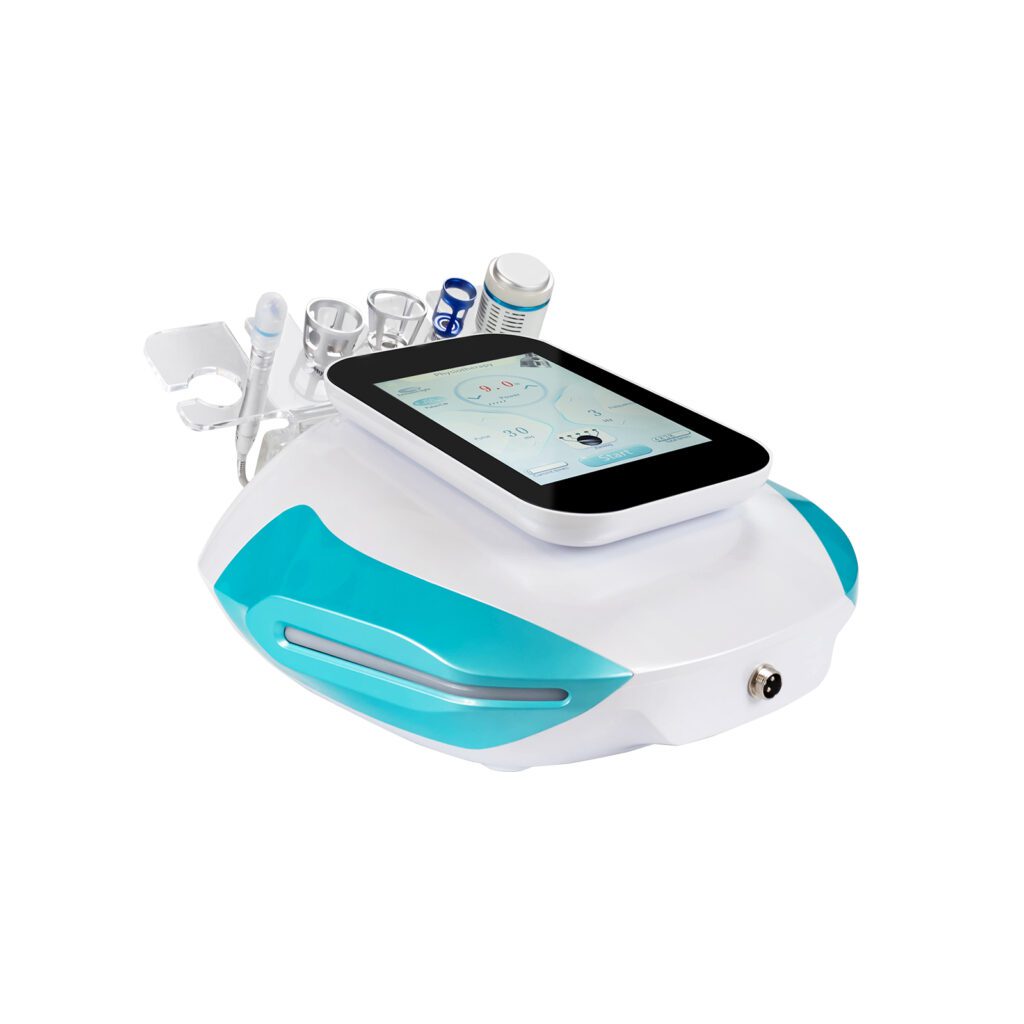
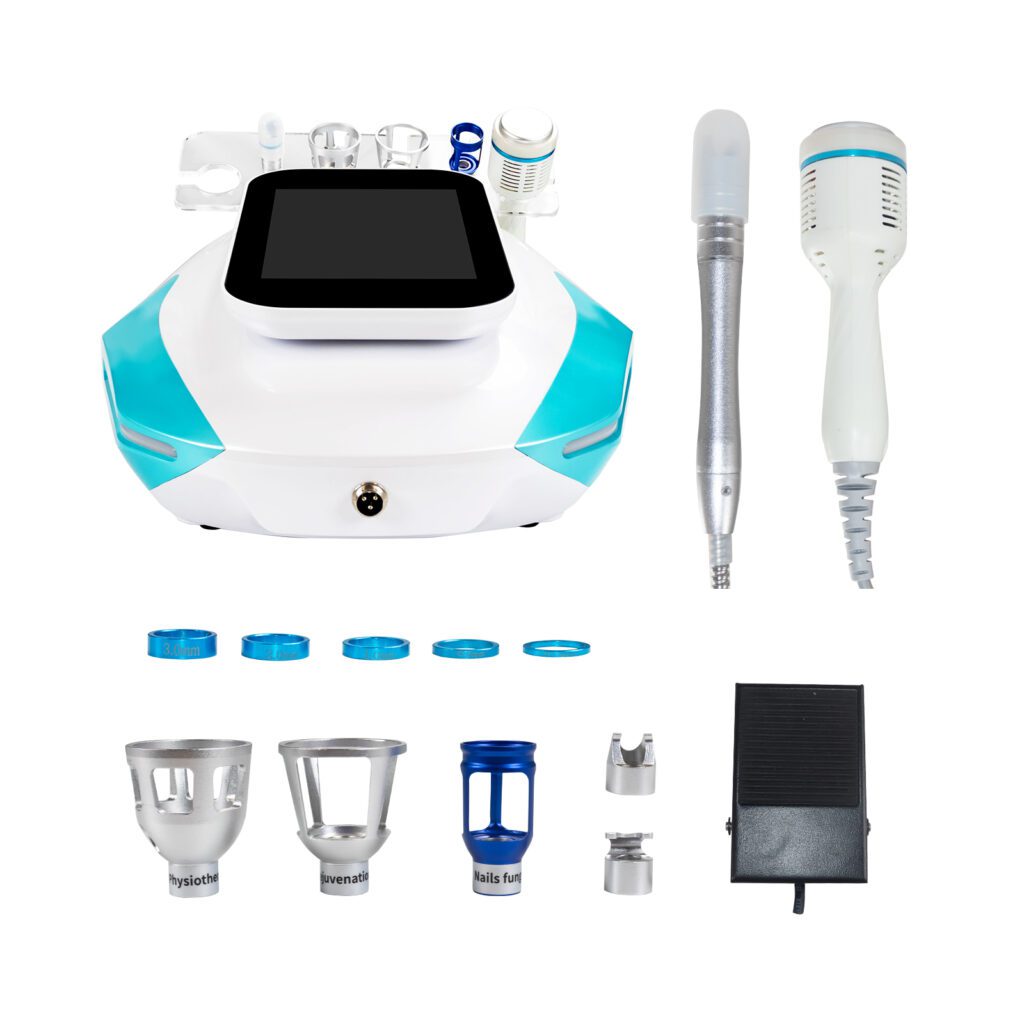
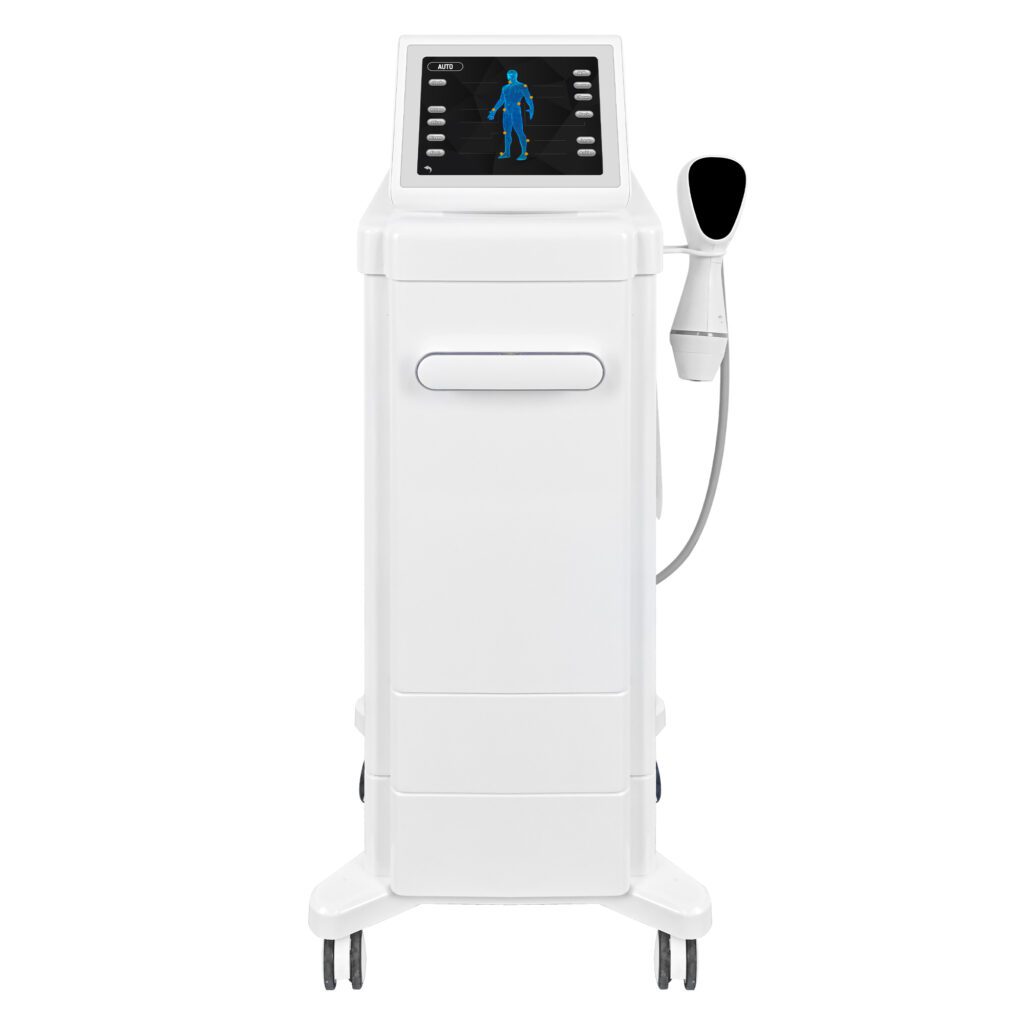
SHEFMON product categories include beauty machines such as Laser IPL, Hydra facial, Cryolipolysis, HIFU, Shockwave and physiotherapy-related equipment. For a distributor, this allows a more flexible channel strategy.
For example:
- A salon customer may start with Hydra facial or body-contouring equipment.
- A laser studio may care more about diode laser hair removal or IPL.
- A skin-management center may ask about HIFU, RF or anti-aging systems.
- A weight-management center may be interested in cryolipolysis, EMS or body-shaping devices.
- A rehabilitation or sports recovery buyer may look at Shockwave or physiotherapy equipment.
If a distributor only sells one narrow machine type, every sales conversation depends on whether that specific buyer wants that exact category.
If a distributor can offer a broader product line, they can match different buyers with different service opportunities.
This improves long-term channel value.
The distributor can say:
“We are not only selling one device. We can help you choose the right service category for your salon, clinic or wellness business.”
That is a stronger market position than competing only on one machine price.
Advantage 3: OEM and ODM Flexibility for Local Branding
European and American premium brands usually protect their own brand identity. That is normal. Their business model depends heavily on brand control.
But many distributors have a different goal.
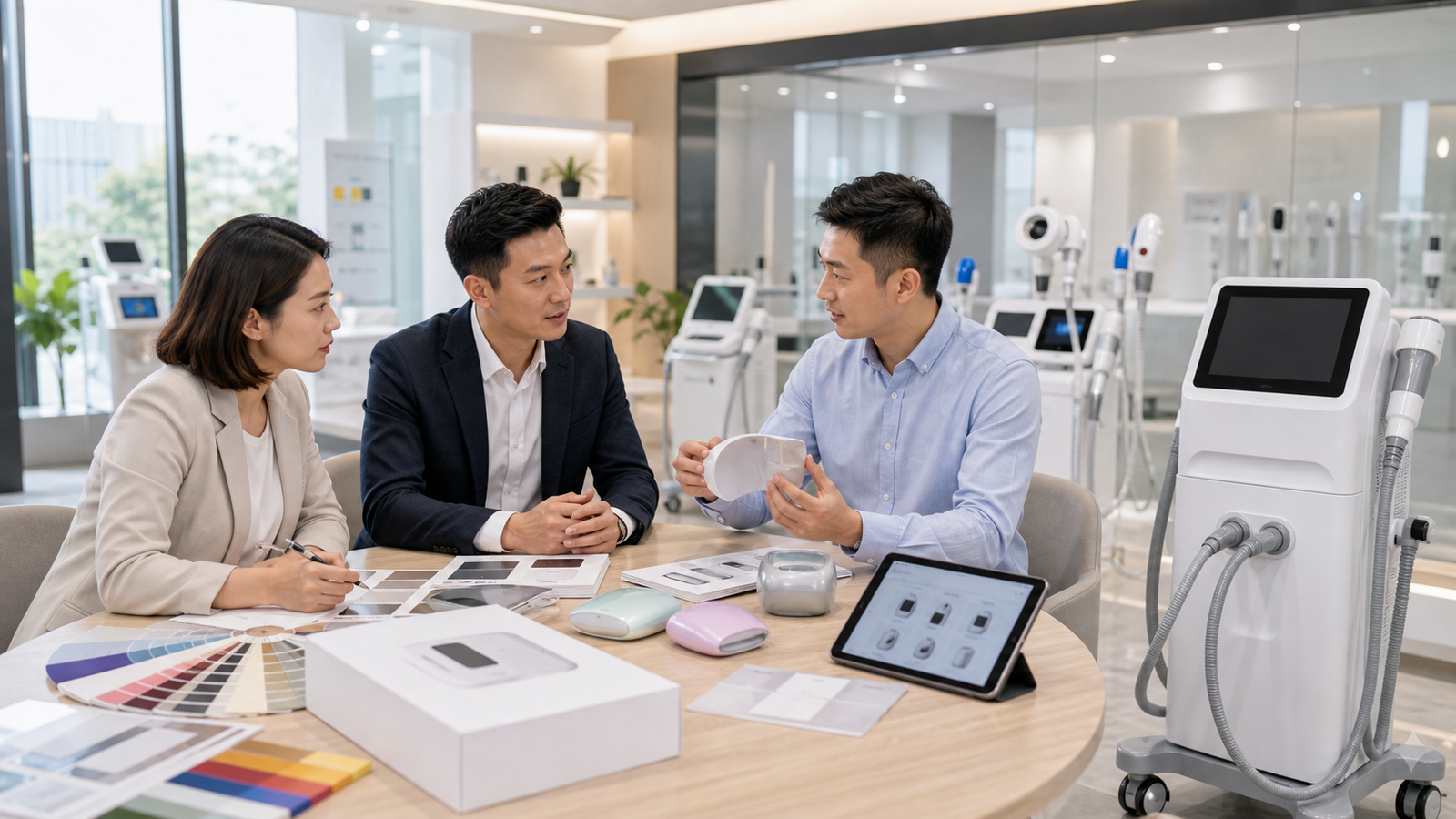
They want to build their own local brand, create exclusive product positioning, offer private-label equipment, customize appearance details or design a product package for a specific market segment.
OEM and ODM flexibility can be valuable for these distributors.
With factory-direct support, distributors can discuss options such as:
- logo and label customization
- product color and shell options where available
- package and manual customization
- local language materials
- product combination planning
- buyer-specific bundle solutions
- private-label market positioning
This does not mean every machine can be changed without limits. Professional equipment still needs stable structure, safety control, technical reliability and responsible production standards.
But compared with many premium brands, a factory-direct supplier can often provide more practical customization conversations.
For a distributor, this helps create local differentiation.
Instead of selling the same famous brand that every competitor is trying to resell, the distributor can develop a more localized product line and customer experience.
Advantage 4: Practical Technology Configuration for Real Salon Use
Premium Western brands often use strong technical language. Some systems are built for high-end clinics, advanced operators or professional medical-style settings.
That can be useful in the right channel.
But many beauty equipment buyers are not looking for the most expensive or most complex system. They want a machine that their staff can learn, explain and sell.
For distributors, this creates an opportunity.
SHEFMON equipment can be positioned around practical technology configuration:
- treatment functions that match common salon and clinic services
- operator-friendly interfaces
- suitable handpieces or applicators
- serviceable structures
- realistic training requirements
- equipment options across different budget levels
- product categories that match local market maturity
This matters because a device that is too advanced for the buyer’s actual skill level may create low usage, poor confidence and after-sales pressure.
The strongest machine for a local salon is not always the highest-spec machine. It is often the machine that can be used confidently, explained clearly and sold repeatedly.
Distributors should therefore compare value through service fit:
- Can the buyer’s staff operate it?
- Can the treatment be explained to clients?
- Can the salon build packages around it?
- Can the distributor provide training?
- Can spare parts and support be handled locally?
If the answer is yes, the device has stronger business value than a more expensive system that the buyer cannot fully use.
Advantage 5: More Margin Room for Distributors and Resellers
Distributors do not only need a good product. They also need a sustainable profit model.
Premium Western brands can sometimes leave limited flexibility for local resellers. The purchase cost may be high, the resale price may be difficult to adjust, and the distributor may need to invest heavily in branding, demonstration, import cost and local after-sales support.
With a factory-direct value model, distributors may have more room to build:
- local dealer pricing
- salon package offers
- demonstration campaigns
- first-order promotions
- training bundles
- warranty service plans
- spare parts income
- private-label positioning
This does not mean distributors should race to the bottom on price.
In fact, the better strategy is the opposite.
Distributors should use the stronger cost structure to create a more complete value package. Instead of reducing every sale to a discount, they can include training, service menu advice, basic marketing materials, warranty support and spare parts confidence.
The goal is not to be “cheap.”
The goal is to give the local buyer more value at a more realistic investment level, while protecting the distributor’s profit space.
Advantage 6: Training, After-sales and Spare Parts Support
For beauty equipment, after-sales support is not an extra detail. It is part of the product.
A distributor can win the first sale with price, but they win repeat business through support.
Premium brands may have mature service systems in some regions, but they may also be harder or more expensive to service in markets where official support is limited.
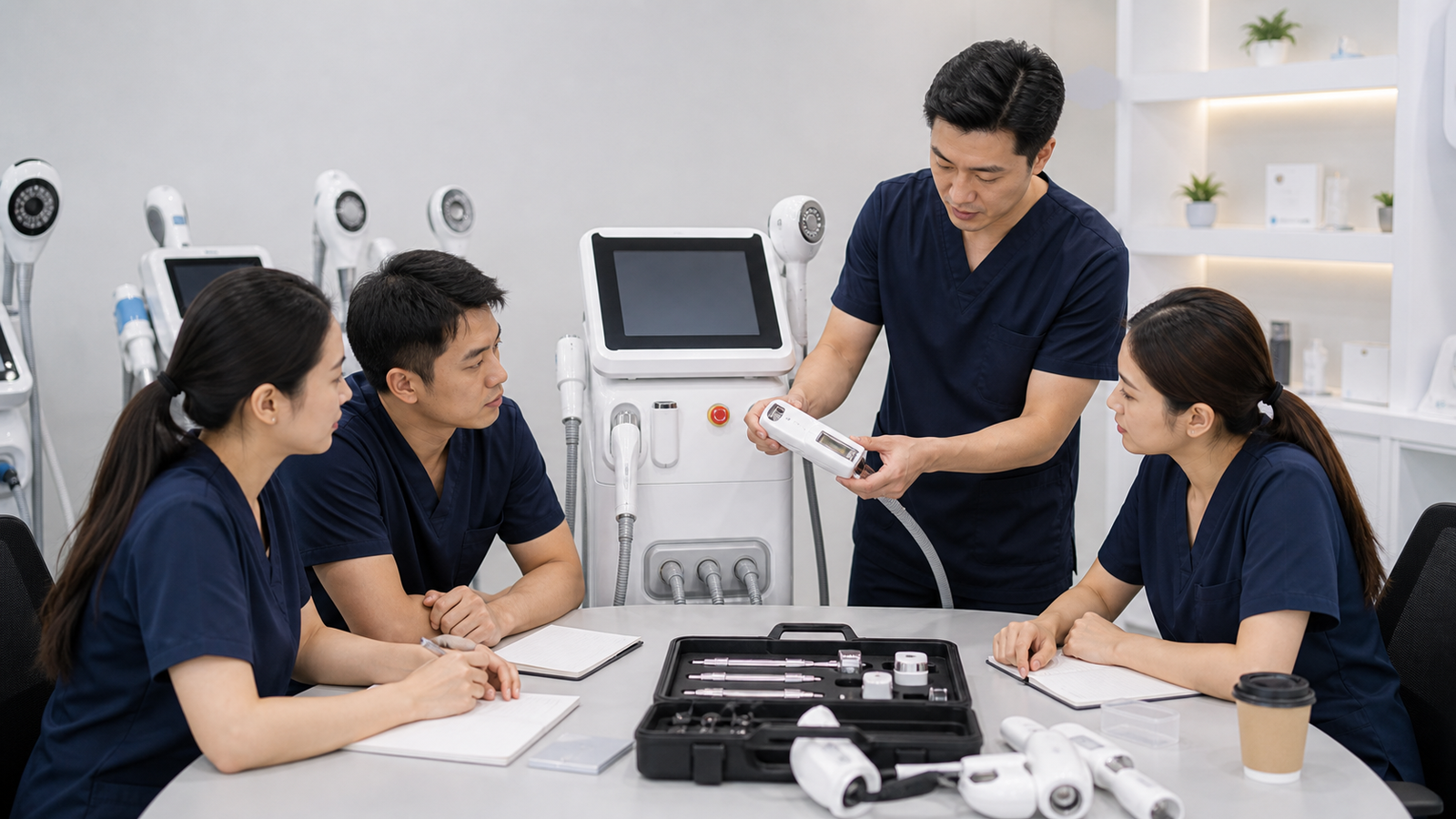
For distributors building their own market, SHEFMON’s value should be explained through practical support:
- operation guidance
- technical training materials
- machine usage explanation
- handpiece and accessory support
- spare parts communication
- warranty process
- product documentation
- category-level sales guidance
This is especially important for devices such as diode laser hair removal machines, Hydra facial systems, body-contouring equipment, HIFU, RF, Shockwave and physiotherapy equipment. These categories involve handpieces, applicators, consumables, filters, cooling systems, screens or other parts that may need long-term support.
If a distributor can tell buyers that parts, training and technical communication are available, the buyer feels safer.
That confidence can be more persuasive than a famous brand name alone.
How Distributors Should Explain the Advantage Locally
When distributors compare SHEFMON with European and American brands, they should avoid attacking premium brands directly.
That approach can sound unprofessional.
A better approach is to clearly define the buyer type.
For high-end clinics that need a famous international brand for reputation, premium Western systems may still be attractive.
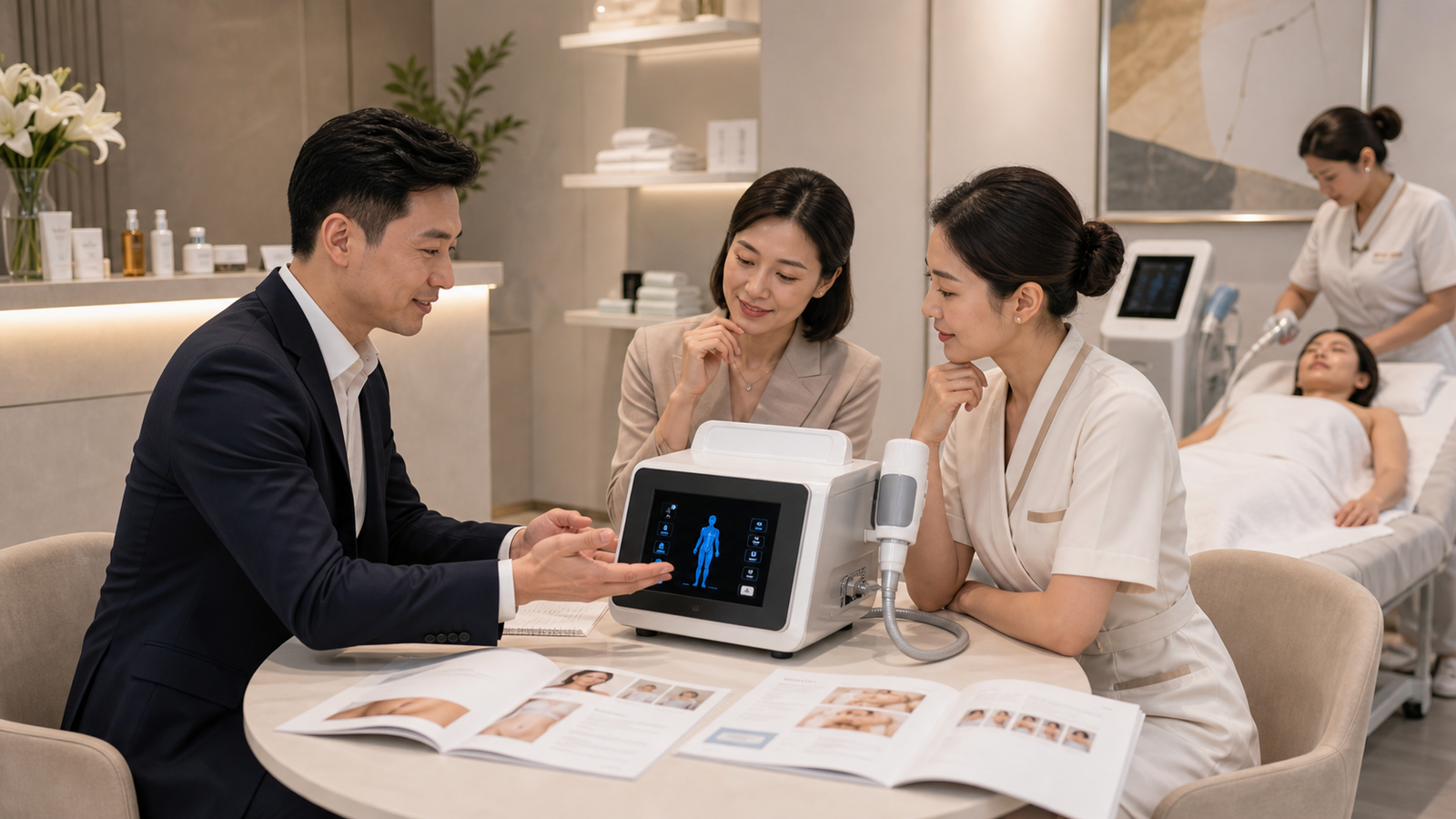
For salons, med spas, distributors, training academies and growing local chains that need a practical equipment solution, SHEFMON can be positioned differently.
A useful distributor pitch could be:
“Premium brands are strong when the buyer mainly wants global brand recognition. SHEFMON is stronger when the buyer needs practical technology, factory-direct value, product flexibility, training support and better room for local profit.”
This is balanced and believable.
Distributors can then explain the advantages in buyer language:
- lower investment barrier
- easier product portfolio building
- practical technology configuration
- support for private-label or localized positioning
- room for local service packages
- training and after-sales support
- spare parts communication
- category options for different buyer channels
For the salon owner, the message should be even simpler:
“You do not need to pay only for a premium brand name. You need a device that your team can operate, your clients can understand and your business can profit from.”
Where Premium Western Brands May Still Have an Advantage
A professional comparison should also admit where premium brands can be strong.
Some European and American brands may have:
- stronger brand recognition in mature markets
- more established clinical marketing materials
- existing user communities
- premium positioning in high-end clinics
- long-term reputation in specific technologies
- local regulatory approvals in certain countries
- higher perceived status for some buyers
Distributors should not deny these points.
Instead, they should explain that different buyers need different solutions.
If a buyer’s main goal is to show a famous brand logo in a premium clinic, then a premium brand may be a suitable choice.
If the buyer’s main goal is to enter the service market with a realistic budget, build a profitable treatment menu, receive practical support and have room for local channel development, SHEFMON can be a stronger cost-performance choice.
This balanced explanation makes the distributor more trustworthy.
The Real Value Question for Distributors
The real comparison is not:
“Which machine is cheaper?”
The better comparison is:
“Which supplier helps me build a more profitable, flexible and serviceable local business?”
For many distributors, SHEFMON’s advantage comes from the combination of:
- factory-direct value
- multi-category product range
- OEM and ODM flexibility
- practical technology configuration
- lower market-entry pressure
- training and after-sales support
- spare parts communication
- room for local margin
This is the type of value that helps distributors compete.
Not every market needs the same premium brand solution. Many local markets need equipment that is professional enough to support real services, flexible enough for local positioning and cost-effective enough to create healthy profit for both distributor and buyer.
That is where SHEFMON’s cost-performance advantage becomes meaningful.
Useful SHEFMON Product Pages for Distributor Research
Distributors can compare product categories through these SHEFMON pages:
- SHEFMON Beauty Machines
- Laser IPL equipment
- Hydra facial equipment
- Cryolipolysis equipment
- HIFU equipment
- Shockwave and physiotherapy equipment
FAQ
1. Is SHEFMON only cheaper than European and American brands?
No. The stronger message is not simply “cheaper.” SHEFMON should be positioned as a factory-direct value solution with product flexibility, practical technology configuration, OEM or ODM options, training support and after-sales communication. Price is only one part of the total value.
2. Why do some buyers still choose premium Western brands?
Some buyers value brand recognition, high-end clinic image, established marketing stories or specific local approvals. Premium brands can be suitable when the buyer’s main goal is reputation and brand status.
3. Where can SHEFMON be more attractive for distributors?
SHEFMON can be attractive when distributors need lower entry pressure, better margin room, product category flexibility, private-label options, practical support and equipment that fits salons, clinics, wellness centers and other local buyer channels.
4. How should distributors compare SHEFMON with premium brands without sounding negative?
Distributors should avoid attacking premium brands. A better approach is to explain buyer fit. Premium brands may fit buyers who mainly want global brand recognition. SHEFMON may fit buyers who need practical value, serviceable equipment, product flexibility and a more realistic investment level.
5. Does lower investment mean lower quality?
Not necessarily. Lower investment can come from factory-direct supply, fewer channel layers and a different business model. Distributors should still evaluate product configuration, training, warranty, spare parts and supplier support before making a purchase.
6. Why is product range important for distributors?
A wider product range allows distributors to serve more buyer types. One customer may need hair removal equipment, another may need facial devices, another may need body contouring, and another may need Shockwave or physiotherapy equipment. This helps distributors build a more stable channel.
7. Is OEM or ODM important for local markets?
Yes, for many distributors. OEM and ODM support can help distributors build local branding, adapt product presentation and create a more differentiated market position instead of reselling the same visible brand as competitors.
8. What should salon buyers care about most?
Salon buyers should care about whether the machine can support real services, whether staff can learn the operation, whether clients can understand the treatment, whether the service can be packaged and whether after-sales support is available.
9. What is the best sales message for SHEFMON distributors?
A strong message is: “SHEFMON helps local beauty businesses access practical professional equipment with factory-direct value, training support, product flexibility and better room for profitable service packages.”
10. How can distributors use SHEFMON’s advantage to grow locally?
Distributors can combine equipment sales with training, service menu planning, local branding, spare parts support and realistic client education. This builds a value package instead of competing only on machine price.