









What Are Tattoos and Pigmented Lesions?
Tattoos and pigmentation may seem similar at first glance—both involve color embedded in the skin—but they are fundamentally different in origin and structure. Tattoos are created intentionally by injecting ink deep into the dermis layer of the skin, making them long-lasting and resistant to natural fading. Pigmented lesions, on the other hand, include conditions like melasma, sunspots, freckles, and post-inflammatory hyperpigmentation, which are caused by excess melanin production.
Here’s where things get interesting: tattoo ink particles are significantly larger than natural pigment molecules, which makes them harder for the body to eliminate. According to clinical research, tattoo particles can reach sizes up to 970 nm, making them difficult for immune cells to process naturally . That’s why once a tattoo is applied, it tends to stay unless external intervention is used.
Pigmentation issues, however, can sometimes fade over time—but often not completely. Sun exposure, aging, hormonal changes, and inflammation can all worsen these conditions. That’s why many people turn to advanced aesthetic treatments for faster and more reliable results.
Why Do People Choose Removal Treatments?
Let’s be honest—regret is a big driver here. Studies suggest that around 25% of people with tattoos eventually regret them, leading to a growing demand for removal solutions . Whether it’s a name that no longer matters, a design that feels outdated, or simply a change in personal style, tattoo removal has become increasingly popular.
Pigmentation removal has its own motivations. Uneven skin tone, dark spots, and discoloration can affect confidence, especially in today’s image-conscious world. With social media and high-definition cameras, flawless skin is no longer just a luxury—it’s an expectation.
Beyond aesthetics, there are also medical and professional reasons. Some workplaces still maintain strict appearance standards, and certain pigmentation conditions can signal underlying skin issues. In short, removal treatments are no longer just cosmetic—they’re practical, emotional, and sometimes even necessary.
How Tattoo and Pigmentation Removal Works
The Science Behind Laser Technology
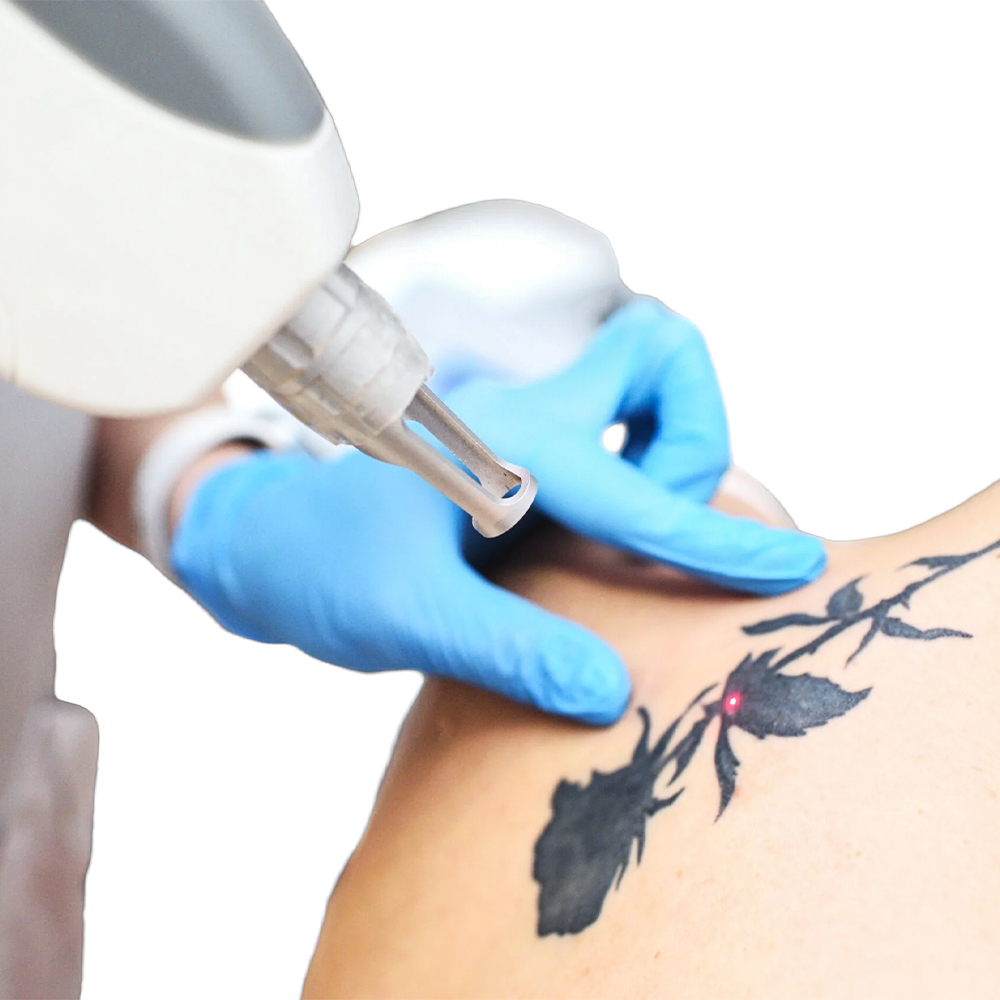
Imagine trying to break a rock into sand using only light—that’s essentially what laser removal does. Advanced laser systems emit highly concentrated light energy that penetrates the skin and targets pigment particles without damaging surrounding tissue.
The magic lies in wavelength precision. Different pigments absorb different wavelengths of light. For example, black ink absorbs most wavelengths and is therefore easier to remove, while colors like yellow and green are more stubborn.
Modern systems such as Q-switched and picosecond lasers have revolutionized the field by delivering ultra-short pulses that shatter pigment into microscopic fragments. These fragments are then gradually eliminated by the body’s immune system.
Selective Photothermolysis Explained
At the core of this technology is a principle called selective photothermolysis. Sounds complicated, right? Let’s simplify it.
This concept means the laser targets only the pigment (the “chromophore”) while leaving surrounding skin untouched. The laser energy is absorbed by the pigment, generating heat and mechanical shockwaves that break it apart.
This precision is why modern laser treatments are far safer than older methods like dermabrasion or surgical excision, which often caused scarring and uneven skin texture.
Types of Tattoo Removal Technologies
Q-Switched Laser Technology
Q-switched lasers have been the gold standard for years—and for good reason. They deliver energy in nanosecond pulses, which are short enough to break down pigment without overheating the skin.
These lasers are particularly effective for darker inks like black and blue, with studies showing over 90% clearance rates in ideal conditions . However, they usually require multiple sessions—sometimes 6 to 12 or more—depending on the tattoo’s size, depth, and color complexity.
Think of Q-switched lasers as a reliable workhorse: consistent, proven, and widely used across clinics worldwide.
Picosecond Laser Technology
Now, let’s talk about the next generation—picosecond lasers. These devices operate at speeds 1,000 times faster than traditional systems, delivering energy in trillionths of a second.
Why does this matter? Because shorter pulses mean more efficient pigment breakdown. Clinical studies have shown that picosecond lasers can achieve over 75% clearance in just a few sessions .
They’re especially effective for:
- Multicolored tattoos
- Stubborn pigmentation
- Faster treatment timelines
If Q-switched lasers are the workhorse, picosecond lasers are the sports car—faster, more precise, and increasingly in demand.
Pigmentation Removal Technologies
Laser Treatments for Hyperpigmentation
Pigmentation removal works on a similar principle but targets melanin instead of ink. Laser energy breaks down excess melanin clusters, allowing the body to naturally eliminate them.
Common conditions treated include:
- Melasma
- Sunspots
- Age spots
- Acne scars
The key challenge here is balancing effectiveness with safety. Melanin is also present in normal skin, so improper treatment can lead to hypopigmentation or burns.
IPL vs Laser – What’s Better?
Here’s a quick comparison:
| Feature | Laser | IPL (Intense Pulsed Light) |
|---|---|---|
| Precision | High | Moderate |
| Depth penetration | Deep | Surface-level |
| Best for | Tattoos & deep pigmentation | Mild pigmentation |
| Sessions required | Fewer (advanced lasers) | More |
IPL is like a floodlight—it spreads energy broadly. Laser, on the other hand, is a sniper rifle—precise and targeted.
Treatment Process Step-by-Step
Consultation and Skin Assessment
Every successful treatment begins with a thorough consultation. Professionals evaluate skin type, pigment depth, and medical history to determine the safest and most effective approach.
This step is crucial because factors like skin tone and tattoo color significantly affect outcomes. Darker skin types, for example, are more prone to complications and require specialized settings.
Treatment Sessions and Timeline
Tattoo removal is not a one-and-done process. Most treatments require multiple sessions spaced weeks apart to allow the skin to heal and the immune system to clear fragmented pigment.
Typical timeline:
- 6–12 sessions for tattoos
- 3–6 sessions for pigmentation
Patience is key here. The body needs time to process and remove the broken-down particles.
Effectiveness and Results
Success Rates and Expectations
Let’s set realistic expectations: complete removal is not always guaranteed. Studies show that only about 38% of patients achieve complete clearance, while others experience significant fading .
Black tattoos respond best, while colors like yellow and green can be stubborn. Pigmentation treatments generally have higher success rates but may require maintenance.
Factors Affecting Results
Several factors influence outcomes:
- Ink color and depth
- Skin type
- Technology used
- Practitioner skill
Think of it like cooking—the same ingredients can yield very different results depending on the chef.
Risks, Side Effects, and Safety
Common Side Effects
Most treatments are safe, but side effects can occur:
- Redness and swelling
- Blistering
- Temporary pigmentation changes
Nearly 97% of patients experience some local reaction, though most are mild and temporary .
How to Minimize Risks
Safety comes down to:
- Using certified equipment
- Choosing experienced practitioners
- Following aftercare instructions
Sun protection is especially critical, as UV exposure can worsen pigmentation issues.
Choosing the Right Beauty Machine
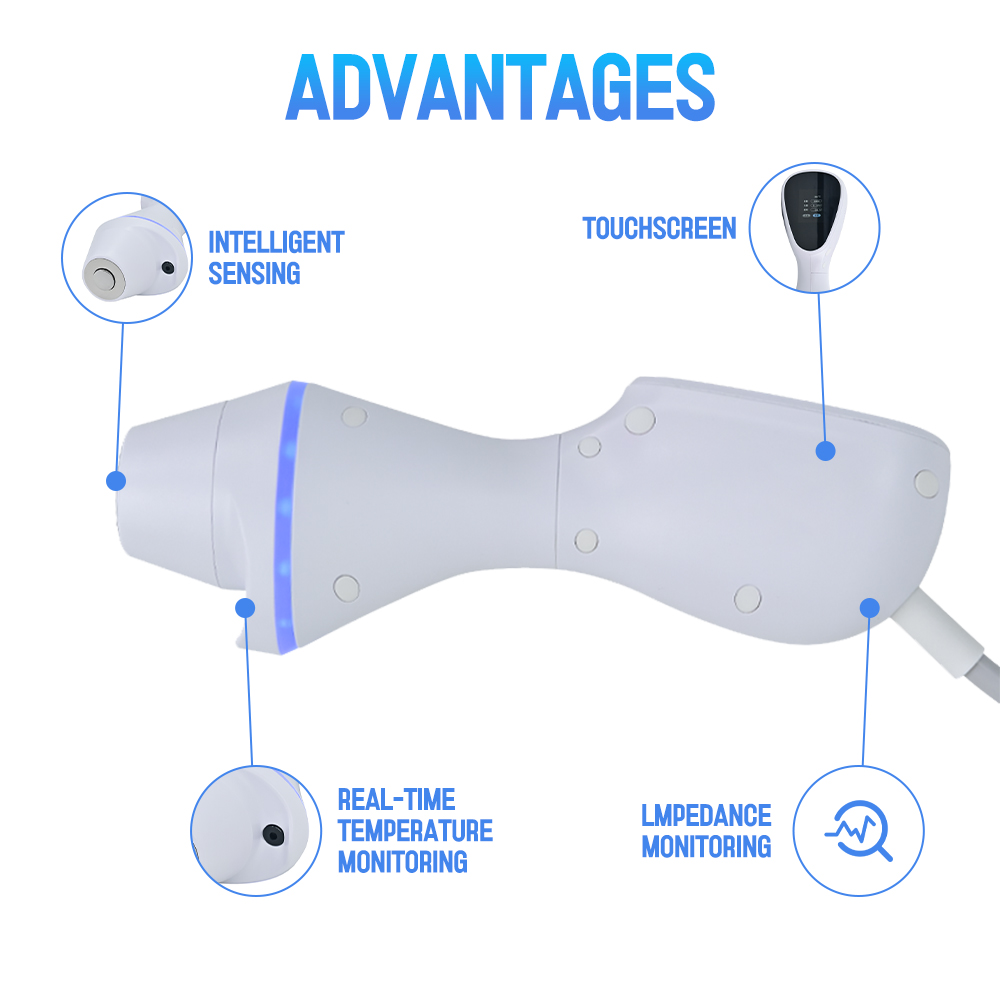
Key Features to Look For
When selecting a tattoo removal machine, consider:
- Multiple wavelengths
- Adjustable pulse duration
- Cooling systems
- User-friendly interface
These features ensure versatility and safety across different skin types and conditions.
Why Professional Equipment Matters
Cheap or outdated machines can lead to poor results—or worse, permanent damage. Investing in high-quality equipment isn’t just about performance; it’s about protecting clients and building trust.
SHEFMON Tattoo Removal Machines
Advanced Features and Benefits
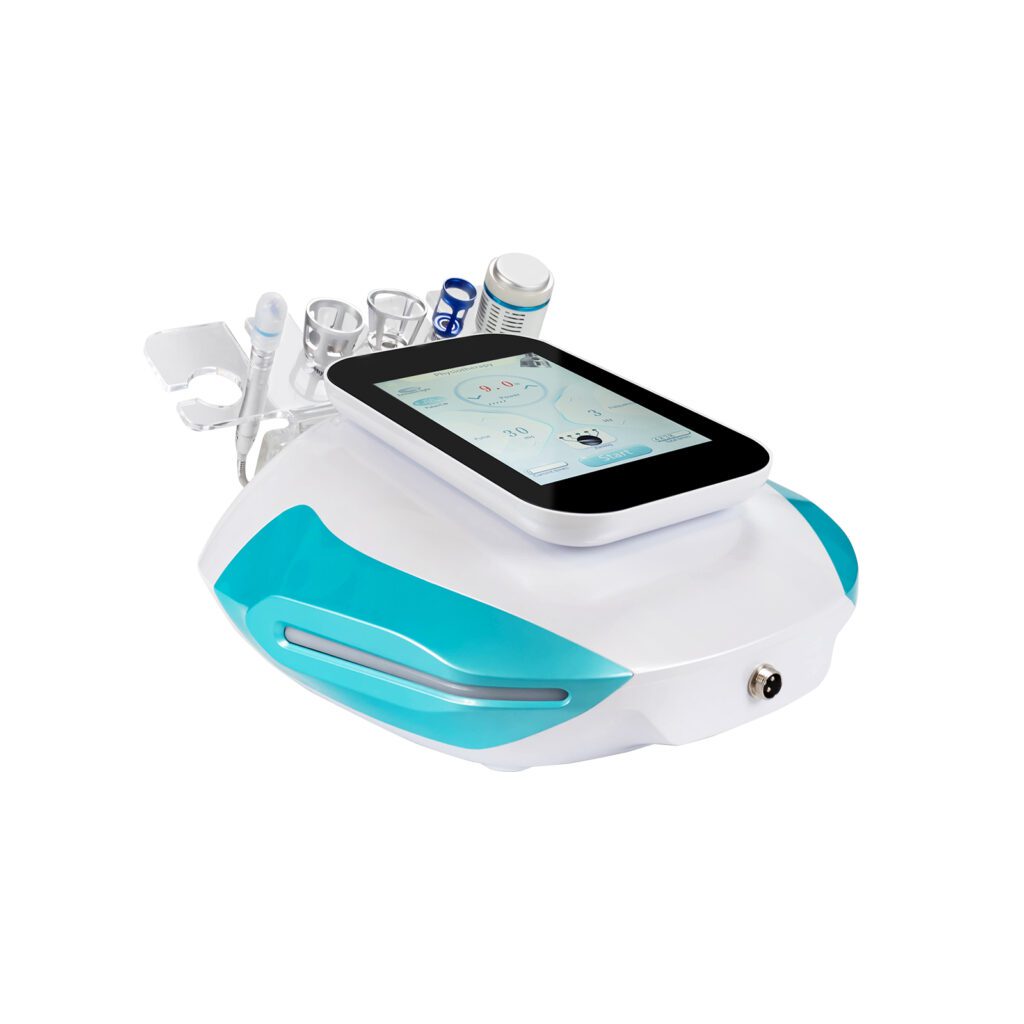
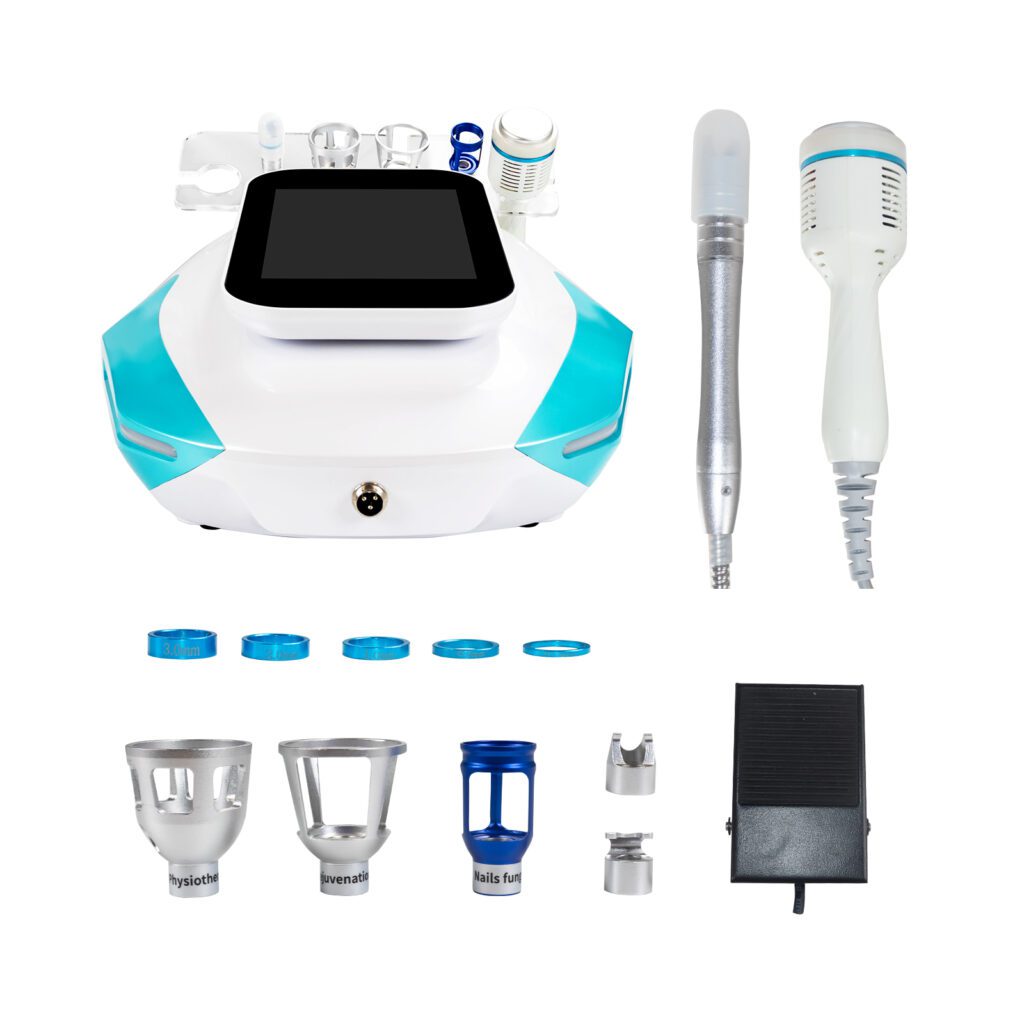
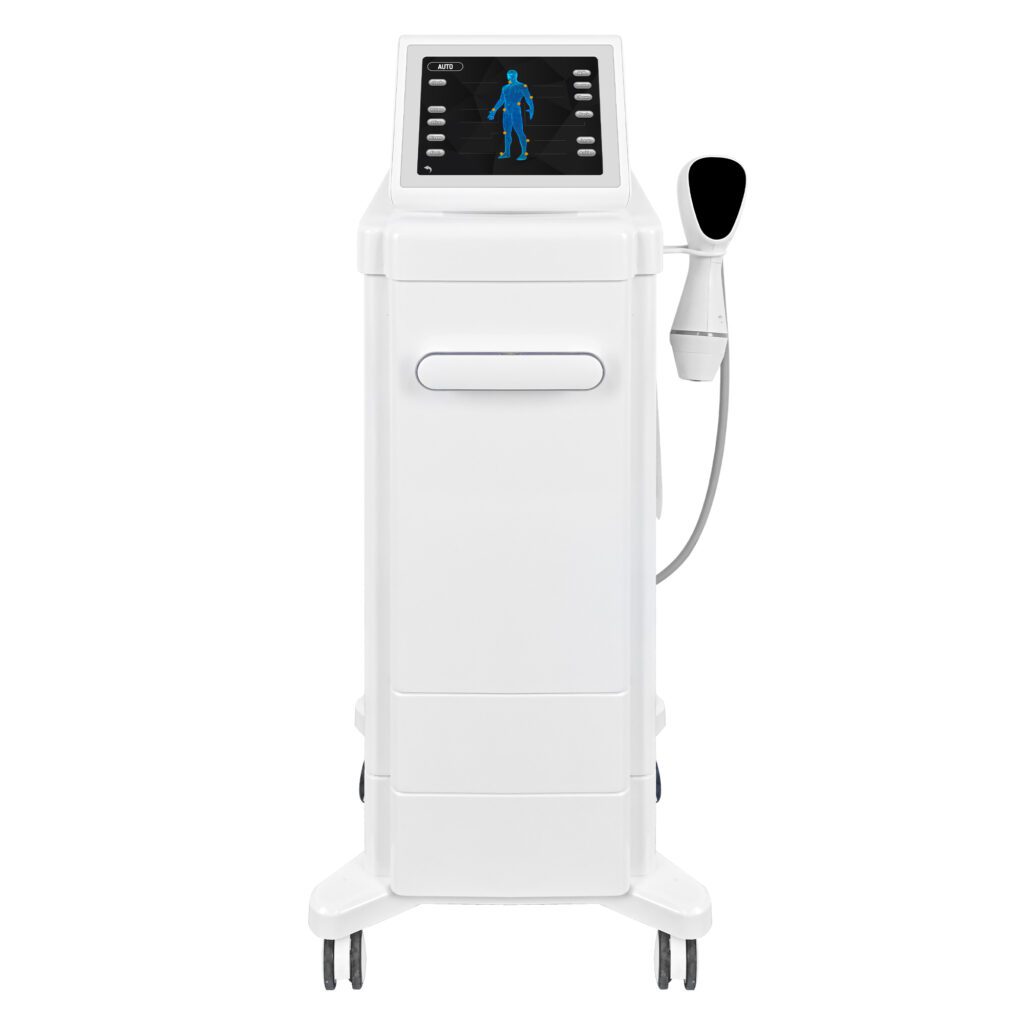
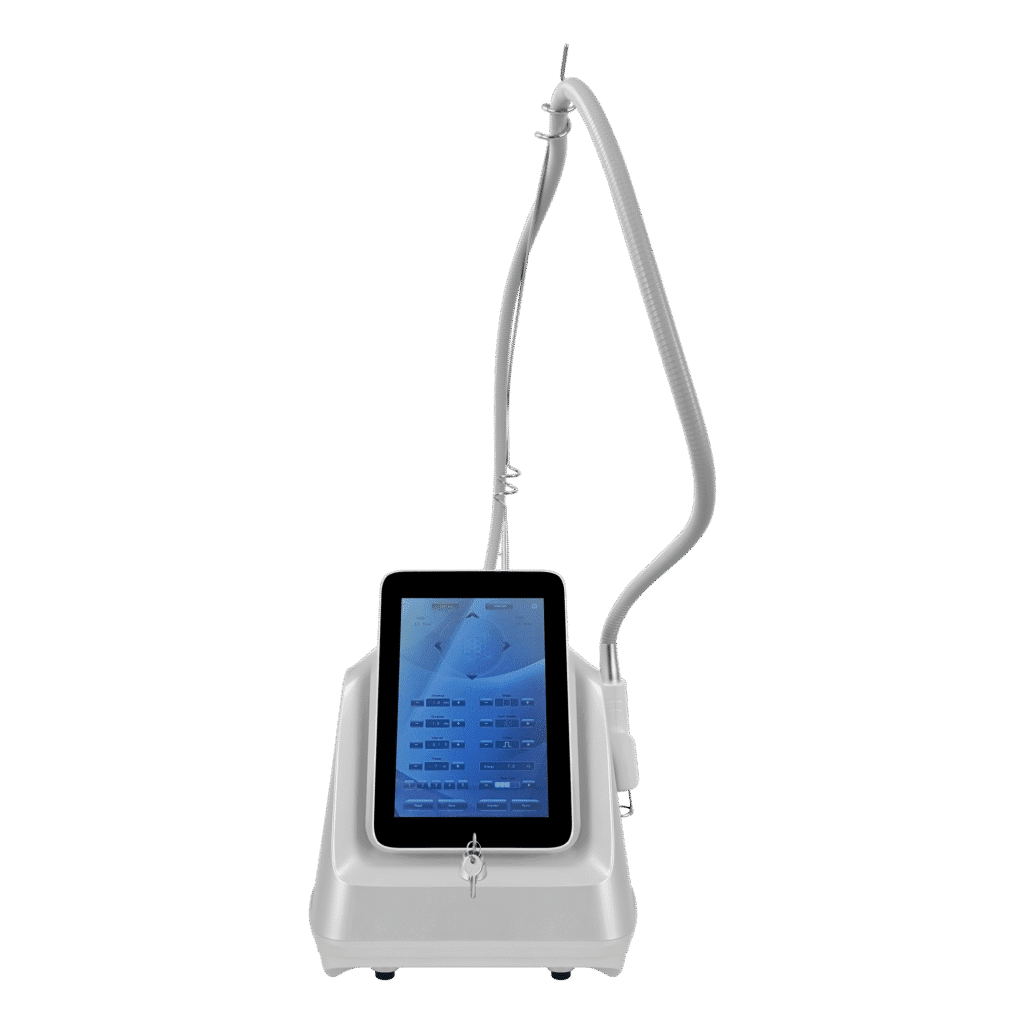
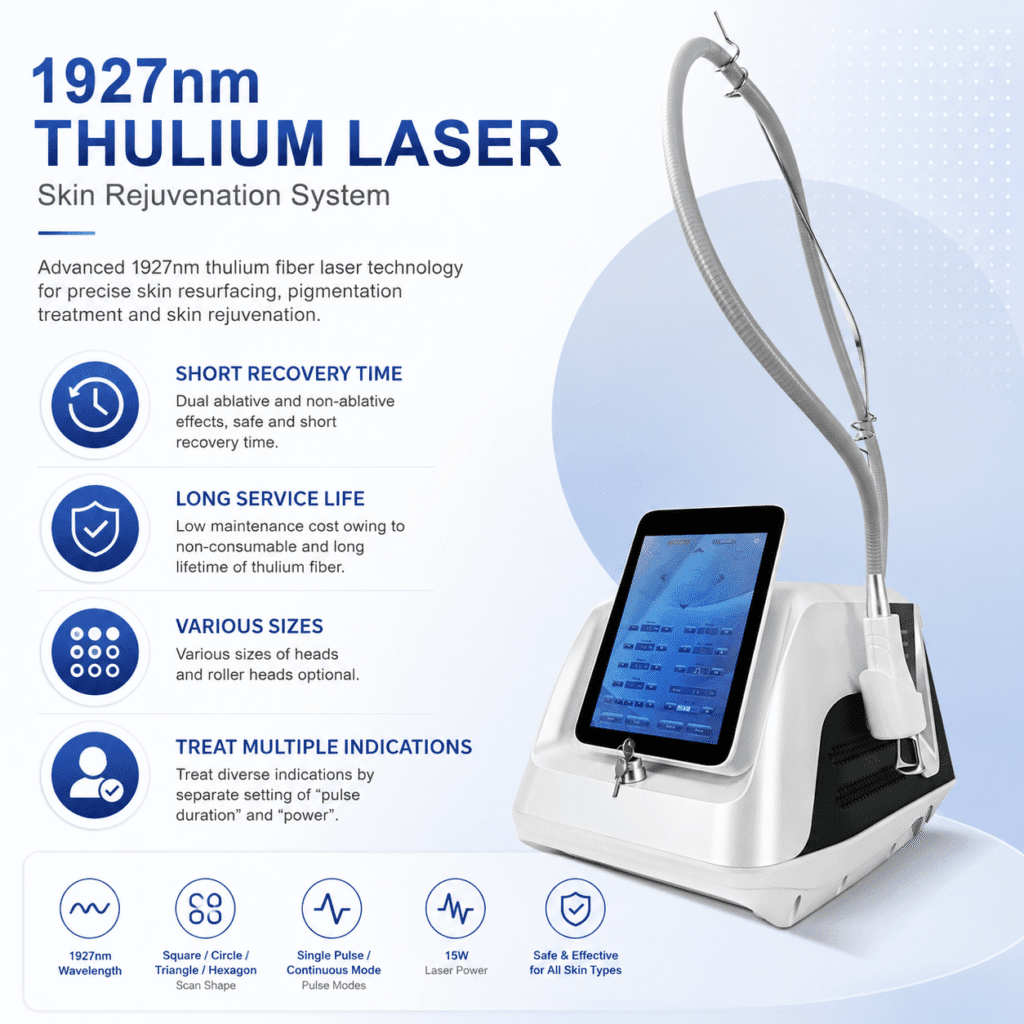
If you’re looking for cutting-edge solutions, explore SHEFMON’s tattoo and pigmentation removal systems:
👉 https://shefmon.com/beauty-machines/tattoo-and-pigmentation-removal/
SHEFMON BEAUTY machines are designed for professional clinics and offer:
- Advanced laser technology (Q-switched & pico options)
- Multi-wavelength functionality for all pigment types
- OEM & ODM customization (logo, system, interface)
- High energy output for faster treatments
With over a decade of experience and global distribution, SHEFMON provides reliable, scalable solutions for aesthetic businesses.
Cost and ROI for Clinics
Pricing Overview
Tattoo removal is not just a treatment—it’s a profitable business model. Sessions typically range from $500 to $1,500 per treatment, depending on size and complexity .
For clinics, this means:
- High return on investment
- Repeat customer visits
- Growing market demand
It’s a win-win: clients get results, and clinics generate consistent revenue.
Conclusion
Tattoo and pigmentation removal has come a long way—from painful, invasive procedures to precise, high-tech solutions. With advancements like picosecond lasers, treatments are faster, safer, and more effective than ever.
Whether you’re a clinic owner looking to expand services or someone considering removal, understanding the technology is key. The right machine, the right approach, and the right expectations can make all the difference.
FAQs
1. How many sessions are needed for tattoo removal?
Most tattoos require 6–12 sessions, but complex or colored tattoos may need more.
2. Is laser tattoo removal painful?
It can feel similar to a rubber band snapping against the skin, but numbing creams help reduce discomfort.
3. Can all tattoo colors be removed?
Black is easiest, while colors like yellow and green are more difficult to fully eliminate.
4. Is pigmentation removal permanent?
Results can be long-lasting, but sun exposure and lifestyle factors may cause recurrence.
5. Are tattoo removal machines profitable for clinics?
Yes—high demand, repeat sessions, and premium pricing make it a strong revenue stream.