








Cryotherapy is everywhere right now. From high-end med spas to neighborhood beauty salons, everyone seems to be offering some form of cold-based treatment. But here’s the million-dollar question that keeps popping up: do you need a license to perform cryotherapy?
If you’re thinking about adding cryotherapy—or more specifically, cryolipolysis (fat freezing)—to your service menu, you’re asking the right question. Licensing rules can feel like a maze, and one wrong turn could cost you time, money, or even your business.
Let’s break it all down in plain English, no legal jargon, no fluff.
Understanding Cryotherapy in the Aesthetic Industry
What Is Cryotherapy?
At its core, cryotherapy simply means “cold therapy.” It involves exposing the body—or specific areas—to extremely cold temperatures for therapeutic or aesthetic benefits.
Think of it like icing a sore muscle… just taken to a professional, high-tech level.
Types of Cryotherapy Used in Beauty Clinics
Not all cryotherapy is the same, and this matters a lot when we talk about licensing.
Whole Body Cryotherapy
This is the extreme cold chamber you’ve probably seen athletes step into. Temperatures can drop below -100°C, and because of the intensity, this version is often more tightly regulated.
Localized Cryotherapy
This targets specific body parts using cold air or probes. It’s common in sports recovery and aesthetic practices.
Cryolipolysis (Fat Freezing)
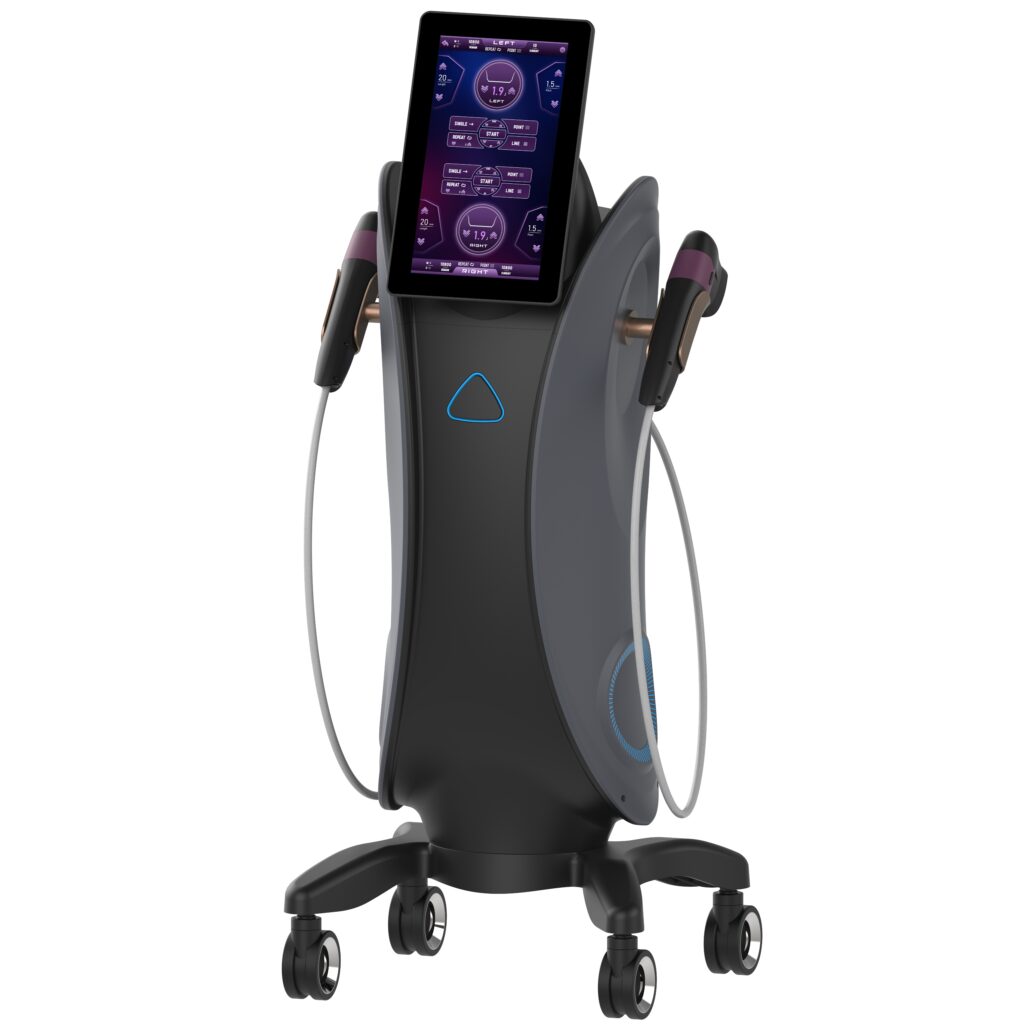
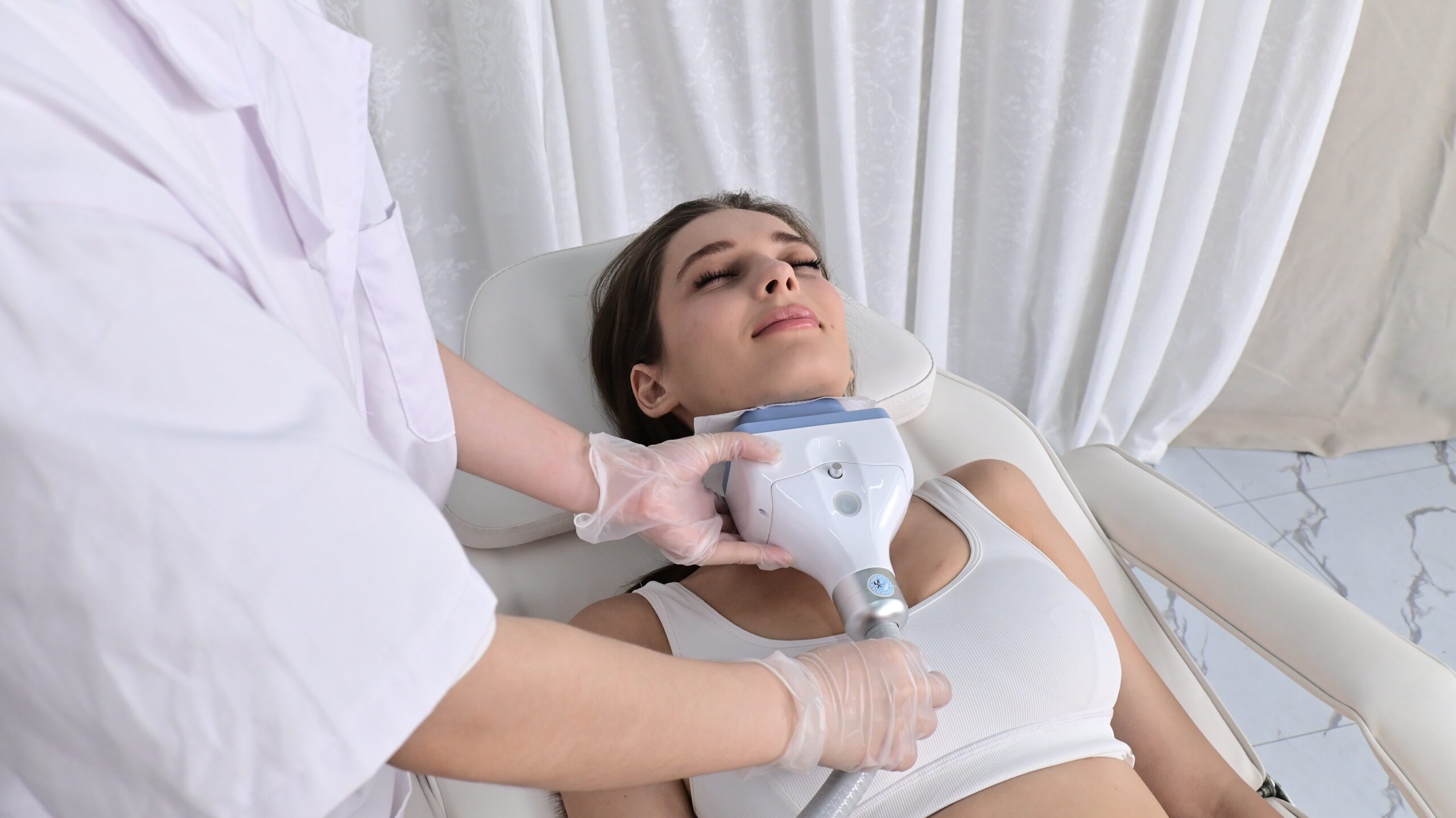
This is the star of the aesthetic world. Cryolipolysis freezes fat cells without damaging surrounding tissue, helping reduce stubborn fat pockets non-invasively.
👉 You can explore professional cryolipolysis systems here:
https://shefmon.com/beauty-machines/cryolipolysis/
What Is Cryolipolysis and How Does It Work?
The Science Behind Fat Freezing
Cryolipolysis works on a simple but clever principle: fat cells are more sensitive to cold than other tissues. When exposed to controlled cooling, fat cells crystallize, break down, and are gradually eliminated by the body’s lymphatic system.
No needles. No surgery. No downtime.
Why Cryolipolysis Is Popular Worldwide
It’s effective, non-invasive, and clients can walk out and go about their day. For clinics, it’s a high-demand service with strong ROI. For clients, it feels almost too easy.
And that popularity is exactly why regulators are paying attention.
Do You Need a License to Perform Cryotherapy?
The Short Answer
It depends on your country, your state, and the type of cryotherapy you offer.
There is no universal yes or no.
Why Licensing Rules Exist
Licensing isn’t about making life difficult. It’s about:
Client safety
Practitioner accountability
Clear responsibility if something goes wrong
Cold-based treatments may look simple, but improper use can cause burns, nerve damage, or frostbite.
Cryotherapy Licensing Requirements by Region
United States
State-by-State Differences
In the U.S., there’s no federal license specifically for cryotherapy. Regulation happens at the state level.
Some states allow licensed estheticians to perform cryolipolysis
Others require medical supervision
A few treat it as a medical procedure only
Always check your state board of cosmetology or health department.
United Kingdom
In the UK, cryolipolysis is generally considered non-medical, but local councils may require:
Beauty therapy qualifications
Infection control certification
Business licensing
European Union
EU regulations vary by country, but many classify cryolipolysis as an aesthetic treatment, not a medical one—provided certified equipment and training are used.
Australia and Canada
These countries often allow non-medical practitioners to perform cryolipolysis with:
Approved training
Workplace health compliance
Proper insurance
Middle East and Asia
Rules range from very strict (medical-only) to more flexible depending on the country. Clinics usually partner with licensed doctors to stay compliant.
Is Cryolipolysis Considered a Medical Procedure?
Medical vs Non-Medical Aesthetic Treatments
Medical procedures typically involve:
Breaking the skin
Injectables
Prescription drugs
Cryolipolysis does none of that.
Where Cryolipolysis Usually Falls
In most regions, cryolipolysis is considered a non-invasive aesthetic treatment, not surgery or medicine—as long as it’s performed correctly.
Who Can Legally Perform Cryolipolysis?
Doctors and Medical Professionals
Doctors can perform cryolipolysis almost everywhere, no surprise there.
Licensed Estheticians and Beauty Therapists
In many regions, licensed beauty professionals can legally perform cryolipolysis after proper training.
Non-Licensed Operators (Is It Allowed?)
This is where things get risky. In some areas, operating without any professional license may lead to:
Fines
Insurance denial
Business closure
Training vs Licensing – What’s the Difference?
Manufacturer Training Programs
Most professional equipment suppliers (including SHEFMON) provide hands-on training to ensure safe operation.
Certification Courses
Certificates prove competency—but they do not replace a legal license where one is required.
Why Training Still Matters
Even if licensing isn’t mandatory, training protects:
Your clients
Your reputation
Your liability
Insurance and Legal Risks Without a License
Liability Issues
No license often means no insurance coverage. One client complaint could spiral fast.
Business Risks for Clinics
Operating illegally can result in shutdowns, lawsuits, and permanent brand damage.
Business Requirements Beyond Licensing
Business Registration
You’ll still need a registered business entity.
Health and Safety Compliance
This includes sanitation, equipment maintenance, and client consent forms.
Equipment Certification
Always use CE or FDA-cleared cryolipolysis machines, like those offered by SHEFMON:
https://shefmon.com/beauty-machines/cryolipolysis/
Using Professional Cryolipolysis Machines
Why Equipment Quality Matters
Cheap machines increase risk. Professional devices offer:
Stable temperature control
Built-in safety sensors
Consistent results
Overview of SHEFMON Cryolipolysis Solutions
SHEFMON provides professional-grade cryolipolysis machines designed for clinics, spas, and distributors worldwide, with OEM & ODM customization available.
Can You Start a Cryotherapy Business Without a Medical Background?
Real-World Scenarios
Yes—many successful clinics are run by non-medical owners who:
Hire licensed staff
Operate under medical supervision
Follow local laws closely
Tips to Stay Compliant
Check regulations early
Invest in training
Work with reputable equipment suppliers
Common Myths About Cryotherapy Licensing
“Cryotherapy Is Always Medical”
Not true. Many forms are aesthetic-only.
“Training Replaces a License”
Also false. Training supports compliance—it doesn’t override the law.
How to Check Local Licensing Requirements
Government Health Departments
Your most reliable source.
Professional Associations
They often publish updated compliance guidelines.
The Future of Cryotherapy Regulations
Industry Trends
As cryotherapy grows, expect clearer and stricter rules.
Increasing Oversight
Governments are paying closer attention—compliance will matter more, not less.
Final Thoughts on Licensing and Cryotherapy
If you’re serious about cryotherapy, doing it the right way isn’t optional—it’s smart business.
Conclusion
So, do you need a license to perform cryotherapy? Sometimes yes, sometimes no—but you always need to check. Cryolipolysis sits in a gray area between beauty and medical treatment, and that gray area depends heavily on local law.
The safest path? Get trained, use certified equipment, understand your regional rules, and build your business on solid ground. That way, you’re not just offering results—you’re offering trust.
FAQs
1. Can estheticians perform cryolipolysis legally?
In many regions, yes—if they are licensed and trained. Always check local regulations.
2. Is cryolipolysis FDA approved?
Many professional machines are FDA-cleared for fat reduction.
3. Do I need medical supervision for cryotherapy?
Some states and countries require it, others do not.
4. Is training mandatory even if licensing isn’t?
While not always legally required, training is strongly recommended.
5. Where can I buy professional cryolipolysis machines?
You can explore certified options at https://shefmon.com/beauty-machines/cryolipolysis/