








The beauty equipment market is not moving in one single direction. Different device categories are growing for different reasons, and each category faces its own opportunities, risks, and buying logic. For distributors, importers, and salon owners, understanding these category-level trends is more useful than simply asking whether the whole beauty equipment industry is growing.
Some categories are becoming standard salon tools, such as hydro facial machines, skin management systems, LED therapy, and AI skin analysis devices. Some categories remain high-value revenue drivers, such as RF lifting, HIFU, diode laser hair removal, and body contouring systems. Other categories are becoming more competitive because many factories offer similar machines, which pushes suppliers to differentiate through technology, training, after-sales service, project packaging, and brand positioning.
The key point is simple: not every beauty equipment category should be sold in the same way. A beginner distributor should not evaluate a diode laser machine the same way they evaluate a hydro facial machine. A high-end salon should not choose a body contouring platform with the same logic it uses for a basic facial device. Each category has a different demand cycle, customer profile, price range, training requirement, and profit model.
Why Category Trends Matter
The beauty industry continues to grow, but growth is becoming more selective. According to McKinsey, the global beauty market is still expected to grow annually through 2030, but competition, consumer behavior, and channel changes are reshaping where growth appears. In aesthetic equipment, energy-based devices also remain a strong area, with market reports showing continued expansion for laser, RF, ultrasound, and body contouring technologies.
This means distributors cannot rely only on general market optimism. They need to ask more specific questions:
- Which category has stable daily salon demand?
- Which category can create high-ticket treatment revenue?
- Which category requires strong clinical or technical training?
- Which category is easy for new salons to accept?
- Which category is becoming too price competitive?
- Which category has upgrade potential over the next three to five years?
The best product strategy usually combines several categories rather than depending on one device type.
Skin Management Devices: Moving Toward Standard Salon Equipment
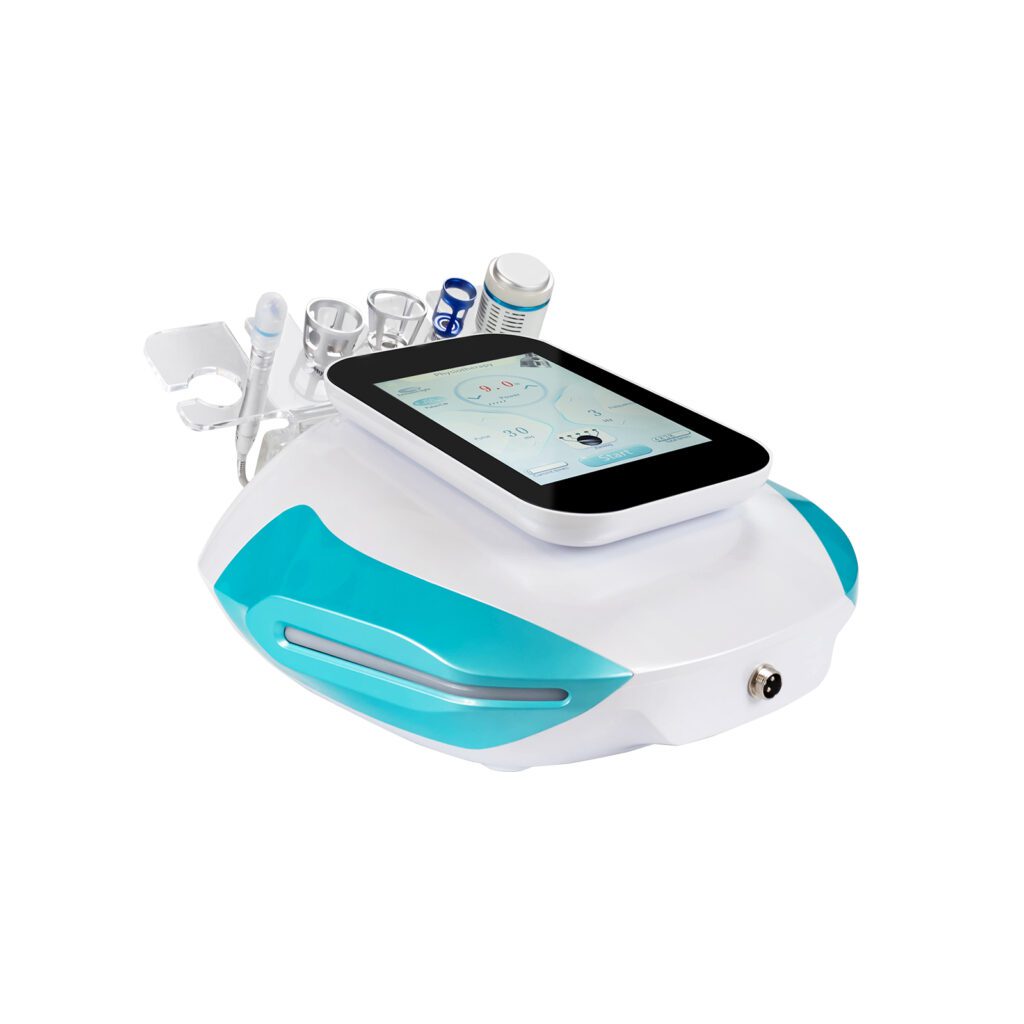
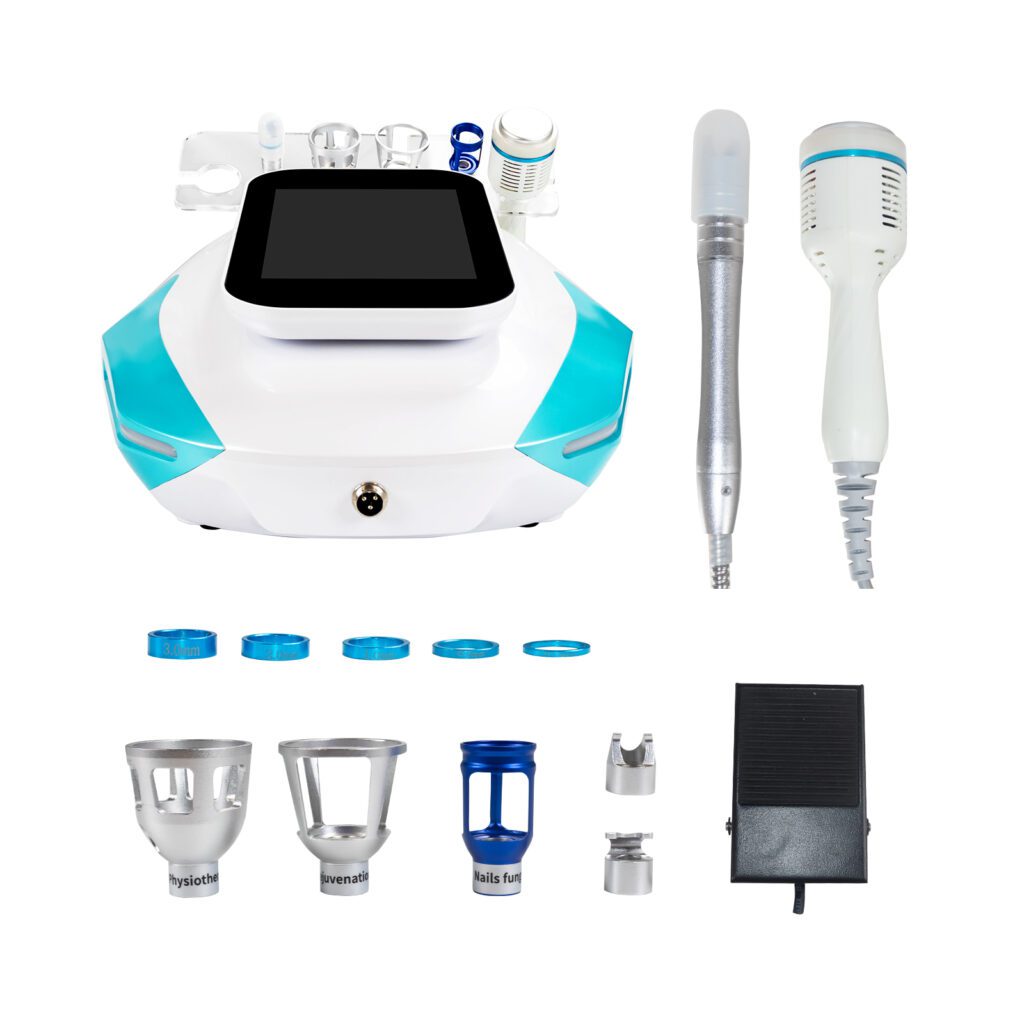
Skin management equipment is one of the most stable categories for beauty salons. This category includes hydro facial machines, oxygen infusion devices, microdermabrasion systems, LED therapy, RF facial devices, ultrasonic skin scrubbers, and basic skin care platforms.
The trend is toward daily-use, low-risk, repeat-service equipment. Many salons like these devices because they are easier to explain to customers, easier to train staff on, and suitable for membership programs. They can support hydration, pore cleansing, skin glow, barrier repair, acne care, sensitive skin recovery, and maintenance treatments.
Compared with high-energy devices, skin management machines usually have lower entry cost and lower operational risk. This makes them attractive for small salons, new beauty businesses, spa chains, and beginner distributors. However, the market is also crowded. Many machines look similar, and customers may compare mainly by price if the supplier does not provide clear differentiation.
The future trend in this category is not just more functions. The stronger direction is better project packaging: skin diagnosis, treatment menu design, consumable pairing, membership plans, and before-and-after progress tracking. A basic hydro facial machine becomes more valuable when the salon can package it into sensitive skin repair, acne management, holiday glow, or monthly skin maintenance programs.
For distributors, skin management devices are good for stable sales, entry-level customers, and long-term salon relationships. But suppliers should not compete only on machine price. They should provide treatment protocols, consumables, marketing copy, and staff training.
RF Beauty Equipment: Still Strong, But Needs Clear Positioning
Radio frequency beauty equipment remains one of the most important anti-aging categories. RF can be used for facial firming, skin tightening, contour improvement, body shaping, and post-treatment maintenance. It is widely accepted because the concept of collagen stimulation and non-invasive tightening is easy for salons to explain.
The trend in RF devices is moving from simple single-handle machines to more segmented and professional systems. Salons now pay attention to energy stability, comfort, temperature control, handle design, treatment depth, safety features, and visible customer feedback. They also care about whether the device can support facial and body projects instead of only one function.
RF has broad market potential, but it also faces serious competition. Many low-cost RF machines exist, so salons may ask why one machine is more expensive than another. The answer must come from real differences: energy delivery, treatment comfort, safety design, training support, project packaging, and after-sales service.
For high-end salons, RF should be positioned as a structured anti-aging project rather than a basic machine service. For example, RF can be connected to face contour programs, neck care, post-weight-loss skin tightening, postpartum body care, or annual anti-aging memberships.
The RF category will likely remain strong because it fits the long-term anti-aging demand. But distributors need to avoid selling RF as a generic technology. The winning approach is to connect RF equipment with clear treatment plans and reliable training.
HIFU and Ultrasound Lifting: Premium Demand With Higher Trust Requirements
HIFU and ultrasound lifting devices are associated with lifting, firming, and non-invasive anti-aging. These devices can support higher-ticket services, especially in markets where customers want visible lifting results without surgery.
The trend for this category is toward better safety, more comfortable treatment, clearer treatment depth, improved cartridges or probes, and more professional training. Customers are interested in results, but they are also cautious about pain, safety, and operator skill. This makes trust extremely important.
HIFU is not always the best category for beginner distributors. It may require stronger product knowledge, careful training, clear contraindication communication, and better after-sales support. Salons that buy HIFU usually need help with pricing, consultation, treatment intervals, customer selection, and realistic result explanation.
The growth opportunity is still there, but the category is not purely volume-driven. It is better suited for distributors who can provide a more professional support system. For manufacturers, the competitive advantage is not only power. It is also treatment design, cartridge reliability, user comfort, and salon education.
Diode Laser and IPL Hair Removal: Stable Demand, Strong Price Pressure
Hair removal is one of the most mature beauty equipment categories. Diode laser and IPL devices are widely used because hair removal demand is easy to understand and often requires multiple sessions. This makes the category attractive for salons that want repeat treatment packages.
The trend is toward faster treatment, better cooling, wider skin type compatibility, more comfortable sessions, and stronger handle durability. For salons, the machine must be stable because appointment volume can be high during peak seasons.
However, hair removal equipment also faces heavy price competition. Many factories produce similar-looking devices, and buyers often compare wavelength, handle power, cooling system, warranty, and price. If a distributor only sells specifications, it becomes difficult to protect profit.
The better strategy is to sell a complete hair removal business package. This can include seasonal promotion plans, session package pricing, pre-summer campaign materials, skin type consultation guidance, aftercare instructions, and maintenance support.
Hair removal devices are still suitable for distributors because the demand is relatively easy to educate. But profit depends on product reliability and service support. A cheap machine that fails during peak season can damage the salon relationship quickly.
Laser and IPL Skin Treatment Devices: More Professional, More Seasonal
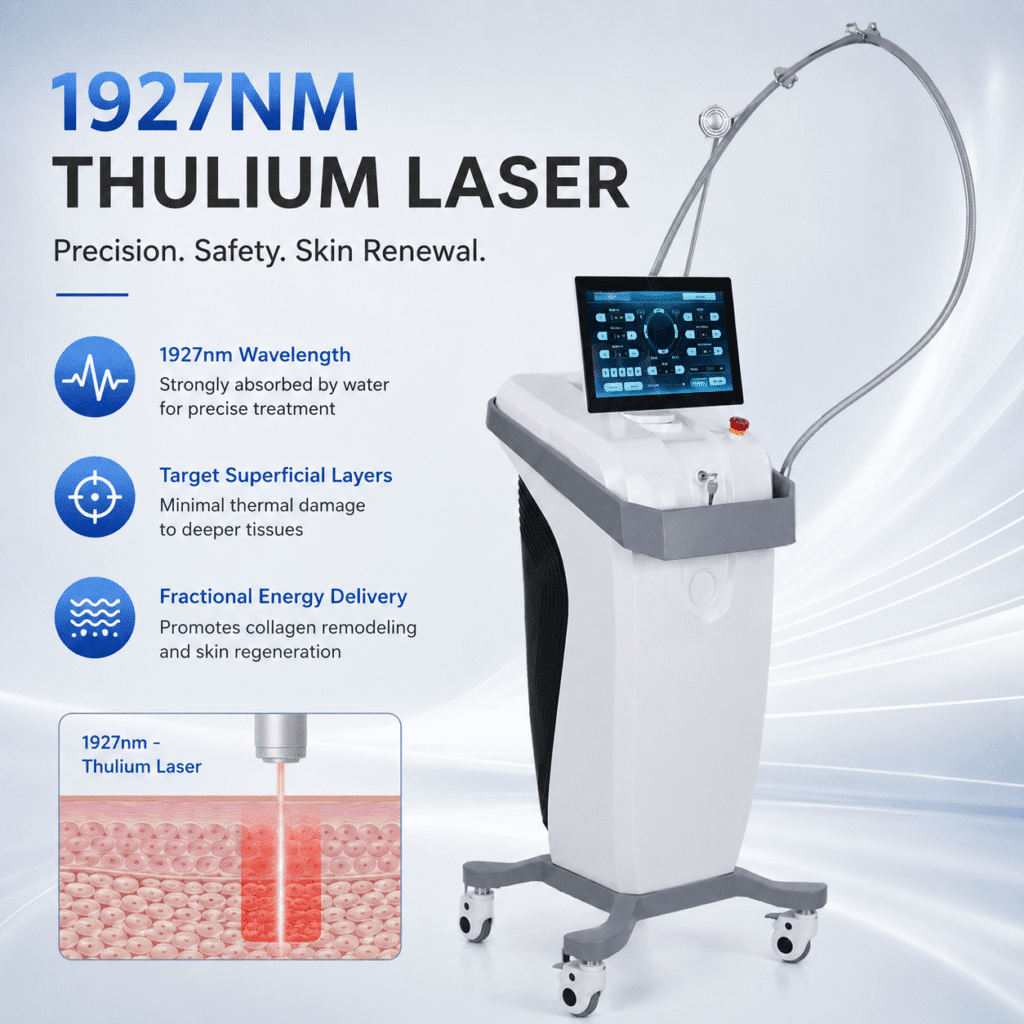
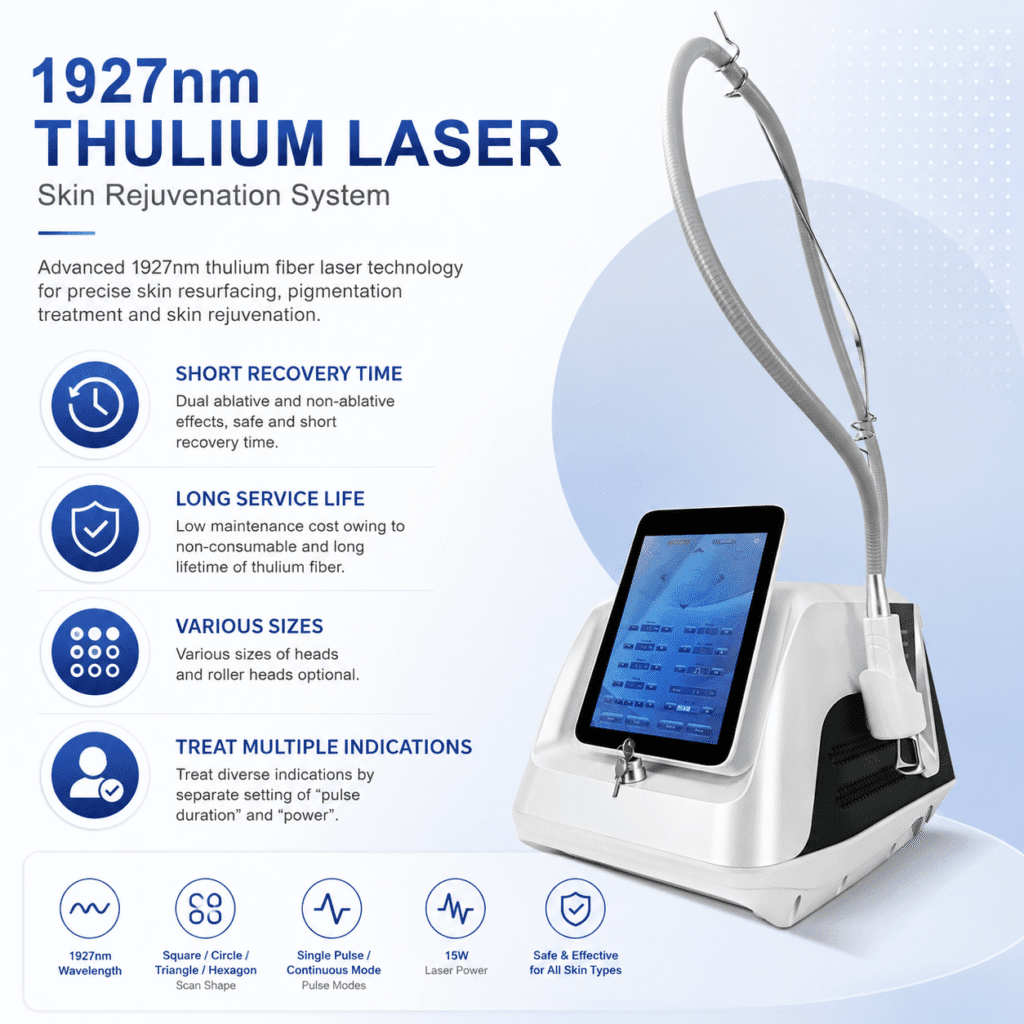
Laser and IPL skin treatment equipment can support pigmentation care, acne treatment, skin rejuvenation, vascular concerns, and photo-facial services. This category has strong revenue potential, but it also requires more professional positioning than basic facial equipment.
The trend is toward safer energy control, better cooling, clearer treatment protocols, and more specialized use cases. Salons and clinics want devices that can support multiple indications, but they also need training to avoid misuse.
This category may show stronger seasonal patterns in some markets. Treatments related to pigmentation, resurfacing, and photo-rejuvenation are often promoted more heavily in autumn and winter because sun exposure and recovery management are easier. This does not mean the category stops in summer, but marketing focus may shift.
For distributors, laser and IPL skin treatment devices are not just product sales. They require education, case guidance, safety communication, and after-sales readiness. The category is attractive, but it is less forgiving than simple skin management equipment.
Body Contouring Equipment: From Single Slimming To Body Management
Body contouring equipment includes RF slimming, vacuum RF, cavitation, cryolipolysis, EMS body sculpting, infrared body devices, and multifunctional body platforms. This category remains attractive because body-shaping services can create higher treatment packages and repeat visits.
The trend is moving from one-time slimming treatment to long-term body management. Salons increasingly package body services around waistline care, postpartum recovery, pre-summer preparation, wedding preparation, fitness support, and membership maintenance.
Customers are also becoming more realistic. They may not believe simple “lose weight fast” claims, but they can accept structured body contouring programs with multiple sessions, progress photos, lifestyle advice, and maintenance treatments. This is healthier for the market because it reduces overpromising.
Body contouring is a good category for salons that already have customer trust and staff sales ability. It may be more difficult for very small salons if they cannot sell multi-session packages. For distributors, the key is to provide project packaging and ROI logic, not just machine photos.
The strongest future direction is multifunctional body platforms that combine several technologies and support different body projects throughout the year.
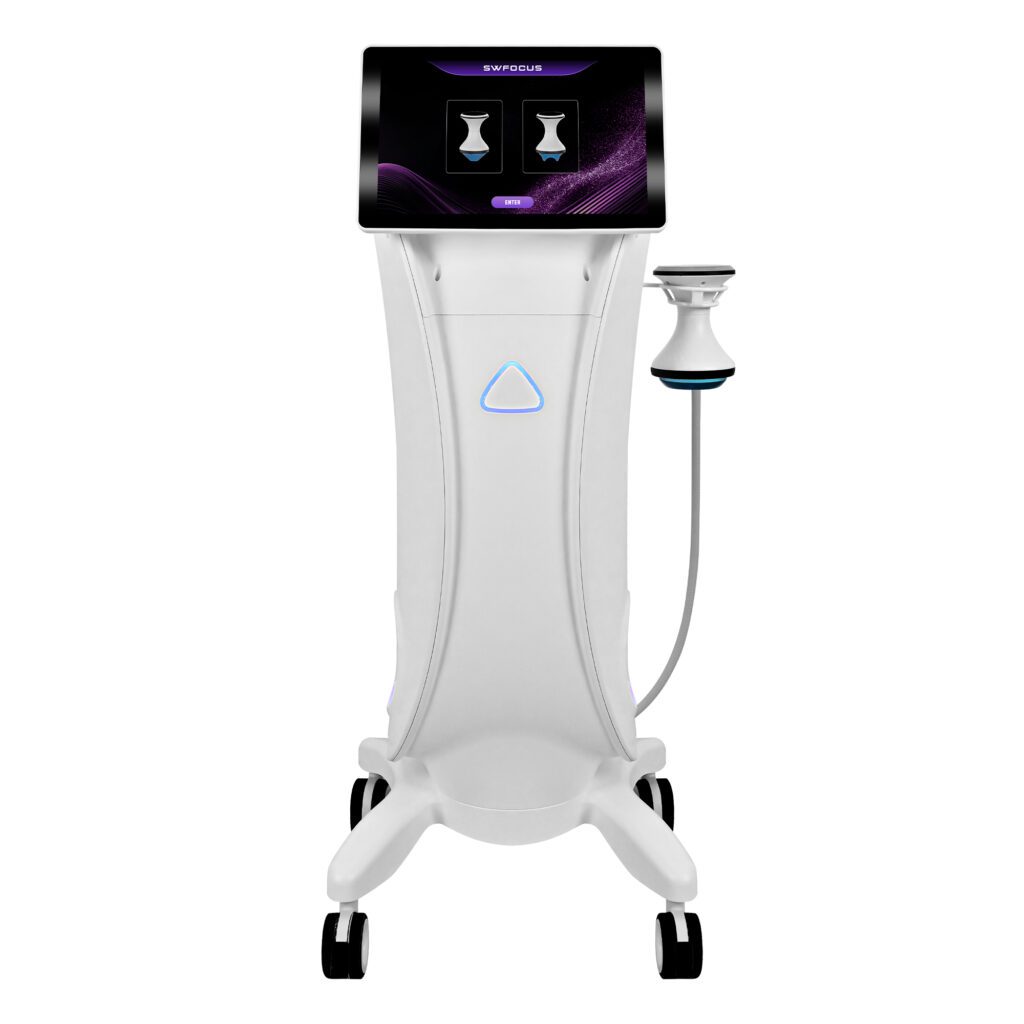
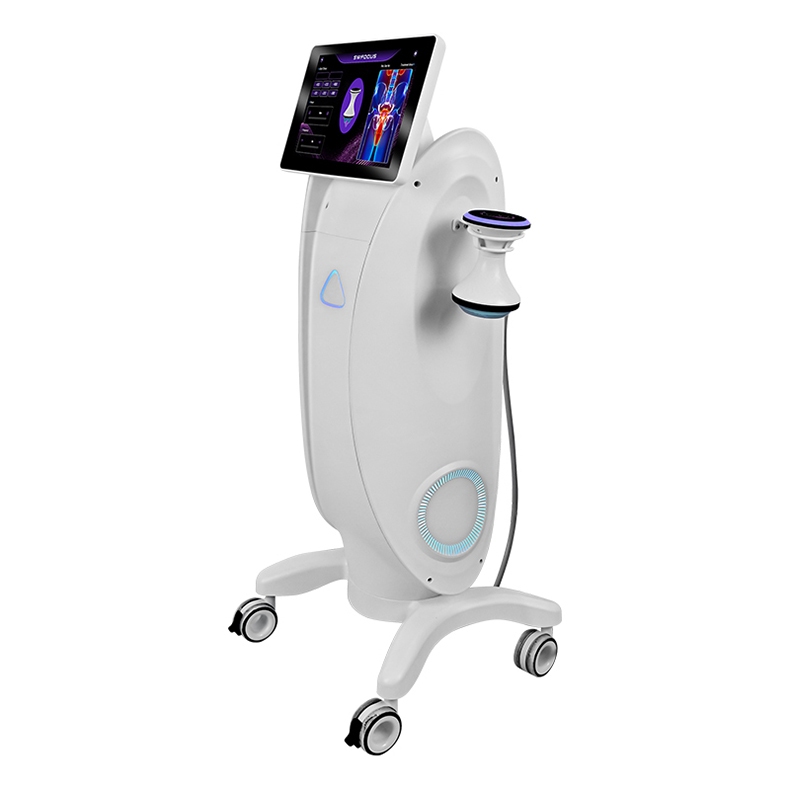
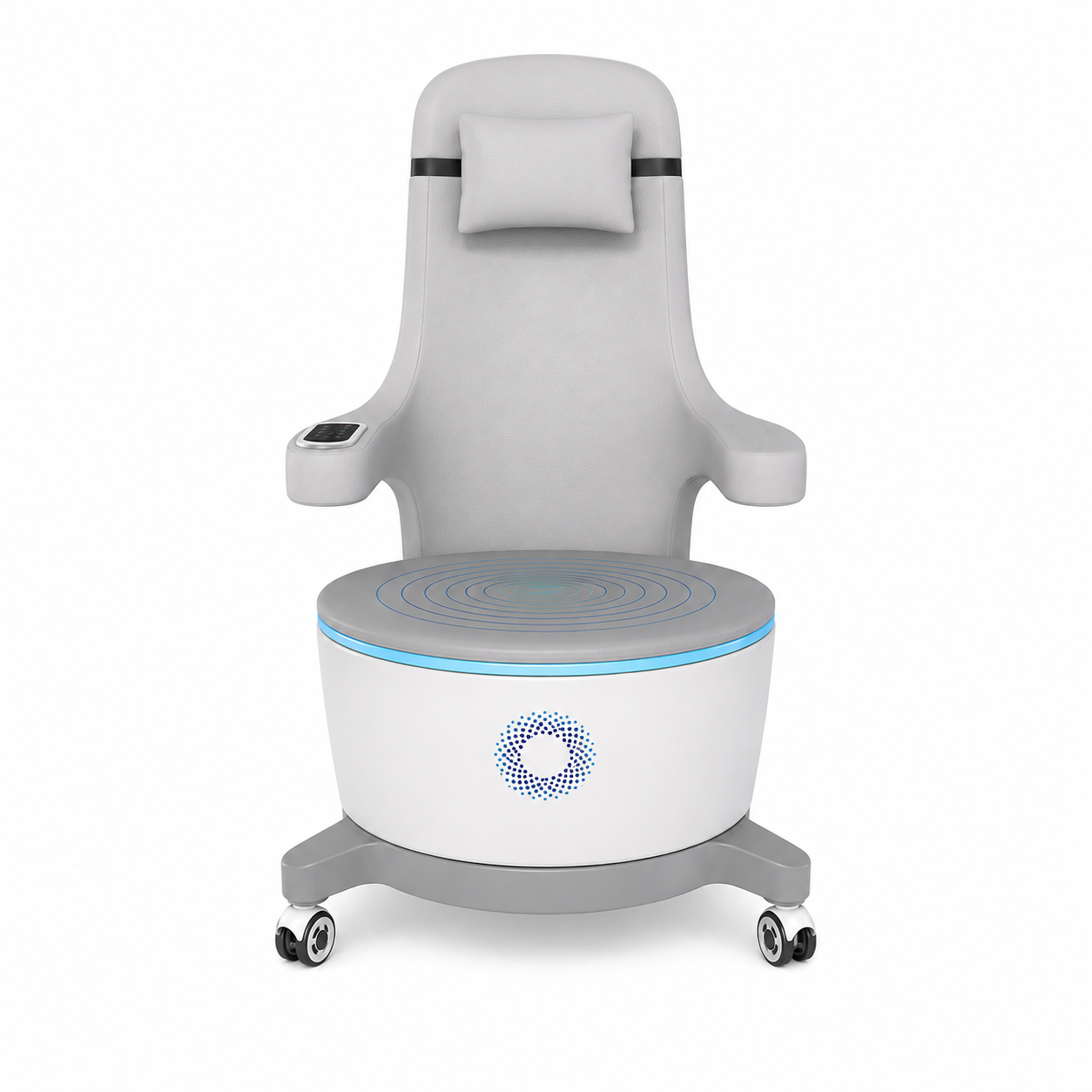
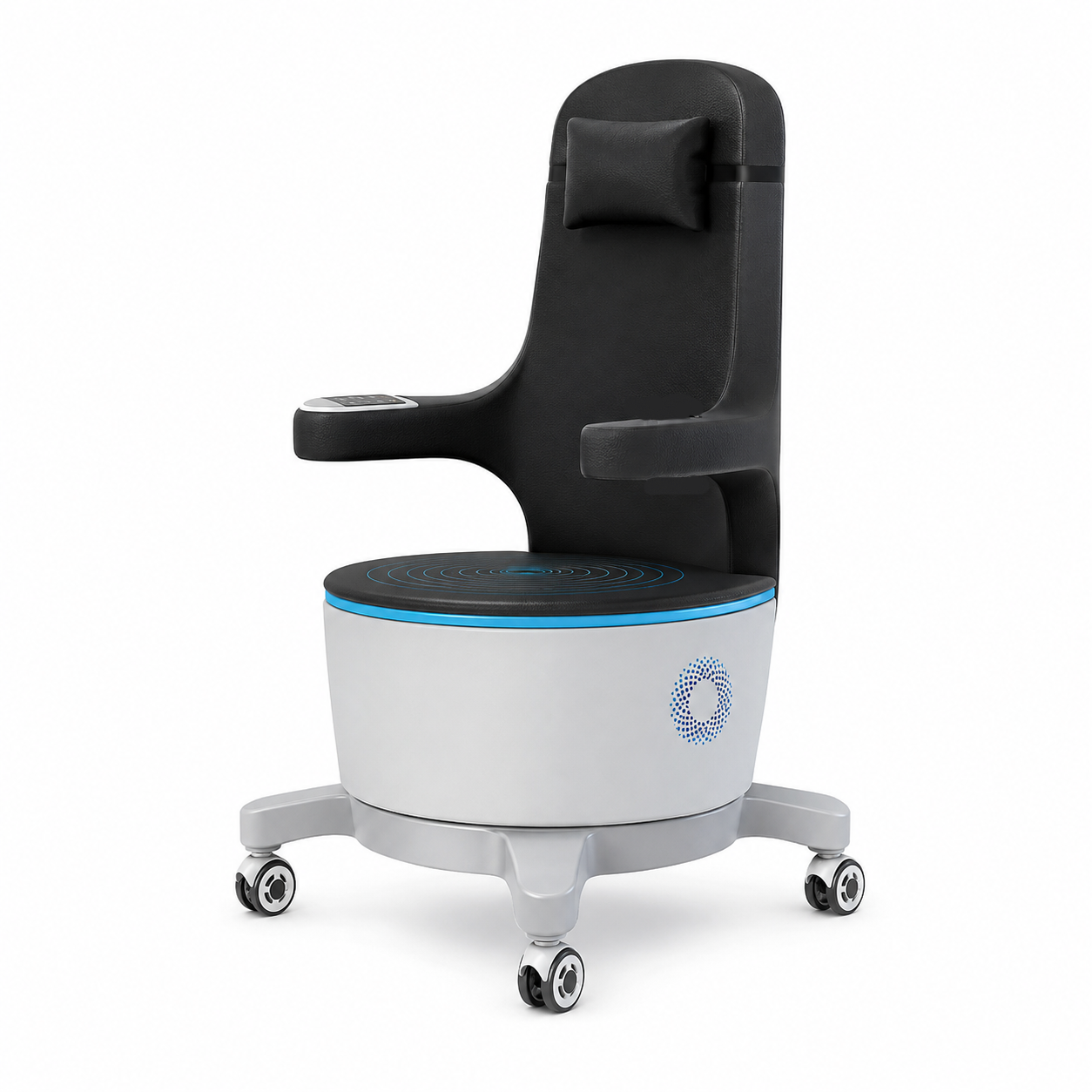
EMS Sculpting Devices: Fast-Growing, But Needs Differentiation
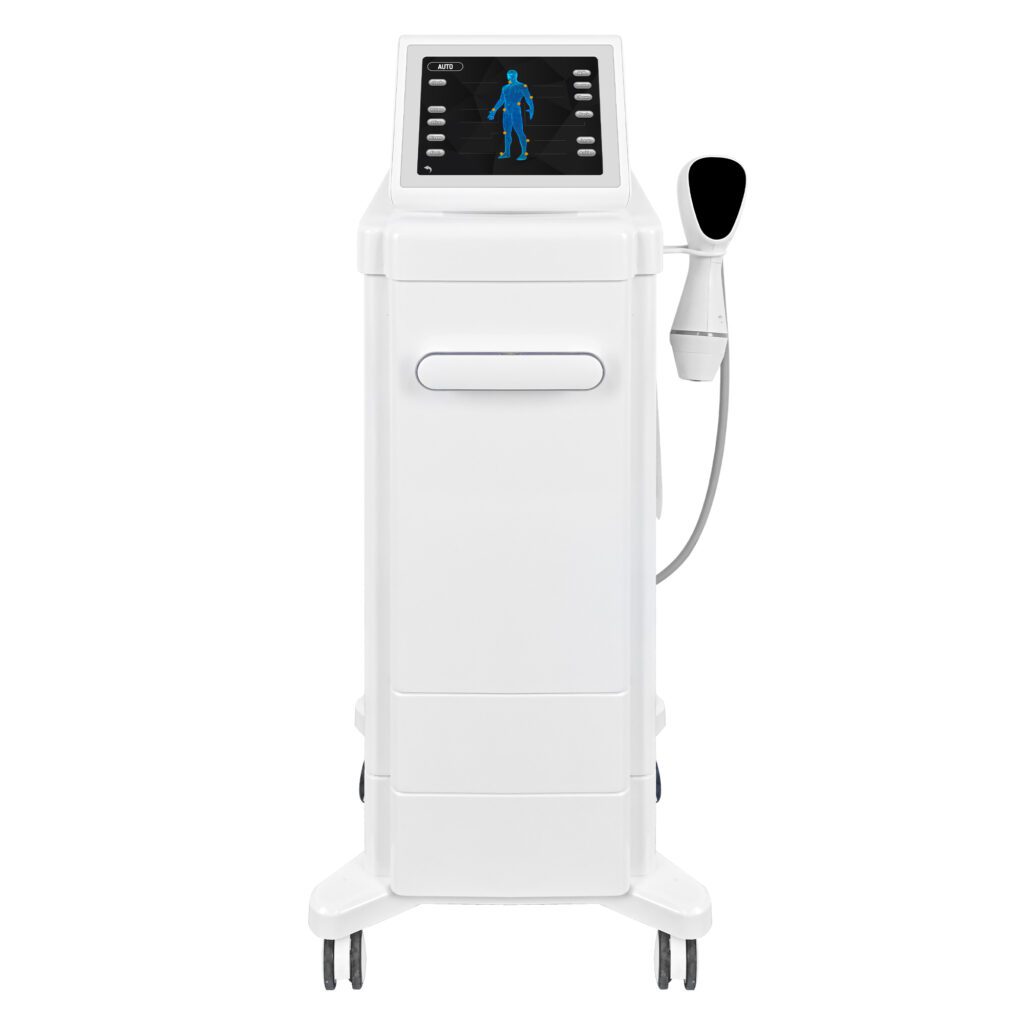
EMS and electromagnetic body sculpting devices have attracted attention because they connect body shaping with muscle stimulation. The category is easy to market because consumers understand the idea of toning, shaping, and strengthening.
The trend is toward better comfort, stronger applicator design, multiple treatment areas, shorter treatment time, and clearer positioning as a body management project. EMS devices can work well in salons, spas, fitness-related beauty businesses, and body care centers.
The risk is that the category can become hype-driven. If too many suppliers make similar claims, customers may become skeptical. Distributors need to avoid exaggerated promises and focus on realistic program design.
EMS equipment is more suitable when the salon can create packages around body shaping, postpartum recovery, fitness support, or high-end body management. It is less suitable when the salon only wants a cheap machine without a clear sales plan.
AI Skin Analysis Devices: From Optional Tool To Consultation Infrastructure
AI skin analysis devices are becoming more important because salons need better consultation, personalization, and treatment tracking. A skin analyzer does not generate revenue in the same way as an RF or laser machine, but it can improve conversion for many other services.
The trend is toward better imaging, easier reports, customer database management, treatment recommendation, progress comparison, and connection with salon software. The value is not only the scan itself. The value is how the scan helps the salon sell the right treatment plan.
AI skin analysis may become a standard tool in professional salons, especially those that sell skin management, anti-aging, acne care, pigmentation programs, and membership services. It helps turn subjective consultation into a more visual and data-supported process.
For distributors, this category is useful as an entry product, upsell product, or package product with skin management devices. But the sales pitch must be clear: the analyzer should help salons increase consultation quality, package conversion, and customer retention.
LED Therapy and Repair Devices: Stable Add-On Value
LED therapy and repair devices are often used for skin calming, post-treatment recovery, acne support, redness care, and general skin maintenance. This category may not always be the highest-ticket revenue driver, but it has stable value as an add-on service.
The trend is toward integration. LED is increasingly combined with hydro facial, RF, laser aftercare, oxygen infusion, and sensitive skin repair programs. Salons use it to improve treatment comfort and create more complete service packages.
LED devices are also attractive because they are easy to explain and usually have lower operating complexity. However, standalone LED machines may face price pressure unless they are positioned inside a stronger treatment system.
For distributors, LED devices can be useful for bundle sales and salon project upgrades. They work best when connected to a clear package, such as acne care, barrier repair, after-laser calming, or monthly skin maintenance.
Multifunctional Platforms: Strong Demand, But Not Always The Best Choice
Multifunctional beauty equipment is becoming more popular because salons want machines that support multiple projects and reduce idle time. A platform may combine RF, vacuum, cavitation, EMS, LED, ultrasound, oxygen, hydro dermabrasion, or skin analysis.
The trend is clear: salons want better equipment utilization and broader service menus. A multifunctional device can be attractive because it supports different customer groups and seasonal campaigns.
However, multifunctional does not automatically mean better. Some machines combine too many functions without strong performance in any one area. Salons may also become confused if staff are not trained to sell each project properly.
The best multifunctional platforms have a clear logic. Each function should support a real treatment package, and the supplier should provide protocols, training, and marketing support. A machine with ten functions is not valuable if the salon only knows how to sell one.
For beginner distributors, multifunctional devices can be easier to promote because they offer more selling points. But distributors should choose models with stable quality and practical treatment menus instead of chasing the longest function list.
Home-Use and Portable Devices: Influencing Salon Expectations
Home-use beauty devices and portable tools are affecting salon equipment trends. Consumers are more familiar with LED masks, microcurrent devices, cleansing devices, RF home tools, and hair removal devices. This creates both pressure and opportunity for salons.
The pressure is that salons must explain why professional equipment is different from home-use devices. The opportunity is that consumer education is easier because people already understand some beauty technologies.
Professional salons should not compete directly with home-use devices on price. They should emphasize professional assessment, stronger devices, safer operation, treatment combinations, visible tracking, and personalized programs.
For equipment distributors, this means marketing materials should clearly explain the difference between professional salon equipment and home-use tools. The trend is not only technology. It is education.
Which Categories Are Better For Beginner Distributors?
Beginner distributors usually need categories that are easy to explain, have stable demand, and do not require extremely complex technical support. Suitable categories often include:
- Hydro facial and skin management devices
- LED therapy and repair devices
- Basic RF facial and body devices
- Entry-level body contouring platforms
- Устройства для анализа кожи с использованием искусственного интеллекта
- Multifunctional salon devices with clear treatment menus
These categories can help new distributors build customer relationships and learn salon needs. High-end laser, advanced HIFU, and complex clinical-grade systems may be more profitable, but they also require stronger training, compliance awareness, and after-sales capability.
The best strategy is to start with stable categories, then add higher-value devices after building service capacity.
Which Categories Fit High-End Salons?
High-end salons and aesthetic centers usually need equipment that supports premium positioning, visible results, and higher treatment prices. Suitable categories may include:
- Advanced RF lifting systems
- HIFU or ultrasound lifting devices
- Diode laser hair removal with strong cooling and durability
- Professional laser or IPL skin treatment platforms
- Системы коррекции фигуры EMS
- High-end body contouring platforms
- AI skin analysis systems linked to personalized programs
High-end salons care less about the cheapest machine and more about result consistency, customer experience, safety, brand image, staff confidence, and after-sales support. They are more likely to accept higher equipment prices if the project can raise average transaction value and improve retention.
Which Categories Face The Most Price Competition?
The most price-sensitive categories are usually those with many similar-looking products and low technical differentiation. These often include basic hydro facial machines, simple RF devices, generic cavitation machines, low-end IPL devices, and some multifunctional machines with common configurations.
Price competition does not mean these categories are bad. It means suppliers need another reason to win. That reason can be better design, reliable quality, faster delivery, local warranty, project packaging, training videos, consumable supply, or stronger customer service.
In a crowded category, the distributor who only lowers price may win one order but lose profit. The distributor who helps salons sell treatments can build longer relationships.
How Distributors Should Build A Category Portfolio
A strong beauty equipment distributor should not depend on only one hot category. A healthier portfolio can include:
- Stable traffic products: skin management, hydro facial, LED, AI skin analysis
- High-revenue products: RF lifting, HIFU, laser, body contouring, EMS sculpting
- Seasonal products: diode laser hair removal, body slimming, pigmentation devices
- Bundle products: LED, oxygen infusion, consumables, skin analyzers
- Upgrade products: premium multifunctional platforms and advanced energy-based devices
This structure helps distributors serve different salon types and reduce risk. If one category slows down, another category may still create sales.
Distributors should also match product categories with support level. A simple device may need basic training and fast delivery. A high-end device needs treatment protocols, technical education, marketing support, and strong after-sales service.
Заключение
Different beauty equipment categories are developing in different directions. Skin management devices are becoming more standard and membership-friendly. RF and HIFU remain important anti-aging tools but need stronger positioning. Diode laser and IPL hair removal have stable demand but strong price pressure. Laser skin treatment devices offer high value but require professional training. Body contouring and EMS devices are moving toward long-term body management. AI skin analysis is becoming a consultation and conversion tool. Multifunctional platforms are growing because salons want better equipment utilization.
For distributors and salons, the biggest opportunity is not simply choosing the hottest machine. It is understanding which category fits which customer, which price level, which service model, and which support system. The beauty equipment market still has room to grow, but future success will depend more on category strategy than on product lists alone.
Часто задаваемые вопросы
Which beauty equipment category has the most stable demand?
Skin management devices, hydro facial machines, LED therapy, basic RF devices, and AI skin analysis systems usually have more stable year-round demand because they fit daily salon services and membership programs.
Which beauty equipment category is best for high-end salons?
High-end salons often prefer advanced RF lifting, HIFU, diode laser hair removal, professional laser or IPL skin treatment systems, EMS sculpting, and premium body contouring platforms.
Which beauty equipment category is best for beginner distributors?
Beginner distributors can start with hydro facial devices, LED therapy, basic RF machines, AI skin analyzers, and practical multifunctional platforms because these products are easier to explain and sell.
Are multifunctional beauty devices becoming more popular?
Yes. Salons want higher equipment utilization and broader treatment menus. However, multifunctional devices must have practical functions, stable quality, and clear treatment packages.
Is AI skin analysis becoming important for beauty salons?
Yes. AI skin analysis helps salons improve consultation, personalize treatment plans, track progress, and increase conversion for skin management and anti-aging services.