









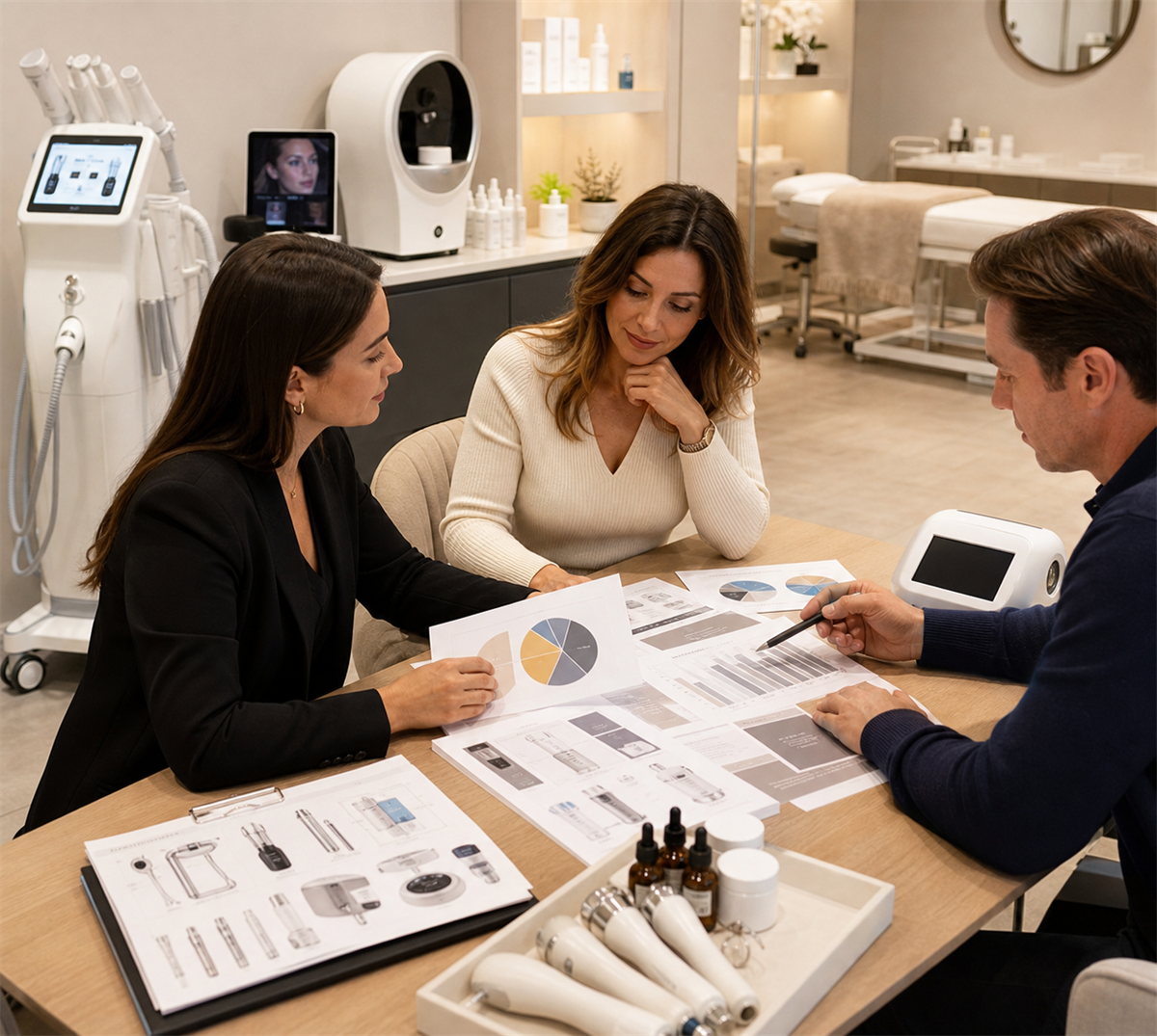
Небольшим и средним салонам красоты необходимо оборудование, но они не могут приобретать его так же, как крупные сети, элитные центры по уходу за кожей или медицинские эстетические клиники. Их бюджет, как правило, более ограничен, поток клиентов еще формируется, возможности обучения персонала могут быть ограничены, а денежный поток часто важнее, чем демонстрация продукции.
Для этих салонов оптимальный бюджет на оборудование — это не самый большой бюджет. Это бюджет, который учитывает реальный спрос со стороны клиентов, частое использование, понятные пакеты услуг, доступное обучение, быструю окупаемость и достаточный денежный резерв после покупки.
В этом отчете анализируется, как малым и средним салонам красоты следует планировать бюджеты на закупку оборудования, каким категориям устройств следует отдавать приоритет, какой объем капитала следует зарезервировать и как салоны могут избежать избыточных закупок оборудования, которое простаивает без дела.
Управляющее резюме
Спрос на оборудование для салонов красоты продолжает расти, но небольшие и средние салоны становятся все более осторожными. Публичные рыночные отчеты указывают на более широкое расширение отрасли. По оценкам 360iResearch, мировой рынок оборудования для салонов красоты и косметологических салонов составит 13,81 млрд долларов США в 2025 году и 14,73 млрд долларов США в 2026 году, с прогнозируемым ростом до 23,19 млрд долларов США к 2032 году. Grand View Research оценивает мировой рынок косметологических устройств на основе энергии в 7,5 млрд долларов США в 2025 году и прогнозирует рост с 8,1 млрд долларов США в 2026 году до 15,7 млрд долларов США к 2033 году. Fortune Business Insights оценивает мировой рынок косметологических инструментов в 73,53 млрд долларов США в 2025 году и прогнозирует его рост с 76,33 млрд долларов США в 2026 году до 117,29 млрд долларов США к 2034 году.
Эти показатели роста не означают, что каждый небольшой салон должен немедленно покупать больше оборудования. Для малых и средних салонов приобретение оборудования должно быть связано с денежным потоком, востребованностью у местных клиентов, ценообразованием услуг, работой персонала и рентабельностью инвестиций.
Основные выводы:
- Небольшим салонам красоты, как правило, следует начинать с высокочастотных, простых в использовании и менее рискованных устройств, а не с дорогостоящих современных аппаратов.
- В салонах среднего размера после подтверждения спроса со стороны клиентов и определения цен можно добавить услуги радиочастотной терапии, микротоковой терапии, анализа состояния кожи с помощью ИИ, светодиодной терапии, оборудования для тела или оборудования для эпиляции.
- В небольших салонах красоты практичный бюджет на первую партию оборудования часто включает в себя анализ кожи, гидропилинг или процедуру с использованием мелких пузырьков, кислородную или ультразвуковую инфузию, светодиодную терапию и компактное многофункциональное оборудование для ухода за лицом.
- Салонам красоты следует резервировать средства на расходные материалы, обучение персонала, маркетинг, запасные части и обеспечение денежного потока, вместо того чтобы тратить весь бюджет на оборудование.
- Перед покупкой следует рассчитать рентабельность инвестиций, используя следующие показатели: общие инвестиции, переменные затраты на одну процедуру, цена процедуры, валовая прибыль, точка безубыточности и период окупаемости.
- Поэтапная покупка безопаснее, чем приобретение всех устройств сразу после распаковки.
- Гарантийные обязательства поставщика, обучение персонала, запасные части и послепродажное обслуживание должны быть включены в бюджетные решения.
- Риски, связанные с соблюдением нормативных требований и рекламными заявлениями, следует проверять в отношении устройств, использующих энергию, свет, эпиляцию, коррекцию контуров тела, радиочастотное излучение, ультразвук и аналогичные методы.
1. Почему планирование бюджета на оборудование имеет значение
Оборудование может помочь салону повысить качество услуг, укрепить доверие клиентов и создать комплексные пакеты процедур. Однако, если салон закупит слишком много оборудования слишком рано, оно может стать и финансовым бременем.
Неэффективное планирование бюджета может привести к следующим последствиям:
- Давление на денежный поток.
- простаивающие машины.
- Низкий уровень использования оборудования.
- Слабая подготовка персонала.
- Запутанные меню лечения.
- Высокие затраты на техническое обслуживание.
- Нехватка расходных материалов.
- Медленная отдача.
- Продажи, основанные на скидках.
- Возникли трудности с последующим обновлением.
Для небольших и средних салонов закупка оборудования должна быть поэтапным вложением, а не единовременной покупкой.
2. Что входит в бюджет закупки оборудования?
Многие владельцы салонов красоты учитывают только стоимость оборудования. Это слишком узкий подход. Реальный бюджет на оборудование должен включать все затраты, необходимые для запуска и эксплуатации проекта по его приобретению.
В бюджет входят следующие статьи:
- Цена покупки оборудования.
- Доставка и грузоперевозки.
- Ввозные пошлины или налоги, где это применимо.
- Стоимость установки.
- Обучение операторов.
- Принадлежности и наконечники.
- Первоначальные расходные материалы.
- Резерв запасных частей.
- Лечебные кровати, каталки, лампы и вспомогательные инструменты.
- Электрические или комнатные настройки.
- Затраты на запуск маркетинговой кампании.
- Обучение персонала продажам.
- Резерв на техническое обслуживание.
- Стоимость доставки для ремонта или гарантийного обслуживания.
- Подписка на программное обеспечение (при наличии).
- Проценты по кредиту при покупке в рассрочку.
Реальный бюджет определяется не “стоимостью оборудования”. Реальный бюджет определяется тем, “сколько капитала необходимо, прежде чем этот проект по приобретению оборудования сможет безопасно приносить доход”.”
3. Характеристики небольшого бюджета салона.
Небольшие салоны красоты обычно имеют меньше помещений, меньше персонала, меньший стартовый капитал и более тесные отношения с постоянными клиентами. Им необходимо оборудование, которое можно часто использовать и которое легко объяснить.
Характеристики бюджета небольшого салона:
- Ограниченный денежный резерв.
- Повышенная чувствительность к сроку окупаемости.
- Снижена способность компенсировать простой оборудования.
- Необходимость в компактных устройствах.
- Необходимость в упрощении процесса обучения персонала.
- Предпочтение отдается многофункциональному или высокочастотному оборудованию.
- Повышенная потребность в послепродажной поддержке со стороны поставщиков.
- Повышенный риск возникает, если выходит из строя одна дорогостоящая машина.
Небольшим салонам красоты следует избегать создания впечатляющего ассортимента оборудования, который не соответствует потоку клиентов.
4. Характеристики бюджета салона среднего размера
Салоны красоты среднего размера обычно имеют больше кабинетов, более обширную клиентскую базу, больше категорий услуг и лучшие возможности для продажи комплексных пакетов. Их бюджет на оборудование может быть больше, но все равно требуется дисциплина.
Характеристики среднего бюджета салона красоты:
- Больше возможностей для модернизации сервиса.
- Растет спрос на устройства для омоложения и ухода за кожей.
- Улучшение возможностей по продаже курсов.
- Необходимость в более стандартизированных протоколах.
- Дополнительные требования к обучению персонала.
- Отслеживание использования оборудования приобретает все большее значение.
- Усиливается необходимость в планировании продуктового портфеля.
Салоны среднего размера могут приобретать более современное оборудование, чем небольшие салоны, но только после подтверждения спроса со стороны клиентов, оценки стоимости и рентабельности инвестиций.
5. Практические бюджетные диапазоны для небольших и средних салонов.
Точные бюджеты варьируются в зависимости от страны, города, качества оборудования, поставщика, обменного курса, местоположения салона, а также от того, новое оборудование, бывшее в употреблении, местное или импортное. Приведенные ниже диапазоны являются практическими ориентирами для планирования, а не универсальными правилами.
Небольшой салон, созданный по принципу "бережливого старта":
- Бюджет на оборудование: от 3000 до 8000 долларов США.
- Подходит для базового ухода за лицом, салонов красоты, работающих в небольших городах, и новых салонов с ограниченным бюджетом.
- Главная цель: открыть доступ к основным сервисам, укрепить доверие, обеспечить повторные посещения.
Стандартный небольшой салон:
- Бюджет на оборудование: от 8 000 до 20 000 долларов США.
- Подходит для салонов, которым требуется базовый уход за кожей, а также один-два дополнительных проекта.
- Главная цель: сочетание высокочастотного ухода с ранним омоложением или анализом состояния кожи.
Салон среднего размера на стадии роста:
- Бюджет на оборудование: от 20 000 до 50 000 долларов США.
- Подходит для салонов со стабильным потоком клиентов и продажей комплексных пакетов услуг.
- Основная цель: добавить радиочастотную терапию, микротоковую терапию, анализ состояния кожи с помощью ИИ, светодиодную терапию, восстановительные процедуры или отдельные проекты по удалению волос или загрязнению тела.
Премиальный центр по уходу за кожей среднего размера:
- Бюджет на оборудование: от 50 000 до 100 000 долларов США и более.
- Подходит только в том случае, если салон позиционирует себя как заведение высокого класса, имеет квалифицированный персонал, высокий спрос со стороны клиентов и очевидную окупаемость инвестиций.
- Главная цель: разработка профессиональных систем омоложения, передовых систем ухода за кожей, систем ухода за телом или систем премиум-класса.
Наиболее безопасный подход — начать с минимального оборудования, необходимого для успешных продаж, а затем реинвестировать выручку в модернизацию.
6. Распределение бюджета для нового небольшого салона.
Новому небольшому салону не следует тратить весь капитал на оборудование. Оборудование важно, но не менее важны аренда, персонал, маркетинг, запасы косметики, обучение и денежные резервы.
Практическое распределение начального капитала может быть следующим:
- От 35 до 50 процентов на косметическое оборудование и вспомогательные инструменты.
- От 10 до 20 процентов на средства по уходу за кожей и расходные материалы.
- От 10 до 15 процентов на обучение персонала и маркетинговую поддержку запуска.
- От 15 до 25 процентов на денежный резерв.
- Остаток бюджета предназначен для отделки, залога за аренду, регистрации бизнеса, программного обеспечения и текущих расходов.
Если оборудование поглотит слишком большую часть первоначального капитала, у салона может не хватить денег, чтобы привлечь клиентов после открытия. Аппарат не принесет дохода, если клиенты не знают о проекте, а персонал не может его продать.
7. Распределение бюджета на оборудование внутри портфеля устройств.
В рамках бюджета на оборудование небольшой или средний салон может использовать модель распределения ресурсов по портфелю.
Рекомендуемое распределение:
- От 35 до 45 процентов для высокочастотного оборудования для лица.
- От 10 до 15 процентов на консультации и инструменты для анализа кожи.
- От 15 до 25 процентов за один проект по модернизации до премиум-класса.
- От 10 до 15 процентов на увлажнение, восстановление, светодиодную терапию или вспомогательные устройства.
- От 10 до 15 процентов на аксессуары, расходные материалы, запасные части и вспомогательные инструменты.
Такая структура предотвращает чрезмерные траты салона на одно дорогостоящее устройство при игнорировании ежедневных потребностей в обслуживании.
8. Оборудование первой партии для салонов, работающих по принципу бережливого производства.
Для салонов с ограниченным стартовым бюджетом на первом этапе следует сосредоточиться на оборудовании, которое часто используется, не требует сложного обучения и пользуется широким признанием у клиентов.
Предлагаемые категории для первой партии:
- Базовое оборудование для анализа кожи.
- Гидромассаж лица или устройство для создания эффекта пузырьков.
- Кислородная инфузия или ультразвуковой инфузионный аппарат.
- Устройство для светодиодной терапии.
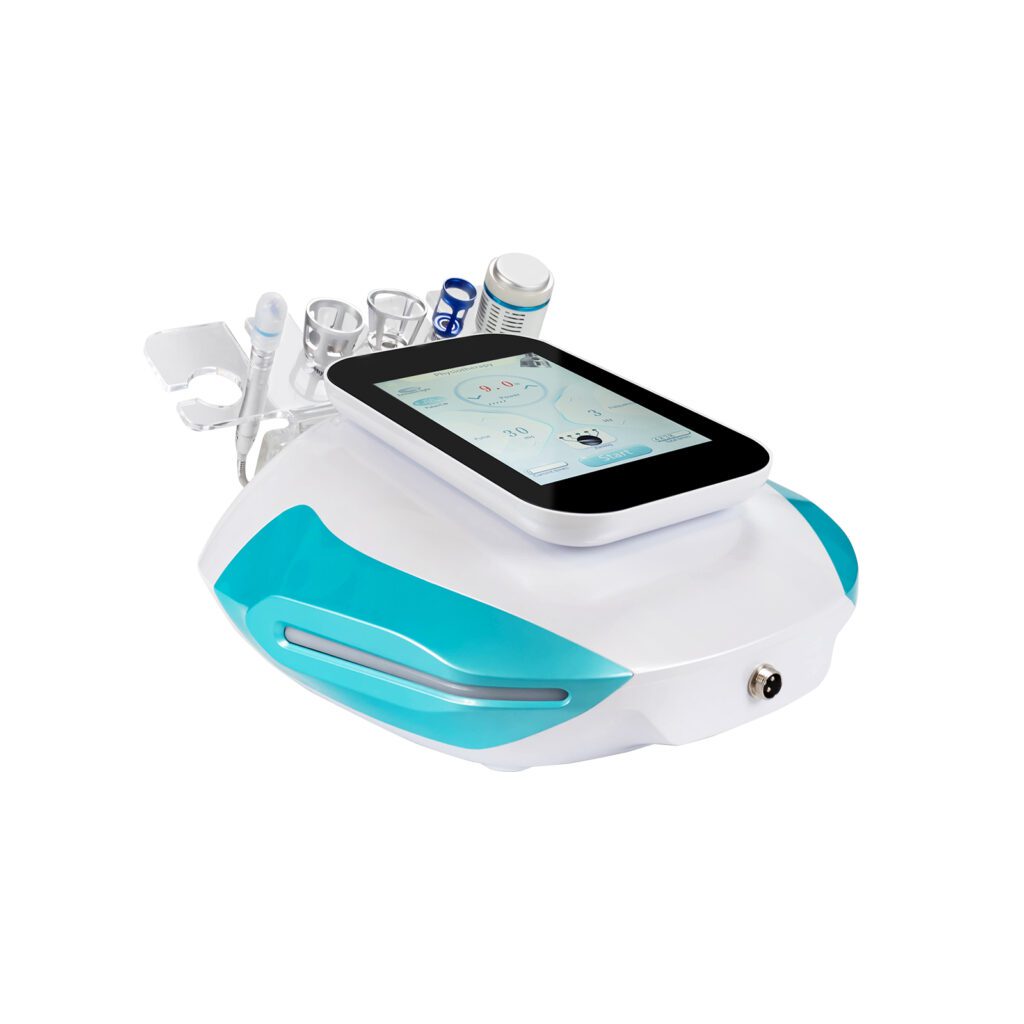
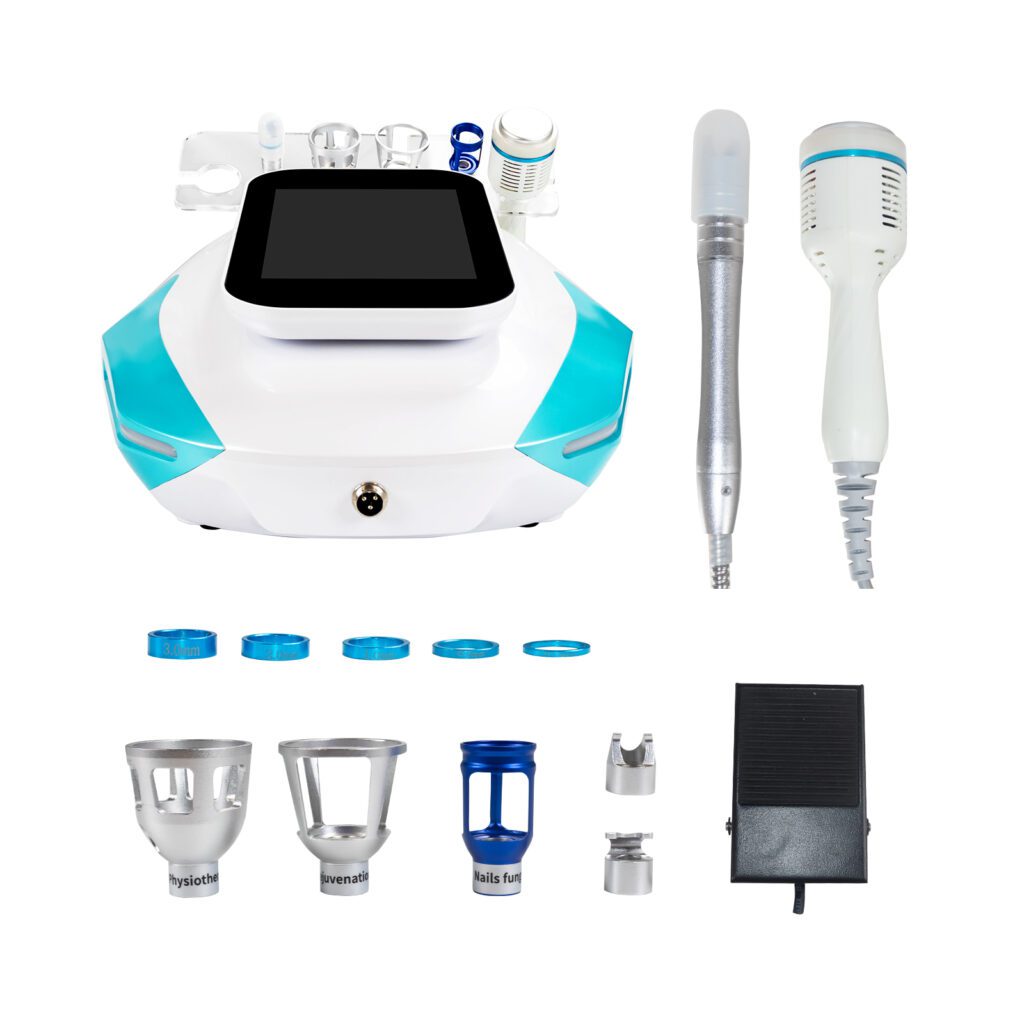
- Компактный многофункциональный аппарат для ухода за лицом.
- Охлаждающее или успокаивающее средство.
- Основные средства и расходные материалы для оказания первой помощи.
Цель состоит не в том, чтобы охватить все категории товаров для красоты. Цель — создать несколько услуг, которые клиенты будут понимать и которыми смогут пользоваться ежемесячно.
9. Оборудование первой партии для небольших стандартных салонов красоты.
В небольших стандартных салонах после проведения базовых процедур по уходу за кожей можно добавить один аппарат для омоложения или премиальную терапию.
Рекомендуемая конфигурация:
- Цифровой анализатор кожи.
- Гидромассаж лица или устройство для создания эффекта пузырьков.
- Кислородная или ультразвуковая инфузия.
- Светодиодная светотерапия.
- Микротоковое устройство EMS.
- Мягкое радиочастотное устройство, если очевидна потребность в омолаживающем эффекте.
- Охлаждающее и успокаивающее оборудование.
- Вспомогательные средства и расходные материалы для лечения.
Данная программа включает в себя очищение, увлажнение, анализ состояния кожи, профилактику ранних стадий старения, поддержание контуров лица, а также ежемесячные пакеты услуг.
10. Бюджет на оборудование для салонов среднего размера, специализирующихся на уходе за кожей.
Салоны, специализирующиеся на уходе за кожей среднего размера, могут инвестировать в более комплексную систему услуг.
Рекомендуемая конфигурация:
- Система анализа кожи на основе искусственного интеллекта.
- Аппарат для гидропилинга или гидродермабразии.
- Оборудование для введения кислорода или сыворотки.
- Профессиональная система светодиодной терапии.
- Оборудование для микротоковой электростимуляции (ЭМС).
- Радиочастотное косметическое оборудование.
- Устройство охлаждения и рекуперации.
- Цифровые базы данных клиентов или инструменты для управления салоном.
- Дополнительное оборудование для удаления волос или коррекции контуров тела предоставляется по запросу, если будет подтвержден спрос.
В салонах среднего размера следует подбирать комбинации оборудования в зависимости от предлагаемых услуг, а не только от категорий аппаратов. Например, программа омоложения может включать в себя анализ кожи, гидропилинг, радиочастотную терапию, светодиодную терапию, инфузионную терапию и последующее наблюдение.
11. Каким устройствам следует отдать приоритет?
Небольшим и средним салонам красоты, как правило, следует отдавать приоритет устройствам, отвечающим следующим условиям:
- Клиенты быстро понимают преимущества.
- Устройство можно использовать часто.
- Данный метод лечения может продаваться в комплекте.
- Обучение персонала вполне осуществимо.
- Стоимость расходных материалов очевидна.
- Устройство подходит по размеру для данного помещения и соответствует рабочему процессу.
- Послепродажное обслуживание поставщика надежное.
- Срок окупаемости реалистичен.
К приоритетным категориям часто относятся:
- Анализ кожи.
- Гидромассаж лица и процедура с использованием мелкой пены.
- Введение кислорода.
- Ультразвуковая очистка и инфузия.
- Светодиодная светотерапия.
- Микротоковая электромиостимуляция (ЭМС).
- Мягкое радиочастотное воздействие.
- Компактные многофункциональные аппараты для ухода за лицом.
Эти устройства могут использоваться для базового ухода, поддержания здоровья кожи, а также для модернизации среднего уровня.
12. Какие устройства следует приобретать с осторожностью
Некоторые устройства могут быть прибыльными, но на начальном этапе они не всегда подходят для небольших и средних салонов.
Покупайте внимательно:
- Системы для удаления волос.
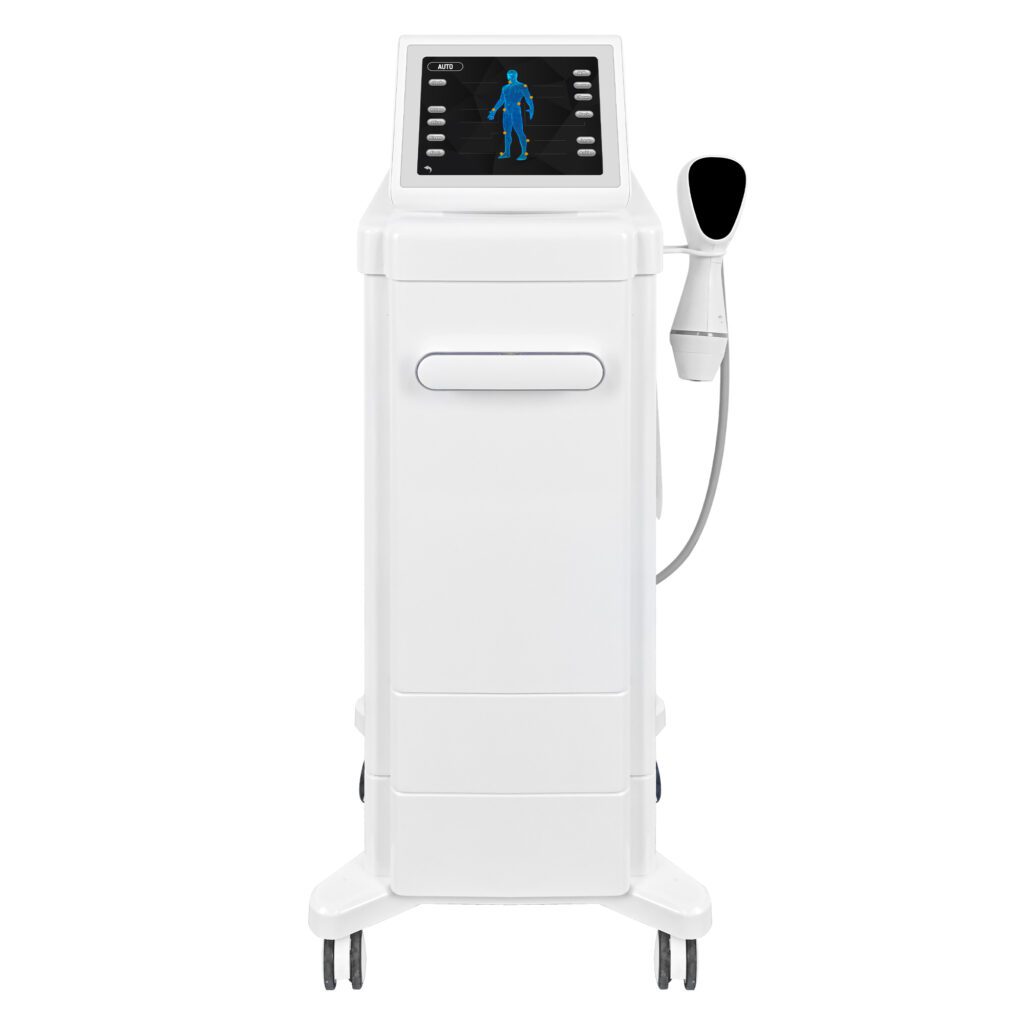
- Системы коррекции контуров тела.
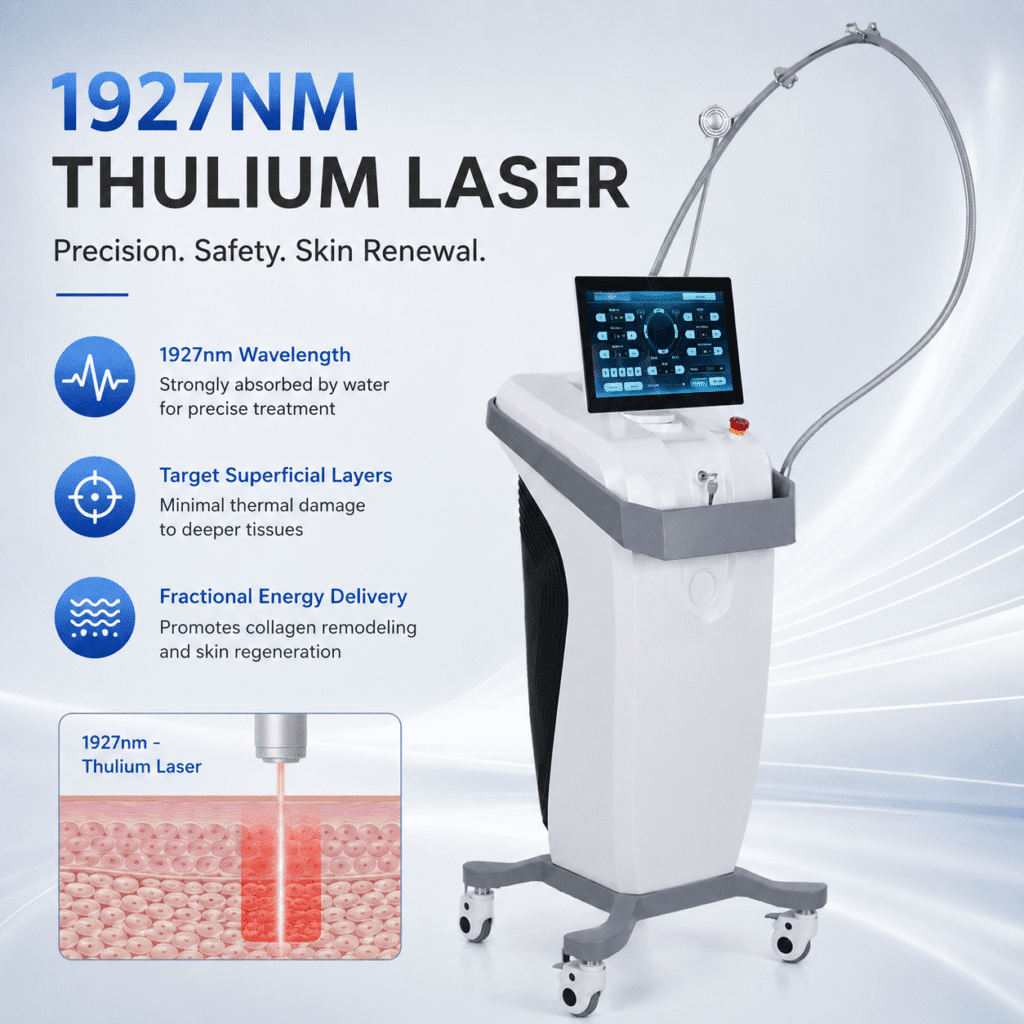
- Передовые радиочастотные платформы.
- Косметические приборы, используемые в ультразвуковой диагностике.
- Использование IPL- или лазерных устройств разрешено законом.
- Оборудование для частного медицинского обслуживания.
- Оборудование для восстановления после родов.
- Дорогие однофункциональные аппараты для омоложения.
Для этих категорий могут потребоваться более высокие инвестиции, больше обучения, более строгий контроль соответствия, отдельные комнаты, более длительные сессии и более высокий уровень доверия клиентов. Их следует приобретать после подтверждения рыночного спроса и ценообразования.
13. Бюджет по категориям устройств
Различные категории по-разному влияют на бюджет.
Оборудование для анализа кожи:
- Часто бывает полезно даже в условиях ограниченного дохода от прямых услуг.
- Помогает улучшить качество консультаций и конверсию пакетов услуг.
- В бюджет следует включить программное обеспечение, хранилище данных, обучение и обновления.
Гидромассаж лица и процедура с использованием мелких пузырьков:
- Обычно это основные высокочастотные устройства.
- В бюджет следует включить чаевые, фильтры, растворы и техническое обслуживание.
Светодиодная светотерапия:
- Чаще всего лучше всего работает в качестве вспомогательного устройства в упаковках.
- В бюджет следует включить инструкции по технике безопасности и протоколы лечения.
Микротоковая электромиостимуляция (ЭМС):
- Полезно для раннего омоложения и поддержания контуров лица.
- В бюджет следует включить обучение операторов и рекомендации по противопоказаниям.
Радиочастотное косметическое оборудование:
- Идеально подходит для премиальных проектов по борьбе со старением.
- В бюджет следует включить обучение персонала, наконечники, техническое обслуживание и средства обеспечения безопасности.
Удаление волос:
- Может приносить доход от продажи комплектов продукции, но может столкнуться с ценовой конкуренцией.
- В бюджет следует включить показатели эффективности охлаждения, стоимость наконечника или лампы, потребности в отдельных палатах и проверку на соответствие нормативным требованиям.
Коррекция контуров тела:
- Может поддерживать дорогостоящие кузовные комплекты.
- В бюджет следует включить средства измерения, обеспечение конфиденциальности, увеличение времени пребывания в помещении и обучение персонала навыкам консультирования.
14. Формула ROI для принятия решений по бюджету на оборудование
Каждый бюджет на оборудование должен быть связан с окупаемостью инвестиций.
Основные формулы:
Общие инвестиции = стоимость оборудования + доставка + налоги + установка + обучение + аксессуары + первоначальные расходные материалы + маркетинговые расходы на запуск + затраты на настройку
Валовая прибыль с одной процедуры = цена процедуры – переменные затраты на одну процедуру
Точка безубыточности = общие инвестиции / валовая прибыль от одной процедуры
Срок окупаемости в месяцах = общая сумма инвестиций / ежемесячный чистый взнос
Управление по делам малого бизнеса США использует логику безубыточности, основанную на делении постоянных затрат на разницу между ценой продажи и переменными затратами. Салоны красоты могут применить ту же идею к проектам по приобретению оборудования.
15. Пример расчета ROI
Пример:
- Общий объем инвестиций в проект по оснащению оборудованием: 8 000 долларов США.
- Стоимость лечения: 120 долларов США.
- Расходные материалы и продукция: 18 долларов США.
- Комиссионные и расходные материалы для персонала: 22 доллара США.
- Переменные затраты на одну процедуру: 40 долларов США.
- Валовая прибыль с одной процедуры: 80 долларов США.
Сессии, обеспечивающие безубыточность:
- 8000 долларов США / 80 долларов США = 100 сеансов.
Если салон продает 25 сеансов в месяц:
- Ежемесячная валовая прибыль = 25 x 80 долларов США = 2000 долларов США.
- Если дополнительный ежемесячный резерв на маркетинг и техническое обслуживание составляет 300 долларов США, то ежемесячный чистый взнос составит 1700 долларов США.
- Срок окупаемости = 8000 долларов США / 1700 долларов США = примерно 4,7 месяца.
Если салон продает всего 8 сеансов в месяц, окупаемость значительно замедляется. Именно поэтому решения о бюджете должны приниматься на основе реалистичного объема проведенных процедур.
16. Разработайте консервативный, стандартный и сценарий роста.
Небольшим и средним салонам красоты никогда не следует рассчитывать бюджет, опираясь только на завышенные цифры.
Консервативный сценарий:
- Меньший объем лечения.
- Снижена конверсия пакета.
- Больше скидок.
- Более длительный срок окупаемости.
Стандартный сценарий:
- Реалистичный объем лечения.
- Ценообразование, соответствующее рыночным условиям.
- Умеренное преобразование пакета.
- Приемлемая отдача.
Сценарий роста:
- Высокий спрос со стороны покупателей.
- Более высокая конверсия пакетов.
- Более эффективное использование.
- Более быстрая окупаемость.
Покупка безопаснее, если консервативный сценарий остается приемлемым. Если оборудование кажется прибыльным только в наилучшем случае, салону следует сократить бюджет или отложить покупку.
17. Резерв денежных средств является частью бюджета.
Небольшим и средним салонам следует оставлять денежный резерв после приобретения оборудования. Без резерва у салона может не быть денег на маркетинг, зарплаты, аренду, расходные материалы или ремонт.
Резервный денежный фонд должен покрывать:
- Арендовать.
- Заработная плата сотрудников.
- Коммунальные услуги.
- Пополнение запасов товара.
- Расходные материалы.
- Локальный маркетинг.
- Доставка для ремонта или по гарантии.
- Периоды спада продаж.
- Непредвиденные проблемы с оборудованием.
Практическое правило — по возможности сохранять как минимум трехмесячный запас средств на основные операционные расходы. Если это невозможно, салону следует сократить расходы на оборудование и приобретать его поэтапно.
18. Поэтапный план закупок
Поэтапные закупки зачастую являются самой безопасной стратегией для небольших и средних салонов красоты.
Этап 1: Открытие или базовая модернизация.
- Анализ кожи.
- Гидромассаж лица или процедура с использованием мелких пузырьков.
- Кислородная или ультразвуковая инфузия.
- ВЕЛ.
- Основные вспомогательные инструменты.
Этап 2: После подтверждения спроса со стороны клиентов.
- Микротоковая электромиостимуляция (ЭМС).
- Мягкое радиочастотное воздействие.
- Более точный анализ кожи.
- Оборудование для рекуперации и охлаждения.
Этап 3: После стабилизации продаж комплектов.
- Профессиональные радиочастоты.
- Удаление волос.
- Коррекция контуров тела.
- Усовершенствованные светодиоды.
- Цифровое управление клиентами.
Этап 4: Премиум-расширение.
- Высококлассная система против старения.
- Система управления телом.
- Усовершенствованная платформа для управления состоянием кожи.
- Более специализированное оборудование.
Этот план обеспечивает сохранность денежных потоков и позволяет салону совершать покупки, основываясь на реальном поведении клиентов.
19. Аренда, рассрочка или покупка за наличные?
В зависимости от предложений поставщиков и денежного потока, небольшие и средние салоны могут выбрать покупку за наличные, рассрочку, лизинг или аренду с правом выкупа.
Покупка за наличные:
- Более низкие долгосрочные затраты.
- Нет ежемесячного финансового давления.
- Требуется больше первоначальных капиталовложений.
Покупка в рассрочку:
- Снижает первоначальное давление.
- Помогает сохранить денежные резервы.
- Добавляет ежемесячный платеж и, возможно, проценты.
Аренда:
- Полезно для проверки спроса.
- Меньше первоначальных обязательств.
- Со временем это может обойтись дороже.
- Наличие товара зависит от рынка и поставщика.
Прежде чем выбирать способ финансирования, салонам следует рассчитать, сможет ли ежемесячная прибыль от продажи оборудования покрыть ежемесячные платежи при консервативных предположениях о объеме продаж.
20. Бюджетный контроль расходных материалов
Расходные материалы, если их производство не запланировано, могут незаметно снизить прибыль.
К распространенным расходным материалам относятся:
- Гидромассажные насадки для лица.
- Фильтры.
- Гели.
- Сыворотки.
- Маски.
- Вата и одноразовые материалы.
- Накладки.
- Картриджи.
- Сменные головки.
- Лампы или манипуляторы для ИПЛ-терапии.
- Чистящие средства.
Перед приобретением устройства салонам красоты следует задать следующие вопросы:
- Какие расходные материалы необходимы?
- Какова стоимость одной процедуры?
- Являются ли расходные материалы коммерческой тайной?
- Стабильны ли поставки?
- Сколько процедур обеспечивает каждый расходный материал?
- Можно ли включить эту стоимость в цену лечения?
Устройство с низкой ценой покупки, но высокими затратами на расходные материалы, может оказаться не самым выгодным в бюджетном плане.
21. Бюджет на обучение не следует игнорировать.
Обучение персонала входит в бюджет на оборудование. Без обучения устройство может не приносить дохода.
В бюджет на обучение следует включить:
- Обучение операторов.
- Обучение навыкам консультирования.
- Обучение работе со сценариями продаж.
- Обучение по технике безопасности и противопоказаниям.
- Обучение по протоколу лечения.
- Переподготовка новых сотрудников.
- Онлайн или очные курсы повышения квалификации.
Небольшим салонам с ограниченным штатом сотрудников нужны устройства, обучение работе с которыми не представляет сложности. Салонам среднего размера необходимы стандартизированные протоколы, чтобы разные сотрудники могли оказывать услуги на высоком уровне.
22. Маркетинговый бюджет на запуск оборудования
Необходимо разработать план внедрения оборудования. Если салон купит аппарат, но не будет его рекламировать, уровень его использования может быть низким.
В маркетинговый бюджет могут входить:
- Пробная кампания.
- VIP-мероприятие по случаю запуска.
- Контент для социальных сетей.
- Отслеживание результатов до и после, где это уместно.
- Опрос клиентов.
- Местная реклама.
- Акция по повышению уровня членства.
- Печатное меню или консультационные материалы.
- Поощрение сотрудников.
Бюджет на запуск не обязательно должен быть большим, но он должен существовать. Устройство, не получившее должной осведомленности у потребителей, не сможет быстро окупиться.
23. Выбор поставщика влияет на бюджетные риски.
Самый дешевый поставщик не всегда является поставщиком с наименьшими затратами. Слабое послепродажное обслуживание может привести к скрытым издержкам.
Вопросы поставщиков, касающиеся бюджета:
- Включено ли обучение?
- Какой гарантийный срок?
- Какие части включены?
- Есть ли в наличии запасные части?
- Каков процесс ремонта?
- Кто оплачивает доставку при ремонте?
- Стабильны ли расходные материалы?
- Техническая поддержка предоставляется локально или удаленно?
- Предоставляются ли протоколы лечения?
- Документы и руководства полны?
Небольшим и средним салонам следует выбирать поставщиков, которые снижают операционные риски, а не только тех, кто предлагает самое низкое ценовое предложение на оборудование.
24. Риск, связанный с соблюдением нормативных требований и бюджетом на обработку претензий.
Проблемы с соблюдением нормативных требований могут создавать финансовые риски. Некоторые устройства могут подлежать регулированию в зависимости от предполагаемого использования, технологии, рынка и заявленных характеристик.
Салонам следует пересмотреть:
- Назначение устройства.
- Местные правила эксплуатации.
- Требования к обучению операторов.
- Инструкции и противопоказания.
- При необходимости импортируйте документы.
- Рекламные заявления.
- При необходимости предоставьте материалы по согласию и последующему уходу.
FDA отмечает, что медицинское оборудование для эстетической медицины может регулироваться в зависимости от предполагаемого использования и того, влияют ли они на структуру или функцию организма. FTC также заявляет, что рекламные заявления, особенно касающиеся здоровья, должны быть правдивыми, не вводящими в заблуждение и подкрепленными доказательствами.
При планировании бюджета следует учитывать время и затраты на оформление документации, обучение и ответственный маркетинг.
25. Амортизация и бухгалтерский учет.
Оборудование обычно является активом предприятия, и бухгалтерский учет может влиять на финансовое планирование. В Соединенных Штатах публикация IRS 946 объясняет, как предприятия могут возместить стоимость имущества, используемого в бизнесе или приносящего доход, посредством амортизации, и рассматривает правила раздела 179 для определенного имущества.
Владельцам салонов красоты следует проконсультироваться с местным бухгалтером или налоговым консультантом, поскольку амортизация, налоговые вычеты и порядок финансирования различаются в зависимости от страны и структуры бизнеса.
Показатель окупаемости показывает салону, сможет ли устройство окупиться за счет проведенных процедур. Бухгалтерский учет показывает предприятию, как актив учитывается и вычитается. Оба показателя важны, но они не идентичны.
26. Ошибки в бюджетировании, которые часто допускают небольшие и средние салоны красоты.
К распространённым ошибкам относятся:
- Слишком большие траты на одну дорогую машину.
- Закупка слишком большого количества устройств до стабилизации потока клиентов.
- Не принимая во внимание расходные материалы и аксессуары.
- Забыли о стоимости обучения.
- В бюджет не заложены средства на маркетинговый запуск.
- Использование примеров выручки поставщиков без локального тестирования.
- Покупка устройств для удаления волос или других подобных устройств без соблюдения конфиденциальности и проведения исследований рынка.
- Выбор в пользу низкой цены, а не послепродажной поддержки.
- Не принимая во внимание стоимость запасных частей и время ремонта.
- Цены на лечение слишком низкие, чтобы окупить затраты на оборудование.
- Несоблюдение требования о наличии резерва денежных средств.
Самая большая ошибка — это рассматривать покупку оборудования как разовые расходы, а не как инвестицию в проект.
27. Система оценки принятия бюджетных решений
Небольшие и средние салоны могут оценить каждую покупку оборудования по шкале от 1 до 5 по следующим критериям:
- Местный потребительский спрос.
- Соответствует текущей возрастной группе покупателей.
- Простота понимания со стороны клиента.
- Пространство ценообразования лечения.
- Потенциал для упаковки и повторных покупок.
- Общая сумма инвестиций.
- Расходные материалы.
- Сложности с обучением персонала.
- Соответствие помещения и рабочего процесса требованиям.
- Гарантия и сервисное обслуживание от поставщика.
- Наличие запасных частей.
- Соответствие требованиям и ясность формулировок.
- Консервативный срок окупаемости.
- Влияние на денежный поток.
В первую очередь следует отдавать предпочтение устройствам, пользующимся высоким спросом, часто используемым, требующим доступного обучения, с надежной поддержкой и приемлемой окупаемостью.
28. Рекомендуемая бюджетная стратегия для небольших салонов.
Небольшим салонам следует:
- Начните с высокочастотного оборудования для лица.
- На ранних этапах следует избегать дорогостоящих нишевых устройств.
- Не усложняйте меню.
- Используйте анализ кожи для обоснования консультации.
- Добавляйте одно омолаживающее обновление только тогда, когда спрос будет очевиден.
- Бюджет на расходные материалы и маркетинг.
- Держите денежные резервы.
- Отслеживайте использование оборудования еженедельно.
- Реинвестируйте прибыль в будущие обновления.
Небольшие салоны красоты выигрывают за счет умелого использования нескольких устройств, а не за счет владения множеством устройств.
29. Рекомендуемая бюджетная стратегия для салонов среднего размера
Салонам среднего размера следует:
- Создайте более совершенную систему ухода за кожей.
- При выборе пакетов услуг по омоложению клиентам можно добавить радиочастотную терапию, микротоковую терапию, светодиодную терапию и расширенный анализ состояния кожи.
- Рассматривайте возможность использования средств для удаления волос или оборудования для тела только после того, как убедитесь в правильности цен конкурентов и удовлетворите спрос со стороны клиентов.
- Стандартизировать обучение и протоколы.
- Отслеживайте рентабельность инвестиций по каждому устройству.
- Договоритесь о гарантийном обслуживании и поставке запасных частей.
- Разработайте план поставок продукции и расходных материалов.
- Используйте пакетные цены вместо скидок за отдельные сеансы.
Салоны среднего размера имеют больший потенциал роста, но им также требуется более эффективное управление.
30. Возможности дистрибуции для салонов с ограниченным бюджетом.
Бюджетные ограничения небольших и средних салонов красоты создают возможности для дистрибьюторов косметического оборудования.
Дистрибьюторы могут предложить:
- Стартовые комплекты оборудования.
- Стандартные пакеты услуг по уходу за кожей.
- Пакеты услуг по омоложению.
- Поэтапные планы закупок.
- Поддержка в виде финансирования или рассрочки.
- Калькуляторы рентабельности инвестиций.
- Стартовые наборы расходных материалов.
- Учебные пакеты.
- Местное послепродажное обслуживание.
- Поддержка запасными частями.
- Демонстрационные и пробные программы.
Дистрибьюторы, которые помогают салонам сохранить денежный поток, зачастую завоевывают больше доверия, чем дистрибьюторы, которые сразу же продвигают самое дорогое оборудование.
31. Тенденции формирования бюджета на будущие 3-5 лет
Бюджеты на оборудование для небольших и средних салонов красоты, вероятно, будут меняться в следующих направлениях:
- Более поэтапные закупки.
- Перед покупкой проведите дополнительные расчеты рентабельности инвестиций.
- Растет спрос на стартовые комплекты оборудования.
- Больше внимания следует уделять стоимости расходных материалов.
- Большее предпочтение отдается устройствам с качественным послепродажным обслуживанием.
- Повышается интерес к анализу состояния кожи и цифровым консультациям.
- Более избирательные инвестиции в радиочастотные и антивозрастные устройства.
- Более осторожный подход к закупке оборудования для коррекции фигуры и удаления волос на конкурентных рынках.
- Более широкое использование финансирования, лизинга или проверки на основе демонстрационных проектов.
- Повышается спрос на обучение поставщиков и подготовку проектной документации.
Тенденция в формировании бюджета заключается не просто в увеличении или уменьшении расходов. Речь идёт об более разумном расходовании средств.
Заключение
Небольшим и средним салонам красоты следует планировать бюджеты на оборудование, исходя из спроса клиентов, денежного потока, предлагаемых процедур, квалификации персонала и рентабельности инвестиций. Практичный бюджет должен включать не только стоимость оборудования, но и обучение персонала, расходные материалы, аксессуары, маркетинг, запасные части, техническое обслуживание и денежный резерв.
Небольшим салонам следует отдавать приоритет высокочастотным и легко реализуемым устройствам, таким как анализ кожи, гидропилинг, микропузырьковый массаж, кислородная инфузия, ультразвуковая инфузия, светодиодная терапия, компактные многофункциональные аппараты для лица, микротоковая терапия и щадящая радиочастотная терапия, где спрос очевиден. Салоны среднего размера могут постепенно добавлять профессиональные радиочастотные системы, расширенный анализ кожи, системы коррекции фигуры, эпиляцию и цифровые системы после подтверждения спроса и окупаемости.
Лучший бюджет на оборудование — это не самый большой бюджет. Это тот, который позволяет салону уверенно запускать проекты, стабильно продавать пакеты услуг, реально окупать инвестиции и иметь достаточно денежных средств для бесперебойной работы.
Часто задаваемые вопросы
Сколько денег должен заложить в бюджет небольшой салон красоты на оборудование?
Для небольшого салона красоты, начинающего с минимальными затратами, бюджет на оборудование может составлять от 3000 до 8000 долларов США, в то время как для стандартного небольшого салона — от 8000 до 20000 долларов США. Фактические бюджеты варьируются в зависимости от страны, поставщика, качества оборудования и позиционирования салона.
Какое оборудование следует приобрести в первую очередь небольшим салонам красоты?
Небольшим салонам обычно следует начинать с анализа кожи, гидропилинга или процедур с использованием мелких пузырьков, кислородной или ультразвуковой терапии, светодиодной терапии, компактного многофункционального оборудования для ухода за лицом и базовых вспомогательных инструментов.
Стоит ли небольшим салонам красоты в первую очередь приобретать дорогостоящее оборудование для омоложения?
Обычно нет, если только у салона нет доказанного спроса на омолаживающие процедуры, квалифицированного персонала, четкого ценообразования на пакетные услуги и достаточного денежного резерва. Мягкие радиочастотные или микротоковые процедуры могут быть более безопасным вариантом для начала омолаживающих процедур.
Как салонам красоты рассчитать, по карману ли им приобретаться необходимое оборудование?
Салонам следует рассчитать общие инвестиции, переменные затраты на одну процедуру, валовую прибыль на одну процедуру, точку безубыточности, ежемесячную чистую прибыль, период окупаемости и влияние на денежный поток при консервативных предположениях.
Какова самая распространённая ошибка в планировании бюджета на оборудование для небольших и средних салонов красоты?
Самая большая ошибка — это чрезмерные траты на оборудование без предварительной проверки спроса со стороны клиентов, ценообразования, обучения персонала, расходных материалов, послепродажной поддержки и надежности денежных потоков.