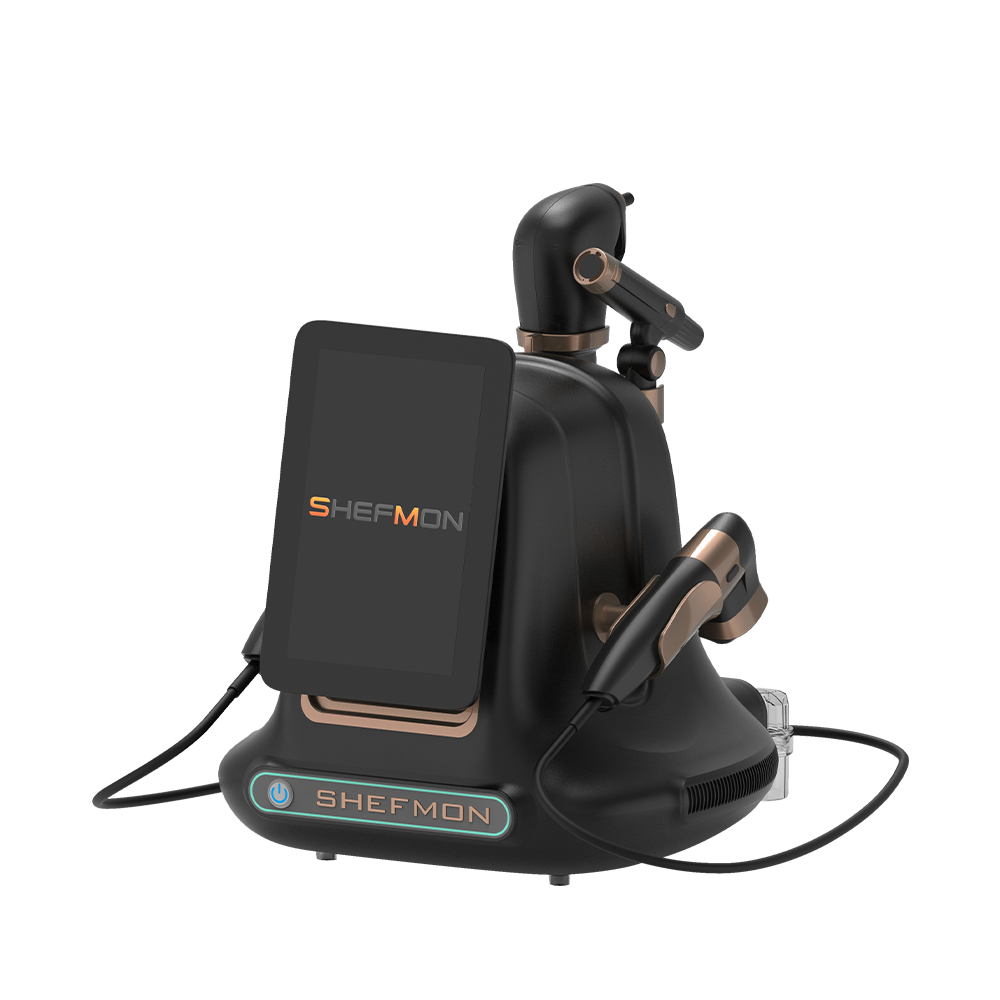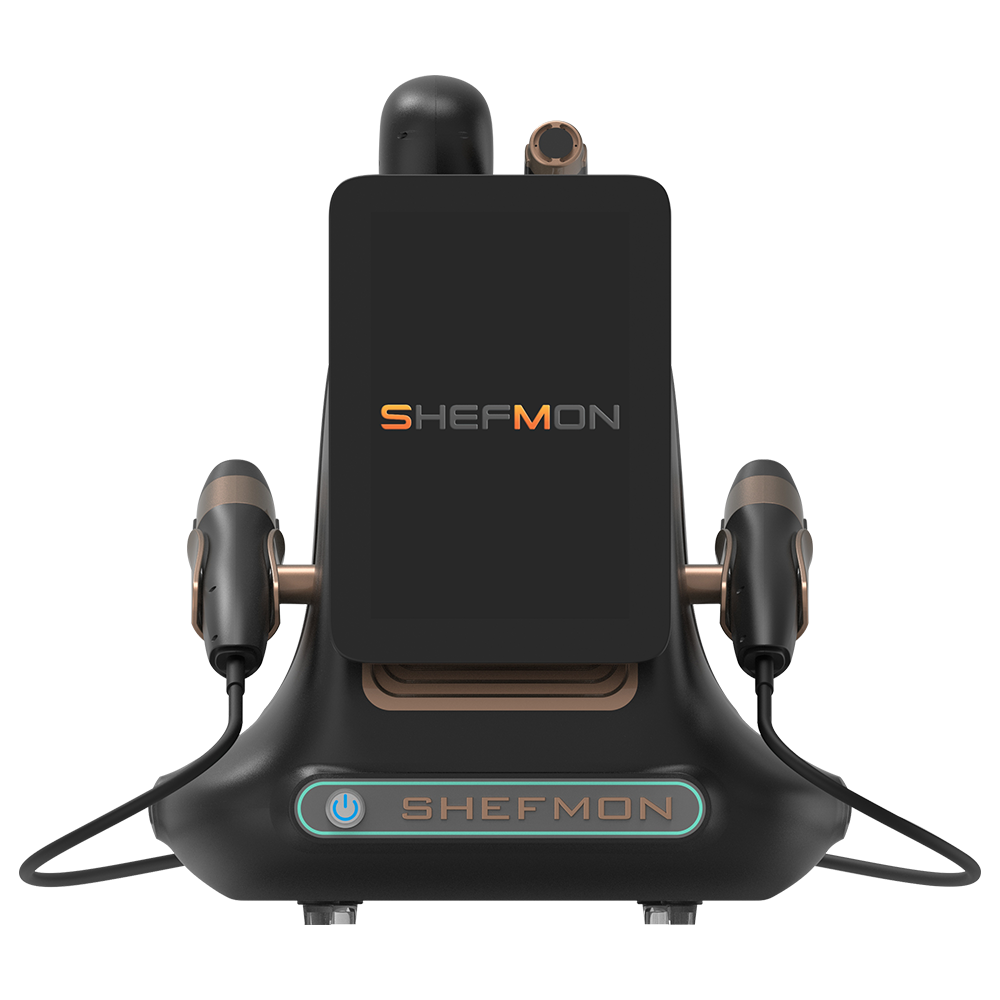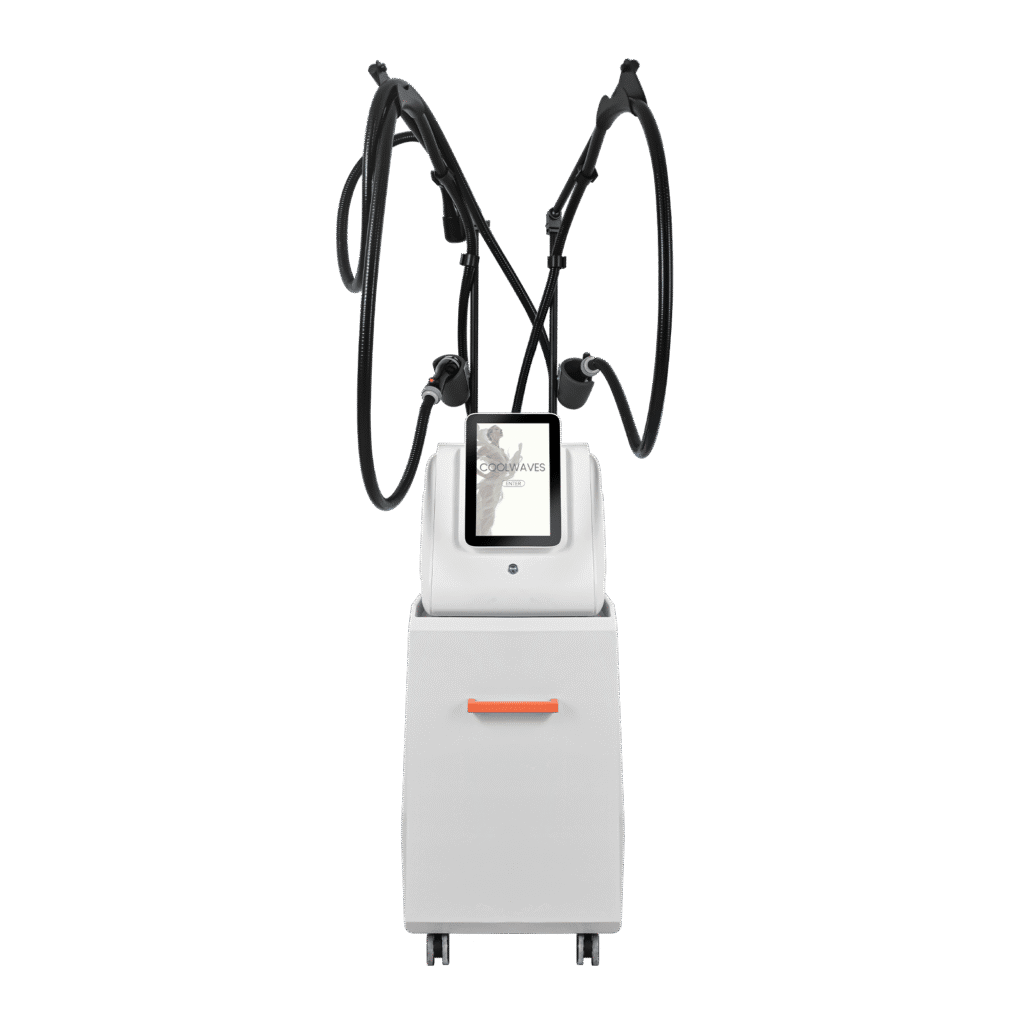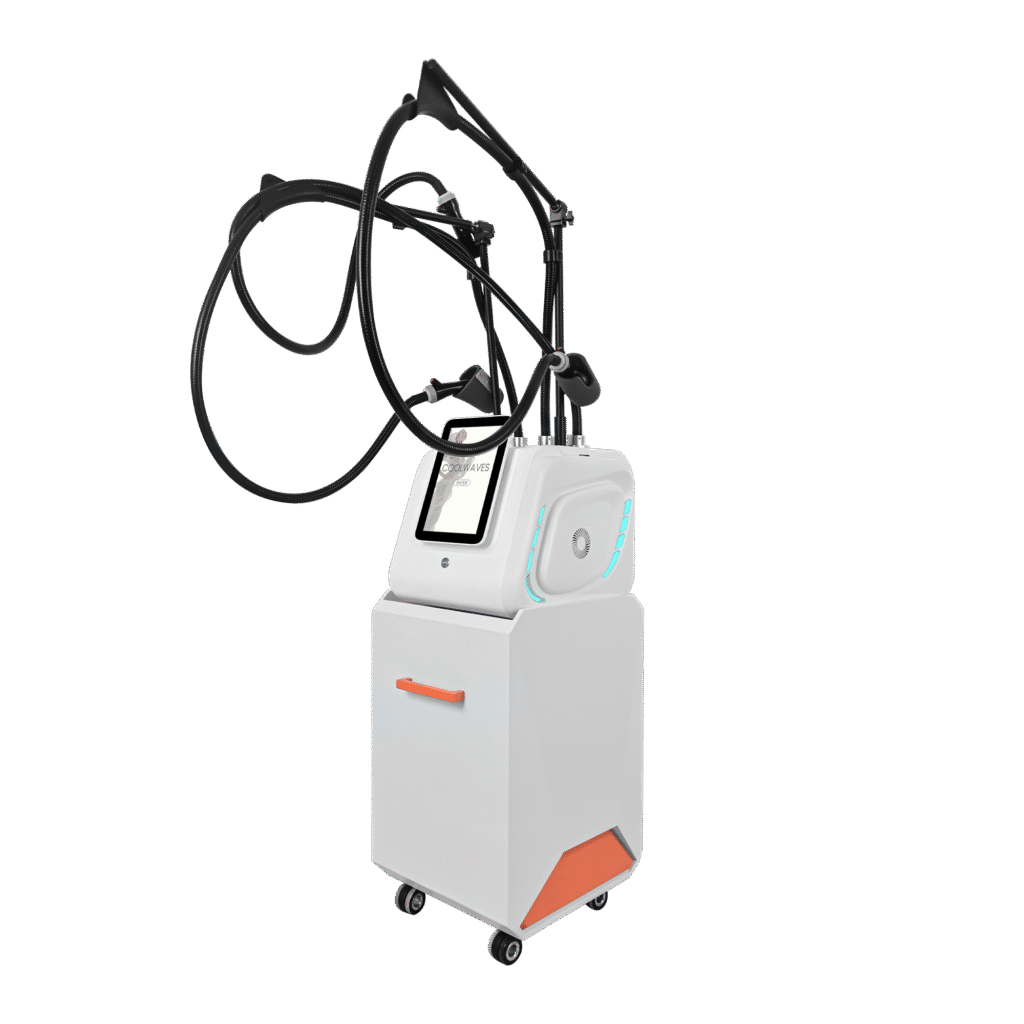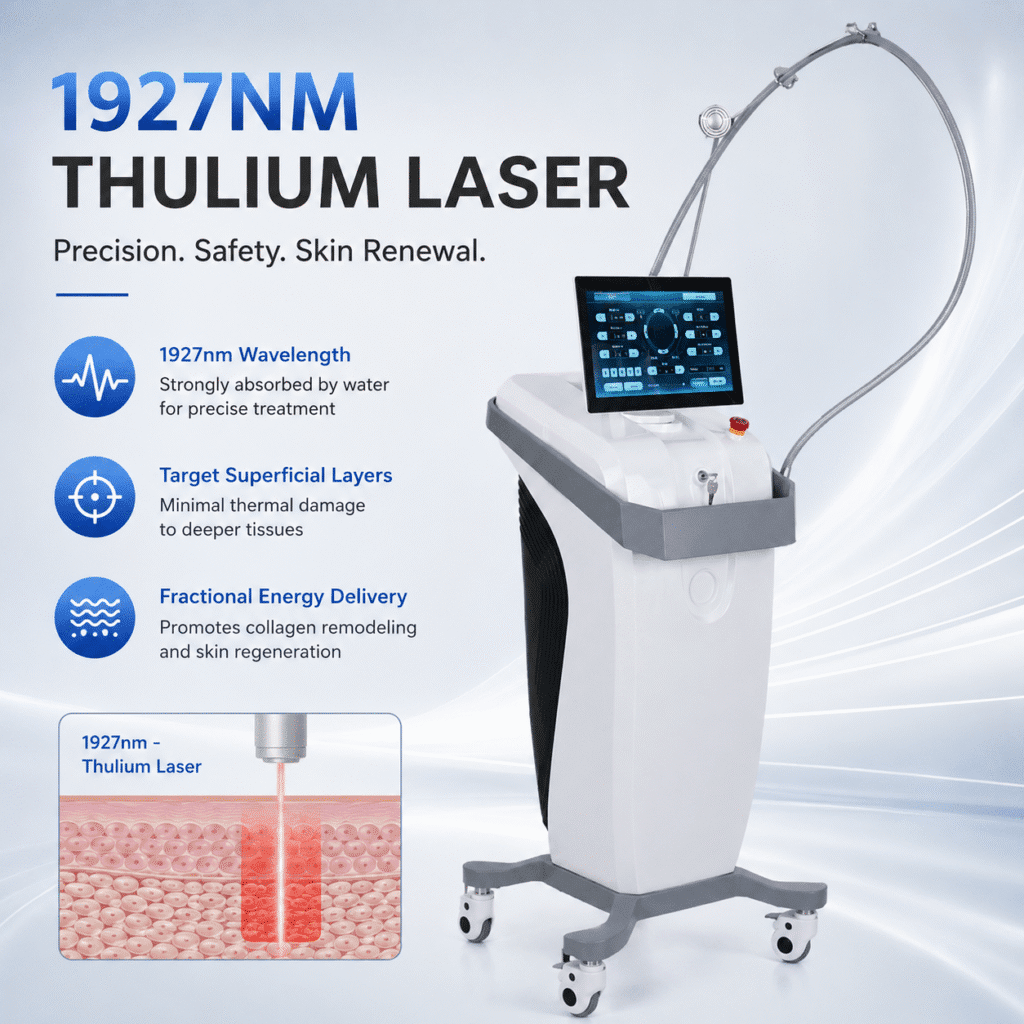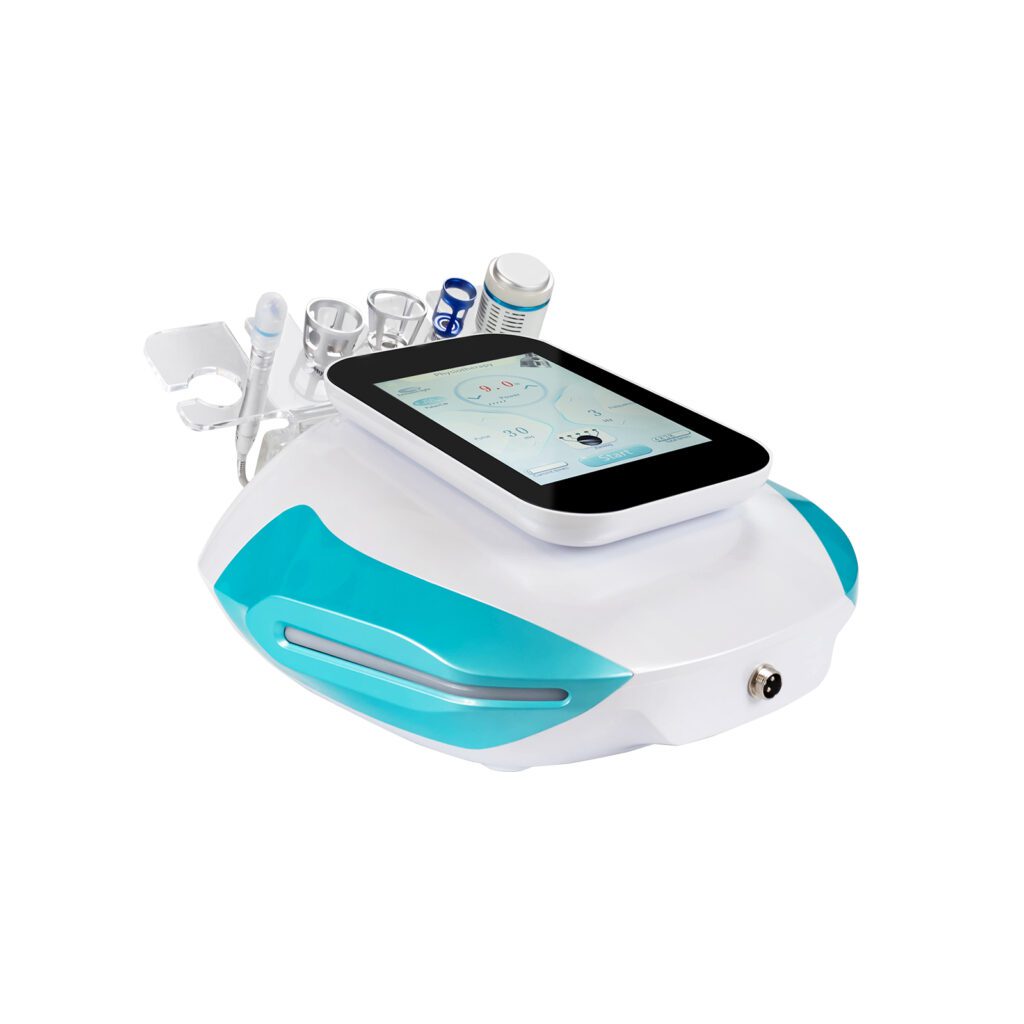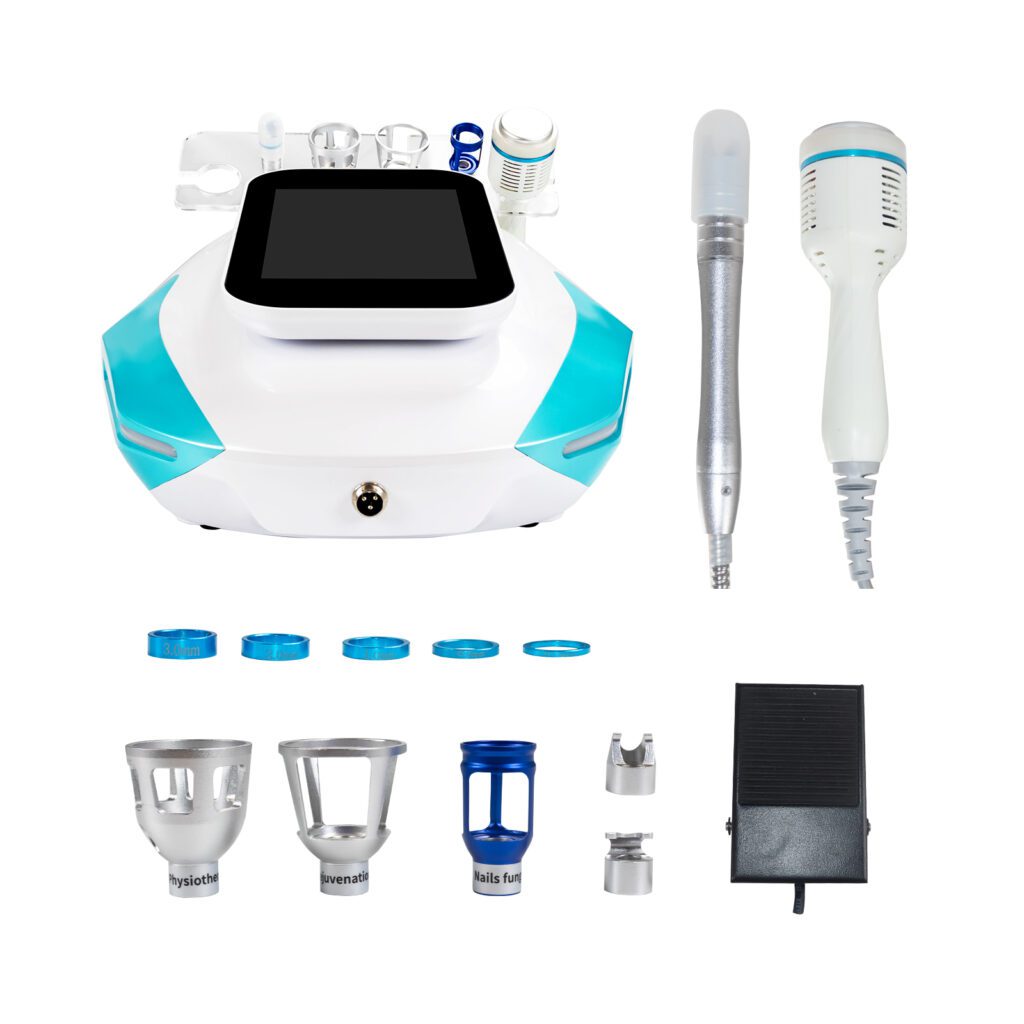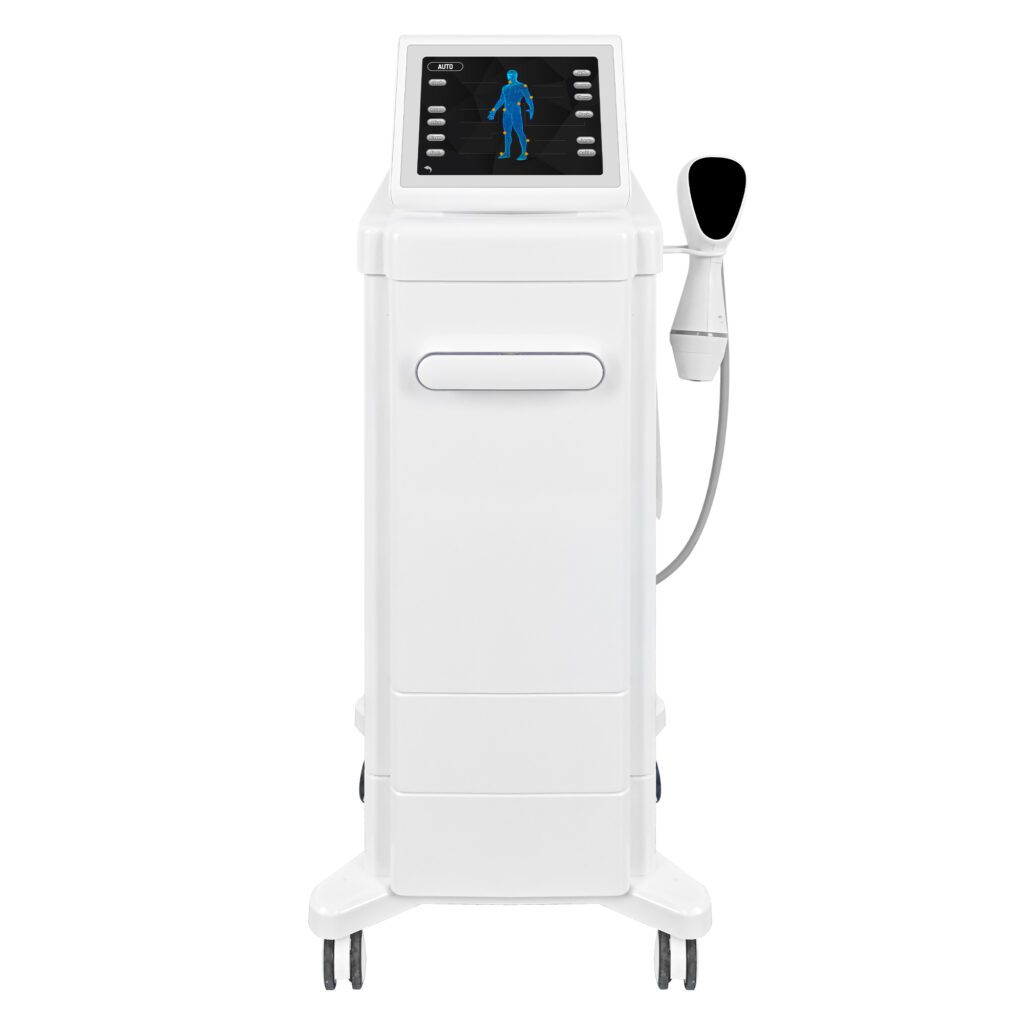








ШЕФМОН manufactures professional beauty equipment and offers OEM/ODM support for distributors, importers, aesthetic brands, clinics and salon groups. Its current laser portfolio covers diode hair-removal machines, Q-switched and picosecond YAG platforms, fractional CO2 systems, fiber laser systems, thulium laser machines and multifunction diode laser equipment.
This guide explains what a laser beauty machine manufacturer should provide, which SHEFMON laser categories fit different buyers, how laser OEM and ODM projects should be controlled, and what evidence a buyer should request before approving a sample or production order.
Управляющее резюме
- SHEFMON’s current About and OEM/ODM pages describe a beauty equipment manufacturer established in 2014 with design, production, customization and engineering support.
- The company’s Категория лазерной IPL-терапии includes A0423 and A0426 diode lasers, A0507 Q-switched/picosecond YAG, A0529 10600nm CO2 fractional laser, A0509 2910nm fiber fractional laser, A0531 and A0532 thulium fiber lasers, and A1307D 980nm diode laser.
- Laser OEM normally adapts a stable base model through branding, language, labels, packaging, electrical profile and an approved accessory configuration.
- Laser ODM can involve housing, handpiece, internal layout, cooling, software workflow or selected engineering changes, but deeper changes require new risk review, testing and document updates.
- A buyer should define the exact wavelength, laser source, optical output, pulse range, spot or scanner, cooling, safety features and accessories before requesting a private-label sample.
- Quality control should be model-specific. Incoming inspection and general machine aging are useful, but laser equipment also needs optical-output, beam-delivery, safety-control and configuration verification.
- Certificates and registrations must match the exact legal manufacturer, model, intended use and destination market. A logo, general factory certificate or FDA establishment listing is not a substitute for model-level market authorization.
- The strongest OEM partner is not the one that accepts every requested change. It is the one that controls changes, identifies validation needs and can reproduce the approved configuration across future batches.
1. What Does a Laser Beauty Machine Manufacturer Supply?
A manufacturer should deliver a controlled laser system, not merely a housing with a handpiece. The supplied product normally includes several interdependent layers:
- Laser source: diode bars, Nd:YAG source, CO2 tube, fiber source or another defined optical architecture.
- Beam delivery: handpiece, sapphire window, articulated arm, scanner, lens, tip or other optical path.
- Power and pulse control: energy setting, pulse duration, repetition rate, calibration and output monitoring.
- Thermal management: water, air, semiconductor, TEC or contact cooling as applicable to the platform.
- Safety controls: key switch, emission indicator, emergency stop, interlock, protective housing, warning labels and compatible eyewear as required by the design and market.
- Operator interface: treatment modes, parameter limits, language, user levels, alarms and maintenance prompts.
- Accessories and consumables: spot windows, tips, lenses, eyewear, filters, water-system parts, smoke-management items or treatment-specific components.
- Technical documents: specifications, manual, labels, maintenance information, test records, training materials and applicable regulatory documents.
A reseller may be able to quote a machine and arrange shipping. A manufacturer or well-controlled OEM supplier should also be able to identify the product revision, explain what is standard or optional, approve compatible components, reproduce the configuration and support technical investigation after delivery.
2. SHEFMON as a Laser Beauty Equipment Manufacturer
Электрический ток SHEFMON About page presents the company as a beauty equipment manufacturer established in 2014, with product design, production and OEM/ODM services. The company’s public portfolio includes diode laser, IPL, CO2 laser and Nd:YAG-related equipment alongside other professional beauty categories.
ШЕФМОН OEM and ODM page describes exterior design, mechanical design, custom engineering, prototyping, housing, logo, system language, operator interface, function configuration, packaging and manual customization. The page also describes a 10,000-square-meter facility and an internal engineering team. These are supplier-level claims that a large buyer can verify through a remote or on-site audit, capacity questionnaire and project-specific production plan.
For laser buyers, factory size is less important than control of the exact platform. Ask who owns the optical design, who supplies the laser source and power board, which tests are performed in-house, how calibration is recorded, and how component or firmware changes are communicated between orders.
3. SHEFMON Laser Machine Portfolio
Laser buyers should begin with the intended service category, not with the highest power or newest-looking console. Different wavelengths and delivery systems address different professional workflows and require different safety, training and documentation.
| Laser direction | Репрезентативные модели SHEFMON | Published positioning | Best-fit buyer discussion |
|---|---|---|---|
| Multi-wavelength diode hair reduction | A0423 755/810/940/1064nm diode laser, A0426 vertical diode laser | Professional hair-reduction platform with selectable handpiece and spot-size configurations | Hair-removal studios, qualified salons, med spas and distributors |
| Q-switched and picosecond YAG | A0507 1064nm/532nm laser | Tattoo- and pigment-focused laser positioning | Specialist laser clinics and distributors serving qualified professional users |
| 10600nm fractional CO2 | A0529 Фракционный CO2 лазер | Fractional resurfacing, scanner and normal CO2 mode positioning | Dermatology-style clinics, advanced aesthetic clinics and medical equipment distributors |
| 2910nm fiber fractional laser | A0509 Fiber Fractional CO2 Ultra | Advanced fractional skin-renewal positioning | Clinics evaluating a differentiated fractional fiber platform |
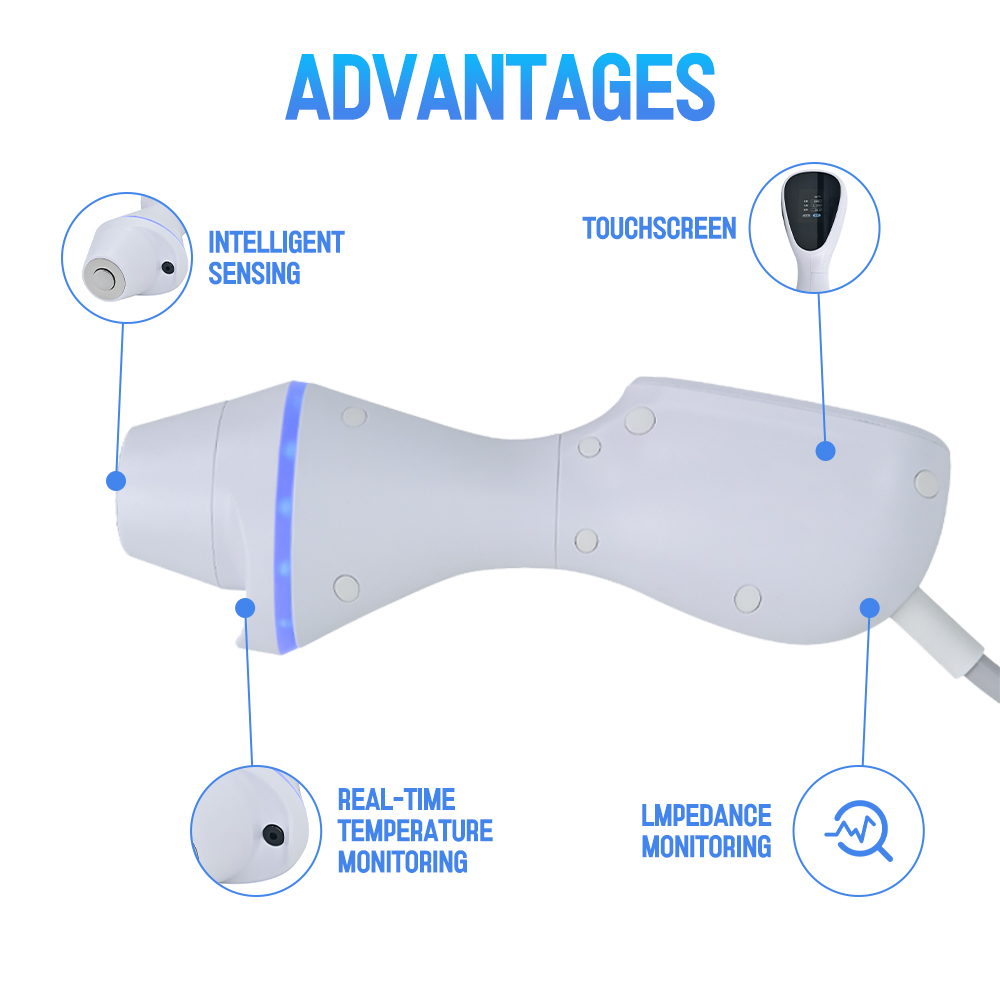
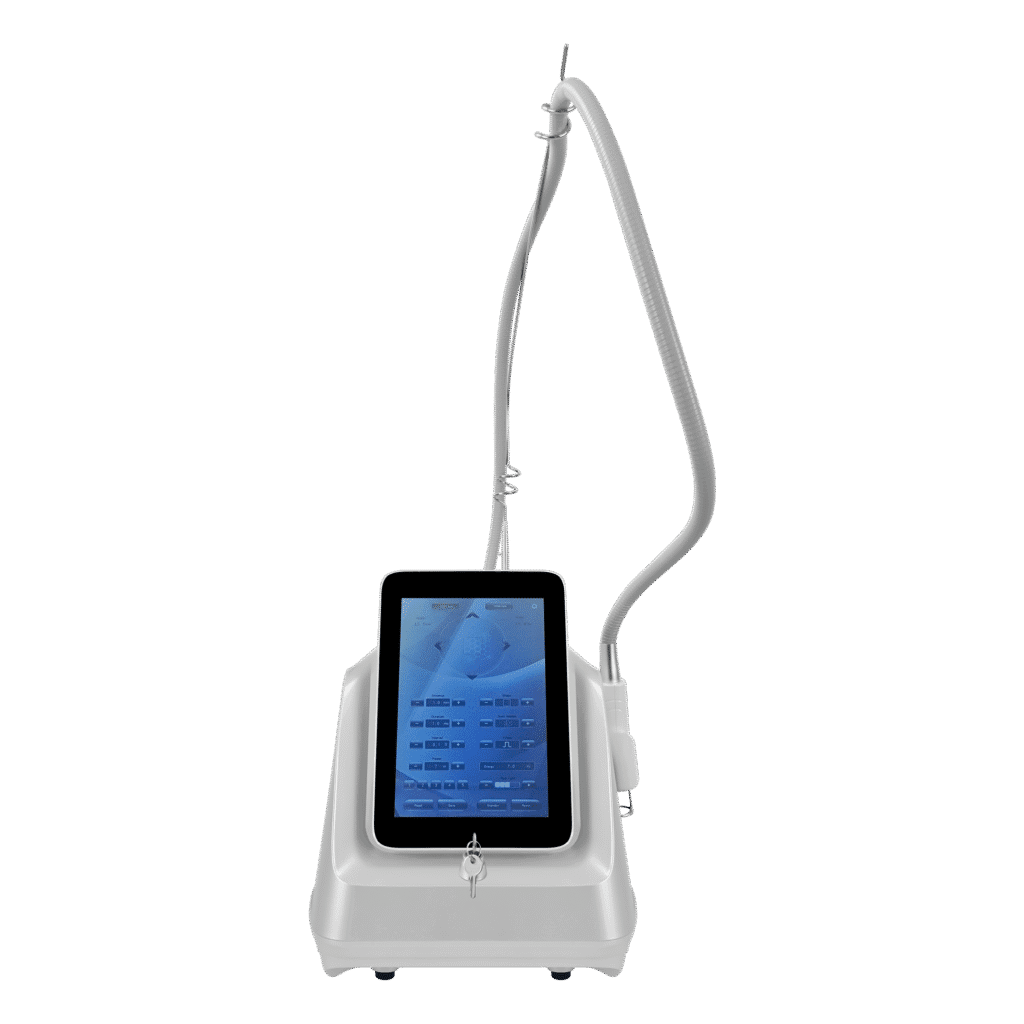
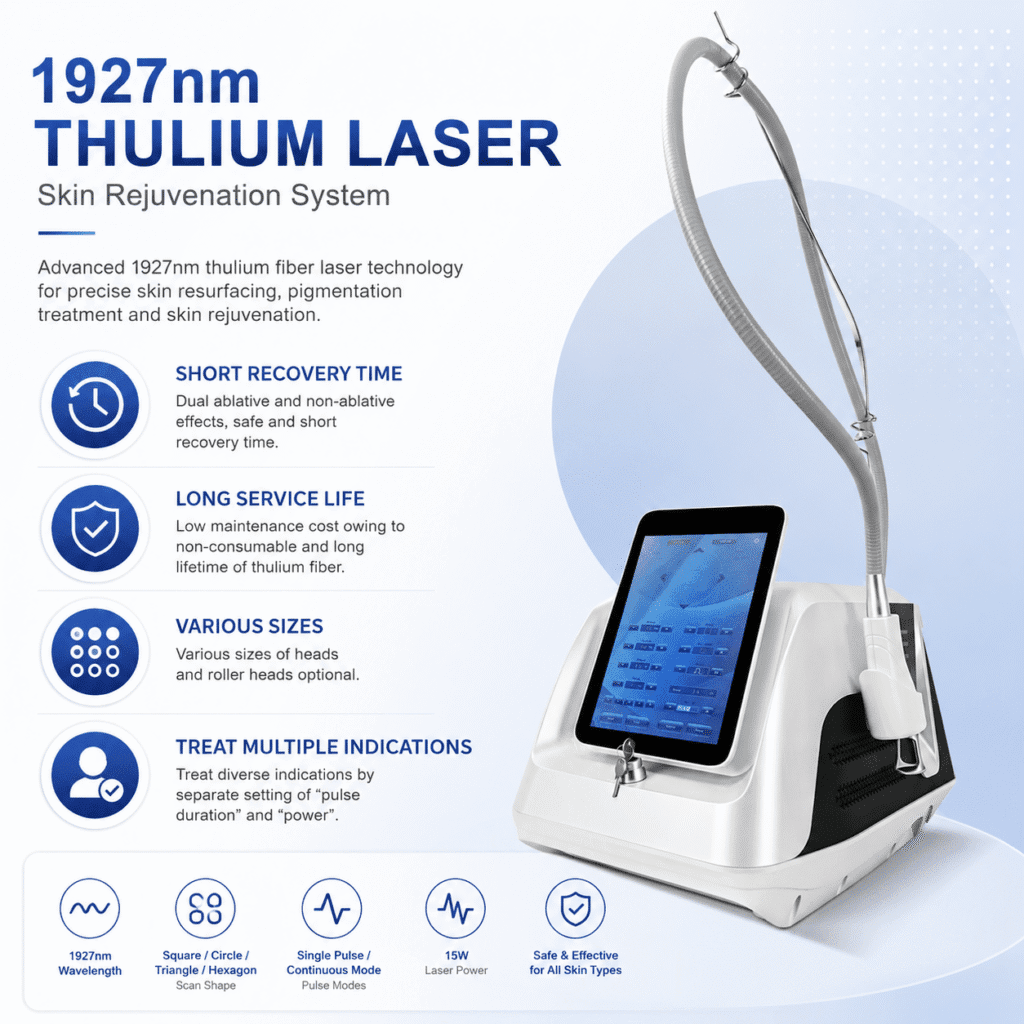
| 1927nm/1550nm thulium fiber laser | A0531 and desktop A0532 | Pigment-, texture- and rejuvenation-focused platform positioning | Specialist skin clinics and distributors building a premium laser range |
| 980nm multifunction diode laser | A1307D | Multifunction platform with vascular-, nail- and skin-focused website positioning | Qualified clinics requiring careful intended-use and accessory review |
This table is a sourcing map, not a claim that every model is legally available or suitable for every business. Buyers should verify the exact intended use, classification, operator scope and market documents for each configuration.
Diode laser manufacturing priorities
For A0423 and A0426, the important factory questions include wavelength composition, diode-bar source, actual optical output, handpiece power definition, spot-size compatibility, pulse range, repetition rate, cooling performance and replacement-handpiece mapping. If 940nm is optional, the quotation must state whether the delivered handpiece is a three- or four-wavelength version.
Q-switched and picosecond YAG priorities
For A0507, confirm 1064nm and 532nm delivery, pulse-mode definition, pulse-duration measurement method, spot-size range, beam profile, lens or tip set, calibration, aiming beam and compatible eyewear. “Picosecond” should be supported by model-specific pulse data rather than treated only as a product name.
Fractional and ablative laser priorities
For A0529 or other fractional platforms, confirm the laser source, wavelength, delivery arm or fiber, scanner accuracy, spot geometry, pulse control, accessories, smoke or plume-management requirements, maintenance and professional-use restrictions. An ablative platform should not be sold as a basic salon facial machine.
Thulium and multifunction laser priorities
For A0531, A0532 and A1307D, ask for a clear intended-use matrix connecting each wavelength, handpiece, tip and software mode. A multifunction product name does not prove that every accessory or claim belongs to every market version.
4. Laser OEM vs Laser ODM
OEM and ODM describe different levels of change, responsibility and validation.
| Область принятия решений | Laser OEM | Laser ODM |
|---|---|---|
| Starting point | Existing, defined SHEFMON platform | Modified platform or new product requirement |
| Типичный объем работ | Logo, housing color, startup screen, language, nameplate, packaging, manual and approved accessory set | New housing, internal layout, handpiece ergonomics, cooling path, software workflow or selected functional engineering |
| Optical architecture | Normally unchanged | May change only through controlled engineering and validation |
| Sample | Branded and configured production-equivalent sample | Engineering prototype followed by verification sample |
| Testing impact | Configuration and branding checks plus existing model tests | Additional optical, electrical, thermal, safety, software and usability verification may be needed |
| Документация | Updated labels, manual, packing list and configuration record | Revised risk, technical, test and market documents may be required |
| Schedule and cost | Usually lower than ODM but still quotation-dependent | Higher development effort, tooling and validation exposure |
| Лучший вариант | Distributor launching a private-label line from a stable model | Established brand with a defined product gap and engineering budget |
The safest first project is usually OEM on a stable platform. It allows the buyer to test demand, training, installation, warranty and replacement-parts support before requesting deeper design changes.
5. What Can Be Customized on a Laser Beauty Machine?
SHEFMON’s public OEM/ODM information lists a broad range of customization possibilities. Actual availability depends on model, order quantity, engineering feasibility, tooling, documentation and destination market.
Brand and exterior customization
Possible changes may include:
- logo on the housing and startup screen;
- approved model name and nameplate artwork;
- housing color, finish or selected exterior details;
- control-panel graphics and button labels;
- packaging, carton marks and warranty-card design; and
- product photography or sales-material alignment after the final sample is approved.
Safety labels, apertures, serial identity and required manufacturer information should never be removed to create a cleaner visual design.
Language and interface localization
The interface, manual and packaging can be discussed for localization. The buyer should supply or approve technically accurate translations for parameter names, warnings, contraindication wording and maintenance instructions. Screen captures in the manual must match the final software version.
Configuration and accessory selection
A distributor may request an approved wavelength profile, handpiece version, spot-size set, lens set, tips, eyewear, plug, voltage, spare-parts kit or training pack. Every item should be identified as standard, optional, alternative or replacement. Similar-looking laser handpieces should never be assumed compatible across models or revisions.
Engineering changes
Housing, handpiece, airflow, water path, internal layout, connector and interface-flow changes may be possible through ODM. Changes to wavelength, source, optical output, pulse behavior, scanner, safety interlock or cooling are more consequential. They require a formal engineering review and may create a new device configuration that needs new testing or regulatory work.
6. Start With a Laser Product Requirement Document
Before requesting a quote, prepare one controlled requirement document. It should define:
- target country and buyer type;
- intended use and permitted marketing claims;
- professional user and treatment environment;
- required wavelength or laser type;
- source, output, pulse, repetition, spot or scanner requirements;
- handpieces, tips, lenses and accessories;
- cooling and environmental conditions;
- voltage, plug, language and interface;
- laser class, safety controls, labels and eyewear;
- desired OEM branding and packaging;
- documents and tests required for the market;
- estimated sample and production quantities;
- warranty, spare-parts and technical-support expectations; and
- target launch date and approval milestones.
This prevents sales messages, artwork files and engineering decisions from becoming separate, contradictory specifications. The factory should respond with an accepted requirement, exceptions, open questions and a version-controlled configuration proposal.
7. Laser-Specific Manufacturing and Quality Control
ШЕФМОН страница контроля качества describes incoming-material inspection, circuit-board aging and power tests, experienced assembly, functional aging, multiple mechanical inspections and ERP-based management. These controls provide a useful factory framework, but a laser project also needs tests tied to the optical and safety characteristics of the exact model.
| Production stage | General factory control | Laser-specific evidence to request |
|---|---|---|
| Входной контроль | Identity, appearance, dimensions and electrical components | Laser source identity, diode bars or tube, optics, scanner, cooling parts and approved supplier revision |
| Subassembly | Board assembly, connector and harness checks | Source-to-power-board match, optical-path assembly, fiber or arm alignment and cooling-circuit integrity |
| Software loading | Correct interface and function | Approved parameter limits, language, alarms, user levels, shot counter and firmware version |
| Optical verification | Functional output check | Wavelength, measured output, pulse behavior, repetition, spot size, beam uniformity and calibration record as applicable |
| испытания на безопасность | Electrical and mechanical inspection | Emission indicator, key control, interlock, emergency stop, protective housing, labels and eyewear specification |
| Thermal and aging test | Functional aging and stability | Cooling recovery, water flow, source temperature, sustained output and alarm response under defined test conditions |
| Заключительная проверка | Appearance, accessories and packing | Model/configuration match, serial traceability, approved handpiece, optical accessories, labels, manual and market documents |
The acceptance criteria should state instruments, conditions and tolerances. “Machine works” is not a measurable test result. For example, an optical test should identify the measurement equipment, wavelength, operating condition, spot or handpiece, target value, tolerance and unit serial number.
8. Configuration and Change Control for Repeat Orders
Repeatability is a major reason to work with a manufacturer. A good first sample is not enough if the next batch uses a different laser source, pump, scanner, power board, firmware or handpiece without notice.
The approved configuration record should include:
- parent model and buyer SKU;
- Пересмотр аппаратного и программного обеспечения;
- critical component list and approved alternatives;
- wavelength and optical configuration;
- handpiece, spot, lens, tip and accessory part numbers;
- electrical and cooling profile;
- labels, manual, packaging and artwork revision;
- verification report references; and
- sample approval date and signatories.
The supply agreement should define which changes require notification, documentation review, new samples, partial retesting or full reapproval. A supplier should not substitute a critical component only because the replacement fits physically or has a similar catalog rating.
9. Regulatory Documents Must Match the Exact Laser
Laser product requirements vary by country, intended use and claims. A buyer should identify the regulatory route before artwork and mass production, not after the machines arrive at customs.
Соединенные Штаты
The FDA’s medical-laser information explains that laser manufacturers have electronic product radiation-control responsibilities and that medical laser products must also comply with applicable medical-device regulations. FDA requirements can include performance standards, product reports, records, labeling, defect reporting, establishment registration, device listing and applicable premarket review.
FDA radiation-emitting product market guidance also makes clear that registration or a certification label is not a substitute for the manufacturer’s quality-control, testing and medical-device obligations. Ask for documents connected to the exact legal manufacturer and model; do not accept a screenshot that cannot be traced to the quoted unit.
Евросоюз
For medical devices, the European Commission explains that the manufacturer carries primary responsibility for MDR compliance, CE marking and life-cycle obligations including clinical evidence and post-market surveillance. Buyers should review the exact device classification, EU declaration of conformity, notified-body involvement where required, certificate scope, Basic UDI-DI or UDI planning, labeling, authorized representative and private-label responsibilities.
Other markets
Many countries have separate medical-device registration, laser-radiation, electrical-safety, importer, language and professional-use requirements. A CE mark or U.S. document does not automatically authorize sale in another market. The importer and brand owner should obtain local regulatory advice and assign responsibilities in writing.
10. Certificates Are Not a One-Line Sales Feature
When a supplier says “CE,” “FDA” or “ISO,” ask what the document actually is:
- Who is the legal manufacturer?
- Which exact model and configuration are covered?
- What intended use and claims are supported?
- Is it a certificate, declaration, report, listing, registration or clearance?
- Which issuing or notified body is involved, if applicable?
- Is the document current and independently verifiable?
- Does private labeling change the named manufacturer or require new work?
- Do the manual, labels and product photos match the document?
Avoid publishing “FDA approved” or “medical CE certified” simply because a factory page displays a badge. Laser compliance is model- and market-specific.
11. Sample Approval and Pilot Production
A disciplined project can move through these stages:
- Requirement review: confirm market, product, user, claims and customization scope.
- Base-model selection: compare a small number of appropriate SHEFMON laser platforms.
- Configuration quotation: identify standard, optional and custom items plus excluded work.
- Document gap review: determine which existing tests and market files apply and what must be updated.
- Engineering or artwork approval: freeze logo, UI, labels, manual, packaging and any technical changes.
- Sample build: produce a configuration representative of intended production.
- Sample verification: inspect optical, electrical, cooling, safety, software, accessories and documents.
- User evaluation: collect trained operator feedback without treating informal use as regulatory or clinical validation.
- Pilot or first-article approval: verify that manufacturing instructions can reproduce the sample.
- Mass production and final inspection: use the same approved configuration and acceptance criteria.
- Shipment release: close nonconformities and approve serial list, packing and documents.
Video confirmation is useful, but it cannot replace measured results or physical sample approval for a high-risk customization.
12. Which Buyers Fit a Laser OEM Project?
Дистрибьюторы и импортеры
These buyers need a scalable range, territory strategy, training, spare parts, demo units, marketing assets and local compliance. They should begin with a small number of clearly differentiated laser SKUs rather than private-label every possible model.
Aesthetic equipment brands
An established brand may use OEM to extend its catalog or ODM to create a more differentiated console. It should have internal product management, regulatory, quality and service ownership. Outsourcing manufacturing does not outsource the brand’s customer obligations.
Clinic and salon groups
A multi-location group may request standardized interface language, presets, branding, accessories and training. The group should confirm that local operator and facility rules permit each laser. High-energy, ablative or medically positioned systems should not be assigned to ordinary salon rooms without appropriate governance.
New private-label businesses
A startup should select one stable platform, approve a conservative branding scope and budget for compliance, training, technical support and warranty stock. A custom housing is less valuable than a reliable support system if the business has not yet proven demand.
13. After-Sales Support and Spare Parts
Laser equipment can remain in service long after the first sale. Before ordering, define:
- remote diagnostic process and response channel;
- warranty period, covered parts, labor and shipping responsibility;
- laser-source, handpiece and consumable exclusions;
- replacement-handpiece and optical-accessory compatibility;
- calibration or output-verification intervals;
- pump, filter, tube, lens, window, arm, scanner and power-board availability;
- firmware replacement and customized-language support;
- fault-code and log retrieval;
- repair-center or return-to-factory process; and
- end-of-life notification and last-time-buy support.
For distributors, a starter spare-parts kit and trained first-line service team can reduce downtime. Parts should be tied to model and revision rather than sold as generic “laser accessories.”
14. How to Compare Laser Beauty Machine Manufacturers
Use evidence that can be connected to the quoted product.
| Comparison question | Strong supplier response | Слабый ответ |
|---|---|---|
| Who manufactures the exact model? | Legal entity, factory address, model identity and traceable documents | Only a storefront name or sales-platform profile |
| What configuration will be delivered? | Controlled configuration sheet and accessory list | Model photo plus slash-separated options |
| How is optical output verified? | Defined method, equipment, acceptance range and unit record | “High power” without measurement |
| How are changes managed? | Written notification and reapproval rules | Unannounced equivalent substitutions |
| What does OEM include? | Itemized branding, software, packaging and engineering scope | “Everything can be customized” |
| Which market documents apply? | Model-, manufacturer- and market-matched files | Generic certificates from another model or company |
| What happens after failure? | Diagnostic steps, parts map, warranty and repair responsibilities | Promise of “lifetime support” without process |
Price belongs in the comparison, but it should be normalized to configuration, documentation, accessories, warranty, spares, inspection and shipping terms.
15. Laser OEM Inquiry Checklist
Include the following in the first serious inquiry:
- target country and planned sales channel;
- clinic, salon, distributor or brand-owner status;
- intended service category and user qualification;
- preferred SHEFMON model or laser technology;
- exact wavelength and required configuration;
- estimated sample and production quantity;
- logo, color, interface, language, label and packaging scope;
- voltage, plug and installation environment;
- required accessories and spare-parts pack;
- documentation and regulatory expectations;
- sample and production testing requirements;
- warranty, training and service expectations; and
- launch timing and shipping destination.
A complete inquiry helps the manufacturer return a comparable quotation and identify high-risk assumptions early.
Часто задаваемые вопросы
1. Is SHEFMON a laser beauty machine manufacturer?
SHEFMON’s website describes the company as a beauty equipment manufacturer established in 2014 with design, production and OEM/ODM services. Its current catalog includes diode, YAG, CO2, fiber, thulium and multifunction laser platforms. Buyers should still verify the exact factory, legal manufacturer and model documents for their order.
2. Which laser beauty machines can SHEFMON supply?
Representative models include A0423 and A0426 diode hair-removal lasers, A0507 Q-switched/picosecond YAG, A0529 10600nm CO2 fractional laser, A0509 2910nm fiber fractional laser, A0531 and A0532 thulium fiber lasers, and A1307D 980nm diode laser.
3. Can I put my logo on a SHEFMON laser machine?
Logo, startup screen, housing, packaging and manual customization may be available through OEM service. Confirm the exact model, quantity, artwork specification, sample process and required legal or safety labeling before approval.
4. What is the difference between laser OEM and ODM?
OEM normally customizes an established platform through branding, localization and approved configuration choices. ODM involves deeper design or engineering changes and normally requires more development, testing, documentation, time and budget.
5. Can the wavelength or laser power be customized?
Such changes may be technically possible on some platforms, but they are not ordinary branding changes. They can affect performance, risk, labels, test evidence and market authorization. Treat them as engineering changes requiring written feasibility and validation review.
6. Does every laser machine have the same certificate?
No. Documents must match the legal manufacturer, exact model, configuration, intended use and target market. A factory-level quality certificate or document for one laser does not automatically cover another model or a private-label version.
7. What quality tests should an OEM laser machine receive?
Testing should cover the final configuration, optical output and wavelength, pulse and repetition behavior where applicable, spot or scanner, cooling, electrical safety, laser safety controls, software, alarms, accessories, labeling, aging and final packing. The exact test plan depends on the platform.
8. Should I order a sample before a bulk laser order?
Yes. The sample should represent the intended production configuration and be reviewed for hardware, software, optical behavior, cooling, safety controls, accessories, labels, manual and packaging. Deeper ODM projects may also require a pilot build.
9. What after-sales support should a laser supplier provide?
Expect a defined diagnostic process, warranty terms, technical training, compatible spare parts, replacement-handpiece mapping, maintenance instructions, repair workflow and change or end-of-life notification. Confirm responsibilities in the contract rather than relying on a general support promise.
10. How do I request a laser OEM quotation from SHEFMON?
Send the target market, buyer type, intended service, preferred model, wavelength and configuration, quantity, branding scope, voltage, language, accessories, documents, testing, warranty and launch schedule. SHEFMON can then confirm feasibility and prepare a model-specific quotation.
Заключение
A reliable laser beauty machine manufacturer must control far more than exterior appearance. The optical source, output, pulse behavior, beam delivery, cooling, software, safety system, accessories and documents must work as one traceable configuration. OEM branding adds value only when it preserves that control; ODM creates differentiation only when engineering changes are properly verified.
SHEFMON offers a broad laser portfolio for hair reduction, tattoo and pigment projects, fractional resurfacing, thulium applications and other professional laser directions. Distributors and brands can use that portfolio as a starting point, then narrow the project to one suitable base model, one target market and one written configuration.
Изучите текущую ситуацию. SHEFMON laser and IPL range и Возможности OEM/ODM, then request a model-specific quotation, document list, sample plan and production test proposal for your market.