









The demand for non-invasive beauty technologies continues to grow, and HIFU machines have become an important product category for many beauty equipment distributors. With increasing interest from beauty salons, med spas, and aesthetic businesses, HIFU offers strong market potential as a high-value service solution. However, successfully selling HIFU equipment requires more than simply selecting a machine based on appearance or price.
For distributors, understanding different HIFU technologies, treatment applications, machine designs, and customer requirements is essential. A suitable HIFU machine should match the target market, service menu, budget, and future business development plans of end users. By learning the differences between cartridges, treatment areas, 7D and 9D technologies, and desktop versus vertical designs, distributors can provide better recommendations and build stronger customer relationships.

1. Understand Different HIFU Cartridges and Treatment Depths
One of the most important factors distributors should understand is the relationship between HIFU cartridges and treatment areas. Different cartridges are designed to deliver focused ultrasound energy at different depths, allowing operators to customize treatments according to customer needs.
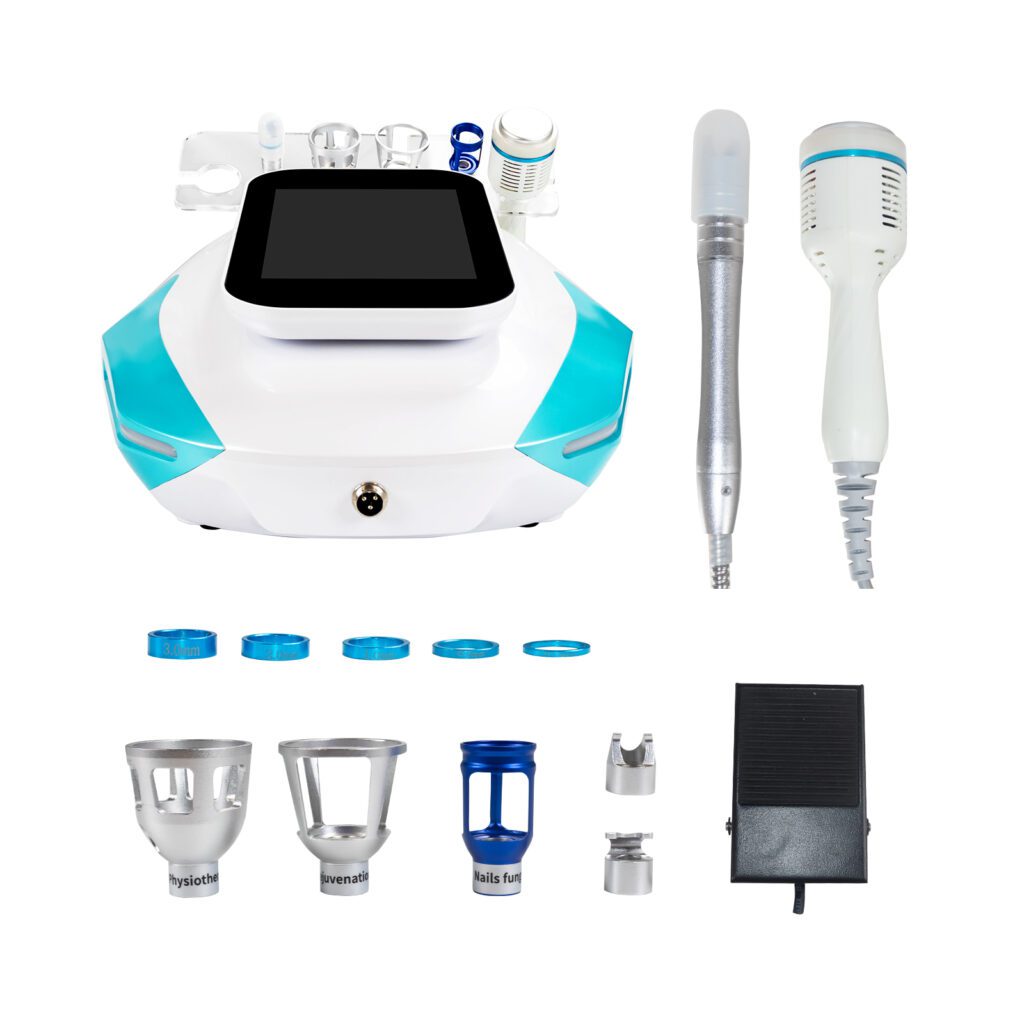
Common HIFU cartridge depths include 1.5mm, 2.0mm, 3.0mm, 4.5mm, and deeper body-focused cartridges. Shallower cartridges are generally used for more superficial areas, while deeper cartridges are commonly selected for areas requiring deeper energy delivery.
For beauty salons and aesthetic businesses, machines with multiple cartridges provide greater flexibility because one device can support more treatment options. Instead of purchasing separate equipment for different applications, businesses can expand their service menu with a multifunction HIFU platform.
1.1 Facial, Body, and Intimate Area Applications
When selecting HIFU machines, distributors should consider the treatment areas their customers want to offer.
Facial applications are one of the most common uses of HIFU technology. Many beauty businesses use HIFU systems for facial skin tightening programs, especially around areas such as the cheeks, jawline, forehead, and neck. Machines with different facial cartridges allow operators to adjust treatment parameters based on specific areas.
Body applications are another important market opportunity. Some advanced HIFU systems include body cartridges designed for larger treatment areas, allowing businesses to expand beyond facial services and introduce body-focused programs.
Some HIFU platforms also include cartridges designed for intimate area applications. For distributors, offering machines with broader application possibilities can help attract customers who want to build a more comprehensive service portfolio.
2. Compare 7D and 9D HIFU Technologies
As HIFU technology develops, distributors may encounter different product descriptions, including 7D HIFU and 9D HIFU. Understanding the differences helps distributors explain product advantages more effectively to potential buyers.
7D HIFU systems are designed to provide multiple treatment modes and improved operational flexibility compared with traditional HIFU devices. Many 7D machines include multiple cartridges, allowing users to select different depths for various facial and body applications.
9D HIFU systems represent a newer generation of HIFU technology, often focusing on faster treatment speed, improved cartridge design, and more efficient operation. Some 9D systems integrate multiple functions into one platform, making them attractive for businesses that want a more comprehensive solution.
For distributors, neither technology should simply be considered “better” in every situation. The right choice depends on the customer’s business model. A small beauty salon may prefer a practical and cost-effective 7D system, while a premium aesthetic center may look for a multifunction 9D HIFU machine with more treatment options.
3. Choose Between Desktop and Vertical HIFU Machines
Machine design is another important consideration for distributors. HIFU systems are generally available in desktop and vertical formats, and each design has different advantages.
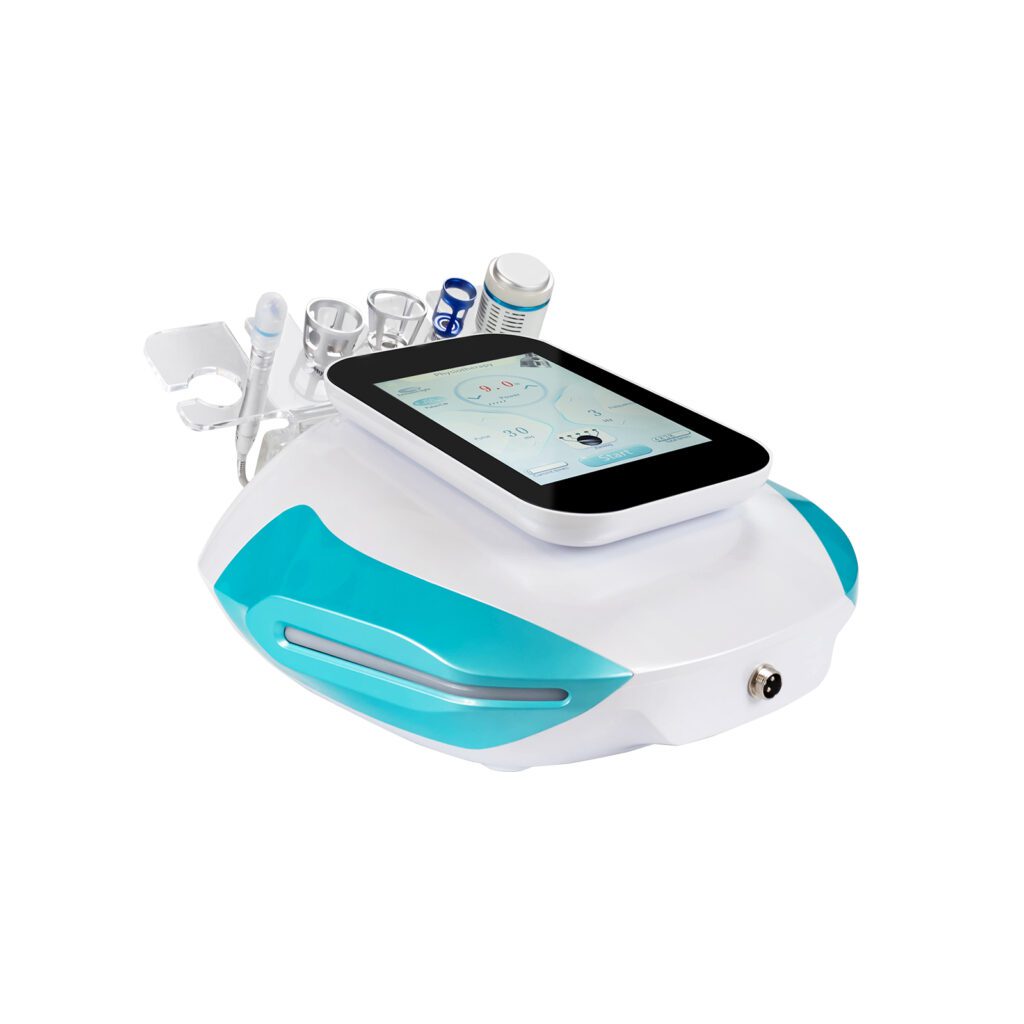
Desktop HIFU machines are usually more compact and easier to place in smaller treatment rooms. They can be a good choice for beauty salons with limited space or businesses that want to add HIFU as an additional service without changing their existing layout.
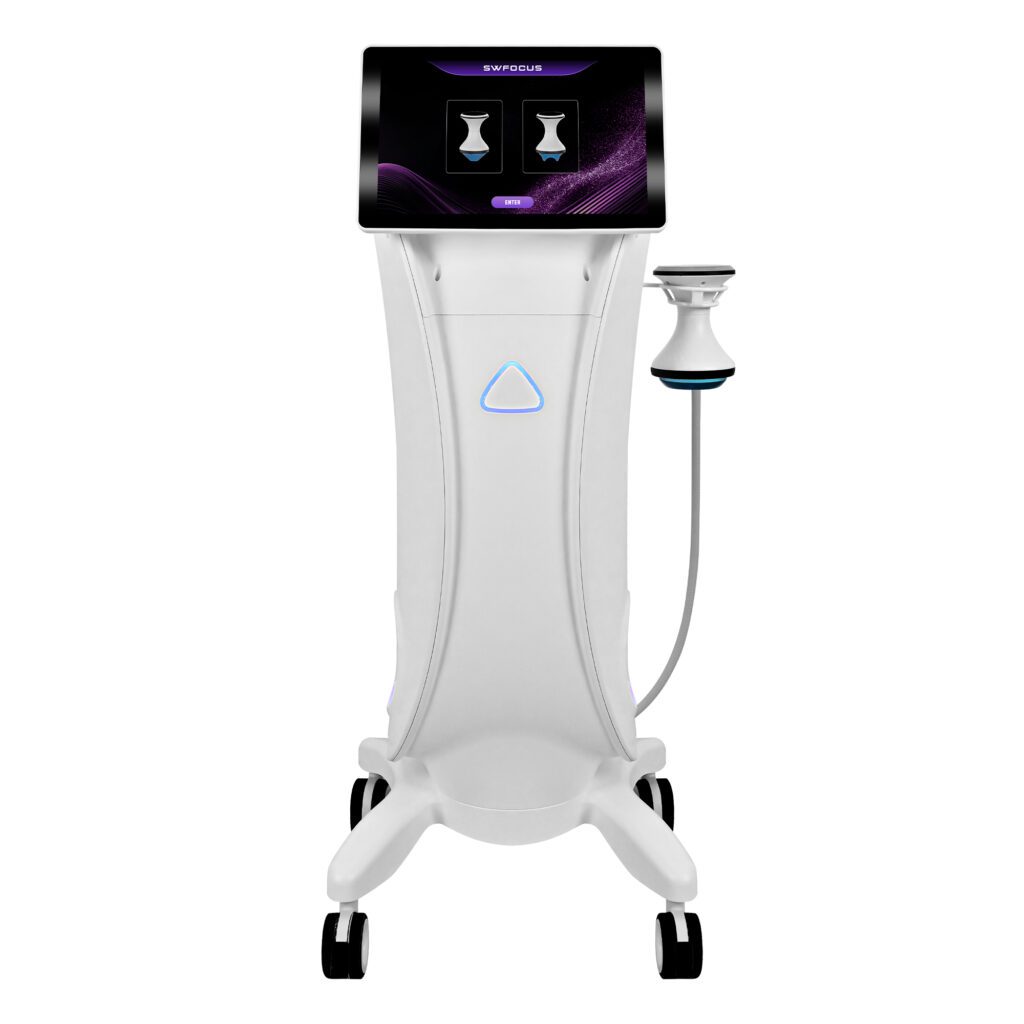
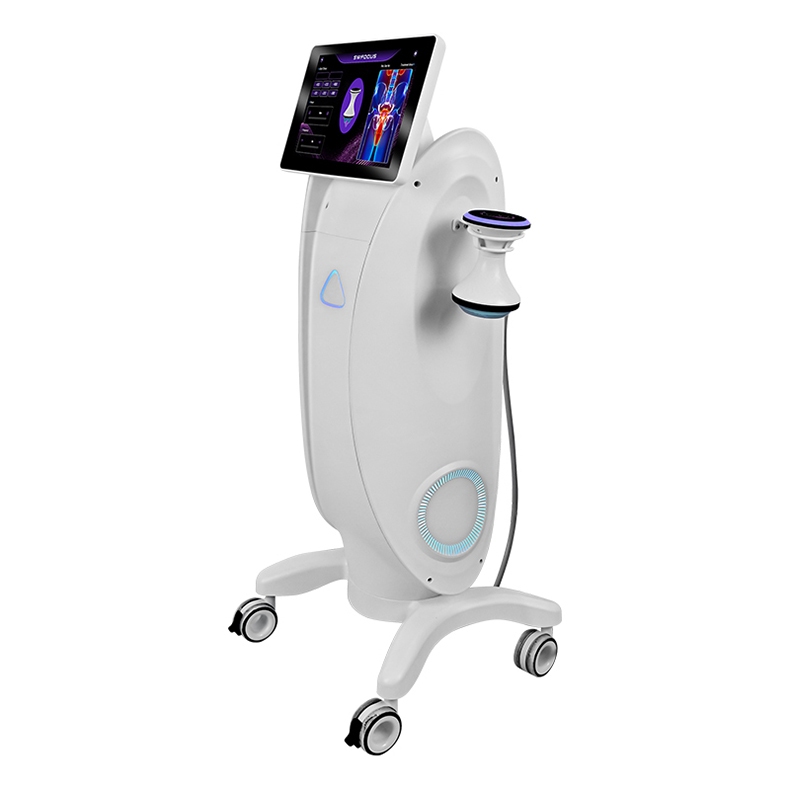
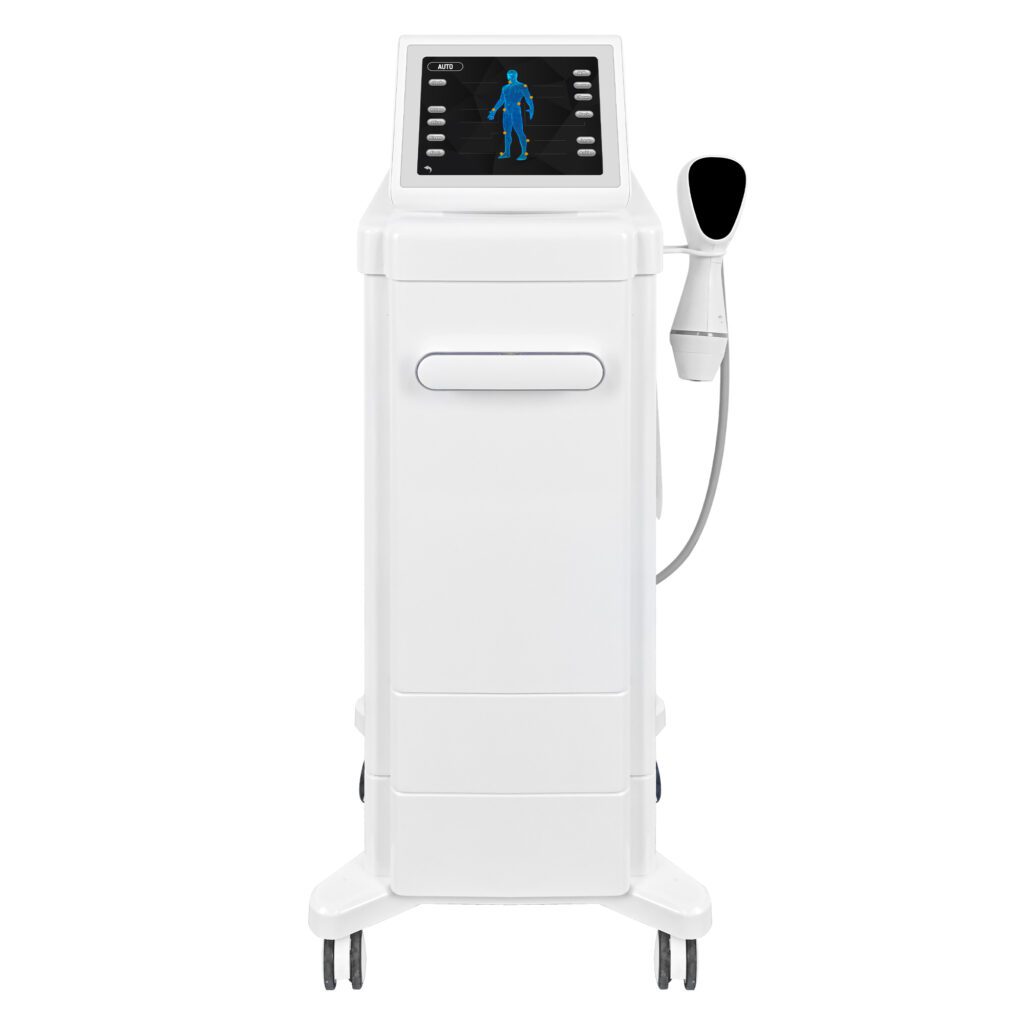
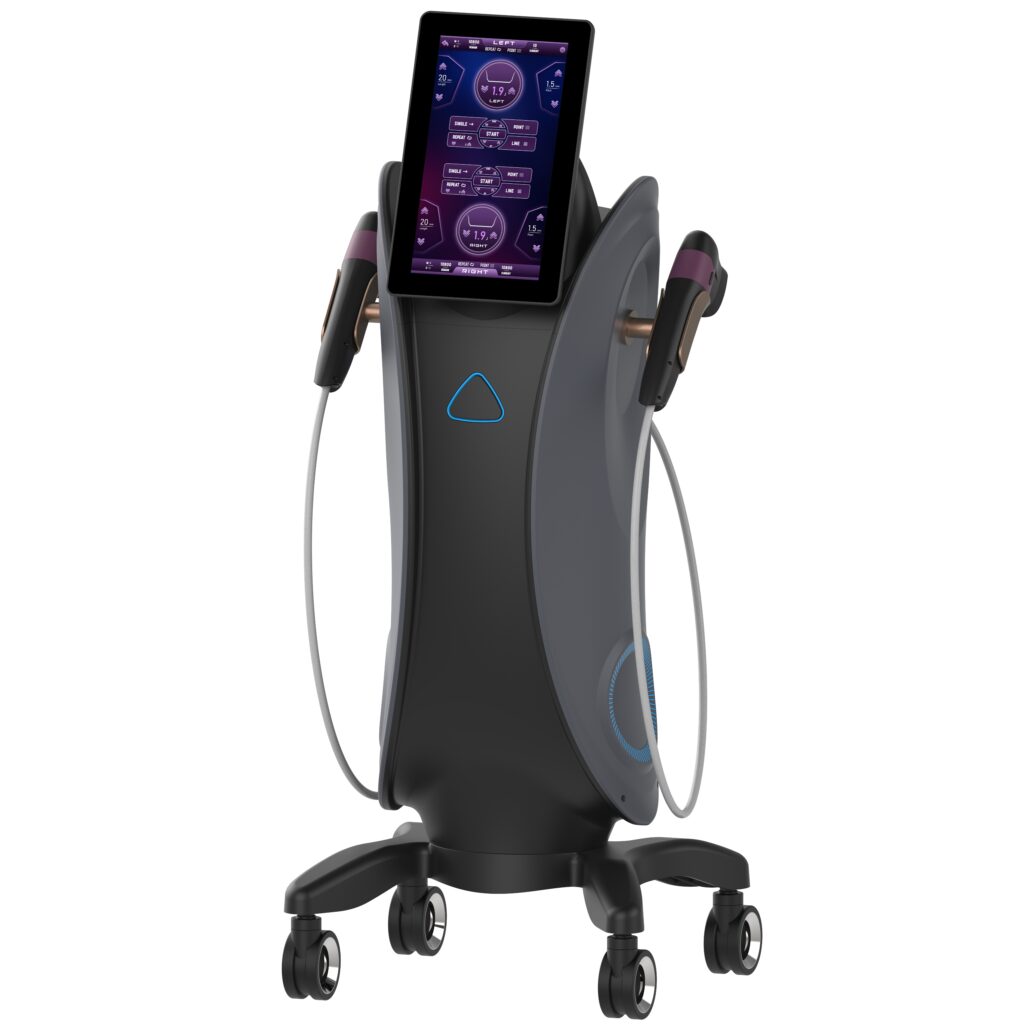
Vertical HIFU machines are designed as professional standalone systems. They often feature larger screens, improved mobility, and a more premium appearance, making them suitable for beauty centers, med spas, and businesses that want to create a professional treatment environment.
Например, vertical 7D dual-handle HIFU machine can provide operational convenience by allowing users to switch between different handles and treatment options more efficiently. The larger design can also enhance the customer’s perception of the service value.
When selling HIFU machines, distributors should not only focus on technical specifications but also consider the customer’s available space, target clients, and positioning.
4. Match HIFU Machines With Different Customer Types
Successful distributors understand that different customers need different solutions. Recommending the same HIFU machine to every buyer may limit sales opportunities.
For beauty salons, entry-level or multifunction HIFU machines with simple operation and essential cartridges may be more suitable. These businesses usually need equipment that can quickly expand their service menu while controlling investment costs.
For med spas and advanced beauty centers, higher-end HIFU systems with multiple cartridges, multifunction capabilities, and premium designs may be more attractive. These customers often focus on creating differentiated services and increasing treatment value.
For distributors, understanding customer positioning helps improve sales conversations. Instead of selling based only on machine features, distributors can recommend solutions based on business goals.
5. Consider Manufacturer Support When Building a HIFU Business
Product quality is important, but long-term success also depends on choosing the right manufacturing partner. Distributors need suppliers that can provide stable production, technical support, and flexible cooperation.
К важным факторам относятся:
- Опыт в производстве
- Product quality control
- Возможности OEM и ODM
- Поддержка обучения
- Наличие запасных частей
- Послепродажное обслуживание
A reliable manufacturer can help distributors provide better support to their customers through operation training, technical guidance, and marketing materials. This creates stronger customer confidence and increases the possibility of repeat orders.
For distributors planning to develop their HIFU product line, working with a manufacturer that offers different models, such as vertical 7D HIFU systems and multifunction 9D HIFU machines, provides greater flexibility for serving different market segments.
Заключение
Choosing and selling Аппараты HIFU successfully requires distributors to understand more than basic product specifications. Cartridge depths, treatment areas, 7D and 9D technologies, machine designs, and customer requirements all influence which HIFU system is the right choice.
By selecting products that match different business needs and partnering with a reliable manufacturer, distributors can build a stronger HIFU product portfolio and provide more valuable solutions to beauty salons, med spas, and aesthetic businesses. A well-planned approach helps distributors move beyond simple equipment sales and develop long-term growth opportunities in the beauty equipment market.