









Для дистрибьюторов диодный лазерный эпилятор следует оценивать не только по цене покупки, длине волны или максимальной мощности. Реальная долгосрочная коммерческая ценность зависит от того, насколько надежно работает манипулятор, остается ли выходная мощность стабильной и предсказуемы ли затраты на ремонт.
Низкая начальная цена может обернуться высокими затратами, если наконечник выйдет из строя на ранней стадии, производительность быстро снизится, запасные части будет трудно достать или салон потеряет клиентов во время простоя.
Практический вопрос заключается в следующем:
Сможет ли аппарат продолжать стабильно производить платные процедуры после нескольких месяцев реального использования в салоне, и сможет ли дистрибьютор обслуживать его, не снижая рентабельность?
В этой статье объясняется, как дистрибьюторы могут оценить срок службы манипулятора, снижение энергии и стоимость ремонта, прежде чем размещать заказы или продвигать систему лазерной эпиляции диодным лазером в местных салонах красоты.
Рекомендуемая категория продукции SHEFMON:
Лазерное и IPL-оборудование SHEFMON
Пример артикула товара:
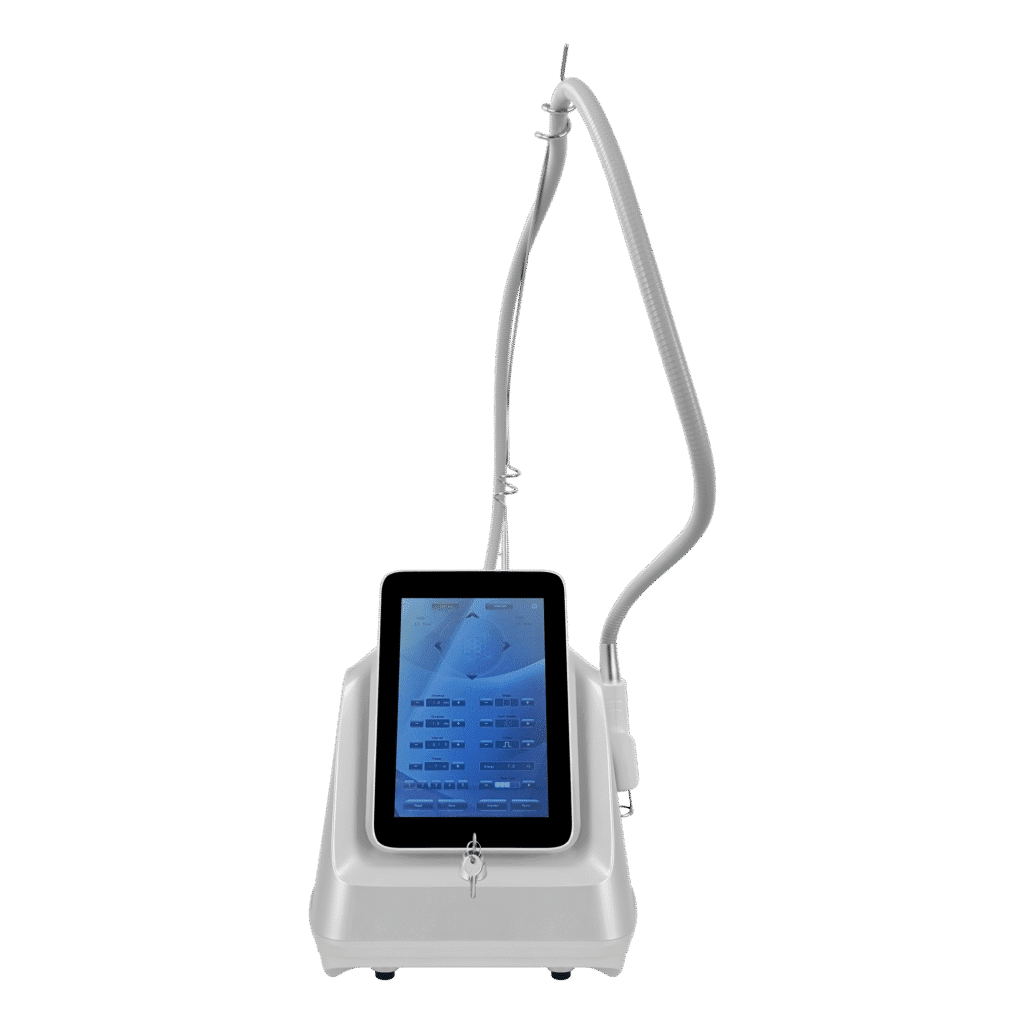
A0426 Диодный лазерный эпилятор 755/1064/810/940 нм
Почему стоимость наконечника имеет большее значение, чем думают многие покупатели?
Манипулятор является одной из важнейших статей расходов в бизнесе по лазерной эпиляции диодным лазером. Это также часть, которая подвергается наибольшей эксплуатационной нагрузке.
В процессе ежедневного использования наконечник подвергается воздействию следующих факторов:
- повторяющиеся высокоэнергетические импульсы
- тепло от диодного блока
- потребность в охлаждении вблизи терапевтического окна
- изгибание и протяжка кабеля
- гель, чистящая жидкость и контакт с кожей
- случайные падения или удары
- длительные сеансы лечения на больших участках тела
Для салона красоты манипулятор — это не просто технический компонент. Это инструмент, приносящий доход.
В случае поломки салону, возможно, придётся отменить записи. Снижение качества обслуживания может негативно сказаться на стабильности результатов процедур. Если замена обходится дорого, салон может обвинить в этом поставщика, а не собственные привычки оператора в обслуживании.
Именно поэтому дистрибьюторам следует оценивать срок службы наконечников как часть бизнес-модели, а не как незначительную деталь аксессуара.
Что на самом деле означает “срок службы наконечника”?
Срок службы наконечника часто указывается в количестве импульсов, например, в определенном количестве миллионов импульсов. Но дистрибьютор не должен ограничиваться заявленным количеством импульсов.
Заявленное количество выстрелов — это лишь одна из составляющих оценки.
Более точное определение:
Срок службы наконечника — это период, в течение которого наконечник может обеспечивать стабильную подачу энергии, приемлемое охлаждение, надежное кабельное соединение и стабильную эффективность лечения в нормальных условиях эксплуатации.
Это означает, что дистрибьютор должен провести оценку:
- рейтинговое количество выстрелов
- фактическая стабильность выходного сигнала
- состояние диодной полосы или диодного пакета
- состояние сапфира или окна обработки
- долговечность кабеля и разъема
- эффективность охлаждения во время длительной обработки
- реакция на запуск
- частота ошибок наконечника
- стоимость замены и сроки поставки
- Условия гарантии на наконечник
Наконечник может по-прежнему “стрелять”, но работать плохо. Именно поэтому одного количества выстрелов недостаточно.
Вопросы, которые следует задать перед оформлением заказа
Перед покупкой диодной лазерной системы дистрибьютор должен напрямую задать поставщику следующие вопросы:
- Каково допустимое количество выстрелов, которое может произвести наконечник?
- При каких условиях тестирования измеряется количество выстрелов?
- Что произойдет, когда счетчик выстрелов достигнет установленного предела?
- Останавливается ли наконечник автоматически, требуется ли перезагрузка программного обеспечения или он продолжает работать с пониженной производительностью?
- Можно ли заменить только диодный модуль, или необходимо заменить весь наконечник целиком?
- Какова цена сменного наконечника?
- Какой гарантийный срок у наконечника?
- Какие неисправности не подлежат гарантийному обслуживанию?
- Каков средний срок поставки сменного наконечника?
- Может ли дистрибьютор хранить запасные наконечники на местном складе?
Наиболее убедительный ответ поставщика заключается не только в том, что “наконечник прослужит долго”. Он также включает в себя четкую политику обслуживания, наличие запасных частей и стоимость их замены.
Как оценить ослабление энергии
Затухание энергии означает, что выходная мощность постепенно снижается или становится менее стабильной с течением времени. В реальных условиях салонного бизнеса это имеет значение, поскольку аппарат может казаться работающим нормально, в то время как эффективность процедуры снижается.
Возможные причины включают:
- старение диода после многократного использования
- перегрев из-за плохого охлаждения
- Засоренные фильтры или плохой напор воды
- грязный сапфир или окно обработки
- поврежденный оптический тракт
- нестабильное электроснабжение
- свободный соединитель наконечника
- поврежденный кабель
- дрейф калибровки
- оператор использует неподходящие параметры
Снижение энергопотребления не следует оценивать только по ощущениям клиента. Заявление клиента “Я чувствую меньше тепла” недостаточно для доказательства снижения производительности. Но это тревожный сигнал, который должен стать поводом для технической проверки.
Дистрибьюторам следует уточнять у поставщика, какой метод тестирования выходных параметров используется до отгрузки и во время послепродажного обслуживания.
К полезным доказательствам относятся:
- отчет о контроле качества на заводе
- тестовое видео вывода
- измерение мощности измерителем
- допустимый диапазон допустимых отклонений выходного сигнала
- Проверка температуры наконечника во время непрерывной стрельбы
- Данные о расходе воды и охлаждении
- запись количества выстрелов в программном обеспечении
- журнал технического обслуживания
Для крупных дистрибьюторов целесообразно разработать простой процесс входного контроля для каждого аппарата перед продажей его салону красоты.
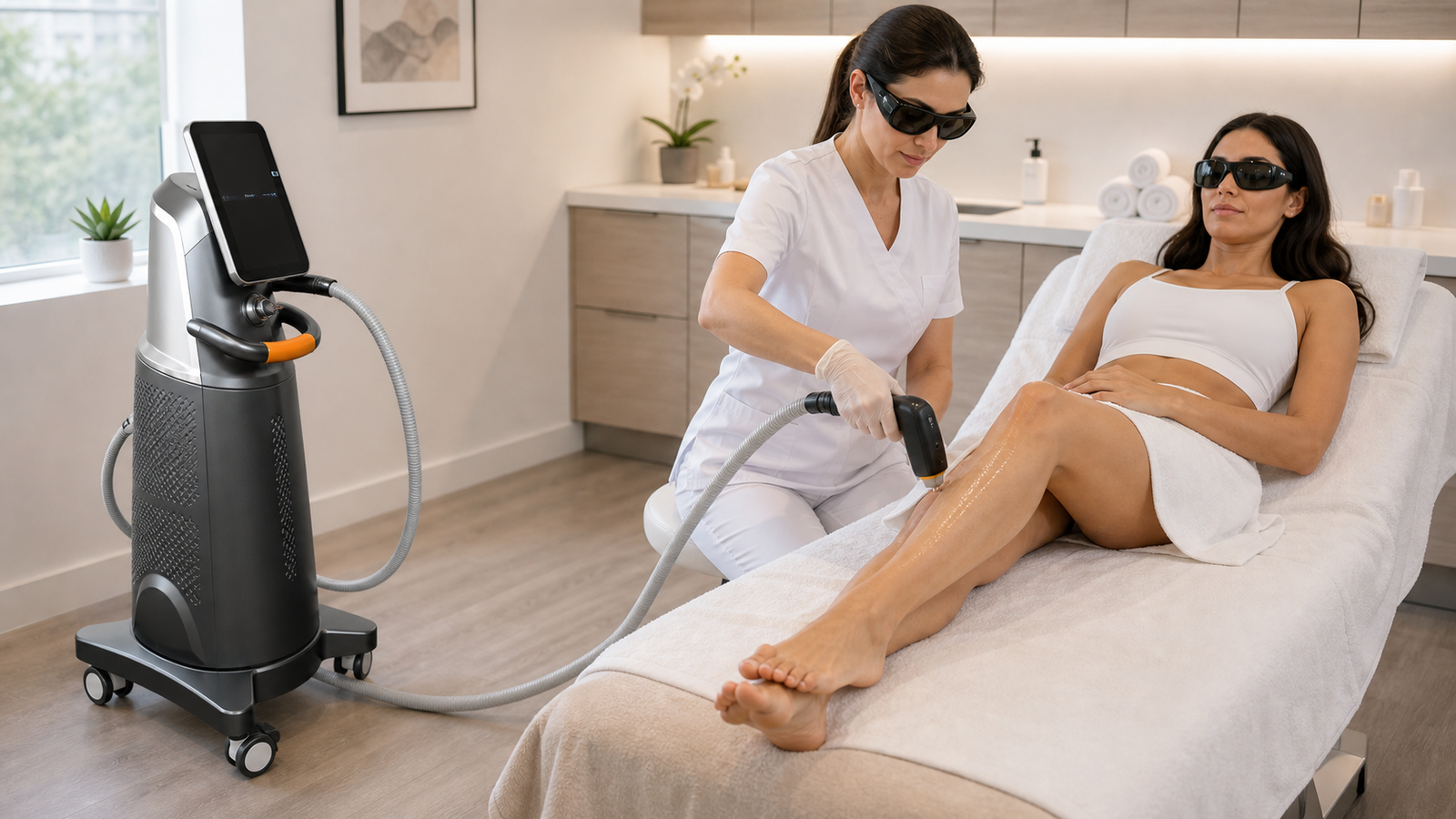
Признаки возможного снижения выработки энергии
Владельцы и управляющие салонов красоты могут не иметь профессионального измерителя мощности лазера, но они все равно могут следить за практическими тревожными признаками.
Возможные предупреждающие признаки включают:
- Результаты становятся хуже, даже если протокол лечения не меняется.
- Клиенты отмечают значительно меньшую чувствительность по сравнению с предыдущим периодом при тех же настройках.
- Оператор продолжает увеличивать энергию для достижения того же результата.
- Выпадение обработанных волос становится менее предсказуемым.
- Ощущения от воздействия на одну сторону зоны лечения отличаются от ощущений от воздействия на другую.
- Наконечник сильно нагревается во время длительных сеансов.
- охлаждение становится нестабильным или медленно восстанавливается
- Аппарат выдает больше ошибок, связанных с потоком, температурой или наконечником.
- Кабель или разъем кажутся неплотно закрепленными.
Эти признаки не являются автоматическим доказательством неисправности наконечника. Они указывают на необходимость проверки устройства.
Дистрибьютор должен обучить салоны сообщать о проблемах на ранних стадиях, а не ждать, пока оборудование полностью выйдет из строя.
Почему охлаждение и поток воды влияют на срок службы наконечника
Срок службы наконечника тесно связан с регулированием температуры.
Если тепло не отводится должным образом, диодный модуль, внутренняя оптика, кабельная сеть и операционное окно могут изнашиваться быстрее. Аппарат с высокой мощностью, но слабой системой охлаждения может поначалу казаться привлекательным, но при интенсивном использовании может стать дорогостоящим.
Например, на странице продукта SHEFMON A0426 указаны характеристики полупроводникового охлаждения, системы водяного и термоэлектрического охлаждения, информация о расходе воды и диапазон температур датчика. Эти характеристики важны, поскольку охлаждение необходимо не только для комфорта клиента, но и для стабильности работы оборудования в течение длительных сеансов эксплуатации.
При оценке любого диодного лазерного аппарата дистрибьюторам следует проверить следующее:
- конструкция резервуара для воды
- скорость потока воды
- требования к замене фильтра
- время восстановления охлаждения
- температура наконечника во время непрерывного использования
- допуск при комнатной температуре
- Сигнализация срабатывает при отклонении потока или температуры от нормы.
- имеют ли операторы доступ к основным точкам технического обслуживания
Если система охлаждения ненадежна, наконечник может быстрее изнашиваться, а стоимость ремонта может возрасти.
Что на самом деле входит в стоимость ремонта?
Стоимость ремонта — это не только цена запасной части.
Для дистрибьютора реальные затраты на ремонт включают в себя:
- цена части
- труд техника
- стоимость доставки
- таможенные или импортные пошлины на запасные части
- время обработки гарантийного случая
- время общения с поставщиком
- местные транспортные расходы до салона
- пропущенные встречи во время простоя
- возможное давление со стороны салона с целью возврата средств
- Ущерб репутации, если обслуживание медленное.
Именно поэтому две машины со схожей ценой покупки могут иметь совершенно разную долгосрочную стоимость.
Дистрибьютор должен рассчитывать общую стоимость сервисного обслуживания, а не только заводскую цену.
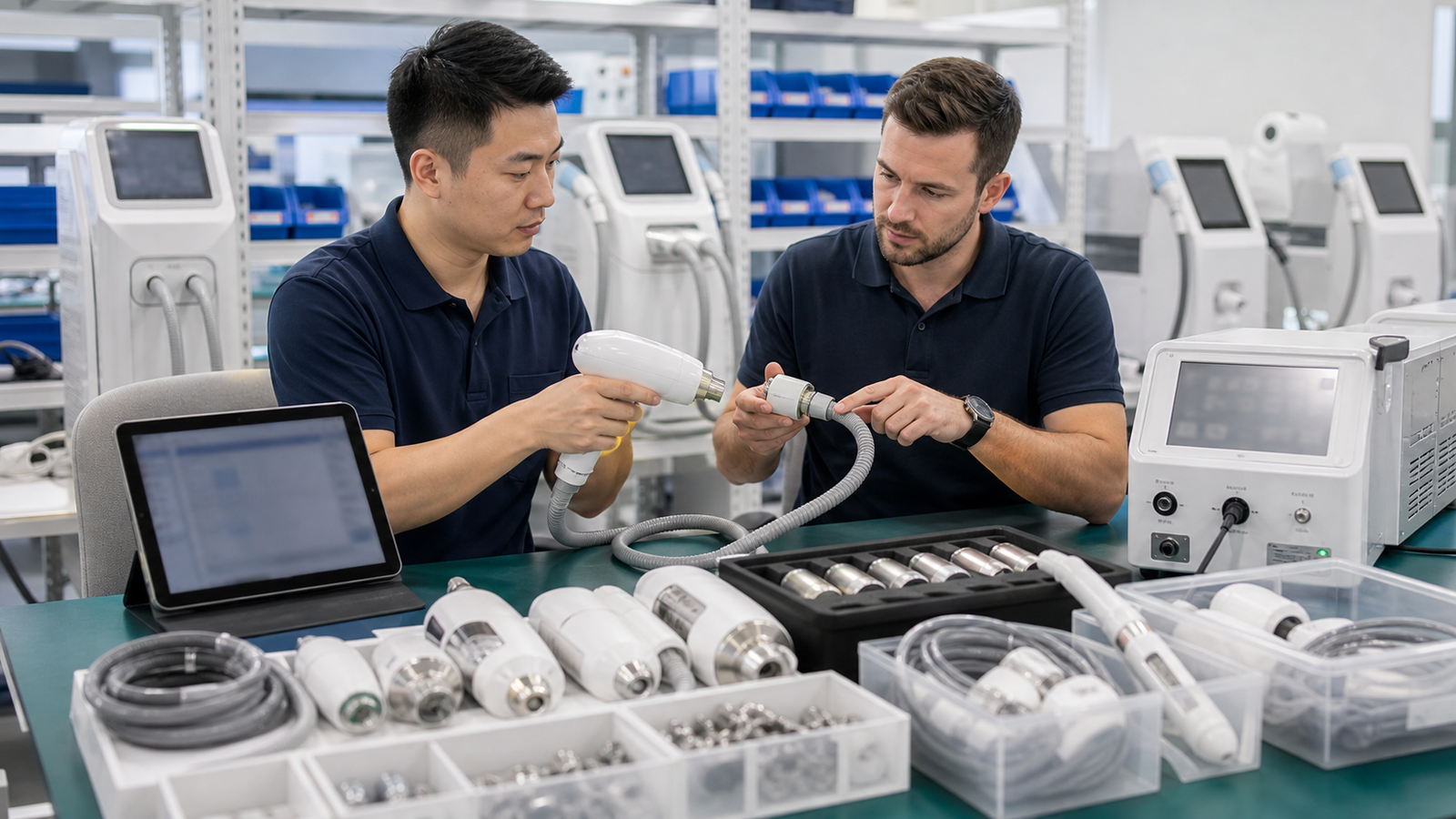
Запчасти, которые должны отслеживать дистрибьюторы
Для диодных лазерных эпиляторов обычно требуется следующее техническое обслуживание:
- полный наконечник
- кабель наконечника
- разъем
- сапфир или окно обработки
- фильтр для воды
- водяной насос
- трубка
- датчик расхода
- Модуль охлаждения TEC
- фанаты
- источник питания
- материнская плата
- экран
- аварийный выключатель
- ножной переключатель, если используется
- защитные очки
Не все детали часто выходят из строя, но дистрибьютор должен знать, какие детали легко хранить на складе на месте, а какие необходимо заказывать с завода.
Наиболее практичная стратегия — держать быстрораспродаваемые компоненты на местном складе и уточнять сроки поставки дорогостоящих модулей до заключения дистрибьюторского соглашения.
Как рассчитать стоимость одной процедуры
Покупатель в салоне красоты может спросить, стоит ли приобретать наконечник более высокого качества. Дистрибьютор должен объяснить стоимость одной процедуры, а не только цену самого наконечника.
Простой расчет выглядит так:
Стоимость наконечника на одну процедуру = стоимость замены наконечника / предполагаемое количество процедур, которые можно провести с помощью данного наконечника.
Расчетное количество процедур зависит от:
- среднее количество выстрелов, используемых на одну область тела
- количество обработанных участков за один прием
- скорость салонного лечения
- количество выстрелов, рассчитанное на использование наконечника
- реальное качество обслуживания
- стабильность выходных данных с течением времени
- сохраняет ли наконечник свою работоспособность ближе к концу срока службы.
Для дистрибьюторов этот расчет полезен, поскольку он меняет тему обсуждения с “Дешевое ли оборудование?” на “Может ли оборудование поддерживать прибыльные пакеты услуг?”
Контрольный список входного контроля для дистрибьюторов
Перед доставкой аппарата в салон дистрибьютор может провести базовую проверку:
- Проверьте модель, серийный номер и комплектацию по сравнению с заказом.
- Запишите количество выстрелов, произведенных наконечником, по прибытии.
- Осмотрите корпус наконечника, кабель, разъем и смотровое окно для проведения процедуры.
- Проверьте резервуар для воды, фильтр, трубки и датчик расхода.
- Убедитесь, что система охлаждения находится в рабочем состоянии.
- Протестируйте разные частоты повторения.
- Убедитесь, что аппарат правильно распознает наконечник.
- Проведите короткий тест с непрерывным выводом сигнала.
- Сделайте фотографии или видеозаписи машины и принадлежностей.
- Сохраните файл контроля качества поставщика и условия гарантии.
Этот процесс защищает как дистрибьютора, так и покупателя из числа салонов красоты.
В случае возникновения спора в дальнейшем, у дистрибьютора будет исходная запись.
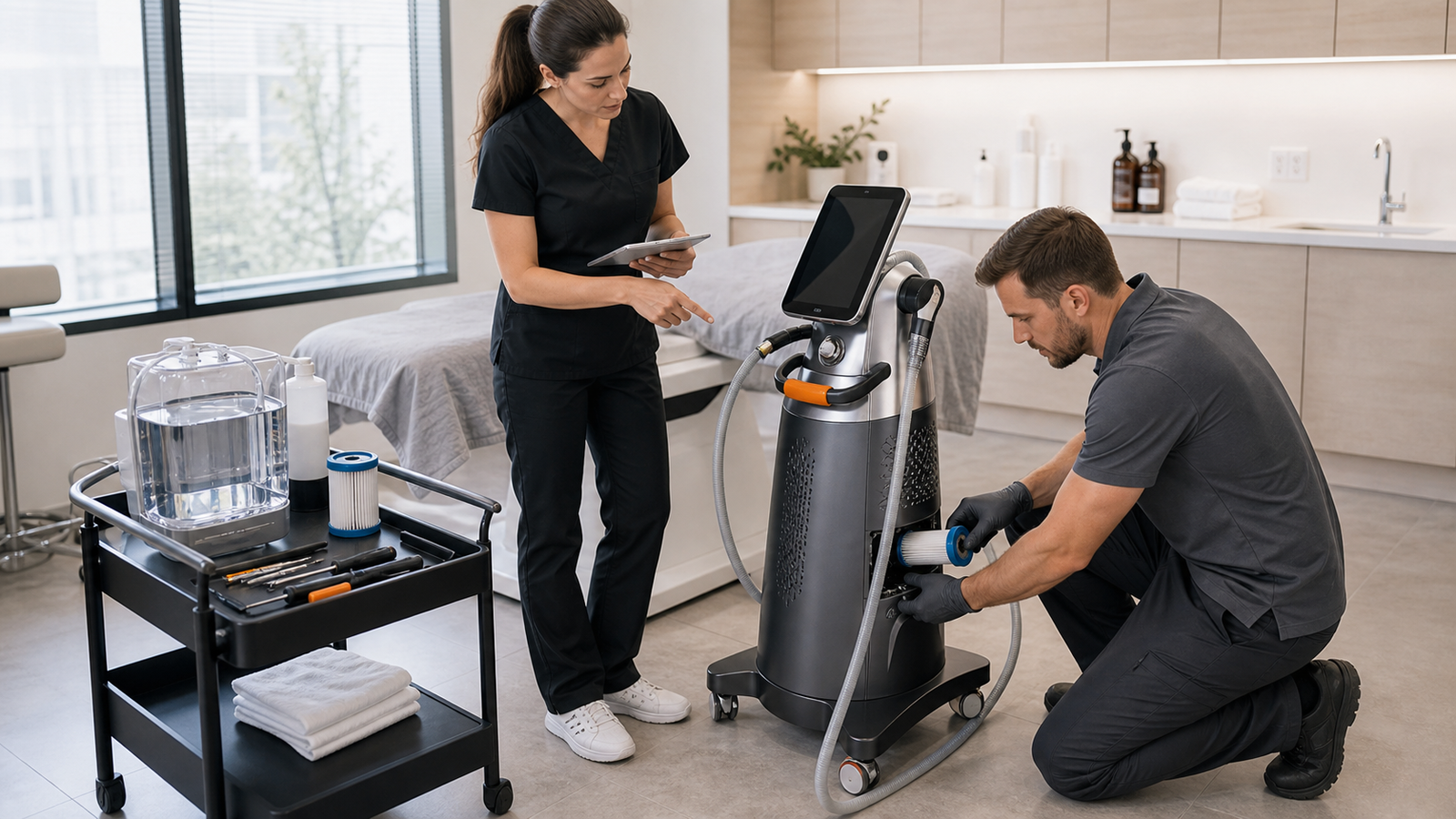
Рекомендации по техническому обслуживанию, продлевающие срок службы наконечника.
Срок службы наконечника определяется не только качеством изготовления на заводе. Поведение оператора также имеет значение.
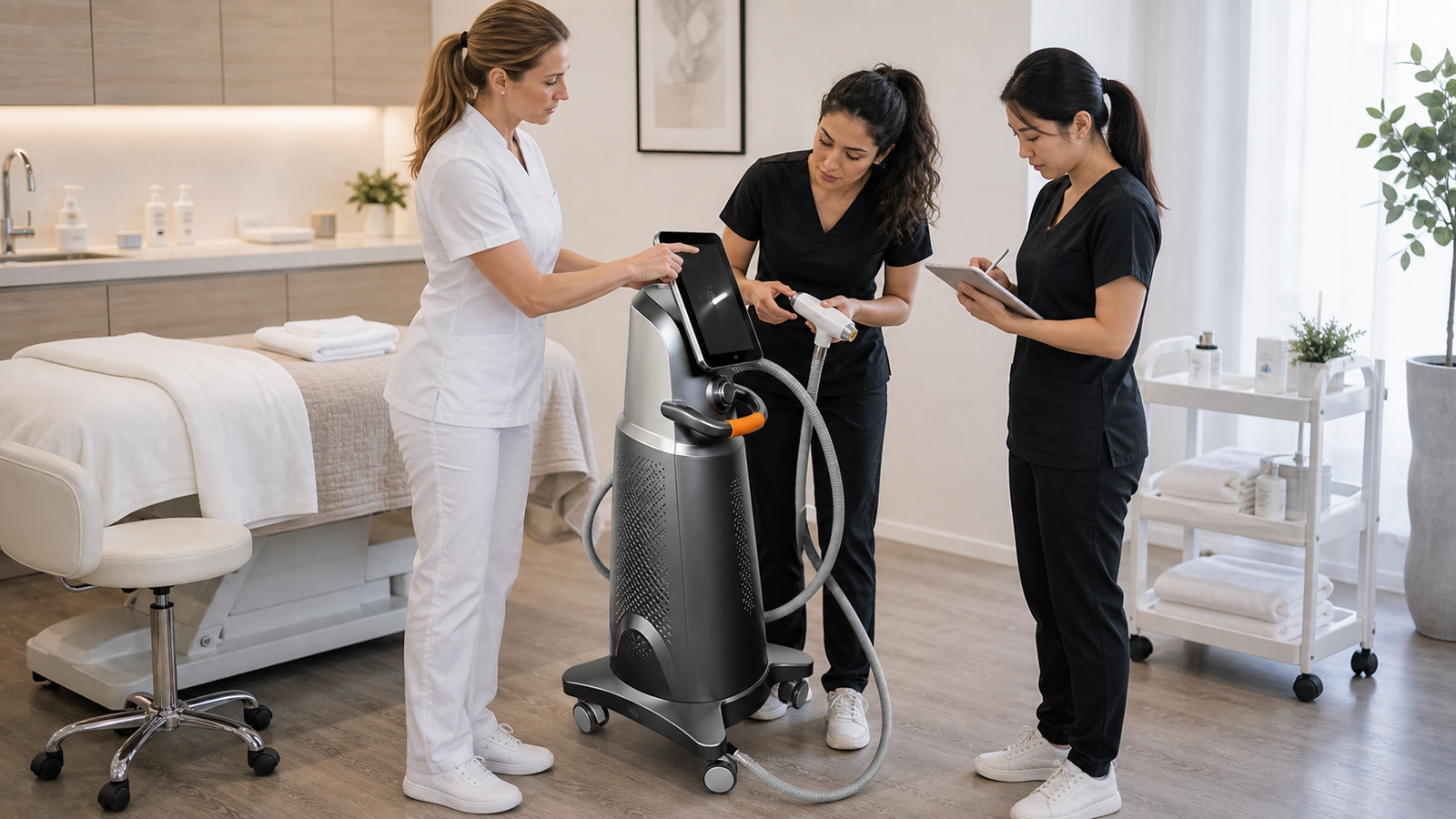
Сотрудники салонов должны быть обучены следующим навыкам:
- Следите за чистотой окна для обработки.
- не уроните наконечник
- избегайте резких изгибов кабеля.
- использовать указанный гель или контактный метод
- Следуйте графику замены воды и фильтра.
- не допускайте попадания воздуха в вентиляционные отверстия.
- Избегайте использования прибора в помещениях с повышенной температурой.
- Прекратите работу, если система выдаст сигнал тревоги о превышении расхода или температуры.
- регистрировать коды ошибок и события обслуживания.
- После использования выключайте и правильно храните наконечник.
Качественное обучение дистрибьюторов может снизить количество гарантийных споров, поскольку салон понимает, как правильно ухаживать за устройством.
Как это объяснить клиентам салона красоты?
Хороший дистрибьютор не говорит:
“Наконечник никогда не потребует замены”.”
Более точное объяснение:
“Наконечник предназначен для профессионального использования, но он всё же является рабочим компонентом. Мы оцениваем номинальную мощность импульсов, стабильность выходного сигнала, охлаждение, состояние кабеля и наличие запасных частей. Мы рекомендуем вести записи о техническом обслуживании и планировать затраты на замену в рамках долгосрочного сервисного обслуживания салона”.”
Это более правдоподобно.
Это также позволяет салону подготовиться к обычным операционным расходам, вместо того чтобы создавать нереалистичные ожидания.
Удобная для дистрибьюторов модель оценки
При сравнении поставщиков диодных лазеров дистрибьюторы могут оценивать каждое устройство по пяти параметрам:
1. Долговечность наконечника
Проверьте заявленную мощность выстрелов, качество кабеля, качество защитного окна, конструкцию корпуса, отклик спускового крючка и структуру разъема.
2. Стабильность выходного сигнала
Если салон подозревает затухание сигнала, запросите данные контроля качества, допустимые отклонения выходного сигнала, процесс калибровки и рекомендации по обслуживанию.
3. Надежность системы охлаждения
Оцените расход воды, конструкцию фильтра, качество насоса, характеристики термоэлектрического охладителя, вентиляцию и систему защиты от срабатывания сигнализации.
4. Поставка запасных частей
Уточните цену замены, минимальный объем заказа, план складского хранения на месте, сроки поставки и наличие аналогичного наконечника в будущих партиях.
5. Стоимость обслуживания и время простоя
Рассчитайте полную стоимость ремонта, включая доставку, работу, отмененные встречи и удовлетворенность клиента.
Эта модель помогает дистрибьюторам принимать бизнес-решения, а не решения о размещении брошюры.
Как дистрибьюторы SHEFMON могут представить эту тему в выгодном для них свете
Для дистрибьюторов SHEFMON эта статья может использоваться в качестве обучающего инструмента для салонов красоты.
Вместо того чтобы рекламировать только длину волны и мощность, дистрибьюторы могут сказать:
“При выборе диодной лазерной системы оцените манипулятор как компонент, приносящий доход. Мы поможем вам проверить срок службы манипулятора, стабильность выходного сигнала, обслуживание системы охлаждения, поставку запасных частей и стоимость ремонта, чтобы ваш салон мог построить более стабильный бизнес по удалению волос”.”
Этот посыл гораздо убедительнее, чем просто конкуренция по низкой цене.
Это говорит покупателям из салонов красоты о том, что дистрибьютор понимает важность долгосрочной работы, а не только первичных продаж.
Часто задаваемые вопросы
1. Соответствует ли срок службы наконечника заявленному количеству инъекций?
Нет. Количество выстрелов важно, но реальный срок службы также зависит от стабильности выходного сигнала, охлаждения, состояния кабеля, качества разъема и правил технического обслуживания.
2. Что такое ослабление энергии?
Затухание энергии означает, что выходной сигнал наконечника со временем становится слабее или менее стабильным. Это может быть вызвано старением диода, перегревом, оптическим загрязнением, плохим охлаждением, повреждением кабеля или дрейфом калибровки.
3. Как дистрибьютор может проверить ослабление энергии?
Наилучший метод — это технические измерения с использованием соответствующего испытательного оборудования и сравнение с данными заводского контроля качества. Отзывы клиентов могут указывать на тревожные признаки, но не должны быть единственным доказательством.
4. Какие вопросы следует задавать дистрибьюторам перед покупкой сменных наконечников?
Уточните цену, гарантийный срок, сроки поставки, совместимость с будущими версиями программного обеспечения, минимальный объем заказа и целесообразность наличия товара на складе.
5. Влияет ли охлаждение на срок службы наконечника?
Да. Плохой напор воды, засоренные фильтры, слабый теплообмен или высокая температура в помещении могут увеличить термическую нагрузку и сократить срок службы компонентов.
6. Почему стоимость ремонта выше, чем цена запчастей?
Поскольку стоимость ремонта также включает в себя оплату труда, доставку, таможенные пошлины, командировочные расходы техника, время простоя, сорванные встречи и риск неудовлетворенности клиентов.
7. Следует ли салонам красоты иметь запасной наконечник?
Салонам с большим потоком клиентов может быть выгодно иметь запасной наконечник или быстрый доступ к нему от дистрибьютора. Это сократит время простоя, если основной наконечник потребует обслуживания.
8. О каких тревожных признаках салонам следует сообщать на ранней стадии?
Пациенты должны сообщать об ослаблении ощущений при тех же настройках, нестабильном охлаждении, перегреве наконечника, частых срабатываниях сигнализации, неплотных разъемах, повреждении кабеля или непостоянных результатах.
9. Может ли техническое обслуживание снизить затраты на замену наконечника?
Качественное техническое обслуживание не может предотвратить все процессы старения компонентов, но оно может снизить количество предотвратимых поломок, вызванных загрязненными фильтрами, плохим охлаждением, ненадлежащим обращением с кабелями или неправильной очисткой.
10. Какой подход к продажам является наиболее эффективным для дистрибьютора?
Не продавайте только технические характеристики оборудования. Продавайте долгосрочный пакет услуг: оборудование, обучение по использованию наконечников, рекомендации по проверке производительности, поставку запасных частей и планирование затрат на ремонт.