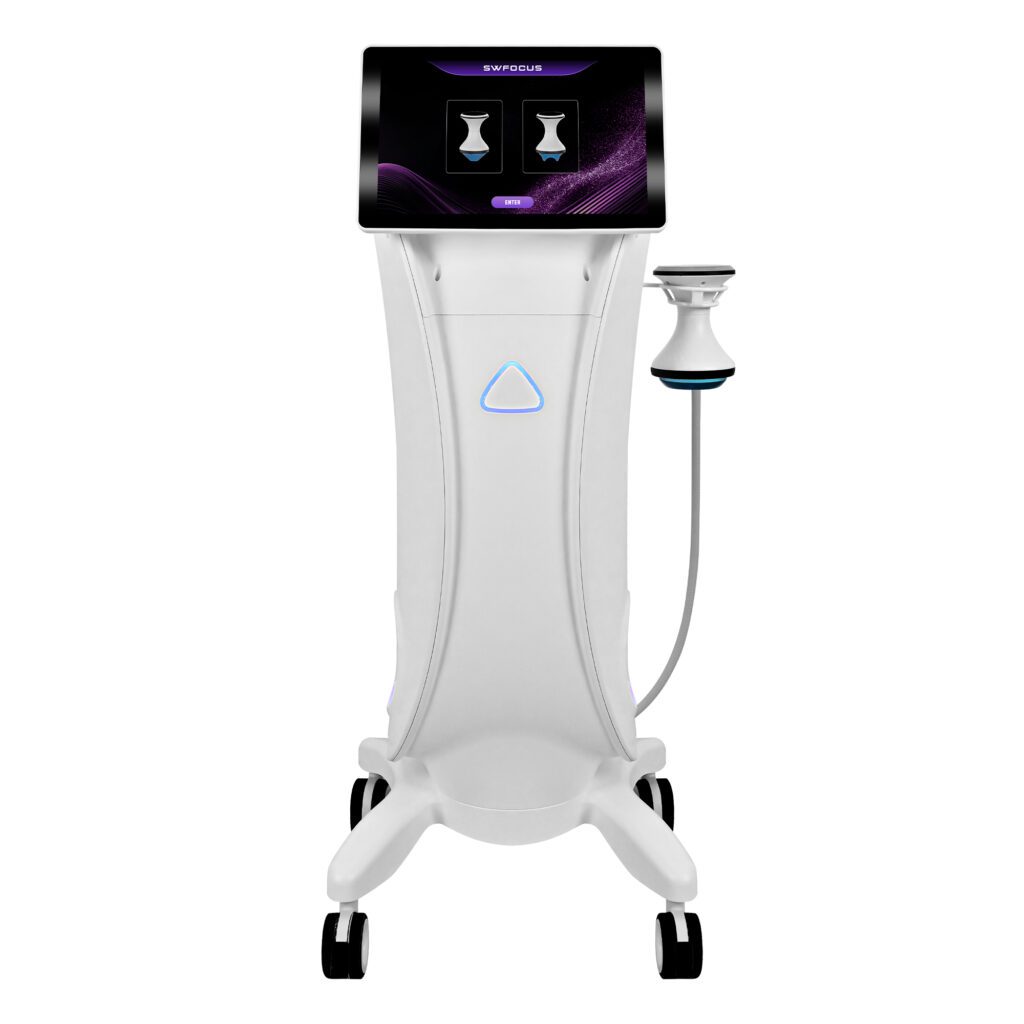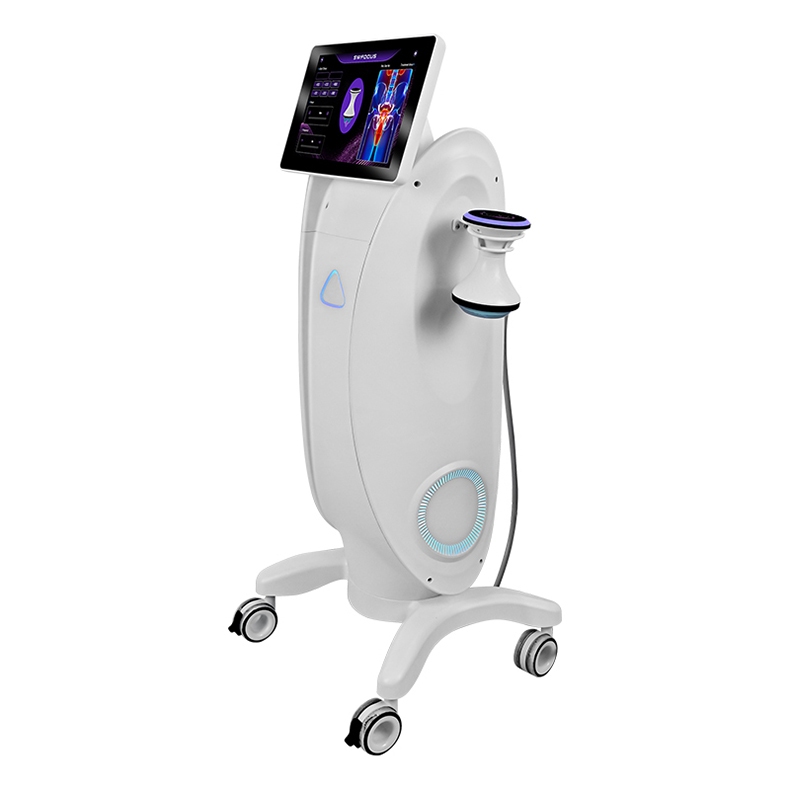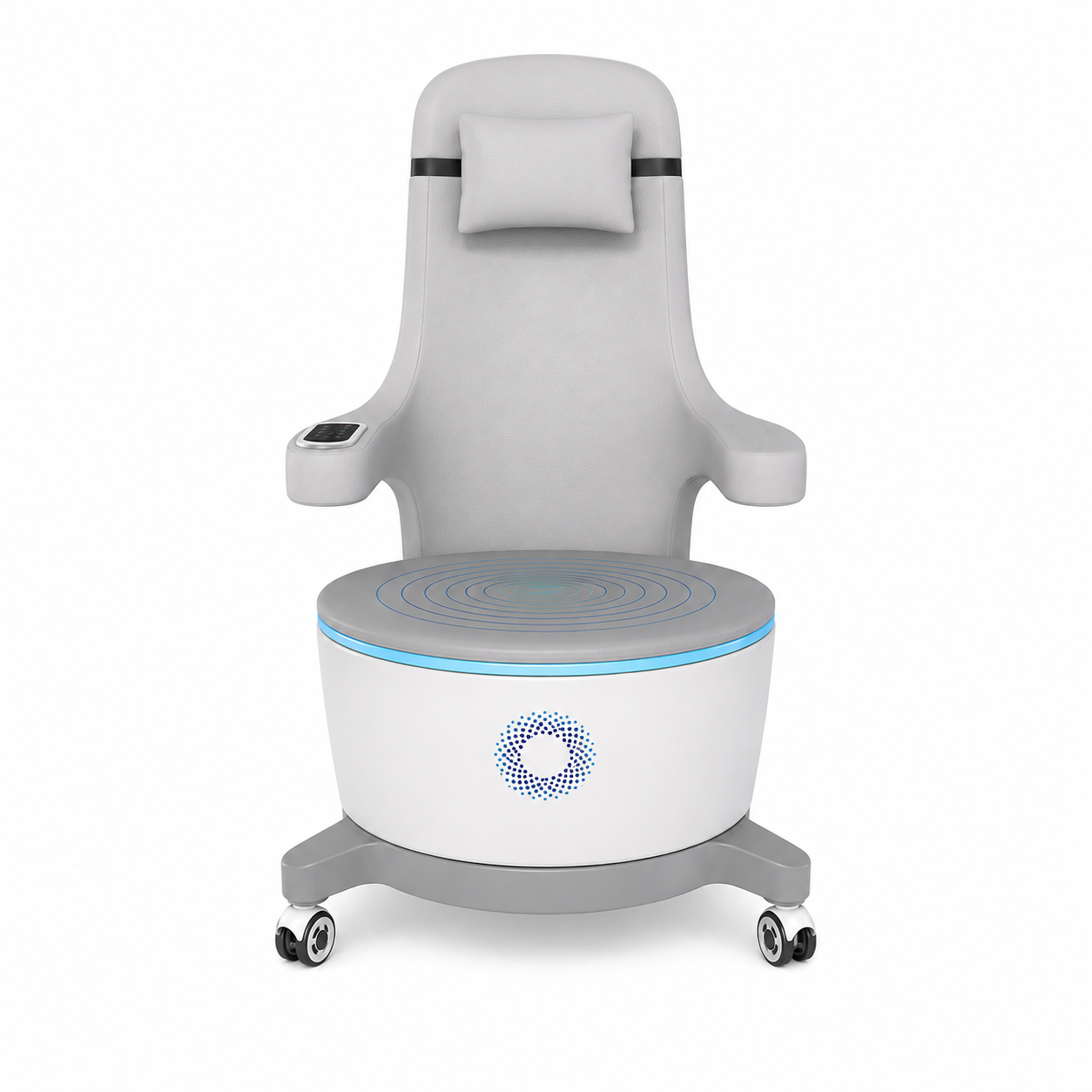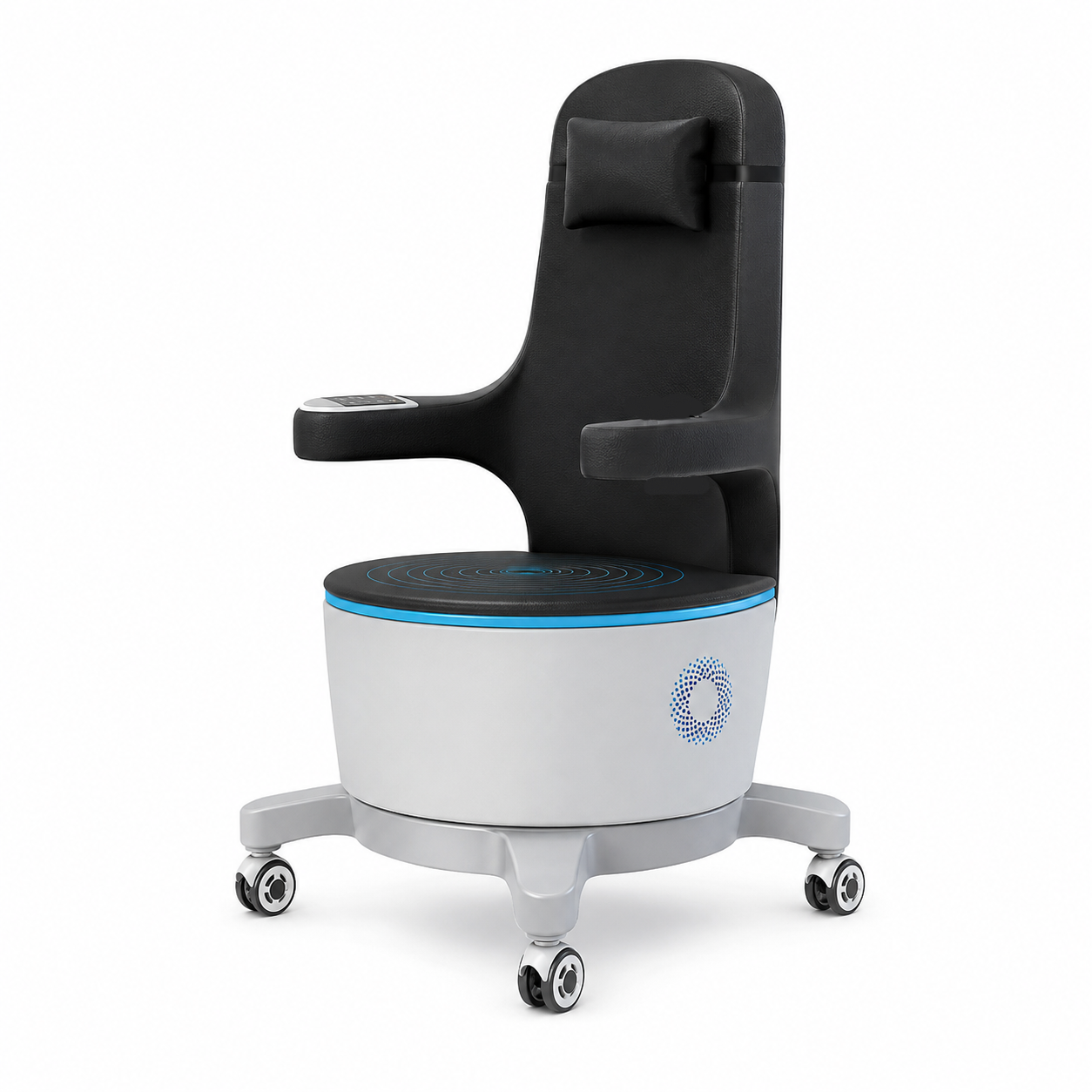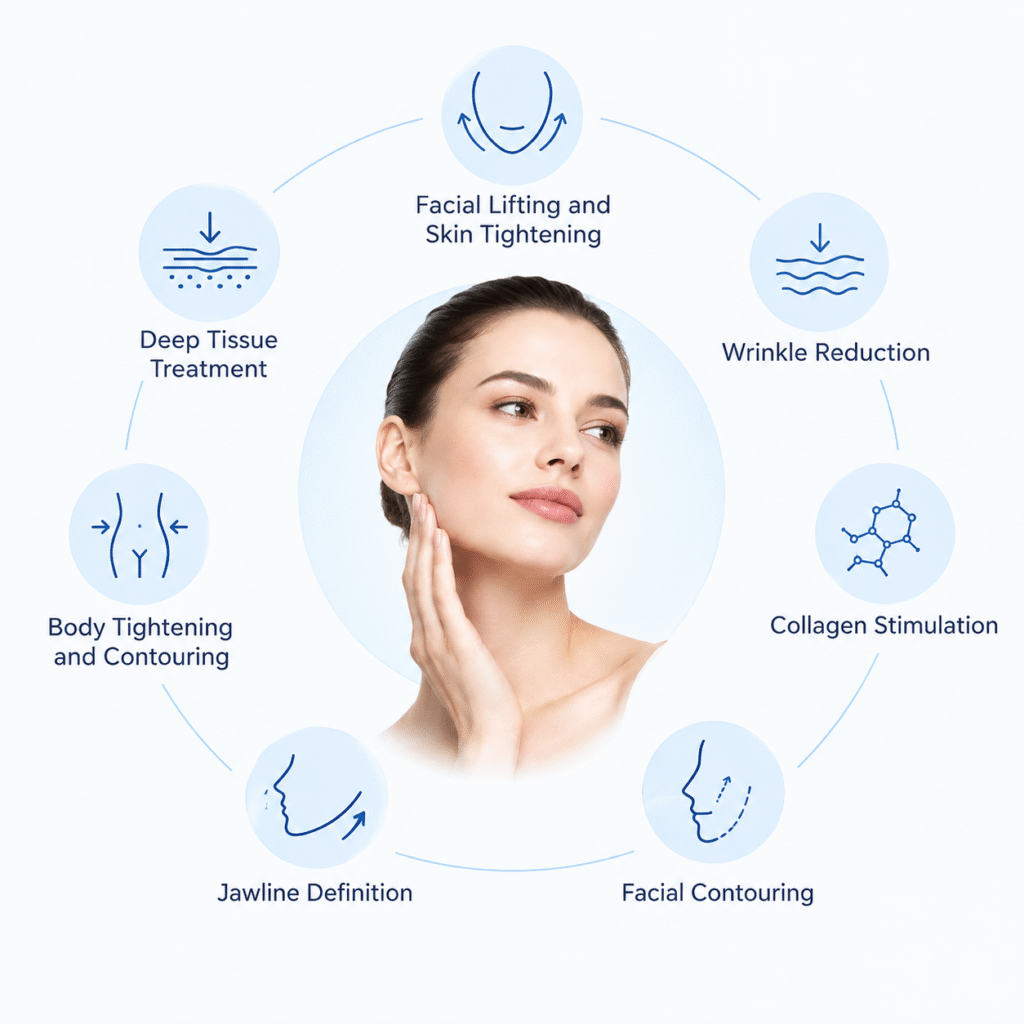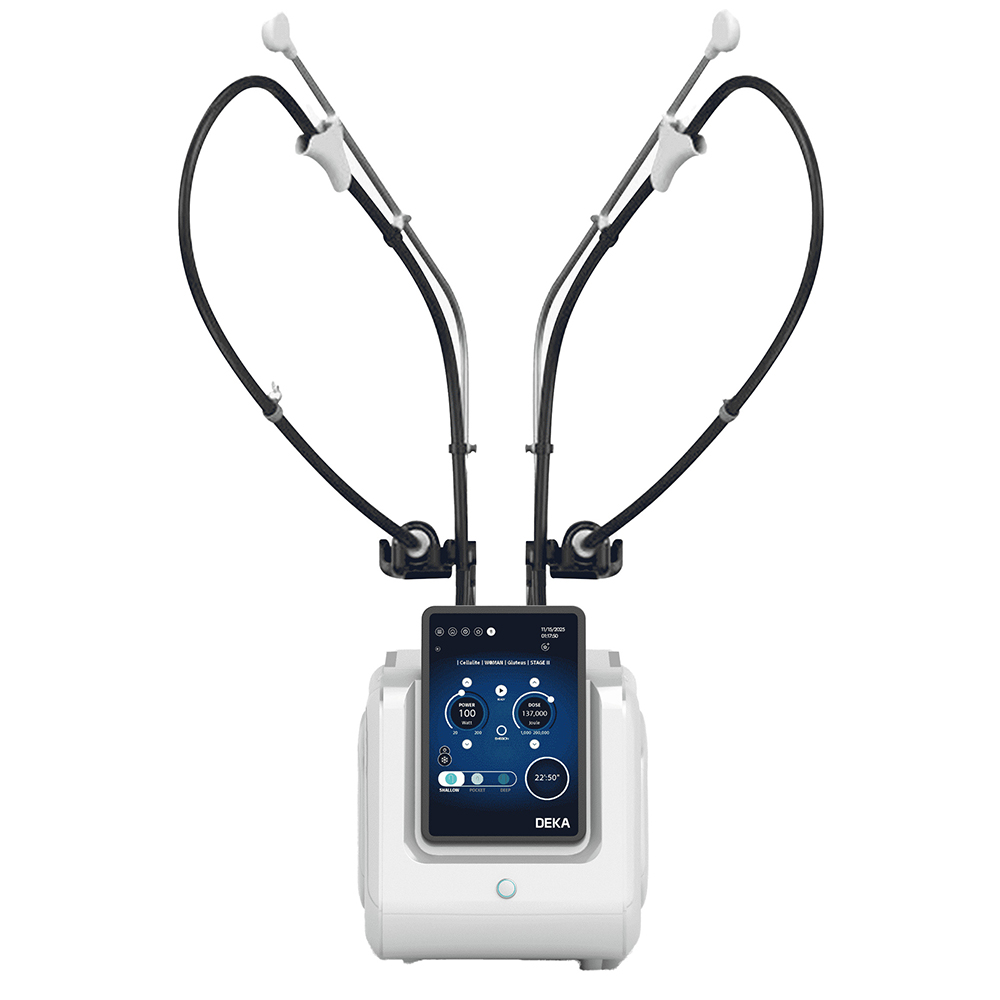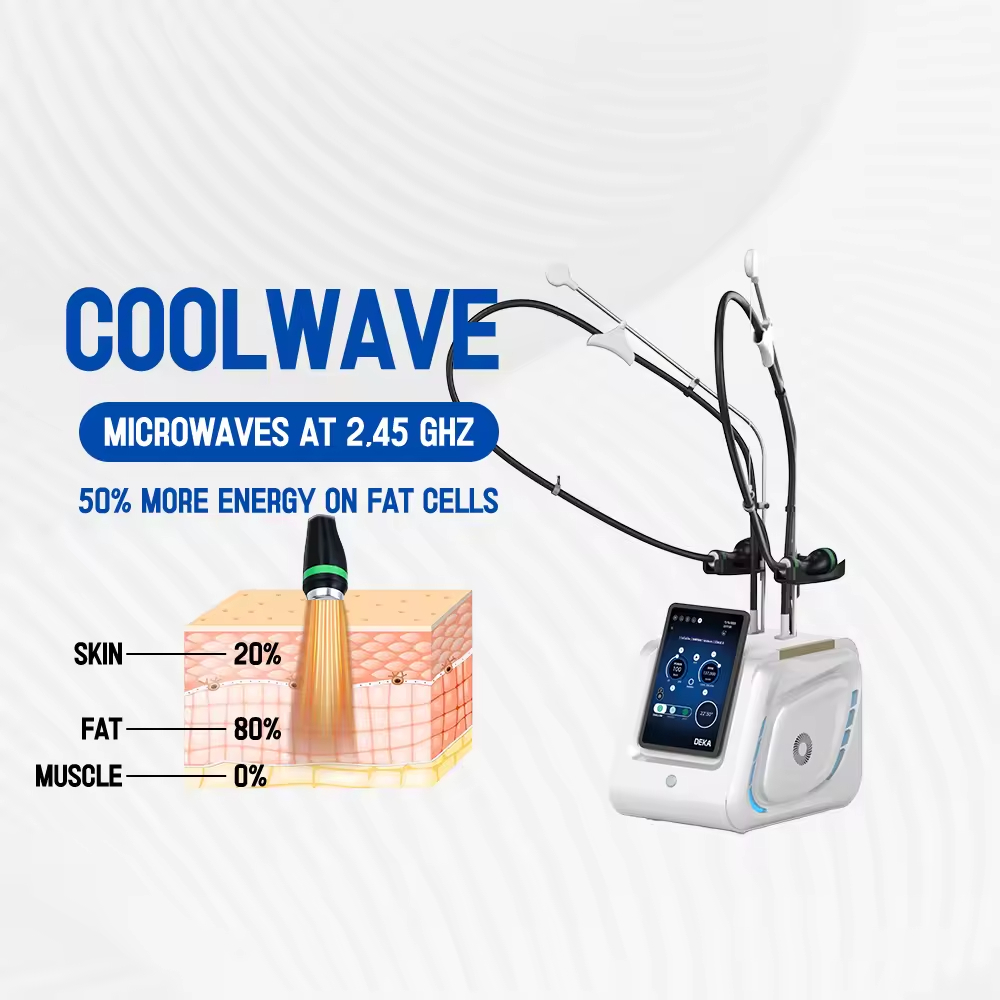










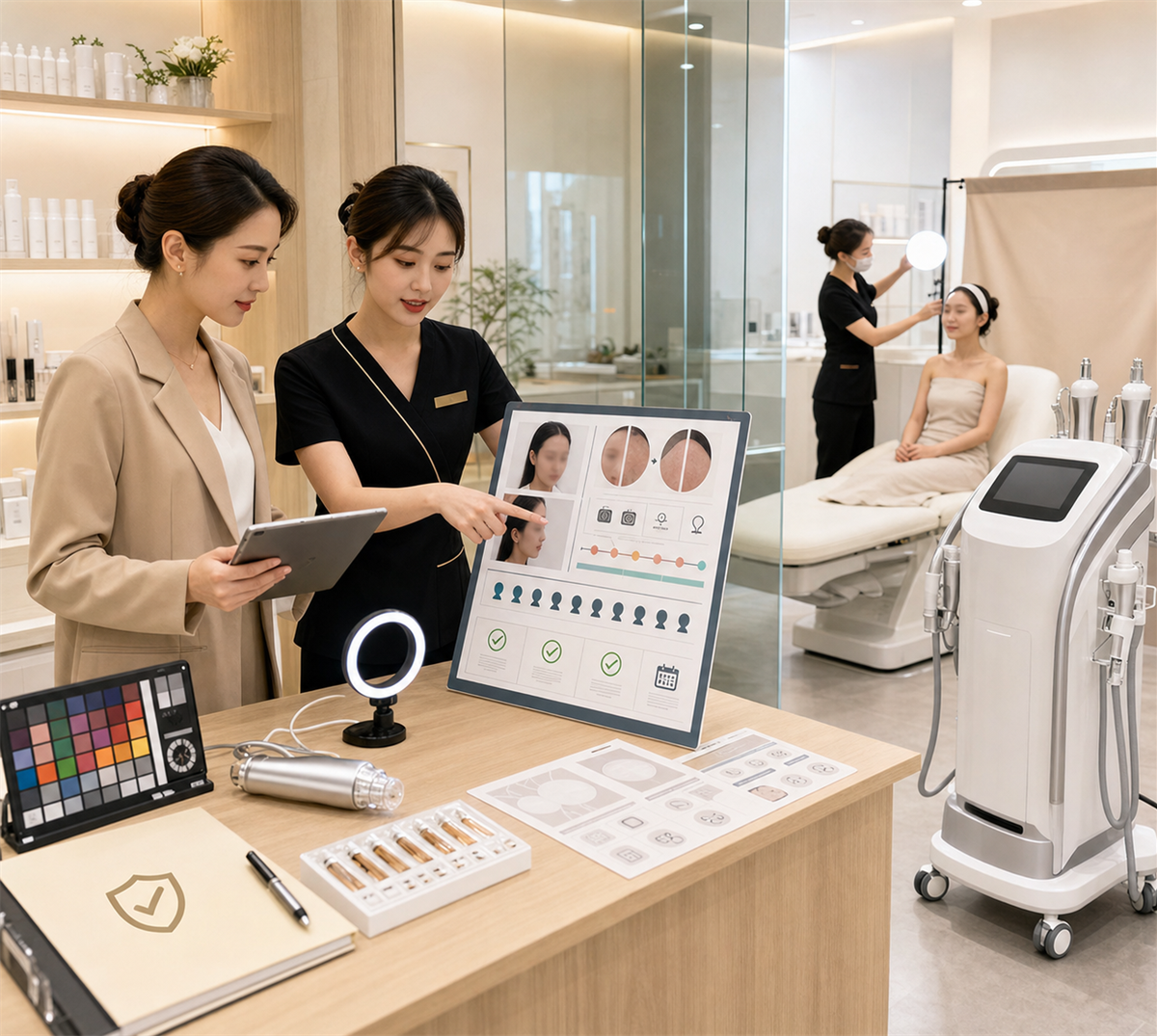
Фотографии «до» и «после» — мощный маркетинговый инструмент для салонов красоты, особенно когда салон продвигает услуги радиочастотной терапии, ультразвука, светодиодной терапии, гидродермабразии, коррекции фигуры, эпиляции, анализа кожи или другие процедуры с использованием оборудования. Хорошо составленное фото или видео помогает клиентам понять суть процедуры, завоевать доверие салона и представить, подходит ли им данная услуга.
Однако примеры «до и после» также могут создавать риски. Если фотографии преувеличены, освещение непостоянно, клиент не дал согласия, результат представлен как гарантированный или формулировки затрагивают медицинские аспекты, это может подорвать доверие и создать проблемы с соблюдением требований к рекламе. В маркетинге косметического оборудования цель состоит не в создании максимально эффектной картины. Цель — создать убедительную, отслеживаемую и полезную историю о клиенте.
Для салона красоты убедительное исследование успеха должно ответить на пять вопросов:
- Какую проблему клиента решали?
- Какой проект по оснащению оборудованием или план ухода был использован?
- Каков был процесс и временной цикл обслуживания?
- Какие видимые или основанные на личном опыте изменения были замечены?
- Что должны понимать другие клиенты перед бронированием?
Когда на эти вопросы даны четкие ответы, кейс перестает быть просто рекламным изображением. Он становится инструментом обучения, доказательством доверия и поводом для начала переговоров о продажах.
Почему важны примеры «до» и «после» для проектов по модернизации оборудования
Продавать оборудование для косметических процедур сложнее, чем базовый уход с помощью ручных процедур, потому что у клиентов часто возникает больше вопросов. Они могут спросить, безопасен ли аппарат, болезненна ли процедура, очевиден ли результат, стоит ли он своих денег, сколько сеансов необходимо и подходит ли он для их типа кожи или тела.
Пример "до и после" может уменьшить сомнения, поскольку демонстрирует услугу в контексте. Клиенты могут увидеть реальную проблему, реальный процесс и реальное последующее наблюдение. Это особенно полезно для дорогостоящих проектов, таких как омолаживающий уход, подтяжка, коррекция фигуры, уход за телом после родов и долгосрочный уход за кожей.
Для салонов красоты использование примеров из практики также помогает персоналу продавать более стабильно. Вместо того чтобы объяснять каждый проект с нуля, консультант по красоте может показать структурированный пример и сказать:
“Клиентку беспокоила тусклость и плохая текстура кожи. Сначала мы провели анализ кожи, а затем разработали план ухода за кожей, состоящий из трех сеансов. Эти фотографии были сделаны при одинаковом освещении и ракурсе. Результат отражает ее индивидуальный опыт, и нам еще предстоит проверить, подходит ли данный проект именно ей, прежде чем рекомендовать его”.”
Такое объяснение гораздо убедительнее, чем просто сказать: “Эта машина работает очень хорошо”.”
Пример из практики не является гарантией.
Самый важный принцип заключается в следующем: сравнение «до и после» — это отражение опыта одного клиента, а не обещание, что каждый клиент получит тот же результат.
У разных клиентов разный возраст, состояние кожи, общее состояние организма, образ жизни, история ухода, чувствительность, режим домашнего ухода, метаболизм и частота посещений. Даже один и тот же аппарат может давать разные результаты в зависимости от клиента и терапевта. Поэтому каждый случай следует рассматривать как индивидуальный, а не как универсальный результат.
Избегайте таких фраз, как:
- “Один сеанс меняет ваше лицо”
- “Гарантированный видимый результат”
- “Постоянный эффект”
- “Без риска”
- “Это под силу каждому”
- “Улучшение состояния на медицинском уровне”
- “Лечит угревую сыпь”
- “Полностью удаляет жир”
- “Возвращает молодость”
Используйте более безопасные и заслуживающие доверия фразы, такие как:
- “Индивидуальный случай из практики клиента”
- “Фотографии сделаны при одинаковом освещении и ракурсе”.”
- “Реальный опыт может отличаться”
- “Пригодность следует оценивать до начала эксплуатации”.”
- “Данный случай рассматривается с разрешения клиента”.”
- “Проект направлен на поддержание внешнего вида и поддержку в выполнении повседневных процедур”.”
- “План ухода был разработан с учетом состояния этого пациента”.”
Четкая формулировка не ослабляет дело. Она делает дело более заслуживающим доверия.
Начните с выбора кейса.
Не каждый клиент должен становиться объектом публичного обсуждения. Салоны должны выбирать подходящие, понятные, этичные и полезные для обучения примеры.
В хорошем кейсе обычно присутствуют:
- Распространенная проблема, с которой сталкиваются многие клиенты, и она им понятна.
- Четкая документация по проекту
- Хорошее сотрудничество со стороны клиента.
- Разрешение на использование фотографий или комментариев.
- Стабильный процесс обслуживания
- Стабильные условия фотосъемки
- Реалистичные и объяснимые изменения
- Никаких конфиденциальных или неловких сведений.
Не выбирайте случай только потому, что он выглядит эффектно. Если резкие изменения могут быть вызваны макияжем, освещением, ракурсом, осанкой, изменением веса, выражением лица, средствами по уходу за кожей, редактированием изображений или несвязанными процедурами, то такой случай может ввести в заблуждение.
В маркетинге салонов красоты умеренное, но убедительное обоснование проблемы часто приводит к лучшим результатам, чем крайнее обоснование, которому клиенты не доверяют.
Получите письменное согласие перед публикацией.
Прежде чем использовать фотографию, фотографию, голос, имя, записи чата, отзывы или информацию об опыте проведения процедур любого клиента, салон должен получить явное разрешение. Это защищает как клиента, так и салон.
В форме согласия должно быть указано:
- Какой контент будет использован?
- Где это может быть опубликовано
- Будет ли показано лицо клиента?
- Будет ли отображаться имя, возраст или род занятий.
- Может ли салон использовать этот материал для рекламы или только для органических публикаций?
- Может ли клиент запросить удаление позже?
- Была ли предоставлена какая-либо скидка или льгота в данном случае.
- Будет ли контент отредактирован или анонимизирован?
Если клиент соглашается только на внутреннее обучение персонала, не используйте контент публично. Если клиент соглашается на размещение в разделе «Моменты», но не в платной рекламе, не используйте этот случай в платной рекламе. Если клиент соглашается на использование фотографий лица, но не фотографий тела, соблюдайте это ограничение.
В отношении чувствительных зон, процедур для тела, кожи, склонной к акне, послеродового ухода, интимной гигиены, эпиляции или медицинской косметологии салону следует проявлять еще большую осторожность.
Стандартизация условий фотосъемки
Достоверность сравнения «до» и «после» во многом зависит от согласованности фотографий. Если фотография «до» темная, а фотография «после» светлая, клиенты могут почувствовать себя обманутыми. Если ракурс лица меняется, сравнение может быть бессмысленным. Если на одной фотографии есть макияж, а на другой нет, результат ненадежен.
Используйте стандартный контрольный список для съемки:
- Та же комната
- Такое же освещение
- Тот же фон
- Та же камера или телефон
- Те же настройки объектива
- Равное расстояние от клиента
- Та же позиция по отношению к клиенту.
- Один и тот же ракурс лица или тела.
- То же выражение лица
- Тот же статус макияжа
- По возможности, одинаковое расположение волос.
- одинаковая высота камеры
- Без фильтров красоты
- Без разглаживания кожи
- Без изменения формы тела
- Нет никакой цветокоррекции, которая бы влияла на сравнение.
При съемке лица делайте снимки спереди, слева под углом 45 градусов, справа под углом 45 градусов, а также, при необходимости, сбоку. При съемке тела используйте четкие отметки на полу, чтобы клиент мог каждый раз стоять в одном и том же положении. При съемке текстуры кожи используйте фотографии крупным планом только с согласия клиента и при стабильном освещении.
Если в салоне используется анализатор кожи на основе искусственного интеллекта или профессиональное устройство для диагностики состояния кожи, используйте отчет устройства в качестве вспомогательной информации, но не преувеличивайте его значение. Отчет устройства может помочь выявить тенденции, но его следует подробно и в контексте объяснить.
Запишите подробности проекта
Для того чтобы тематическое исследование было полезным, недостаточно одних только фотографий. Оно должно содержать достаточно подробной информации о ходе событий, чтобы персонал и клиенты могли понять, что произошло.
Записывать:
- Главная забота клиента
- Возрастной диапазон клиентов, если получено разрешение.
- Примечания о состоянии кожи или тела
- Результаты проверки на противопоказания
- Тип оборудования
- Название проекта
- Область лечения
- дата сессии
- Продолжительность сессии
- Основные этапы обслуживания
- Комбинации продуктов
- При необходимости примечания об энергии или режиме работы.
- Ощущения клиента во время реализации проекта
- Инструкции по уходу после процедуры
- Дата последующего наблюдения
- Отзывы клиентов
- Любые связанные с этим изменения образа жизни или ухода на дому.
Не следует публиковать все внутренние подробности. Но их нужно записывать внутри компании. Если клиент позже спросит: “Почему в этом случае произошло улучшение?”, сотрудники смогут объяснить план лечения, вместо того чтобы просто показывать картинку.
Внутренняя документация также помогает салонам улучшать обучение персонала. Если в нескольких случаях наблюдается низкая удовлетворенность клиентов, проблема может заключаться в ценообразовании, объяснениях, технике выполнения процедуры терапевтом, проверке соответствия требованиям или последующем контроле, а не обязательно в самом аппарате.
Разработайте шаблон для анализа конкретного случая.
Салону красоты следует использовать повторяющийся шаблон обращения. Это упростит создание, проверку и публикацию каждого обращения.
Практический пример из практики:
- Название дела
- жалоба клиента
- Информация о клиенте
- Рекомендации по проекту
- Используемое оборудование
- Цикл обслуживания
- Что было записано до начала проекта
- Что было сделано в ходе проекта?
- Что изменилось после завершения проекта?
- Отзывы клиентов
- Анализ персонала
- Подходящее напоминание клиенту
- Напоминание об уходе после процедуры
- Призыв к действию при бронировании
- Уведомление о соответствии требованиям
Пример:
“Пример: Уход за тусклой кожей и устранение шероховатости ее текстуры”
“Жалоба клиентки: Клиентка отметила, что ее кожа выглядит уставшей, а макияж ложится неровно”.”
“Рекомендация по проекту: Салон рекомендовал план ухода за кожей, включающий очищение, увлажнение и использование специального оборудования”.”
“Процесс оказания услуг: три сессии в течение четырех недель”.”
“Стандарты фотосъемки: фотографии были сделаны при одинаковом освещении и ракурсе. Фильтры для улучшения внешности не использовались”.”
“Замеченные изменения: Клиентка отметила, что ее кожа стала чище и увлажненнее. На сравнительных фотографиях текстура кожи выглядела более гладкой при тех же условиях съемки”.”
“Напоминание: это лишь опыт одной клиентки. Результаты могут отличаться в зависимости от состояния кожи и привычек по уходу. Пожалуйста, проконсультируйтесь с салоном перед записью на процедуру”.”
Этот шаблон понятен, полезен и безопаснее, чем пост, построенный на слогане.
Варианты использования различных категорий оборудования
Для разных проектов по установке оборудования требуются разные углы обзора. В салоне не следует использовать одну и ту же структуру «до» и «после» для каждого аппарата.
Чехлы для косметического оборудования RF
Проекты RF часто ориентированы на подтяжку кожи, коррекцию контуров и омолаживающий уход. При оценке следует уделять внимание потребностям клиента, циклу обслуживания, комфорту, внешнему виду кожи и плану поддержания результата.
Полезные углы обзора:
- План ухода за контурами лица
- Коррекция внешнего вида шеи и линии подбородка
- Поддержка внешнего вида тонких линий
- Улучшенный уход за зрелой кожей
- Премиальный антивозрастной футляр
Будьте осторожны с такими словами, как “подтяжка”, “укрепление” или “регенерация коллагена”, если утверждение не подкреплено надлежащими доказательствами или если местные правила ограничивают использование таких формулировок. Более безопасный подход — описывать изменения, ориентированные на внешний вид, и опыт использования продукта клиентом.
Кейсы для ультразвукового косметологического оборудования
Ультразвуковое оборудование часто используется в комплексных процедурах по уходу за лицом. В демонстрационных примерах можно показать, как оно применяется для нанесения косметических средств, увлажнения, успокоения или регулярного ухода за кожей.
Полезные углы обзора:
- Уход за сухой кожей
- Управление текстурой кожи
- Поддержка внедрения продукта
- Бережный уход за лицом с использованием специального оборудования.
- План регулярного ухода за кожей
В документе должен быть четко изложен процесс оказания услуг, а не обещаны медицинские результаты.
Корпуса для светодиодной терапии
Следует проявлять особую осторожность при использовании светодиодных устройств, поскольку клиенты могут ассоциировать светотерапию с акне, воспалением, восстановлением или медицинскими показаниями. Если салон работает как немедицинский салон красоты, он должен сосредоточиться на поддержке регулярного ухода, комфорте и поддержании внешнего вида, где это разрешено.
Полезные углы обзора:
- Успокаивающий уход
- Уход за кожей после сезонной сухости
- Поддерживающий уход в рамках косметической процедуры для лица.
- Комфорт клиентов и плановое техническое обслуживание
Не следует утверждать, что проект занимается лечением болезней, если у компании нет надлежащей квалификации и доказательств.
Гидродермабразия или процедура образования мелких пузырьков
Провести демонстрацию небольших процедур пенной и гидротерапии обычно несложно. В примерах можно показать участки кожи, склонные к появлению черных точек, процесс очищения пор, этапы увлажнения и опыт первого использования процедуры клиентами.
Полезные углы обзора:
- Глубокое очищение
- Остатки макияжа и уход за порами
- Проект по созданию первого в своем роде оборудования для ухода за лицом
- Базовое повышение уровня медицинского обслуживания
- Ежемесячная процедура очищения кожи
Поскольку проекты такого типа проще для понимания, в данном случае приоритет отдается процессу, а не результату.
Чехлы для оборудования для удаления волос
В случаях удаления волос необходимо соблюдать конфиденциальность и тщательно управлять ожиданиями. Салон не должен обещать полное удаление волос, если это не имеет законного обоснования и разрешения. Необходимо подробно объяснить план процедуры, подготовку и уход за волосами.
Полезные углы обзора:
- Планирование сезонного удаления волос
- объяснение цикла курса
- Комфорт клиента во время сеанса
- Процесс обеспечения конфиденциальности и гигиены
- график последующих визитов
Избегайте демонстрации деликатных зон или раскрытия особенностей тела без тщательного согласия.
Чехлы для оборудования для коррекции фигуры
В случаях, когда речь идет о коррекции фигуры, легко преувеличить, поскольку на внешний вид могут влиять осанка, ракурс, дыхание, одежда, потребление воды, диета и физические упражнения. Стандартизация крайне важна.
Полезные углы обзора:
- план управления телом
- Отслеживание осанки и измерений
- послужной список, основанный на пройденных курсах
- Сотрудничество в сфере образа жизни
- Поддержка самостоятельного управления для клиентов
Используйте измерения с осторожностью. Не давайте никаких гарантий снижения веса или назначения медицинского лечения, если это не подтверждено надлежащим образом и не разрешено.
Чехлы для анализаторов кожи с искусственным интеллектом
Аргументы в пользу использования анализаторов кожи могут быть убедительными, поскольку отчет устройства предоставляет клиентам структурированный способ понимания состояния своей кожи. Однако отчет следует использовать в качестве консультационного инструмента, а не для постановки диагноза, если только устройство и оператор не имеют соответствующей квалификации.
Полезные углы обзора:
- Выявление проблем с кожей
- Рекомендации по проекту, основанные на анализе кожи.
- Отслеживание прогресса в течение трех сессий
- корректировка плана обслуживания участников
- Обучение клиентов перед выбором проекта
Используйте простые объяснения. Технические диаграммы не должны перегружать клиентов информацией.
Создайте библиотеку кейсов для отдела продаж.
Салон красоты не должен полагаться на случайные примеры из социальных сетей. Ему следует создать библиотеку примеров, которую сотрудники смогут использовать во время консультаций.
Организуйте библиотеку кейсов следующим образом:
- Проблемы с кожей
- Возрастной диапазон
- Тип оборудования
- Пакет проекта
- Бюджет клиента
- Цикл обслуживания
- возражение клиента
- Тип результата
- Преобразование членства
Например:
- Тусклость и обезвоживание
- Чехлы для очищения пор
- Укрепляющие и контурирующие средства
- Меры предосторожности для чувствительной кожи
- случаи коррекции фигуры
- Примеры обращений новых клиентов
- Обращения по обновлению членства для существующих пользователей
Когда новый клиент задает вопрос о проекте, сотрудники могут выбрать похожий случай и объяснить его в контексте. Это делает общение более профессиональным и менее зависимым от личного убеждения.
Создание карточек обращений для консультации
Кейс-карточка — это упрощенная версия кейса, предназначенная для быстрого использования в продажах. Ее можно распечатать, показать на планшете, отправить в WeChat или использовать в коротких видеороликах.
В состав качественной карты дела входят:
- Название проекта
- жалоба клиента
- Цикл обслуживания
- Тип оборудования
- Фотографии «до» и «после» или результаты анализа кожи.
- Основные этапы обслуживания
- Отзывы клиентов
- Рекомендация персонала
- Подходящая группа клиентов
- Напоминаем, что результаты могут различаться.
- Призыв к действию для бронирования или консультации
Содержите карточки с описанием проекта в чистоте. Не перегружайте их техническими параметрами. Клиенты должны понимать ценность проекта, а не полное руководство по эксплуатации оборудования.
Примеры использования в контенте для социальных сетей
Примеры «до» и «после» можно использовать в WeChat Moments, коротких видеороликах, заметках в стиле «сяохуншу», плакатах магазинов, личных чатах, прямых трансляциях и кампаниях по привлечению подписчиков. Однако формат должен меняться в зависимости от канала.
Для WeChat Moments:
- Используйте краткое описание дела.
- При необходимости добавьте одну или две стандартизированные сравнительные фотографии.
- Объясните проектный и сервисный цикл.
- Пригласить на частную консультацию
Для короткого видео:
- Опишите проблему, процесс и проанализируйте конкретный случай.
- Избегайте чрезмерно драматичного монтажа.
- Используйте подписи, чтобы объяснить, что данный случай является индивидуальным.
- Направьте зрителей в сообщение для проверки соответствия требованиям.
Для частной консультации:
- Поделитесь дополнительной информацией.
- Объясните, что было сделано, а что не было обещано.
- Сравните ситуацию клиента с рассматриваемым случаем.
- Рекомендуйте провести первую пробную или аналитическую сессию.
Для размещения на витрине магазина:
- Используйте анонимизированные случаи.
- Сохраняйте профессиональный стиль изложения.
- Добавить QR-код или путь бронирования
- Обучите персонал точному изложению обстоятельств дела.
Пишите аргументы в пользу обращения, которые внушают доверие.
Хороший текст обоснования проекта должен быть конкретным, сдержанным и полезным. В нем следует избегать пустой похвалы и преувеличенных заявлений.
Слабый текст:
“Потрясающий результат уже после первого сеанса. Всем стоит попробовать. Запишитесь прямо сейчас, пока цена не выросла”.”
Более убедительный текст:
“К нам обратилась клиентка с жалобами на тусклость и шероховатость кожи. Сначала мы провели осмотр состояния кожи, а затем разработали план очищения, увлажнения и ухода с использованием оборудования. Фотографии для сравнения были сделаны при одинаковом освещении и ракурсе. Клиентка сообщила, что после курса ее кожа стала чище и увлажненнее. Индивидуальные ощущения могут отличаться, поэтому мы рекомендуем проконсультироваться перед записью на процедуру”.”
Этот стиль может звучать менее агрессивно, но он более убедителен. Клиенты, готовые платить за профессиональные проекты по оснащению оборудованием, обычно лучше реагируют на ясность, чем на преувеличение.
Учитывайте мнение клиентов.
Отзывы клиентов могут сделать ситуацию более понятной и близкой зрителю. Но они должны быть реальными, разрешенными и не вводящими в заблуждение.
Полезный отзыв клиента может включать в себя:
- Какие впечатления оставил проект.
- Чувствовал ли клиент себя комфортно
- Что побудило клиента сделать заказ?
- Понимал ли клиент план лечения?
- Готов ли клиент продолжать техническое обслуживание?
Избегайте редактирования отзывов, превращая их в утверждения, которых клиент не делал. Избегайте выбора только самых крайних отзывов и представления их как типичных. Если клиент получил скидку, бесплатное обслуживание, подарок или поощрение в обмен на отзыв, в зависимости от политики платформы и местных правил может потребоваться раскрытие информации.
Включите примечания о пригодности и противопоказаниях.
Профессионально оформленный образ не должен создавать у каждого клиента впечатление, что он ему подходит. Салон должен четко объяснить, что пригодность необходимо оценивать.
Например:
“Этот проект не рекомендуется всем клиентам. Перед записью мы расспросим вас о текущем состоянии кожи, недавних процедурах, чувствительности, беременности (при необходимости), истории болезни (при необходимости) и используемой в настоящее время косметике. Если ваша кожа раздражена, повреждена или находится в стадии восстановления, мы можем предложить отложить процедуру или выбрать более щадящий план ухода”.”
Это защищает клиента и повышает доверие. Клиенты часто чувствуют себя увереннее, когда салон готов сказать: “Сейчас это не подходит”, вместо того чтобы предлагать свои услуги всем подряд.
Не скрывайте цикл обслуживания.
В некоторых салонах преображают клиентов мгновенно. Это может вызвать кратковременный интерес, но привести к долгосрочному разочарованию. Большинство проектов по модернизации оборудования требуют разумного цикла, сотрудничества с клиентом и технического обслуживания.
Более корректный вариант должен звучать так:
- Независимо от того, проводится ли сравнение после одного или нескольких сеансов.
- Сколько дней или недель прошло между фотографиями?
- Использовал ли клиент также средства по уходу за домом?
- Был ли проект совмещен с оказанием помощи на рабочем месте?
- Входили ли в планы изменения образа жизни.
- Рекомендуется ли техническое обслуживание?
Клиенты не всегда отказываются от более длительных циклов обслуживания. Они отказываются от нечетких обещаний. Если салон честно объяснит цикл обслуживания, клиенты смогут принять более взвешенное решение о покупке.
Используйте данные анализатора кожи в качестве подтверждающих доказательств.
Если в салоне есть анализатор кожи, данные можно включить в клинические исследования. Это особенно полезно для оценки уровня увлажненности, состояния пор, текстуры кожи, баланса жирности, пигментации и отслеживания плана ухода.
Но в салоне следует объяснить все максимально просто:
- Какой показатель был проверен?
- Почему это важно для данного клиента?
- Какой план ухода был рекомендован?
- Что изменилось в последующем отчете?
- Что клиенту следует продолжать делать?
Не следует представлять анализатор кожи как инструмент медицинской диагностики, если он не имеет законного права на такое использование. Для большинства салонов красоты более безопасным позиционированием будет “консультация по уходу за кожей и помощь в планировании ухода”.”
Разработка кейсов для новых клиентов
Для новых клиентов информация о случаях до и после оказания услуг должна уменьшить страх и способствовать пониманию ситуации.
Полезные темы:
- Что включает в себя первое занятие
- Как терапевт проверяет состояние кожи
- Какие ощущения вызывает оборудование
- Сколько времени занимает обслуживание?
- Что делать после завершения проекта?
- Почему одна сессия — это только начало для решения некоторых проблем
Цель должна заключаться в том, чтобы клиент почувствовал себя достаточно уверенно и смог забронировать первую услугу, а не был вынужден сразу же приобрести большой пакет услуг под давлением.
Разработка кейсов для существующих членов
Для существующих клиентов следует сосредоточиться на преимуществах обновления. Эти клиенты уже доверяют салону, но могут задаться вопросом, зачем им нужно обслуживание оборудования, если они уже пользуются базовыми услугами по уходу за лицом.
Полезные углы обзора:
- От базового увлажнения до ухода за кожей с помощью специальных устройств.
- Модернизация проекта по борьбе со старением для участников, состоящих в программе длительное время.
- План восстановления кожи в сезон сезонных заболеваний
- Эксклюзивный опыт использования оборудования для членов клуба
- Обновление пакета услуг посредством отслеживания результатов проекта
В представленном документе должно быть показано, что проект по установке нового оборудования представляет собой профессиональную модернизацию, а не случайную попытку навязать более дорогую продукцию.
Разработка кейсов для дорогостоящих проектов
Для дорогостоящих проектов требуются более подробные описания. Одной сравнительной фотографии обычно недостаточно. Клиенты хотят понимать, почему проект стоит дороже.
В дорогостоящем деле следует учитывать следующее:
- Забота о клиенте и его цели
- Процесс консультаций
- роль оборудования
- Этапы обслуживания
- Комбинации продуктов
- Цикл ухода
- Анализ персонала
- Отзывы клиентов
- План дальнейших действий
- Рекомендации по техническому обслуживанию
Чем дороже проект, тем важнее становится структура обоснования. Клиенты премиум-класса покупают уверенность, а не только видимые изменения.
Разработка кейсов для общественных салонов
В основе работы общественных салонов часто лежит доверие. Представленные в них примеры должны быть реалистичными, доброжелательными и практичными.
Удачные ракурсы:
- История клиента-соседки о лечении кожи
- Обращение по поводу обновления членства для существующих пользователей
- Ежемесячный набор для ухода за лицом
- Первый опыт ухода за оборудованием
- Простой процесс от пробной версии до готового пакета.
Владельцам салонов красоты, работающих в местных сообществах, следует избегать чрезмерно отполированной или нереалистичной рекламы. Местные клиенты зачастую больше доверяют достоверным отзывам об услугах, профессионализму персонала и дружелюбному отношению после посещения.
Разработка дизайна кейсов для высококлассных центров по уходу за кожей.
В высококлассных центрах по уходу за кожей следует использовать больше стандартизированных, основанных на данных и профессионально разработанных сценариев.
Удачные ракурсы:
- Отчет анализатора кожи плюс план проекта
- Клинический случай многосессионного омолаживающего лечения
- Процесс проведения процедуры и консультации в процедурном кабинете.
- Обучение терапевтов и технические стандарты
- Персонализированное портфолио проектов
Чехлы премиум-класса должны выглядеть изысканно, но не искусственно. Последовательность, защита конфиденциальности и профессиональное объяснение важнее, чем броские заявления.
Превратите кейсы в воронку продаж.
Пример "до и после" не должен заканчиваться фразой "посмотрите на результат". Он должен подсказывать клиенту следующий шаг.
Простая воронка обработки обращений:
- Публикация вызывает интерес
- Клиент задает вопросы в комментариях или личных сообщениях.
- Сотрудники задают вопросы о пригодности.
- Клиент записывается на анализ кожи или пробный сеанс.
- Сотрудники сравнивают проблему клиента с соответствующим случаем.
- Клиент знакомится с проектом
- Отзывы сотрудников
- Сотрудники подбирают пакет услуг в зависимости от потребностей.
- Клиент становится участником программы лояльности или обновляет существующую карту.
- Салон связывается с клиентом и может создать новое обращение с его разрешения.
Именно так дело превращается из простого контента в источник дохода.
Обучите персонал объяснению конкретных случаев.
Библиотека кейсов работает только в том случае, если сотрудники умеют её объяснять. Сотрудники не должны говорить:
“Результат будет тот же”.”
Они должны сказать:
“Этот случай похож на вашу проблему, но состояние каждого человека индивидуально. Мы используем это для объяснения логики проекта. После оценки состояния вашей кожи мы сможем посоветовать, подходит ли вам этот проект”.”
Сотрудники должны усвоить:
- Как изложить проблему клиента
- Как объяснить цикл обслуживания
- Как указать на соответствие фотографий стандартам
- Как избежать гарантий
- Как связать данный случай с консультацией
- Как отвечать на вопросы клиентов
- Как порекомендовать пробные или пакетные варианты
Когда объяснения персонала стандартизированы, примеры из практики становятся ценным инструментом обучения продажам.
Создайте систему ежемесячного анализа дел.
Салоны красоты должны ежемесячно анализировать результаты работы. Цель состоит не только в маркетинге, но и в управлении проектами.
Обзор:
- Какие дела вызвали наибольшее количество запросов?
- Какие случаи привели к задержанию?
- Какие дела были преобразованы в посылки?
- Какие типы проектов получили наилучшие отзывы?
- Какие группы клиентов отреагировали положительно?
- Какие утверждения или формулировки вызвали вопросы?
- Какие фотографии были неясны?
- Какие объяснения персонала оказались эффективными?
- Какие проекты нуждаются в улучшенных инструкциях по послепродажному обслуживанию?
Этот анализ помогает салону усовершенствовать ценообразование, обучение персонала, отбор клиентов и планирование контента.
Распространенные ошибки, которых следует избегать
Ошибка 1: Разное освещение и ракурсы.
Это самая распространенная проблема. Если условия «до» и «после» не совпадают, клиенты будут сомневаться в целесообразности проекта, даже если он реален.
Ошибка 2: Чрезмерная обработка фотографий
Использование косметических фильтров, сглаживание кожи, коррекция фигуры, изменение формы тела и цвета кожи могут подорвать доверие. Используйте качественные оригинальные фотографии.
Ошибка 3: Отсутствие разрешения клиента.
Использование изображения клиента без явного разрешения может создать серьезные проблемы с доверием и юридические проблемы. Согласие должно быть получено до публикации.
Ошибка 4: Подача медицинских заявлений.
Многие салоны предлагают услуги, направленные на улучшение внешнего вида, а не на медицинское обслуживание. Не используйте терминологию, связанную с медицинским диагнозом или лечением, если предприятие не имеет соответствующей квалификации и если такое утверждение не разрешено.
Ошибка 5: Показ только успешных случаев.
Если каждый случай будет выглядеть идеально, клиенты могут в это не поверить. Поэтому полезно показывать примеры процесса, примеры технического обслуживания и реалистичные сценарии прогресса.
Ошибка 6: Отсутствие контекста
Фотография без указания возрастного диапазона, характера проблемы, цикла обслуживания и описания проекта легко может быть неправильно понята. Контекст делает информацию полезной.
Ошибка 7: Отсутствие последующих действий
Если салон размещает объявление о ремонте, но не отвечает оперативно на комментарии и личные сообщения, то объявление теряет коммерческую ценность.
Контрольный список соответствия требованиям перед публикацией
Перед публикацией сравнения «до и после» проверьте следующее:
- Дал ли клиент разрешение?
- При необходимости проводится анонимизация дела?
- Фотографии «до» и «после» сделаны в одинаковых условиях?
- Удалось ли избежать использования фильтров и внесения вводящих в заблуждение правок?
- Правильно ли описана категория проекта?
- Разве медицинские косметические процедуры исключают возможность их использования, если это не подтверждено доказательствами?
- Являются ли утверждения об эффективности правдивыми и подтвержденными?
- Представленные результаты отражают индивидуальный опыт, а не являются гарантированными исходами?
- Раскрывается ли информация о каких-либо поощрительных выплатах или оплачиваемом сотрудничестве там, где это требуется?
- Проверяется ли политика платформы в отношении платной рекламы?
- Рассматривается ли дело управляющим магазина или ответственным лицом?
- Призыв к действию при бронировании понятен, но не вводит в заблуждение?
Если дело не проходит проверку по этому контрольному списку, внесите в него изменения перед публикацией.
Примеры шаблонов документов для рассмотрения дела.
Шаблон 1: Проект по изготовлению лицевых протезов
“Проблема клиентки: тусклость и шероховатость кожи. Мы провели обследование состояния кожи и порекомендовали программу ухода за лицом, включающую очищение, увлажнение и использование оборудования. Фотографии были сделаны при одинаковом освещении и ракурсе, без использования бьюти-фильтров. После курса клиентка отметила, что ее кожа стала чище, а макияж ложится ровнее. Это опыт одной клиентки, результаты могут отличаться. Пожалуйста, проконсультируйтесь с нами перед записью, чтобы проверить, подходит ли вам данная процедура”.”
Шаблон 2: Проект по стабилизации радиочастотного сигнала
“Эта клиентка хотела более структурированный план омолаживающего ухода. После консультации мы организовали проект с использованием радиочастотного оборудования в сочетании с завершающим уходом и напоминаниями о домашнем уходе. Сравнение используется для демонстрации истории ухода этой клиентки, а не для гарантии одинакового результата для всех. Если у вас есть аналогичные опасения, мы рекомендуем начать с анализа кожи и проверки на пригодность”.”
Шаблон 3: Проект по очистке с помощью небольших мыльных пузырей
“Для клиенток, которые часто пользуются макияжем или считают, что их поры забиты, мы разработали программу глубокого очищения и увлажнения. В этом примере показан процесс и отзывы клиенток после процедуры. Программа подходит для многих клиенток, которым требуется базовый уход, но мы все же проверяем состояние кожи перед процедурой”.”
Шаблон 4: Проект по управлению телом
“Этот случай коррекции фигуры был зафиксирован в ходе курса лечения. Фотографии были сделаны с максимально возможной одинаковой позой, ракурсом и освещением. На внешний вид тела могут влиять образ жизни, осанка, диета и регулярный уход, поэтому этот случай следует рассматривать как индивидуальную историю лечения, а не как гарантированный результат”.”
Шаблон 5: Чехол для анализатора кожи
“Сначала клиентка прошла обследование с помощью анализатора кожи. На основании отчета и консультации мы рекомендовали план ухода, ориентированный на увлажнение и улучшение текстуры кожи. Последующий отчет помог нам скорректировать следующий сеанс. Анализатор используется в качестве инструмента для консультаций и отслеживания состояния кожи, а окончательный план по-прежнему зависит от фактического состояния кожи клиентки”.”
Как дистрибьюторы могут помочь салонам красоты с помощью дизайна упаковки
Дистрибьюторы салонного оборудования могут повысить удовлетворенность клиентов, помогая салонам создавать системы хранения после покупки. Это важная дополнительная услуга.
Дистрибьюторы могут предоставить:
- Контрольный список для фотосъемки
- Шаблон формы согласия
- Форма записи дела
- Шаблон кейса запуска проекта
- Примеры стандартных формулировок
- Памятка о противопоказаниях
- Карты учета до и после обслуживания
- Шаблоны подписей для социальных сетей
- слайды для обучения персонала
- Шаблон совещания по рассмотрению дела
Эта поддержка помогает салонам более профессионально продавать оборудование. Она также помогает дистрибьюторам выстраивать более прочные отношения послепродажного обслуживания и сокращать количество жалоб, вызванных нереалистичными ожиданиями.
Как производители могут использовать кейсы
Производителям следует тщательно отбирать чехлы у дистрибьюторов и салонов, но перед использованием в каталогах, на веб-сайтах, в рекламе или учебных материалах необходимо провести строгую проверку.
В комплект материалов, предоставленных производителем, должны входить:
- модель устройства
- Категория проекта
- Тип салона
- статус согласия клиента
- Условия фотосъемки
- Цикл обслуживания
- Примечания к операции
- Рассмотрение претензии
- Разрешение на использование канала
- Текст отказа от ответственности
Производителям следует избегать превращения отдельных случаев, рассматриваемых в салонах красоты, в общие гарантии на продукцию. Каждый случай должен служить средством информирования о продукте, а не заменять технические доказательства или соответствие нормативным требованиям.
Часто задаваемые вопросы
Стоит ли салону публиковать фотографии «до» и «после» для каждого проекта по модернизации оборудования?
Нет. Некоторые проекты лучше демонстрировать с помощью видеороликов о процессе, отчетов анализаторов кожи, историй успеха клиентов или объяснений персонала. Фотографии «до» и «после» следует использовать только в том случае, если они понятны, разрешены и не вводят в заблуждение.
Может ли салон красоты использовать фразу “результаты могут отличаться” в каждом конкретном случае?
Такая формулировка может помочь, но сама по себе она недостаточна, если весь аргумент вводит в заблуждение. Фотография, заголовок, подпись, утверждение и призыв к действию должны быть правдивыми и сбалансированными.
Следует ли показывать лицо клиента?
Только если клиент даст четкое разрешение. Многие салоны могут использовать частичные изображения, анонимизированные фотографии, отчеты анализаторов кожи или размытые данные, позволяющие установить личность. Конфиденциальность клиента должна быть на первом месте.
Сколько ящиков нужно салону?
Небольшой салон может начать с 5-10 хорошо организованных случаев по основным направлениям работы. Более крупному центру по уходу за кожей может потребоваться более обширная библиотека случаев, сгруппированных по проблемам, возрастным группам, типам проектов и циклам оказания услуг.
Можно ли использовать примеры «до» и «после» в платной рекламе?
Платная реклама обычно требует более строгой проверки. Перед использованием примеров в платной рекламе следует проверить политику платформы, местное законодательство о рекламе, согласие клиента, обоснованность заявлений и правила медицинской косметологии.
Что если результат проекта окажется неочевидным?
Не стоит навязывать резкие сравнения. Используйте пример, чтобы объяснить опыт клиента, комфорт, процесс, изменения, внесенные анализатором кожи, план регулярного ухода или причины, по которым может потребоваться больше сеансов. Честные примеры также могут укрепить доверие.
Заключение
Примеры успешных и неудачных проектов могут помочь салонам красоты продавать оборудование, но только если они разработаны профессионально и сдержанно. Самые убедительные примеры — это не самые преувеличенные. Это примеры с последовательными фотографиями, четким согласием клиента, полными записями об оказанных услугах, реалистичными объяснениями, тщательно подобранными формулировками и ясным планом дальнейших консультаций.
Для салонов красоты хорошо продуманная библиотека кейсов может повысить доверие клиентов, улучшить навыки продаж персонала, оптимизировать упаковку продукции, привлечь новых клиентов и увеличить количество повторных покупок. Для дистрибьюторов и производителей поддержка в разработке дизайна кейсов может стать важной частью послепродажного обслуживания. Когда кейсы правдивы, организованы и ориентированы на клиента, они помогают превратить покупку косметического оборудования из простого приобретения в устойчивый сервисный проект.