
Beauty device distributors often record whether an opportunity was won or lost, but the status alone does not explain what the market is asking for. A win may reflect strong service fit, a suitable configuration, a convincing demonstration, or local support. A loss may come from poor qualification, an unsuitable model, an unresolved component, weak timing, or a buyer decision unrelated to the product.
A structured win-loss review compares completed opportunities with similar buyer situations. It turns buyer feedback, sales records, demonstrations, quotations, and support questions into product-planning evidence. The result can guide category coverage, model positioning, standard packages, local demo units, training priorities, spare-part preparation, and supply strategy.
This guide explains how distributors can review wins and losses across the Ассортимент косметических приборов SHEFMON without treating a small number of deals as proof of market demand.
Управляющее резюме
A useful beauty device win-loss review should:
- Define the planning question before choosing cases. Review category coverage, model fit, configuration, buyer segment, region, demonstration performance, or support expectations separately.
- Compare wins and losses from similar contexts. A small facial salon and a multi-room med spa should not form an uncontrolled comparison.
- Use evidence beyond the final CRM reason. Include discovery notes, requirements, shortlists, demo records, quote versions, technical questions, and buyer interviews.
- Separate stated reasons, supported findings, and analyst inference. This prevents an assumed “price loss” from becoming a false product conclusion.
- Review the entire decision path. Identify which criteria mattered, when the shortlist changed, and why the selected configuration became acceptable or unacceptable.
- Translate patterns into controlled product actions. Possible actions include keeping, growing, clarifying, repositioning, limiting, or reviewing a category or model.
- Test changes in later cohorts. A revised package, demo format, comparison sheet, or support offer should have an owner, target measure, and review date.
The purpose is to improve distributor decisions. It is not to prove that every win validates a product or that every loss requires a portfolio change.
1. Start with a Product-Planning Question
A win-loss review works best when it answers one decision at a time. Broad questions such as “Why are sales weak?” invite vague answers. Use a question connected to a possible planning action.
Примеры включают:
- Does the current facial range give first-time salon buyers a clear starting model?
- Are hair-removal opportunities failing because of category readiness, configuration, or local demonstration access?
- Does the body-care range contain too many overlapping offers for the same buyer profile?
- Are advanced-skin opportunities limited by product fit or by professional, room, training, and support requirements?
- Which models need a local demo unit, and which can remain supply-to-order?
- Which components, consumables, and replacement items must be explained earlier?
Define the period, region, category, buyer type, and intended decision before the review begins. A review designed to choose demo units will need different evidence from one designed to simplify a distributor catalog.
2. Review Wins and Losses Symmetrically
Loss-only analysis can exaggerate complaints. Win-only analysis can confuse a favorable relationship or urgent delivery requirement with strong product-market fit. Review both sides using the same fields and questions.
For each completed opportunity, ask:
- What service did the buyer intend to add or improve?
- Which buyer and operational requirements shaped the shortlist?
- Which models and configurations were compared?
- What did the buyer validate during the demonstration or technical review?
- Which decision criterion separated the final choice from the alternatives?
- Which conditions were unique to that account?
A distributor may discover that won and lost buyers both valued the same model, but winners had room readiness, trained staff, and a clear launch date. That result points to qualification and readiness controls rather than a product-range gap.
3. Define the Eligible Review Cohort
Use completed, mature opportunities whose outcomes are known. Include Closed Won and true Closed Lost decisions from the same time window. Keep Deferred, Disqualified, Duplicate, Nurture, and unresolved No Decision records separate unless the review question specifically concerns those outcomes.
Set eligibility rules such as:
- opportunity reached a defined qualification stage;
- buyer need and intended category were recorded;
- at least one model or credible category alternative was considered;
- outcome occurred within the review period;
- current quote and configuration records are identifiable where applicable; and
- enough evidence exists to reconstruct the decision.
Do not select only memorable wins or painful losses. That creates a story about the loudest cases instead of a view of the market.
4. Build a Balanced Sample
When the cohort is too large for a detailed review, sample across dimensions that could influence product fit.
| Sampling dimension | Почему это важно | Example comparison |
|---|---|---|
| Категория устройства | Different services have different decision criteria | Facial foundation versus hair removal |
| Тип покупателя | Space, staffing, workflow, and service depth vary | Boutique salon versus multi-room clinic |
| Область | Local expectations, support access, and market maturity differ | Established territory versus new market |
| Model and format | Desktop, vertical, and multifunction systems may solve different constraints | Compact room versus dedicated department |
| Configuration status | An incomplete offer should not be compared with an approved package as if they were equal | Model-only interest versus reviewed configuration |
| Decision stage | Early disqualification and post-demo rejection reveal different problems | Category fit versus validation failure |
| Account relationship | Existing buyers may decide with more prior experience | New account versus installed-base customer |
Use the same sampling method for wins and losses. If losses are mainly new buyers but wins are mainly established accounts, state that limitation rather than attributing the difference to the device.
5. Assemble the Evidence Pack
Prepare one compact evidence pack for every selected case:
- original inquiry and lead source;
- discovery notes and buyer constraints;
- intended service menu and target clients;
- site, room, staff, and launch readiness;
- initial and final product shortlists;
- selected or proposed model and configuration;
- demonstration model, date, attendees, and observations;
- technical and support questions;
- quotation versions and material changes;
- decision criteria and stakeholder roles;
- final outcome and known alternative;
- recorded win or loss reason; and
- follow-up interview notes, where available.
The evidence pack should show the decision as it developed. A final quote cannot reveal that the buyer originally wanted a compact facial platform and later changed to a dedicated hair-removal service.
6. Interview Buyers with Neutral Questions
Buyer interviews can clarify why a decision changed, but the questions should not pressure the buyer to defend the outcome. Where practical, use a reviewer who did not own the sale. Follow the organization’s consent, privacy, and record-retention process.
Полезные вопросы включают в себя:
- What business or service problem started the search?
- Which requirements were essential, and which were preferences?
- Which categories or models reached the final shortlist?
- What information or experience increased confidence?
- What created uncertainty or removed an option?
- How did configuration, demonstration, training, support, timing, and commercial terms affect the decision?
- What ultimately separated the selected option?
- What should the distributor explain earlier next time?
Record the buyer’s meaning accurately. Do not convert “the package was difficult to compare” into “too expensive” unless the buyer made that connection.
7. Separate Fact, Supported Finding, and Inference
Every conclusion needs an evidence label.
| Evidence level | Значение | Appropriate use |
|---|---|---|
| Confirmed | Buyer or authorized stakeholder directly stated the reason | Strong input when context is complete |
| Supported | Records, behavior, and multiple sources point to the same explanation | Valid pattern input with stated basis |
| Inferred | Reviewer interpretation based on incomplete evidence | Hypothesis requiring further testing |
| Неизвестный | Available evidence does not support a conclusion | Data-quality or follow-up action |
Also separate three fields:
- stated reason: what the buyer or salesperson reported;
- review finding: what the evidence supports; and
- planning implication: what the distributor may test or change.
This distinction prevents a convenient closure code from becoming an unsupported assortment decision.
8. Score the Decision Criteria
Use a common framework across reviewed opportunities, while allowing category-specific details.
| Критерий | Questions for the review |
|---|---|
| Соответствие сервиса | Did the device support the treatment category and menu role the buyer wanted? |
| Соответствие изделия | Did the model format, functions, handles, and operating workflow match requirements? |
| Configuration clarity | Were standard, optional, and unavailable items understood before the decision? |
| Site fit | Did room, power, storage, cleaning, and client-flow conditions support the choice? |
| Team readiness | Did the buyer have appropriate staff, training capacity, and operating procedures? |
| Демонстрация | Did the session test the buyer’s real decision criteria with the correct setup? |
| Поддерживать | Were onboarding, technical help, consumables, and replacement processes clear? |
| Коммерческий размер | Did the complete offer align with approved budget and purchasing terms? |
| Время | Could the decision, delivery, training, and launch milestones align? |
| Relationship | Did prior experience, local access, or stakeholder confidence influence the choice? |
Use a simple scale such as decisive, material, minor, or not evidenced. Avoid adding numerical scores unless the team has defined how reviewers should assign them.
9. Reconstruct the Decision Path
For each case, create a short timeline:
- business need identified;
- category considered;
- buyer constraints documented;
- model shortlist created;
- configuration drafted and reviewed;
- demonstration or validation completed;
- quotation issued and revised;
- final decision made.
Mark the point where the preferred option changed and the evidence that caused it. If an A0426 opportunity was lost after a configuration question remained unresolved, the planning issue may be configuration guidance. If the buyer removed hair removal before any model discussion, the device itself was not tested by that loss.
10. Compare Matched Win-Loss Pairs
Matched comparisons reduce misleading conclusions. Pair opportunities with similar category, buyer type, region, scale, decision period, and configuration maturity. Then compare the differences.
For example, two facial salons may both consider A0648. The winning salon may have a defined cleansing and hydration menu, an assigned room, a training date, and an accepted replenishment process. The losing salon may already own overlapping equipment and lack a clear menu gap. That comparison suggests better discovery and positioning, not automatically a different facial model.
When close pairs are unavailable, use small cohorts and show the differences in context. Never hide an unmatched sample behind a single win-rate percentage.
11. Review Facial Foundation Decisions with A0648
The Система гидромикродермабразии A0648 9-в-1 is relevant when a salon or beauty studio wants a multifunction facial foundation. The product page describes cleansing, exfoliation, extraction, and hydration-oriented use and identifies a vertical format.
Review whether wins and losses were shaped by:
- the intended role of cleansing and hydration services;
- overlap with existing facial equipment;
- preference for a multifunction workflow;
- room placement and storage;
- operator changeover and cleaning;
- tips, liquids, bottles, and replenishment planning;
- staff onboarding; and
- the buyer’s need for an entry, core, or premium facial offer.
A repeated request for a simpler package may support a clearer starter configuration. A repeated need for more service variety may support a broader package or a second complementary category.
12. Review Hair-Removal Decisions with A0426
The Устройство для удаления волос с помощью диодного лазера A0426 lists 755, 810, 940, and 1064 nm wavelength options, several spot sizes, and a cooling system. These details make configuration evidence essential.
Сравнивать:
- wavelength and handpiece requirements;
- spot-size and cooling preferences;
- expected utilization and appointment workflow;
- room, electrical, and protective setup;
- staff capability and training plan;
- local professional and regulatory requirements;
- local demonstration access;
- technical-support expectations; and
- launch timing.
If wins occur only where a local demo unit is available, the planning action may concern demo coverage. If losses cluster around unresolved configurations, improve product-data and quote controls before adding another hair-removal model.
13. Review Multifunction Body Decisions with B0155
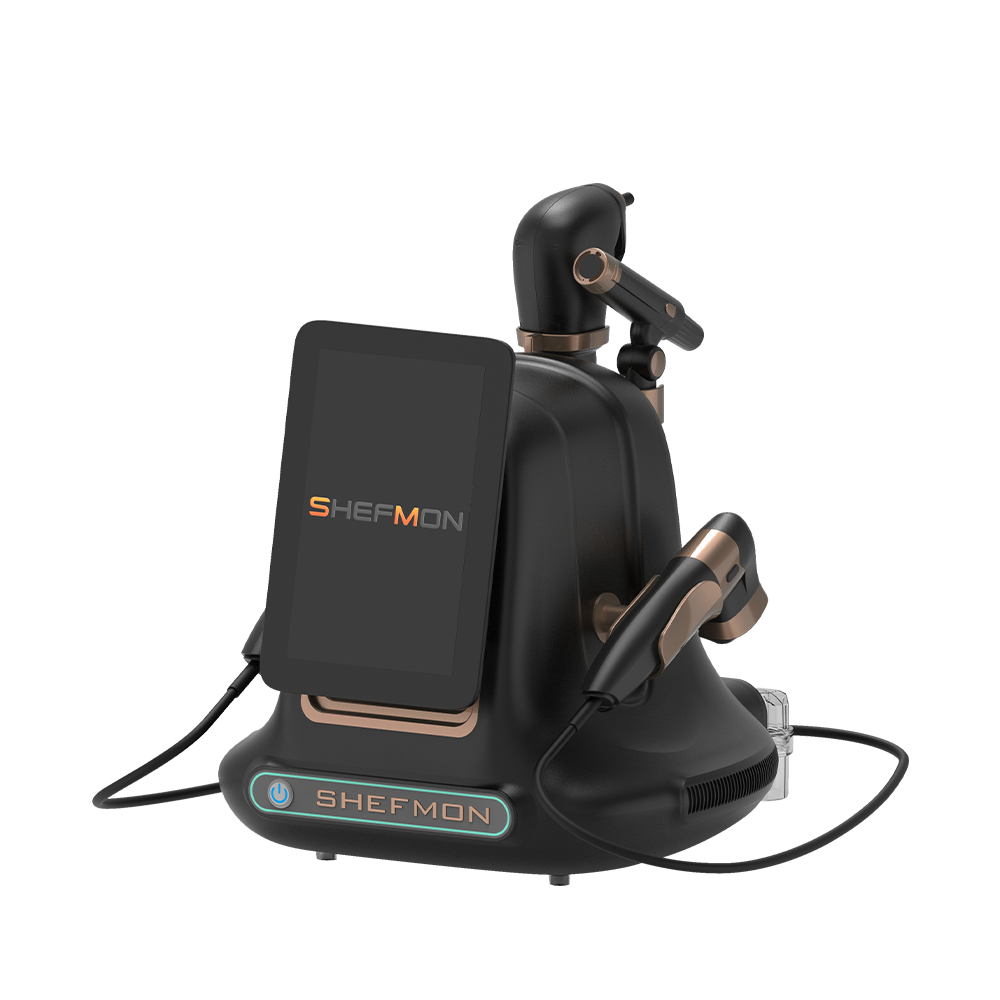
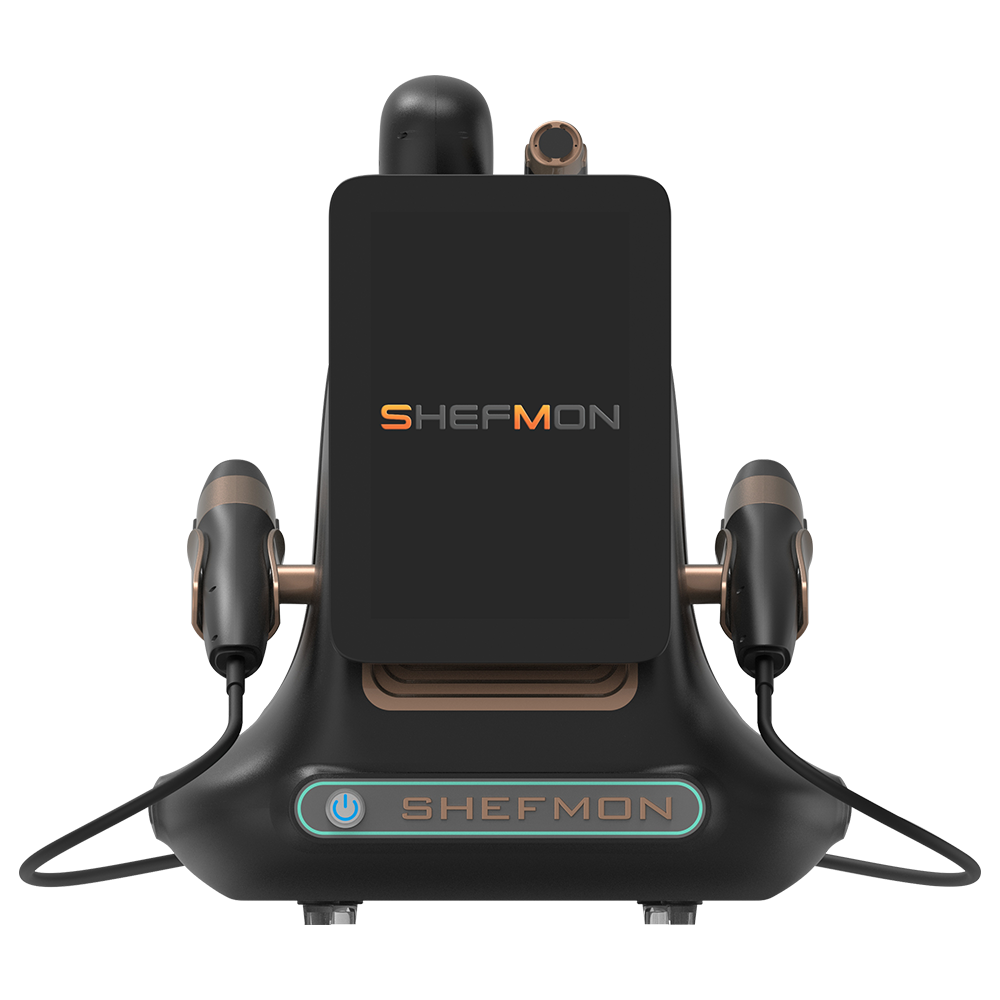
The B0155 Настольный эндоскоп Velapro lists vacuum roller, RF, rotating massage, and 80K cavitation functions with different handles. It can be reviewed as a multifunction body-care platform rather than as a generic body device.
Analyze whether the buyer valued or rejected:
- multiple service roles in one system;
- the proposed handle combination;
- desktop format and room placement;
- storage, cleaning, and changeover workflow;
- differentiation from existing body services;
- operator movement and appointment design;
- training across several functions; and
- accessory and support planning.
If buyers consistently use only part of the proposed package, a narrower standard offer with controlled options may be clearer. If multi-service body studios value the full workflow, retain a more complete configuration for that segment.
14. Review Advanced-Lifting Decisions with A0204
The Система фокусированной HIFU A0204 9D/7D lists standard and optional cartridges at multiple depths and optional handles. The review must distinguish the base system from the exact configuration considered.
Relevant decision factors include:
- intended lifting or contouring service role;
- selected handpieces, cartridges, and depths;
- consumable planning;
- professional setting and staff readiness;
- consultation and client-selection process;
- training and technical support;
- local requirements; and
- whether multifunction options added value or confusion.
Treat advanced-device results carefully. A loss caused by an unready site is different from a buyer selecting another system after comparing approved configurations.
15. Review Advanced-Skin Decisions with A0152
The Система микроигольчатой терапии A0152 RF lists 12-pin, 24-pin, 40-pin, and nano tip formats, a 1–7 mm depth profile, an additional heat profile, and optional handle arrangements.
Обзор:
- intended facial or body application;
- applicator and tip requirements;
- consumable and disposal workflow;
- infection-control process;
- professional setting and staff competency;
- consultation, documentation, and aftercare readiness;
- выбранное расположение рукоятки;
- training and ongoing support; and
- applicable local requirements.
If lost cases lack the required operating environment, strengthen qualification. If qualified buyers repeatedly request a different configuration, investigate the pattern with product and technical owners.
16. Build a Category-Level Findings Matrix
Summarize evidence by category before making model decisions.
| Категория | Example model | Strong-fit buyer context | Questions the review should answer | Possible planning response |
|---|---|---|---|---|
| Тональный крем для лица | А0648 | Salons building cleansing and hydration menus | Is the multifunction workflow clear and non-overlapping? | Clarify starter and core packages |
| Удаление волос | А0426 | Businesses with room, staff, and launch readiness | Which configurations and demo conditions influence selection? | Improve configuration tools or demo access |
| Многофункциональный уход за телом | Б0155 | Studios combining body-care service roles | Which handles are essential for each buyer type? | Define standard and optional packages |
| Advanced lifting | А0204 | Qualified settings with defined advanced-service pathways | Are cartridge, consumable, and readiness requirements clear? | Tighten qualification and package guidance |
| Усовершенствованная кожа | А0152 | Clinics or med spas with suitable procedures and controls | Do tip options, workflows, and support match the intended service? | Improve professional review and onboarding |
This matrix prevents one category’s decision criteria from being applied to the entire portfolio.
17. Convert Findings into Product Status Decisions
Assign a provisional planning status only after reviewing sample quality and context:
- Держать: the product has a clear role and no material change is supported.
- Grow: repeated qualified demand and strong fit support greater visibility, demo access, training, or availability.
- Объяснить: the product fits, but buyers misunderstand its role, package, options, or support.
- Reposition: the best-fit buyer or service role differs from current presentation.
- Limit: demand exists only in a narrow segment, region, or configuration.
- Review for retirement: sustained low-fit evidence, overlap, support burden, and suitable alternatives justify a formal decision process.
These are review outputs, not automatic actions. The final decision should also consider installed-base obligations, support capability, inventory, open quotations, and current customers.
18. Plan Standard Packages and Approved Options
Win-loss evidence can reveal whether buyers need a clearer base offer.
For each model, define:
- target buyer and menu role;
- standard console and included components;
- approved optional handles, tips, cartridges, or accessories;
- расходные материалы для открытия;
- training and onboarding scope;
- site or professional prerequisites;
- known incompatible or special-review combinations; and
- a change-control owner.
If successful quotes repeatedly converge on the same configuration, consider a named standard package. If lost deals show diverse needs, preserve modular options and improve the configuration worksheet instead of forcing one bundle.
19. Use Reviews to Plan Demo Coverage
A demo unit should support a real decision journey. Review data can show:
- which categories are difficult to understand from documents alone;
- which models frequently reach demonstration stage;
- which configurations must be shown locally;
- which buyer types need hands-on workflow validation;
- which regions have enough qualified demand;
- how quickly a demo progresses to a quote or decision; and
- whether the demonstrated unit matches the quoted offer.
Choose local demo units from qualified opportunity volume and observed decision impact. Do not allocate them only because a product is new or visually impressive.
20. Improve Training, Content, and Comparison Tools
Some apparent product losses are information losses. Convert repeated questions into controlled tools:
- category-selection guides;
- model comparison sheets;
- configuration checklists;
- room and readiness forms;
- demonstration scripts tied to buyer criteria;
- component and consumable maps;
- operator onboarding outlines;
- support and escalation explanations; and
- buyer-type package pages.
Keep demonstrations, sales decks, websites, quotations, and training materials aligned with the same product data. Measure whether the new material reduces unresolved questions or changes conversion in a later cohort.
21. Plan Stock, Supply-to-Order, and Support Coverage
Win-loss reviews can guide availability without treating inquiry volume as confirmed demand.
Учитывать:
- repeat wins for a stable standard configuration;
- opportunity volume and decision frequency;
- configuration variation;
- regional demonstration needs;
- forecast reliability;
- installed-base demand for consumables and replacement components;
- training and technical capability; and
- the consequences of holding a model that changes slowly or requires many options.
A frequently requested, stable facial package may suit local availability. A highly configurable advanced system may remain supply-to-order until the exact package is approved. The choice should follow evidence, cash and inventory policy, lead time, and support readiness.
22. Create an Action Register
Every accepted finding should become a controlled action.
| Нахождение | Proposed action | Владелец | Success measure | Review date |
|---|---|---|---|---|
| A0648 buyers cannot distinguish starter and full packages | Publish controlled package definitions | Руководитель продукта | Fewer package clarification requests | Next quarterly review |
| A0426 losses follow unresolved configuration questions | Add mandatory pre-quote configuration review | Technical and sales leads | Lower configuration-related loss share | After next mature cohort |
| B0155 demos show functions not included in the quote | Align demo record and quotation checklist | Demo coordinator | Zero unexplained demo-to-quote mismatch | Monthly audit |
| Advanced-device leads fail readiness late | Move site and professional checks before demo | Regional manager | Earlier disqualification and fewer late failures | Quarterly review |
State the hypothesis. For example: “A controlled A0426 configuration worksheet will reduce late unresolved questions.” Then test it against later opportunities.
23. Measure the Review Program
Track the quality of the review as well as sales outcomes:
- percentage of eligible wins and losses sampled;
- balance by category, buyer type, region, and stage;
- buyer interview completion rate;
- confirmed, supported, inferred, and unknown evidence shares;
- frequency of each decision criterion;
- stage where model or configuration changed;
- number of accepted product-planning actions;
- action completion rate;
- post-change conversion, cycle time, and configuration accuracy; and
- findings reversed after better evidence appeared.
A review that produces many actions but little evidence is not mature. A review that never changes anything may be too descriptive or too cautious.
24. Set a Practical Review Cadence
Use three levels:
Monthly case check
Confirm that new wins and losses have complete model, configuration, reason, evidence, and interview-follow-up fields.
Quarterly win-loss review
Analyze matched cohorts, decision criteria, category patterns, recurring questions, and action results. This is usually the main product-planning meeting.
Annual portfolio review
Combine win-loss evidence with demand, installed base, support data, configuration complexity, maintenance history, inventory, and strategic market coverage. Reconfirm the role of each category and model.
Do not wait for the annual review to correct inaccurate product data or an unsafe recommendation process.
25. Avoid Common Win-Loss Review Errors
- Treating the salesperson’s closure reason as the full explanation.
- Interviewing only lost buyers or only cooperative accounts.
- Comparing different regions, buyer types, and decision stages without controls.
- Calling every commercial loss a price problem.
- Treating a readiness failure as a product failure.
- Counting every model in a shortlist as a separate loss.
- Combining optional configurations as if they were one product.
- Changing the portfolio after one large or emotional deal.
- Ignoring installed customers and ongoing support obligations.
- Publishing conclusions without evidence labels, owners, or test dates.
26. Beauty Device Win-Loss Review Checklist
- The review question and possible planning decision are defined.
- Won and lost cases follow the same eligibility rules.
- The sample is balanced across relevant buyer and product dimensions.
- Each case has a complete evidence pack and decision timeline.
- Buyer interviews use neutral questions and appropriate data handling.
- Stated reasons, supported findings, and inferences are separate.
- Category, model, and configuration conclusions are not blended.
- A0648, A0426, B0155, A0204, and A0152 are reviewed with category-specific criteria where relevant.
- Findings lead to owned, measurable product-planning actions.
- Results are tested in later cohorts before broad rollout.
Часто задаваемые вопросы
1. What is a beauty device win-loss review?
It is a structured comparison of completed won and lost opportunities using buyer requirements, product shortlists, configurations, demonstrations, quotations, support questions, and buyer feedback. Its purpose is to explain decisions and improve future product planning.
2. How is a win-loss review different from lost-deal tracking?
Lost-deal tracking records the terminal state, reason, model, configuration, stage, and evidence for each loss. A win-loss review compares selected wins and losses, reconstructs decision paths, tests explanations, and turns patterns into portfolio actions.
3. How many opportunities should a distributor review?
Use enough cases to cover the relevant category, buyer type, region, stage, and configuration context. A small distributor may review every mature decision. A larger team can use a balanced sample and disclose where the sample is thin.
4. Should deferred opportunities be included?
Usually keep them outside the main won-versus-lost comparison because the decision has not ended. Review them separately when the planning question concerns timing, readiness, or stalled projects.
5. Can win-loss reviews determine which models to stock?
They provide useful evidence, especially when wins repeat around stable configurations. Stock decisions should also consider forecast quality, lead time, configuration variation, installed-base demand, inventory policy, and local support capability.
6. What should distributors examine in A0426 decisions?
Review the buyer’s required wavelength and handpiece configuration, spot-size and cooling preferences, room and electrical readiness, staff plan, local requirements, demonstration access, support expectations, and launch timing.
7. How should multifunction B0155 opportunities be reviewed?
Identify which functions and handles the buyer actually needed, how the system fitted the body-service menu, whether room and changeover workflow were acceptable, and whether the demonstrated and quoted configurations matched.
8. Why do advanced-device reviews need extra readiness fields?
Systems such as A0204 and A0152 depend on the intended application, exact components, appropriate professional setting, staff competency, operating procedures, consumables, aftercare, and local requirements. Missing readiness can end a deal without disproving product fit.
9. When should a distributor change a product package after a review?
Change it when a repeated, evidence-backed pattern appears in comparable opportunities and the proposed package solves a defined problem. Document the hypothesis, approve the configuration, and measure the result in a later cohort.
10. Who should participate in the review?
Include sales, product, demonstration, technical, training, support, and regional owners as relevant. A reviewer independent of the original sale can help buyer interviews and evidence assessment remain neutral.
Заключение
Beauty device win-loss reviews improve product planning when they compare similar decisions, examine the full buying path, and distinguish evidence from assumption. The most useful output is not a list of complaints. It is a controlled set of conclusions about category role, model fit, configuration clarity, demo coverage, training, content, availability, consumables, replacement components, and support.
Use A0648, A0426, B0155, A0204, and A0152 only where they match the buyer’s service plan and operating environment. Review wins and losses with the same discipline, test changes against later cohorts, and preserve current customer obligations when adjusting the range.
Изучите SHEFMON beauty device portfolio, review the Обзор послепродажной поддержки SHEFMON, или свяжитесь с Шефмоном with your buyer segments, reviewed categories, recurring configuration questions, demo requirements, and planned product actions. SHEFMON can provide relevant product information to support a clearer distributor review.