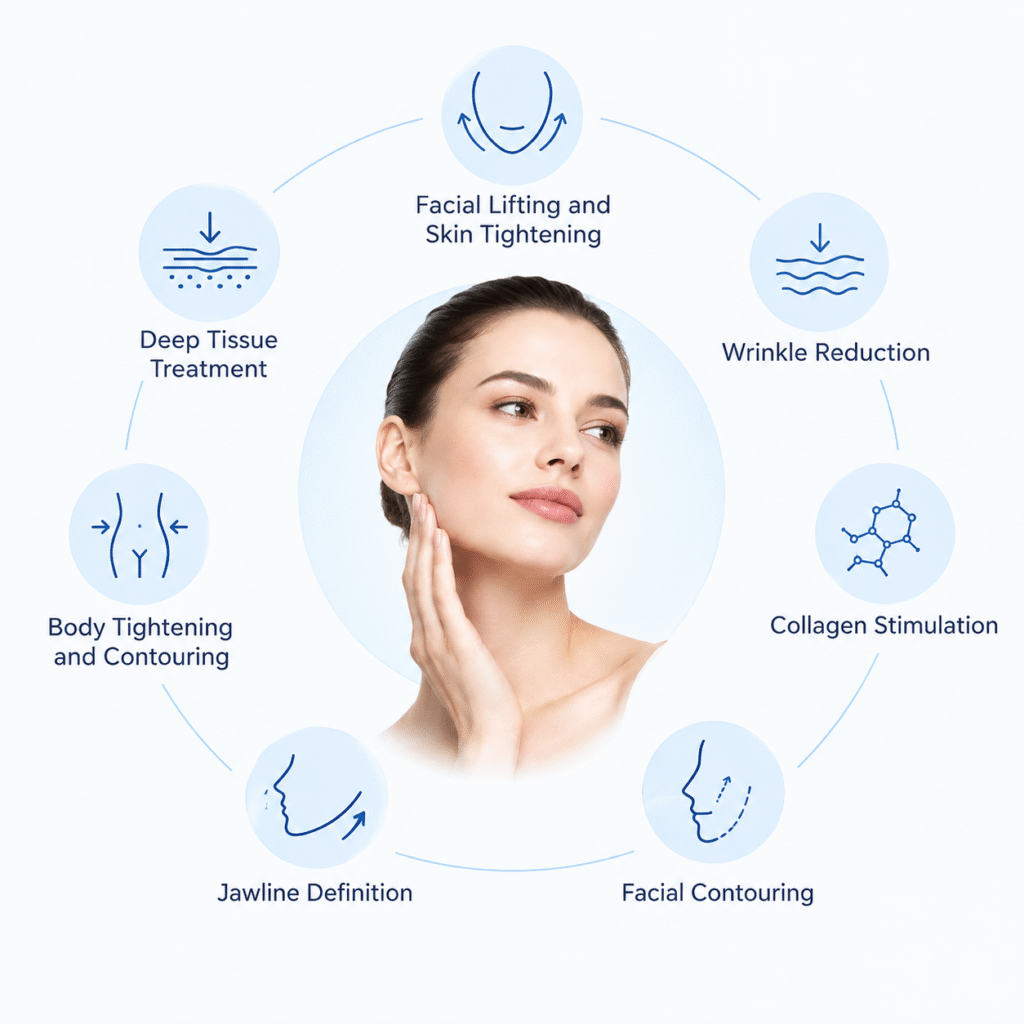
Неинвазивные эстетические технологии быстро развиваются, и в современных клиниках часто сравнивают два метода лечения: системы для лица с холодной плазмой и Устройства для микроигольчатой терапии с использованием радиочастотного излучения. Хотя оба метода направлены на улучшение качества кожи, борьбу с акне и признаками старения, они действуют на совершенно разных биологических механизмах. Понимание этих различий имеет важное значение для клиник, дистрибьюторов и практикующих врачей при выборе подходящей технологии для различных потребностей пациентов.
1. Принципы технологии: поверхностная биостимуляция против глубокого ремоделирования дермы.
1.1 Холодная плазма: нетермическая регенерация поверхности
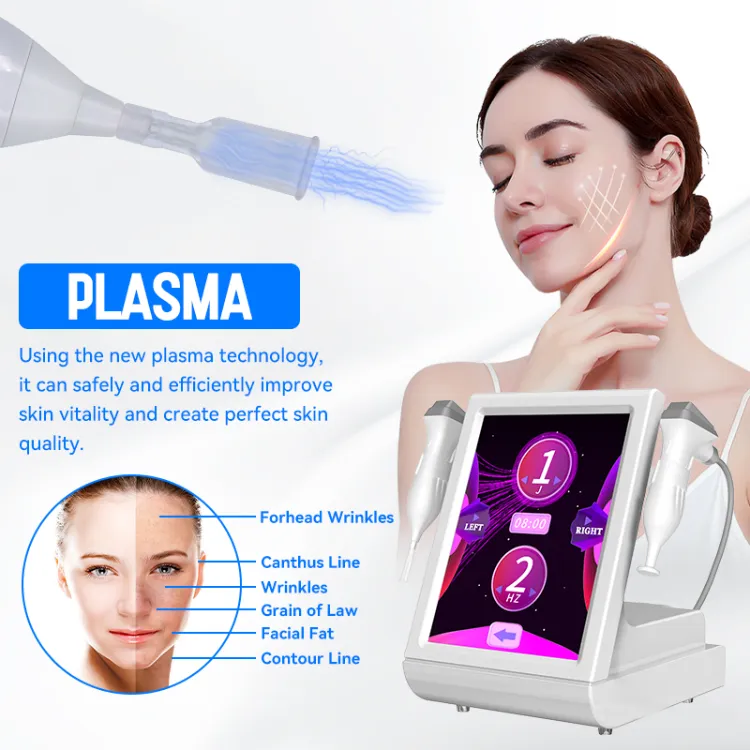
Холодная плазма — это ионизированный газ, находящийся при температуре, близкой к комнатной, который взаимодействует преимущественно с... поверхность кожи и эпидермальные слои. Он генерирует реактивные частицы, которые помогают уменьшить количество бактерий, успокоить воспаление и стимулировать умеренную клеточную регенерацию.
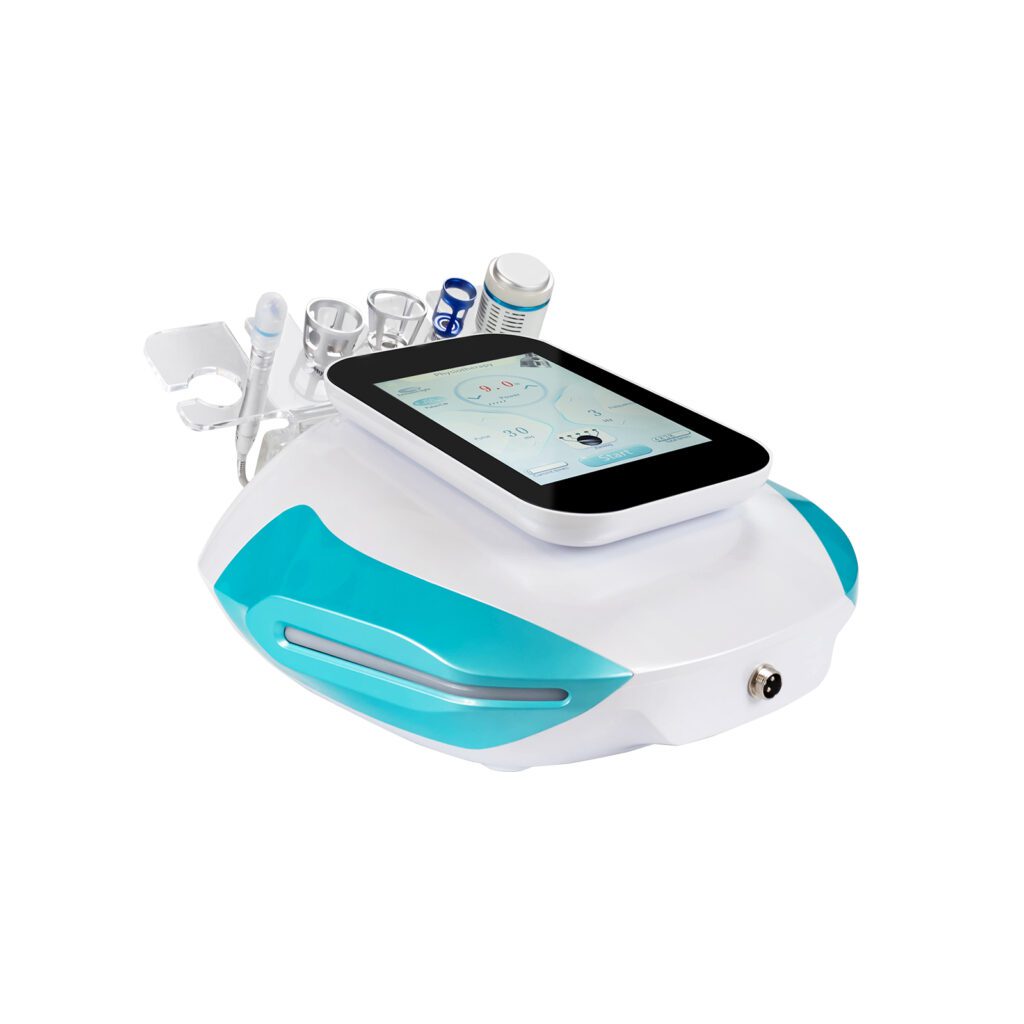
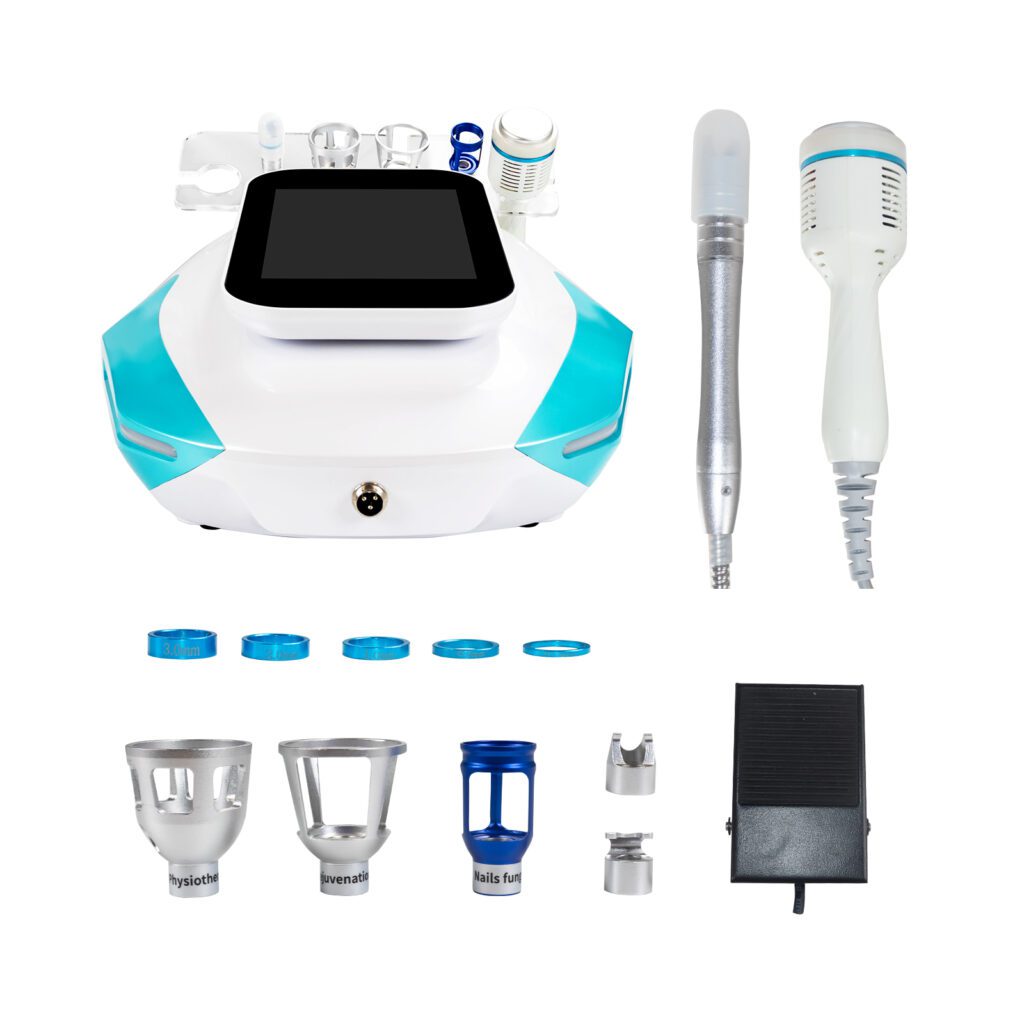
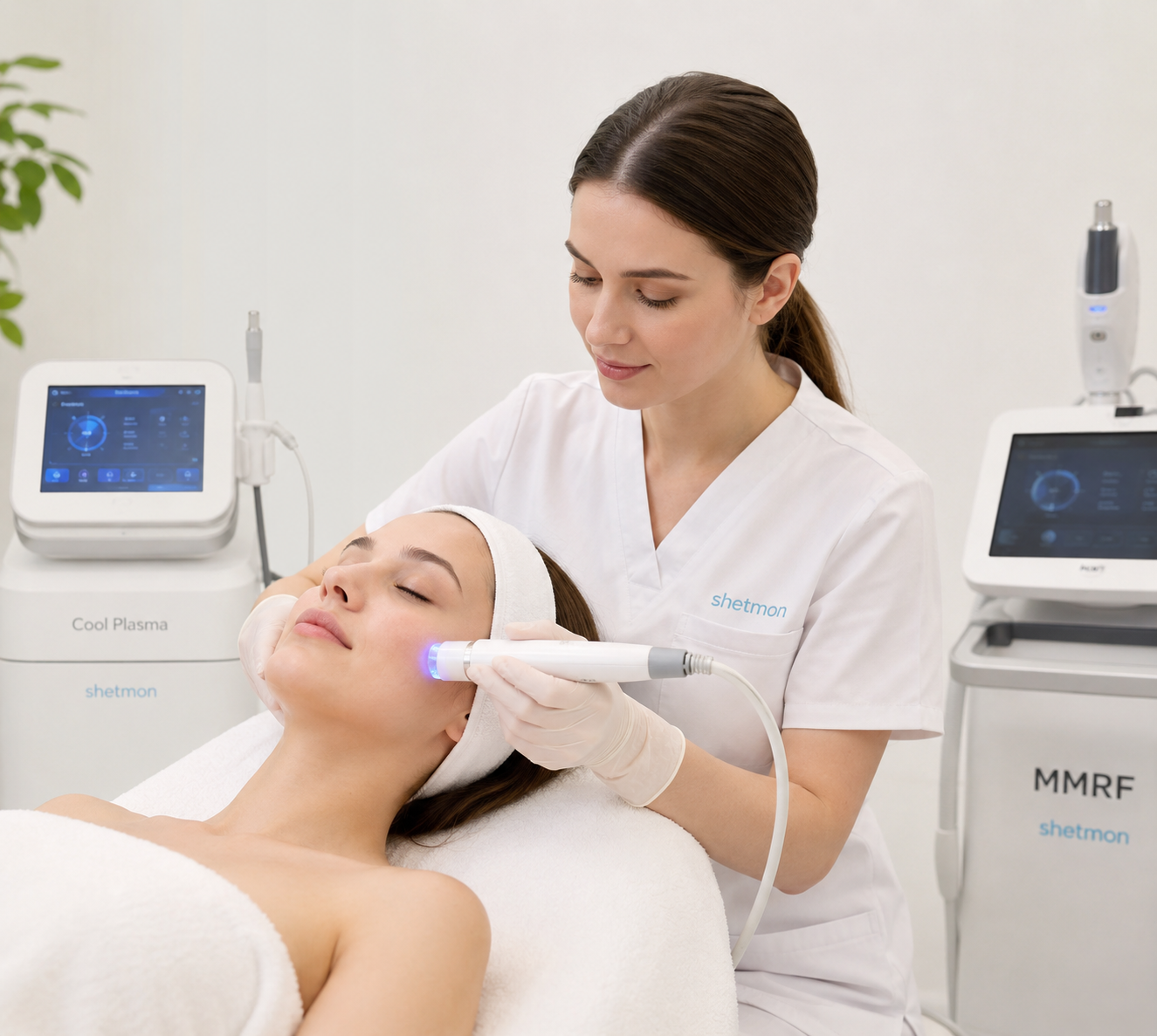
В клинической практике используется система, подобная этой. Аппарат для омоложения лица Shefmon Cool Plasma Cold Fusion A0145 Обеспечивает контролируемую передачу плазменной энергии без теплового повреждения. Это делает его особенно подходящим для чувствительной или склонной к акне кожи, где безопасность кожного барьера имеет первостепенное значение.
Ключевые механизмы включают в себя:
- Антибактериальное действие против микроорганизмов, вызывающих акне.
- Уменьшение воспаления и покраснения
- Стимуляция обновления поверхностных слоев кожи
- Улучшенное впитывание активных компонентов средств по уходу за кожей.
Таким образом, холодную плазму лучше всего описать как поверхностная биоребалансирующая процедура а не глубокая структурная проблема.
1.2 Радиочастотная микроигольная терапия: контролируемое повреждение + глубокая тепловая энергия
Микроигольчатая терапия с использованием радиочастотного излучения сочетает в себе две технологии:
- Механические микротравмы с помощью сверхтонких игл
- Радиочастотная (РЧ) тепловая энергия, подаваемая в дерму.
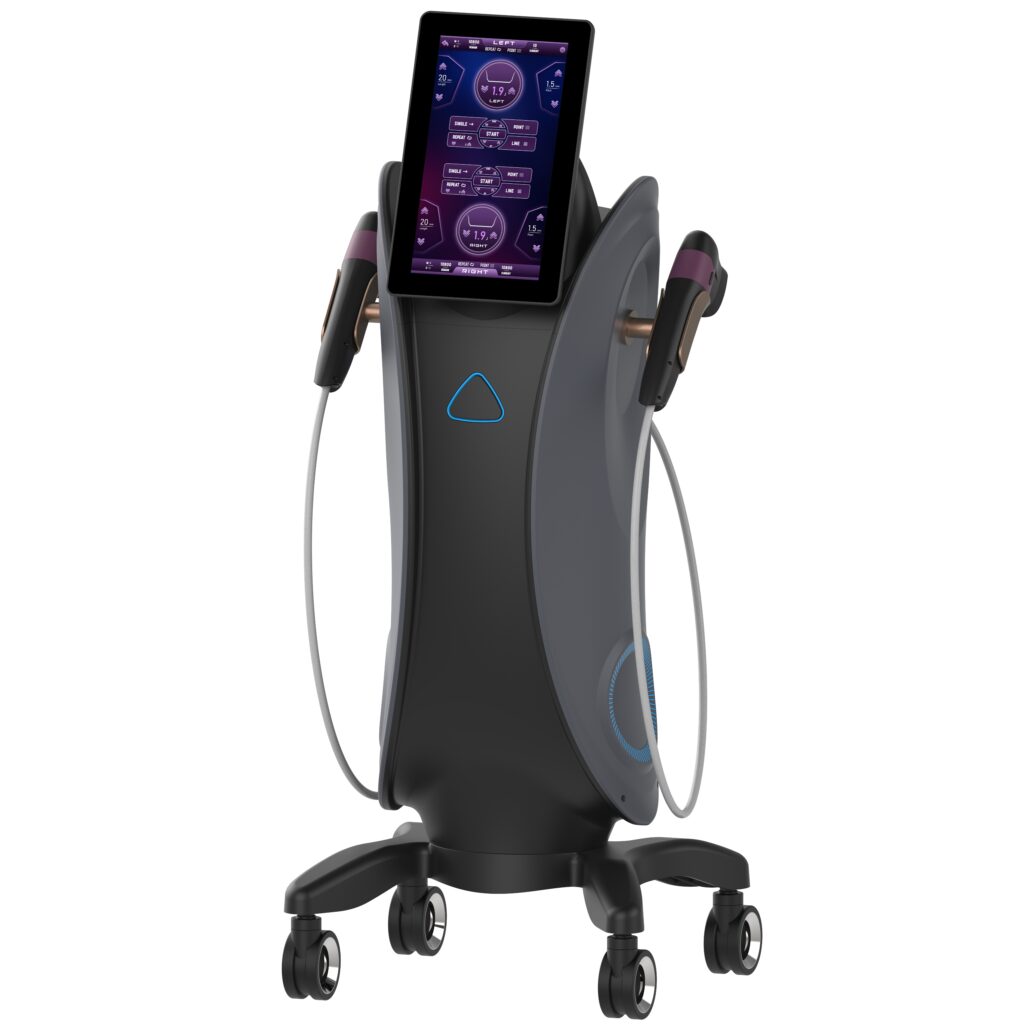
Такое устройство, как Аппарат для микроигольчатой радиочастотной терапии Shefmon MMRF Deepth 8 A0152 Проникает в кожу на контролируемой глубине и доставляет тепло непосредственно в более глубокие слои тканей. Это запускает более интенсивный процесс заживления ран и значительную перестройку коллагена.
Основные моменты механизма:
- Микроканалы стимулируют естественную реакцию восстановления.
- Радиочастотная энергия нагревает дерму (вызывает сокращение коллагена).
- Долгосрочное производство коллагена и эластина
- Структурное подтягивание слоев кожи.
В отличие от холодной плазмы, радиочастотная микроигольная терапия является технология глубокого ремоделирования дермы.

2. Глубина лечения и биологические эффекты.
2.1 Холодная плазма: действие, направленное на эпидермис
Холодная плазма воздействует преимущественно на внешние слои кожи. Ее биологическое воздействие является косвенным, но мощным и проявляется в следующих аспектах:
- Баланс микробиома кожи
- контроль поверхностного воспаления
- Ремонт барьера
- Поддержка восстановления после лечения
Поскольку процедура не требует нагревания или проникновения влаги, период восстановления минимален, и она, как правило, подходит для широкого спектра типов кожи, включая чувствительную.
2.2 Микроигольчатая терапия с использованием радиочастотного излучения: трансформация на уровне дермы
Микроигольчатая радиочастотная терапия воздействует на более глубокие слои кожи — как правило, на дерму, где находятся коллагеновые волокна и фибробласты. Контролируемая тепловая энергия может достигать температур, которые вызывают сокращение и ремоделирование коллагена.
Это делает его особенно эффективным для:
- Глубокие шрамы от угревой сыпи
- Дряблость кожи (линия челюсти, щеки, шея)
- Уменьшение морщин
- Расширенные поры
Однако, поскольку при этом методе создаются контролируемые микроповреждения и воздействует тепло, время восстановления дольше, чем при лечении холодной плазмой.
3. Клиническое применение и цели лечения
3.1 Когда холодная плазма является лучшим выбором
Холодная плазма идеально подходит для клиник, занимающихся следующими проблемами:
- Кожа, склонная к акне или воспалению
- Клиенты с чувствительной кожей
- Протоколы восстановления после лечения
- программы восстановления кожного барьера
- Мягкое омоложение и придание сияния коже.
The Система холодной плазмы Shefmon A0145 часто позиционируется как самостоятельная процедура для лица или дополнительная терапия после более интенсивных процедур, таких как лазерная терапия или пилинг.
Типичные результаты:
- Более спокойный вид кожи
- Уменьшение покраснения и высыпаний.
- Более здоровая среда на поверхности кожи
3.2 Когда микроигольчатая радиочастотная терапия является лучшим выбором
Микроигольчатая радиочастотная терапия предпочтительна при структурных проблемах, требующих более глубокой ремоделизации, таких как:
- Рубцы от акне (от средней до тяжелой степени)
- Тонкие линии и морщины
- Потеря эластичности
- Расширенные поры и дряблость кожи.
The Система микроигольчатой терапии Shefmon A0152 RF Предназначен для более сложных протоколов омоложения, где приоритетами являются видимая подтяжка и восстановление коллагена.
Ожидаемые результаты:
- Более упругая текстура кожи
- Улучшена детализация контура.
- Длительная стимуляция коллагена
- Более выраженный омолаживающий эффект
4. Профиль времени простоя, комфорта и безопасности
4.1 Холодная плазма: минимальное время простоя
Обычно обработка холодной плазмой включает в себя:
- Отсутствие боли или легкого ощущения тепла.
- На поверхности кожи видимых повреждений нет.
- Практически полное отсутствие периода восстановления
- Подходит для частых сеансов
Это делает его весьма привлекательным для поддерживающего лечения и клиник с большим потоком пациентов.
4.2 Микроигольчатая терапия с использованием радиочастотного излучения: фаза контролируемого восстановления
Микроигольчатая радиочастотная терапия обычно включает в себя:
- Покраснение и небольшая отечность в течение 1–3 дней.
- Временная чувствительность
- Незначительные точечные микротравмы
- Более длительное время восстановления по сравнению с холодной плазмой.
Однако этот период восстановления соответствует более выраженному эффекту ремоделирования коллагена.
5. Ключевое различие: глубина определяет результат.
Принципиальное различие между этими двумя технологиями простое:
- Холодная плазма = заживление поверхности + антимикробное действие + восстановление барьерной функции
- Микроигольчатая радиочастотная терапия = Глубокое ремоделирование дермы + подтяжка + стимуляция выработки коллагена
Холодная плазма фокусируется на здоровье кожи и окружающая среда, в то время как радиочастотная микроигольная терапия фокусируется на структурная трансформация.
Заключение
Холодная плазма и RF-микронидлинг Это не конкурирующие технологии — они воздействуют на разные уровни биологии кожи и преследуют разные клинические цели. Холодная плазма лучше всего подходит для мягкого омоложения, лечения акне и восстановления после процедур. Микроигольчатая терапия с использованием радиочастот, с другой стороны, является более интенсивным решением для борьбы со старением, рубцами и дряблостью кожи. Для современных эстетических клиник сочетание обеих систем — например, использование холодной плазмы для успокоения и восстановления и микроигольчатой терапии с использованием радиочастот для структурного восстановления — может создать более полную систему лечения.