









Высокоинтенсивный сфокусированный ультразвук (HIFU) HIFU стала широко обсуждаемой неинвазивной процедурой подтяжки кожи в эстетической медицине. Известная своей способностью подтягивать и укреплять кожу без хирургического вмешательства, HIFU обычно используется для омоложения лица и борьбы со старением. Однако не все типы кожи реагируют на HIFU одинаково. Понимание того, какие типы кожи наиболее подходят для лечения HIFU, имеет важное значение для достижения безопасных, реалистичных и эффективных результатов.
1. Как процедура HIFU воздействует на кожу
1.1 Основной механизм технологии HIFU
HIFU направляет сфокусированную ультразвуковую энергию на точно заданную глубину под поверхностью кожи, как правило, воздействуя на глубокие слои дермы и поверхностную мышечно-апоневротическую систему (SMAS). Эти ультразвуковые волны создают контролируемые точки термической коагуляции, стимулируя денатурацию коллагена и последующую регенерацию без повреждения эпидермиса. Поскольку HIFU обходит поверхность кожи, при правильном применении он обычно считается подходящим для широкого спектра оттенков кожи.
1.2 Почему тип кожи важен при проведении HIFU-терапии
Хотя HIFU не основана на поглощении меланина, как лазерные процедуры, толщина кожи, эластичность, уровень увлажненности и степень старения существенно влияют на результаты лечения. Правильная оценка состояния кожи помогает специалистам определить, подходит ли им HIFU или же более эффективными могут быть альтернативные технологии.
2. Идеальные типы кожи для процедуры HIFU
2.1 Легкая и умеренная дряблость кожи
HIFU наиболее эффективен для людей с легкой и умеренной степенью обвисания кожи. Пациенты, которые начинают замечать дряблость кожи вдоль линии челюсти, щек или шеи, часто лучше всего реагируют на процедуру, поскольку стимуляция коллагена может обеспечить видимый лифтинг и подтяжку.
При сильном обвисании кожи может потребоваться хирургическое вмешательство, а не неинвазивное лечение.
2.2 Кожа с пониженной эластичностью, но хорошей толщиной
Кожа, потерявшая упругость, но сохранившая достаточную толщину, хорошо подходит для HIFU. Более толстая кожа позволяет более эффективно доставлять энергию ультразвука в более глубокие слои, что приводит к более интенсивной реакции ремоделирования коллагена.
3. Пригодность HIFU в зависимости от типа кожи
3.1 Нормальная и комбинированная кожа
Для нормальной и комбинированной кожи HIFU обычно подходит хорошо. Такие типы кожи часто обладают сбалансированным уровнем увлажнения и эластичности, что обеспечивает предсказуемую регенерацию коллагена и постепенное подтягивание с течением времени. HIFU часто используется в качестве поддерживающей омолаживающей процедуры для людей в возрасте от 30 до 50 лет с таким типом кожи.
3.2 Жирная кожа
Жирная кожа, как правило, хорошо переносит процедуру HIFU. Более плотная структура дермы, часто встречающаяся у людей с жирной кожей, способствует более глубокому проникновению энергии, что делает их подходящими кандидатами для процедур лифтинга и укрепления. Однако HIFU не решает напрямую проблемы, связанные с выработкой кожного сала или акне.
3.3 Сухая кожа
Сухая кожа также может получить пользу от HIFU, но требует тщательной подготовки. Обезвоженная кожа может быть более чувствительной во время процедуры, и последующий уход необходим для восстановления и регенерации коллагена. Увлажняющий уход за кожей до и после HIFU может улучшить комфорт и результаты.
4. Типы кожи, требующие осторожности
4.1 Очень тонкая или сильно стареющая кожа
Чрезвычайно тонкая кожа или кожа с выраженными признаками старения могут не оптимально реагировать на HIFU. В таких случаях энергия ультразвука может не обеспечивать достаточной стимуляции выработки коллагена, и результаты могут быть незначительными или ограниченными.
Перед тем как рекомендовать HIFU этим пациентам, крайне важно провести профессиональную оценку.
4.2 Воспаление или повреждение кожи
Кожа с активным воспалением, инфекциями, открытыми ранами или тяжелыми дерматологическими заболеваниями не подходит для немедленного проведения процедуры HIFU. Эти состояния должны быть устранены до рассмотрения возможности проведения любой энергетической процедуры.
5. Типы кожи по Фицпатрику и безопасность HIFU.
5.1 HIFU для разных оттенков кожи
В отличие от лазерных процедур, направленных на пигментацию, HIFU использует энергию ультразвука, что делает её в целом безопасной для всех типов кожи по Фицпатрику (I–VI). Риск изменения пигментации значительно ниже по сравнению с технологиями, основанными на использовании света.
Это делает HIFU привлекательным вариантом для клиник, обслуживающих различные группы пациентов.
5.2 Важность правильной настройки параметров
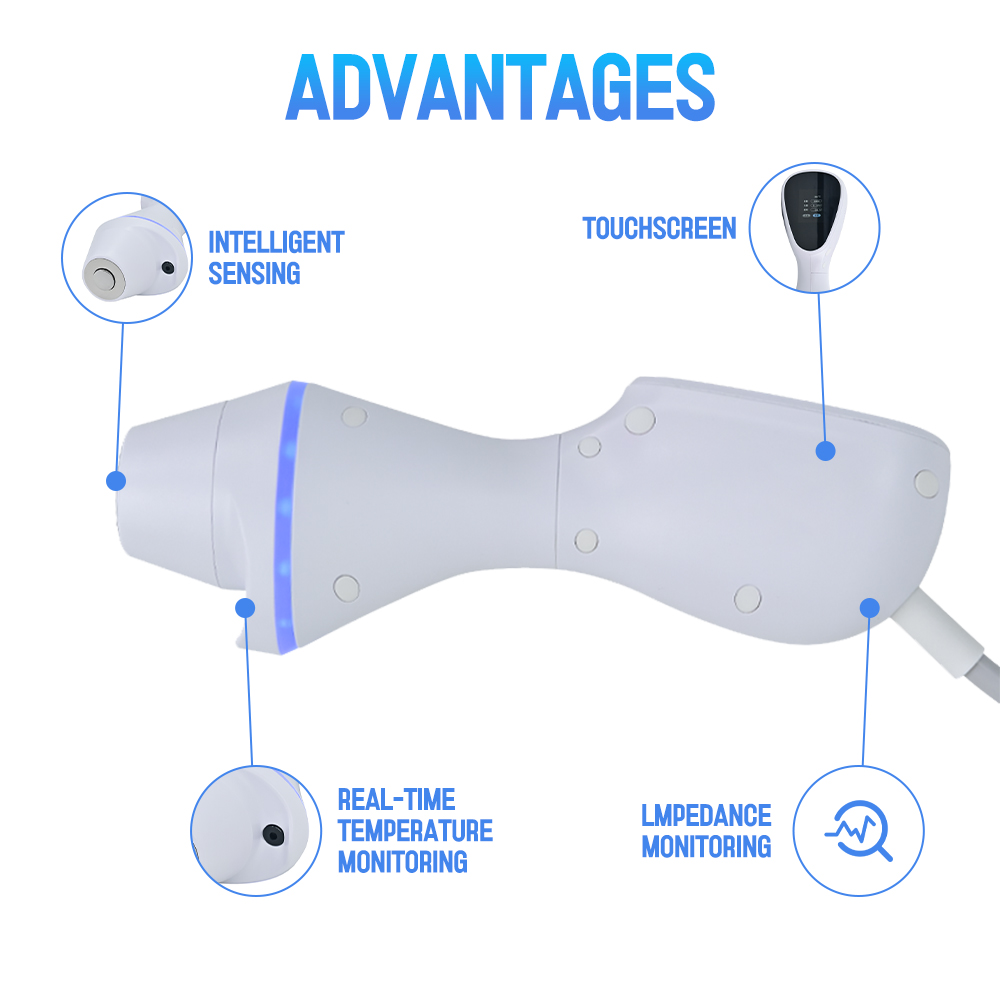
Хотя тон кожи не является ограничивающим фактором для применения HIFU, неправильные настройки энергии или некачественная техника могут вызвать дискомфорт или неравномерные результаты. Для безопасного применения необходимы профессиональные устройства с регулируемой глубиной и уровнями энергии.
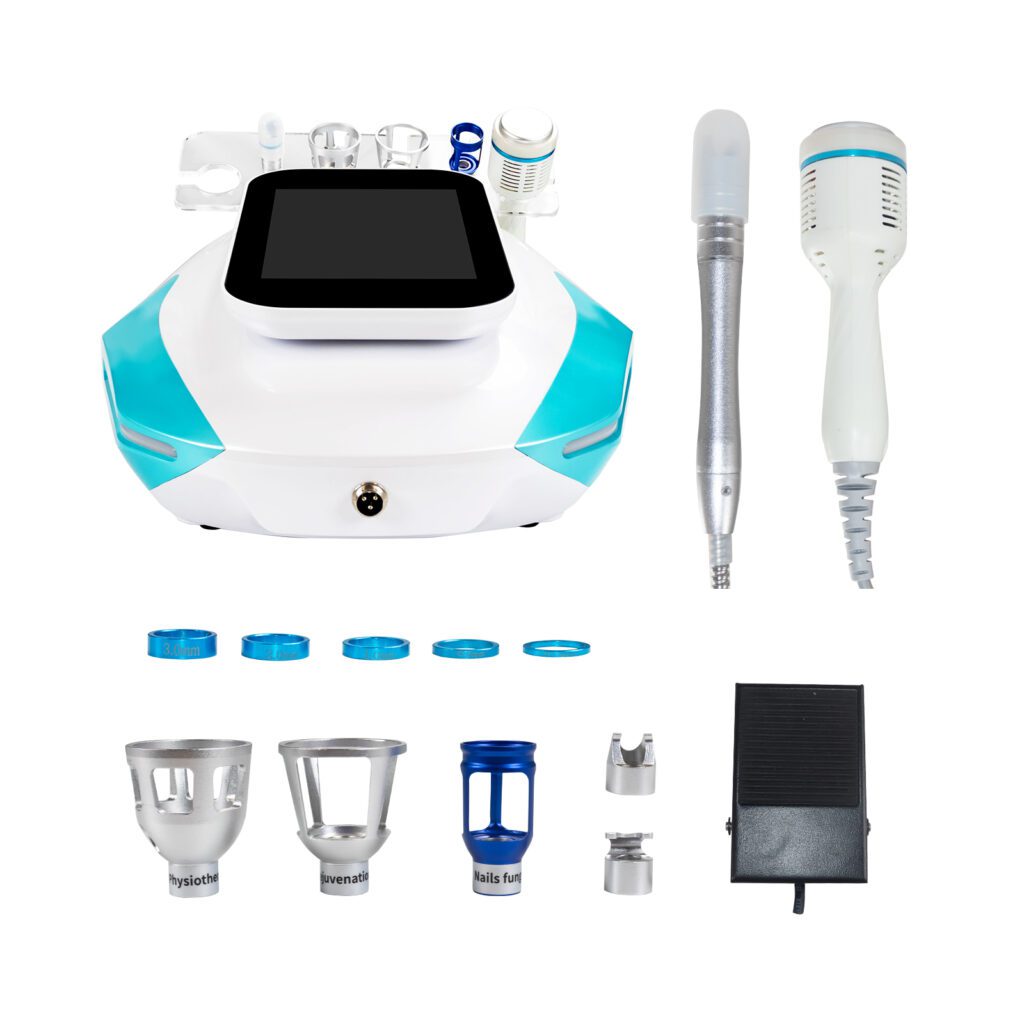
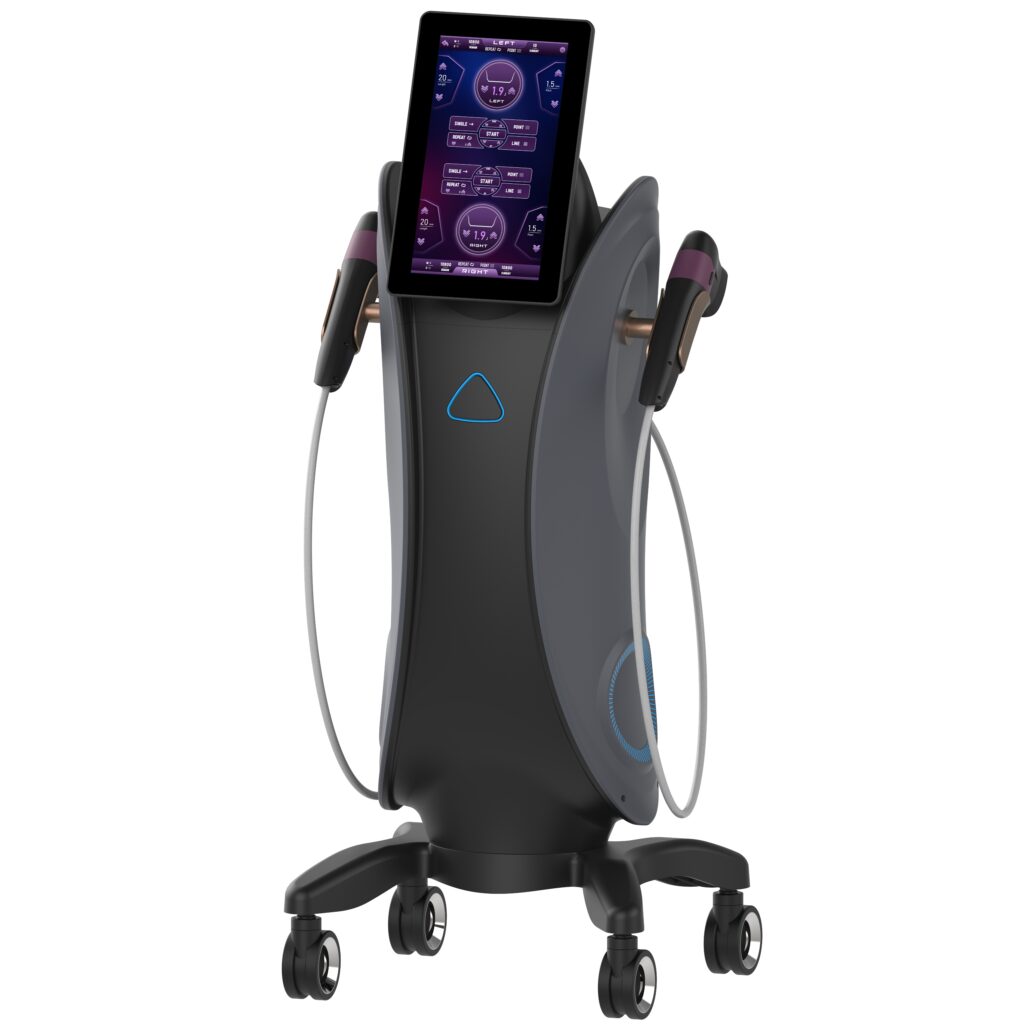
Передовые системы, такие как Vmax HIFU с радиочастотным воздействием Предлагаются гибкие режимы лечения, позволяющие специалистам адаптироваться к различным состояниям и толщине кожи.
https://shefmon.com/product/a0270-anti-aging-vmax-hifu-machine-with-radio-frequency/
6. Возрастной диапазон и ожидания от лечения
6.1 Молодые пациенты (30–40 лет)
Пациенты этой возрастной группы часто используют HIFU в качестве профилактического или раннего восстановительного лечения. Результаты, как правило, незаметны, но естественны, с акцентом на упругость кожи и четкость контуров.
6.2 Пациенты зрелого возраста (50 лет и старше)
Пациенты старшего возраста также могут получить пользу от HIFU, но ожидания должны быть реалистичными. Хотя подтяжка и укрепление мышц возможны, результаты, как правило, проявляются более постепенно и менее заметно, чем при хирургических методах.
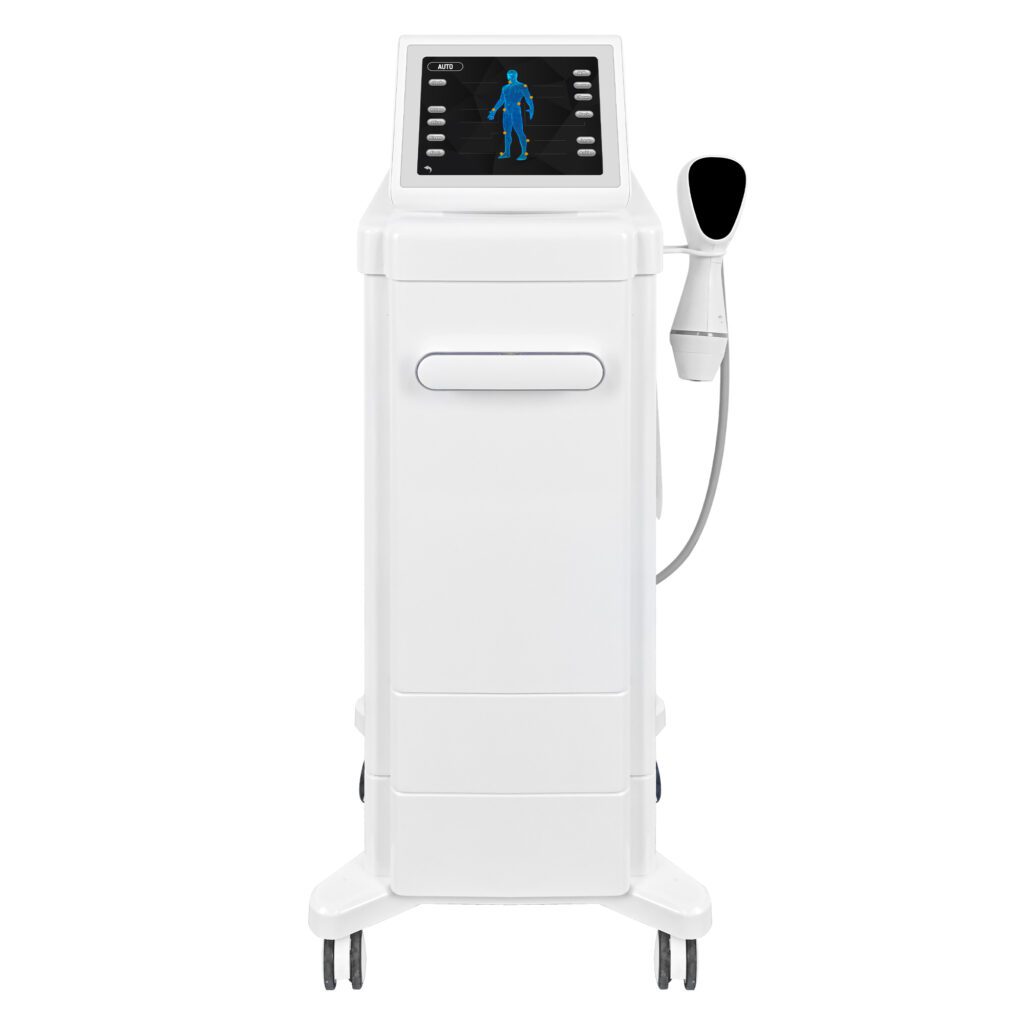
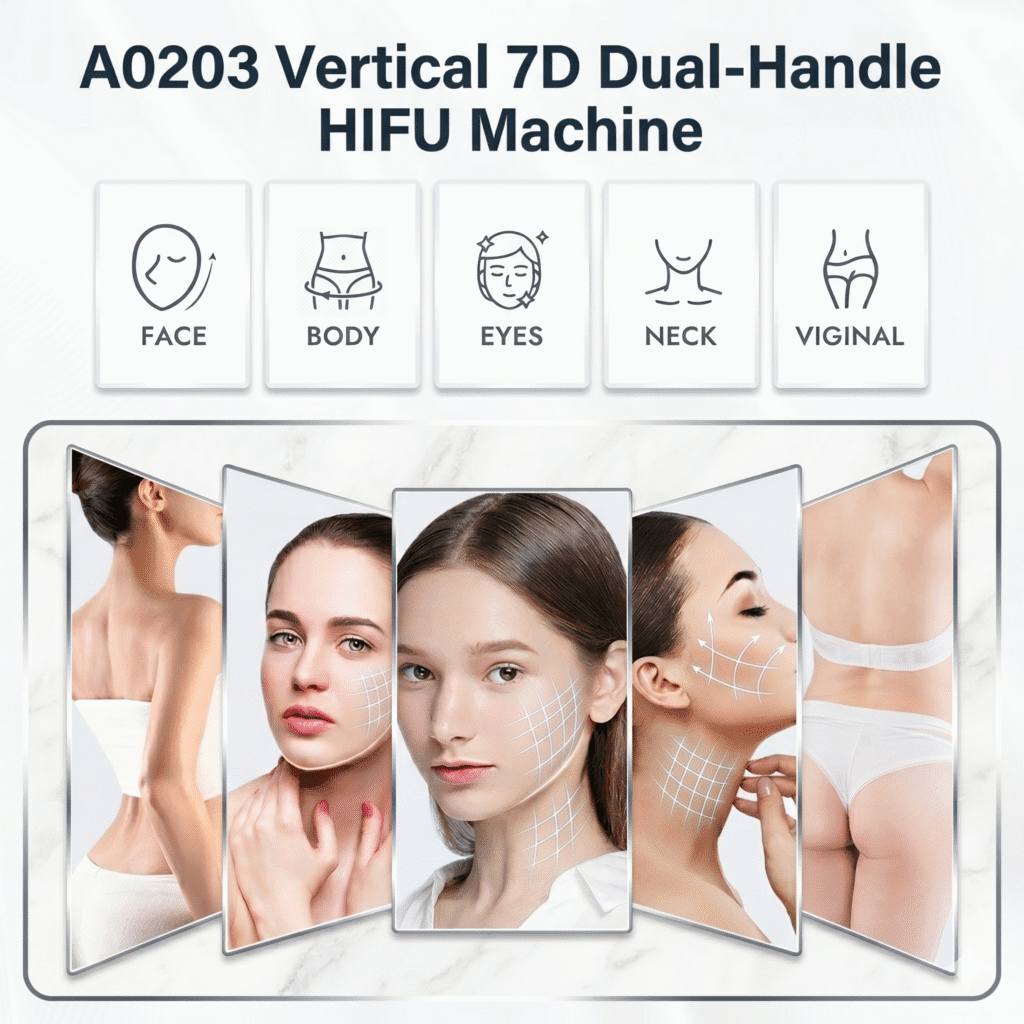
Многоуровневые системы, такие как Аппарат фокусированного HIFU 9D/7D 5 в 1 Это позволяет применять многоуровневые стратегии лечения для решения различных проблем старения зрелой кожи.
https://shefmon.com/product/a0205-9d-7d-focused-hifu-machine-5-in-1/
7. Сочетание HIFU с другими методами лечения.
7.1 Дополнительные процедуры
HIFU часто сочетается с радиочастотной терапией, микроигольчатой терапией или инъекционными процедурами для коррекции текстуры поверхности кожи, потери объема или мелких морщин, которые HIFU сам по себе может не полностью устранить.
7.2 Индивидуальное планирование лечения
Индивидуальный план лечения, разработанный с учетом типа кожи, возраста и эстетических целей, обеспечивает лучшие результаты и более высокую удовлетворенность пациентов.
Заключение
Процедура HIFU подходит для широкого спектра типов кожи, особенно для людей с легкой и умеренной дряблостью кожи и достаточной ее толщиной. Поскольку она не зависит от поглощения пигмента, HIFU, как правило, безопасна для всех оттенков кожи при правильной технике проведения и использовании профессионального оборудования. Однако состояние кожи, возраст и степень старения играют решающую роль в определении успеха лечения. Тщательная оценка состояния кожи и реалистичные ожидания необходимы для достижения оптимальных результатов. При правильном применении и в сочетании с соответствующим послеоперационным уходом или дополнительными процедурами HIFU остается ценным вариантом среди современных неинвазивных методов подтяжки кожи.